
 IN
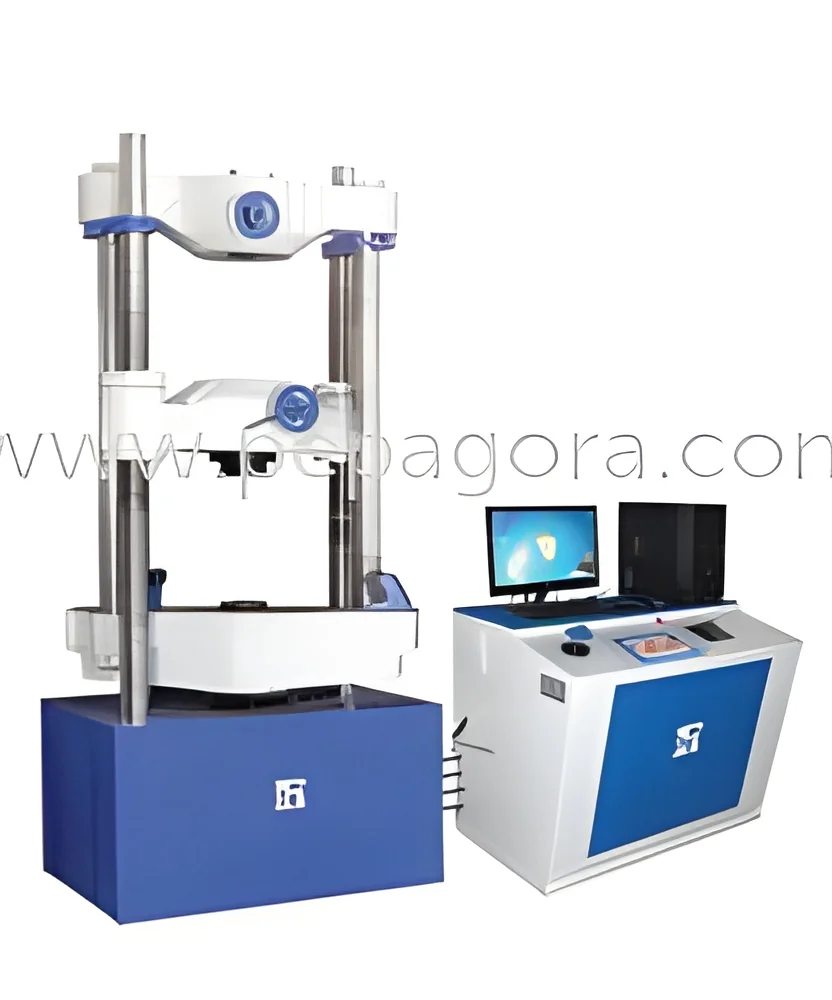
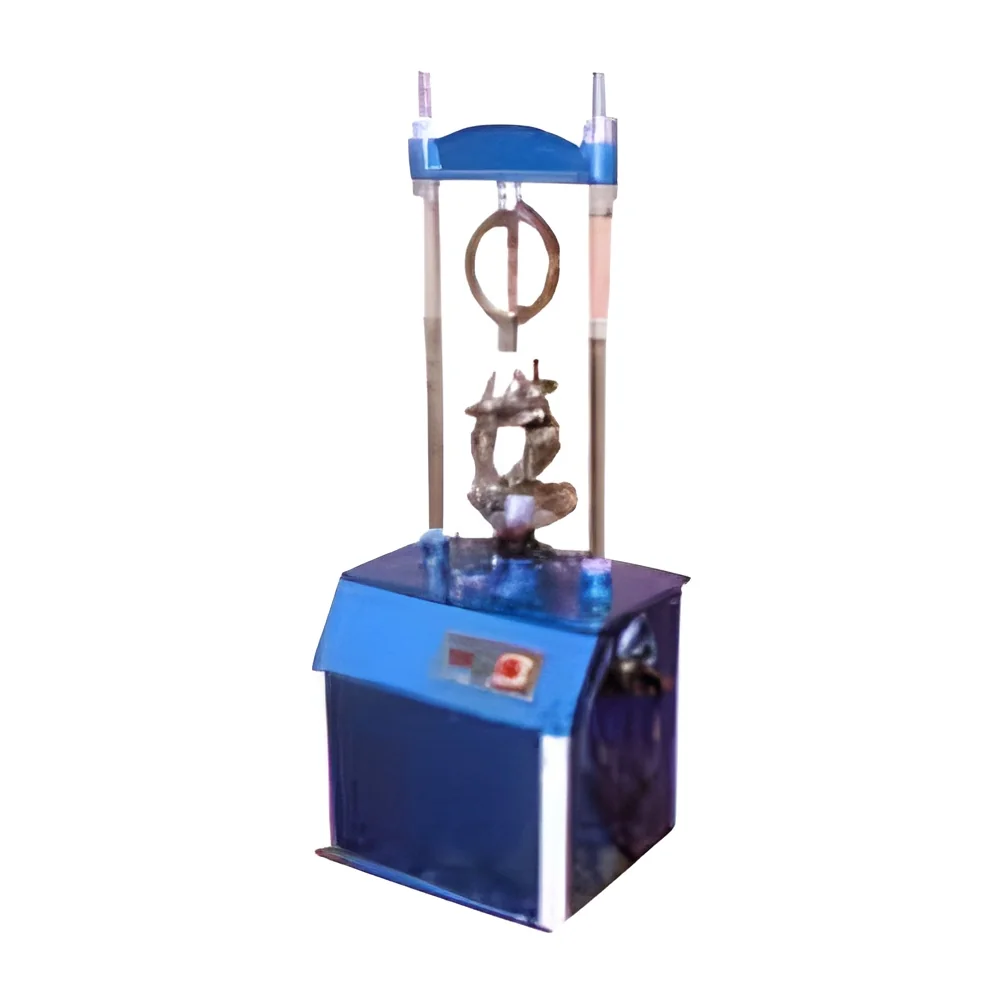
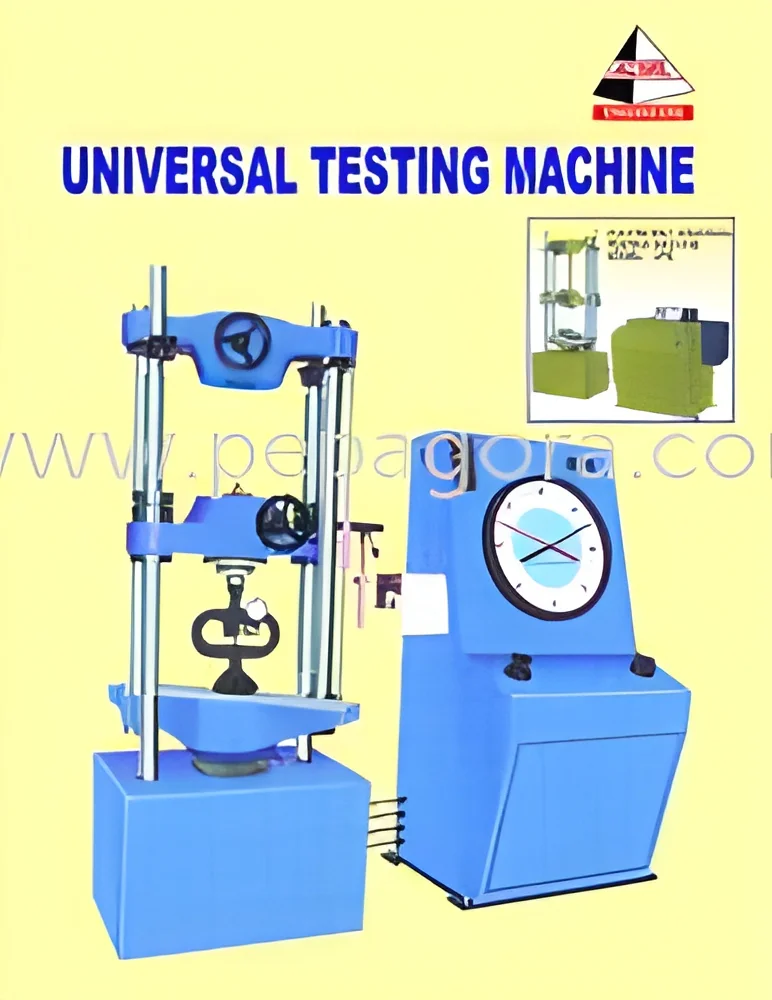
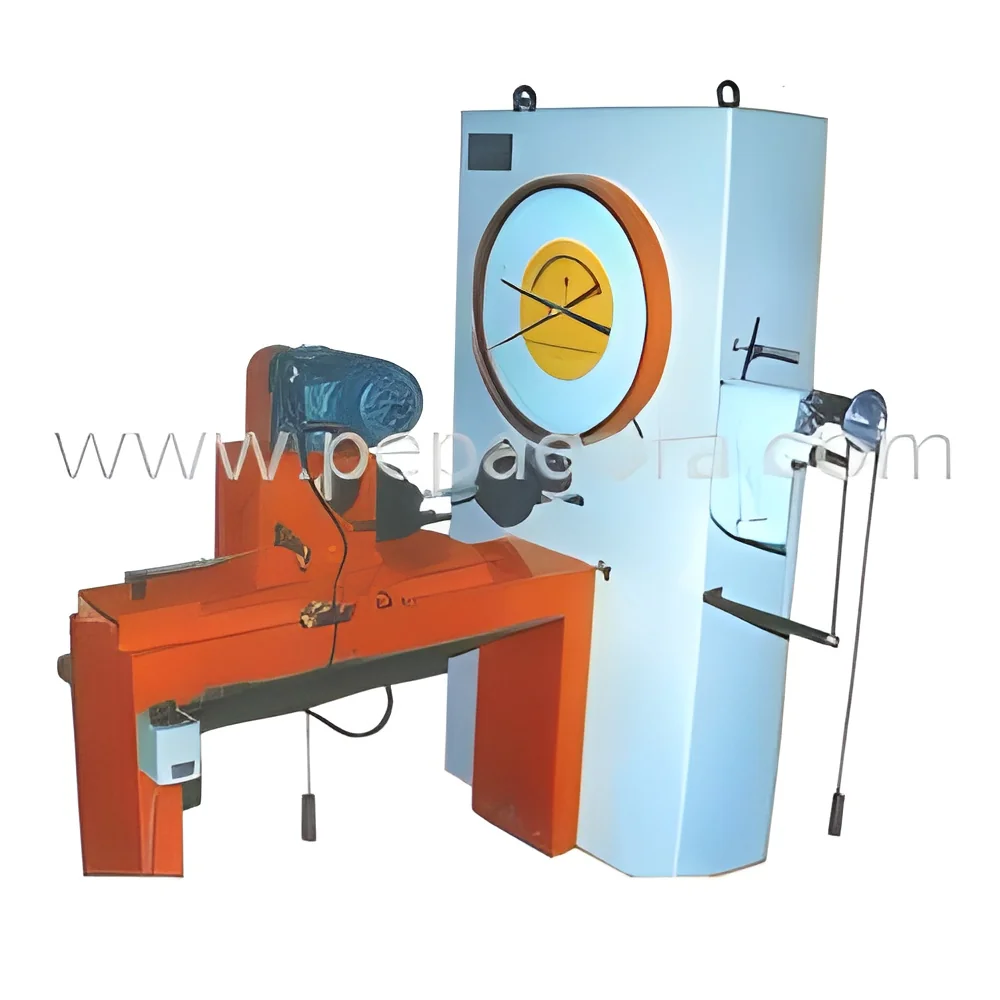
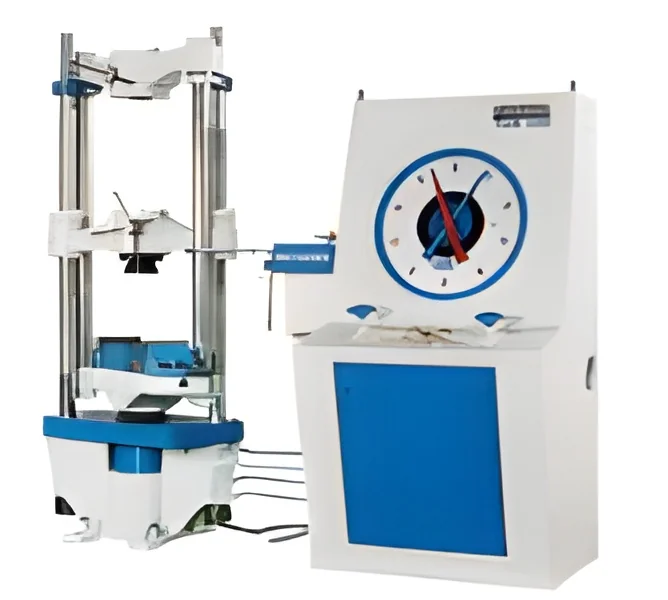
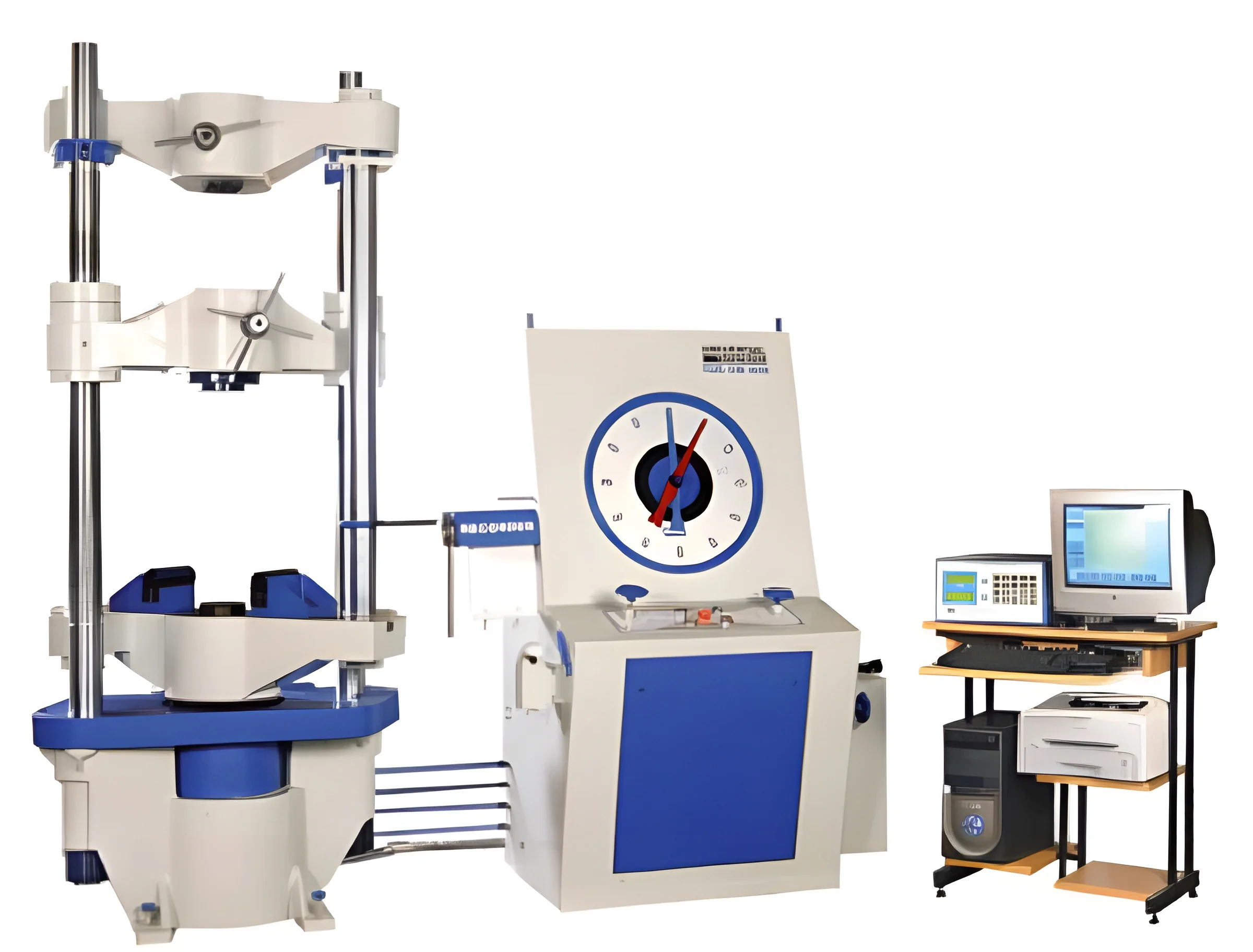
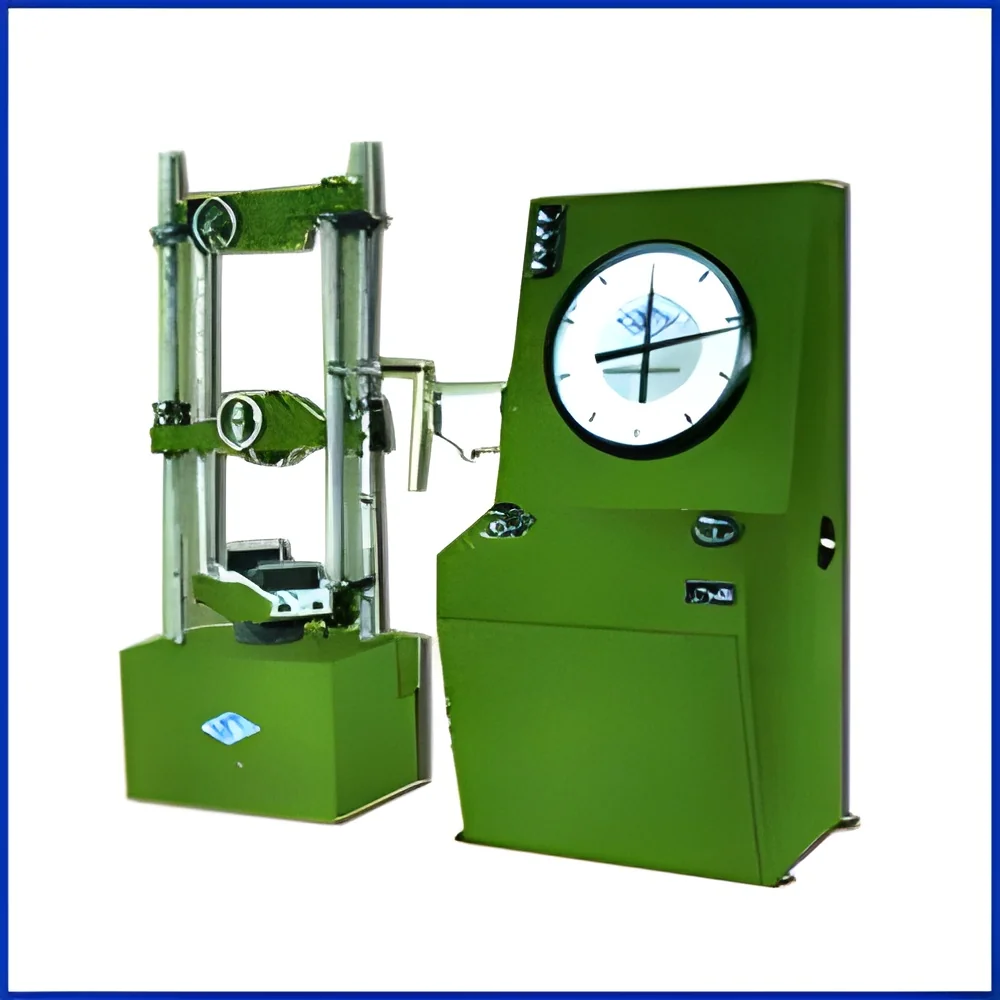
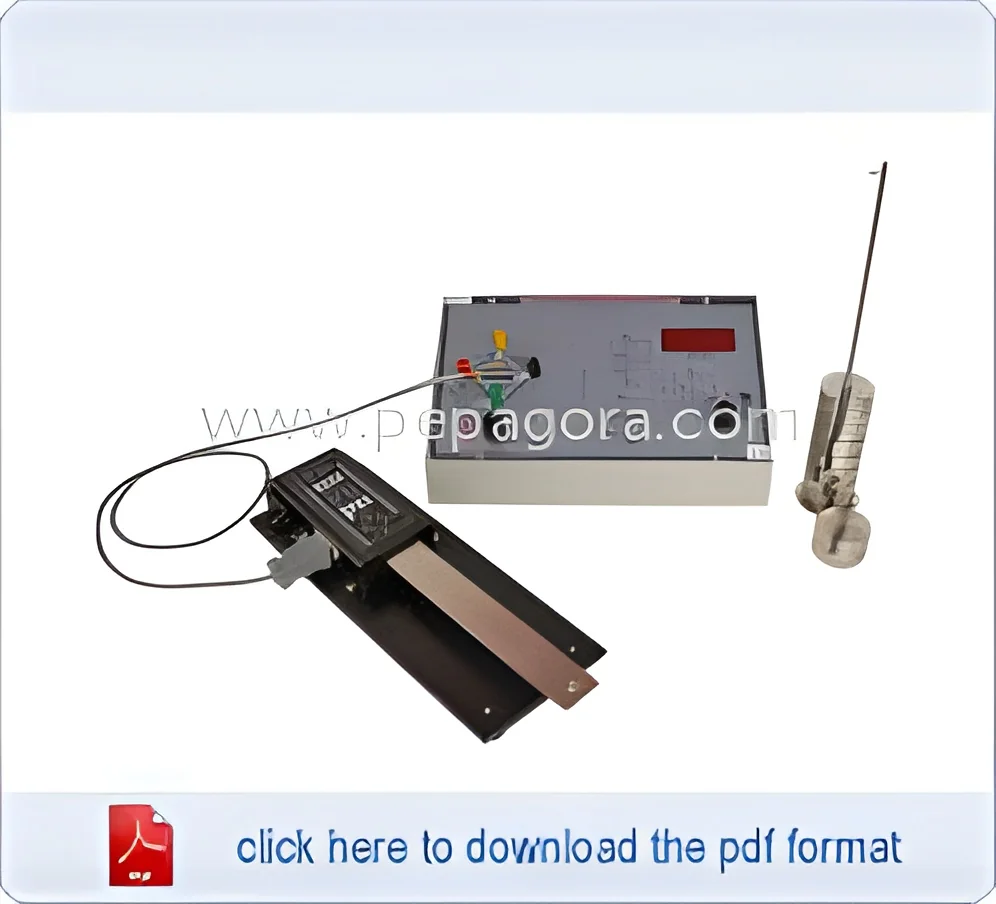
INUniversal Testing Machines (UTM)
137 products available
Key Features and Specifications
Common Applications and Use Cases
Product Variants and Subcategories
Benefits and Advantages
Buying Guide for B2B Buyers
Compliance and Certifications





 India
India
 India
India
 India
India



 India
India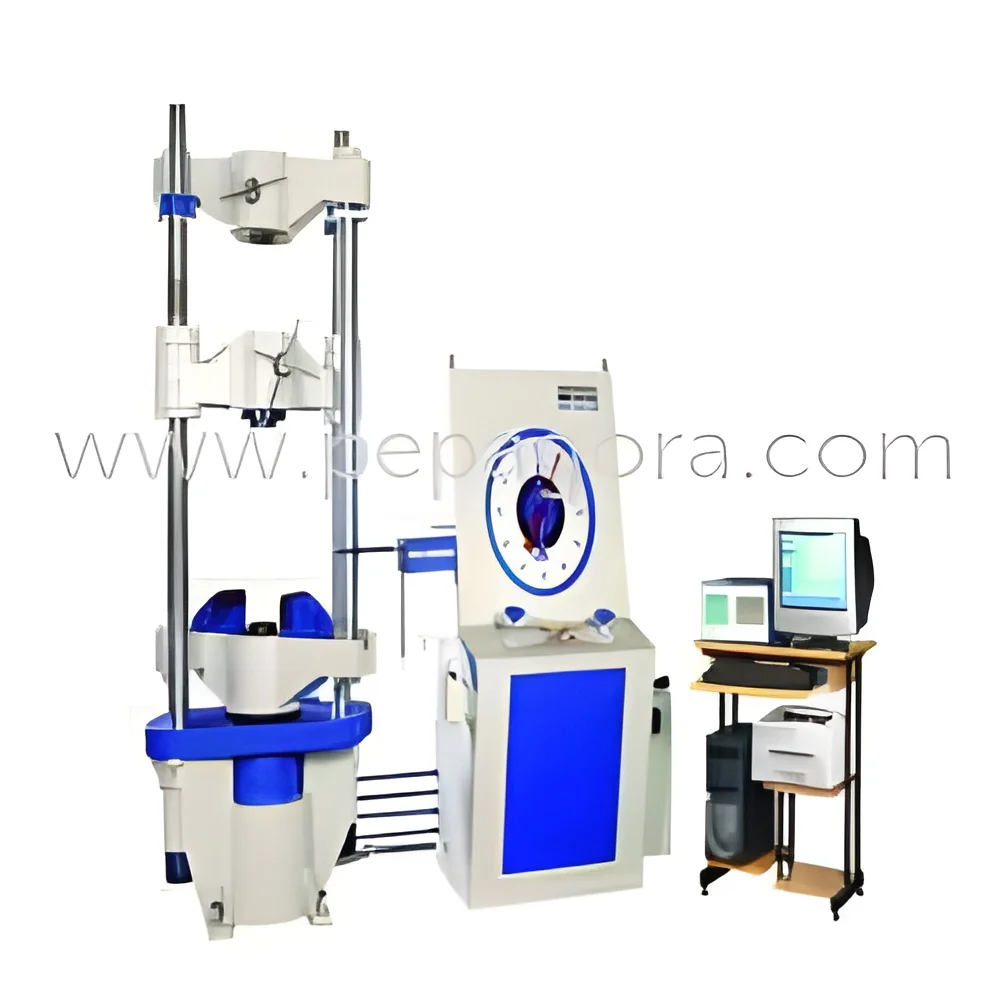
 India
India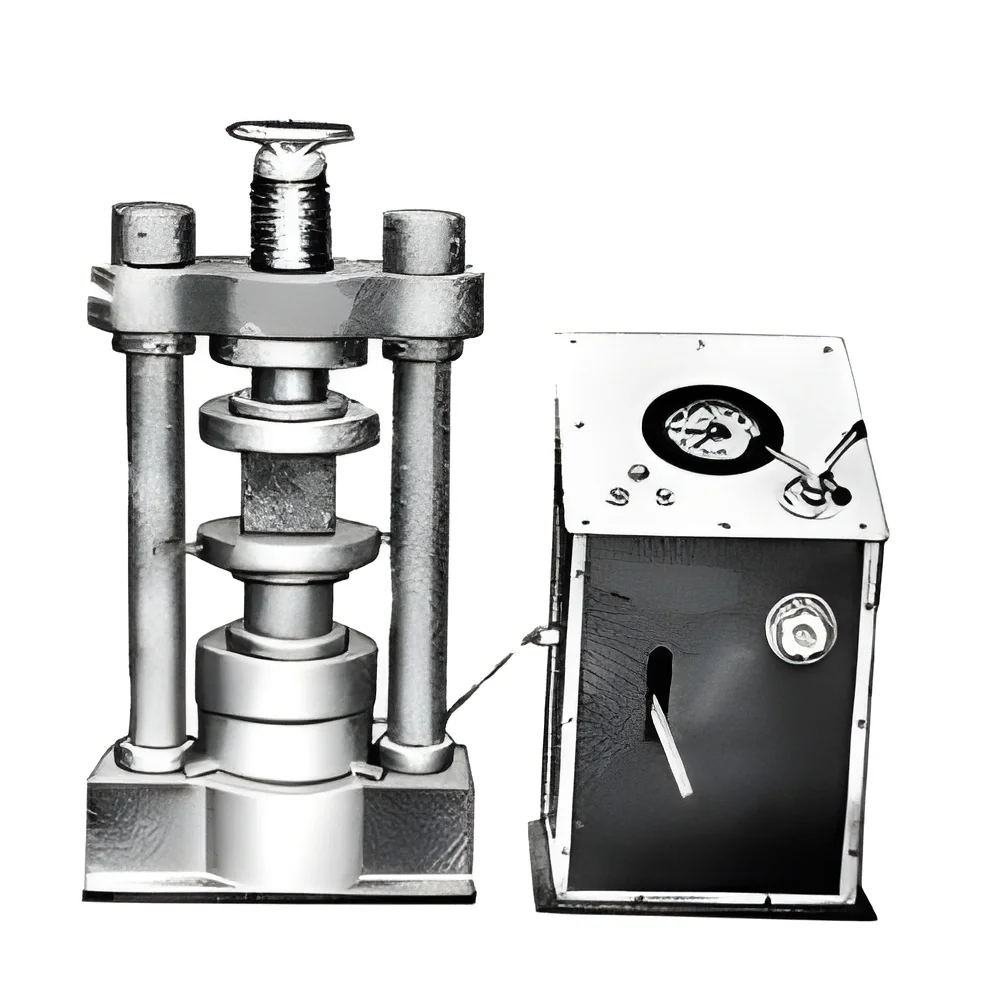
 India
India
 India
India
 India
India
 India
India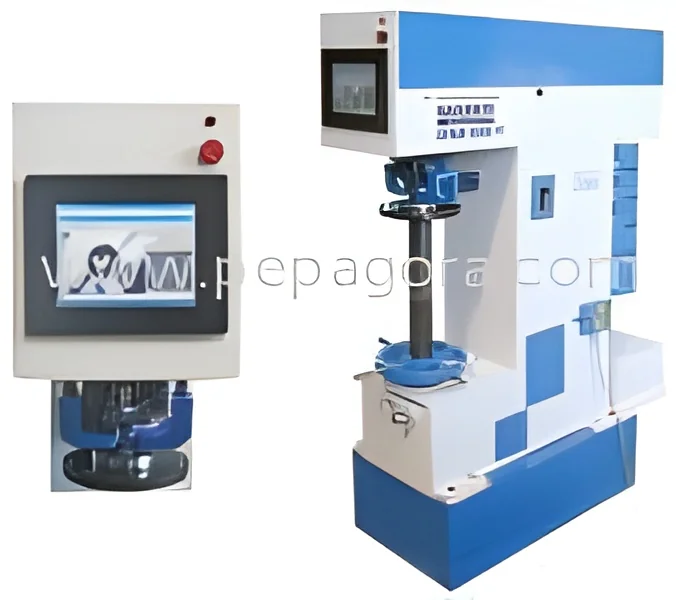
 India
India
 India
India
 India
India
 India
India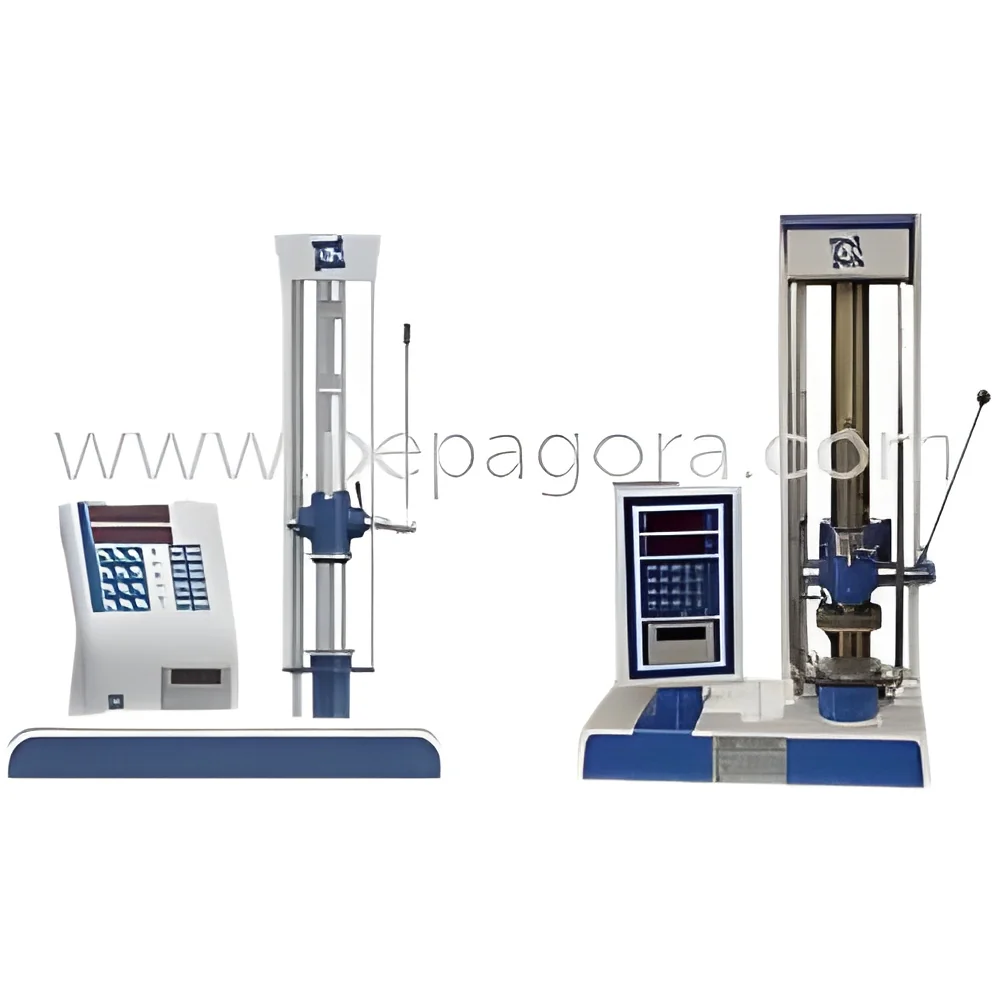
 India
India
 India
India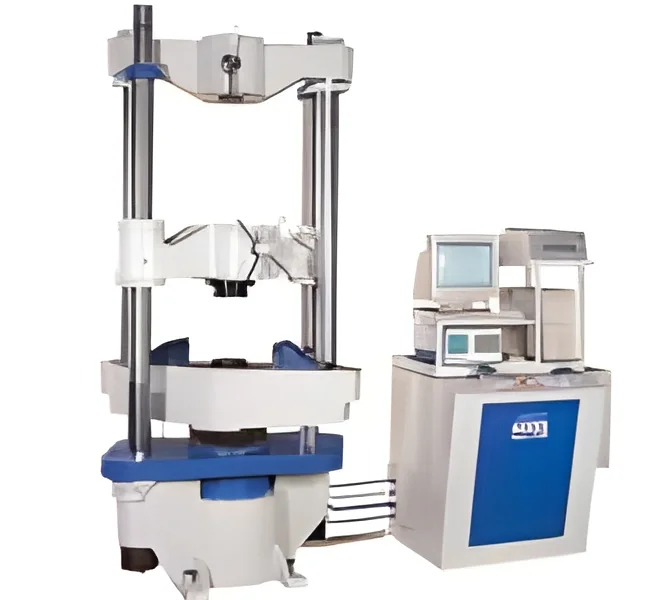
 India
India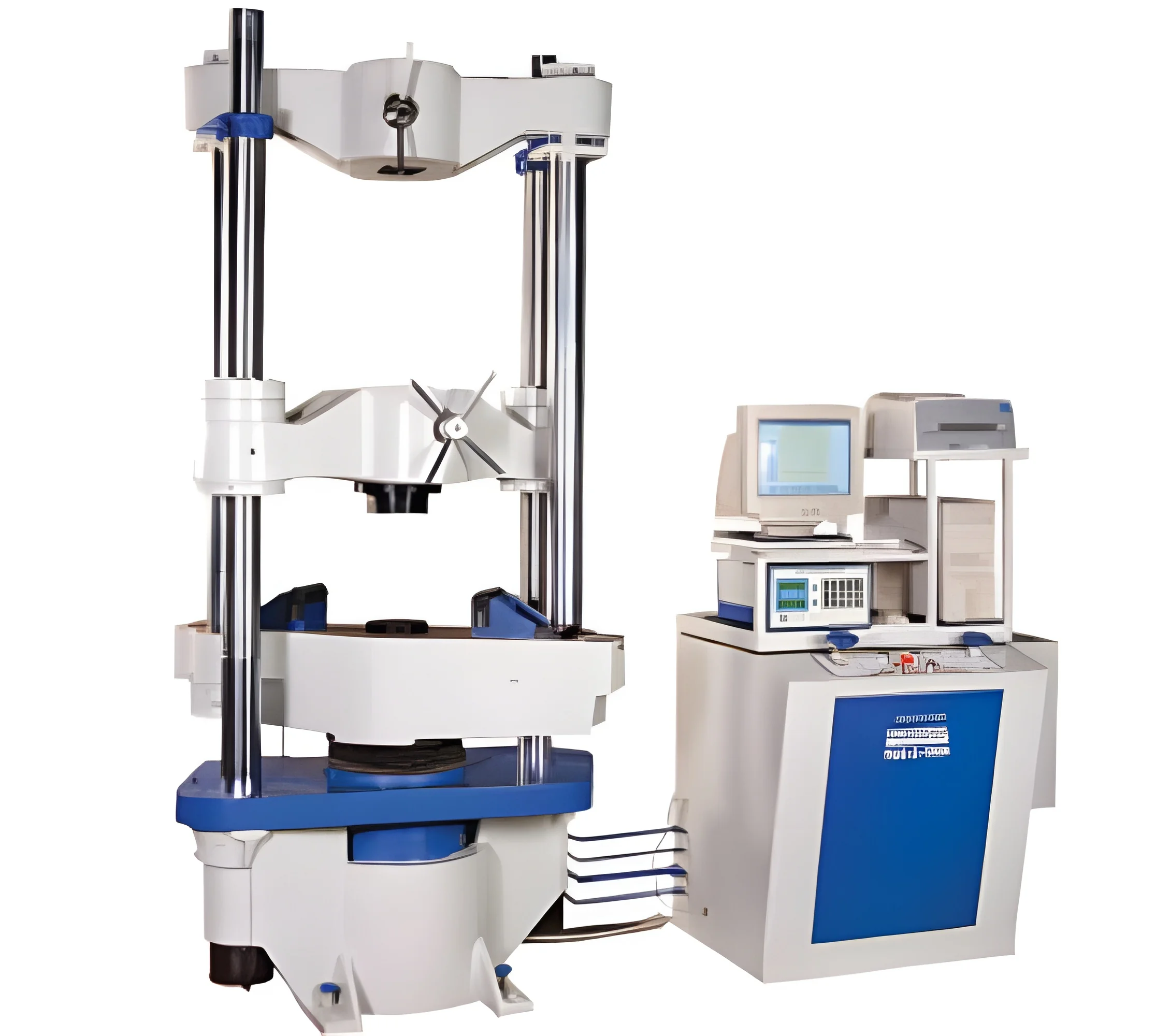
 India
India
 India
India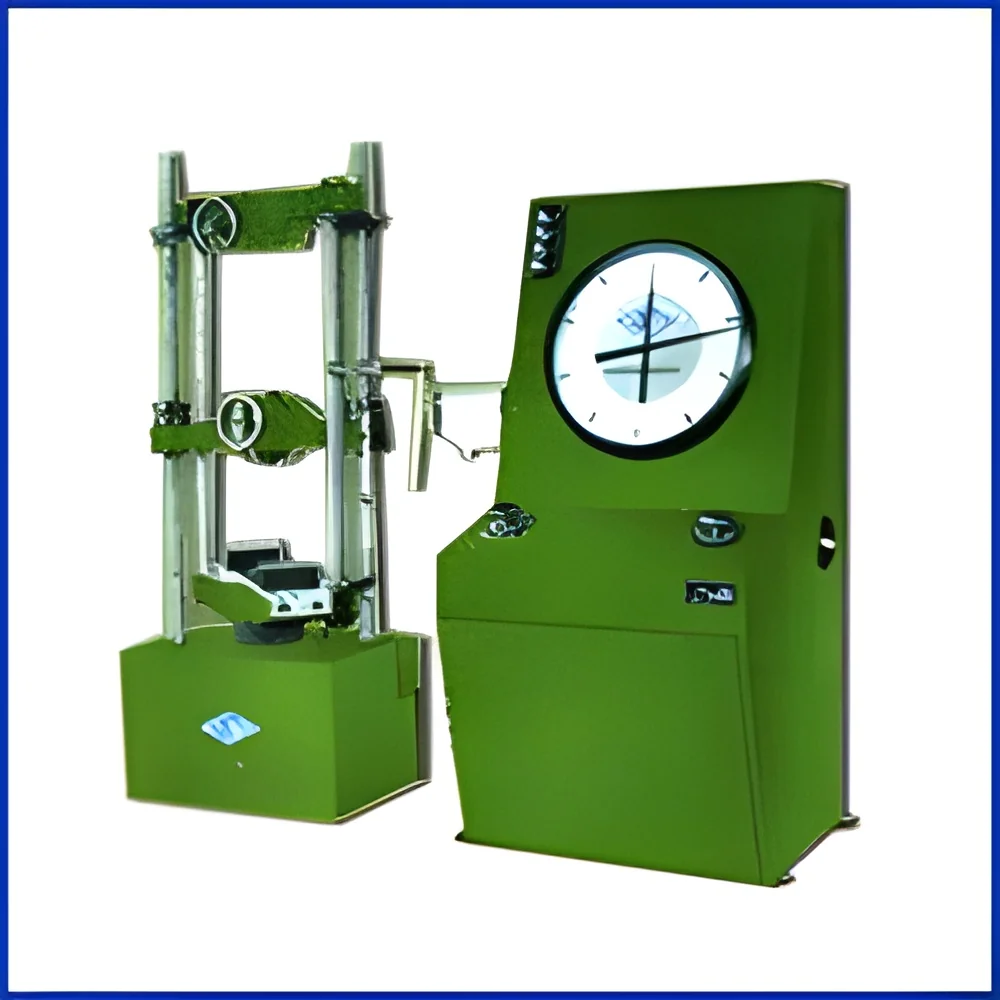
 India
India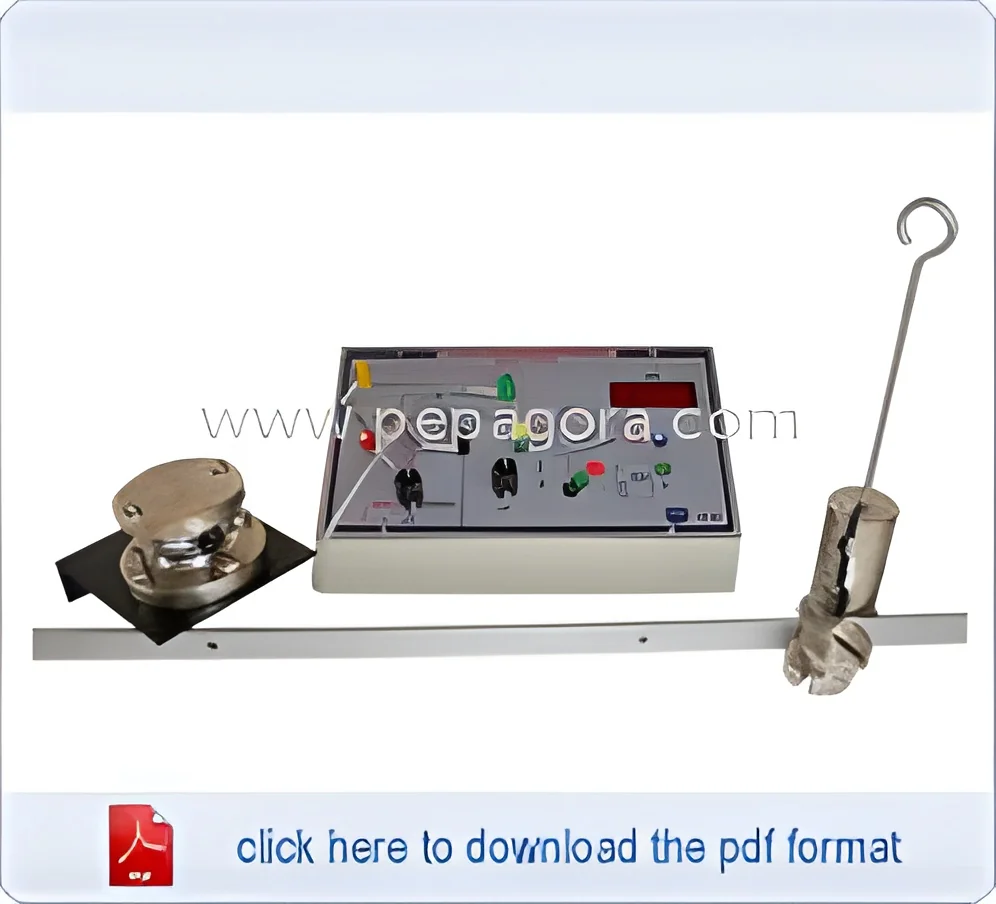
 India
India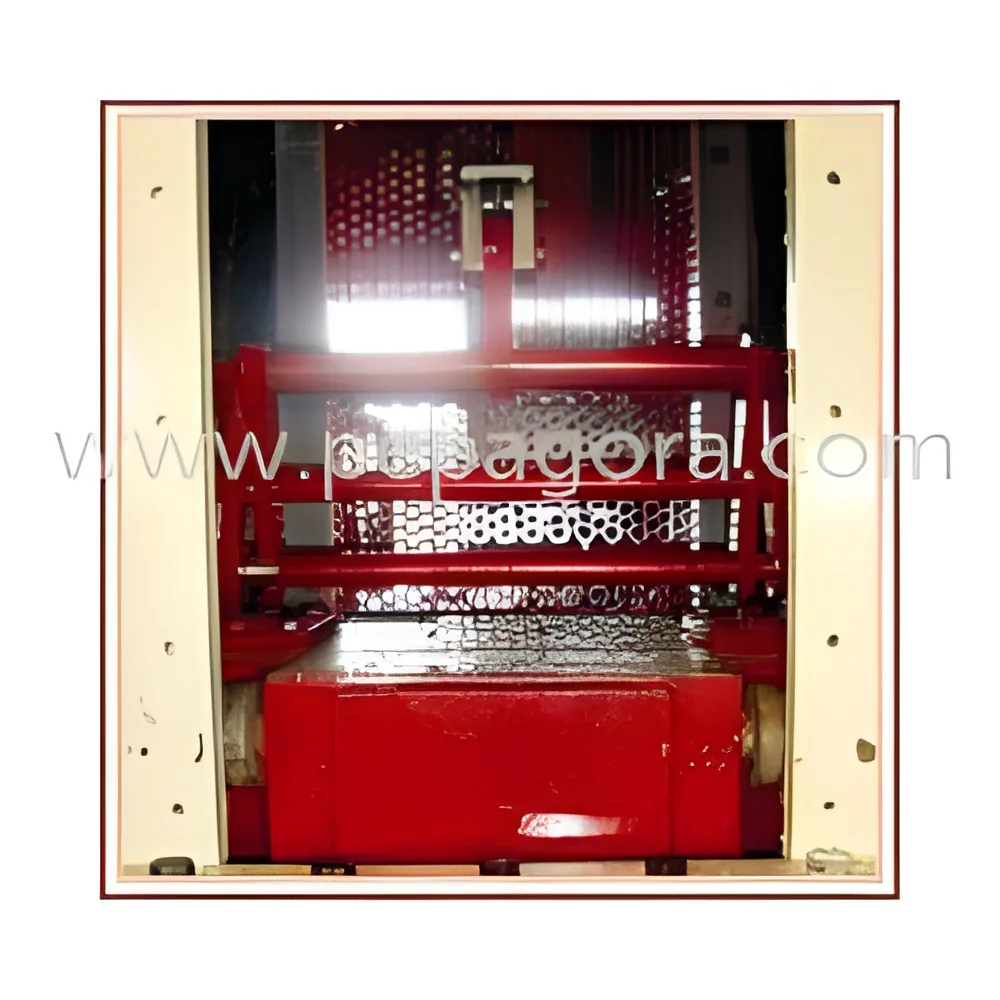
 India
India
 India
India India
India
 India
India
 India
India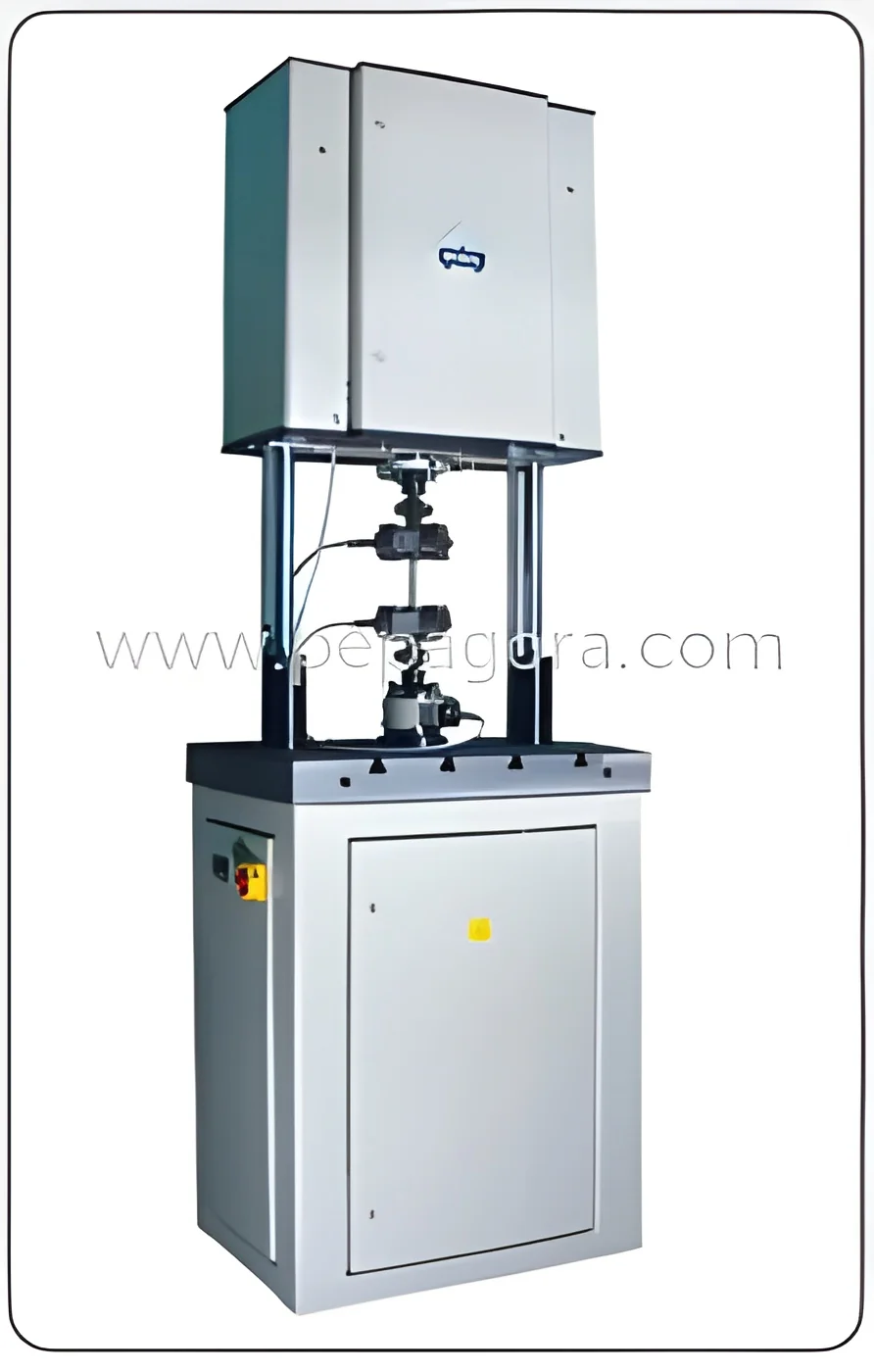
 India
India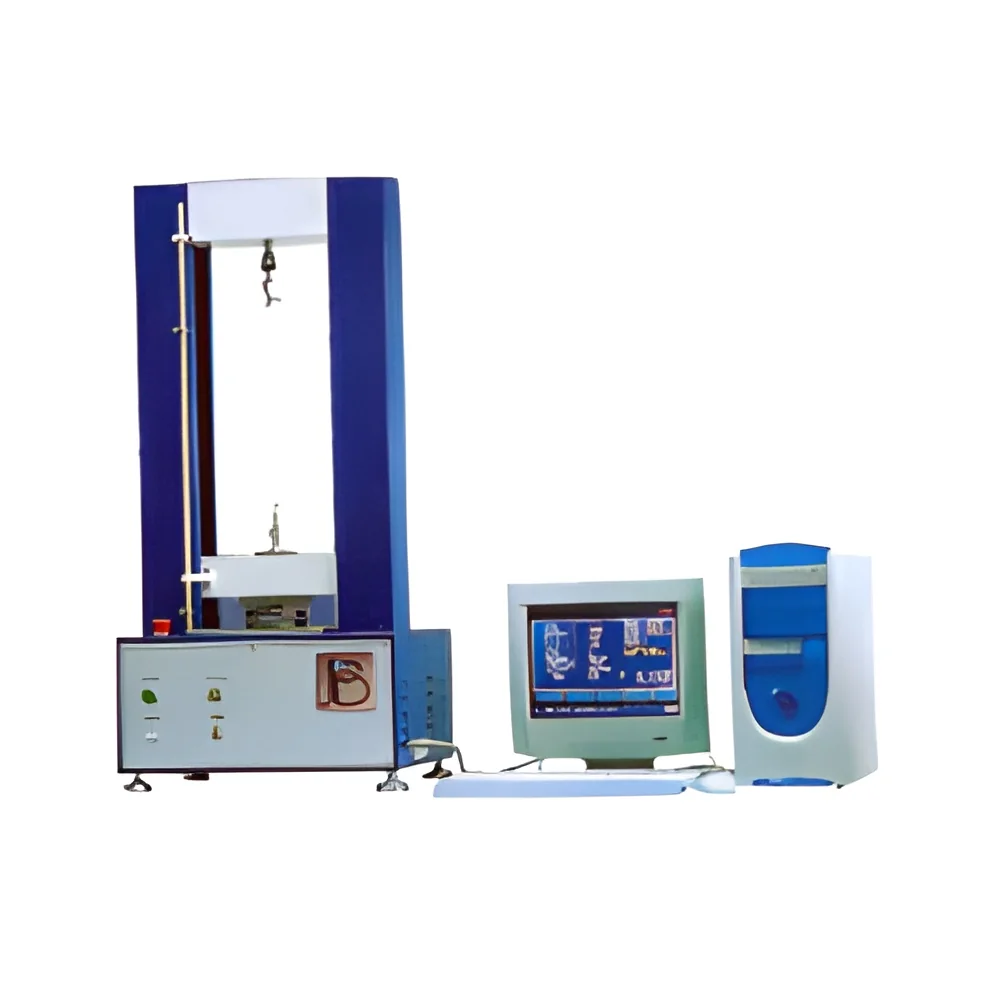
 India
India
 India
India India
India India
India India
India India
India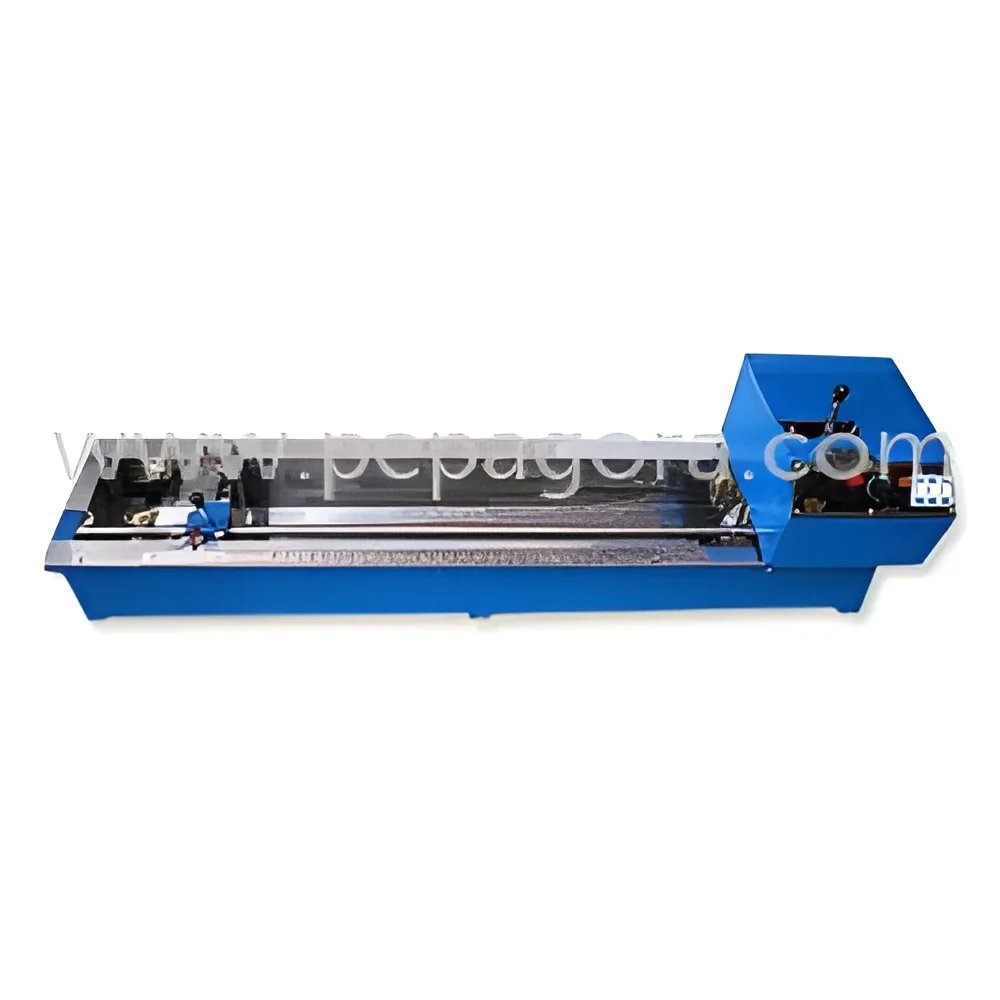
 India
India India
India India
India

 India
India
 India
India
 India
India
 India
India India
India India
India India
India
 India
India India
India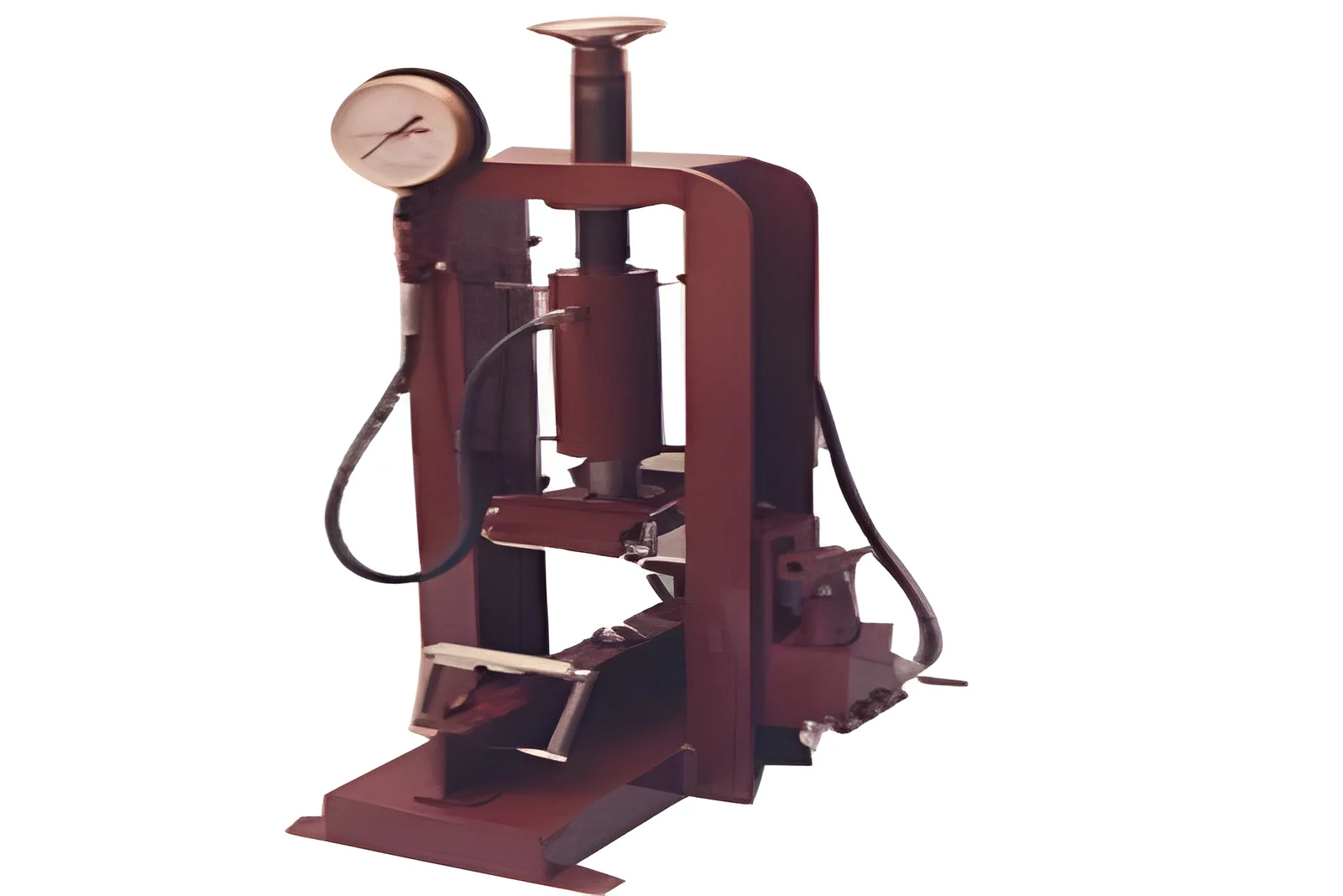
 India
India India
India
Frequently Asked Questions
What are Universal Testing Machines (UTM)?
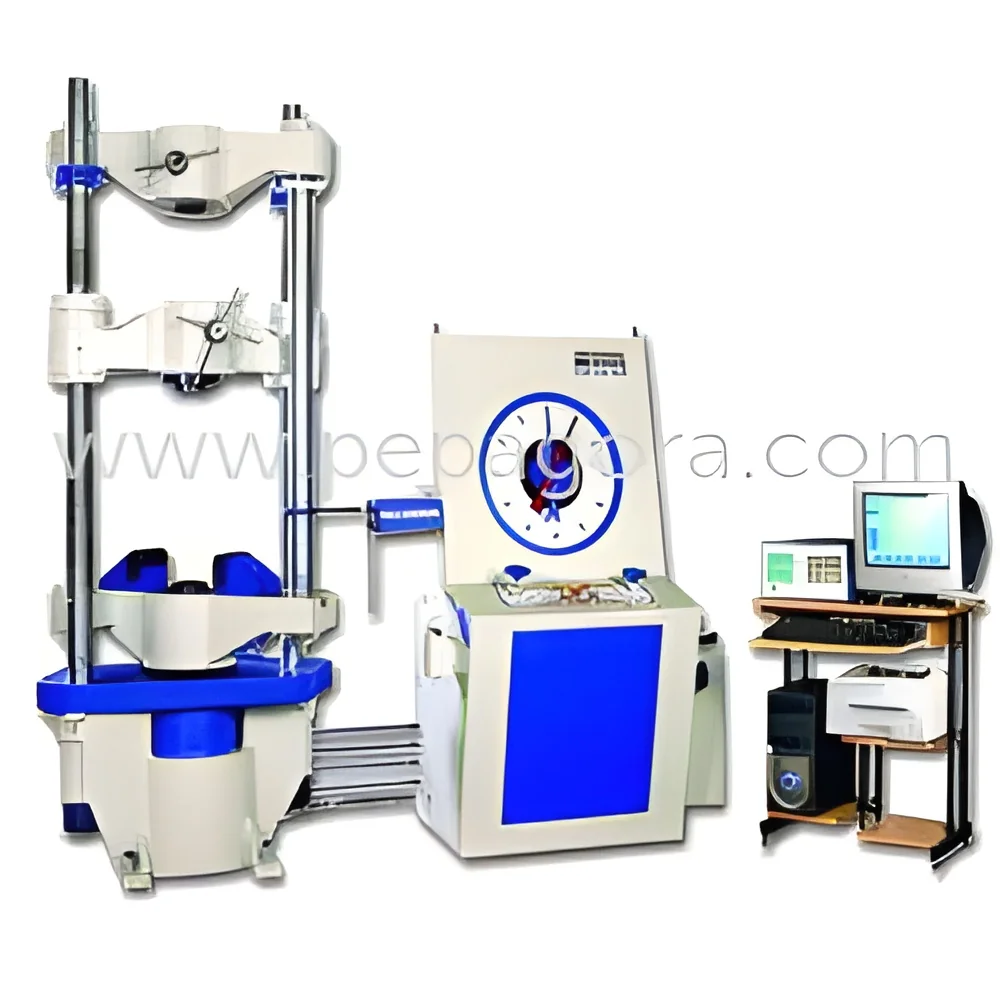
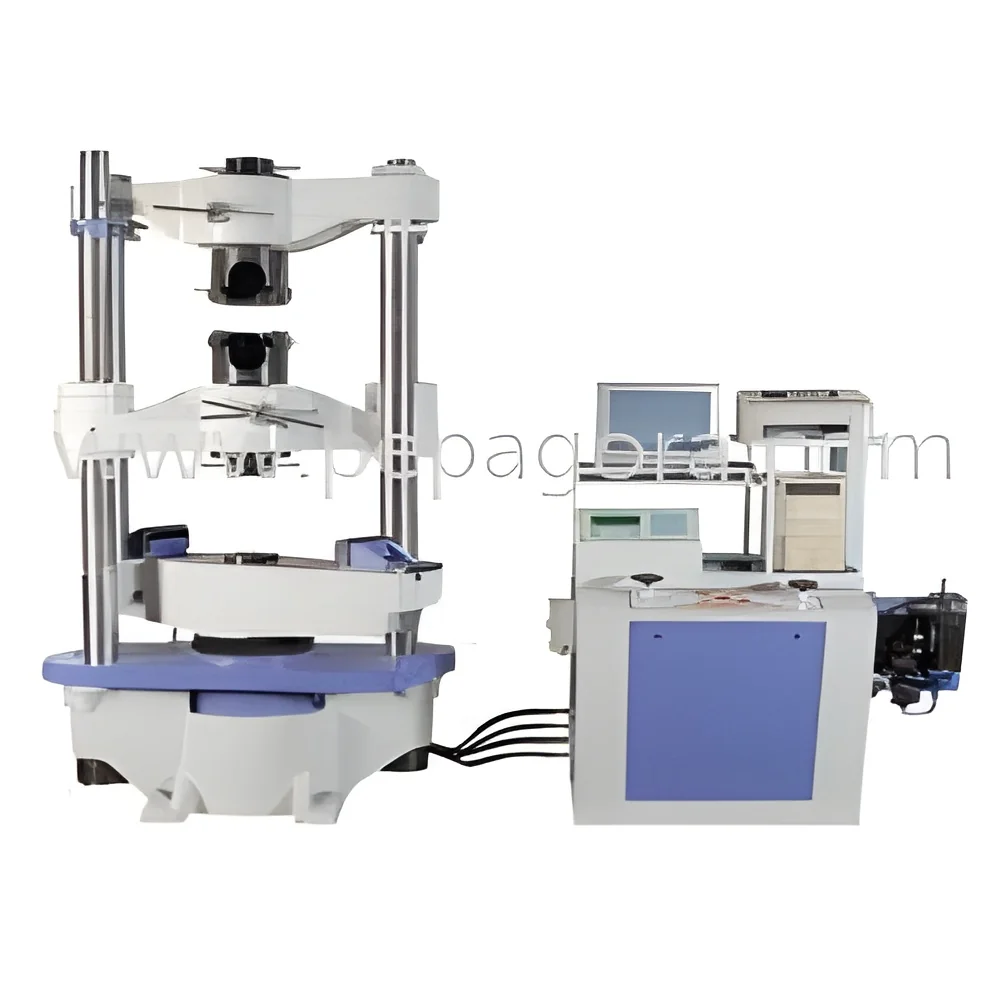
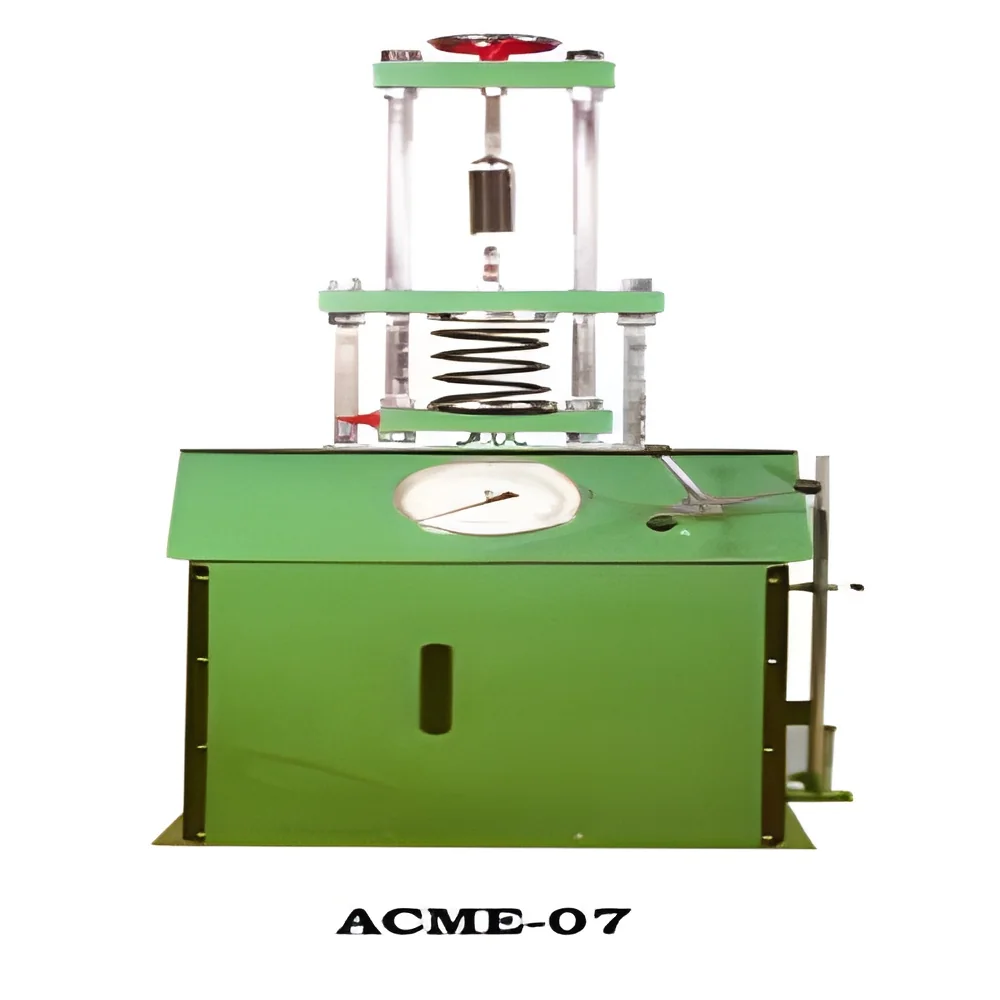
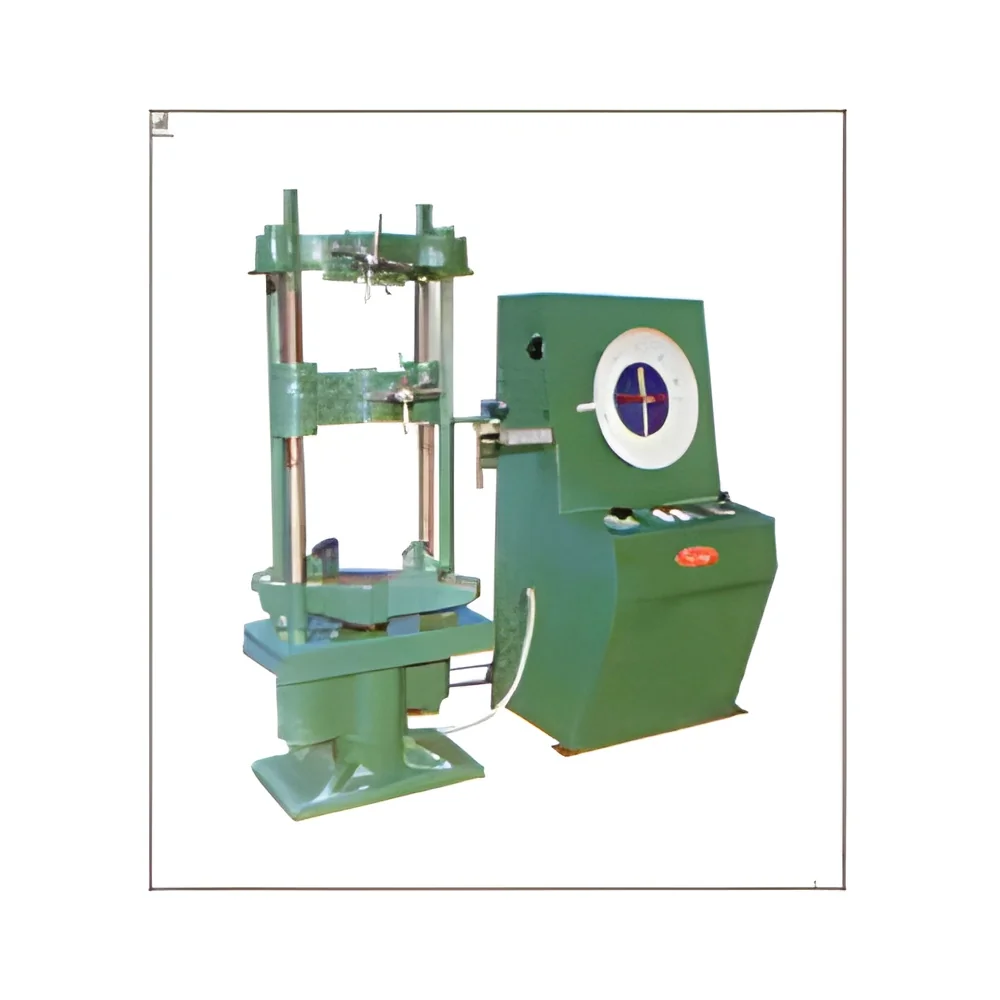
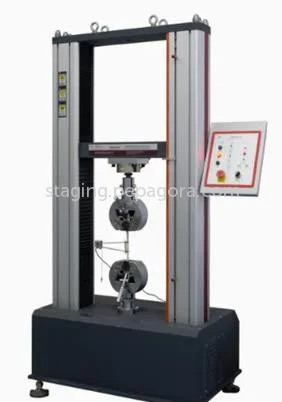
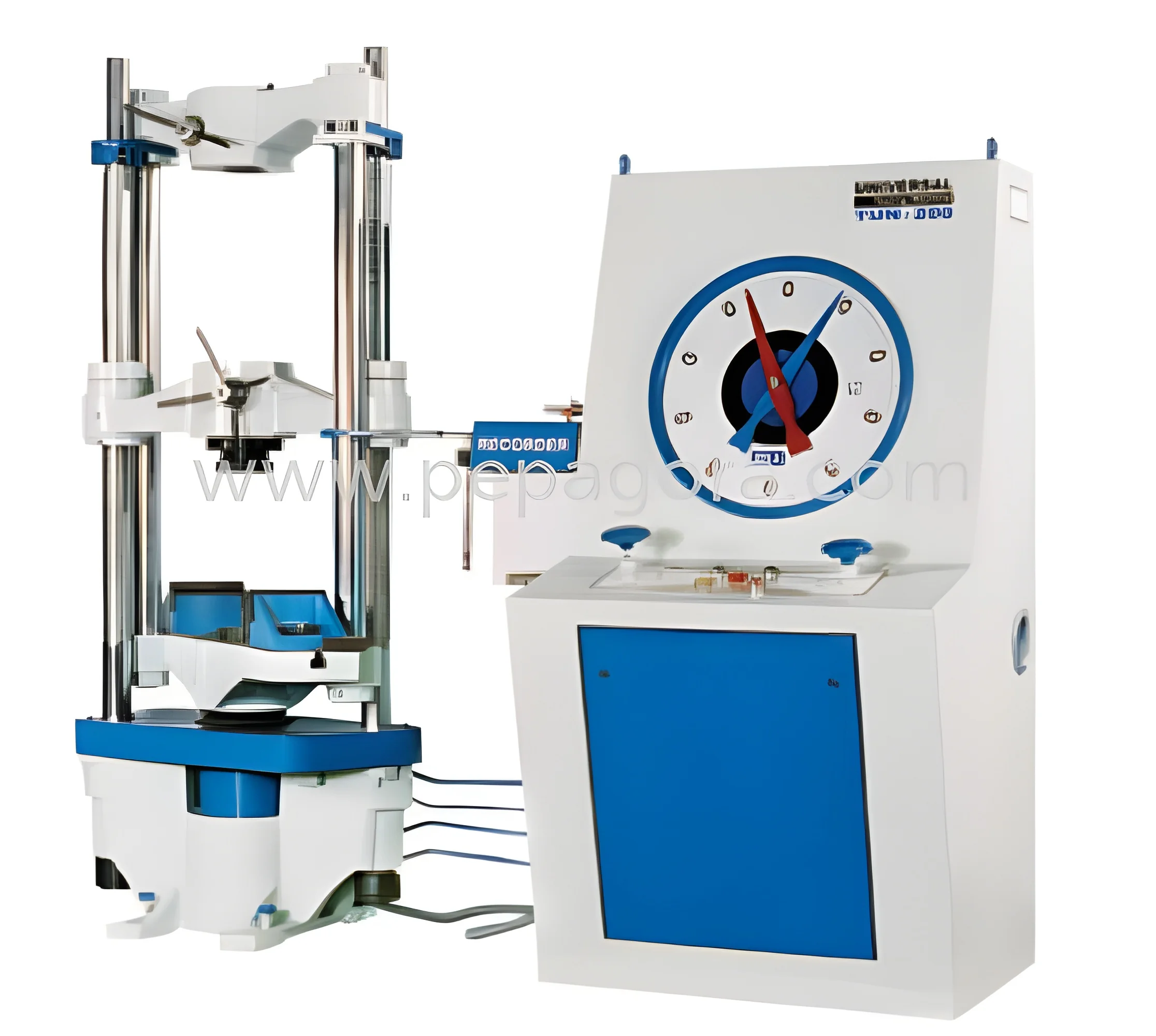
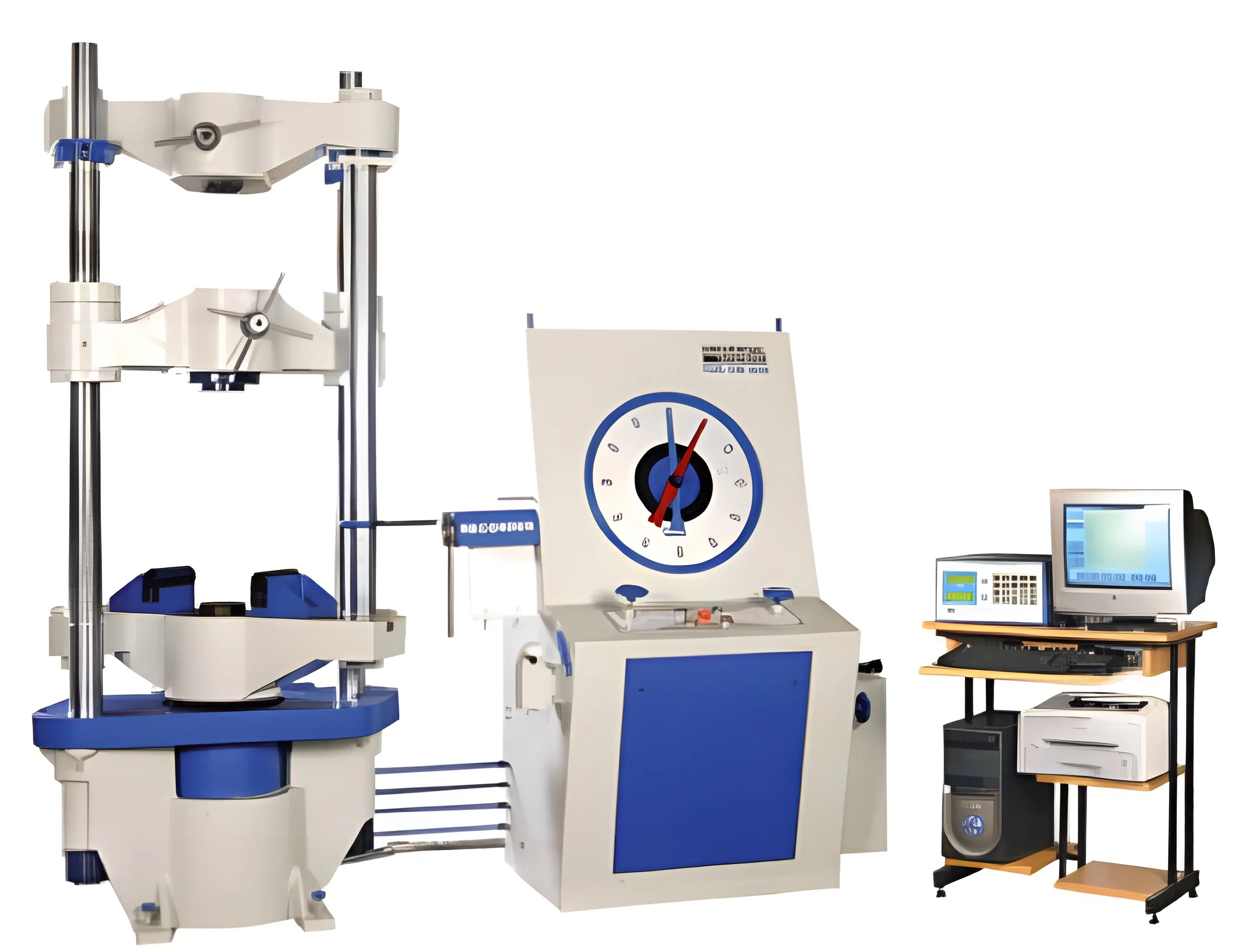
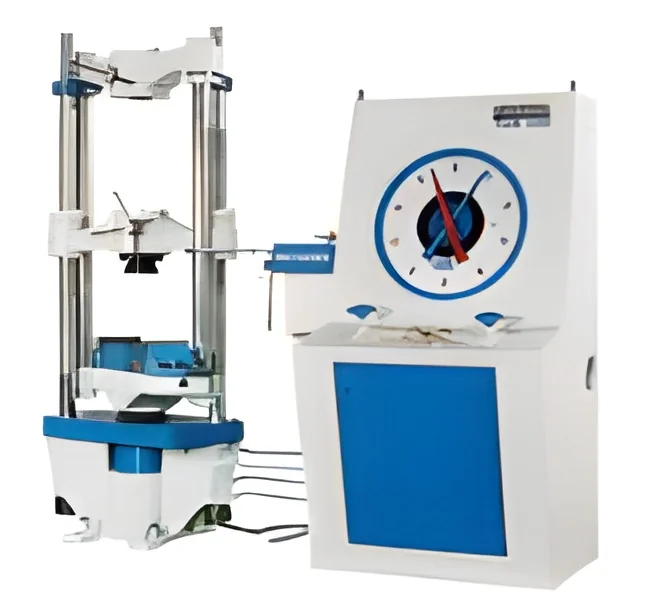
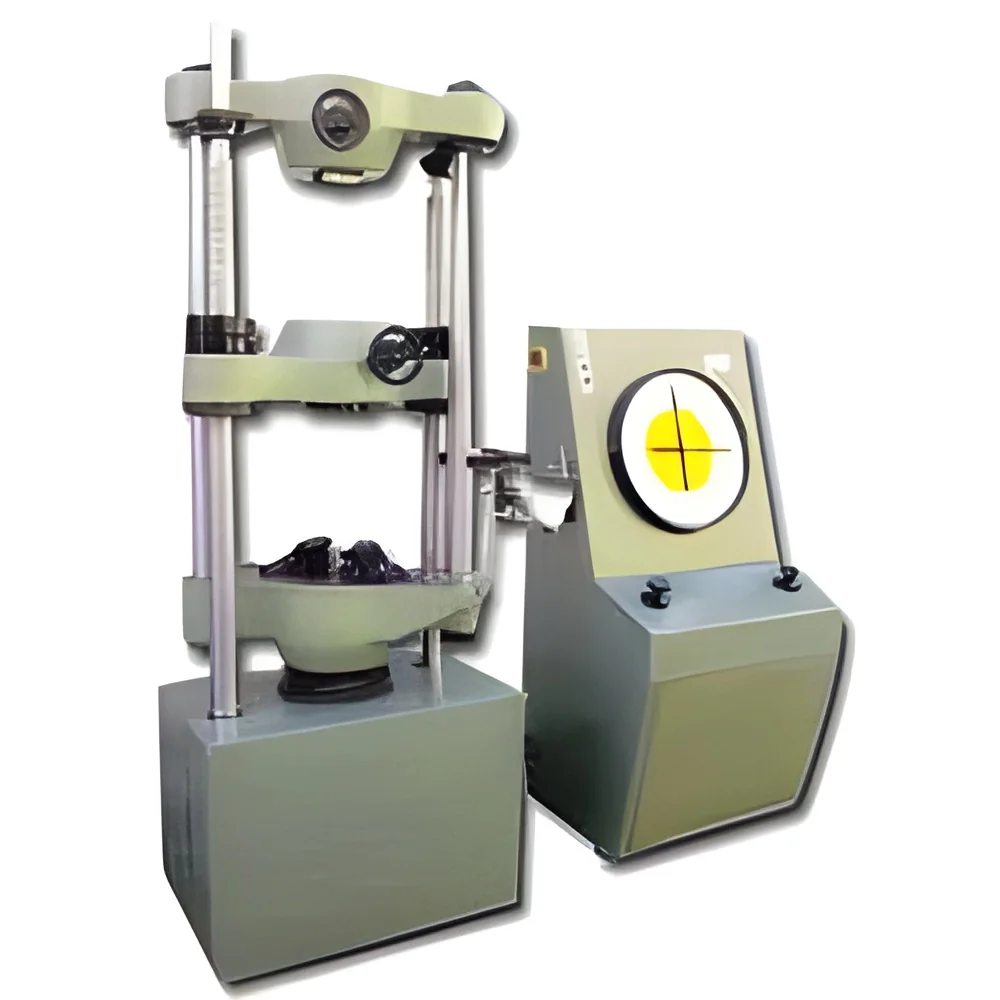
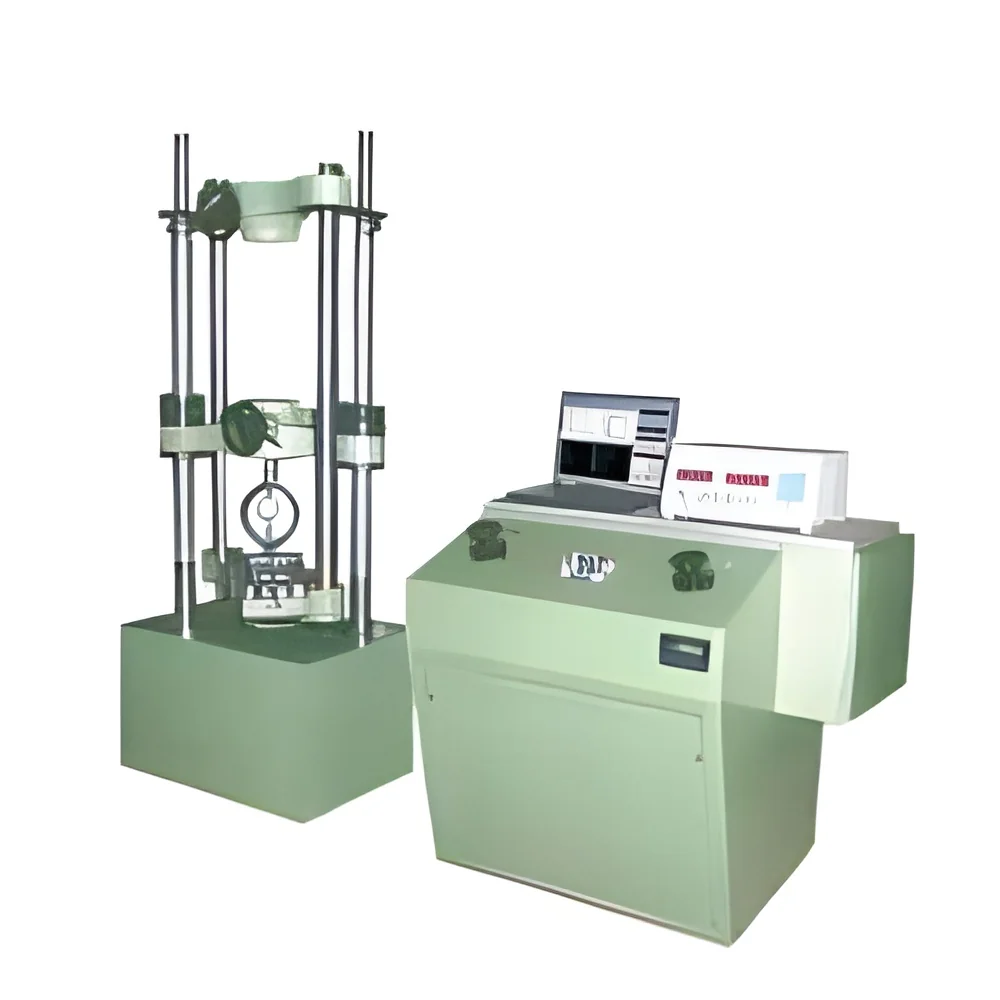
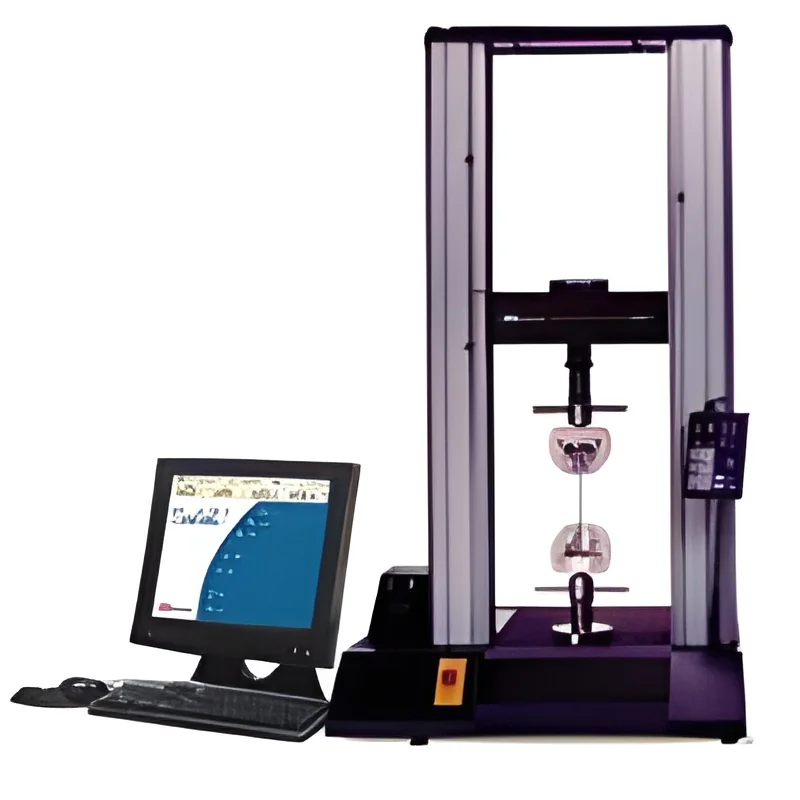
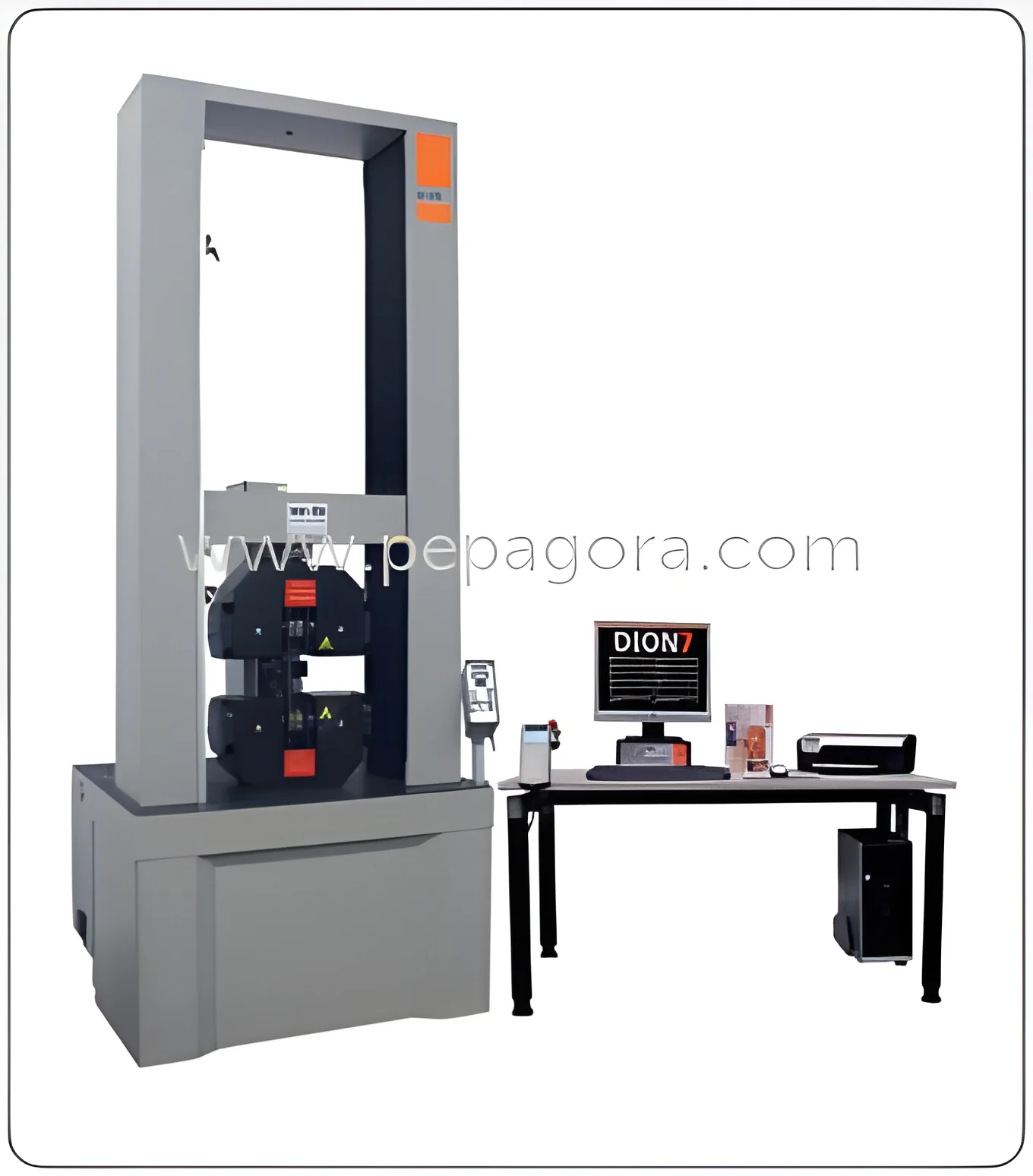
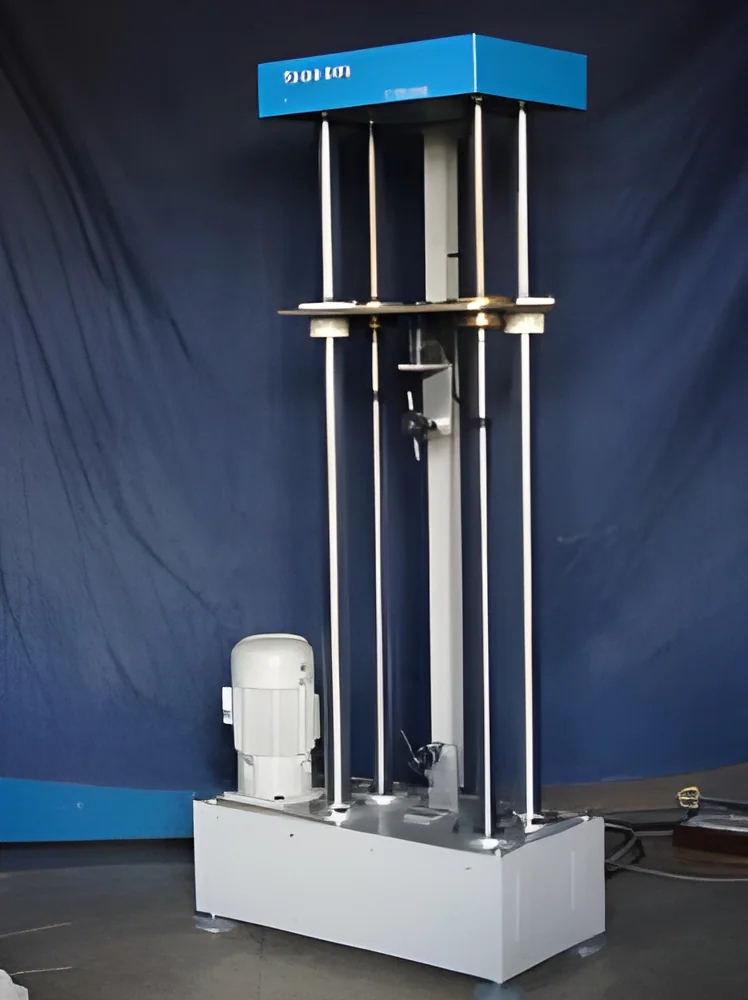
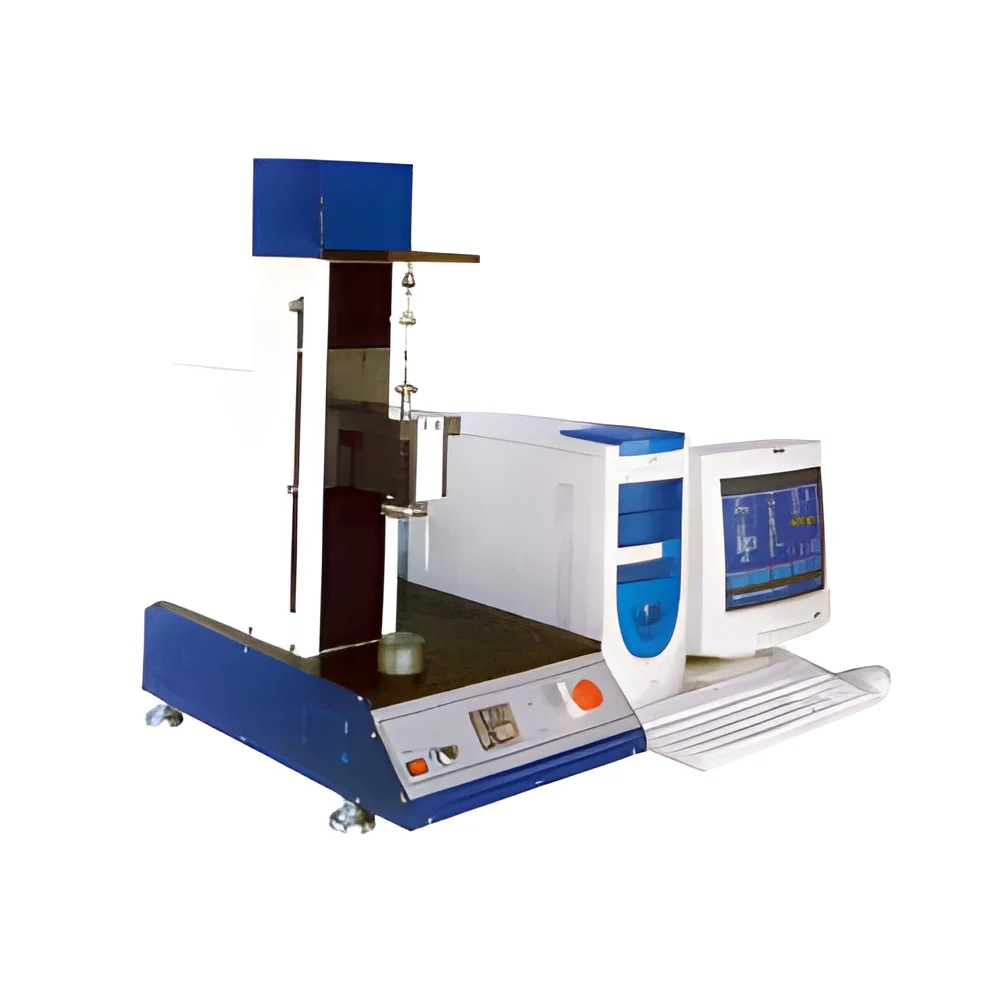
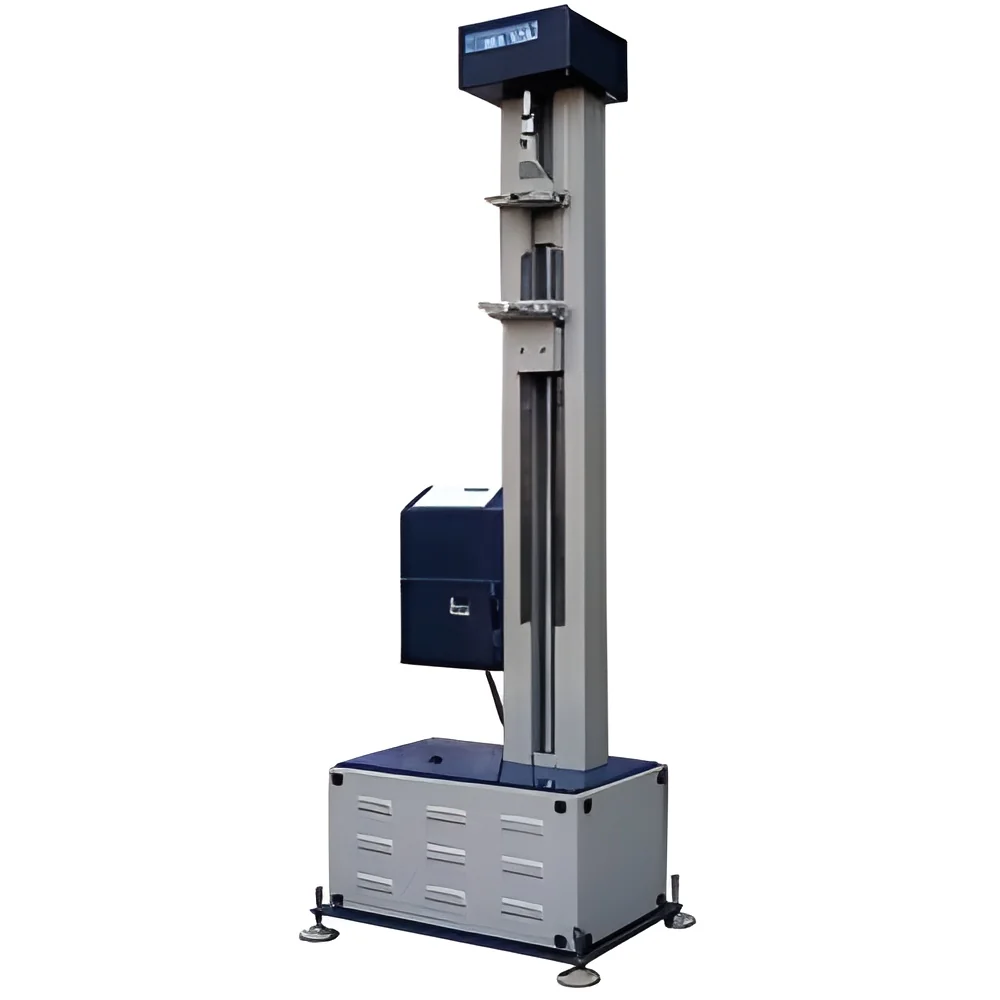
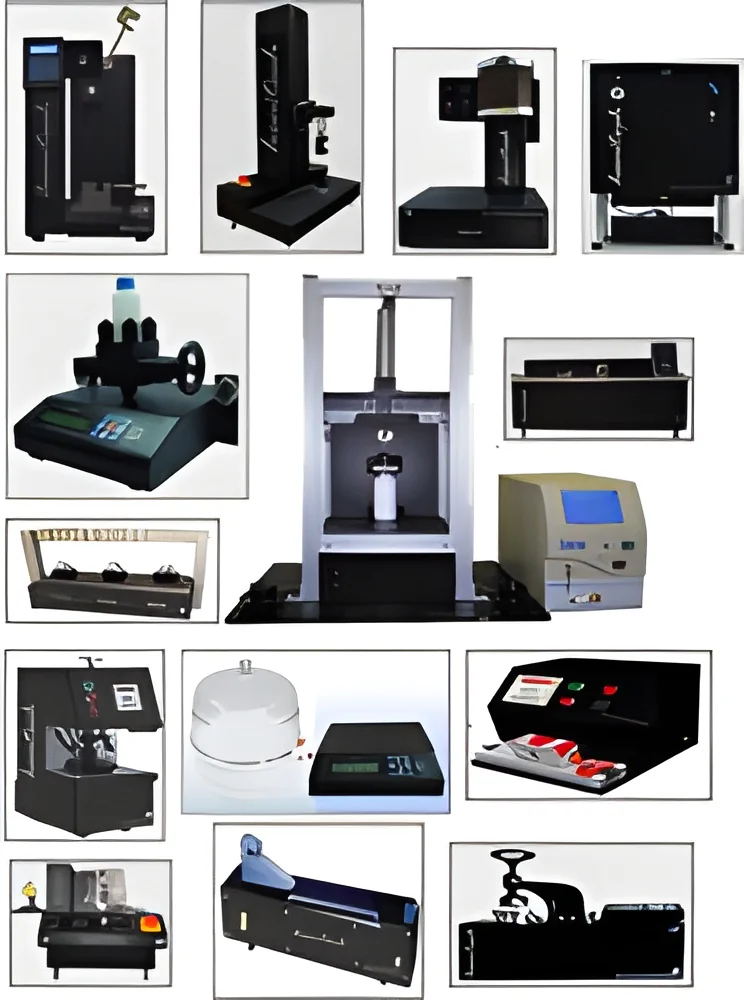
Universal Testing Machines (UTM) are versatile testing instruments used to evaluate the mechanical properties of materials. They can perform various tests such as tensile, compression, and bending tests to determine strength, elasticity, and ductility.
What are the different types of Universal Testing Machines (UTM)?
There are primarily two types of Universal Testing Machines: static and dynamic. Static UTMs apply a constant load to test materials under controlled conditions, while dynamic UTMs measure how materials respond to varying loads over time.
How do I choose the right Universal Testing Machines (UTM)?
Choosing the right UTM involves considering the materials you will test, the types of tests required, and the machine's capacity. Additionally, assess features such as load cell accuracy, software capabilities, and compliance with industry standards.
What are the standard specifications for Universal Testing Machines (UTM)?
Standard specifications for UTMs typically include load capacity, displacement accuracy, and speed range. Most UTMs feature a tensile load capacity of up to several hundred kN, with speeds adjustable from a few mm/min to over 500 mm/min.
What is the price range for Universal Testing Machines (UTM)?
The price range for Universal Testing Machines can vary widely based on capacity, features, and manufacturer. Generally, small laboratory models start around INR 50,000, while high-capacity industrial models can exceed INR 10,00,000.
What quality standards apply to Universal Testing Machines (UTM)?
Universal Testing Machines should comply with international quality standards such as ISO 7500-1 and ASTM E4. These standards ensure reliability, accuracy, and repeatability in testing procedures.
Where can I find Universal Testing Machines (UTM) suppliers in India?
You can find Universal Testing Machines suppliers in India on platforms like Pepagora.com, which connects buyers with manufacturers and suppliers. Additionally, industry trade shows and directories can provide leads to reputable suppliers.
Can Universal Testing Machines (UTM) be customized?
Yes, many manufacturers offer customization options for Universal Testing Machines to meet specific testing requirements. Customizations may include specialized grips, software features, and load capacities tailored to unique applications.
What is the typical minimum order quantity for Universal Testing Machines (UTM)?
The typical minimum order quantity (MOQ) for Universal Testing Machines varies by manufacturer. Generally, MOQs can range from one unit for standard models to multiple units for custom equipment.
What is the typical lead time for Universal Testing Machines (UTM)?
The typical lead time for Universal Testing Machines can range from 4 to 12 weeks, depending on the manufacturer, model, and any customizations requested. It's advisable to confirm lead times with suppliers before placing an order.
Why Businesses Trust Pepagora
Thousands of companies trust Pepagora to source smarter and sell faster
Expand Your Sales Globally

Source Smarter,Grow Faster
