
 IN
Gas Detectors (CO2, VOC, LPG)
21 products available
Key Features and Specifications
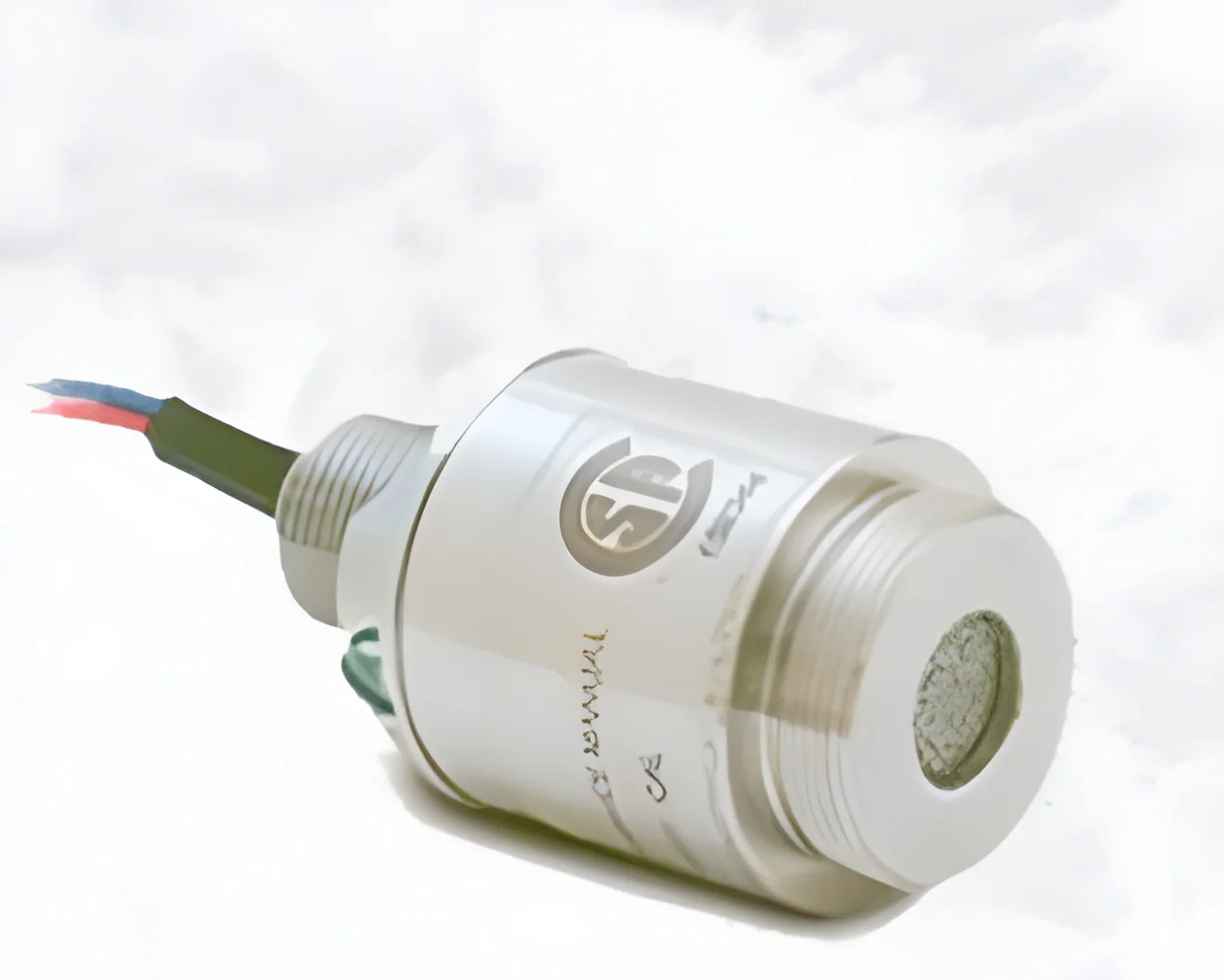
Gas detectors for CO2, VOC, and LPG come equipped with various features that enhance their performance and reliability. These devices are designed to provide accurate readings and alerts in real-time, ensuring quick responses to potential hazards.
Key specifications include:
1. Detection Range
- The ability to detect specific gas concentrations
- Typical ranges may vary by gas type
2. Response Time
- The time taken to detect gas presence after exposure
- Generally measured in seconds for rapid alerts
3. Power Source
- Options for battery-operated or hardwired units
- Battery life varies based on usage
4. Display Type
- Digital or analog displays for readability
- Some units may include backlit options for low-light environments
5. Alarm System
- Visual and audible alarms for user notifications
- Configurable thresholds for different gases
6. Calibration Requirements
- Frequency of calibration checks for accuracy
- Some models offer automatic calibration features
7. Operating Temperature Range
- Suitable temperature ranges depending on application
- Usually specified by the manufacturer
8. Certifications
- Compliance with industry standards such as CE
- Ensures reliability and safety in operation
In summary, gas detectors are sophisticated devices with critical specifications that ensure accurate detection and user safety in various environments.
Common Applications and Use Cases
Gas detectors are versatile tools used across many industries to monitor air quality and ensure safety.
1. Manufacturing: In manufacturing settings, gas detectors are used to monitor emissions and ensure compliance with environmental regulations. They help maintain safe working conditions by detecting harmful gases.
2. Oil and Gas: In the oil and gas sector, these detectors are vital for monitoring leaks and preventing explosive hazards. They are often used in refineries and drilling sites.
3. Chemical Processing: Chemical plants utilize gas detectors to identify toxic vapor leaks, ensuring the safety of workers and minimizing environmental impact.
4. Food and Beverage: In food processing facilities, gas detectors help monitor CO2 levels, especially during fermentation processes, to ensure product quality and safety.
5. Laboratories: Laboratories use gas detectors for VOC monitoring to ensure that air quality remains safe for scientific work and research.
6. Wastewater Treatment: Gas detectors are used in wastewater treatment plants to monitor hazardous gases, ensuring worker safety and compliance with health regulations.
7. Construction: In construction sites, gas detectors can detect harmful gases in enclosed spaces, protecting workers from potential exposure.
Product Variants and Subcategories
Gas detectors come in various models and configurations to meet specific application needs.
Portable Gas Detectors
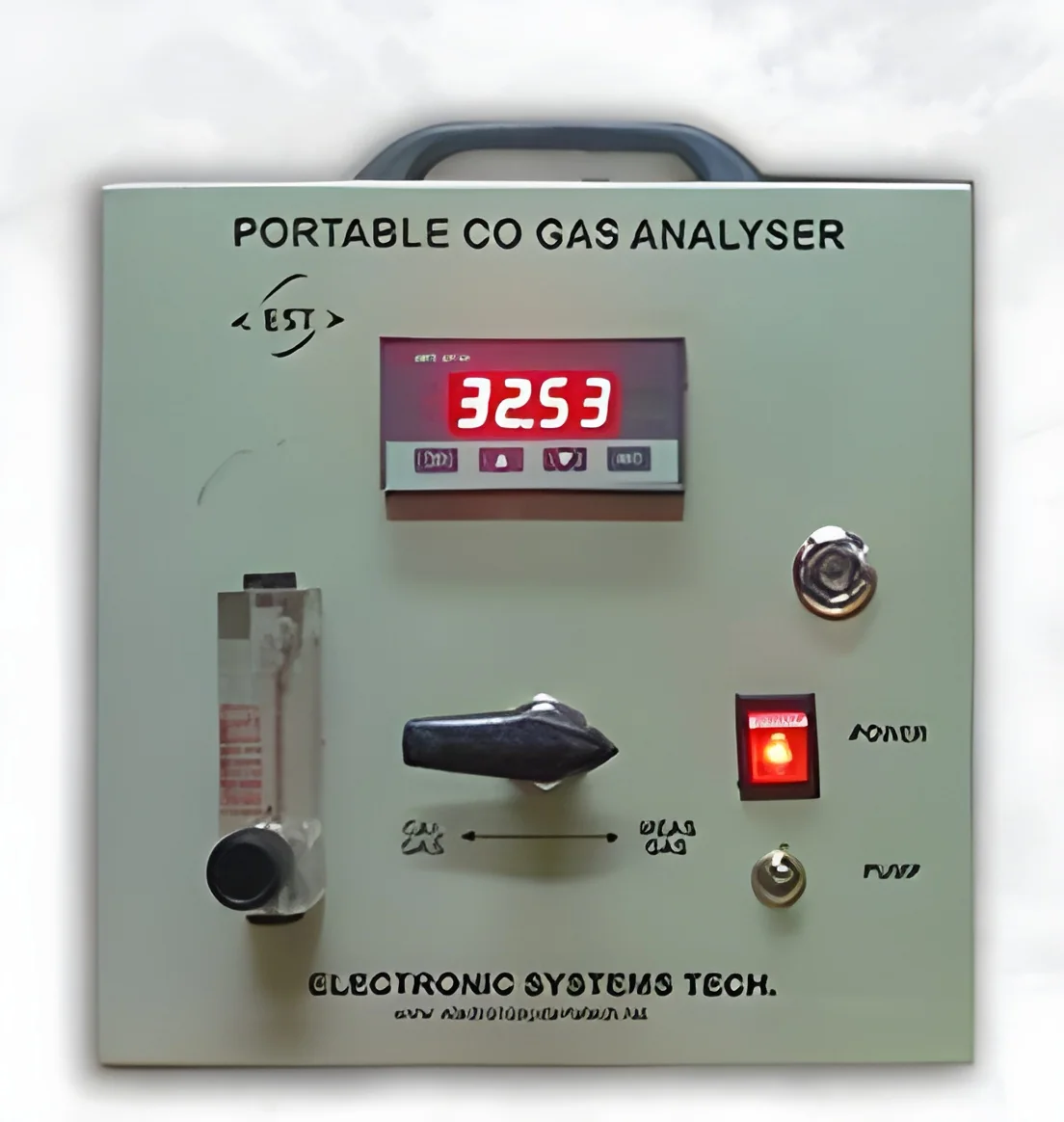
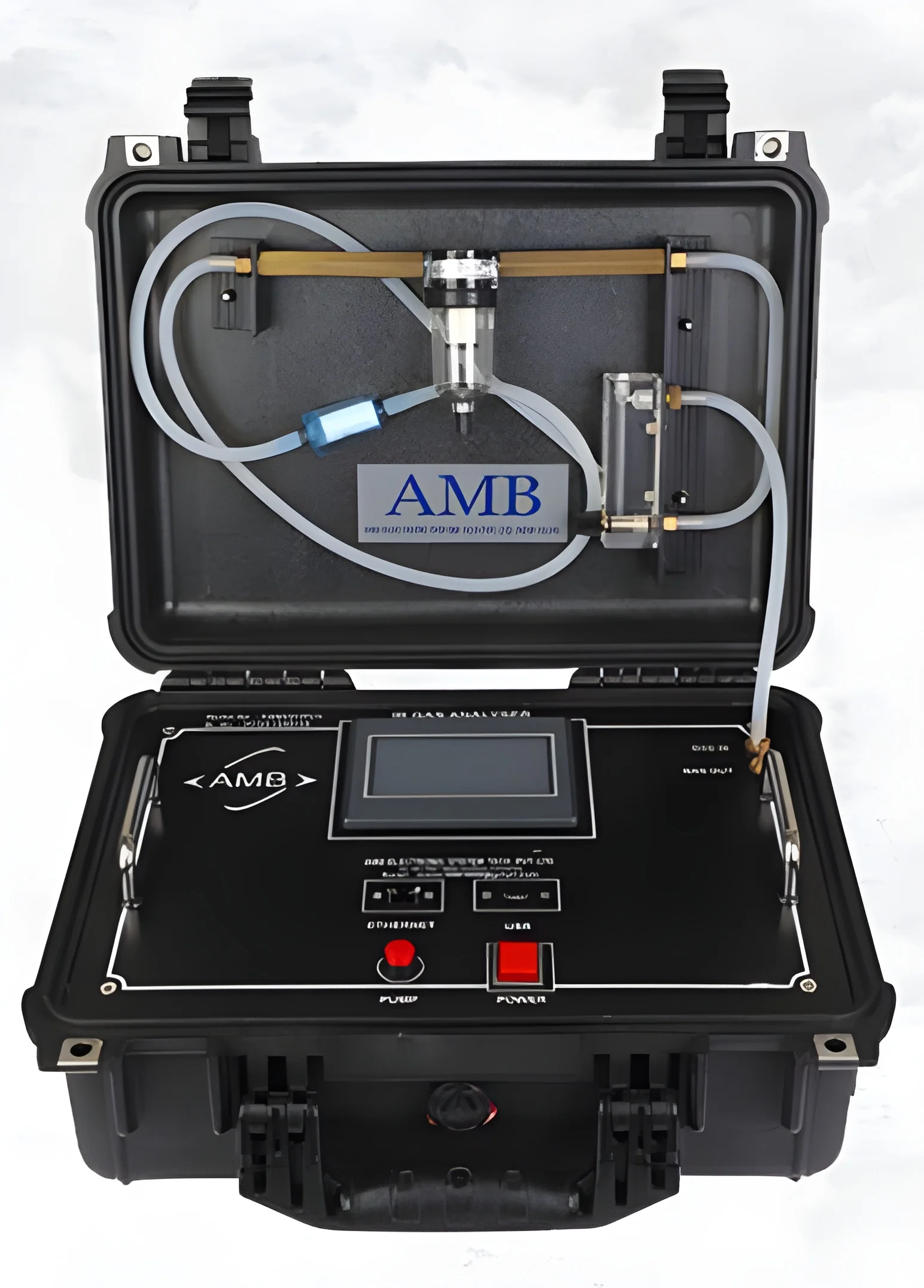
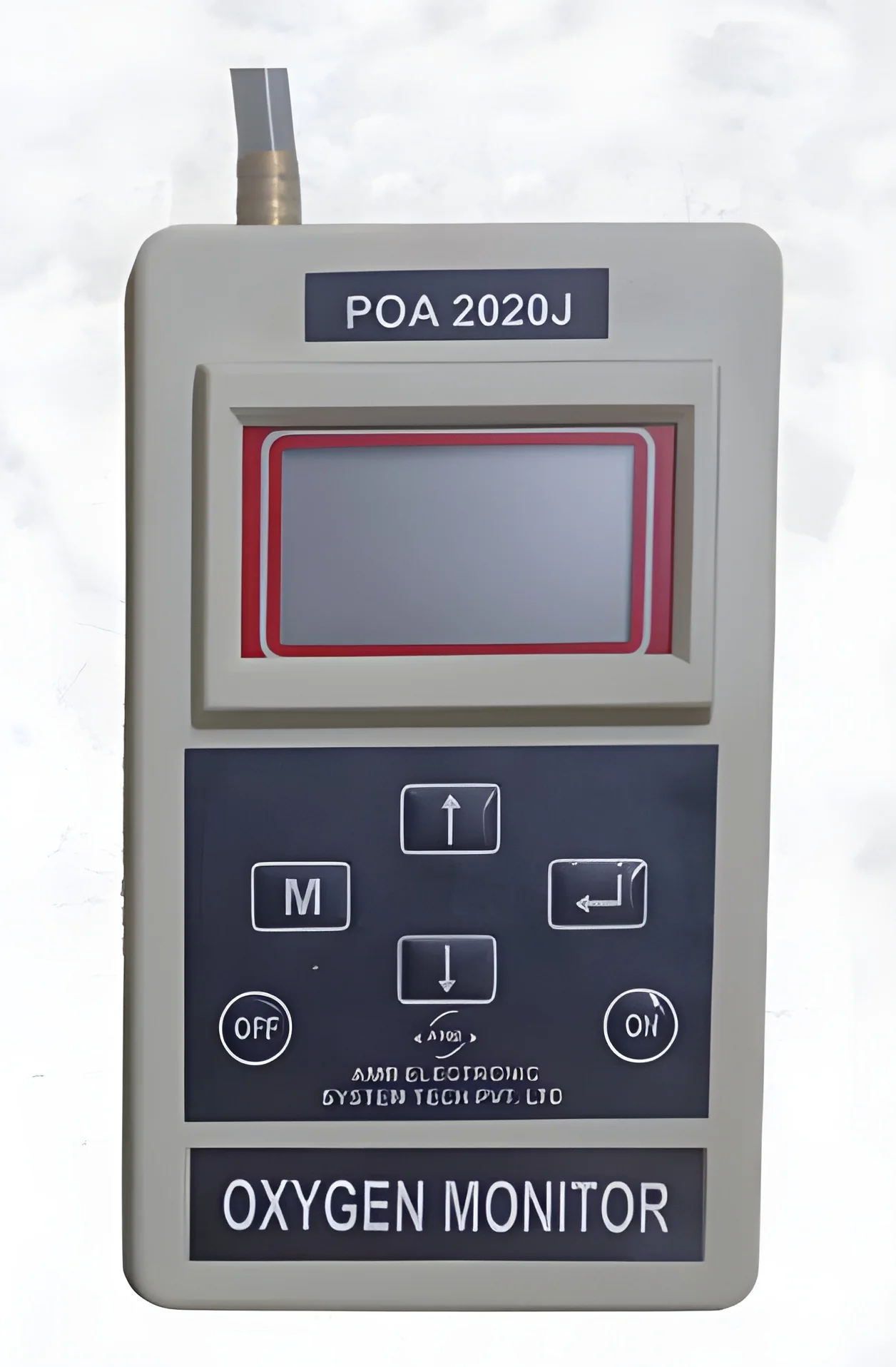
These handheld devices are ideal for fieldwork and emergency situations. They provide real-time readings and alerts, making them essential for workers in various environments.
Fixed Gas Detectors
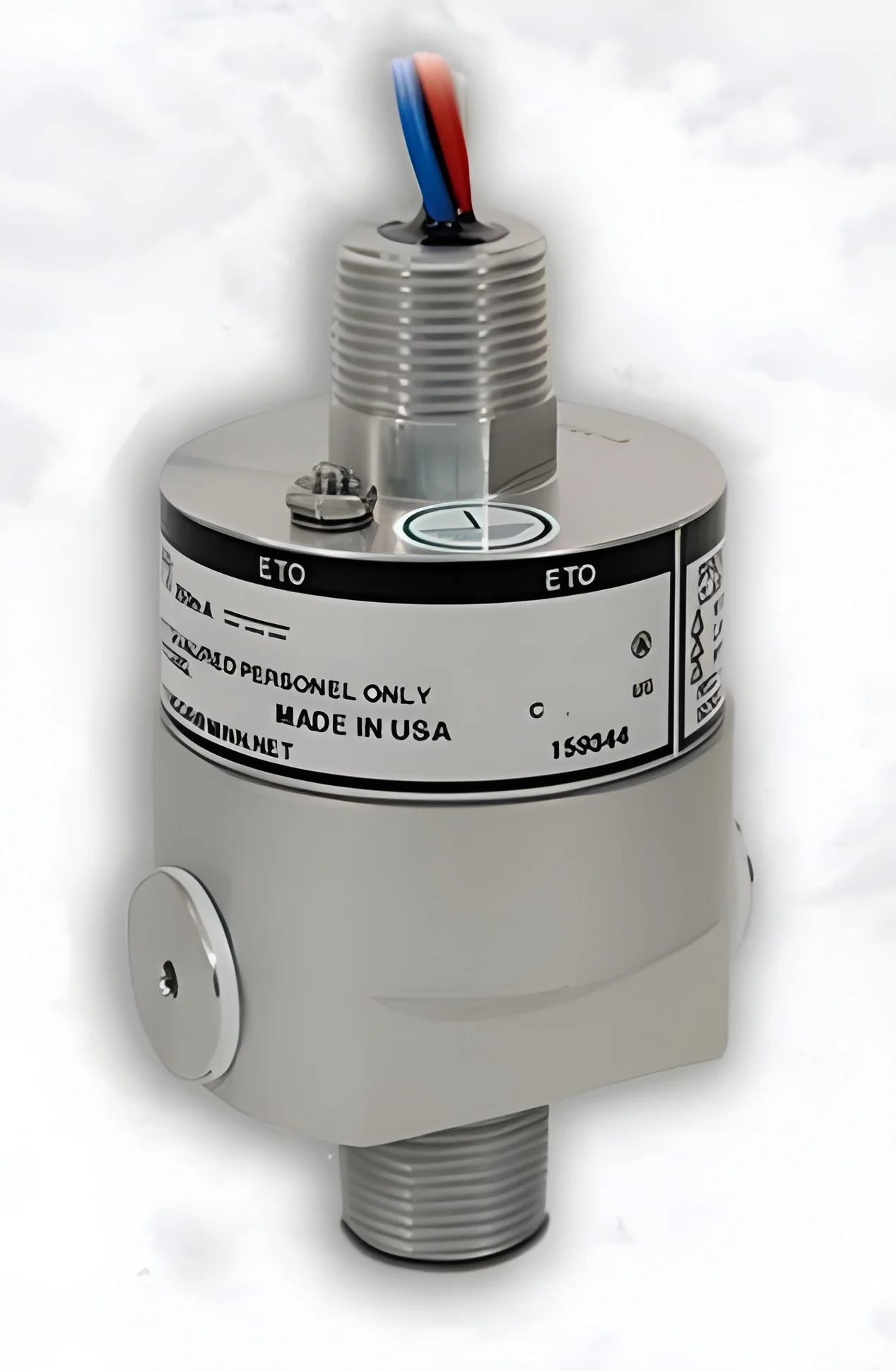
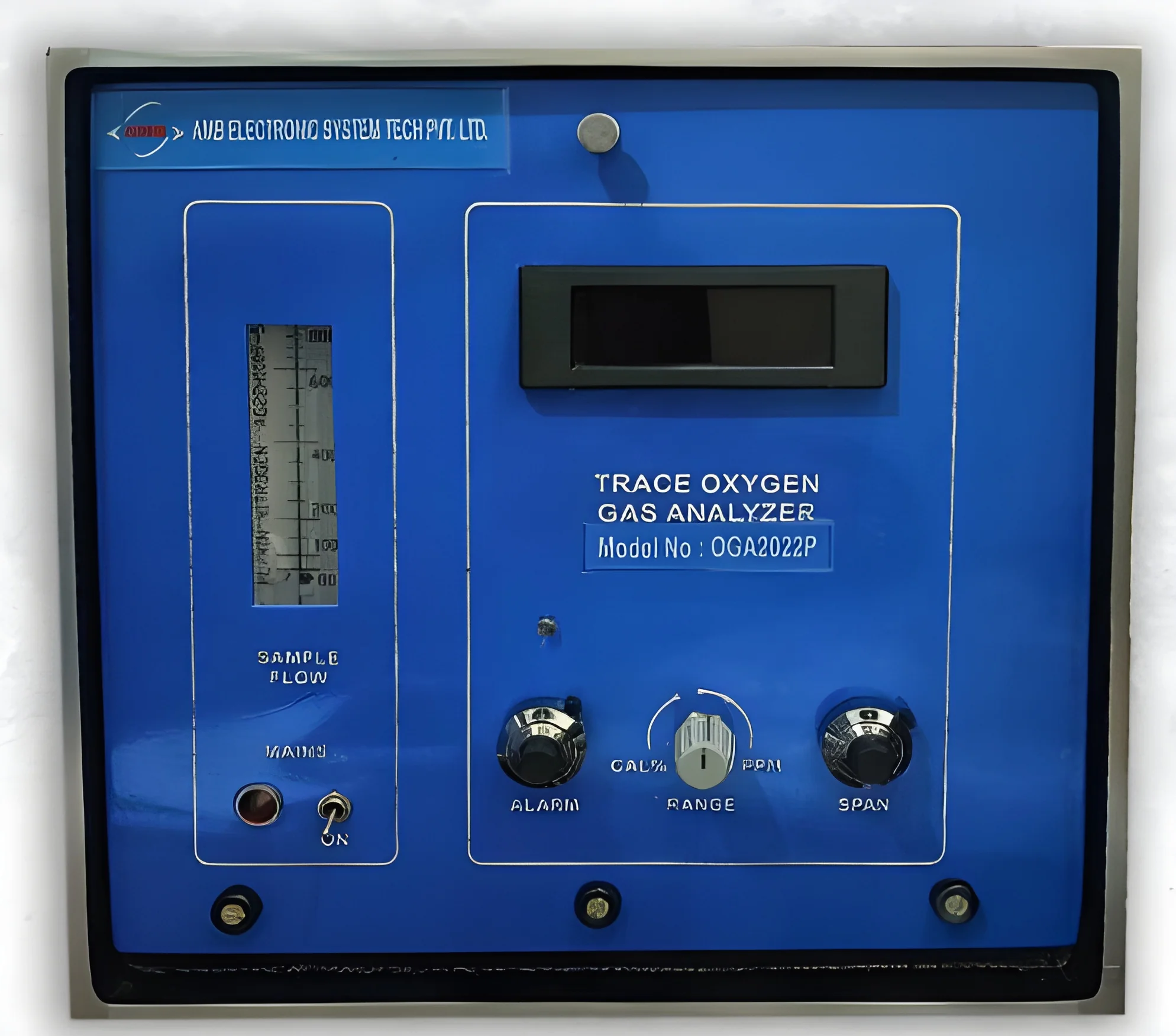
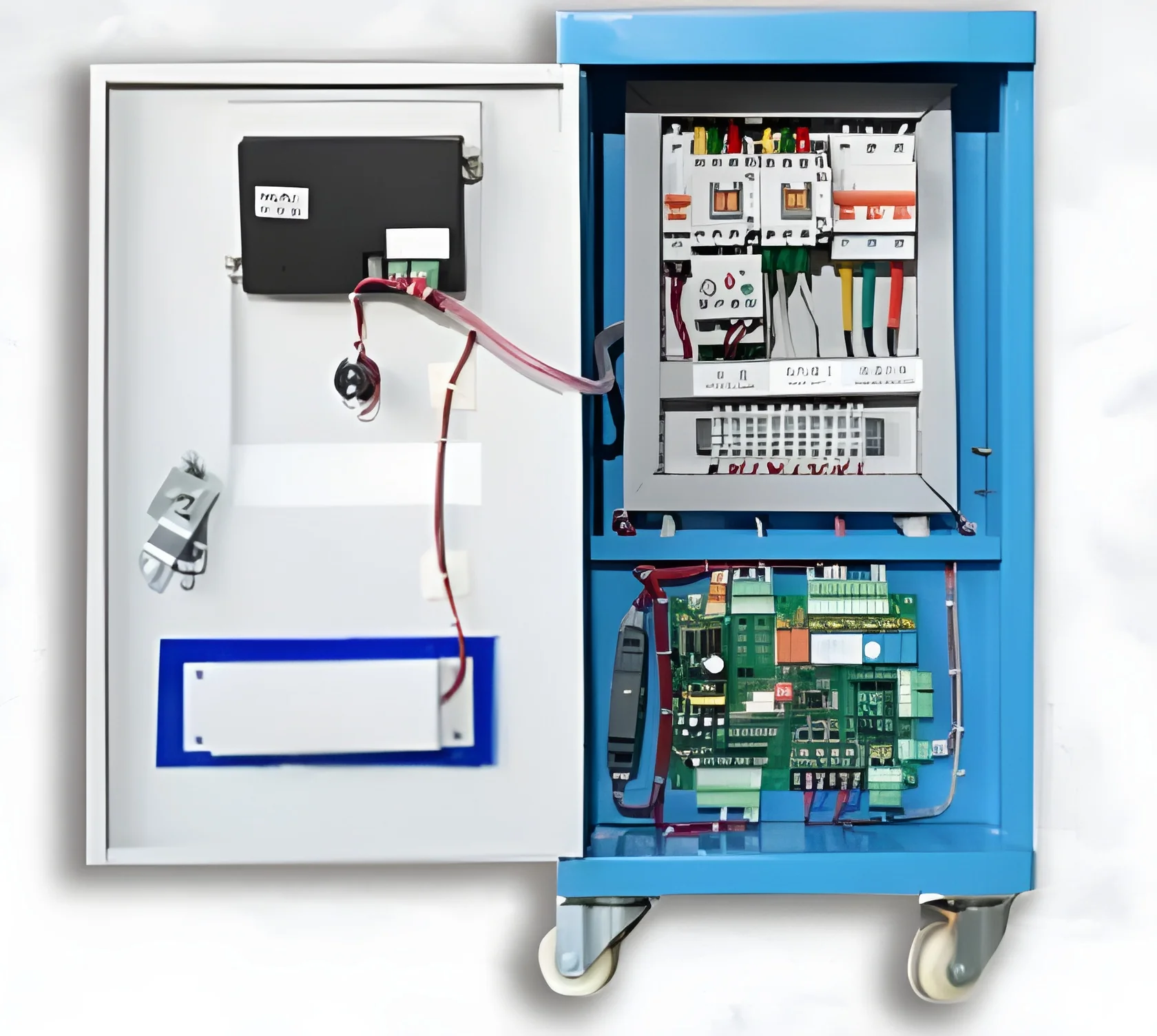
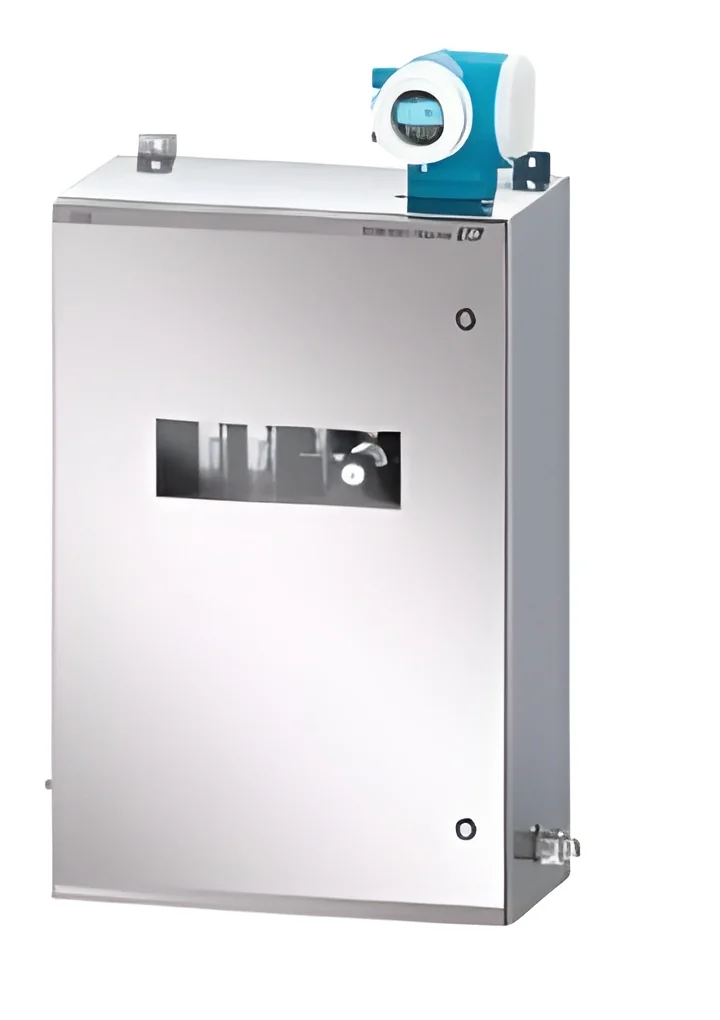
Fixed units are installed in specific locations to provide continuous monitoring. They are suitable for industrial applications where constant surveillance of gas levels is required.
Multi-Gas Detectors
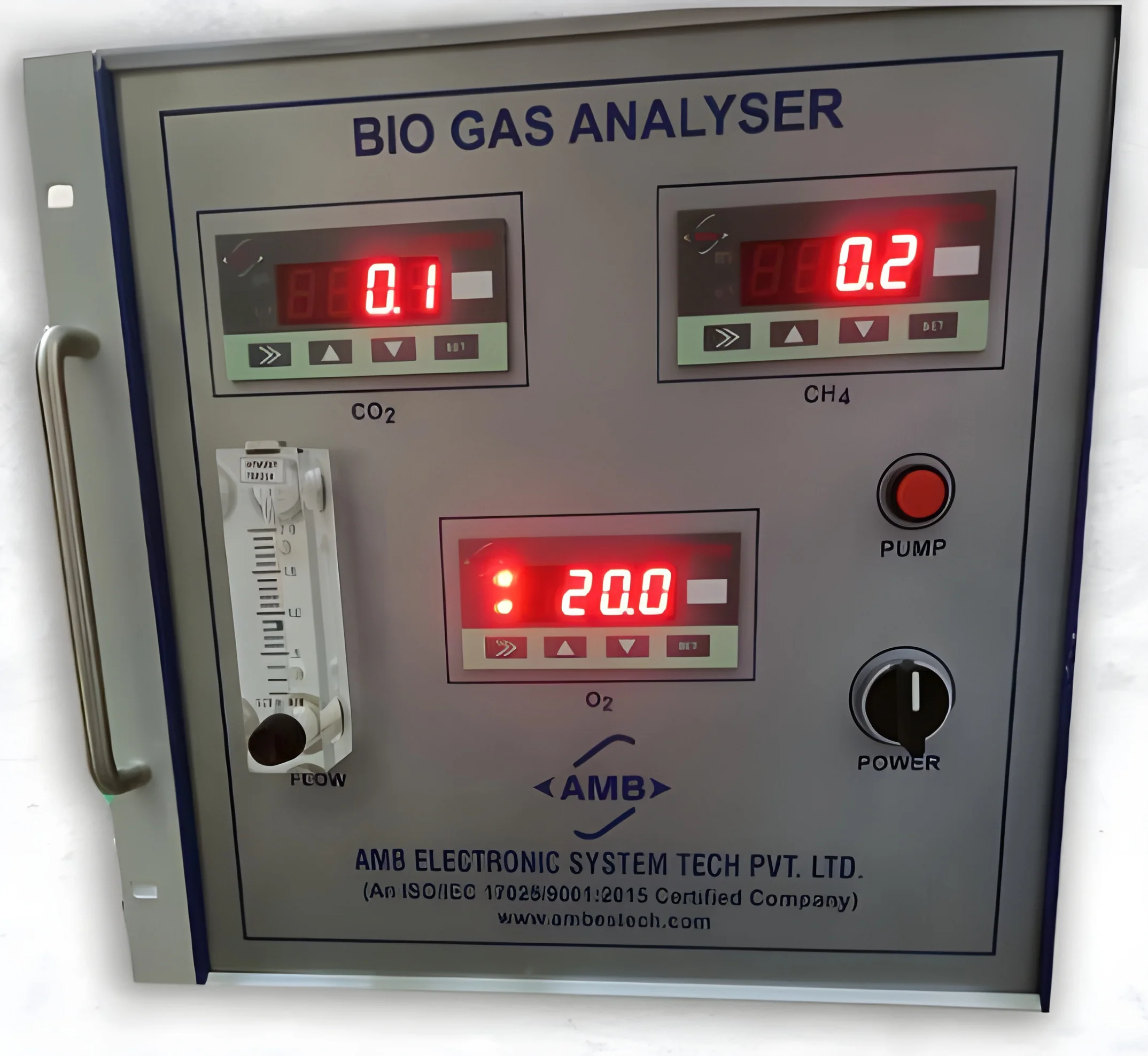
These versatile devices can detect multiple gases simultaneously, making them efficient for environments where different gases may be present. They are commonly used in industries with diverse gas exposure risks.
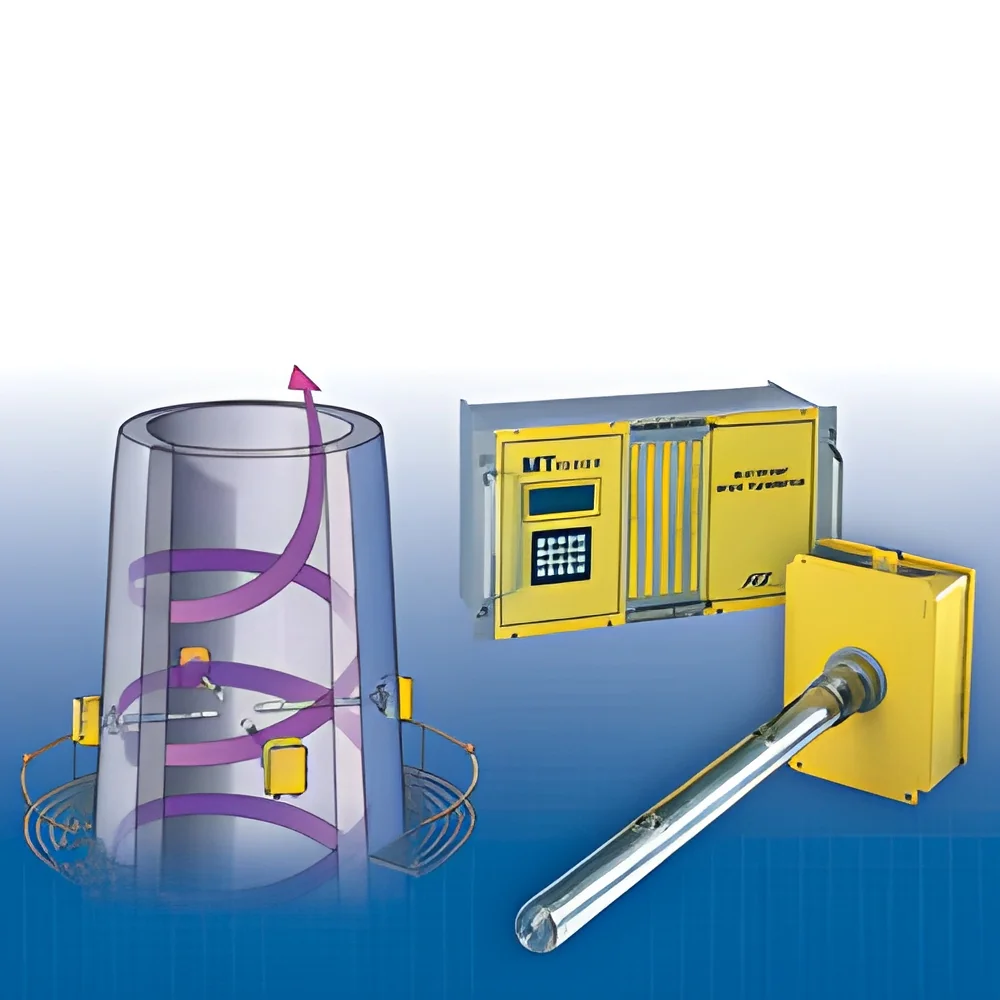
Tunable Diode Laser (TDL) Gas Detectors
TDL technology offers high sensitivity and specificity for detecting trace gases. These detectors are ideal for research applications and environments where precise measurements are necessary.
Benefits and Advantages
Investing in gas detectors offers numerous advantages for businesses.
1. Enhanced Safety: Gas detectors provide early warnings of hazardous gas levels, significantly reducing the risk of accidents and ensuring workplace safety.
2. Regulatory Compliance: By using gas detectors, companies can meet health and safety regulations, avoiding fines and ensuring a safer working environment.
3. Improved Productivity: With reliable gas monitoring, businesses can prevent disruptions caused by gas leaks, ensuring continuous operations and minimizing downtime.
4. Cost Savings: Early detection of gas leaks can lead to significant cost savings by preventing damage to equipment and reducing liability risks.
5. Environmental Protection: Gas detectors help monitor and control emissions, supporting companies in their efforts to minimize their environmental impact.
6. Versatility: These detectors are applicable in various industries, making them a valuable investment for businesses with diverse operational needs.
Buying Guide for B2B Buyers
When sourcing gas detectors (CO2, VOC, LPG), it is crucial to consider several factors to ensure you make an informed purchase.
1. Quality Assessment: Evaluate the quality of the gas detector by reviewing manufacturer specifications and user feedback. Look for devices that comply with recognized industry standards.
2. Supplier Verification: Conduct thorough research on potential suppliers. Verify their credentials, reputation, and years of experience in the industry to ensure reliability.
3. Pricing and MOQ: Analyze the pricing structures of different suppliers. Be aware of minimum order quantities and consider bulk purchasing options for cost efficiency.
4. Delivery and Lead Times: Inquire about delivery options and lead times to ensure that the products arrive when needed. Timely delivery is essential for maintaining operations.
5. Compliance Requirements: Understand the regulatory compliance needs specific to your industry. Ensure that the gas detectors you purchase meet all required standards and certifications.
Compliance and Certifications
Gas detectors must adhere to various quality standards and certifications to ensure their reliability and safety. Certifications such as CE indicate that the product meets European safety, health, and environmental protection standards. Compliance with ISO 9001 ensures that manufacturers maintain a quality management system, providing assurance of product quality.
Additionally, adherence to HACCP (Hazard Analysis and Critical Control Points) is crucial in industries like food processing, where monitoring and controlling potential hazards is necessary. Safety and testing requirements are paramount, as they ensure the detectors perform accurately under specified conditions. Regional compliance considerations may vary, so it is essential to understand specific regulations applicable to your area.
Why Source Gas Detectors (CO2, VOC, LPG) from Pepagora?
Pepagora offers a trusted platform for sourcing gas detectors (CO2, VOC, LPG) with several key advantages.
Verified Supplier Network: Our platform connects buyers with verified suppliers who have been vetted for quality and reliability. This ensures that you receive products from reputable manufacturers.
Streamlined RFQ Process: The Request for Quotation (RFQ) process is designed to be efficient and user-friendly. Buyers can easily obtain quotes from multiple suppliers, enabling informed decision-making.
Trade Assurance and Support: Pepagora provides trade assurance, offering buyers protection throughout the purchasing process. Our customer support team is available to assist with any queries or concerns.
Regional Coverage: With a presence in India, the GCC, and Southeast Asia, Pepagora has a wide geographic reach. This allows us to serve diverse markets and accommodate various buyer needs effectively.








Frequently Asked Questions
What are Gas Detectors (CO2, VOC, LPG)?
Gas Detectors (CO2, VOC, LPG) are devices designed to detect the presence of specific gases, such as carbon dioxide (CO2), volatile organic compounds (VOCs), and liquefied petroleum gas (LPG), in the environment. These detectors are crucial for ensuring safety in industrial, commercial, and residential settings by providing early warnings of gas leaks or hazardous gas concentrations.
What are the different types of Gas Detectors (CO2, VOC, LPG)?
There are several types of Gas Detectors (CO2, VOC, LPG) available, including portable gas detectors, fixed gas detectors, and multi-gas detectors. Portable detectors are handheld devices used for personal safety, while fixed detectors are installed in specific locations for continuous monitoring. Multi-gas detectors can measure multiple gases simultaneously, providing comprehensive safety solutions.
How do I choose the right Gas Detectors (CO2, VOC, LPG)?
Choosing the right Gas Detectors (CO2, VOC, LPG) involves assessing the specific environment and gases you need to monitor. Consider factors such as the type of gas, required sensitivity, installation location, and whether you need portable or fixed solutions. Additionally, reviewing product specifications and compliance with safety standards can help ensure you select a suitable detector.
What are the standard specifications for Gas Detectors (CO2, VOC, LPG)?
Standard specifications for Gas Detectors (CO2, VOC, LPG) typically include detection range, response time, and power requirements. Additionally, features such as alarm systems, display types, and environmental resistance (e.g., IP ratings) are also important. It's essential to consult product documentation for detailed specifications.
What is the price range for Gas Detectors (CO2, VOC, LPG)?
The price range for Gas Detectors (CO2, VOC, LPG) can vary significantly based on factors such as type, brand, and features. Generally, portable detectors can start from around INR 5,000, while more advanced fixed systems may range from INR 15,000 to INR 50,000 or more. It's advisable to compare offerings from different suppliers to find the best fit for your needs.
What quality standards apply to Gas Detectors (CO2, VOC, LPG)?
Gas Detectors (CO2, VOC, LPG) are subject to various quality standards, including ISO certifications, CE marking, and ATEX directives for equipment used in hazardous environments. Compliance with these standards ensures that the detectors are reliable and safe for use in monitoring gas concentrations. Always verify the certification details when purchasing.
Where can I find Gas Detectors (CO2, VOC, LPG) suppliers in India?
You can find Gas Detectors (CO2, VOC, LPG) suppliers in India through various online B2B marketplaces, trade directories, and industry exhibitions. Websites like Pepagora.com provide a platform to connect with manufacturers and suppliers, enabling you to compare products and prices effectively. Local suppliers in industrial regions may also offer these detectors.
Can Gas Detectors (CO2, VOC, LPG) be customized?
Yes, many manufacturers offer customization options for Gas Detectors (CO2, VOC, LPG) to meet specific user requirements. Customizations may include modifications in detection range, alarm settings, or integration with existing safety systems. It's best to discuss your needs with suppliers to explore available customization options.
What is the typical minimum order quantity for Gas Detectors (CO2, VOC, LPG)?
The typical minimum order quantity (MOQ) for Gas Detectors (CO2, VOC, LPG) varies by supplier and can depend on the type of detector. Generally, MOQs may range from 1 unit for portable detectors to larger quantities for fixed systems. Always check with the supplier for their specific MOQ requirements.
What is the typical lead time for Gas Detectors (CO2, VOC, LPG)?
The typical lead time for Gas Detectors (CO2, VOC, LPG) can vary based on the supplier and the complexity of the order. Generally, lead times can range from a few days for readily available stock to several weeks for customized orders or larger quantities. It's advisable to confirm the lead time with your supplier when placing an order.
Why Businesses Trust Pepagora
Thousands of companies trust Pepagora to source smarter and sell faster
Expand Your Sales Globally

Source Smarter,Grow Faster
