What are Hardness Testers (Rockwell, Brinell, Vickers)?
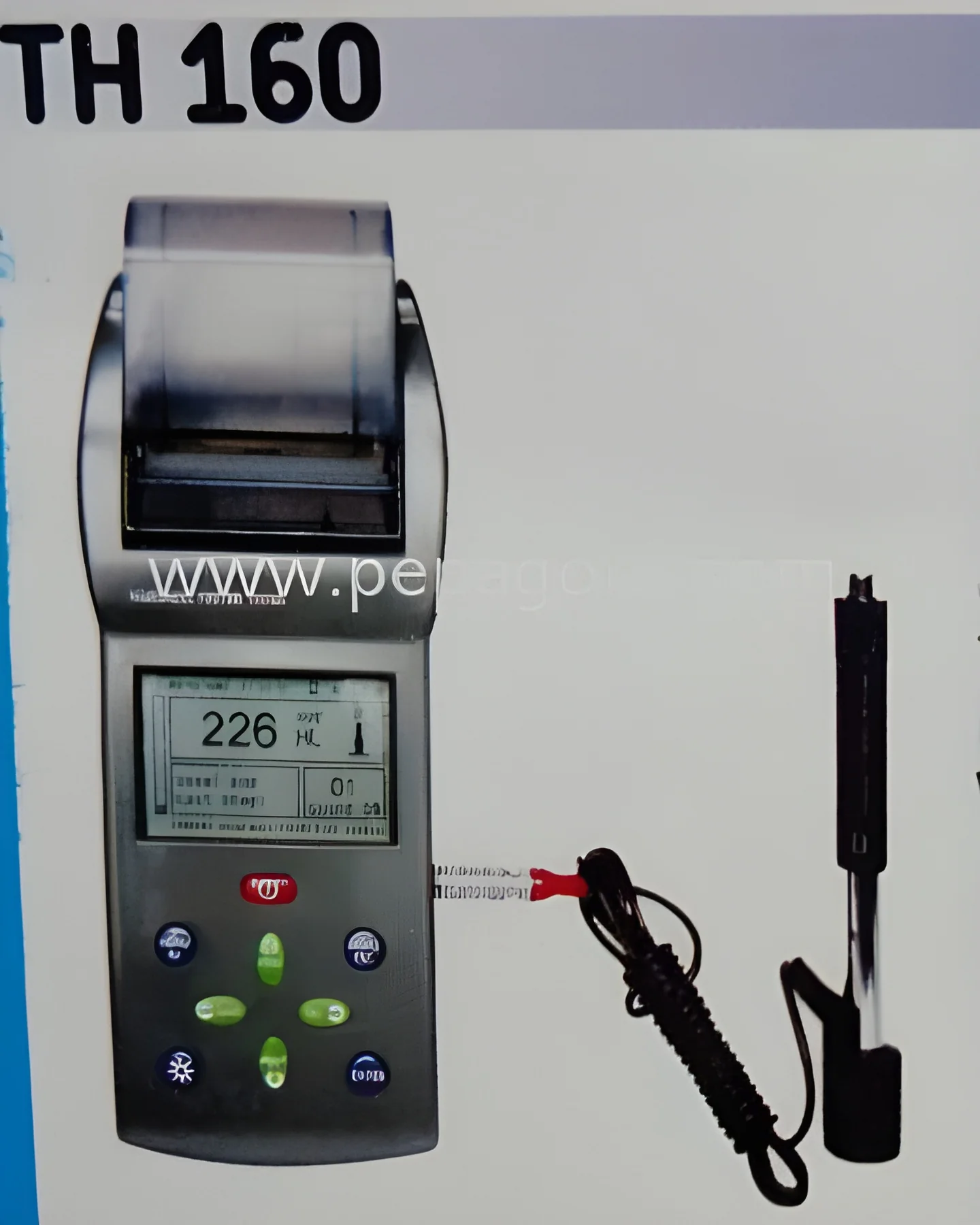
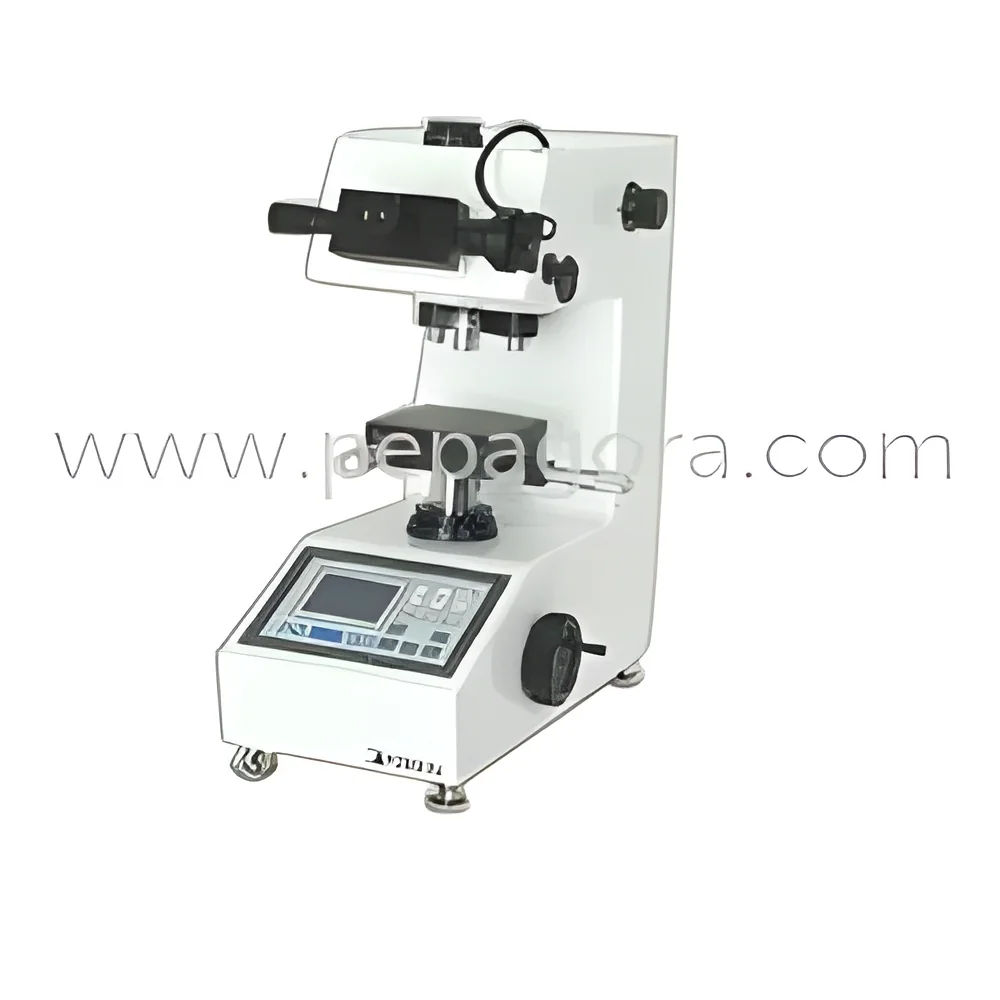
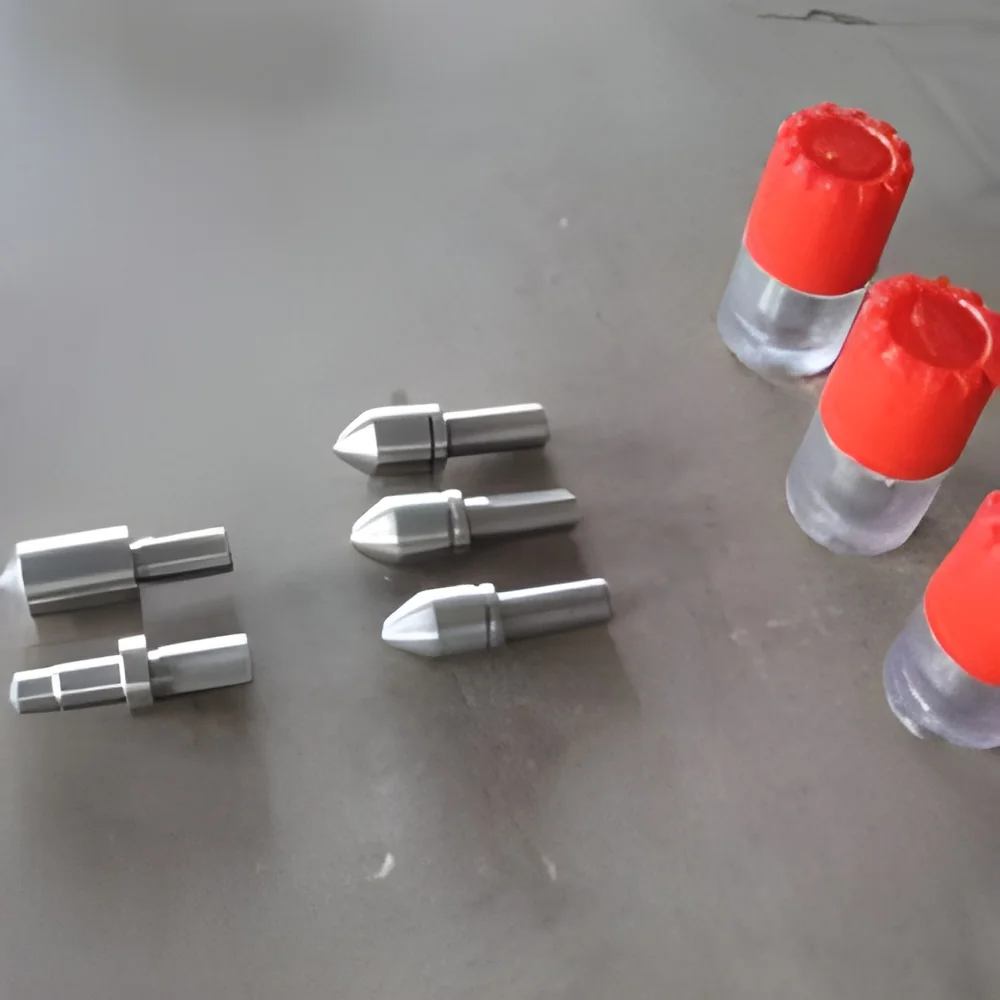
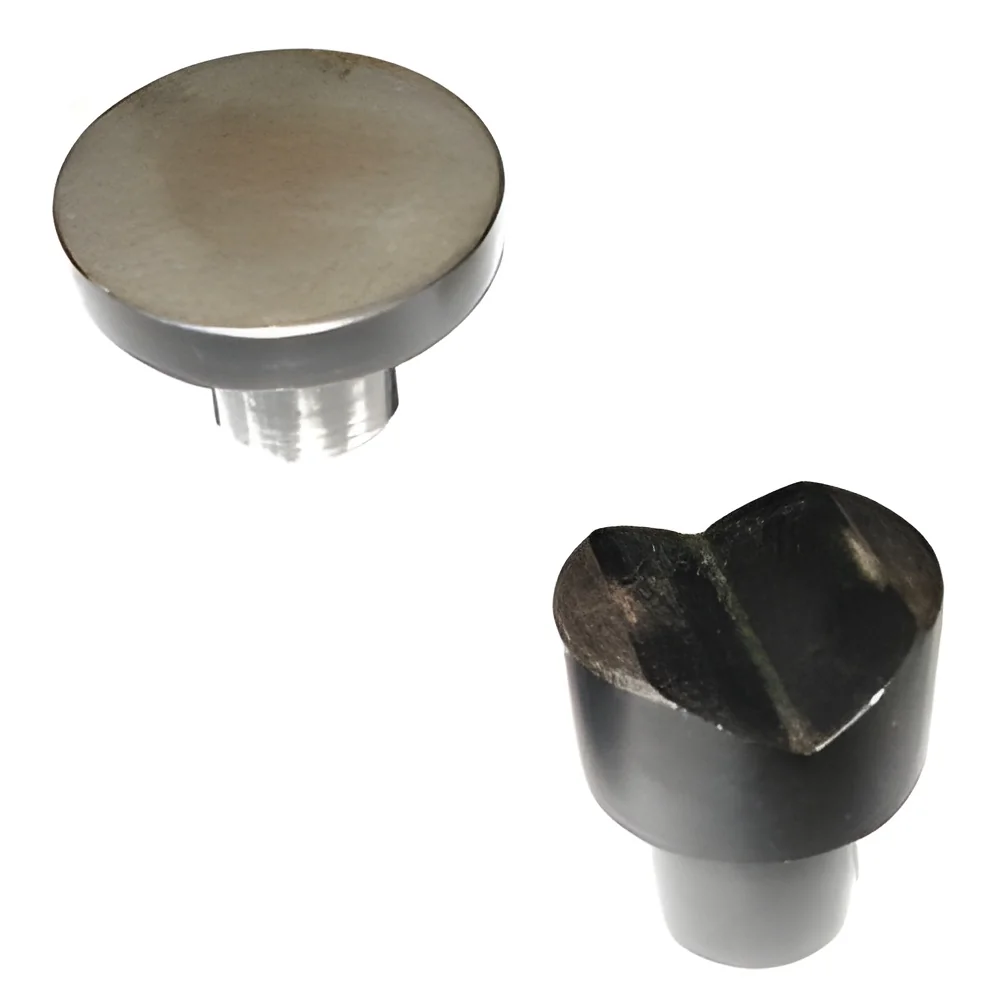
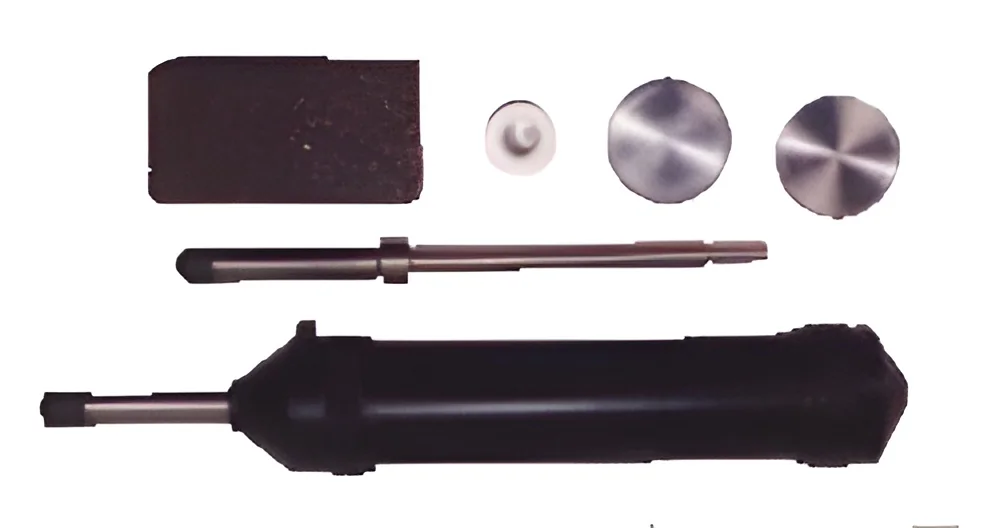
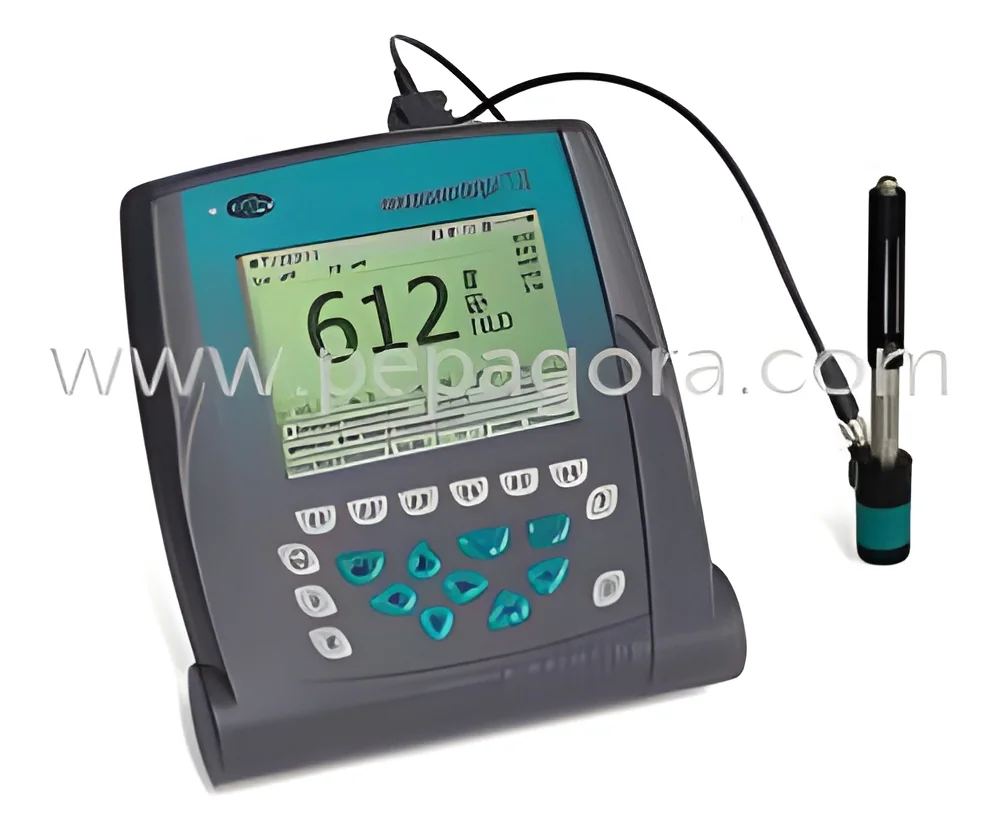
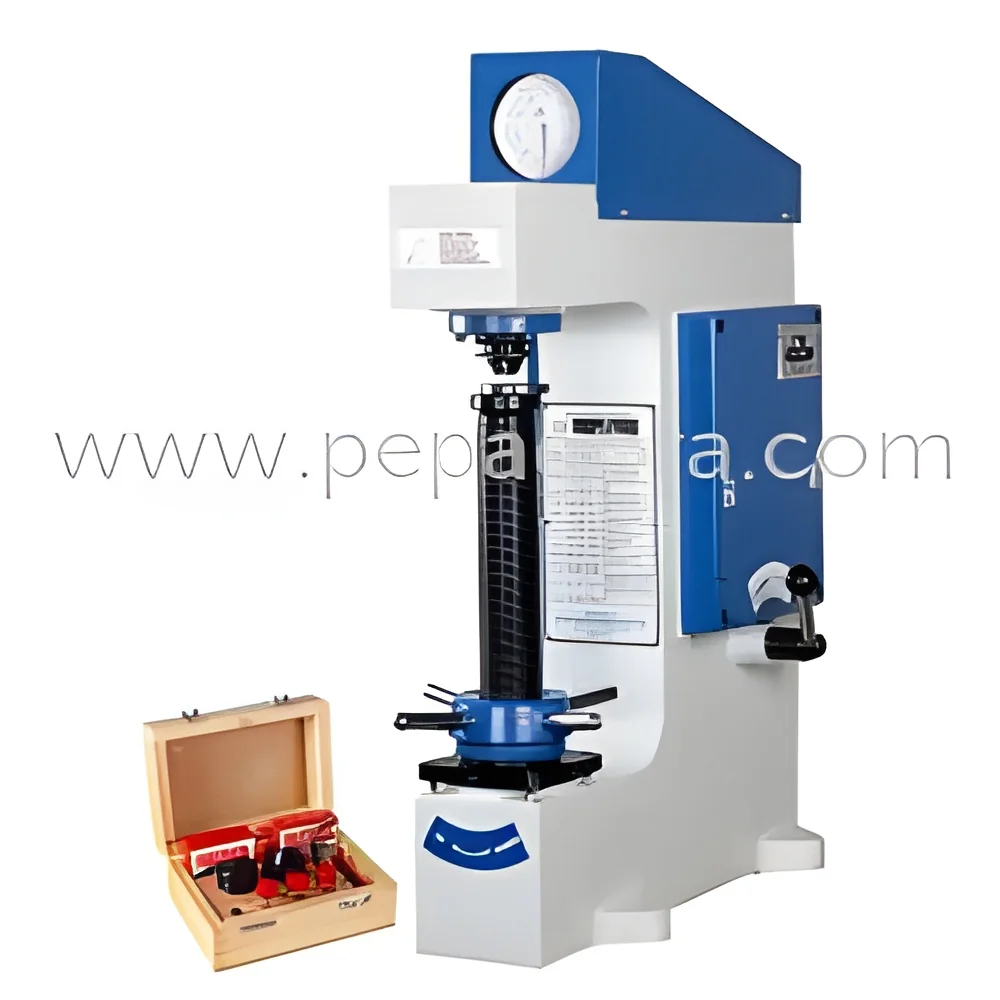
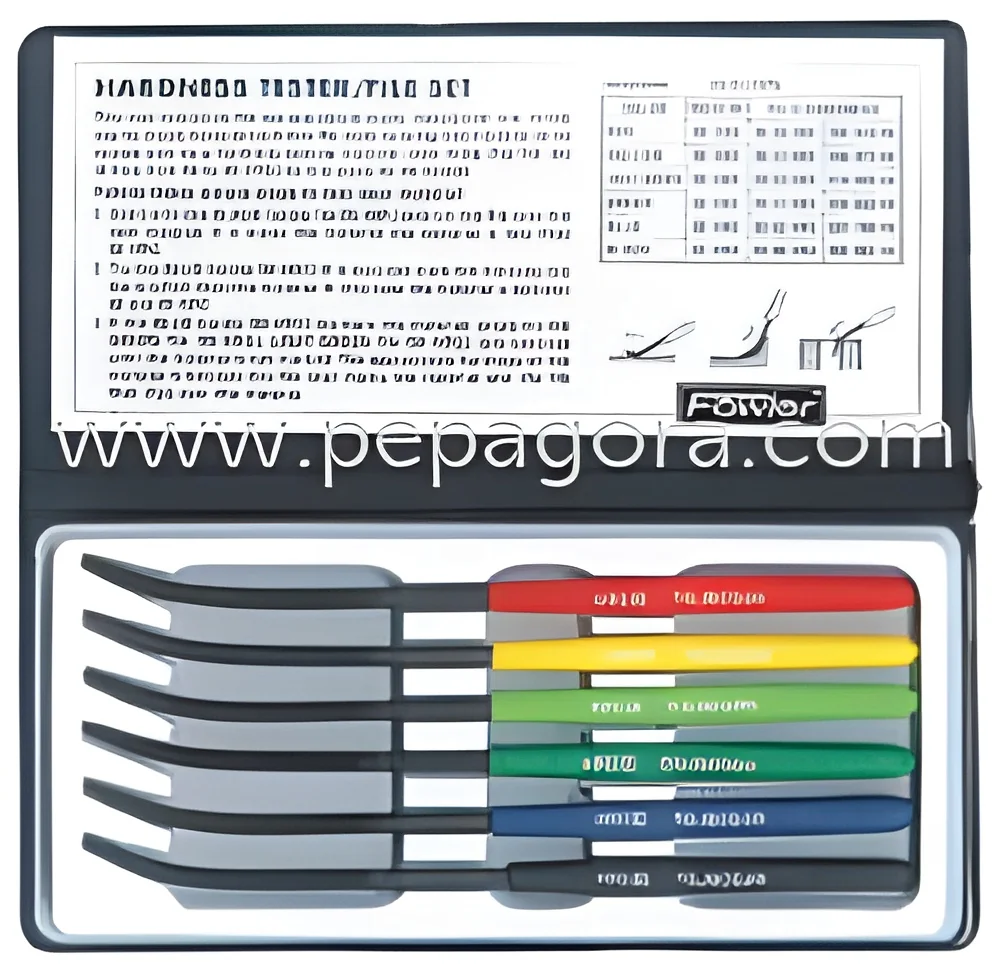
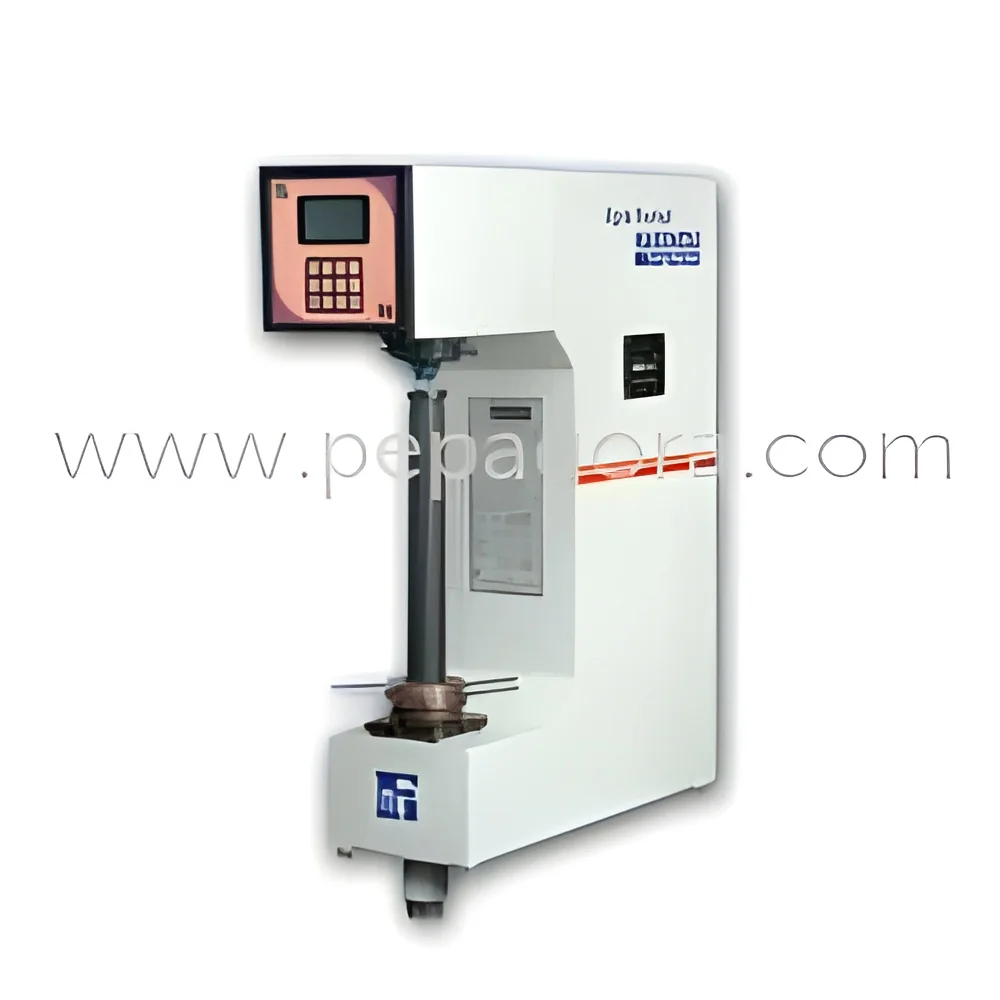
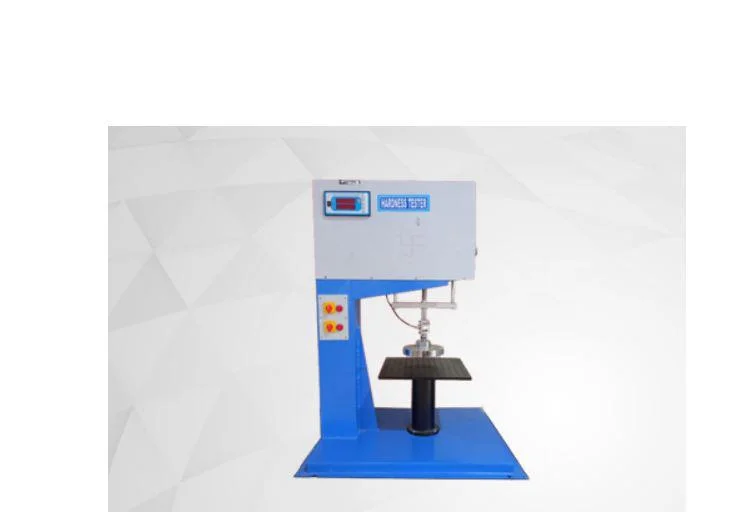
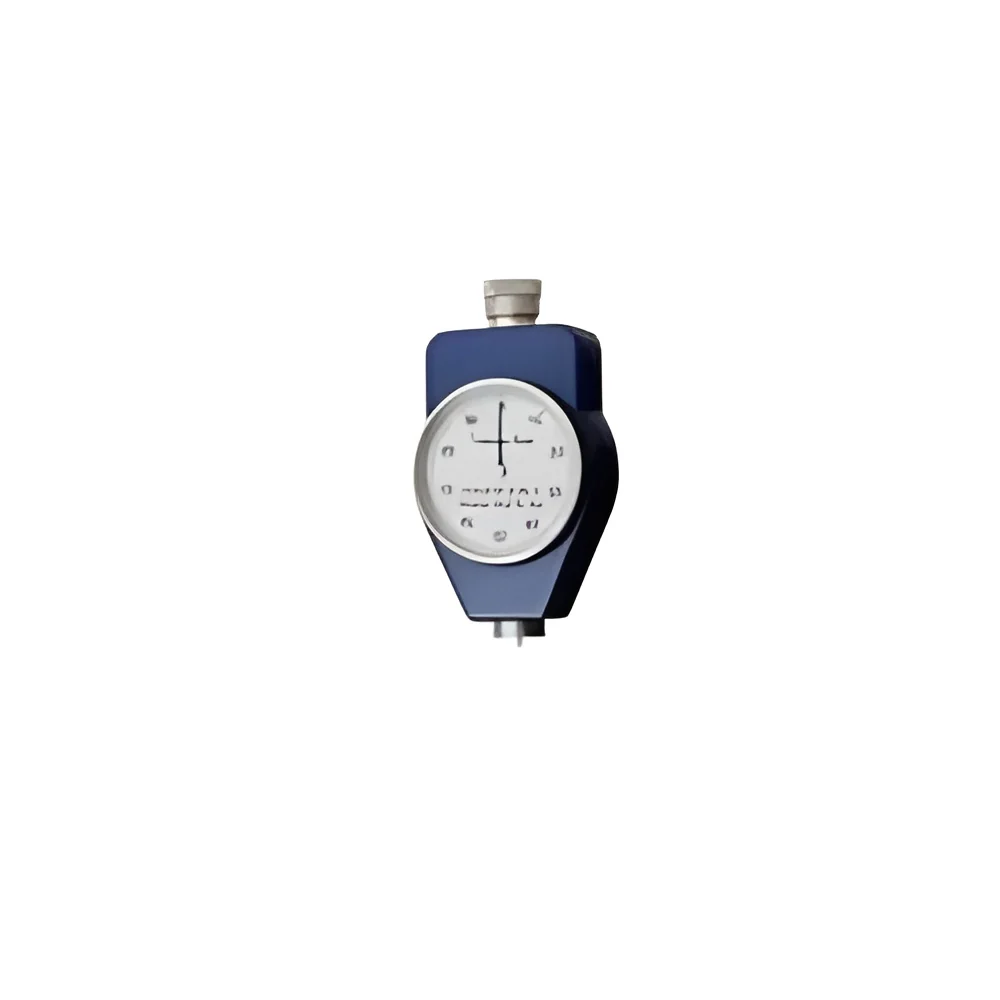
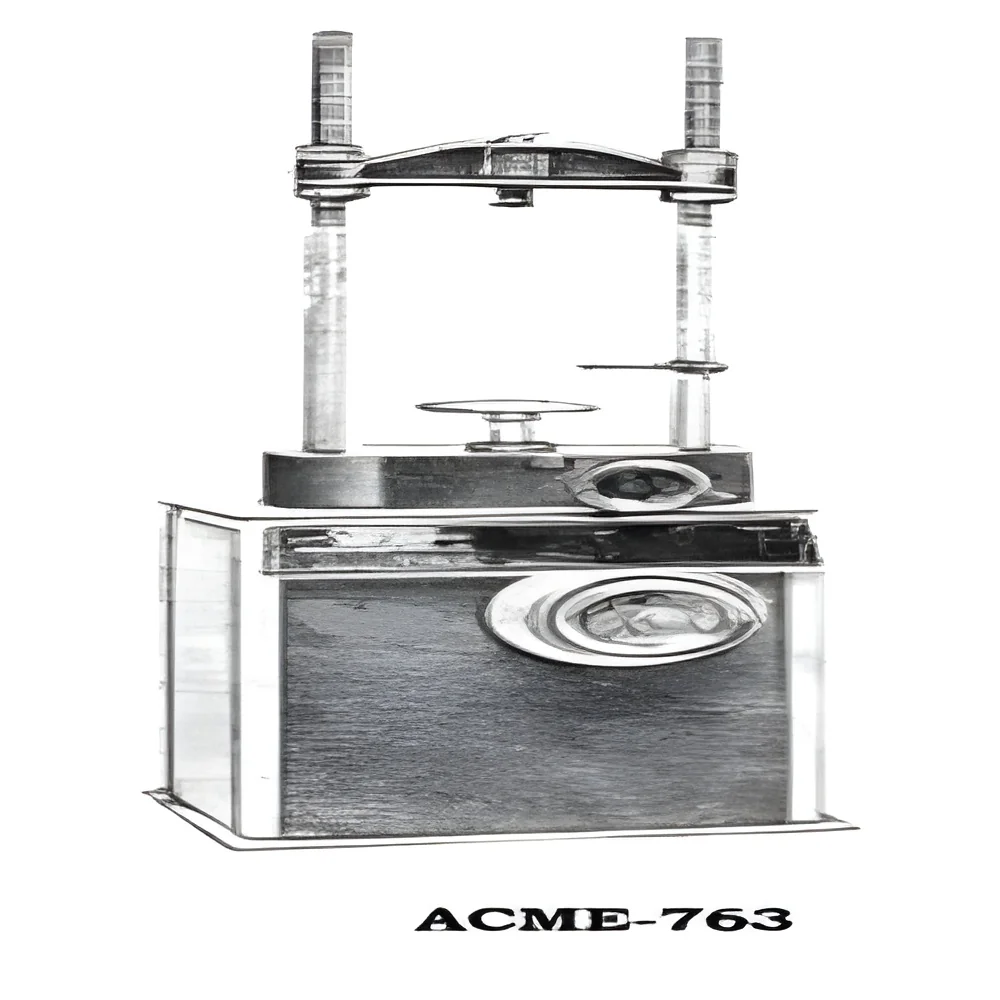
Hardness testers, including Rockwell, Brinell, and Vickers, are essential instruments used to measure the hardness of materials. Hardness is defined as a material's resistance to deformation, particularly permanent deformation, scratching, cutting, or penetration. Each testing method utilizes different principles to determine hardness, making them suitable for various materials and applications. Rockwell testers measure the depth of penetration of an indenter under a large load compared to the penetration made by a preload. Brinell testers use a hard ball indenter to create a permanent indentation, while Vickers testers employ a diamond pyramid indenter for precise measurements.
These testers are widely utilized in industries such as manufacturing, metallurgy, and quality control. They help in assessing material properties, ensuring that they meet specified standards and performance criteria. By determining hardness, businesses can better understand the suitability of materials for specific applications, predict wear and tear, and maintain product quality. The relevance of hardness testing is increasing due to the growing demands for durable materials and the rise of stricter industry standards.
๐๐ฒ๐ ๐๐ฒ๐ฎ๐๐๐ฟ๐ฒ๐ ๐ฎ๐ป๐ฑ ๐ฆ๐ฝ๐ฒ๐ฐ๐ถ๐ณ๐ถ๐ฐ๐ฎ๐๐ถ๐ผ๐ป๐
Hardness testers come equipped with various features designed to enhance accuracy and ease of use. Understanding the key specifications helps buyers choose the right model for their applications.
Key specifications include:
1. Measurement Scales
- Rockwell: Different scales (A, B, C, etc.) for various materials
- Brinell: Uses a 10 mm ball indenter and measures diameter of indentation
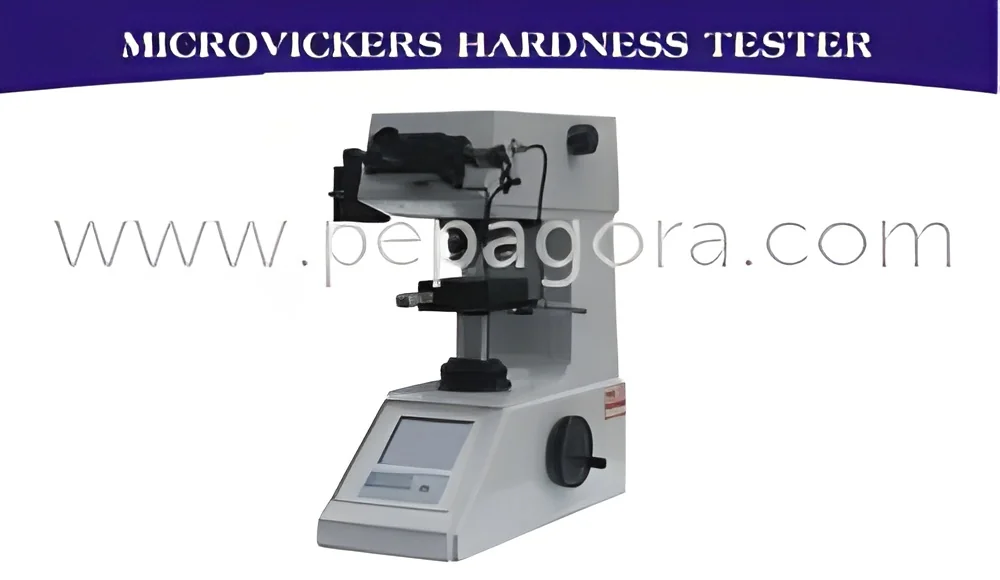
- Vickers: Indentation measurement based on the diagonal of the indent
2. Load Capacity
- Rockwell: Typically ranges from 15 kgf to 150 kgf
- Brinell: Standard load usually around 500 kgf to 3000 kgf
- Vickers: Load range varies from 1 kgf to 100 kgf
3. Accuracy
- Generally within 1% of the measured value for Rockwell and Vickers
- For Brinell, accuracy can vary based on the indenter and material type
4. Display Type
- Digital displays for easy reading
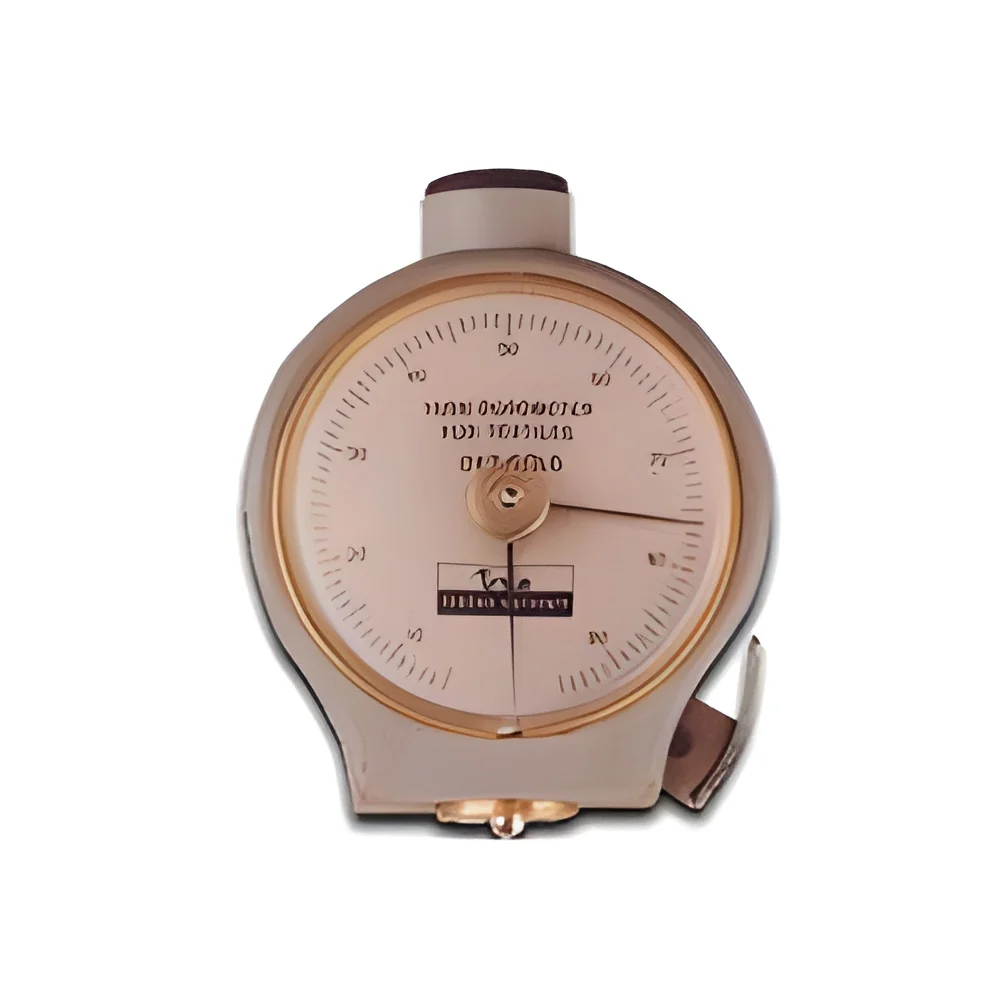
- Analog displays available on some older models
5. Indentation Depth Measurement
- Automatic depth measurement in advanced models
- Manual measurement in basic models
6. Testing Speed
- Fast testing cycles, often under a minute
- Variable speed options for different materials
7. Portability
- Desktop models for laboratory use
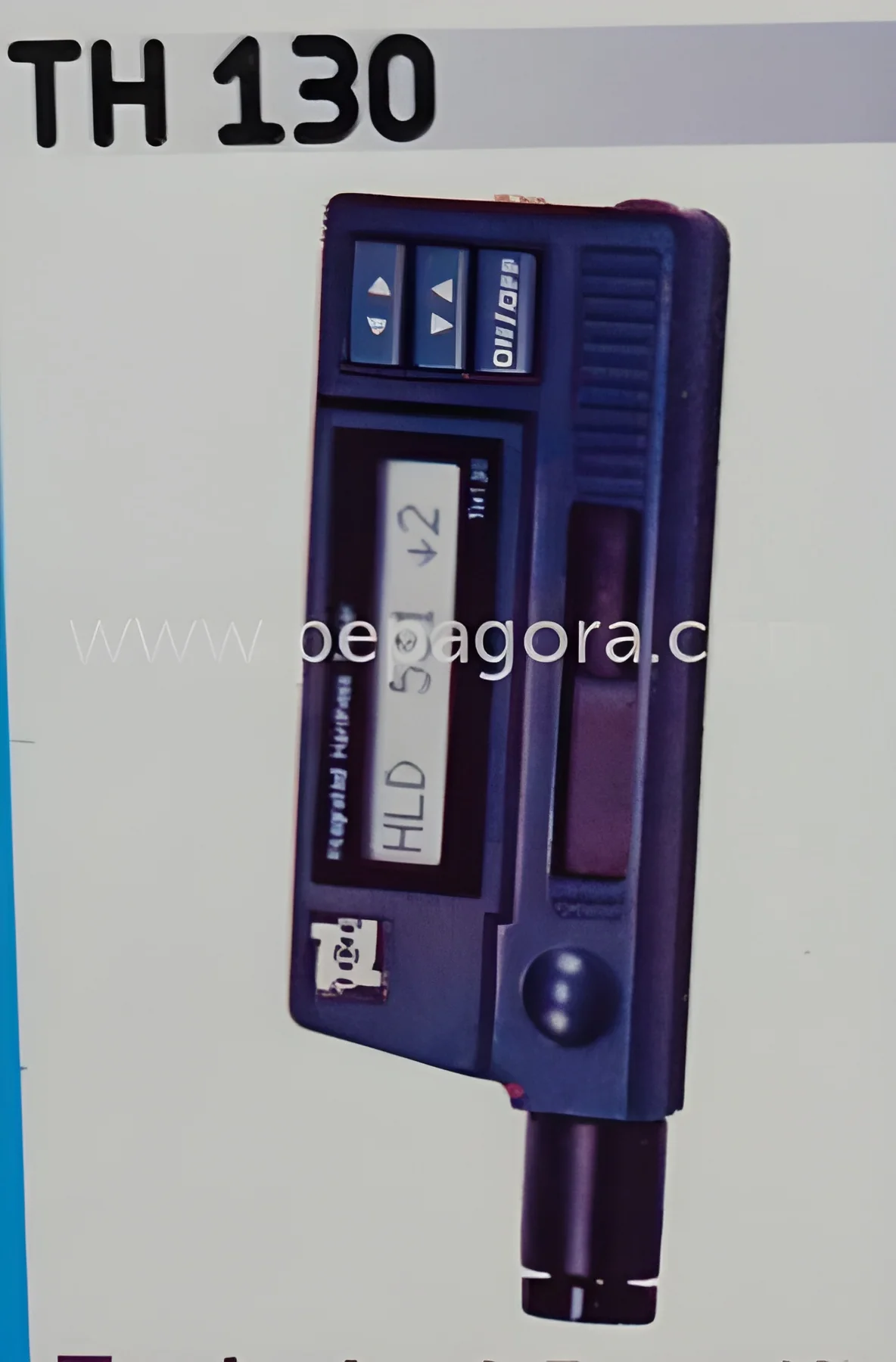
- Portable models for field testing
8. Software Integration
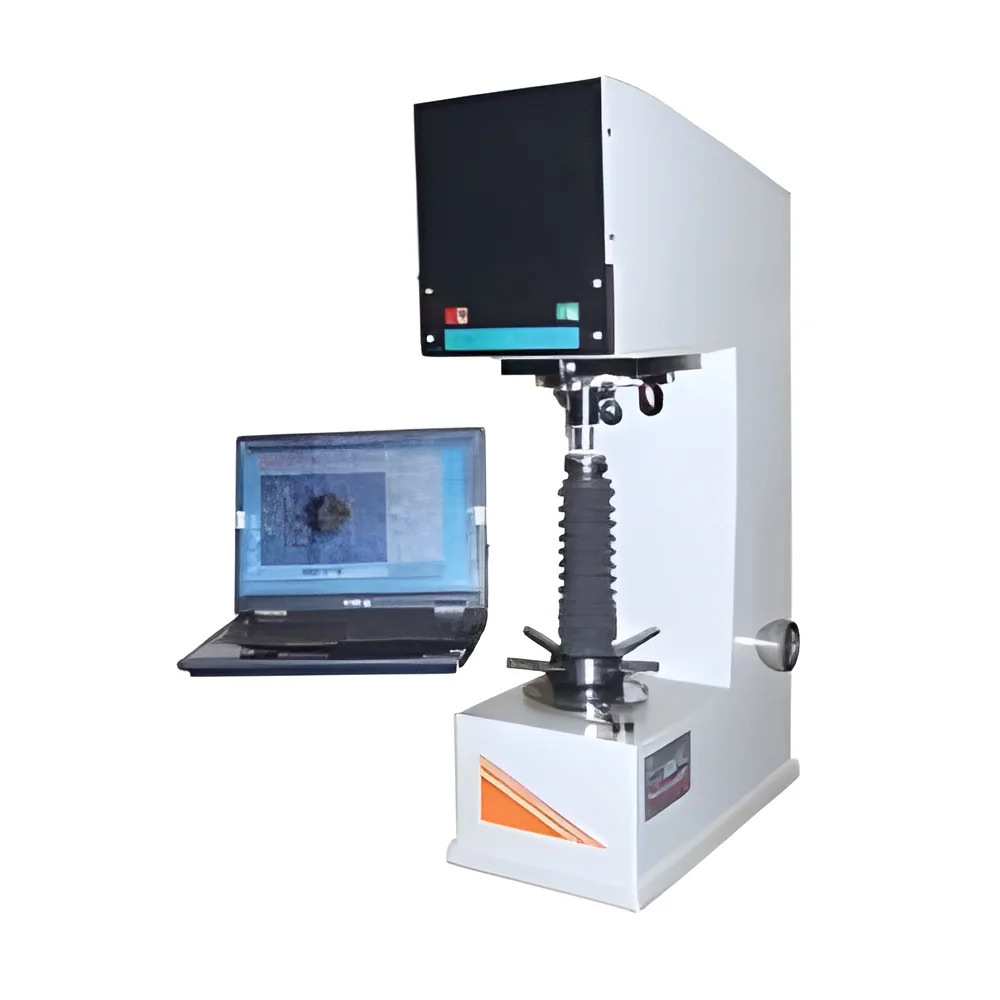
- Some models offer software for data analysis and reporting
- Compatibility with various operating systems
In summary, hardness testers are equipped with features that enhance their usability and accuracy, making them vital tools in material testing.
๐๐ผ๐บ๐บ๐ผ๐ป ๐๐ฝ๐ฝ๐น๐ถ๐ฐ๐ฎ๐๐ถ๐ผ๐ป๐ ๐ฎ๐ป๐ฑ ๐จ๐๐ฒ ๐๐ฎ๐๐ฒ๐
Hardness testers serve a multitude of industries, each with unique applications.
1. Manufacturing: Hardness testers are critical in manufacturing processes to ensure that raw materials meet specific hardness standards before production begins.
2. Aerospace: In the aerospace industry, hardness testing is essential to guarantee the strength and durability of components used in aircraft and spacecraft.
3. Automotive: Hardness testing helps automotive manufacturers ensure that materials used in engines and structural components can withstand wear and stress.
4. Metalworking: Metalworking industries frequently use hardness testers to evaluate the quality of metal parts and ensure they meet stringent specifications.
5. Construction: Hardness testing is important for assessing the durability of materials like concrete and steel used in construction.
6. Tooling: Manufacturers of cutting tools use hardness testers to ensure their products maintain edges and resist wear.
7. Oil and Gas: In the oil and gas industry, hardness testing helps evaluate materials that will be exposed to extreme conditions.
๐ฃ๐ฟ๐ผ๐ฑ๐๐ฐ๐ ๐ฉ๐ฎ๐ฟ๐ถ๐ฎ๐ป๐๐ ๐ฎ๐ป๐ฑ ๐ฆ๐๐ฏ๐ฐ๐ฎ๐๐ฒ๐ด๐ผ๐ฟ๐ถ๐ฒ๐
The diversity of hardness testers allows for specialized applications across various fields.
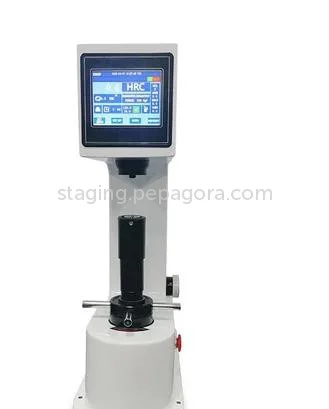
Rockwell Hardness Testers: These testers provide quick and reliable hardness measurements using different scales suited for various materials. They are particularly favored for their ease of use and fast results.
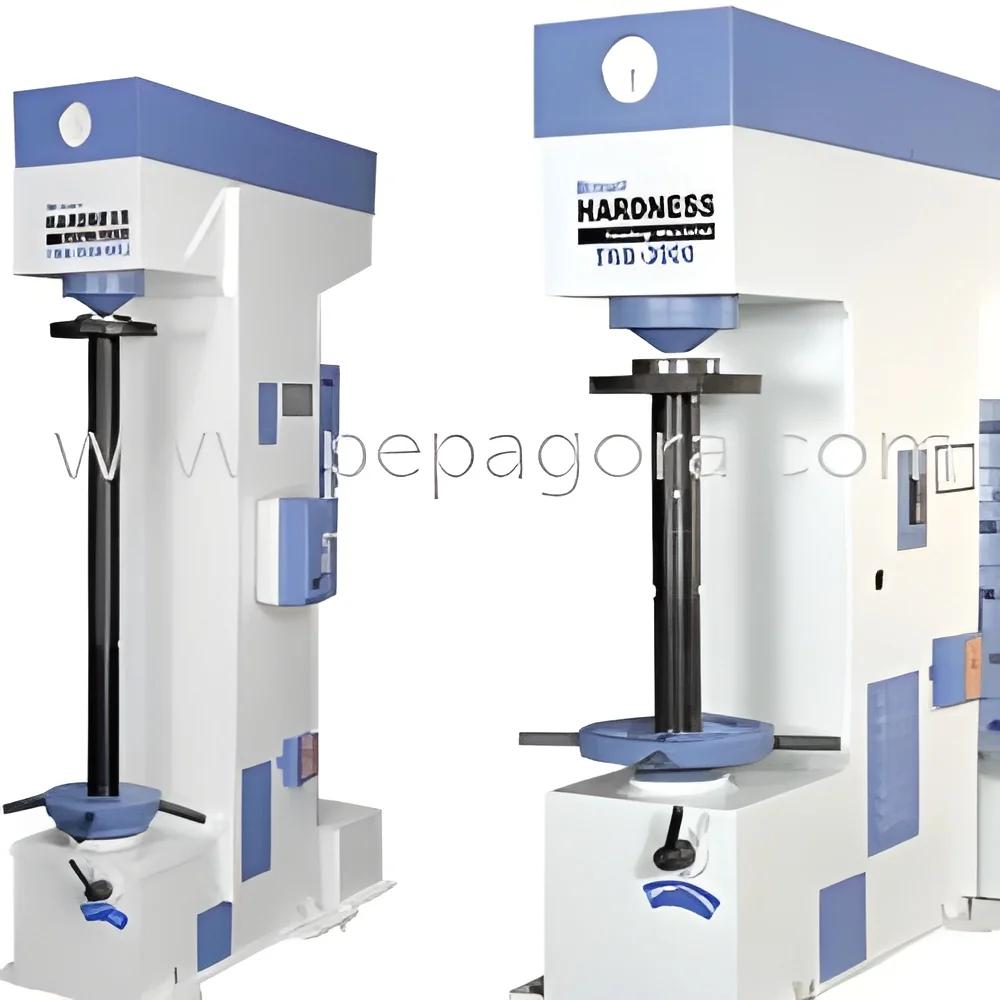
Brinell Hardness Testers: Ideal for larger materials, Brinell testers use a hardened steel ball to create an indentation. This method is effective for materials like castings and forgings.
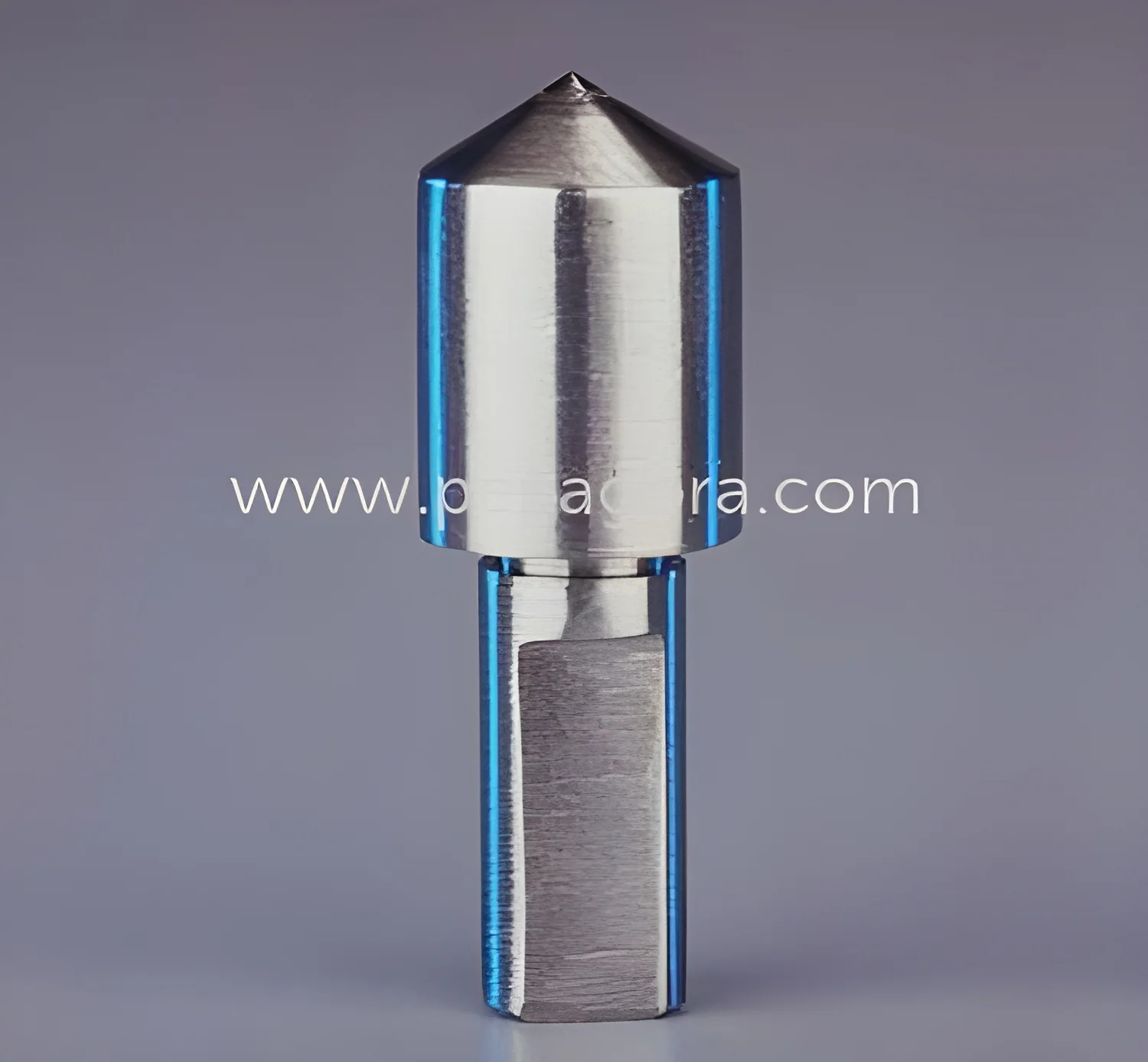
Vickers Hardness Testers: Vickers testers are known for their versatility and precision. With a diamond indenter, they can assess both soft and hard materials, making them suitable for a wide range of applications.
๐๐ฒ๐ป๐ฒ๐ณ๐ถ๐๐ ๐ฎ๐ป๐ฑ ๐๐ฑ๐๐ฎ๐ป๐๐ฎ๐ด๐ฒ๐
Investing in hardness testers yields numerous advantages for businesses.
1. Enhanced Quality Control: Hardness testers help ensure that materials meet industry standards, leading to improved product reliability.
2. Cost Efficiency: By identifying materials with optimal hardness, companies can minimize waste and reduce costs associated with material failure.
3. Versatility: With different testing methods available, hardness testers can be adapted to various materials and applications.
4. Accurate Measurements: Modern hardness testers offer high precision, contributing to better material performance and longevity.
5. Ease of Use: Many testers are designed for user-friendly operation, allowing for quick training and implementation in production lines.
6. Data Management: Advanced models with software integration help in tracking and analyzing testing data, enhancing decision-making processes.
๐๐๐๐ถ๐ป๐ด ๐๐๐ถ๐ฑ๐ฒ ๐ณ๐ผ๐ฟ ๐๐ฎ๐ ๐๐๐๐ฒ๐ฟ๐
When sourcing hardness testers, buyers should consider several critical factors to ensure they select the right equipment.
1. Quality Assessment: Evaluate the quality of hardness testers based on manufacturer reputation, user reviews, and compliance with industry standards.
2. Supplier Verification: Vet potential suppliers to ensure they provide reliable products and support services. Look for certifications and customer feedback.
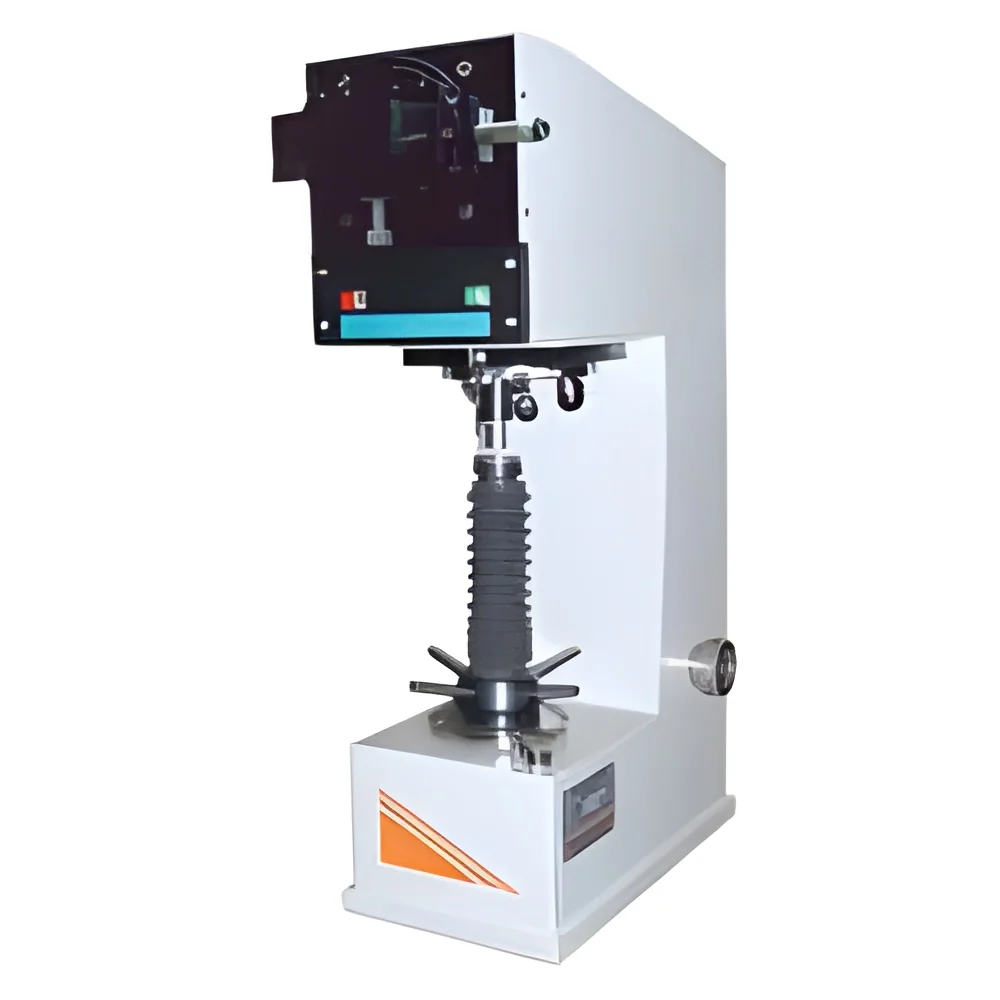
3. Pricing and MOQ: Consider the total cost of ownership, including the purchase price, maintenance, and any minimum order quantities that may apply.
4. Delivery and Lead Times: Assess the supplierโs ability to meet delivery timelines, which is essential for maintaining production schedules.
5. Compliance Requirements: Ensure the hardness testers meet relevant regulatory and safety standards to avoid potential legal issues.
๐๐ผ๐บ๐ฝ๐น๐ถ๐ฎ๐ป๐ฐ๐ฒ ๐ฎ๐ป๐ฑ ๐๐ฒ๐ฟ๐๐ถ๐ณ๐ถ๐ฐ๐ฎ๐๐ถ๐ผ๐ป๐
Hardness testers must adhere to various quality standards to ensure reliability and performance. Common standards include ISO 9001, which focuses on quality management systems, and CE certification, which indicates compliance with European health and safety regulations.
Industry-specific certifications may also apply, particularly in sectors like aerospace and automotive, where stringent quality standards are mandatory. Safety and testing requirements vary by region, necessitating that buyers confirm compliance based on their operational location.
Regional considerations may include adherence to local regulations and industry standards, emphasizing the importance of choosing suppliers familiar with these requirements.
Why Source Hardness Testers (Rockwell, Brinell, Vickers) from Pepagora?
Pepagora offers a trusted platform for sourcing hardness testers with multiple advantages for B2B buyers.
Verified Supplier Network: Pepagora connects buyers with a network of verified suppliers, ensuring that the products meet high-quality standards and compliance requirements.
Streamlined RFQ Process: The platform simplifies the Request for Quotation process, allowing buyers to easily compare options and make informed decisions based on their specific needs.
Trade Assurance and Support: Pepagora provides buyer protection through trade assurance, ensuring that transactions are secure and that buyers receive the products as promised.
Regional Coverage: With a strong presence in India, the GCC, and Southeast Asia, Pepagora facilitates access to suppliers across diverse markets, helping buyers find the best options for their hardness testing needs.