What are Height Gauges?
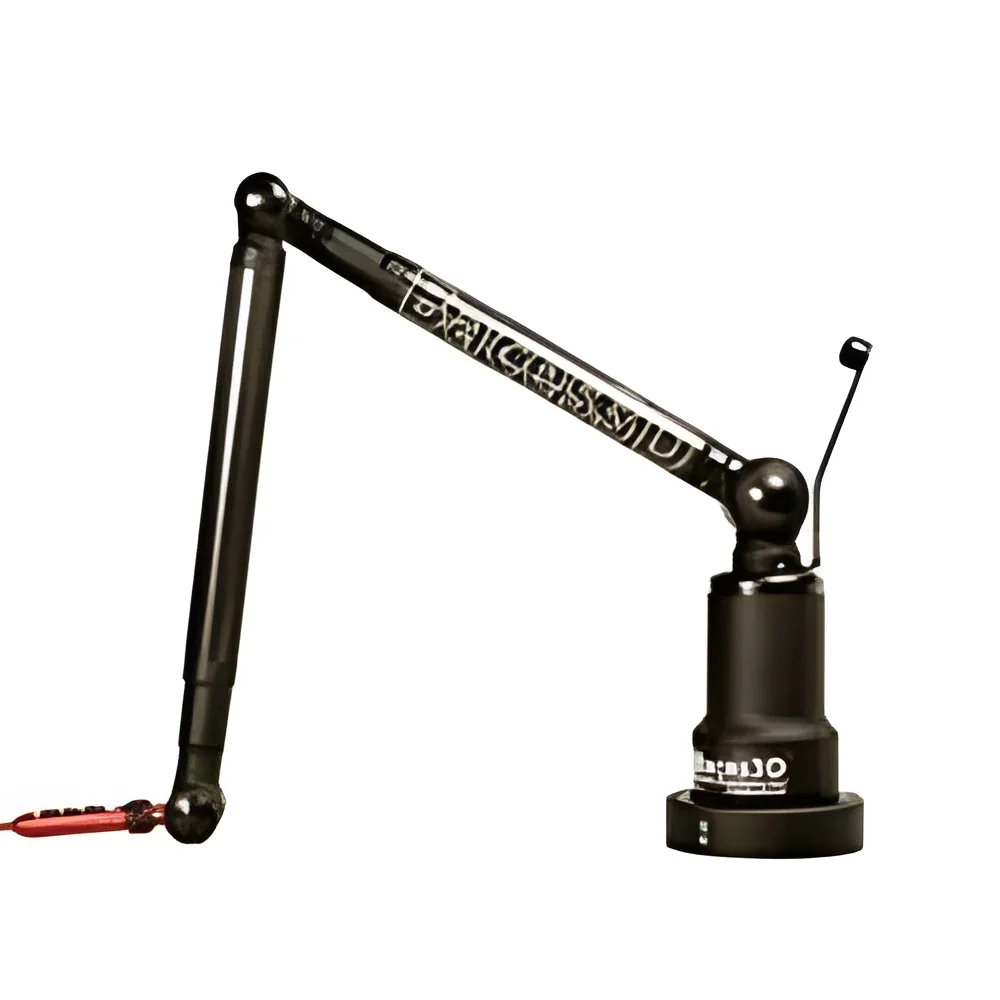
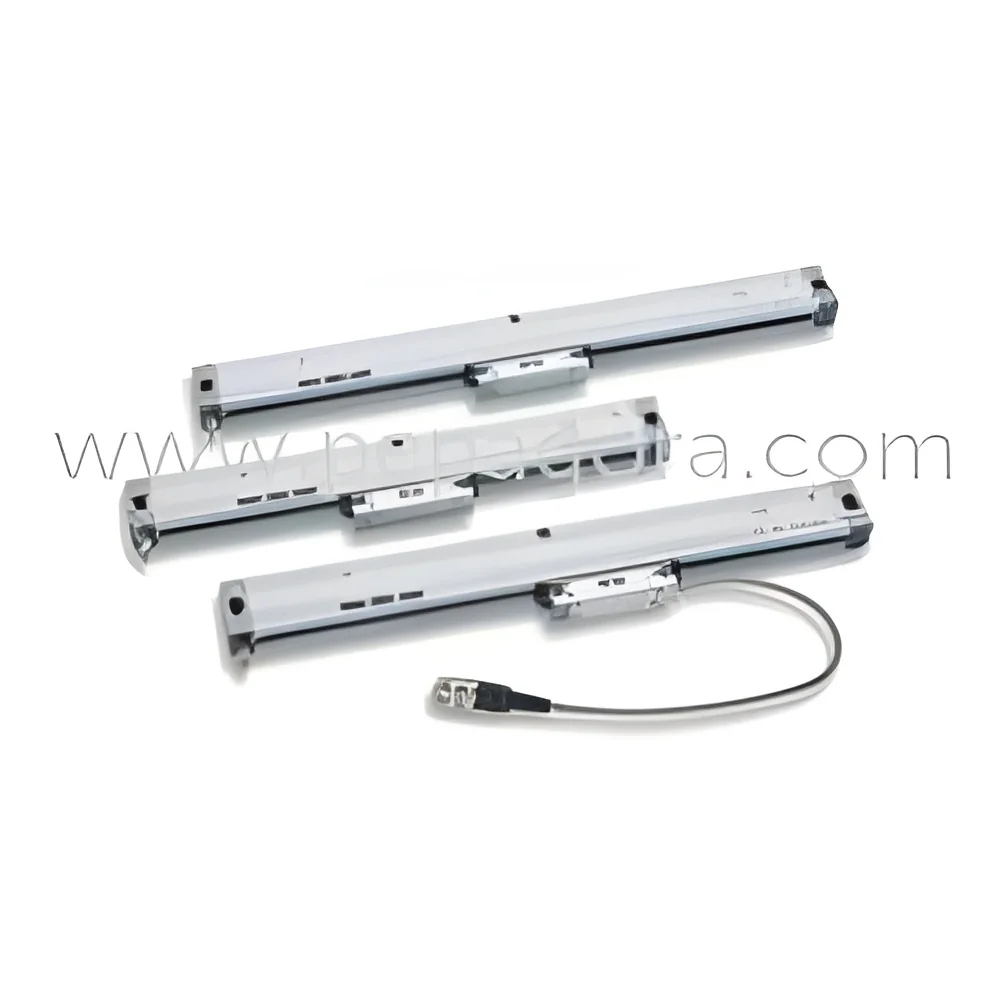
Height gauges are precision measuring instruments used to determine the height of an object or the distance between two points. They are widely utilized in manufacturing and engineering environments for accurate measurement tasks. Height gauges typically consist of a vertical measuring arm that moves along a fixed base, allowing for precise readings on various materials and surfaces.
In terms of business applications, height gauges are essential for quality control, inspection, and manufacturing processes. These tools help ensure that parts and assemblies meet specified dimensions, thus maintaining product quality and compliance with engineering standards. Industries such as aerospace, automotive, and precision machining heavily rely on height gauges to achieve accurate measurements and enhance operational efficiency.
The relevance of height gauges in the industrial market is significant, given the increasing demand for precision in manufacturing. As industries evolve and adopt advanced technologies, height gauges continue to play a crucial role in ensuring accuracy, efficiency, and quality in production processes across various sectors.
Key Features and Specifications
Height gauges come with several features that enhance their functionality and usability. Understanding these specifications is essential when selecting the right height gauge for specific applications.
Key specifications include:
1. Measurement Range
- Commonly ranges from 0 to 1,000 mm or more, depending on the model.
- Allows for various applications across different industries.
2. Resolution
- Typically ranges from 0.01 mm to 0.001 mm.
- Ensures precise measurements for high-tolerance applications.
3. Material Construction
- Often made from stainless steel or aluminum for durability and resistance to corrosion.
- Lightweight designs available for portability.
4. Display Type
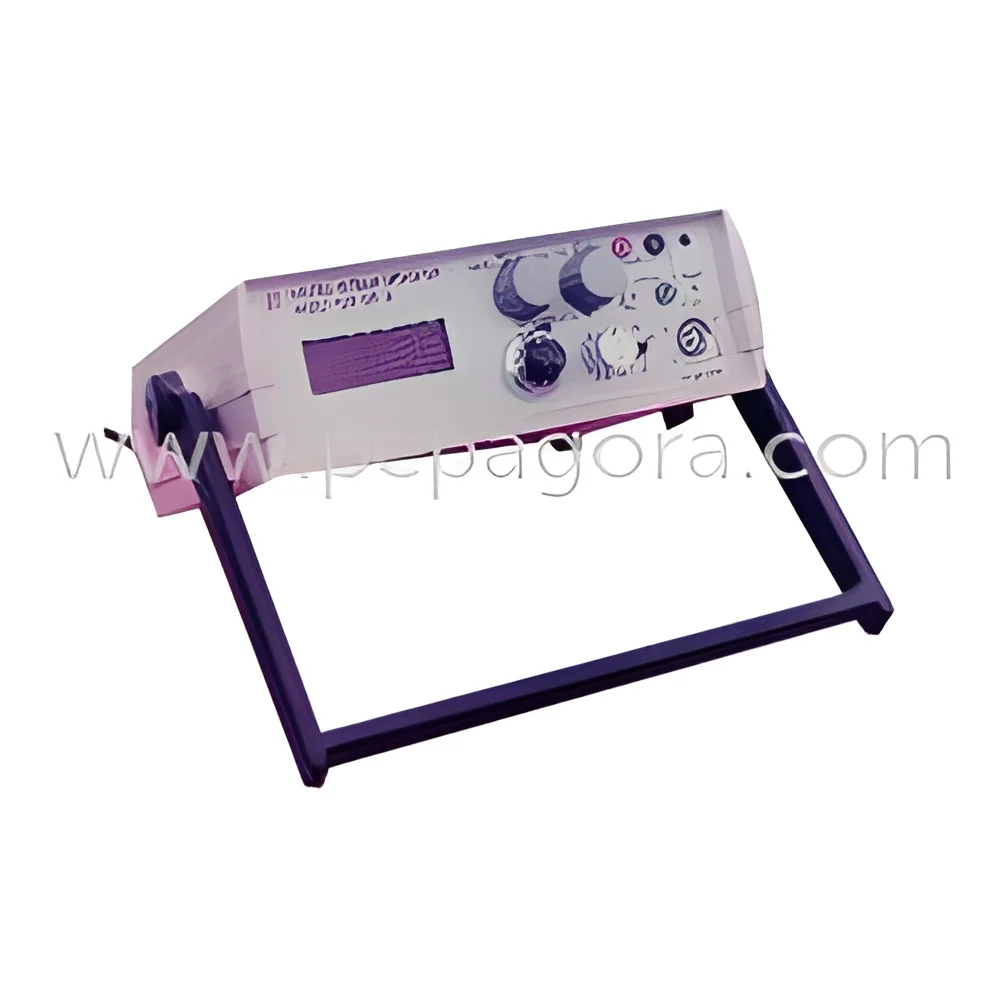
- Can feature analog dials or digital displays.
- Digital models often include backlighting for easier reading.
5. Base Stability
- Equipped with a heavy base to prevent tipping during use.
- Some models include suction cups for added stability on smooth surfaces.
6. Calibration
- Many height gauges come with calibration features for accuracy.
- Regular calibration is recommended to maintain measurement precision.
7. Accessories
- May include fine adjustment knobs, scribers, or depth gauges.
- Accessories enhance functionality for various measurement tasks.
In summary, height gauges are versatile tools that offer a range of specifications tailored to meet the needs of precision measurement tasks in diverse industrial settings.
Common Applications and Use Cases
Height gauges are utilized in various industries, each with specific applications that highlight their importance.
1. Aerospace: In the aerospace industry, height gauges are used for measuring critical components such as wing spars and fuselage sections, ensuring they meet stringent specifications.
2. Automotive: Height gauges assist in verifying the dimensions of engine components and body parts, contributing to quality control in automotive manufacturing.
3. Precision Machining: Machinists use height gauges to measure the height of machined parts, ensuring they adhere to precise tolerances.
4. Electronics: In electronics manufacturing, height gauges help measure the height of circuit boards and components to ensure proper assembly.
5. Metal Fabrication: Height gauges are essential for checking the height of metal parts before and after processing to maintain dimensional accuracy.
6. Tool and Die Making: Height gauges are used to measure tool heights and ensure that dies are manufactured to exact specifications.
7. Woodworking: In woodworking, these tools help ensure that furniture and cabinetry meet design specifications.
Product Variants and Subcategories
The diversity of height gauges allows for a variety of options tailored to different measurement needs.
Digital Height Gauge
This variant features a digital display for easy reading and often includes advanced features such as data output for integration with computers. They are ideal for industries requiring high precision.
Mechanical Height Gauge
Mechanical models use analog dials to display measurements. These gauges are simple to use and do not require batteries, making them reliable for various environments.
Manual Height Gauge
This variant is operated manually and is suitable for straightforward measurement tasks. They are often more affordable and easy to maintain, making them a popular choice for small workshops.
Benefits and Advantages
Height gauges offer several benefits that enhance measurement accuracy and efficiency in industrial applications.
1. Precision Measurement: Height gauges provide accurate measurements, enabling businesses to maintain quality standards in manufacturing.
2. Versatile Applications: These tools can be used across multiple industries, making them essential for various measurement tasks.
3. Easy to Use: Most height gauges are user-friendly, allowing operators to obtain measurements quickly.
4. Durable Construction: Made from robust materials, height gauges are designed to withstand harsh industrial environments.
5. Cost-Effective: Investing in height gauges can lead to long-term savings by reducing measurement errors and minimizing waste.
6. Improved Quality Control: Height gauges play a crucial role in quality assurance, helping to deliver products that meet customer expectations.
Buying Guide for B2B Buyers
When sourcing height gauges, it is essential to consider several key factors to ensure the right choice for your business needs.
1. Quality Assessment: Evaluate the quality of height gauges by examining manufacturer specifications, customer reviews, and product testing results. High-quality gauges will provide reliable measurements.
2. Supplier Verification: Vet suppliers by checking their credentials, certifications, and track records. Ensure they have a reputation for delivering high-quality products and reliable service.
3. Pricing and MOQ: Consider the price of height gauges and any minimum order quantities (MOQ) set by suppliers. Balance cost with quality to make an informed purchasing decision.
4. Delivery and Lead Times: Discuss logistics with suppliers to understand delivery schedules and lead times. Ensure that the supplier can meet your timeline for project needs.
5. Compliance Requirements: Be aware of regulatory standards and compliance requirements for height gauges in your industry. Ensure the products meet relevant certifications and testing standards.
Compliance and Certifications
Height gauges must adhere to various quality standards and certifications to ensure their reliability and accuracy in measurement.
ISO 9001 is a widely recognized standard that outlines the requirements for a quality management system. Height gauges from certified manufacturers will typically meet these criteria, ensuring consistent quality.
CE certification indicates that a product complies with European safety, health, and environmental protection standards. Height gauges that carry this certification are deemed safe for use in various applications.
Safety and testing requirements are paramount for ensuring that height gauges operate correctly and deliver accurate measurements. Regular testing and adherence to safety protocols are essential for both manufacturers and users.
Regional compliance considerations must also be taken into account, as different regions may have specific regulations governing measurement tools. Understanding these requirements can help businesses avoid legal complications.
Why Source Height Gauges from Pepagora?
Pepagora provides a trusted platform for sourcing height gauges with several key advantages that cater to B2B buyers.
Verified Supplier Network: Pepagora has established a comprehensive network of verified suppliers. This ensures that buyers can access high-quality products from reputable manufacturers, reducing the risk of purchasing inferior tools.
Streamlined RFQ Process: The request for quotation (RFQ) process on Pepagora is designed to be user-friendly and efficient. Buyers can easily submit their requirements and receive competitive quotes from multiple suppliers, simplifying the procurement process.
Trade Assurance and Support: Pepagora offers trade assurance to protect buyers throughout their purchasing journey. This includes support in case of disputes and assistance with product quality verification.
Regional Coverage: Pepagora has a broad geographic reach across India, the Gulf Cooperation Council (GCC) countries, and Southeast Asia. This enables buyers to connect with local suppliers and access height gauges suitable for their specific regional needs.

 IN
IN