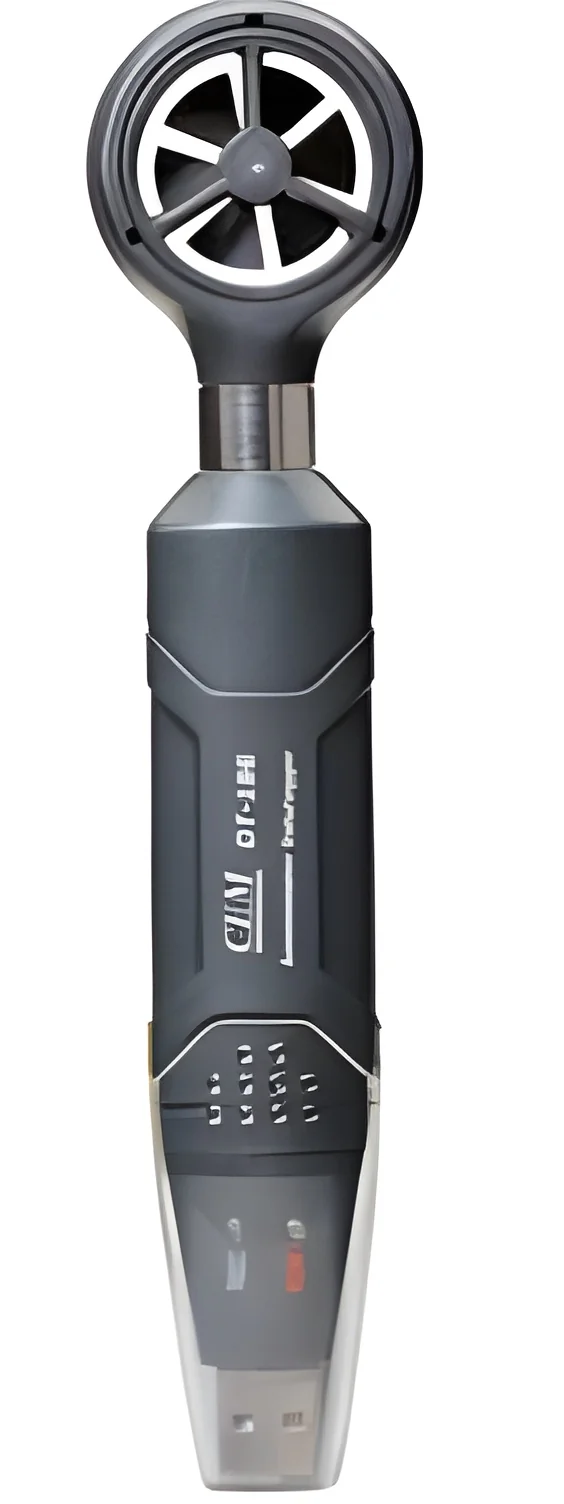
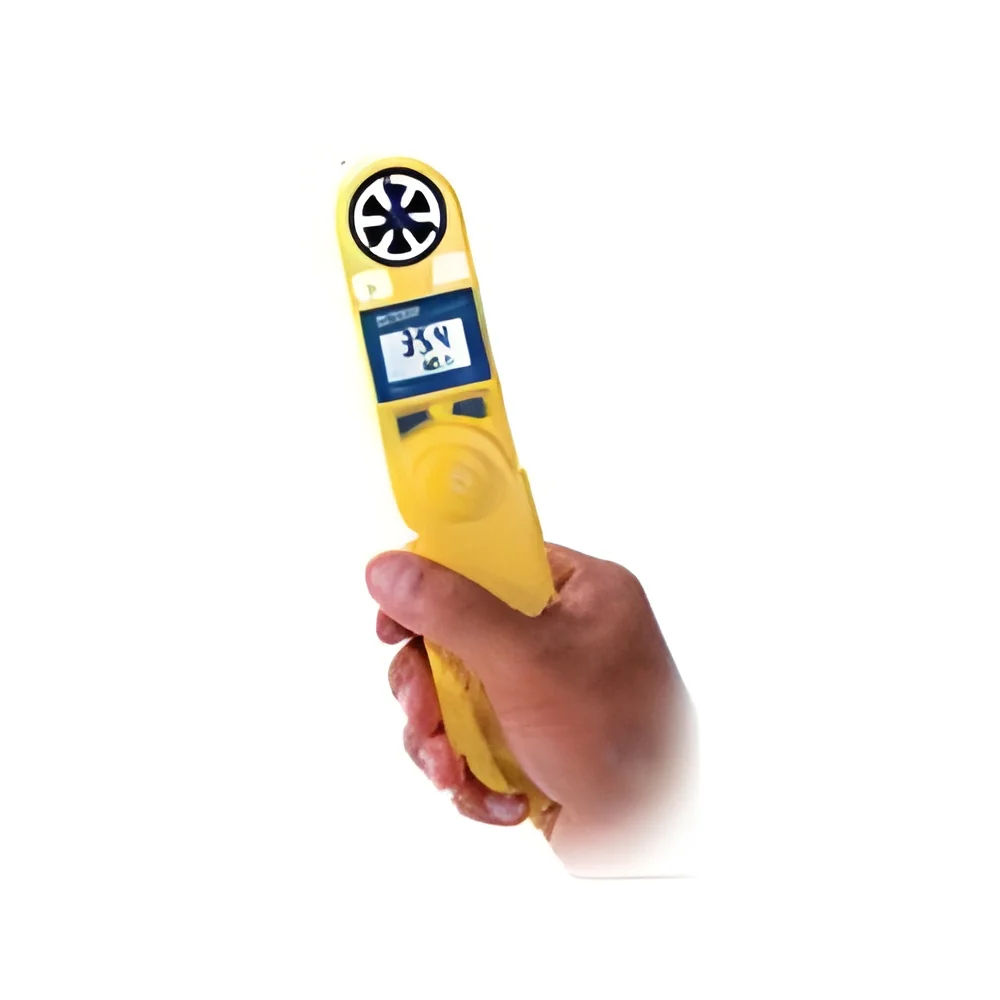
Key Features and Specifications
Anemometers offer a variety of features and specifications that cater to different measurement needs. Understanding these specifications is essential for selecting the right device for your application.
Key specifications include:
1. Measurement Range
- The range of air speed that the anemometer can accurately measure.
- Typical ranges may vary from 0 to 20 m/s or higher depending on the model.
2. Accuracy
- The degree to which the measured value reflects the true value.
- Accuracy can be within ±2% of the reading for high-quality instruments.
3. Response Time
- The time taken for the device to respond to changes in air speed.
- Fast response times are crucial for dynamic environments.
4. Display Type
- The method in which measurements are presented to the user.
- Options can include analog, digital, or graphical displays.
5. Power Source
- The type of energy the device requires to operate.
- Common sources include batteries, USB power, or solar power.
6. Operating Temperature Range
- The temperature limits within which the anemometer can function effectively.
- Typical ranges may not be specified but should be considered based on application.
7. Portability
- The weight and size of the device, influencing ease of use in the field.
- Many models are designed to be lightweight and compact.
8. Connectivity Options
- The ability to connect to other devices for data logging or remote monitoring.
- Some models may offer Bluetooth or USB connectivity.
In summary, selecting an anemometer with the right features and specifications ensures you meet your specific monitoring needs effectively.
Common Applications and Use Cases
Anemometers are versatile tools used across various industries. Their ability to measure air flow accurately makes them valuable in multiple contexts.
1. HVAC: In heating, ventilation, and air conditioning systems, anemometers help monitor and optimize air flow for improved energy efficiency and comfort.
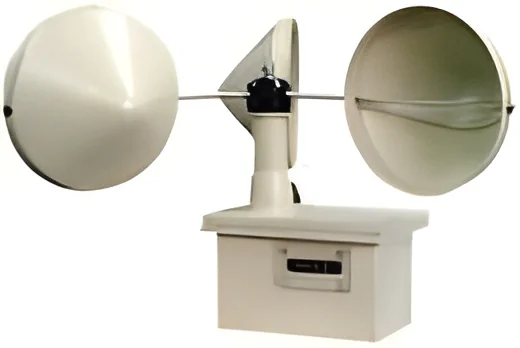
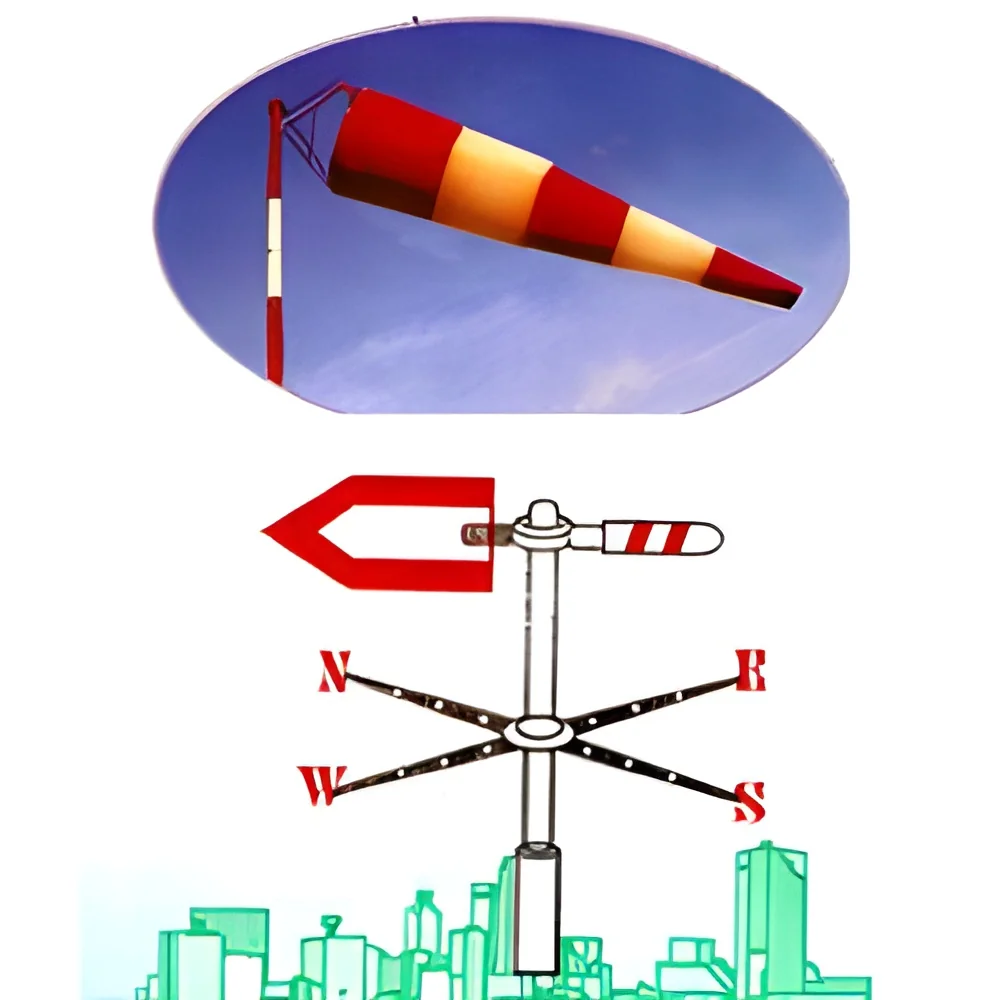
2. Meteorology: Weather stations utilize anemometers to gather wind speed and direction data, aiding in accurate forecasting and climate research.
3. Manufacturing: In industrial settings, anemometers monitor air flow in production processes, ensuring safety and compliance with environmental regulations.
4. Environmental Monitoring: Anemometers assist in assessing air quality and conditions in outdoor environments, contributing to studies on pollution and climate change.
5. Agriculture: Farmers use anemometers to understand wind patterns, which can influence irrigation practices and crop management.
6. Aerospace: In aviation, anemometers help measure wind speeds during takeoff and landing, ensuring safety and optimal performance of aircraft.
7. Renewable Energy: Wind farms rely on anemometers to assess wind conditions, which are crucial for maximizing energy production.
Product Variants and Subcategories
Anemometers come in various forms, each tailored for specific uses and environments. This diversity allows buyers to choose the most suitable variant for their needs.
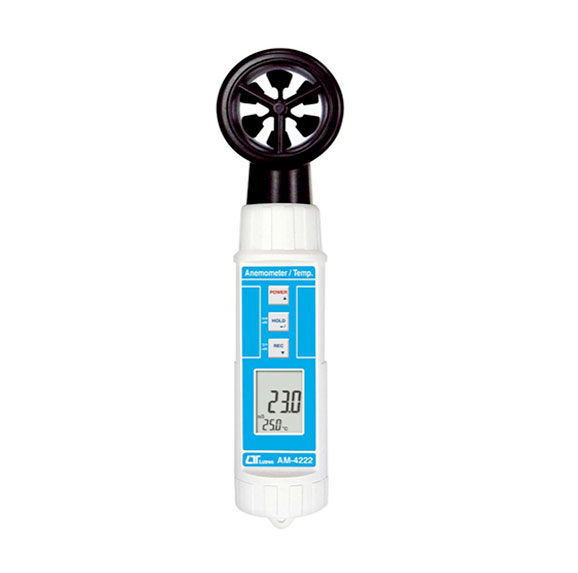
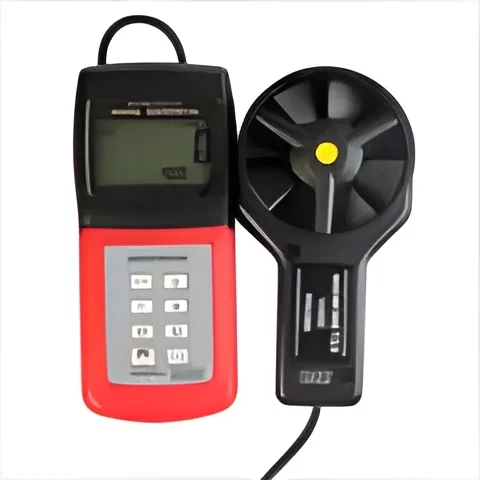
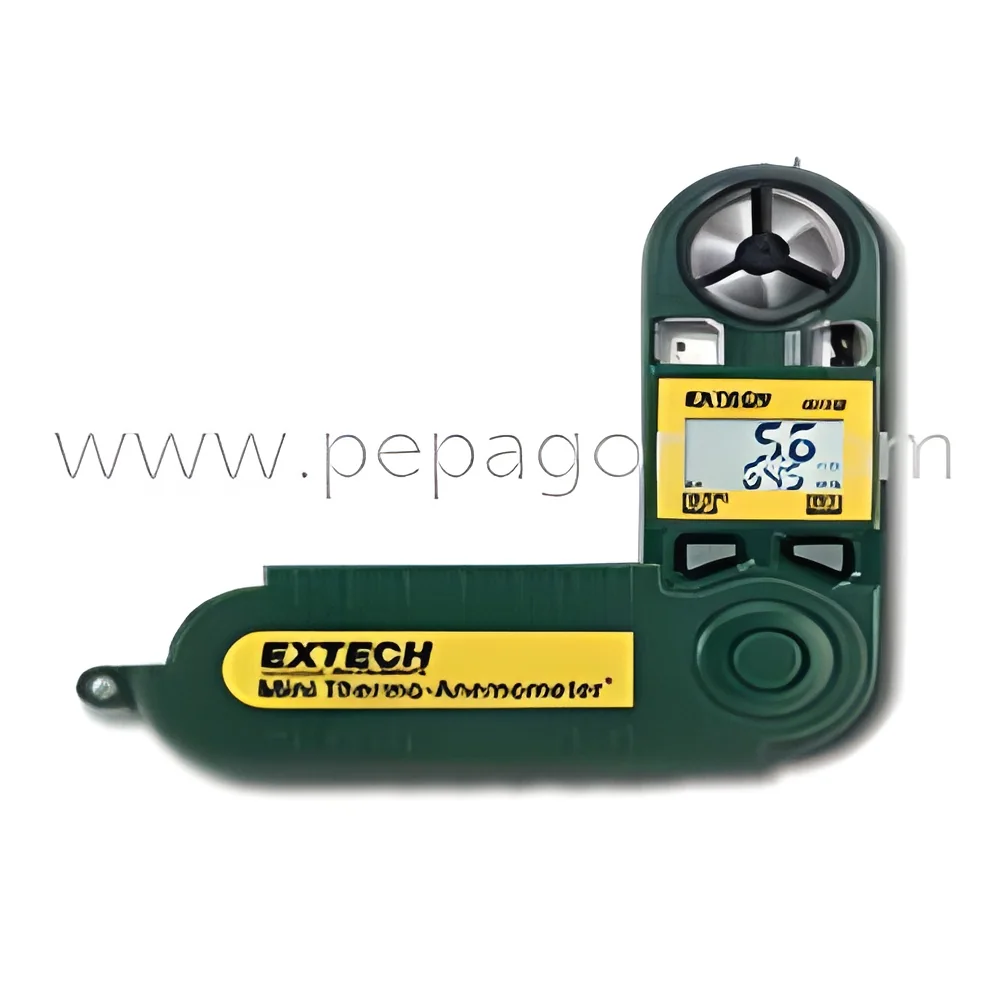
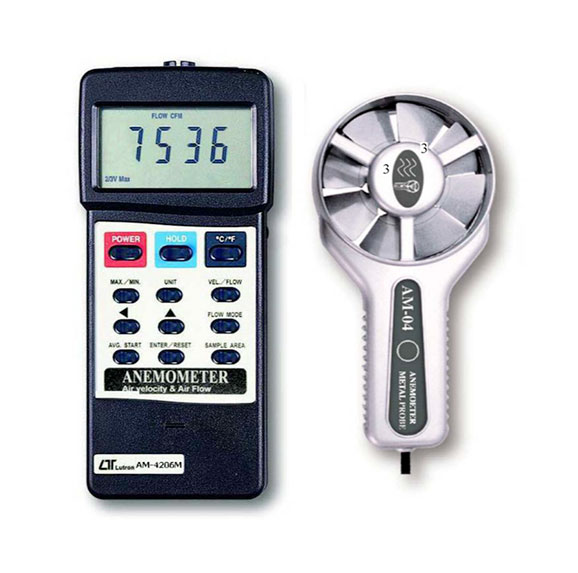
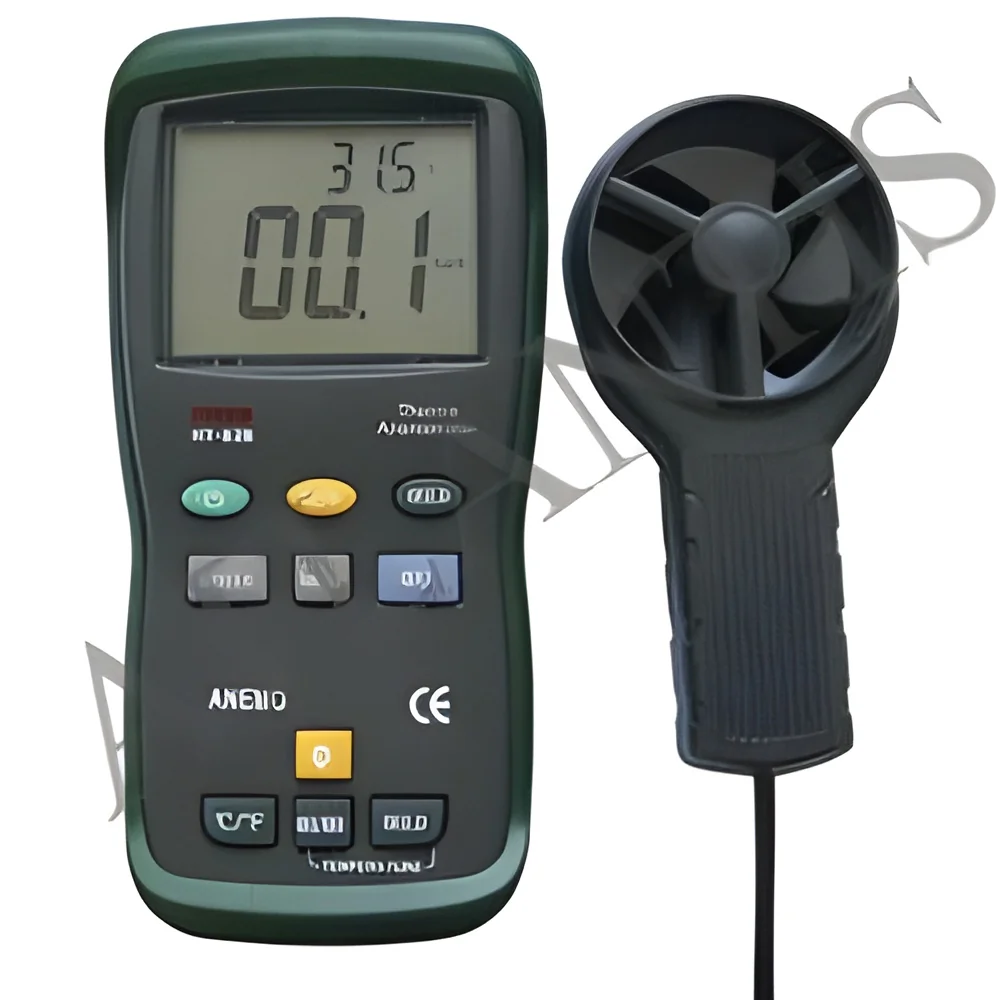
Portable Anemometers: These handheld devices are designed for field use, providing quick and convenient measurements. They typically feature easy-to-read displays and are ideal for HVAC technicians and environmental scientists.
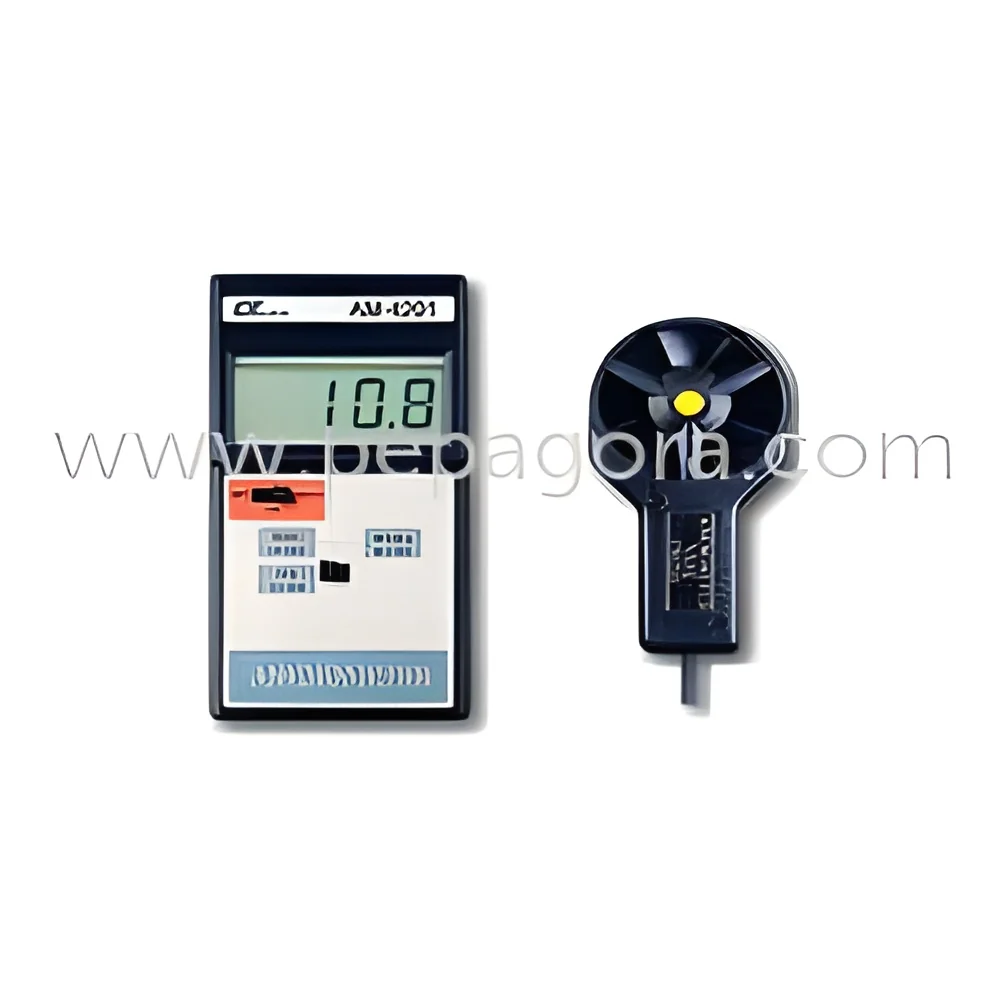
Digital Anemometers: Equipped with advanced sensors, these devices offer high accuracy and can connect to computers for data analysis. They are commonly used in research and industrial applications.
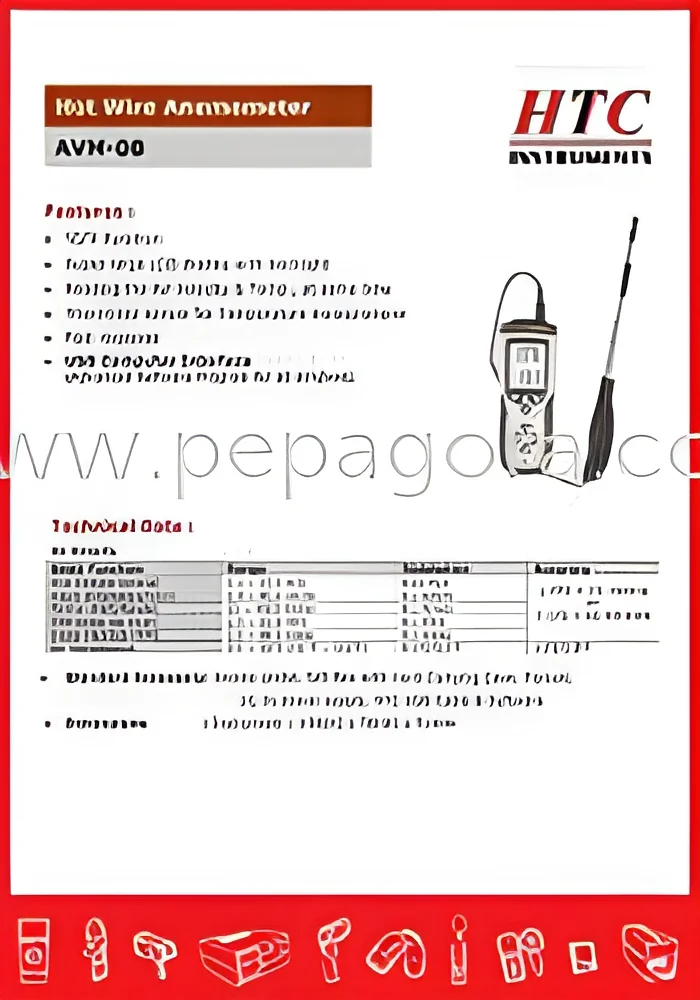
Hot-Wire Anemometers: This variant uses a heated wire to measure air flow, providing fast and responsive readings. They are often used in laboratory settings and aerodynamic testing.
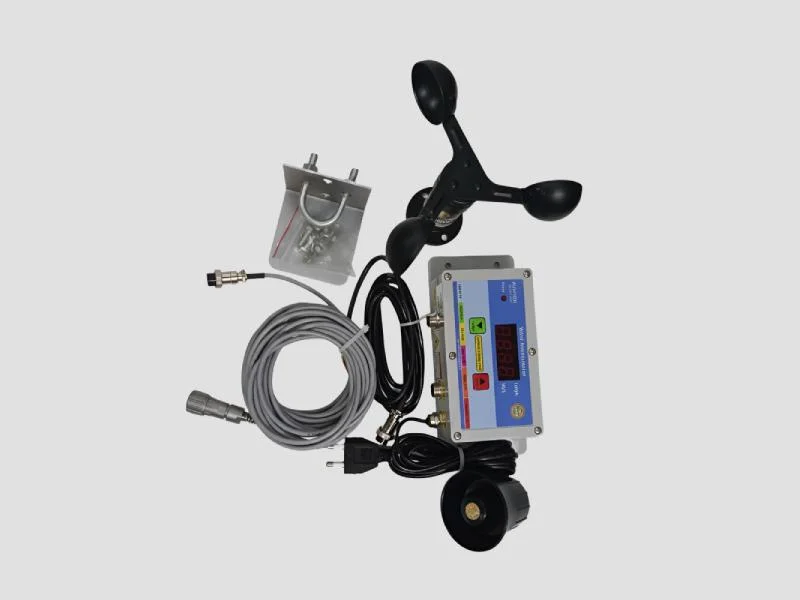
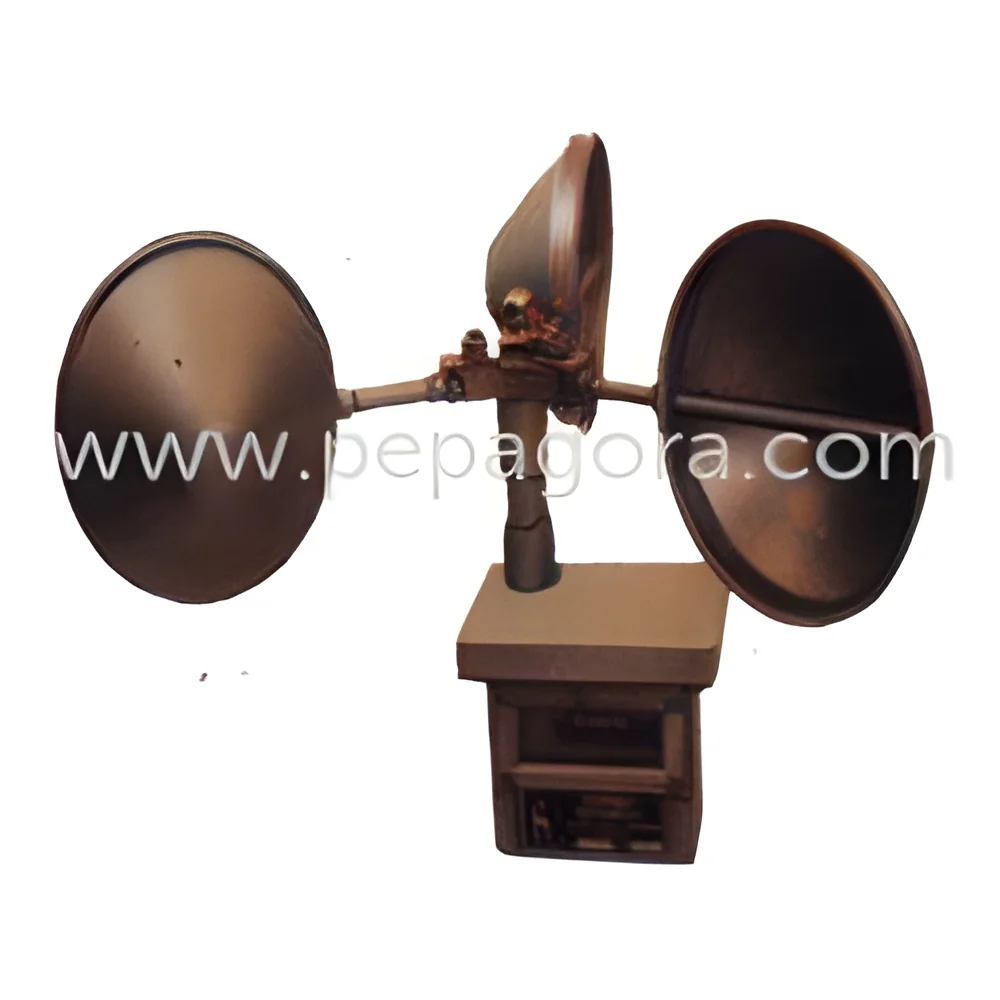
Vane Anemometers: Vane anemometers utilize a rotating blade to measure wind speed. They are commonly used in meteorology and HVAC applications for their reliability and accuracy.
Benefits and Advantages
Investing in anemometers provides numerous advantages for businesses across various sectors. Their precise measurements and versatile applications can enhance operational efficiency.
1. Improved Accuracy: Anemometers deliver precise air flow measurements, which can lead to better system performance and energy savings.
2. Enhanced Safety: By monitoring air flow in industrial settings, anemometers help ensure compliance with safety regulations and protect workers' health.
3. Increased Efficiency: Accurate data from anemometers allows for optimized operation of HVAC systems, resulting in lower energy consumption and costs.
4. Environmental Monitoring: These devices enable effective assessment of air quality, supporting initiatives aimed at reducing pollution and enhancing public health.
5. Versatile Applications: The wide range of industries using anemometers demonstrates their adaptability, making them a valuable investment for many businesses.
6. Data Analysis: Many modern anemometers provide connectivity options, allowing for data logging and analysis to enhance decision-making processes.
Buying Guide for B2B Buyers
When considering the purchase of anemometers, B2B buyers should keep several important factors in mind. These considerations will help ensure the selection of a suitable product.
1. Quality Assessment: Evaluate the quality of anemometers by reviewing manufacturer specifications and certifications. Look for devices that meet industry standards for accuracy and reliability.
2. Supplier Verification: It is essential to vet suppliers to ensure they have a good reputation and provide high-quality products. Check for customer reviews and industry certifications.
3. Pricing and MOQ: Understand the pricing structure and minimum order quantities required by suppliers. This will help in budgeting and planning procurement.
4. Delivery and Lead Times: Consider the logistics of delivery and lead times to ensure that anemometers arrive when needed. Timely delivery is crucial for maintaining operational efficiency.
5. Compliance Requirements: Ensure that the anemometers meet any relevant industry regulations and compliance standards. This is vital for avoiding legal issues and ensuring safety.
Compliance and Certifications
Anemometers must adhere to various quality standards and certifications to ensure their reliability and safety. Key standards include ISO 9001, which focuses on quality management systems, and CE marking, indicating conformity with health and safety standards in the European market.
Industry certifications are essential as they assure buyers of the product's quality and reliability. Compliance with safety testing requirements is also critical, particularly for devices used in industrial settings.
Furthermore, regional compliance considerations should be taken into account, particularly if anemometers are intended for international use. Understanding local regulations will help avoid potential importation issues.
Why Source Anemometers (Air Flow) from Pepagora?
Pepagora provides a trusted platform for sourcing anemometers with several key advantages that benefit B2B buyers.
Verified Supplier Network: Pepagora collaborates with a network of verified suppliers, ensuring that buyers can access high-quality products with confidence.
Streamlined RFQ Process: The platform simplifies the request for quotation process, allowing buyers to easily compare prices and specifications from different suppliers.
Trade Assurance and Support: Pepagora offers trade assurance to protect buyers throughout the purchasing process, providing added peace of mind.
Regional Coverage: With a broad geographic reach across India, the GCC, and Southeast Asia, Pepagora connects buyers with suppliers in key markets, streamlining the procurement process for anemometers.

 IN
IN