What are Power Analyzers?
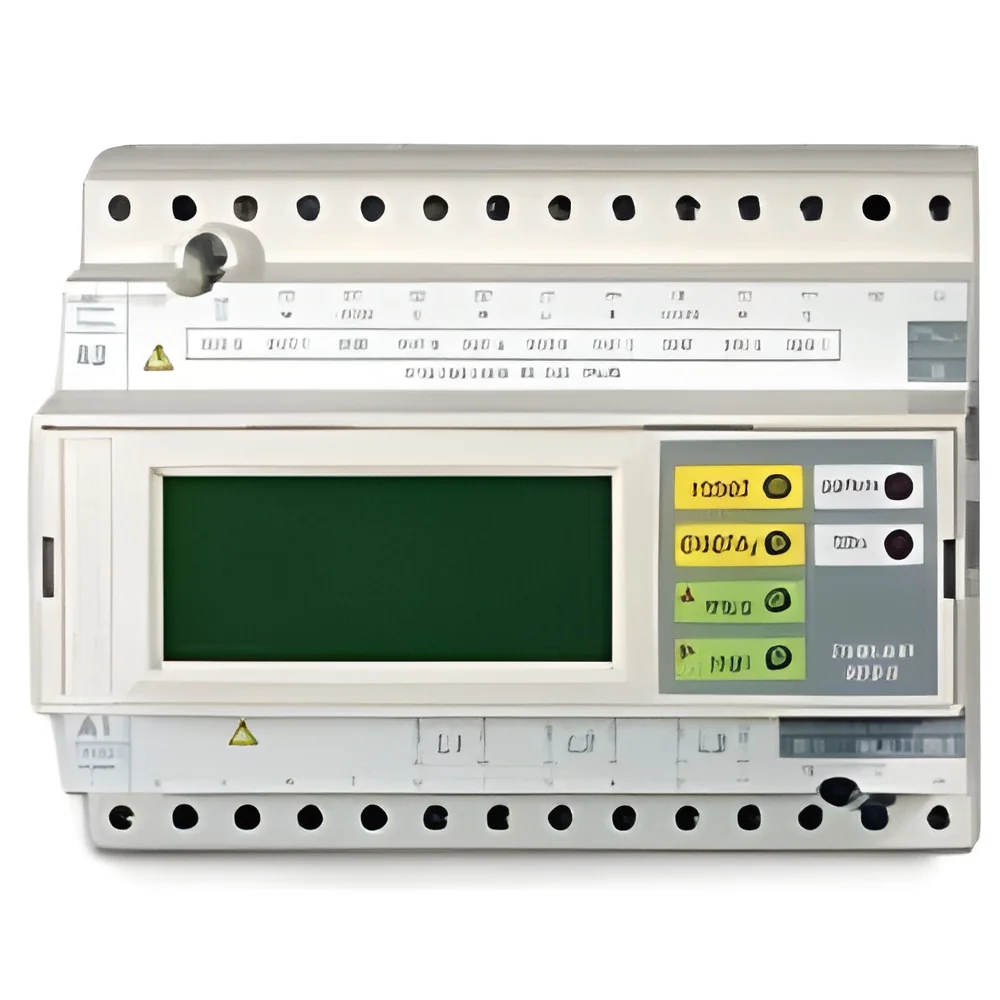
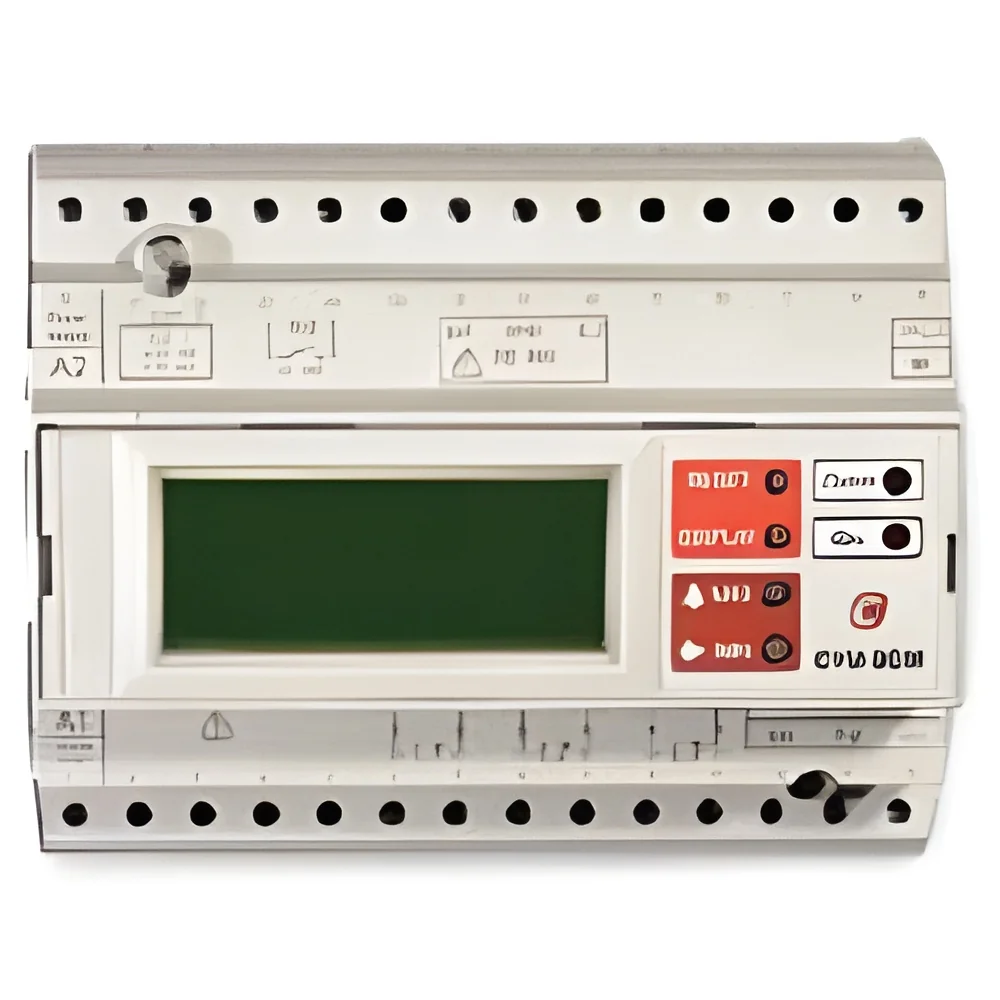
Power analyzers are specialized devices designed to measure and analyze electrical power in various systems. They provide detailed insights into voltage, current, frequency, and power factor, among other parameters. By capturing real-time data, power analyzers help in understanding energy consumption patterns and efficiency levels in electrical systems. This information is essential for optimizing performance and reducing operational costs.
These devices are primarily used in commercial and industrial settings where monitoring energy usage is crucial. Businesses utilize power analyzers to assess the performance of electrical equipment, identify inefficiencies, and ensure compliance with energy regulations. Industries such as manufacturing, utilities, and building management rely heavily on power analyzers to maintain operational efficiency and reduce energy waste.
The relevance of power analyzers in today's market is increasing due to rising energy costs and growing emphasis on sustainability. As businesses strive for greener operations, the need for precise energy monitoring becomes paramount. The integration of power analyzers into energy management systems enables organizations to make data-driven decisions, contributing to both cost savings and environmental responsibility.
Key Features and Specifications
Power analyzers are equipped with a range of features that enhance their functionality and usability. These features can vary by model but generally include capabilities for comprehensive power measurement and analysis. Understanding the specifications of these devices is crucial for buyers looking to choose the right product for their needs.
Key specifications include:
1. Voltage Measurement Range
- Typically ranges from 0 to 600 volts
- Allows for monitoring of various electrical systems
2. Current Measurement Range
- Can measure from milliamps to several hundred amps
- Essential for assessing the load on electrical circuits
3. Power Factor Measurement
- Provides insights into the efficiency of power usage
- Helps identify issues with reactive power
4. Frequency Measurement
- Measures the frequency of electrical signals
- Important for ensuring stability in power systems
5. Harmonic Distortion Analysis
- Analyzes the harmonic content of the power supply
- Helps in diagnosing issues affecting power quality
6. Data Logging Capability
- Records measurements over time for analysis
- Useful for trend analysis and performance evaluation
7. Communication Interfaces
- Includes options like USB, RS-232, or Ethernet
- Facilitates integration with energy management systems
8. Display Features
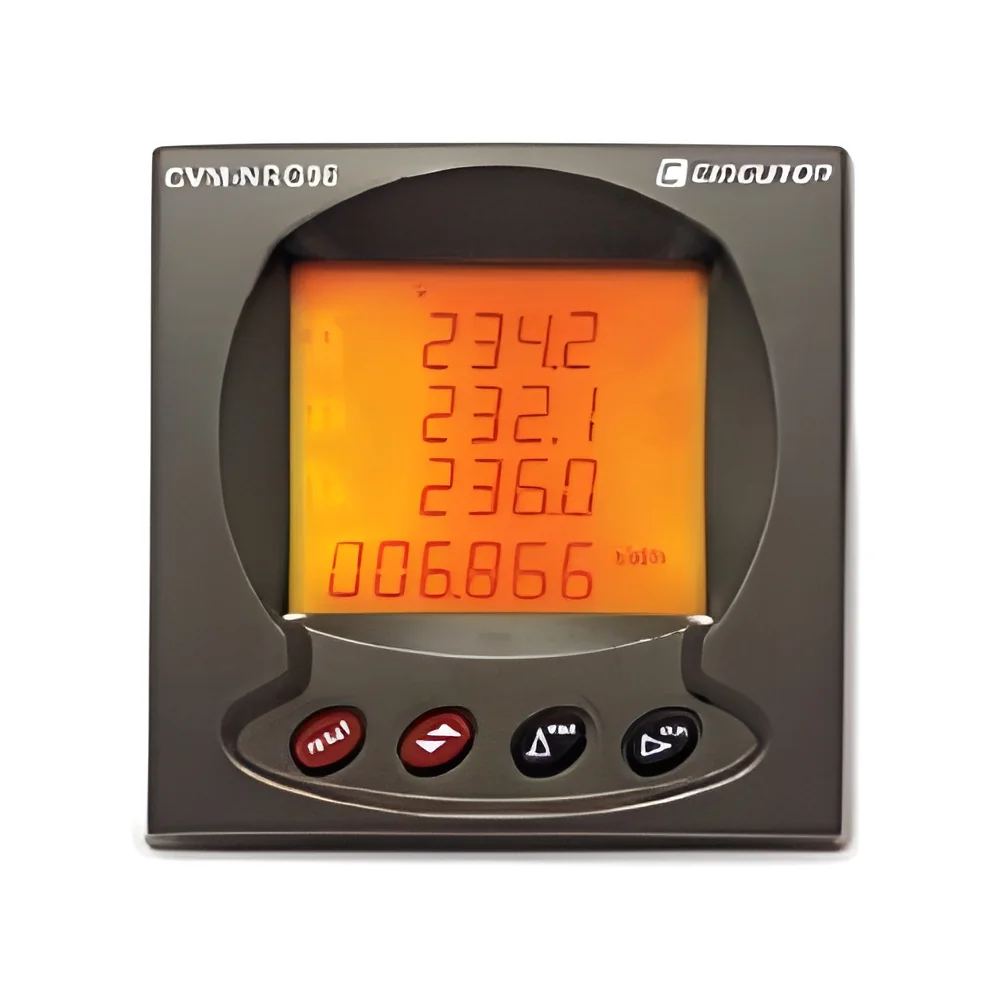
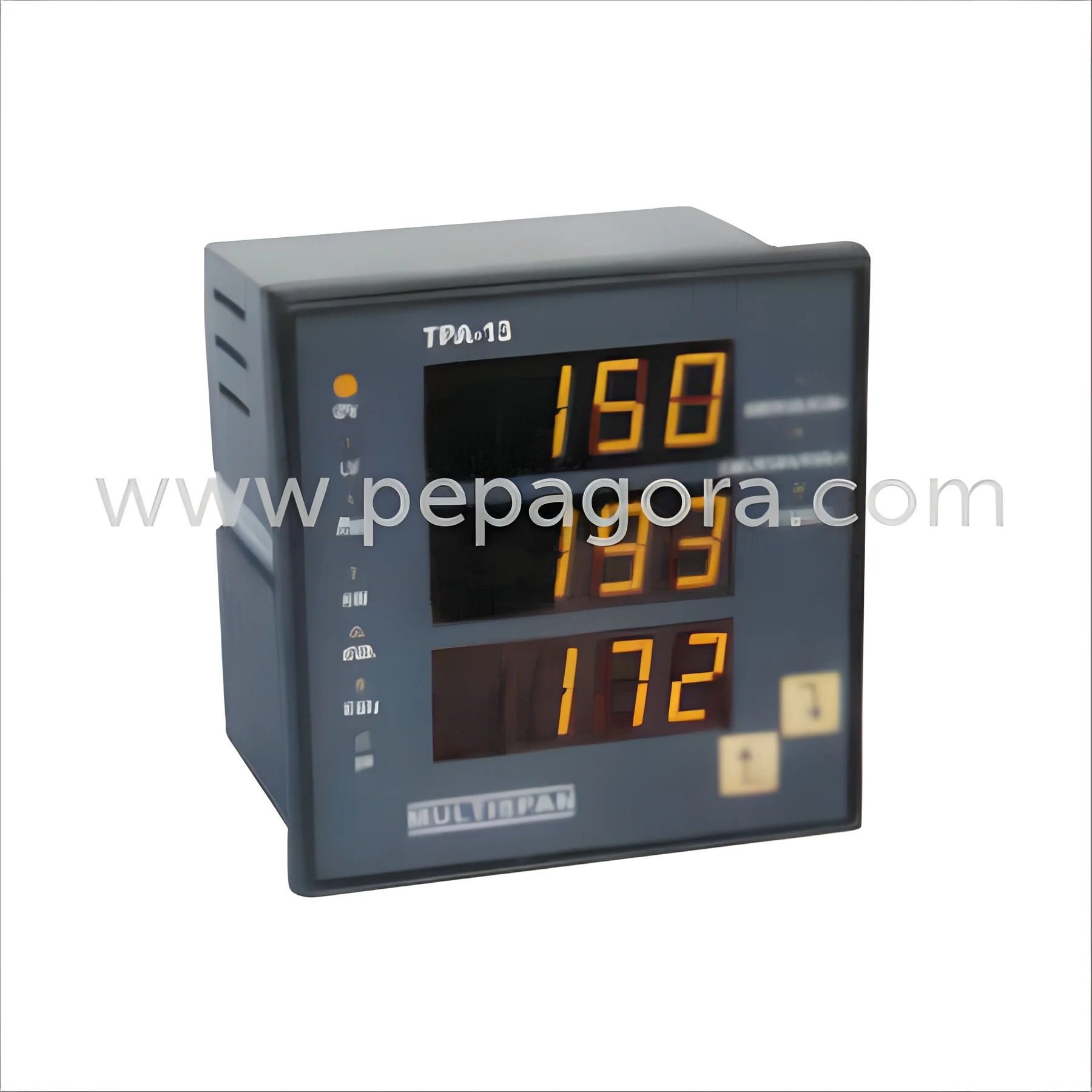
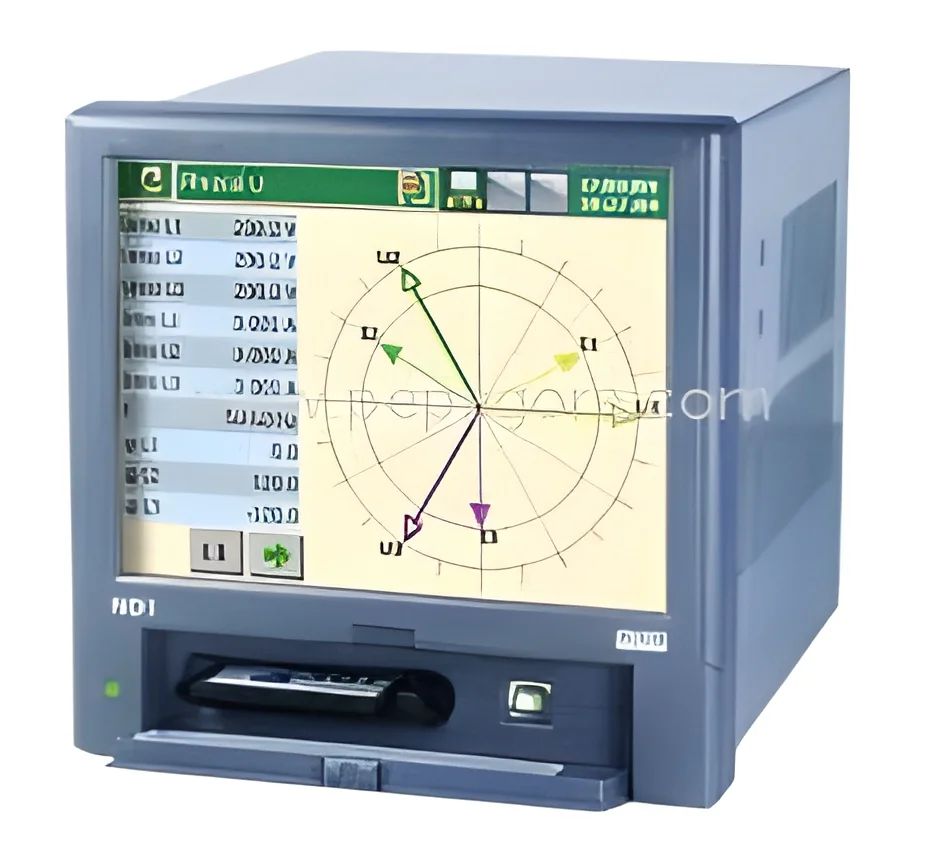
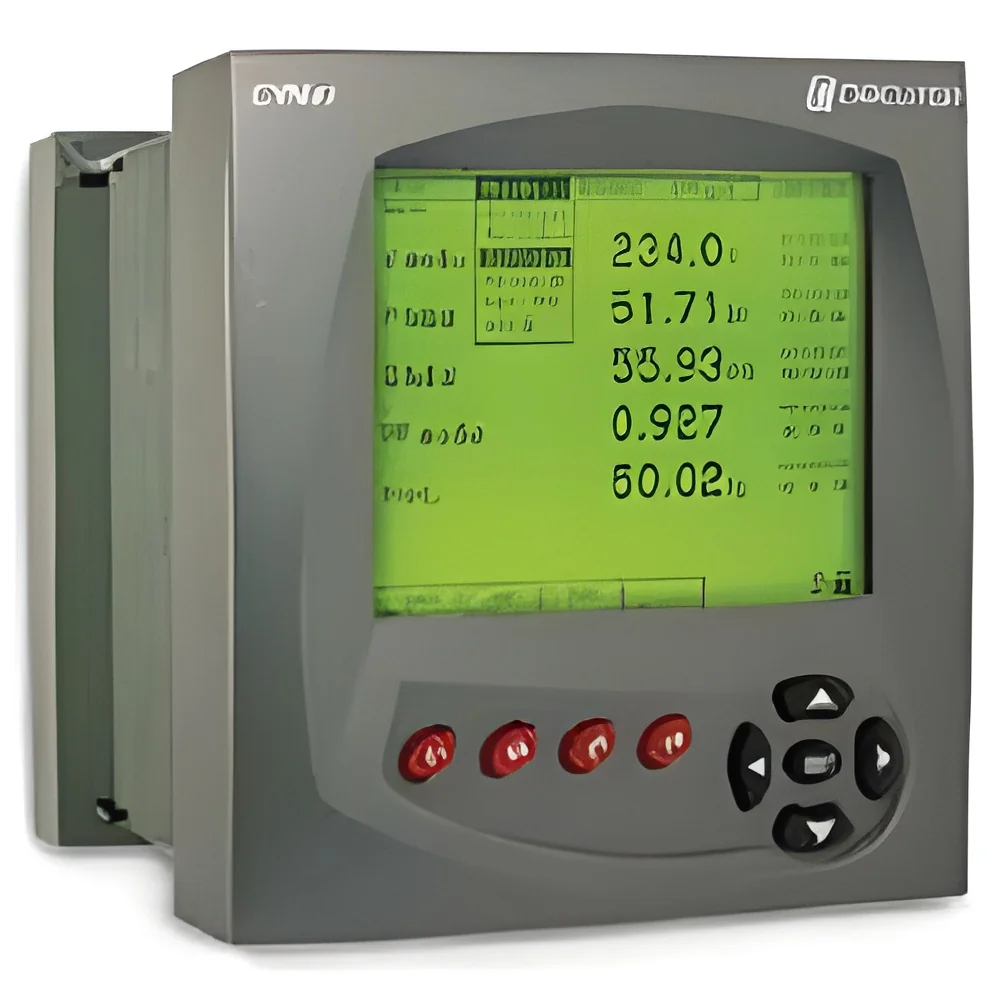
- Often equipped with LCD or LED screens
- Provides real-time data visualization
The array of features ensures that power analyzers can cater to diverse industrial needs, making them an indispensable tool for energy monitoring and management.
Common Applications and Use Cases
Power analyzers have a wide range of applications across various industries. They are crucial for monitoring and managing energy consumption effectively.
1. Manufacturing: In manufacturing facilities, power analyzers help optimize machine performance by monitoring energy use and identifying areas for efficiency improvements.
2. Utilities: Utility companies use power analyzers to measure power quality and ensure compliance with regulatory standards, thus maintaining grid stability.
3. Building Management: In commercial buildings, these devices enable facility managers to monitor energy consumption trends and implement strategies for energy savings.
4. Data Centers: Power analyzers are critical for managing energy in data centers, ensuring that servers operate efficiently and reducing cooling costs.
5. Renewable Energy: In solar and wind energy applications, power analyzers monitor the output and performance of energy generation systems.
6. HVAC Systems: They help in optimizing HVAC systems' energy efficiency by providing insights into power consumption.
7. Transportation: Power analyzers are used in electric vehicles and public transport systems to monitor battery performance and energy consumption.
Product Variants and Subcategories
Power analyzers come in various models and configurations to meet different industry requirements. Each variant may offer unique features tailored to specific applications.
Portable Power Analyzers
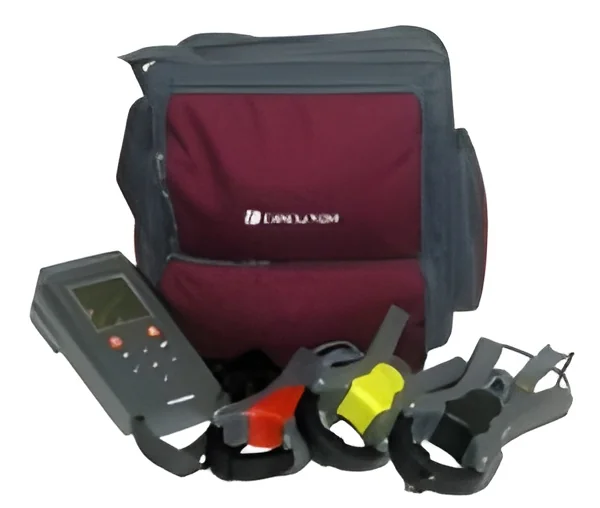
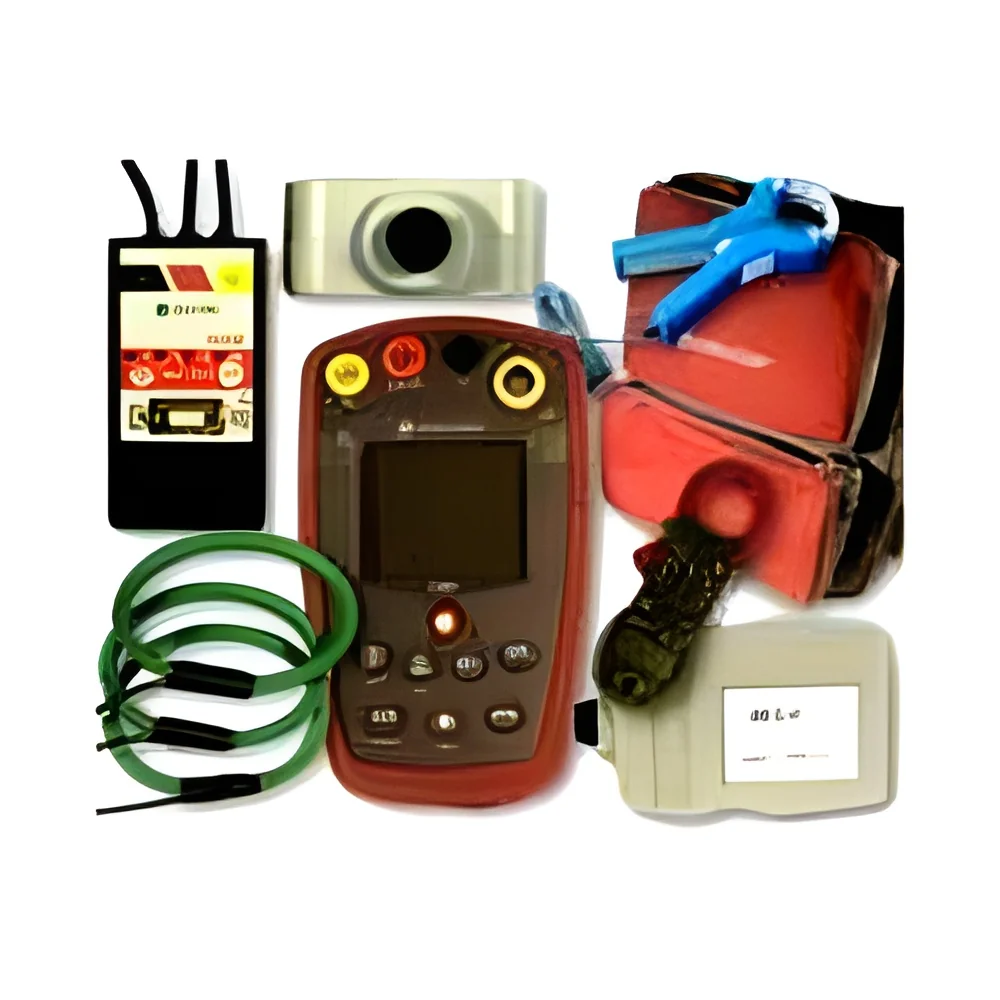
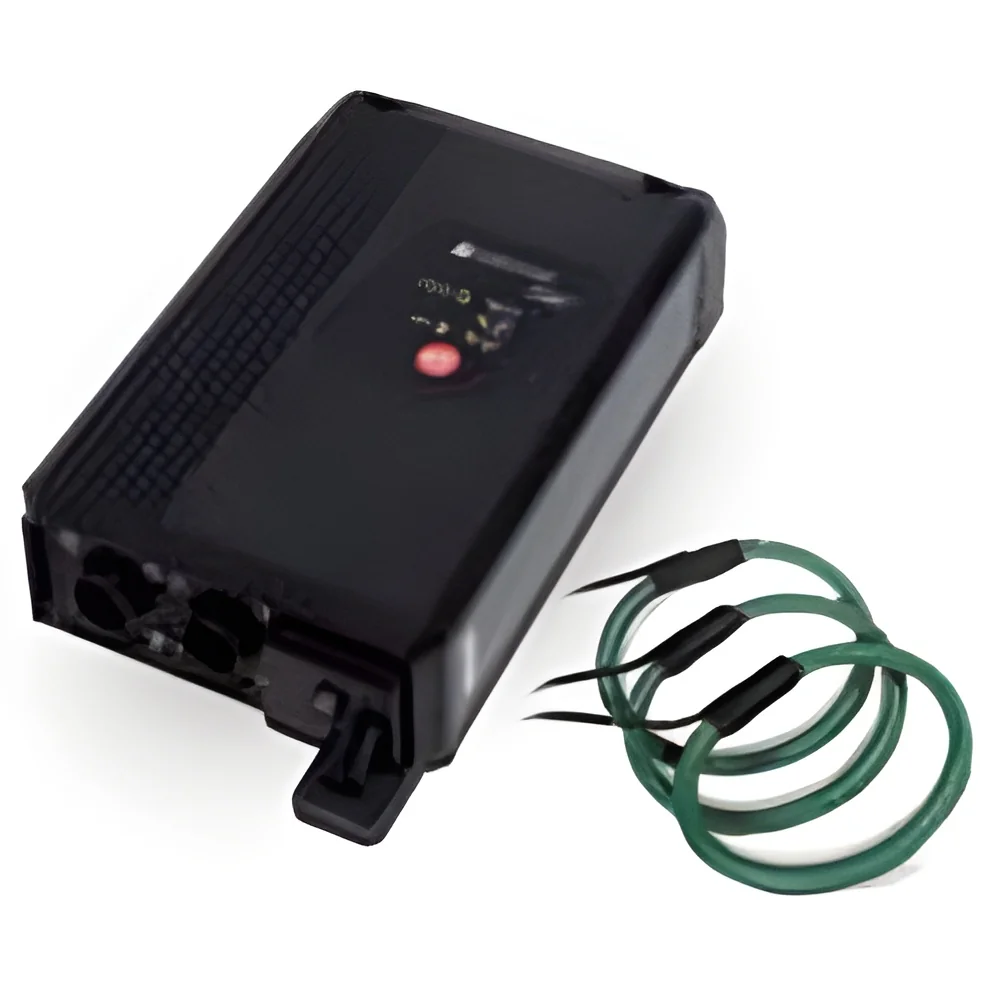
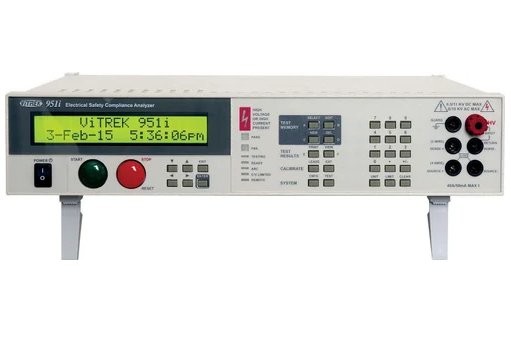
These compact devices are designed for on-the-go measurements. They are often battery-operated and ideal for field testing, allowing technicians to quickly assess power quality in different locations.
Stationary Power Analyzers
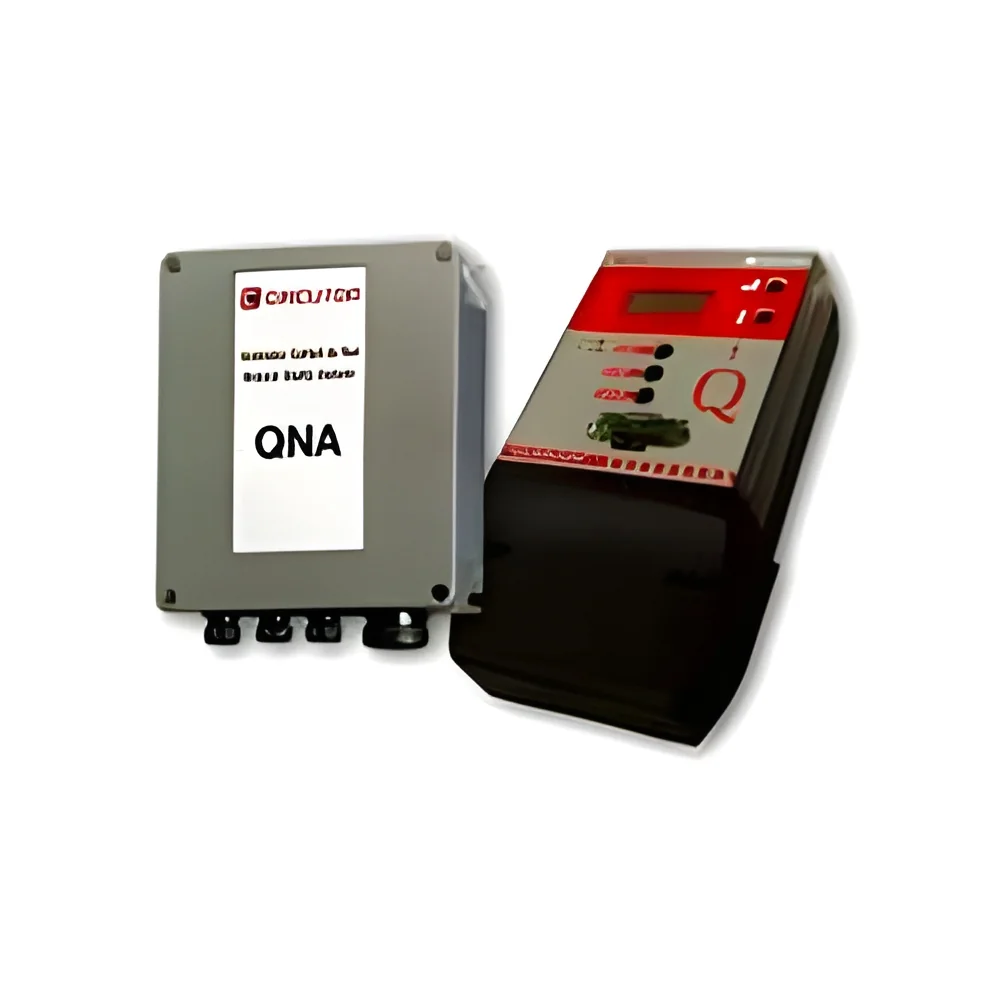
These devices are typically installed in fixed locations for continuous monitoring. They provide comprehensive data analysis and are suitable for large facilities where ongoing energy management is essential.
Multifunction Power Analyzers
These advanced models combine multiple monitoring capabilities in one device, allowing users to measure various electrical parameters simultaneously. They are ideal for complex systems requiring detailed analysis.
Benefits and Advantages
Investing in power analyzers offers numerous advantages for businesses seeking to enhance their energy management.
1. Improved Efficiency: Power analyzers help identify inefficiencies in energy use, enabling organizations to implement corrective measures.
2. Cost Savings: By monitoring energy consumption, businesses can reduce unnecessary costs associated with high energy use.
3. Enhanced Compliance: These devices assist in meeting regulatory requirements by providing accurate reporting of power quality metrics.
4. Data-Driven Decisions: Real-time data from power analyzers allows businesses to make informed decisions regarding energy management strategies.
5. Proactive Maintenance: Regular monitoring helps in identifying potential issues before they escalate, reducing downtime and maintenance costs.
6. Environmental Responsibility: By optimizing energy usage, companies can contribute to sustainability efforts and reduce their carbon footprint.
Buying Guide for B2B Buyers
When sourcing power analyzers, several factors should be considered to ensure the right choice for your organization.
1. Quality Assessment: Evaluate the quality of the device based on manufacturer reputation and customer reviews. Look for products that comply with industry standards for performance.
2. Supplier Verification: Ensure that suppliers are reputable and have a history of providing reliable products. Check for certifications and customer testimonials.
3. Pricing and MOQ: Consider the cost of the analyzers and the minimum order quantity (MOQ). Compare prices across suppliers to find competitive offers.
4. Delivery and Lead Times: Assess the supplier's ability to meet your delivery timelines. Understanding lead times is crucial for planning and project management.
5. Compliance Requirements: Be aware of regulatory compliance needs specific to your industry. Ensure that the power analyzers meet all necessary certifications, such as CE.
Compliance and Certifications
Power analyzers must adhere to various quality standards and certifications to ensure reliability and safety. One of the most recognized standards is ISO 9001, which indicates a commitment to quality management principles. Compliance with this standard ensures that the manufacturing processes meet international quality benchmarks.
Additionally, industry-specific certifications, such as CE, signify that power analyzers conform to European safety, health, and environmental protection standards. This certification is critical for products sold in European markets.
Testing requirements also play a significant role in compliance. Power analyzers must undergo rigorous testing to guarantee their performance and safety in operational environments. Furthermore, regional compliance considerations may vary, so it is essential to verify that the products meet local regulations specific to your market.
Why Source Power Analyzers from Pepagora?
Pepagora offers a reliable platform for sourcing power analyzers, providing several key advantages that set it apart from other suppliers.
Verified Supplier Network: Pepagora maintains a network of verified suppliers that ensures buyers receive high-quality products. Each supplier undergoes a stringent vetting process to guarantee reliability and credibility.
Streamlined RFQ Process: The request for quotation (RFQ) process on Pepagora is designed to be efficient and user-friendly. Buyers can easily submit their requirements and receive competitive quotes from multiple suppliers.
Trade Assurance and Support: Pepagora offers trade assurance features that protect buyers throughout the transaction. This includes support for resolving disputes and ensuring product quality.
Regional Coverage: With a focus on markets in India, the GCC, and Southeast Asia, Pepagora provides extensive regional coverage. This geographic reach enables businesses to find suitable suppliers tailored to their specific market needs.

 IN
IN