IN
IN₹
Apparel & Fashion
Description
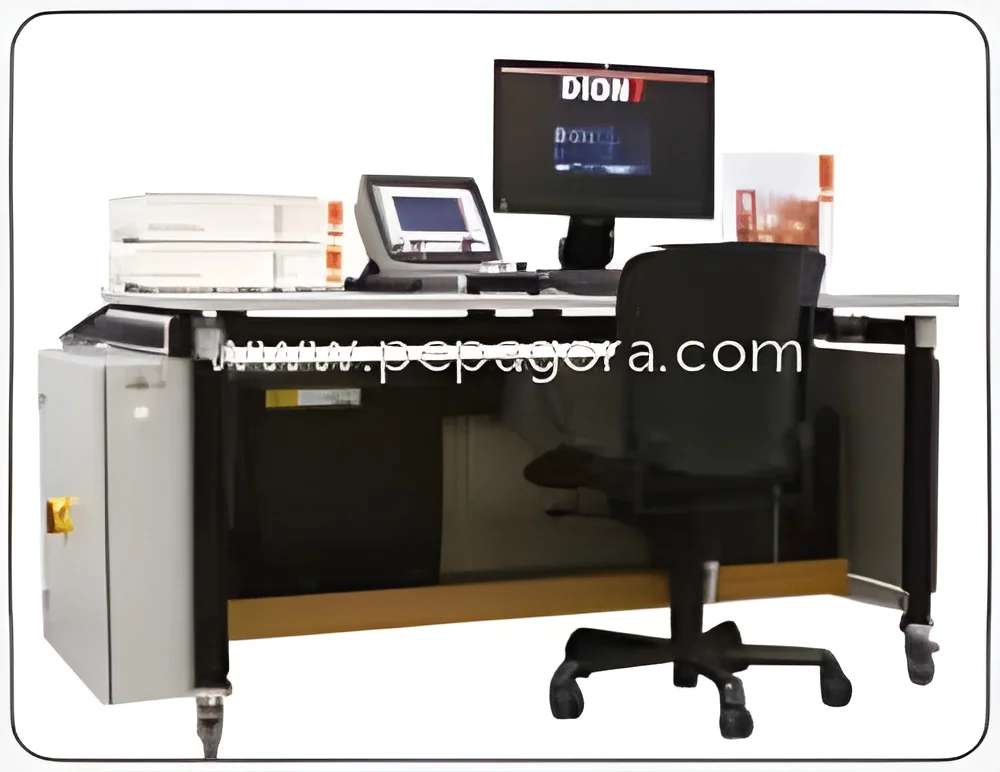
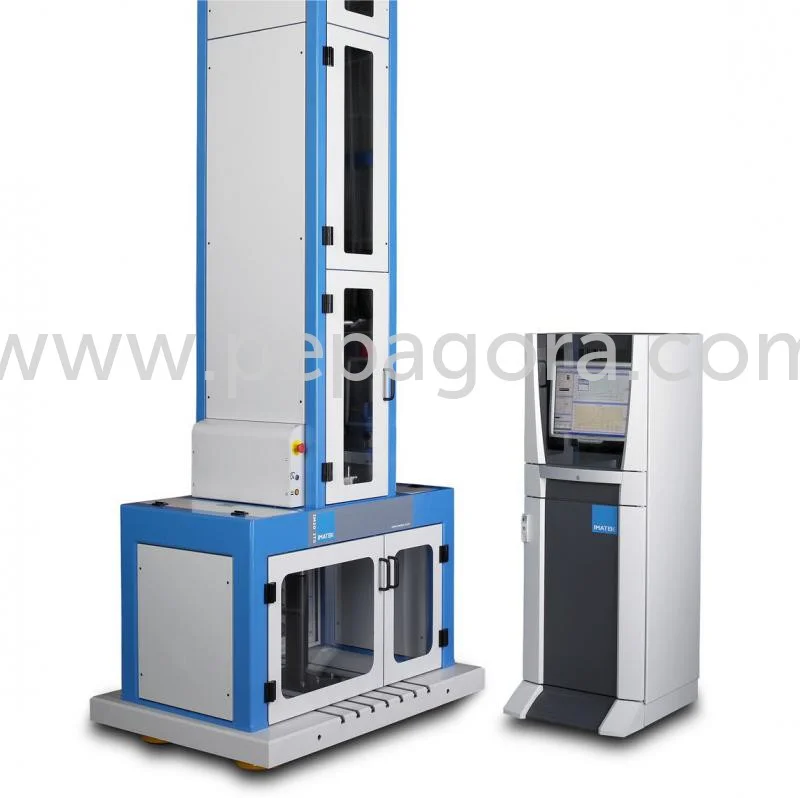
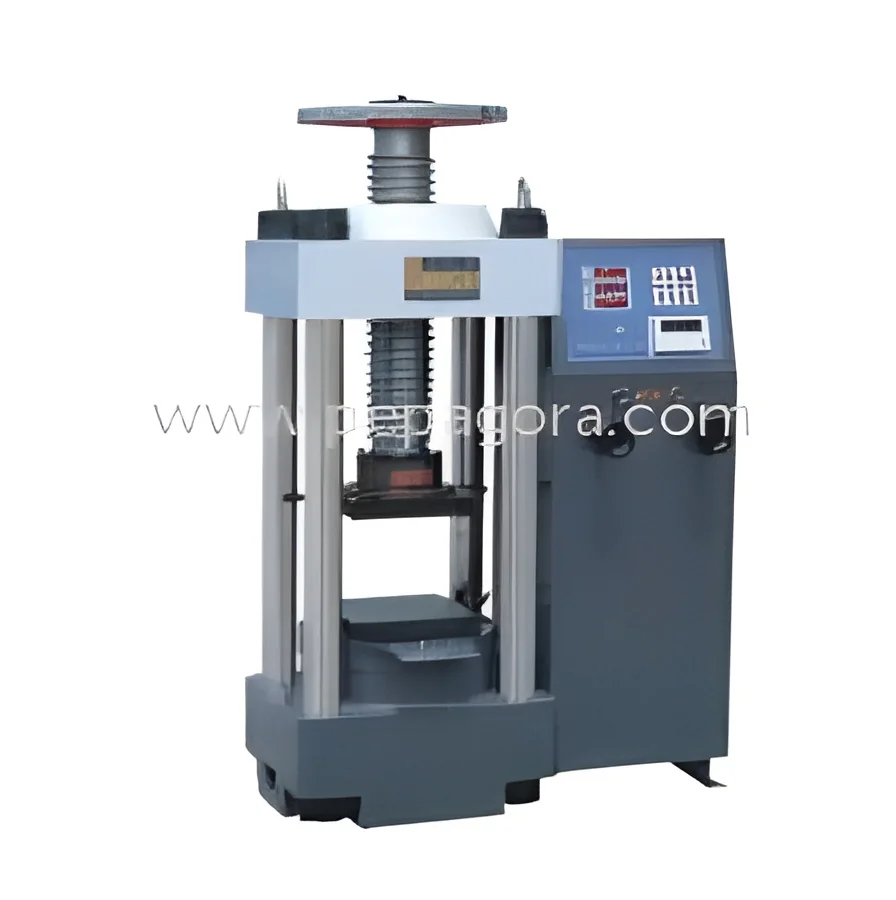
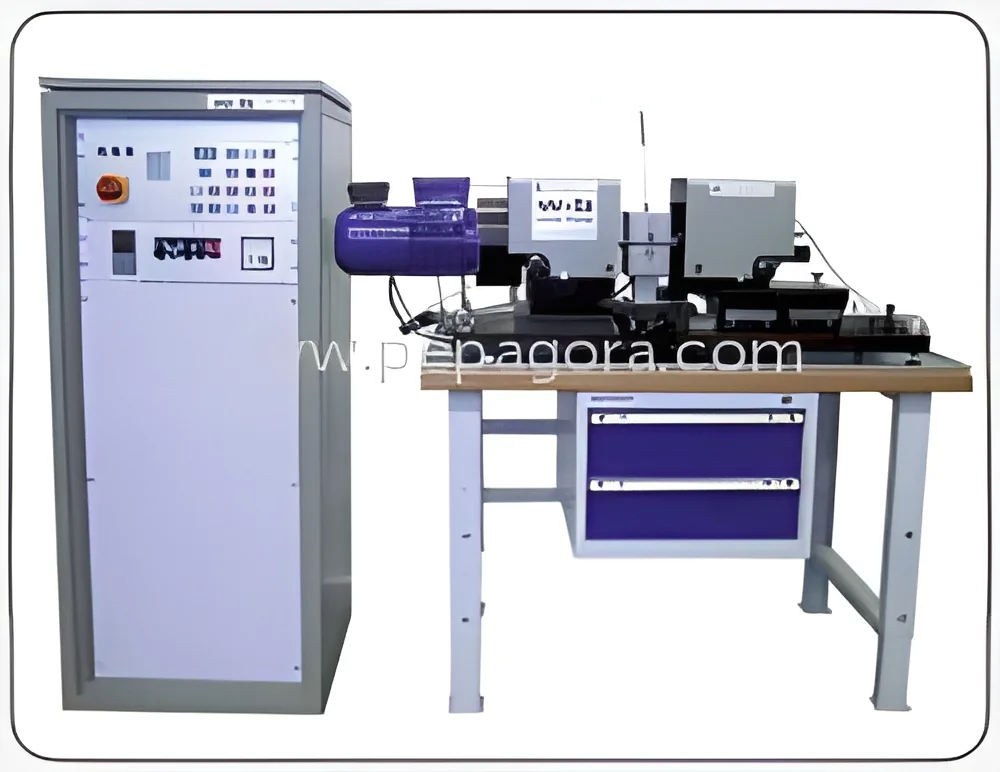
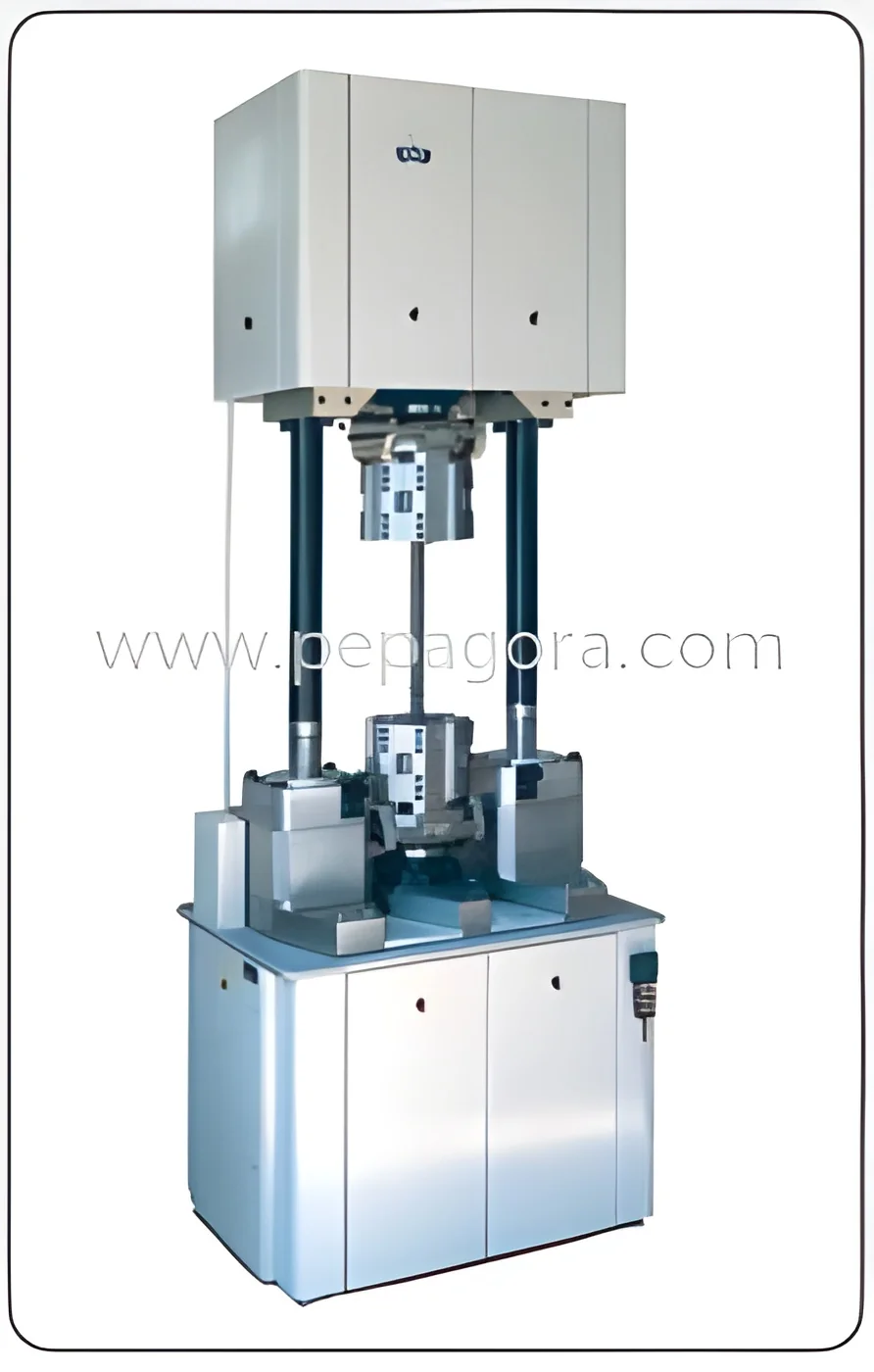
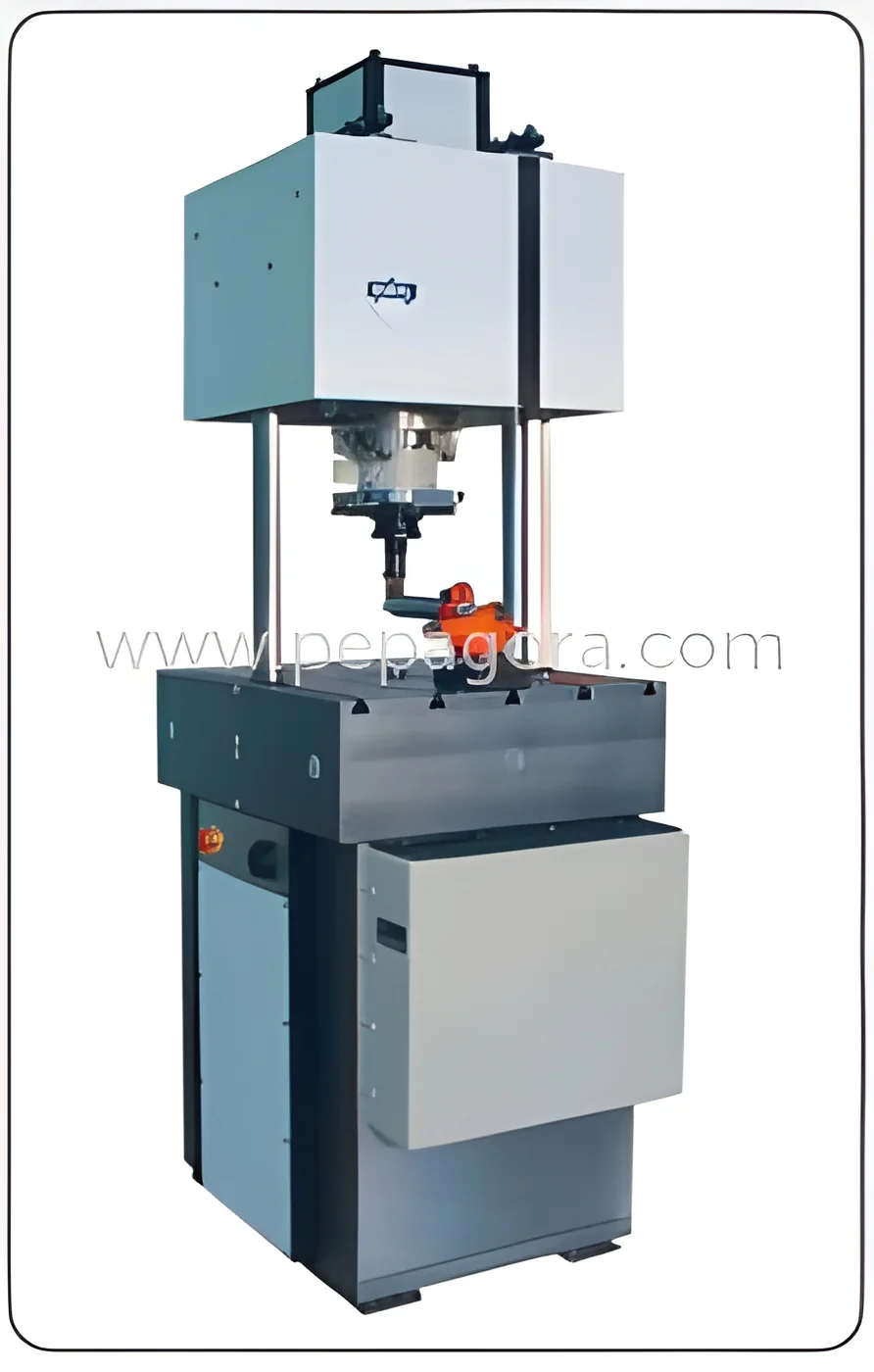
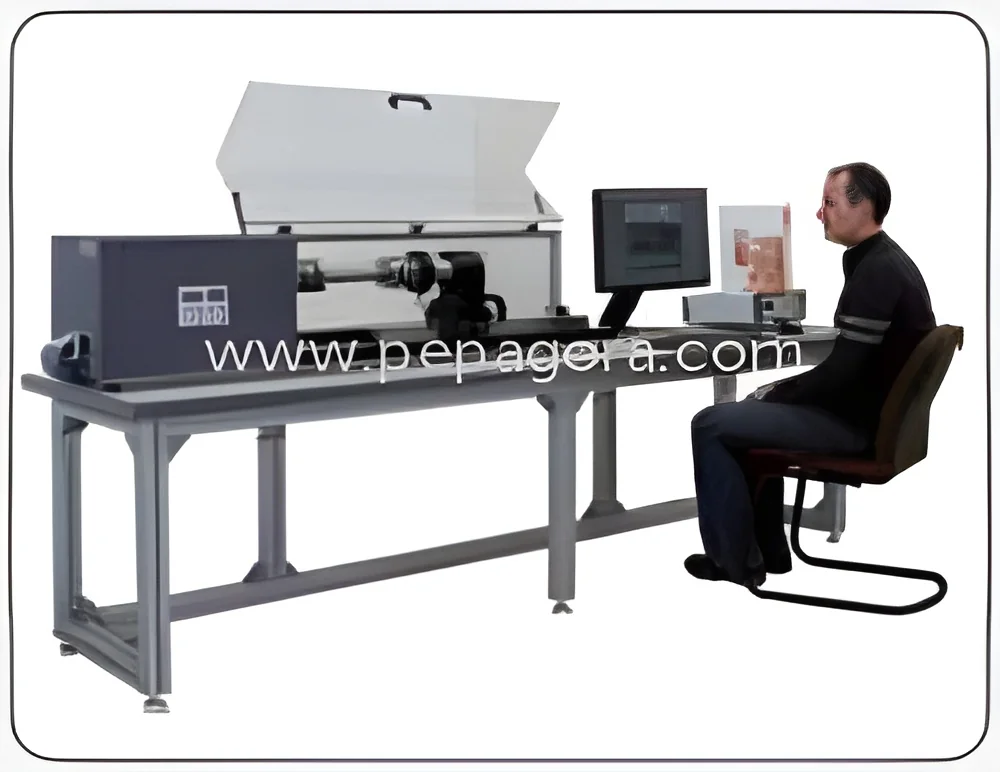
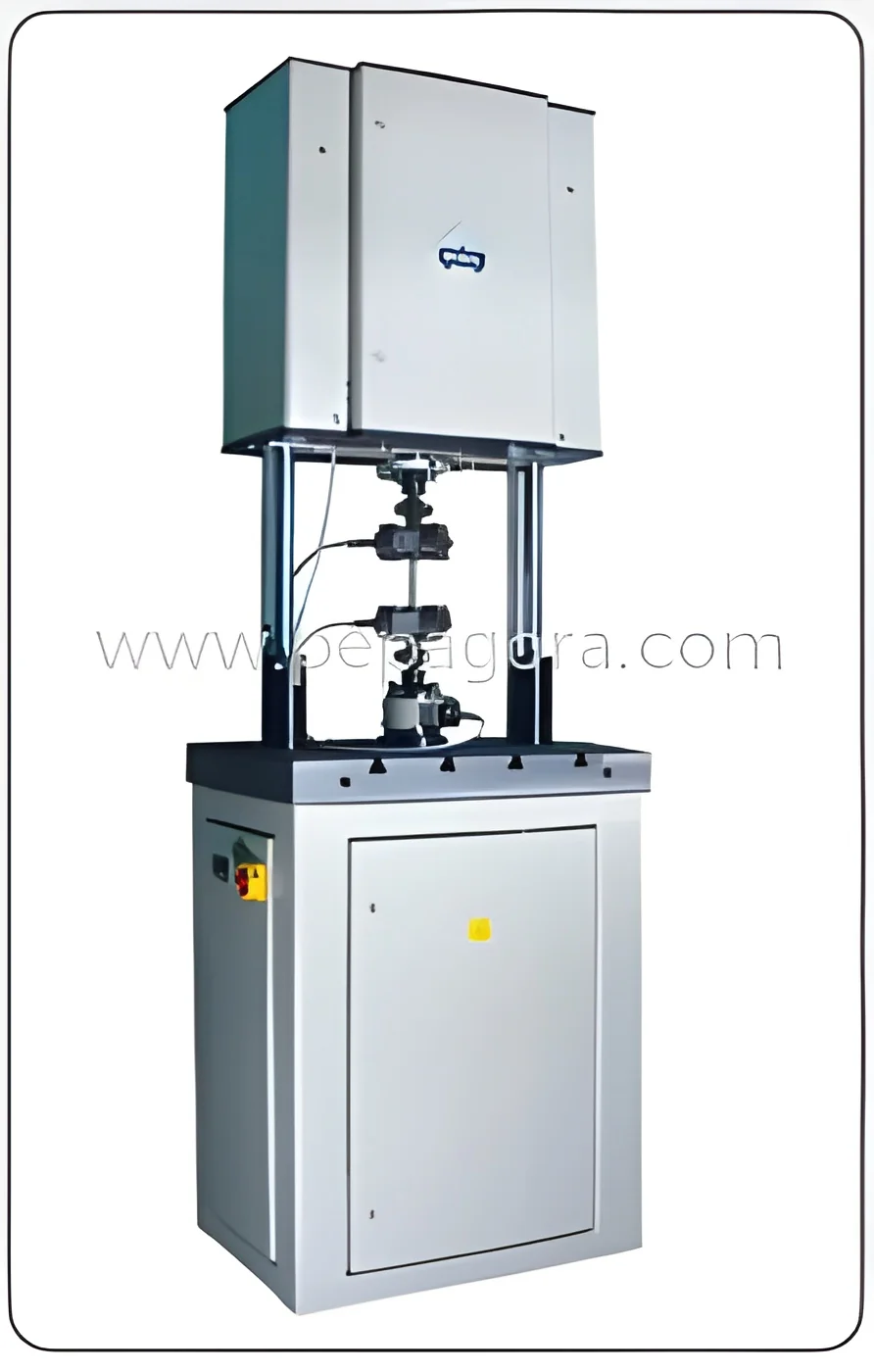
The Mikrotron High Cycle Resonant Fatigue Testing Machine represents advanced testing technology designed for precision fatigue analysis across multiple industrial sectors. Operating within a 5-20 kN force range and achieving testing frequencies from 40 to 300 Hz through five distinct frequency steps, this system enables comprehensive material evaluation under various stress conditions. The dynamic displacement capability of +/- 4 mm ensures accurate simulation of real-world operating environments while maintaining exceptional testing precision. With power requirements under 500W and portable design characteristics, these machines deliver laboratory-grade performance with operational flexibility that adapts to diverse testing environments and protocols.

These testing machines serve critical functions across industries where material reliability directly impacts safety and operational performance. The automotive industry utilizes them extensively for testing suspension components, engi...
The Mikrotron High Cycle Resonant Fatigue Testing Machine represents advanced testing technology designed for precision fatigue analysis across multiple industrial sectors. Operating within a 5-20 kN force range and achieving testing frequencies from 40 to 300 Hz through five distinct frequency steps, this system enables comprehensive material evaluation under various stress conditions. The dynamic displacement capability of +/- 4 mm ensures accurate simulation of real-world operating environments while maintaining exceptional testing precision. With power requirements under 500W and portable design characteristics, these machines deliver laboratory-grade performance with operational flexibility that adapts to diverse testing environments and protocols.

These testing machines serve critical functions across industries where material reliability directly impacts safety and operational performance. The automotive industry utilizes them extensively for testing suspension components, engine parts, and structural elements that must endure millions of stress cycles throughout their service life. Aerospace manufacturers depend on these systems for evaluating turbine blades, landing gear components, and airframe materials facing extreme operational demands. Research institutions and material science laboratories employ these machines for studying fatigue properties of new alloys and composite materials, while industrial manufacturers use them for quality assurance testing of safety-critical components across various applications and production cycles.

The operational value of these resonant fatigue testing systems lies in their exceptional reliability, customization capabilities, and energy efficiency. Organizations investing in these machines benefit from substantially reduced testing times due to high-frequency operation, lower energy consumption compared to conventional testing systems, and minimal maintenance requirements. The customizable specifications ensure that each system can be tailored to specific testing protocols and industry standards. This adaptability, combined with the machine's portability and straightforward operation, delivers significant return on investment through improved testing throughput, reduced operational costs, and enhanced quality control capabilities across manufacturing and research applications.

Key Features:
- Dual force range options of 5 kN and 20 kN for versatile testing applications
- High frequency operation from 40 to 300 Hz across five programmable steps
- Dynamic displacement capability of +/- 4 mm for accurate stress simulation
- Portable design with low weight for flexible laboratory and production deployment
- Energy efficient operation with power consumption under 500 watts

Benefits:
- Accelerated testing capabilities reduce overall testing time and increase throughput
- Precise data collection ensures reliable material performance analysis
- Flexible configuration options adapt to various testing requirements and standards
- Lower operational costs through reduced energy consumption and maintenance
- Enhanced quality control through consistent and repeatable testing results
Specifications
| Key Attributes | |
|---|---|
| Range | 5 kN and 20 kN |
| Frequency | 40 to 300 Hz |
| Frequency Steps | 5 steps |
| Dynamic Displacement | +/- 4 mm |
| Features | Versatility, portability and low weight |
| Power | <500 W |
| Hydraulics Or Power Ppacks. | Not Required |
| COD Gauge | Not Required |
| Features | Reliable and Durable |
| Standard or Non Standard | Standard |
| Specification | As per Clients Request |
| Dimension | As per Clients Request |
| Additional Information | |
|---|---|
| Country of Origin | India |
Application
The High Cycle Resonant Fatigue Testing Machine performs accelerated material testing at frequencies up to 300 Hz, significantly reducing testing time compared to conventional systems. Its precision engineering ensures reliable results for determining material endurance limits and identifying failure points under repetitive stress conditions, making it essential for quality assurance protocols. With versatile force ranges and frequency steps, this machine adapts to various testing requirements while maintaining consistent performance across different material types and testing scenarios.
Industries requiring rigorous material validation rely on this testing system for its accuracy and efficiency. The automotive sector uses it for component durability testing, while aerospace manufacturers depend on it for critical part validation. Research institutions benefit from its precise data collection capabilities for material behavior studies. The machine's portability and low power consumption under 500W make it suitable for both laboratory and production environments, providing flexible testing solutions without compromising on performance or reliability.
- Automotive component fatigue testing for suspension systems and engine parts
- Aerospace material validation for turbine blades and structural components
- Manufacturing quality control for metal alloys and composite materials
- Research institutions studying material behavior under cyclic stress conditions
- Production validation testing for safety-critical industrial components and assemblies
Trade Details
| Available Stock | In Stock |
| Sample Availability | No |
Payment Terms
| Payment Terms |
|
Company Profile

ABS Instruments Pvt Ltd, Tamil Nadu
 Tamil Nadu, India
Tamil Nadu, IndiaConstruction•Distributor / Wholesaler•Importer / Exporter
Factory Details
Factory SizeBelow 1000 sqm
Annual Production Capacity0
Main Markets
Mid East
Eastern Asia
South Asia
Southeast Asia
High Cycle Resonant Fatigue Testing Machine 5 20 kN 40 300 Hz
Mikrotron High Cycle Resonant Fatigue Testing Machine delivers precision 5-20 kN force testing at 40-300 Hz frequency with +/-4mm displacement for material research and quality control applications across automotive and aerospace industries.
Min. Order Quantity: 1 piece
Shipping
Shipping fee and delivery date to be negotiated. Contact supplier now for more details.
ABS Instruments Pvt Ltd
 Tamil Nadu, India
Tamil Nadu, IndiaConstructionDistributor / Wholesaler