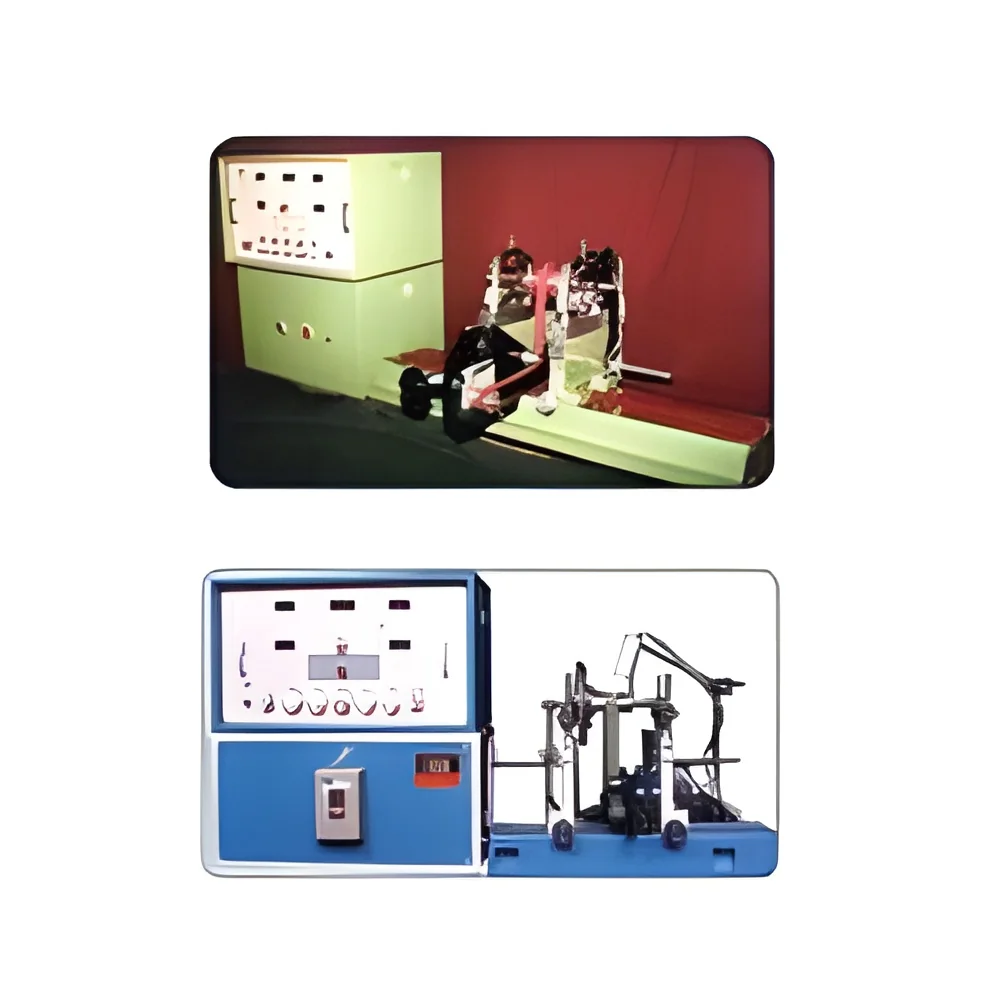
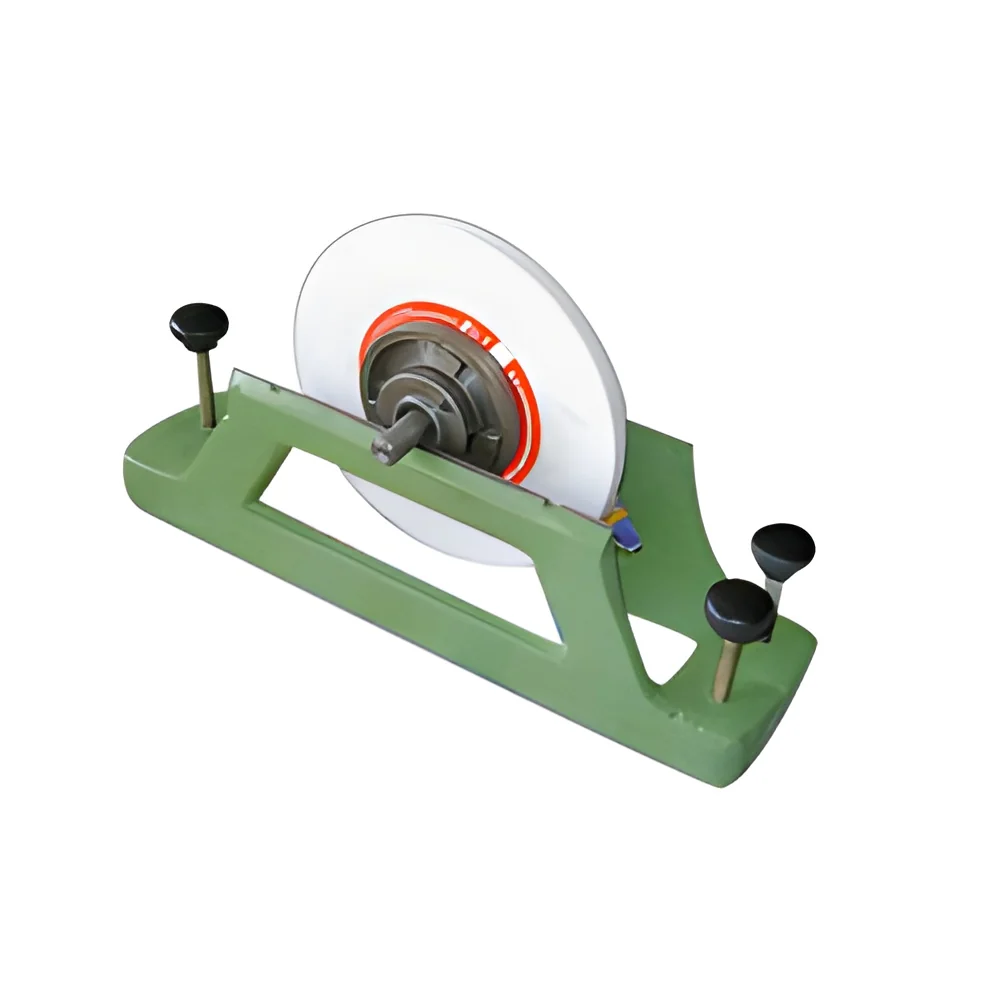
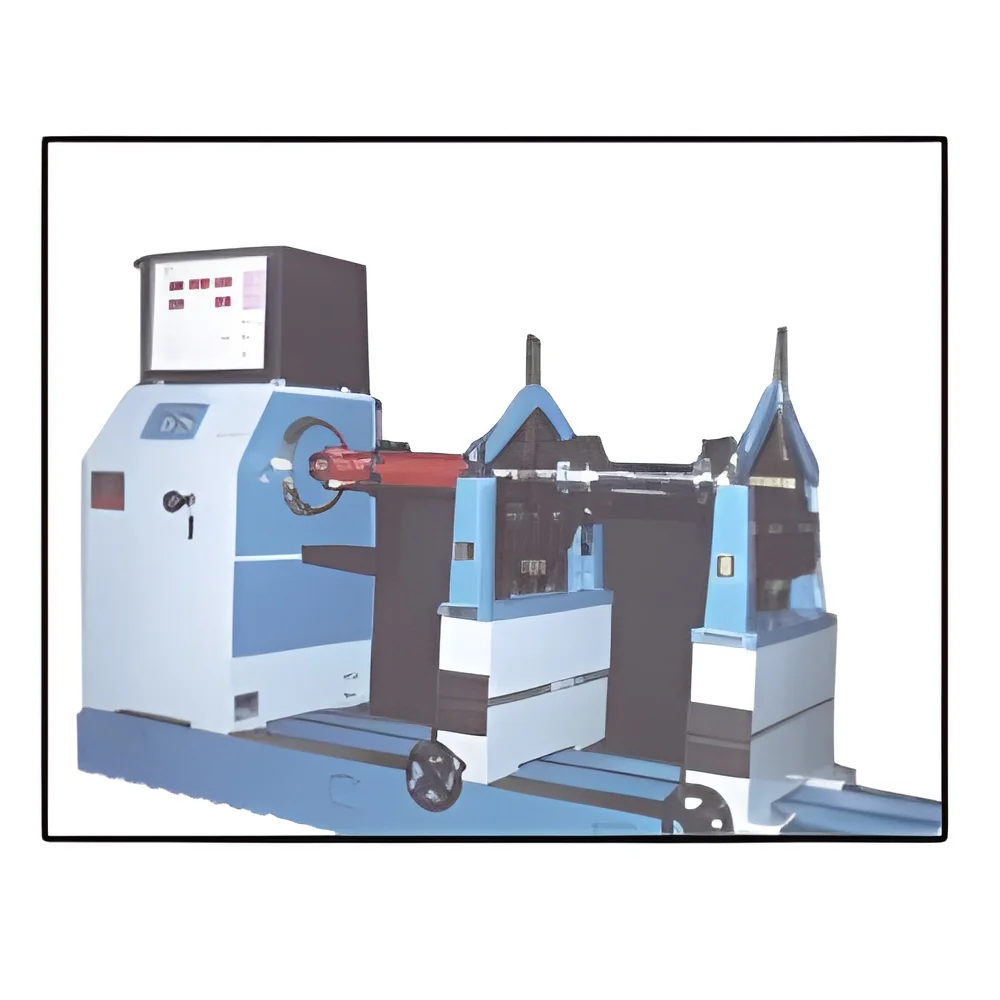
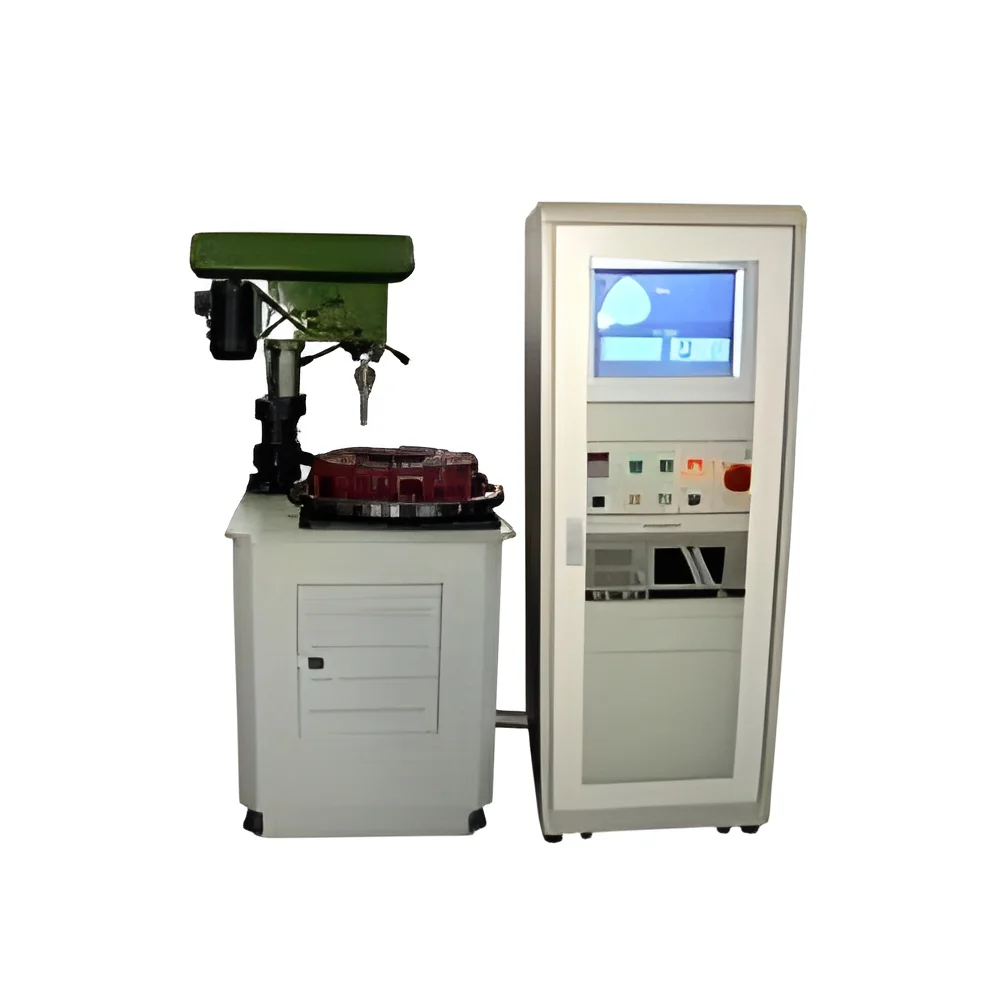
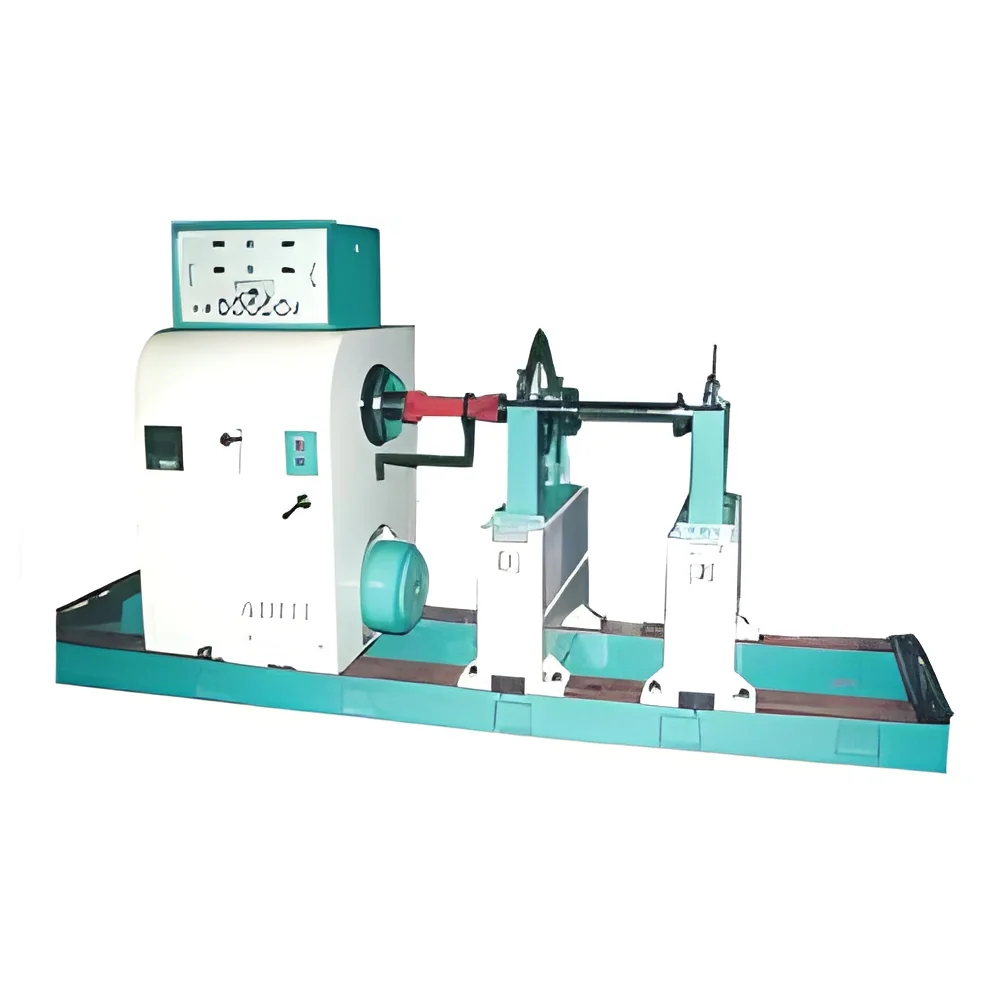
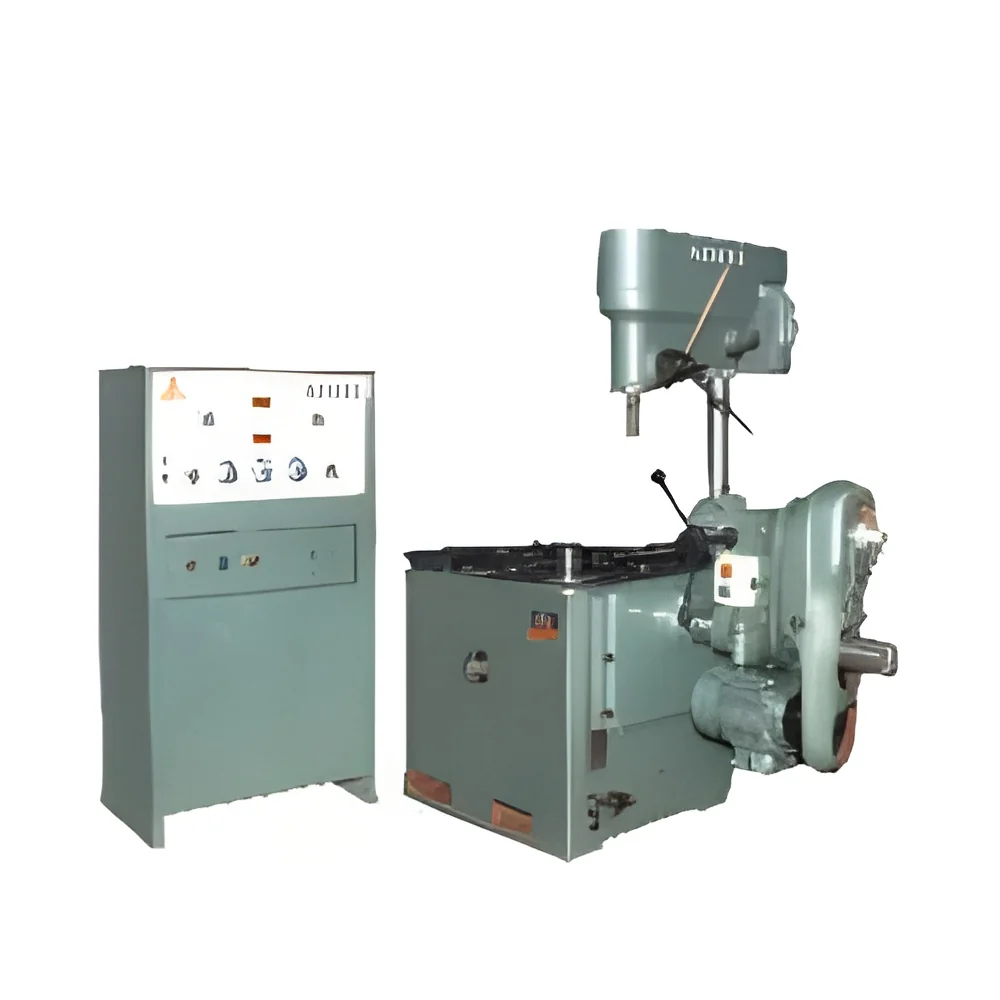
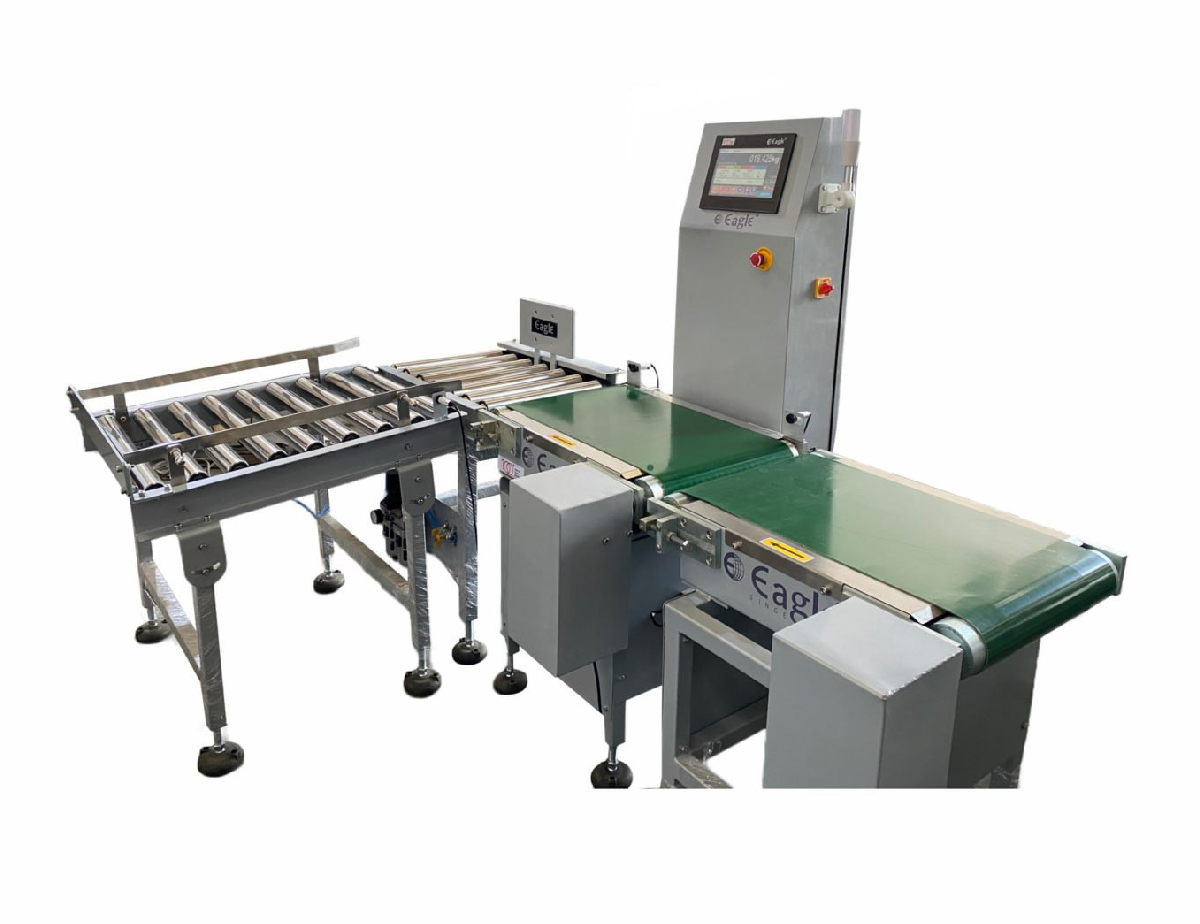
What are Dynamic Balancing Machines?
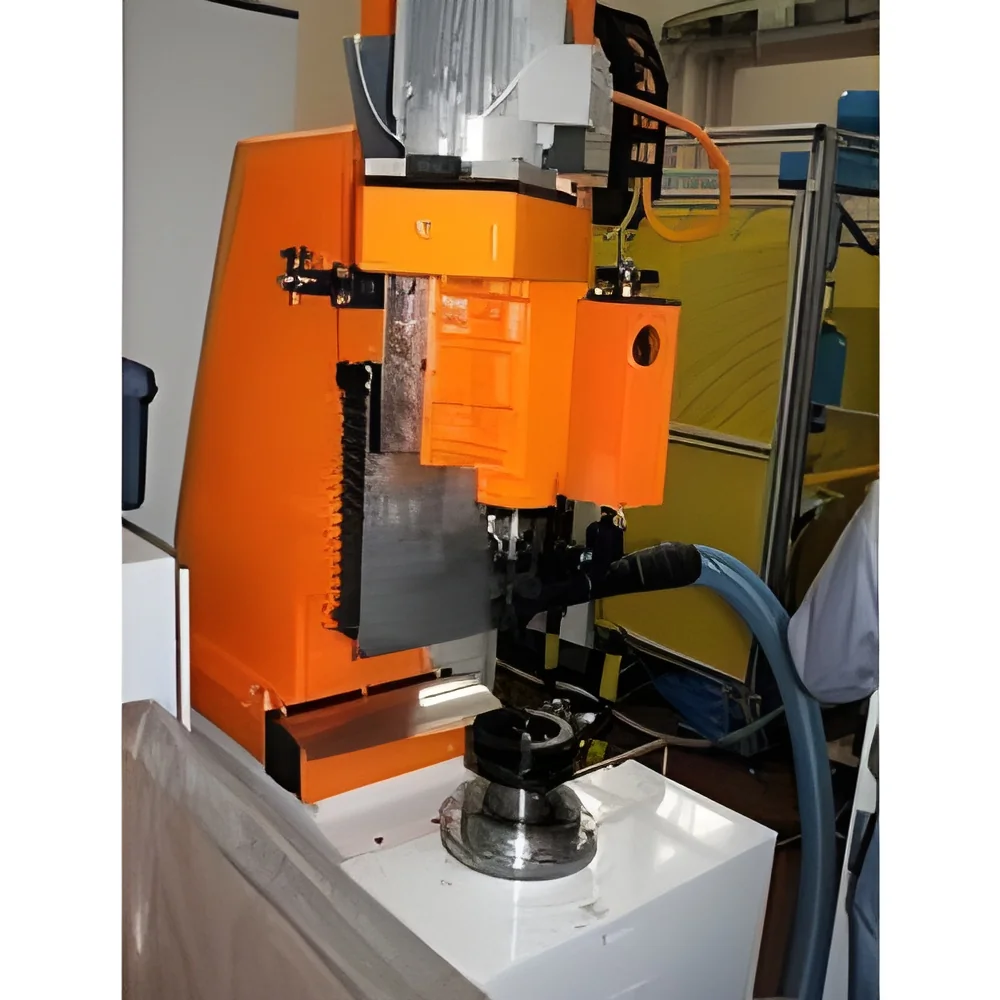
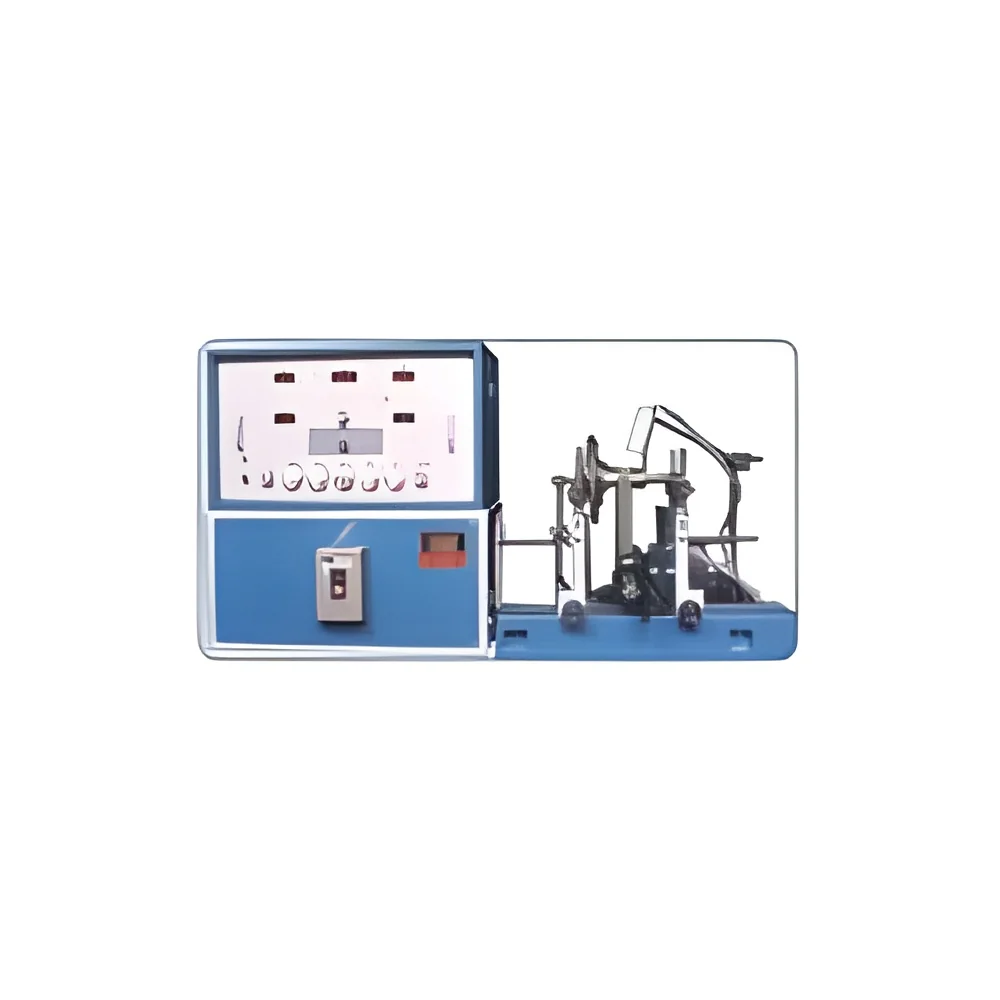
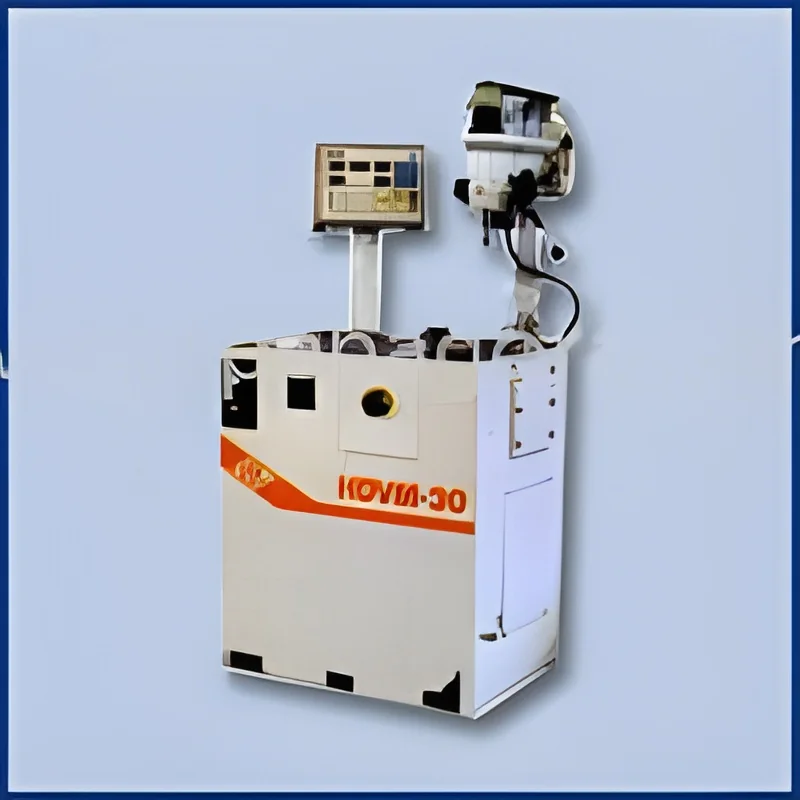
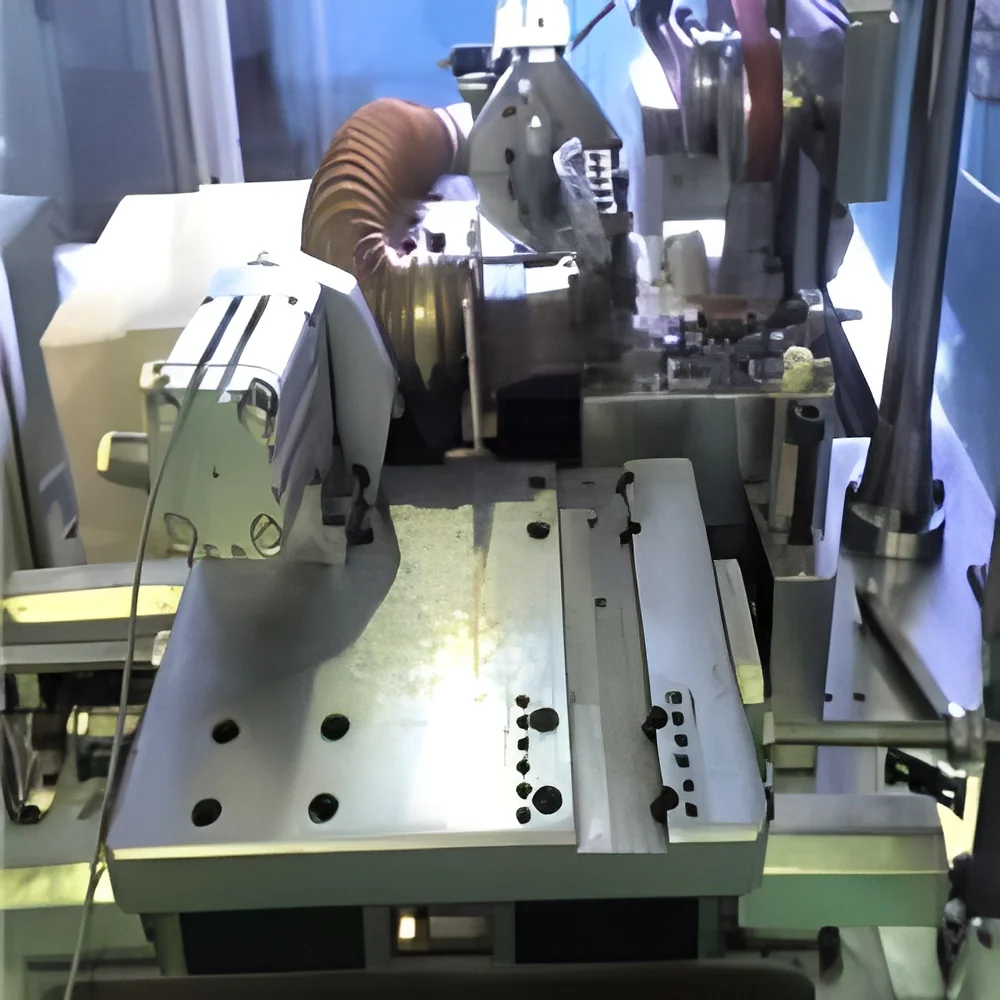
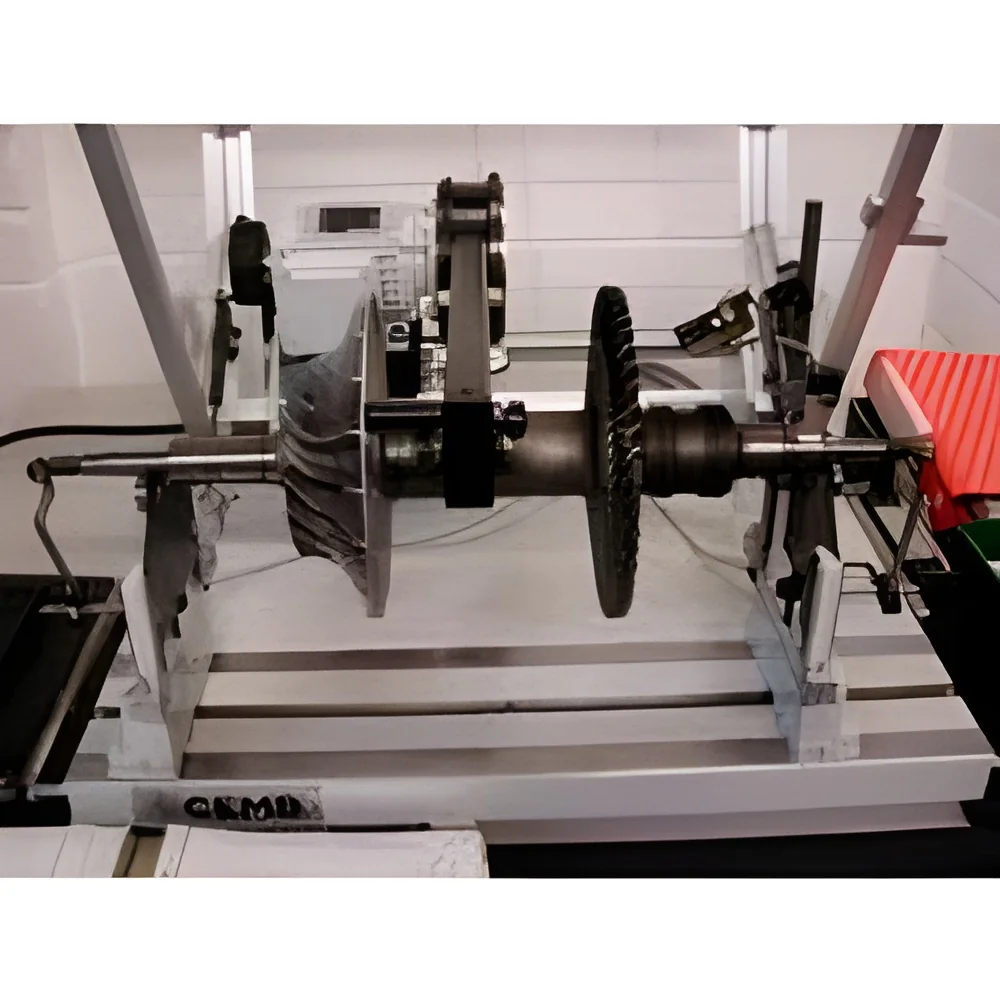
Dynamic Balancing Machines are precision instruments designed to measure and correct the balance of rotating components. These machines utilize advanced technology to detect imbalances in various parts, such as rotors, shafts, and fan blades. By identifying any discrepancies, the machines allow for adjustments that ensure smoother operation, enhanced performance, and prolonged lifespan of machinery.
Dynamic balancing is essential in various industries where rotating equipment is prevalent, including aerospace, automotive, and manufacturing. Businesses utilize these machines to enhance product quality and maintain operational efficiency. Proper balancing minimizes vibration, which can lead to equipment wear and tear, downtime, and increased maintenance costs.
In today's competitive market, the relevance of Dynamic Balancing Machines can be seen in their growing adoption across sectors. As industries strive for higher precision and reliability, these machines have become indispensable tools that support quality assurance and operational excellence.
Key Features and Specifications
Dynamic Balancing Machines come equipped with a range of features that enhance their usability and effectiveness. Understanding these specifications is crucial for selecting the right equipment for specific applications.
Key specifications include:
1. Measurement Range
- This specification indicates the operational limits of the machine in terms of weight and size.
- Typically ranges from small components up to large industrial parts.
2. Speed Range
- Refers to the rotational speed at which the machine can effectively balance components.
- Commonly from a few hundred RPMs to several thousand RPMs.
3. Accuracy Level
- Defines the precision of the measurements taken by the machine.
- Usually measured in grams or milligrams, depending on the application.
4. User Interface
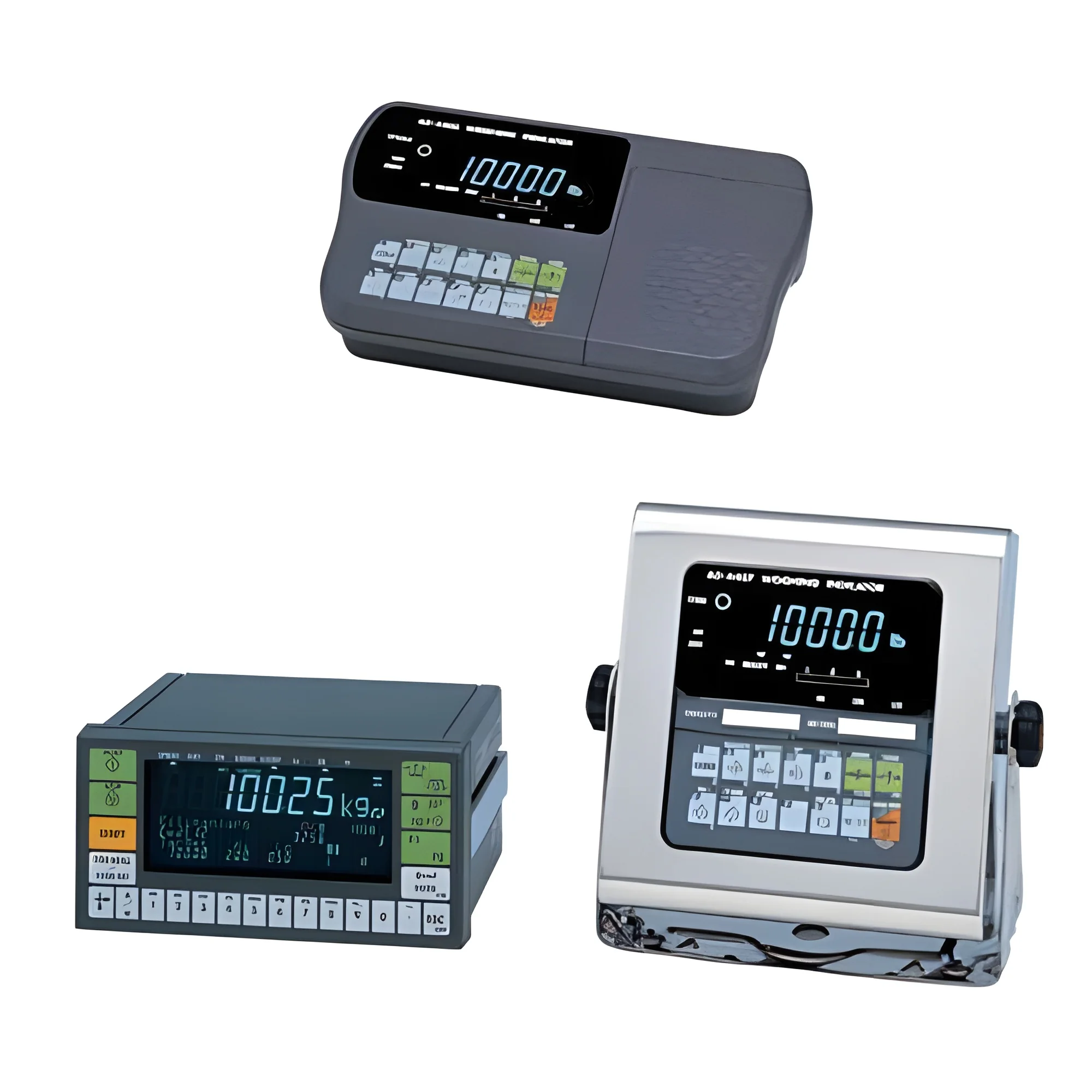
- The ease of use of the machine's control panel and software for data analysis.
- Often includes touchscreen capabilities and user-friendly navigation.
5. Data Output
- Types of data provided by the machine, which may include graphs, reports, and alerts.
- Essential for troubleshooting and performance assessment.
6. Calibration Features
- Information on how the machine can be calibrated for optimal performance.
- Ensures consistent accuracy over time.
7. Compliance Standards
- Indicates adherence to industry standards, such as CE certification.
- Important for regulatory compliance.
8. Environmental Conditions
- Specifies operational temperature and humidity ranges.
- Critical for maintaining performance in various environments.
In summary, selecting a Dynamic Balancing Machine involves evaluating key specifications that align with specific operational needs, ensuring that the equipment chosen meets both performance and compliance criteria.
Common Applications and Use Cases
Dynamic Balancing Machines are utilized across a broad spectrum of industries, each benefiting from their unique capabilities.
1. Aerospace: These machines are crucial for balancing aircraft components like rotors and turbines, ensuring safety and performance in flight.
2. Automotive: In the automotive industry, balancing engine parts and wheels is vital for enhancing vehicle performance and passenger comfort.
3. Manufacturing: Production facilities use these machines to balance various equipment, reducing vibration and increasing machinery lifespan.
4. HVAC: Balancing fan blades and other components in heating, ventilation, and air conditioning systems promotes energy efficiency and system reliability.
5. Renewable Energy: Wind turbine manufacturers rely on dynamic balancing to optimize blade performance and energy output.
6. Marine: In shipbuilding, balancing propulsion systems is essential for maintaining stability and operational efficiency.
7. Medical Devices: Precision balancing is critical in medical equipment to ensure accuracy and reliability in diagnostics and treatments.
Product Variants and Subcategories
Dynamic Balancing Machines come in various configurations to suit different industrial needs.
Portable Dynamic Balancing Machines
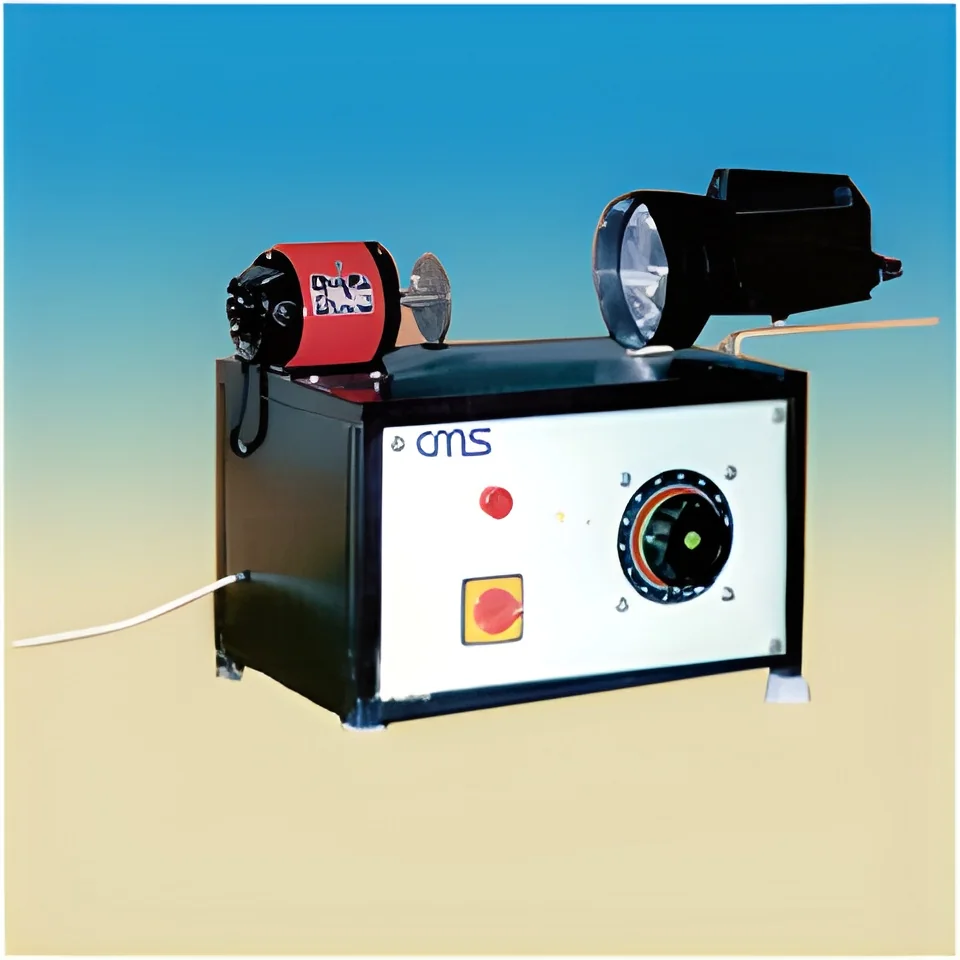
These units are designed for mobility and are ideal for on-site balancing of machinery. They offer flexibility for maintenance teams, allowing them to address balance issues directly at the equipment location.
Vertical Dynamic Balancing Machines
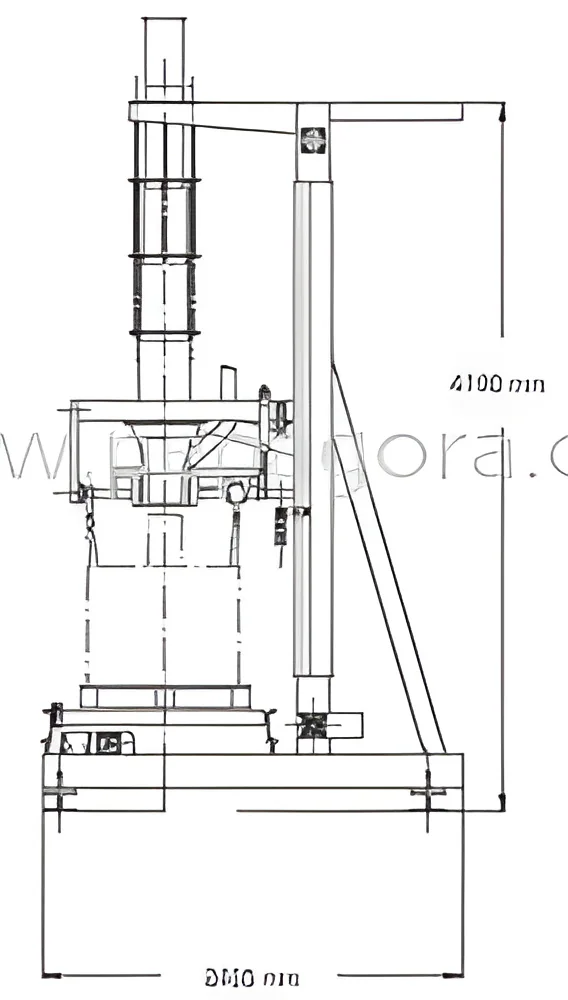
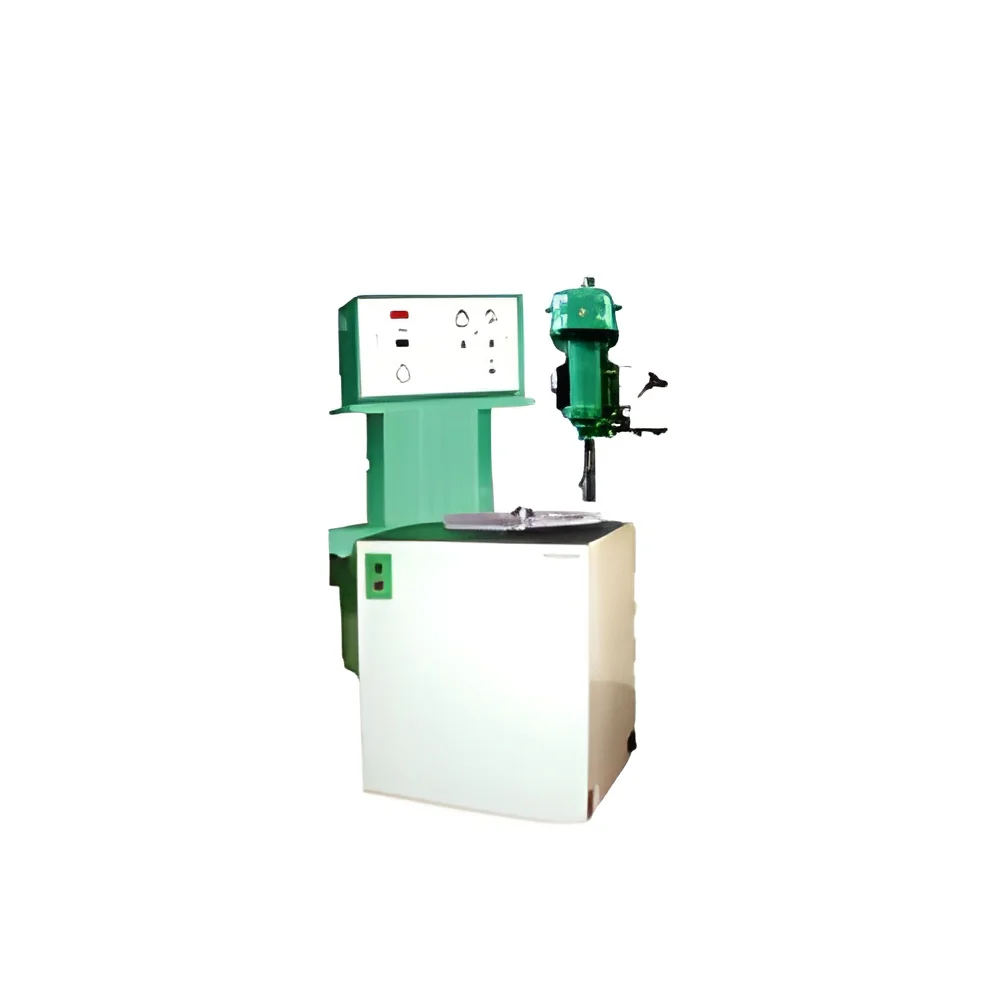
Typically used for larger components, these machines allow for vertical orientation during balancing. This design is suitable for heavy-duty applications in industrial environments.
Horizontal Dynamic Balancing Machines
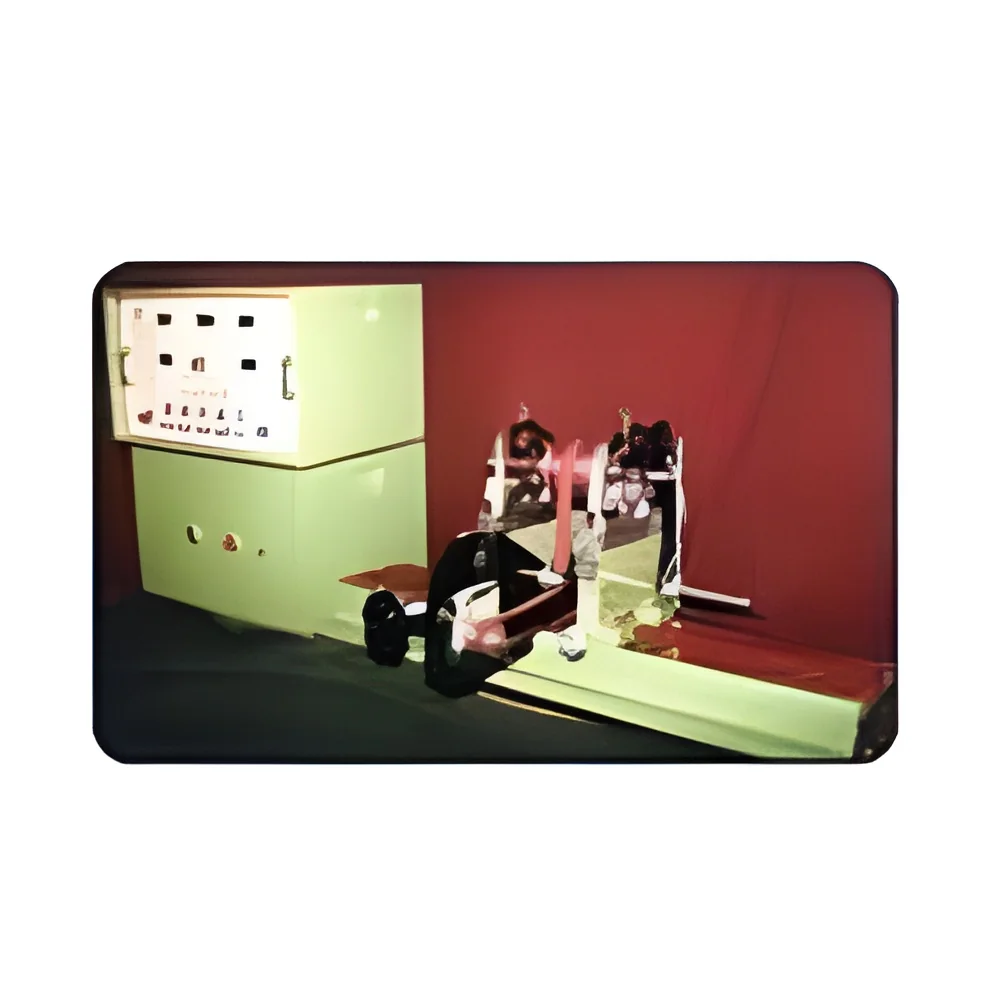
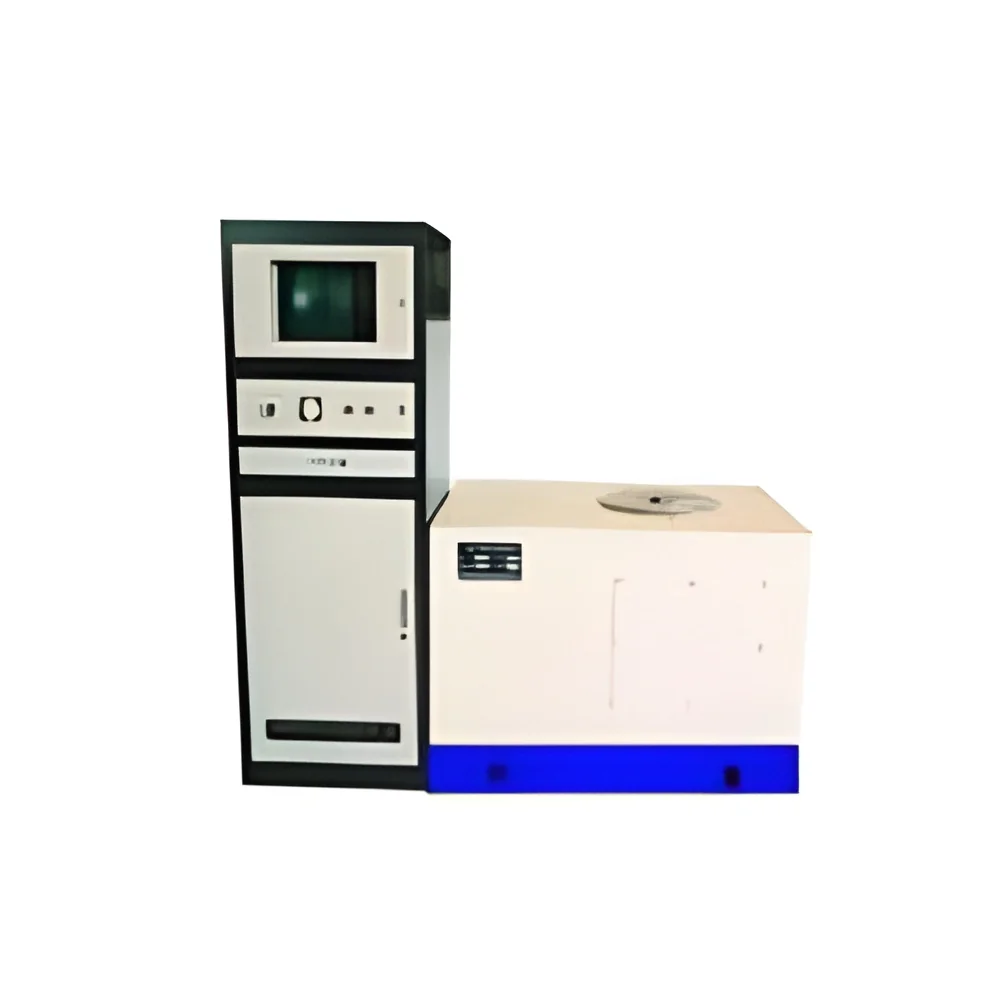
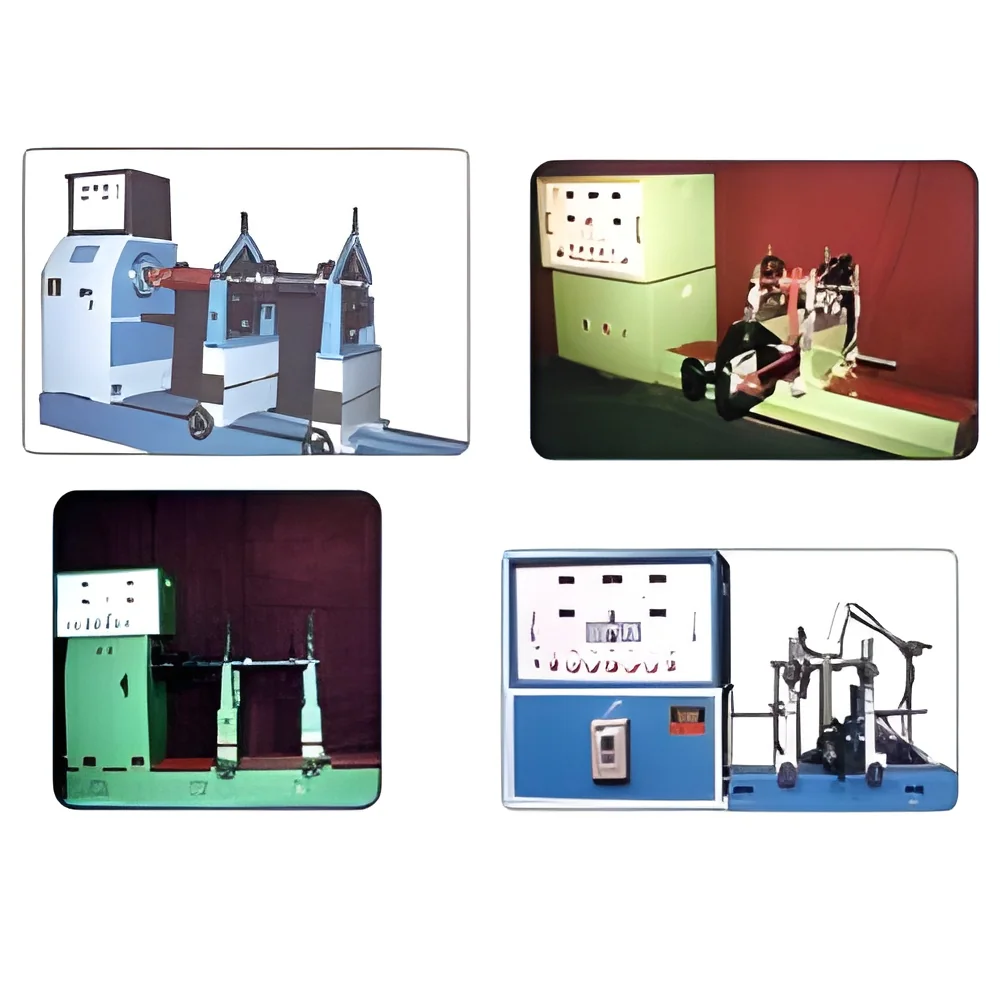
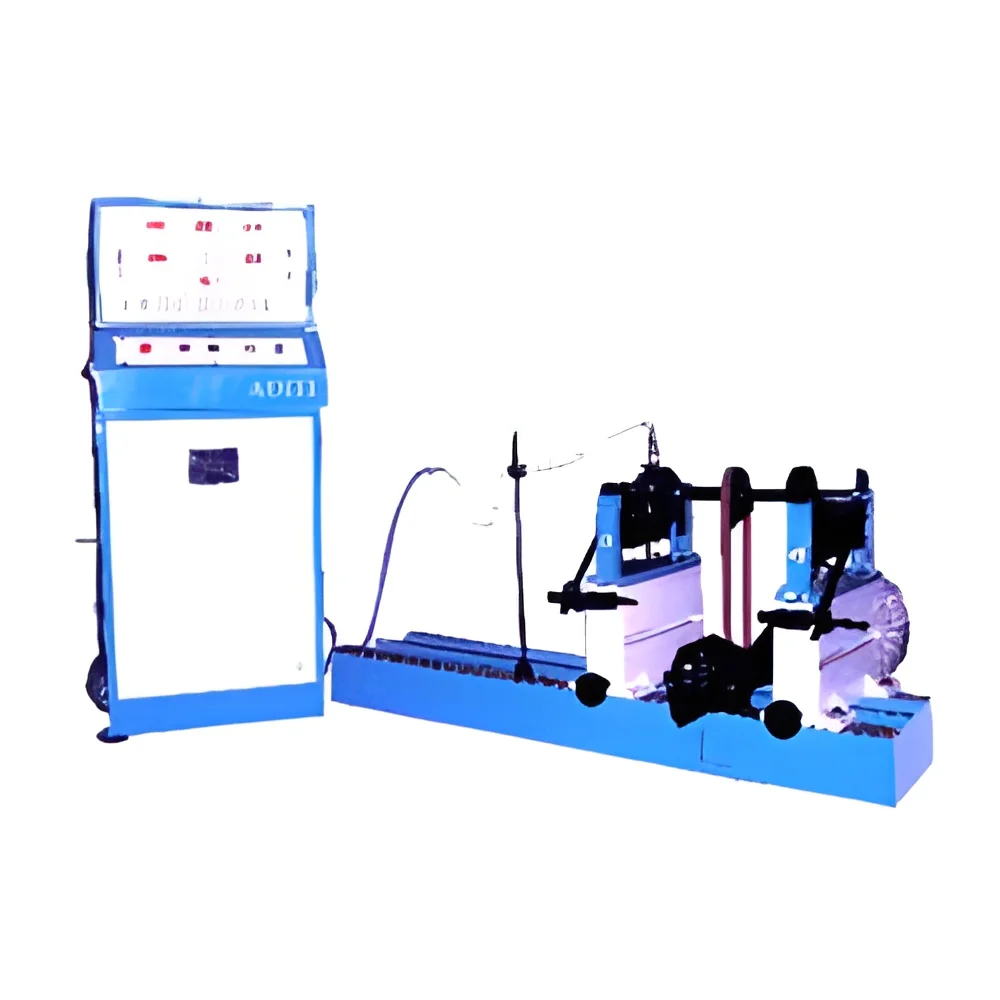
These machines are standard for most applications, providing effective balancing for a wide range of components. They feature a horizontal setup that is effective for conventional balancing tasks.
Benefits and Advantages
Dynamic Balancing Machines offer numerous advantages that contribute to operational efficiency and cost savings.
1. Enhanced Performance: Properly balanced components reduce vibration, leading to smoother operation and improved performance.
2. Extended Equipment Life: Regular balancing minimizes wear on machinery, prolonging its lifespan and reducing replacement costs.
3. Increased Safety: By ensuring that rotating parts are balanced, these machines help prevent accidents caused by equipment failure.
4. Reduced Maintenance Costs: Fewer vibrations lead to less strain on machinery, resulting in lower maintenance expenses over time.
5. Improved Product Quality: Businesses that utilize dynamic balancing in their processes often see enhanced product quality and consistency.
6. Energy Efficiency: Balanced components operate more efficiently, which can lead to lower energy consumption and reduced operational costs.
Buying Guide for B2B Buyers
When sourcing Dynamic Balancing Machines, it is important for businesses to consider several key factors to ensure they select the best equipment for their needs.
1. Quality Assessment: Evaluate the quality of the machines by reviewing specifications and customer testimonials. Look for machines that meet industry standards for performance and durability.
2. Supplier Verification: Conduct thorough research on potential suppliers. Verify their reputation, customer service record, and compliance with relevant industry standards.
3. Pricing and MOQ: Understand the pricing structure and the minimum order quantity required by suppliers. This can impact budget planning and inventory management.
4. Delivery and Lead Times: Inquire about the expected delivery times and logistics. Timely delivery is crucial for maintaining production schedules.
5. Compliance Requirements: Ensure that the machines meet all necessary regulatory requirements and certifications relevant to your industry.
Compliance and Certifications
Dynamic Balancing Machines must adhere to various quality standards and certifications to ensure safety and reliability. One of the most recognized standards is ISO 9001, which outlines requirements for a quality management system. This certification helps organizations demonstrate their ability to consistently provide products that meet customer and regulatory requirements.
Additionally, CE certification indicates that the machines comply with European health, safety, and environmental protection standards. This certification is vital for businesses targeting markets in Europe, as it assures customers of product safety and quality.
Safety and testing requirements are also critical for these machines. They must undergo rigorous testing to ensure they operate correctly under various conditions and do not pose risks to operators or the environment. Furthermore, regional compliance considerations may vary, so businesses should ensure that their chosen machines meet local regulations and standards.
Why Source Dynamic Balancing Machines from Pepagora?
Pepagora is a trusted platform for sourcing Dynamic Balancing Machines, providing several key advantages for B2B buyers.
Verified Supplier Network: Pepagora has established a network of verified suppliers, ensuring that buyers have access to reputable manufacturers. This network reduces the risk associated with sourcing equipment and enhances buyer confidence.
Streamlined RFQ Process: The platform features a user-friendly Request for Quotation (RFQ) system, allowing businesses to easily compare offers from multiple suppliers. This streamlining of the procurement process saves time and helps buyers make informed decisions.
Trade Assurance and Support: Pepagora offers trade assurance, providing protection for buyers in transactions. This support includes dispute resolution services, helping to foster trust between buyers and suppliers.
Regional Coverage: With a strong presence in India, the GCC, and Southeast Asia, Pepagora caters to a broad geographic area. This regional coverage ensures that businesses across various markets can find suitable Dynamic Balancing Machines tailored to their operational needs.

 IN
IN