Key Features and Specifications
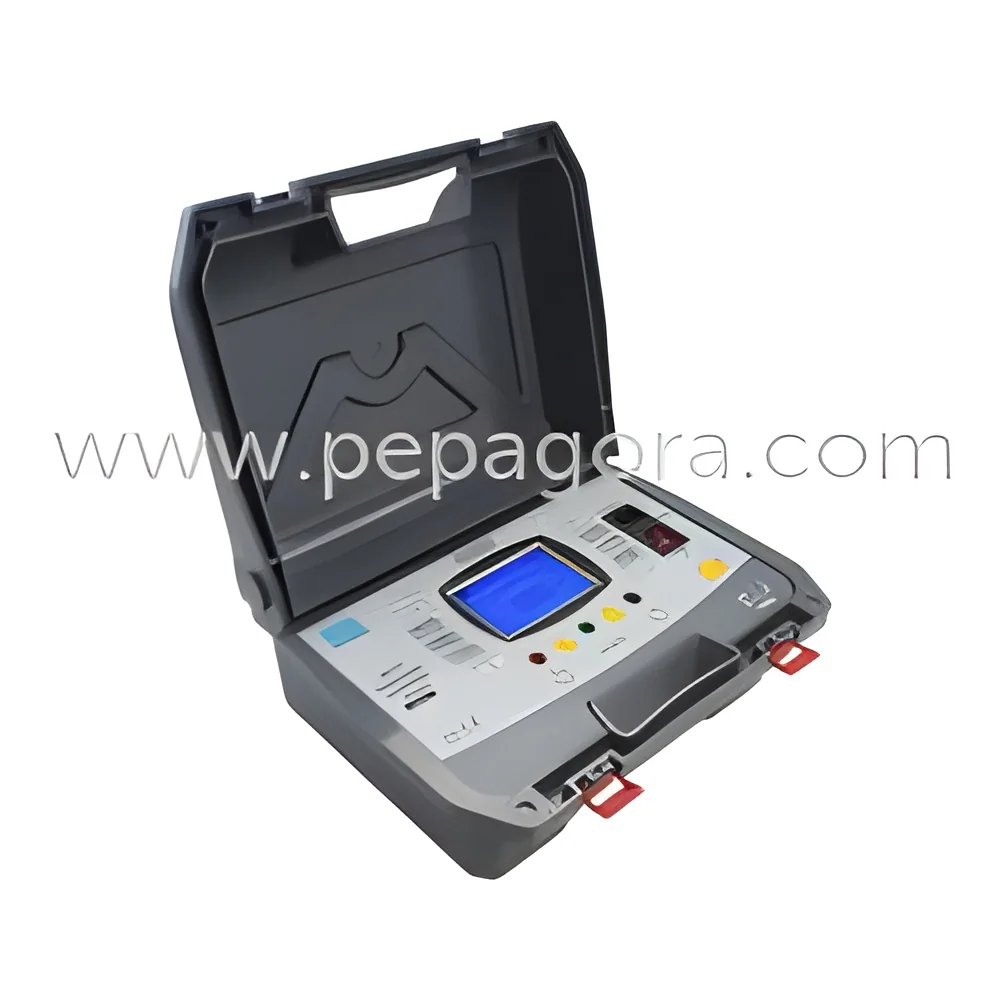
Insulation testers come equipped with several features that enhance their functionality and usability. These features include a range of voltage outputs, easy-to-read displays, and various resistance measurement capabilities. Understanding these specifications helps businesses select the right Megger for their specific needs.
Key specifications include:
1. Voltage Output Range
- Typical output ranges from 250V to 5kV
- Allows testing of various insulation materials and thicknesses
2. Measurement Range
- Resistance measurement ranges from 1 kΩ to 10 GΩ
- Capable of detecting a wide spectrum of insulation issues
3. Test Time Selection
- Options for automatic and manual test duration selection
- Facilitates user control over testing conditions
4. Display Type
- Digital or analog displays available
- Provides clear readings of resistance values
5. Data Storage Capability
- Some models include memory for storing test results
- Enables easy tracking of historical data for analysis
6. Battery Life
- Long-lasting batteries or rechargeable options
- Ensures reliability during extensive testing sessions
7. Safety Features
- Built-in safety mechanisms to prevent accidental shock
- Conforms to international safety standards
8. Portability
- Lightweight and compact designs for easy transport
- Ideal for fieldwork and on-site testing
In summary, the diverse features and specifications of insulation testers make them invaluable tools for ensuring electrical safety and performance across various applications.
Common Applications and Use Cases
Insulation testers are versatile instruments used in numerous industries, each with specific applications tailored to their unique needs.
1. Electrical Utilities: Meggers are employed to test the insulation of power lines, transformers, and substations, ensuring the reliability of power distribution.
2. Manufacturing: In manufacturing plants, insulation testers are used to inspect machinery and electrical equipment, preventing breakdowns and enhancing operational safety.
3. Construction: During construction projects, these testers verify insulation integrity in wiring systems to ensure compliance with safety standards.
4. Telecommunications: Insulation testers help maintain the integrity of communication lines by testing cables and connections, thereby ensuring uninterrupted service.
5. Automotive: In the automotive industry, Meggers are used to evaluate insulation in electrical systems, contributing to vehicle safety and performance.
6. Aerospace: Aerospace applications benefit from insulation testing for critical systems, ensuring reliability in high-stakes environments.
7. Marine: Insulation testers are utilized in the marine sector to assess the safety of electrical systems on vessels, minimizing the risk of electrical failures.
Product Variants and Subcategories
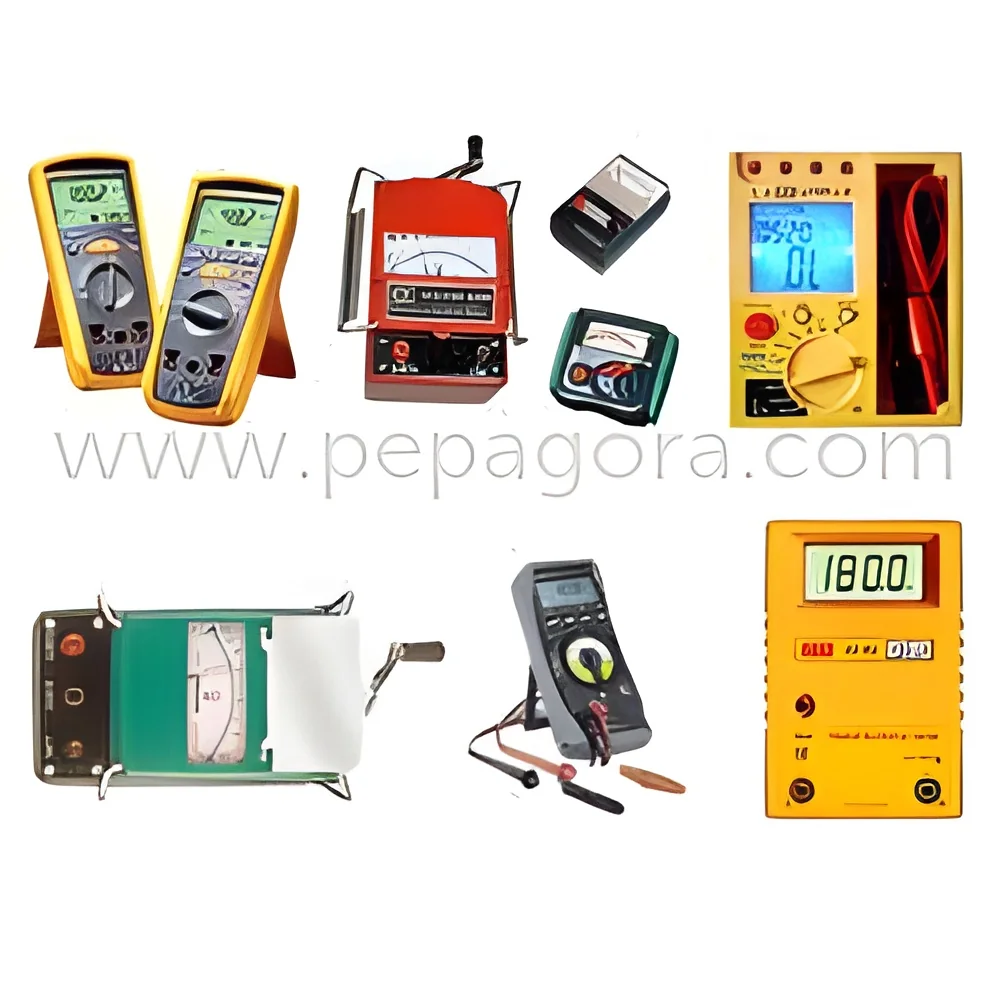
Insulation testers are available in various models, each designed to meet specific testing requirements. This diversity allows businesses to choose the most suitable device for their applications.
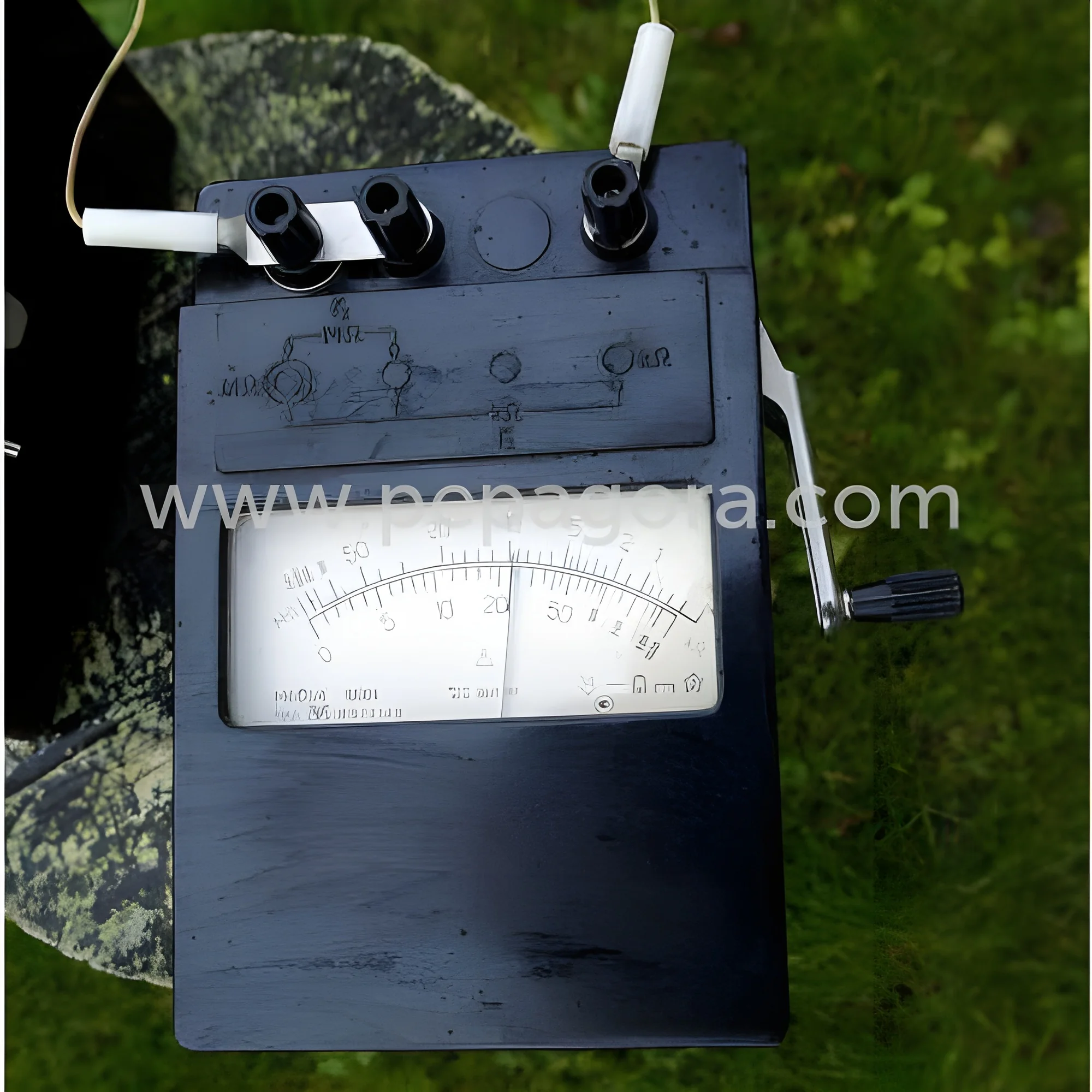
Analog Insulation Testers: These testers provide a simple and straightforward way to measure insulation resistance. They are often favored for their ease of use and reliability in basic testing applications.
Digital Insulation Testers: These models offer advanced features, including digital displays and data storage capabilities. They are ideal for users who require precise measurements and detailed reporting.
Advanced Multifunction Testers: These versatile devices combine insulation testing with other electrical testing functions, such as continuity and voltage measurements. They are suitable for comprehensive electrical assessments in complex environments.
Benefits and Advantages
Insulation testers provide numerous benefits that enhance operational safety, efficiency, and compliance. Understanding these advantages can help businesses make informed purchasing decisions.
1. Enhanced Safety: Insulation testers help identify potential electrical hazards, reducing the risk of accidents and ensuring a safer working environment.
2. Improved Reliability: Regular testing of insulation integrity prevents unexpected failures, contributing to uninterrupted operations and increased equipment lifespan.
3. Compliance Assurance: Meggers assist businesses in meeting regulatory requirements and industry standards, ensuring adherence to safety protocols.
4. Cost Savings: By preventing insulation failures, companies can avoid costly repairs and downtime, leading to significant long-term savings.
5. User-Friendly Operation: Many insulation testers are designed with intuitive interfaces, making them easy to operate even for users with limited technical expertise.
6. Versatile Applications: The adaptability of insulation testers across various industries allows businesses to utilize them for multiple testing needs.
Buying Guide for B2B Buyers
When sourcing insulation testers, businesses should consider several key factors to ensure they select the right product for their needs.
1. Quality Assessment: Evaluate the quality of insulation testers by reviewing manufacturer certifications and customer reviews. High-quality devices typically offer better accuracy and reliability.
2. Supplier Verification: Vet suppliers by checking their reputation, experience, and customer feedback. Established suppliers are more likely to provide reliable products and support.
3. Pricing and MOQ: Analyze pricing structures and minimum order quantities (MOQ) from different suppliers. Ensure that the costs align with your budget while considering the quality of the product.
4. Delivery and Lead Times: Consider logistics in terms of delivery options and lead times. Timely delivery is crucial for maintaining project schedules.
5. Compliance Requirements: Ensure that the insulation testers comply with relevant safety and quality standards. This is essential for maintaining operational safety and regulatory adherence.
Compliance and Certifications
Insulation testers must adhere to various quality standards and certifications to ensure their safety and effectiveness. Common quality standards include ISO 9001, which sets criteria for quality management systems, and HACCP, which focuses on food safety management.
Industry certifications such as UL and CE indicate that the products meet specific safety and performance requirements. These certifications provide assurance to buyers that the insulation testers are reliable and safe for use.
Additionally, insulation testers are subject to safety and testing requirements that address electrical safety and performance verification. Compliance with regional regulations is also critical, as different areas may have specific standards that devices must meet.
Why Source Insulation Testers (Meggers) from Pepagora?
Pepagora offers a robust platform for sourcing insulation testers, ensuring that buyers have access to high-quality products and reliable suppliers.
Verified Supplier Network: Pepagora connects buyers with a network of verified suppliers, ensuring that all products meet industry standards and quality requirements. This verification process builds trust and confidence in the purchasing decision.
Streamlined RFQ Process: The request for quotation (RFQ) system simplifies the procurement process, allowing buyers to easily compare products and pricing from various suppliers. This efficiency saves time and resources.
Trade Assurance and Support: Pepagora provides trade assurance and support to buyers, protecting their transactions and ensuring they receive the products as promised. This service adds an extra layer of security to the purchasing process.
Regional Coverage: With a focus on markets in India, the Gulf Cooperation Council (GCC), and Southeast Asia, Pepagora offers comprehensive regional coverage, catering to the specific needs of businesses in these areas.
In conclusion, sourcing insulation testers from Pepagora not only ensures quality and reliability but also enhances the overall purchasing experience for businesses across various industries.

 IN
IN