
 IN
Thermal Imaging Cameras
4 products available
What are Thermal Imaging Cameras?
Thermal imaging cameras are sophisticated devices that detect infrared radiation emitted by objects and convert it into images. Unlike conventional cameras that capture visible light, thermal cameras visualize temperature differences, allowing users to see heat patterns and variations in their environment. These devices are equipped with sensors that can identify temperature changes as small as a fraction of a degree, making them invaluable for a variety of applications.
These cameras play a crucial role in numerous sectors, including manufacturing, construction, and healthcare. In industrial settings, they are used for predictive maintenance by identifying overheating equipment, thus preventing costly failures. In the healthcare industry, thermal imaging assists in detecting abnormalities such as fevers or inflammation. As industries increasingly turn to advanced technologies for efficiency and safety, the demand for thermal imaging cameras continues to grow, positioning them as essential tools in modern operations.
Key Features and Specifications
Thermal imaging cameras come with a range of features designed to enhance their usability and effectiveness. Understanding these specifications is crucial for businesses looking to invest in this technology.
Key specifications include:
1. Resolution
- The number of pixels in the thermal image, which affects clarity.
- Common ranges include 160x120 to 640x480 pixels.
2. Temperature Range
- The spectrum of temperatures that the camera can detect.
- Typical ranges are from -20°C to 1200°C.
3. Field of View
- The extent of the observable area captured by the camera.
- Common FOV ranges are between 25° to 60°.
4. Frame Rate
- The number of frames the camera can capture per second.
- Usually between 9 Hz to 30 Hz.
5. Sensitivity
- The smallest temperature difference the camera can detect.
- Often expressed as <0.05°C.
6. Battery Life
- Duration the camera can operate on a single charge.
- Ranges from 4 to 10 hours depending on usage.
7. Connectivity Options
- Options for data transfer like Wi-Fi, USB, or Bluetooth.
- Important for integration with other systems.
8. Weight and Portability
- The physical weight and ease of carrying the camera.
- Typically ranges from 0.5 kg to 2 kg.
These specifications are essential in determining the right thermal imaging camera for specific applications and industries.
Common Applications and Use Cases
Thermal imaging cameras find utility across a wide range of industries.
1. Manufacturing: These cameras are used for monitoring equipment and machinery. They help in identifying overheating parts, thus preventing breakdowns and ensuring operational efficiency.
2. Electrical: In the electrical sector, thermal cameras are invaluable for inspecting power lines and electrical panels. They can detect faulty connections and overheating components, enhancing safety measures.
3. Building Maintenance: Thermal imaging helps in identifying insulation failures and moisture issues in buildings, leading to better energy efficiency and maintenance practices.
4. Healthcare: In the medical field, thermal imaging is used for detecting fevers or inflammatory conditions in patients, offering a non-invasive diagnostic tool.
5. Automotive: Automotive industries utilize thermal cameras to inspect engines and components for overheating, providing insights during the manufacturing process and maintenance.
6. Security: In security applications, thermal cameras help in surveillance, particularly in low-light or nighttime scenarios, ensuring comprehensive coverage.
7. Research and Development: In R&D, these cameras are used for testing materials and products under various thermal conditions, aiding in quality control.
Product Variants and Subcategories
Thermal imaging cameras are available in various models, each designed for specific needs and applications.
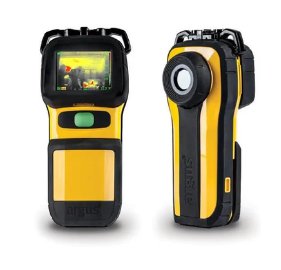
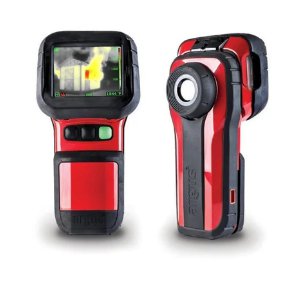
Handheld Thermal Cameras: These portable devices are designed for easy use in field inspections and maintenance. They offer user-friendly interfaces and are ideal for quick assessments.
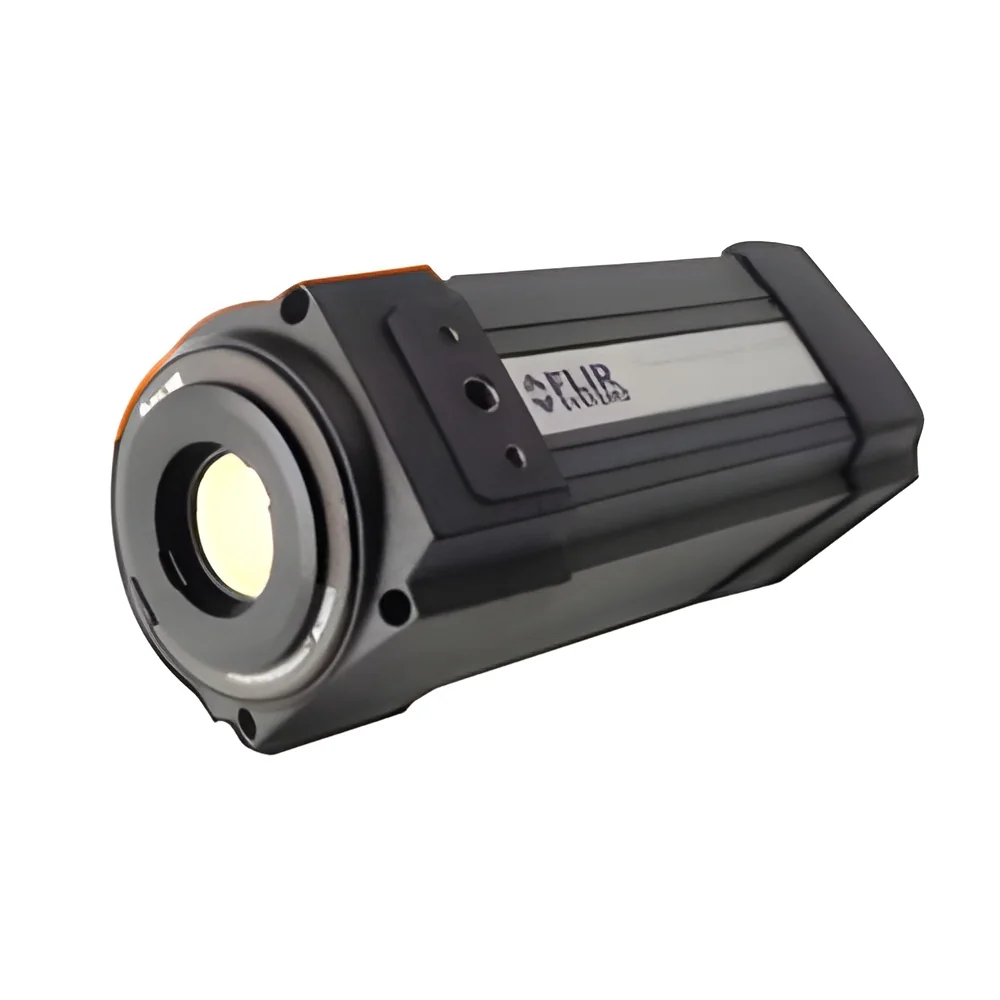
Fixed Thermal Cameras: These cameras are installed in a specific location for continuous monitoring. They are often used in industrial settings for surveillance and process optimization.
Smartphone Thermal Cameras: These compact devices attach to smartphones, providing an accessible option for users who need thermal imaging capabilities on-the-go.
Benefits and Advantages
The advantages of thermal imaging cameras are numerous and impactful.
1. Enhanced Safety: By identifying hot spots and potential failures, these cameras help prevent accidents and injuries in the workplace.
2. Cost Savings: Early detection of equipment issues can lead to significant savings by avoiding costly downtime and repairs.
3. Non-Invasive Inspection: Thermal imaging allows for inspections without direct contact, minimizing disruption during assessments.
4. Improved Efficiency: With the ability to quickly identify issues, businesses can enhance workflow and productivity.
5. Versatility: Thermal imaging cameras can be used across various industries, making them a versatile tool for many applications.
6. Data Collection: These cameras provide valuable data that can be analyzed for further insights into operational efficiency and safety measures.
Buying Guide for B2B Buyers
When looking to purchase thermal imaging cameras, several important factors should be taken into account.
1. Quality Assessment: Ensure the cameras meet high standards of performance and reliability. Look for reviews and ratings that reflect user experiences and quality metrics.
2. Supplier Verification: Vet potential suppliers thoroughly. Check for certifications, customer feedback, and their history in the industry to ensure you are dealing with reputable vendors.
3. Pricing and MOQ: Understand the pricing structure and any minimum order quantities. This can significantly impact budgeting and procurement processes.
4. Delivery and Lead Times: Inquire about delivery schedules to ensure that the cameras can be delivered in a timely manner, aligning with your operational needs.
5. Compliance Requirements: Familiarize yourself with any industry-specific regulations or compliance standards that the cameras must meet. This may include safety standards and certifications relevant to your region.
Compliance and Certifications
Thermal imaging cameras must adhere to various compliance standards to ensure quality and safety. Common quality standards include ISO 9001, which focuses on quality management systems and overall product reliability.
Additionally, certifications such as CE indicate that the cameras meet the necessary safety, health, and environmental protection requirements set by European legislation. Compliance with safety and testing requirements is crucial, as it assures buyers of the camera's performance and reliability.
Regional compliance considerations may vary, so it is essential to understand the specific requirements for thermal imaging cameras in your geographical location. Ensuring compliance not only protects users but also enhances the credibility of the manufacturer.
Why Source Thermal Imaging Cameras from Pepagora?
Pepagora offers a reliable platform for sourcing thermal imaging cameras, providing several advantages for buyers.
Verified Supplier Network: The platform features a network of verified suppliers, ensuring that buyers can find reputable manufacturers who meet industry standards.
Streamlined RFQ Process: Pepagora simplifies the request for quotation process, enabling buyers to easily compare prices and specifications from multiple suppliers, saving time and effort.
Trade Assurance and Support: Buyers benefit from trade assurance programs that protect their investments. This support ensures peace of mind during the procurement process.
Regional Coverage: With a strong presence in India, the GCC, and Southeast Asia, Pepagora facilitates access to a wide range of thermal imaging cameras tailored to meet the diverse needs of various industries.

Frequently Asked Questions
What are Thermal Imaging Cameras?
Thermal Imaging Cameras are devices that detect and visualize infrared radiation emitted by objects, allowing for temperature measurement and thermal analysis. This technology is widely used in various applications, including building inspections, electrical maintenance, and medical diagnostics.
What are the different types of Thermal Imaging Cameras?
There are several types of Thermal Imaging Cameras, including handheld models, fixed installation cameras, and smartphone-compatible thermal cameras. Each type serves different purposes, such as fieldwork, continuous monitoring, or general consumer use.
How do I choose the right Thermal Imaging Cameras?
To choose the right Thermal Imaging Camera, consider factors such as resolution, sensitivity, and the specific application you intend to use it for. Additionally, assess your budget and whether you need features like video recording or Wi-Fi connectivity.
What are the standard specifications for Thermal Imaging Cameras?
Standard specifications for Thermal Imaging Cameras include thermal sensitivity (measured in milliKelvins), resolution (measured in pixels), and detection range. Other important specifications may include lens type, frame rate, and operating temperature range.
What is the price range for Thermal Imaging Cameras?
The price range for Thermal Imaging Cameras can vary significantly based on features and specifications, typically starting from around ₹20,000 for basic models to over ₹1,00,000 for high-end units. Factors such as brand reputation and additional functionalities will also influence the pricing.
What quality standards apply to Thermal Imaging Cameras?
Quality standards for Thermal Imaging Cameras are often defined by international organizations such as ISO and ASTM. Key standards may include calibration requirements, performance specifications, and environmental durability to ensure reliable operation.
Where can I find Thermal Imaging Cameras suppliers in India?
You can find Thermal Imaging Cameras suppliers in India through B2B marketplaces like Pepagora.com, trade shows, and industry exhibitions. Additionally, online directories and manufacturer websites can provide valuable contact information for suppliers.
Can Thermal Imaging Cameras be customized?
Yes, many manufacturers offer customization options for Thermal Imaging Cameras to meet specific user requirements. Customizations may include modifications in software, hardware configurations, or additional features tailored to particular applications.
What is the typical minimum order quantity for Thermal Imaging Cameras?
The typical minimum order quantity (MOQ) for Thermal Imaging Cameras can vary by supplier, but it usually ranges from 1 to 10 units. Larger orders may qualify for discounts, so it's advisable to inquire directly with the supplier for their specific MOQ policies.
What is the typical lead time for Thermal Imaging Cameras?
The typical lead time for Thermal Imaging Cameras can range from a few days to several weeks, depending on the supplier and whether the cameras are in stock. Custom orders may require additional time for production and delivery.
Why Businesses Trust Pepagora
Thousands of companies trust Pepagora to source smarter and sell faster
Expand Your Sales Globally

Source Smarter,Grow Faster
