
 IN
Conductivity Meters
9 products available
What are Conductivity Meters?
Conductivity meters are specialized instruments used to measure the electrical conductivity of a liquid. This measurement indicates the concentration of ions in the solution, which is crucial for various industrial and scientific applications. Conductivity is an important parameter in water quality testing, chemical processing, and environmental monitoring. These devices can provide real-time data, allowing for quick decision-making and adjustments in processes.
The primary uses of conductivity meters span across multiple sectors, including water treatment, pharmaceuticals, food and beverage production, and chemical manufacturing. In water treatment, for example, conductivity meters help monitor the purity of water by measuring the concentration of dissolved salts. In the food and beverage industry, they ensure the quality of raw materials and final products. The relevance of conductivity meters in these industries highlights their importance in maintaining compliance with safety and quality standards.
With an increasing focus on quality control and environmental sustainability, the market for conductivity meters continues to grow. Industries are investing in advanced measurement technologies that offer greater accuracy and reliability, further emphasizing the need for these instruments in modern industrial applications.
Key Features and Specifications
Conductivity meters come equipped with various features that enhance their usability and accuracy. These specifications are essential for B2B buyers looking for reliable measurement solutions.
Key specifications include:
1. Measurement Range
- This specification indicates the range of conductivity levels the meter can measure.
- Typical ranges are from 0 to 200 mS/cm, suitable for different applications.
2. Accuracy
- Accuracy refers to the device's ability to provide precise readings.
- Common accuracy levels are within ±1% of the full scale.
3. Temperature Compensation
- Many conductivity meters feature automatic temperature compensation.
- This ensures accurate readings across varying temperatures.
4. Display Type
- Conductivity meters may have digital or analog displays.
- Digital displays often provide additional information, such as temperature.
5. Calibration
- Calibration features allow users to adjust the device for precision.
- Some models offer automatic calibration for ease of use.
6. Power Source
- Conductivity meters can be battery-operated or plug-in.
- Battery-operated models offer portability for fieldwork.
7. Communication Interfaces
- Some meters provide connectivity options for data logging.
- Common interfaces include USB and Bluetooth.
8. Build Quality
- A durable design is important for industrial environments.
- Many meters are constructed with rugged materials to withstand harsh conditions.
These specifications help ensure that businesses select the right conductivity meter for their specific needs.
Common Applications and Use Cases
Conductivity meters are versatile tools utilized across numerous industries.
1. Water Treatment: These meters are essential in monitoring the quality of water, ensuring that it meets regulatory standards for purity and safety.
2. Pharmaceuticals: In the pharmaceutical industry, conductivity meters are used to monitor the quality of water used in drug manufacturing, ensuring compliance with strict safety guidelines.
3. Food and Beverage: Conductivity meters help ensure the quality of ingredients and final products by measuring dissolved solids in liquids, a critical factor in food safety.
4. Chemical Manufacturing: In chemical processes, these meters monitor reactant concentrations, facilitating precise control over production parameters.
5. Aquaculture: Conductivity meters are utilized to maintain optimal water quality for fish farming, ensuring healthy growth conditions.
6. Environmental Monitoring: These devices are used to assess the quality of natural water bodies, helping to detect pollution levels and ecological health.
7. Research Laboratories: Conductivity meters are commonly employed in scientific research to analyze samples and conduct experiments.
Product Variants and Subcategories
Conductivity meters come in various designs and configurations to meet diverse industrial needs.
Portable Conductivity Meters
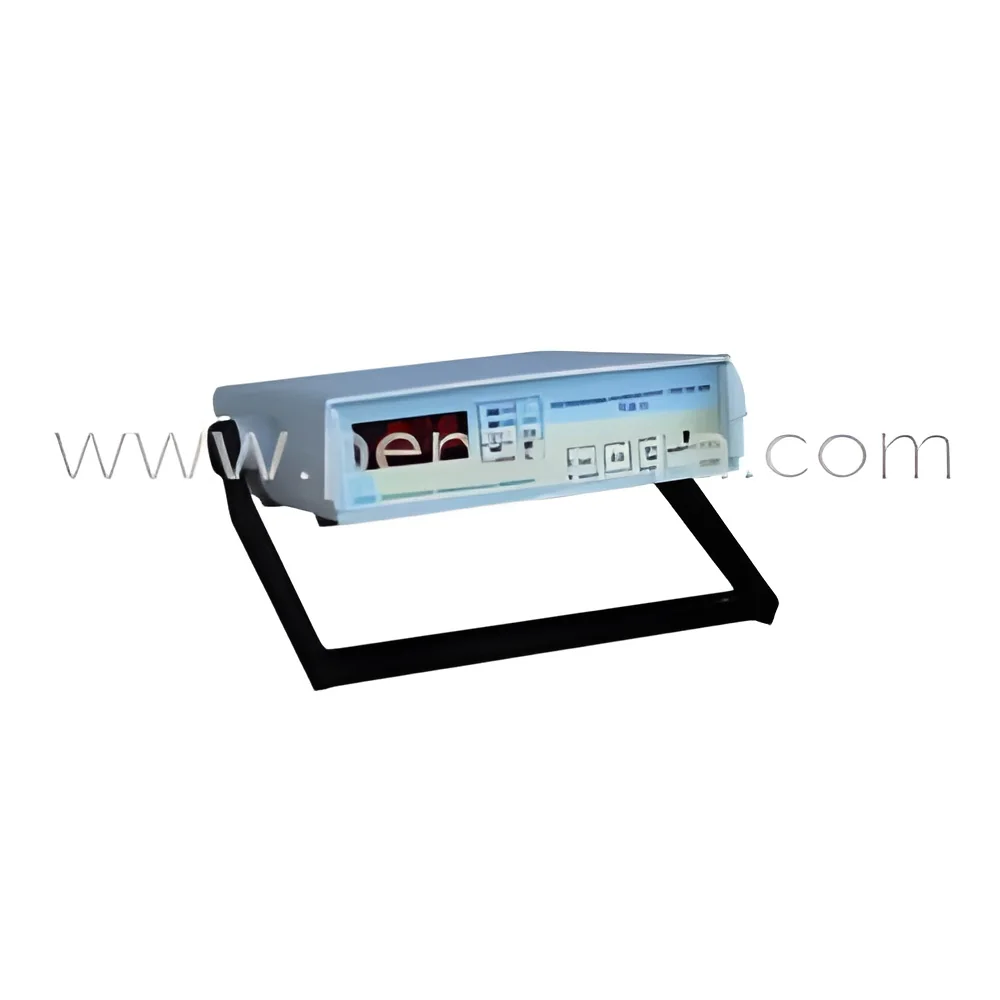
These compact devices are ideal for field testing. They offer battery operation, making them easy to transport. Features often include a digital display and automatic temperature compensation.
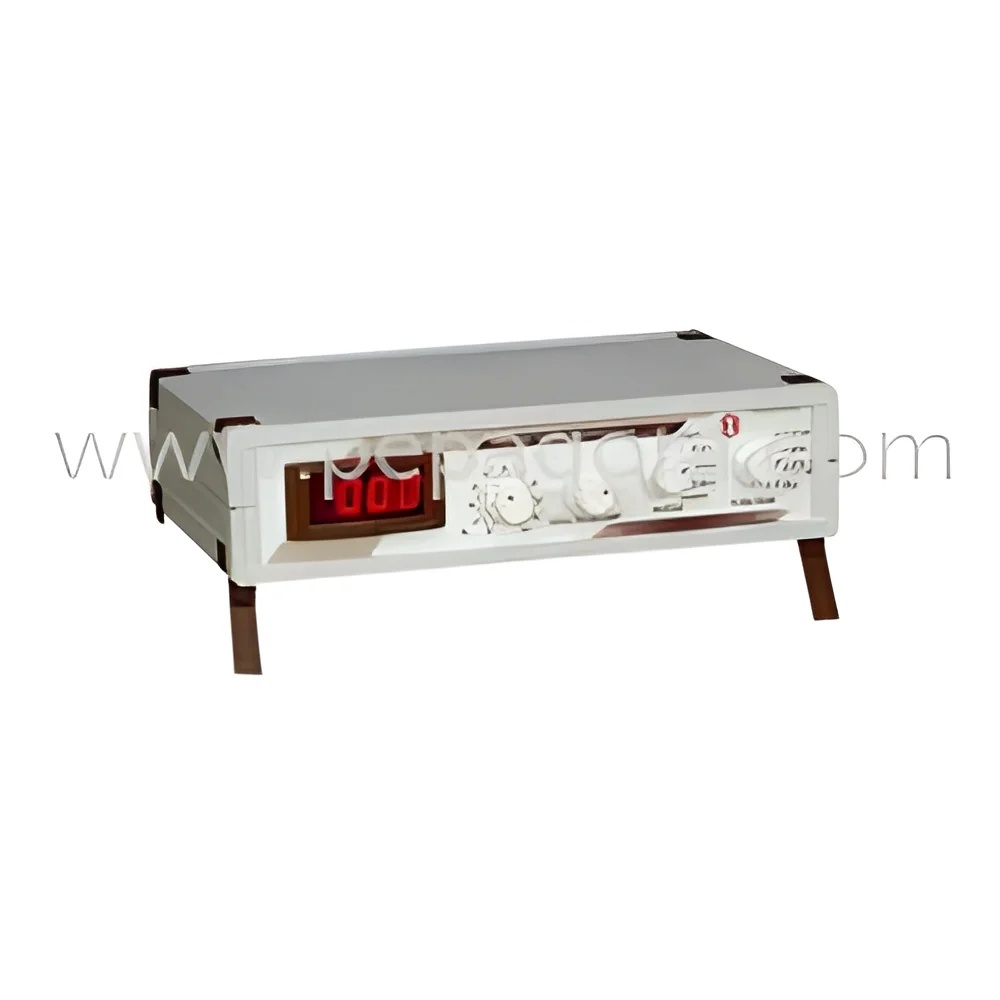
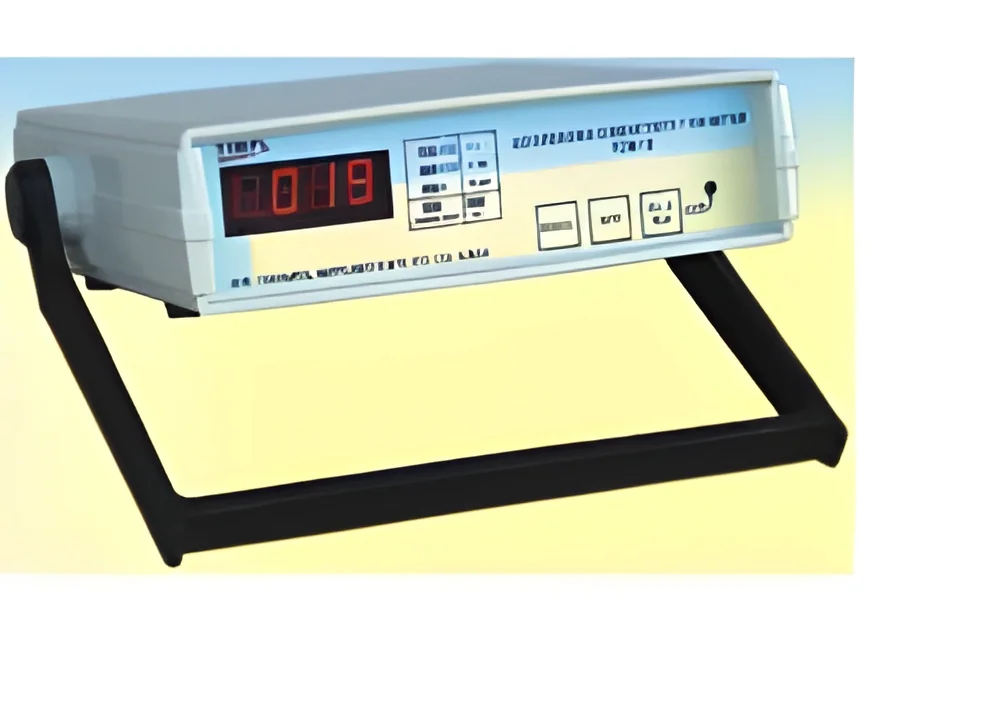
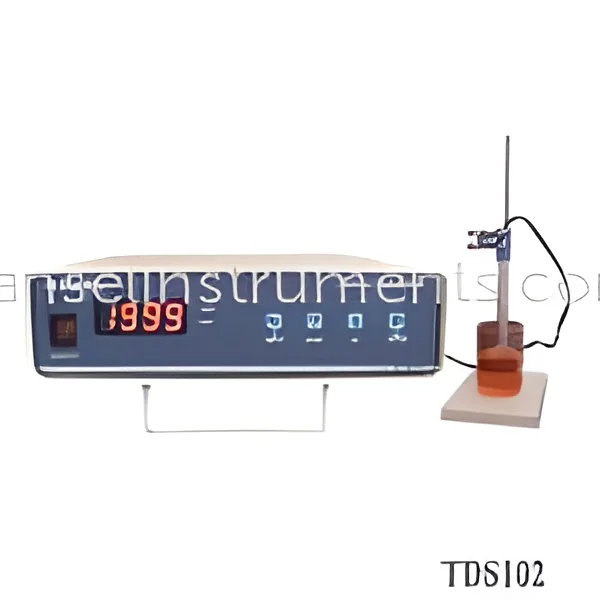
Benchtop Conductivity Meters
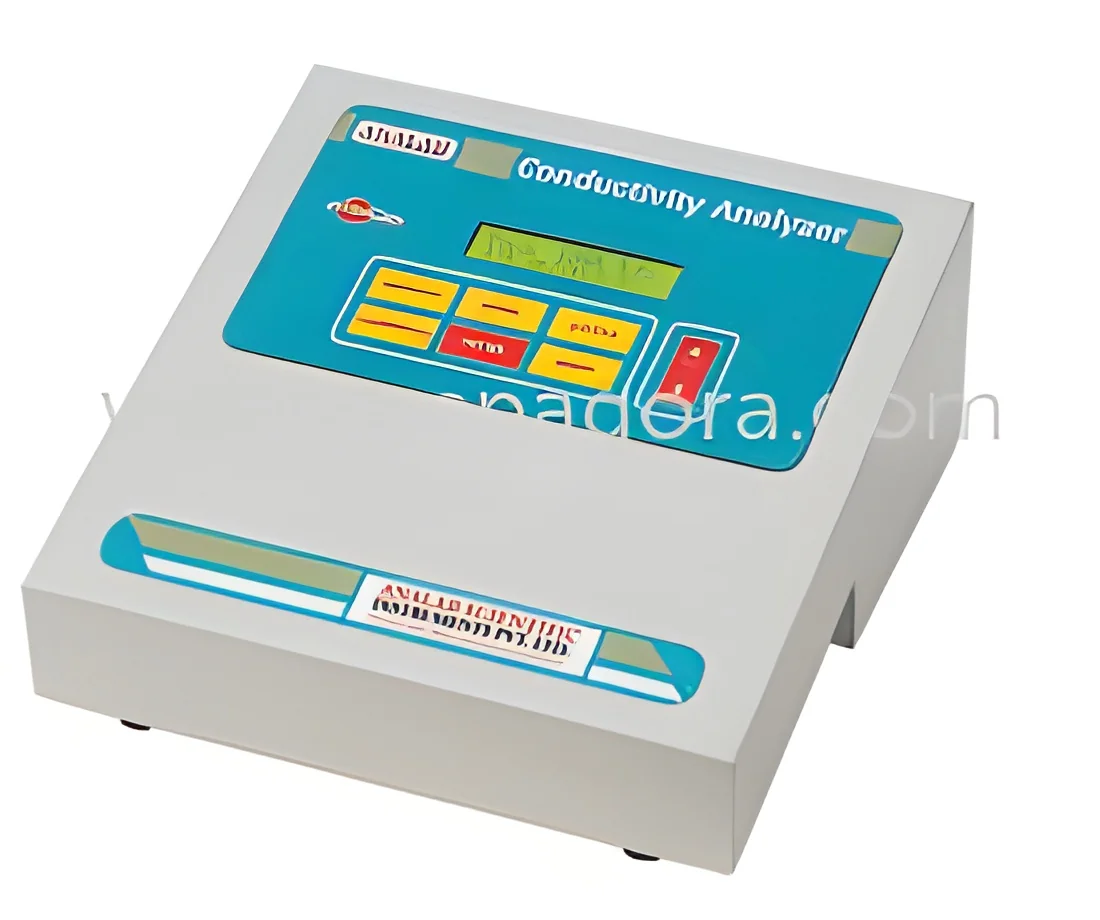
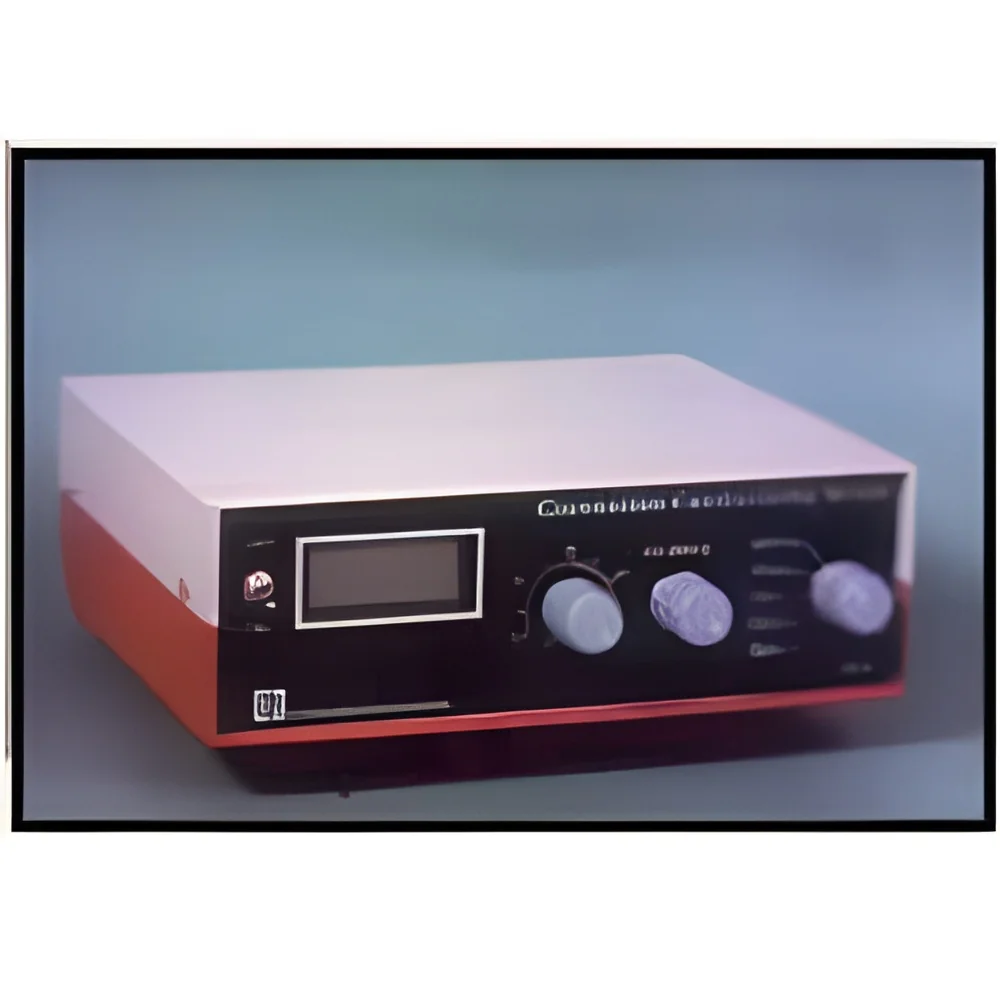
Designed for laboratory use, these meters provide high accuracy and advanced features. They typically come with larger displays and multiple measurement options, making them suitable for detailed analysis.
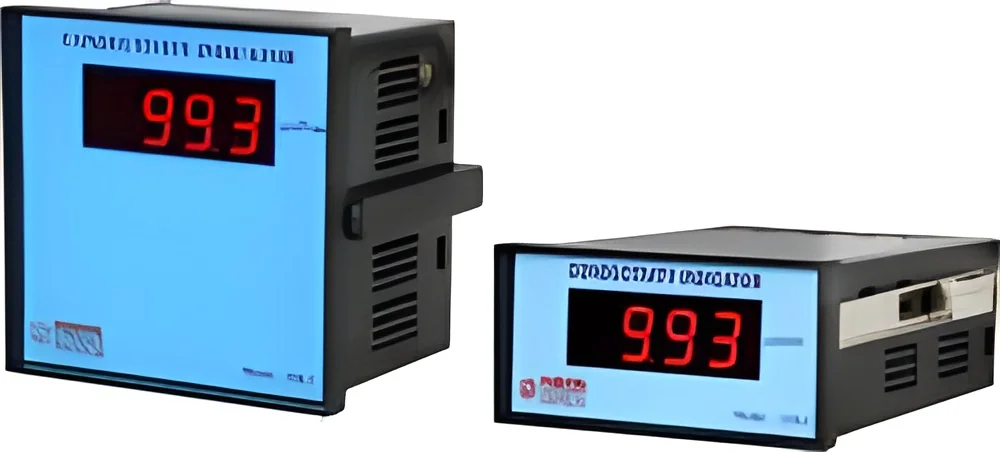
Industrial Conductivity Meters
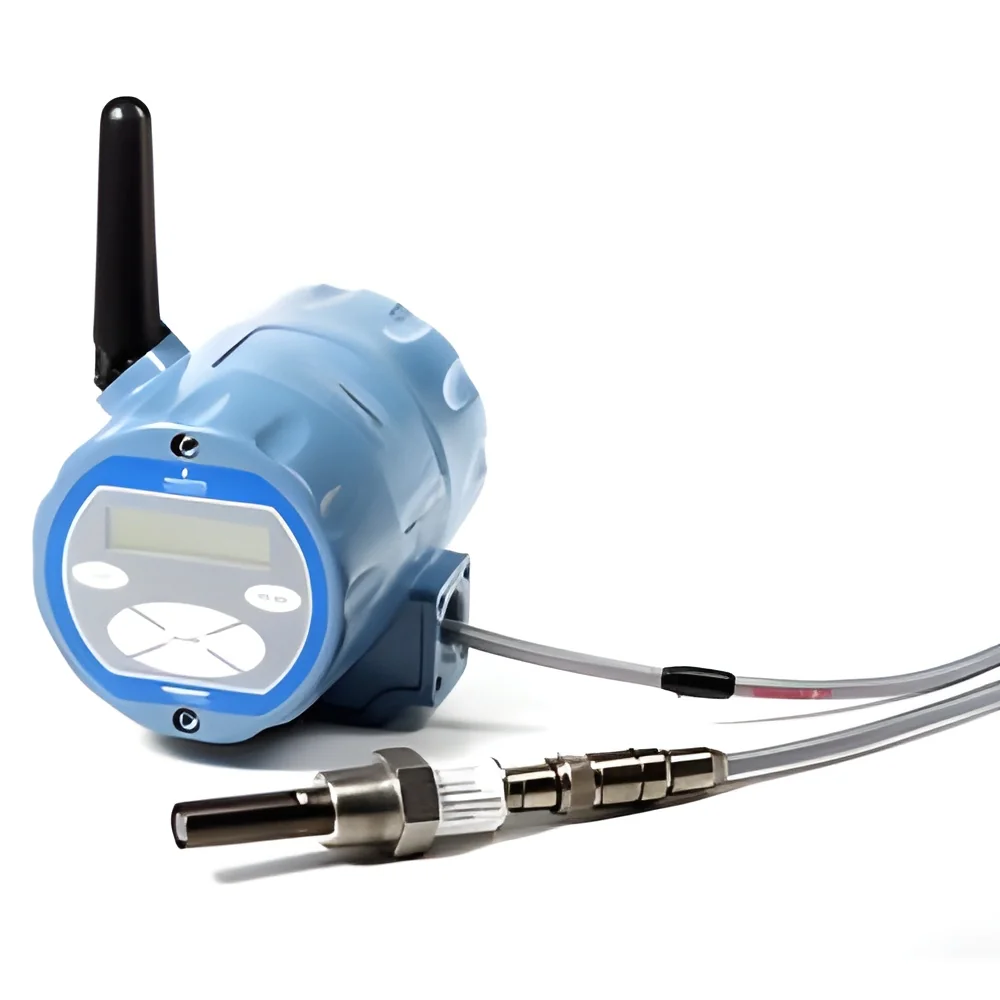
These robust models are built for harsh environments. They often include features like higher accuracy, durability, and the ability to communicate with other systems for data integration.
Benefits and Advantages
Conductivity meters offer numerous advantages that enhance operational efficiency and product quality.
1. Improved Quality Control: These meters help ensure that products meet strict quality standards, preventing costly errors.
2. Real-time Monitoring: Continuous measurement capabilities allow for immediate adjustments in processes, enhancing productivity.
3. User-friendly Operation: Many models feature intuitive interfaces, making them accessible for operators of all skill levels.
4. Versatile Applications: Their adaptability across different industries means businesses can use them for various purposes.
5. Reduced Downtime: Accurate measurements help prevent equipment failure and associated downtime by allowing for proactive maintenance.
6. Compliance Assurance: By utilizing conductivity meters, companies can ensure compliance with industry regulations and standards.
Buying Guide for B2B Buyers
When sourcing conductivity meters, several factors should be taken into consideration to ensure a suitable purchase.
1. Quality Assessment: Look for meters that comply with industry standards and have a reputation for reliability. Consider reviews and testimonials from other users.
2. Supplier Verification: It is essential to vet suppliers for credibility. Check certifications, customer feedback, and their history in the industry to ensure they provide quality products.
3. Pricing and MOQ: Understand the price range for conductivity meters and inquire about minimum order quantities. This helps manage budget constraints and procurement processes.
4. Delivery and Lead Times: Assess the logistics involved in sourcing the meters, including shipping times. Prompt delivery is crucial to maintain operational efficiency.
5. Compliance Requirements: Ensure that the meters meet any necessary regulatory requirements specific to your industry. This may include certifications like CE.
Compliance and Certifications
Compliance with industry standards is crucial when it comes to conductivity meters. Common quality certifications include ISO 9001, which ensures that manufacturers adhere to quality management principles.
Other relevant certifications may include CE, which indicates that products meet European safety and health standards.
Conductivity meters must also adhere to safety and testing requirements, ensuring that they are reliable and accurate in various applications. Businesses should also consider regional compliance needs, as regulations may vary based on geographic location. Ensuring that your conductivity meters meet these certifications is essential for operational success.
Why Source Conductivity Meters from Pepagora?
Pepagora provides a trusted platform for sourcing conductivity meters, offering several key advantages to B2B buyers.
Verified Supplier Network: Pepagora maintains a robust network of verified suppliers, ensuring that buyers can trust the quality and reliability of the products offered. This network helps mitigate risks associated with procurement.
Streamlined RFQ Process: The request for quotation (RFQ) process is designed for efficiency. Buyers can easily compare offers from multiple suppliers, allowing for informed decision-making.
Trade Assurance and Support: Pepagora offers trade assurance and support to protect buyers. This includes assistance throughout the purchasing process, ensuring that transactions are secure and satisfactory.
Regional Coverage: With a focus on regions such as India, the GCC, and Southeast Asia, Pepagora provides extensive geographic reach. This allows businesses to source conductivity meters tailored to their specific regional needs, ensuring compliance with local regulations and standards.

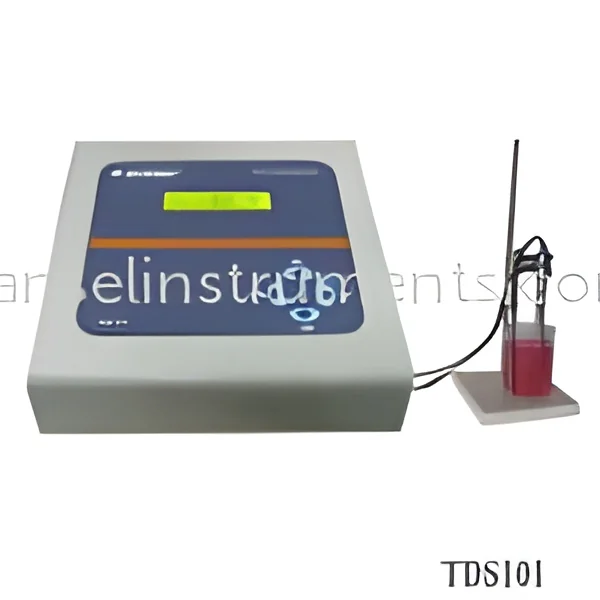
Frequently Asked Questions
What are Conductivity Meters?
Conductivity Meters are devices used to measure the electrical conductivity of a solution. They are essential tools in various industries, including water quality monitoring, chemical processing, and agriculture, as conductivity levels indicate the amount of dissolved salts and minerals in a liquid.
What are the different types of Conductivity Meters?
There are several types of Conductivity Meters, including handheld, portable, and benchtop models. Handheld meters are suitable for field use, portable meters are versatile for various applications, and benchtop meters offer higher precision for laboratory settings.
How do I choose the right Conductivity Meters?
Choosing the right Conductivity Meter depends on factors such as the intended application, required accuracy, and the environment in which it will be used. Consider features like measurement range, temperature compensation, and ease of use to ensure you select the most suitable model.
What are the standard specifications for Conductivity Meters?
Standard specifications for Conductivity Meters typically include measurement range, accuracy, resolution, and temperature compensation. Most meters also specify the type of probe used and the calibration method to ensure reliable and accurate readings.
What is the price range for Conductivity Meters?
The price range for Conductivity Meters can vary significantly based on features, brand, and precision. Generally, prices can start from a few thousand rupees for basic models and can exceed several tens of thousands for advanced laboratory-grade units.
What quality standards apply to Conductivity Meters?
Conductivity Meters should comply with quality standards such as ISO and ASTM specifications, ensuring their reliability and accuracy. Manufacturers often adhere to these standards to assure users of the quality and performance of their devices.
Where can I find Conductivity Meters suppliers in India?
You can find Conductivity Meters suppliers in India through various channels, including online B2B marketplaces like Pepagora, trade shows, and industry directories. Researching online platforms can help you connect with reliable manufacturers and suppliers.
Can Conductivity Meters be customized?
Yes, many manufacturers offer customization options for Conductivity Meters to meet specific requirements. Customizations can include features like specialized probes, software integration, or branding on the devices.
What is the typical minimum order quantity for Conductivity Meters?
The typical minimum order quantity (MOQ) for Conductivity Meters varies by supplier and model, but it often ranges from 1 to 10 units. It's advisable to check with individual suppliers for their specific MOQ policies.
What is the typical lead time for Conductivity Meters?
The typical lead time for Conductivity Meters can range from a few days to several weeks, depending on the supplier and the availability of the product. Factors such as customization and order quantity can also affect the delivery timeline.
Why Businesses Trust Pepagora
Thousands of companies trust Pepagora to source smarter and sell faster
Expand Your Sales Globally

Source Smarter,Grow Faster
