
 IN
Humidity & Dew Point Meters
15 products available
What are Humidity & Dew Point Meters?
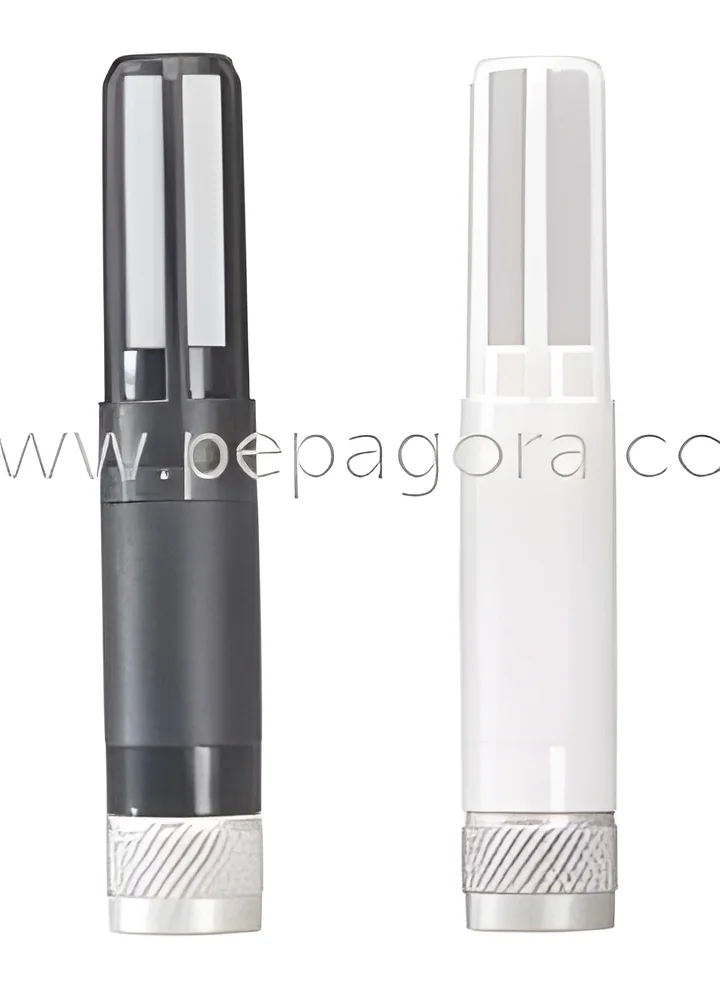
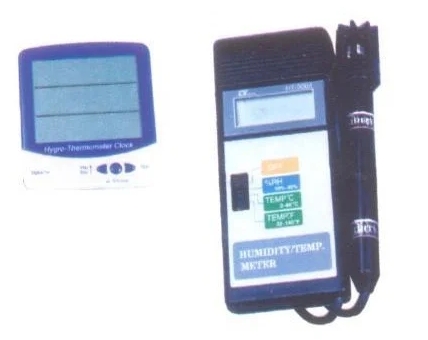
Humidity and dew point meters are essential tools used for measuring the moisture content in the air. Humidity meters, sometimes referred to as hygrometers, quantify relative humidity, which is the percentage of moisture in the air compared to the maximum amount of moisture the air can hold at a specific temperature. Dew point meters measure the temperature at which air becomes saturated with moisture and dew begins to form. This data is crucial for various industrial applications and environmental monitoring.
The primary uses of humidity and dew point meters span multiple sectors, including HVAC, agriculture, pharmaceuticals, and food processing. In HVAC systems, these meters help maintain optimal indoor air quality and comfort levels. In agriculture, they assist in monitoring crop conditions, while in pharmaceuticals and food processing, they ensure product quality and safety by monitoring storage conditions. Therefore, the relevance of these instruments extends across industries, making them indispensable in maintaining compliance with industry standards and ensuring operational efficiency.
Key Features and Specifications
Humidity and dew point meters come equipped with several key features that enhance their functionality and usability. Understanding the specifications can help buyers select the right equipment for their needs.
Key specifications include:
1. Measurement Range
- Most meters can measure humidity levels from 0% to 100% relative humidity.
- Dew point measurement typically ranges from -40°C to 100°C.
2. Accuracy
- Digital meters usually offer an accuracy of ±1% relative humidity.
- Dew point accuracy is generally within ±0.5°C.
3. Display Type
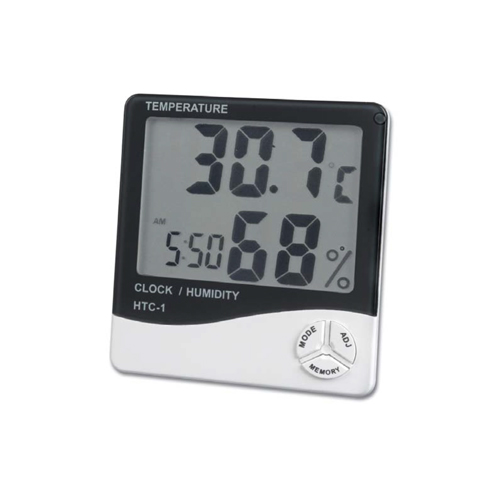
- LCD screens provide clear readings and are easy to interpret.
- Some models feature backlighting for use in low-light conditions.
4. Response Time
- Fast response times are critical for real-time monitoring.
- Typical response times range from 1 to 5 seconds.
5. Power Source
- Battery-operated models offer portability.
- Some devices can be powered via USB or wall adapters.
6. Calibration
- Many meters come with automatic calibration features.
- Manual calibration options are also available for precise needs.
7. Data Logging
- Advanced models can log data for later analysis.
- This feature is particularly useful for long-term monitoring.
8. Connectivity
- Some meters offer wireless connectivity options for integration with IoT systems.
- Bluetooth and Wi-Fi capabilities enhance remote monitoring.
In summary, understanding the key features and specifications of humidity and dew point meters is essential for selecting the right device for various industrial applications.
Common Applications and Use Cases
Humidity and dew point meters find applications across a wide range of industries, each benefiting from precise moisture measurements.
1. HVAC: In heating, ventilation, and air conditioning systems, these meters ensure optimal humidity levels for comfort and energy efficiency.
2. Agriculture: Farmers use these meters to monitor soil moisture and air humidity, helping to optimize irrigation and improve crop yields.
3. Pharmaceuticals: Accurate humidity control is crucial for drug storage to maintain efficacy and safety.
4. Food Processing: These meters help monitor storage conditions to ensure food safety and quality, preventing spoilage.
5. Manufacturing: In manufacturing environments, humidity control is essential to prevent material damage and ensure product quality.
6. Museums and Archives: These meters help protect artifacts from damage caused by fluctuations in humidity levels.
7. Greenhouses: In controlled environments, humidity monitoring is vital for plant health and growth optimization.
Product Variants and Subcategories
Humidity and dew point meters come in various models and configurations to cater to different industry needs.
Portable Humidity Meters
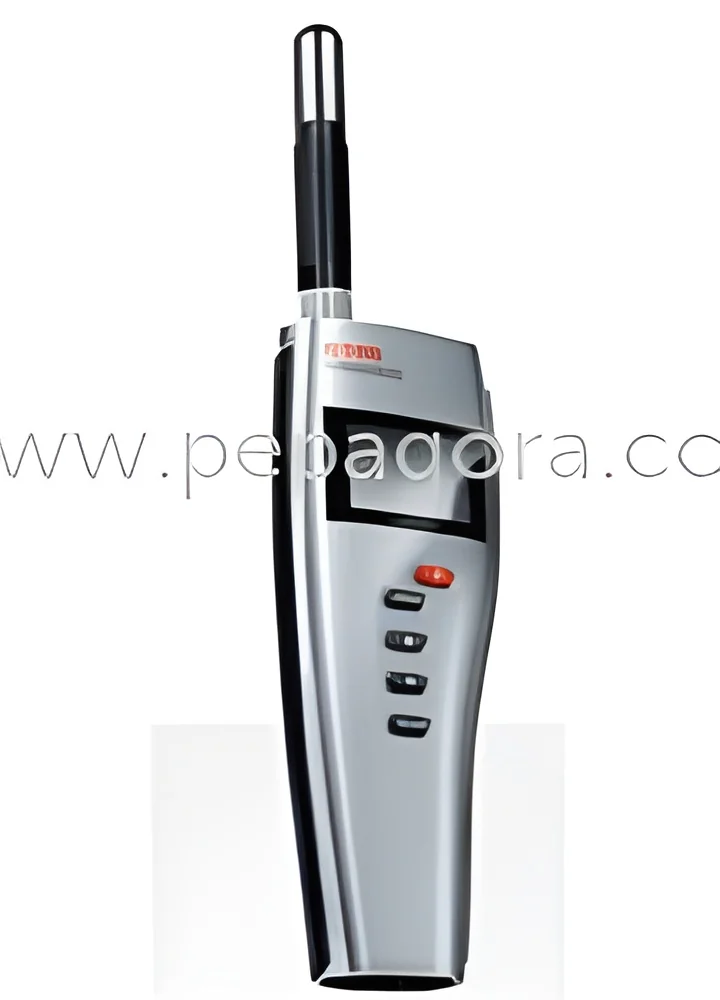
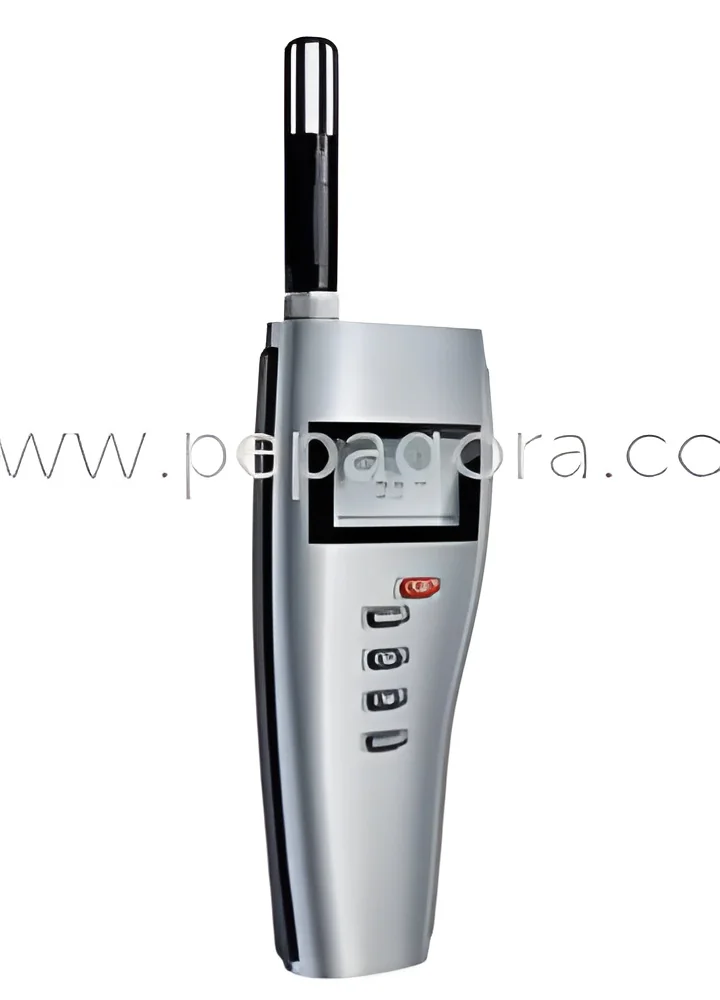
These handheld devices are ideal for fieldwork, offering convenience and ease of use. They typically feature robust design and quick response times for on-the-go measurements.
Digital Dew Point Monitors
These advanced devices provide highly accurate readings of dew point temperature and can include data logging capabilities. They are essential in environments where precise humidity control is critical.
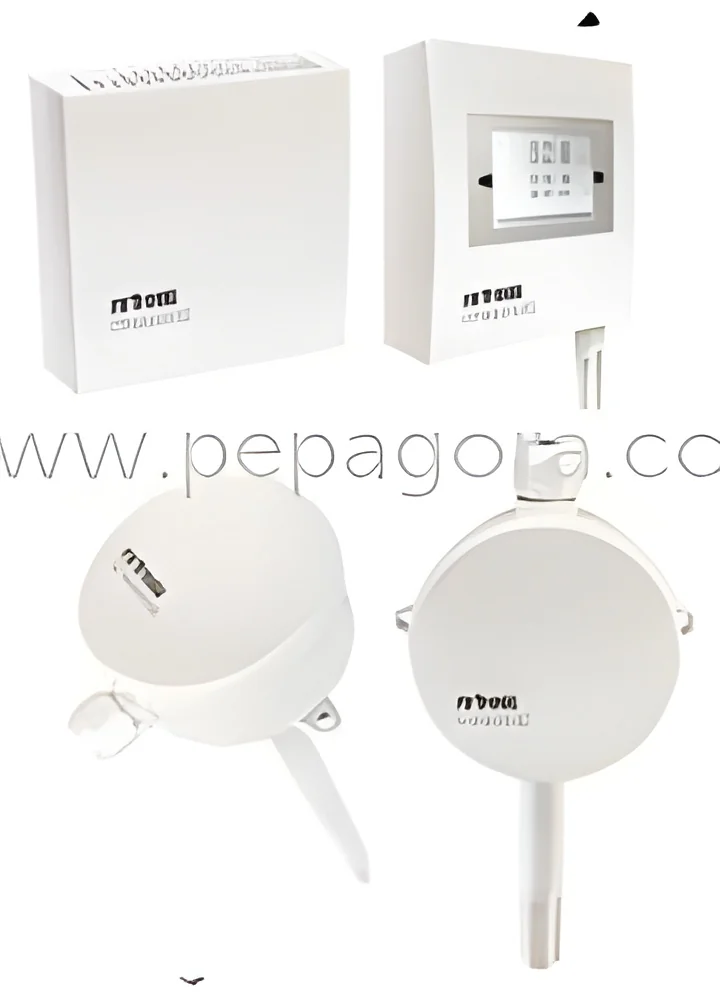
Fixed Installation Meters
Designed for continuous monitoring in industrial settings, these meters can be integrated into existing HVAC systems or control panels for real-time data tracking.
Benefits and Advantages
Humidity and dew point meters offer numerous advantages that enhance operational efficiency and product quality.
1. Improved Product Quality: Accurate humidity measurements help maintain product integrity, especially in sensitive industries like food and pharmaceuticals.
2. Energy Efficiency: In HVAC systems, these meters help optimize energy consumption by maintaining ideal humidity levels.
3. Compliance Assurance: Many industries require adherence to specific humidity standards, making these meters essential for regulatory compliance.
4. Enhanced Process Control: Real-time monitoring allows for quick adjustments to processes, minimizing waste and improving productivity.
5. Cost Savings: By optimizing conditions and preventing damage, these meters can lead to significant cost reductions over time.
6. Increased Safety: In environments where moisture levels can lead to hazards, these meters help maintain safe operational conditions.
Buying Guide for B2B Buyers
When sourcing humidity and dew point meters, several factors should be considered to ensure a suitable purchase.
1. Quality Assessment: Look for meters from reputable manufacturers that meet industry standards. Check for customer reviews and product performance ratings.
2. Supplier Verification: Vet suppliers by checking their credentials, certifications, and customer feedback to ensure reliability and service quality.
3. Pricing and MOQ: Understand the typical price range and minimum order quantities to align with your budget and purchasing needs.
4. Delivery and Lead Times: Discuss logistics with suppliers to ensure timely delivery, especially if you are under tight project deadlines.
5. Compliance Requirements: Ensure that the meters meet all relevant compliance and regulatory standards for your industry to avoid potential issues.
Compliance and Certifications
Compliance and certifications are crucial aspects when selecting humidity and dew point meters. Many manufacturers adhere to quality standards such as ISO 9001, which ensures that products are consistently manufactured to meet quality benchmarks.
Industry-specific certifications like CE indicate that the meters comply with European safety and health requirements. Testing for safety is also essential, ensuring that devices are reliable and safe to use in various environments.
Regional compliance considerations may vary, so it is important to check local regulations that pertain to your industry to ensure complete adherence.
Why Source Humidity & Dew Point Meters from Pepagora?
Pepagora offers a trusted platform for sourcing humidity and dew point meters, providing several key advantages for B2B buyers.
Verified Supplier Network: Pepagora connects buyers with a network of verified suppliers, ensuring that each vendor meets stringent quality and reliability standards.
Streamlined RFQ Process: The request for quotation process is designed to be straightforward, allowing buyers to easily compare multiple offers and make informed decisions.
Trade Assurance and Support: Buyers are protected by trade assurance policies that guarantee product quality and timely delivery, instilling confidence in each purchase.
Regional Coverage: With a strong presence in India, the GCC, and Southeast Asia, Pepagora facilitates access to a diverse range of products and suppliers, catering to various regional needs.

Frequently Asked Questions
What are Humidity & Dew Point Meters?
Humidity & Dew Point Meters are instruments used to measure the moisture content in the air, expressed as humidity, and the temperature at which dew forms, known as the dew point. These meters are essential in various industries, including HVAC, agriculture, and manufacturing, to maintain optimal environmental conditions.
What are the different types of Humidity & Dew Point Meters?
There are several types of Humidity & Dew Point Meters, including capacitive, resistive, and thermal conductivity sensors. Each type operates on different principles and is suited for specific applications, such as indoor climate control, industrial processes, or environmental monitoring.
How do I choose the right Humidity & Dew Point Meters?
Choosing the right Humidity & Dew Point Meters involves considering factors such as measurement range, accuracy, and the specific application. It is also important to assess the environmental conditions where the meter will be used, as well as any additional features required, such as data logging or connectivity options.
What are the standard specifications for Humidity & Dew Point Meters?
Standard specifications for Humidity & Dew Point Meters typically include measurement range, accuracy, resolution, response time, and operating temperature. Additionally, specifications may cover power requirements and the types of outputs the meter can provide, such as analog or digital signals.
What is the price range for Humidity & Dew Point Meters?
The price range for Humidity & Dew Point Meters can vary significantly based on features and specifications, typically ranging from a few thousand to several tens of thousands of Indian Rupees. Basic models may be more affordable, while high-precision or specialized meters may command higher prices.
What quality standards apply to Humidity & Dew Point Meters?
Humidity & Dew Point Meters are often subject to quality standards such as ISO, IEC, and ASTM, which ensure accuracy and reliability in measurements. Compliance with these standards is crucial for ensuring that the meters perform effectively in their intended applications.
Where can I find Humidity & Dew Point Meters suppliers in India?
You can find Humidity & Dew Point Meters suppliers in India through various channels, including online B2B marketplaces, trade shows, and industry-specific directories. Websites like Pepagora.com provide a platform to connect with reputable manufacturers and suppliers across the country.
Can Humidity & Dew Point Meters be customized?
Yes, many manufacturers offer customization options for Humidity & Dew Point Meters to meet specific requirements of clients. Customizations may include alterations in measurement range, output types, and other features to better suit particular applications.
What is the typical minimum order quantity for Humidity & Dew Point Meters?
The typical minimum order quantity (MOQ) for Humidity & Dew Point Meters can vary among suppliers but often starts at one unit for standard models. For customized or bulk orders, the MOQ may be higher, depending on the manufacturer’s policies.
What is the typical lead time for Humidity & Dew Point Meters?
The typical lead time for Humidity & Dew Point Meters can range from a few days to several weeks, depending on the availability of the product and any customization required. It is advisable to check with suppliers for specific timelines and to factor in potential delays in shipping.
Why Businesses Trust Pepagora
Thousands of companies trust Pepagora to source smarter and sell faster
Expand Your Sales Globally

Source Smarter,Grow Faster
