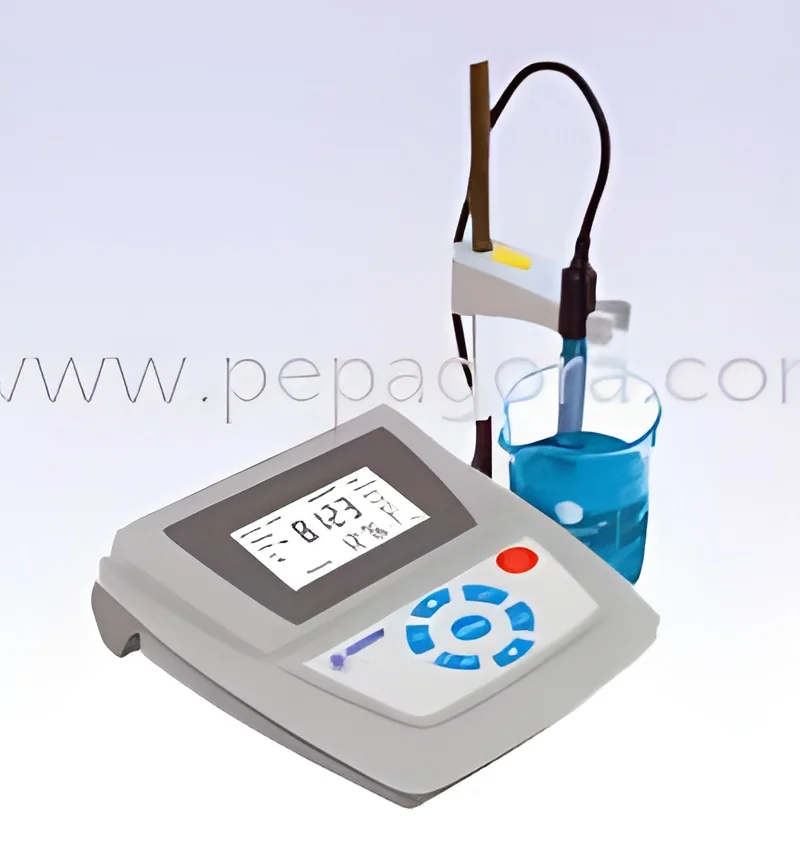
What are pH & Conductivity Meters?
pH and conductivity meters are essential instruments used to measure the acidity or alkalinity of a solution and its ability to conduct electricity. The pH scale ranges from 0 to 14, with 7 being neutral. Conductivity, on the other hand, indicates the concentration of ions in a solution, which is vital for understanding water quality and chemical properties. These meters are equipped with sensors that provide accurate readings, making them crucial for various analytical applications.
These devices find their primary use across multiple industries, including water treatment, agriculture, pharmaceuticals, and food processing. In water treatment, they help monitor and control water quality, ensuring safety and compliance with environmental regulations. In agriculture, these meters assist in optimizing nutrient delivery and soil management. Their versatility makes them indispensable tools for businesses focused on quality control and regulatory compliance.
In the current market context, the demand for pH and conductivity meters is increasing due to heightened awareness around environmental safety and product quality. Industries are investing in advanced technology to ensure precise measurements and efficient operations. This trend highlights the importance of these meters in maintaining standards and driving process improvements across various sectors.
Key Features and Specifications
pH and conductivity meters come with a range of features designed to deliver accurate and reliable measurements. When selecting a meter, it is crucial to consider its specifications to ensure it meets your operational needs.
Key specifications include:
1. Measurement Range
- pH meters typically measure from 0 to 14 pH.
- Conductivity meters generally cover a range of 0 to 200 mS/cm.
2. Accuracy
- pH meters offer accuracy typically within ±0.01 pH.
- Conductivity meters usually provide accuracy of ±1% full scale.
3. Temperature Compensation
- Many models feature automatic temperature compensation for accurate readings across varying temperatures.
4. Display Type
- Digital displays are standard, providing clear and immediate readings.
5. Calibration Options
- Most meters allow for multiple point calibration, enhancing measurement reliability.
6. Power Source
- Common power sources include batteries and AC adapters, ensuring flexibility for different environments.
7. Data Logging
- Some meters come equipped with data logging capabilities, allowing users to track measurements over time.
8. Portability
- Many models are designed for portability, making them suitable for fieldwork.
In summary, understanding these features and specifications is vital for selecting pH and conductivity meters that align with industry requirements and applications.
Common Applications and Use Cases
pH and conductivity meters serve a broad range of industries, providing critical data for various applications.
1. Water Treatment: These meters are essential for monitoring the pH and conductivity of wastewater and drinking water to ensure compliance with health standards.
2. Agriculture: Farmers utilize these meters to assess soil conditions and optimize irrigation strategies, promoting healthy crop growth.
3. Pharmaceuticals: In this sector, pH and conductivity measurements are vital for ensuring product quality and consistency during manufacturing processes.
4. Food and Beverage: These meters help in maintaining quality control throughout production by monitoring ingredient properties and final product standards.
5. Chemical Manufacturing: Companies use these devices to monitor chemical reactions, ensuring safety and efficiency in production.
6. Aquaculture: pH and conductivity meters are used to manage water quality in fish farming, directly impacting fish health and yield.
7. Education and Research: These instruments are widely used in laboratories for educational purposes and research experiments, enabling accurate data collection.
Product Variants and Subcategories
pH and conductivity meters come in various formats, catering to specific needs and applications.
Portable pH Meters
These handheld devices are designed for field use, allowing users to take measurements on the go. They often feature robust designs and are water-resistant, making them ideal for outdoor applications.
Benchtop Conductivity Meters
These meters are suited for laboratory environments, offering high precision and advanced features such as data logging and multiple calibration points. They are typically larger and designed for stationary use.
Low Range pH Meters
These specialized meters are designed to measure very low pH levels accurately, making them suitable for applications in chemical and pharmaceutical industries where extreme precision is required.
High Range Conductivity Meters
These meters are optimized for measuring high conductivity levels, commonly used in industrial applications where solutions have a high ionic content.
Benefits and Advantages
Investing in pH and conductivity meters brings numerous benefits to businesses across various industries.
1. Enhanced Accuracy: These meters provide precise measurements, ensuring compliance with industry standards and improving product quality.
2. Improved Efficiency: Real-time monitoring allows for quick adjustments in processes, leading to more efficient operations.
3. Regulatory Compliance: Regular measurements help businesses adhere to environmental and safety regulations, reducing the risk of fines and penalties.
4. Cost-Effectiveness: By preventing errors in production due to incorrect pH or conductivity levels, these meters contribute to overall cost savings.
5. Versatility: They can be used in a wide array of applications, making them a valuable tool for diverse industries.
6. User-Friendly: Many modern meters feature intuitive interfaces and automatic calibration, simplifying usage for operators.
Buying Guide for B2B Buyers
When sourcing pH and conductivity meters, it is essential to consider several key factors to ensure you make an informed purchasing decision.
1. Quality Assessment: Look for meters that adhere to recognized quality standards. Verify the manufacturing process and check if the devices have passed quality control tests.
2. Supplier Verification: Ensure that suppliers are reputable and have a track record of delivering reliable products. Review customer testimonials and industry certifications.
3. Pricing and MOQ: Understand the pricing structure and minimum order quantities. This information is crucial for budgeting and ensuring that the supplier meets your volume requirements.
4. Delivery and Lead Times: Consider the supplier's ability to meet your delivery expectations. Confirm lead times and ensure they align with your operational needs.
5. Compliance Requirements: Investigate any specific compliance standards relevant to your industry, such as CE certification, to ensure that the meters meet necessary regulations.
Compliance and Certifications
Compliance and certification are critical aspects of pH and conductivity meters, ensuring that they meet industry standards and safety requirements.
Many pH and conductivity meters adhere to quality standards such as ISO 9001, which emphasizes consistent quality management systems. This certification assures users of the reliability and durability of the products.
In addition to ISO standards, CE certification indicates that the meters comply with European health, safety, and environmental protection standards. This certification is crucial for products sold in European markets.
Safety and testing requirements are also paramount, with many manufacturers conducting rigorous testing to ensure their products perform accurately under various conditions.
Regional compliance considerations should also be taken into account, as different regions may have specific regulations regarding water quality and environmental safety. Ensuring that your meters meet these requirements is essential for compliance and operational success.
Why Source pH & Conductivity Meters from Pepagora?
Pepagora offers a trusted platform for sourcing pH and conductivity meters, providing several key advantages that set it apart from competitors.
Verified Supplier Network: Pepagora has a rigorous supplier verification process, ensuring that all listed suppliers meet high standards of quality and reliability. This gives buyers confidence in their sourcing decisions.
Streamlined RFQ Process: The platform features an efficient request for quotation (RFQ) system, allowing buyers to easily compare prices and specifications from multiple suppliers. This saves time and enhances decision-making.
Trade Assurance and Support: Pepagora provides trade assurance to buyers, protecting their purchases and ensuring a smooth transaction process. The support team is also available to assist with any inquiries, providing peace of mind.
Regional Coverage: With a strong presence in India, the GCC, and Southeast Asia, Pepagora facilitates access to a wide range of suppliers, making it easier for businesses to find the right products for their needs. This extensive coverage helps buyers connect with local suppliers for timely delivery and support.

 IN
IN