IN
IN₹
Apparel & Fashion
Description
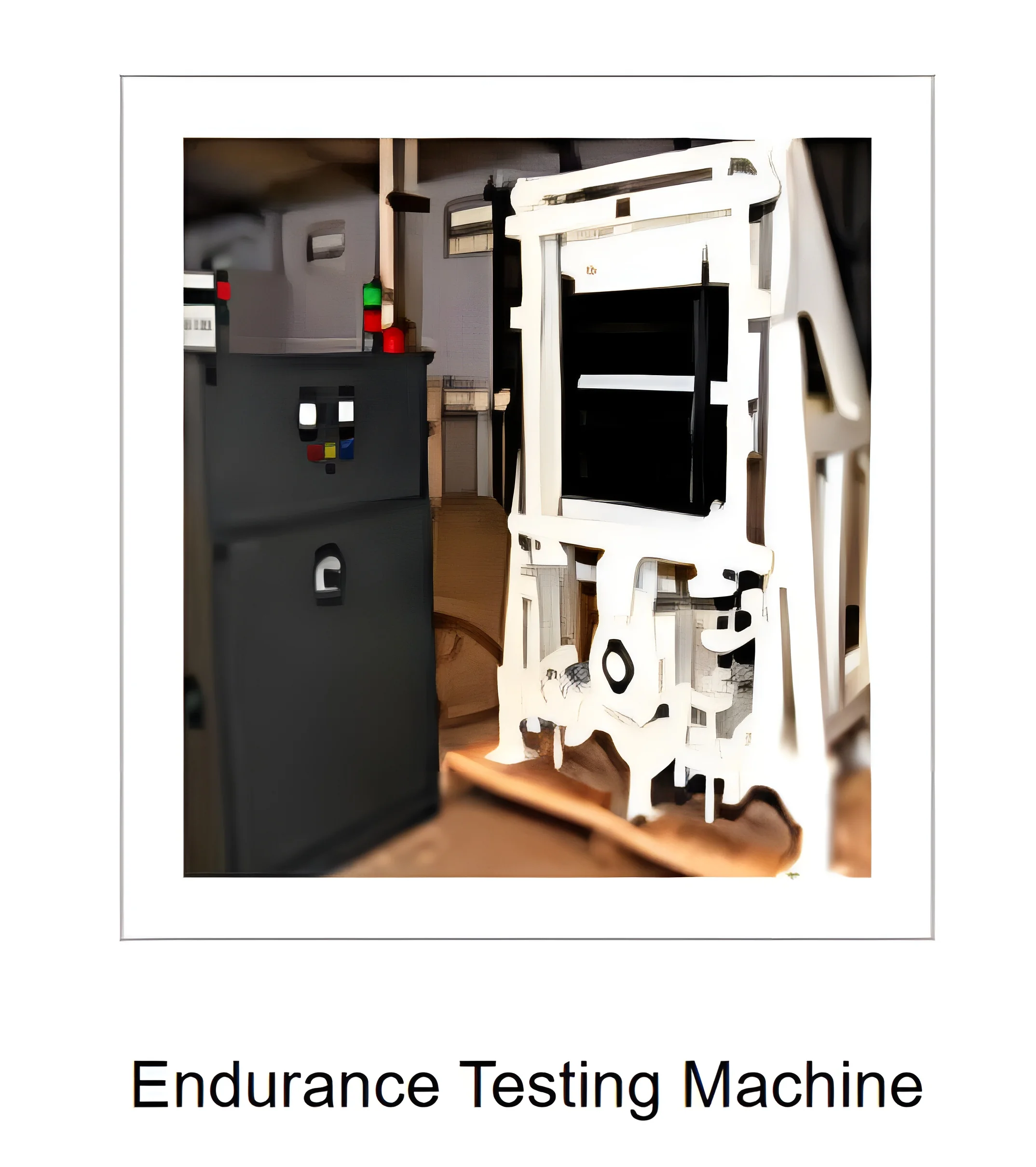
The Endurance Testing Machine is a precision-engineered system designed to assess the durability and fatigue life of mechanical components under simulated real-world conditions. It applies controlled, repetitive loads, vibrations, and cyclic movements to test specimens, accurately measuring their performance until failure or a specified cycle count. This process is vital for understanding how materials and assemblies behave over time, helping engineers predict product lifespan and identify potential weaknesses. The machine operates with high accuracy and stability, ensuring reliable and repeatable test results that comply with various industrial and international testing standards. Its robust construction allows for continuous, long-duration testing, making it an indispensable tool for any serious manufacturing or quality control facility.

This testing equipment finds critical application across numerous sectors where component reliability is non-negotiable. In the automotive industry...
The Endurance Testing Machine is a precision-engineered system designed to assess the durability and fatigue life of mechanical components under simulated real-world conditions. It applies controlled, repetitive loads, vibrations, and cyclic movements to test specimens, accurately measuring their performance until failure or a specified cycle count. This process is vital for understanding how materials and assemblies behave over time, helping engineers predict product lifespan and identify potential weaknesses. The machine operates with high accuracy and stability, ensuring reliable and repeatable test results that comply with various industrial and international testing standards. Its robust construction allows for continuous, long-duration testing, making it an indispensable tool for any serious manufacturing or quality control facility.

This testing equipment finds critical application across numerous sectors where component reliability is non-negotiable. In the automotive industry, it is used to validate everything from seat adjusters and steering linkages to suspension components. Aerospace manufacturers employ it to test the endurance of flight-critical parts under simulated flight loads. The consumer goods sector uses it for items like appliance hinges, tool handles, and electronic connectors. Furthermore, industrial machinery producers rely on it to ensure the longevity of gears, bearings, and hydraulic components. Essentially, any industry that produces mechanical parts subject to repeated stress utilizes endurance testing to safeguard its reputation and ensure user safety.

Investing in this Endurance Testing Machine delivers significant business value by preventing costly field failures, reducing warranty claims, and enhancing brand trust through proven product reliability. It provides empirical data to support design decisions, material selection, and manufacturing process improvements. The machine's consistent performance and accuracy ensure that test results are trustworthy, forming a solid foundation for quality certifications and compliance documentation. Its durability and low maintenance design translate into a high return on investment, minimizing downtime and operational costs. Ultimately, this equipment is not just a testing tool but a strategic asset that protects your business from the risks associated with product fatigue and premature failure.

Key Features:
- High-precision load application and measurement for accurate fatigue life determination.
- Capability to simulate repeated loads, vibrations, and various cyclic movement patterns.
- Robust construction designed for stable, continuous, and long-duration testing operations.
- Configurable testing cycles and parameters to meet diverse industrial standard requirements.
- User-friendly interface for setting up tests, monitoring progress, and exporting detailed data reports.

Benefits:
- Validates product durability and reliability before market launch, preventing expensive recalls.
- Provides critical data for R&D, enabling design optimization and material improvement.
- Ensures compliance with industry-specific endurance and safety standards for quality assurance.
- Reduces long-term costs by identifying potential failure points early in the development cycle.
- Builds customer trust and brand reputation by delivering products with proven, tested longevity.
Specifications
| Additional Information | |
|---|---|
| Country of Origin | 106 |
Application
This endurance testing machine is engineered to simulate real-world operational stresses on mechanical components and assemblies. It applies controlled cyclic loads, vibrations, and movements to accurately determine fatigue life and failure points, providing critical data for product validation and quality assurance.
Industries rely on this equipment to verify that parts can withstand long-term use without premature failure. By replicating years of service in a controlled lab environment, manufacturers can identify weak points, optimize designs, and ensure their products meet stringent durability standards before reaching the market.
- Testing automotive components like suspension parts, engine mounts, and door hinges for millions of operational cycles.
- Validating the fatigue strength of aerospace fasteners, brackets, and landing gear components under extreme stress conditions.
- Ensuring the durability of consumer electronics hinges, buttons, and moving assemblies through repeated use simulation.
- Evaluating the lifespan of industrial machinery parts such as springs, levers, and linkages under continuous operational loads.
- Assessing material performance for new prototypes in R&D to predict long-term reliability and prevent field failures.
Trade Details
| Available Stock | In Stock |
| Sample Availability | No |
Payment Terms
| Payment Terms |
|
Company Profile
Effica Automation Ltd, Tamil Nadu
 Tamil Nadu, India
Tamil Nadu, IndiaManufacturer
Factory Details
Factory SizeBelow 1000 sqm
Endurance Testing Machine
Endurance Testing Machine evaluates component durability under repeated loads, vibrations, and cyclic movements. High-precision equipment for validating product reliability across automotive, aerospace, and industrial applications.
Min. Order Quantity: 1 piece
Shipping
Shipping fee and delivery date to be negotiated. Contact supplier now for more details.
Effica Automation Ltd
 Tamil Nadu, India
Tamil Nadu, IndiaManufacturer