
 IN
Turbidity Meters
7 products available
What are Turbidity Meters?
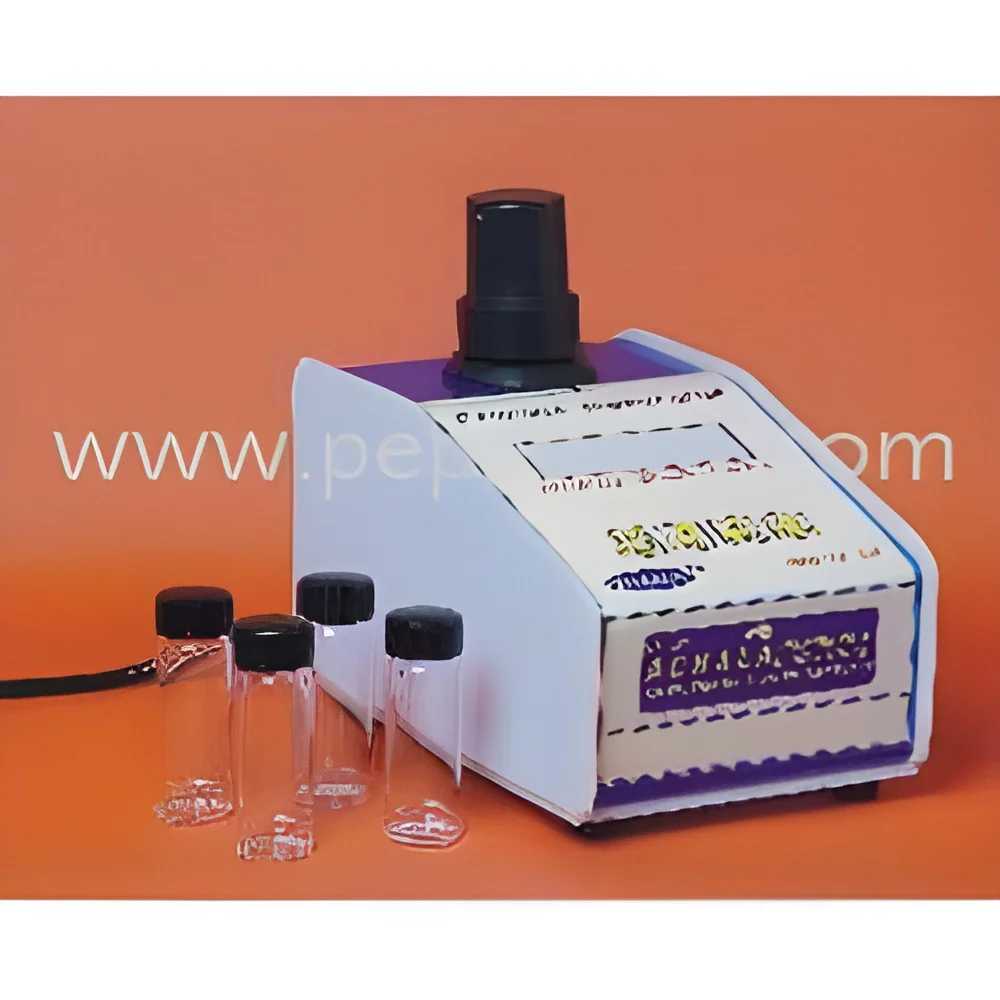
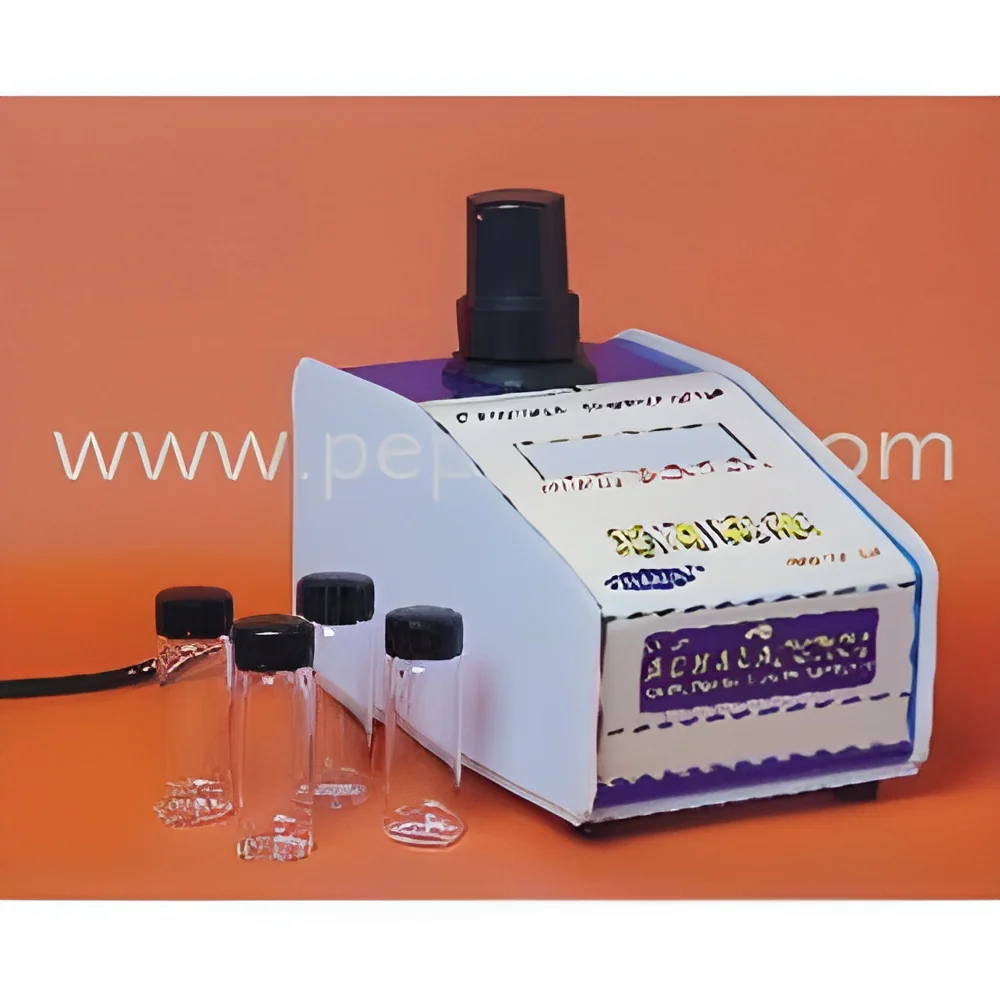
Turbidity Meters are analytical instruments designed to measure the cloudiness or haziness of a liquid caused by large numbers of individual particles that are generally invisible to the naked eye. These devices utilize light scattering principles to quantify the turbidity in Nephelometric Turbidity Units (NTU). By detecting the intensity of light scattered at a specific angle, turbidity meters can provide accurate readings of water quality, which is essential for various applications.
The primary uses of turbidity meters include monitoring water quality in drinking water supplies, wastewater treatment plants, and industrial processes. They serve as critical tools in environmental testing, ensuring compliance with regulatory standards for water quality. Businesses across multiple sectors rely on turbidity meters to assess the effectiveness of filtration systems and to make informed decisions regarding treatment processes.
In the context of industry relevance, turbidity meters are essential in sectors such as water treatment, food and beverage production, and environmental monitoring. As regulations around water quality become stricter, the demand for reliable turbidity measurement equipment continues to grow. This market is characterized by technological advancements, leading to more accurate, user-friendly, and cost-effective turbidity measurement solutions.
Key Features and Specifications
Turbidity meters come equipped with various features that enhance their functionality and usability. Understanding these specifications is crucial for selecting the right model for your needs.
Key specifications include:
1. Measurement Range
- Typical range from 0 to 4000 NTU
- Provides flexibility for different applications
2. Accuracy
- Generally ±2% of reading or ±0.02 NTU, whichever is greater
- Ensures precise monitoring of water quality
3. Calibration
- Automatic or manual calibration options available
- Allows for easy adjustments based on specific requirements
4. Display Type
- Digital LCD or LED screens for easy readability
- Some models may include backlighting for low-light conditions
5. Power Source
- Battery-operated or AC-powered options
- Extended battery life for field use
6. Data Logging
- Ability to store readings for future reference
- Some models offer connectivity options for data transfer
7. Portability
- Lightweight and compact designs available
- Ideal for field measurements and on-site testing
8. Materials
- Durable materials resistant to corrosion and wear
- Ensures longevity and reliability in various environments
These features make turbidity meters versatile tools for ensuring water quality across different industries.
Common Applications and Use Cases
Turbidity meters have a wide range of applications across various industries. Their ability to provide accurate measurements of water clarity is essential for maintaining quality standards.
1. Water Treatment: Turbidity meters are used to monitor the effectiveness of filtration systems and ensure that treated water meets safety standards for drinking and recreational use.
2. Wastewater Management: In wastewater treatment facilities, turbidity meters help in assessing the performance of treatment processes and compliance with environmental regulations.
3. Food and Beverage: These devices are employed in the production of beverages such as beer and juice to maintain quality control and ensure product consistency.
4. Aquaculture: Turbidity levels in aquaculture systems are monitored to create optimal living conditions for aquatic life, directly impacting growth and health.
5. Environmental Monitoring: Turbidity meters are used in environmental studies to assess water quality in natural water bodies, helping in the evaluation of pollution levels.
6. Construction: In construction sites, turbidity measurements are crucial for managing sediment runoff and complying with environmental regulations.
7. Research and Development: Laboratories use turbidity meters for various experiments and analyses involving liquids, making them indispensable in scientific research.
Product Variants and Subcategories
Turbidity meters are available in various models, catering to different needs and applications within the industry. These variants differ mainly in features and intended use.
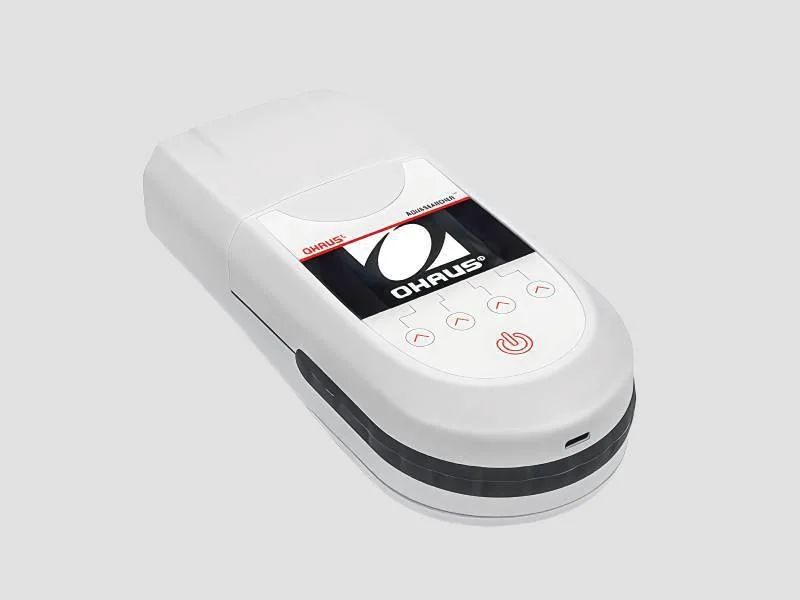
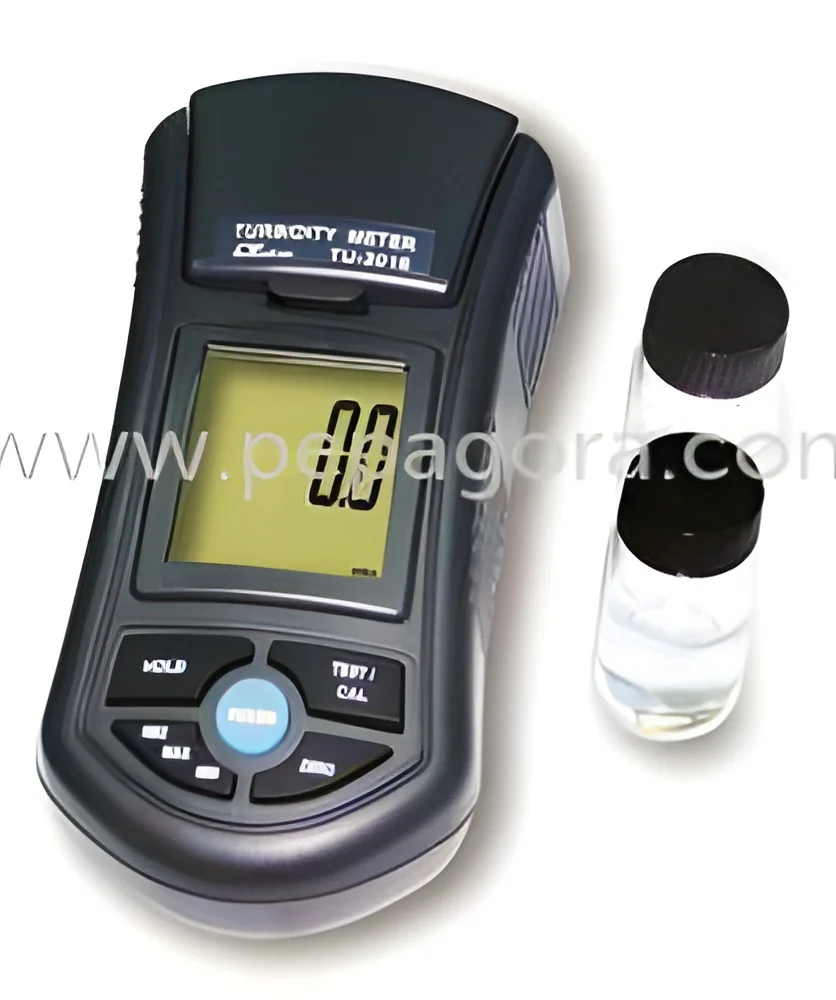
Portable Turbidity Meters: These models are designed for field use, offering lightweight construction and battery operation. They are ideal for on-site testing in water bodies or treatment plants.
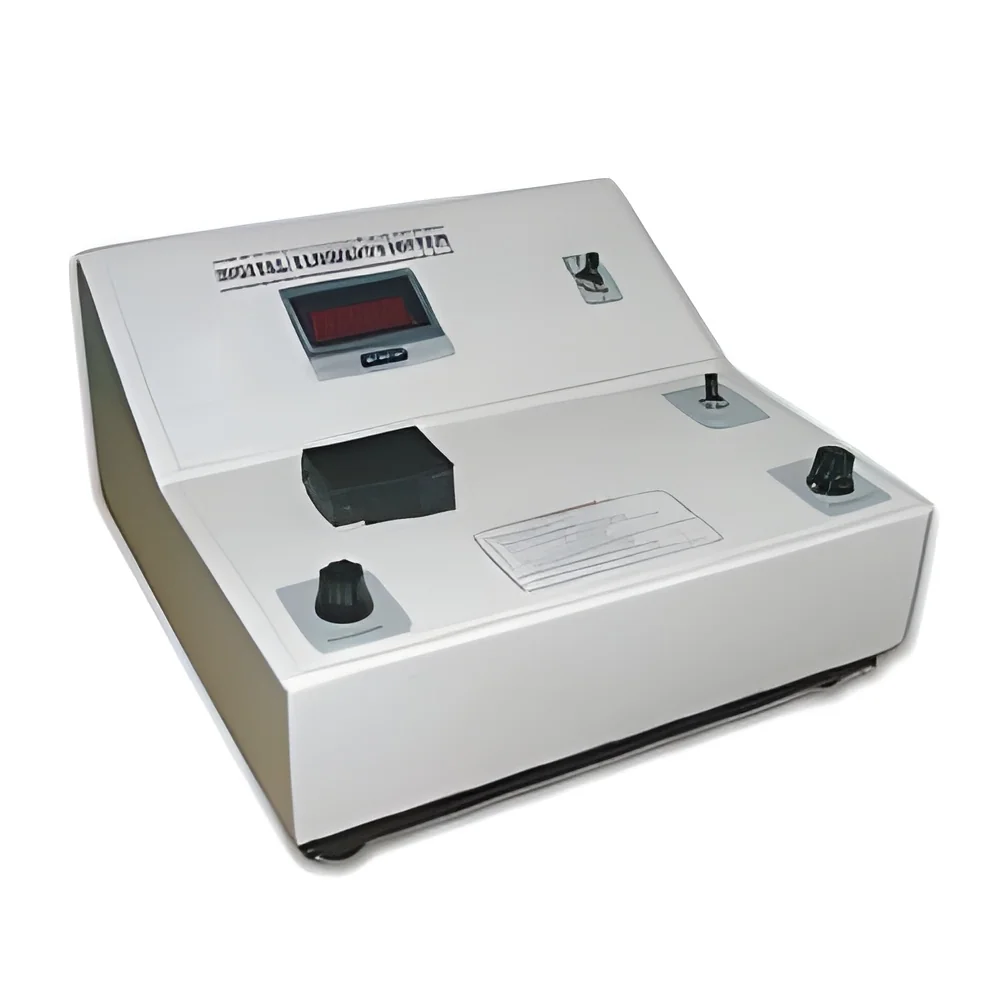
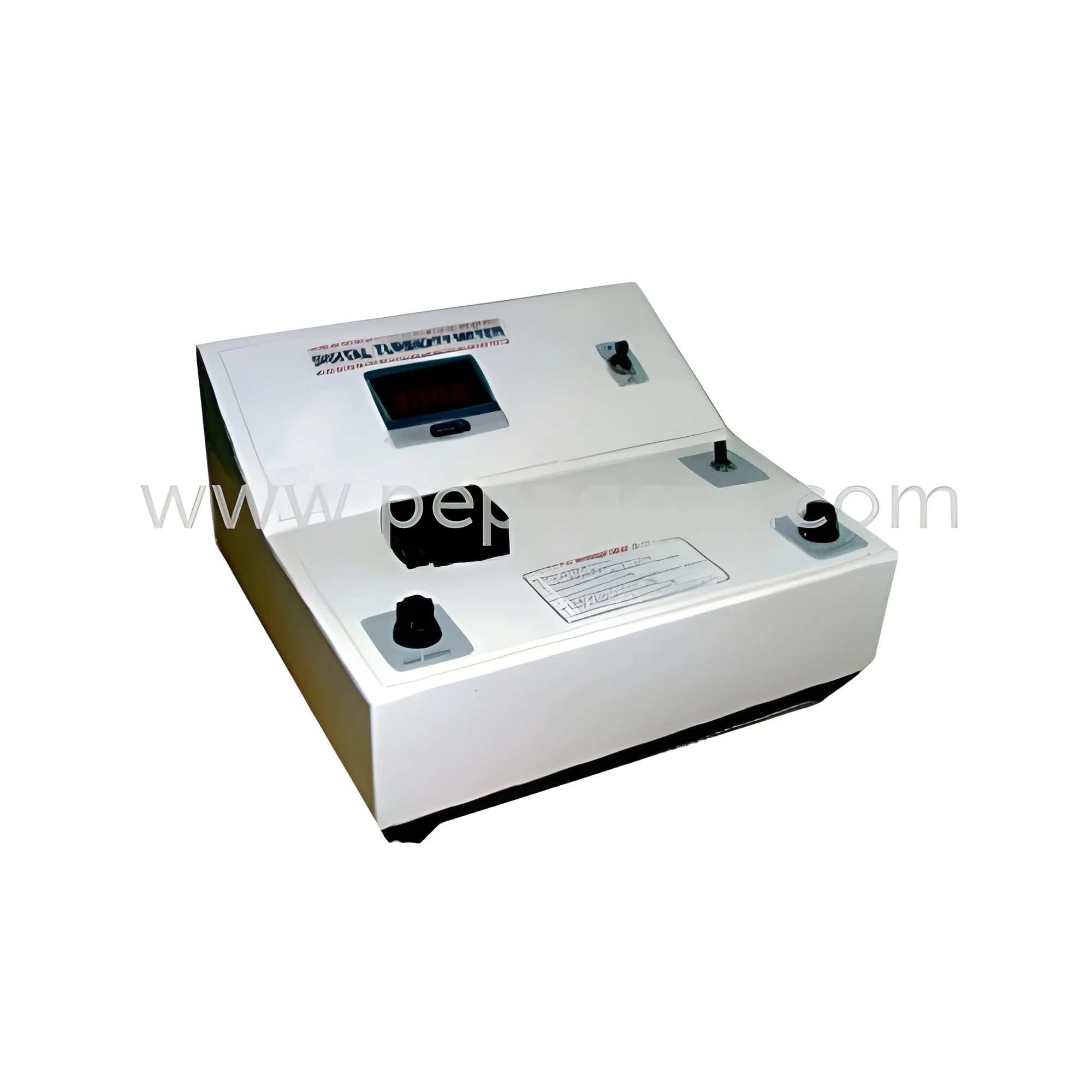
Laboratory Turbidity Meters: Built for precision and accuracy, these meters are used in controlled environments to provide detailed analysis of water samples. They often incorporate advanced data logging and connectivity features.
Online Turbidity Sensors: These systems are designed for continuous monitoring of turbidity levels in real-time. They are commonly used in industrial processes and municipal water treatment facilities.
Handheld Turbidity Meters: Compact and easy to use, these meters are perfect for quick checks and spot measurements, making them suitable for various applications.
Benefits and Advantages
Investing in turbidity meters offers several key benefits that enhance operational efficiency and compliance.
1. Improved Water Quality Monitoring: Turbidity meters provide reliable data that helps businesses maintain high water quality standards.
2. Regulatory Compliance: By ensuring accurate measurements, these devices help organizations comply with local and international water quality regulations.
3. Cost-Effectiveness: Reliable turbidity measurements can reduce waste in water treatment processes, leading to significant cost savings.
4. User-Friendly Operation: Many turbidity meters are designed with intuitive interfaces, making them accessible to users with varying levels of expertise.
5. Versatility: These instruments can be used across multiple industries, making them a valuable asset for businesses involved in water management.
6. Enhanced Decision-Making: Accurate turbidity data allows organizations to make informed decisions regarding water treatment and management strategies.
Buying Guide for B2B Buyers
When sourcing turbidity meters, it is essential to consider several factors to ensure you make an informed decision.
1. Quality Assessment: Look for meters that have been tested and meet industry standards. Check for certifications that indicate reliability and performance.
2. Supplier Verification: Vet suppliers by reviewing their reputation, customer feedback, and history in the industry. Ensure they provide support and warranty for their products.
3. Pricing and MOQ: Understand the pricing structure and minimum order quantities. Compare multiple suppliers to find competitive pricing without compromising quality.
4. Delivery and Lead Times: Inquire about delivery schedules and lead times to ensure timely access to equipment. This is crucial for projects with tight deadlines.
5. Compliance Requirements: Familiarize yourself with any regulatory requirements relevant to your industry and ensure the meters you choose meet these standards.
Compliance and Certifications
Turbidity meters must adhere to various quality standards and certifications to ensure reliability and safety. Key standards include ISO 9001, which ensures effective quality management systems are in place. Additionally, compliance with HACCP (Hazard Analysis Critical Control Point) principles is crucial in industries where product safety is paramount, such as food and beverage.
Many turbidity meters also carry CE certification, indicating conformity with European health, safety, and environmental protection standards. This certification is essential for products entering the European market.
Furthermore, safety and testing requirements are critical, ensuring that the devices operate correctly under specified conditions. Regional compliance considerations may vary, so it is important to understand local regulations that apply to turbidity measurements.
Why Source Turbidity Meters from Pepagora?
Pepagora offers a reliable platform for sourcing turbidity meters, providing several key advantages to B2B buyers.
Verified Supplier Network: Pepagora ensures that all suppliers are thoroughly vetted, providing buyers with peace of mind regarding product quality and supplier reliability. This network fosters trust and accountability.
Streamlined RFQ Process: The request for quotation process is designed to be efficient and user-friendly. Buyers can easily compare offers from multiple suppliers, facilitating better purchasing decisions.
Trade Assurance and Support: Pepagora offers trade assurance measures, protecting buyers against potential disputes. Comprehensive support services are also available to assist buyers throughout the purchasing process.
Regional Coverage: With a strong presence in India, GCC, and Southeast Asia, Pepagora is well-positioned to serve diverse markets, offering tailored solutions to meet regional needs.
By choosing Pepagora, businesses can access quality turbidity meters while benefiting from a supportive and secure purchasing environment.



Frequently Asked Questions
What are Turbidity Meters?
Turbidity meters are instruments used to measure the cloudiness or haziness of a liquid caused by large numbers of individual particles that are generally invisible to the naked eye. They are commonly used in water quality testing, environmental monitoring, and laboratory research.
What are the different types of Turbidity Meters?
There are several types of turbidity meters, including portable handheld models, laboratory benchtop models, and online continuous monitoring systems. Each type is designed for specific applications, ranging from field measurements to precise laboratory analysis.
How do I choose the right Turbidity Meters?
When selecting a turbidity meter, consider factors such as the measurement range, accuracy, ease of use, and whether you require portability. Additionally, assess the specific application requirements, such as the type of liquid being tested and the environment in which the meter will be used.
What are the standard specifications for Turbidity Meters?
Standard specifications for turbidity meters typically include measurement range (usually in NTU), accuracy, resolution, and response time. Other important specifications may involve calibration standards and the type of light source used in the measurement process.
What is the price range for Turbidity Meters?
The price range for turbidity meters can vary widely based on the type and features of the instrument. Generally, portable models can start from around INR 10,000, while advanced laboratory models may cost upwards of INR 50,000.
What quality standards apply to Turbidity Meters?
Turbidity meters are often subject to various quality standards such as ISO 7027 or EPA methods for water quality testing. Compliance with these standards ensures accurate measurements and reliability in various applications.
Where can I find Turbidity Meters suppliers in India?
You can find turbidity meter suppliers in India through online B2B marketplaces like Pepagora.com, trade shows, and industry directories. It is advisable to compare different suppliers to ensure quality and service.
Can Turbidity Meters be customized?
Yes, many manufacturers offer customization options for turbidity meters to meet specific application needs. Customizations may include modifications in measurement range, data output formats, or additional features.
What is the typical minimum order quantity for Turbidity Meters?
The typical minimum order quantity (MOQ) for turbidity meters can vary depending on the manufacturer and model. Generally, MOQs can range from one unit for portable models to several units for bulk orders or specialized equipment.
What is the typical lead time for Turbidity Meters?
The lead time for turbidity meters generally ranges from 1 to 4 weeks, depending on factors such as availability, customization, and shipping logistics. It's recommended to confirm the lead time with the supplier before placing an order.
Why Businesses Trust Pepagora
Thousands of companies trust Pepagora to source smarter and sell faster
Expand Your Sales Globally

Source Smarter,Grow Faster
