What are Clamp Meters?
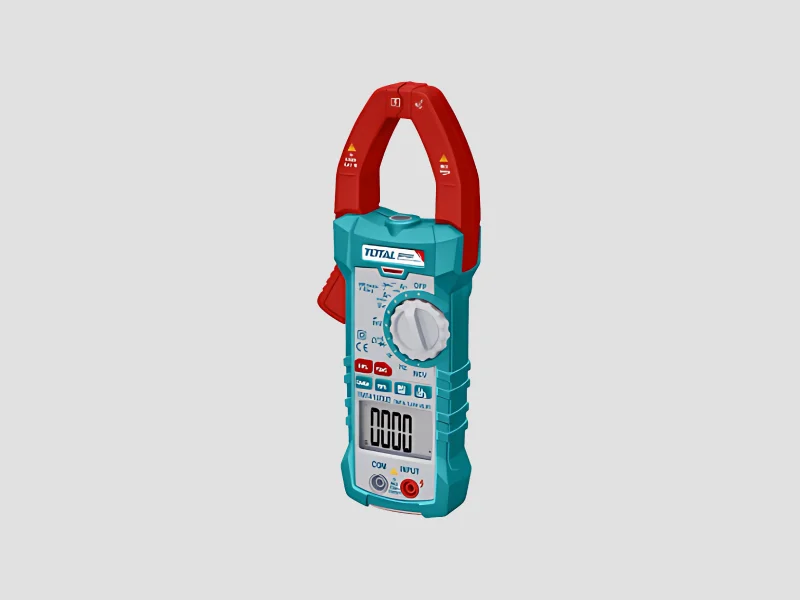
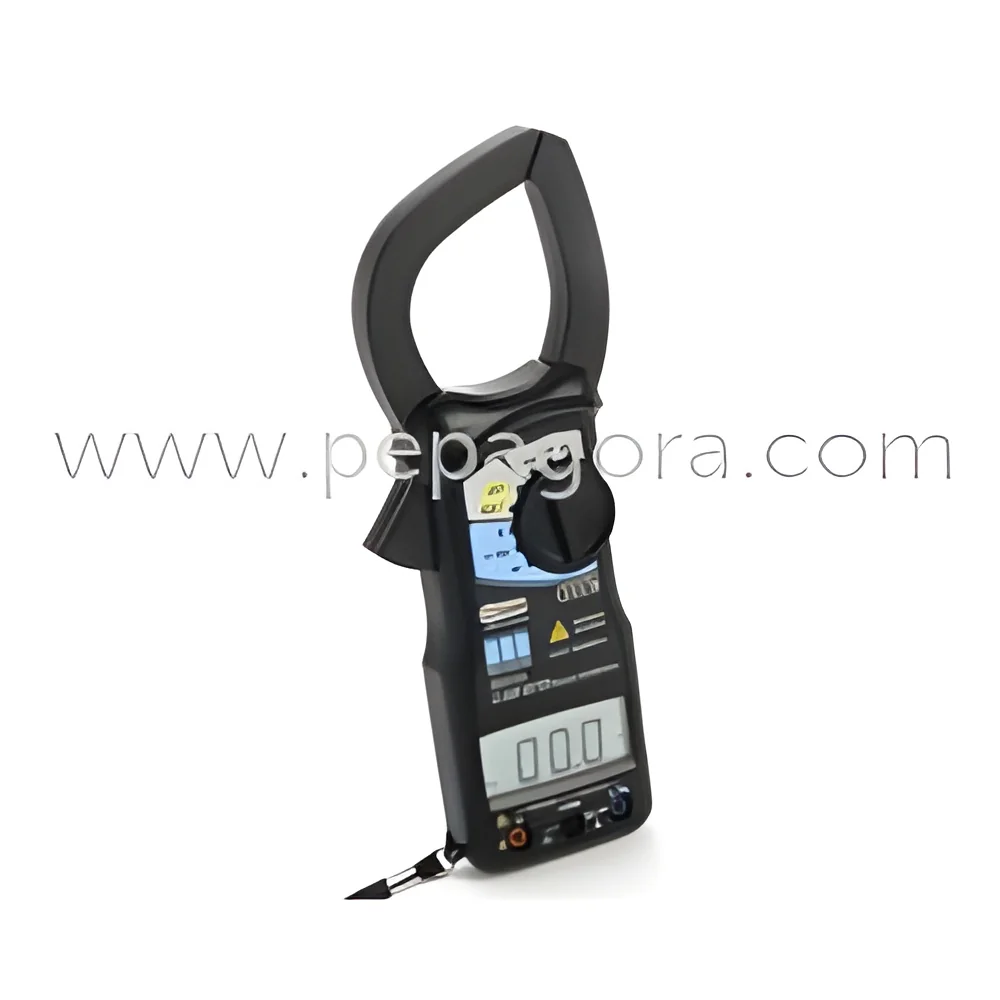
Clamp meters are specialized electrical measuring devices designed to measure the current flowing through a conductor without the need to disconnect it. They utilize a hinged jaw mechanism that clamps around the electrical wire, allowing for quick and safe measurements. This makes them ideal for both professionals and technicians in various fields, enabling them to obtain accurate readings in real-time.
These tools are primarily used in electrical maintenance, troubleshooting, and installation tasks across different sectors. They are essential for electricians, HVAC technicians, and industrial maintenance teams who require reliable current measurements to ensure equipment efficiency and safety. The market for clamp meters continues to grow as industries increasingly prioritize electrical safety and energy efficiency, further highlighting the importance of these instruments in both commercial and industrial settings.
Key Features and Specifications
Clamp meters come equipped with a range of features that cater to the needs of professionals in various industries. Understanding these features is crucial for selecting the right model for specific applications.
Key specifications include:
1. Current Measurement Range
- Typically ranges from a few milliamps to several thousand amperes.
- Allows users to measure both AC and DC currents.
2. Voltage Measurement Capability
- Can measure AC and DC voltages, usually up to several hundred volts.
- Important for diagnosing electrical circuits.
3. Resistance Measurement
- Often includes the capability to measure resistance in ohms.
- Useful for testing circuit integrity.
4. Display Type
- Digital displays are standard, providing clear readings.
- Some models offer backlit displays for better visibility in low-light conditions.
5. Safety Ratings
- Many clamp meters come with safety ratings such as CAT III or CAT IV.
- Ensures protection against electrical surges.
6. Data Hold Function
- Allows users to freeze a measurement on the display for easier reading.
- Enhances usability during complex measurements.
7. Size and Weight
- Compact and lightweight designs for portability.
- Easier handling during fieldwork.
8. Additional Features
- Some models include Bluetooth connectivity for data transfer.
- Others may offer temperature measurement capabilities.
In summary, selecting a clamp meter involves understanding these key specifications to ensure it meets your specific needs and applications.
Common Applications and Use Cases
Clamp meters serve various industries, providing critical measurements for electrical systems.
1. Electrical Maintenance: Electricians use clamp meters to troubleshoot and maintain electrical systems by measuring current and voltage levels, ensuring safe and efficient operation.
2. HVAC Industry: HVAC technicians rely on clamp meters to monitor electrical currents in heating and cooling systems, helping to diagnose issues and perform maintenance.
3. Industrial Facilities: In manufacturing plants, clamp meters are essential for monitoring machinery and equipment, ensuring they operate within safe electrical parameters.
4. Renewable Energy: Clamp meters are used to measure the output of solar panels and wind turbines, assisting in the performance analysis of renewable energy systems.
5. Construction: During building projects, contractors use clamp meters to verify electrical installations and ensure compliance with safety standards.
6. Automotive: Automotive technicians use clamp meters to diagnose electrical faults in vehicles, ensuring reliable performance of electrical components.
7. Data Centers: In data centers, clamp meters help monitor power consumption, contributing to energy efficiency and cost savings.
Product Variants and Subcategories
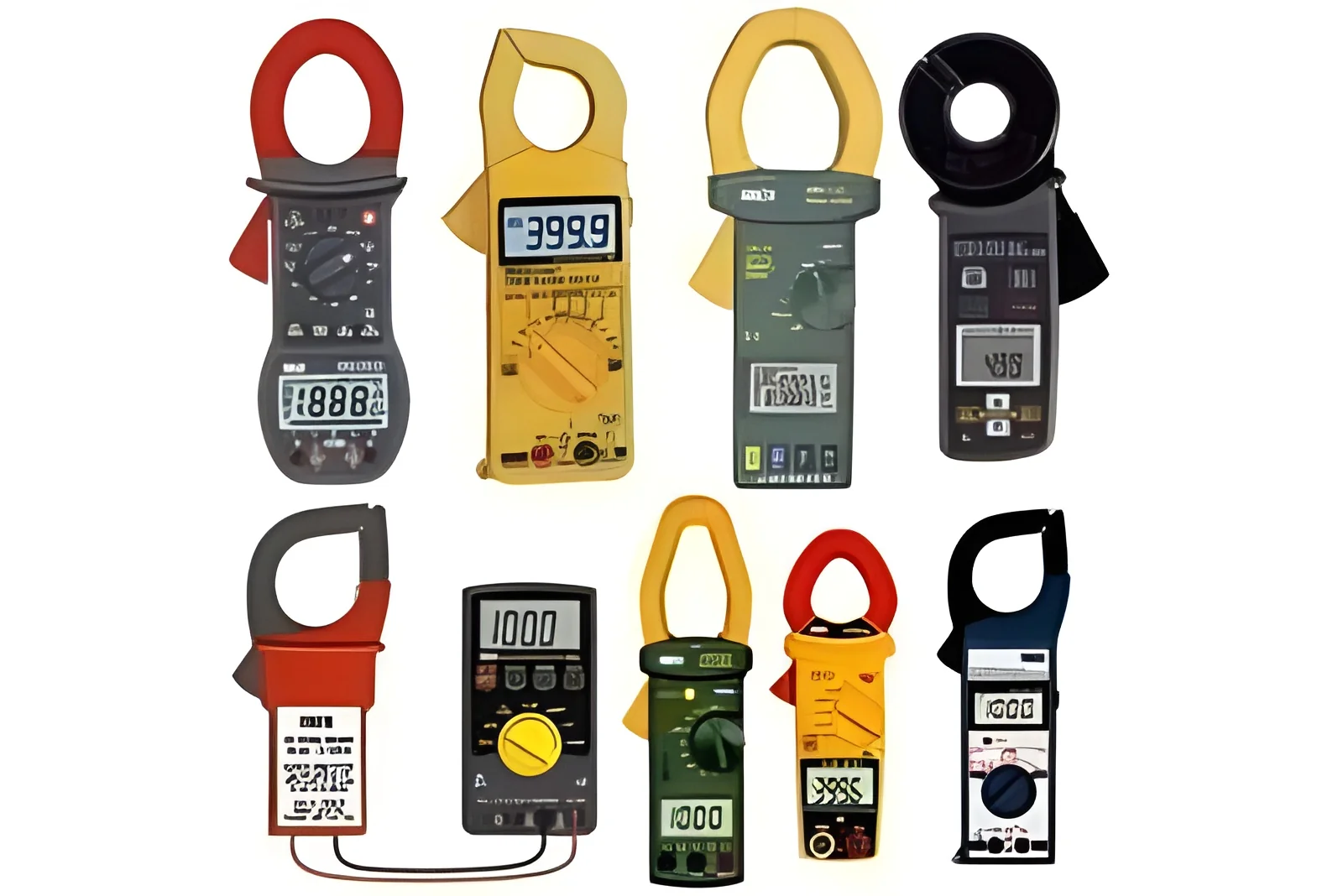
Clamp meters come in various models to cater to different user needs.
Digital Clamp Meters
These meters provide precise digital readings, often featuring advanced functions like data logging and Bluetooth connectivity for remote monitoring.
Analog Clamp Meters
With a traditional dial display, these meters are typically more affordable and are suitable for basic electrical measurements in less demanding environments.
Mini Clamp Meters
Compact and lightweight, mini clamp meters are designed for portability and ease of use in tight spaces, making them ideal for fieldwork.
Benefits and Advantages
Using clamp meters offers several key benefits that enhance measurement efficiency and safety.
1. Non-Intrusive Measurement: Clamp meters allow users to measure current without breaking the circuit, ensuring safety and convenience.
2. Quick Readings: The ability to obtain immediate measurements saves time during troubleshooting and maintenance tasks.
3. Versatility: Suitable for various applications, clamp meters can measure current, voltage, and resistance, making them multifunctional tools for technicians.
4. Enhanced Safety: With built-in safety ratings, clamp meters provide peace of mind when working with high-voltage systems.
5. User-Friendly Design: Many models feature intuitive interfaces and clear displays, making them accessible to both experienced technicians and novices.
6. Portable Options: Lightweight designs allow for easy transport, making them ideal for field applications.
Buying Guide for B2B Buyers
When sourcing clamp meters, several factors should be considered to ensure the right choice.
1. Quality Assessment: Evaluate the quality of clamp meters by checking for compliance with industry standards and reviews from other users.
2. Supplier Verification: It is essential to vet suppliers for reliability and reputation in the market. Look for verified reviews and previous customer feedback.
3. Pricing and MOQ: Analyze the pricing structure and minimum order quantity (MOQ) requirements. A balance between cost and quality is crucial to maximize value.
4. Delivery and Lead Times: Consider logistics and shipping times to ensure timely delivery of products, especially for urgent projects.
5. Compliance Requirements: Check for compliance with relevant regulations and standards to ensure the clamp meters meet industry-specific requirements.
Compliance and Certifications
Clamp meters must adhere to various quality standards and regulations to ensure safety and reliability. ISO 9001 is a common standard that indicates a consistent quality management system, while CE certification demonstrates compliance with European safety standards.
Industry-specific certifications may also apply, depending on the region and application. Safety testing requirements ensure that the devices can operate safely under specified conditions, protecting both users and equipment.
Regional compliance considerations are vital, especially when operating in diverse markets. Understanding local regulations can help businesses avoid penalties and ensure product acceptance in specific geographical areas.
Why Source Clamp Meters from Pepagora?
Pepagora provides a trusted platform for sourcing clamp meters, offering several key advantages for businesses.
Verified Supplier Network: Pepagora ensures that all suppliers on the platform are thoroughly verified, reducing risks associated with sourcing from untrusted sources. This builds confidence in product quality and service.
Streamlined RFQ Process: The platform simplifies the request for quotation (RFQ) process, making it easy for buyers to obtain competitive pricing and compare options from multiple suppliers.
Trade Assurance and Support: Pepagora offers buyer protection through trade assurance programs, providing support throughout the purchasing process to ensure satisfaction and security.
Regional Coverage: With a broad geographic reach, including India, GCC, and Southeast Asia, Pepagora connects buyers with suppliers that can meet their regional needs effectively. This facilitates smoother transactions and better support for local markets.

 IN
IN