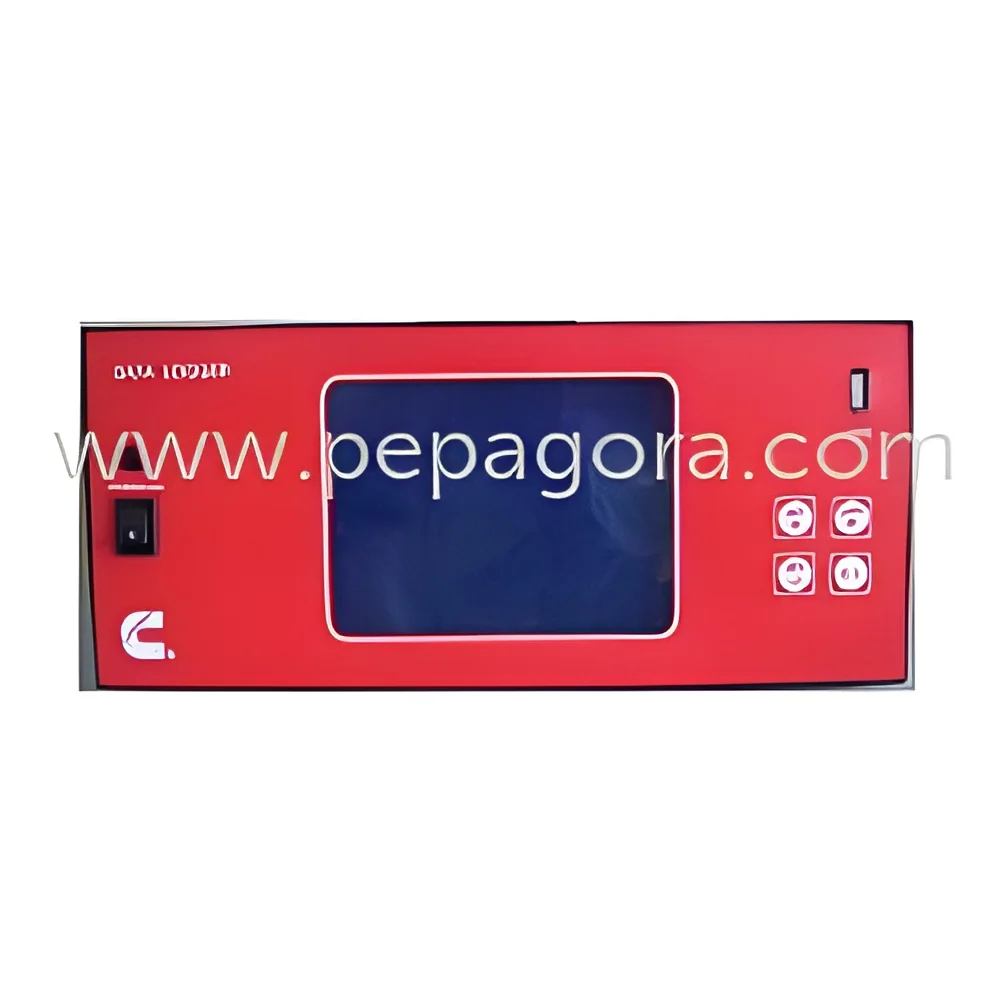
What are Temperature Data Loggers?
Temperature data loggers are electronic devices designed to measure and record temperature over time. They come equipped with sensors that capture temperature variations in a specific environment and store this data for future analysis. These devices can monitor temperature fluctuations continuously or at set intervals, allowing businesses to ensure optimal conditions for products and processes.
Temperature data loggers are primarily used in industries that require temperature-sensitive operations, such as food storage, pharmaceuticals, and manufacturing. They play a crucial role in ensuring compliance with safety regulations and maintaining product quality. By providing accurate and reliable temperature readings, these loggers help businesses minimize risks associated with spoilage or degradation of sensitive materials. The increasing demand for precise temperature monitoring across various sectors has led to a growing market for data loggers.
In the current industrial landscape, temperature data loggers are essential tools that support quality assurance and compliance efforts. Their relevance spans multiple sectors, including healthcare, logistics, and agriculture, where temperature control is vital. As businesses increasingly turn to automation and data-driven solutions, the market for temperature data loggers continues to expand.
Key Features and Specifications
Temperature data loggers boast several key features that enhance their functionality and usability. Understanding these specifications is crucial for selecting the right model for specific applications.
Key specifications include:
1. Measurement Range
- This specifies the lowest and highest temperatures that the logger can accurately measure.
- Typical ranges vary depending on the model but may extend from -40°C to +125°C.
2. Data Storage Capacity
- This defines how much data the logger can store before it requires downloading or resetting.
- Some loggers can store thousands of readings, ensuring long-term monitoring without interruption.
3. Battery Life
- This indicates how long the logger can operate on a single battery.
- Various models may offer battery life ranging from several months to several years.
4. Connectivity Options
- This includes how the device communicates data to external systems, such as USB, Bluetooth, or Wi-Fi.
- Enhanced connectivity allows for real-time monitoring and data access.
5. Calibration Standards
- This specifies the standards to which the logger has been calibrated, ensuring accurate readings.
- Calibration may comply with industry standards, providing confidence in the data collected.
6. Operating Temperature
- This defines the environmental conditions in which the logger can function effectively.
- Loggers may be designed for extreme conditions, suitable for various industrial applications.
7. User Interface
- This refers to how easily users can interact with the device, including display screens and control buttons.
- Intuitive interfaces enhance user experience and simplify data retrieval.
8. Data Format
- This specifies the format in which the logged data is saved, impacting compatibility with software.
- Common formats include CSV and proprietary formats for specific applications.
These specifications allow businesses to choose temperature data loggers that meet their monitoring needs effectively.
Common Applications and Use Cases
Temperature data loggers are versatile tools used across multiple industries to ensure temperature control and compliance.
1. Food and Beverage Industry: In this sector, temperature loggers are crucial for monitoring storage conditions of perishable goods. They help prevent spoilage and ensure that products remain safe for consumption.
2. Pharmaceutical Industry: Temperature control is vital for storing medications and vaccines. Data loggers are used to guarantee that these products are kept within specified temperature ranges to maintain efficacy.
3. Warehousing and Logistics: In logistics, temperature data loggers are essential for monitoring temperature during transit. They help ensure that goods are delivered in optimal conditions, reducing the risk of damage.
4. Agriculture: Farmers use temperature loggers to monitor environmental conditions for crops and livestock. This data helps in making informed decisions to optimize growth and health.
5. Research Laboratories: In laboratories, temperature stability is crucial for experiments and storage of samples. Data loggers ensure that temperature-sensitive materials are kept within required limits.
6. Electronics Manufacturing: In the production of electronic components, temperature monitoring is critical to avoid defects. Data loggers help maintain optimal conditions in manufacturing environments.
7. Museums and Archives: Temperature data loggers are used to monitor environmental conditions in museums to protect delicate artifacts from damage.
Product Variants and Subcategories
Temperature data loggers come in various models to cater to different monitoring needs. Each variant offers specific features tailored for distinct applications.
USB Temperature Data Loggers: These loggers connect directly to computers for data downloads. They are popular for their ease of use and straightforward data transfer capabilities.
Wireless Temperature Data Loggers: These devices provide real-time monitoring through wireless connections. They are ideal for environments where continuous data access is essential.
Multi-Channel Temperature Loggers: These loggers can monitor multiple locations simultaneously. They are beneficial in applications requiring temperature checks in various areas, such as large storage facilities.
Portable Temperature Data Loggers: Designed for ease of transport, these loggers allow users to take measurements from different locations. They often include extended battery life for prolonged use.
Benefits and Advantages
Temperature data loggers offer numerous advantages to businesses seeking to improve their monitoring processes.
1. Enhanced Accuracy: Temperature data loggers provide precise measurements, reducing the risk of errors associated with manual monitoring.
2. Real-Time Monitoring: Many models offer real-time data access, allowing businesses to respond quickly to any temperature fluctuations.
3. Compliance Support: Data loggers help organizations maintain compliance with industry standards and regulations, safeguarding product integrity.
4. Cost-Effective: Investing in data loggers can lead to significant savings by reducing losses due to spoilage or product failure.
5. User-Friendly Interface: Most data loggers come with intuitive interfaces, making it easy for users to operate and retrieve data.
6. Data Analysis Capabilities: Many models include software for analyzing collected data, providing insights into trends and helping optimize processes.
Buying Guide for B2B Buyers
When sourcing temperature data loggers, B2B buyers should consider several key factors to ensure they make informed choices.
1. Quality Assessment: Evaluate the quality of the data loggers based on user reviews and technical specifications. A reliable product will meet industry standards and have a solid reputation.
2. Supplier Verification: Ensure that suppliers are reputable and have a track record of delivering quality products. Verify certifications and references where possible.
3. Pricing and MOQ: Understand the pricing structure and minimum order quantities. Consider whether bulk purchasing offers cost savings.
4. Delivery and Lead Times: Discuss logistics and expected delivery times with suppliers. Timely delivery is essential to maintain operations.
5. Compliance Requirements: Ensure that the chosen data loggers meet relevant regulatory standards. This may include certifications such as CE or adherence to quality management systems.
Compliance and Certifications
Temperature data loggers must adhere to various compliance standards to ensure safety and reliability. These certifications assure customers of the product's quality.
ISO 9001 is a widely recognized quality management standard that applies to manufacturers of temperature data loggers. Compliance with ISO 9001 indicates a commitment to consistent quality and customer satisfaction.
HACCP (Hazard Analysis Critical Control Point) is essential for industries such as food safety. Data loggers that comply with HACCP guidelines help monitor critical temperature control points, ensuring consumer safety.
CE certification is crucial for products sold within the European market. It signifies that the product meets EU safety, health, and environmental protection requirements.
Additionally, data loggers may need to meet specific regional compliance considerations based on local regulations. Understanding these requirements is essential for businesses operating in multiple markets.
Why Source Temperature Data Loggers from Pepagora?
Pepagora is a trusted platform for sourcing temperature data loggers, offering numerous advantages to B2B buyers.
Verified Supplier Network: Pepagora connects businesses with verified suppliers who meet stringent quality standards. This ensures that buyers receive reliable products that meet their specific needs.
Streamlined RFQ Process: The request for quotation system simplifies the sourcing process. Buyers can easily compare offerings from different suppliers to find the best match for their requirements.
Trade Assurance and Support: Pepagora provides trade assurance, protecting buyers throughout the purchasing process. This support builds trust and confidence in the transactions made on the platform.
Regional Coverage: Pepagora has a strong presence in key markets, including India, the GCC, and Southeast Asia. This geographic reach allows buyers to access a diverse range of products and suppliers tailored to their regional requirements.

 IN
IN