
 IN
Spectrophotometers
5 products available
What are Spectrophotometers?
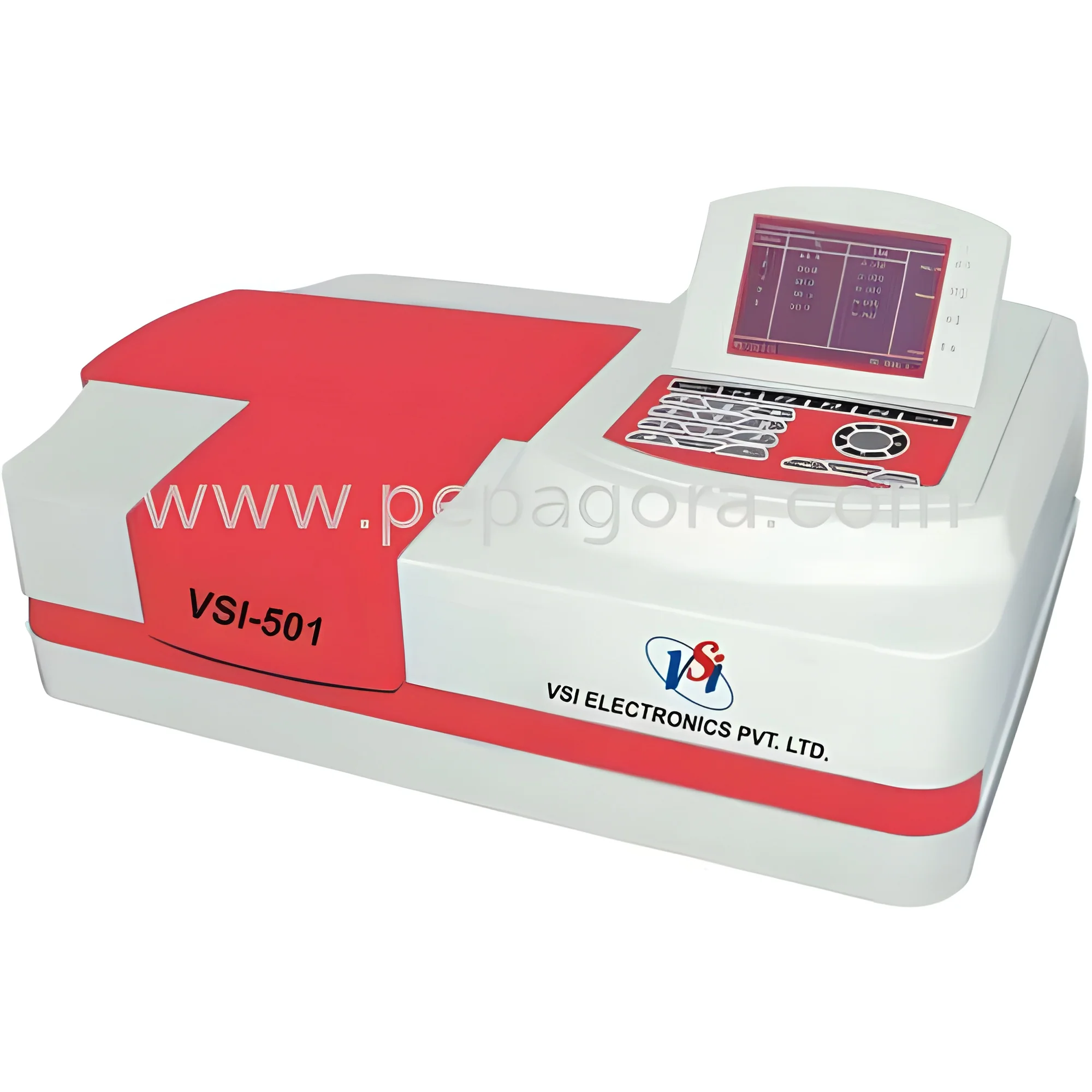
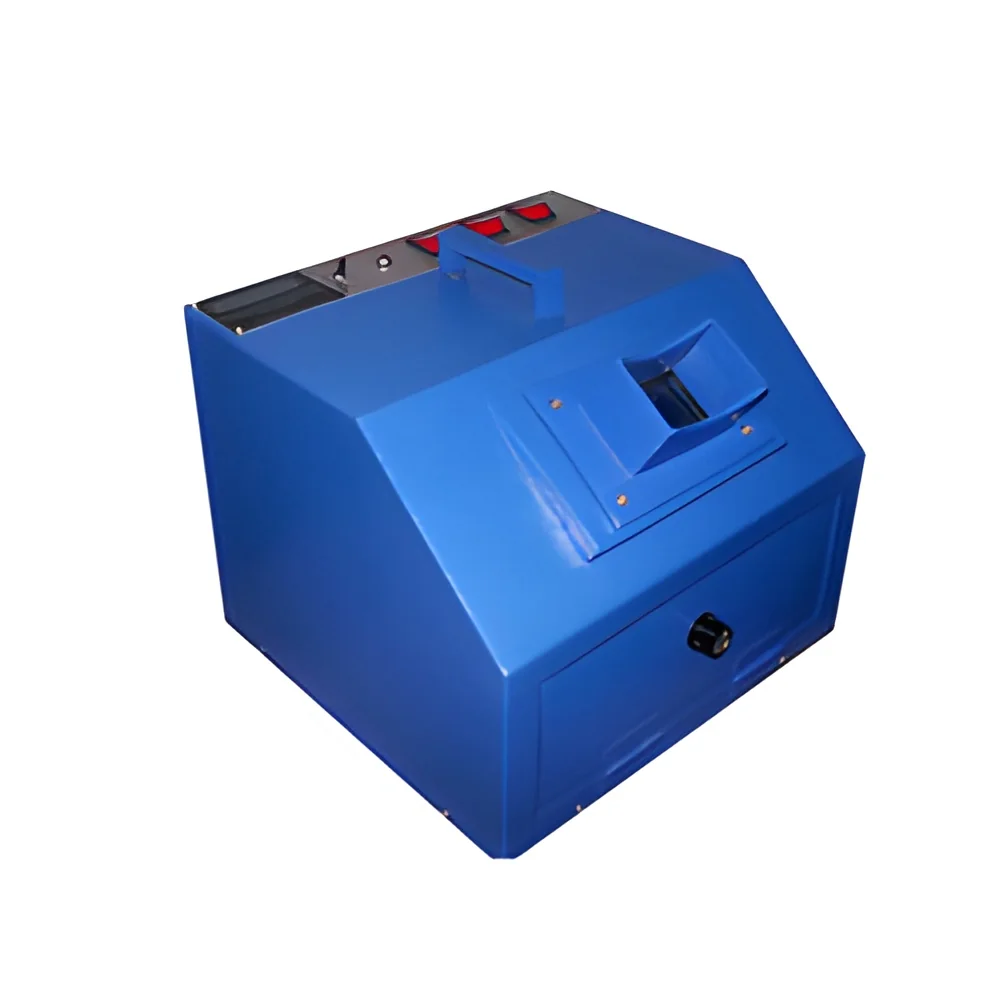
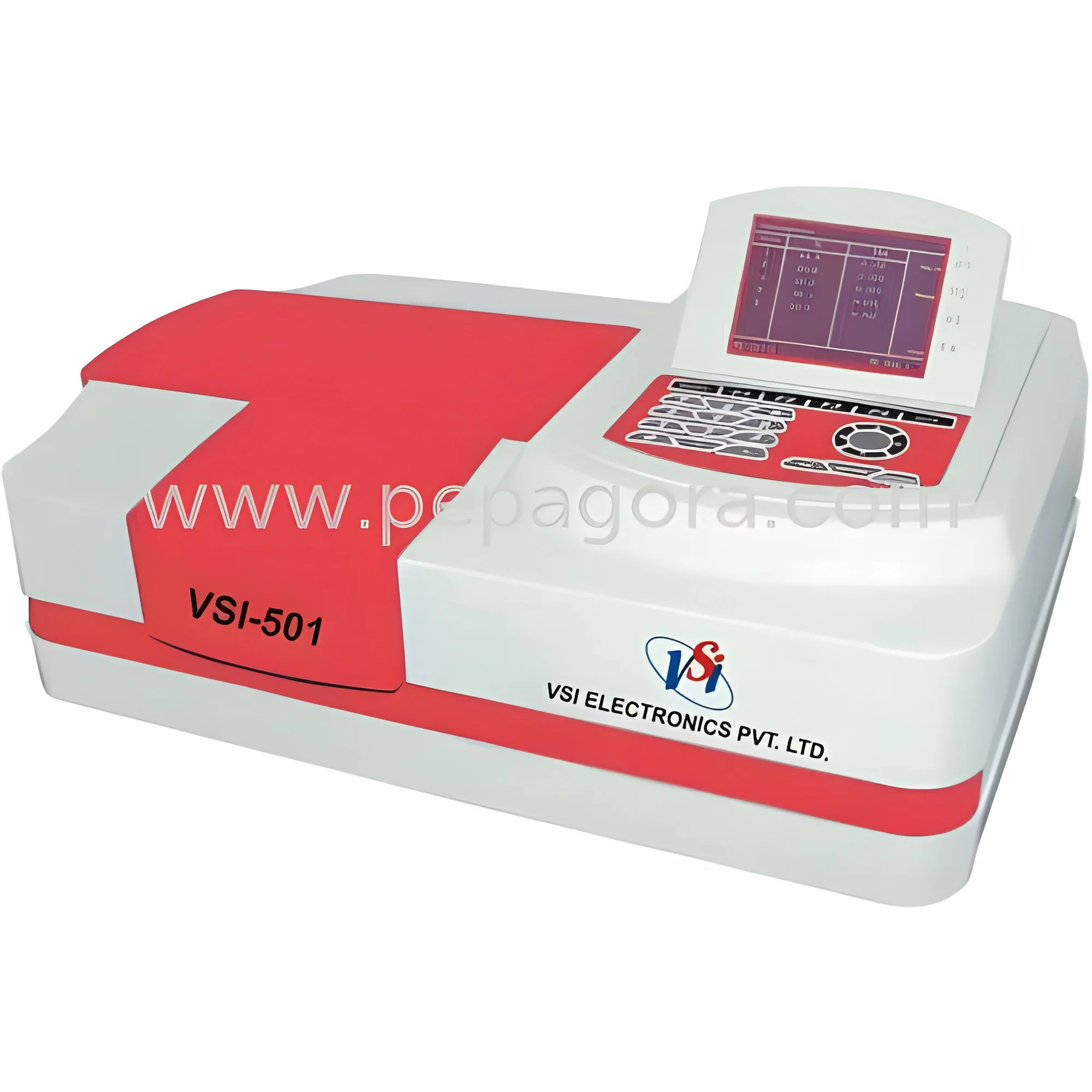
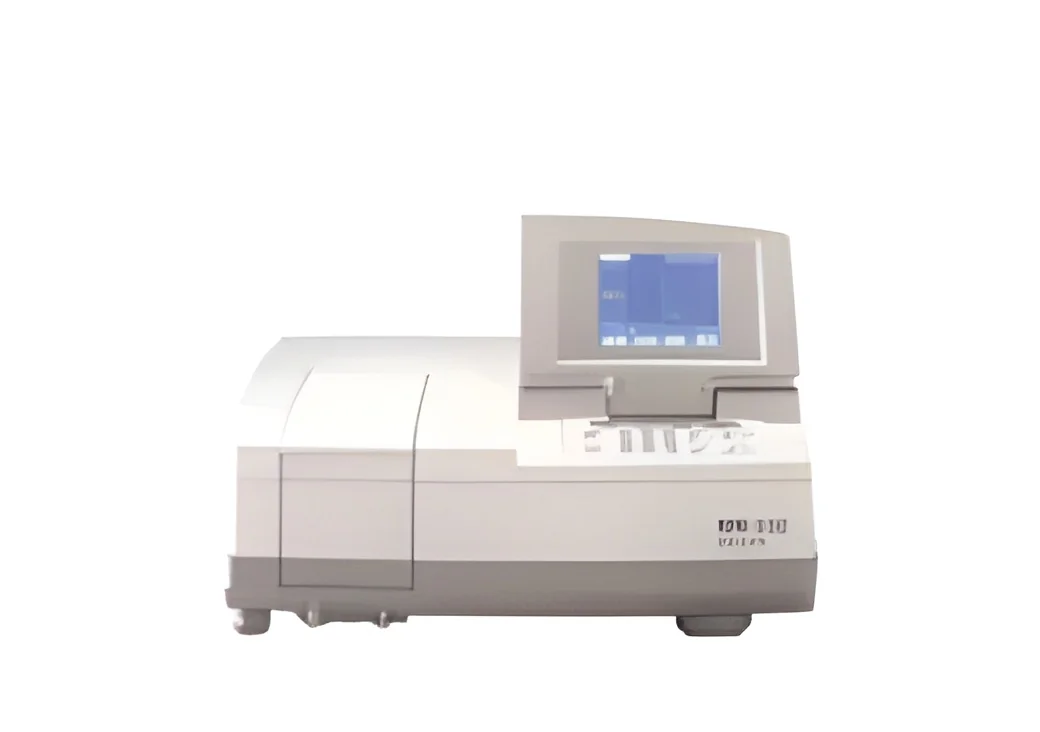
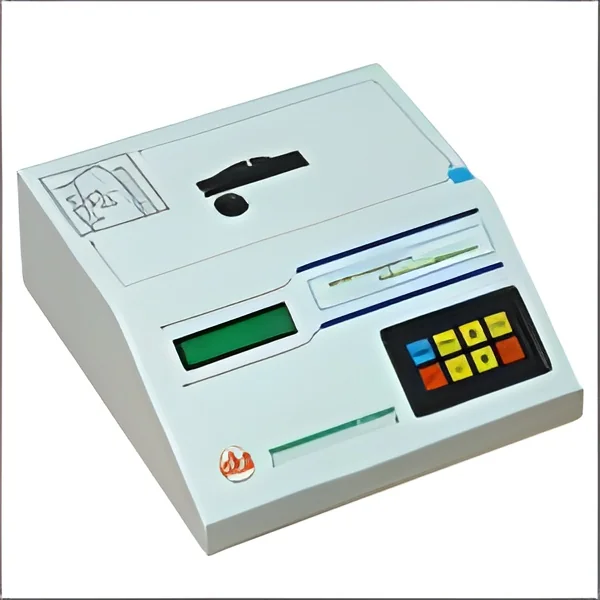
Spectrophotometers are analytical instruments used to measure the intensity of light at specific wavelengths. They operate on the principle of light absorption, where a sample absorbs certain wavelengths while transmitting others. The device quantifies the amount of light absorbed, allowing for the determination of various properties of the sample, including concentration, purity, and chemical composition.
These instruments find extensive applications across multiple industries, including pharmaceuticals, environmental monitoring, food and beverage, and materials science. In pharmaceuticals, spectrophotometers are crucial for quality control, ensuring that products meet required specifications. In environmental applications, they help in measuring pollutants in water and air. The versatility of spectrophotometers makes them essential tools for research and development, regulatory compliance, and process monitoring in diverse sectors.
The market for spectrophotometers is growing, driven by advancements in technology and increasing demand for accurate analytical measurements. Businesses are investing in these instruments to enhance testing capabilities and improve product quality. As industries evolve, the relevance of spectrophotometers continues to expand, reinforcing their significance in the analytical landscape.
Key Features and Specifications
Spectrophotometers come equipped with numerous features that enhance their functionality and accuracy. Understanding these specifications is vital for selecting the right instrument for your needs.
Key specifications include:
1. Wavelength Range
- Indicates the range of wavelengths the instrument can measure.
- Typically spans from ultraviolet (UV) to visible light (400 nm to 700 nm).
2. Optical Resolution
- Refers to the ability of the spectrophotometer to distinguish between different wavelengths.
- Measured in nanometers (nm), with a lower value indicating better resolution.
3. Bandwidth
- The width of the wavelength range that the device can effectively measure.
- Common bandwidths range from 1 nm to 10 nm.
4. Light Source
- Types of light sources used, including deuterium lamps for UV and tungsten lamps for visible light.
- Determines the performance in different wavelength ranges.
5. Detector Type
- Commonly includes photodiodes or photomultiplier tubes.
- Affects the sensitivity and speed of measurements.
6. Sample Holder
- Describes the design and capacity of the sample chamber.
- Options may include cuvettes or flow cells for liquid samples.
7. Connectivity Options
- Available interfaces for data transfer and integration with software.
- May include USB, Bluetooth, or Ethernet connections.
8. Software Compatibility
- Describes the software used for data analysis and reporting.
- Often includes built-in analysis tools for ease of use.
In summary, understanding these key features and specifications is essential for making informed decisions when purchasing a spectrophotometer.
Common Applications and Use Cases
Spectrophotometers have a wide range of applications across various industries, making them versatile analytical tools.
1. Pharmaceuticals: In this industry, spectrophotometers are used for drug formulation and quality control. They help in verifying the concentration of active ingredients and ensuring compliance with regulatory standards.
2. Environmental Monitoring: Spectrophotometers play a crucial role in assessing water quality by measuring contaminants and pollutants. They are essential for environmental agencies to monitor compliance with environmental regulations.
3. Food and Beverage: The food industry relies on spectrophotometers to analyze color, clarity, and concentration of food products. They ensure quality control and safety by detecting adulterants and verifying ingredient concentrations.
4. Chemical Manufacturing: In chemical production, spectrophotometers assist in process monitoring and quality assurance. They help in determining the purity and concentration of raw materials and finished products.
5. Academic Research: Researchers utilize spectrophotometers for experiments involving light absorption and material characterization. They are indispensable tools in biological, chemical, and physical research.
6. Cosmetics: The cosmetics industry employs spectrophotometers to analyze the characteristics of products, ensuring consistency and quality in formulations.
7. Textile Industry: Spectrophotometers are used to measure colors and dye concentrations in textiles, ensuring color accuracy and uniformity.
Product Variants and Subcategories
Spectrophotometers come in various forms to cater to different analytical needs. Each variant offers unique features and applications.
UV-Vis Spectrophotometers
These instruments are designed to measure light absorption in the ultraviolet and visible spectrum. They are widely used in laboratories for determining concentrations of substances in solution.
NIR Spectrophotometers
Near-infrared spectrophotometers specialize in measuring light in the near-infrared range. They are commonly used in agricultural applications to analyze the composition of crops and soil.
Microplate Spectrophotometers
These compact devices are designed for high-throughput analysis using microplates. They are ideal for applications in drug discovery and clinical diagnostics, allowing for rapid sample processing.
Portable Spectrophotometers
These handheld devices offer flexibility and ease of use in field applications. They are suitable for environmental monitoring and on-site testing, making them valuable tools for researchers and technicians.
Benefits and Advantages
Sourcing spectrophotometers offers numerous advantages for businesses seeking precision in their analytical processes.
Key benefits include:
1. Accuracy: Spectrophotometers provide precise measurements of light absorption, leading to reliable data for analysis.
2. Versatility: These instruments can be used across various industries, making them adaptable to different analytical needs.
3. Efficiency: Modern spectrophotometers offer quick measurements, reducing the time required for analysis and increasing productivity.
4. User-Friendly: Advanced software and intuitive interfaces make spectrophotometers easy to operate, even for those with limited technical expertise.
5. Cost-Effective: Investing in a spectrophotometer can lead to long-term savings by improving quality control and reducing waste.
6. Compliance Support: These instruments help organizations meet regulatory requirements by providing accurate data for quality assurance.
Buying Guide for B2B Buyers
When sourcing spectrophotometers, it is essential to consider multiple factors to ensure you select the right instrument for your needs.
1. Quality Assessment: Look for instruments that meet industry standards for accuracy and reliability. Evaluate product reviews and seek demonstrations to assess performance.
2. Supplier Verification: Vet suppliers by checking their credentials, certifications, and customer feedback. Ensuring a reputable supplier can lead to better product support and reliability.
3. Pricing and MOQ: Consider the price range of spectrophotometers and inquire about minimum order quantities (MOQ). Balancing cost with quality is crucial for making informed purchasing decisions.
4. Delivery and Lead Times: Understand the logistics involved in acquiring the spectrophotometer. Confirm delivery timelines and shipping options to avoid delays in your operations.
5. Compliance Requirements: Be aware of any specific regulatory compliance needs for your industry. Ensure that the spectrophotometer meets applicable standards and certifications.
Compliance and Certifications
Spectrophotometers are subject to various quality standards and certifications to ensure their performance and reliability. Compliance with ISO 9001 guarantees that manufacturers maintain a quality management system that consistently meets customer and regulatory requirements.
Additionally, certifications like CE indicate that the product meets European safety, health, and environmental protection standards. This certification is crucial for spectrophotometers used in Europe and other markets that recognize CE compliance.
Testing requirements often include ensuring the accuracy of measurements and safety of operation, particularly for equipment used in laboratories. Furthermore, regional compliance considerations may vary, so it is essential to consult local regulations to ensure all necessary certifications are met.
Why Source Spectrophotometers from Pepagora?
Pepagora provides a trusted platform for sourcing spectrophotometers with several key advantages that benefit businesses seeking reliable analytical solutions.
Verified Supplier Network: Pepagora ensures that all suppliers on its platform are thoroughly vetted. This verification process enhances trust and helps buyers identify reputable manufacturers.
Streamlined RFQ Process: The request for quotation (RFQ) system simplifies the purchasing process. Buyers can easily request quotes from multiple suppliers, facilitating comparison and decision-making.
Trade Assurance and Support: Pepagora offers trade assurance to protect buyers during transactions. This includes support for resolving disputes and ensuring product quality.
Regional Coverage: With a geographic reach that includes India, the Gulf Cooperation Council (GCC), and Southeast Asia, Pepagora connects buyers with suppliers in key markets, streamlining the sourcing process for spectrophotometers.

Frequently Asked Questions
What are Spectrophotometers?
Spectrophotometers are analytical instruments used to measure the intensity of light at different wavelengths. They are commonly used in laboratories to determine the concentration of substances in a solution by measuring the absorbance or transmittance of light.
What are the different types of Spectrophotometers?
There are several types of Spectrophotometers, including UV-Vis Spectrophotometers, which measure ultraviolet and visible light, and Infrared Spectrophotometers, which measure infrared light. Other types include Fluorescence Spectrophotometers and Atomic Absorption Spectrophotometers, each designed for specific applications and wavelengths.
How do I choose the right Spectrophotometers?
Choosing the right Spectrophotometer depends on factors such as the specific application, the wavelength range needed, and the required precision. It is important to consider the sample type, the measurement range, and any additional features like data analysis software that may be beneficial for your needs.
What are the standard specifications for Spectrophotometers?
Standard specifications for Spectrophotometers typically include wavelength range, spectral bandwidth, photometric range, and accuracy. Other important specifications may include the type of light source, detector type, and the ability to perform various measurement modes such as transmission, reflectance, and absorbance.
What is the price range for Spectrophotometers?
The price range for Spectrophotometers can vary widely based on their type and features. Basic models may start from around INR 20,000, while more advanced models used in specialized applications can cost several lakhs of rupees.
What quality standards apply to Spectrophotometers?
Spectrophotometers are subject to various quality standards, including ISO and ASTM standards that ensure accuracy, reliability, and consistency in measurements. Compliance with these standards is crucial, especially in regulated industries like pharmaceuticals and environmental testing.
Where can I find Spectrophotometers suppliers in India?
You can find Spectrophotometers suppliers in India through online B2B marketplaces like Pepagora, as well as through laboratory equipment distributors and manufacturers. It's advisable to check supplier credentials, product range, and customer reviews before making a purchase.
Can Spectrophotometers be customized?
Yes, many manufacturers offer customization options for Spectrophotometers to meet specific application requirements. Customizations may include modifications in wavelength range, software features, and additional accessories based on user needs.
What is the typical minimum order quantity for Spectrophotometers?
The typical minimum order quantity (MOQ) for Spectrophotometers can vary by supplier, but it is often set at one unit for high-end models. For bulk orders or specific configurations, suppliers may set higher MOQs, so it's best to check with individual manufacturers.
What is the typical lead time for Spectrophotometers?
The typical lead time for Spectrophotometers can range from a few weeks to several months, depending on the model, customization requirements, and supplier availability. It is advisable to confirm the lead time with the supplier during the ordering process.
Why Businesses Trust Pepagora
Thousands of companies trust Pepagora to source smarter and sell faster
Expand Your Sales Globally

Source Smarter,Grow Faster
