
 IN
Compression Testing Machines
10 products available
What are Compression Testing Machines?
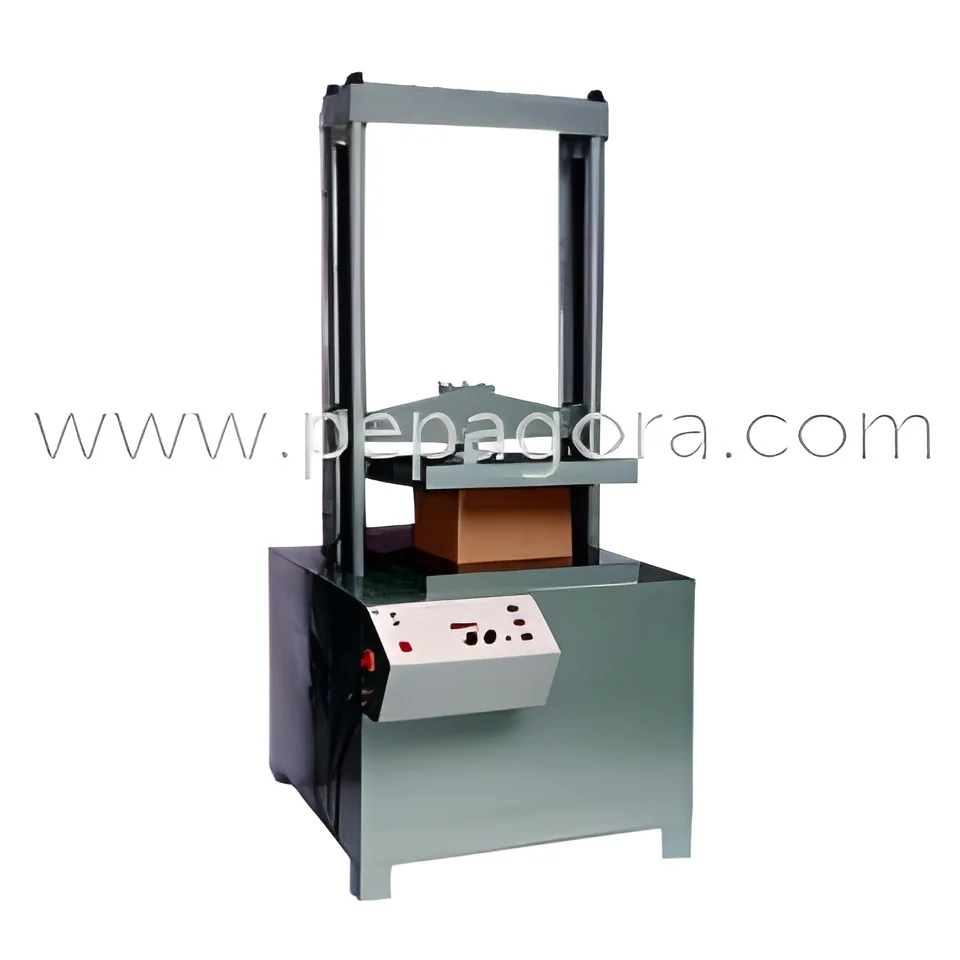
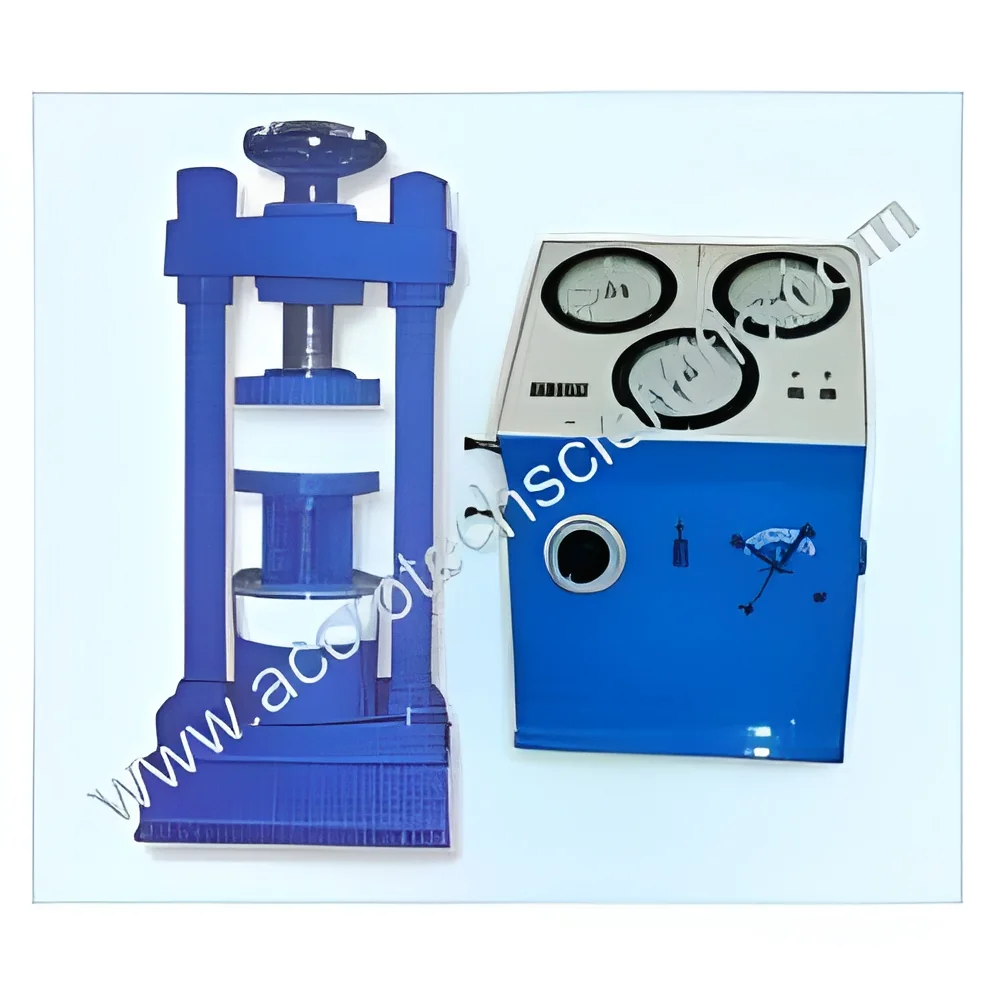
Compression testing machines are essential instruments used to determine the compressive strength of materials. These machines apply a controlled compressive force to a sample until it fails. They measure the material's response to the stress applied, providing valuable data for quality control and material research.
These machines find primary applications in various industries, including construction, manufacturing, and materials testing labs. They help ensure that materials such as concrete, metals, plastics, and ceramics meet specified strength standards. Accurate data obtained from these tests is crucial for engineers and manufacturers to guarantee product safety and performance. In today's competitive market, understanding material properties through systematic testing is vital for maintaining quality and regulatory compliance.
As industries continue to evolve, the relevance of compression testing machines remains significant. The demand for advanced testing solutions is driven by the need for high-quality materials, stringent safety regulations, and ongoing innovations in manufacturing processes. Companies that invest in reliable testing machinery can enhance product integrity and competitiveness in the marketplace.
Key Features and Specifications
Compression testing machines come equipped with several key features that enhance their performance and usability. These specifications ensure accurate and reliable results for various applications in different industries.
Key specifications include:
1. Maximum Load Capacity
- This specification defines the highest load the machine can apply.
- Typical ranges are from 10 kN to 2000 kN, depending on the model.
2. Testing Speed
- This refers to how quickly the machine can apply the compressive force.
- Common testing speeds range from 0.1 mm/min to 50 mm/min.
3. Control System
- Many machines feature digital control systems for precise operation.
- Some models offer advanced software for data analysis and reporting.
4. Display Type
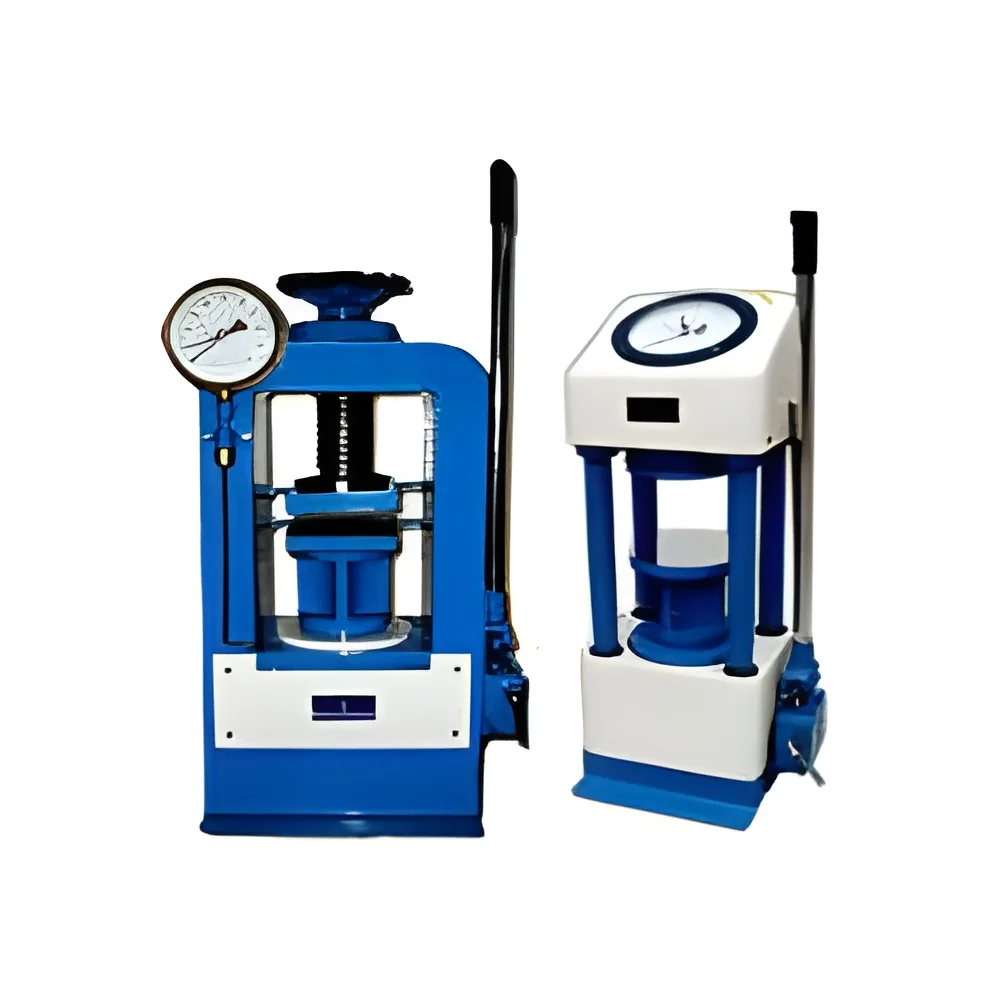
- Machines may have analog or digital displays.
- Digital displays often provide enhanced readability and data logging options.
5. Sample Size Accommodation
- The machines can handle various sample sizes, from small specimens to large blocks.
- Some models allow for custom fixtures to accommodate unique sample shapes.
6. Compliance with Standards
- Many machines are designed to meet international testing standards.
- Compliance ensures that the results are recognized globally for quality assurance.
7. Safety Features
- Safety mechanisms such as overload protection are standard.
- Emergency stop functions help prevent accidents during testing.
8. Mobility and Size
- Some machines are portable, while others are designed for fixed installations.
- Compact designs are ideal for laboratories with limited space.
In summary, the specifications of compression testing machines provide essential insights into their capabilities and functionalities. Understanding these features helps businesses choose the right machine for their specific testing needs.
Common Applications and Use Cases
Compression testing machines are utilized across a wide range of industries for various applications. Their ability to accurately determine compressive strength makes them invaluable in many settings.
1. Construction: In the construction industry, these machines are used to test concrete and masonry materials. Ensuring that these materials meet strength requirements is critical for structural integrity.
2. Manufacturing: Manufacturers use compression testing to evaluate the performance of plastics and composites. This ensures that the materials will withstand the stresses they will encounter in everyday use.
3. Aerospace: In aerospace applications, compression testing machines assess materials used in aircraft components. High-performance materials must be rigorously tested to ensure safety and durability.
4. Automotive: The automotive industry relies on compression testing to evaluate metals and polymers used in vehicle manufacturing. This testing helps ensure that components can withstand various loads during operation.
5. Research and Development: Laboratories conduct research on new materials, using compression testing machines to study their properties. This data is crucial for developing innovative products.
6. Oil and Gas: In the oil and gas sector, these machines test materials used in pipelines and drilling equipment. Ensuring material integrity is essential for operational safety.
7. Education: Educational institutions use compression testing machines for teaching purposes. Students learn about material properties and testing methodologies through hands-on experience.
Product Variants and Subcategories
Compression testing machines come in various models to cater to different testing needs. Each variant is designed with specific features and capabilities.
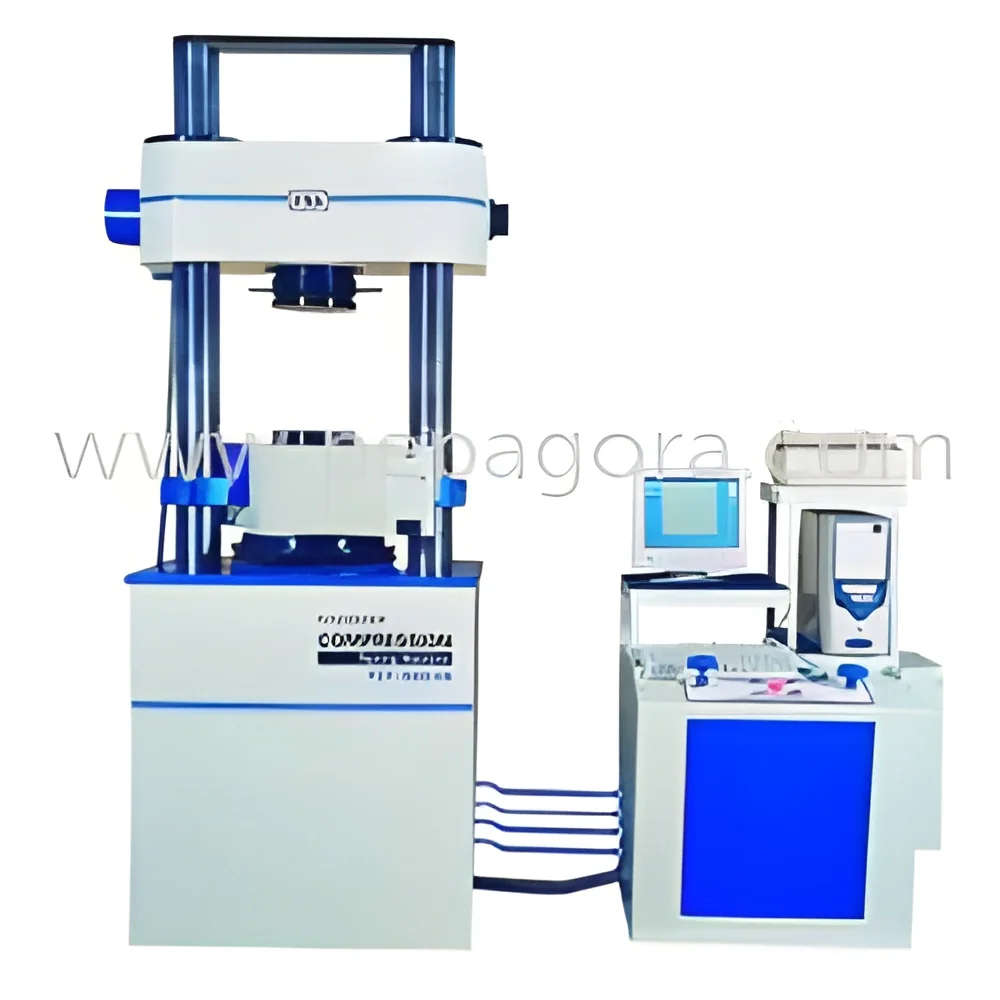
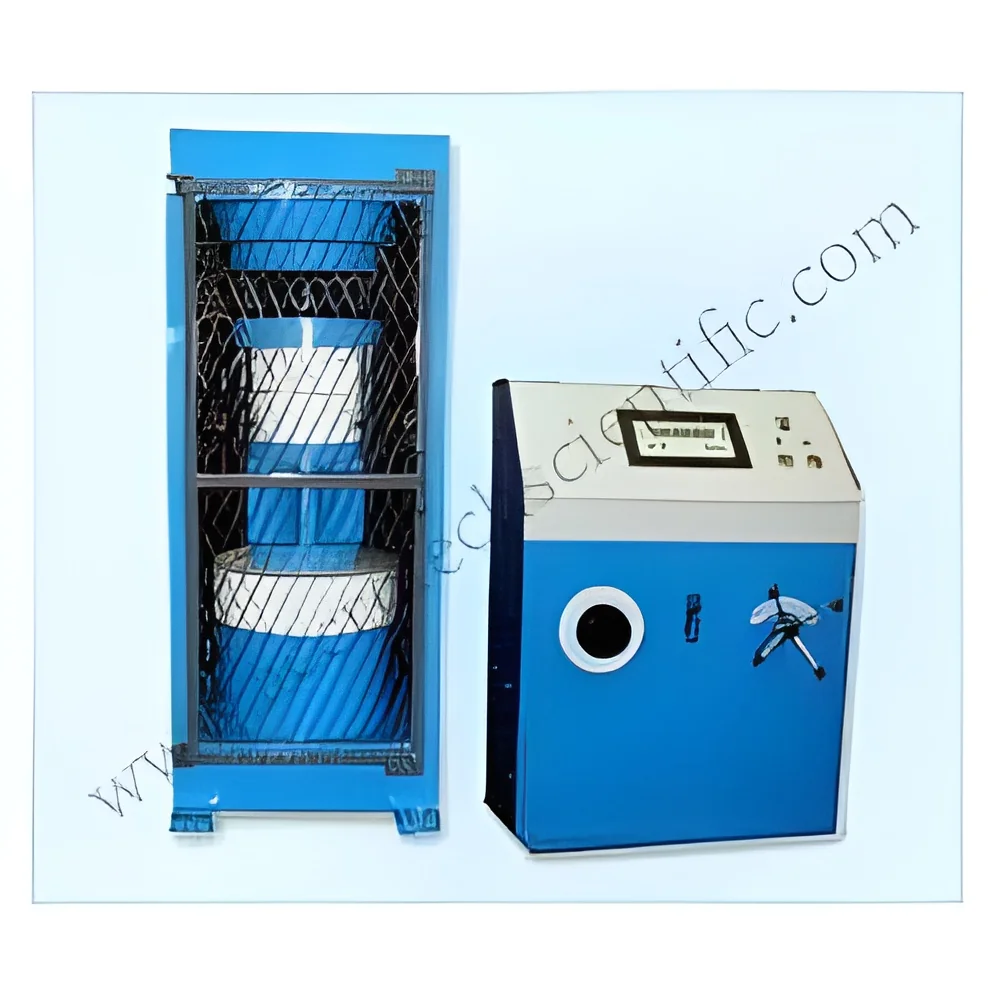
Hydraulic Compression Testing Machine
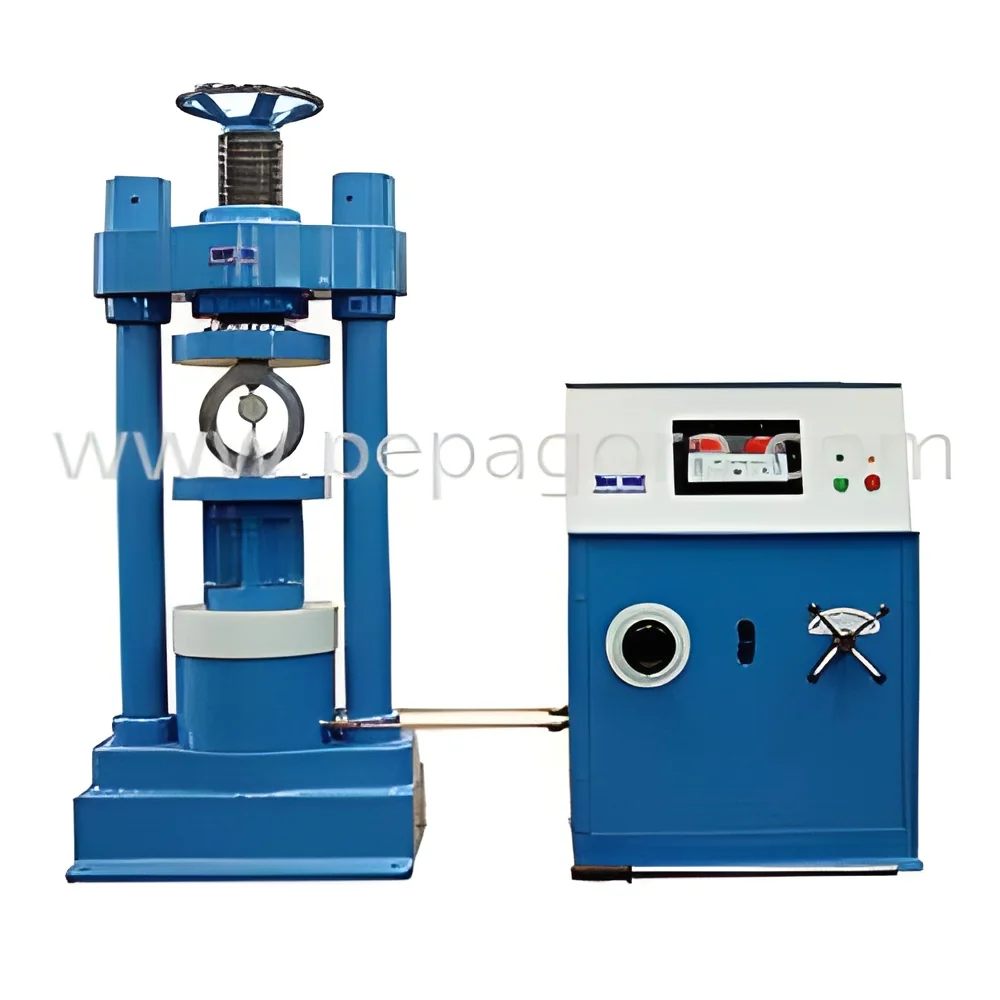
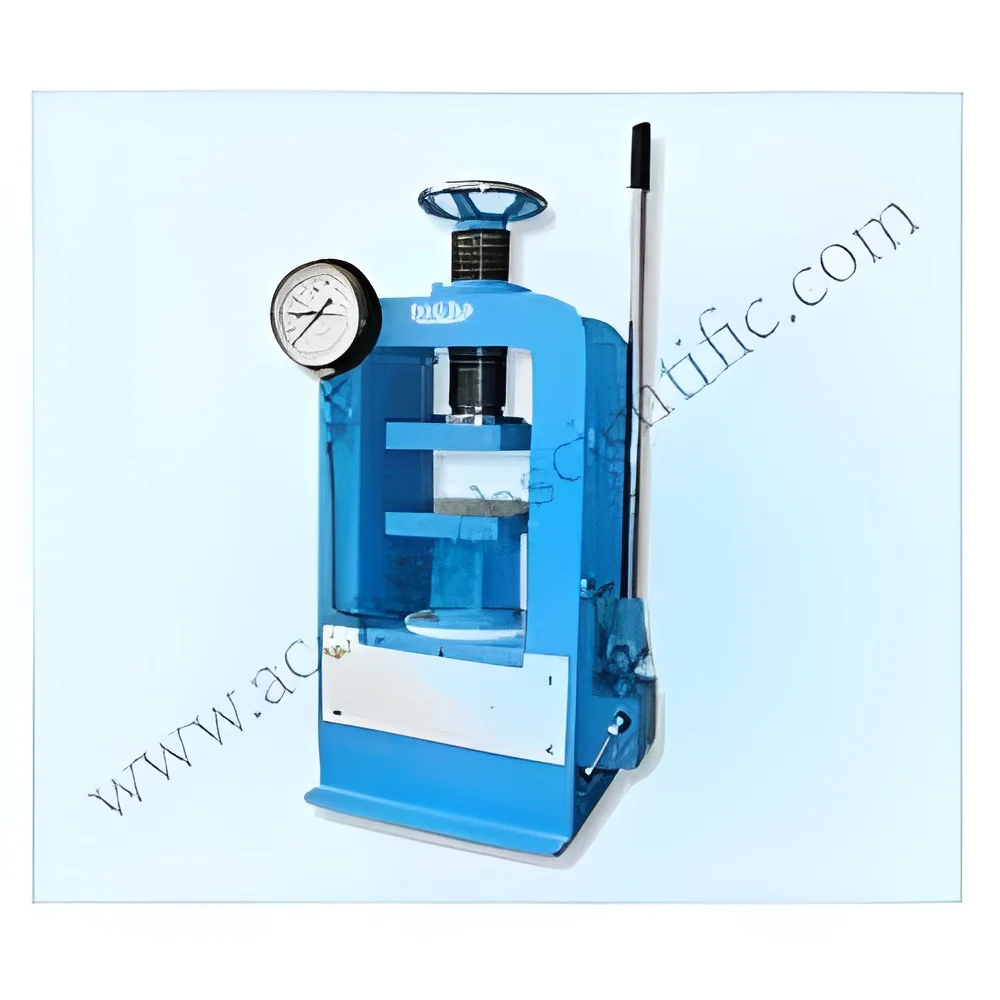
This variant utilizes hydraulic power to apply compressive forces. It is known for its high load capacity and precision. Ideal for testing concrete and other strong materials, it is widely used in construction and civil engineering applications.
Electromechanical Compression Testing Machine
This variant uses electric motors and lead screws for precise control of load application. It is suitable for testing a wide range of materials, including plastics and composites. The electromechanical design often features advanced software for data collection and analysis.
Digital Compression Testing Machine
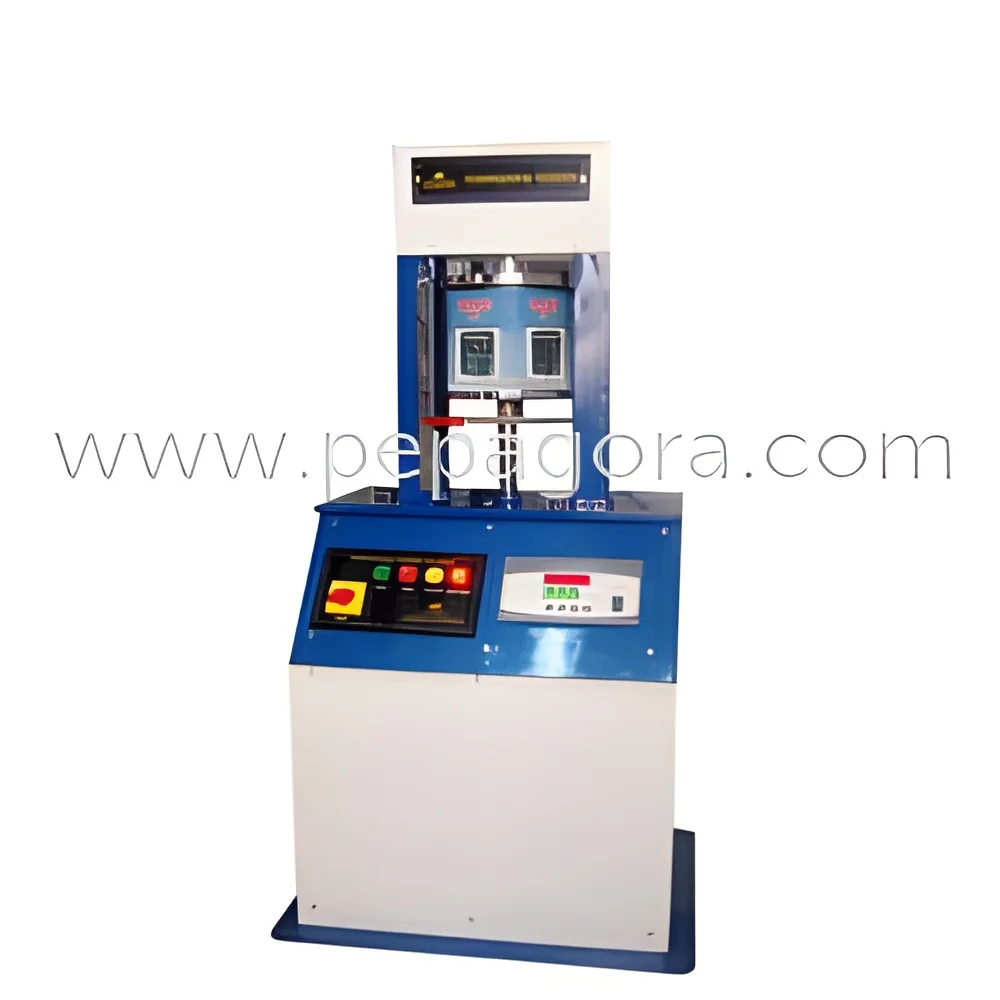
These machines are equipped with digital displays and advanced software. They provide real-time data and analysis, making them suitable for research and quality control. Their user-friendly interfaces enhance the testing experience.
Benefits and Advantages
Investing in compression testing machines offers numerous advantages for businesses across various industries. These benefits contribute to improved product quality and operational efficiency.
1. Enhanced Material Quality: Regular testing ensures that materials meet required strength standards, reducing the risk of failures in the field.
2. Improved Safety: By understanding material properties, organizations can design safer products and structures, minimizing liability and risk.
3. Regulatory Compliance: Compression testing helps companies meet industry standards and regulations, ensuring their products are compliant with safety guidelines.
4. Cost Efficiency: Identifying weaknesses in materials early through testing can prevent costly failures and rework in production processes.
5. Data-Driven Decision Making: With accurate test results, companies can make informed decisions regarding material selection and design, enhancing overall project outcomes.
6. Competitive Advantage: Businesses that prioritize testing and quality assurance can differentiate themselves in the marketplace, attracting more customers and projects.
Buying Guide for B2B Buyers
When sourcing compression testing machines, several factors should be considered to ensure a successful purchase. Understanding these elements can help buyers make informed decisions.
1. Quality Assessment: Evaluate the quality of the machines based on manufacturer reputation, customer reviews, and adherence to industry standards. High-quality machines provide reliable and accurate results.
2. Supplier Verification: It is crucial to vet suppliers for credibility and reliability. Look for certifications, industry experience, and customer references to ensure you are dealing with a reputable provider.
3. Pricing and MOQ: Consider the pricing structures and minimum order quantities offered by suppliers. This can impact overall budget planning and procurement strategies.
4. Delivery and Lead Times: Understand the expected delivery timelines for the machines. Timely delivery is essential for project planning and operational efficiency.
5. Compliance Requirements: Ensure that the machines meet relevant compliance and safety standards. This includes checking for certifications such as CE and adherence to local regulations.
Compliance and Certifications
Compression testing machines must adhere to various compliance standards and certifications to ensure their reliability and safety. These standards are crucial for manufacturers and users alike.
ISO 9001 is a quality management standard that applies to the manufacturing processes of compression testing machines. Compliance with ISO 9001 ensures that suppliers maintain consistent quality in their products and services.
Certification by CE indicates that the machines meet European Union safety, health, and environmental protection standards. This certification is essential for selling machines in the EU market and assures users of their safety during operation.
Safety and testing requirements for compression testing machines also include specific guidelines for operation, maintenance, and calibration. Adhering to these requirements helps prevent accidents and ensures the integrity of testing results.
Regional compliance considerations vary by location. Manufacturers must be aware of local regulations and standards that apply to the use and testing of materials, ensuring that their machines comply accordingly.
Why Source Compression Testing Machines from Pepagora?
Pepagora offers a trusted platform for sourcing compression testing machines, providing several key advantages that benefit B2B buyers.
Verified Supplier Network: Pepagora has established a network of verified suppliers, ensuring that buyers can trust the quality and reliability of the machines they purchase. This network simplifies the sourcing process and enhances buyer confidence.
Streamlined RFQ Process: The Request for Quotation (RFQ) process on Pepagora is designed to be user-friendly and efficient. Buyers can easily submit their requirements and receive competitive quotes from multiple suppliers, saving time and effort.
Trade Assurance and Support: Pepagora provides trade assurance and support to protect buyers throughout the purchasing process. This protection ensures that buyers receive their orders as expected and that any issues are addressed promptly.
Regional Coverage: With a strong presence in India, the GCC, and Southeast Asia, Pepagora offers extensive geographic reach. This allows buyers from various regions to access a wide range of compression testing machines that meet their specific needs.

Frequently Asked Questions
What are Compression Testing Machines?
Compression Testing Machines are laboratory equipment used to determine the compressive strength of materials such as concrete, metals, and plastics. They apply a controlled load to a specimen until it fails, providing important data for material testing and quality control.
What are the different types of Compression Testing Machines?
The different types of Compression Testing Machines include mechanical, hydraulic, and digital compression testers. Each type varies in its method of applying pressure and measuring results, catering to various material testing needs.
How do I choose the right Compression Testing Machines?
Choosing the right Compression Testing Machine involves considering factors such as the material type, required testing capacity, and the level of automation needed. It's also important to evaluate the machine's compliance with industry standards and its ease of use.
What are the standard specifications for Compression Testing Machines?
Standard specifications for Compression Testing Machines typically include load capacity, testing speed, and measurement accuracy. Other important specifications may involve the machine's dimensions, power requirements, and the type of control system utilized.
What is the price range for Compression Testing Machines?
The price range for Compression Testing Machines can vary widely depending on the type, specifications, and features. Generally, prices can start from around INR 20,000 and can go up to several lakhs for high-end models.
What quality standards apply to Compression Testing Machines?
Compression Testing Machines must adhere to various quality standards such as ISO, ASTM, and BIS, which ensure accurate and reliable testing results. Compliance with these standards is crucial for manufacturers and users to ensure the integrity of the testing process.
Where can I find Compression Testing Machines suppliers in India?
You can find Compression Testing Machines suppliers in India through various online B2B marketplaces, industry expos, and manufacturer directories. Websites like Pepagora.com offer a comprehensive list of verified suppliers and manufacturers.
Can Compression Testing Machines be customized?
Yes, many manufacturers offer customization options for Compression Testing Machines to meet specific testing requirements. Custom features may include load capacities, testing speeds, or additional accessories tailored to unique material testing needs.
What is the typical minimum order quantity for Compression Testing Machines?
The typical minimum order quantity (MOQ) for Compression Testing Machines can vary by supplier but is often one unit for standard machines. For customized orders, the MOQ may be higher depending on the specifications and design requirements.
What is the typical lead time for Compression Testing Machines?
The typical lead time for Compression Testing Machines varies based on the type of machine and the supplier's production schedule. Generally, it can range from a few weeks to several months, especially for customized units.
Why Businesses Trust Pepagora
Thousands of companies trust Pepagora to source smarter and sell faster
Expand Your Sales Globally

Source Smarter,Grow Faster
