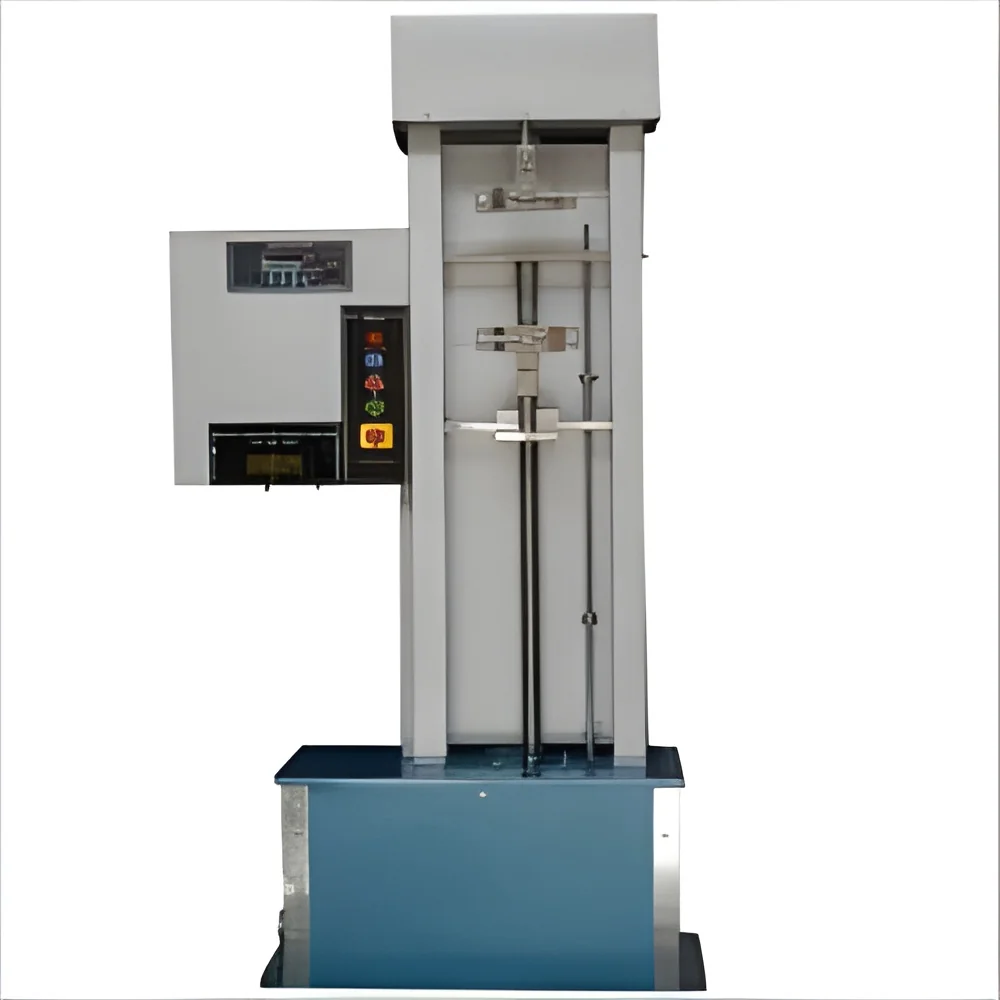
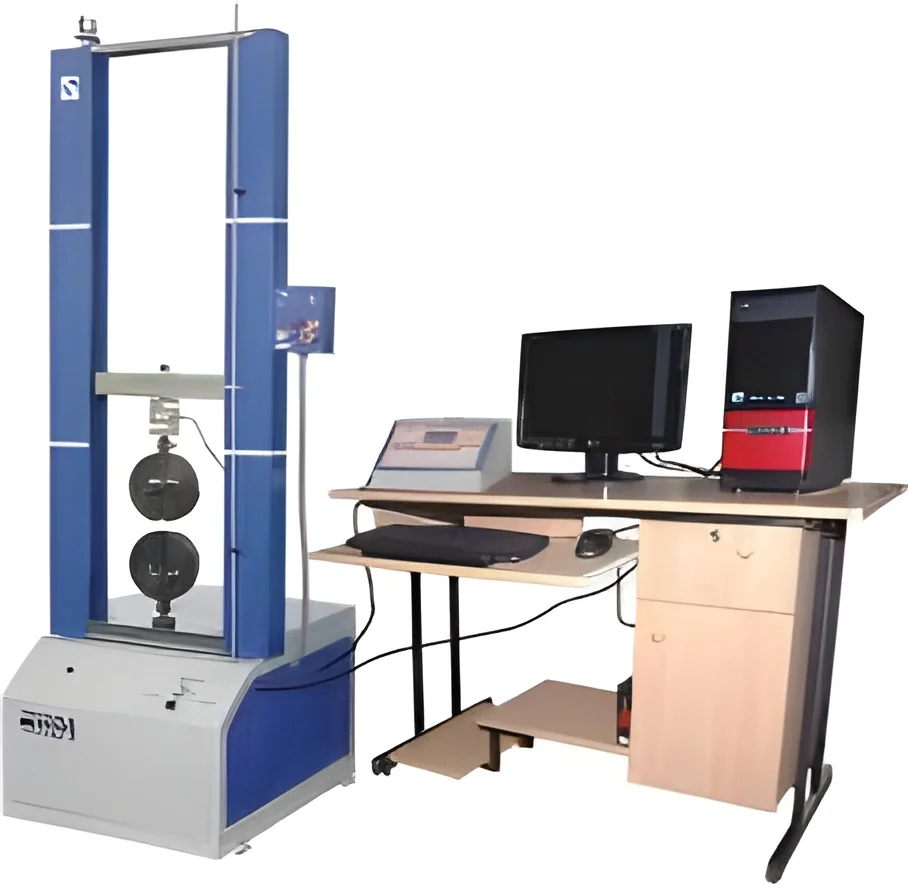
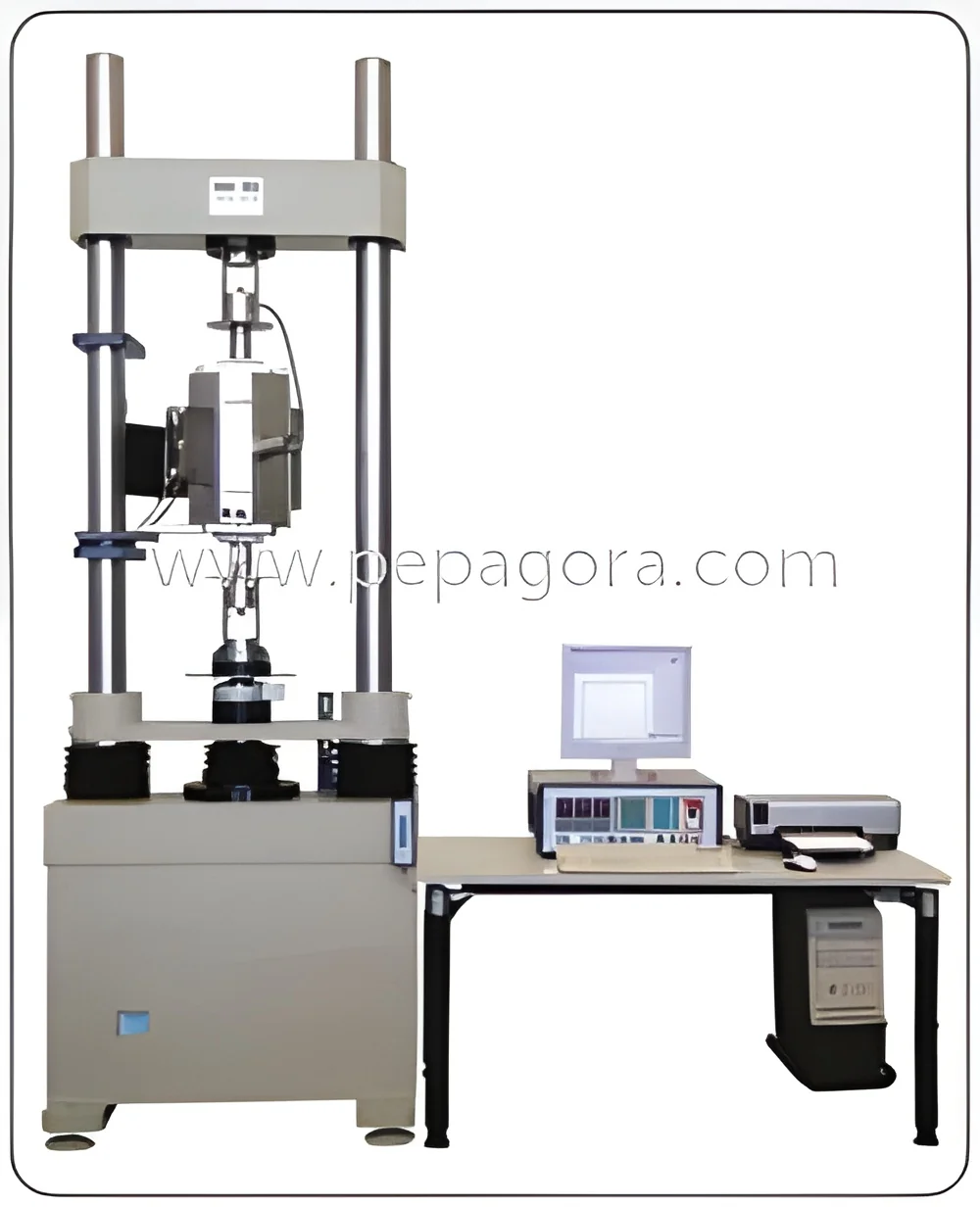
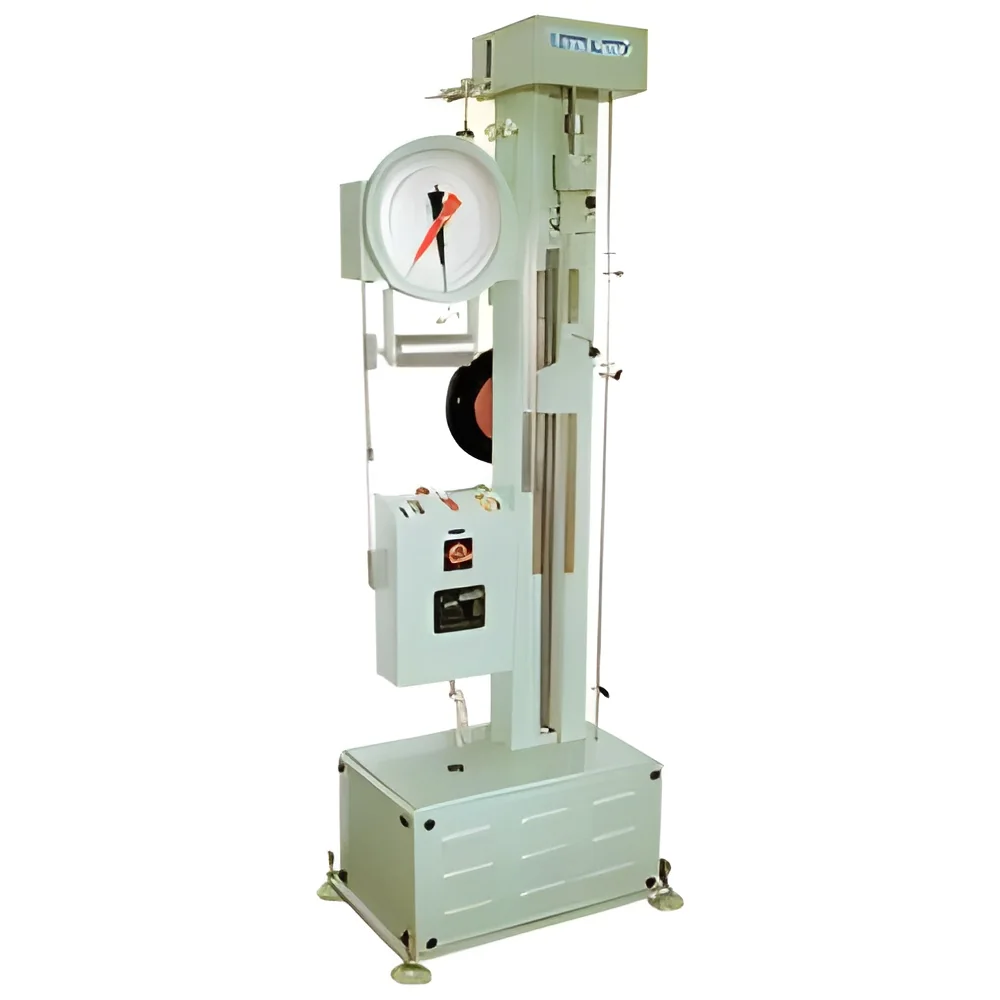
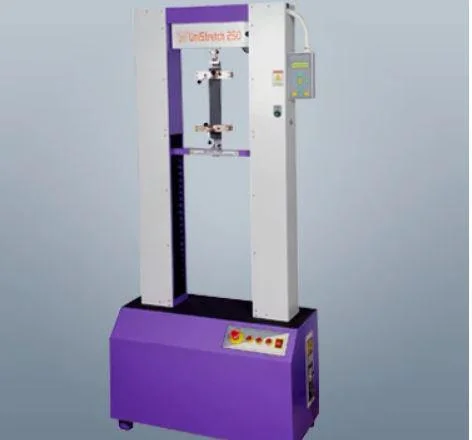
What are Tensile Testing Machines?
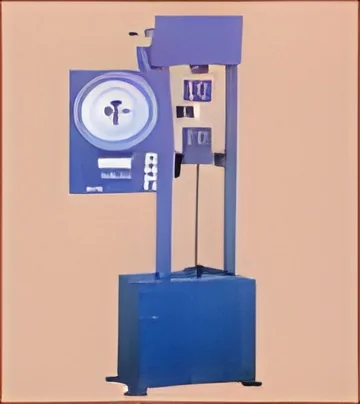
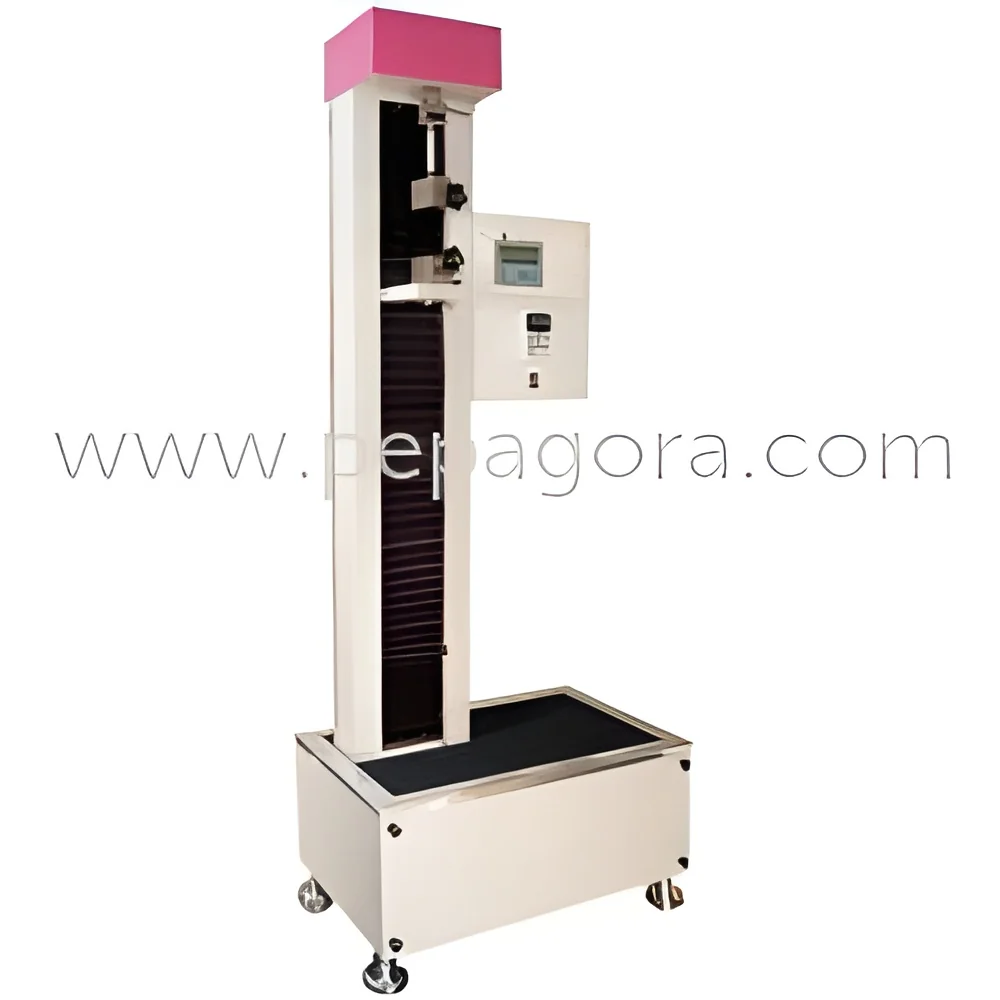
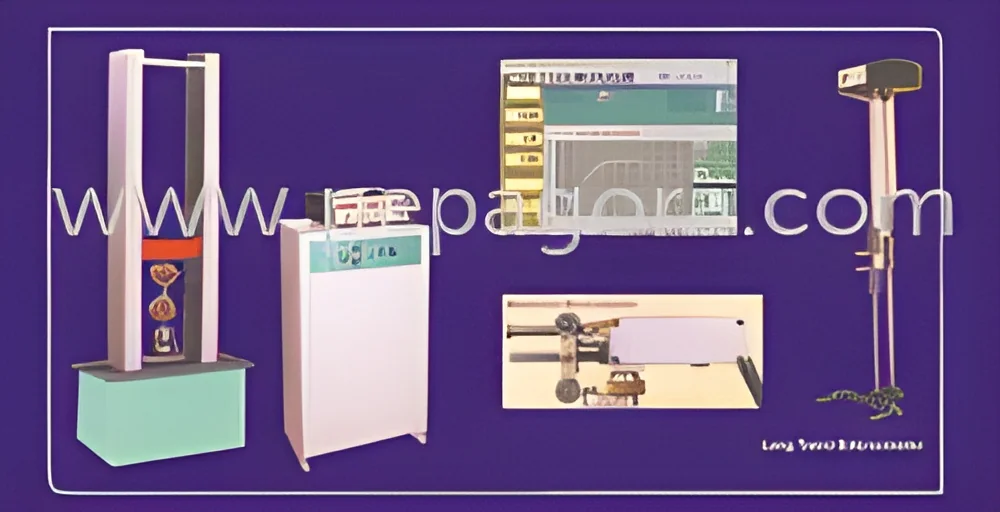
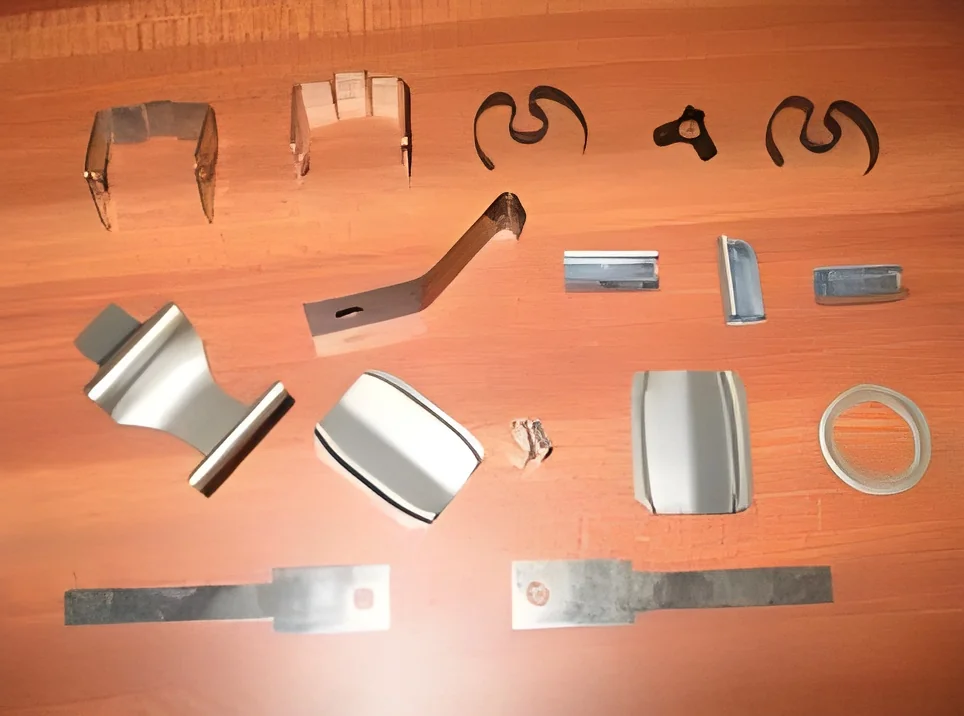
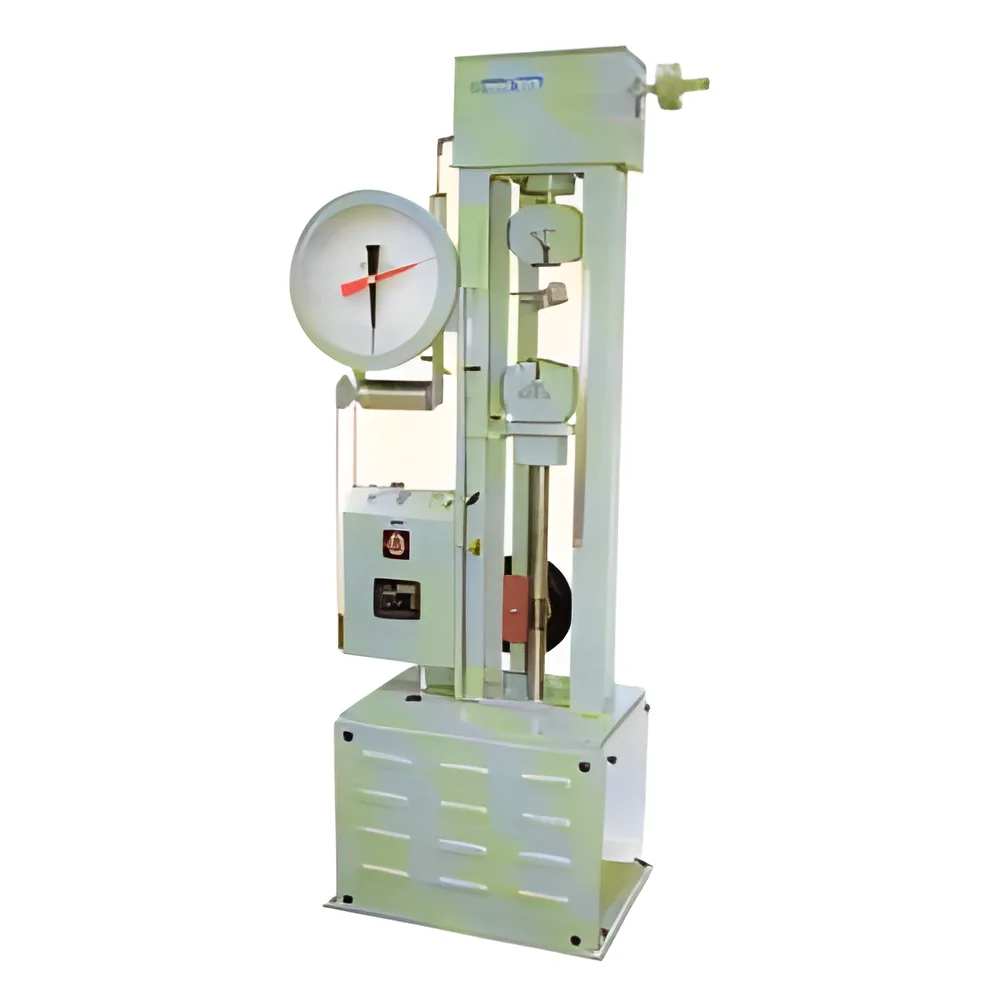
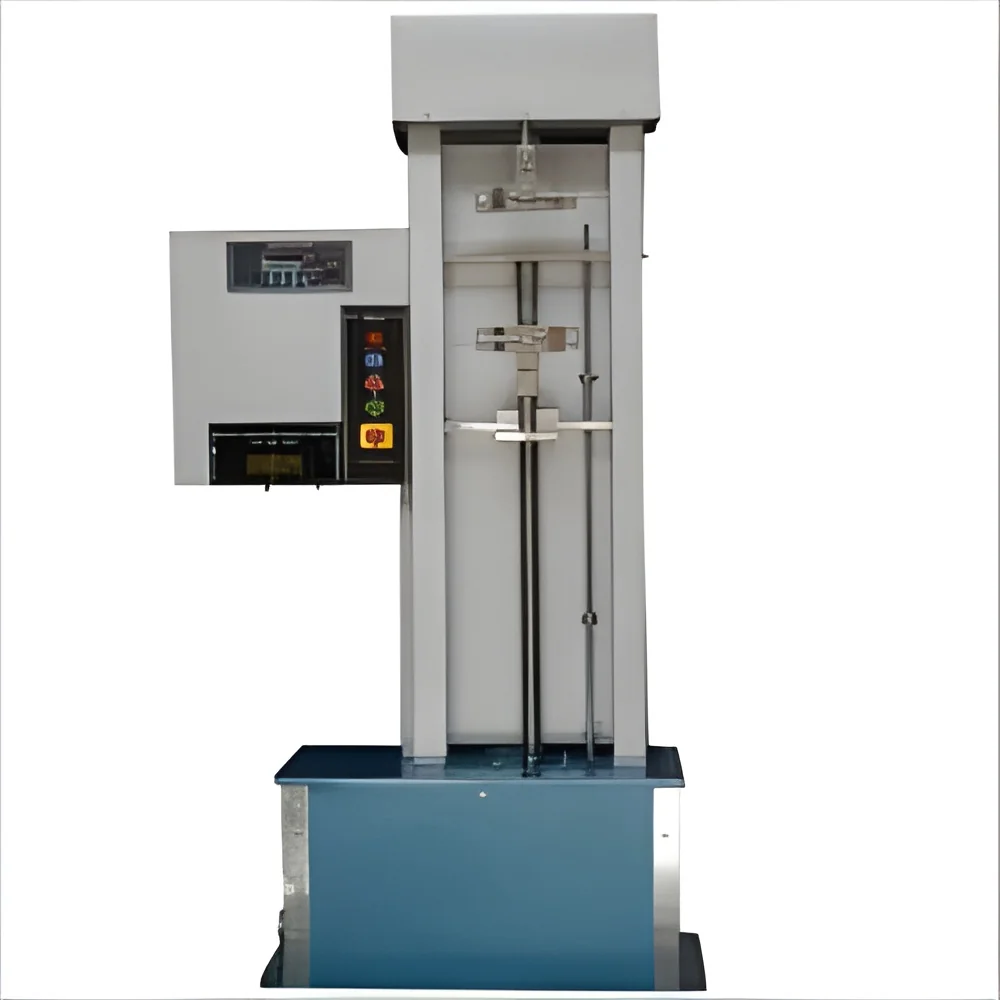
Tensile testing machines are specialized instruments designed to measure the mechanical properties of materials under tensile stress. These machines apply a controlled load to a specimen until it deforms or breaks, allowing for the assessment of properties such as tensile strength, elongation, and elasticity. By accurately measuring how materials respond to tension, tensile testing machines provide critical data that can inform material selection, quality control, and product design.
These machines are widely used in various industries, including manufacturing, construction, and materials science. Their primary applications include testing metals, plastics, textiles, and composite materials. Businesses utilize tensile testing to ensure that their products meet required specifications and standards, which is vital for safety and reliability. As industries strive for higher performance materials, tensile testing machines remain essential tools in material research and development.
With the increasing demand for quality assurance in production processes, the market for tensile testing machines is expanding. Innovations in technology are leading to more precise and user-friendly equipment, enhancing their relevance across various sectors. As industries continue to prioritize material safety and performance, the importance of tensile testing machines cannot be overstated.
Key Features and Specifications
Tensile testing machines come equipped with various features that enhance their functionality and accuracy. These features are critical for ensuring reliable test results and meeting industry standards.
Key specifications include:
1. Load Capacity
- Determines the maximum load the machine can apply during testing.
- Ranges typically from 1 kN to 500 kN, depending on the material being tested.
2. Crosshead Speed
- Refers to the speed at which the testing machine pulls the specimen.
- Adjustable speeds can range from 0.01 mm/min to 500 mm/min.
3. Elongation Measurement
- Measures the extent to which a material stretches before breaking.
- Usually measured in millimeters or as a percentage of the original length.
4. Data Acquisition System
- Records and analyzes test data in real-time.
- Often includes software for data visualization and reporting.
5. Grips and Fixtures
- Essential for holding the test specimen securely during testing.
- Available in various configurations to accommodate different material shapes and sizes.
6. Compliance with Standards
- Many machines conform to ASTM, ISO, and other relevant testing standards.
- Ensures that test results are valid and recognized internationally.
7. Safety Features
- Includes emergency stop functions and protective enclosures.
- Designed to ensure user safety during operation.
8. User Interface
- Features a user-friendly interface for easy operation.
- Often includes touch screens and software integration capabilities.
In summary, tensile testing machines offer a range of features and specifications that cater to diverse testing needs. Their ability to provide precise measurements makes them indispensable in ensuring material quality and performance.
Common Applications and Use Cases
Tensile testing machines are versatile tools that find application in a variety of industries.
1. Manufacturing: In manufacturing, tensile testing is crucial for ensuring that raw materials meet specific strength and durability requirements. Companies often use these machines to assess metals and polymers used in production.
2. Construction: The construction industry relies on tensile testing to evaluate the strength of materials such as concrete, steel, and composites. This testing helps ensure that structures can withstand stress and load.
3. Aerospace: In aerospace, the performance of materials is critical. Tensile testing machines are used to analyze the mechanical properties of materials used in aircraft construction, ensuring safety and compliance with stringent regulations.
4. Automotive: The automotive industry uses tensile testing to evaluate the strength and flexibility of components, such as metals and plastics, which are essential for vehicle safety and performance.
5. Textiles: In the textile industry, tensile testing machines assess the strength and elasticity of fabrics. This testing helps manufacturers produce durable and high-quality textile products.
6. Electronics: Tensile testing is also applied in electronics to test the reliability of materials such as wires and connectors under stress, ensuring their performance in various applications.
7. Research and Development: In R&D settings, tensile testing machines are used to develop new materials and improve existing ones. This testing provides valuable data that drives innovation.
Product Variants and Subcategories
Tensile testing machines come in various configurations to meet different testing requirements.
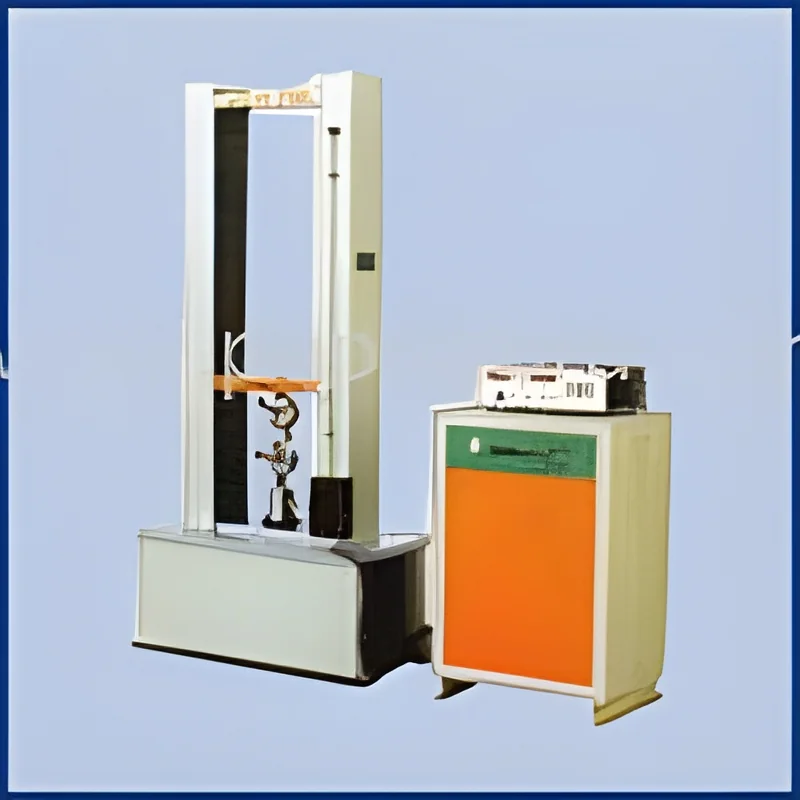
Universal Testing Machines: These machines are designed for a wide range of materials and applications. They can perform tensile, compression, and bending tests, making them highly versatile.
Electromechanical Testing Machines: These machines use electromechanical systems for precise control of testing speeds and loads. They are ideal for applications requiring high accuracy in measurement.
Hydraulic Testing Machines: Hydraulic systems provide high load capacities and are suitable for testing larger specimens. They are commonly used in industrial applications where heavy materials need to be assessed.
Portable Tensile Testing Machines: Designed for on-site testing, these machines are lightweight and easy to transport. They are valuable for field testing of materials in various locations.
Benefits and Advantages
Investing in tensile testing machines offers numerous benefits for businesses.
1. Improved Quality Control: Regular tensile testing ensures that materials consistently meet quality specifications, reducing defects and enhancing product reliability.
2. Enhanced Safety: By identifying weaknesses in materials, tensile testing helps prevent failures that could lead to accidents, protecting both users and manufacturers.
3. Compliance with Standards: Utilizing tensile testing machines helps organizations meet industry standards and regulations, which is essential for market acceptance and competitiveness.
4. Cost-Effective Solutions: By optimizing material selection and performance, tensile testing can lead to cost savings in production and reduce warranty claims.
5. Accelerated R&D: Access to accurate tensile data expedites research and development processes, allowing companies to innovate more rapidly.
6. Detailed Reporting: Modern tensile testing machines provide comprehensive reports, enabling better analysis and decision-making regarding material usage and production methods.
Buying Guide for B2B Buyers
When sourcing tensile testing machines, it is important to consider several key factors to ensure the right choice for your business needs.
1. Quality Assessment: Evaluate the quality of the machine by reviewing specifications and performance data. Look for machines that adhere to industry standards and have a solid reputation for reliability.
2. Supplier Verification: Vet suppliers by checking their credentials, customer reviews, and industry experience. Reliable suppliers will provide support and service, ensuring you have assistance when needed.
3. Pricing and MOQ: Understand the pricing structure and minimum order quantities (MOQ) offered by suppliers. Compare costs and consider the total cost of ownership, including maintenance and support.
4. Delivery and Lead Times: Inquire about the delivery schedules and lead times for machines. Timely delivery is crucial for minimizing downtime and maintaining production schedules.
5. Compliance Requirements: Ensure that the tensile testing machines meet any regulatory compliance requirements specific to your industry. This may include certifications such as CE and adherence to safety standards.
Compliance and Certifications
Tensile testing machines must adhere to various quality standards and certifications to ensure their reliability and safety in operation. One of the key standards is ISO 9001, which outlines requirements for a quality management system. Compliance with ISO ensures that manufacturers consistently provide products that meet customer and regulatory requirements.
In addition to general quality standards, industry-specific certifications such as CE are important. This certification indicates that the machine complies with European safety, health, and environmental protection standards. It is crucial for machines used in markets that require such compliance, ensuring that they are safe for use.
Safety and testing requirements are also critical in the design and operation of tensile testing machines. Manufacturers must ensure that their machines include safety features to protect operators during testing. This may involve protective enclosures, emergency stop functions, and clear operational guidelines.
Furthermore, regional compliance considerations may vary based on local regulations. Organizations must be aware of these regulations to ensure that their tensile testing machines are compliant in the regions where they operate.
Why Source Tensile Testing Machines from Pepagora?
Pepagora offers a trusted platform for sourcing tensile testing machines, providing several key advantages for B2B buyers.
Verified Supplier Network: Pepagora connects buyers with verified suppliers, ensuring that all listed machines meet high-quality standards. This network helps buyers find reliable sources for their testing needs.
Streamlined RFQ Process: The request for quotation (RFQ) process on Pepagora is designed to be user-friendly and efficient. Buyers can submit requests quickly and receive competitive quotes from multiple suppliers, facilitating informed purchasing decisions.
Trade Assurance and Support: Pepagora provides trade assurance, protecting buyers against potential issues with orders. The platform also offers support throughout the purchasing process, ensuring a smooth experience for customers.
Regional Coverage: With a strong presence in India, the GCC, and Southeast Asia, Pepagora offers extensive regional coverage. This geographic reach ensures that buyers can easily find suppliers that cater to their location and specific market needs.
In conclusion, sourcing tensile testing machines from Pepagora provides buyers with access to a wide range of quality products, a supportive purchasing environment, and the assurance of working with verified suppliers.

 IN
IN