
 IN
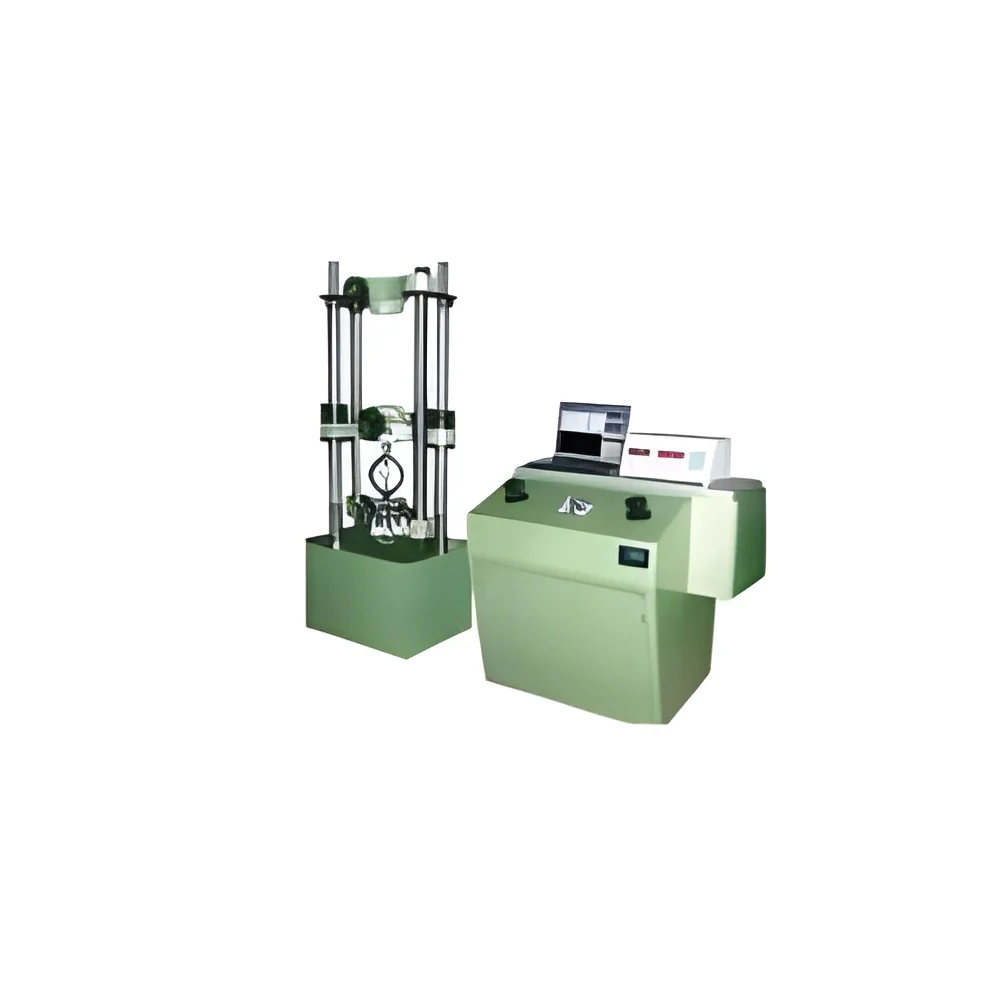
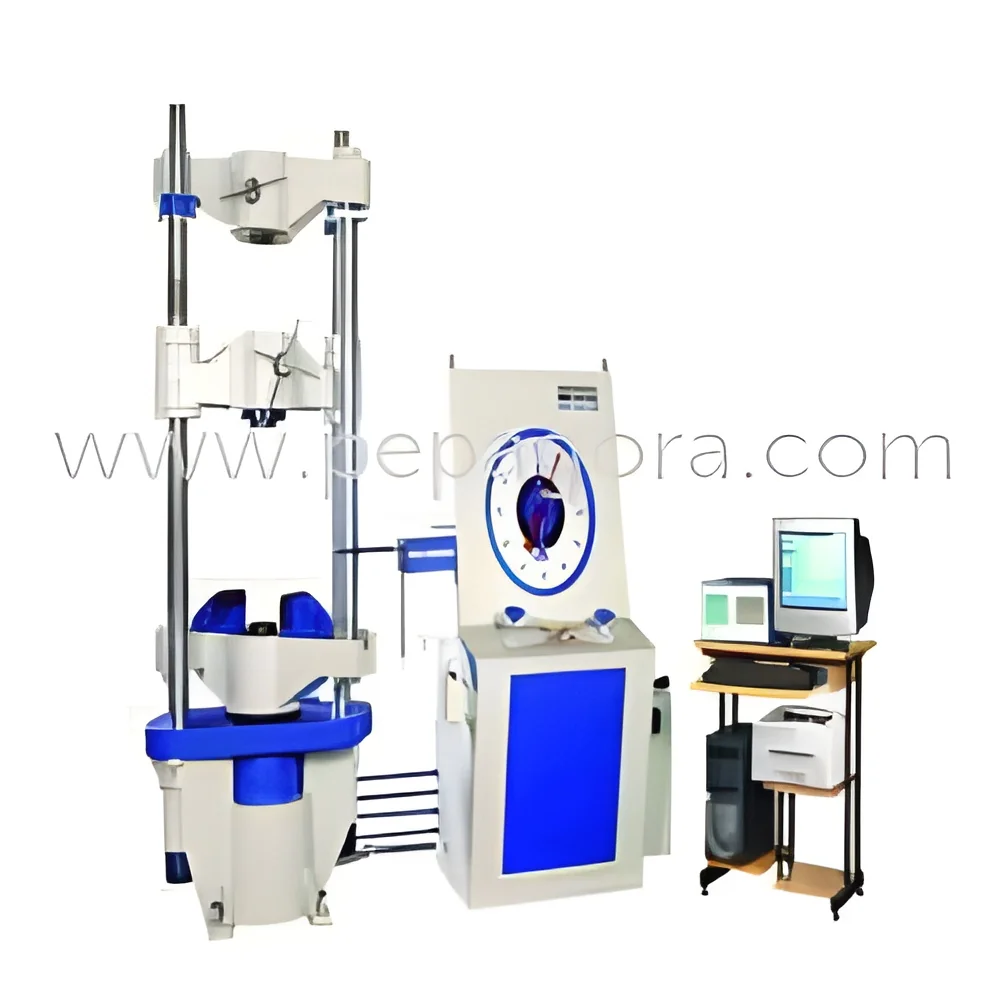
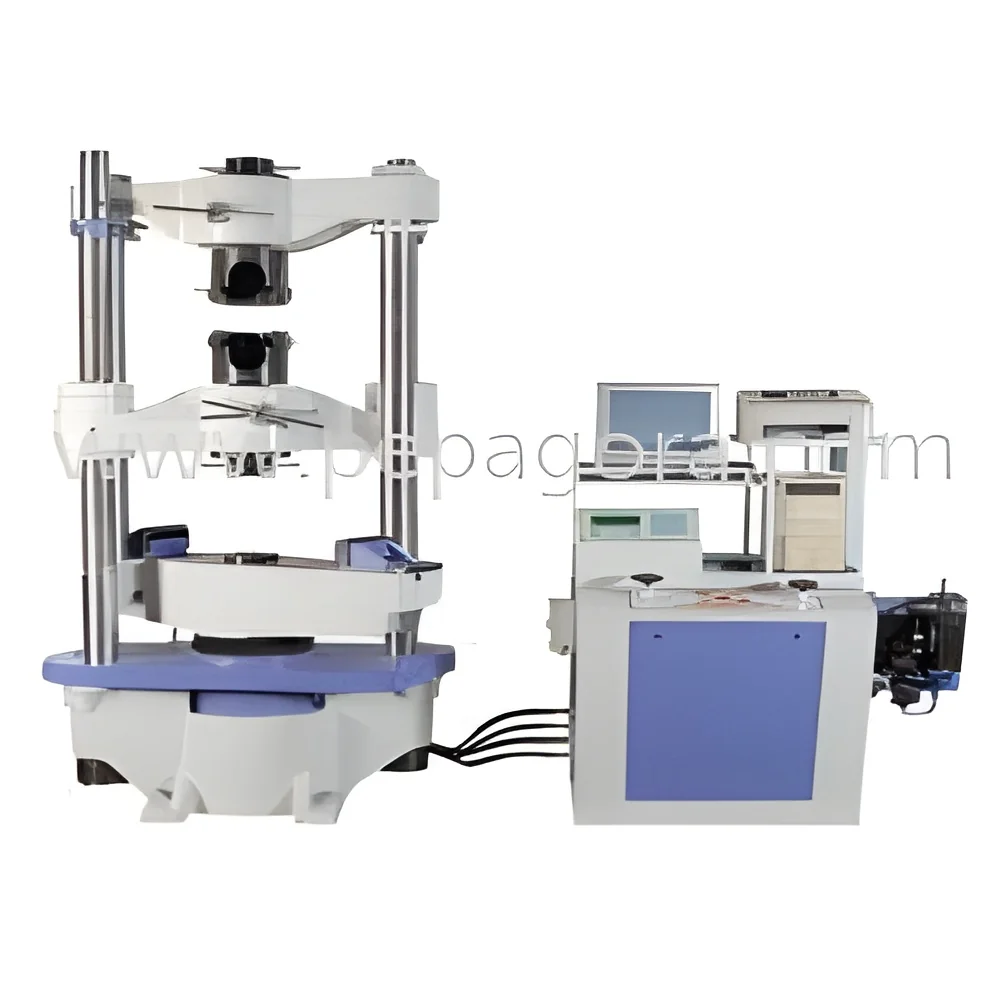
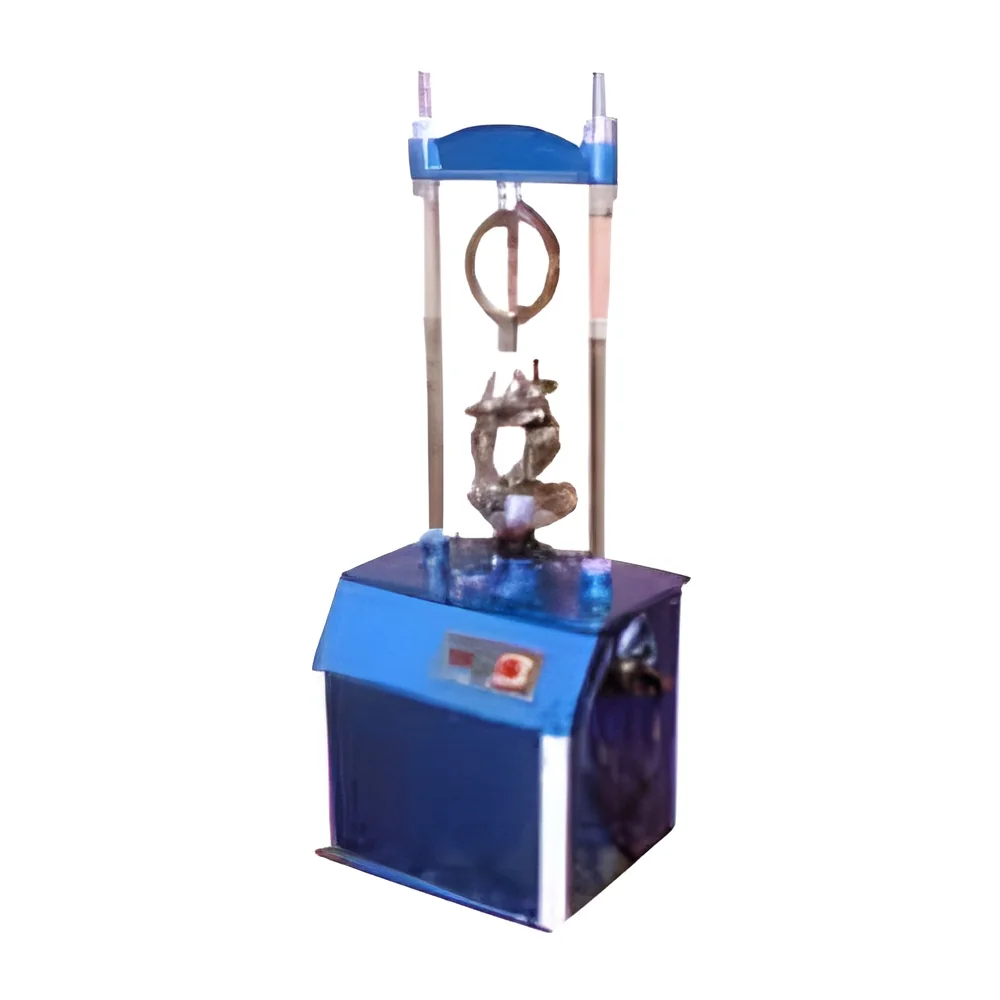
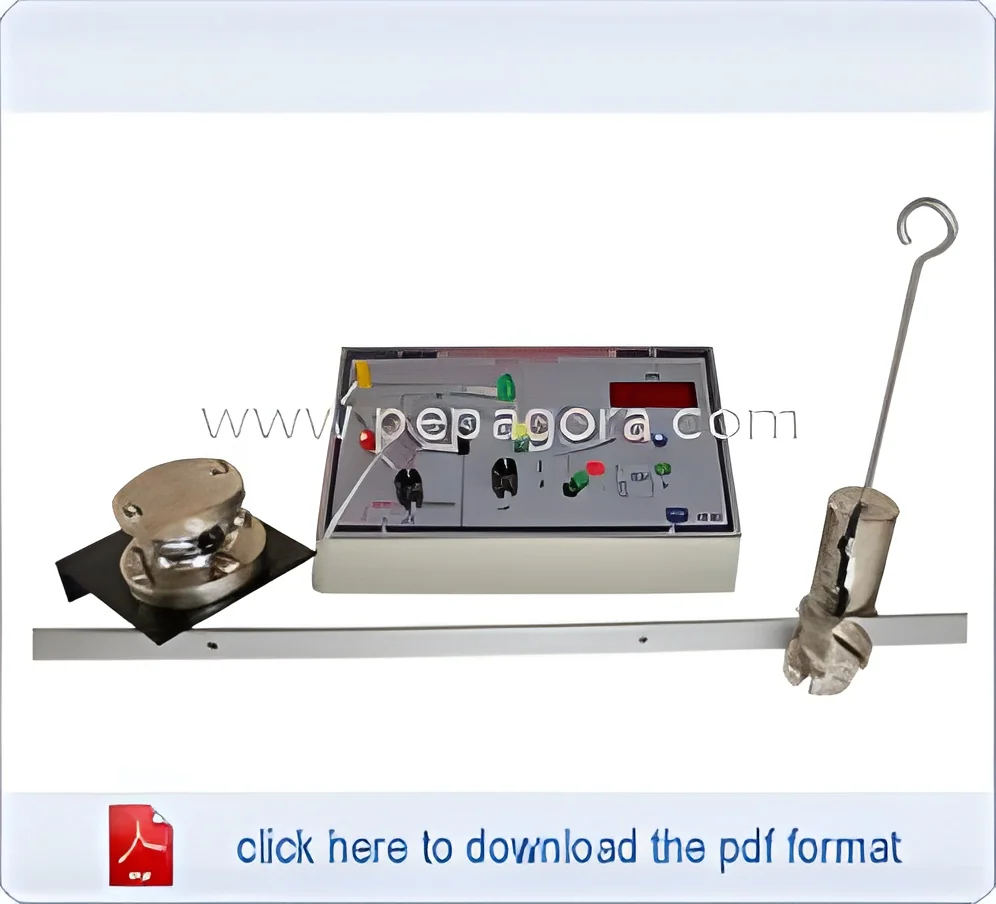
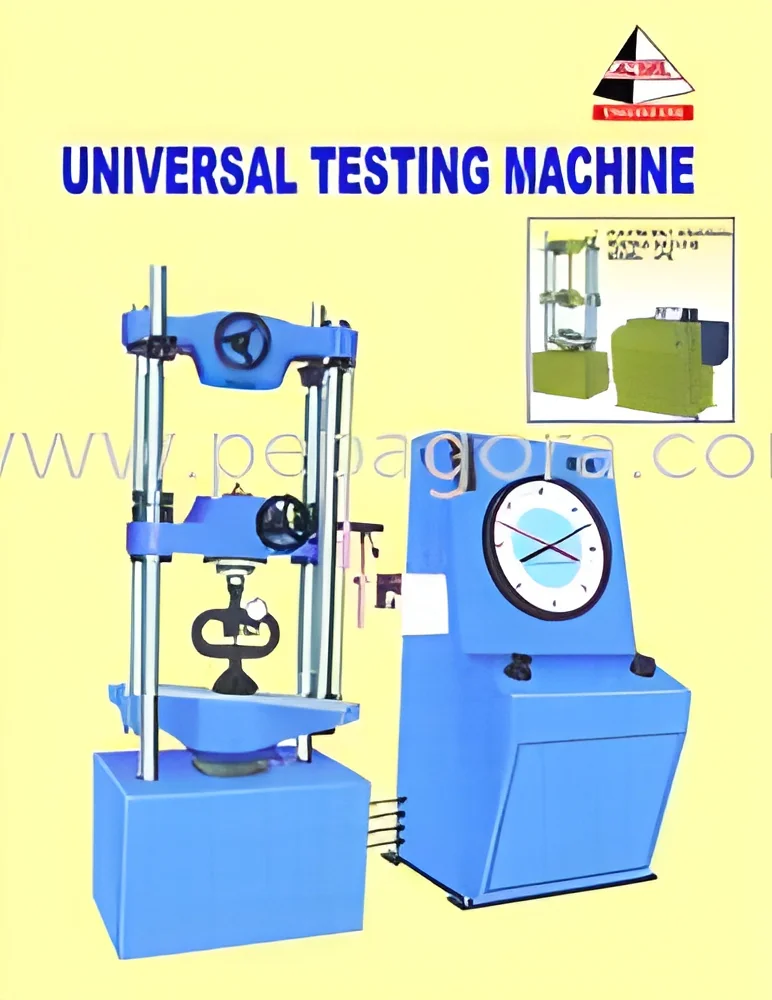
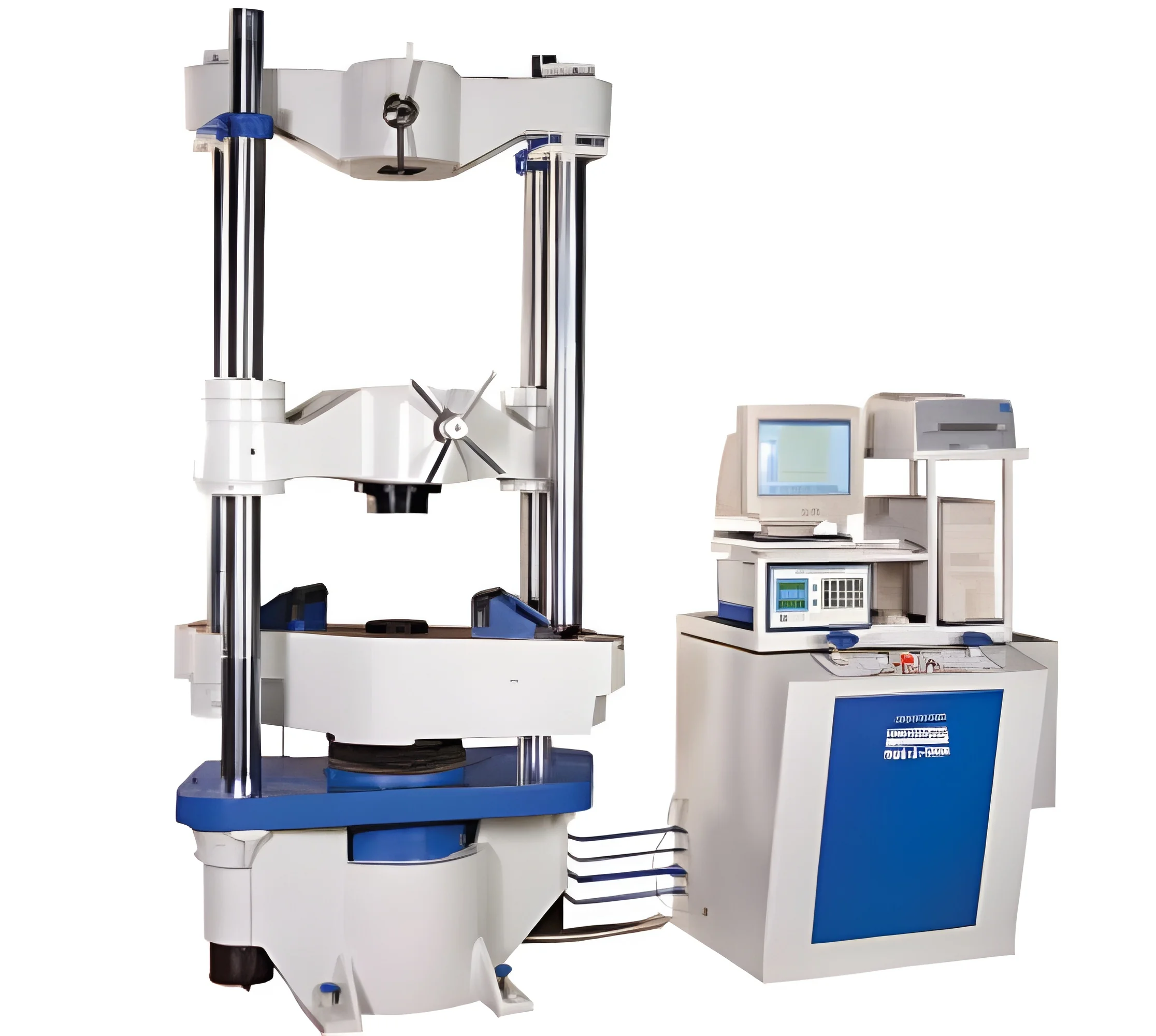
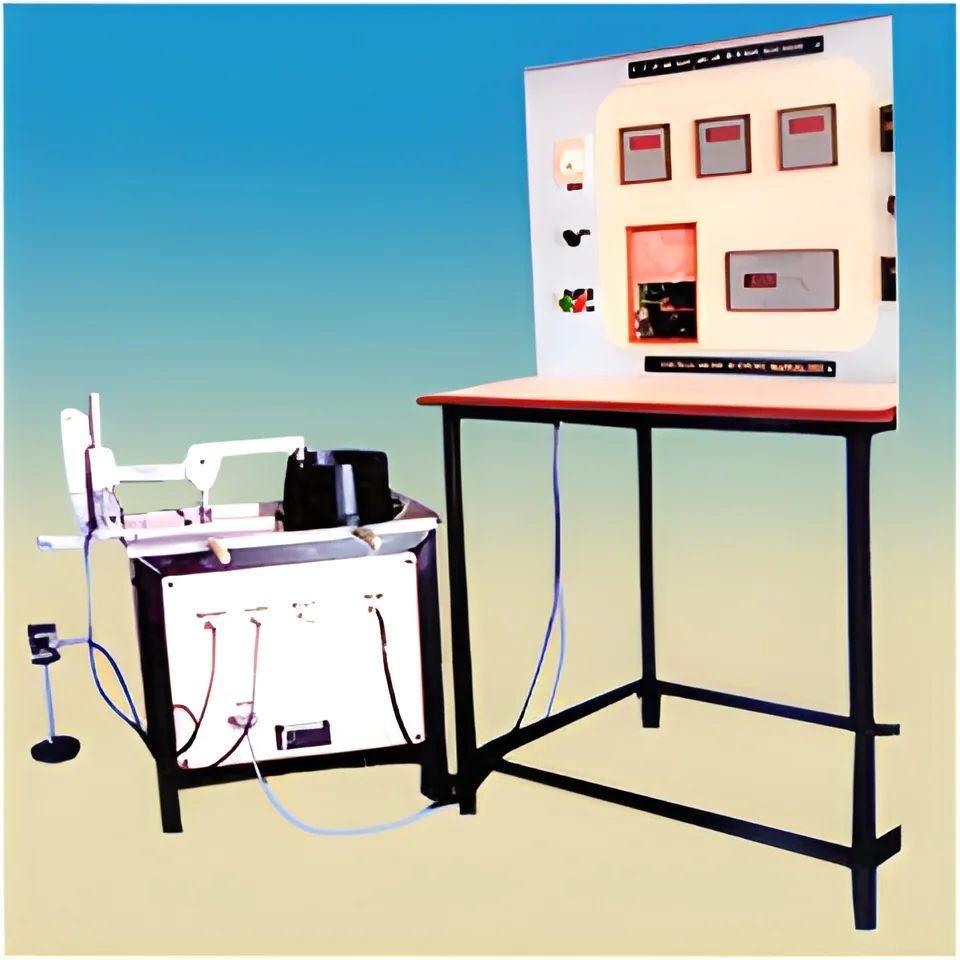
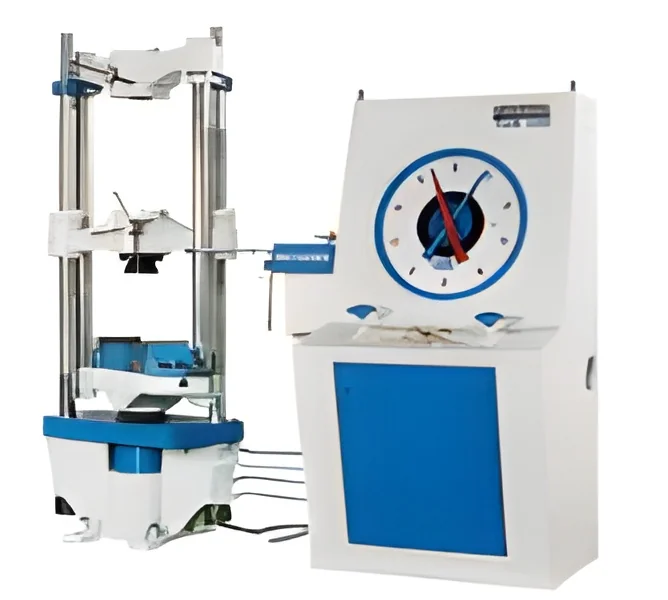
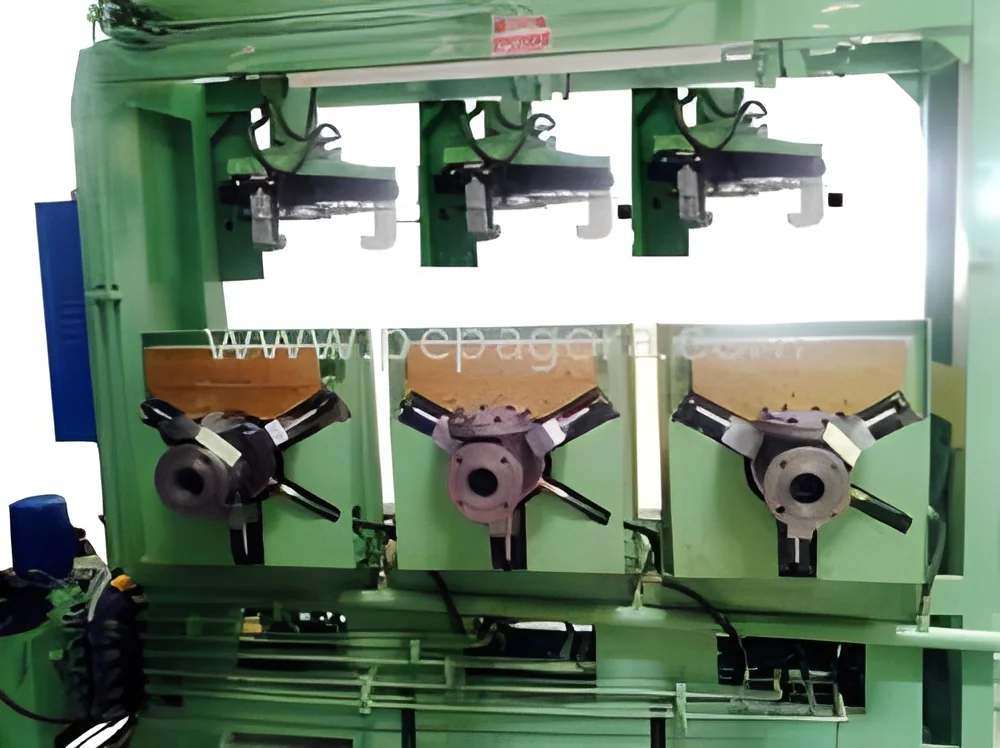
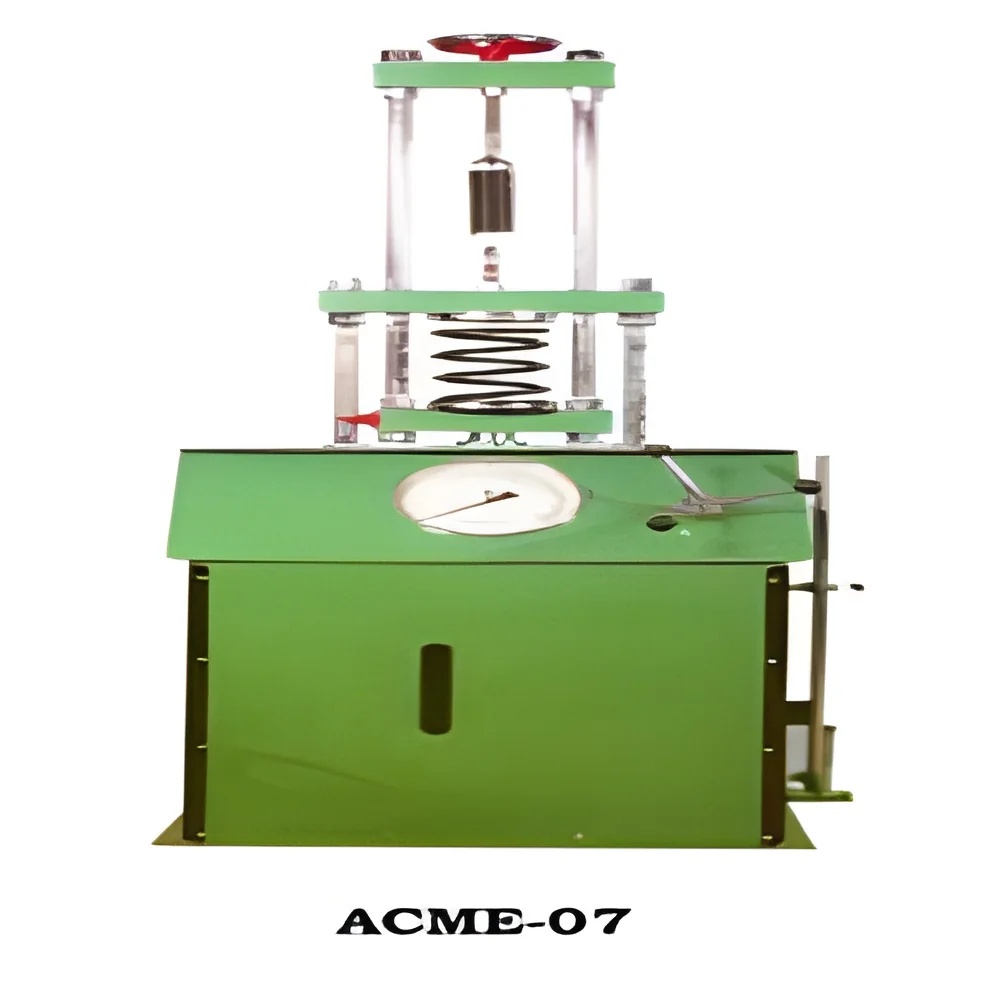
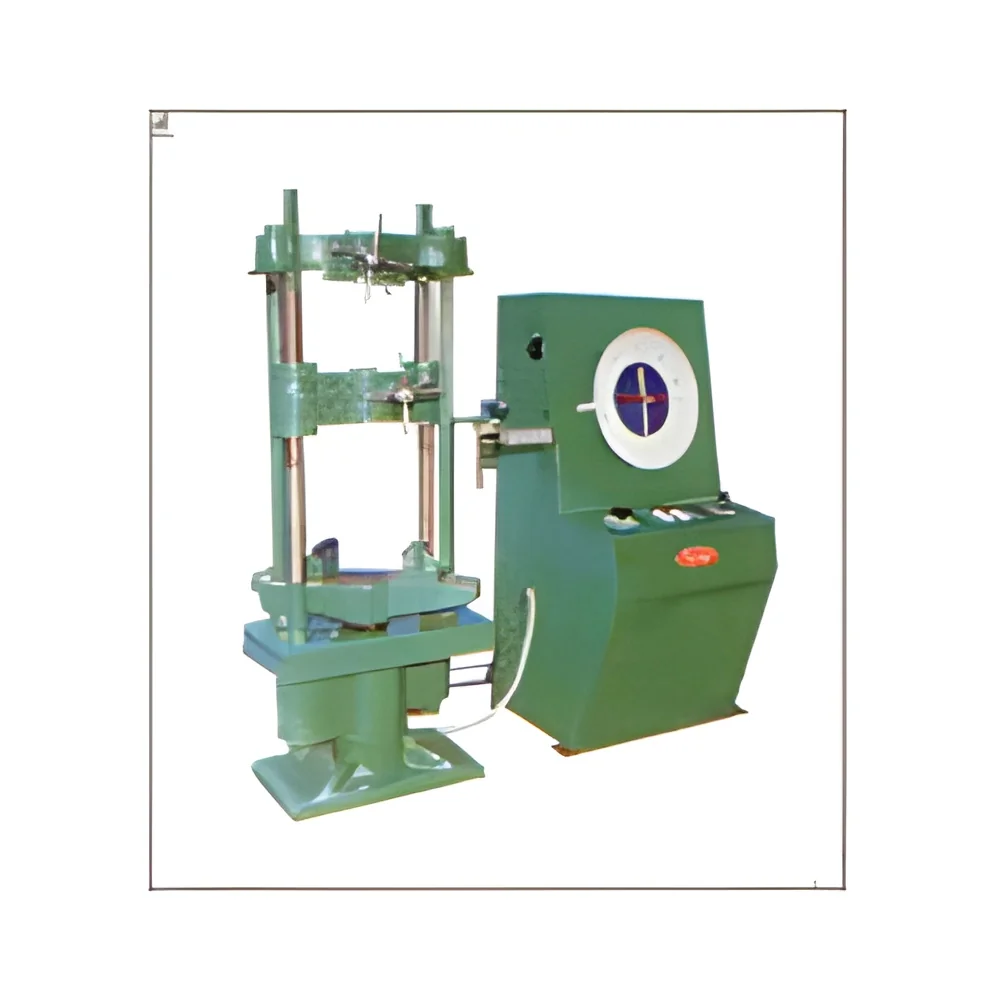
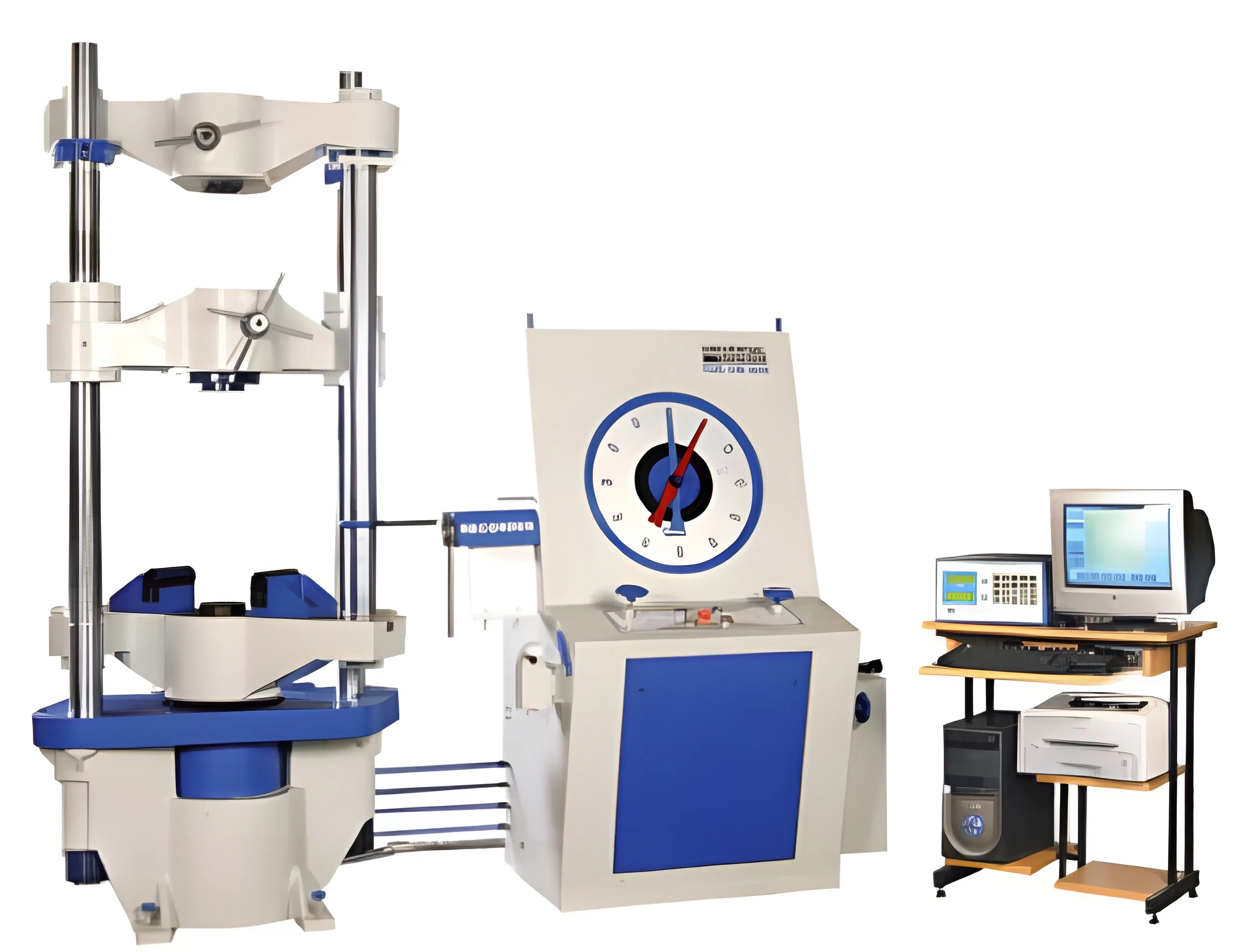
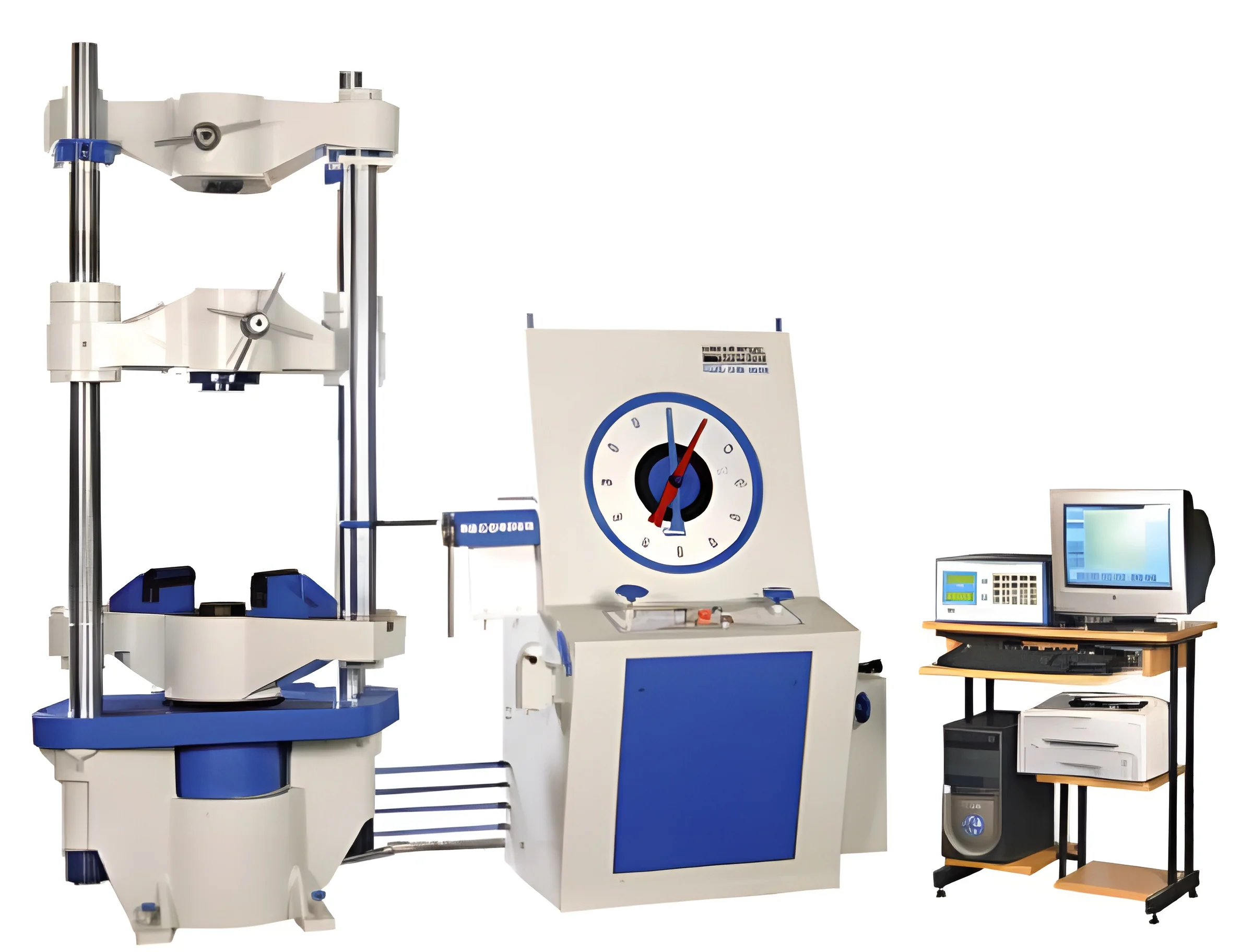
Universal Testing Machines (UTM)
137 products available
Key Features and Specifications
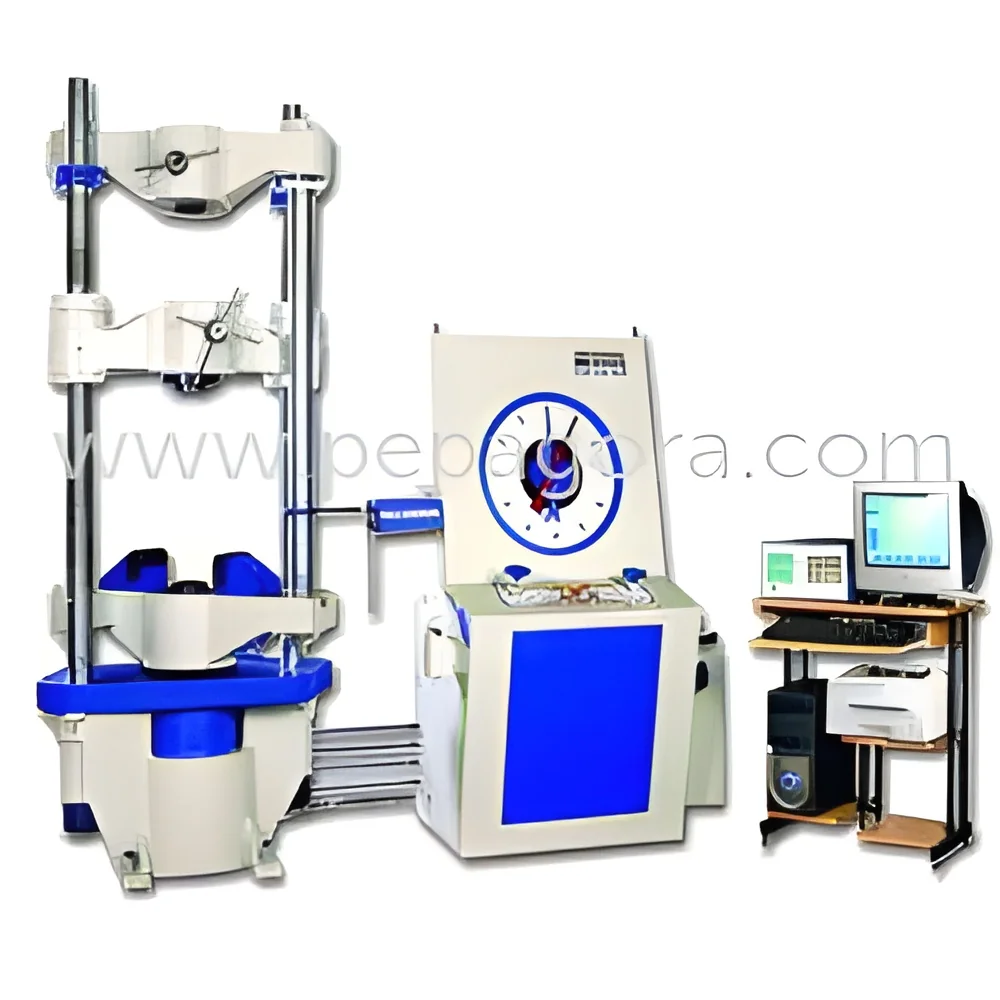
Universal Testing Machines are equipped with several key features that enhance their functionality and usability. These specifications ensure that users can perform a variety of tests with precision and reliability.
Key specifications include:
1. Load Capacity
- Typically ranges from a few hundred grams to several hundred tons.
- Allows testing of a wide range of materials, from metals to polymers.
2. Measurement Accuracy
- Usually within ± 0.5% of full scale.
- Ensures precise readings for critical tests.
3. Speed Control
- Variable speed settings from 0.01 to several hundred mm/min.
- Allows for tailored testing conditions based on material requirements.
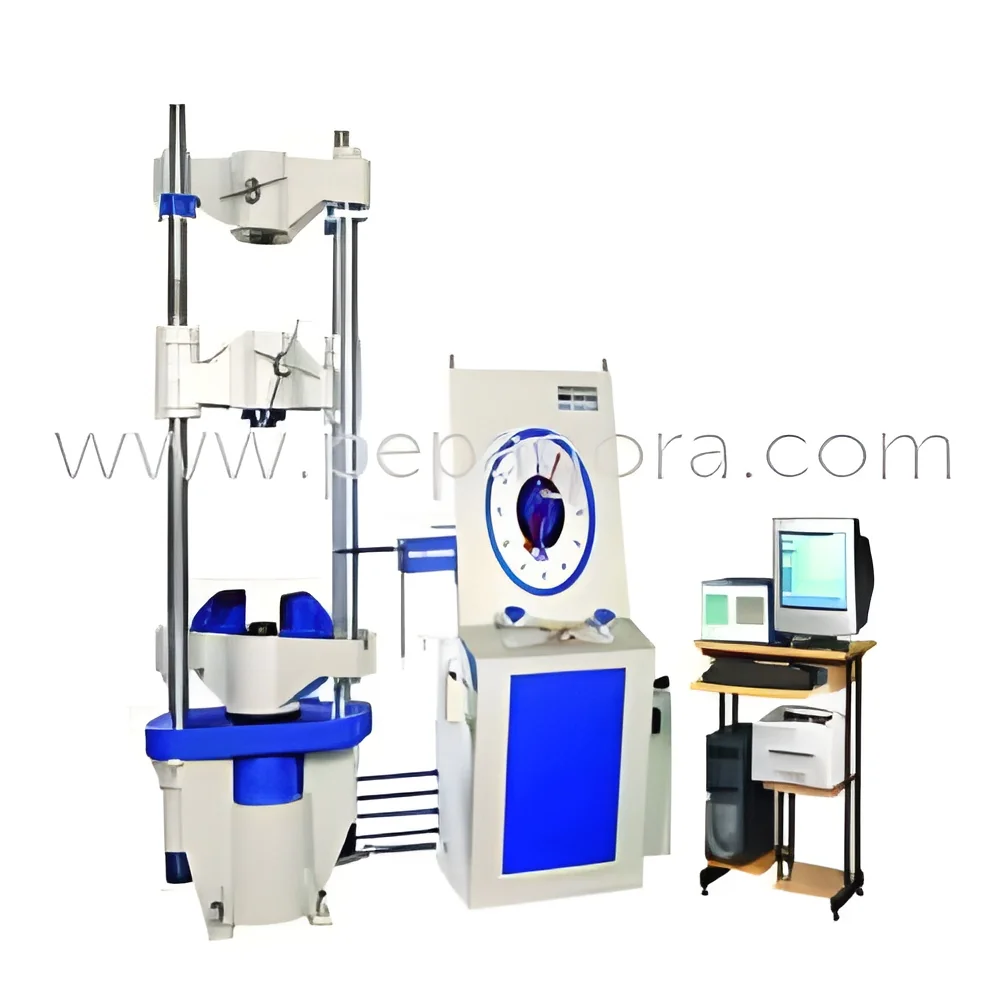
4. Software Integration
- Compatible with advanced data analysis software.
- Enhances reporting capabilities and data management.
5. Frame Type
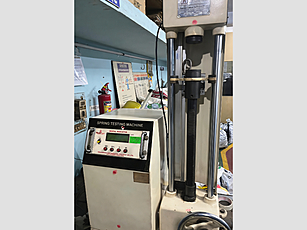
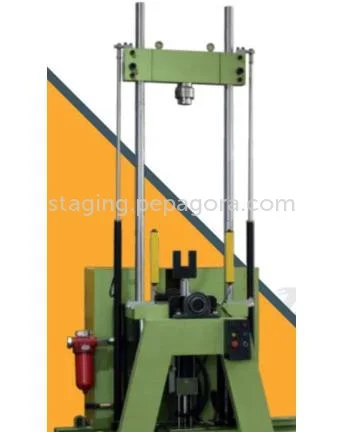
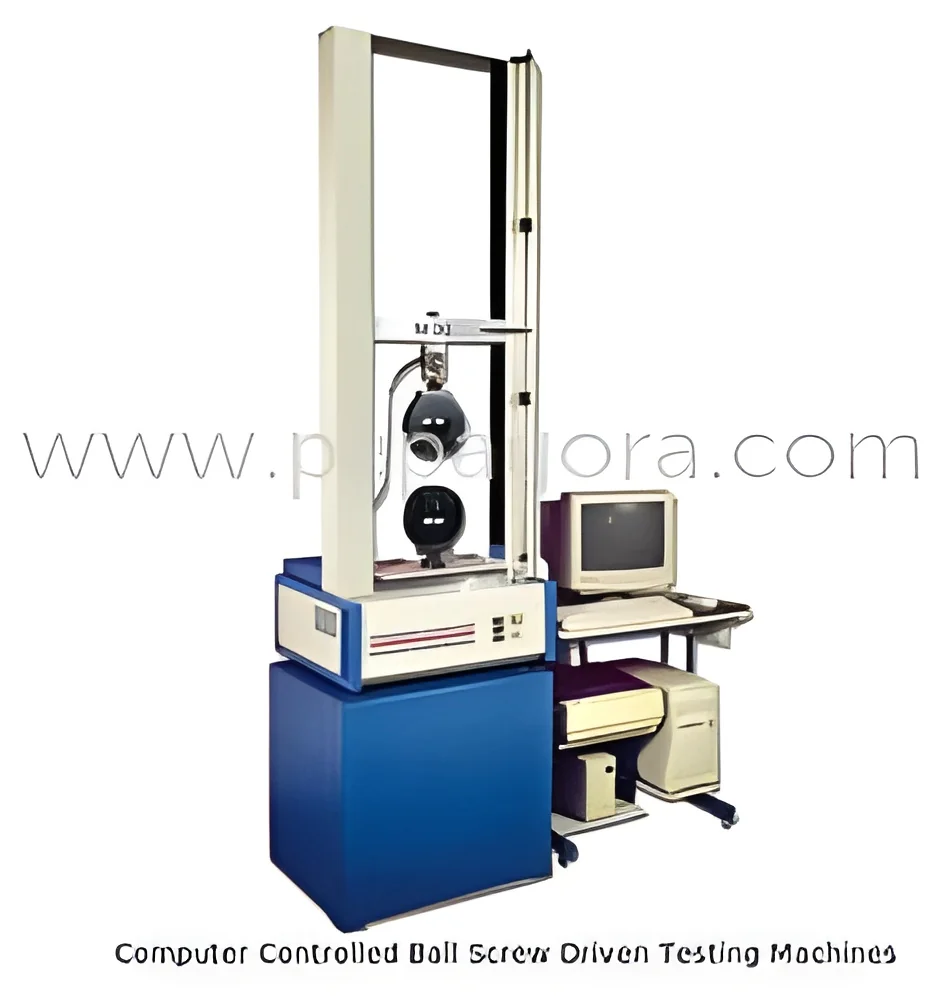
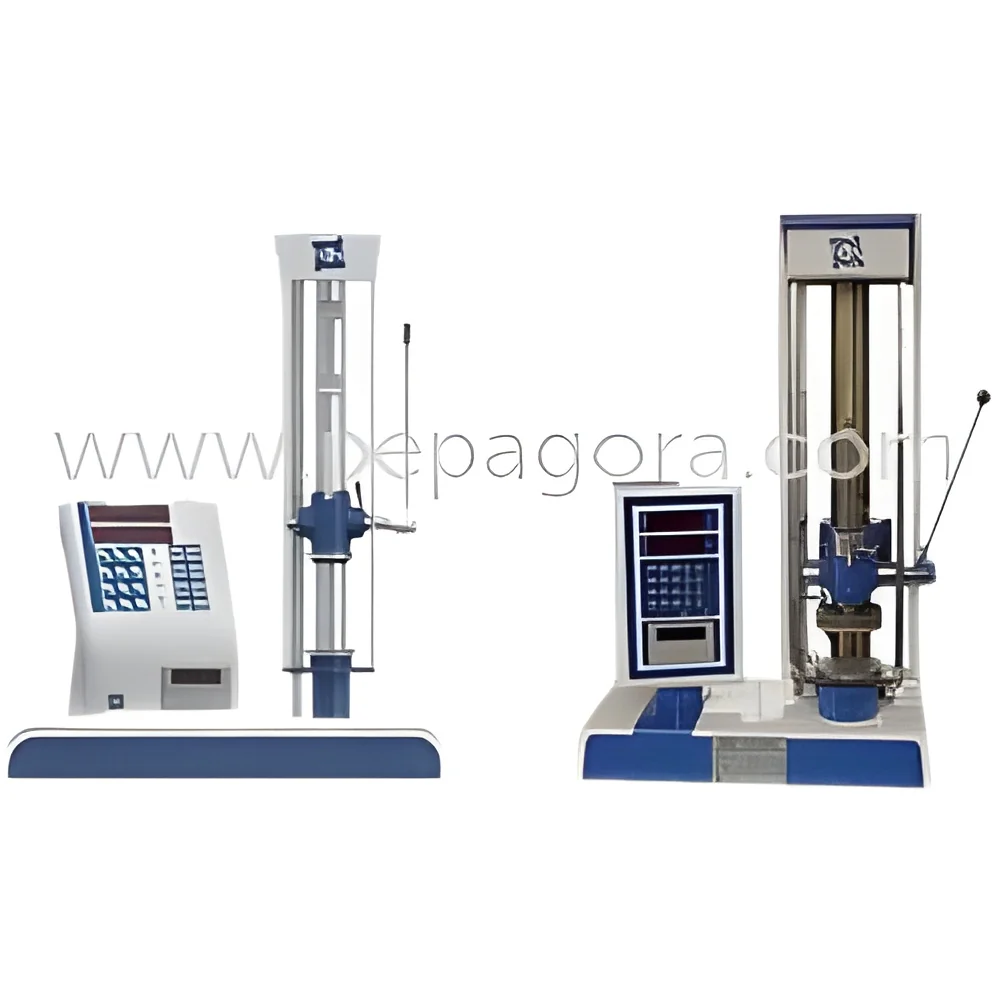
- Can be either a dual-column or a single-column design.
- Variations in design affect stability and space requirements.
6. Test Modes
- Supports multiple modes including static, dynamic, and cyclic testing.
- Adaptable for various material testing needs.
7. Safety Features
- Equipped with overload protection and emergency stop functions.
- Enhances user safety during testing procedures.
8. Compliance Standards
- Designed to meet international testing standards such as ISO and ASTM.
- Essential for industries requiring compliance with regulatory requirements.
Overall, these features make Universal Testing Machines a crucial tool for ensuring material reliability and quality.
Common Applications and Use Cases
Universal Testing Machines are employed in numerous industries to assess material properties and ensure safety and compliance.
1. Aerospace: UTMs are used to test the strength and durability of various materials like composites and metals used in aircraft manufacturing.
2. Construction: These machines evaluate concrete, steel, and other building materials to ensure they meet safety and performance standards.
3. Automotive: Used for testing components and materials to ensure they can withstand stress and strain during vehicle operation.
4. Plastics: UTMs are essential for testing plastic materials to assess their tensile strength and flexibility.
5. Textiles: Employed to determine the strength and elasticity of fabrics in the textile industry.
6. Electronics: Used for testing the mechanical properties of electronic components and materials to ensure reliability.
7. Medical Devices: UTMs help in testing the materials used in medical devices to ensure they meet stringent safety standards.
Product Variants and Subcategories
Universal Testing Machines come in various models and configurations to meet specific testing requirements.
Electromechanical UTM: This variant uses electric motors to apply force and is ideal for precision tests. It is commonly used in laboratories for materials that require high accuracy.
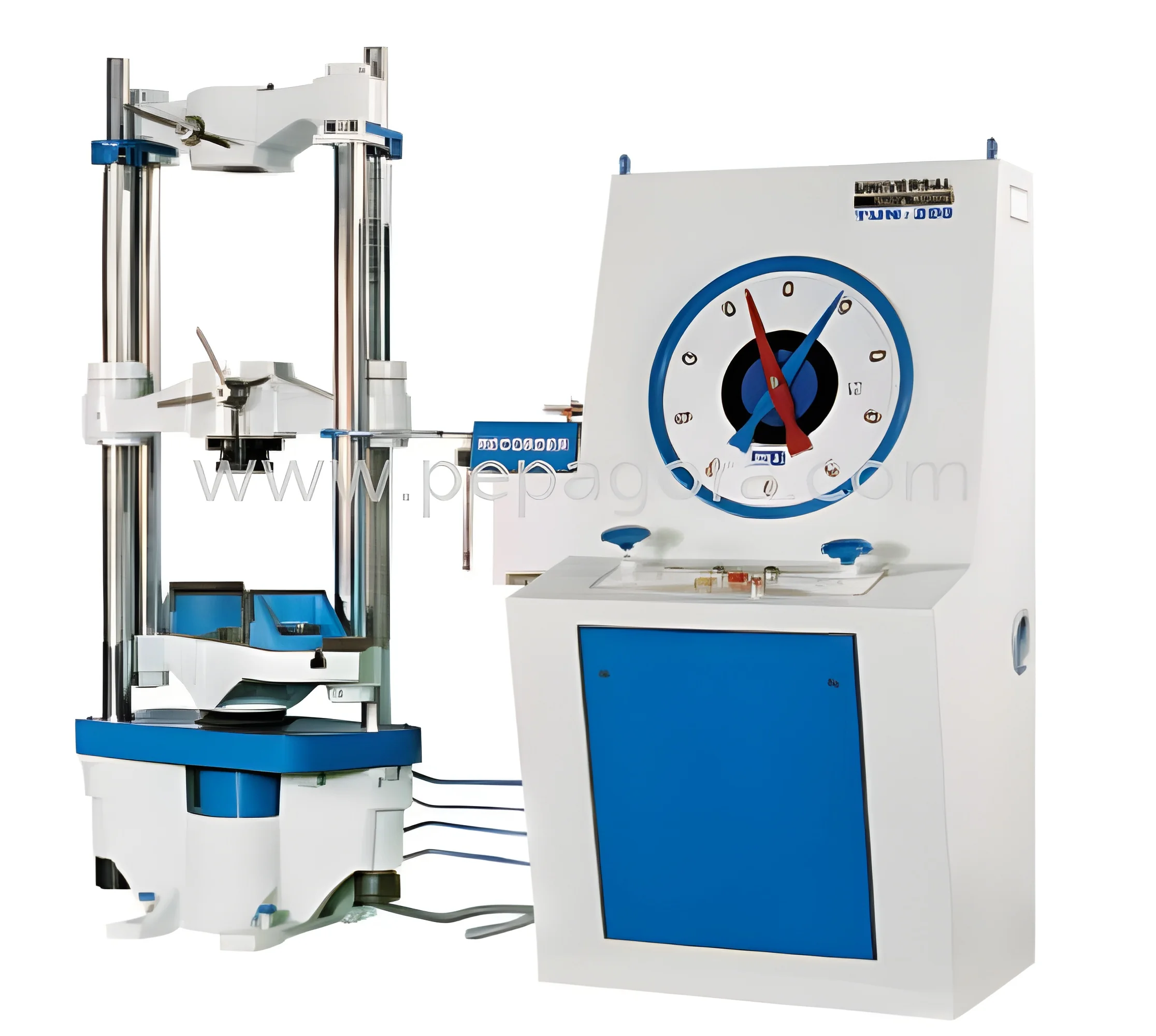
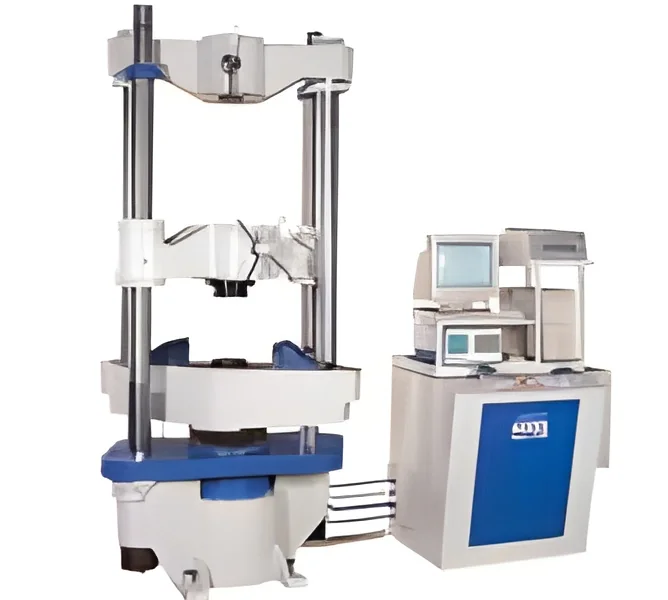
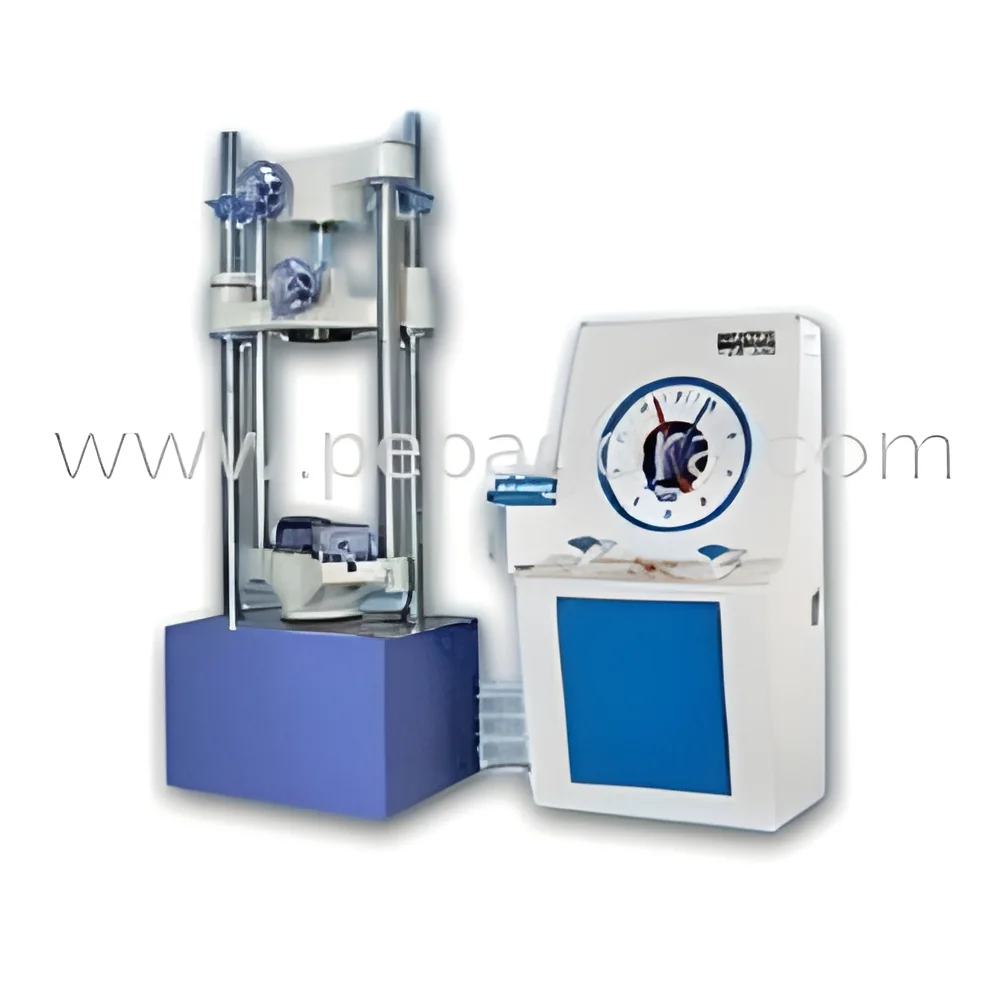
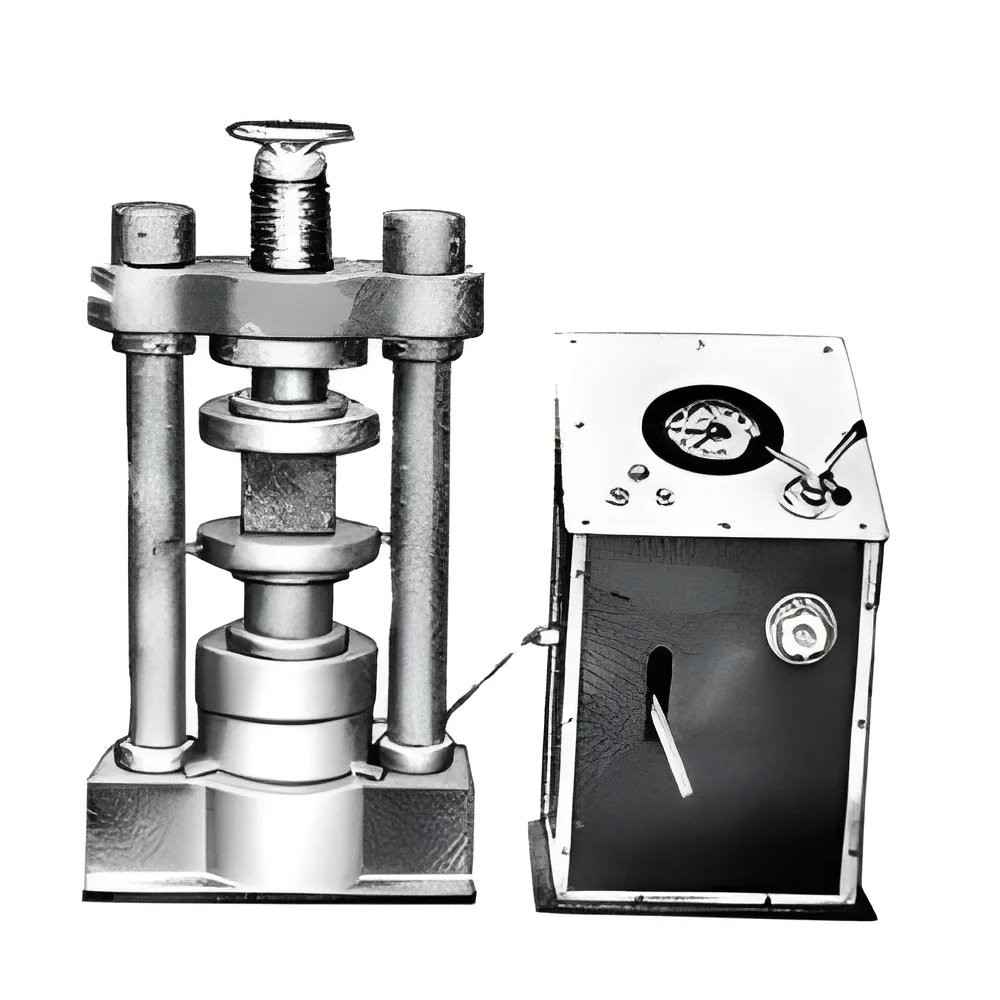
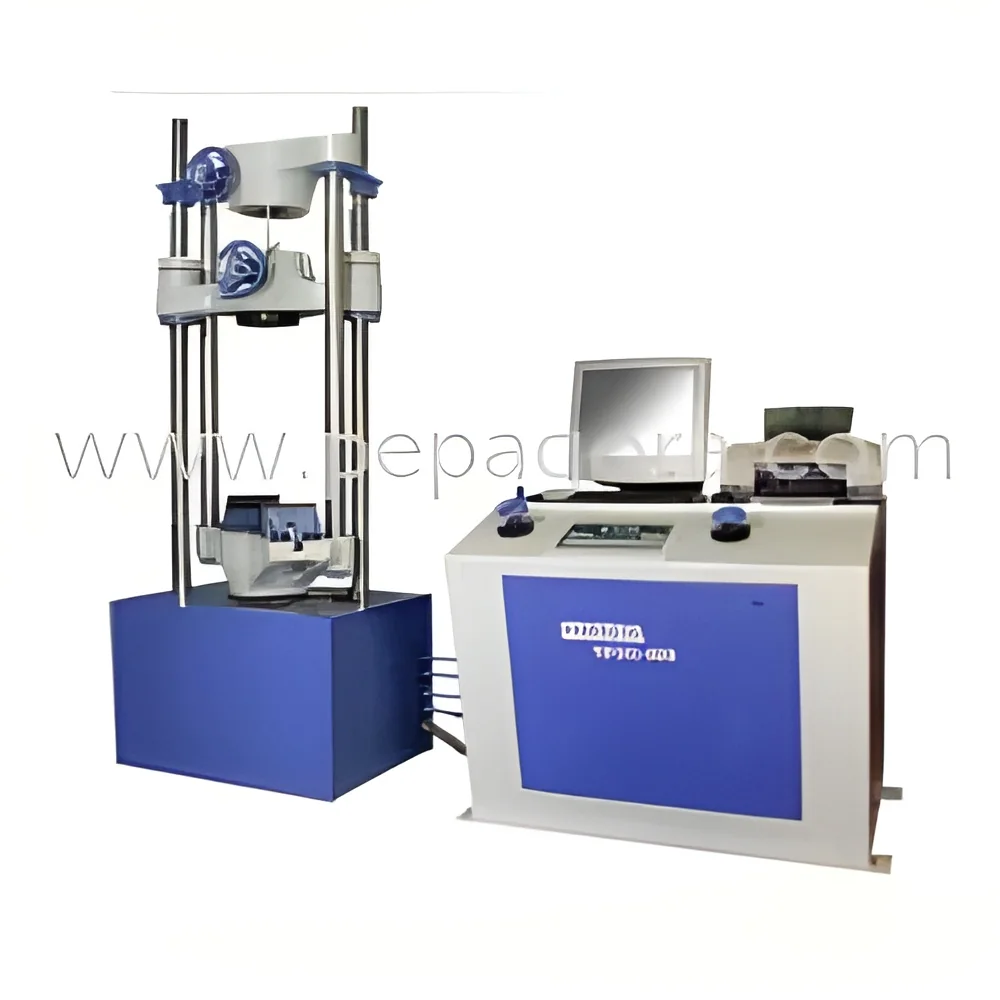
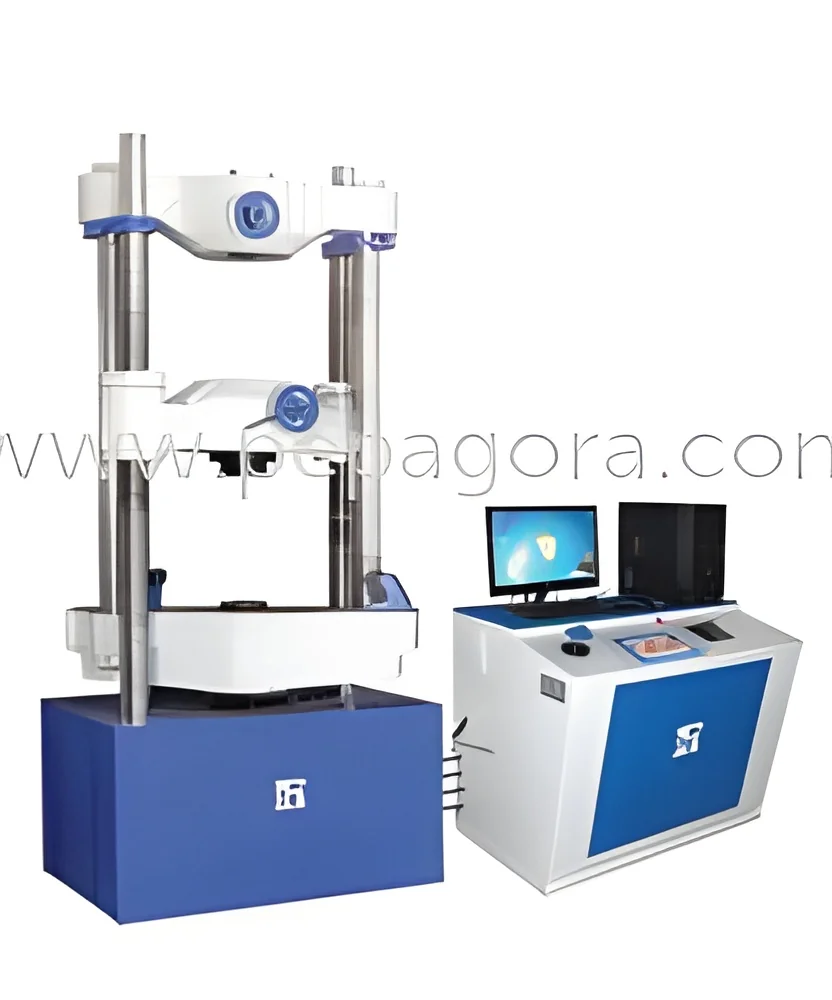
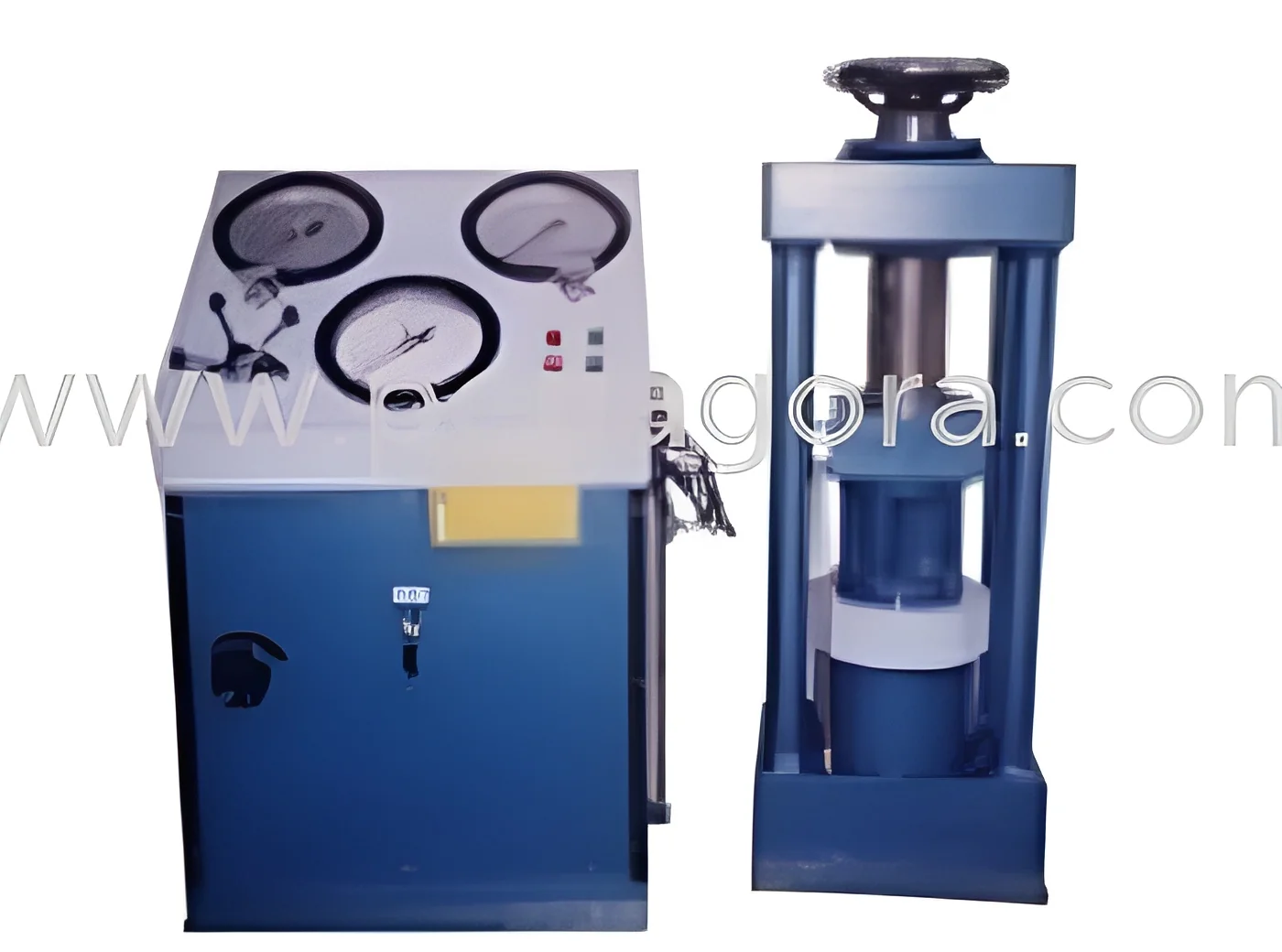
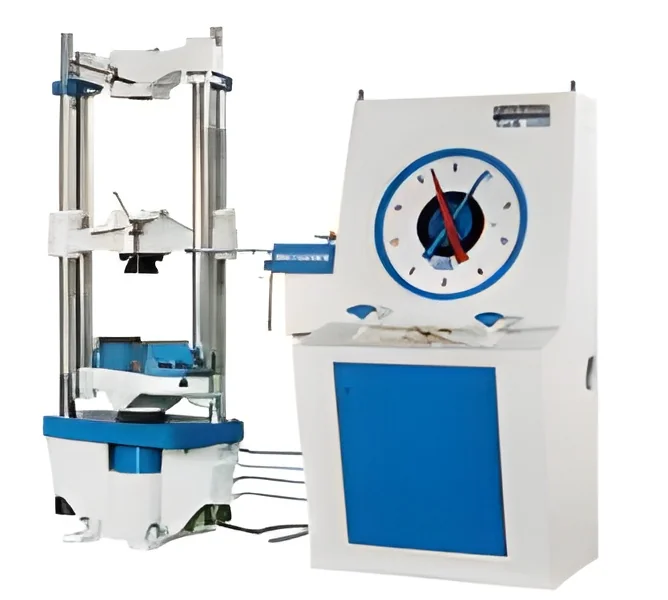
Hydraulic UTM: This variant employs hydraulic systems for testing high-capacity materials. It is suitable for heavy-duty applications in the construction and manufacturing sectors.
Pneumatic UTM: Utilizing compressed air, this variant offers quick response times and is often used for lighter materials. It is ideal for environments where speed is critical.
Benefits and Advantages
Universal Testing Machines provide several key advantages that enhance their value to businesses.
1. Precision Testing: UTMs offer high accuracy in measuring material properties, ensuring reliable data for decision-making.
2. Versatility: Capable of performing multiple tests, UTMs can adapt to various materials, making them suitable for diverse applications.
3. Efficiency: Automated features and software integration streamline testing processes, saving time and reducing human error.
4. Compliance Assurance: By meeting industry standards, UTMs help businesses comply with regulatory requirements, reducing liability.
5. Enhanced Quality Control: Regular testing with UTMs ensures that materials consistently meet quality benchmarks, leading to improved product reliability.
6. Data Management: Advanced data analysis capabilities provide businesses with insights that can drive innovation and product development.
Buying Guide for B2B Buyers
When sourcing Universal Testing Machines (UTM), there are several important factors to consider to ensure the right choice for your business needs.
1. Quality Assessment: Look for machines that are built to high-quality standards, and check for certifications that validate their reliability and performance.
2. Supplier Verification: Vet potential suppliers by reviewing their track record, customer testimonials, and adherence to industry standards.
3. Pricing and MOQ: Understand the pricing structure and minimum order quantities to ensure that they align with your budget and requirements.
4. Delivery and Lead Times: Factor in delivery schedules and lead times to ensure that the UTM will be available when needed for your production processes.
5. Compliance Requirements: Ensure that the machine meets all relevant compliance standards for your industry to avoid any regulatory issues.
Compliance and Certifications
Universal Testing Machines must adhere to various quality standards and certifications to ensure they are suitable for industrial applications.
ISO 9001 is a commonly recognized standard that ensures a consistent quality management system. Compliance with this standard indicates that the manufacturer adheres to best practices in quality assurance.
CE certification is essential for machines sold in the European market, indicating compliance with health, safety, and environmental protection standards.
Safety and testing requirements are critical, especially in industries such as aerospace and automotive, where material failure can have serious consequences.
Regional compliance considerations may vary, and it is essential to understand the specific regulations applicable to your region to ensure that the UTM meets all necessary criteria.
Why Source Universal Testing Machines (UTM) from Pepagora?
Pepagora provides a trusted platform for sourcing Universal Testing Machines (UTM), offering several key advantages for businesses looking to enhance their testing capabilities.
Verified Supplier Network: Pepagora connects buyers with a network of verified suppliers, ensuring that you receive high-quality machines from reputable manufacturers.
Streamlined RFQ Process: The request for quotation system allows buyers to easily compare offers from multiple suppliers, ensuring competitive pricing and optimal choices.
Trade Assurance and Support: Buyers are protected through trade assurances, providing peace of mind when investing in UTMs.
Regional Coverage: With a presence in India, the GCC, and Southeast Asia, Pepagora ensures that businesses across these regions can access reliable UTMs tailored to their specific needs.












Frequently Asked Questions
What are Universal Testing Machines (UTM)?
Universal Testing Machines (UTM) are versatile testing instruments used to evaluate the mechanical properties of materials. They can perform various tests such as tensile, compression, and bending tests to determine strength, elasticity, and ductility.
What are the different types of Universal Testing Machines (UTM)?
There are primarily two types of Universal Testing Machines: static and dynamic. Static UTMs apply a constant load to test materials under controlled conditions, while dynamic UTMs measure how materials respond to varying loads over time.
How do I choose the right Universal Testing Machines (UTM)?
Choosing the right UTM involves considering the materials you will test, the types of tests required, and the machine's capacity. Additionally, assess features such as load cell accuracy, software capabilities, and compliance with industry standards.
What are the standard specifications for Universal Testing Machines (UTM)?
Standard specifications for UTMs typically include load capacity, displacement accuracy, and speed range. Most UTMs feature a tensile load capacity of up to several hundred kN, with speeds adjustable from a few mm/min to over 500 mm/min.
What is the price range for Universal Testing Machines (UTM)?
The price range for Universal Testing Machines can vary widely based on capacity, features, and manufacturer. Generally, small laboratory models start around INR 50,000, while high-capacity industrial models can exceed INR 10,00,000.
What quality standards apply to Universal Testing Machines (UTM)?
Universal Testing Machines should comply with international quality standards such as ISO 7500-1 and ASTM E4. These standards ensure reliability, accuracy, and repeatability in testing procedures.
Where can I find Universal Testing Machines (UTM) suppliers in India?
You can find Universal Testing Machines suppliers in India on platforms like Pepagora.com, which connects buyers with manufacturers and suppliers. Additionally, industry trade shows and directories can provide leads to reputable suppliers.
Can Universal Testing Machines (UTM) be customized?
Yes, many manufacturers offer customization options for Universal Testing Machines to meet specific testing requirements. Customizations may include specialized grips, software features, and load capacities tailored to unique applications.
What is the typical minimum order quantity for Universal Testing Machines (UTM)?
The typical minimum order quantity (MOQ) for Universal Testing Machines varies by manufacturer. Generally, MOQs can range from one unit for standard models to multiple units for custom equipment.
What is the typical lead time for Universal Testing Machines (UTM)?
The typical lead time for Universal Testing Machines can range from 4 to 12 weeks, depending on the manufacturer, model, and any customizations requested. It's advisable to confirm lead times with suppliers before placing an order.
Why Businesses Trust Pepagora
Thousands of companies trust Pepagora to source smarter and sell faster
Expand Your Sales Globally

Source Smarter,Grow Faster
