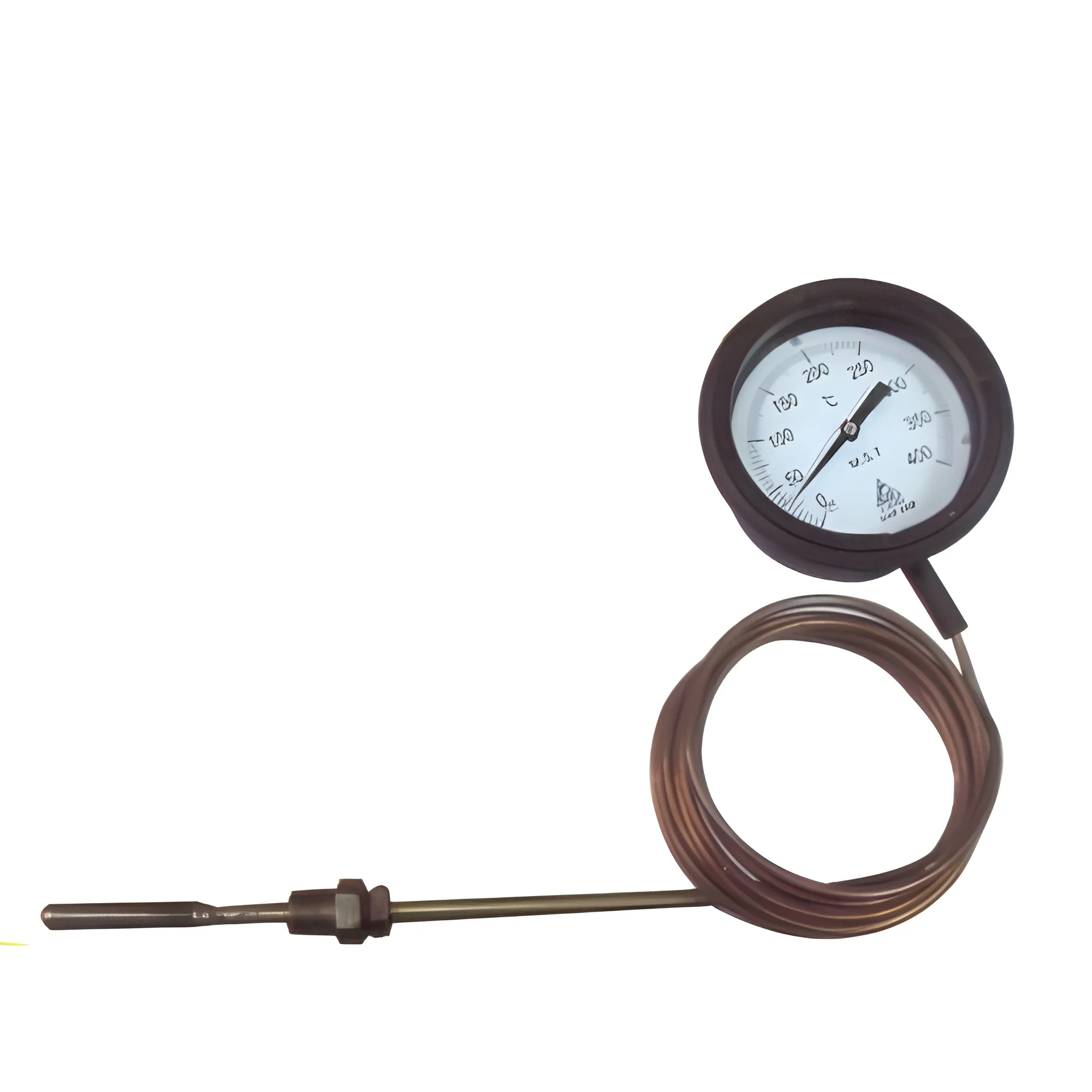
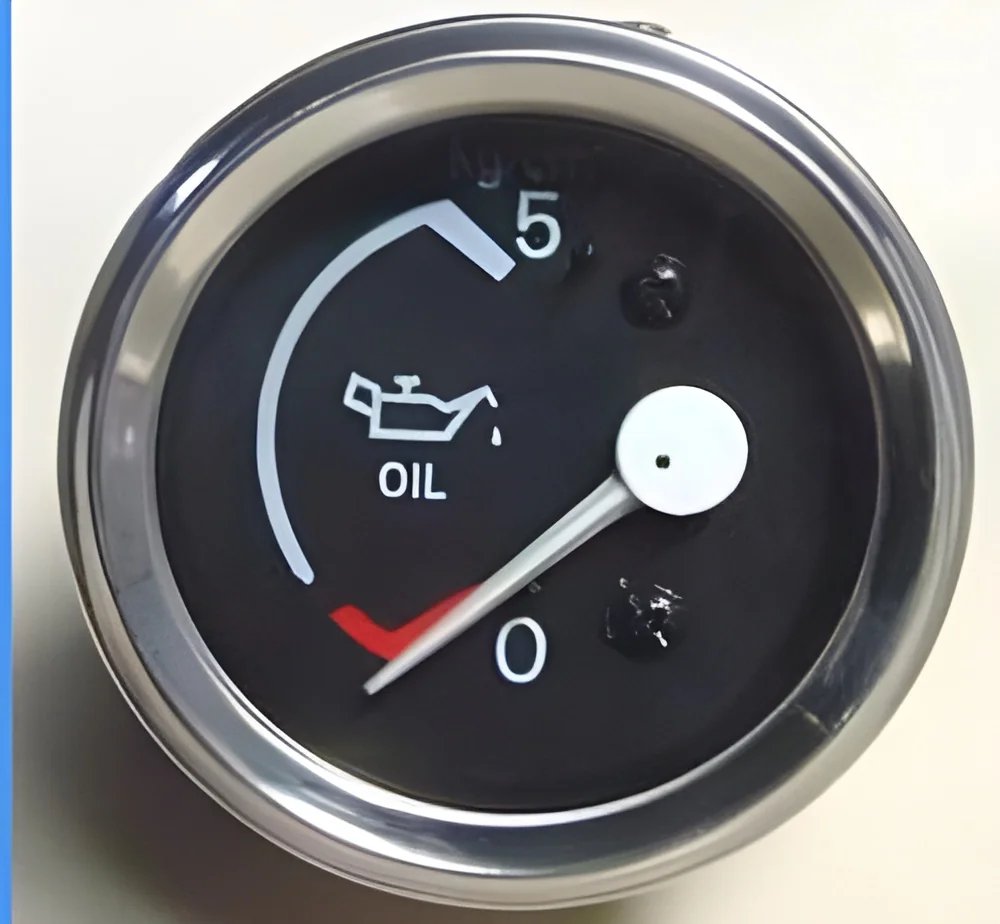
What are Pressure Gauges?
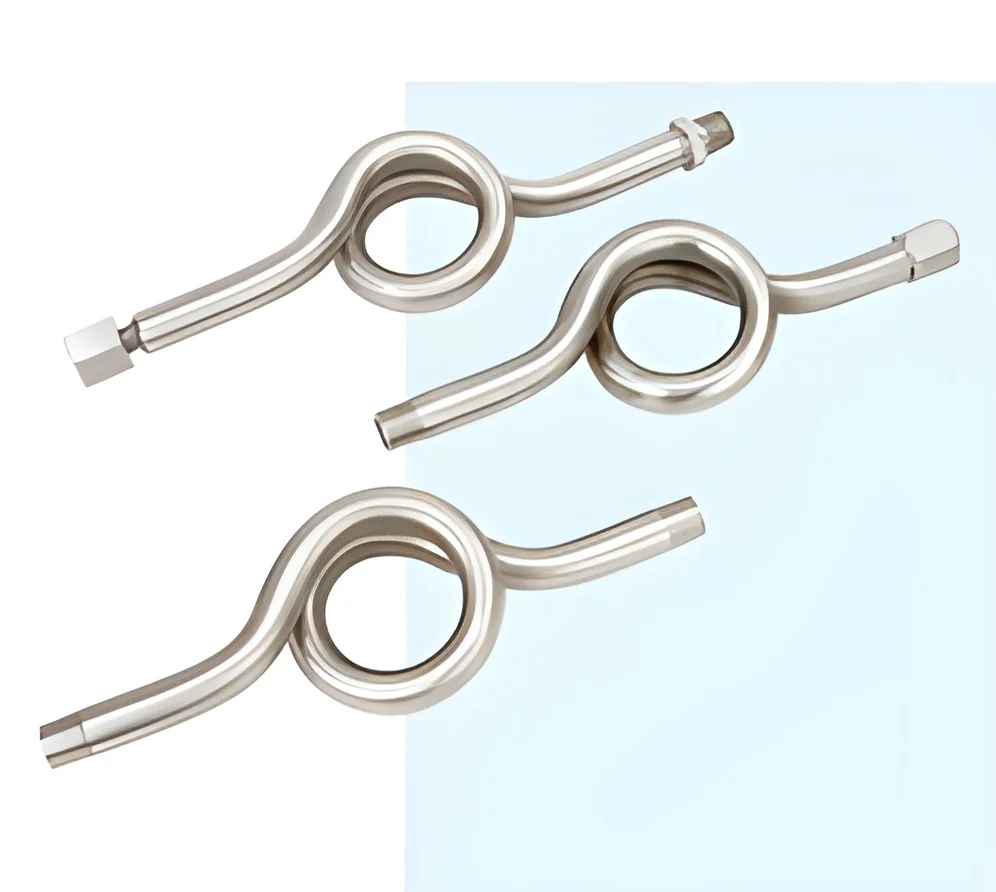
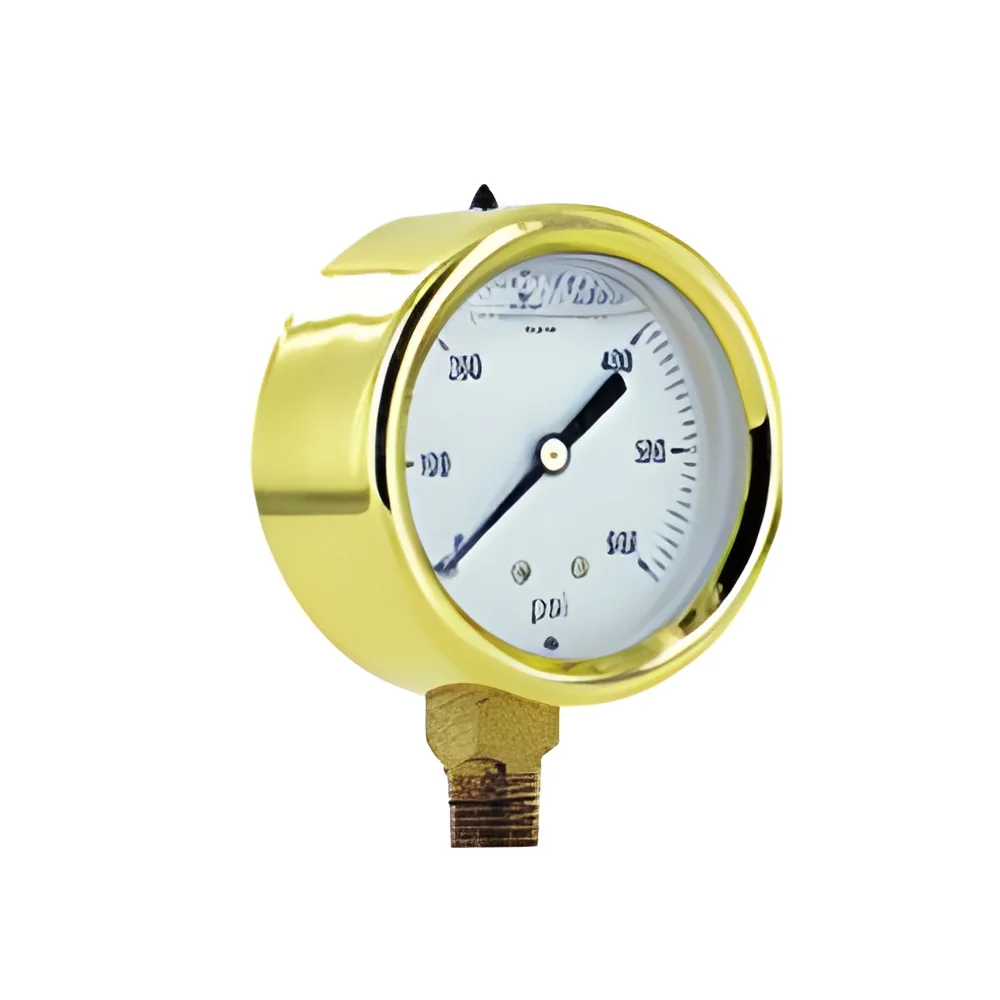
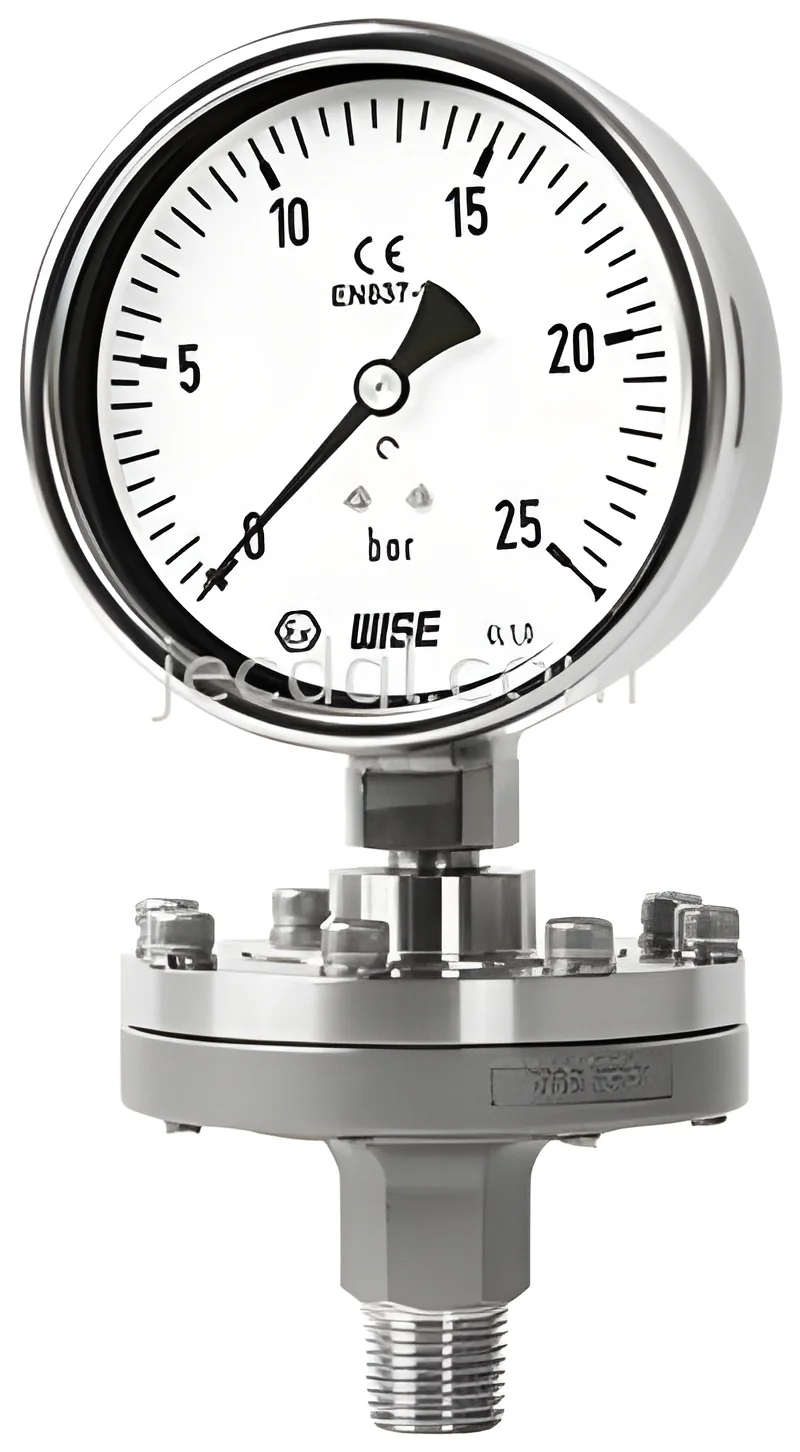
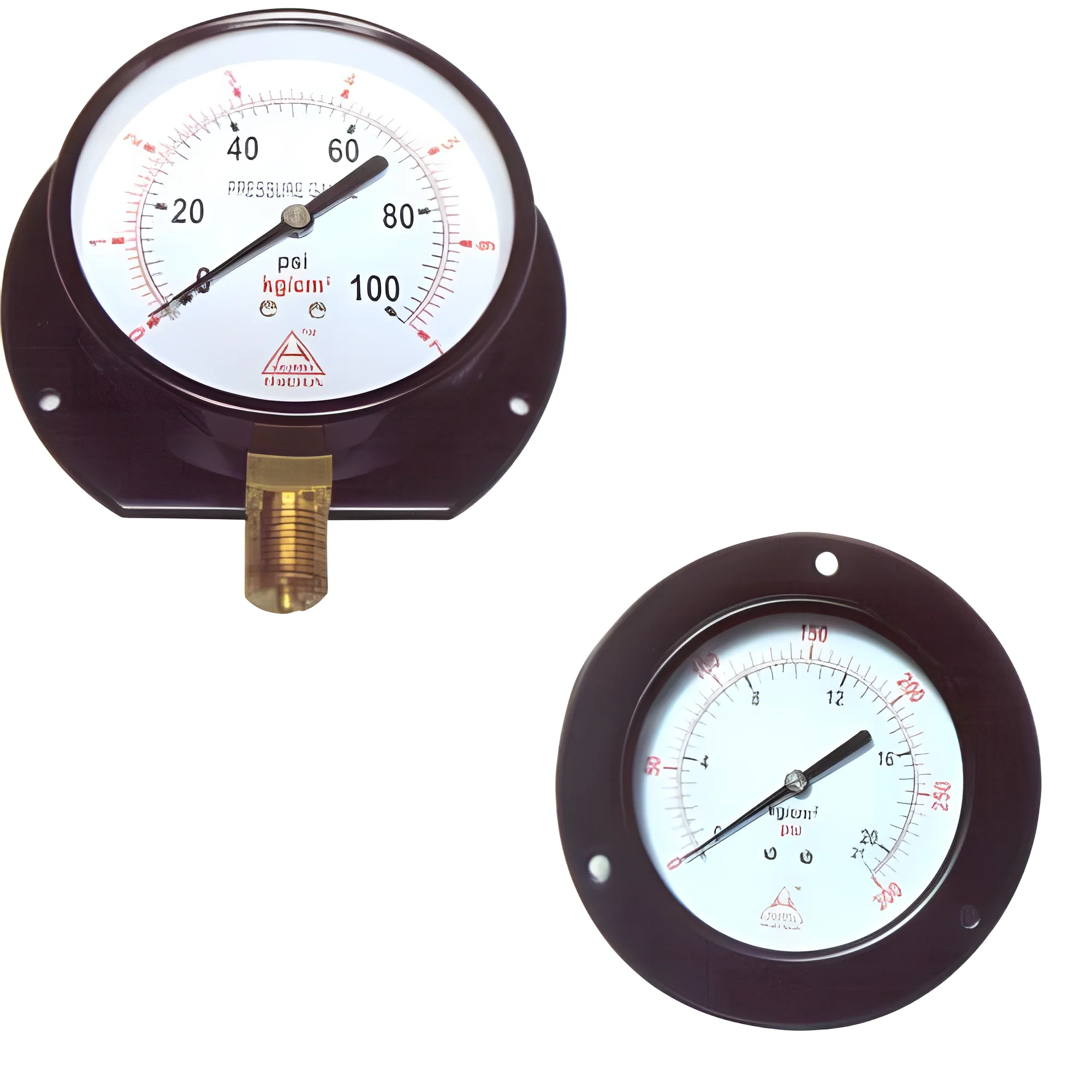
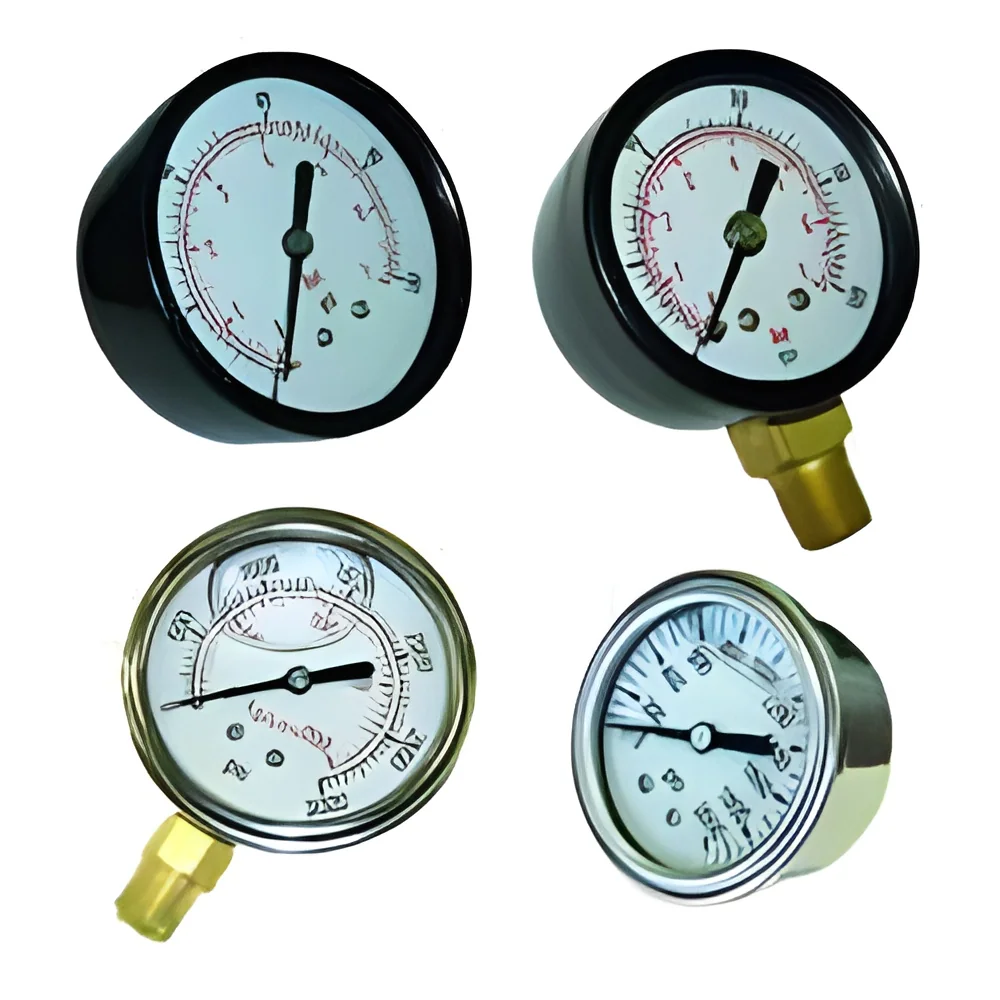
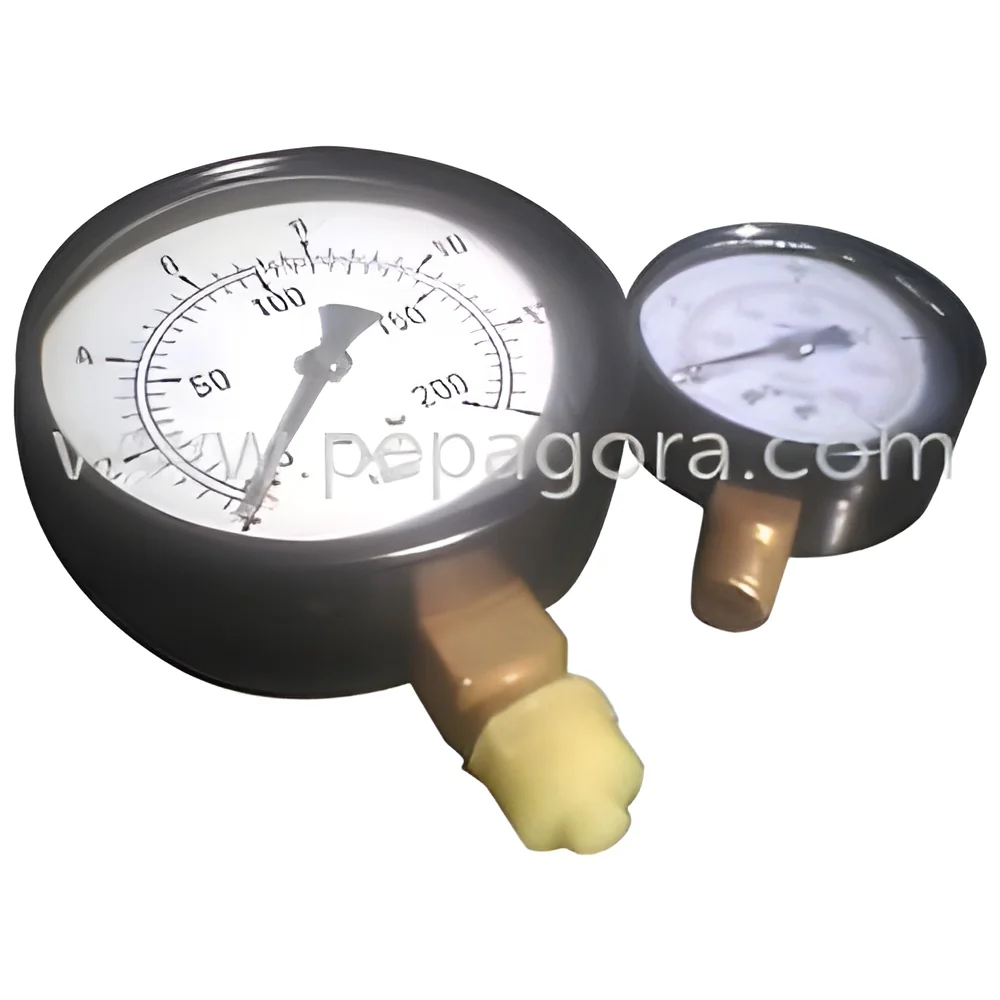
Pressure gauges are instruments used to measure the pressure of gases or liquids in various systems. They provide critical data that helps monitor and control processes in numerous industrial applications. By converting the pressure of the fluid into a readable format, they allow operators to ensure systems are functioning within safe and efficient parameters.
These devices are widely used in industries such as manufacturing, oil and gas, water treatment, and HVAC. They play a crucial role in ensuring that pressure levels remain stable, preventing accidents or equipment failures. In addition, pressure gauges are essential for maintaining compliance with safety regulations and operational standards across different sectors, thereby highlighting their importance in the industrial landscape.
Key Features and Specifications
Pressure gauges come with several important features and specifications that cater to various operational needs. These specifications help buyers understand the capabilities and limitations of different models.
Key specifications include:
1. Measurement Range
- Indicates the minimum and maximum pressure levels that the gauge can accurately measure.
- Typical ranges can vary from low vacuum to high-pressure applications.
2. Accuracy
- Defines the precision of the gauge readings.
- Expressed as a percentage of full scale, commonly ranging from ±1% to ±3%.
3. Dial Size
- Refers to the diameter of the gauge face, affecting readability.
- Common sizes range from 2.5 inches to 6 inches.
4. Connection Type
- Specifies how the gauge is connected to the system.
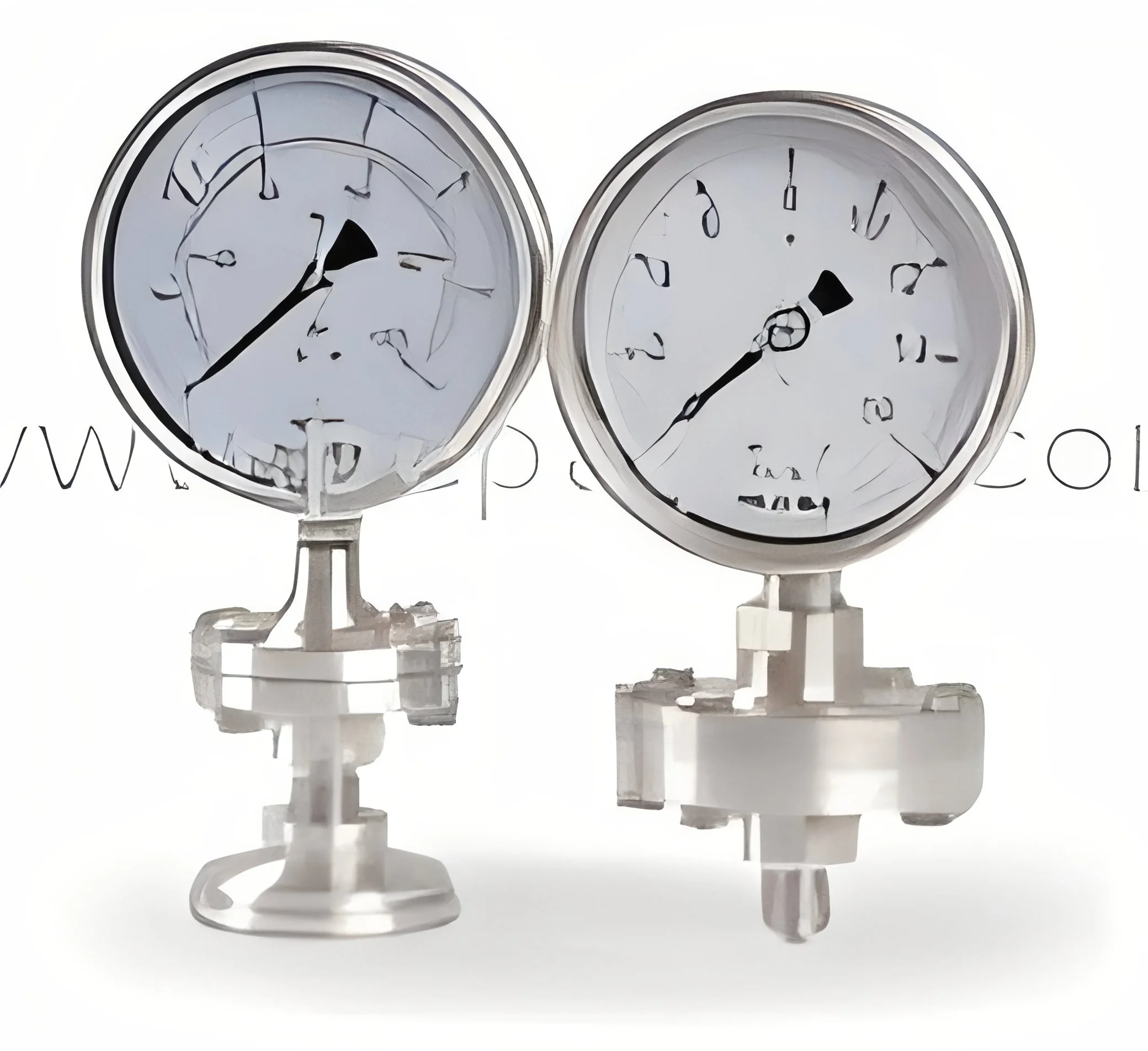
- Options include threaded, flanged, or sanitary connections.
5. Material Construction
- The materials used for the gauge body and internals.
- Common materials include stainless steel, brass, and plastic.
6. Operating Temperature
- The temperature range within which the gauge can operate safely.
- This can vary based on the specific model and construction materials.
7. Display Type
- Indicates whether the gauge has an analog or digital display.
- Digital displays often offer enhanced features such as data logging.
8. Compliance Standards
- Refers to adherence to industry regulations and standards.
- Many gauges meet certifications such as CE.
These specifications help buyers select the appropriate pressure gauge for their specific applications.
Common Applications and Use Cases
Pressure gauges find applications across a wide range of industries, each with unique operational requirements.
1. Manufacturing: Used to monitor pressure in pneumatic systems and hydraulic presses, ensuring optimal performance and safety.
2. Oil and Gas: Essential for measuring pressure in pipelines and drilling operations, helping to maintain safe extraction and transport of resources.
3. Water Treatment: Employed in water distribution systems to monitor pressure levels, ensuring efficient operation and water quality.
4. HVAC: Used in heating and cooling systems to monitor pressure in refrigerants, promoting energy efficiency and system reliability.
5. Food and Beverage: Utilized in processing equipment to ensure pressure levels are maintained for safety and quality control.
6. Pharmaceuticals: Critical in maintaining sterile environments by monitoring pressure in clean rooms and production systems.
7. Automotive: Used in tire pressure monitoring systems and engine performance testing to ensure safety and efficiency.
Product Variants and Subcategories
Pressure gauges come in various types and designs to meet specific needs within different industries.
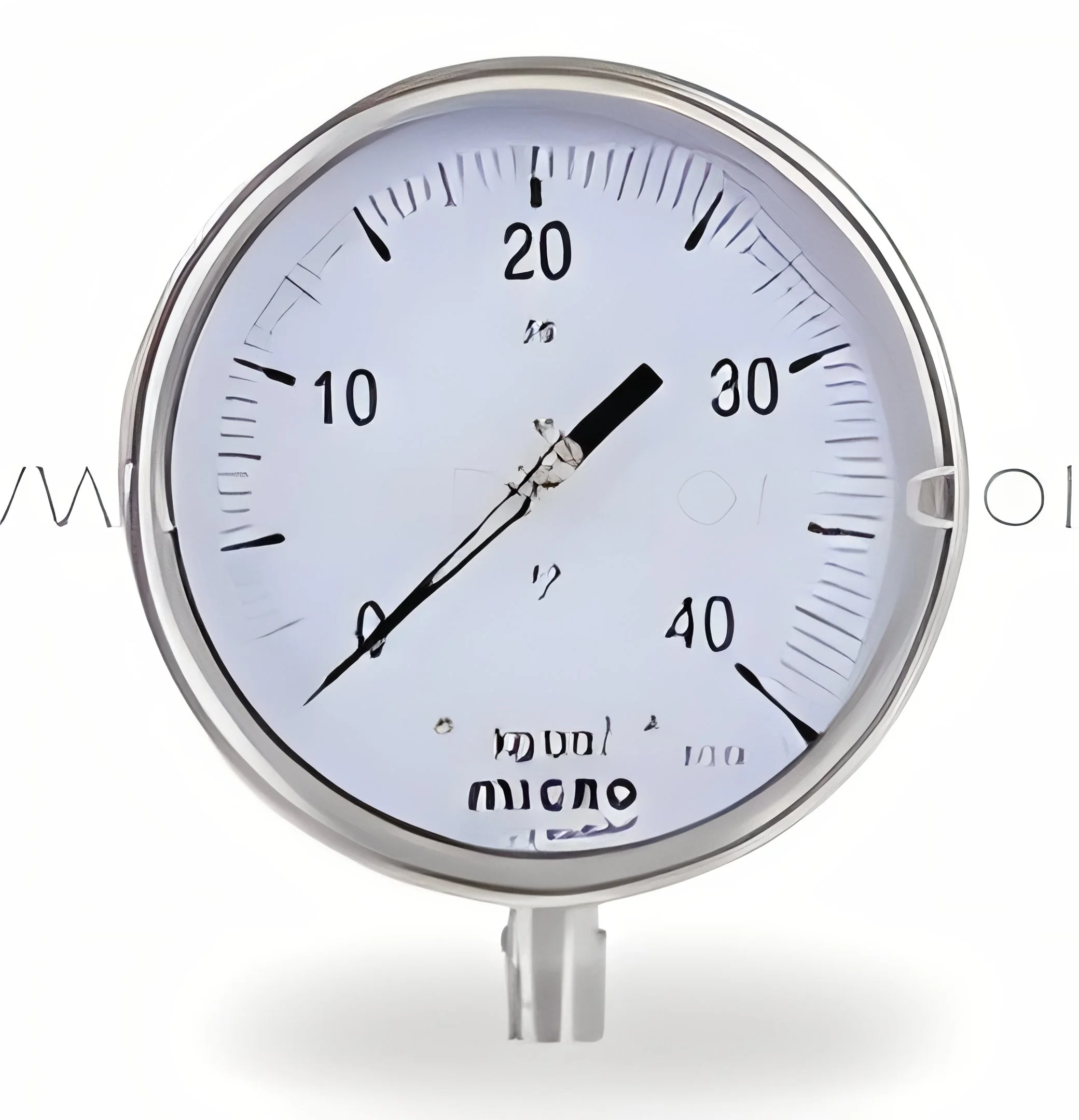
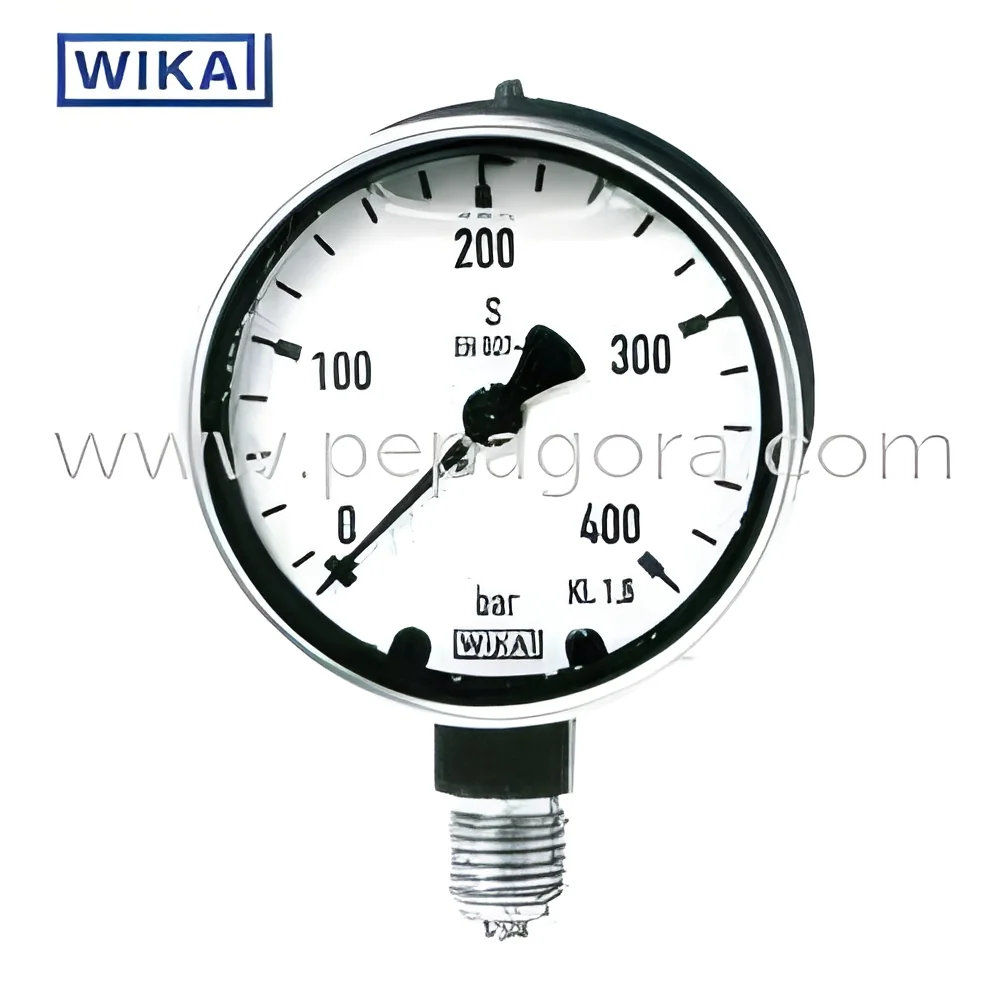
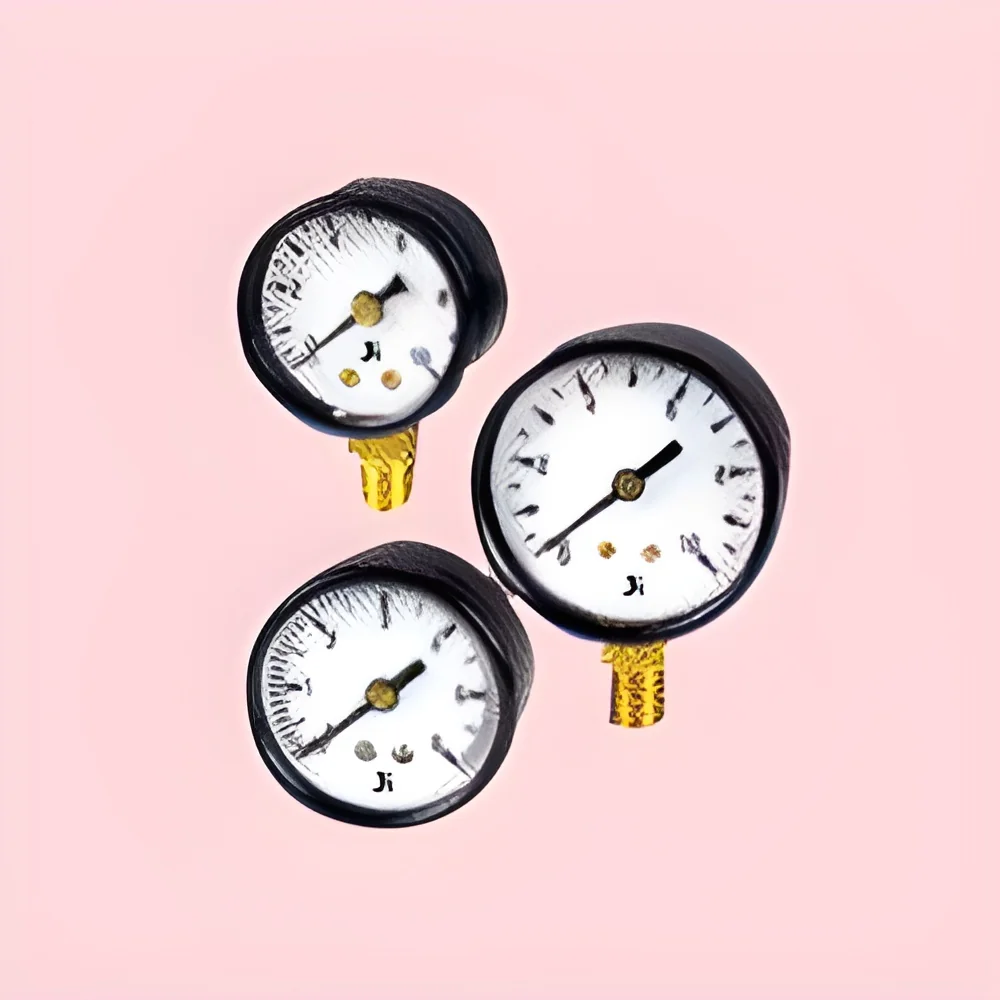
Analog Pressure Gauges
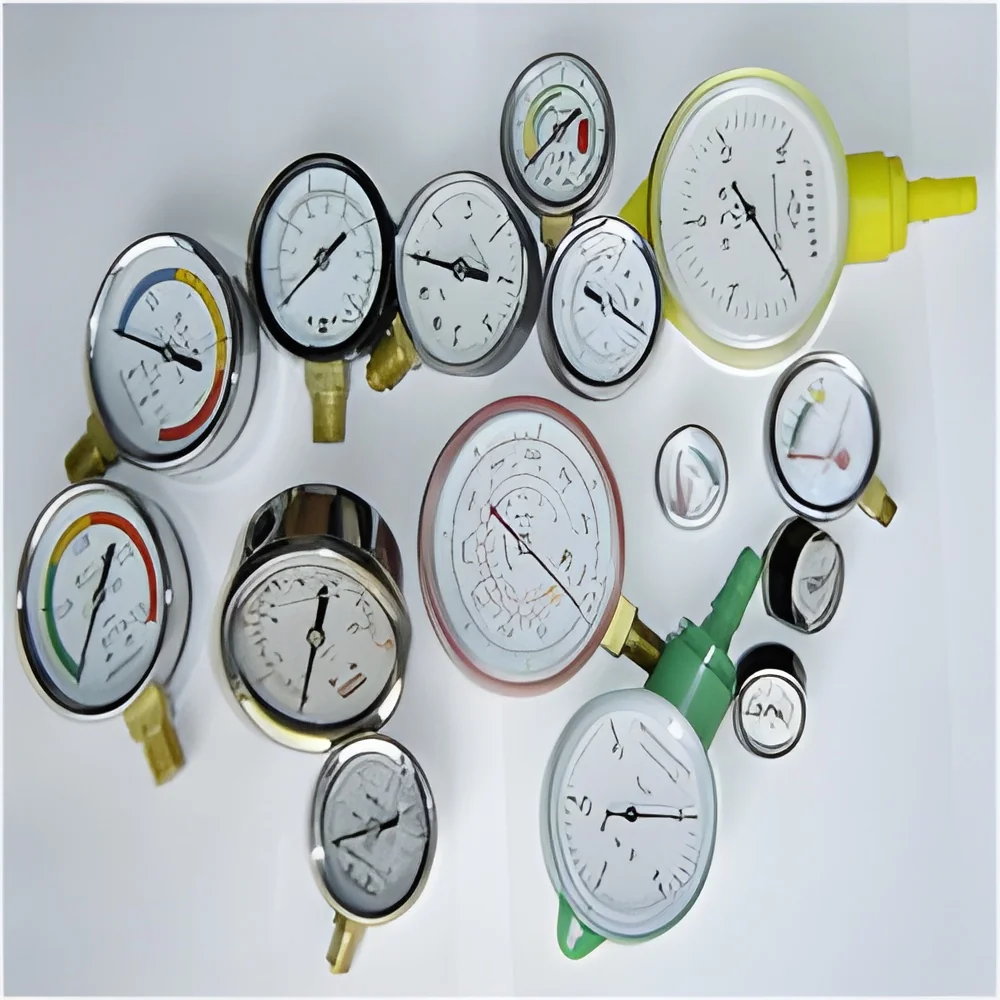
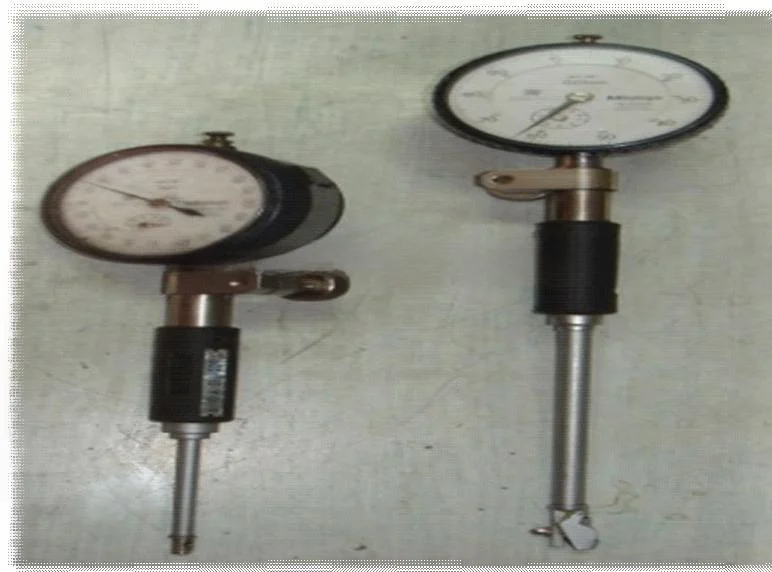
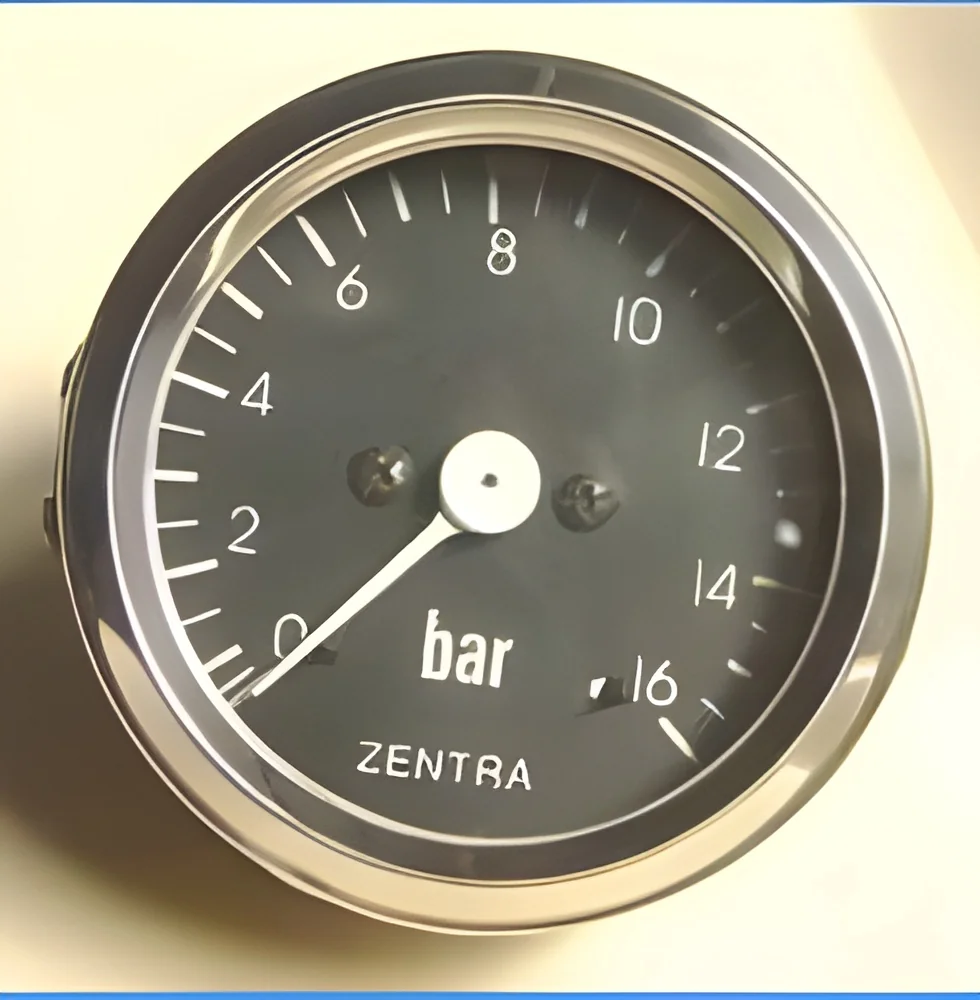
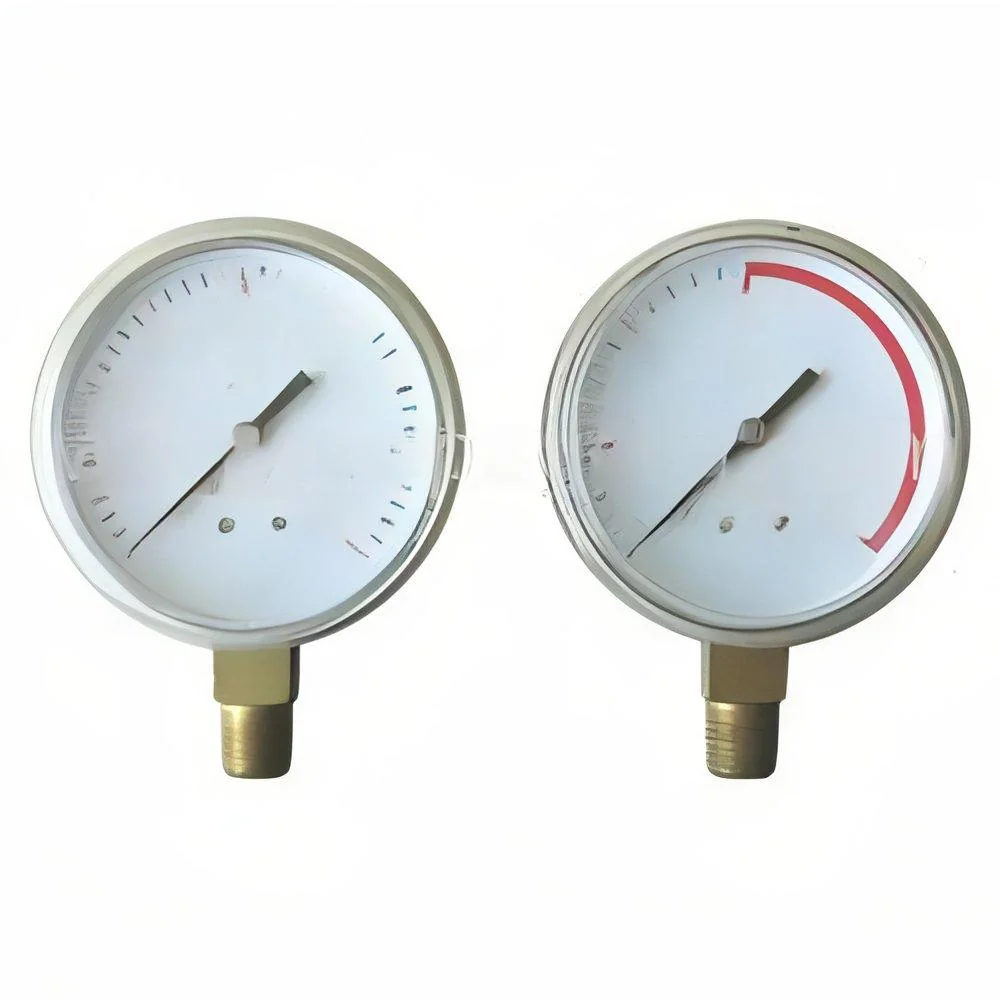
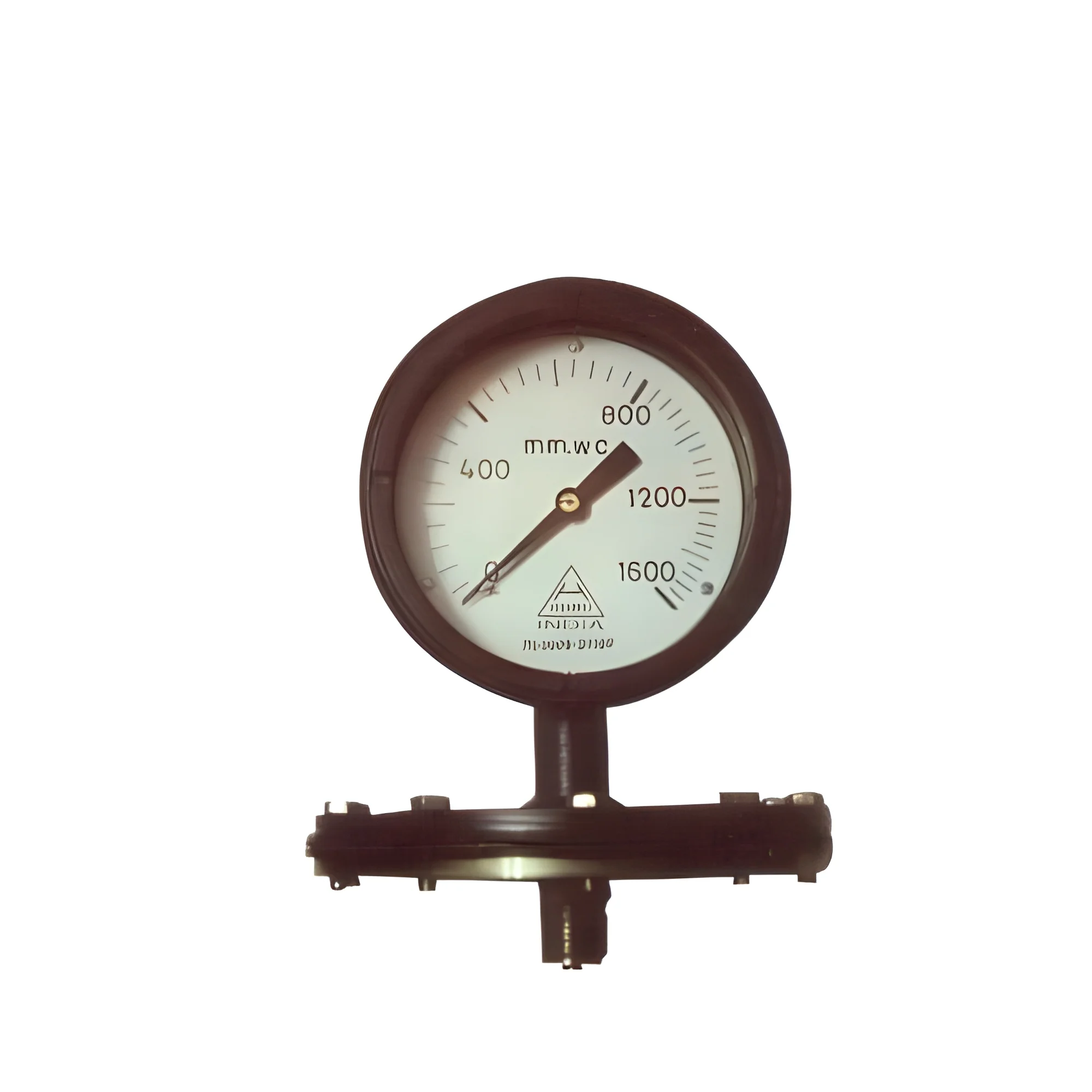
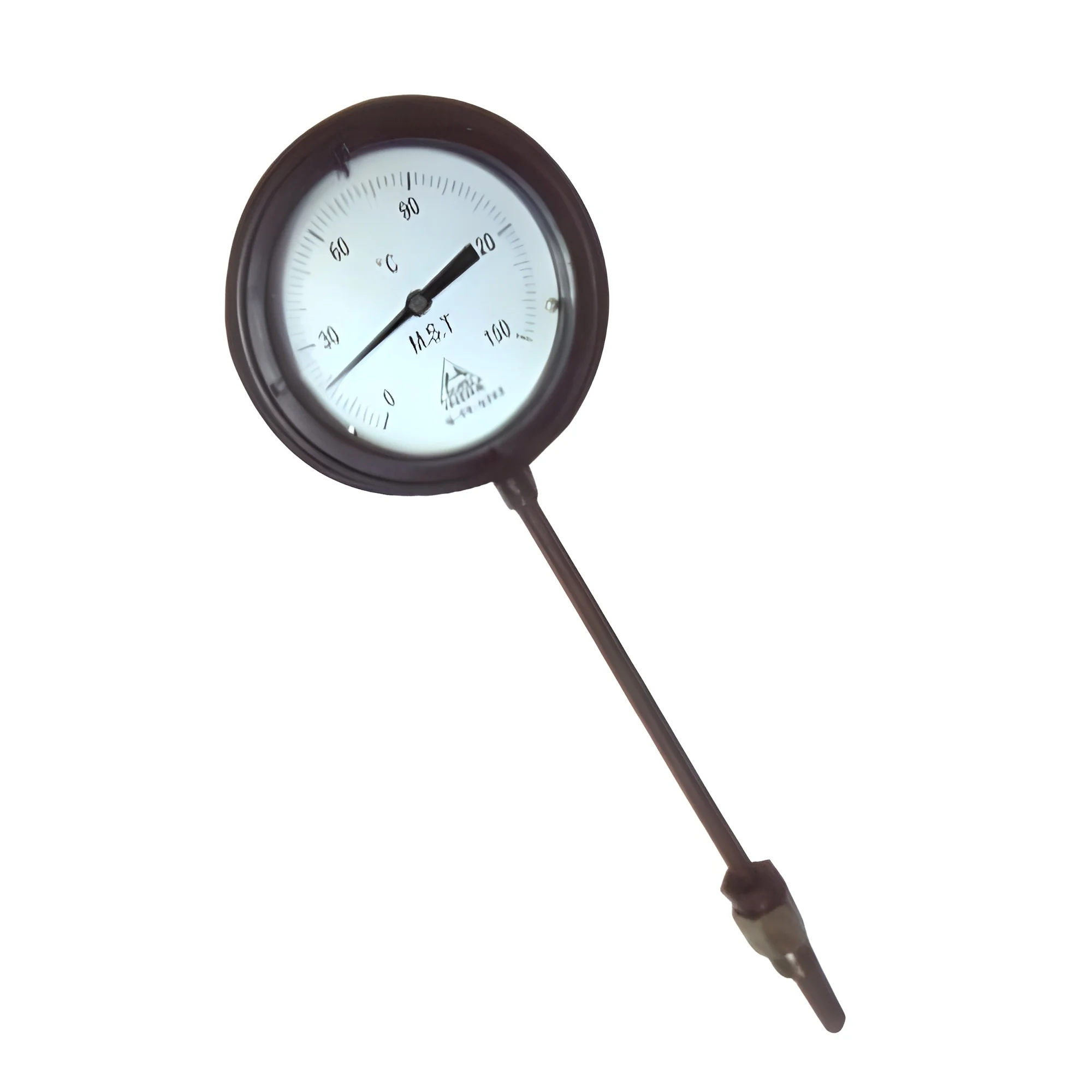
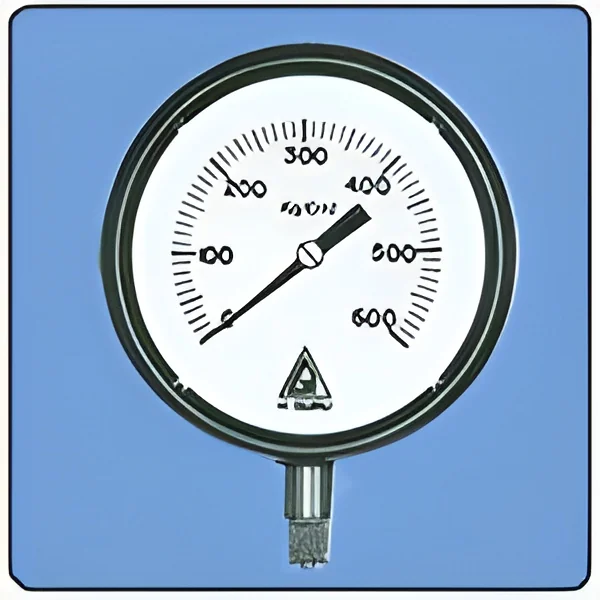
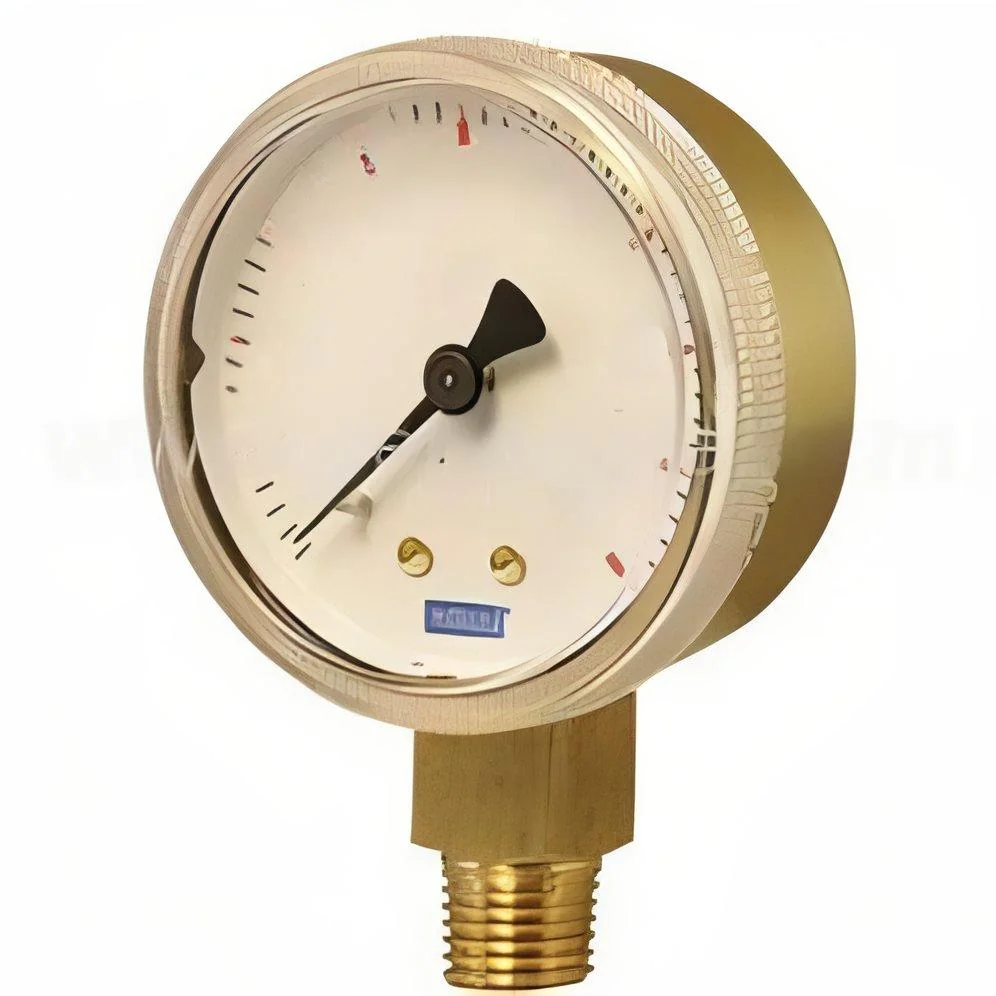
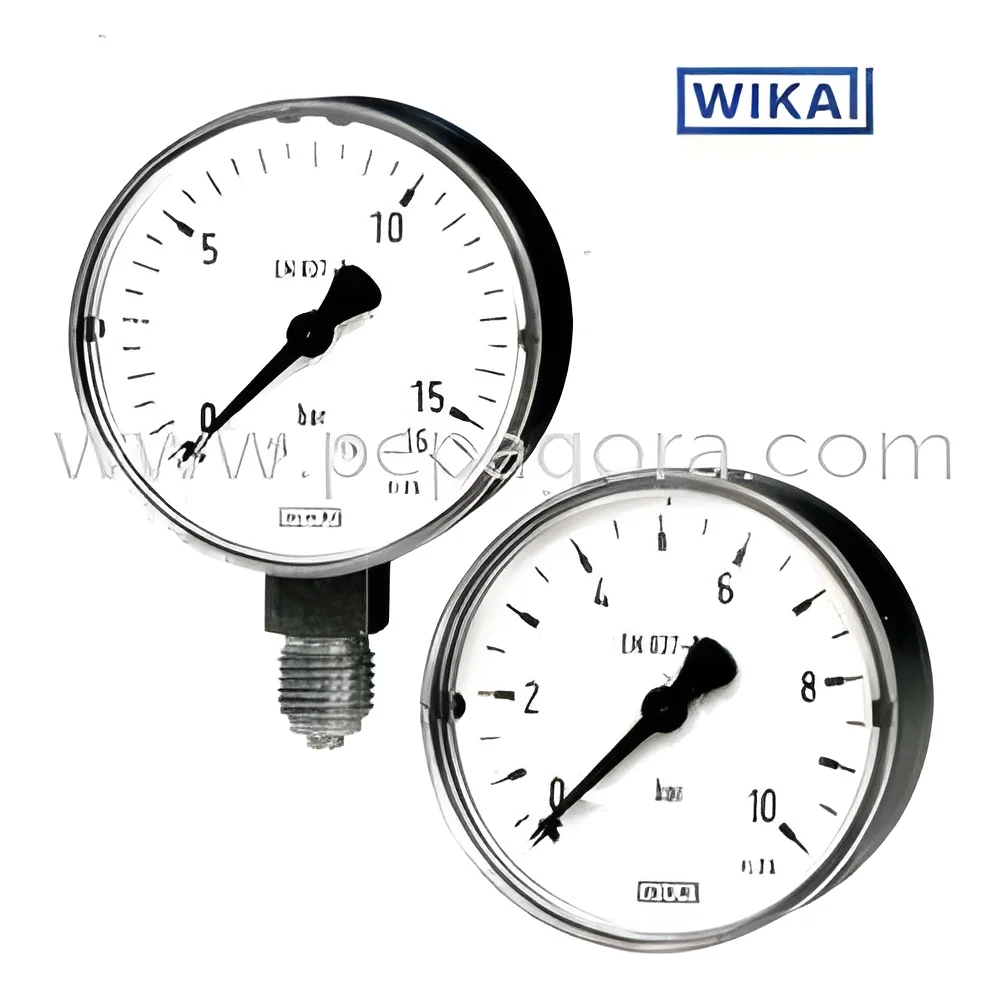
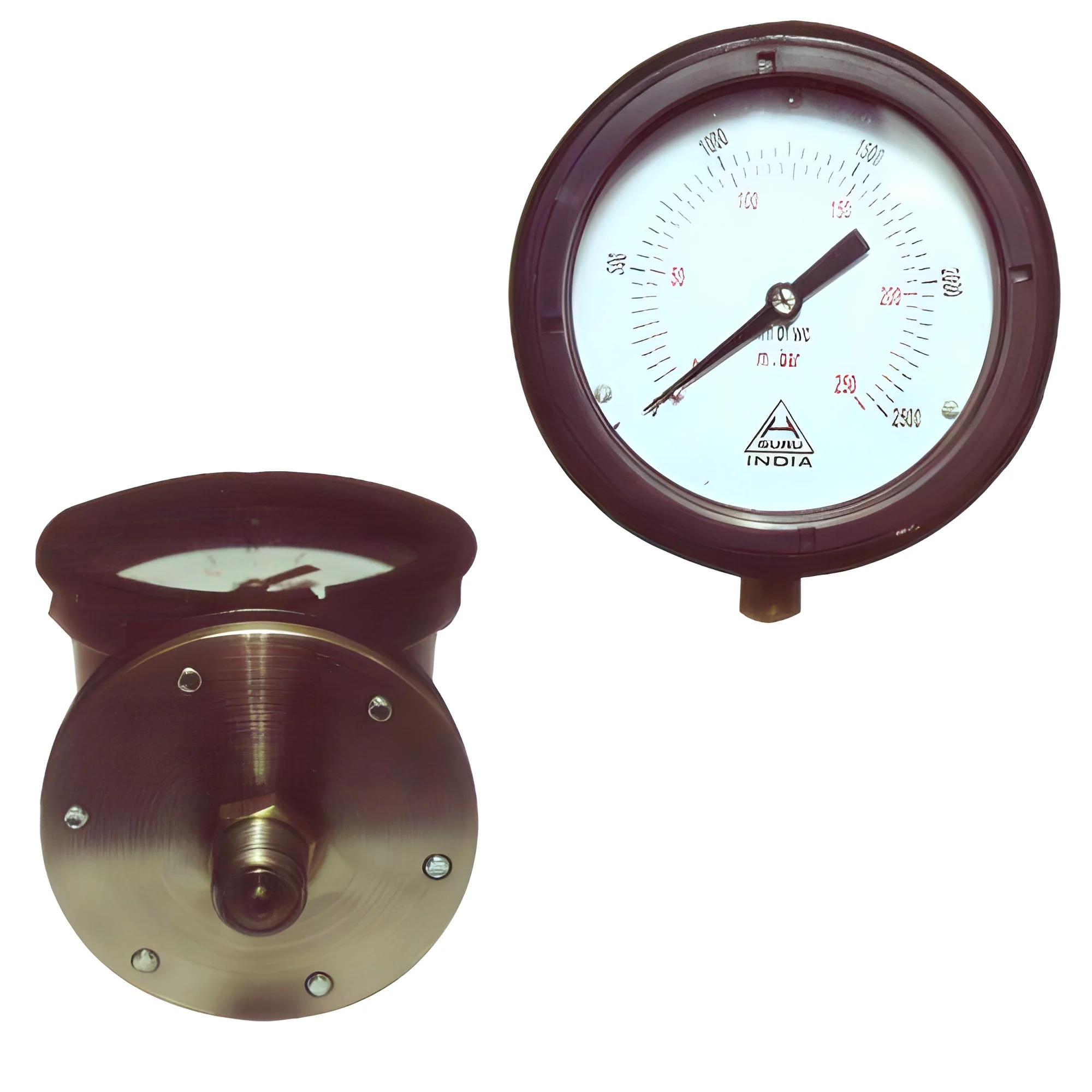
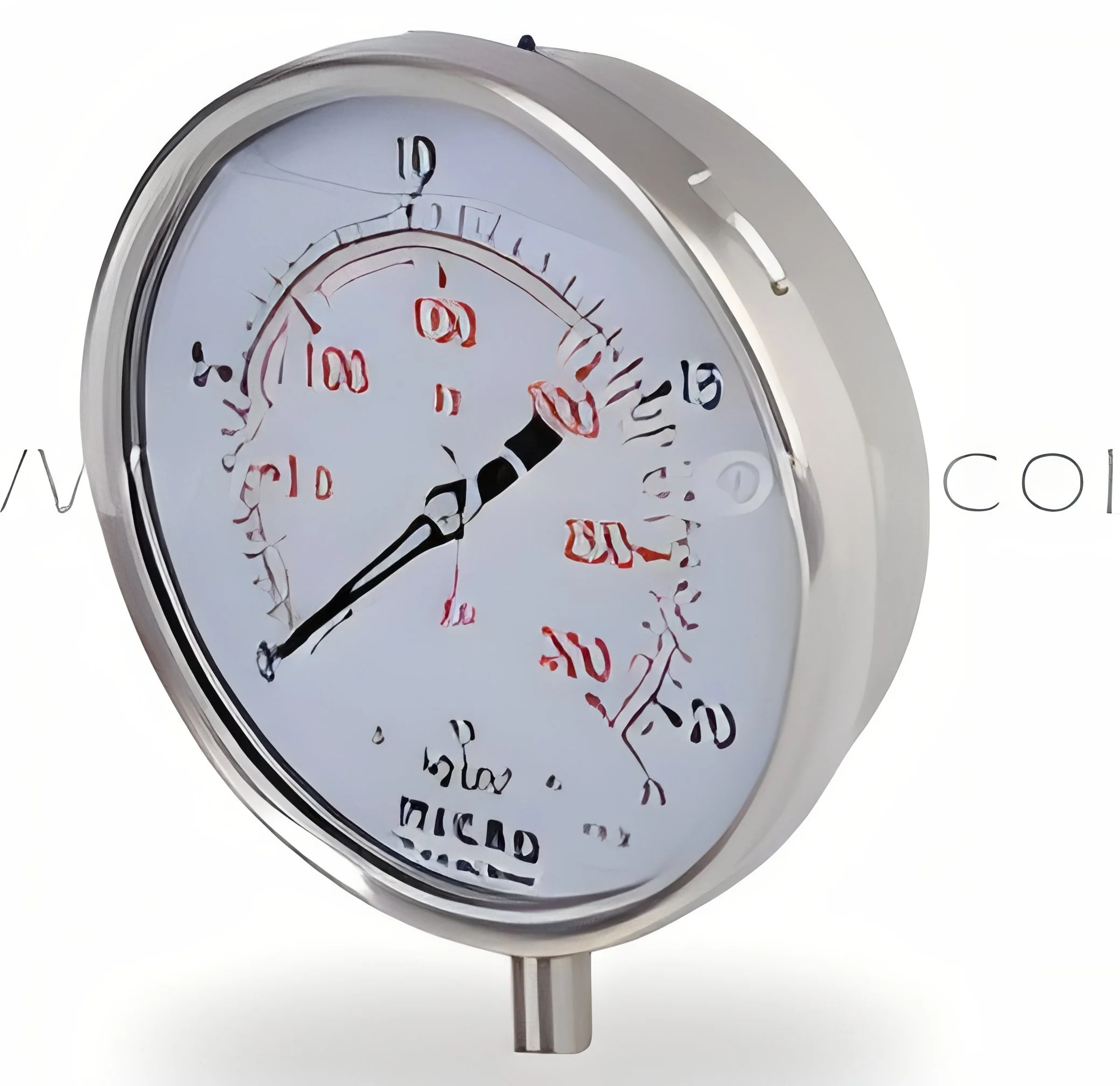
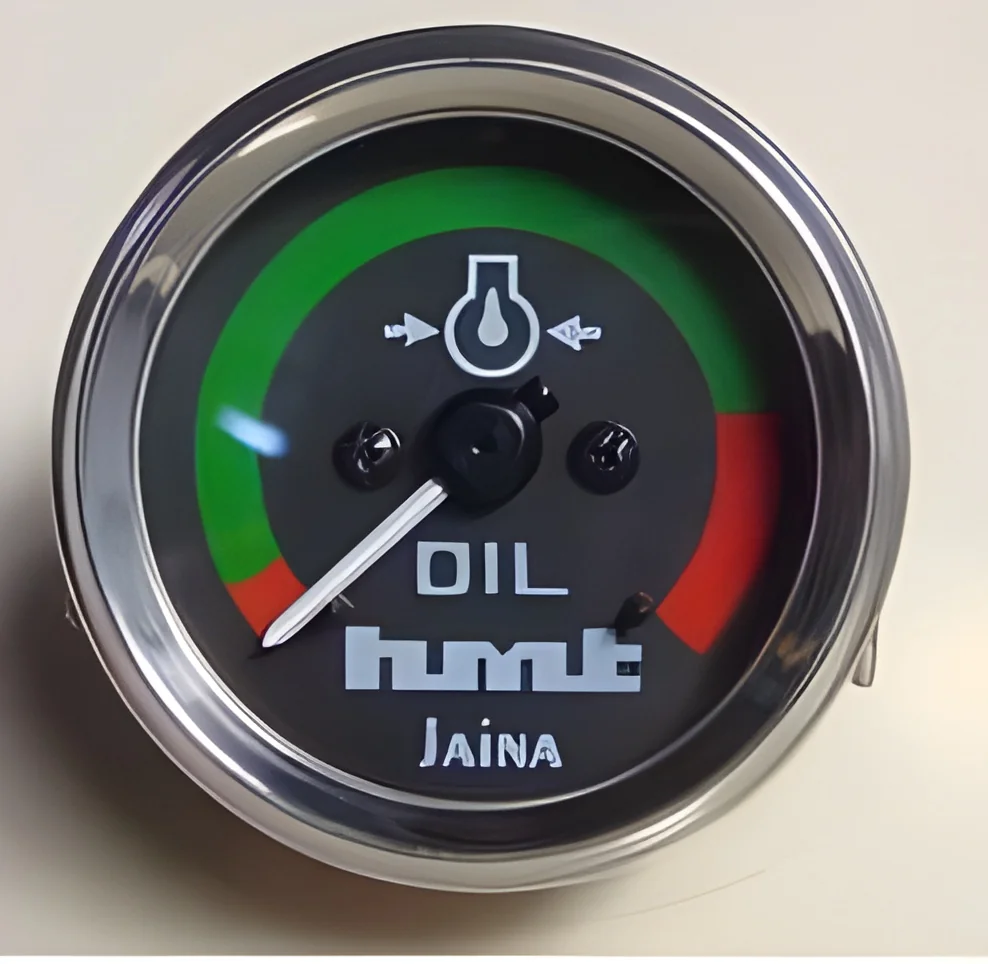
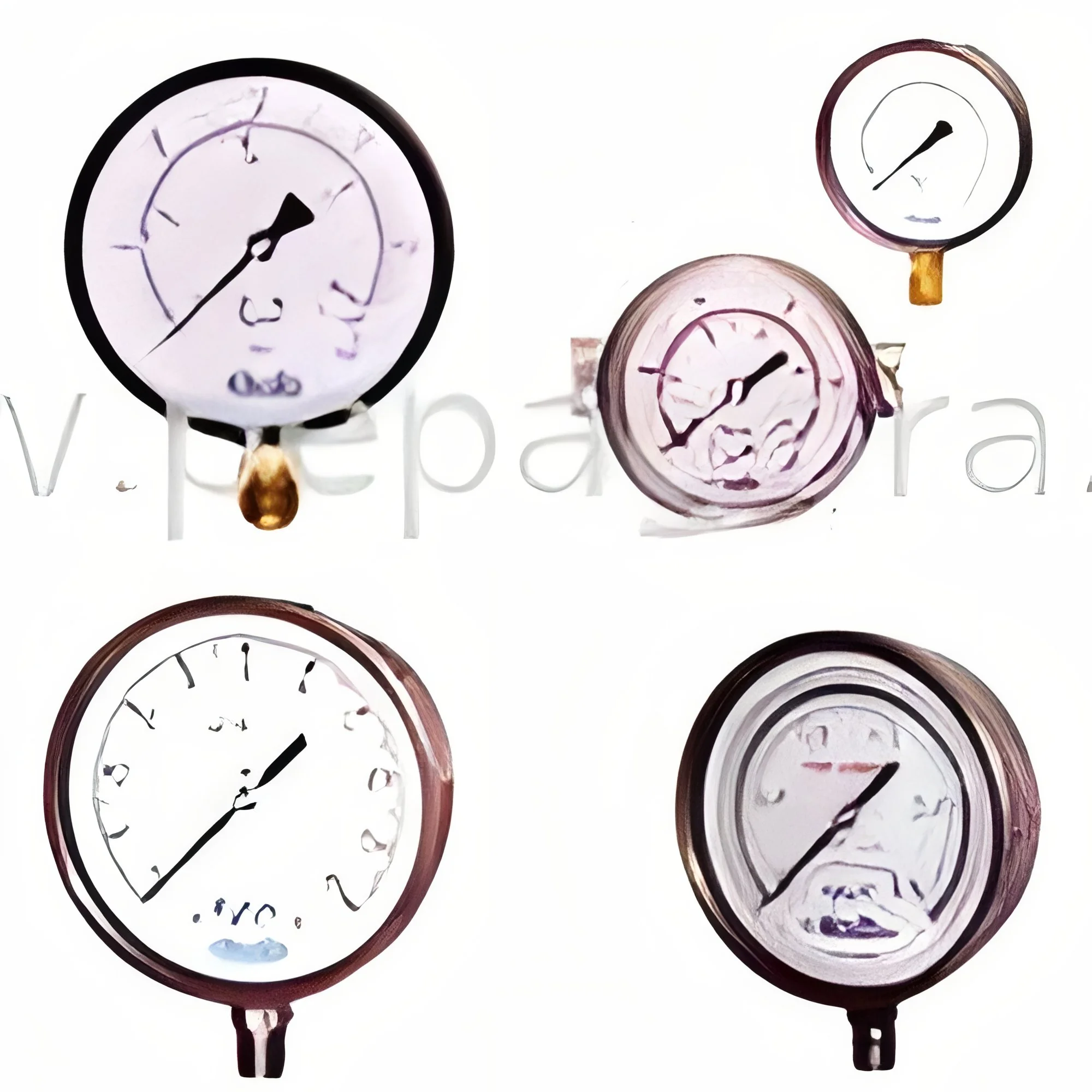
These traditional gauges provide a needle display on a dial. They are robust, easy to read, and commonly used in many industrial applications.
Digital Pressure Gauges
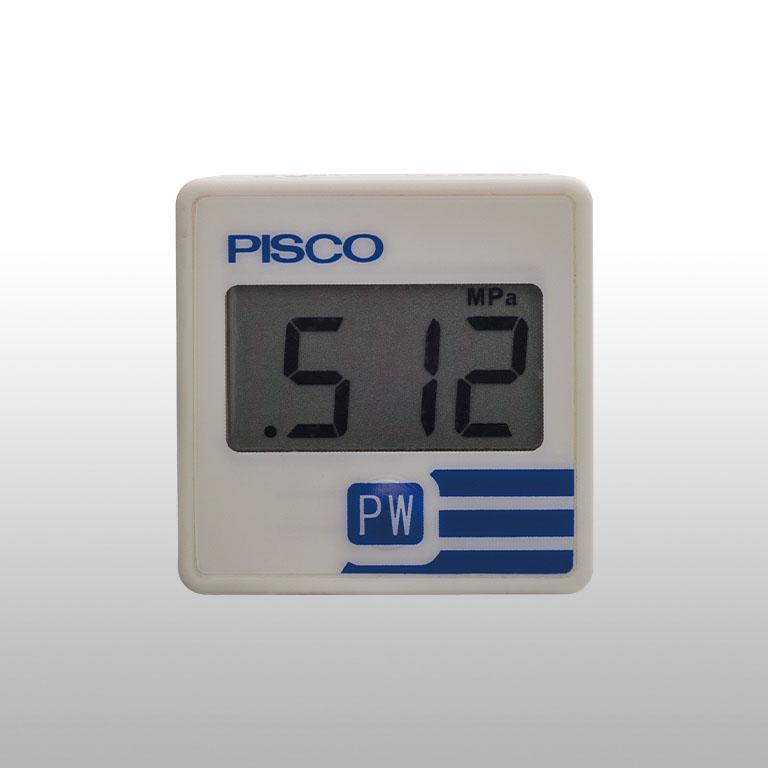
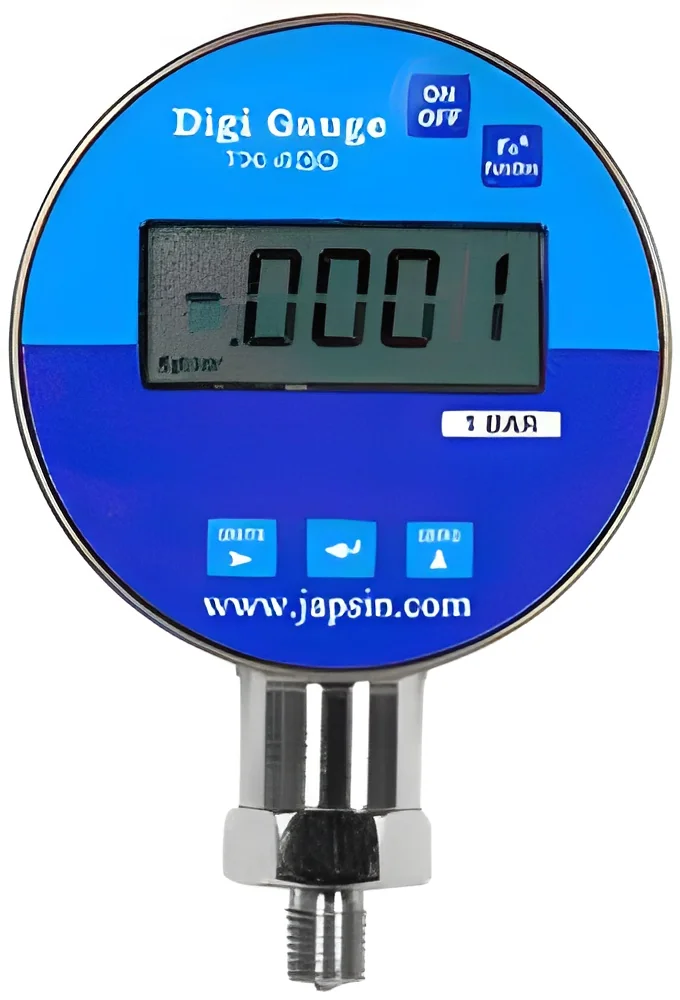
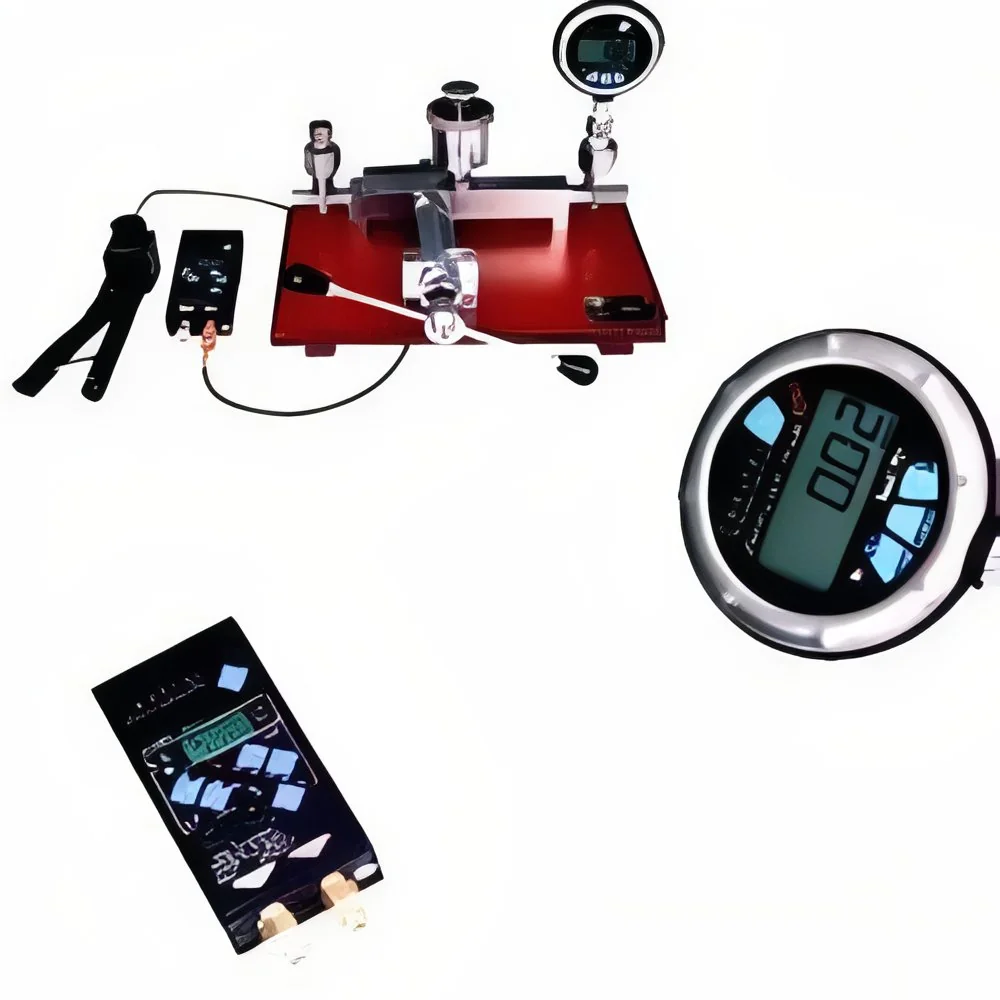
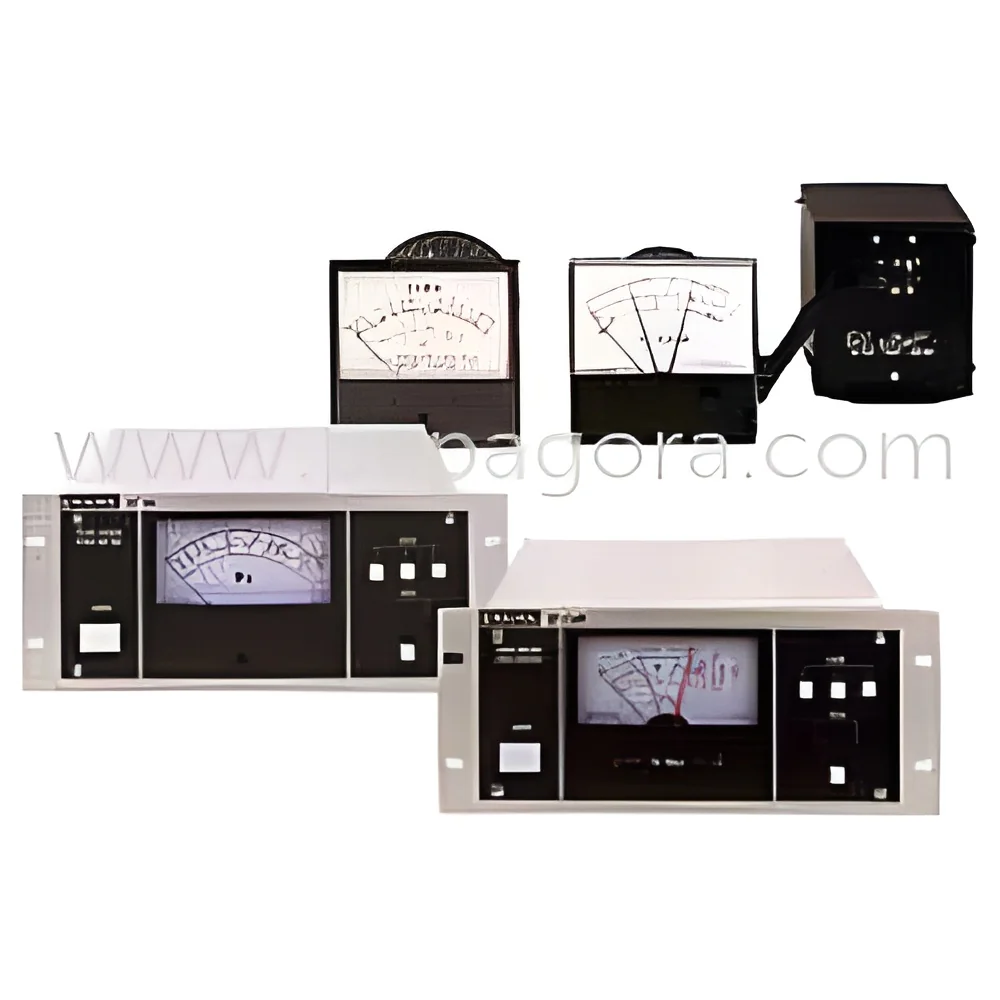
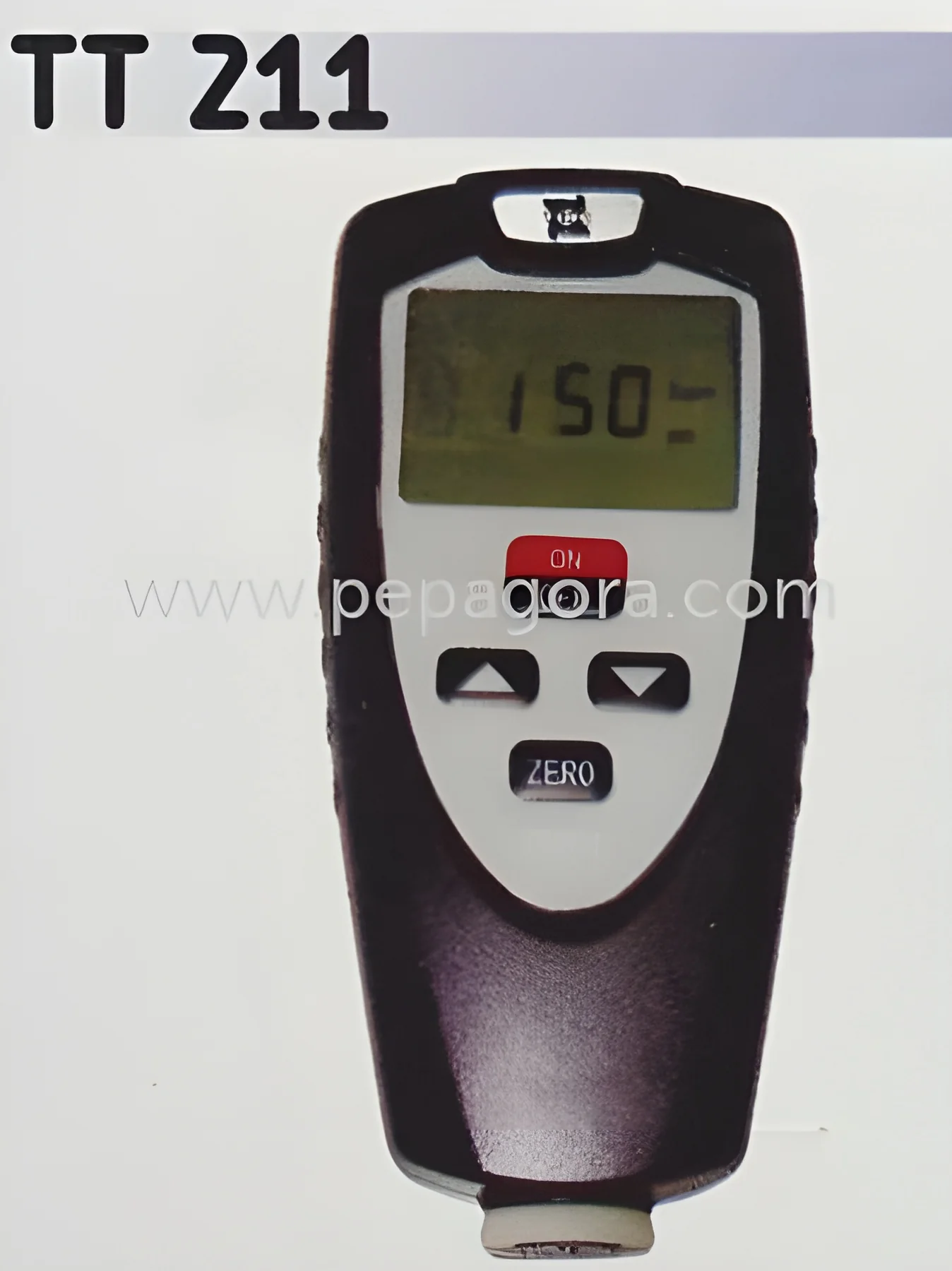
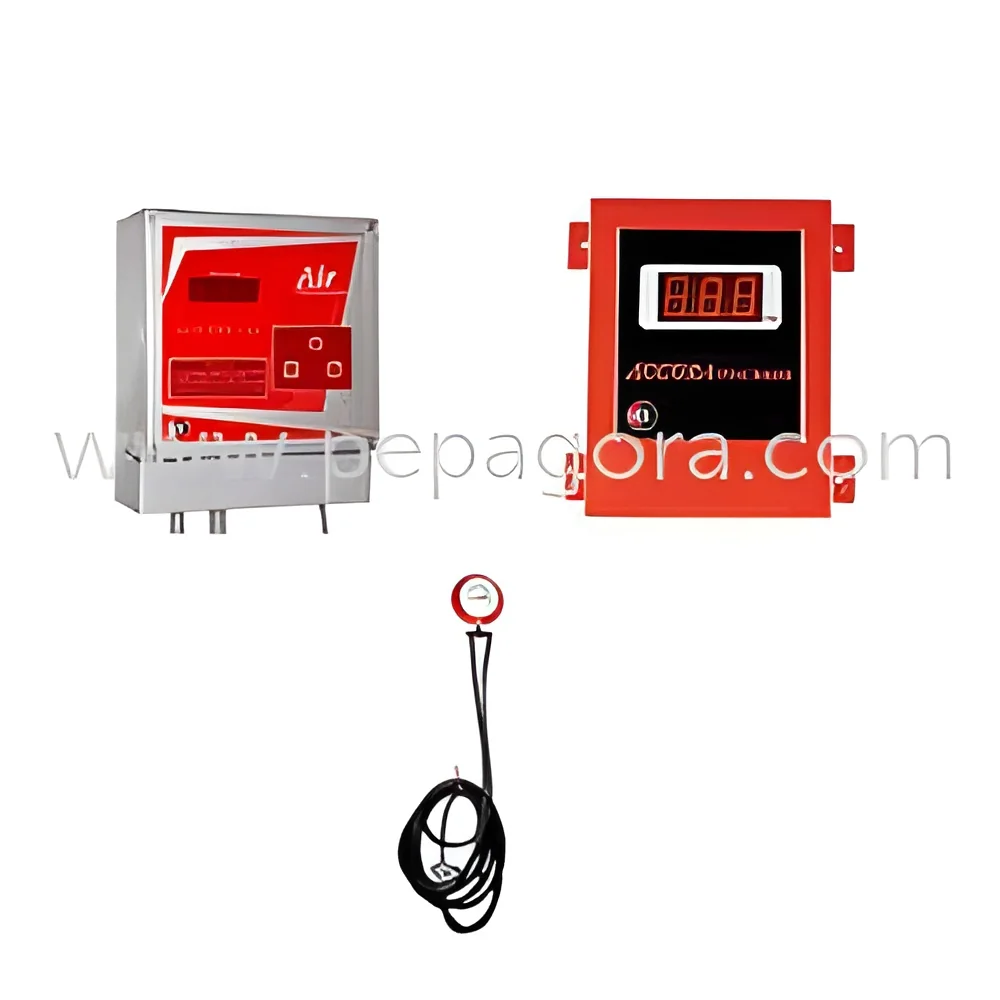
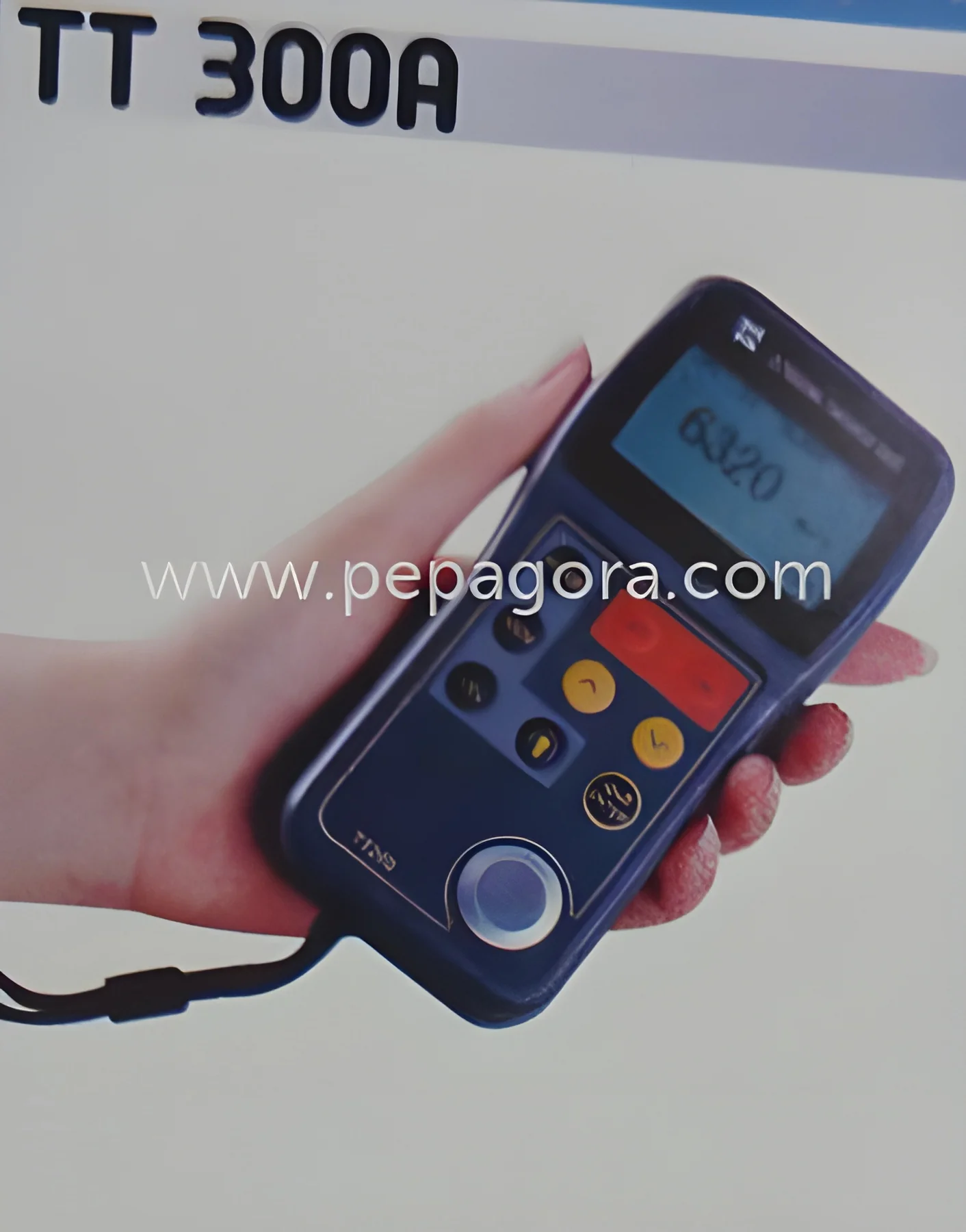
Offering electronic displays, these gauges provide precise readings and often include advanced features such as data logging and connectivity options.
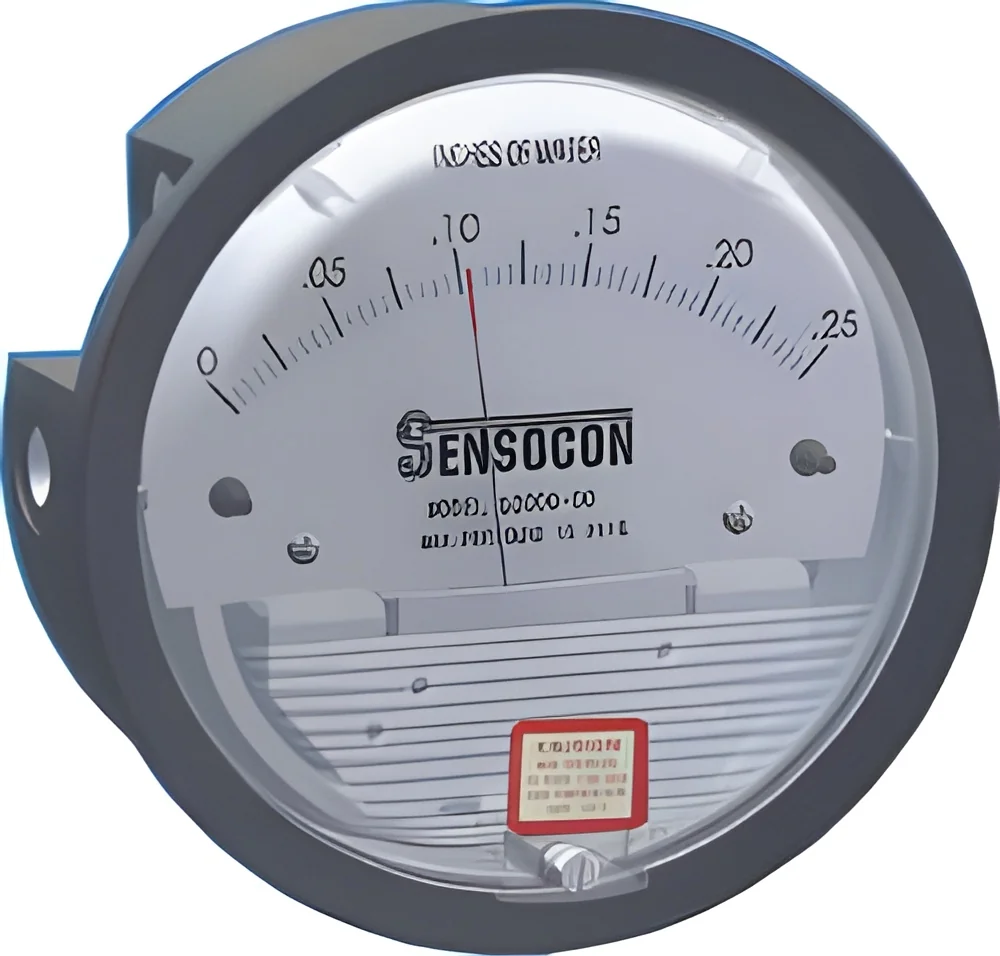
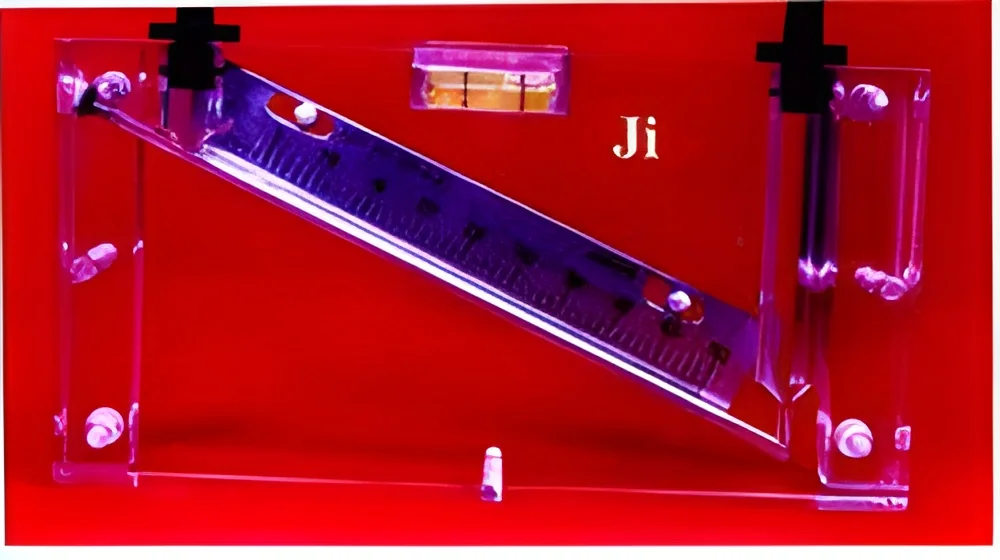
Differential Pressure Gauges
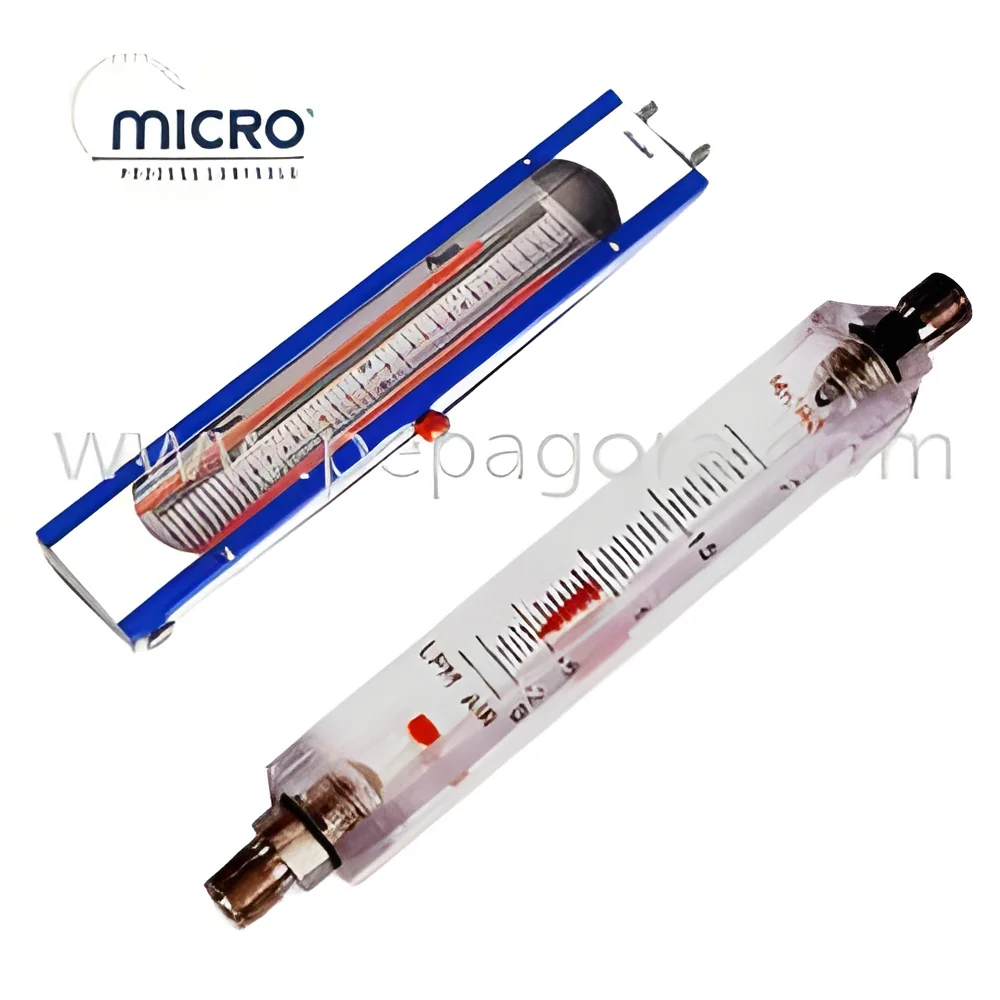
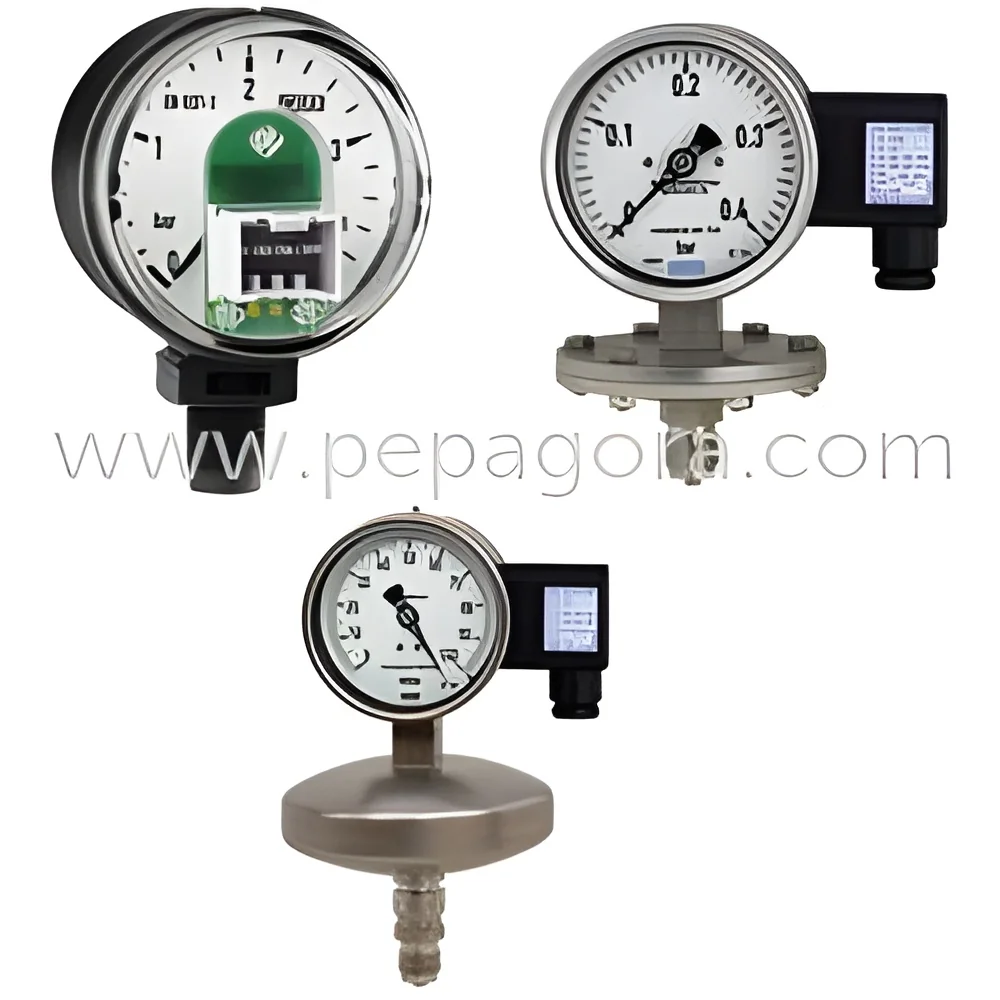
These gauges measure the difference between two pressure points. They are critical in applications like filter monitoring and flow measurement.
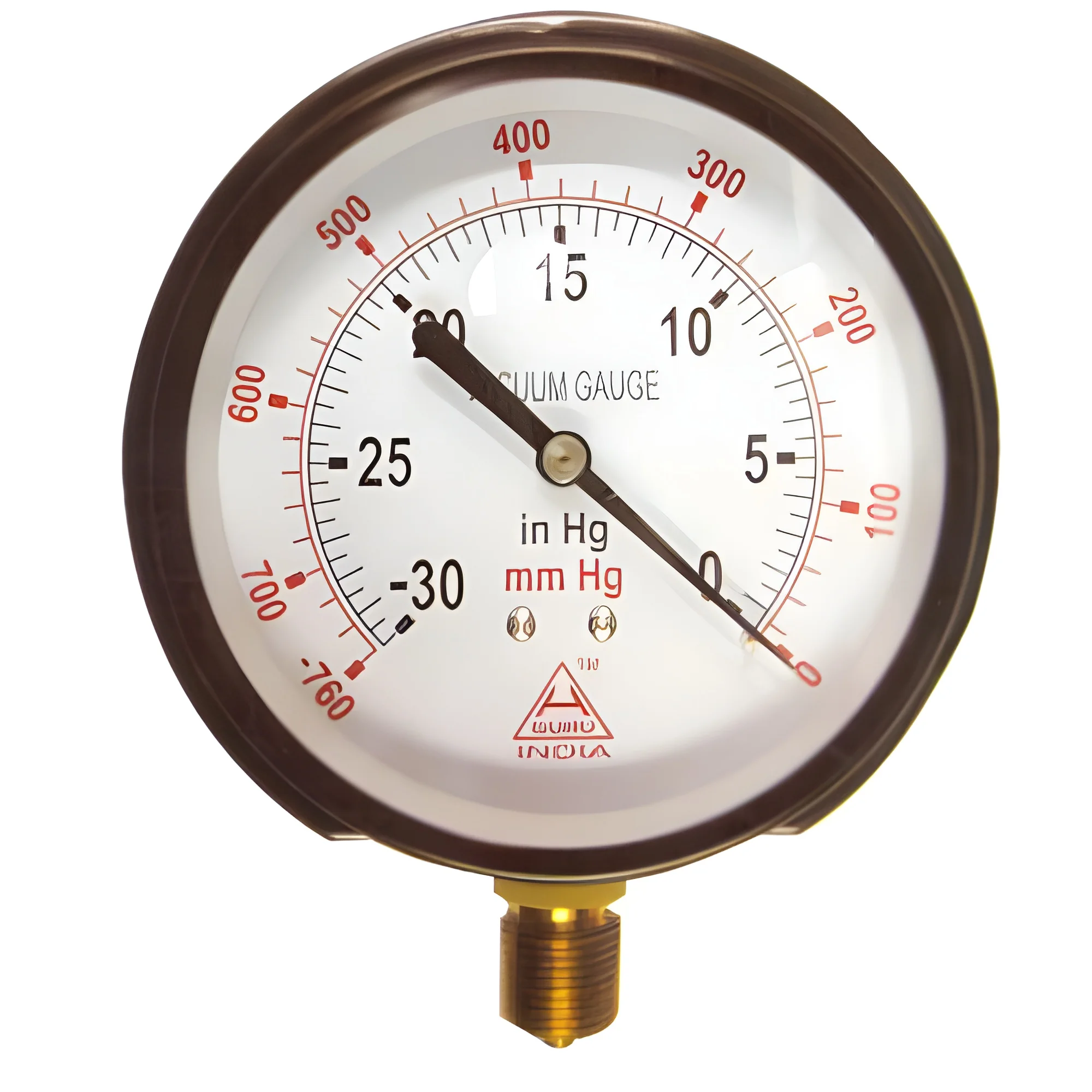
Vacuum Gauges
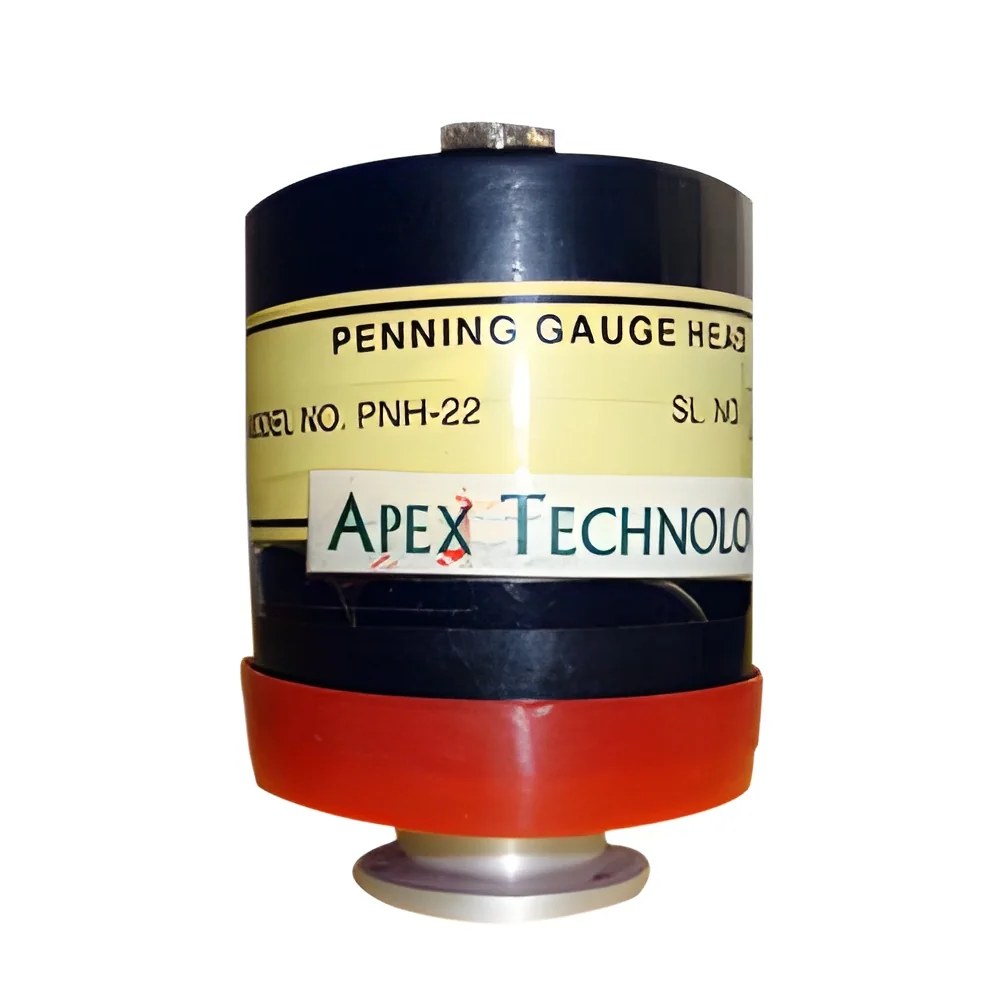
Specifically designed to measure negative pressure, vacuum gauges are used in applications like vacuum packaging and scientific research.
Benefits and Advantages
Using pressure gauges presents several key advantages for businesses.
1. Enhanced Safety: By monitoring pressure levels, businesses can prevent equipment failures and accidents, ensuring a safer working environment.
2. Improved Efficiency: Accurate pressure readings help optimize system performance, reducing energy consumption and waste.
3. Regulatory Compliance: Pressure gauges assist in meeting industry regulations, ensuring businesses adhere to safety and operational standards.
4. Cost Savings: By preventing equipment damage, regular monitoring can lead to significant cost reductions in maintenance and repairs.
5. Versatility: Available in various types and specifications, pressure gauges can be used across a wide range of industries and applications.
6. Easy Installation: Most pressure gauges are designed for straightforward installation, minimizing downtime during setup.
Buying Guide for B2B Buyers
When sourcing pressure gauges, it is essential for buyers to consider several important factors.
1. Quality Assessment: Evaluate the materials and construction of the gauges to ensure durability and reliability. Look for gauges that meet recognized quality standards.
2. Supplier Verification: Vet potential suppliers by checking their credentials, customer reviews, and industry reputation to ensure a trustworthy partnership.
3. Pricing and MOQ: Consider the cost of the gauges and any minimum order quantities that may apply. Compare prices among suppliers to ensure a fair deal.
4. Delivery and Lead Times: Discuss logistics with suppliers to understand delivery schedules and lead times. Timely delivery is crucial for maintaining production schedules.
5. Compliance Requirements: Ensure that the gauges meet all relevant industry regulations and certifications to avoid compliance issues.
Compliance and Certifications
Pressure gauges must adhere to various quality standards and certifications to ensure their reliability and safety in industrial applications.
Relevant quality standards such as ISO 9001 ensure that manufacturers maintain effective quality management systems. Compliance with HACCP and GDP standards is essential for industries dealing with food and pharmaceuticals.
Additionally, many pressure gauges carry the CE certification, indicating that they meet European safety and environmental requirements.
These certifications are important for ensuring that products are safe for use and meet industry-specific operational standards. Regional compliance considerations should also be taken into account, as different countries may have unique regulatory requirements.
Why Source Pressure Gauges from Pepagora?
Pepagora provides a trusted platform for sourcing pressure gauges with several key advantages.
Verified Supplier Network: Pepagora connects buyers with a network of verified suppliers, ensuring that all products meet industry standards and quality expectations.
Streamlined RFQ Process: The request for quotation process is designed for efficiency, allowing buyers to quickly compare offers from multiple suppliers, facilitating informed purchasing decisions.
Trade Assurance and Support: Buyers benefit from trade assurance measures that protect their transactions. Pepagora offers support throughout the purchasing process, ensuring a smooth experience.
Regional Coverage: With a strong presence in India, the GCC, and Southeast Asia, Pepagora provides geographic reach that ensures timely fulfillment of orders across different markets. This makes it easier for businesses to source pressure gauges tailored to their specific requirements.

 IN
IN