What are Infrared Thermometers?
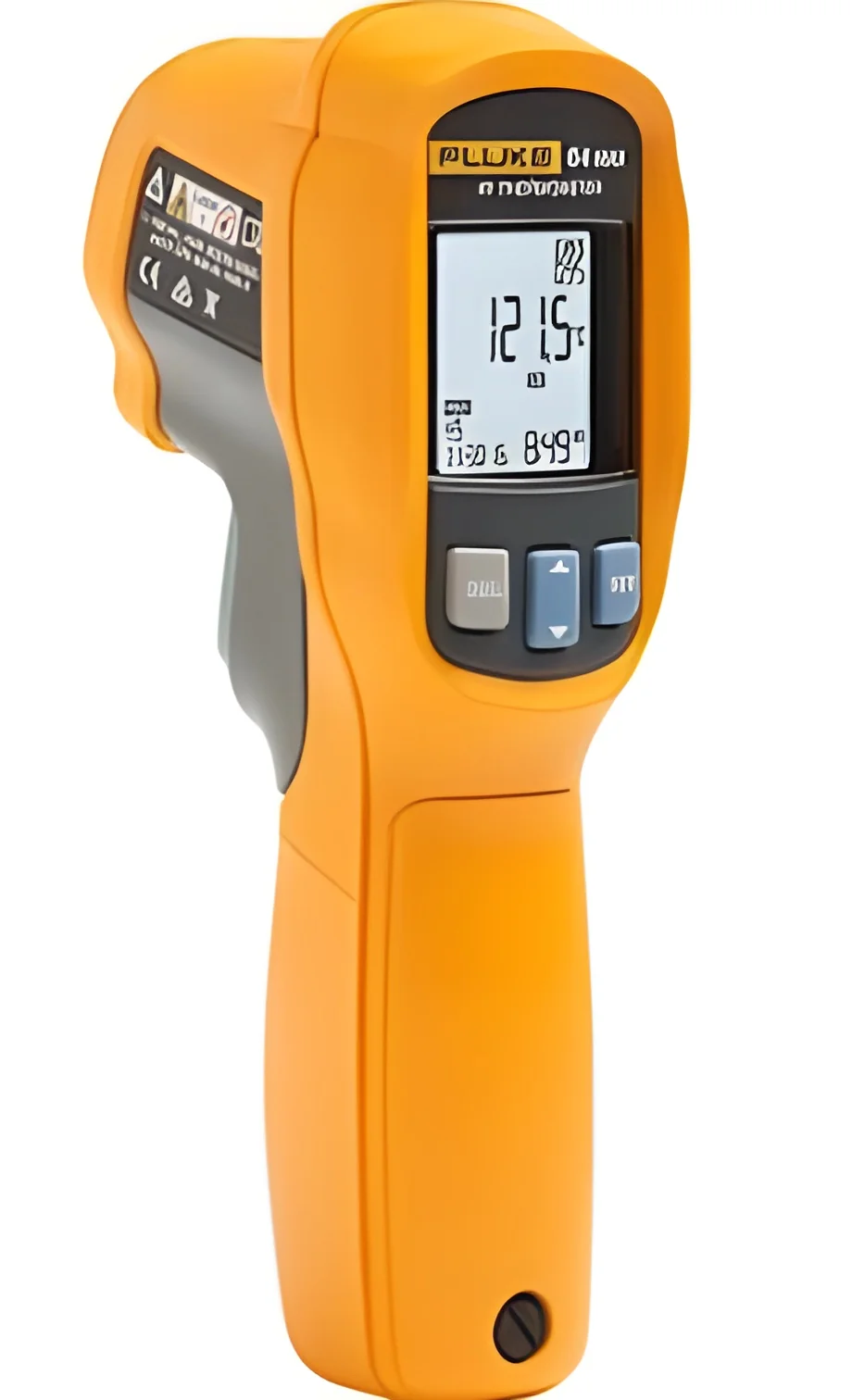
Infrared thermometers are non-contact temperature measurement devices that use infrared radiation to determine the temperature of an object or surface. Unlike traditional thermometers that require physical contact, infrared thermometers can measure temperature from a distance, making them ideal for various applications where direct contact is impractical or dangerous. They function by detecting the infrared energy emitted by an object and converting it into a temperature reading, which is displayed on a digital screen.
These devices are widely used across multiple industries, including manufacturing, healthcare, food safety, and automotive sectors. In manufacturing, they help monitor equipment and ensure optimal operating conditions. In healthcare, infrared thermometers are employed for quick and accurate temperature readings, particularly in screening for fevers. The versatility of infrared thermometers has led to their increasing relevance in today’s market, especially in light of heightened awareness around health and safety protocols.
Key Features and Specifications
Infrared thermometers come equipped with various features designed to enhance their usability and accuracy. The specifications often vary by model, catering to different industry requirements and applications.
Key specifications include:
1. Temperature Range
- Measures temperatures typically between -50°C to 550°C.
- Some models can extend beyond 1000°C for specialized applications.
2. Accuracy
- Generally offers accuracy within ±1°C or ±1.5% of the reading.
- Higher-end models may provide improved precision.
3. Response Time
- Quick response times, often less than 1 second for measurements.
- Essential for fast-paced environments.
4. Emissivity Settings
- Adjustable emissivity settings to enhance measurement accuracy on different materials.
- Common emissivity values range from 0.1 to 1.0.
5. Display Type
- LCD screens are standard, with backlit options available for low-light conditions.
- Some models include additional features like temperature logging.
6. Battery Life
- Long-lasting battery life, typically ranging from 20 to 40 hours on standard models.
- Rechargeable options are available in some models.
7. Weight and Portability
- Lightweight and ergonomic designs for easy handling.
- Compact size for convenient storage and transport.
Infrared thermometers are characterized by their reliability and efficiency in temperature measurement, making them invaluable tools in various professional settings.
Common Applications and Use Cases
Infrared thermometers find extensive use across a range of industries, ensuring safety and efficiency in operations.
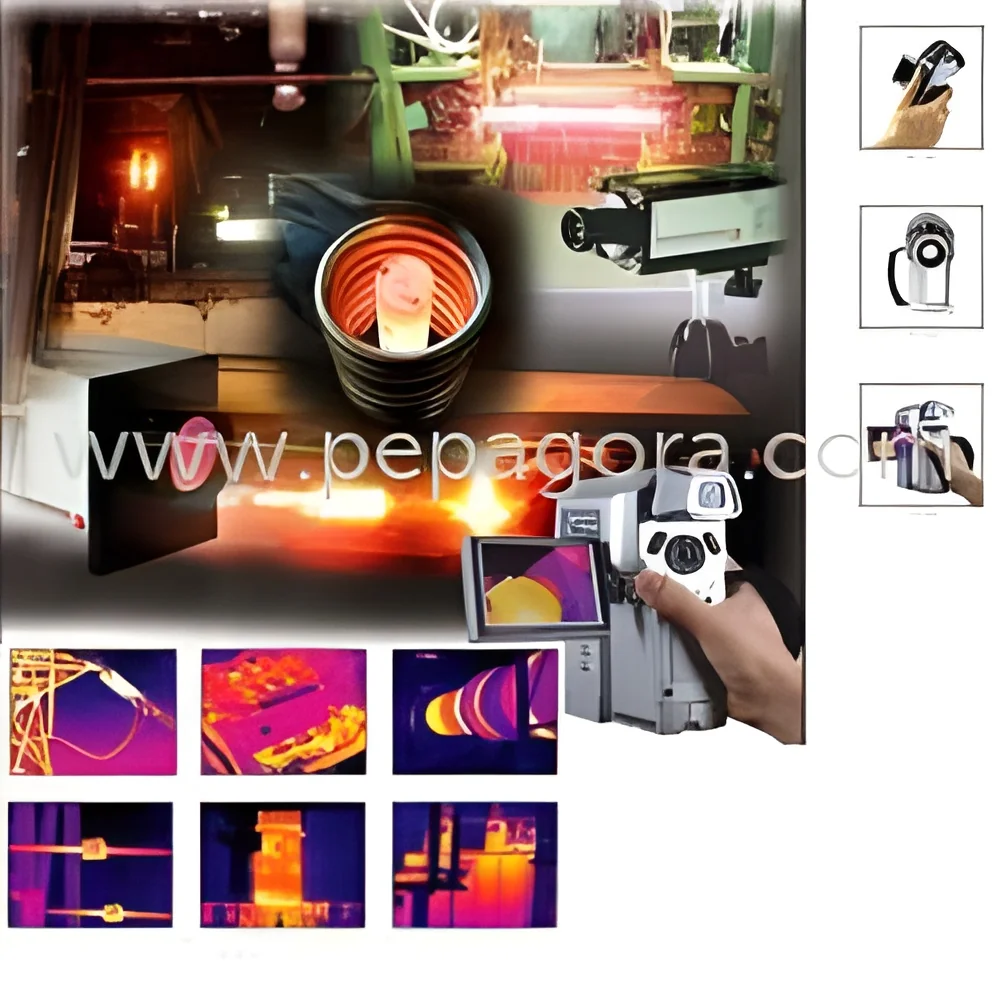
1. Manufacturing: They are used to monitor machinery and equipment temperatures, helping to prevent overheating and ensuring optimal performance.
2. Healthcare: Infrared thermometers are critical in clinics and hospitals for rapid temperature screening, especially during health crises.
3. Food Safety: In the food industry, these devices help ensure that food is cooked to safe temperatures and stored correctly to prevent spoilage.
4. Automotive: Used in vehicle diagnostics, they help identify overheating components and ensure proper engine function.
5. HVAC: Infrared thermometers assist in troubleshooting heating, ventilation, and air conditioning systems by checking duct temperatures.
6. Electrical: They help identify hot spots in electrical panels and connections, enhancing safety and maintenance.
7. Research and Development: Used in laboratories for precise temperature measurements in experiments and product testing.
Product Variants and Subcategories
Infrared thermometers are available in various designs and functionalities to meet diverse industry needs.
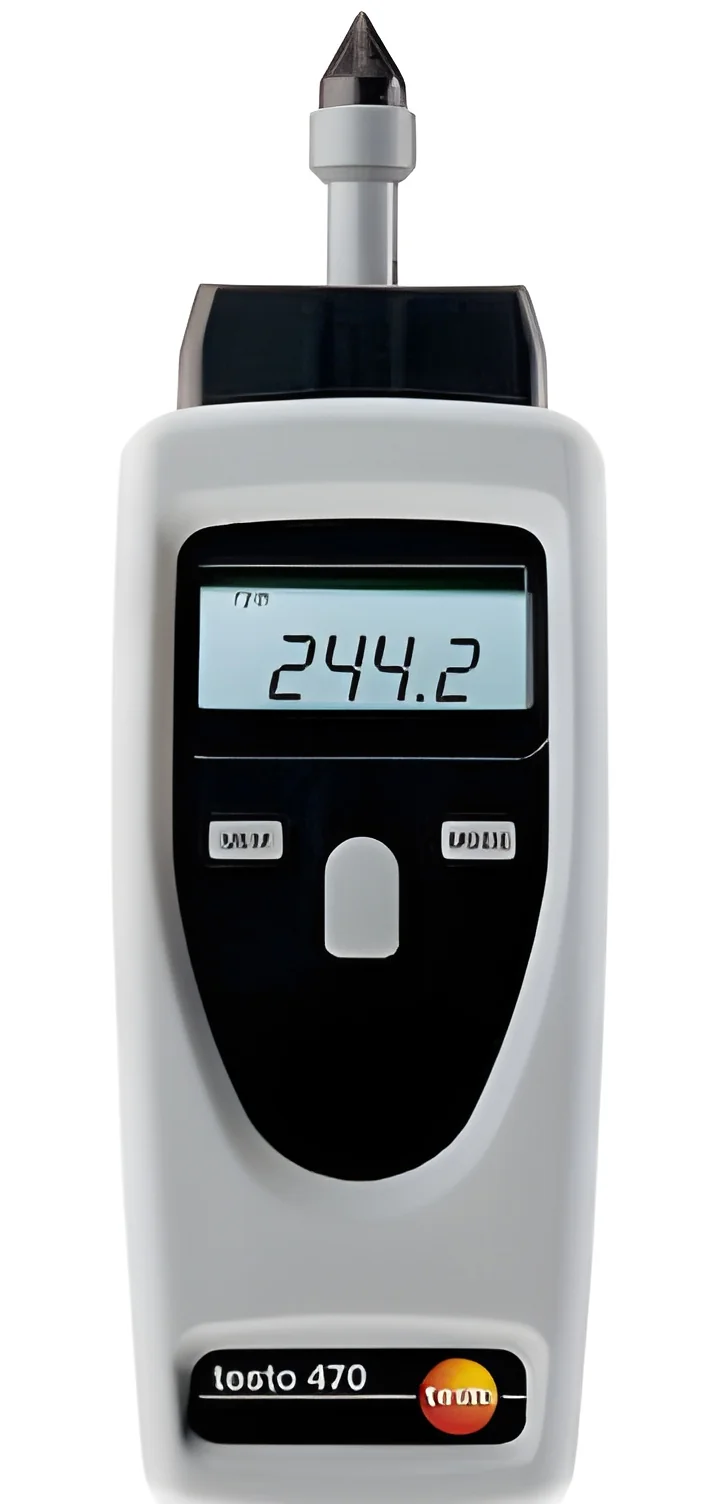
Handheld Infrared Thermometers: These portable devices are commonly used for quick, on-the-go temperature readings in various settings, from manufacturing floors to healthcare facilities.
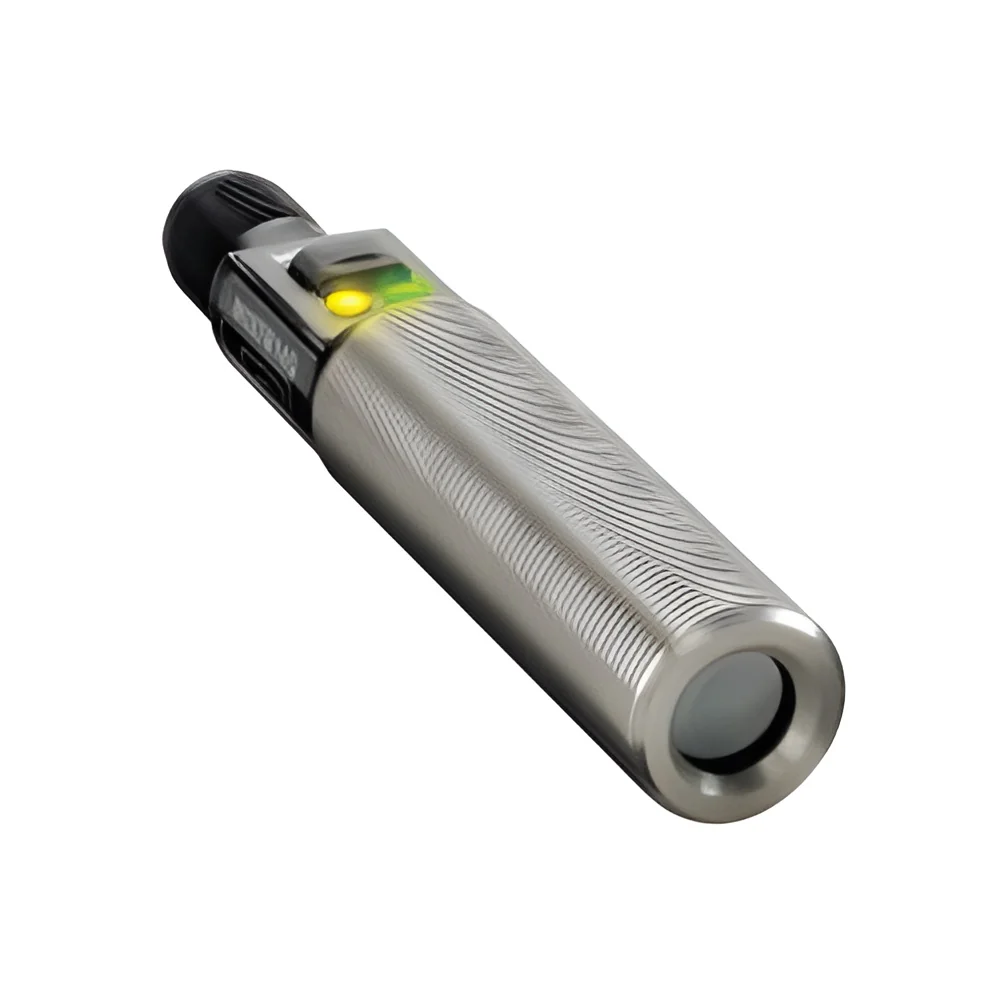
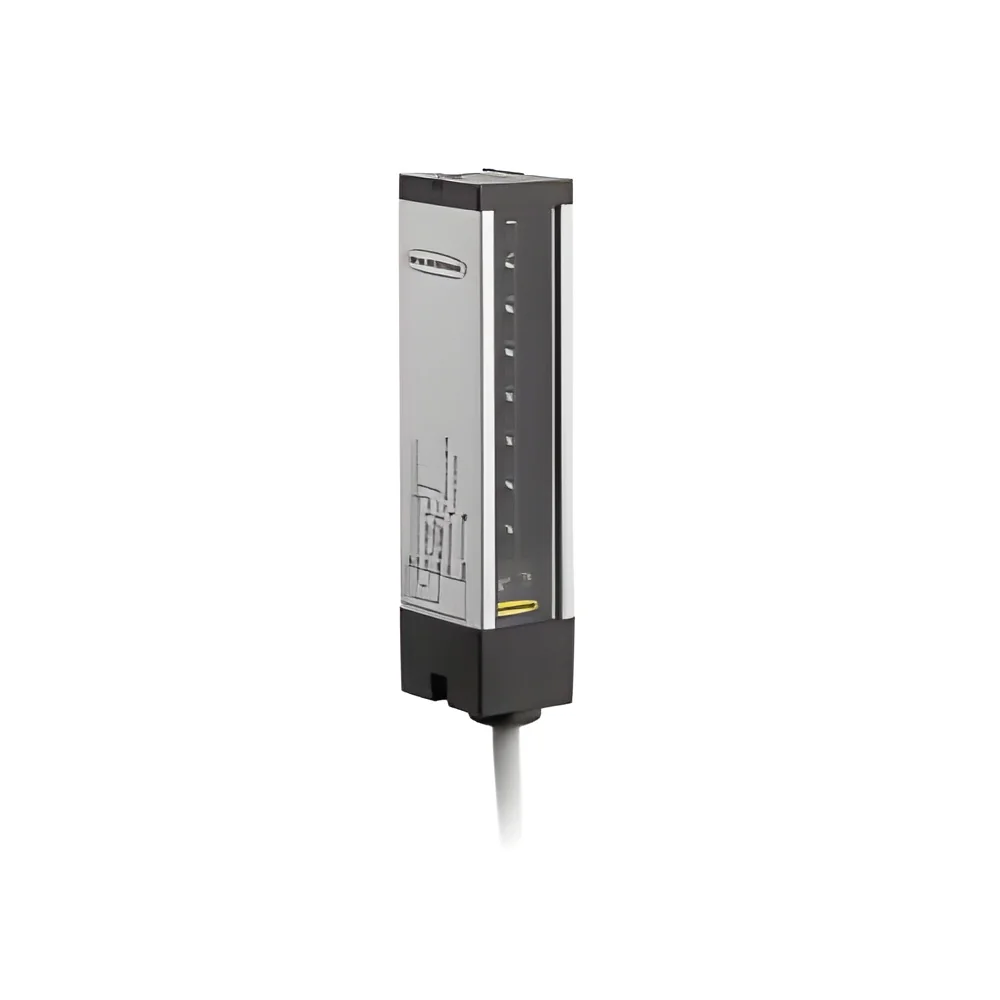
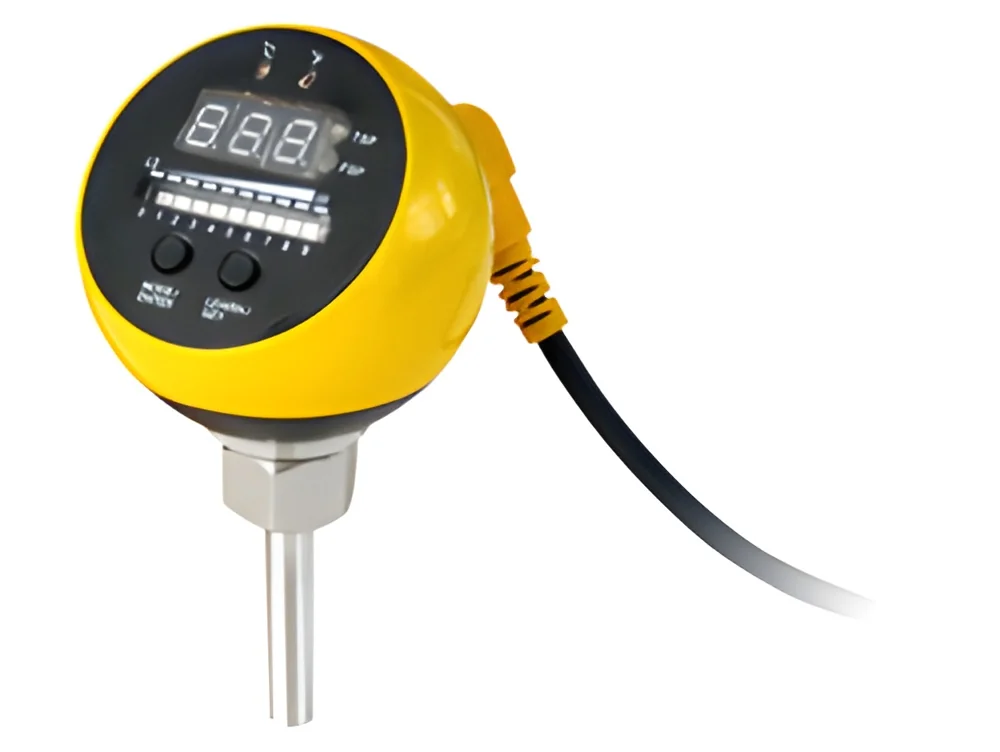
Fixed Infrared Thermometers: Designed for continuous monitoring, these stationary units are often installed in manufacturing processes or critical applications, providing real-time temperature data.
Infrared Thermometers with Laser Guidance: These models include laser pointers to enhance aiming accuracy, making them suitable for applications requiring precise measurements.
Benefits and Advantages
Infrared thermometers offer significant advantages that enhance their appeal to businesses.
1. Non-Contact Measurement: They allow for safe temperature readings without direct contact, reducing the risk of contamination.
2. Quick and Efficient: Infrared thermometers provide rapid results, which is crucial in environments where time is of the essence.
3. Versatile Applications: Suitable for various industries, they can measure temperatures across multiple materials and surfaces.
4. User-Friendly: Most models feature intuitive interfaces, making them easy to use for both trained professionals and general users.
5. Enhanced Safety: They minimize exposure to hazardous environments, such as hot surfaces or infectious patients.
6. Cost-Effective: Many models offer a good balance of features and price, making them accessible for businesses of all sizes.
Buying Guide for B2B Buyers
When sourcing infrared thermometers, several factors should be considered to ensure an informed purchase.
1. Quality Assessment: Look for models that meet established standards and have a reputation for reliability. Reviews and certifications can provide insight into quality.
2. Supplier Verification: Vet suppliers to ensure they are reputable and provide consistent quality. Check for industry certifications and customer feedback.
3. Pricing and MOQ: Understand the pricing structures and minimum order quantities (MOQ) of suppliers to align with budget constraints and operational needs.
4. Delivery and Lead Times: Inquire about delivery times and logistics to ensure that products can arrive when needed without delays.
5. Compliance Requirements: Be aware of any regulatory compliance needed for your industry, such as safety standards and environmental regulations.
Compliance and Certifications
Infrared thermometers must adhere to various quality and safety standards to ensure their reliability and effectiveness. ISO 9001 is a common quality management standard that certifies a manufacturer's ability to consistently provide products that meet customer and regulatory requirements.
Additionally, many infrared thermometers carry the CE mark, indicating compliance with European health, safety, and environmental protection standards. This certification is crucial for businesses operating in or exporting to European markets.
Safety and testing requirements often include thermal accuracy and repeatability tests, ensuring devices perform reliably in practical applications. Additionally, regional compliance may vary, so it's essential to consider local regulations when selecting infrared thermometers for specific markets.
Why Source Infrared Thermometers from Pepagora?
Pepagora provides an excellent platform for sourcing infrared thermometers, offering several key advantages to B2B buyers.
Verified Supplier Network: Pepagora features a network of verified suppliers, ensuring that buyers have access to trustworthy vendors who meet quality standards.
Streamlined RFQ Process: The request for quotation (RFQ) system simplifies the procurement process, allowing buyers to easily compare options and make informed decisions.
Trade Assurance and Support: Buyers benefit from trade assurance policies that protect their purchases and offer support throughout the sourcing process.
Regional Coverage: With a strong presence in regions such as India, the Gulf Cooperation Council (GCC), and Southeast Asia, Pepagora facilitates access to a wide range of suppliers and products tailored to diverse markets.
This combination of benefits makes Pepagora an ideal choice for businesses looking to source high-quality infrared thermometers efficiently and effectively.

 IN
IN