
 IN
Manometers
13 products available
What are Manometers?
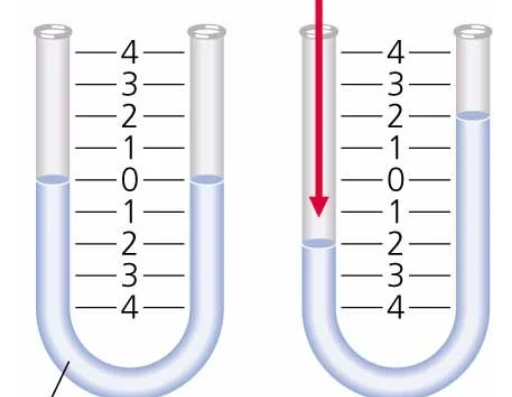
Manometers are precision instruments used to measure the pressure of gases and liquids. They work by balancing the pressure of the fluid against a column of liquid, typically mercury or water, within a calibrated tube. This measurement is critical in a variety of applications where accurate pressure readings are essential for safety and efficiency.
Manometers find extensive use across multiple industries, including manufacturing, HVAC, and laboratory settings. They help in monitoring pressure levels in systems to ensure optimal performance and compliance with safety regulations. The ability to provide precise readings makes them invaluable for processes that rely on maintaining specific pressure conditions, thereby enhancing operational reliability and safety.
In the current market, manometers are essential tools in industries that demand high levels of accuracy in pressure measurements. As sectors grow and evolve, the need for reliable pressure measurement systems continues to increase, driving innovation and improvements in manometer technology.
Key Features and Specifications
Manometers are designed with various features and specifications to meet different industrial needs. Understanding these characteristics is essential for selecting the right device for specific applications.
Key specifications include:
1. Measurement Range
- Manometers are available with varying measurement ranges to accommodate different pressure levels.
- Typical ranges can vary from low vacuum measurements to high-pressure readings.
2. Accuracy
- Manometers are designed to provide precise readings, often with an accuracy of ±1% of full scale.
- High accuracy is crucial for applications where minor deviations can lead to significant issues.
3. Material Construction
- These devices are commonly made from materials resistant to corrosion and pressure, such as stainless steel or durable plastics.
- The choice of material influences the manometer’s longevity and compatibility with various fluids.
4. Type of Liquid Column
- Manometers may use different liquids, such as mercury or water, depending on the application requirements.
- The choice of liquid affects the sensitivity and range of the manometer.
5. Display Type
- Manometers can feature analog or digital displays, offering users different ways to read measurements.
- Digital displays often include additional features such as data logging and connectivity options.
6. Calibration
- Regular calibration is necessary to maintain accuracy, with some models offering built-in calibration features.
- Proper calibration ensures reliable performance over time.
7. Portability
- Some manometers are designed for portability, making them suitable for field use.
- They may include features like battery operation and compact designs.
8. Compliance
- Many manometers adhere to international standards and certifications, ensuring reliability and safety.
- Common certifications include CE marking, indicating compliance with European safety standards.
In summary, the key features and specifications of manometers are essential for ensuring that they meet the specific needs of various industrial applications. By selecting the appropriate model based on these criteria, businesses can enhance operational efficiency and safety.
Common Applications and Use Cases
Manometers are versatile tools used across several industries and applications.
1. Manufacturing: In manufacturing processes, manometers monitor pressure levels in pneumatic systems and hydraulic machinery, ensuring optimal performance and safety.
2. HVAC: In heating, ventilation, and air conditioning systems, manometers measure air pressure to optimize airflow and energy efficiency.
3. Laboratory: In laboratory environments, manometers are used to conduct experiments where precise pressure control is necessary, such as in gas analysis.
4. Food and Beverage: In the food and beverage industry, manometers help maintain proper pressure in packaging and processing equipment to ensure product quality and safety.
5. Oil and Gas: These instruments are critical in the oil and gas sector for monitoring well pressures and ensuring safe drilling operations.
6. Pharmaceutical: In pharmaceutical manufacturing, manometers ensure that pressure levels in reactors and other equipment meet stringent health and safety standards.
7. Automotive: In the automotive industry, manometers are utilized to test tire pressures and monitor fuel system pressures, contributing to vehicle safety and performance.
Product Variants and Subcategories
Manometers come in various types and designs to cater to different needs and applications.
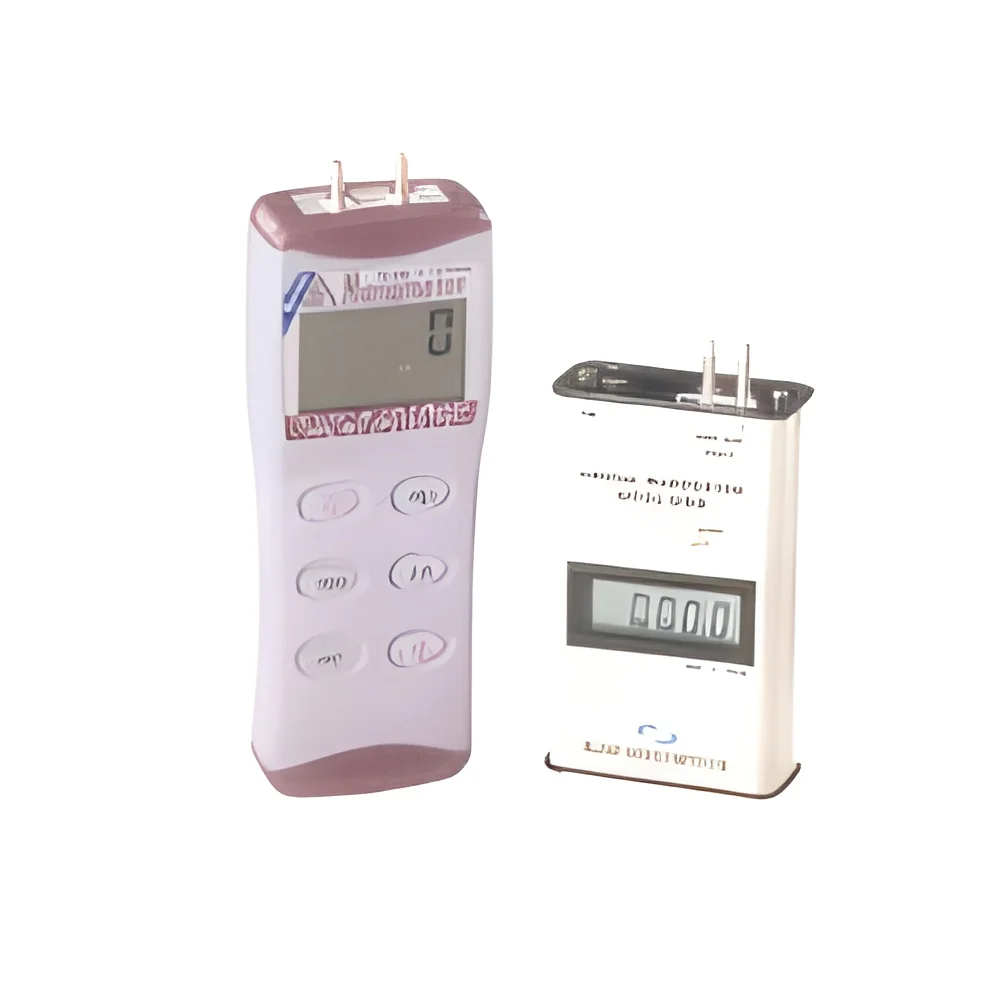
Digital Manometers: These instruments use electronic sensors to provide precise pressure readings. They often feature digital displays and advanced functionalities such as data logging. Digital manometers are particularly useful for applications requiring high accuracy and easy data interpretation.
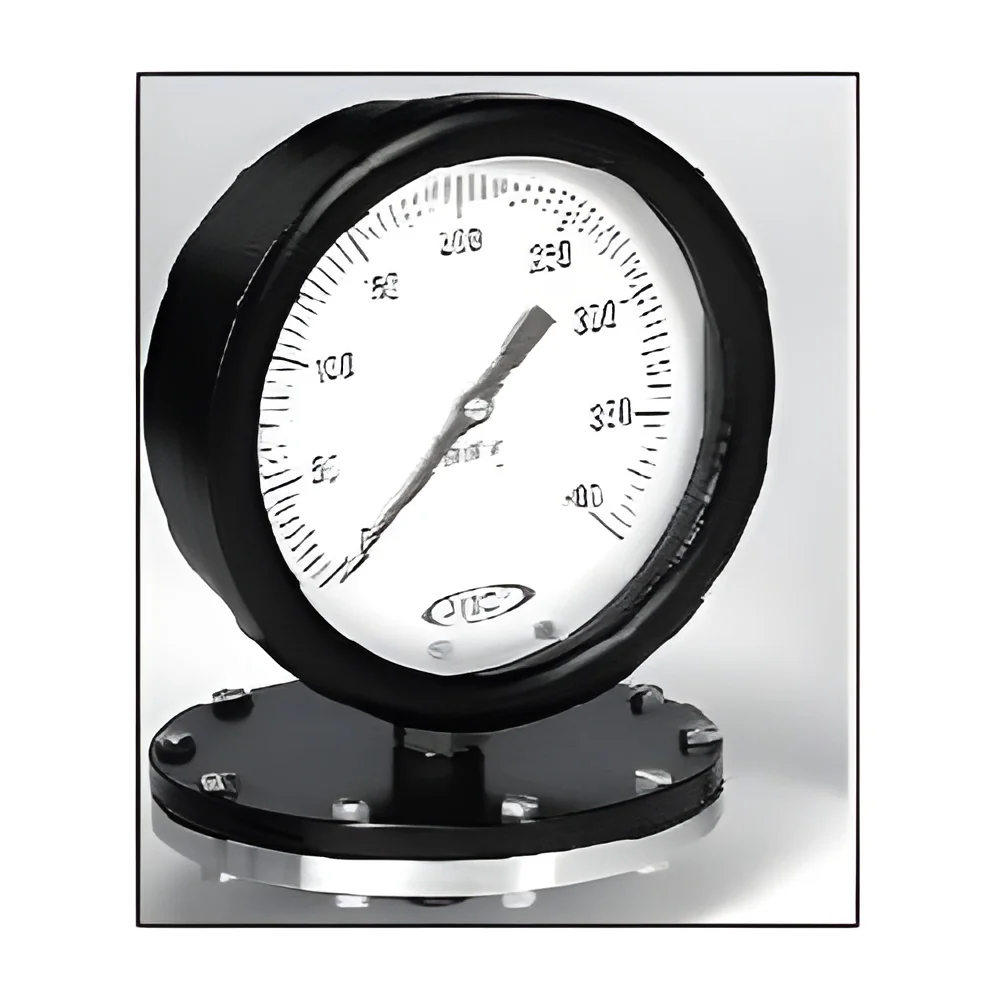
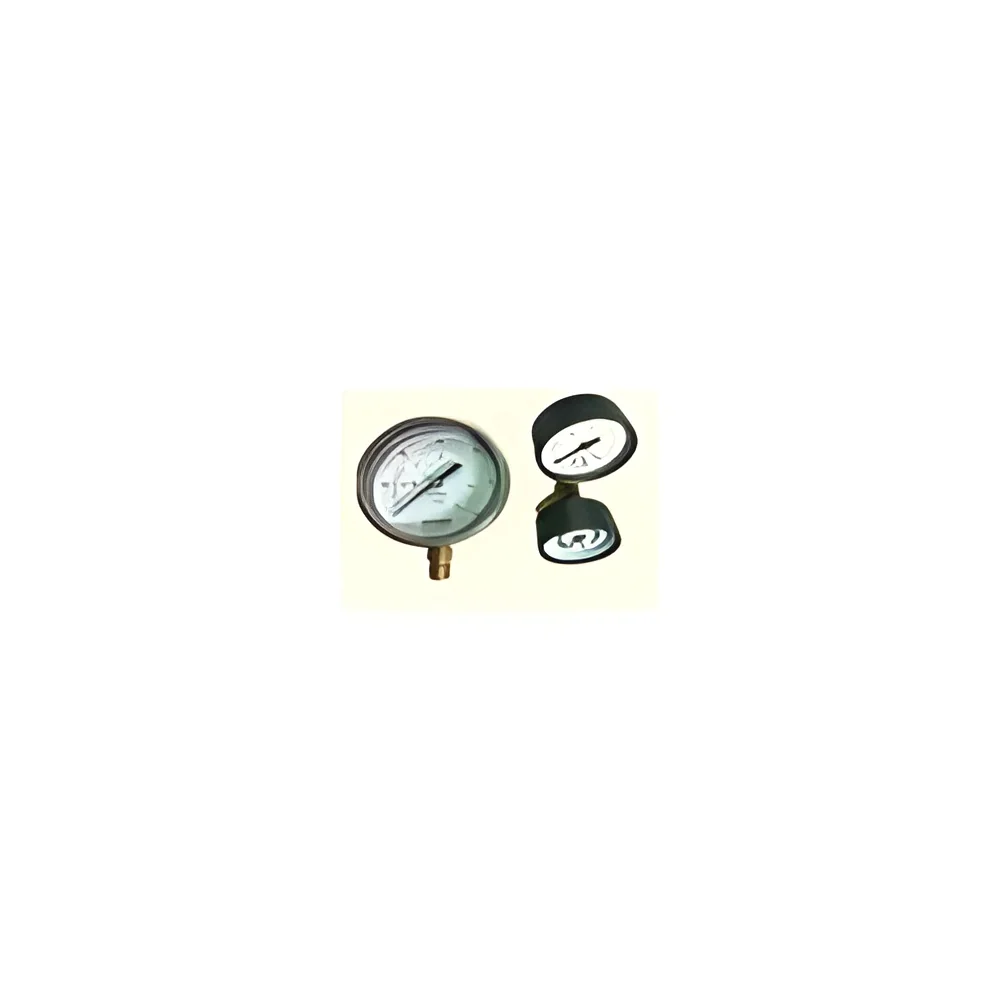
Analog Manometers: Analog models utilize a mechanical system, often a dial gauge, to display pressure readings. They are simpler in design and can be more cost-effective for basic pressure measurement tasks. Analog manometers are often preferred in environments where digital equipment might be prone to failure or damage.
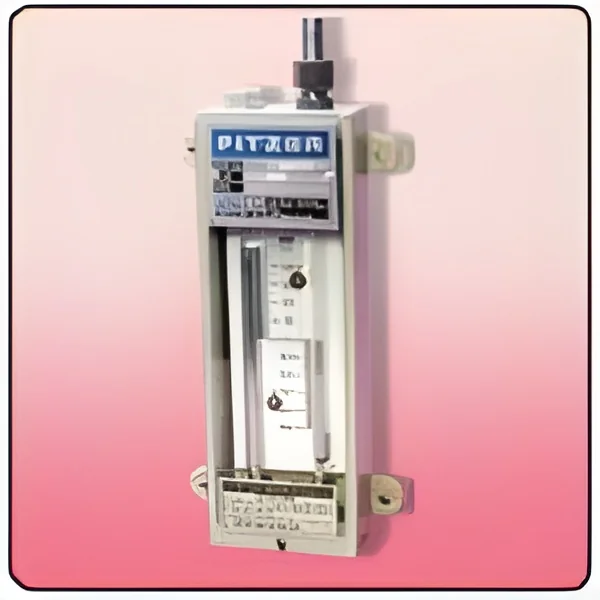
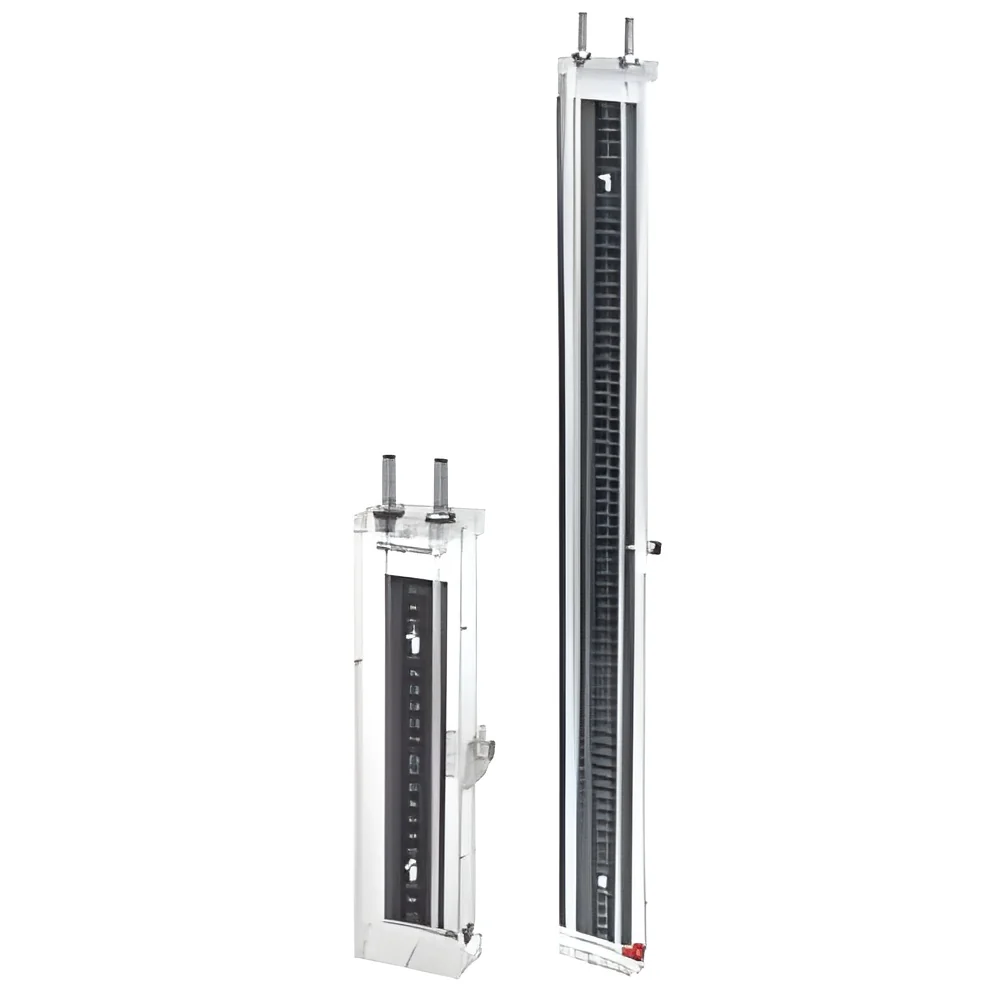
Liquid Column Manometers: This traditional design uses a column of liquid, such as mercury or water, to measure pressure. They are known for their accuracy and are still widely used in laboratories and industrial settings where high precision is required.
Benefits and Advantages
Manometers offer several advantages that make them essential tools in various industrial applications.
1. High Accuracy: Manometers provide precise pressure measurements, ensuring that operations run smoothly and safely.
2. Versatility: They can be used in a wide range of applications, from simple household tasks to complex industrial processes.
3. Ease of Use: Many manometers, especially digital models, are user-friendly and easy to read, making them accessible for operators of all skill levels.
4. Durability: With proper care, manometers are built to last, providing reliable service over extended periods.
5. Compliance Assurance: Many manometers meet strict industry standards, helping businesses maintain compliance with regulations.
6. Cost-Effectiveness: By preventing pressure-related issues, manometers can help save costs associated with equipment failure and downtime.
Buying Guide for B2B Buyers
When sourcing manometers, several factors should be considered to ensure the right choice for your business needs.
1. Quality Assessment: Evaluate the quality of manometers by reviewing specifications and operational standards. Look for products that comply with relevant certifications to ensure reliability.
2. Supplier Verification: Verify suppliers to ensure they have a solid reputation in the market. Checking reviews and ratings can provide insights into their reliability and service quality.
3. Pricing and MOQ: Consider the cost of manometers and the minimum order quantity required by suppliers. Evaluate whether the pricing aligns with your budget and purchase volume.
4. Delivery and Lead Times: Assess delivery timelines and logistics capabilities to ensure that you can receive your products when needed without delays.
5. Compliance Requirements: Ensure that the manometers comply with industry-specific regulations and standards, which can vary by region and application.
Compliance and Certifications
Manometers must adhere to various quality standards and certifications to ensure their reliability and safety in industrial applications.
Relevant quality standards include ISO 9001, which outlines criteria for a quality management system, ensuring that products consistently meet customer and regulatory requirements. Additionally, adherence to HACCP (Hazard Analysis Critical Control Point) principles is vital in industries like food and beverage, where safety is paramount.
Industry certifications such as CE mark signify that the manometers meet European safety and performance standards. This certification is crucial for manufacturers looking to enter or operate within the European market.
Safety and testing requirements are also critical, as manometers must be tested for accuracy and durability before being deployed in operational environments. Regional compliance considerations must also be taken into account, as different areas may have specific regulatory needs that affect the selection of manometers.
Why Source Manometers from Pepagora?
Pepagora offers a reliable platform for sourcing manometers, providing several advantages to B2B buyers.
Verified Supplier Network: Pepagora features a network of verified suppliers, ensuring that buyers can trust the quality and reliability of the products offered. This verification process helps mitigate risks associated with sourcing.
Streamlined RFQ Process: The request for quotation (RFQ) process on Pepagora is designed to be user-friendly, allowing buyers to easily obtain quotes from multiple suppliers. This simplifies the sourcing process and enables informed decision-making.
Trade Assurance and Support: Pepagora provides trade assurance, offering buyer protection throughout the purchasing process. This support helps to ensure that buyers receive their products as described and on time.
Regional Coverage: With a focus on regions such as India, the Gulf Cooperation Council (GCC), and Southeast Asia, Pepagora ensures that buyers can access a broad range of manometers suited to their specific market needs. This extensive regional coverage enhances the platform's appeal for businesses looking to source quality products efficiently.




Frequently Asked Questions
What are Manometers?
Manometers are instruments used to measure the pressure of gases or liquids. They are essential in various applications, including HVAC systems, laboratory experiments, and industrial processes.
What are the different types of Manometers?
The main types of manometers include U-tube manometers, digital manometers, and bourdon tube manometers. Each type has its specific use cases and advantages, depending on the pressure range and application requirements.
How do I choose the right Manometers?
Choosing the right manometer involves considering factors such as the pressure range, accuracy, and environment where it will be used. Additionally, consider whether a digital or analog display is more suitable for your needs.
What are the standard specifications for Manometers?
Standard specifications for manometers typically include pressure range, accuracy, resolution, and the type of measurement (gauge, absolute, or differential). It's crucial to verify these specifications against your application requirements.
What is the price range for Manometers?
The price range for manometers can vary widely based on type and specifications, typically ranging from a few hundred to several thousand Indian Rupees. Factors such as brand, accuracy, and additional features also influence the pricing.
What quality standards apply to Manometers?
Quality standards for manometers often include ISO 9001 certification, which ensures consistent quality in manufacturing. Additionally, some manometers may comply with industry-specific standards, such as those set by ASTM or ASME.
Where can I find Manometers suppliers in India?
You can find manometer suppliers in India through B2B marketplaces like Pepagora.com, trade shows, and industrial supply companies. It's advisable to compare suppliers for quality, pricing, and customer reviews.
Can Manometers be customized?
Many manufacturers offer customization options for manometers, allowing you to specify features such as pressure range, size, and materials. Customization may also include specific fittings or calibration for unique applications.
What is the typical minimum order quantity for Manometers?
The typical minimum order quantity (MOQ) for manometers can range from 1 to 100 units, depending on the supplier and the specific product. It's best to check with individual suppliers for their MOQ policies.
What is the typical lead time for Manometers?
The typical lead time for manometers can vary from a few days to several weeks based on the type, customization, and supplier's inventory. It's advisable to confirm lead times with the supplier before placing an order.
Why Businesses Trust Pepagora
Thousands of companies trust Pepagora to source smarter and sell faster
Expand Your Sales Globally

Source Smarter,Grow Faster
