
 IN
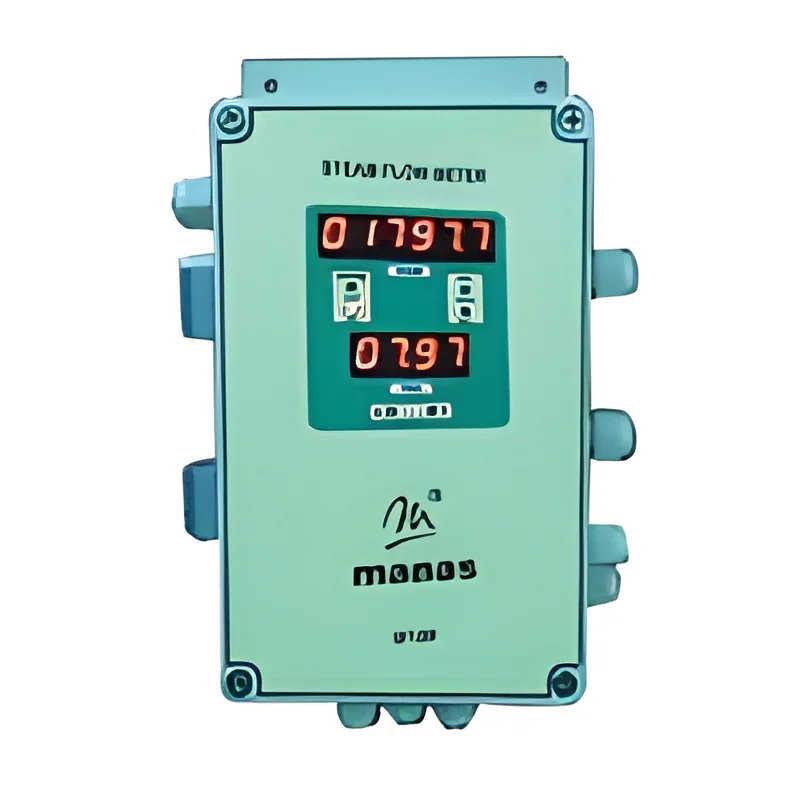
Electromagnetic Flow Meters
194 products available
What are Electromagnetic Flow Meters?
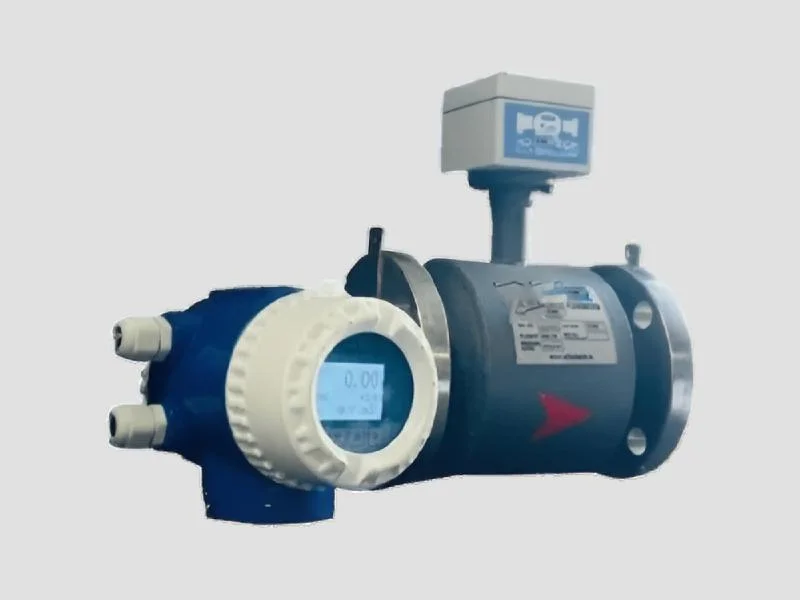
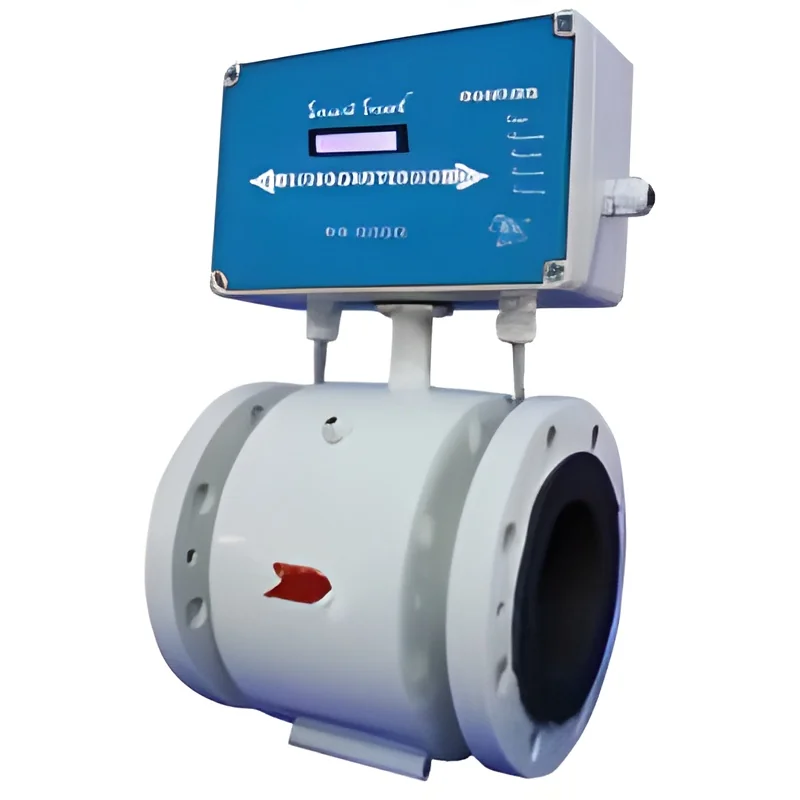
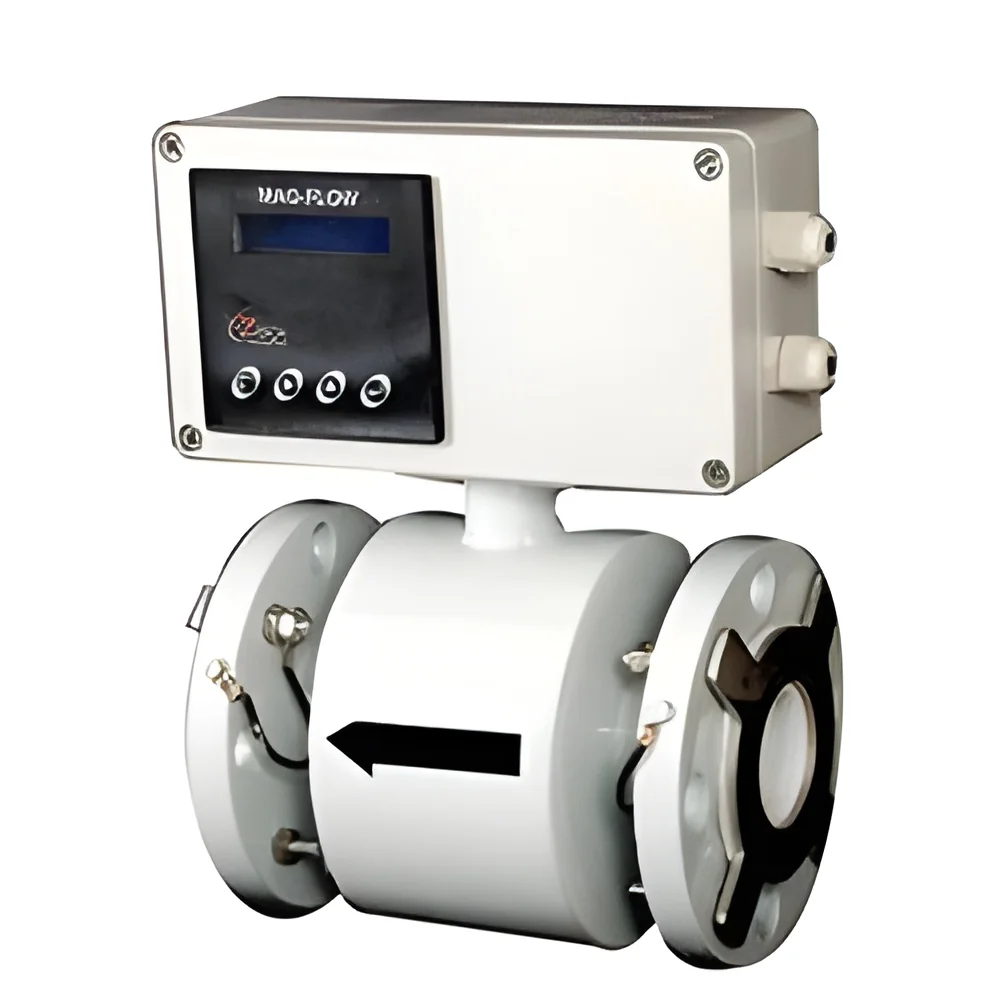
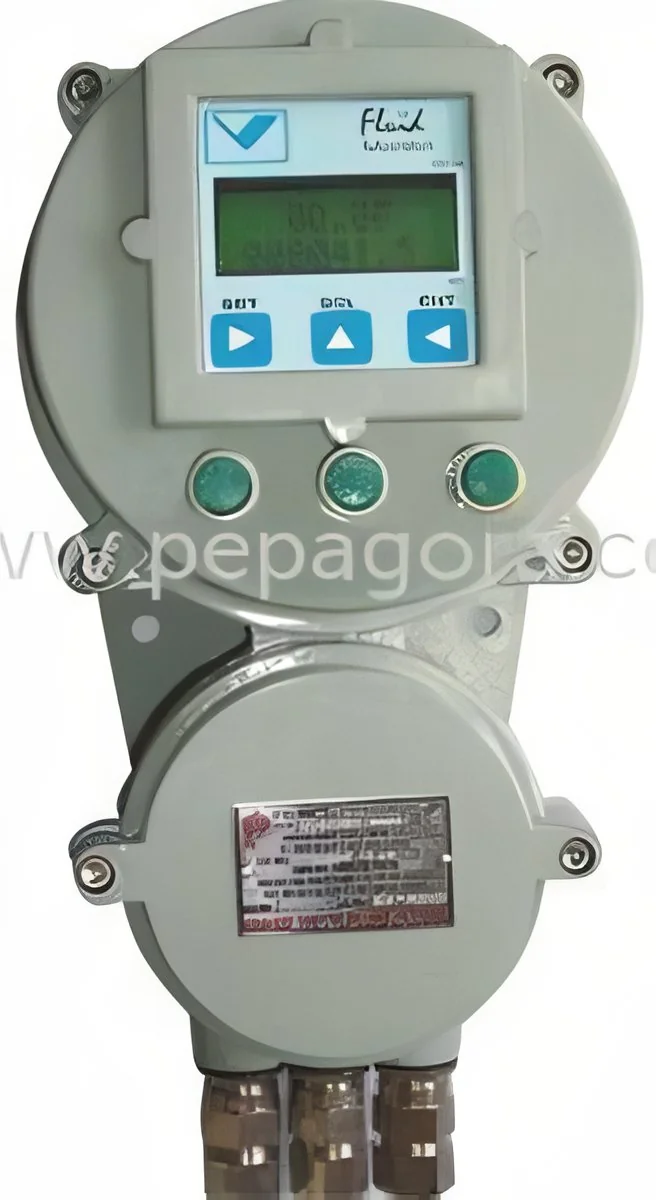
Electromagnetic flow meters are devices used to measure the flow rate of conductive liquids in a variety of industrial applications. They operate based on Faraday's law of electromagnetic induction, where a magnetic field is generated, and the resulting voltage induced in the liquid is proportional to the flow velocity. This technology allows for accurate flow measurement without the need for moving parts, which enhances reliability and reduces maintenance needs.
These flow meters are commonly used in industries such as water treatment, food and beverage, chemical processing, and pharmaceuticals. They are particularly effective for measuring slurries, wastewater, and other aggressive media. The ability to provide real-time data and maintain accuracy even in harsh conditions makes them essential tools for manufacturers and service providers.
As industries continue to focus on efficiency and sustainability, the demand for electromagnetic flow meters is increasing. Their adaptability to various applications and their capability to support modern automation systems position them as vital components in today’s industrial processes. As the market evolves, advancements in technology are expected to enhance their functionality and performance.
Key Features and Specifications
Electromagnetic flow meters offer several key features that enhance their performance and usability in industrial settings. They are designed to provide reliable and accurate flow measurements while ensuring minimal maintenance.
Key specifications include:
1. Measurement Principle
- Based on Faraday's law of electromagnetic induction
- Suitable for conductive liquids only
2. Flow Range
- Typically supports a wide range of flow rates
- Exact specifications depend on the model and manufacturer
3. Accuracy
- High accuracy levels, often within ±0.2% of reading
- Calibration can enhance measurement reliability
4. Installation Options
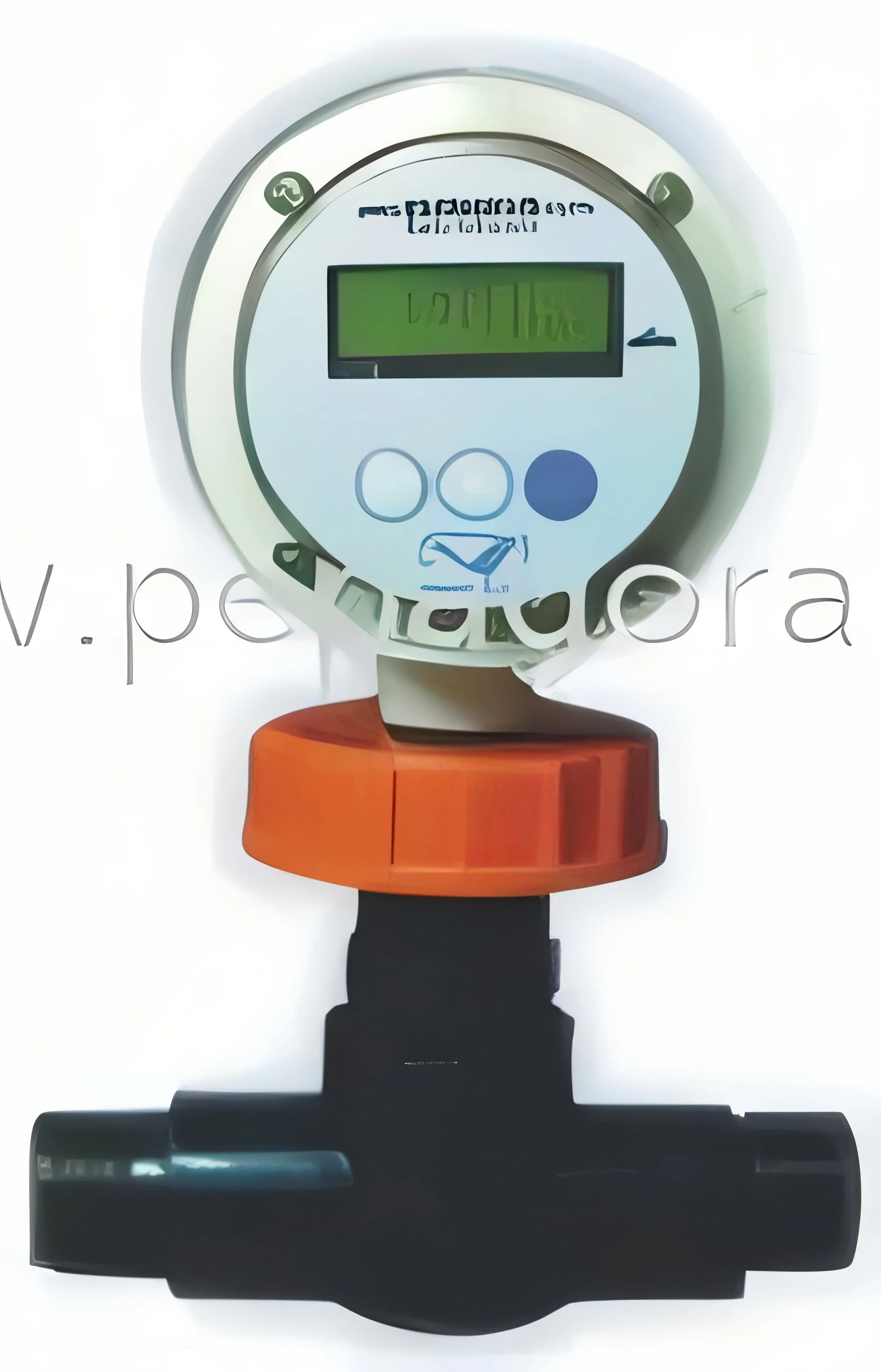
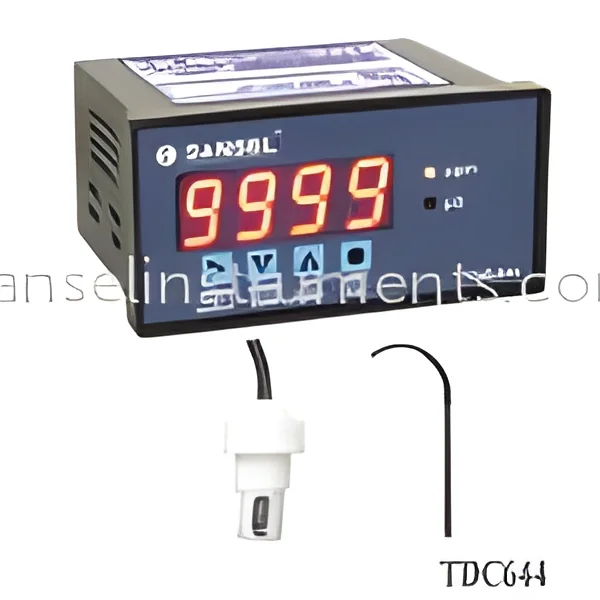
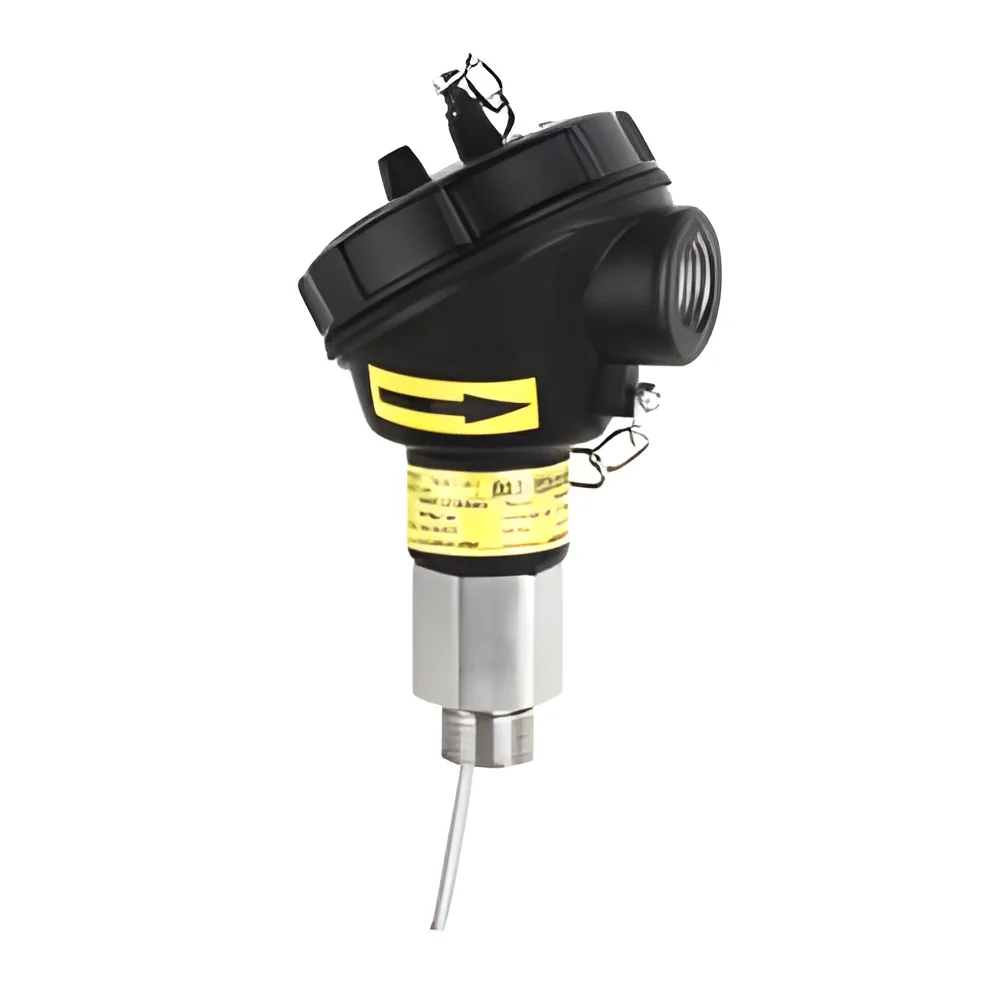
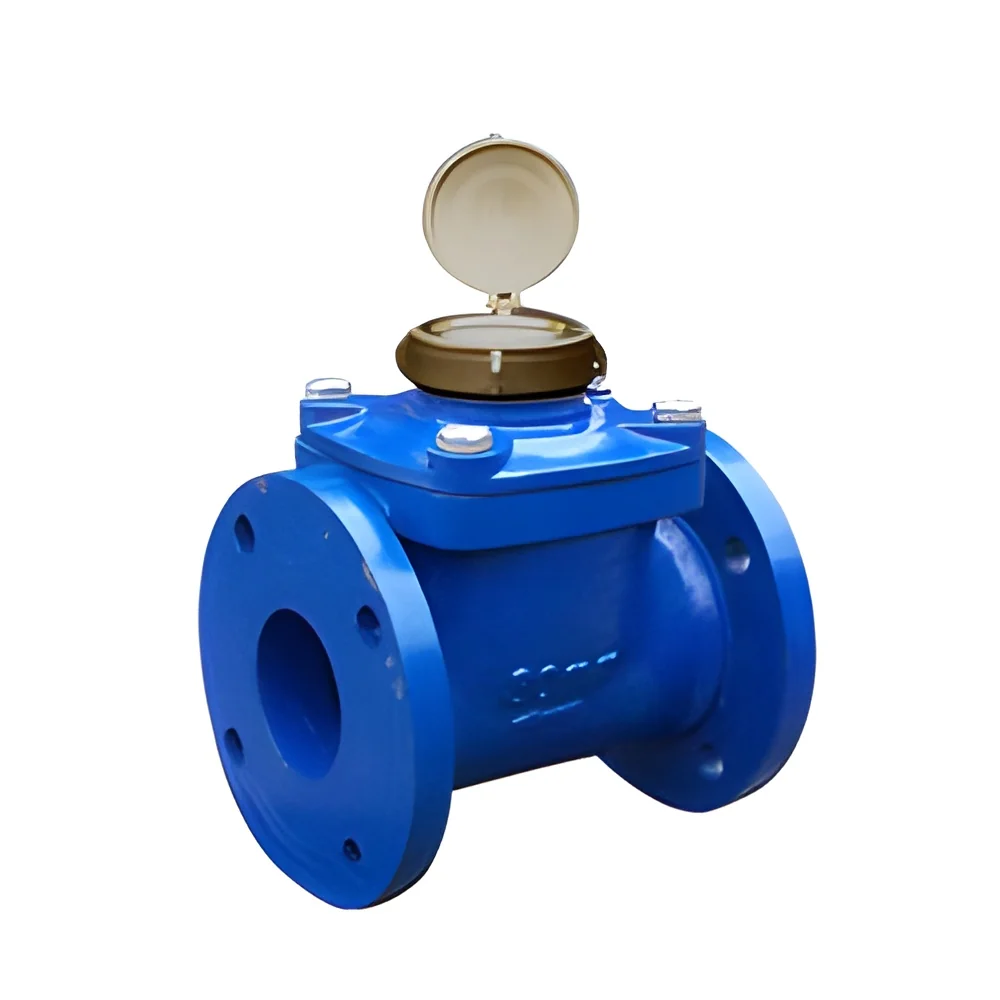
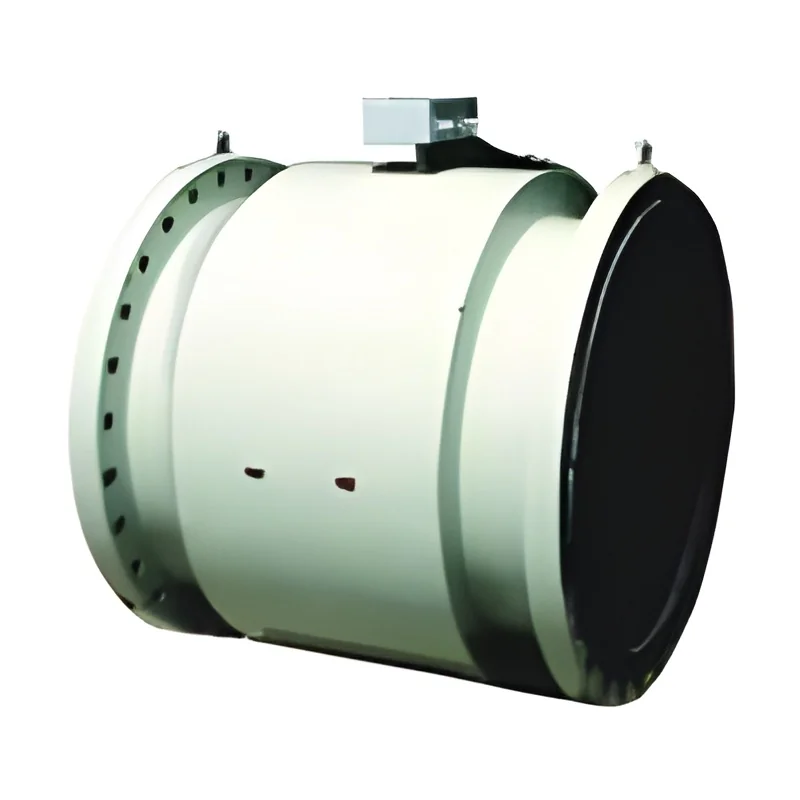
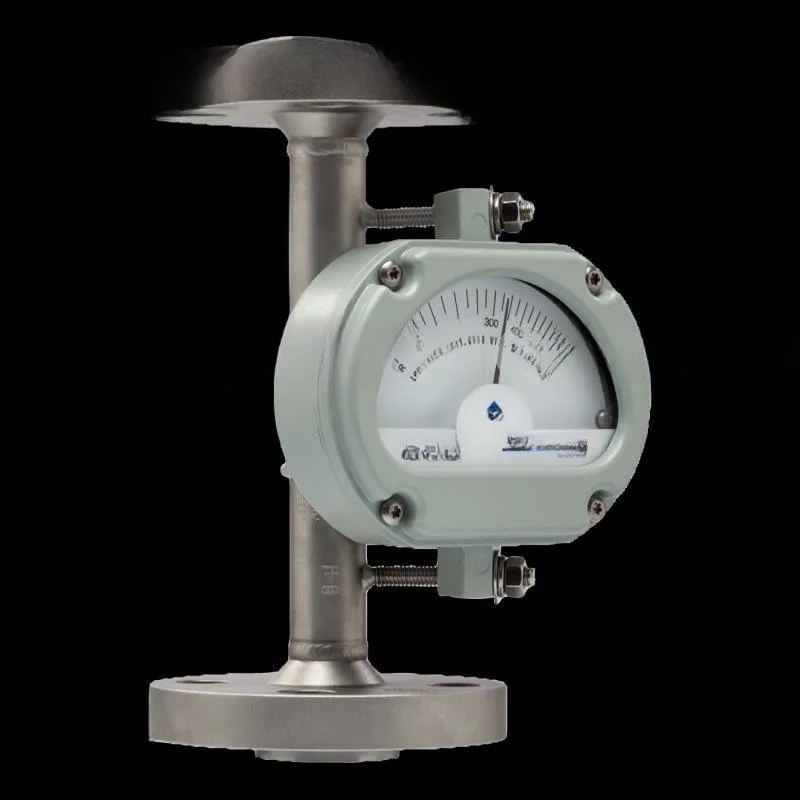
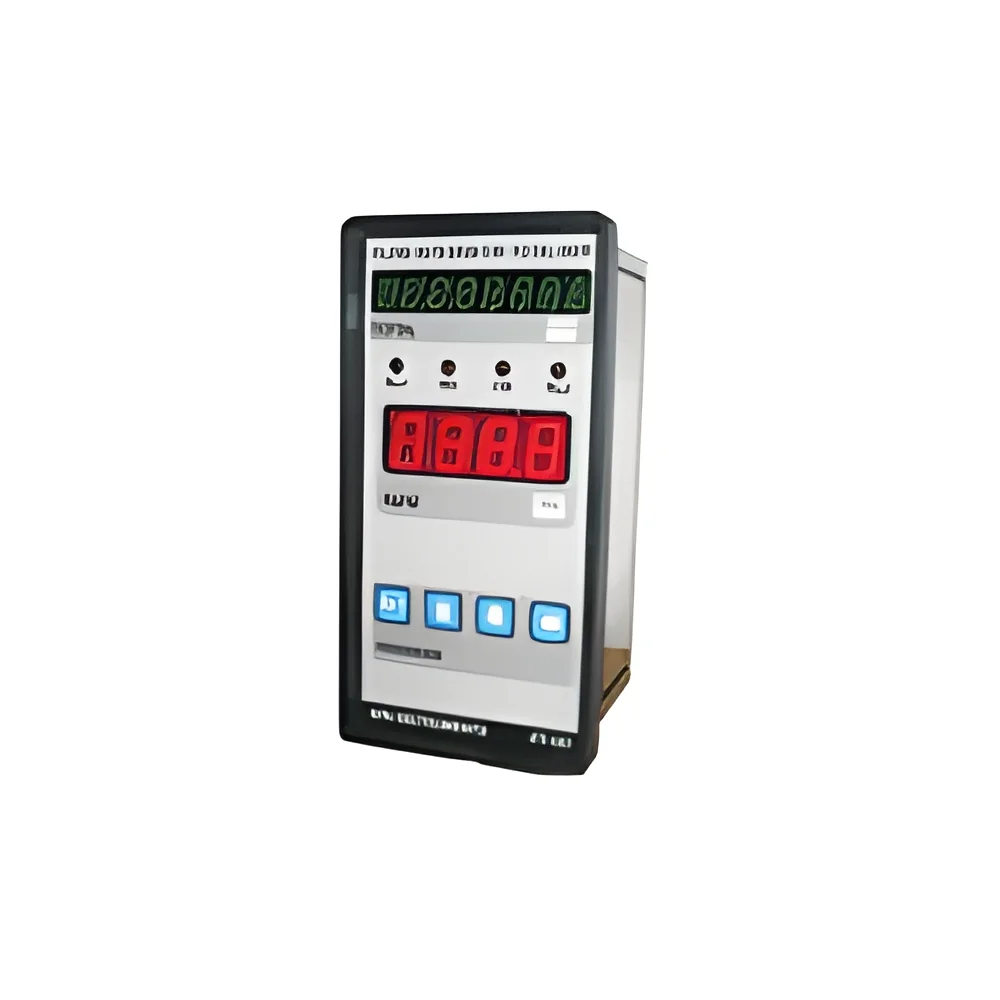
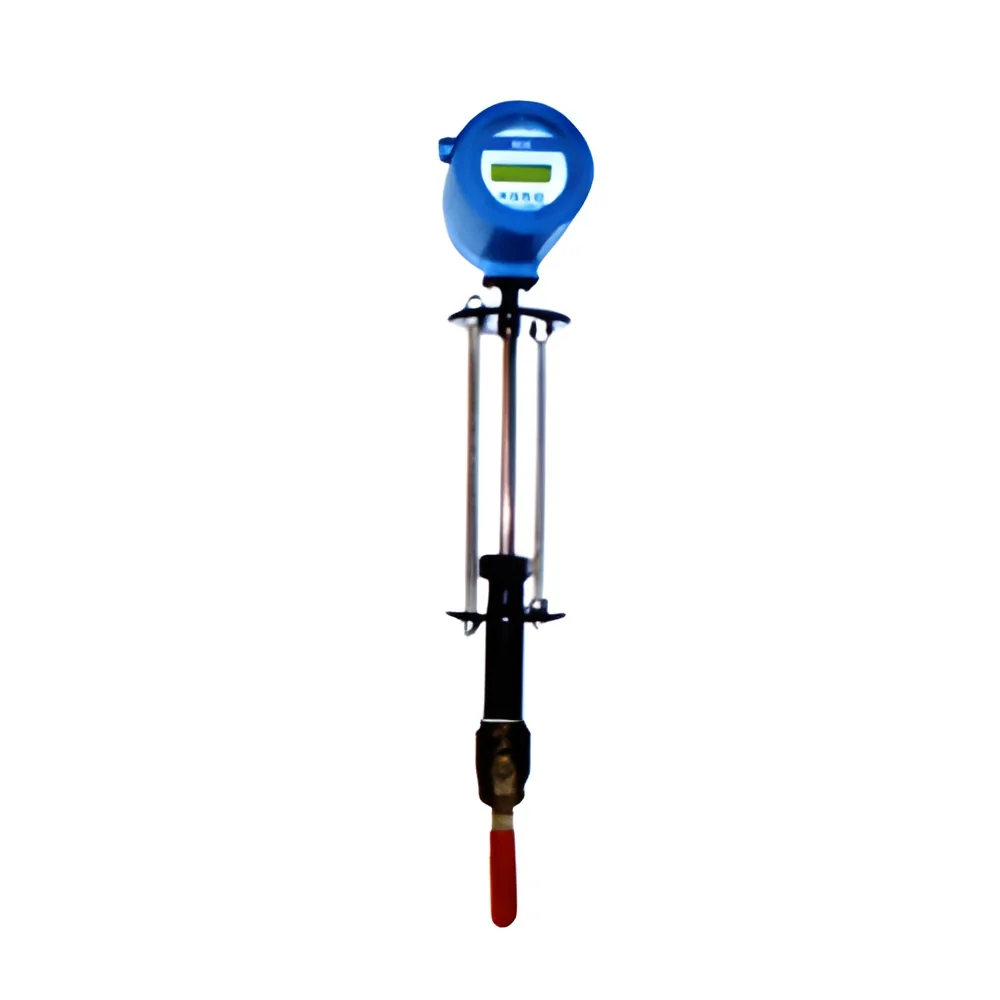
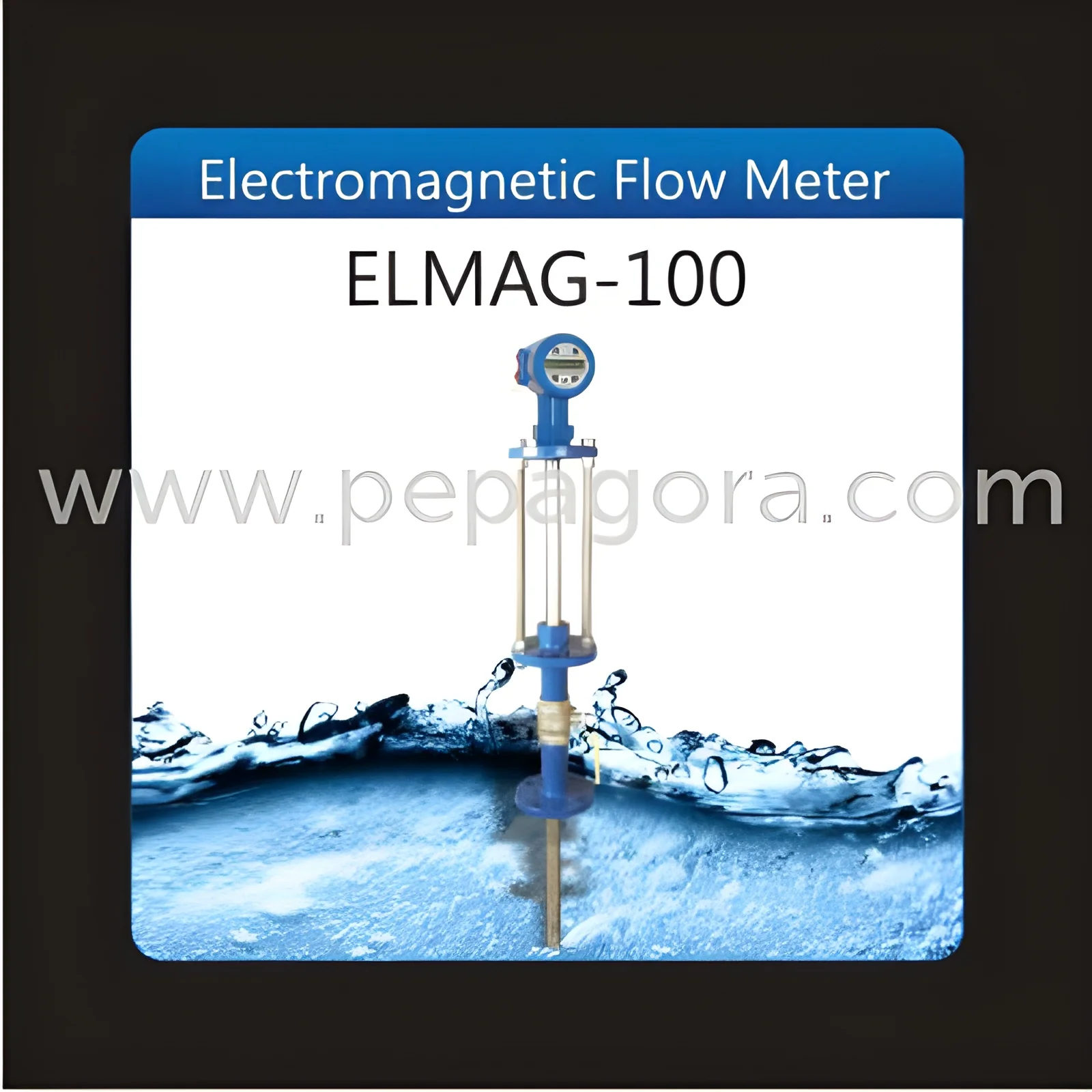
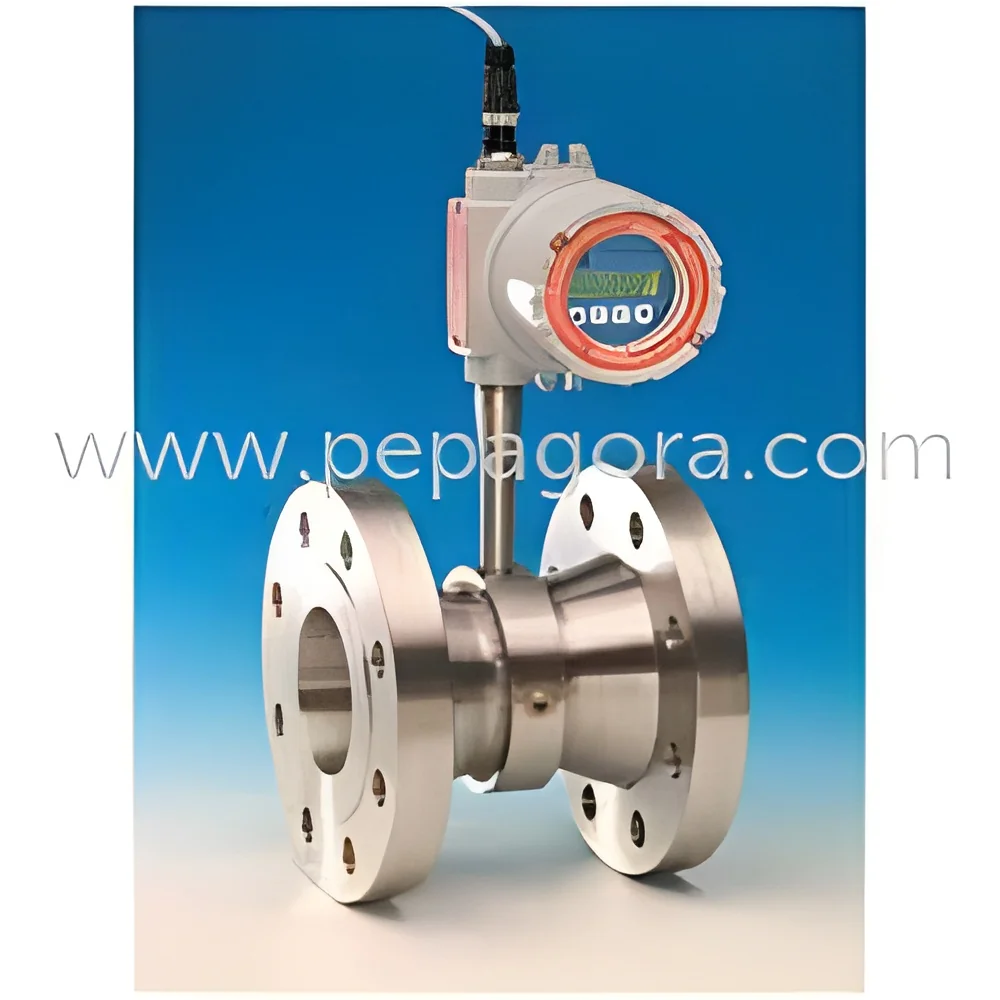
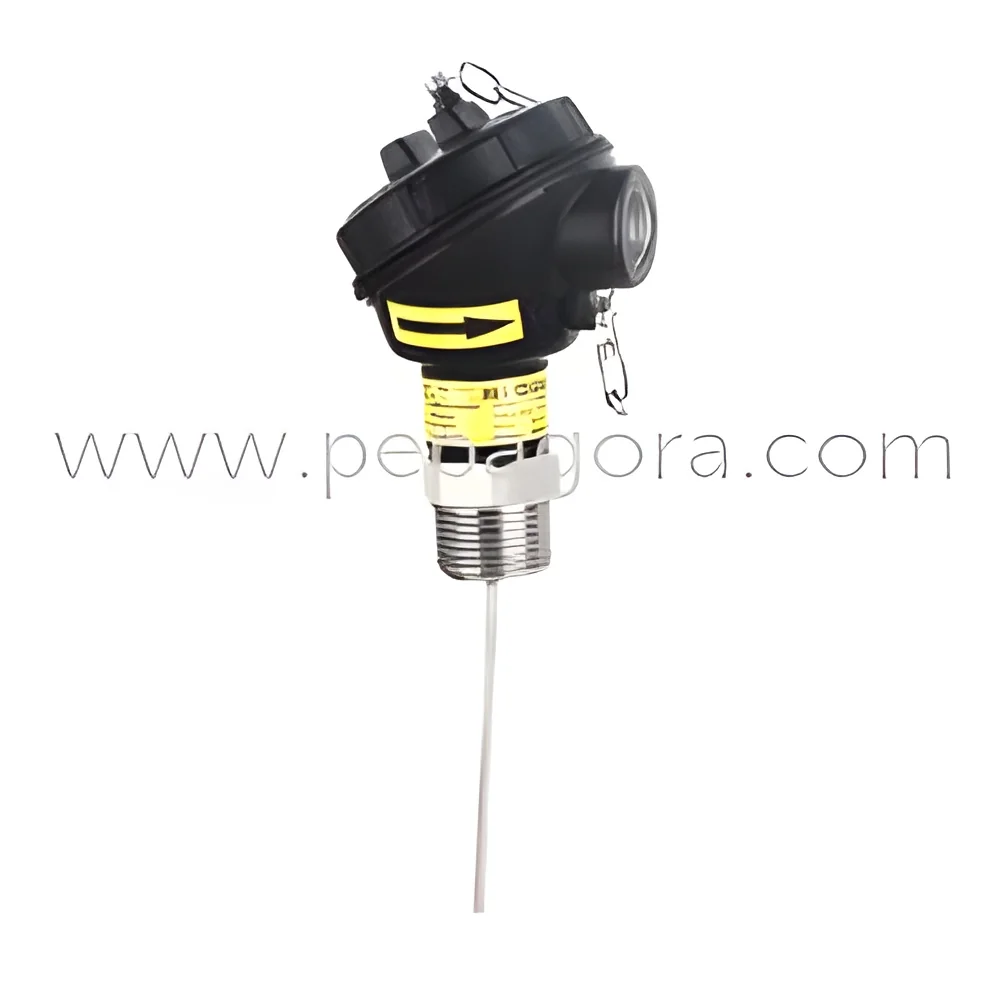
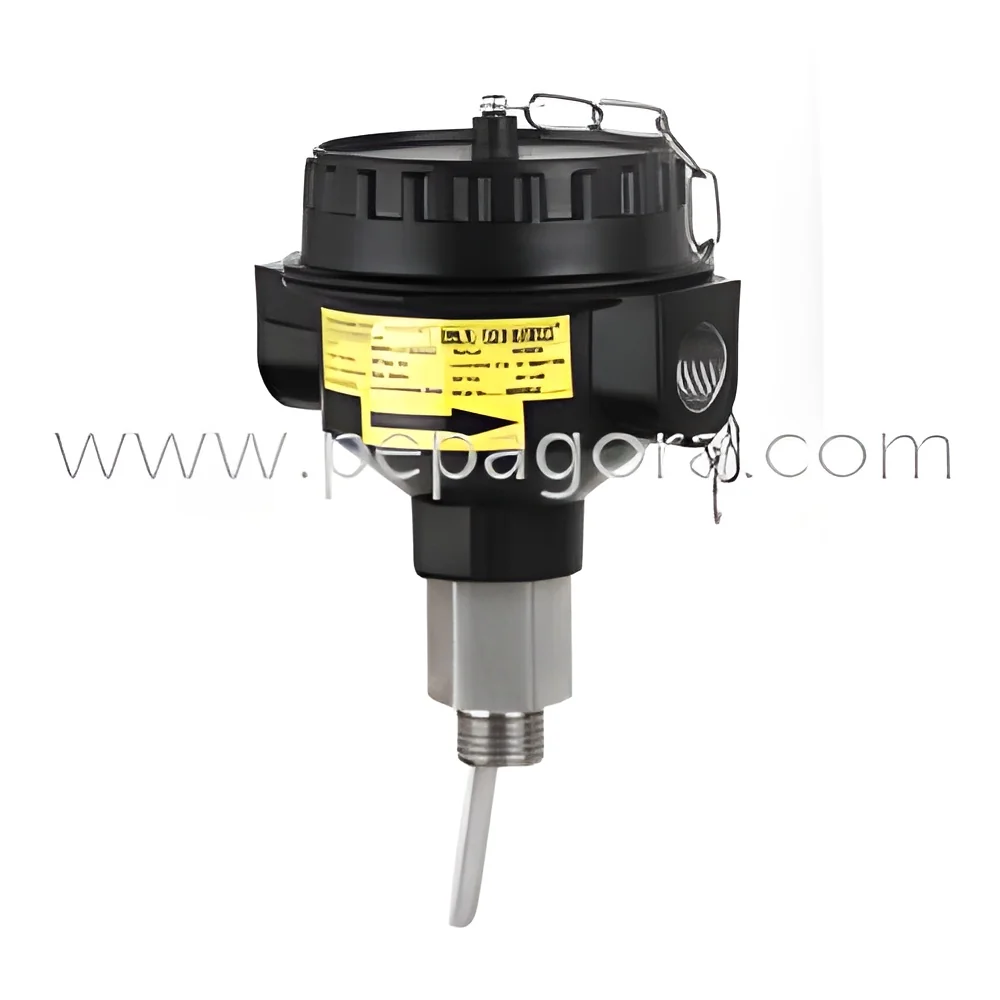
- Available in various configurations including inline and insertion types
- Flexible installation to suit different piping systems
5. Material Compatibility
- Constructed with materials resistant to corrosion and wear
- Common materials include stainless steel and lined options
6. Power Supply
- Operates on low power consumption
- Options for battery-operated models are available
7. Communication Protocols
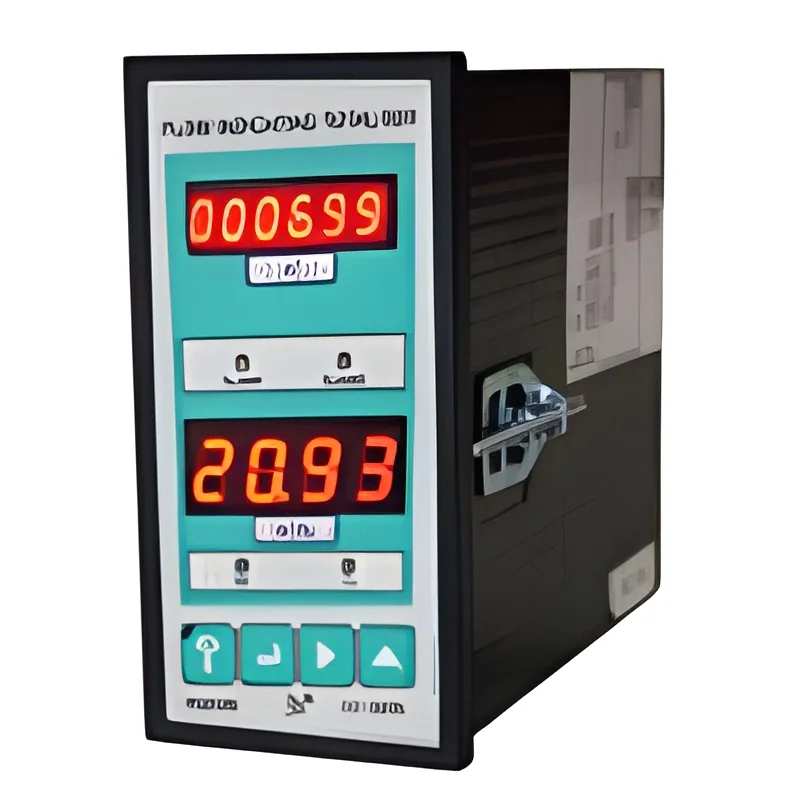
- Supports various digital communication protocols for integration
- Common protocols include HART, Modbus, and Profibus
8. Certifications
- Typically certified to CE standards
- Ensures compliance with international safety and quality standards
In summary, electromagnetic flow meters are equipped with advanced features that cater to the needs of various industries, ensuring precision and durability in flow measurement.
Common Applications and Use Cases
Electromagnetic flow meters find extensive use across various industries due to their versatility and reliability.
1. Water Treatment: These meters are used to measure the flow of treated and untreated water in municipal and industrial water treatment facilities, ensuring efficient processing and distribution.
2. Food and Beverage: In this industry, electromagnetic flow meters are employed to monitor the flow of liquids such as juices, milk, and sauces, where hygiene and accuracy are paramount.
3. Chemical Processing: They play a crucial role in the chemical industry to measure the flow of corrosive and viscous liquids, ensuring quality control and safety in production processes.
4. Pharmaceuticals: Accurate measurement of liquid flow in pharmaceutical manufacturing is critical, and electromagnetic flow meters help maintain stringent quality standards.
5. Oil and Gas: In the oil and gas sector, these meters are used to measure the flow of crude oil and other petroleum products, providing essential data for operational efficiency.
6. Pulp and Paper: They are utilized to monitor the flow of slurries and chemicals in the paper-making process, aiding in production consistency and waste reduction.
7. HVAC Systems: Electromagnetic flow meters are applied in heating, ventilation, and air conditioning systems to optimize fluid flow and energy efficiency.
Product Variants and Subcategories
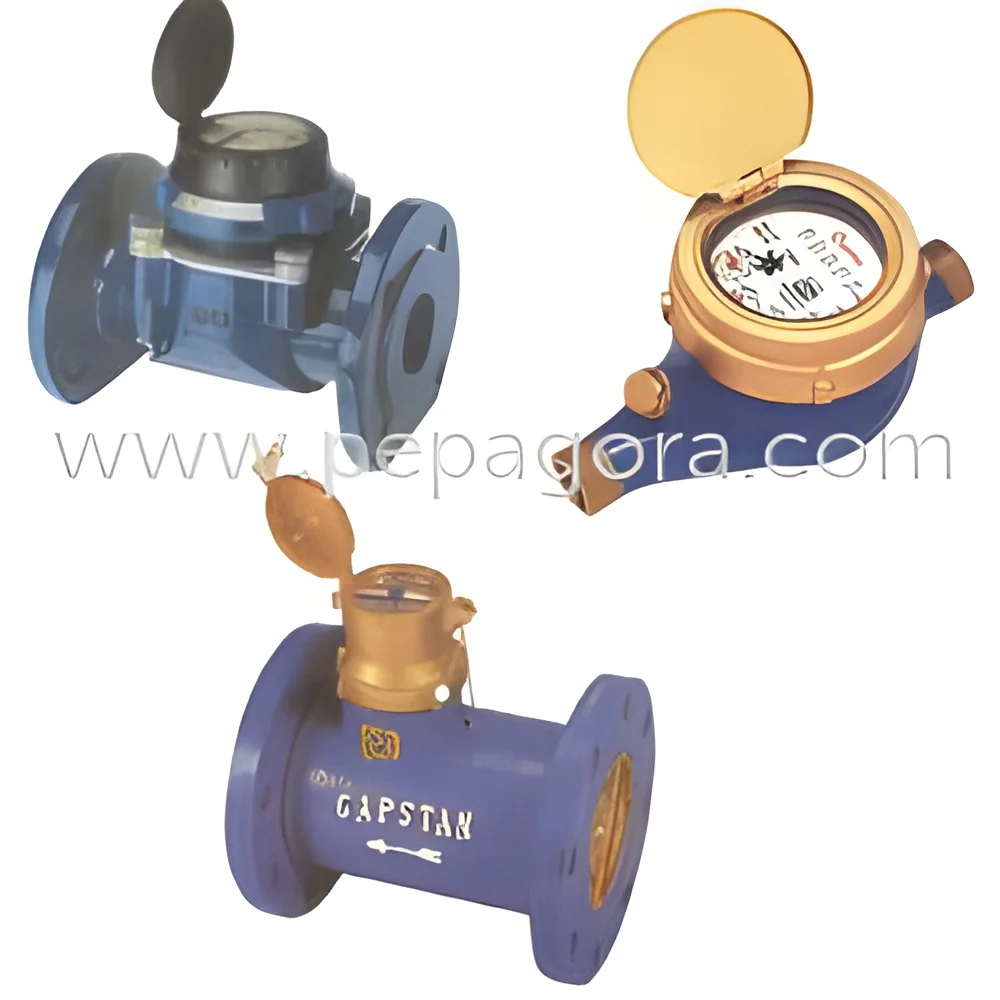
Electromagnetic flow meters come in various models designed to meet specific industrial needs. These variants offer different features and capabilities.
Standard Electromagnetic Flow Meter
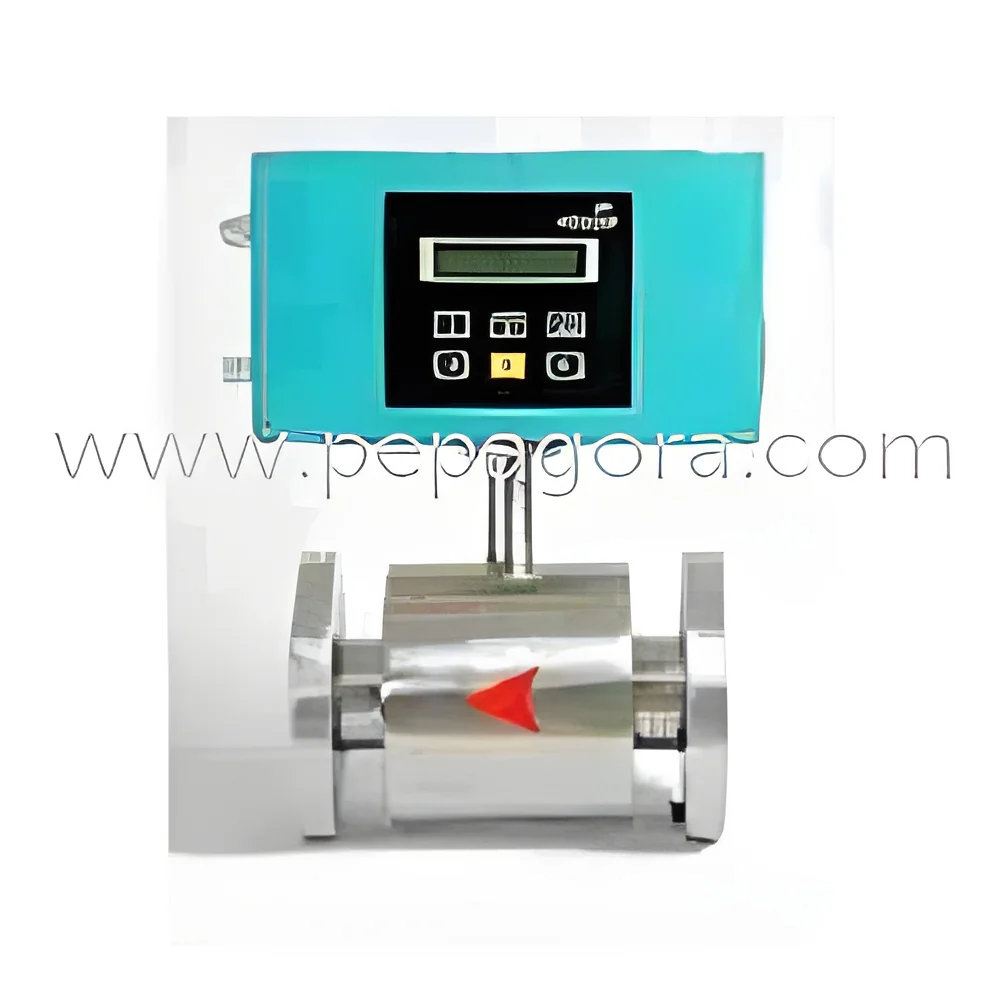
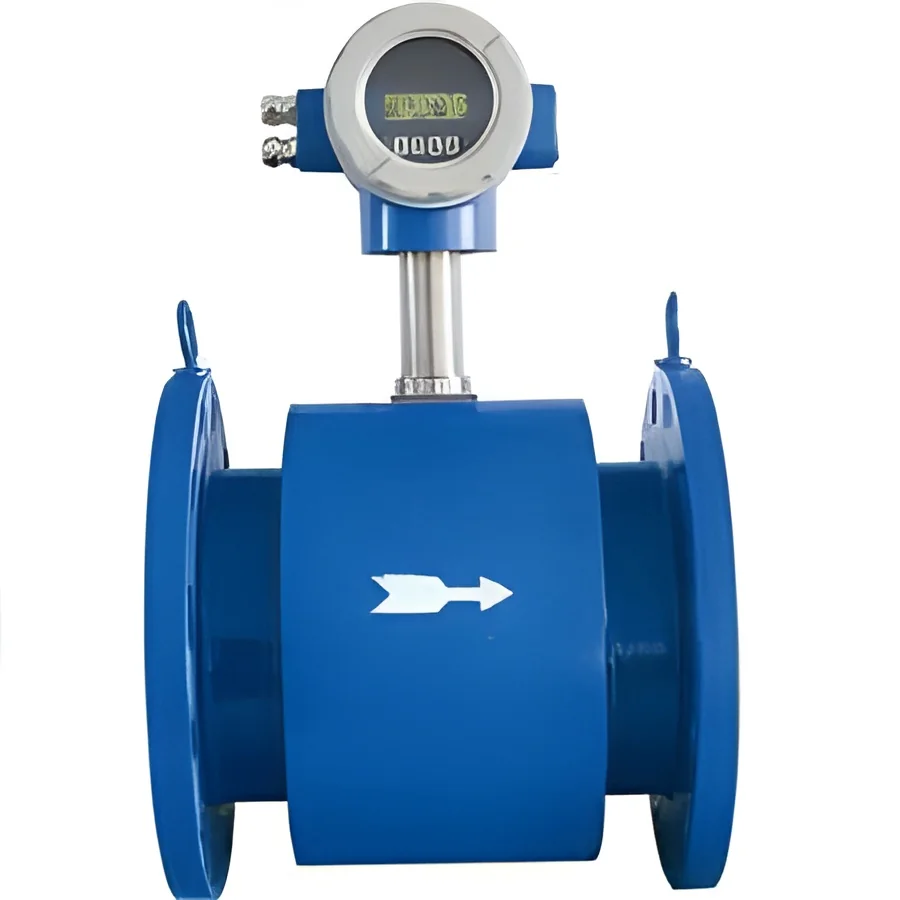
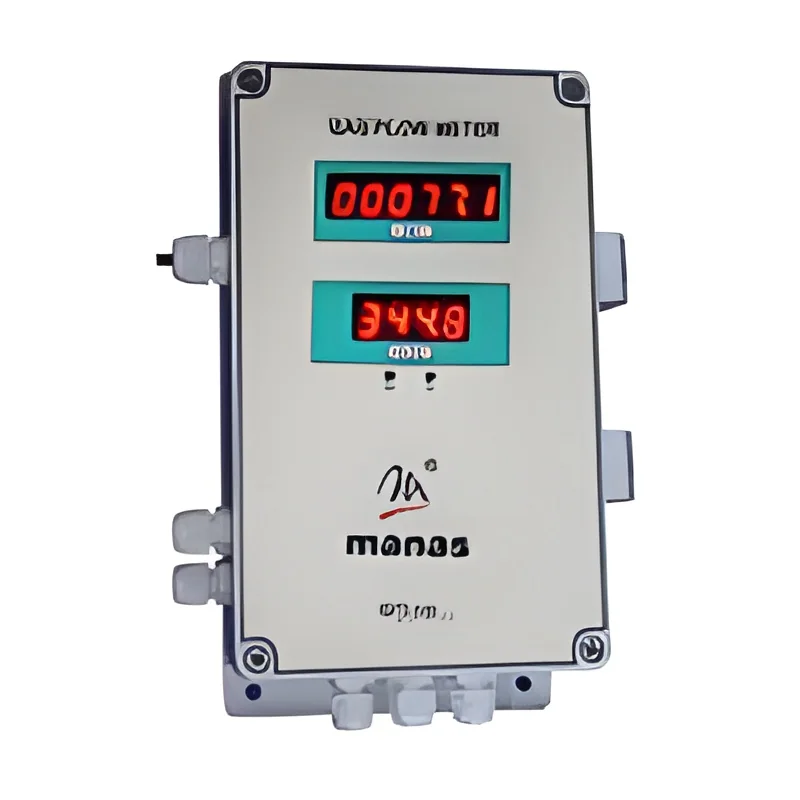
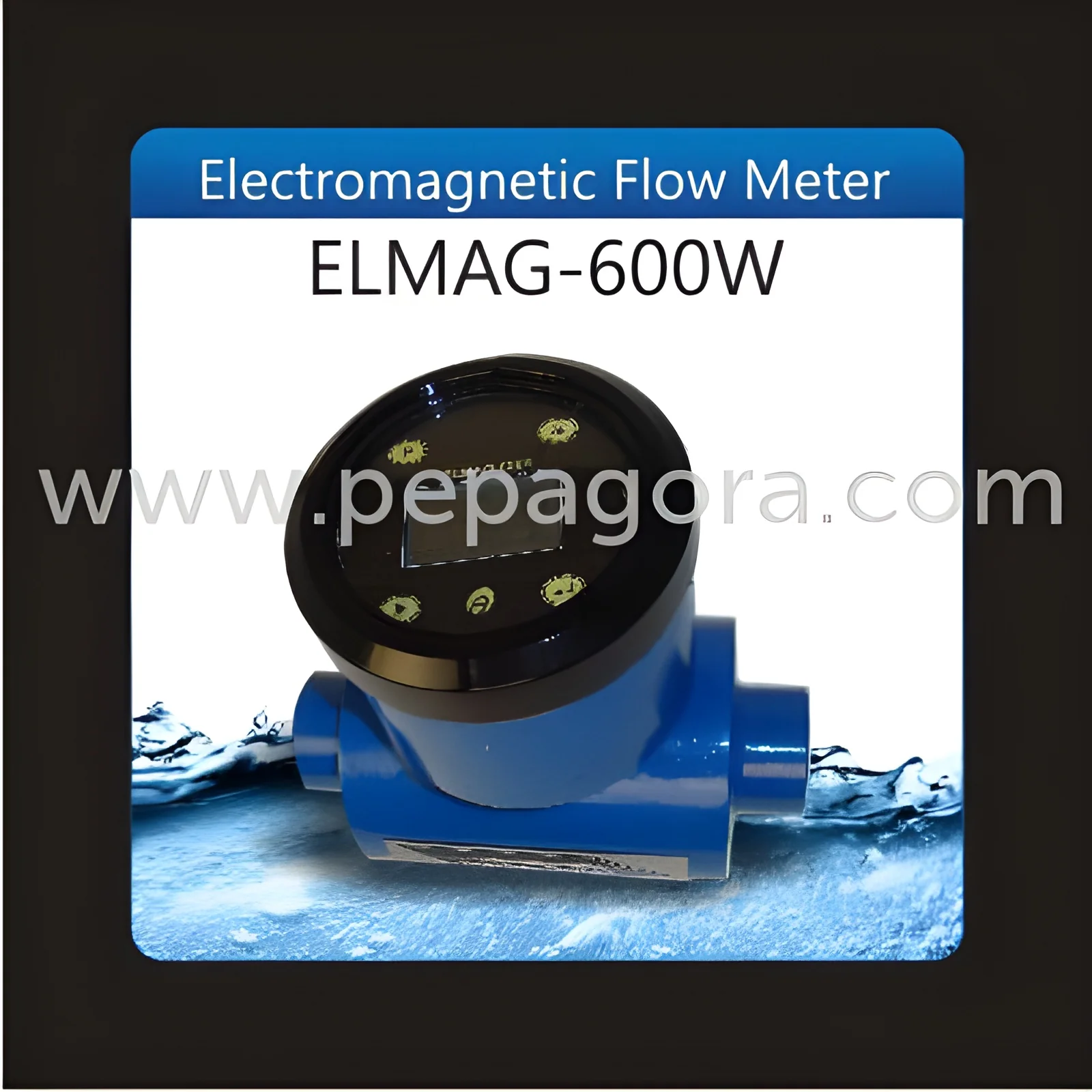
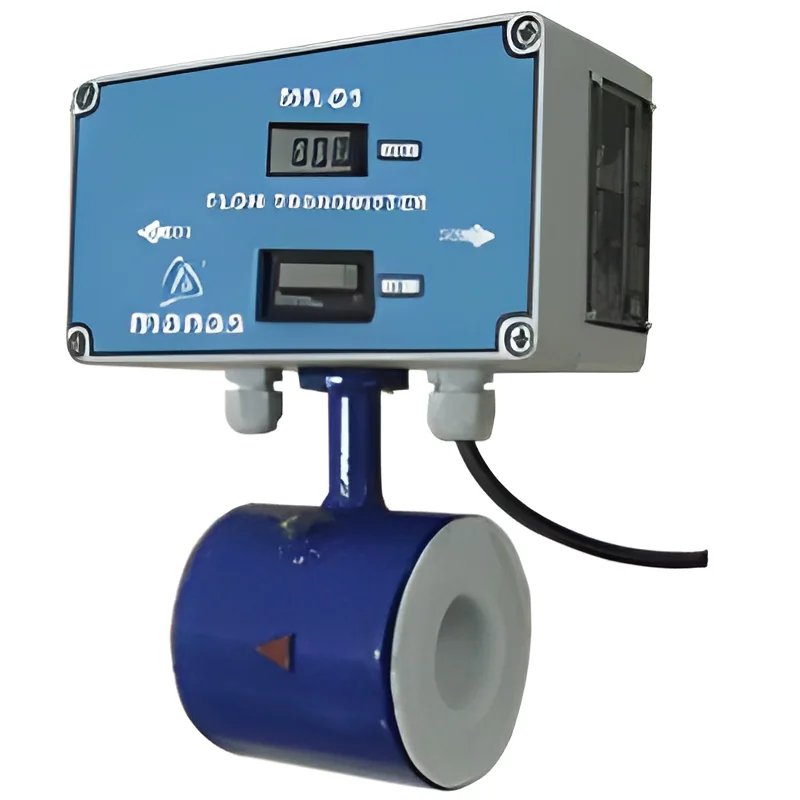
This is the most common variant used in various applications, providing reliable measurements for a range of conductive liquids. It is designed for easy installation and maintenance, making it ideal for many industries.
Low-Flow Electromagnetic Flow Meter
This variant is specifically designed for applications with low flow rates. It maintains high accuracy and is often used in laboratory settings or small-scale processes.
High-Temperature Electromagnetic Flow Meter
Engineered to withstand extreme temperatures, this variant is suitable for applications involving heated fluids, ensuring accurate flow measurement in demanding environments.
Benefits and Advantages
Electromagnetic flow meters offer multiple benefits that enhance operational efficiency and accuracy.
1. No Moving Parts: The absence of moving components reduces wear and tear, leading to lower maintenance costs and longer operational life.
2. High Accuracy: These meters provide precise measurements, ensuring process reliability and reducing waste in production.
3. Versatility: They are suitable for a wide range of conductive liquids, making them applicable in various industries.
4. Minimal Pressure Drop: Electromagnetic flow meters do not obstruct flow, resulting in a minimal pressure drop and improved system efficiency.
5. Easy Integration: They can be easily integrated with existing digital systems, facilitating real-time data monitoring and control.
6. Low Maintenance: With fewer mechanical parts, these meters require less frequent servicing compared to traditional flow measurement devices.
Buying Guide for B2B Buyers
When considering the purchase of electromagnetic flow meters, it is important to evaluate several key factors to ensure the best choice for your application.
1. Quality Assessment: Look for meters that meet industry standards and have undergone rigorous testing. Checking for certifications like CE can provide assurance of quality.
2. Supplier Verification: Ensure that you source from reputable suppliers with a proven track record in the industry. This can include checking references and reviews.
3. Pricing and MOQ: Understand the pricing structure and minimum order quantities required by suppliers, as this can impact your procurement strategy.
4. Delivery and Lead Times: Discuss delivery schedules and lead times with suppliers to ensure timely availability of products for your operational needs.
5. Compliance Requirements: Ensure that the flow meters meet relevant regulatory standards applicable to your industry, as non-compliance can lead to operational setbacks.
Compliance and Certifications
Electromagnetic flow meters are subject to various quality standards and certifications that ensure their reliability and safety in industrial applications. ISO 9001 is a widely recognized standard that signifies a commitment to quality management systems. Additionally, certifications such as CE demonstrate compliance with European safety, health, and environmental protection legislation.
Safety and testing requirements are crucial, especially in industries like food and pharmaceuticals, where the integrity of the measurement can directly impact product quality. Regional compliance should also be considered, as different regions may have specific regulations governing the use of flow measurement devices.
Why Source Electromagnetic Flow Meters from Pepagora?
Pepagora offers a reliable platform for sourcing electromagnetic flow meters, providing numerous advantages for B2B buyers.
Verified Supplier Network: Pepagora connects buyers with a network of verified suppliers, ensuring that you obtain high-quality products from reputable sources.
Streamlined RFQ Process: The platform simplifies the request for quotation process, allowing buyers to receive competitive quotes and make informed purchasing decisions efficiently.
Trade Assurance and Support: With trade assurance policies in place, buyers are protected throughout the procurement process, ensuring peace of mind when making significant investments.
Regional Coverage: Pepagora serves a broad geographic area, including India, the Gulf Cooperation Council (GCC) countries, and Southeast Asia, facilitating access to products across various markets.
By choosing Pepagora, buyers can streamline their sourcing process while ensuring they receive quality electromagnetic flow meters tailored to their specific needs.








Frequently Asked Questions
What are Electromagnetic Flow Meters?
Electromagnetic Flow Meters are devices used to measure the flow rate of conductive liquids. They operate on the principle of electromagnetic induction, which allows for accurate and reliable measurements without any moving parts.
What are the different types of Electromagnetic Flow Meters?
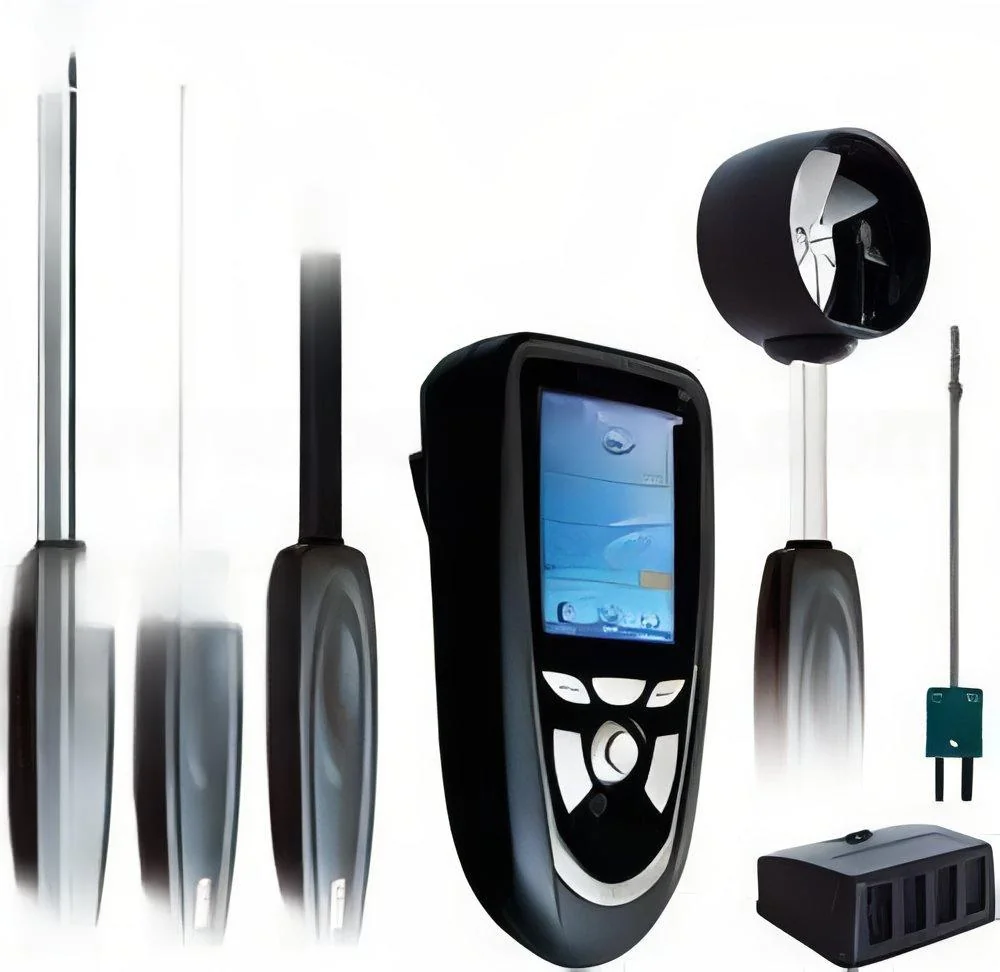
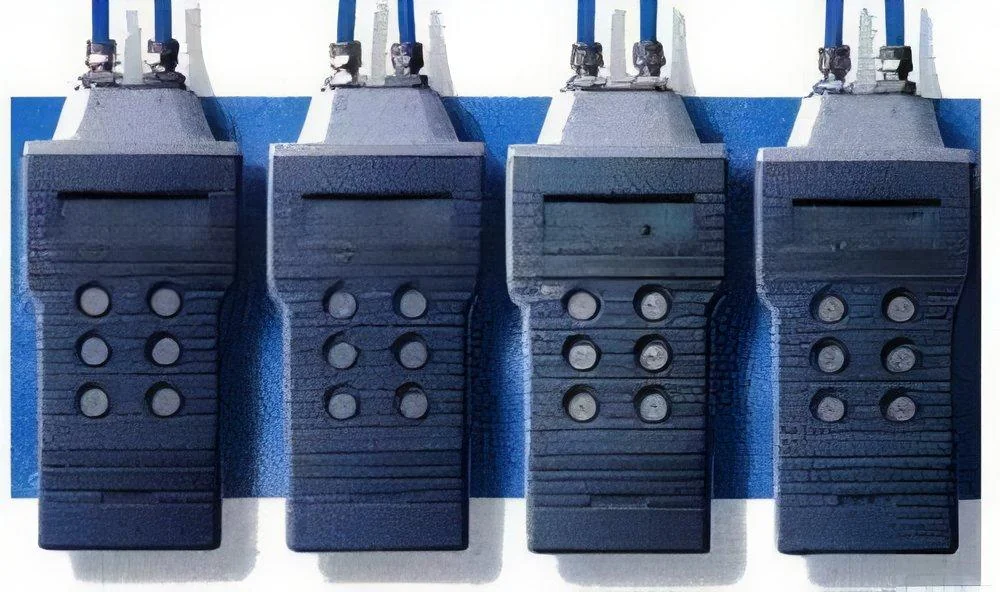
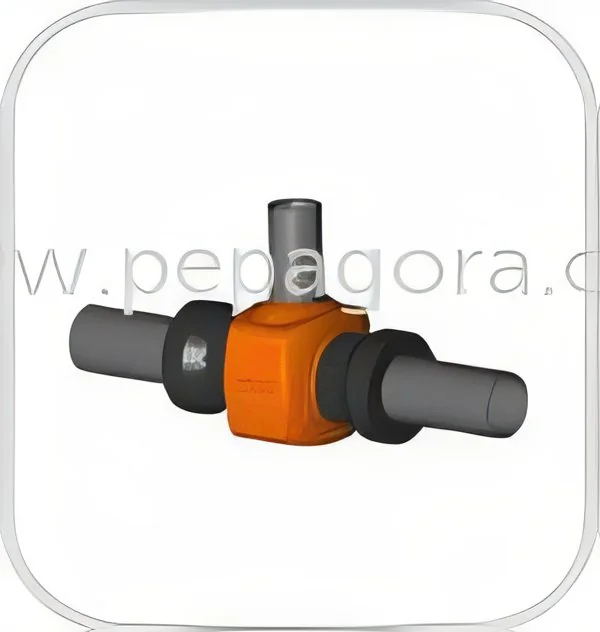
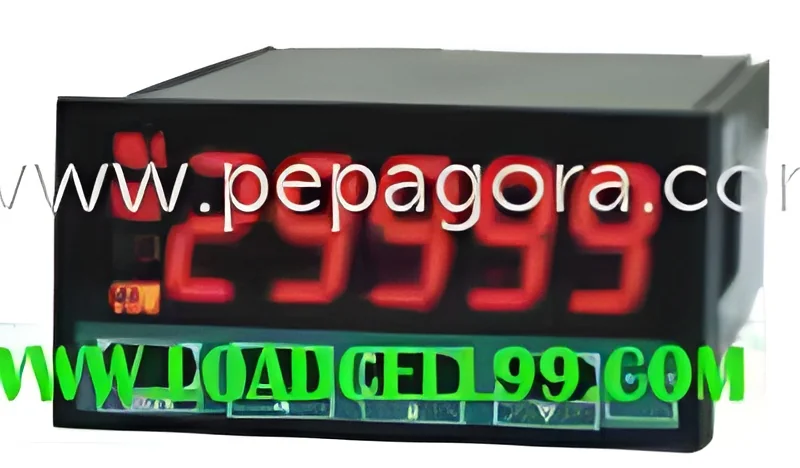
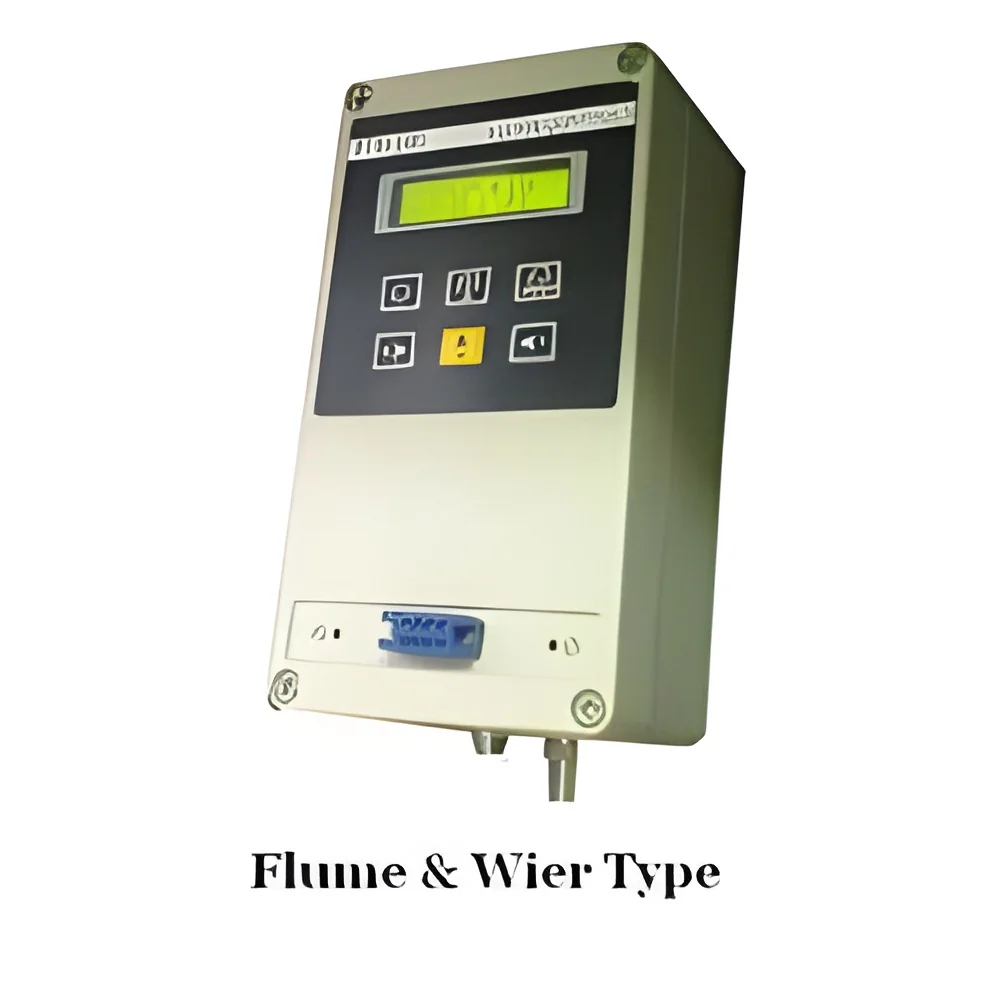
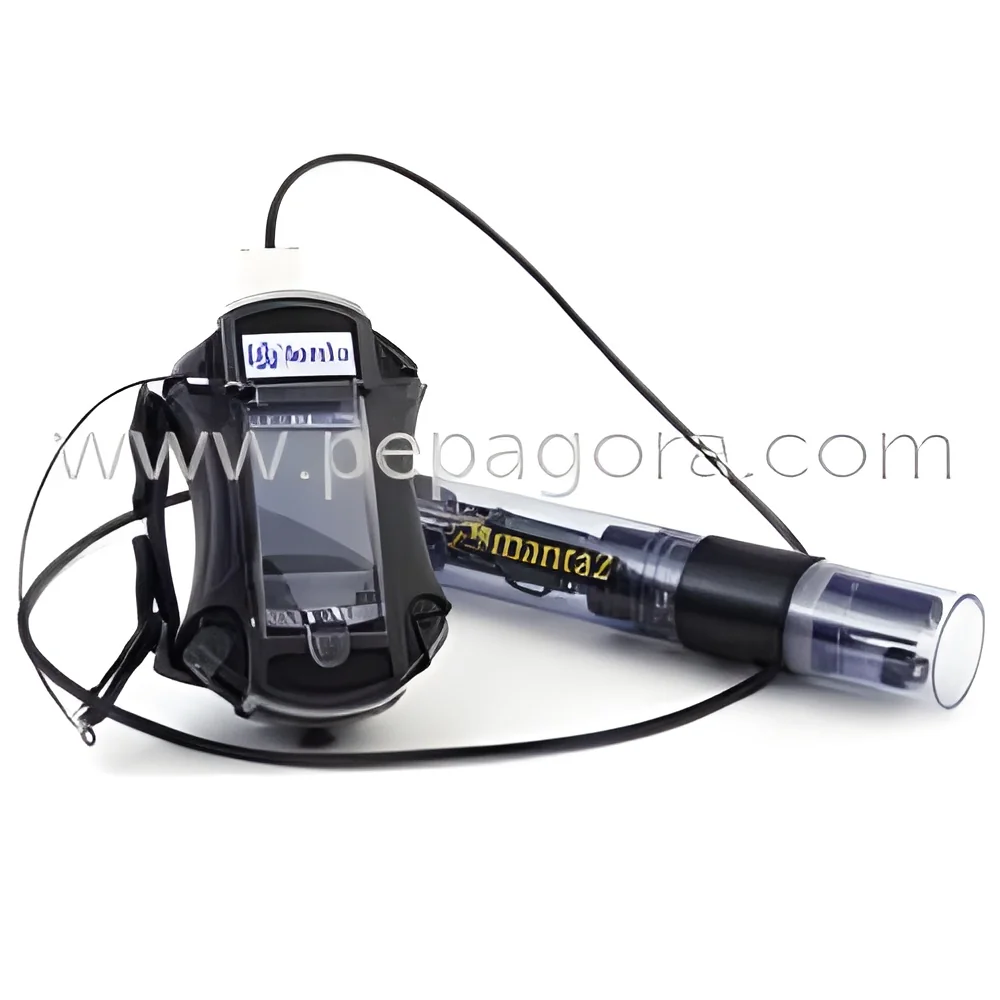
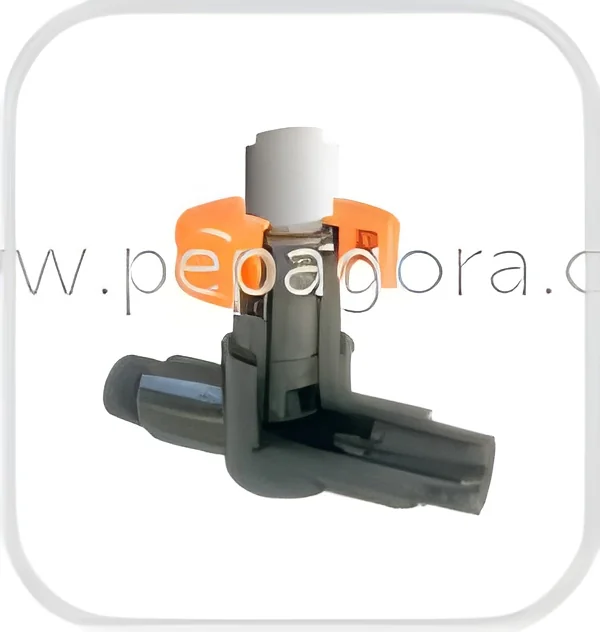
There are several types of Electromagnetic Flow Meters, including inline meters, insertion meters, and portable meters. Inline meters are installed directly in the pipeline, while insertion meters can be partially inserted into the flow, and portable meters are designed for temporary measurement applications.
How do I choose the right Electromagnetic Flow Meters?
When selecting Electromagnetic Flow Meters, consider factors such as the type of fluid being measured, the pipe diameter, and the required accuracy. Additionally, evaluate the installation environment and whether the meter meets specific industry standards.
What are the standard specifications for Electromagnetic Flow Meters?
Standard specifications for Electromagnetic Flow Meters typically include flow range, accuracy, operating pressure, and temperature limits. Other specifications may involve the size of the meter, materials of construction, and the type of output signal.
What is the price range for Electromagnetic Flow Meters?
The price range for Electromagnetic Flow Meters can vary significantly based on factors such as size, type, and manufacturer. Generally, prices can start from around INR 10,000 and can go up to several lakhs for advanced models with specialized features.
What quality standards apply to Electromagnetic Flow Meters?
Electromagnetic Flow Meters are subject to various quality standards, including ISO 9001 for quality management and specific industry certifications. Additionally, they may need to comply with standards set by organizations such as ANSI and API, depending on the application.
Where can I find Electromagnetic Flow Meters suppliers in India?
You can find Electromagnetic Flow Meters suppliers in India through online B2B marketplaces like Pepagora, trade shows, and industry exhibitions. Additionally, local distributors and manufacturers often have extensive networks that can help in sourcing these devices.
Can Electromagnetic Flow Meters be customized?
Yes, many manufacturers offer customization options for Electromagnetic Flow Meters to meet specific application requirements. Customizations may include changes in size, materials, output types, and additional features tailored to the user's needs.
What is the typical minimum order quantity for Electromagnetic Flow Meters?
The typical minimum order quantity (MOQ) for Electromagnetic Flow Meters can vary by supplier, but it often ranges from 1 to 10 units. Larger orders may be required for bulk pricing or custom configurations.
What is the typical lead time for Electromagnetic Flow Meters?
The typical lead time for Electromagnetic Flow Meters can range from a few days to several weeks, depending on the supplier and whether the meter is standard or customized. It's advisable to confirm lead times with the supplier before placing an order.
Why Businesses Trust Pepagora
Thousands of companies trust Pepagora to source smarter and sell faster
Expand Your Sales Globally

Source Smarter,Grow Faster
