
 IN
Earth Resistance Testers
12 products available
What are Earth Resistance Testers?
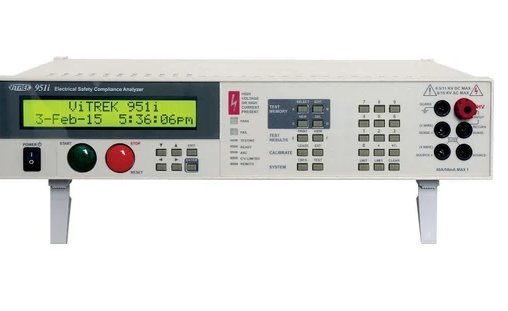
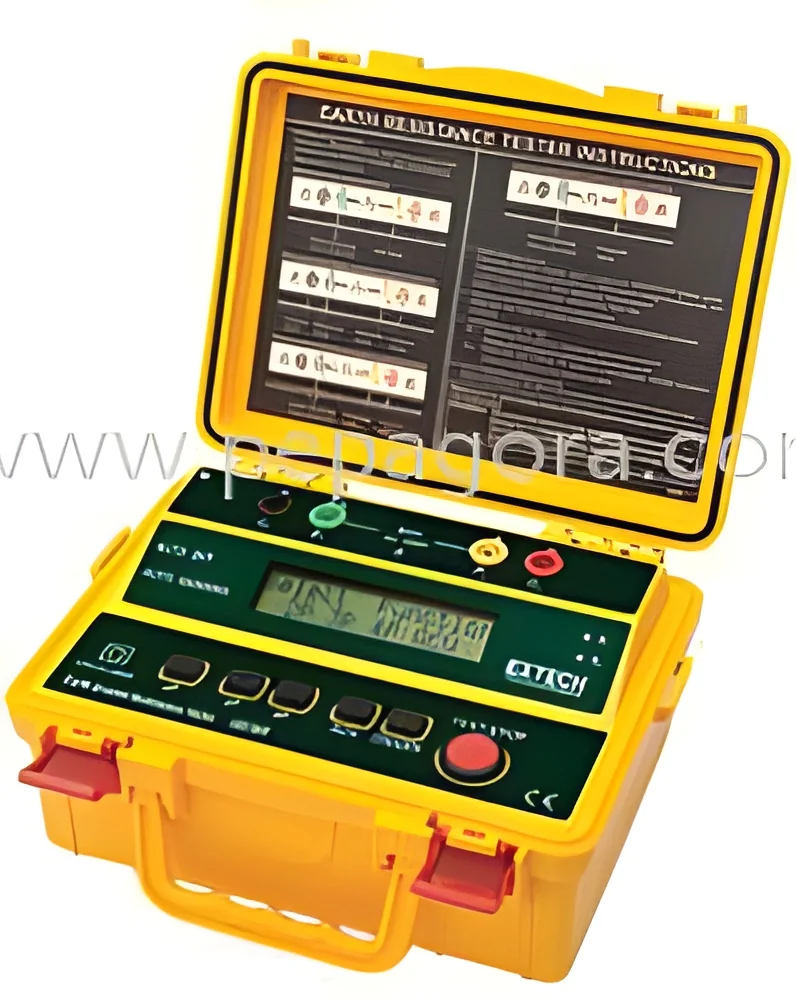
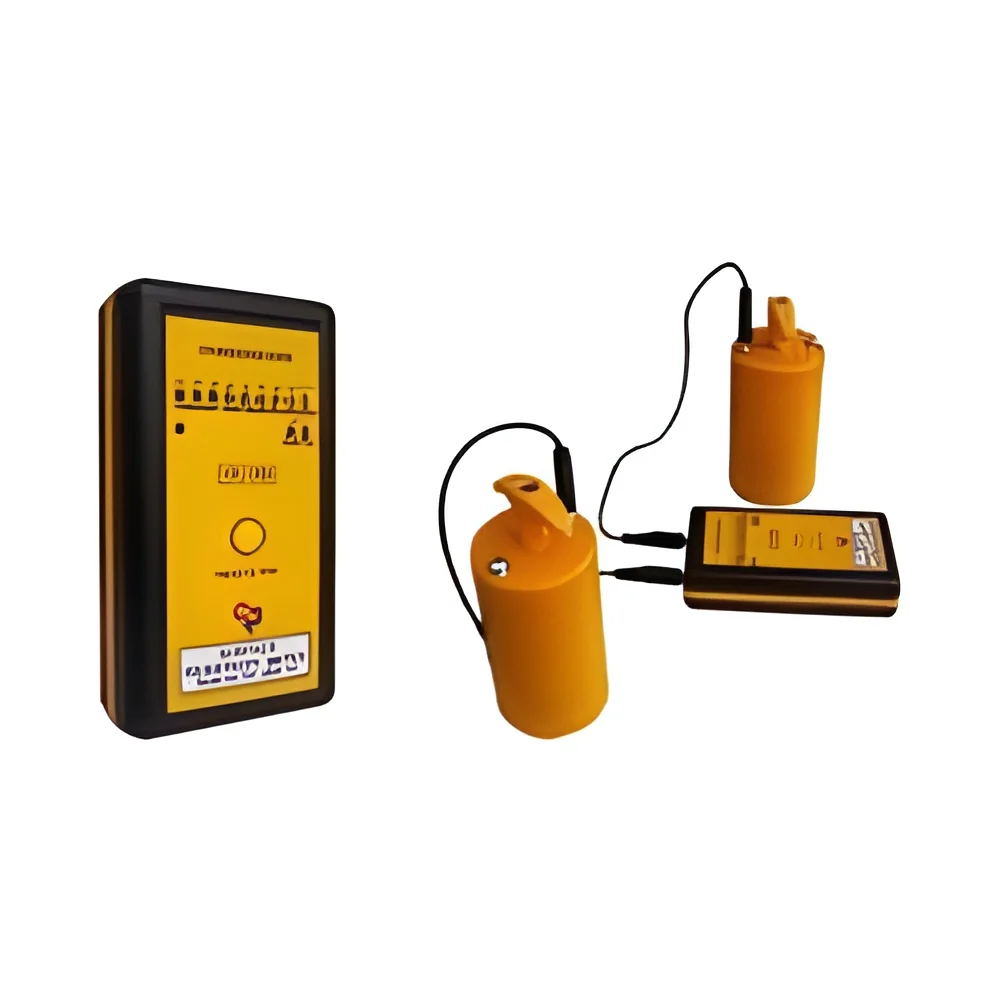
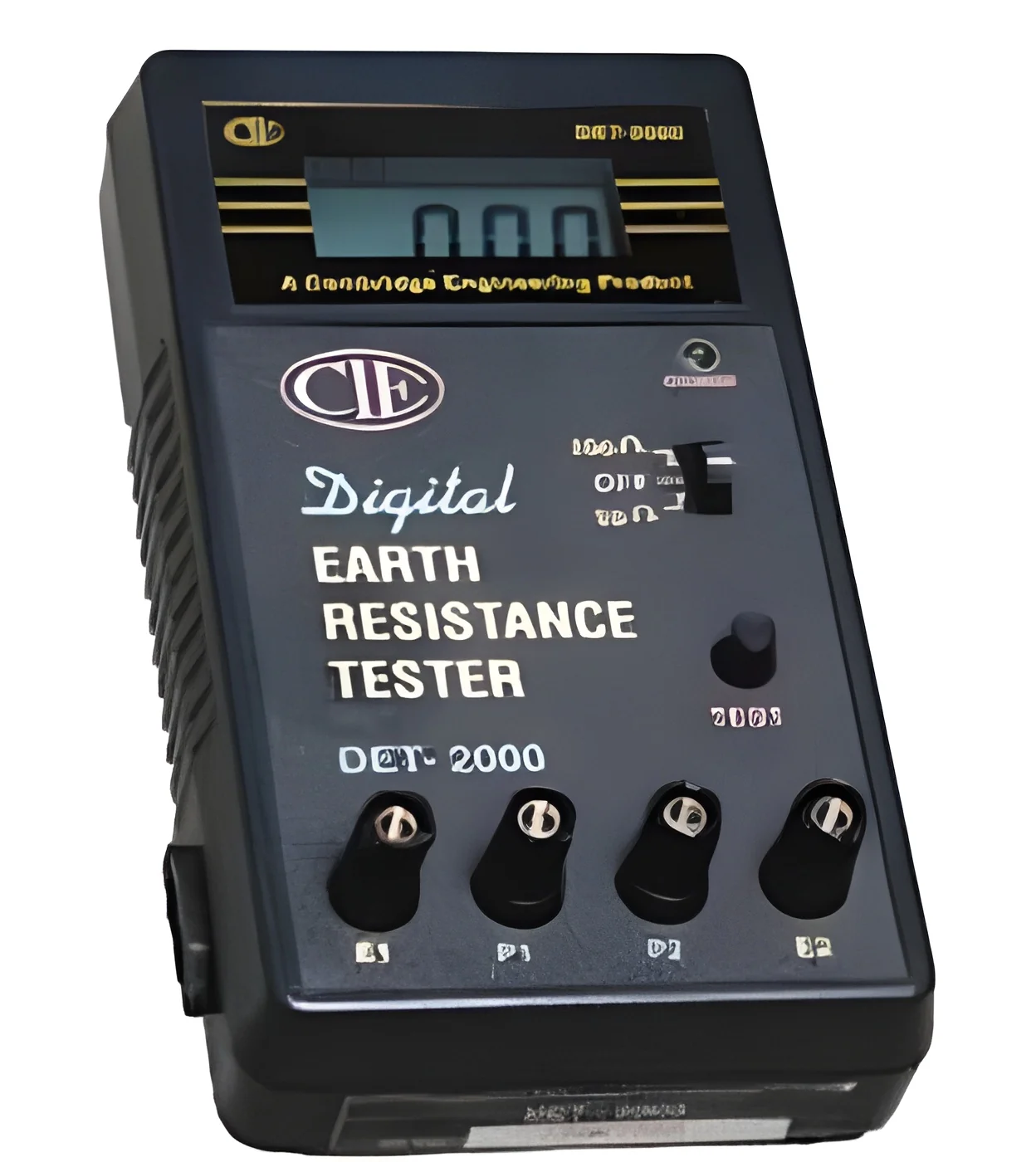
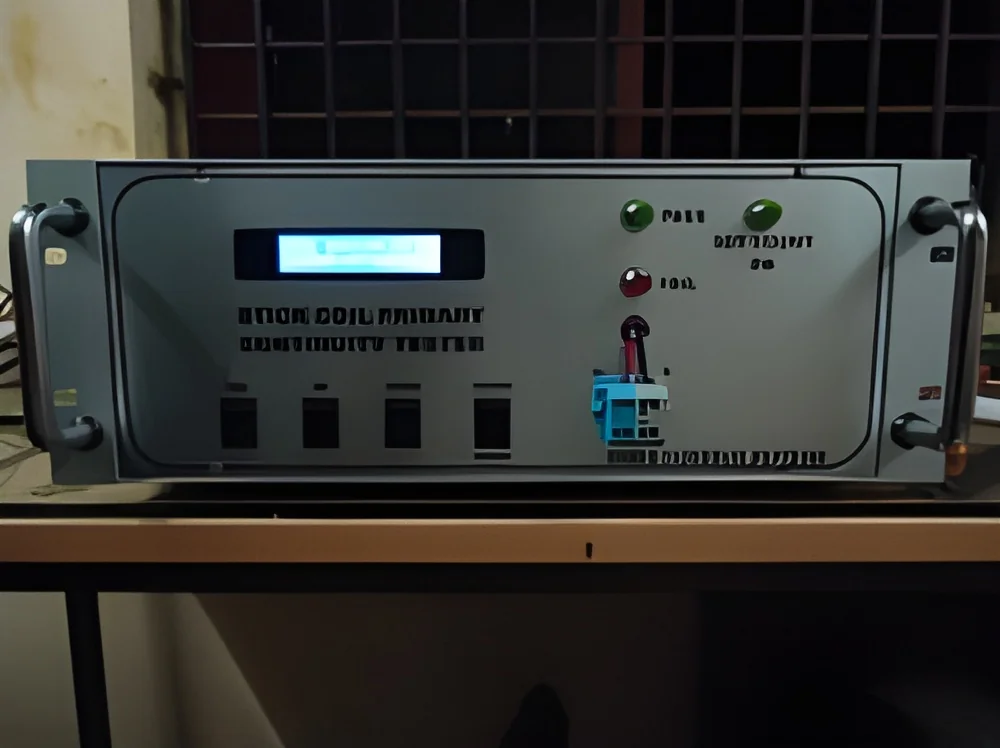
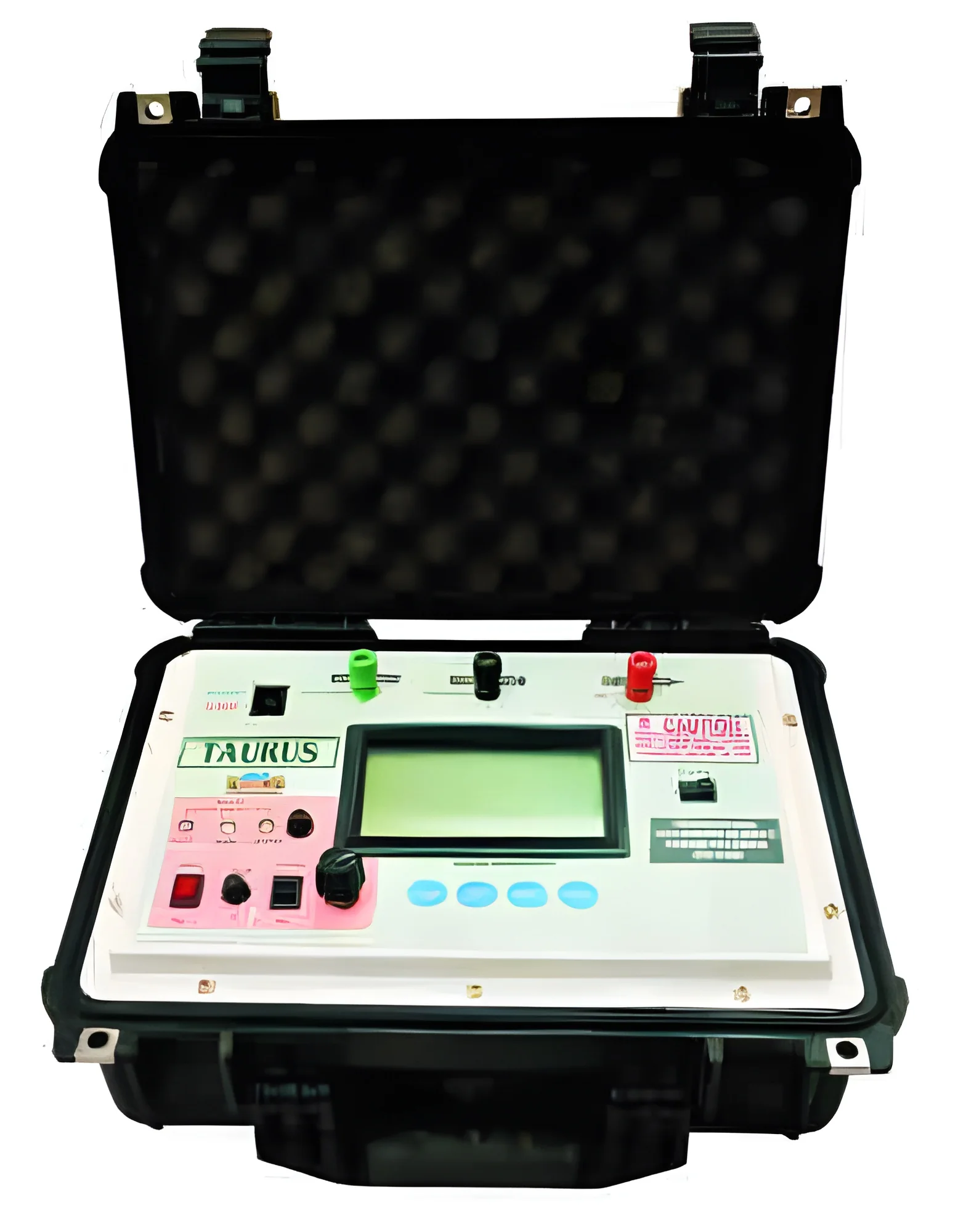
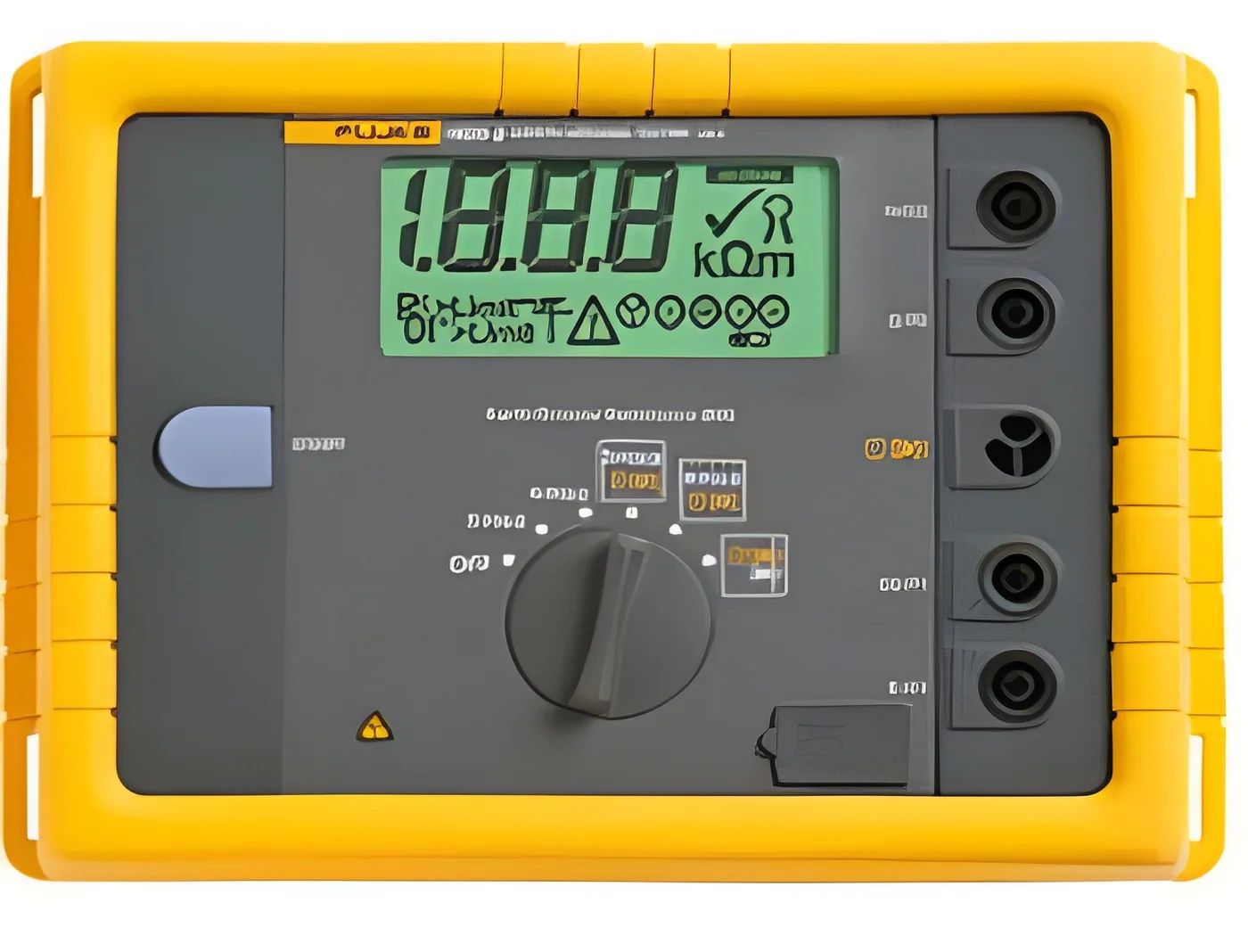
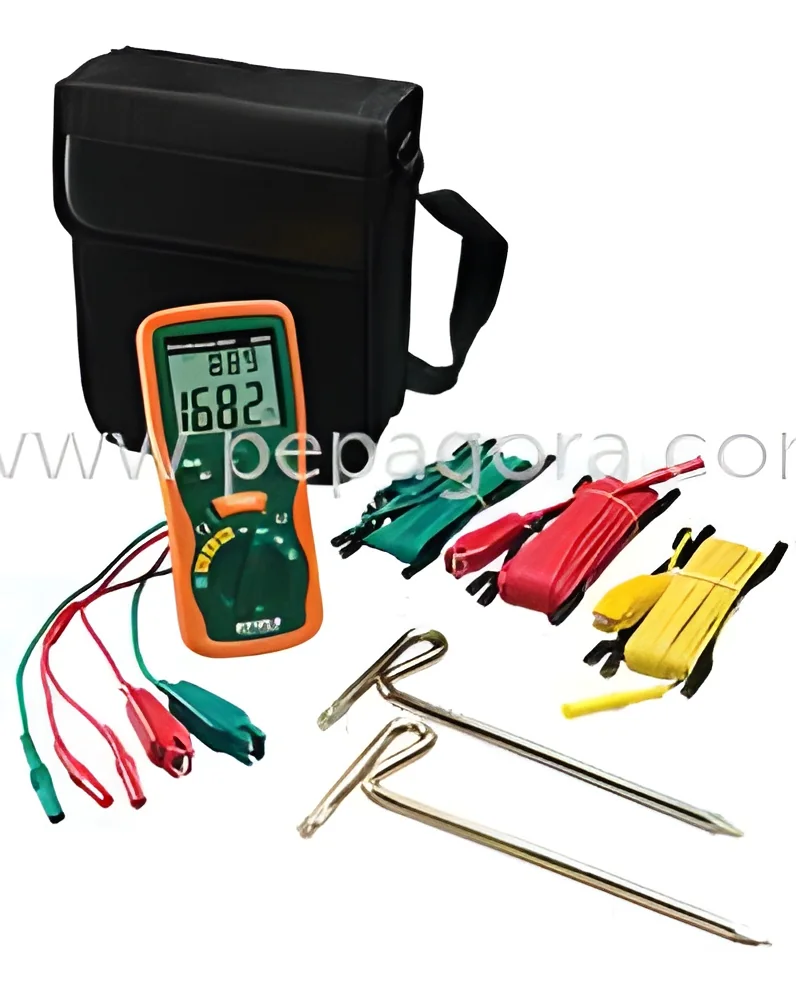
Earth Resistance Testers are specialized instruments designed to measure the electrical resistance of grounding systems and soil. These testers assess how effectively a grounding system can dissipate electrical currents into the earth, which is crucial for ensuring safety and functionality in electrical installations. By measuring resistance, these devices help determine the adequacy of grounding systems, preventing potential electrical hazards and ensuring compliance with safety standards.
The primary uses of Earth Resistance Testers extend across various sectors including electrical utilities, construction, and telecommunications. They are essential tools for electrical engineers and maintenance personnel who need to verify that grounding systems are functioning optimally. Businesses utilize these testers to conduct routine checks, troubleshoot grounding issues, and ensure compliance with regulatory standards. In an increasingly electrified world, the importance of reliable grounding systems cannot be overstated.
In the current market context, Earth Resistance Testers play a pivotal role in various industries, ensuring safety and efficiency in operations. As regulatory bodies impose stringent safety standards, the demand for accurate measurement tools like Earth Resistance Testers is expected to grow. Their relevance spans across different regions and sectors, making them indispensable for electrical safety assessments.
Key Features and Specifications
Earth Resistance Testers come equipped with a variety of features that enhance their performance and usability. Understanding these specifications is crucial for selecting the right device for specific needs.
Key specifications include:
1. Measurement Range
- Typically measures resistance from 0.01 ohms to 2000 ohms.
- Ensures the ability to assess a wide variety of grounding systems.
2. Accuracy
- Usually around ±2% of reading.
- Guarantees reliable and precise measurements.
3. Test Voltage
- Commonly operates at 25V, 50V, or 100V.
- Allows for compatibility with different testing scenarios.
4. Display Type
- Often features a digital LCD display.
- Provides clear visibility of readings in various lighting conditions.
5. Battery Life
- Standard models can last up to 50 hours on a single charge.
- Ensures extended use without frequent recharging.
6. Data Logging Capability
- Some models can store measurements for later analysis.
- Facilitates record-keeping and reporting for compliance purposes.
7. Operating Temperature Range
- Typically functional between -10°C to 50°C.
- Ensures usability in diverse environmental conditions.
8. Compliance with Standards
- Many models comply with international standards such as CE.
- Ensures meeting necessary regulatory requirements for safety and performance.
In summary, Earth Resistance Testers are defined by their measurement capabilities, accuracy, and compliance features, making them essential tools for ensuring electrical safety.
Common Applications and Use Cases
Earth Resistance Testers are versatile tools serving multiple industries.
1. Electrical Utilities: These testers are employed to assess the grounding systems of power stations and substations, ensuring safety and reliability in electricity distribution.
2. Construction: In construction sites, Earth Resistance Testers are used to verify the integrity of grounding systems for temporary electrical installations, reducing the risk of electrical accidents.
3. Telecommunications: Telecommunication companies utilize these testers to check grounding for communication towers, ensuring signal integrity and safety from lightning strikes.
4. Renewable Energy: In solar and wind energy installations, these testers assess grounding systems, helping to optimize performance and safety.
5. Industrial Manufacturing: Factories use Earth Resistance Testers to monitor grounding systems for their machinery, preventing electrical faults that can lead to production downtime.
6. Data Centers: These facilities rely on effective grounding to protect sensitive electronic equipment from electrical surges, making these testers crucial for maintenance.
7. Transportation: Airports and railway systems use Earth Resistance Testers to ensure grounding integrity for various electrical systems, enhancing safety and reliability.
Product Variants and Subcategories
Earth Resistance Testers come in various models tailored to meet specific operational needs.
Portable Earth Resistance Tester
This variant is designed for field use, featuring a lightweight design and easy-to-read displays. It is ideal for technicians who need to perform on-site testing quickly and efficiently.
Advanced Earth Resistance Tester
This model includes advanced features such as data logging and wireless connectivity. It is suitable for larger installations where detailed reports and analysis are necessary.
Economical Earth Resistance Tester
Targeted at budget-conscious users, this variant provides essential functionality at a lower cost, making it a good choice for small businesses or infrequent use.
Benefits and Advantages
Choosing Earth Resistance Testers offers numerous advantages for businesses focused on electrical safety and compliance.
Key benefits include:
1. Enhanced Safety: Regular testing helps prevent electrical hazards, ensuring the safety of personnel and equipment.
2. Compliance Assurance: Earth Resistance Testers help businesses meet regulatory standards, reducing the risk of fines and legal issues.
3. Cost Efficiency: By identifying grounding issues early, companies can avoid costly repairs and downtime.
4. Improved Reliability: Accurate measurements lead to better-grounding practices, enhancing the reliability of electrical systems.
5. User-Friendly Design: Many models are designed with intuitive interfaces, making them accessible for technicians of varying skill levels.
6. Versatile Applications: The ability to use these testers across multiple industries increases their value for businesses.
Buying Guide for B2B Buyers
When considering the purchase of Earth Resistance Testers, it is essential to evaluate several critical factors.
1. Quality Assessment: Look for testers that meet international quality standards. Ensure the product has been tested for accuracy and reliability to avoid future issues.
2. Supplier Verification: Vet suppliers carefully by checking their reputation and customer reviews. This step is crucial to ensure you are investing in a reliable product.
3. Pricing and MOQ: Assess the pricing structure and Minimum Order Quantity (MOQ) to ensure it aligns with your budget and business needs. Compare different suppliers to find the best deal.
4. Delivery and Lead Times: Understand the logistics involved in the procurement process. Inquire about delivery schedules to ensure that the testers arrive when needed.
5. Compliance Requirements: Familiarize yourself with any regulatory requirements specific to your industry. Ensure that the testers comply with necessary certifications to avoid compliance issues.
Compliance and Certifications
Earth Resistance Testers must adhere to various quality standards and certifications to ensure safety and performance. One of the most recognized standards is ISO 9001, which outlines requirements for quality management systems. This certification indicates that the manufacturer maintains consistent quality in their products.
Additionally, many Earth Resistance Testers carry the CE mark, signifying compliance with European safety standards. This certification is essential for products sold in the European market, ensuring they meet safety and environmental requirements.
Safety and testing requirements also play a significant role in the design and manufacture of these devices. It is vital for manufacturers to adhere to specific safety protocols to protect users and maintain product integrity.
Regional compliance considerations may vary, with different areas having unique regulations governing electrical testing equipment. Buyers should be aware of these regional differences to ensure that the products they source meet all applicable legal standards.
Why Source Earth Resistance Testers from Pepagora?
Pepagora stands out as a trusted platform for sourcing Earth Resistance Testers, offering several key advantages for buyers.
Verified Supplier Network: Pepagora's extensive network comprises thoroughly vetted suppliers, ensuring that buyers can trust the quality of the products they purchase. This verification process enhances confidence in the sourcing experience.
Streamlined RFQ Process: The platform simplifies the quotation process, allowing buyers to receive competitive quotes from multiple suppliers. This efficiency helps businesses make informed purchasing decisions quickly.
Trade Assurance and Support: Pepagora offers trade assurance features that protect buyers throughout the transaction process. This support includes assistance with resolving any potential disputes, ensuring a secure purchasing environment.
Regional Coverage: With a strong presence in regions such as India, the GCC, and Southeast Asia, Pepagora provides buyers with access to local and international suppliers. This geographic reach allows businesses to find the best Earth Resistance Testers suited to their operational needs.

Frequently Asked Questions
What are Earth Resistance Testers?
Earth Resistance Testers are instruments used to measure the electrical resistance of the ground. They are essential for ensuring the safety and effectiveness of electrical systems by verifying that grounding installations comply with safety standards.
What are the different types of Earth Resistance Testers?
There are several types of Earth Resistance Testers, including 2-pole testers, 3-pole testers, and digital testers. Each type has its specific application, with some designed for general use and others optimized for particular environments or testing conditions.
How do I choose the right Earth Resistance Testers?
To choose the right Earth Resistance Tester, consider factors such as the type of soil, the required accuracy, and the specific applications you will conduct. Additionally, review the tester's features, such as data logging capabilities and ease of use, to ensure they meet your needs.
What are the standard specifications for Earth Resistance Testers?
Standard specifications for Earth Resistance Testers typically include measurement range, accuracy, and output options. Most testers will provide a range from a few ohms to several thousand ohms, with accuracies commonly around ±1%.
What is the price range for Earth Resistance Testers?
The price range for Earth Resistance Testers can vary significantly based on brand and specifications, generally starting from around INR 5,000 to upwards of INR 50,000. Advanced models with additional features may fall on the higher end of this spectrum.
What quality standards apply to Earth Resistance Testers?
Earth Resistance Testers are typically required to meet international quality standards such as ISO 9001 and IEC 61010. Compliance with these standards ensures that the testers are reliable, safe, and effective for use in various environments.
Where can I find Earth Resistance Testers suppliers in India?
You can find Earth Resistance Testers suppliers in India through online B2B marketplaces like Pepagora.com, trade shows, and industry directories. Researching and contacting manufacturers directly can also yield reliable suppliers.
Can Earth Resistance Testers be customized?
Yes, many manufacturers offer customization options for Earth Resistance Testers based on specific user requirements. Customizations may include features such as additional measurement capabilities, data output formats, or branding.
What is the typical minimum order quantity for Earth Resistance Testers?
The typical minimum order quantity (MOQ) for Earth Resistance Testers can vary by supplier, but it often ranges from 1 to 10 units. It is advisable to check with specific manufacturers or suppliers for their MOQ policies.
What is the typical lead time for Earth Resistance Testers?
The typical lead time for Earth Resistance Testers can range from a few days to several weeks, depending on the supplier and the availability of the product. Custom orders may require longer lead times.
Why Businesses Trust Pepagora
Thousands of companies trust Pepagora to source smarter and sell faster
Expand Your Sales Globally

Source Smarter,Grow Faster
