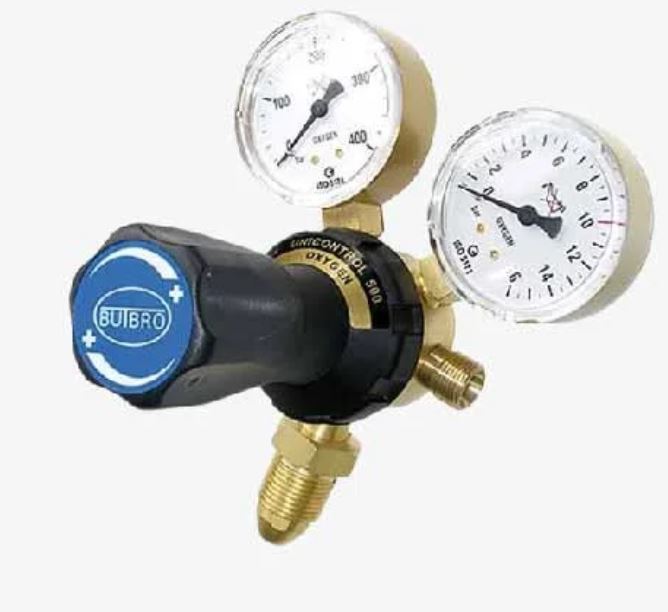
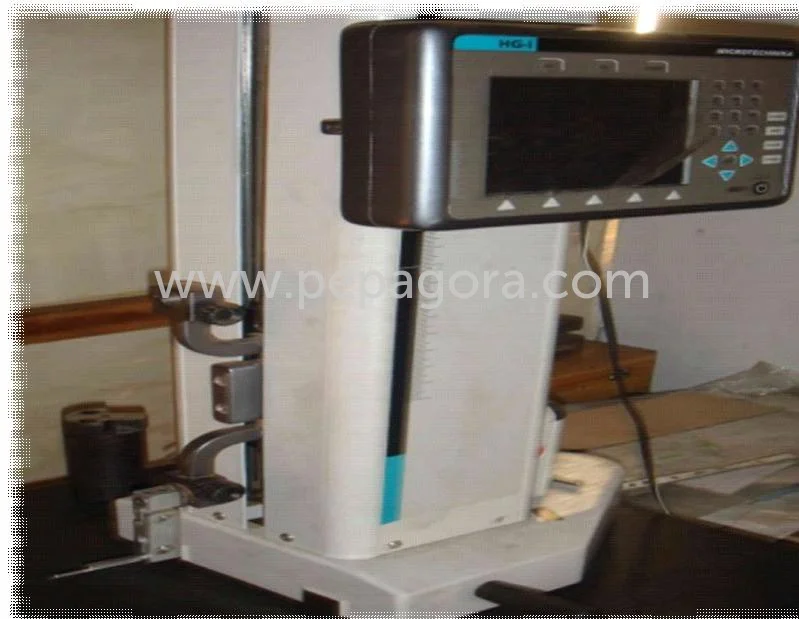
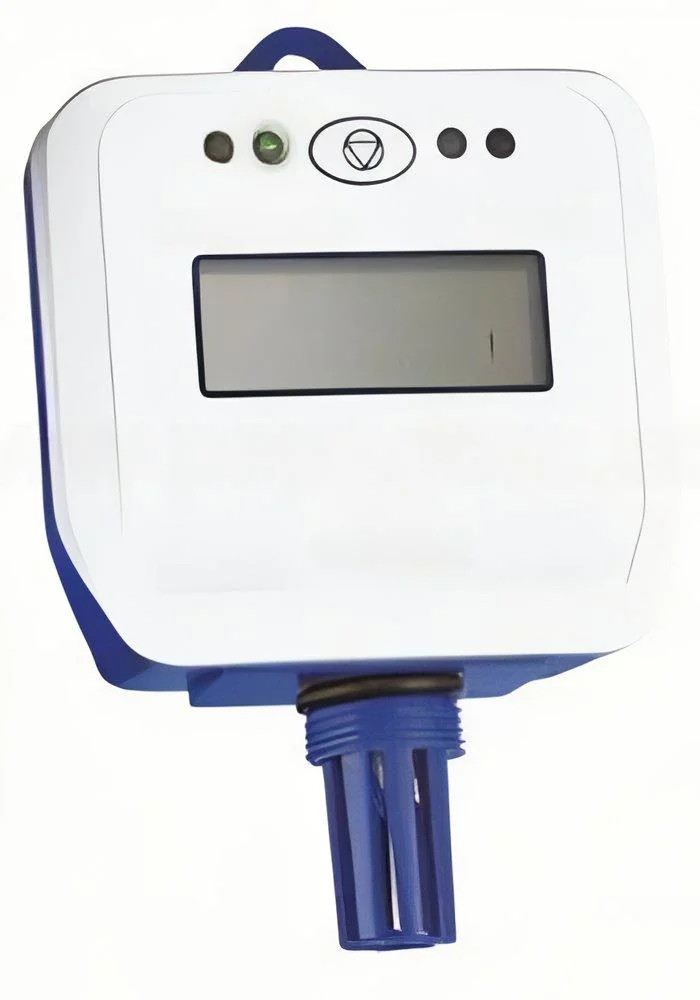
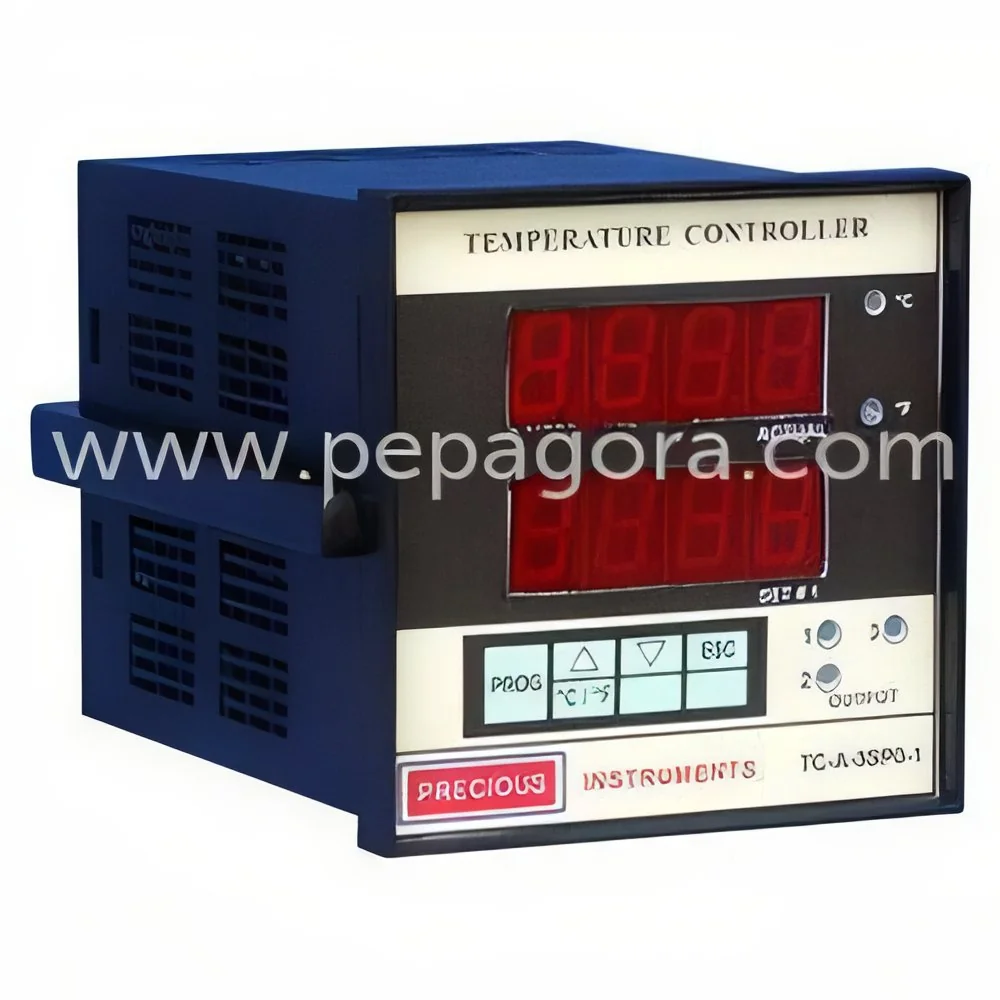
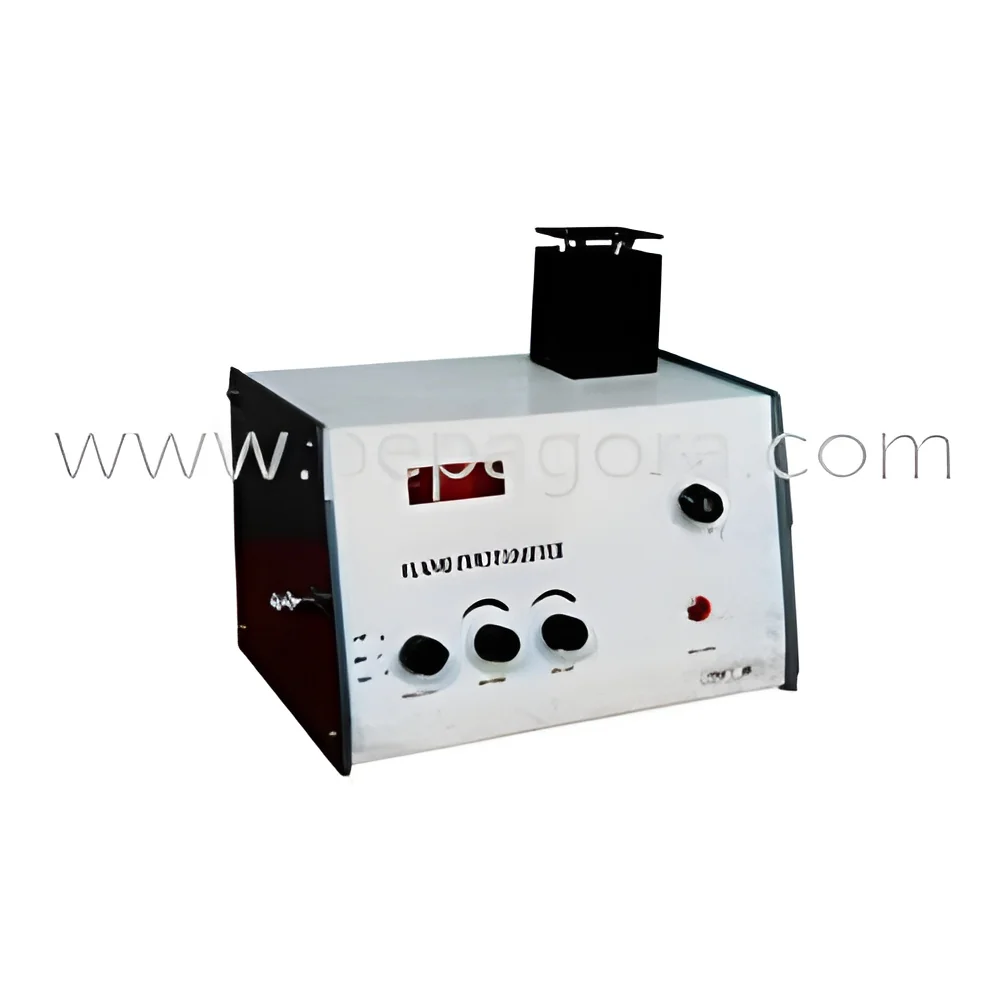
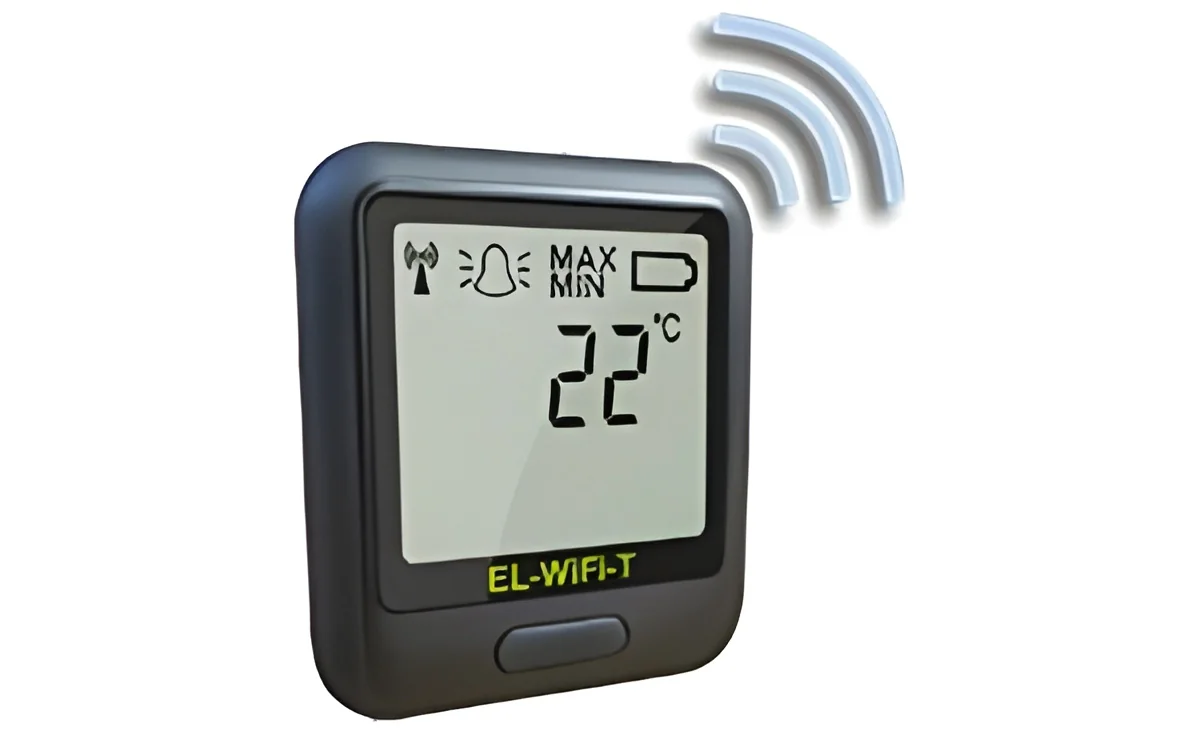
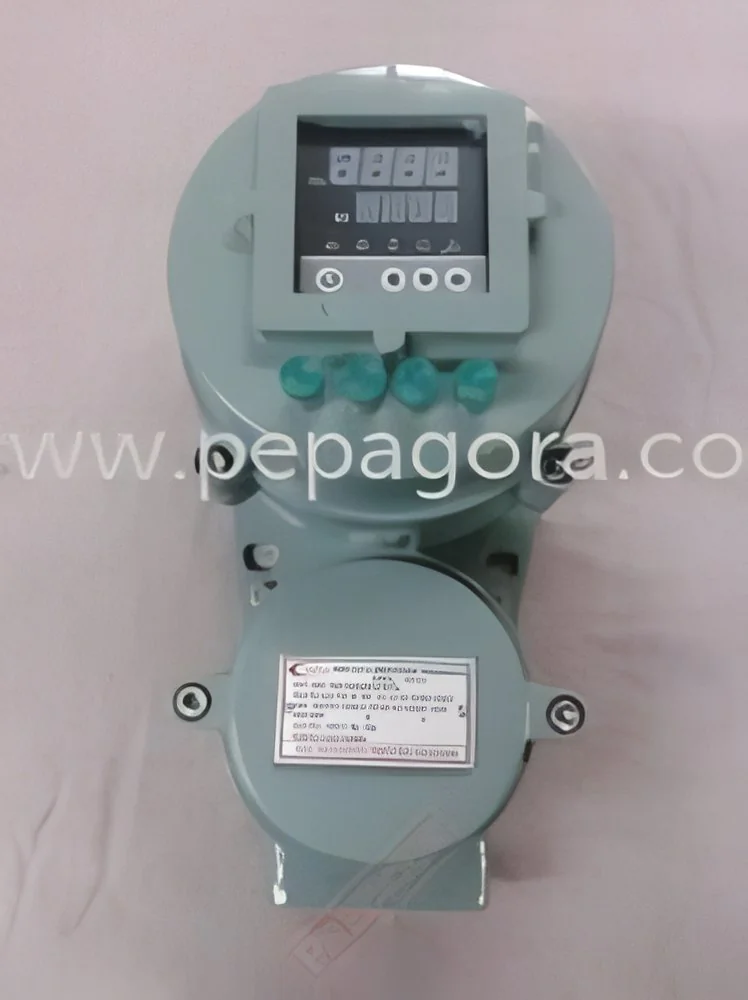
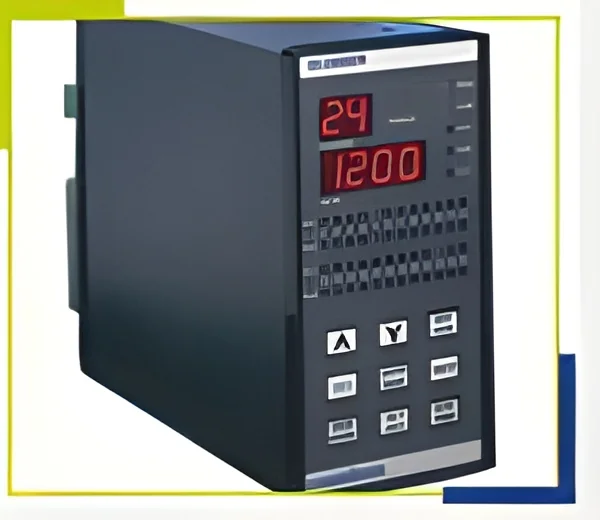
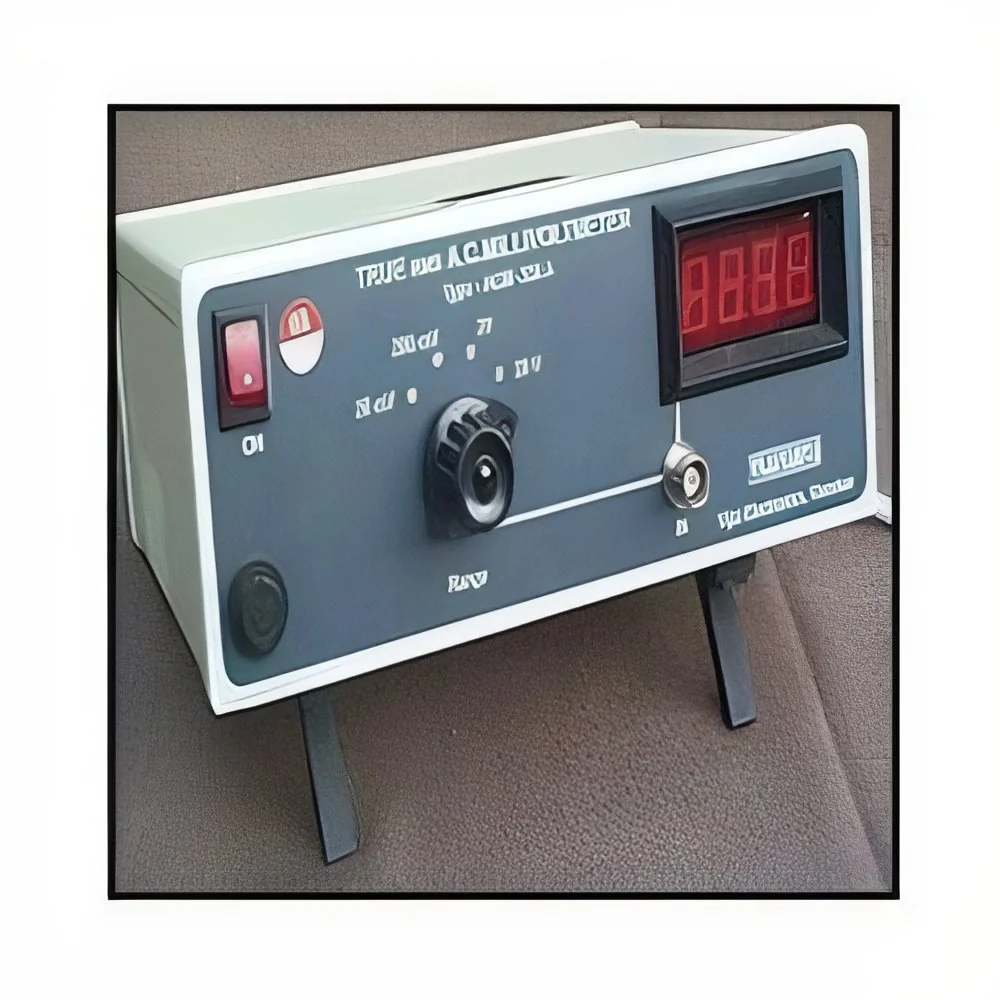
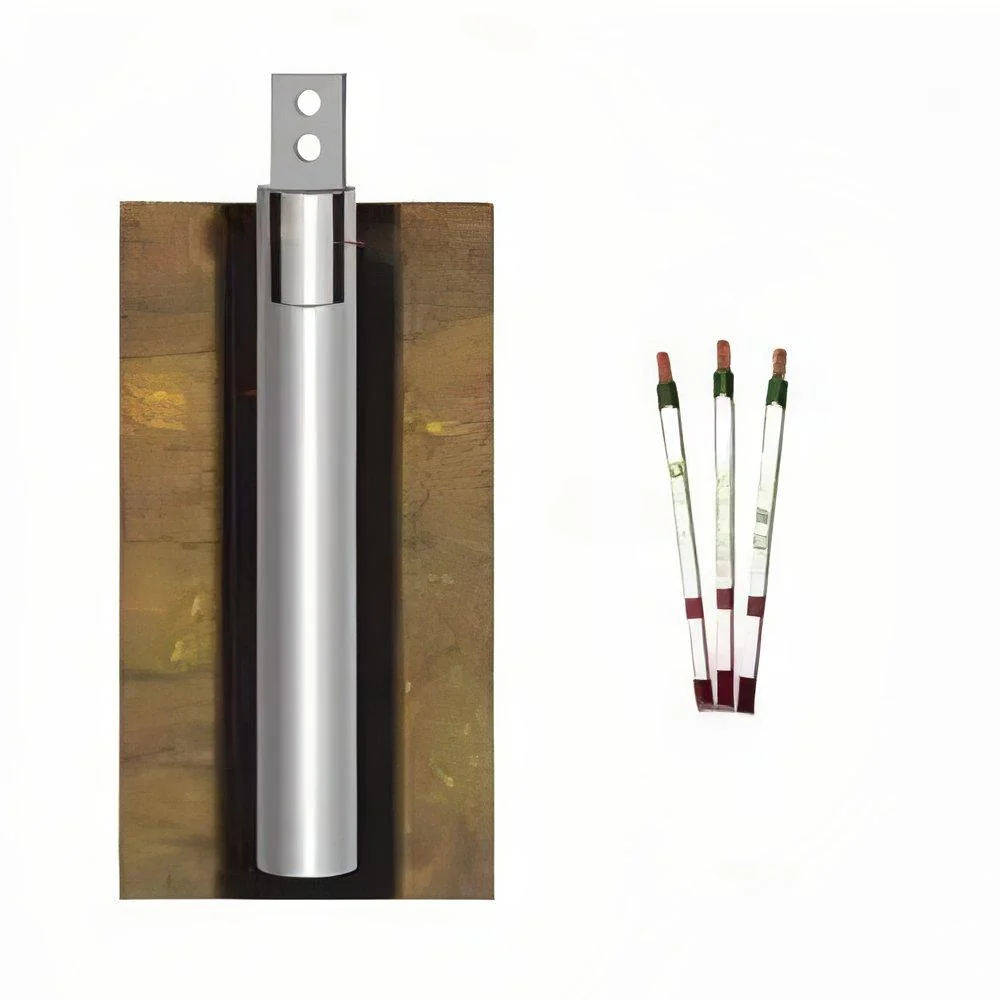
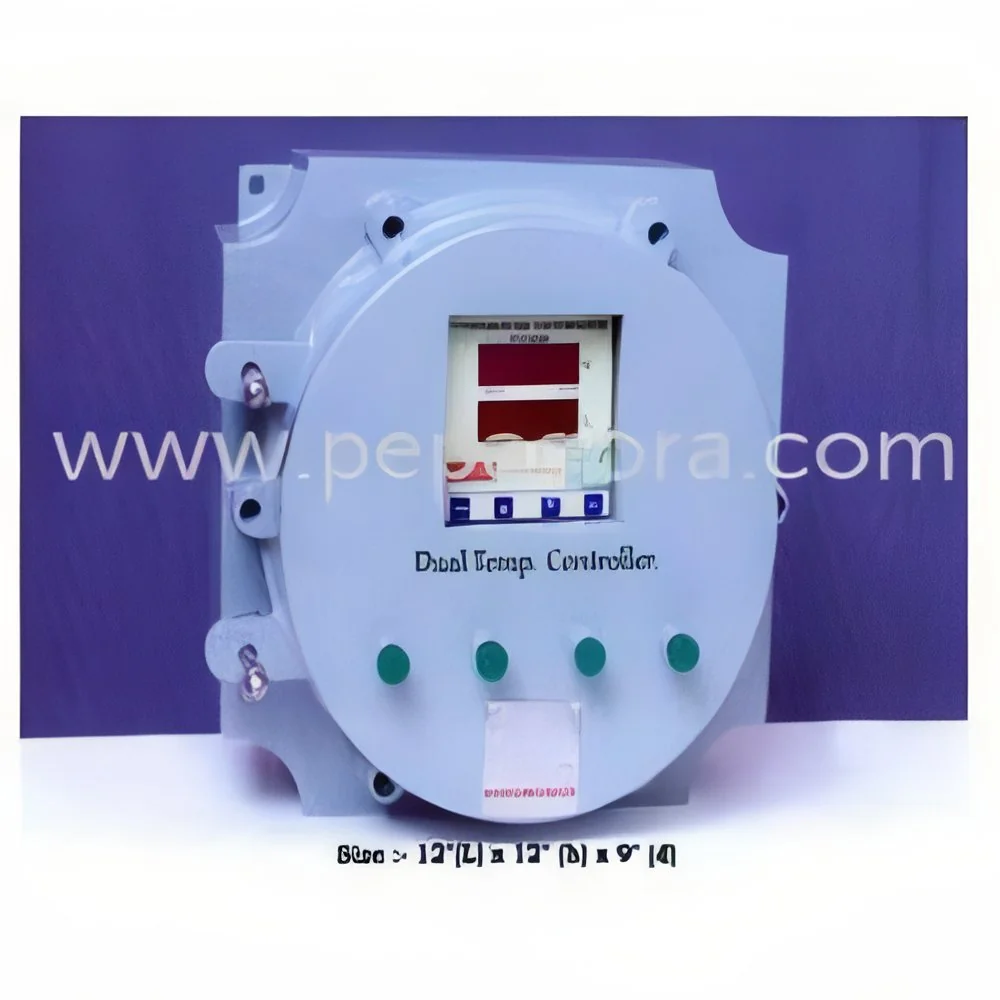
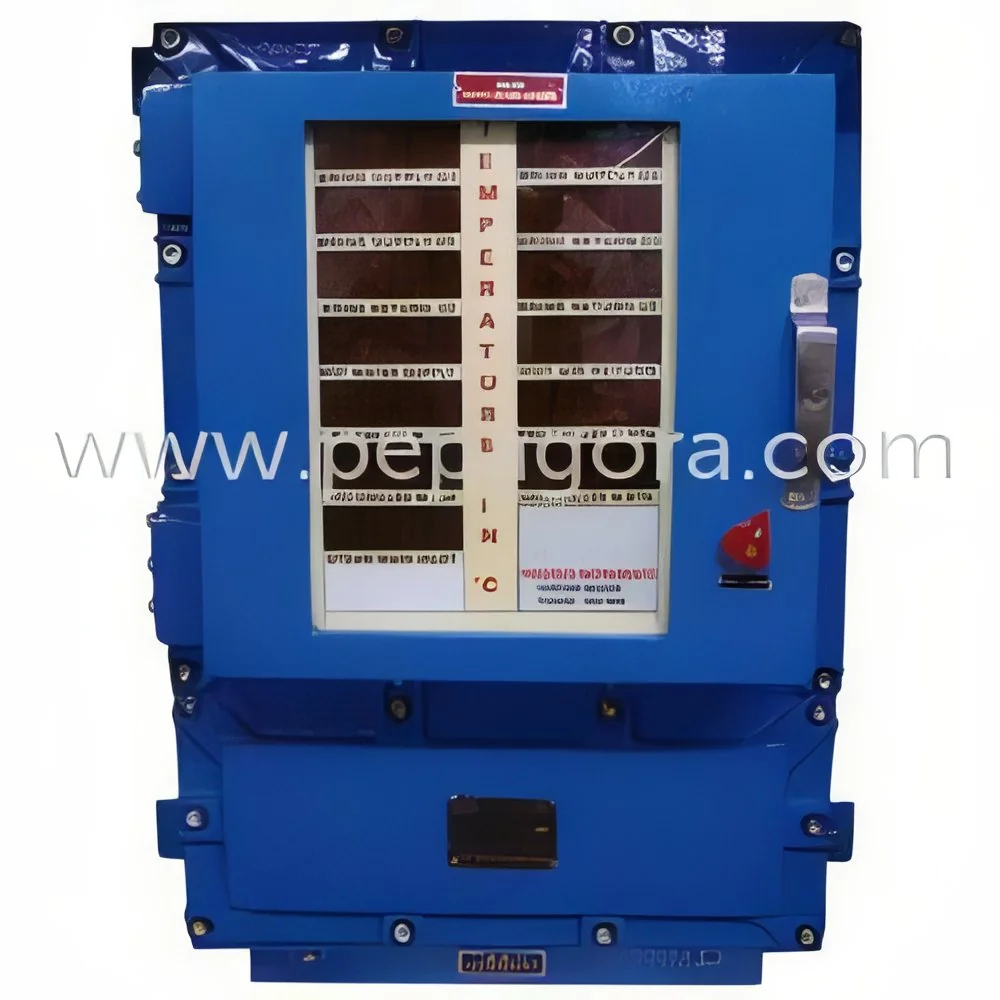
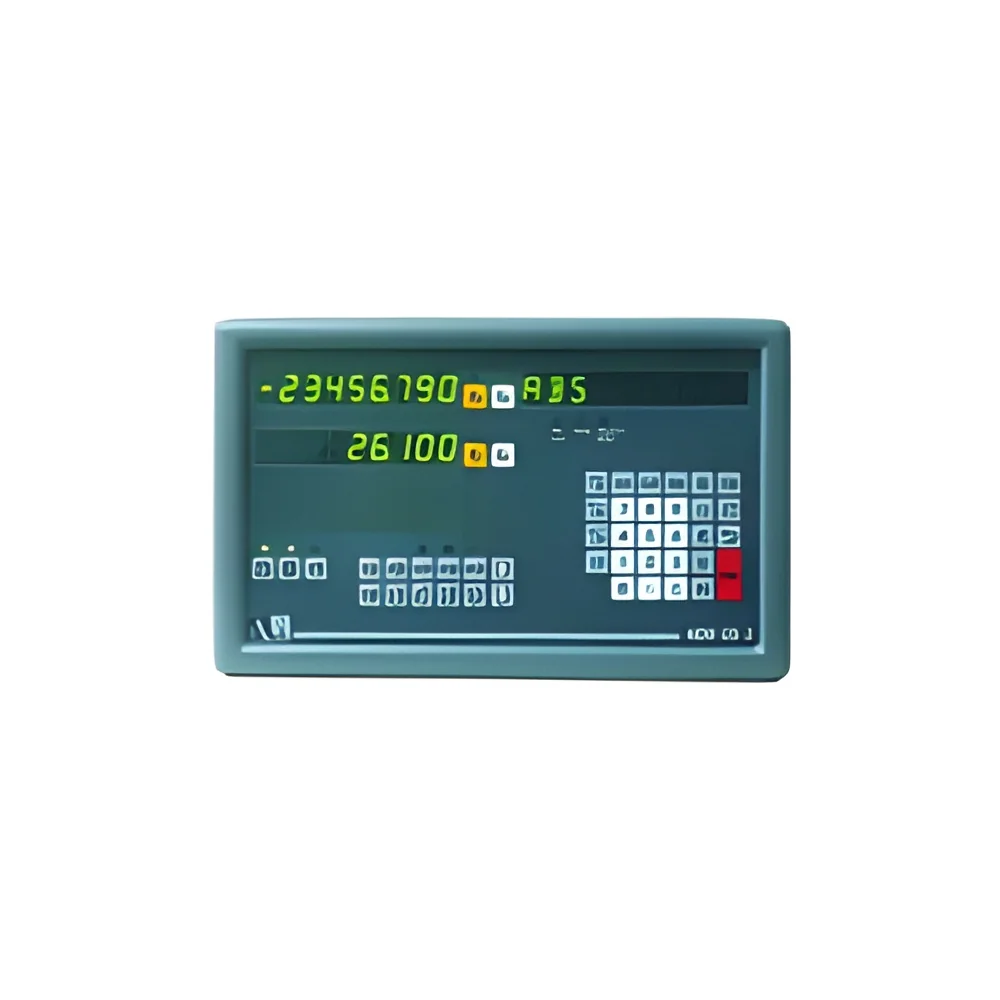
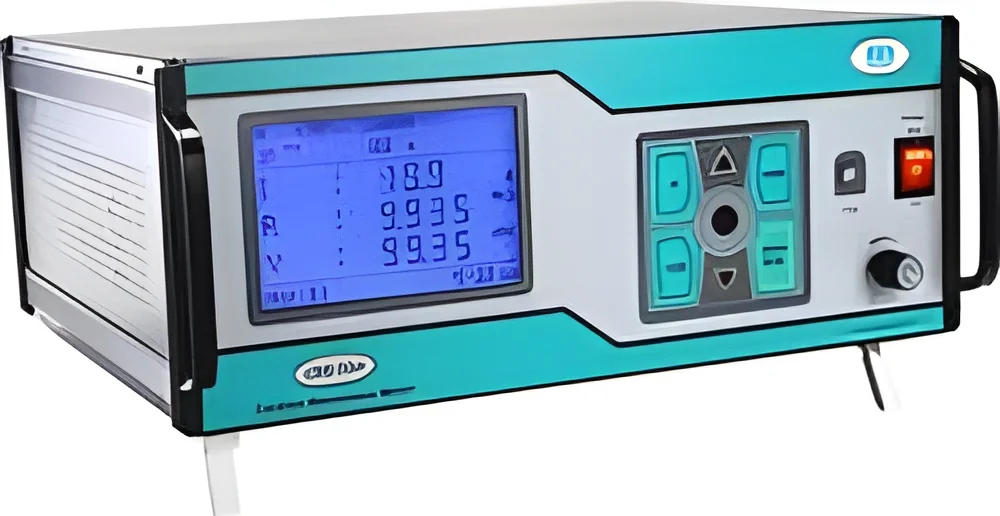
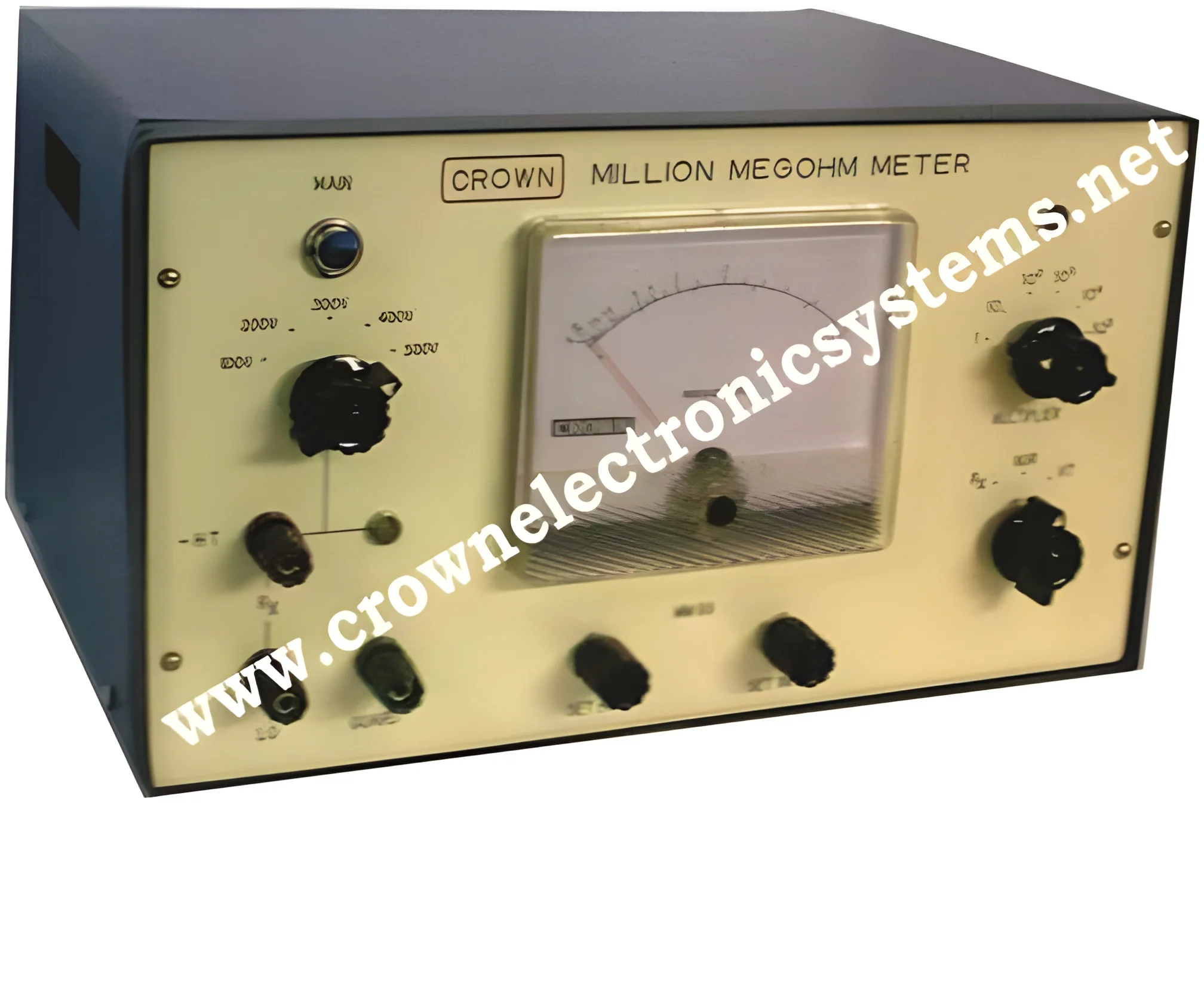
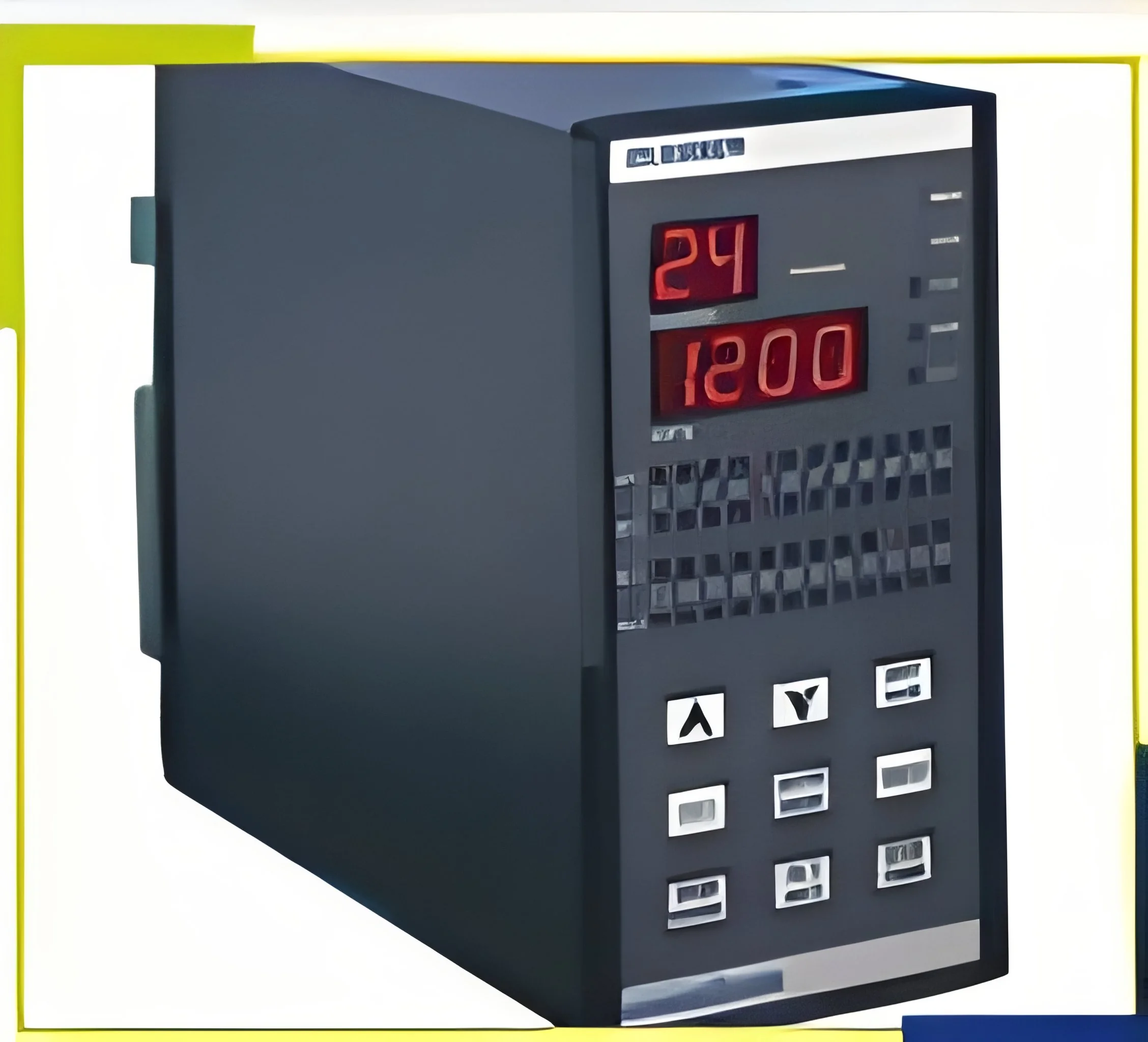
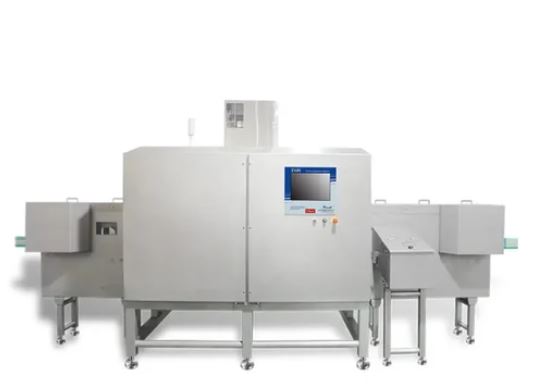
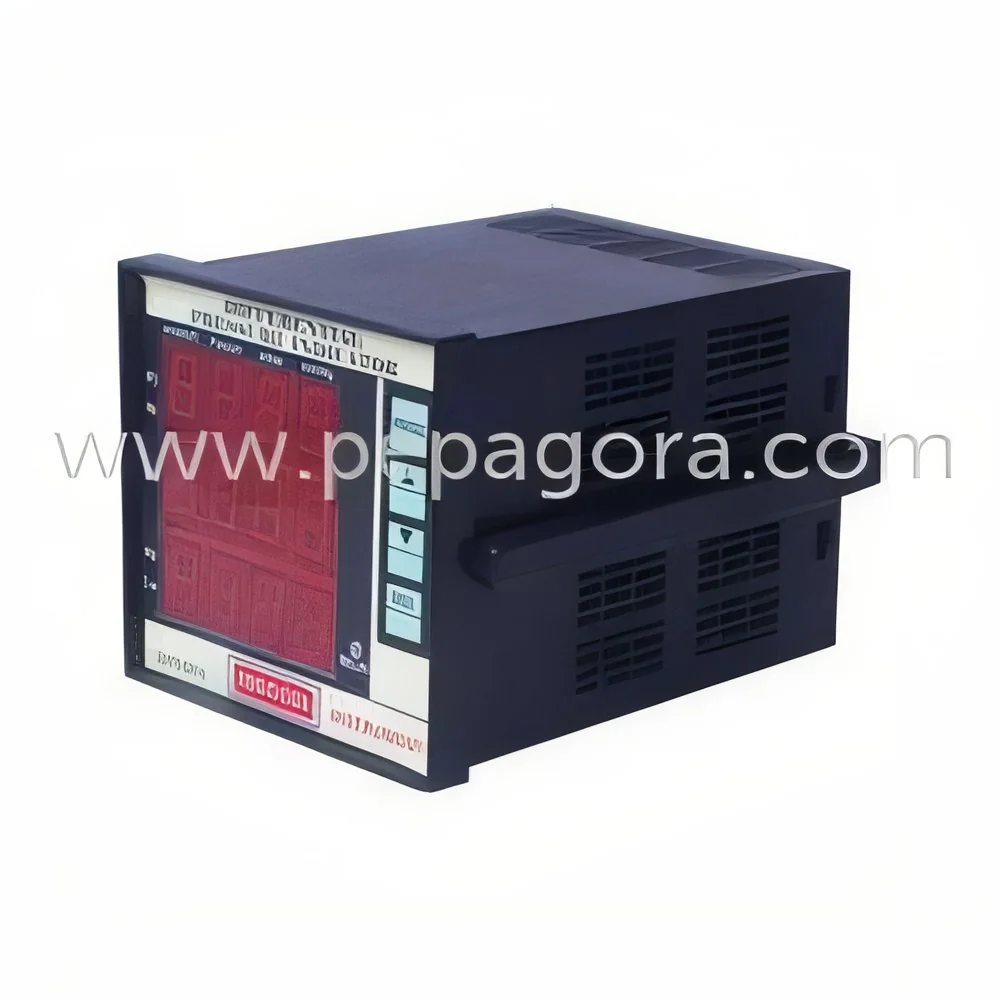
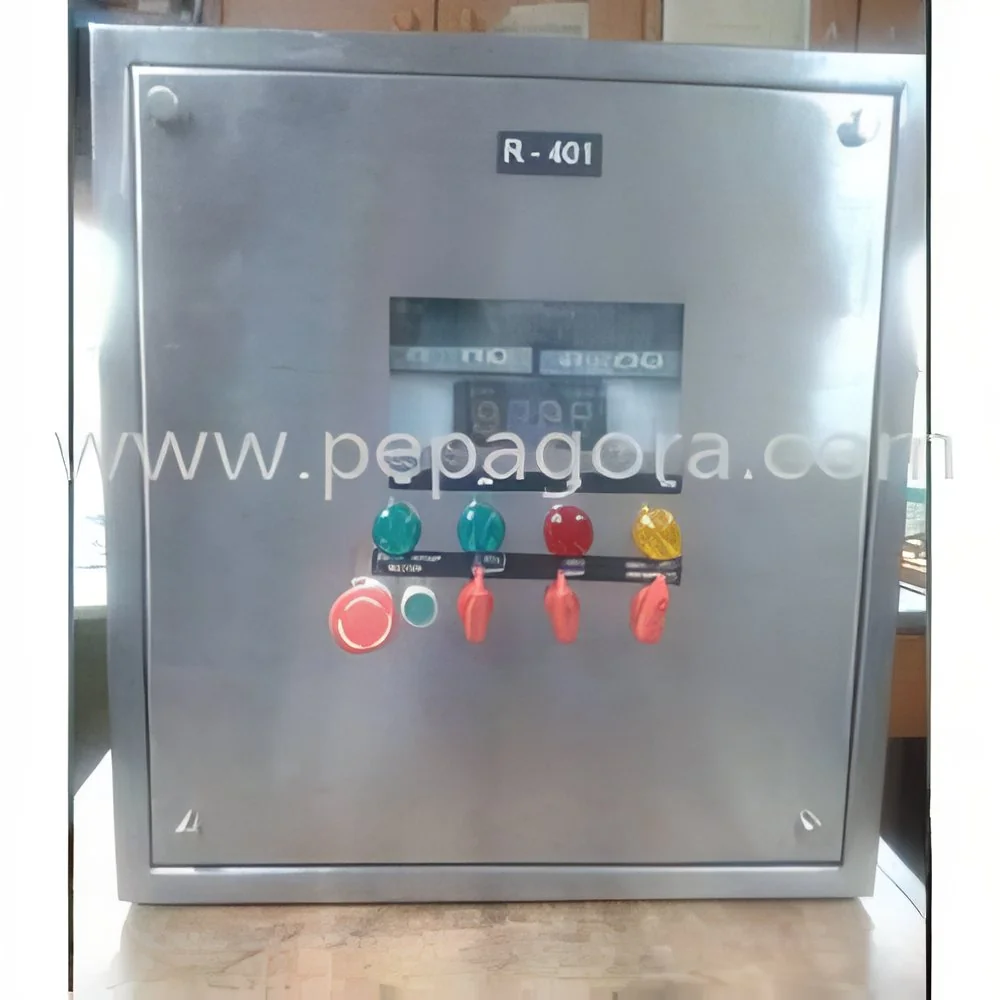
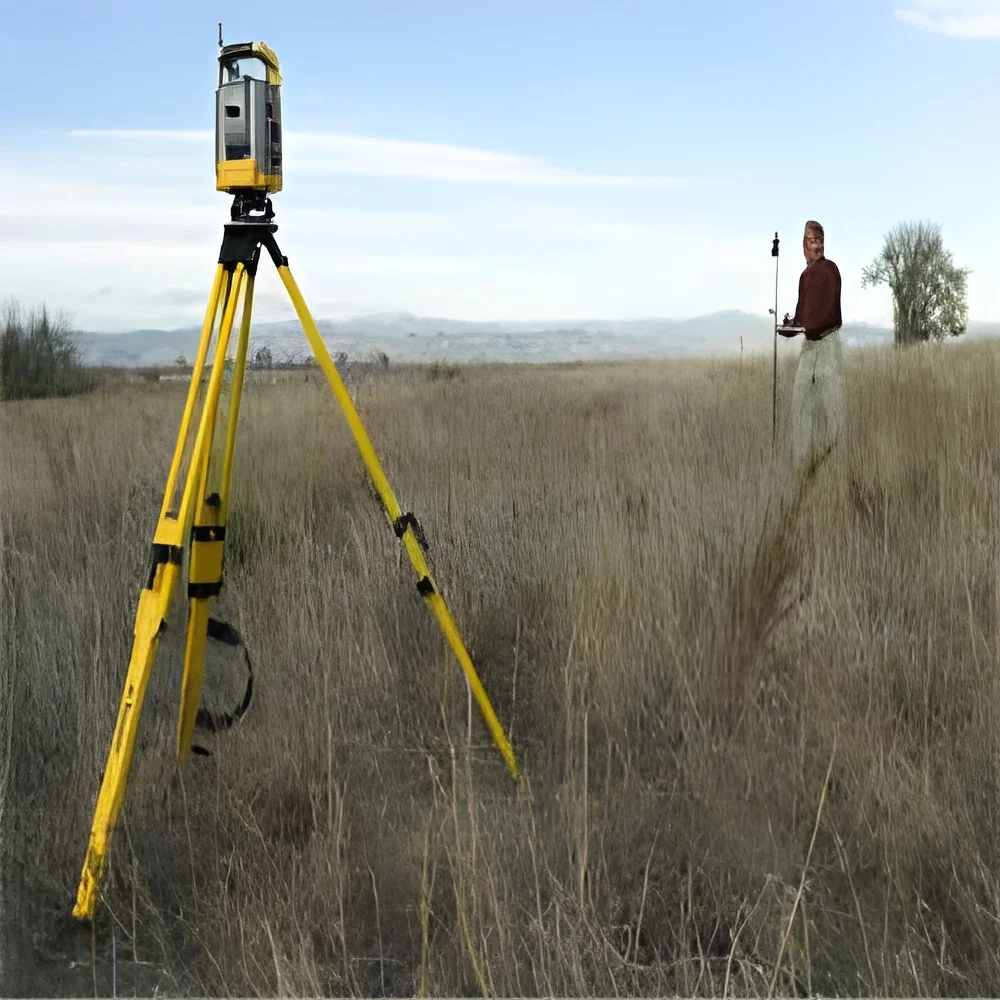
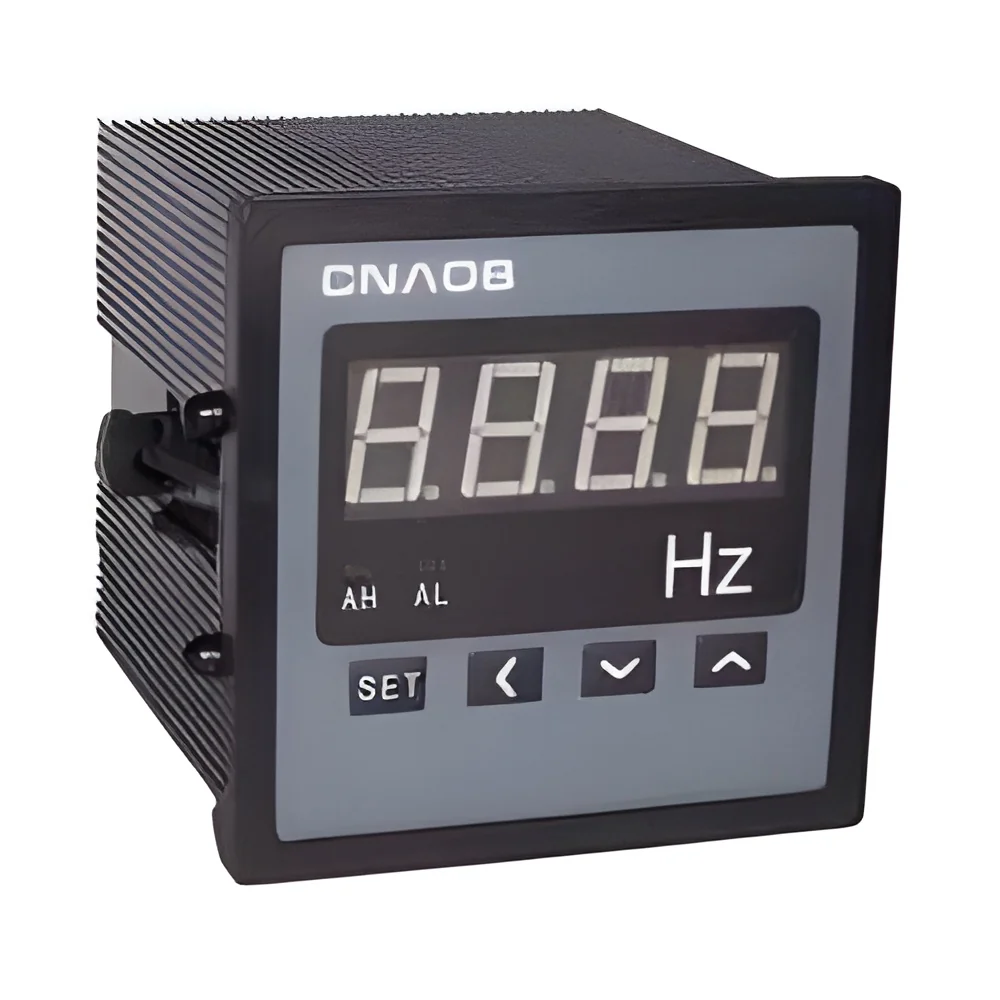
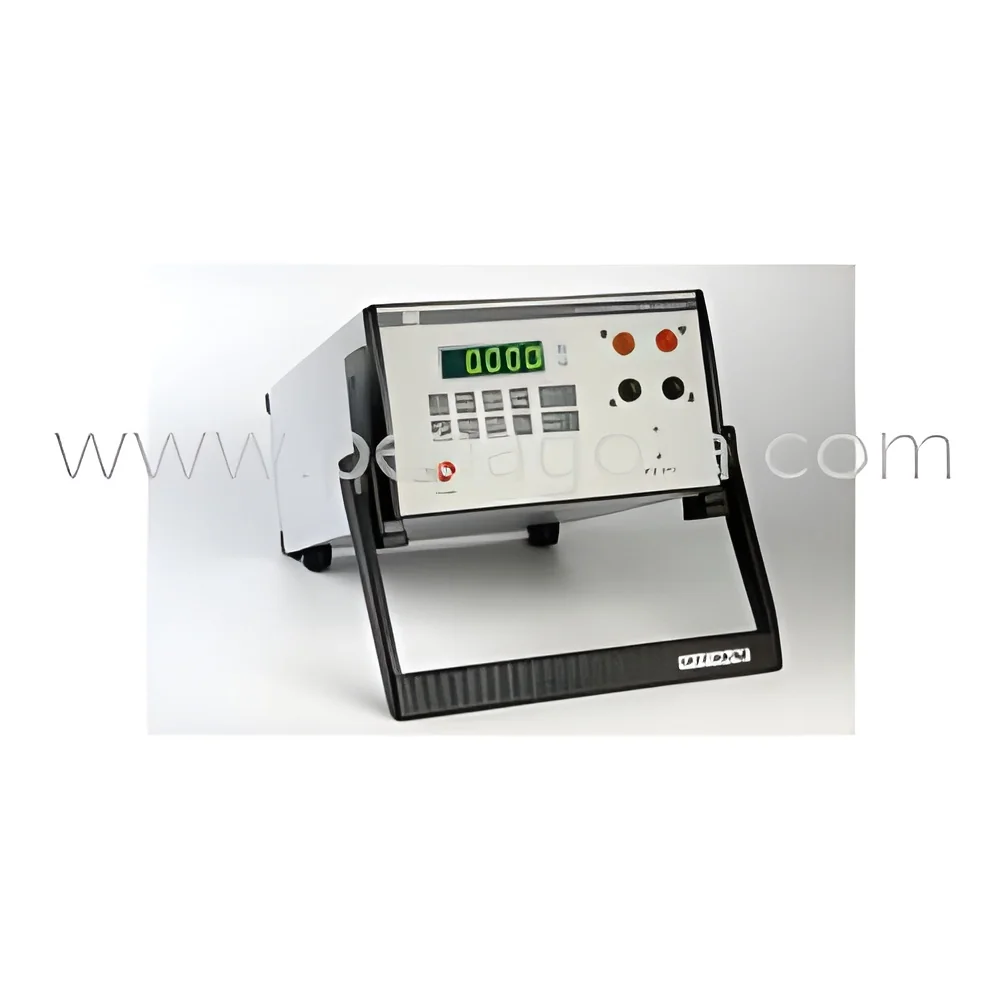
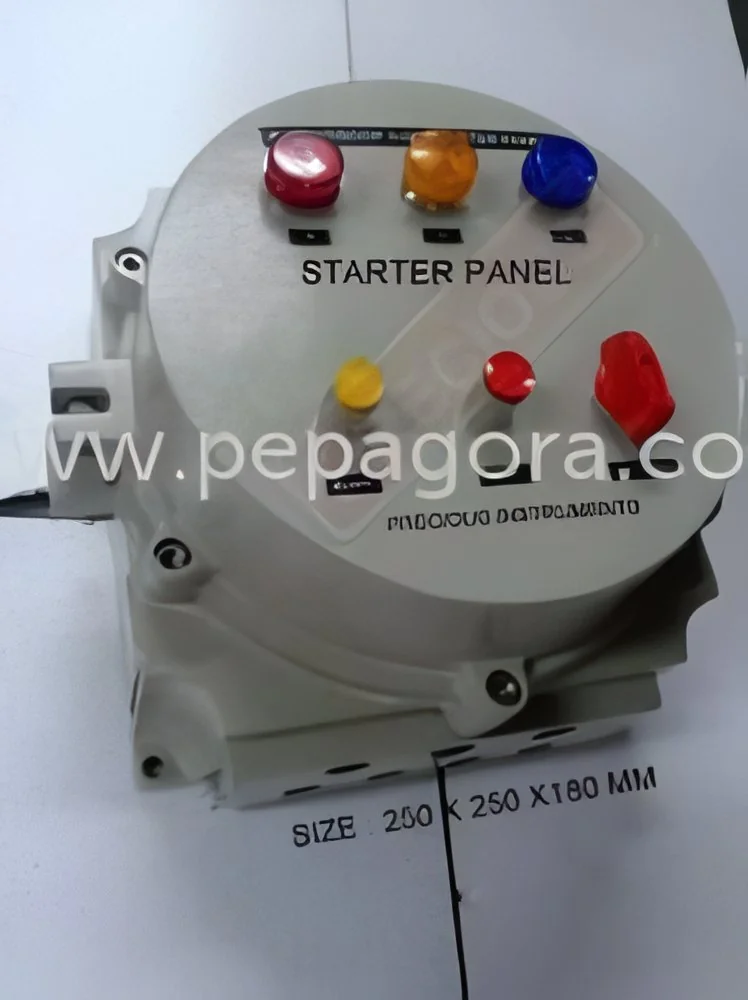
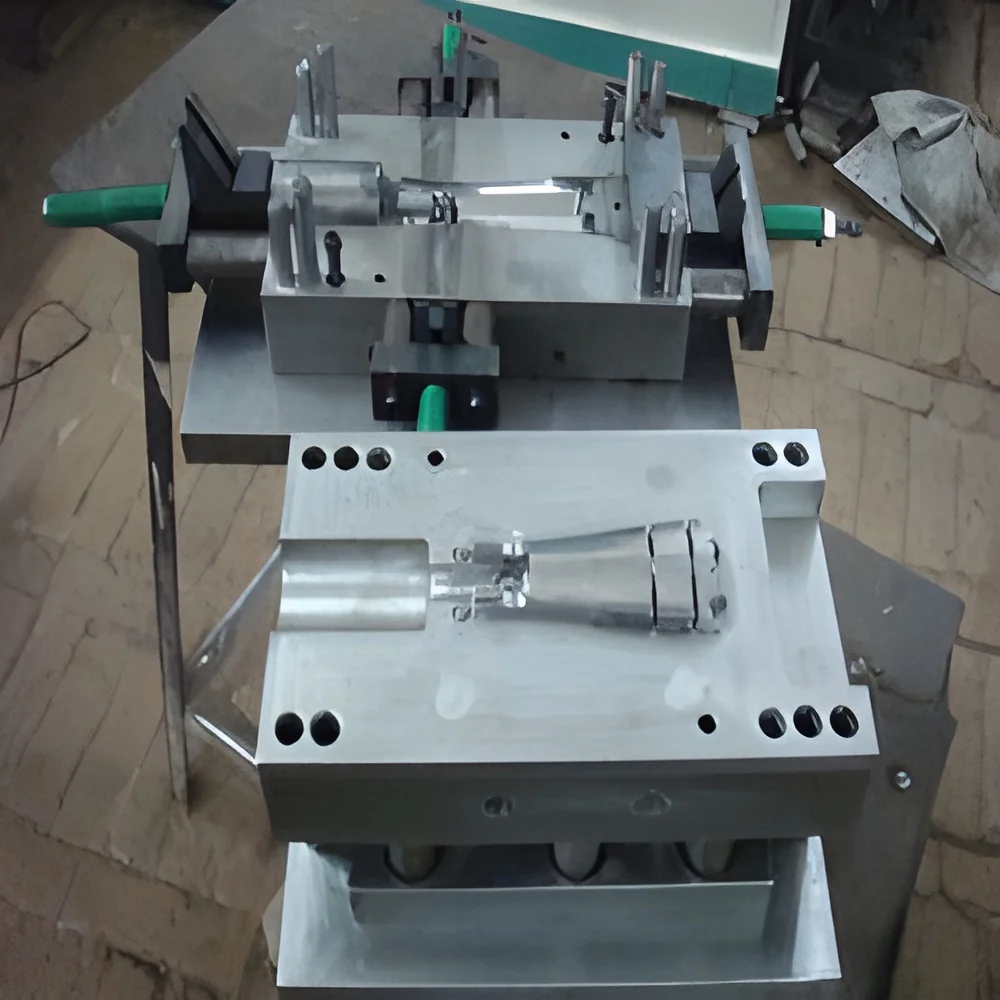
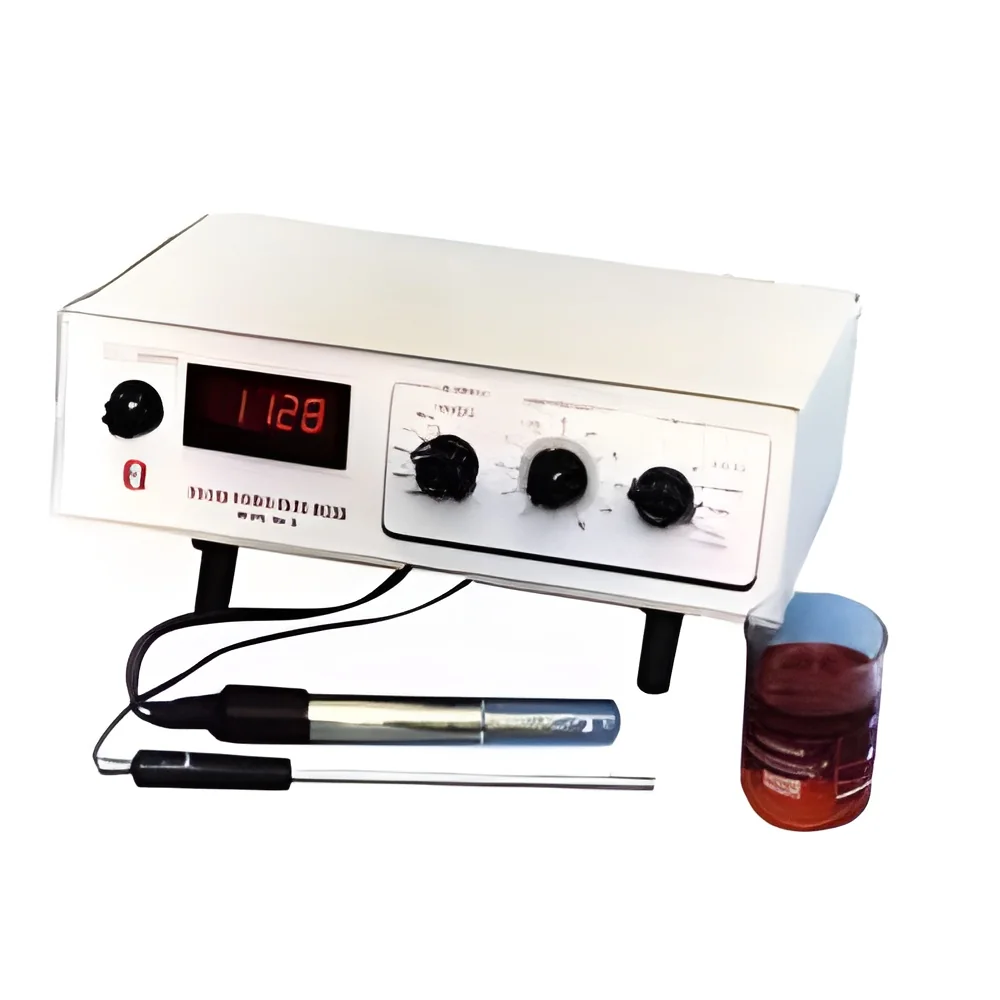
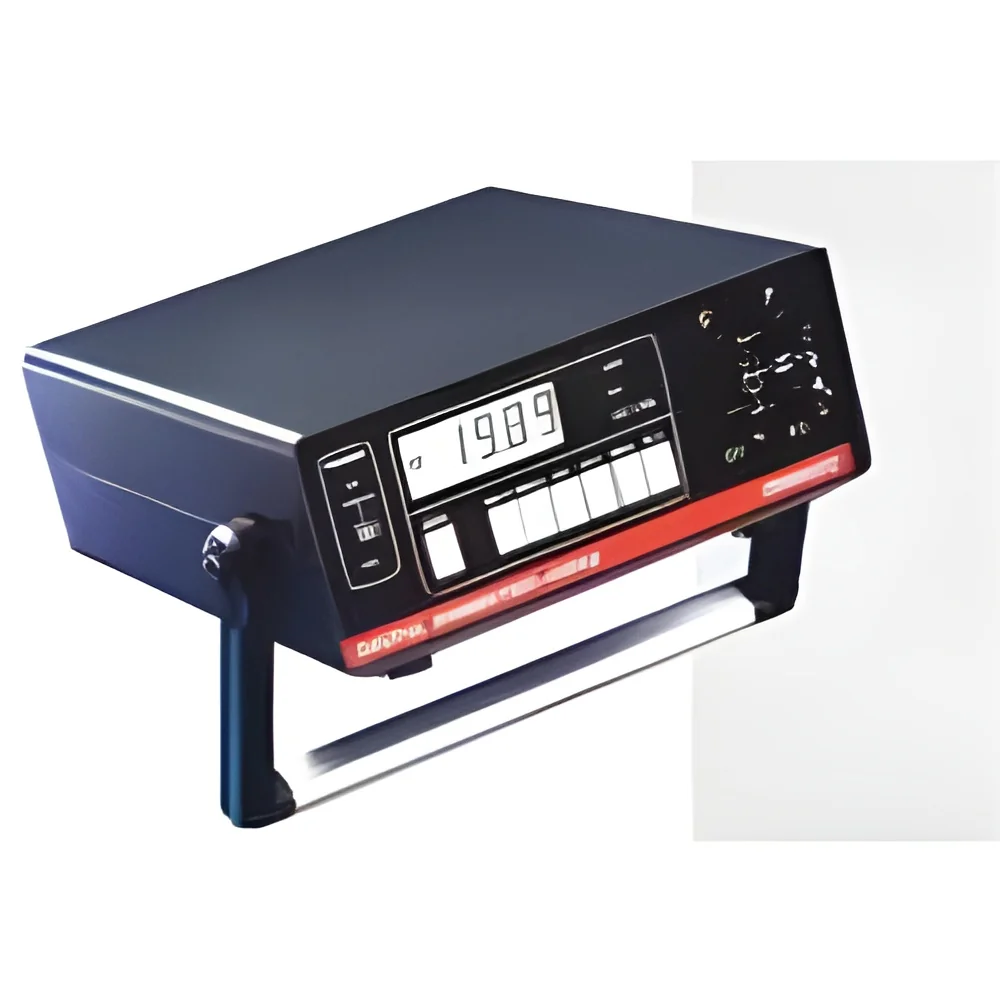
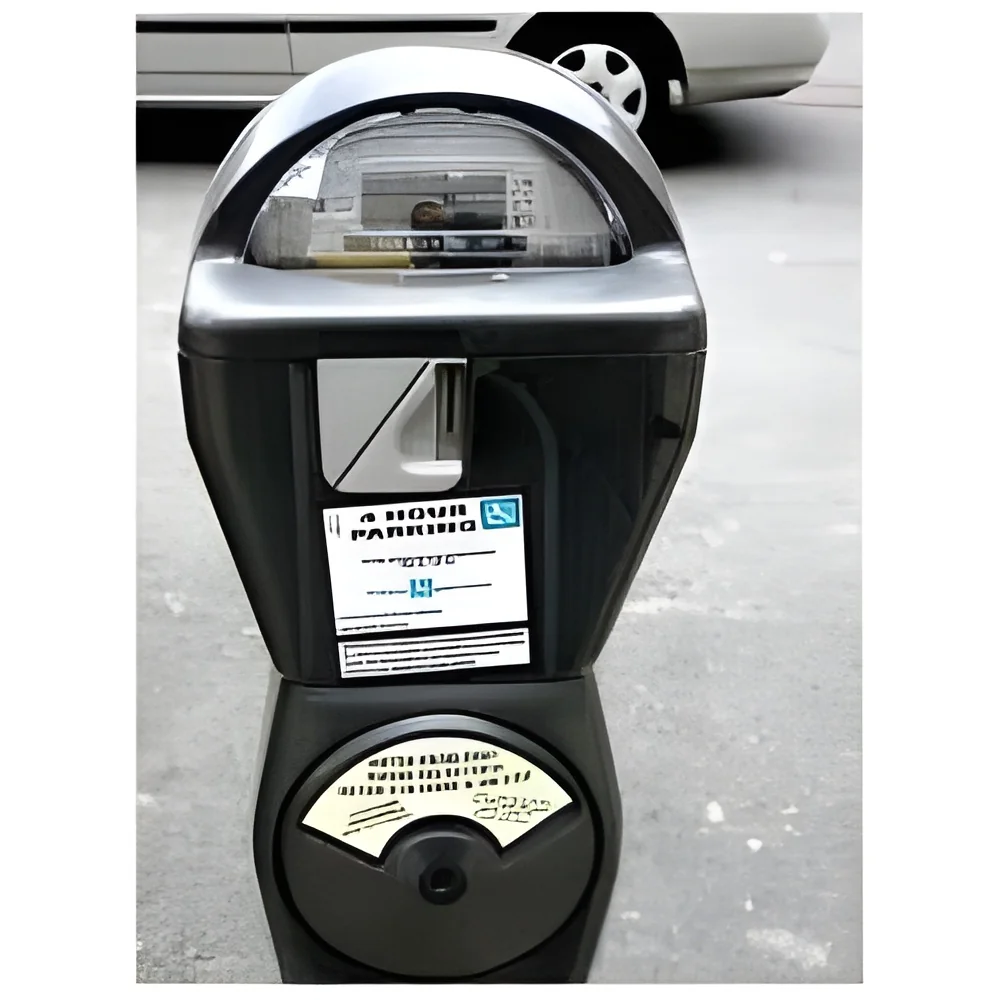
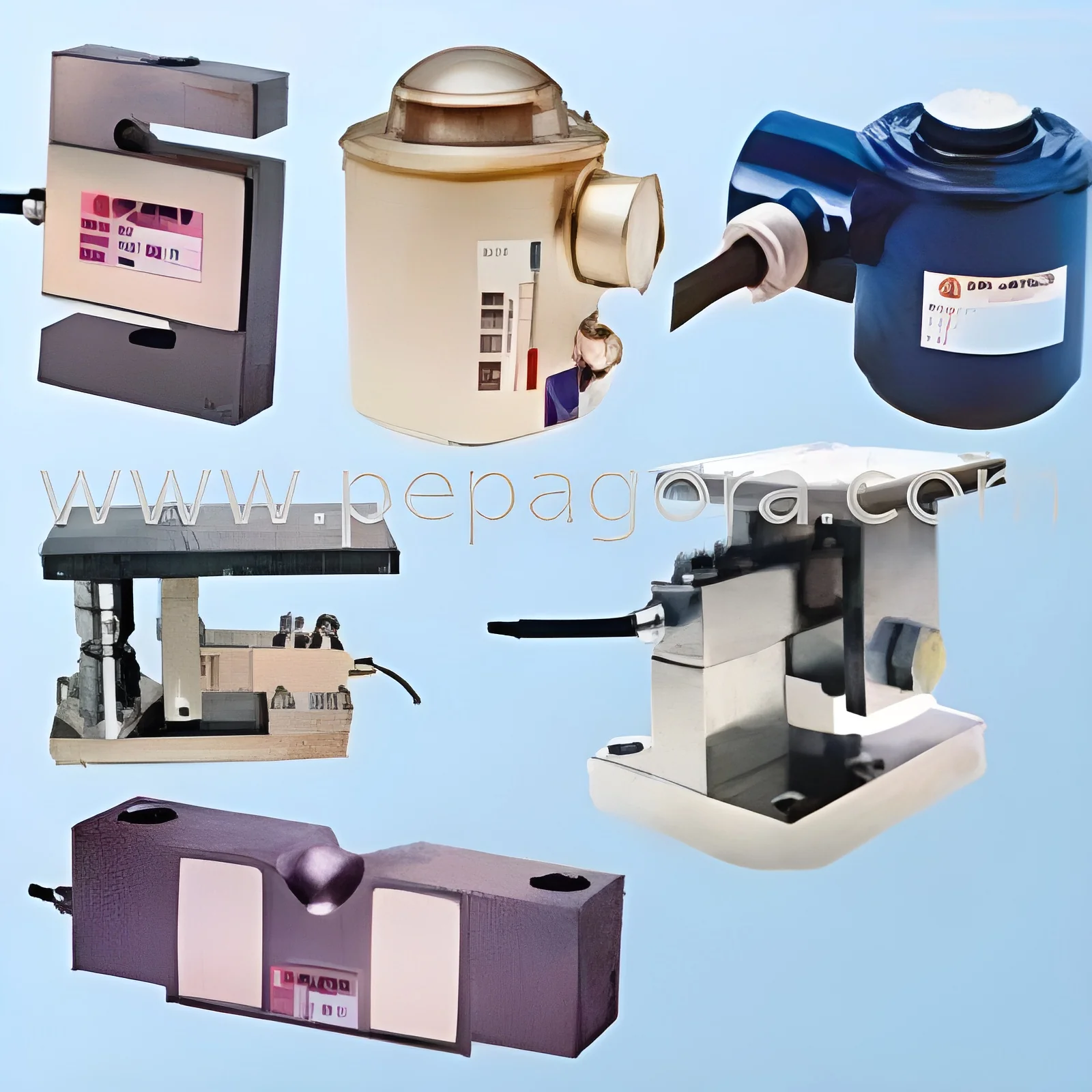
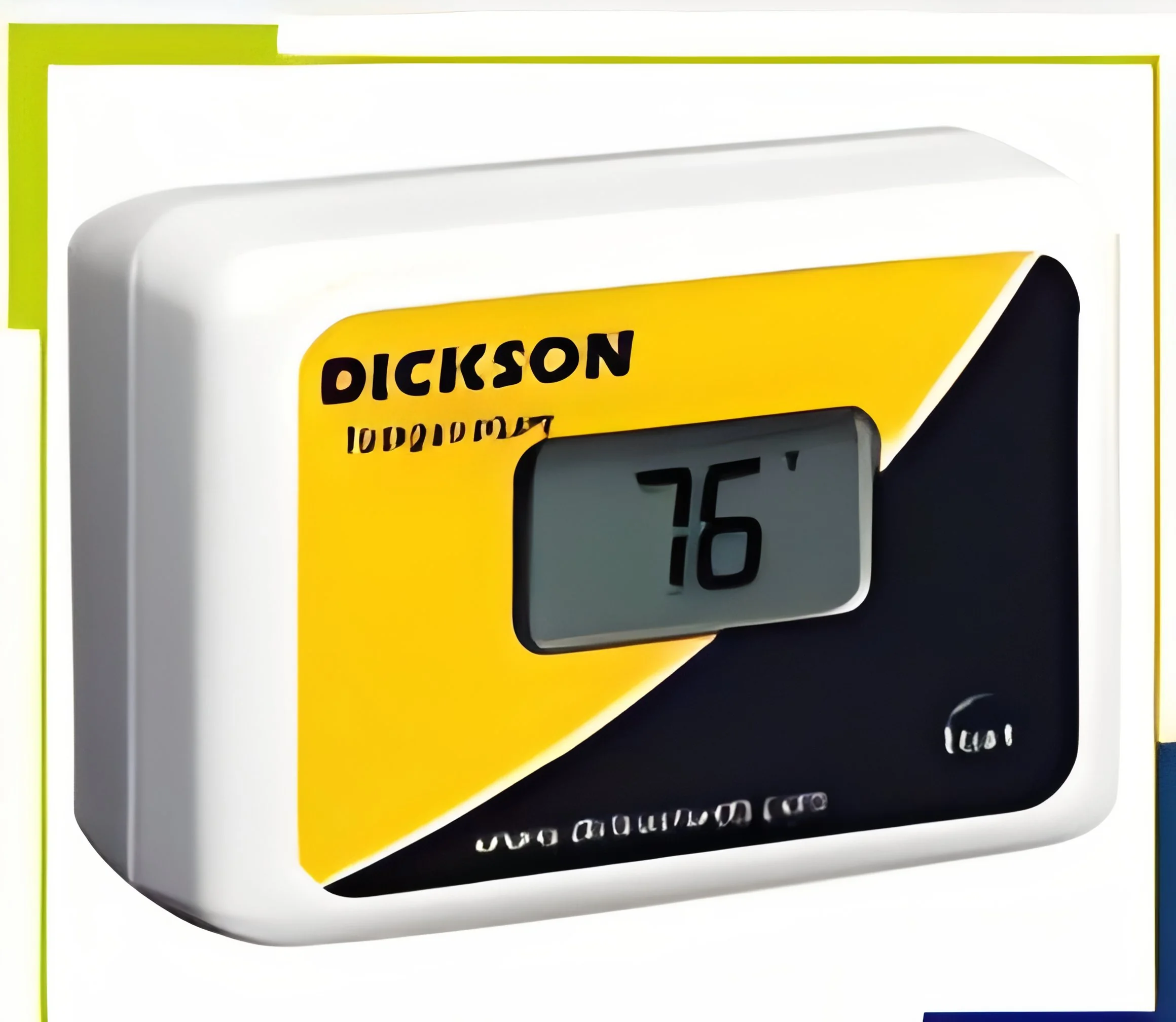
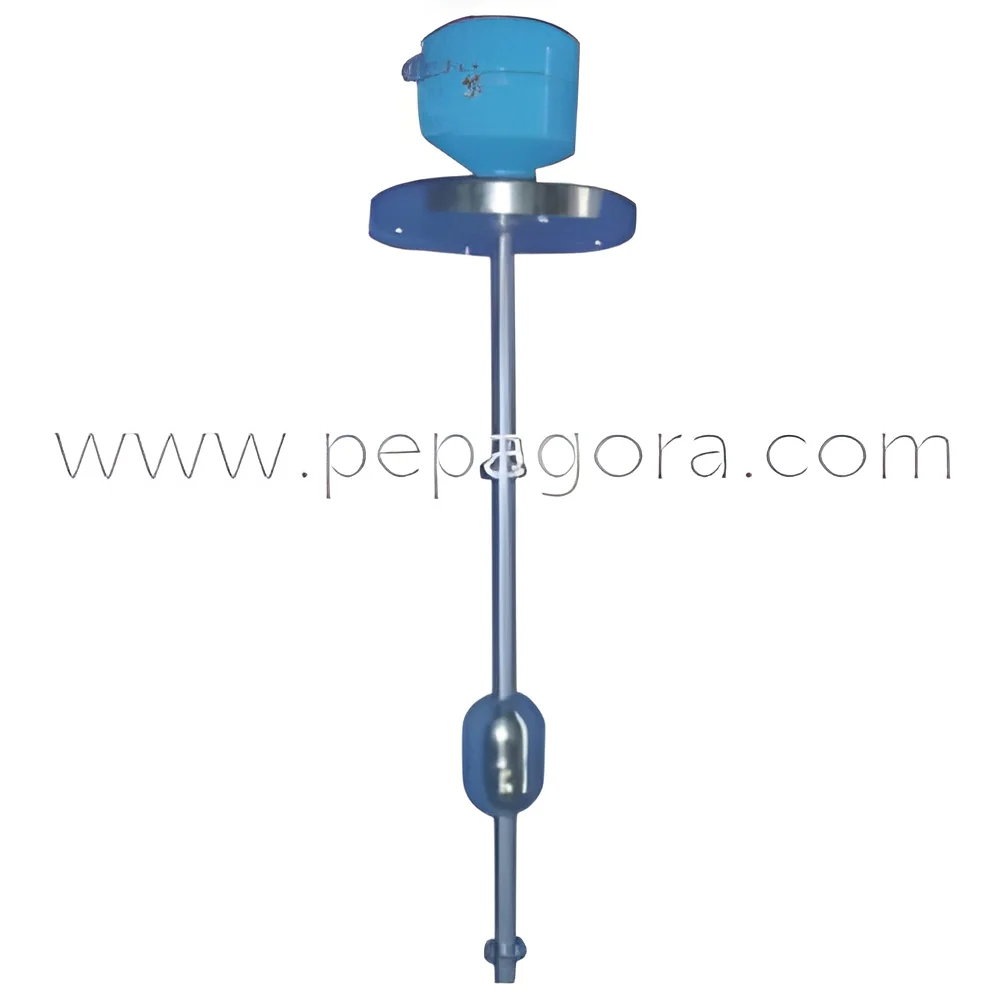
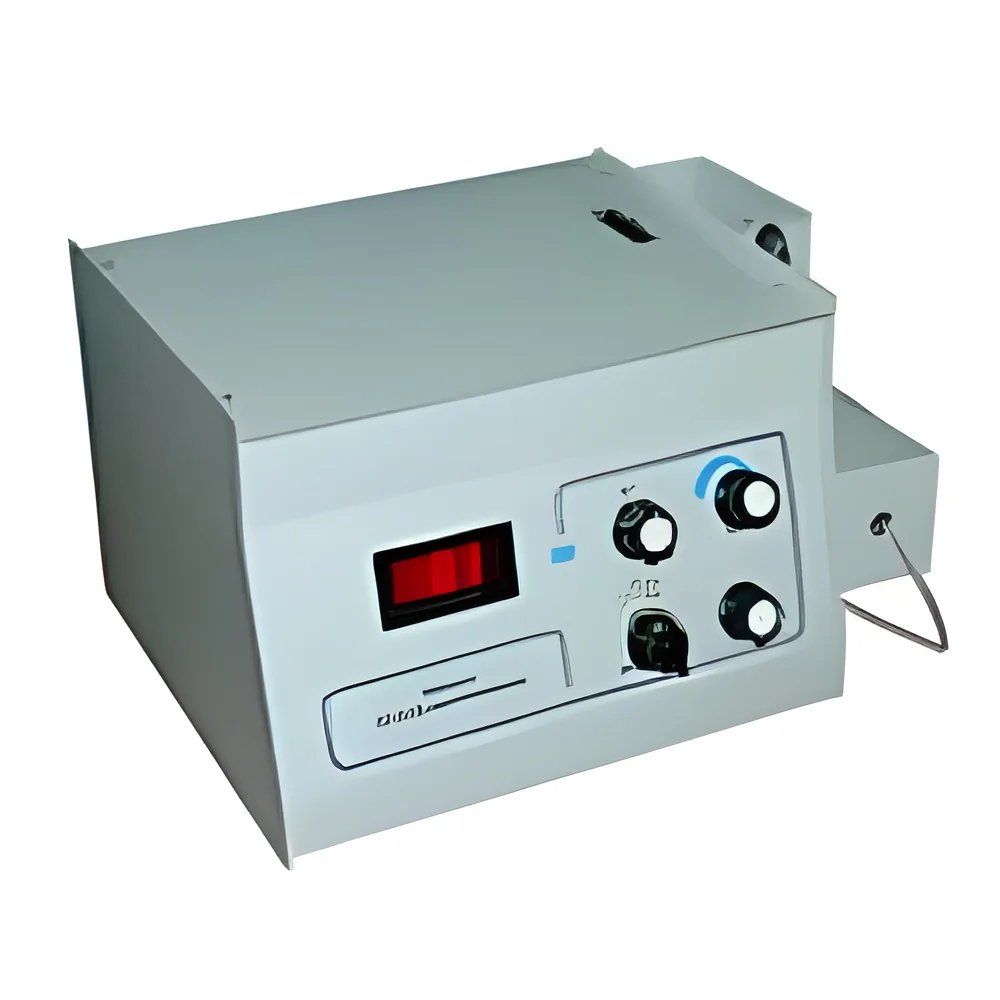
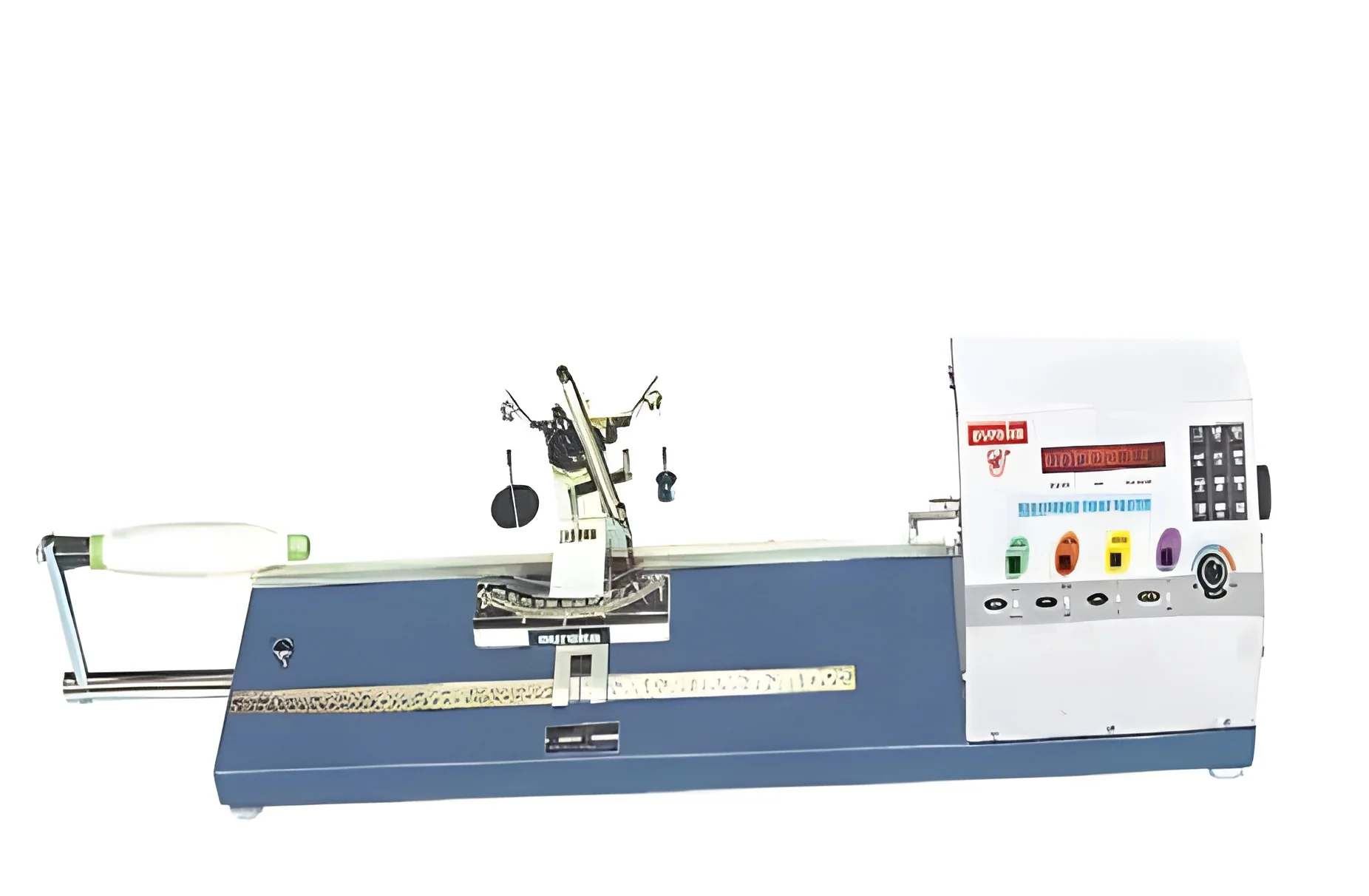
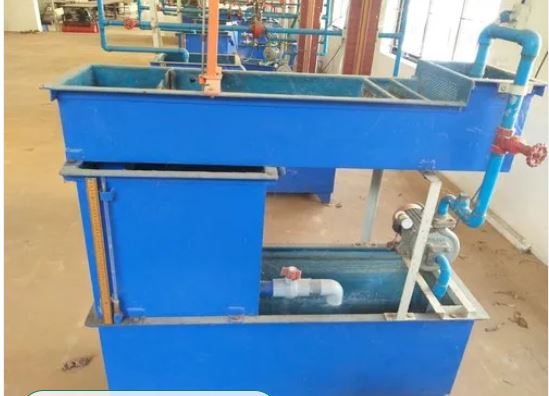
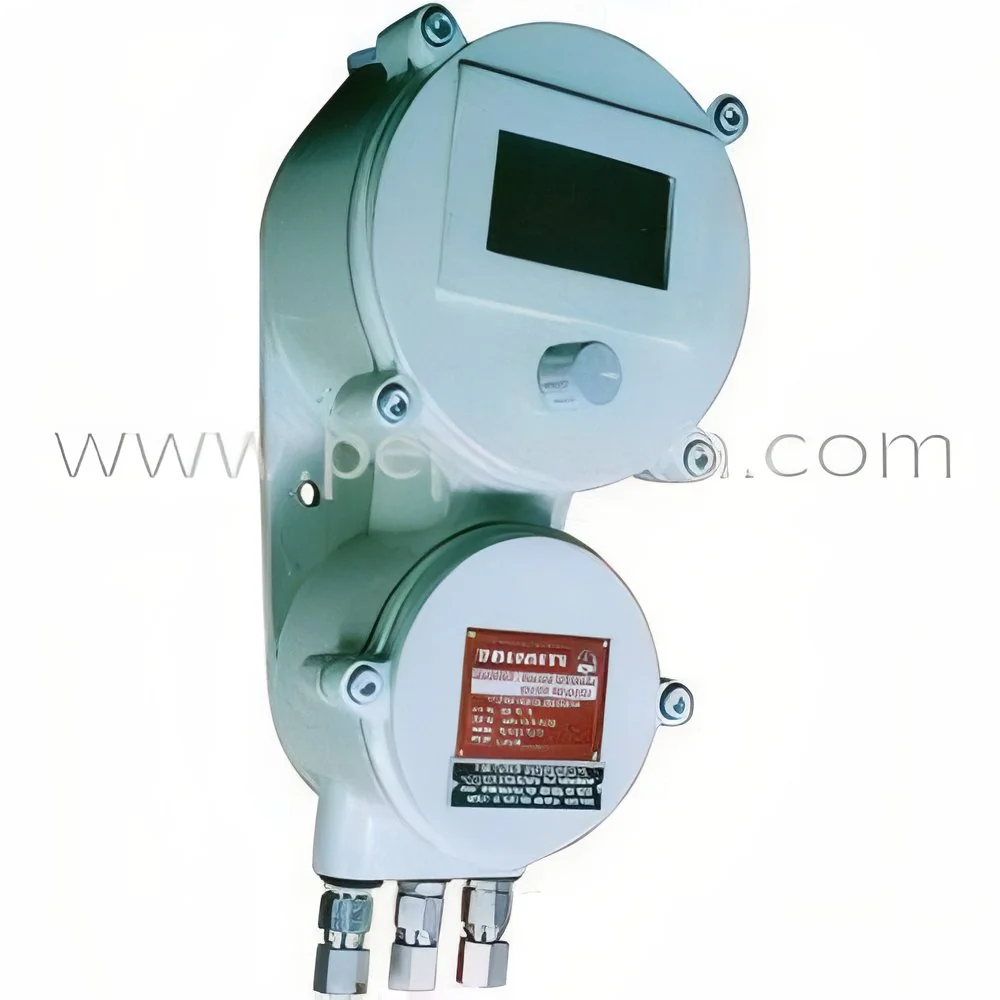
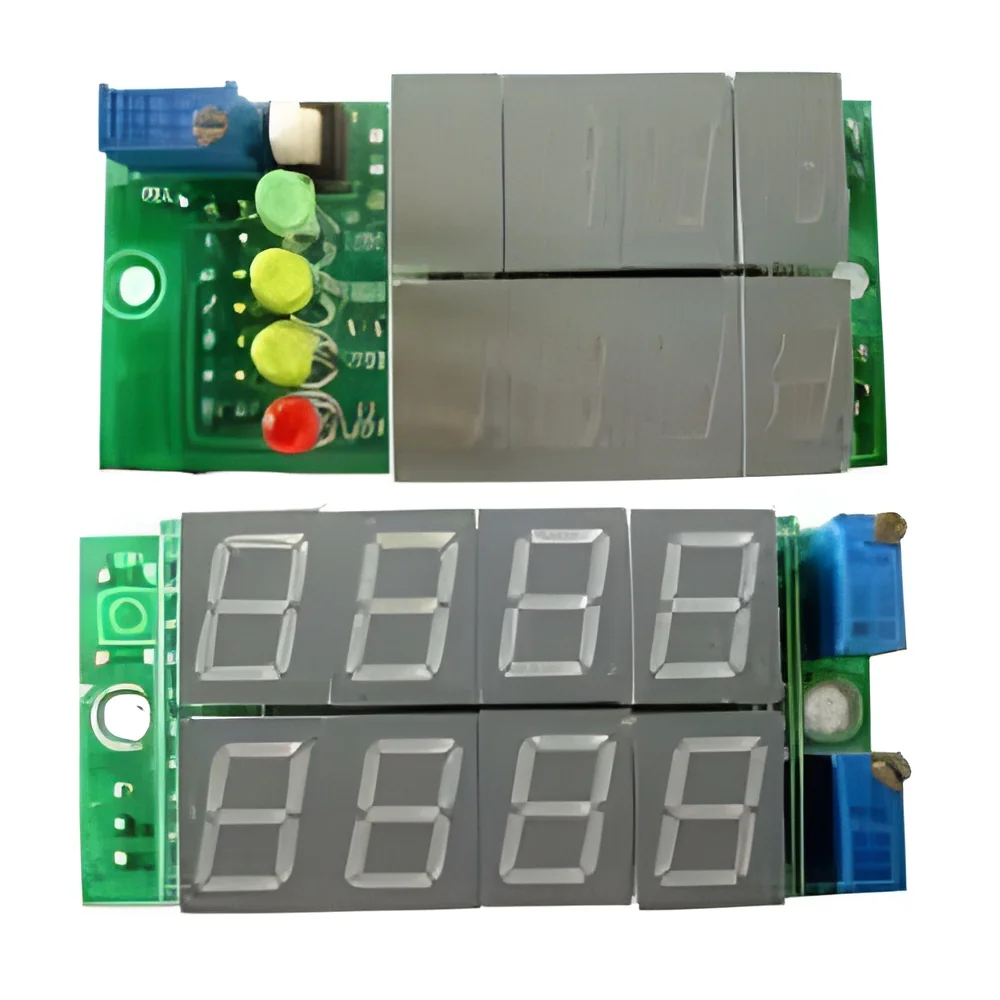
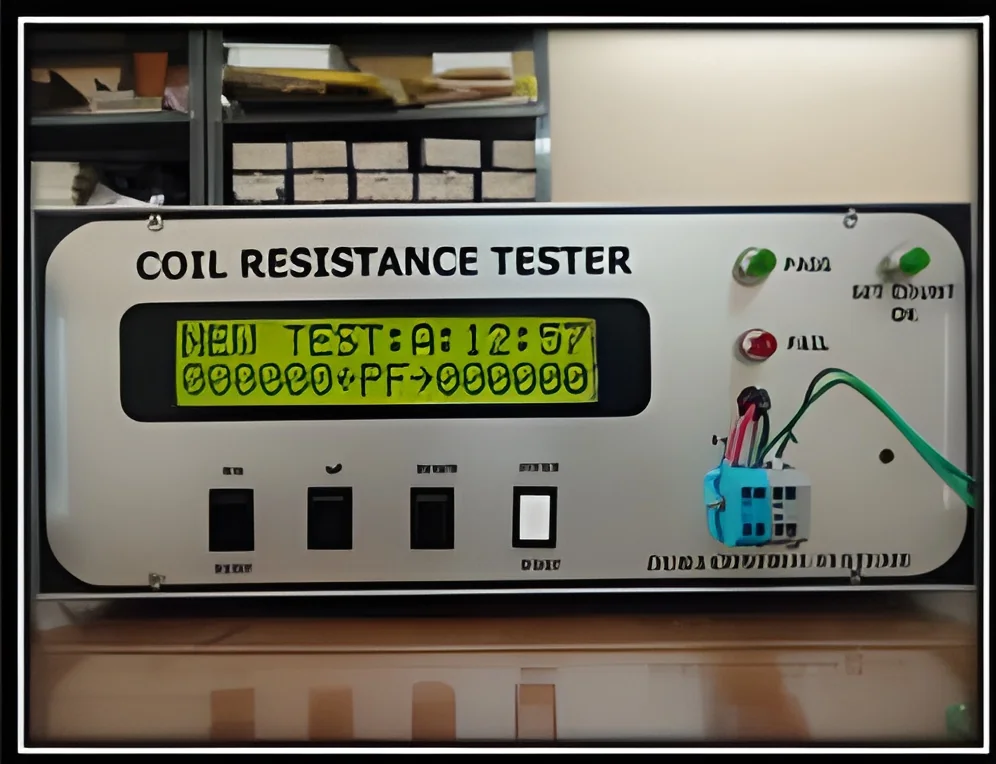
What are Other Testing & Measuring Instruments?
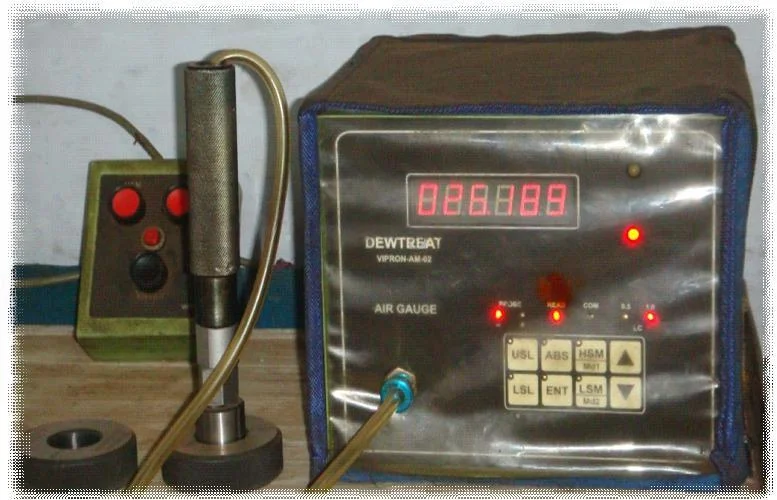
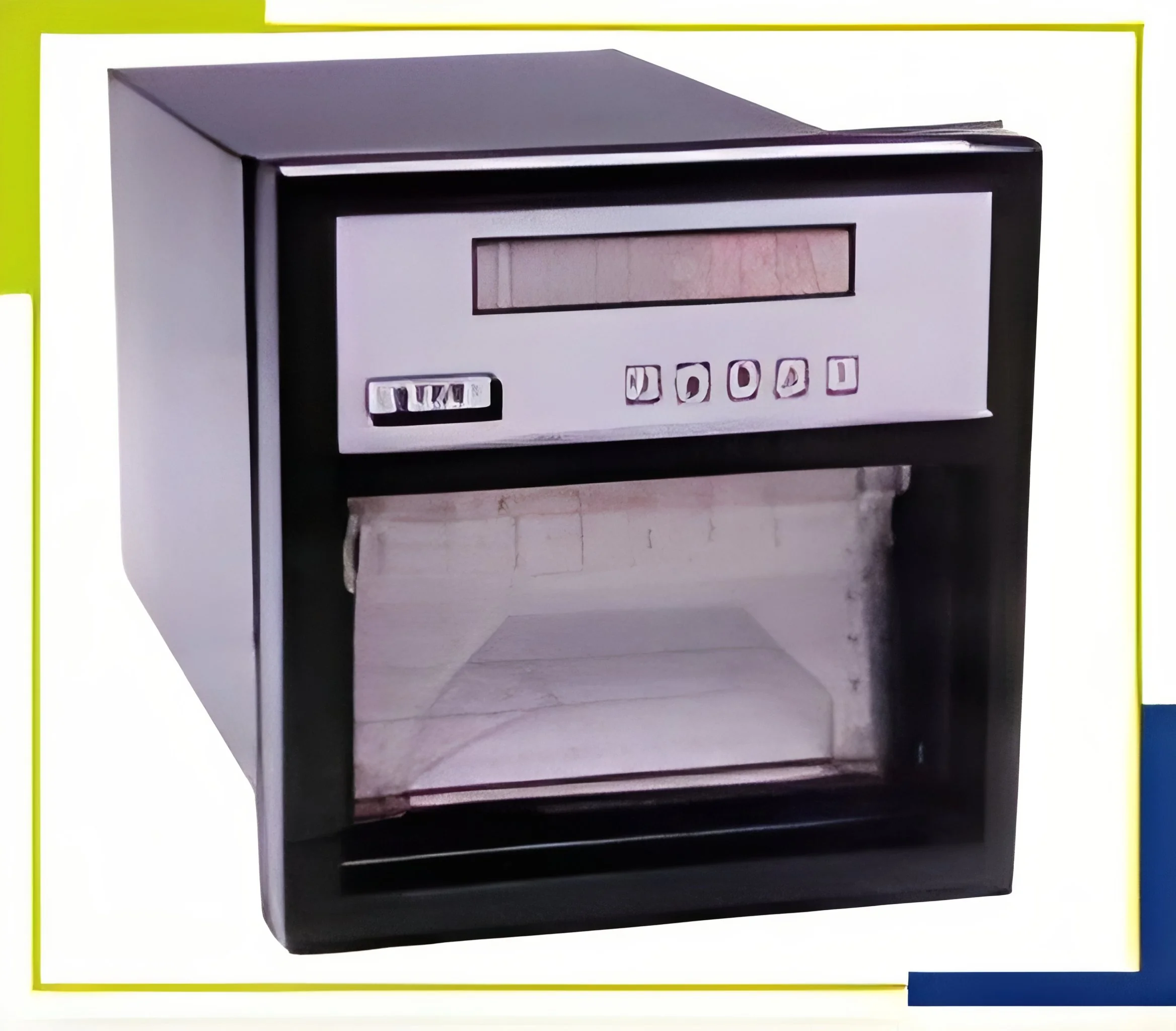
Other Testing & Measuring Instruments encompass a wide range of devices used to assess various physical and chemical properties in different environments. These instruments are crucial for ensuring quality control and compliance with industry standards. They are designed to measure parameters such as temperature, pressure, humidity, and other critical factors that impact product quality and safety.
Primarily, these instruments are utilized across diverse sectors, including manufacturing, pharmaceuticals, food processing, and environmental monitoring. Businesses rely on these tools to perform tests that guarantee the reliability and safety of their products. The growing demand for precision in testing and measuring processes drives the market for these instruments, making them essential in maintaining industry standards and enhancing operational efficiency.
The relevance of Other Testing & Measuring Instruments in today's market cannot be understated. They play a vital role in research and development, production processes, and quality assurance. As industries evolve and regulatory standards become stricter, the need for reliable testing instruments continues to increase, fostering innovation and technological advancements in this field.
Key Features and Specifications
When considering Other Testing & Measuring Instruments, it is important to understand their key features and specifications. These instruments come with various characteristics that enhance their functionality and precision.
Key specifications include:
1. Measurement Range
- The range of values that the instrument can measure, which may vary by type and application.
2. Accuracy
- The degree to which the instrument's measurements reflect the true value, typically expressed as a percentage.
3. Display Type
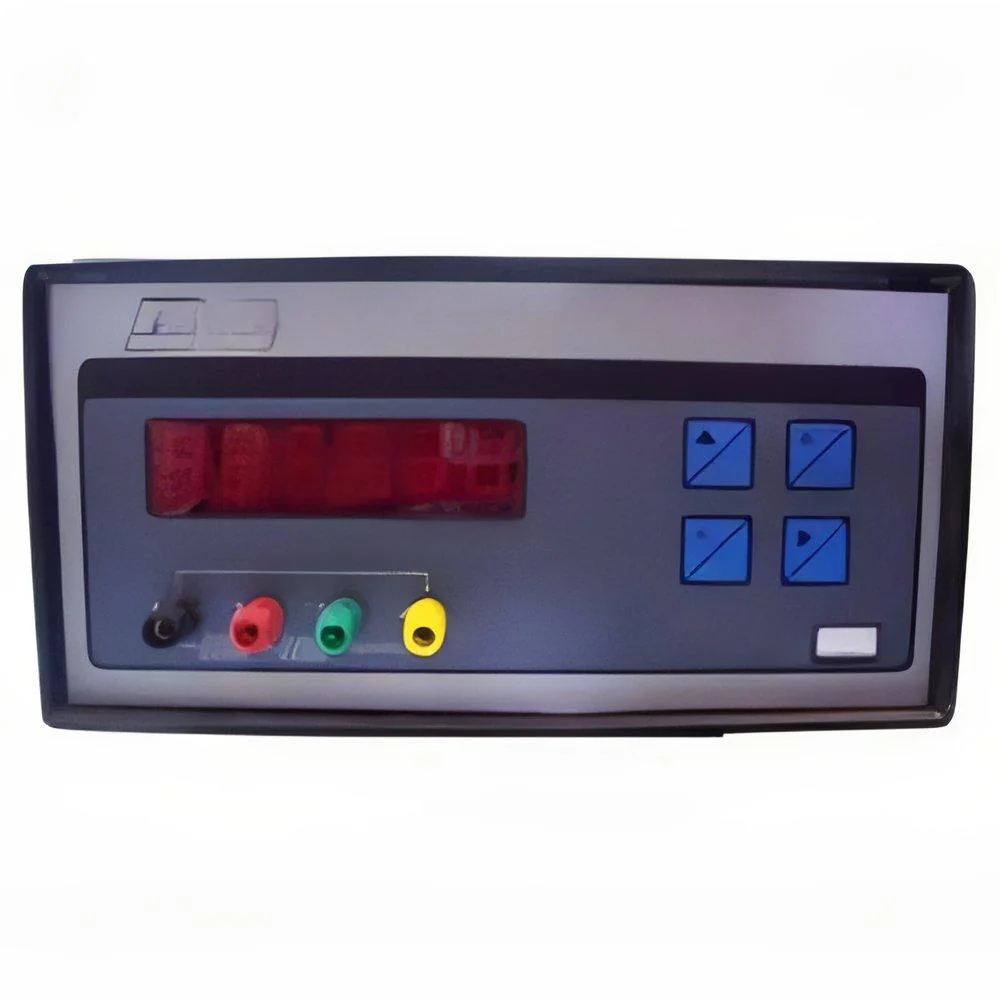
- Options may include digital displays for easy reading or analog displays for traditional usage.
4. Calibration Standards
- Instruments should meet specific calibration standards to ensure accuracy and reliability.
5. Environmental Tolerance
- Specifications regarding temperature and humidity ranges in which the instrument can function effectively.
6. Power Source
- Instruments may be battery-operated, rechargeable, or powered through an external source.
7. Communication Interfaces
- Many modern instruments feature connectivity options such as USB, Bluetooth, or wireless capabilities for data transfer.
8. Size and Portability
- Consideration of the instrument's size and weight for ease of use in various settings.
In summary, understanding these specifications will help buyers select the most suitable testing and measuring instruments for their specific needs.
Common Applications and Use Cases
Other Testing & Measuring Instruments are employed in a variety of industries, each with specific applications that highlight their importance.
1. Manufacturing: In this sector, these instruments are used to ensure product quality through precise measurements of dimensions, weight, and other physical properties.
2. Pharmaceuticals: Testing instruments are critical in laboratories to measure chemical properties and ensure the efficacy and safety of medications.
3. Food Processing: Instruments help monitor temperature and humidity levels during food production, essential for maintaining quality and safety standards.
4. Environmental Monitoring: These tools are used to measure environmental parameters, such as air quality and water purity, which are vital for regulatory compliance.
5. Construction: In the construction industry, testing instruments assess material properties and structural integrity to ensure safety and durability.
6. Automotive: Instruments are used to test various components and systems in vehicles, ensuring performance and compliance with safety standards.
7. Aerospace: Precision instruments play a crucial role in testing materials and components for aircraft, ensuring safety and reliability.
Product Variants and Subcategories
The diversity of Other Testing & Measuring Instruments allows for various product variants tailored to specific applications and user requirements.
Portable Testing Instruments: These variants are designed for ease of transport, making them ideal for field applications. They often feature battery power and rugged designs to withstand harsh conditions.
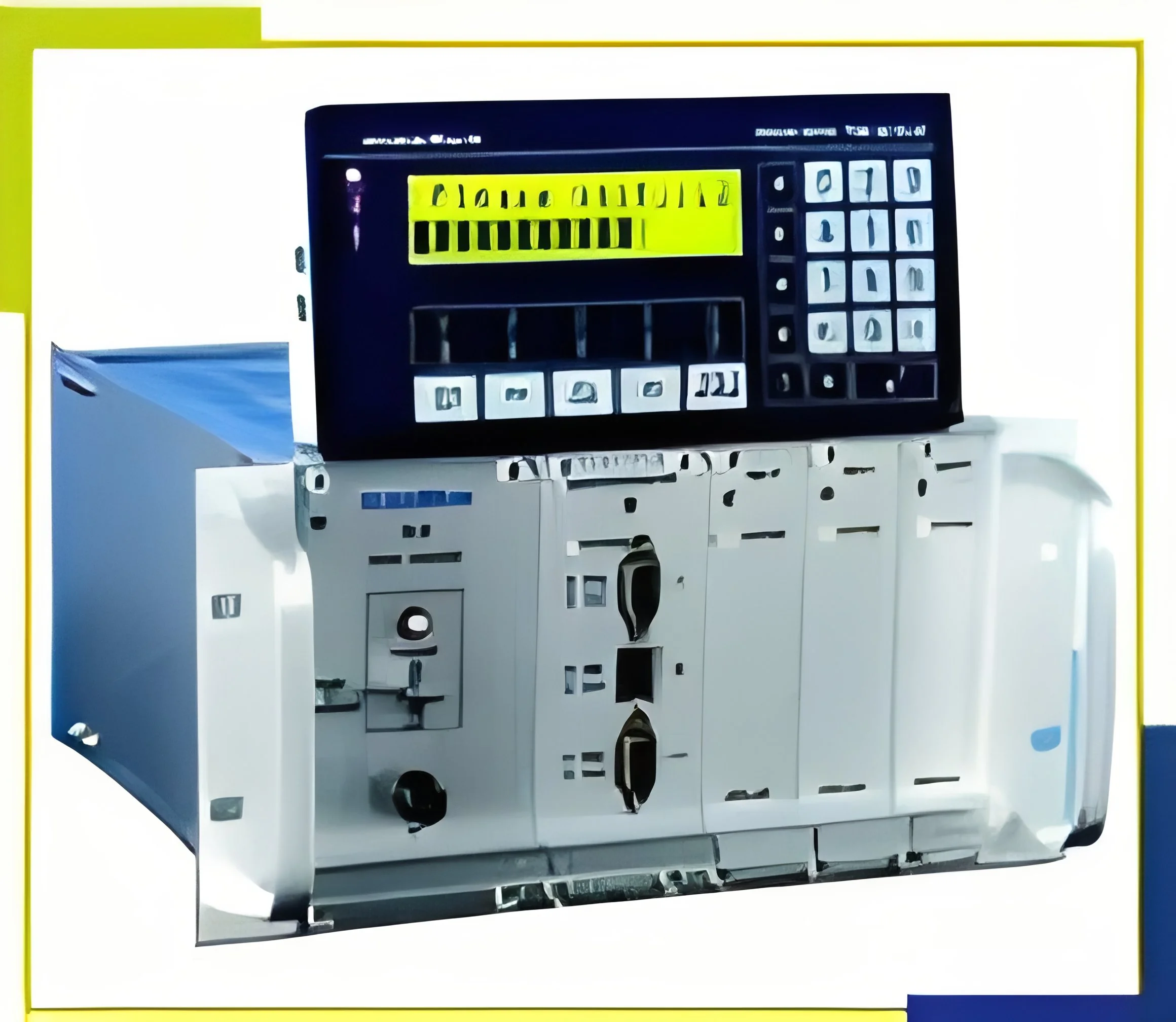
Laboratory Testing Instruments: These are typically stationary units used in controlled environments. They often provide higher precision and can measure a wider range of parameters.
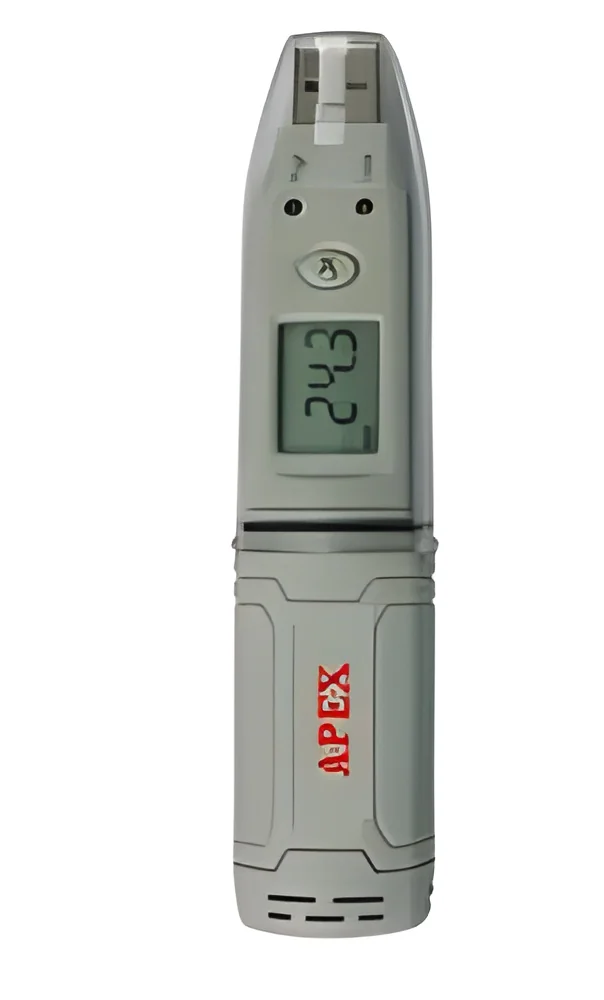
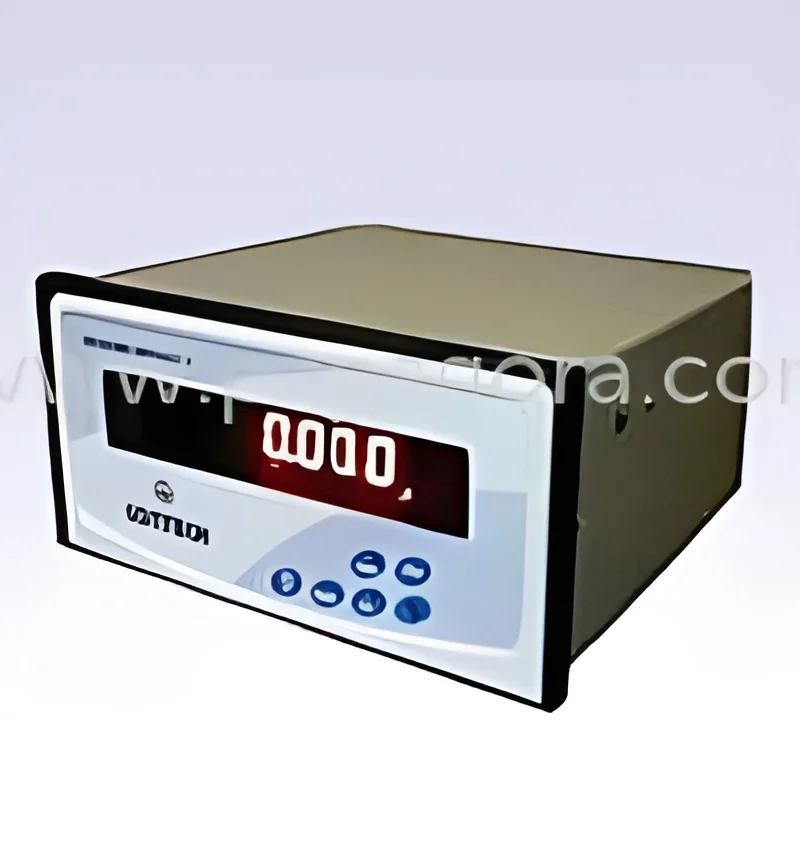
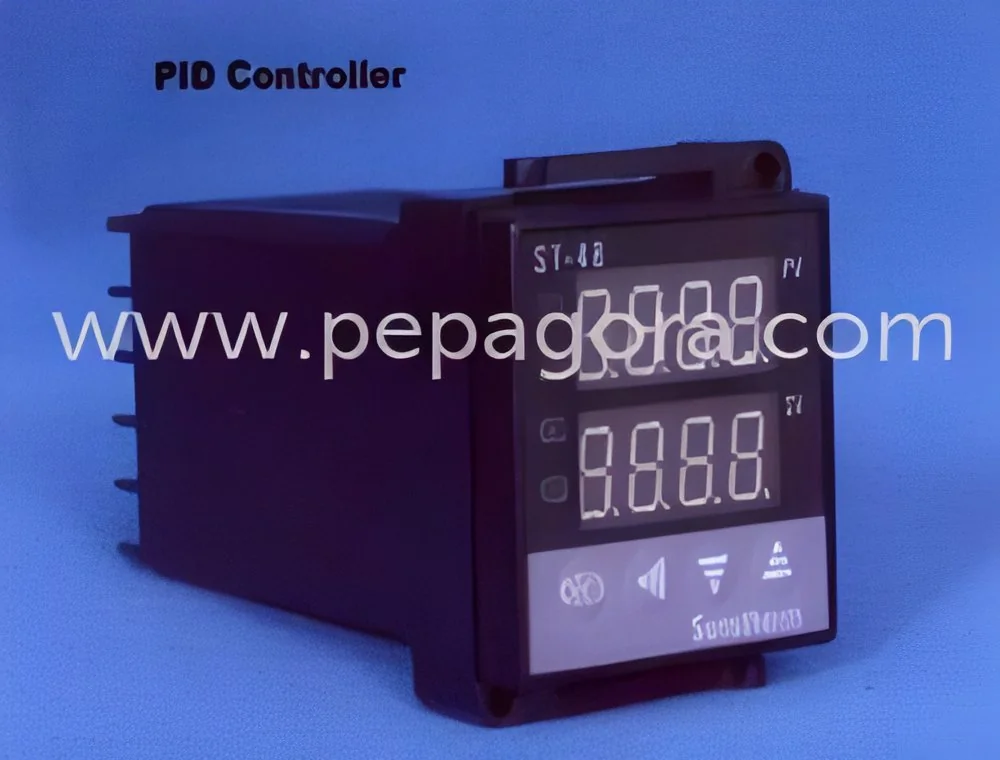
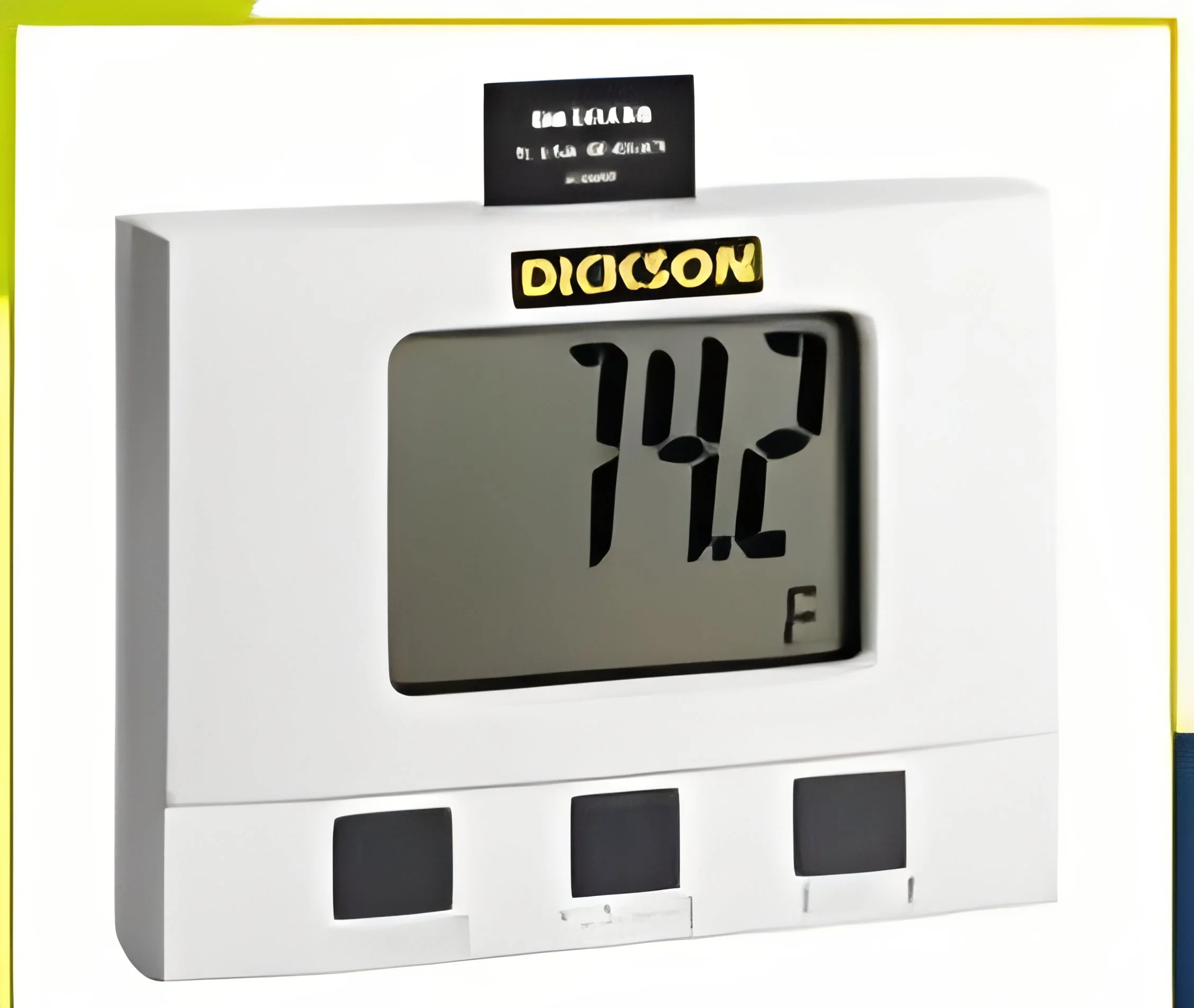
Digital Testing Instruments: These instruments utilize digital displays and often come equipped with advanced features like data logging and connectivity options.
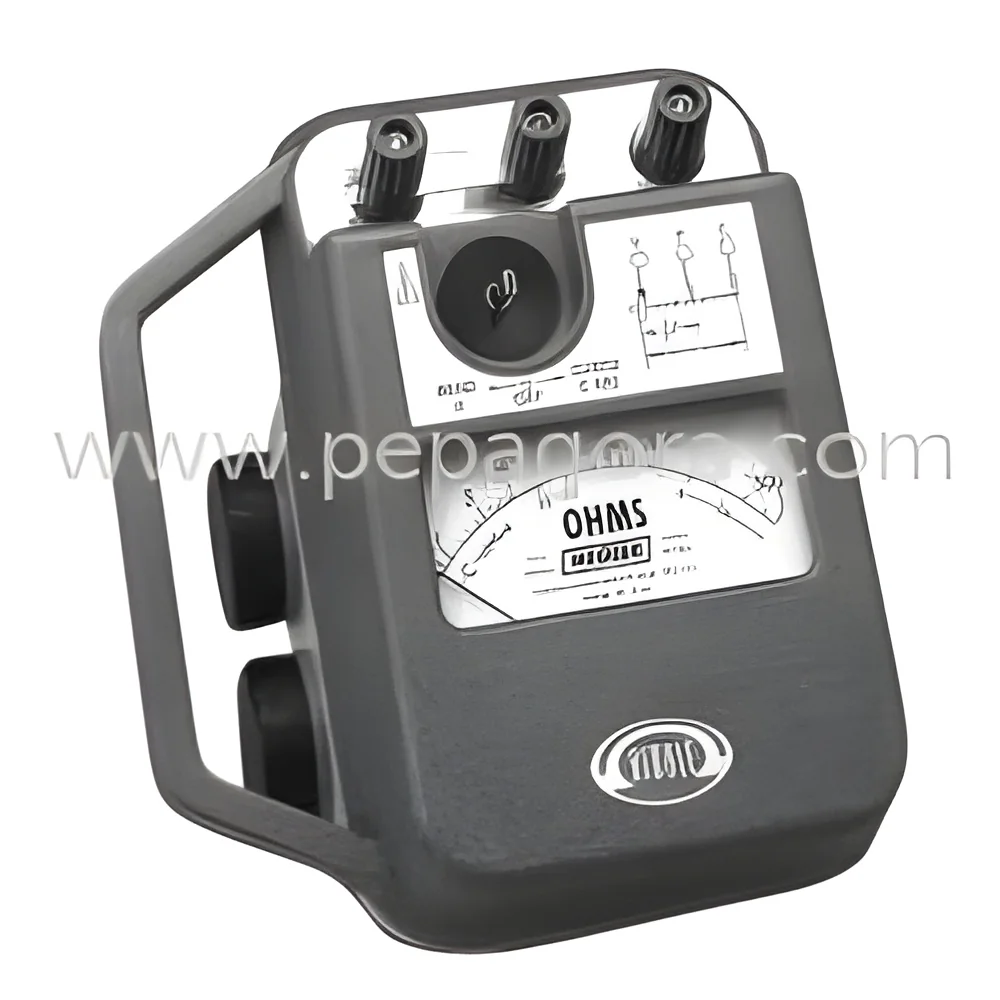
Analog Testing Instruments: Traditional and reliable, these instruments rely on mechanical components and analog displays, suitable for users who prefer classic technology.
Benefits and Advantages
Investing in Other Testing & Measuring Instruments offers numerous benefits that enhance operational efficiency and product quality.
Key benefits include:
1. Enhanced Accuracy: These instruments provide precise measurements that are essential for quality control and compliance.
2. Improved Safety: Regular testing ensures that products meet safety standards, reducing the risk of liability and enhancing consumer trust.
3. Increased Efficiency: Automated and digital instruments streamline testing processes, saving time and resources.
4. Compliance Assurance: Utilizing these instruments helps businesses meet regulatory requirements, avoiding potential fines and penalties.
5. Data Collection: Many modern instruments allow for data logging, facilitating better analysis and decision-making.
6. Versatility: With a wide range of applications across various industries, these instruments can be adapted to many testing needs.
Buying Guide for B2B Buyers
When sourcing Other Testing & Measuring Instruments, several factors should be considered to ensure the right purchase.
1. Quality Assessment: Evaluate the instrument’s quality by reviewing specifications, accuracy, and previous user feedback to ensure reliability.
2. Supplier Verification: Vet suppliers by checking their credentials, industry reputation, and past customer reviews to secure a reliable partnership.
3. Pricing and MOQ: Understand the pricing structure and minimum order quantities to align with your budget and operational needs.
4. Delivery and Lead Times: Confirm delivery schedules and lead times to plan your operations effectively and avoid delays.
5. Compliance Requirements: Ensure that the instruments meet industry-specific regulatory standards to avoid compliance issues.
Compliance and Certifications
Compliance is critical for Other Testing & Measuring Instruments, as they must adhere to various quality standards and regulations.
Relevant quality standards such as ISO 9001 ensure that manufacturers maintain consistent quality processes. These standards provide a framework for quality management systems, helping companies deliver reliable products.
Many instruments also carry certifications such as CE, indicating compliance with European safety standards. This certification reassures buyers that the instruments have undergone rigorous testing for safety and performance.
Additionally, safety and testing requirements may vary by industry. It is crucial to understand regional compliance considerations, as different markets may have specific regulations that must be followed to ensure acceptance and use of the instruments.
Why Source Other Testing & Measuring Instruments from Pepagora?
Pepagora provides a trusted platform for sourcing Other Testing & Measuring Instruments, offering several key advantages to B2B buyers.
Verified Supplier Network: Pepagora connects buyers with a network of verified suppliers, ensuring that only reputable manufacturers are available. This reduces the risk of sourcing from unreliable sources.
Streamlined RFQ Process: The platform offers an efficient Request for Quotation system, allowing buyers to easily compare offers from different suppliers. This transparency helps in making informed purchasing decisions.
Trade Assurance and Support: Pepagora provides trade assurance and support, protecting buyers in their transactions. This builds confidence in the purchasing process and ensures that any issues can be addressed promptly.
Regional Coverage: With coverage across India, GCC, and Southeast Asia, Pepagora allows buyers to access a broad market of suppliers and products, catering to diverse needs and preferences in various industries.

 IN
IN