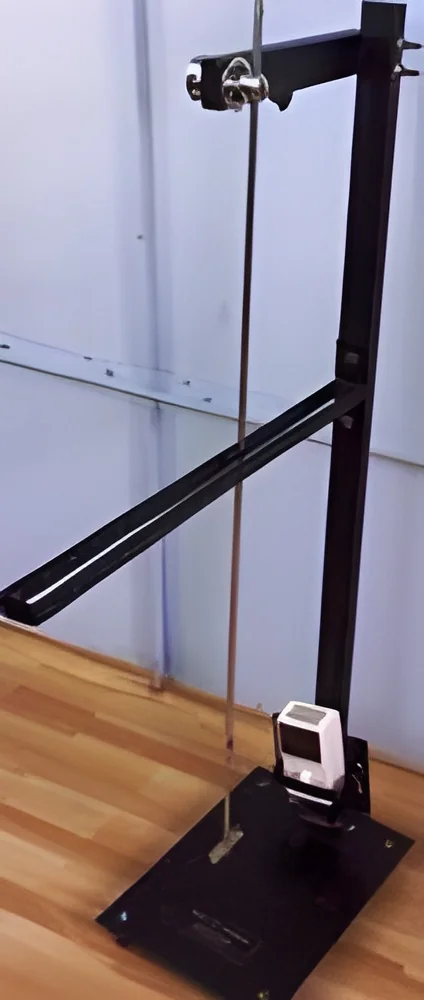
Key Features and Specifications
Impact testing machines come equipped with several key features that enhance their functionality and accuracy. Understanding these specifications is vital for businesses looking to invest in reliable testing equipment.
Key specifications include:
1. Testing Method
- Charpy or Izod impact testing methods
- Ability to switch between testing types depending on requirements
2. Energy Range
- Typically ranges from 0 to 300 Joules
- Adjustable settings for various material types
3. Specimen Size Capacity
- Accommodates standard specimen dimensions as per ASTM or ISO standards
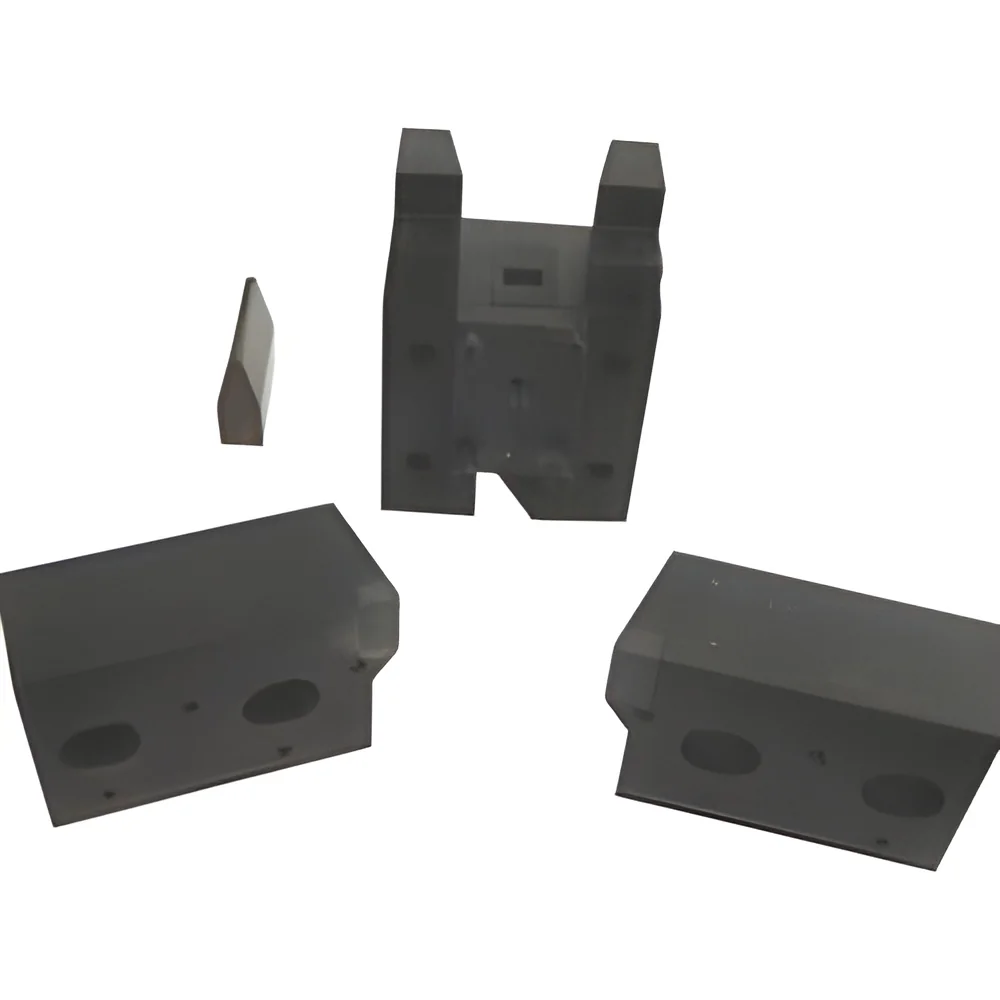
- Customizable clamps for specific testing needs
4. Control System
- Digital or analog control options for precise measurements
- User-friendly interface for ease of operation
5. Safety Features
- Emergency stop functions to prevent accidents
- Protective enclosures to safeguard operators during testing
6. Data Logging
- Capability for automatic data recording and analysis
- Software integration for enhanced reporting and tracking
7. Calibration Standards
- Compliance with international calibration standards
- Regular maintenance schedules to ensure precision
8. Build Quality
- Sturdy construction to withstand heavy use
- Corrosion-resistant materials for longevity
These specifications not only ensure the reliability of test results but also enhance the overall user experience.
Common Applications and Use Cases
Impact testing machines are utilized across a wide range of industries for various applications.
1. Automotive: In the automotive sector, these machines are essential for testing materials used in vehicle components to ensure they can withstand impact forces, contributing to safety features.
2. Aerospace: Aerospace manufacturers use impact testing to evaluate materials used in aircraft structures, ensuring they can endure extreme conditions and impacts during flight.
3. Construction: In the construction industry, these machines help test the durability of materials such as concrete and steel, which are crucial for structural integrity.
4. Oil and Gas: Companies in this sector rely on impact testing to assess the toughness of materials used in pipelines and drilling equipment, ensuring they can handle harsh environmental conditions.
5. Electronics: Manufacturers of electronic devices use impact testing to ensure that enclosures and components can survive drops and impacts during usage.
6. Consumer Goods: Impact testing is also applicable in the production of consumer goods, where it is vital to ensure the durability of products subjected to regular handling.
7. Military: In military applications, impact testing is critical for evaluating materials used in equipment and protective gear, ensuring they can withstand extreme conditions.
Product Variants and Subcategories
Impact testing machines are diverse in their configurations and capabilities, catering to different testing needs.
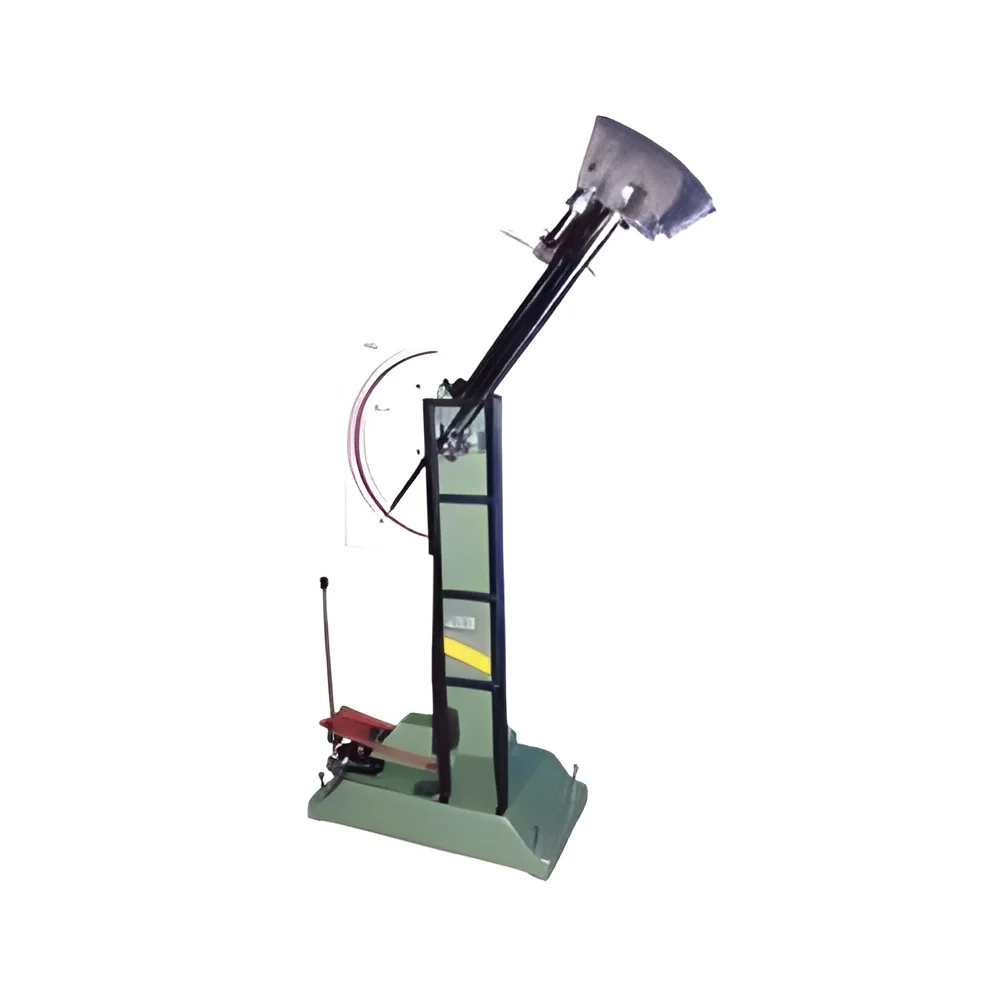
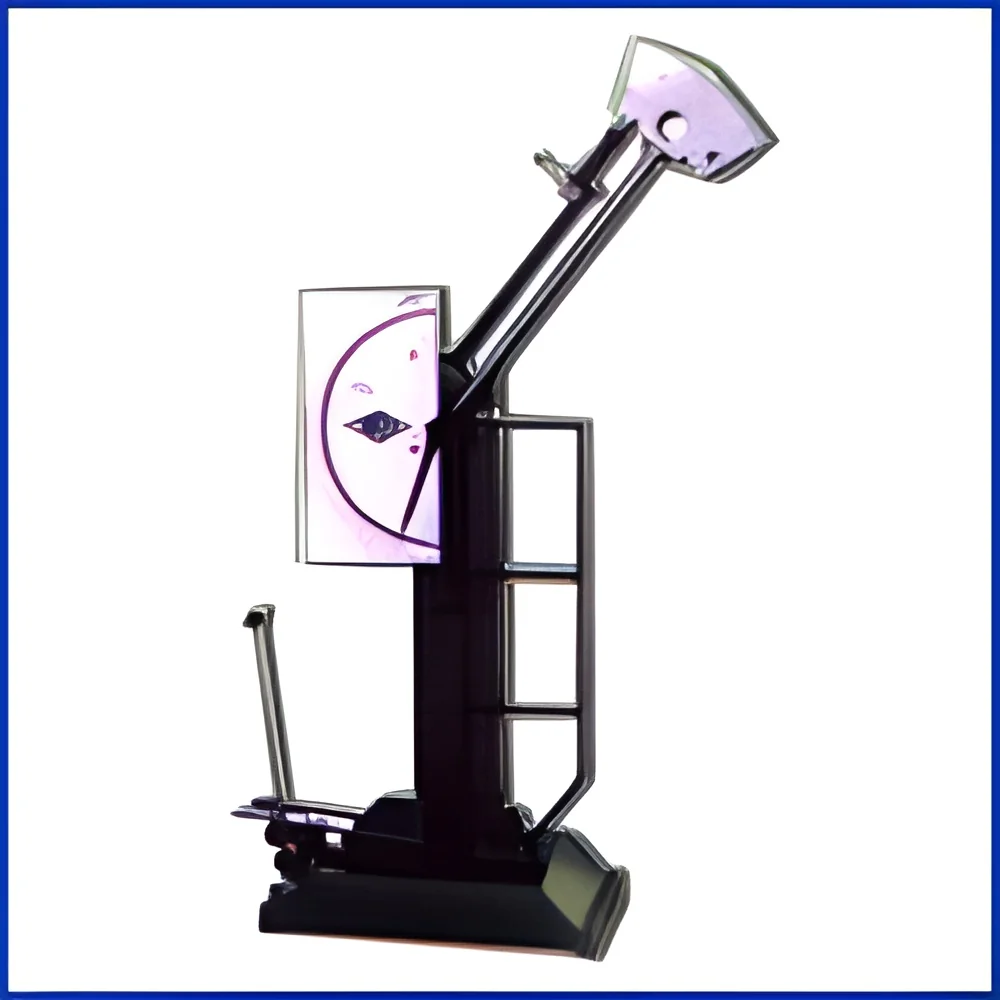
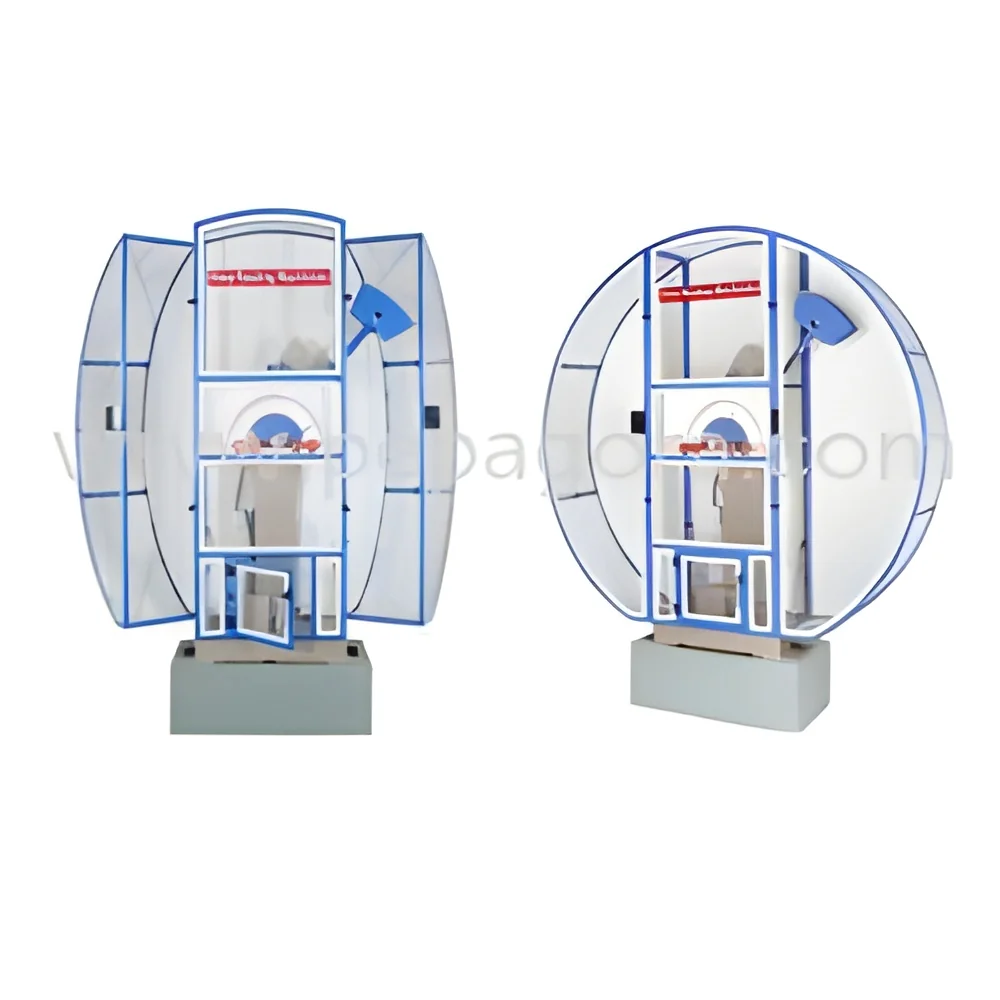
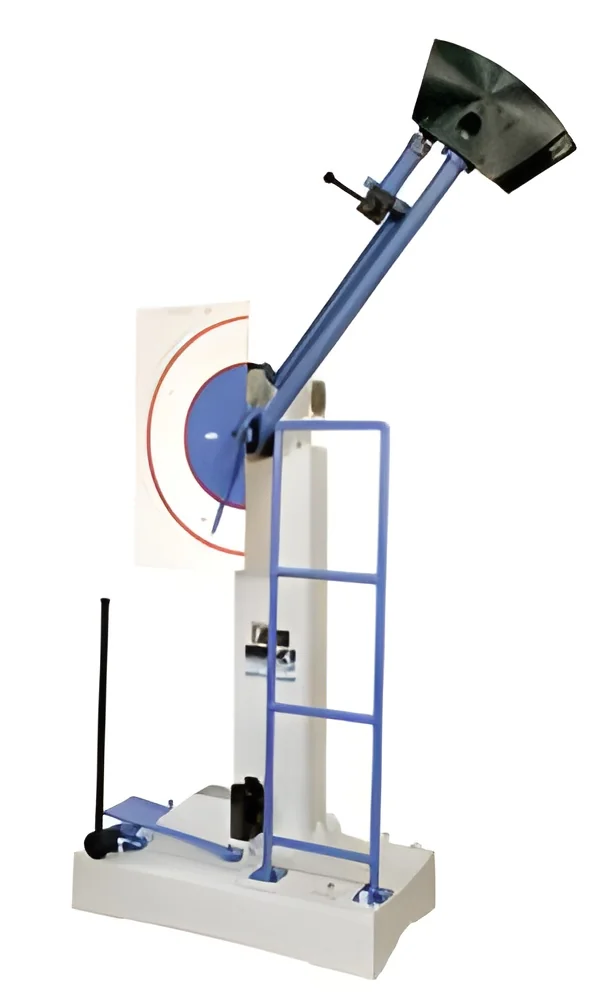
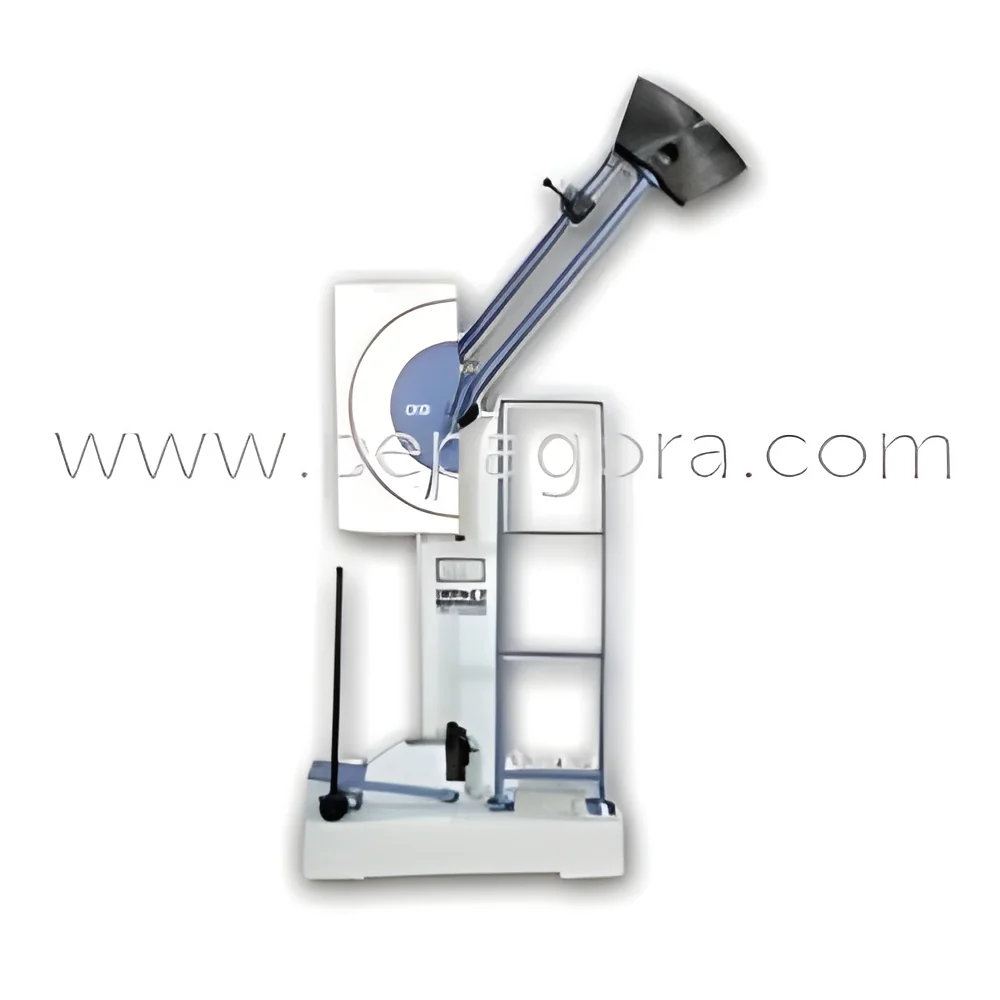
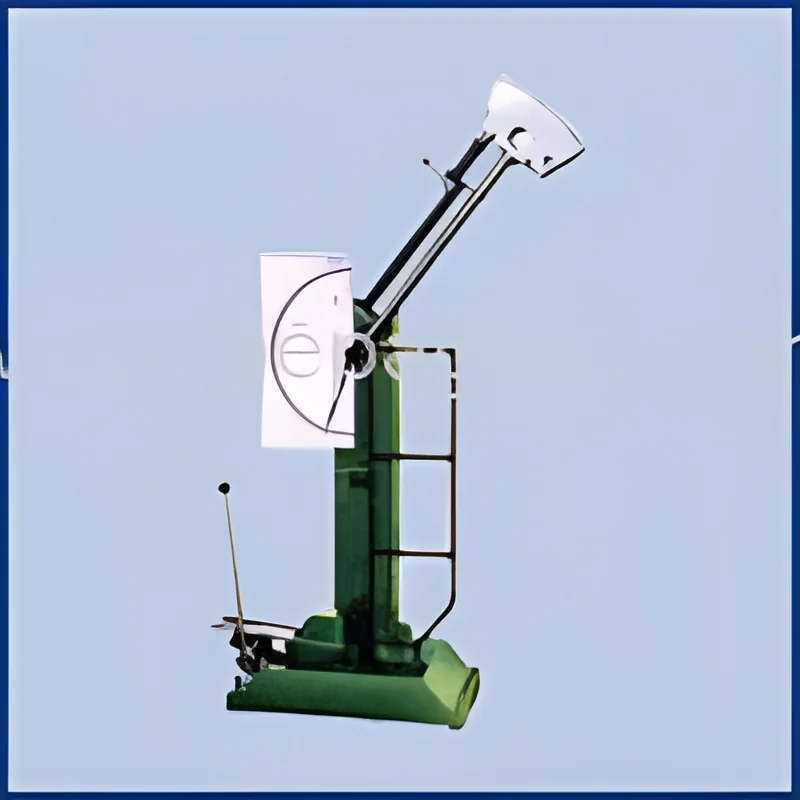
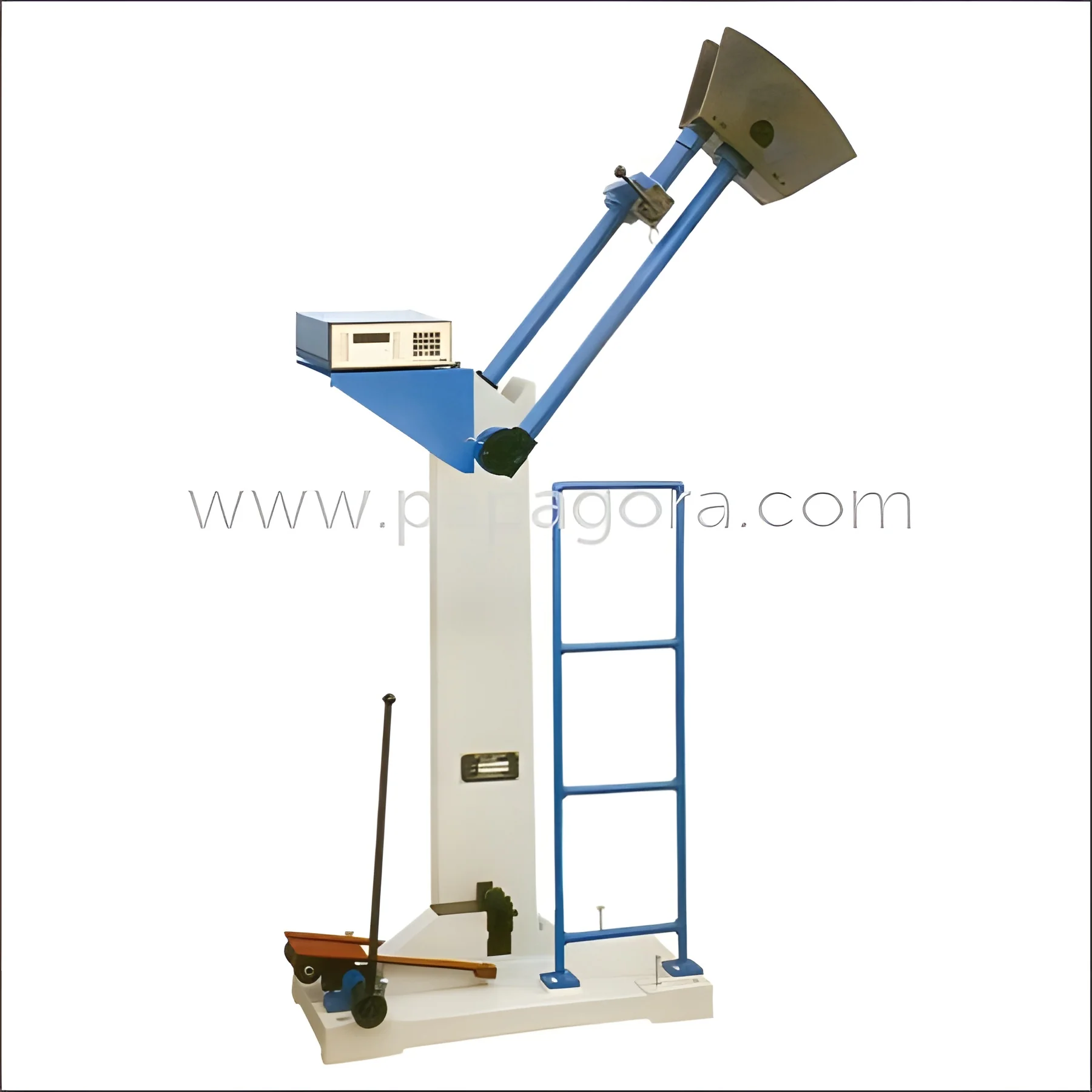
Charpy Impact Testing Machine: This variant is specifically designed for conducting Charpy tests. It features a swinging pendulum that strikes a notched specimen, providing precise measurements of impact energy absorbed.
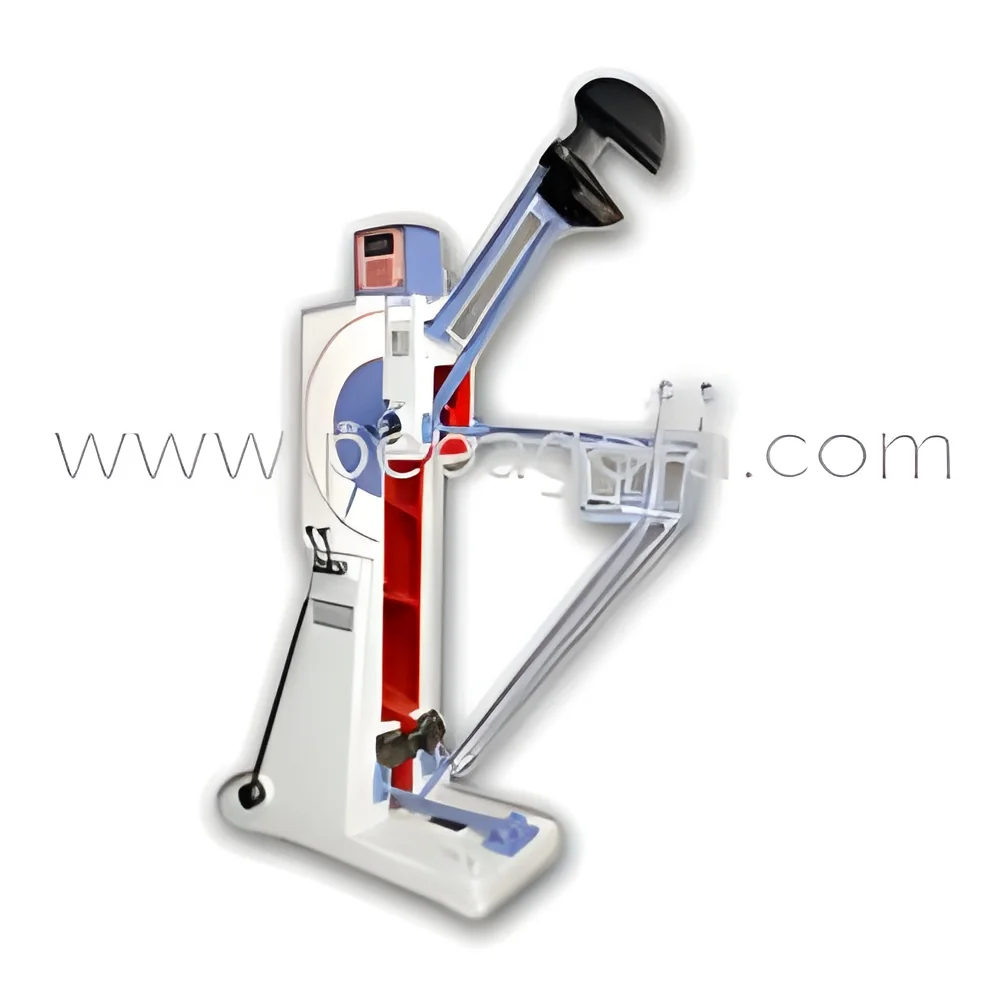
Izod Impact Testing Machine: The Izod variant is tailored for vertical specimen testing. It allows for quick changes between specimen types and is particularly useful for evaluating brittle materials.
Benefits and Advantages
Investing in impact testing machines offers several key advantages for businesses.
1. Accurate Testing: These machines provide reliable data on material toughness, which is crucial for ensuring product safety and quality.
2. Compliance Assurance: Using impact testing machines helps companies meet industry standards and regulations, reducing the risk of non-compliance.
3. Enhanced Material Selection: With precise testing, businesses can choose the most appropriate materials for their applications, optimizing performance.
4. Improved Safety: Testing materials for impact resistance contributes to safer products, protecting end-users and reducing liability.
5. Cost Efficiency: By identifying materials that can withstand impacts, companies can save on costs related to failures and recalls.
6. Competitive Advantage: Utilizing advanced testing machines can provide a technological edge in product development and innovation.
Buying Guide for B2B Buyers
When sourcing impact testing machines, it is essential to consider various factors to make an informed purchase.
1. Quality Assessment: Evaluate the machine’s build quality and reliability, ensuring it meets your specific testing needs. Look for machines that comply with recognized standards.
2. Supplier Verification: Vet potential suppliers to ensure they have a reputation for providing quality products and good customer support. Check for customer reviews and industry certifications.
3. Pricing and MOQ: Understand the pricing structure and minimum order quantities (MOQ) required by the supplier. Compare costs against your budget while considering the value offered.
4. Delivery and Lead Times: Consider logistics and delivery timelines to ensure that the machine can be integrated into your operations without significant delays.
5. Compliance Requirements: Familiarize yourself with any regulatory and compliance requirements relevant to your industry, ensuring the machine meets all necessary standards.
Compliance and Certifications
Impact testing machines must adhere to various quality standards and certifications to ensure reliability and safety in testing processes.
ISO 9001 is a widely recognized standard that specifies requirements for a quality management system. Compliance with this standard ensures that manufacturers have consistent quality in their products and services.
CE certification is essential for machines sold in the European market. This certification indicates that the machine meets essential health, safety, and environmental protection requirements.
Understanding safety and testing requirements is vital for ensuring that the machines operate within safe parameters. Regular maintenance and calibration are necessary to maintain compliance with industry standards.
Regional compliance considerations may vary, so it is crucial to be aware of local regulations regarding equipment safety and effectiveness in your operational area.
Why Source Impact Testing Machines (Charpy, Izod) from Pepagora?
Pepagora provides a trusted platform for sourcing impact testing machines, ensuring buyers have access to verified suppliers. The supplier network at Pepagora undergoes rigorous verification processes, ensuring that they meet high standards of quality and reliability.
The streamlined Request for Quotation (RFQ) process simplifies sourcing, allowing buyers to compare multiple offers efficiently. This system enhances decision-making by providing detailed insights into product specifications and pricing.
Trade assurance and support are part of the offerings at Pepagora, protecting buyers throughout the purchasing process. This support ensures that transactions are secure, and buyers can resolve any issues that may arise.
With a strong regional coverage across India, the GCC, and Southeast Asia, Pepagora connects buyers with suppliers in key markets. This geographic reach facilitates easier communication and logistics, making it a preferred choice for sourcing impact testing machines.

 IN
IN