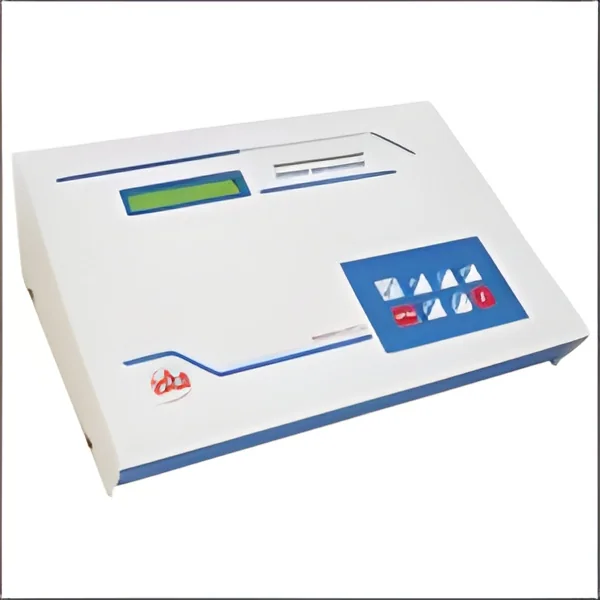
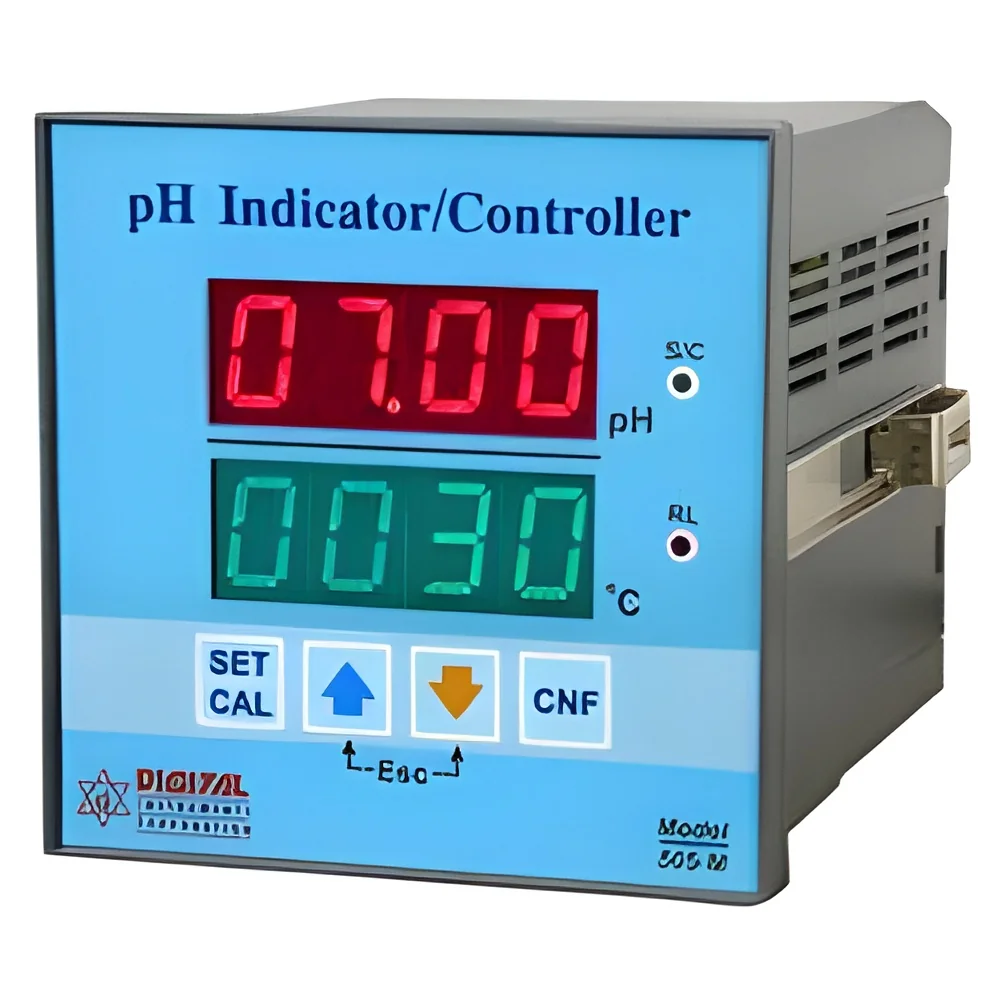
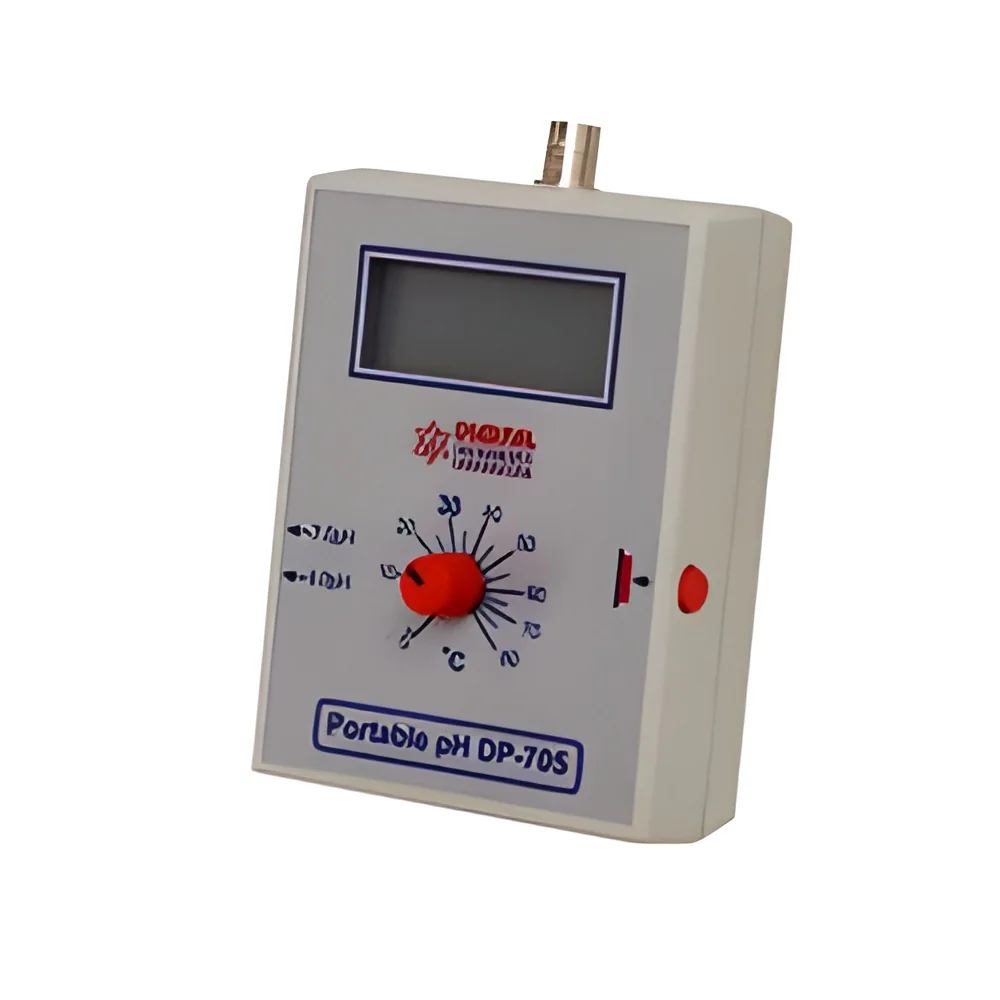
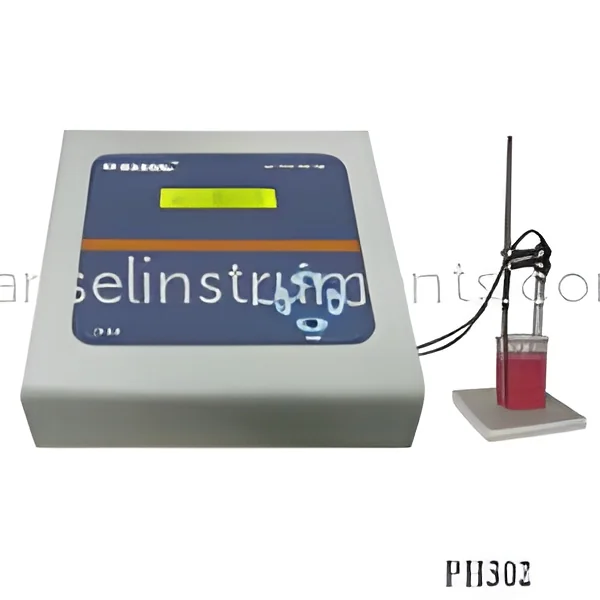
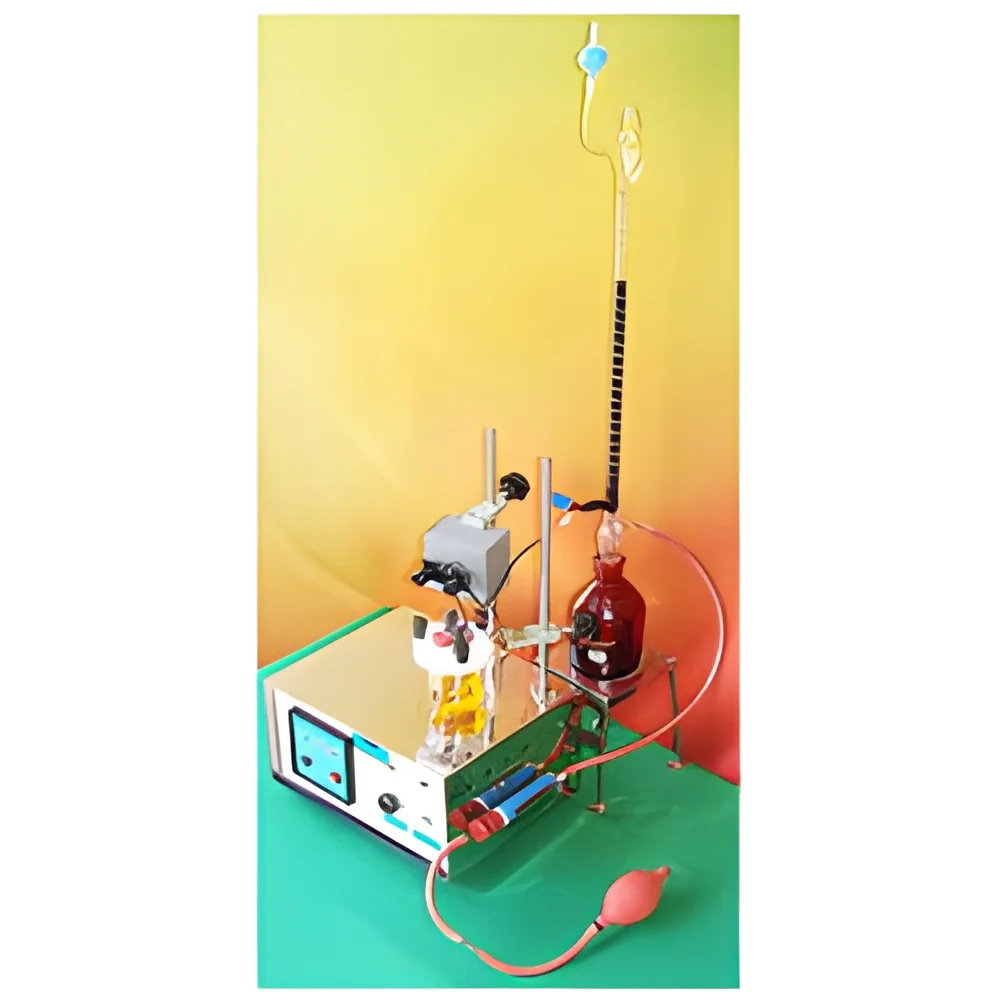
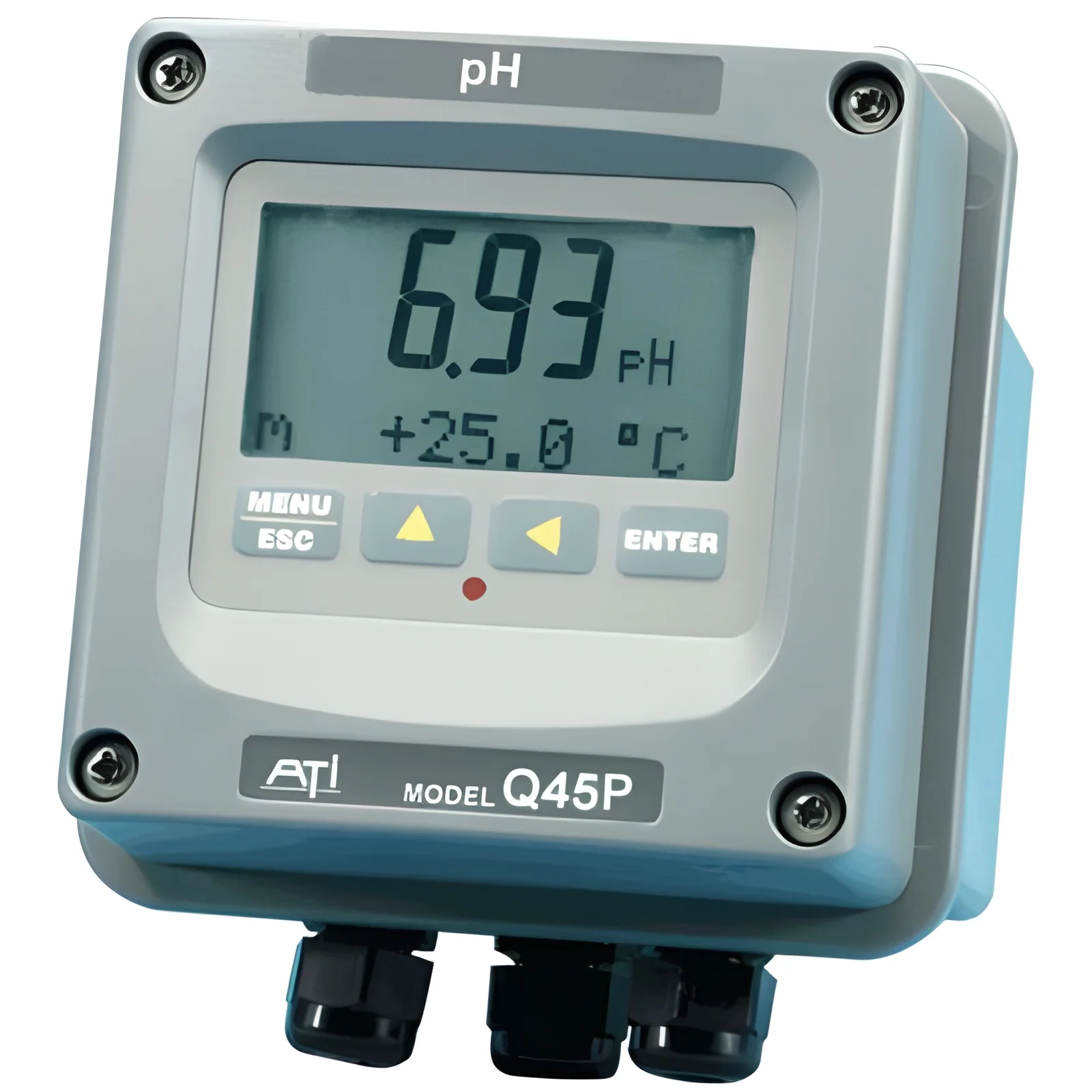
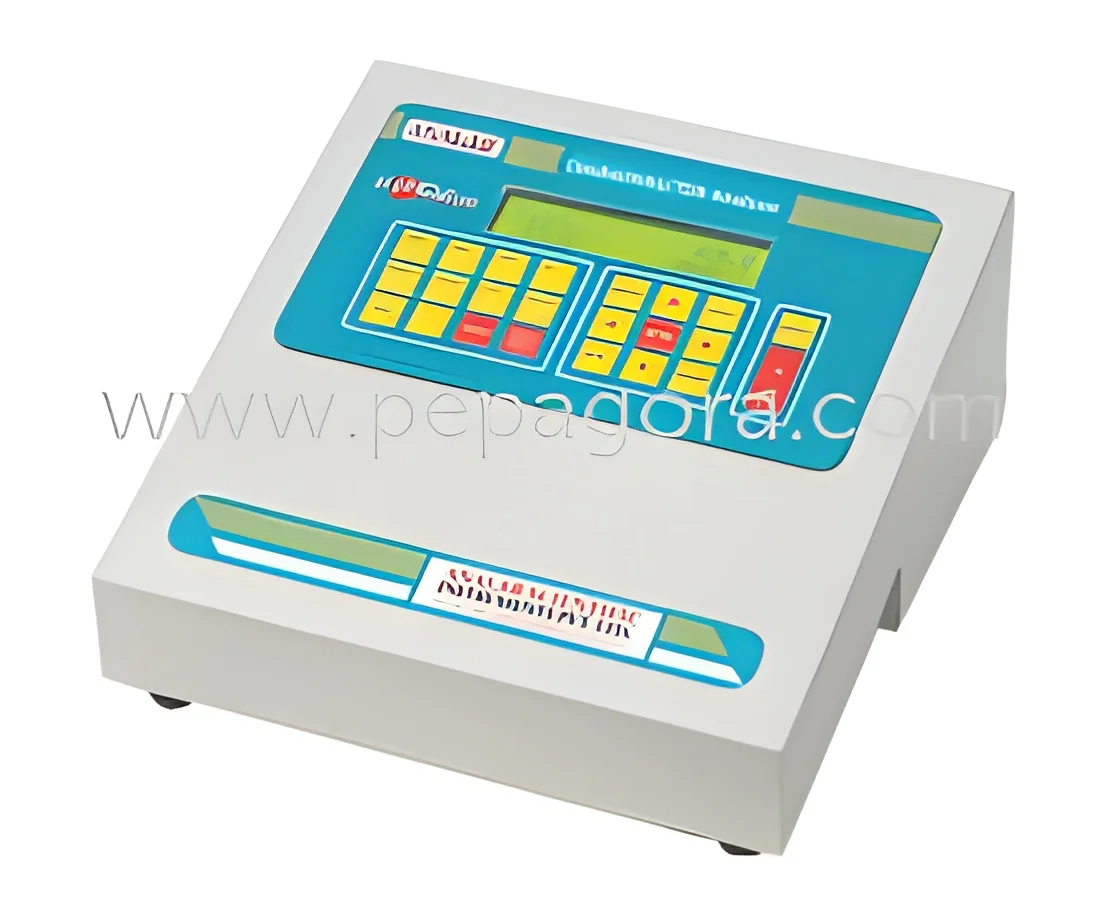
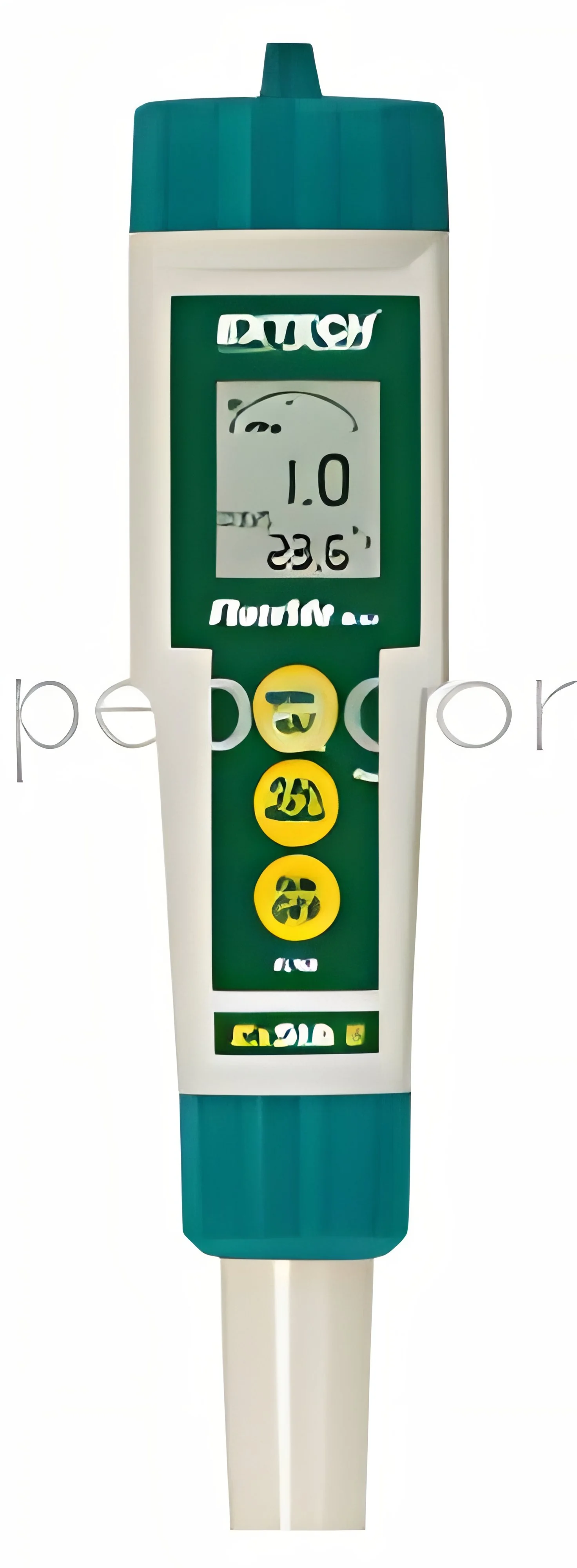
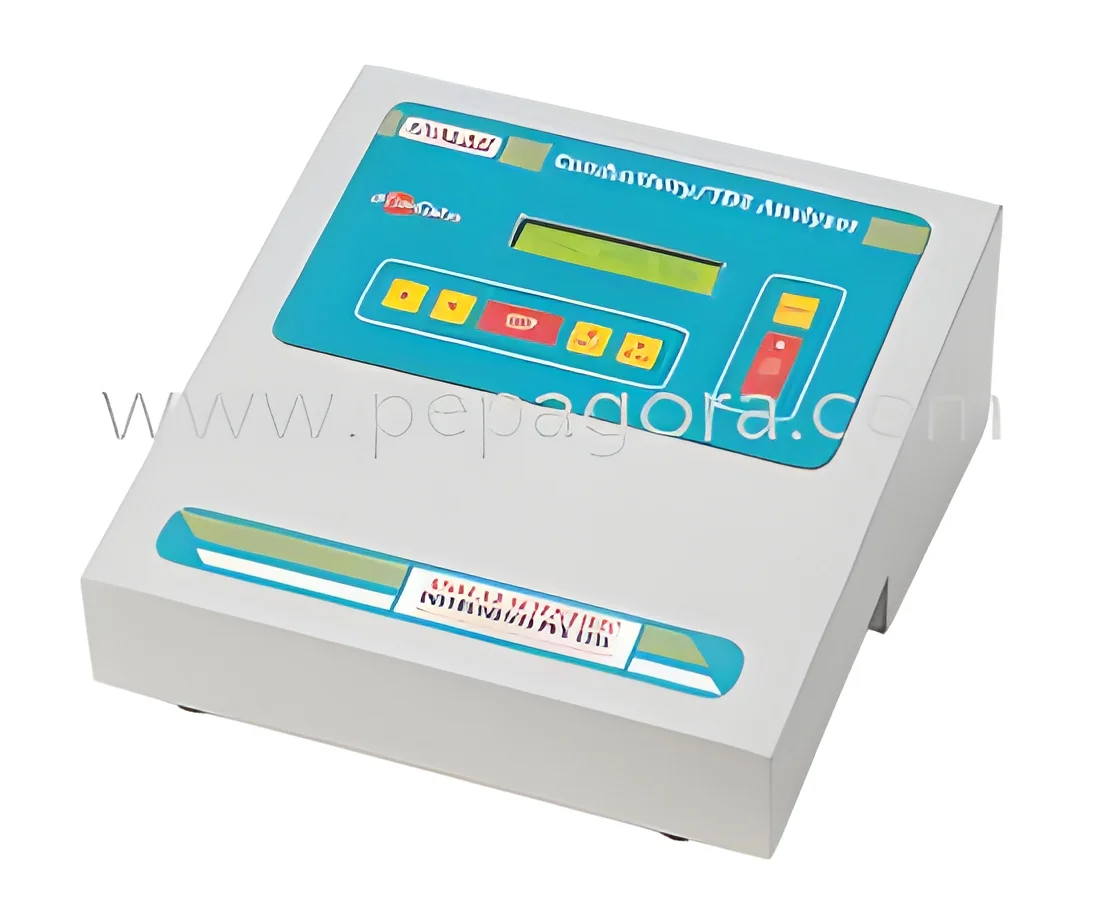
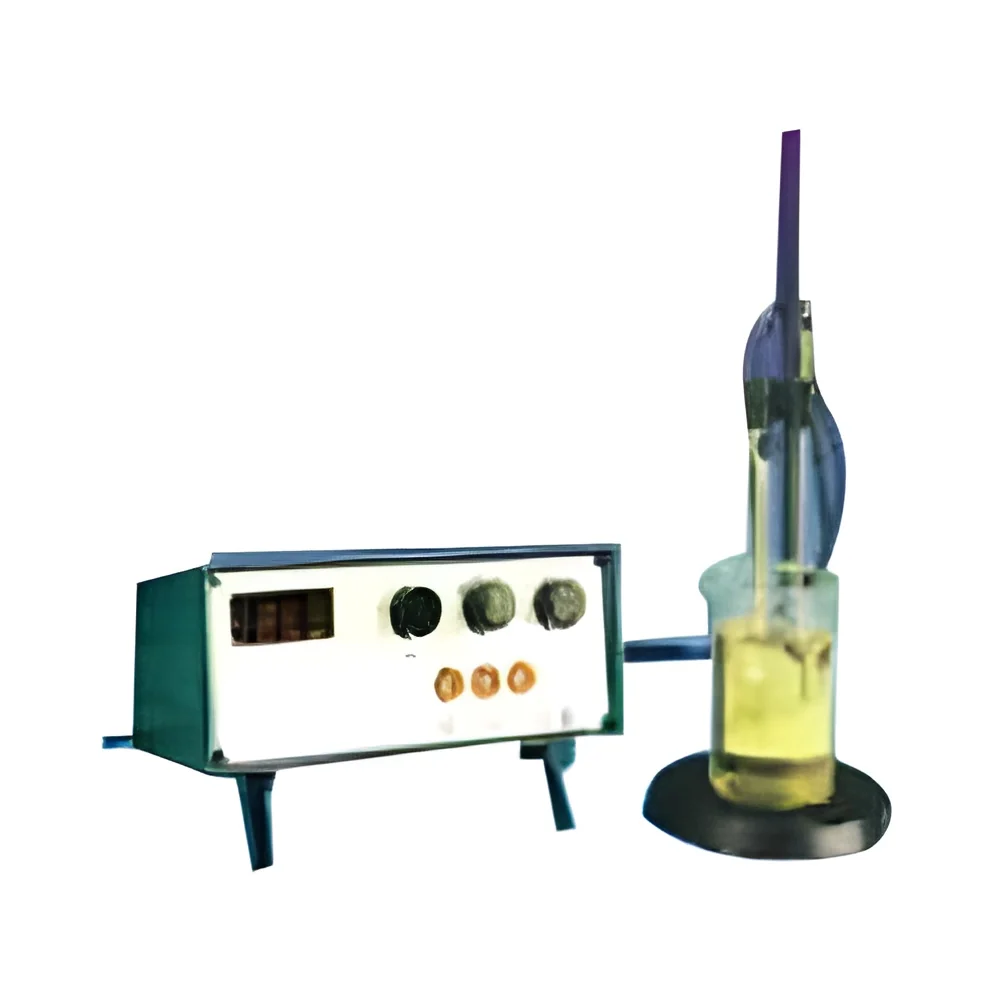
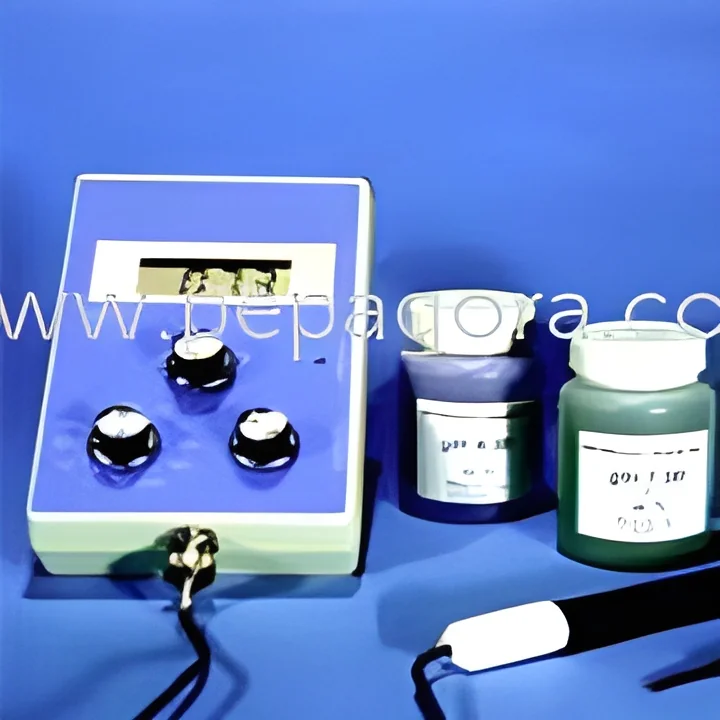
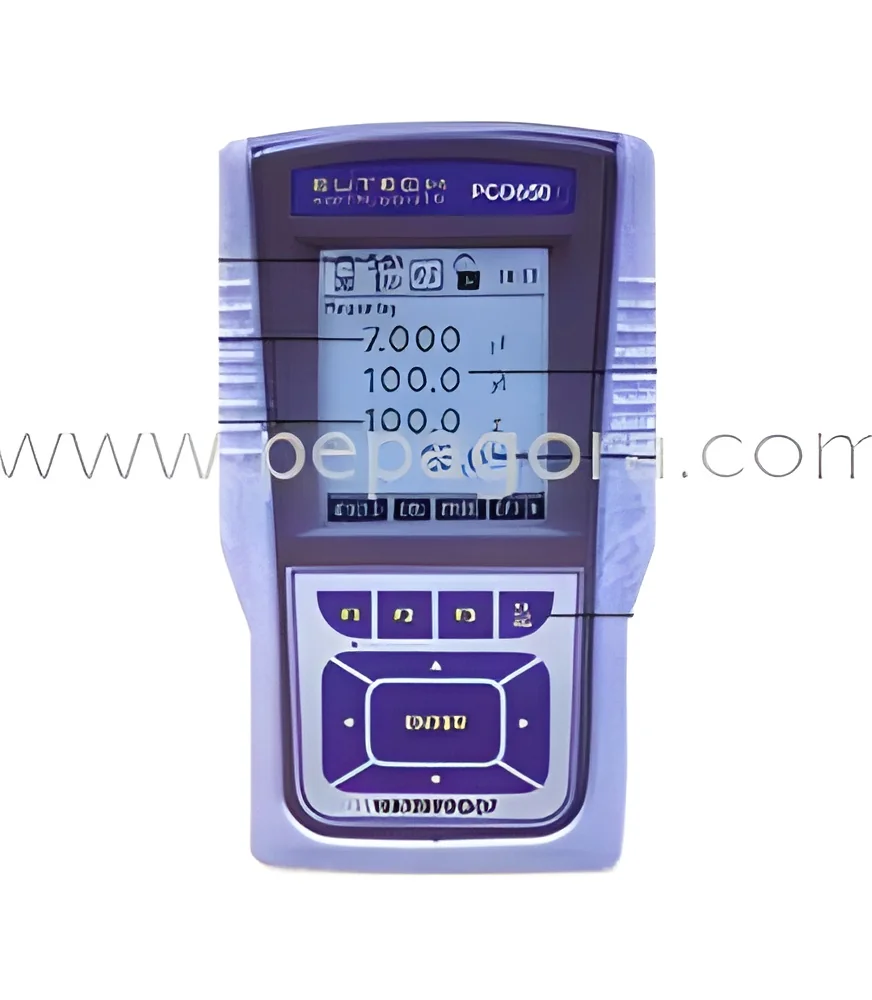
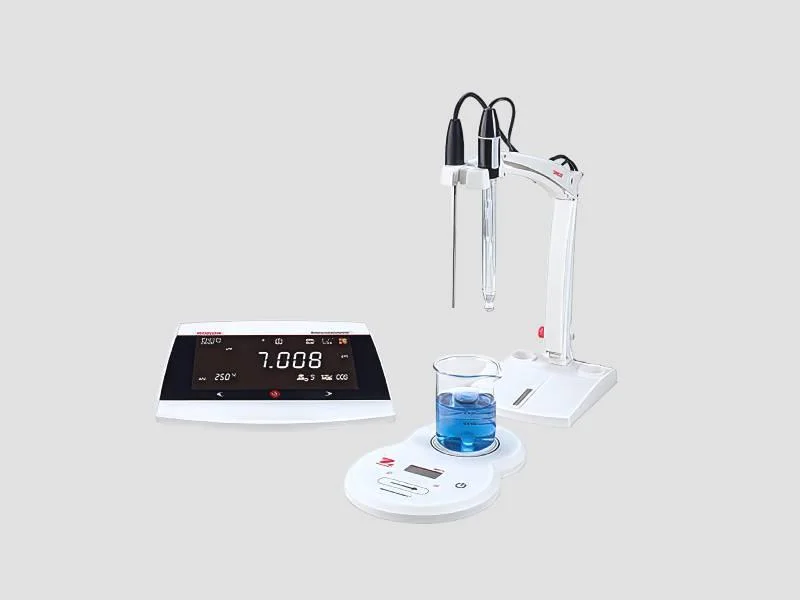
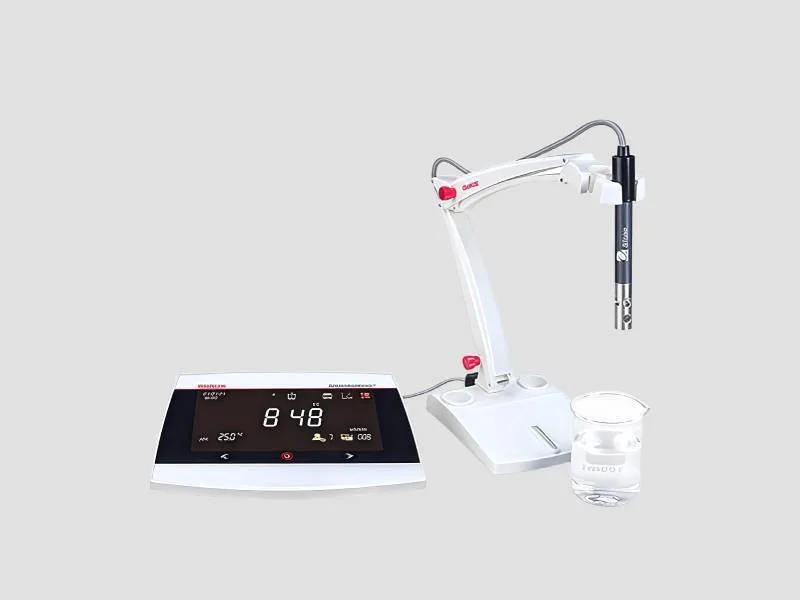
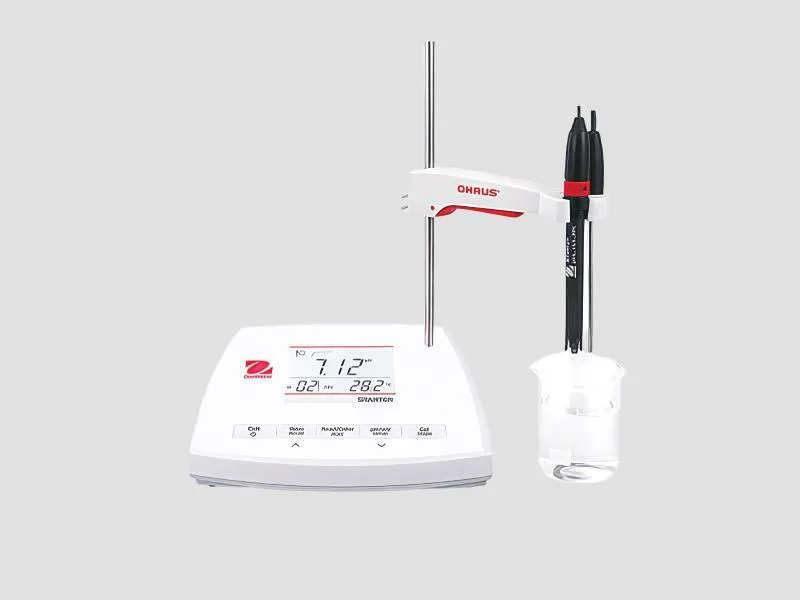
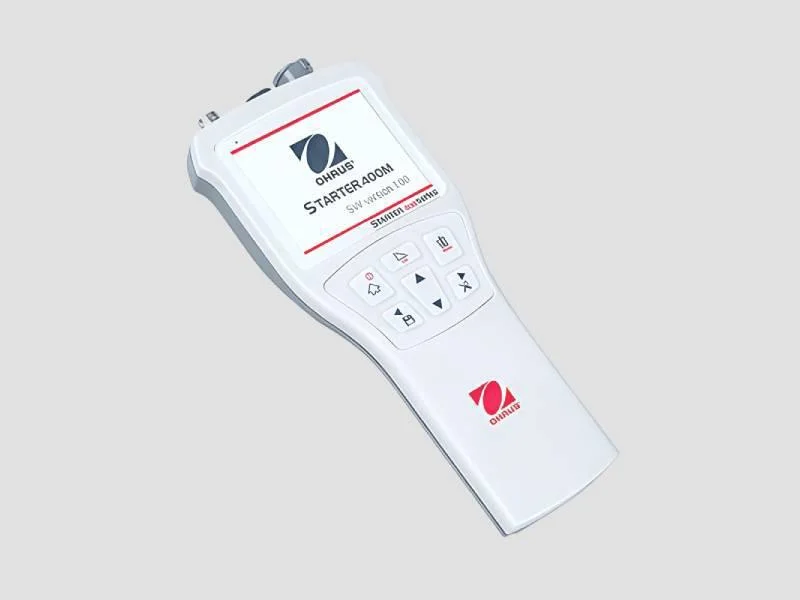
What are pH Meters?
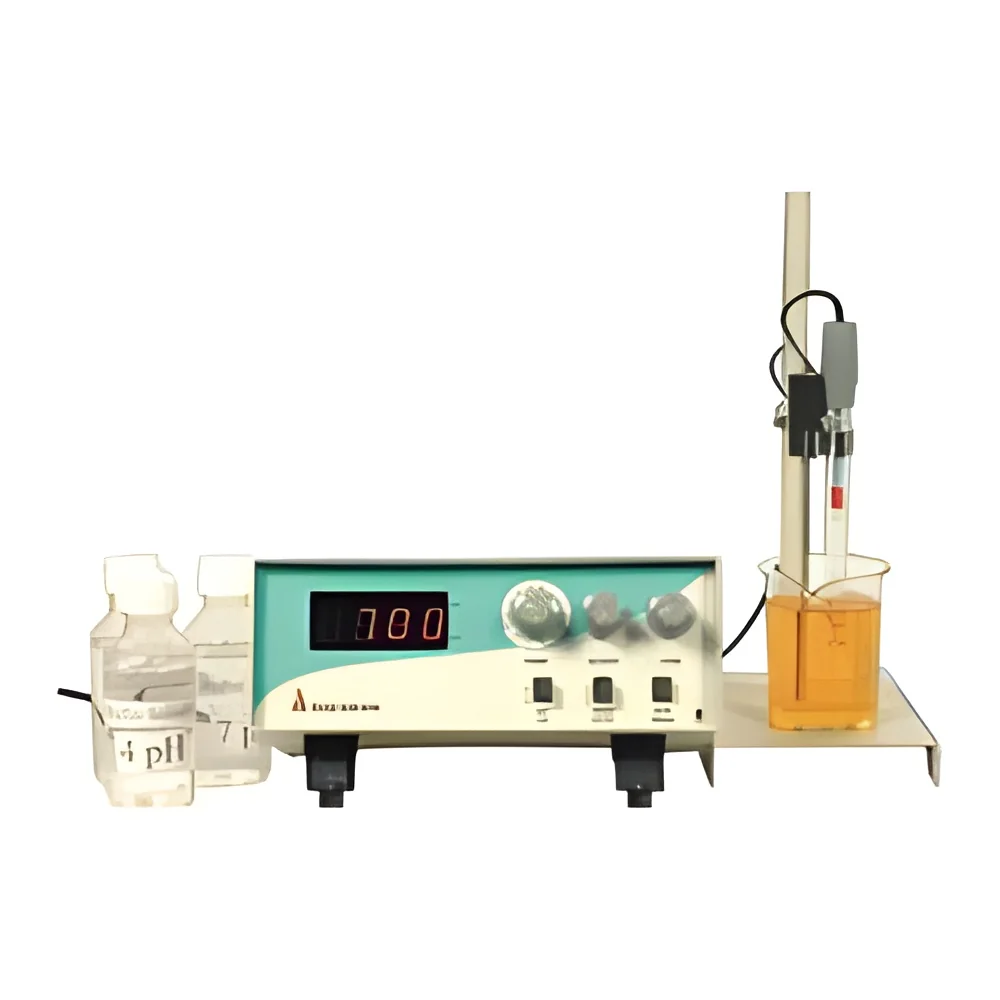
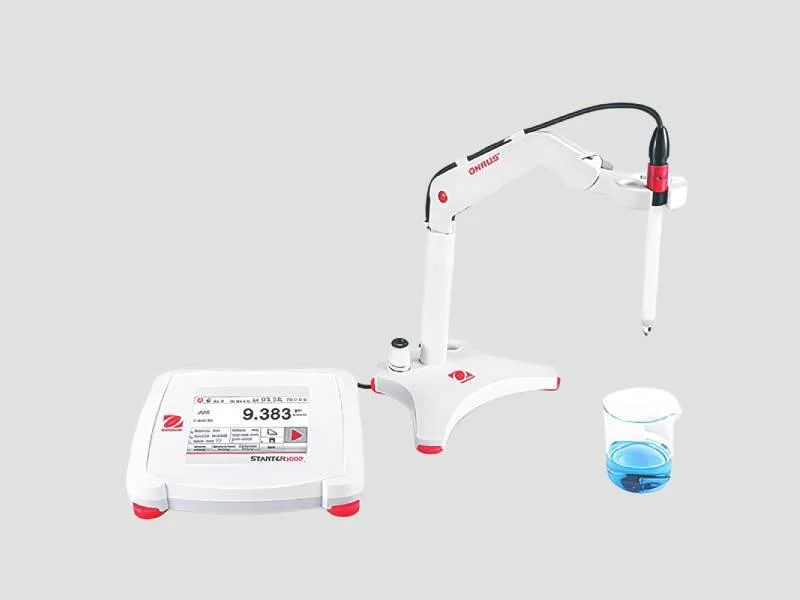
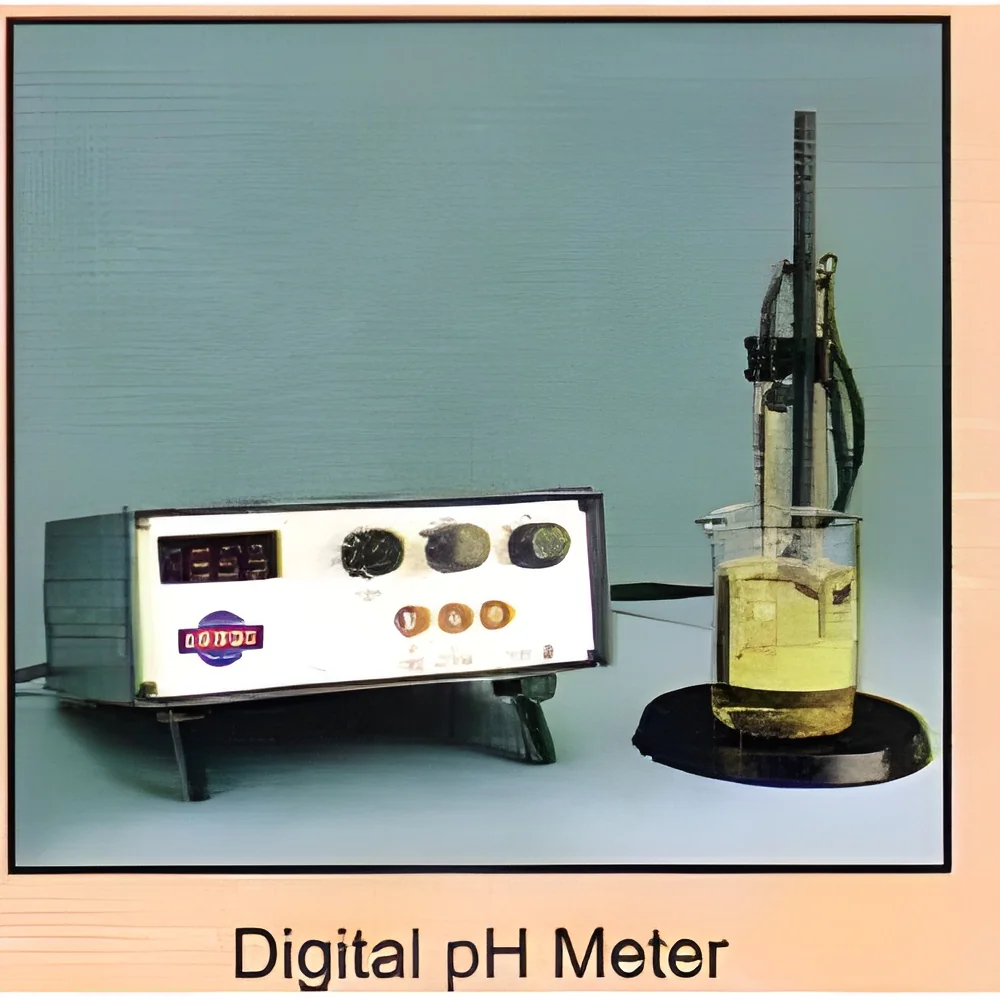
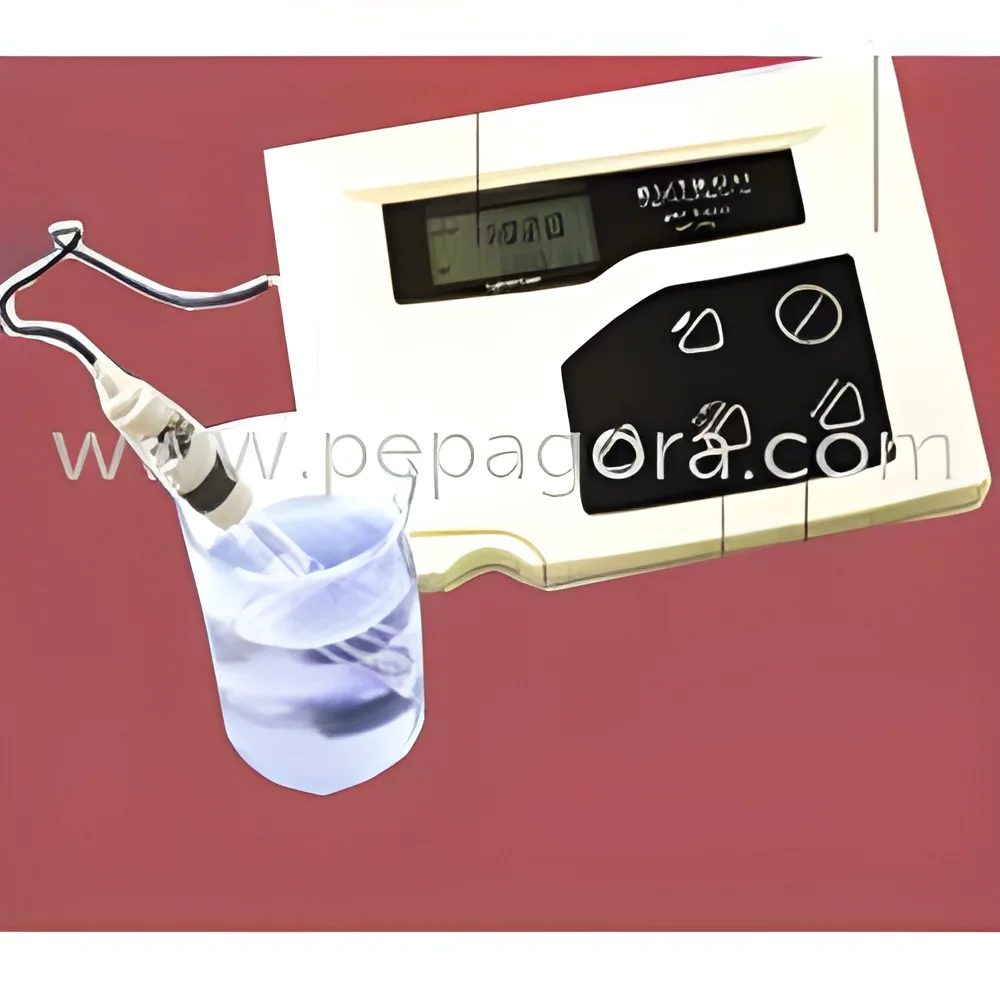
pH meters are essential instruments used to measure the acidity or alkalinity of a solution. They operate by determining the hydrogen ion concentration in a liquid, providing a numerical value on the pH scale, which ranges from 0 (highly acidic) to 14 (highly alkaline). The operation of a pH meter typically involves a glass electrode that interacts with the solution and a reference electrode that maintains a stable voltage. This combination allows for accurate readings of pH levels.
These devices find primary uses in various industries, including agriculture, pharmaceuticals, food production, and water treatment. In agriculture, pH meters help optimize soil conditions for crop growth. In the pharmaceutical industry, they ensure the quality control of products. The food and beverage sector relies on pH measurements to maintain product consistency and safety. Water treatment facilities use pH meters to monitor and adjust the pH of treated water, ensuring it meets regulatory standards. The market for pH meters is significant, driven by the growing need for quality assurance and regulatory compliance across numerous industries.
Key Features and Specifications
pH meters come with a range of features designed to enhance their functionality and usability. Understanding these specifications is crucial for selecting the right meter for specific applications.
Key specifications include:
1. Measurement Range
- Typically, pH meters can measure from 0 to 14.
- Some models allow for extended ranges beyond standard limits.
2. Accuracy
- Most pH meters provide accuracy levels of ±0.01 to ±0.1 pH units.
- High-end models may offer improved precision for critical applications.
3. Calibration
- Many pH meters feature automatic calibration with up to three standard buffer solutions.
- Manual calibration options are also available for enhanced control.
4. Display Type
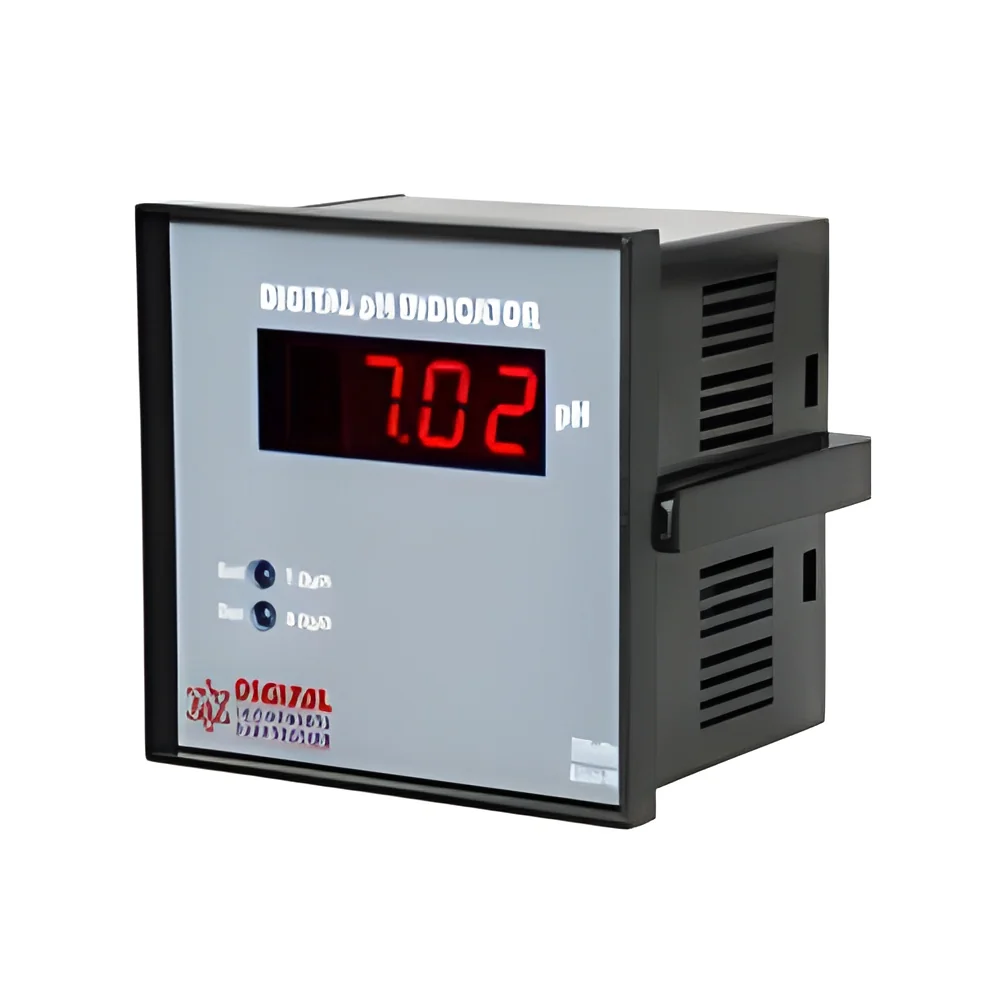
- Digital displays are common, offering clear readings.
- Some devices feature backlit screens for low-light conditions.
5. Power Source
- pH meters can be powered by batteries or plugged into electrical sources.
- Battery-operated models provide portability for field use.
6. Electrode Type
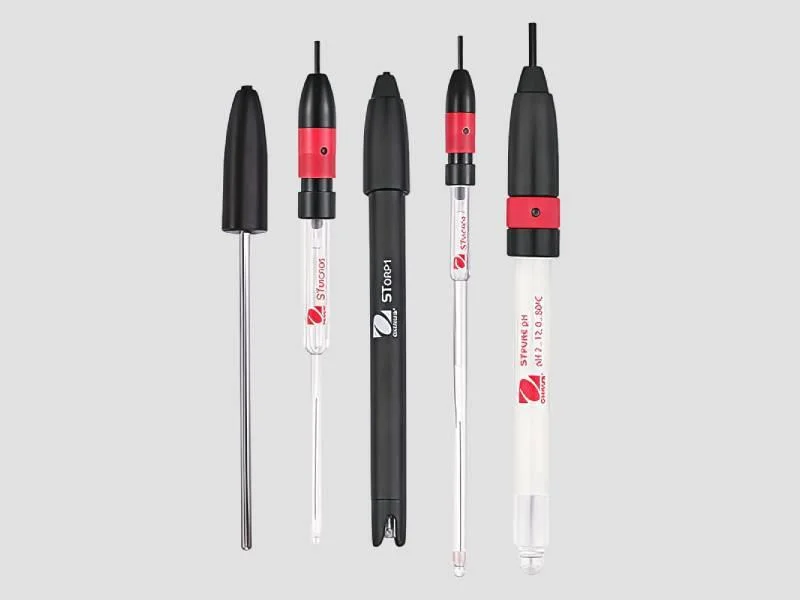
- Glass electrodes are standard for most pH meters.
- Some models utilize specialized electrodes for specific environments.
7. Temperature Compensation
- Automatic temperature compensation (ATC) is available in many meters.
- This feature ensures accurate pH readings across varying temperatures.
8. Data Logging
- Advanced models can log data for tracking changes over time.
- Connectivity options may include USB or Bluetooth for data transfer.
These features contribute to the overall performance and reliability of pH meters in various applications.
Common Applications and Use Cases
pH meters are versatile tools that serve numerous industries, each with specific application needs.
1. Agriculture: Farmers utilize pH meters to assess soil health, ensuring optimal conditions for crops. This helps in maximizing yield and improving soil management practices.
2. Pharmaceuticals: In the pharmaceutical manufacturing process, pH meters are crucial for quality control. They ensure that products meet pH specifications, which is vital for efficacy and safety.
3. Food and Beverage: Quality assurance in food production relies heavily on pH measurement. pH meters help maintain consistent taste and safety in products like beverages, dairy, and canned goods.
4. Water Treatment: Water treatment facilities use pH meters to monitor the acidity levels of treated water. This is essential for meeting environmental regulations and ensuring safe drinking water.
5. Environmental Monitoring: pH meters are employed in environmental studies to assess water bodies' health. They help in monitoring pollution levels and the overall ecosystem's status.
6. Education and Research: Educational institutions and research laboratories use pH meters for experiments and studies related to chemistry and biology.
7. Chemical Manufacturing: In chemical processing, maintaining the correct pH is vital for product quality. pH meters help in controlling reactions and ensuring consistency.
Product Variants and Subcategories
While there may not be specific subcategories available for pH meters, there are various types based on functionality and application.
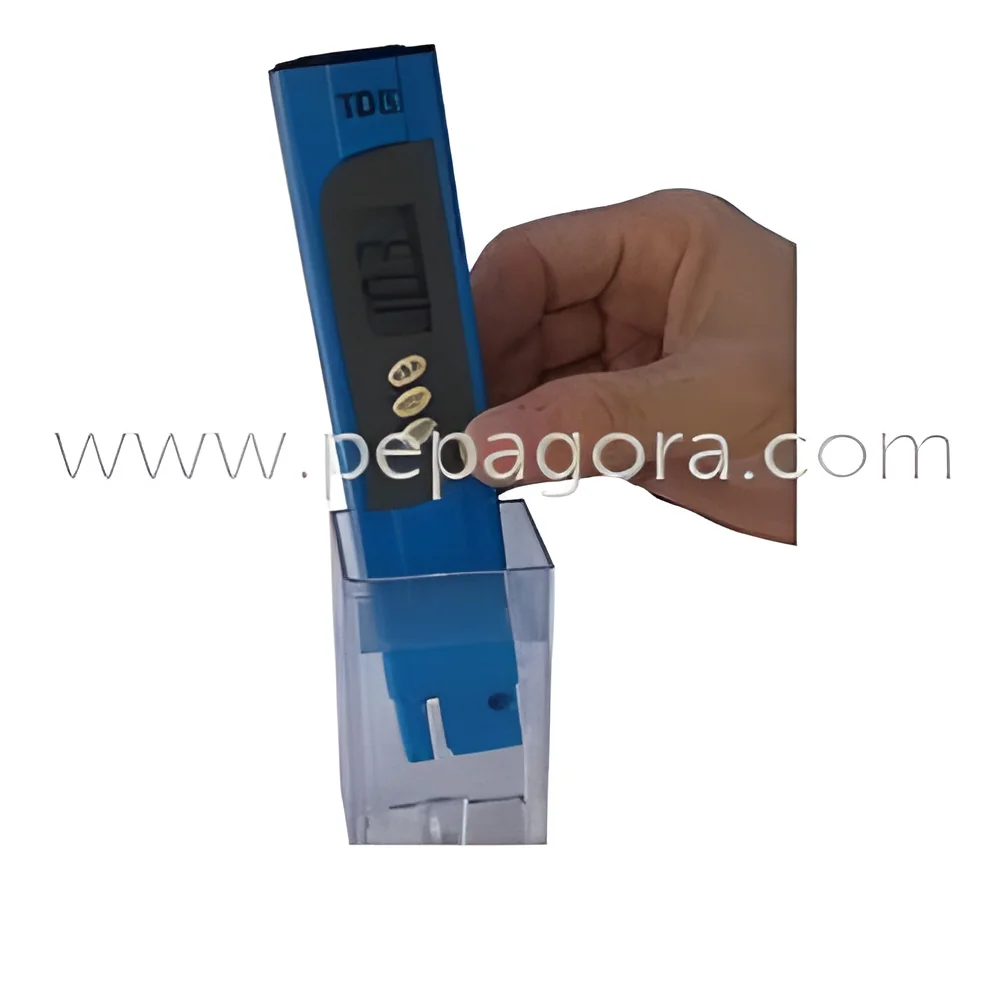
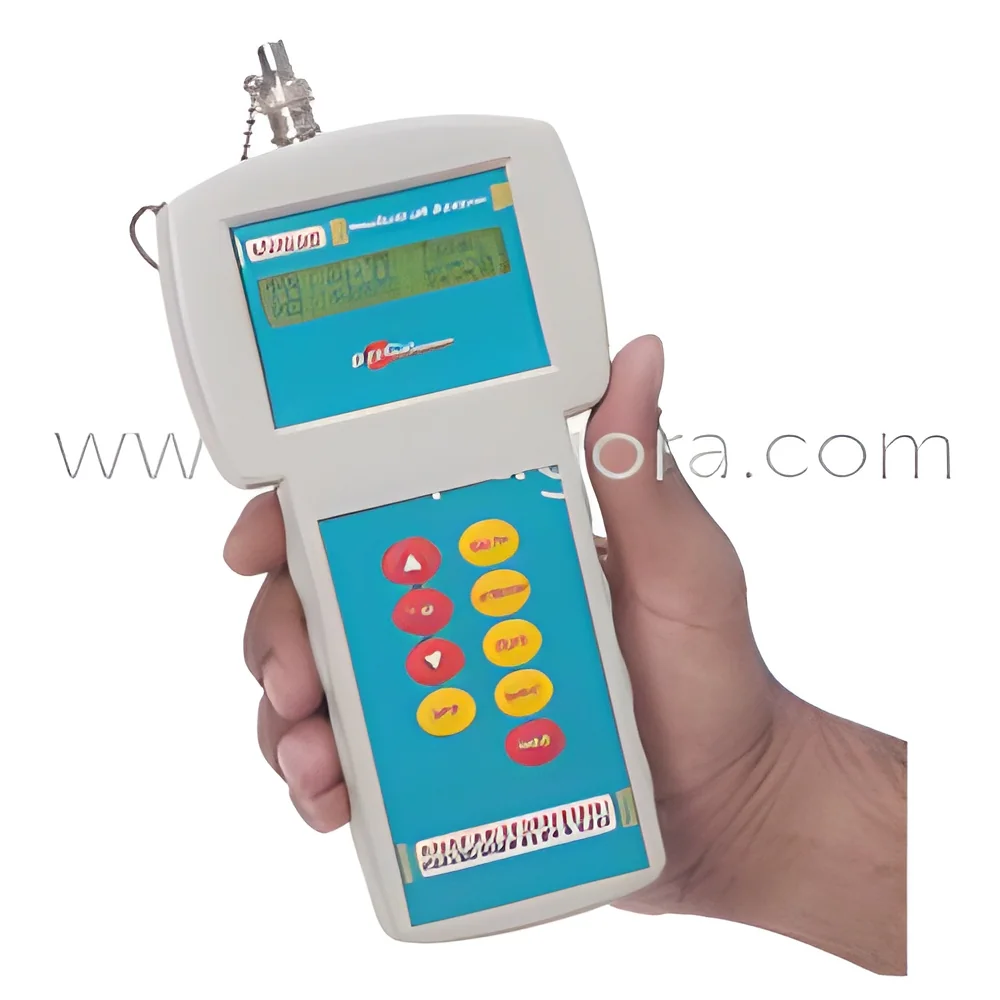
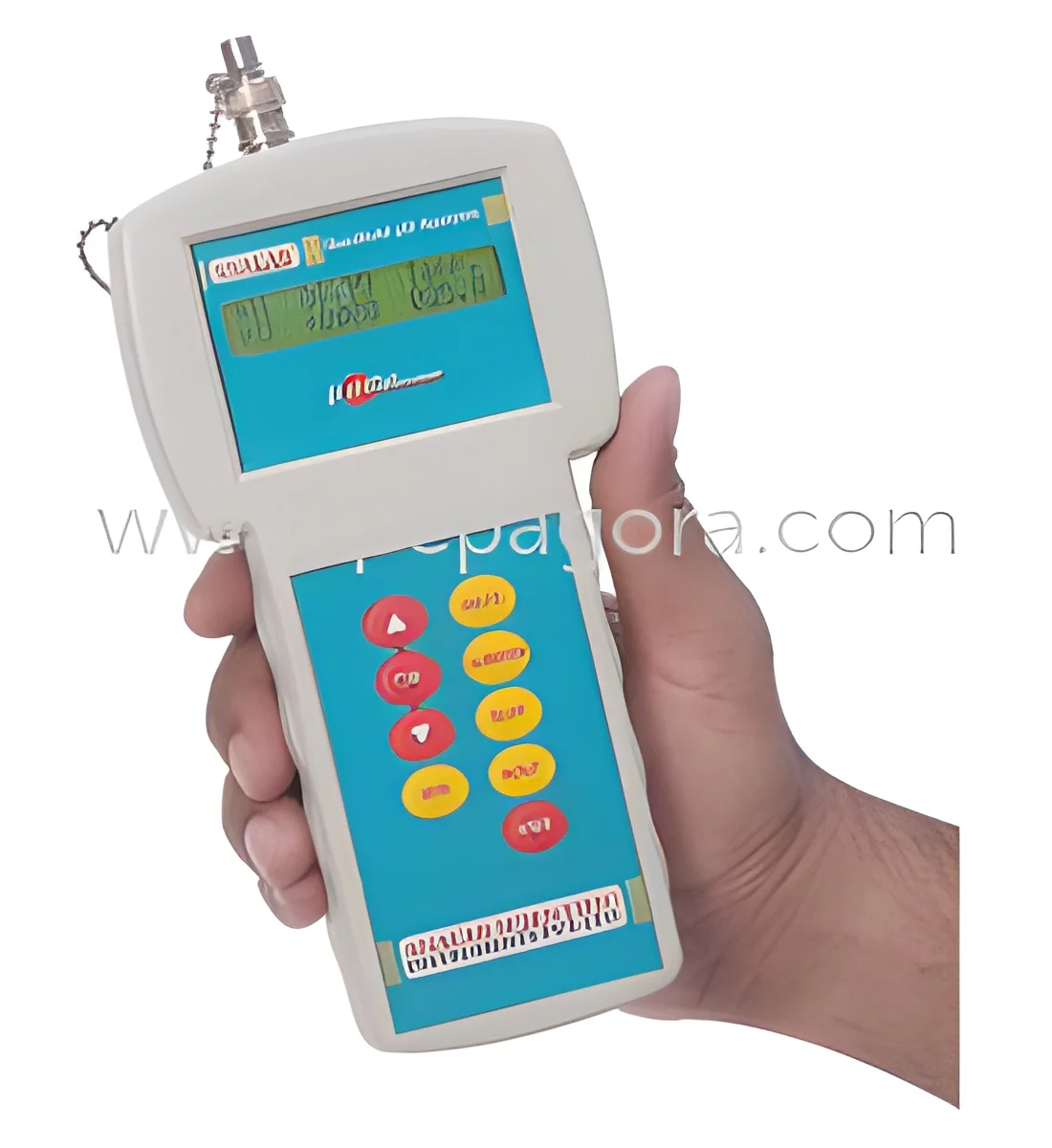
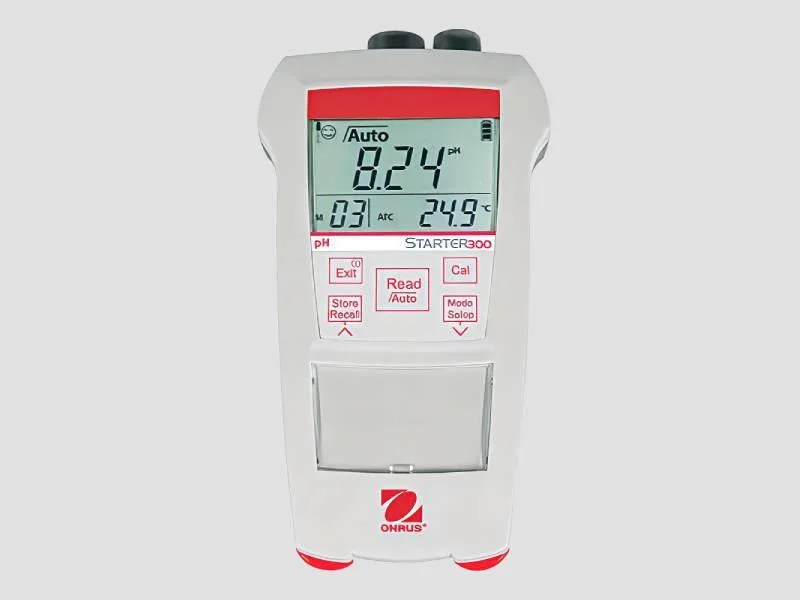
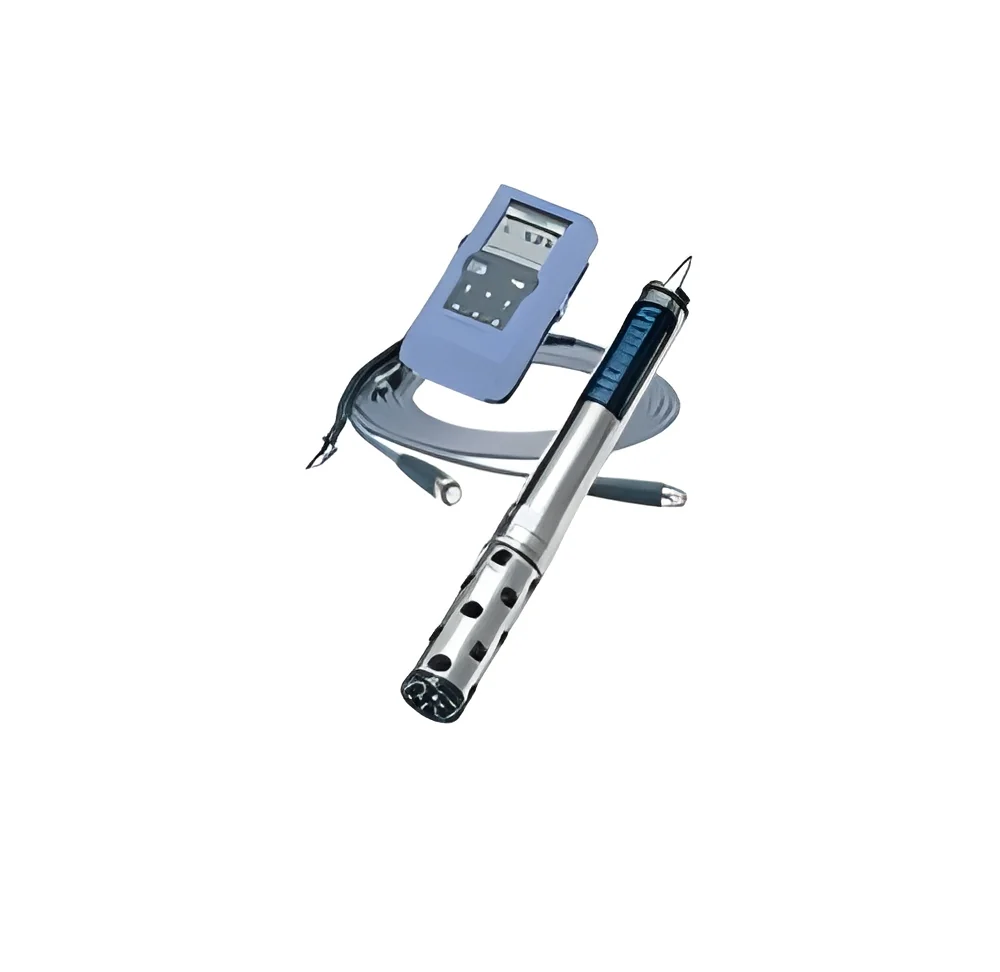
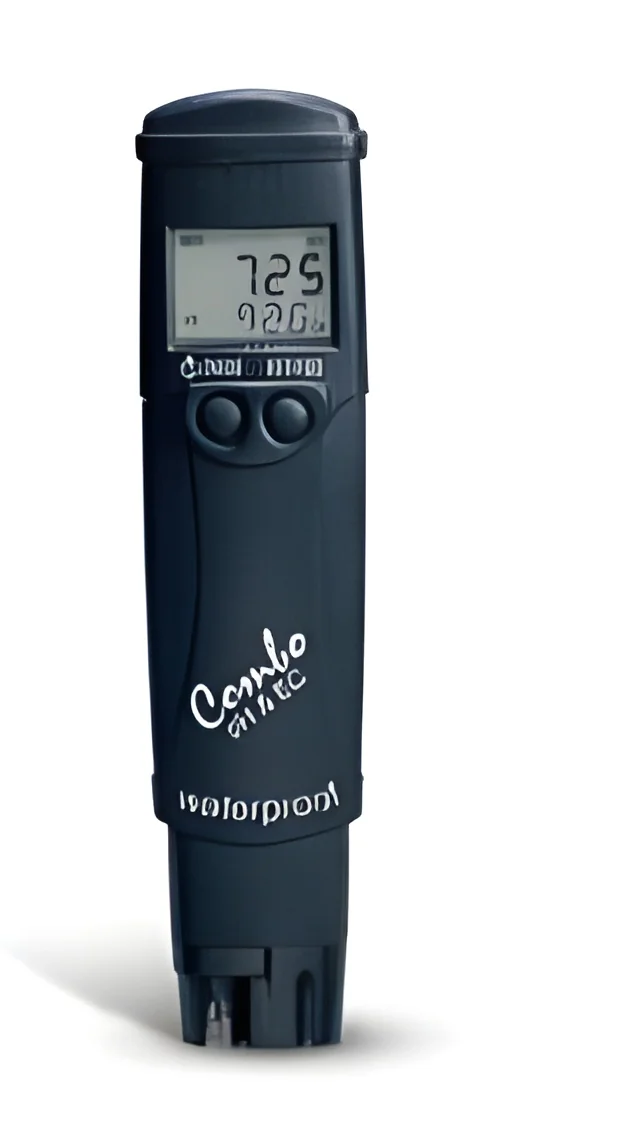
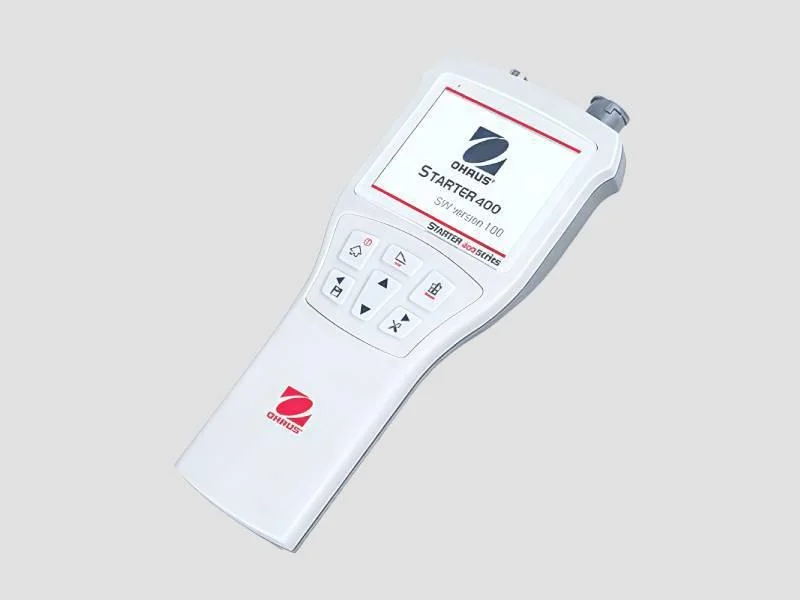
Portable pH Meters: These handheld devices are compact and designed for field use. They are ideal for agriculture and environmental monitoring, offering convenience and ease of use.
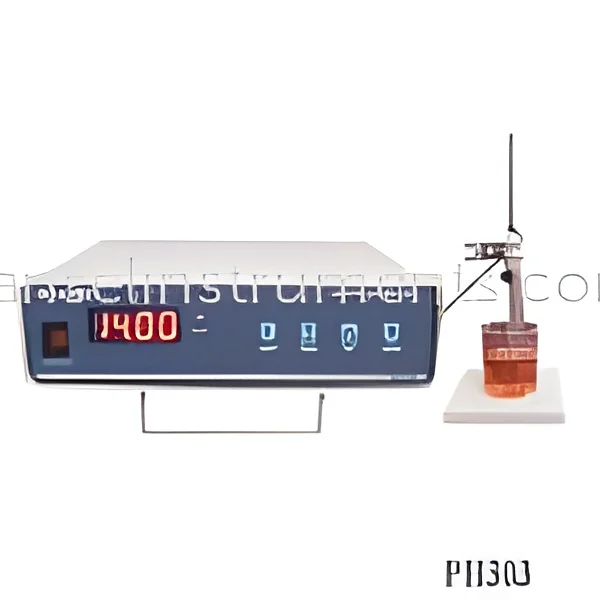
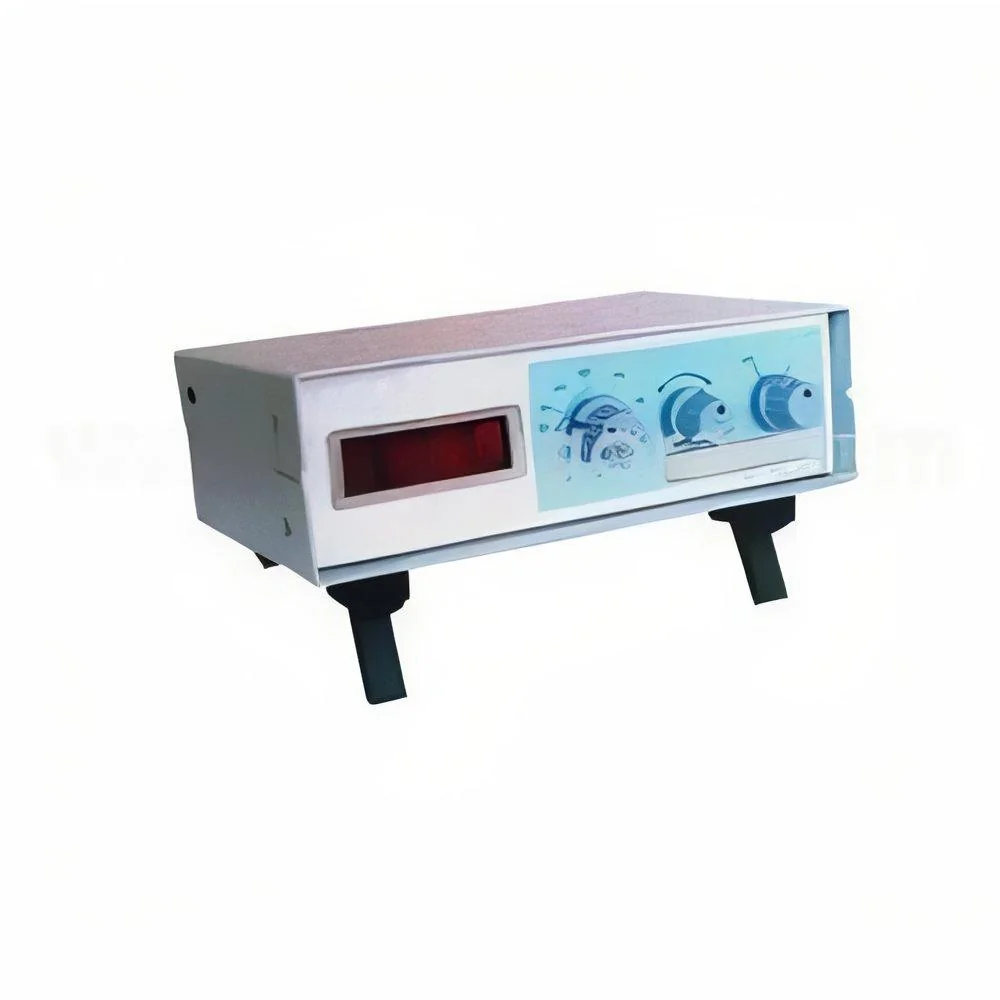
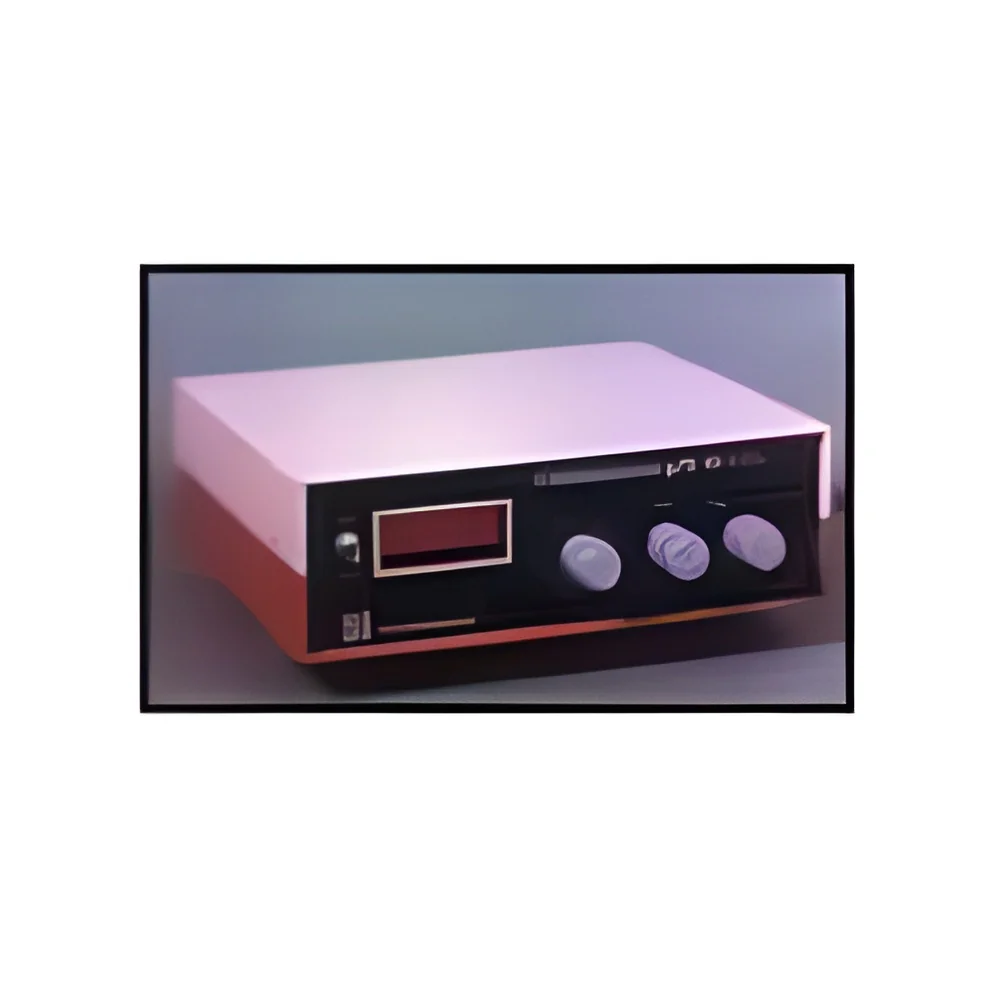
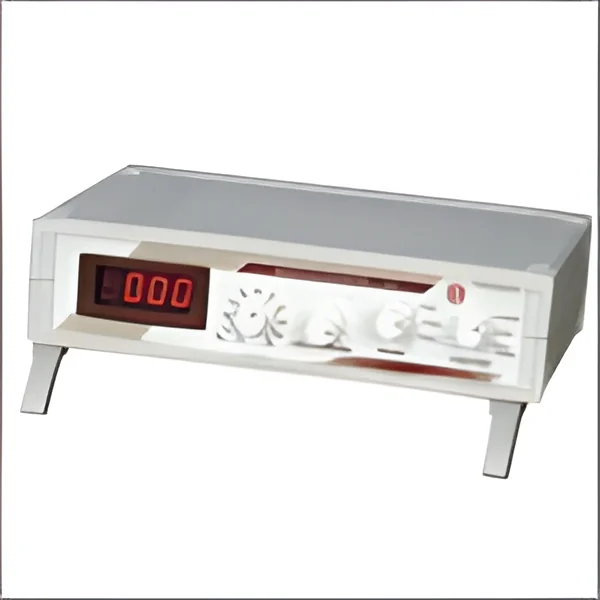
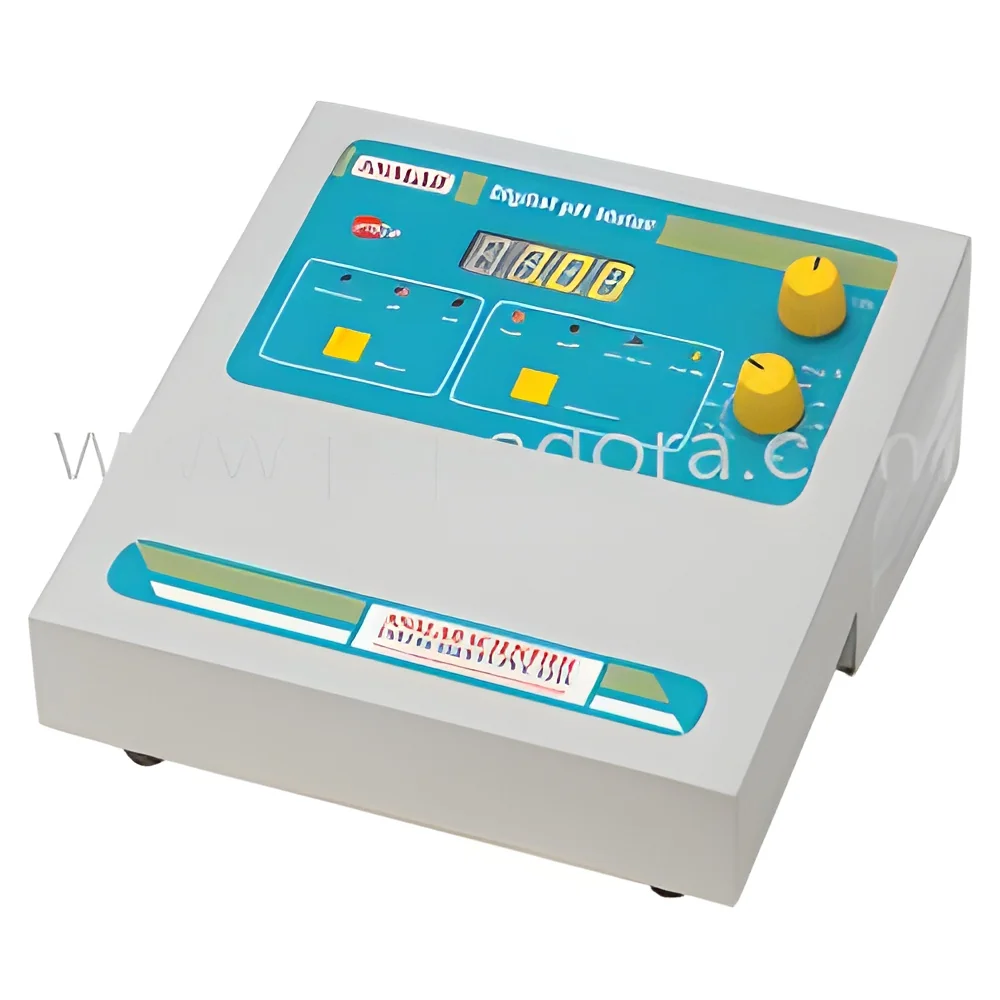
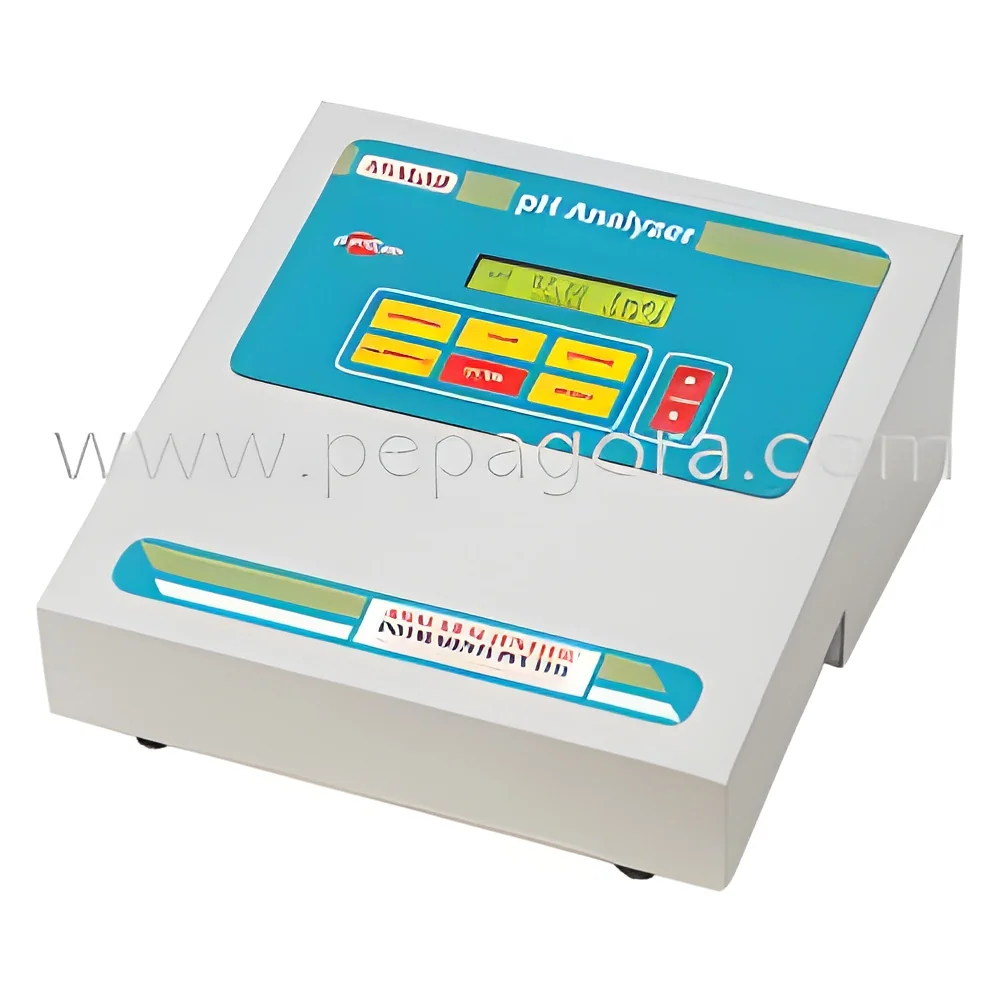
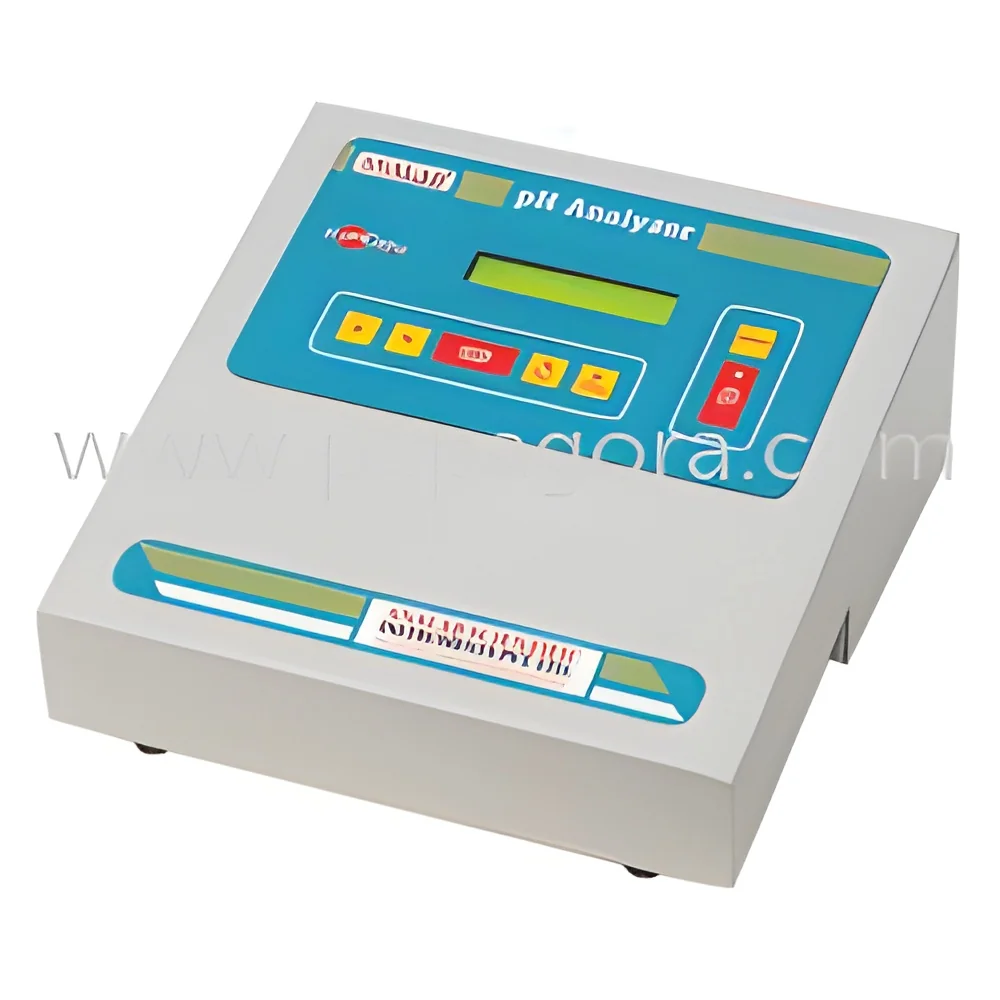
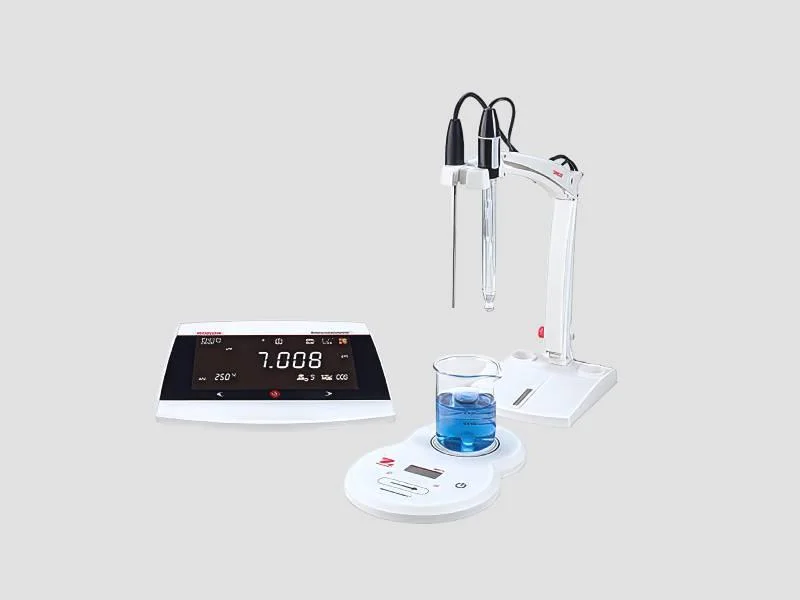
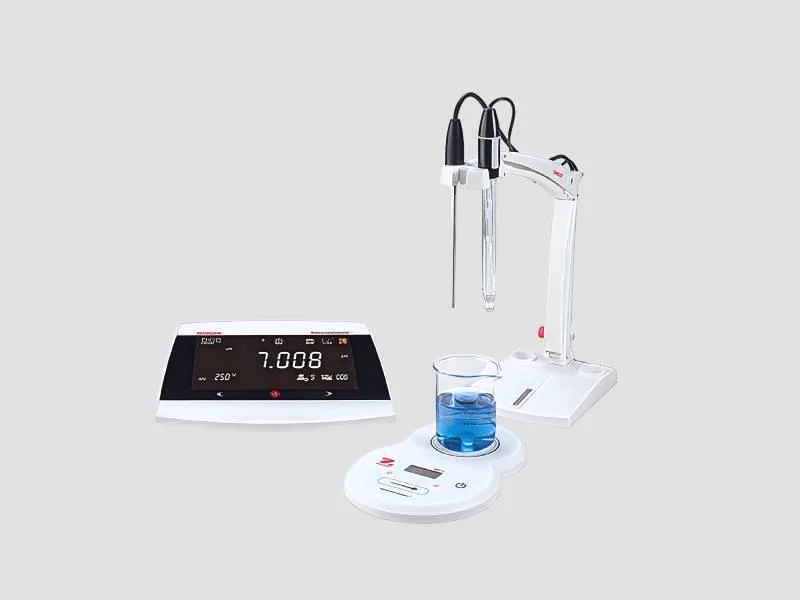
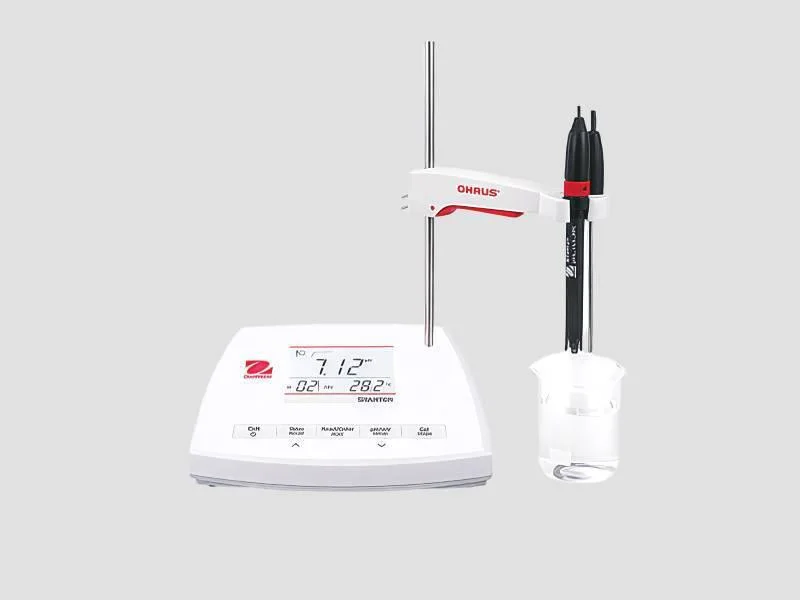
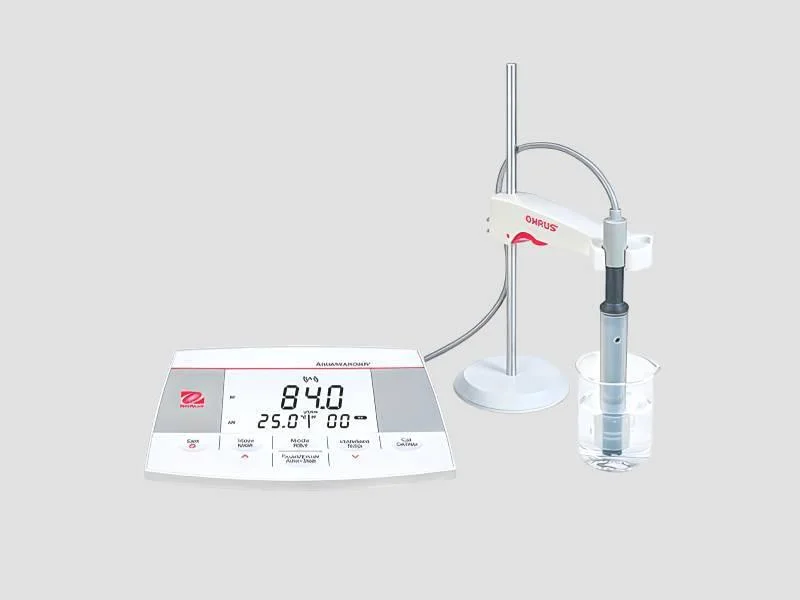
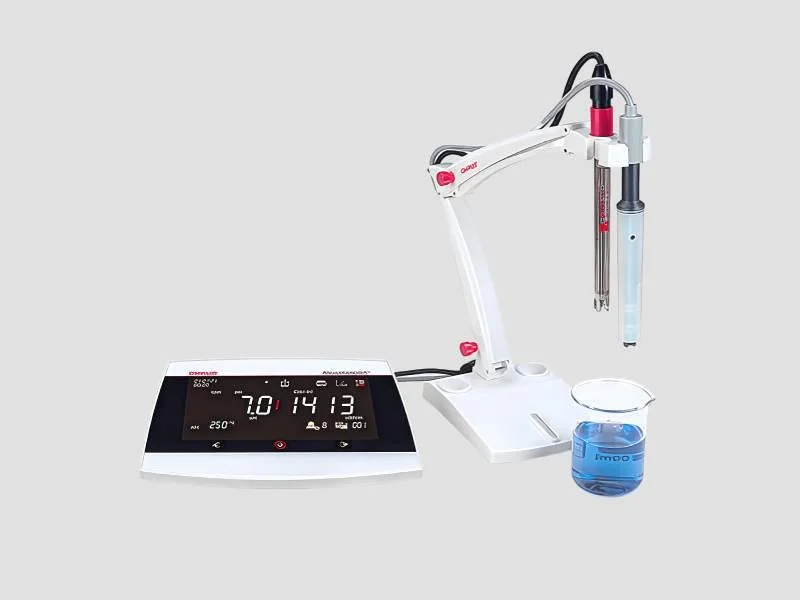
Bench pH Meters: These models are designed for laboratory settings. They typically feature advanced functionalities and are suitable for precise measurements and data logging.
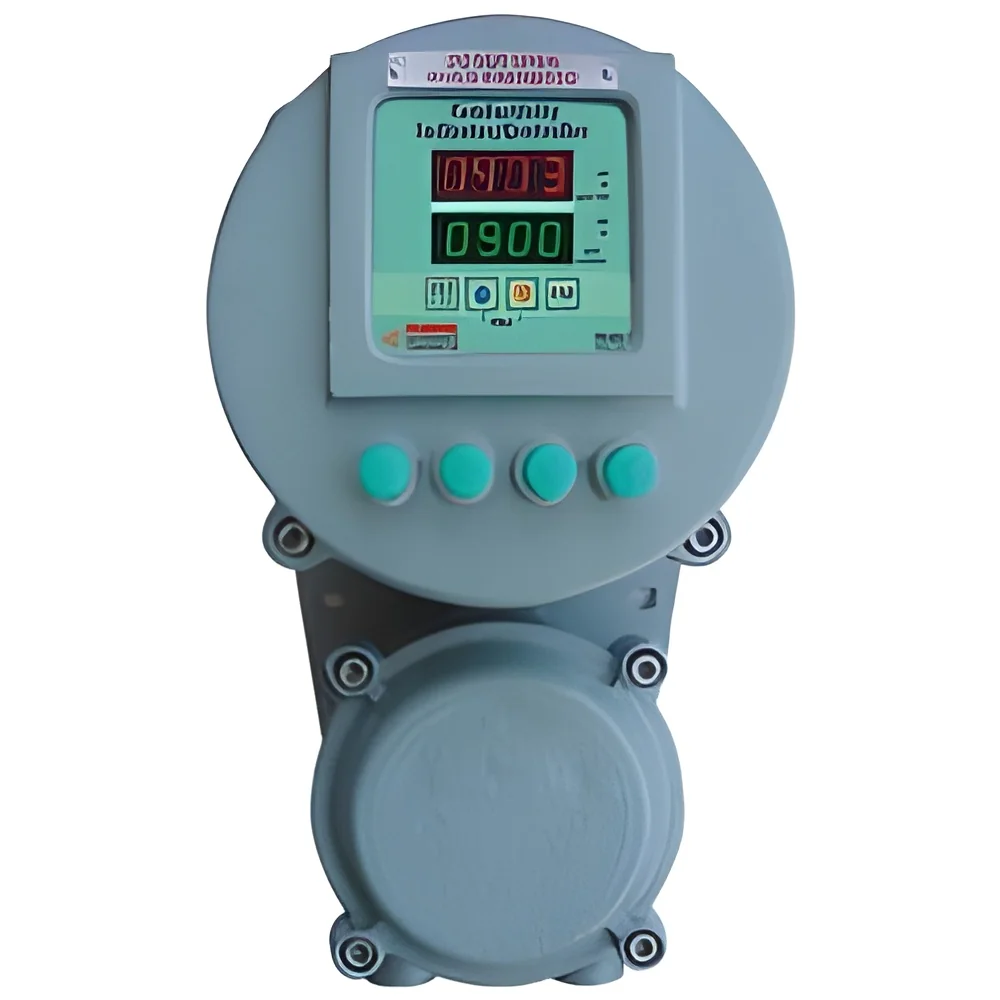
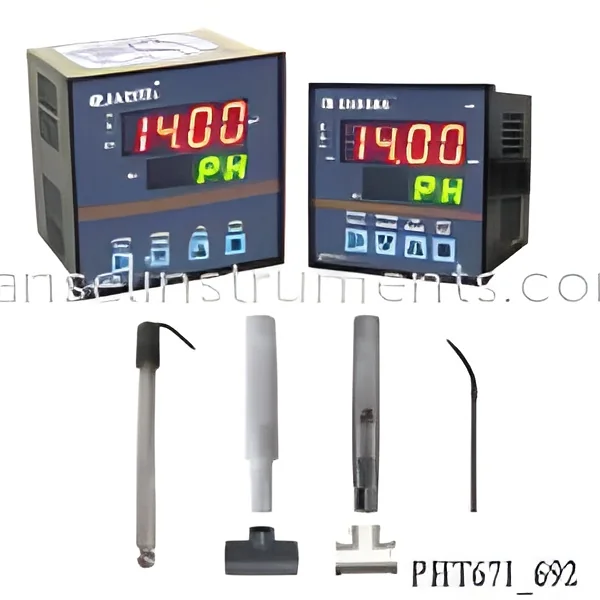
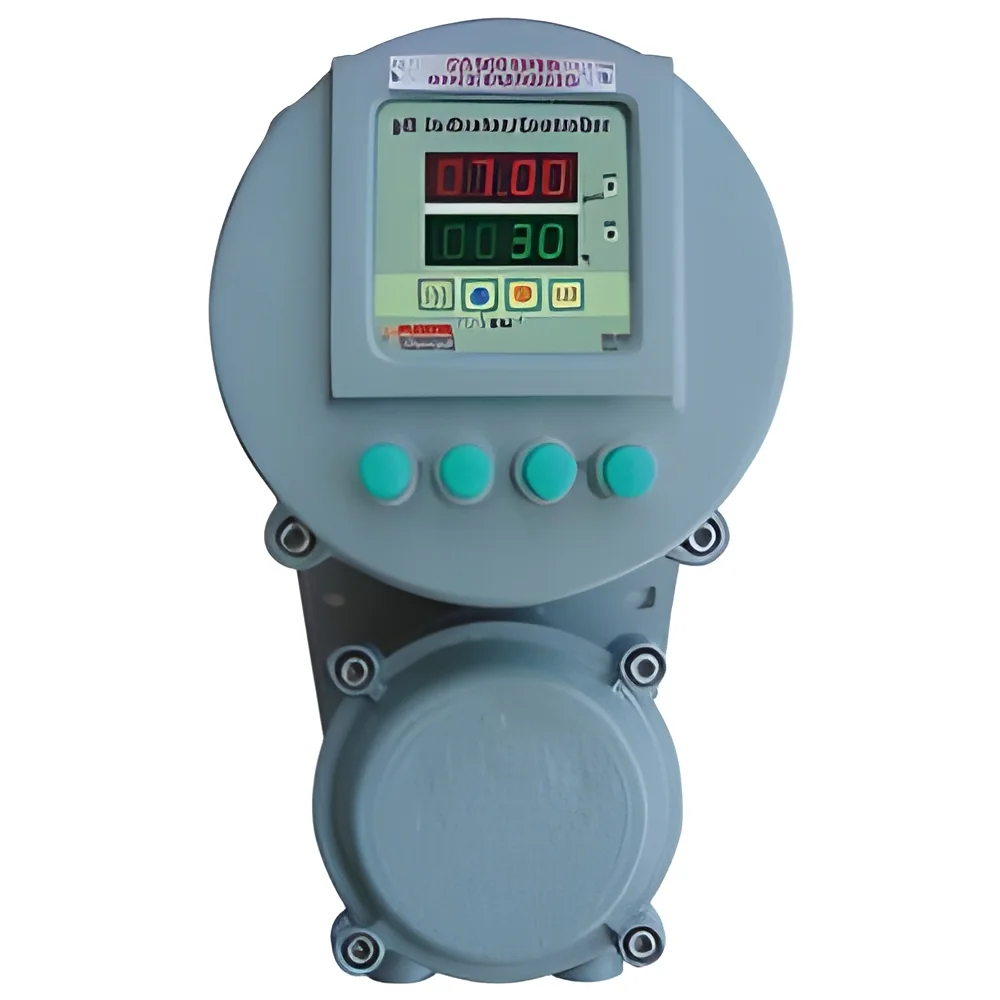
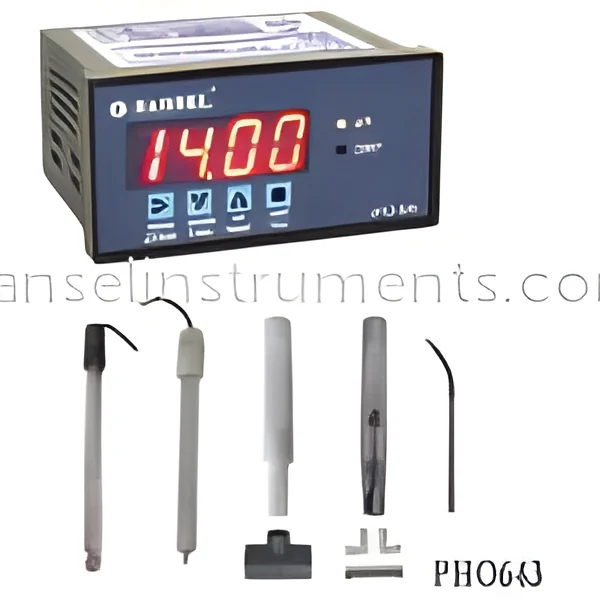
Industrial pH Meters: Built to withstand harsh conditions, industrial pH meters are used in manufacturing and water treatment facilities. They often come with rugged designs and specialized electrodes.
Multi-parameter Meters: These versatile devices can measure pH along with other parameters such as conductivity and temperature. They are commonly used in environmental and laboratory applications.
Benefits and Advantages
Investing in pH meters offers significant advantages for businesses across various sectors.
1. Enhanced Accuracy: pH meters provide precise measurements, which are crucial for processes that require strict quality control.
2. Improved Efficiency: With quick readings, pH meters streamline operational processes, reducing the time needed for pH testing.
3. Versatile Applications: pH meters can be used in diverse industries, making them a valuable tool for businesses with multiple needs.
4. Regulatory Compliance: Ensuring compliance with industry standards is easier with reliable pH measurements, helping businesses avoid penalties.
5. Increased Product Quality: Regular pH monitoring contributes to maintaining product quality, essential for customer satisfaction.
6. Cost-effective Solutions: Investing in pH meters can reduce the costs associated with product failures and quality issues, leading to long-term savings.
Buying Guide for B2B Buyers
When sourcing pH meters, several factors should be considered to ensure the right purchase.
1. Quality Assessment: Evaluate the quality of pH meters based on manufacturer reputation and product reviews. Look for devices that meet industry standards for accuracy and reliability.
2. Supplier Verification: Vet suppliers thoroughly to ensure they provide genuine products. Check for certifications and customer testimonials to gauge their credibility.
3. Pricing and MOQ: Analyze pricing structures and minimum order quantities. Ensure that the costs align with your budget while comparing options from different suppliers.
4. Delivery and Lead Times: Discuss delivery timelines with suppliers to meet your operational needs. Prompt delivery is crucial for maintaining workflow.
5. Compliance Requirements: Be aware of any regulatory standards that apply to your industry. Ensure that the pH meters you purchase comply with these regulations.
Compliance and Certifications
Quality standards play a significant role in the production and usage of pH meters. ISO 9001 is a widely recognized standard that ensures consistent quality management across manufacturing processes. Compliance with HACCP (Hazard Analysis Critical Control Point) is crucial in the food and beverage industry to ensure safety and quality.
In addition, CE certification indicates that the pH meters meet European safety, health, and environmental protection standards. This certification is critical for market access in the European Union. Safety and testing requirements are essential for ensuring the reliability of pH measurements, particularly in sensitive applications.
Furthermore, regional compliance considerations may vary based on local regulations. It is vital for businesses to understand these requirements to avoid potential legal issues.
Why Source pH Meters from Pepagora?
Pepagora provides a trusted platform for sourcing pH meters, offering several key advantages that cater to the needs of B2B buyers.
Verified Supplier Network: Pepagora connects buyers with verified suppliers, ensuring that all products meet high-quality standards. This verification process helps businesses make informed purchasing decisions.
Streamlined RFQ Process: The request for quotation (RFQ) system simplifies the procurement process. Buyers can easily compare offers from multiple suppliers, ensuring competitive pricing and terms.
Trade Assurance and Support: Pepagora offers trade assurance, providing buyers with added protection during transactions. This support helps mitigate risks associated with purchasing industrial products.
Regional Coverage: With a presence in India, the GCC, and Southeast Asia, Pepagora ensures that buyers have access to a wide range of suppliers and products. This geographic reach facilitates easier sourcing for businesses operating in these regions.

 IN
IN