Key Features and Specifications
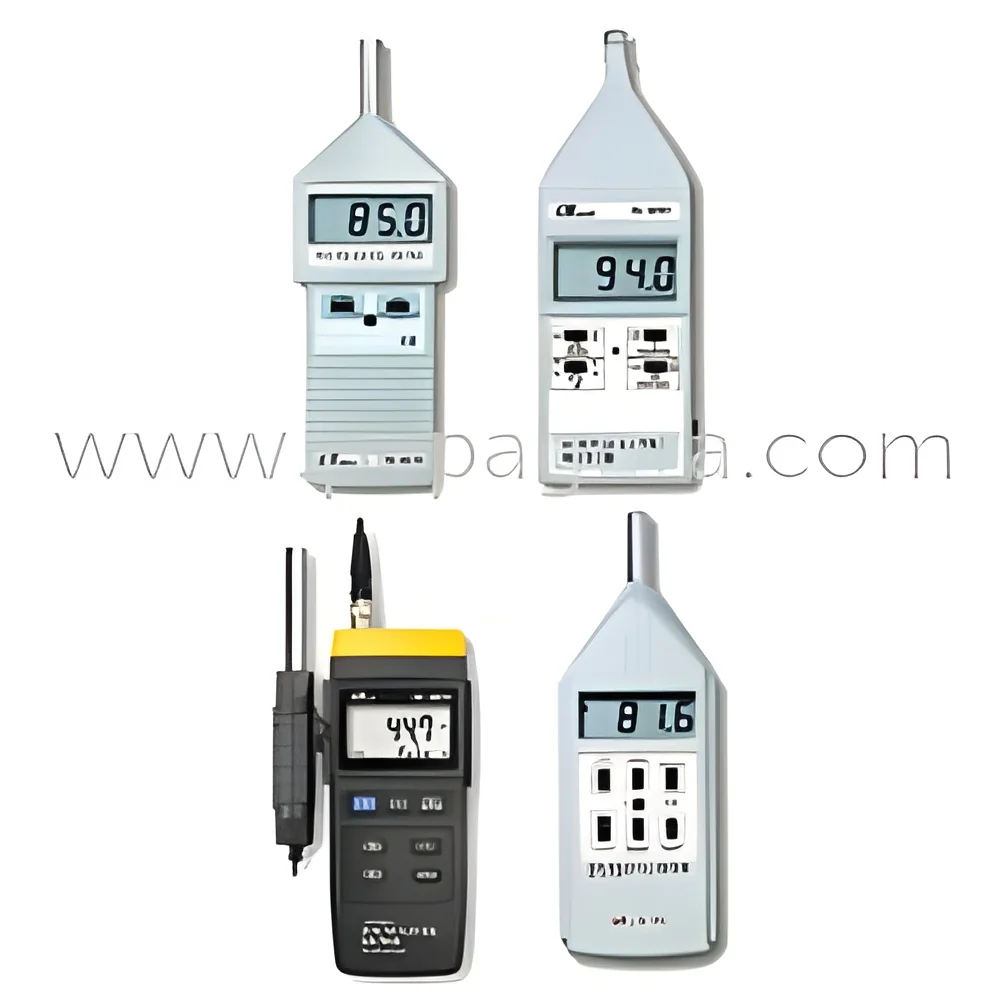
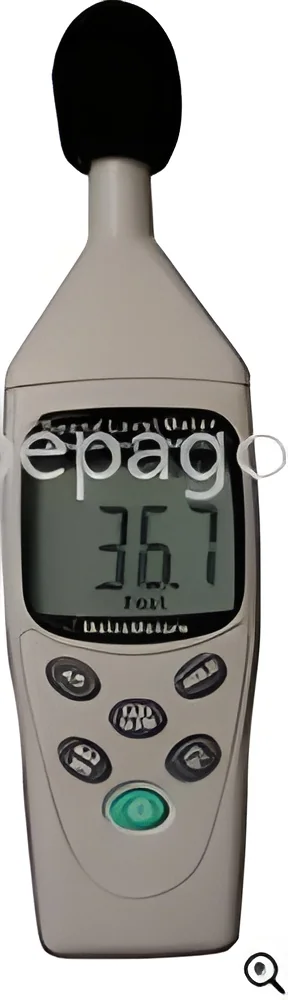
Sound level meters come equipped with various features that enhance their functionality and ease of use. When selecting a sound level meter, it is essential to consider key specifications that will impact performance and usability.
Key specifications include:
1. Measurement Range
- This specification indicates the range of sound levels the meter can measure, typically from 30 dB to 130 dB.
2. Frequency Weighting
- Most meters offer different frequency weighting options, such as A, C, and Z, to tailor measurements to specific applications and environments.
3. Sampling Rate
- Defined as the frequency at which the device records sound levels, commonly ranging from 1 second to 1 minute.
4. Display Type
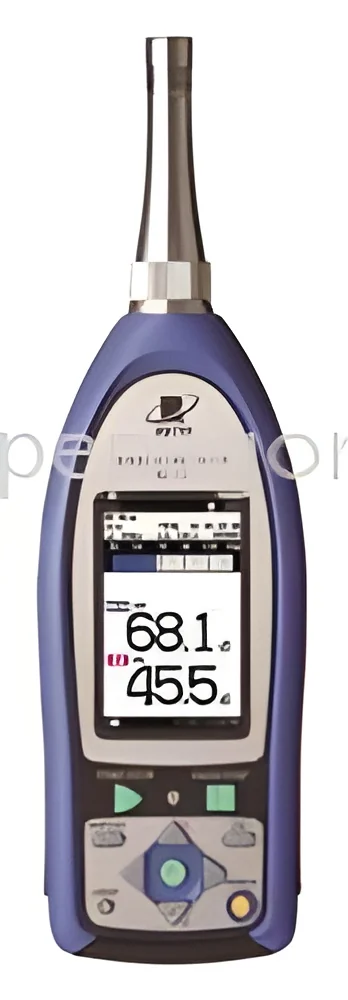
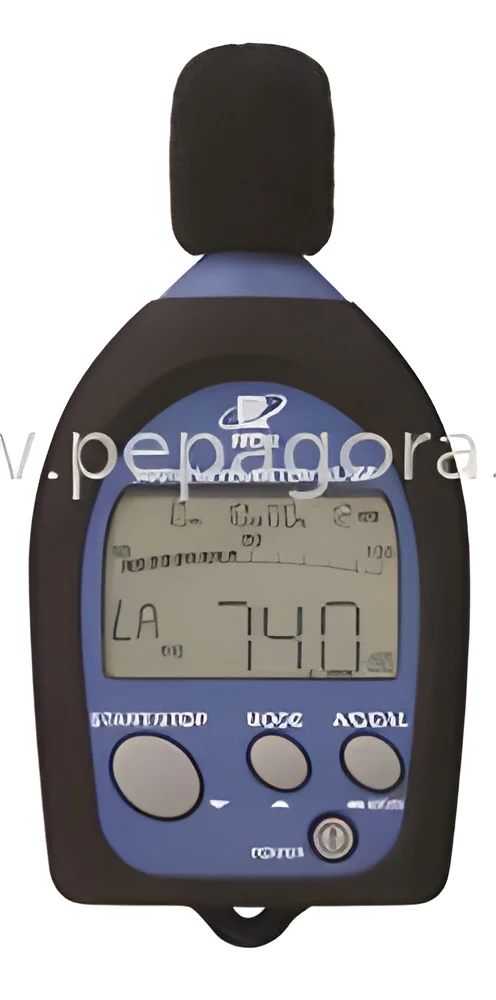
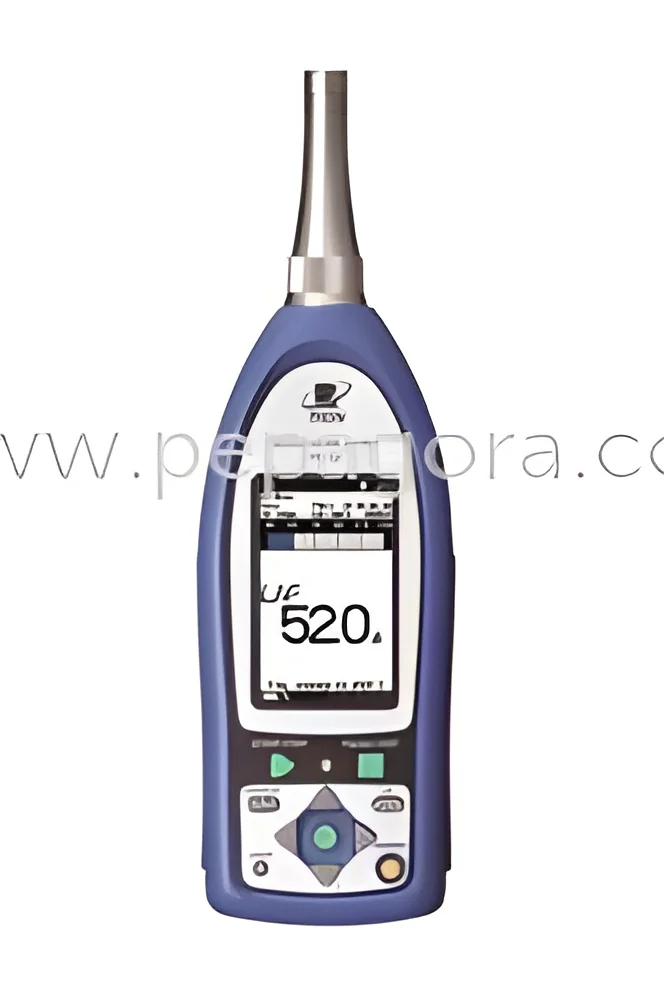
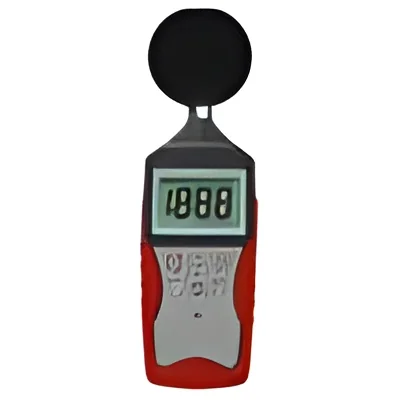
- Many meters feature digital displays for easy reading, while some may include analog displays for real-time monitoring.
5. Calibration
- Proper calibration is crucial for ensuring accuracy, and many meters come with built-in calibration features.
6. Data Logging
- Some models offer data logging capabilities, allowing users to store and retrieve measurement data for analysis.
7. Battery Life
- Battery life can vary significantly; some meters operate for up to 40 hours on a single charge.
8. Connectivity Options
- Many sound level meters now feature Bluetooth or USB connectivity for easy data transfer to computers or mobile devices.
In summary, understanding these specifications helps buyers select the most suitable sound level meter for their needs, ensuring accurate and reliable sound measurements.
Common Applications and Use Cases
Sound level meters are versatile tools utilized across various industries to monitor and manage noise levels effectively.
1. Construction: In construction settings, sound level meters help ensure that noise levels remain within acceptable limits to comply with local noise ordinances. They are essential for monitoring equipment noise and protecting workers' hearing.
2. Manufacturing: Factories often use sound level meters to monitor machinery noise, ensuring compliance with occupational safety regulations. This helps prevent hearing loss among employees and contributes to a safer work environment.
3. Environmental Monitoring: Environmental agencies employ sound level meters to assess noise pollution in urban areas. These measurements are crucial for developing noise mitigation strategies and evaluating the impact of new developments.
4. Event Management: Organizers of concerts and public events use sound level meters to monitor sound levels, ensuring compliance with local regulations and minimizing disturbance to nearby residents.
5. Transportation: Airports, railways, and highways utilize sound level meters to monitor noise levels and implement noise reduction strategies to minimize the impact on surrounding communities.
6. Healthcare: In healthcare settings, sound level meters are used to monitor noise levels in patient care areas. Maintaining a quiet environment is essential for patient recovery and comfort.
7. Education: Schools use sound level meters to monitor classroom noise, ensuring an optimal learning environment for students.
Product Variants and Subcategories
Sound level meters come in various models and configurations to suit different applications and user needs.
Portable Sound Level Meters
These handheld devices are designed for easy transport, making them ideal for field measurements. They typically feature user-friendly interfaces and battery operation for convenience.
Fixed Sound Level Meters
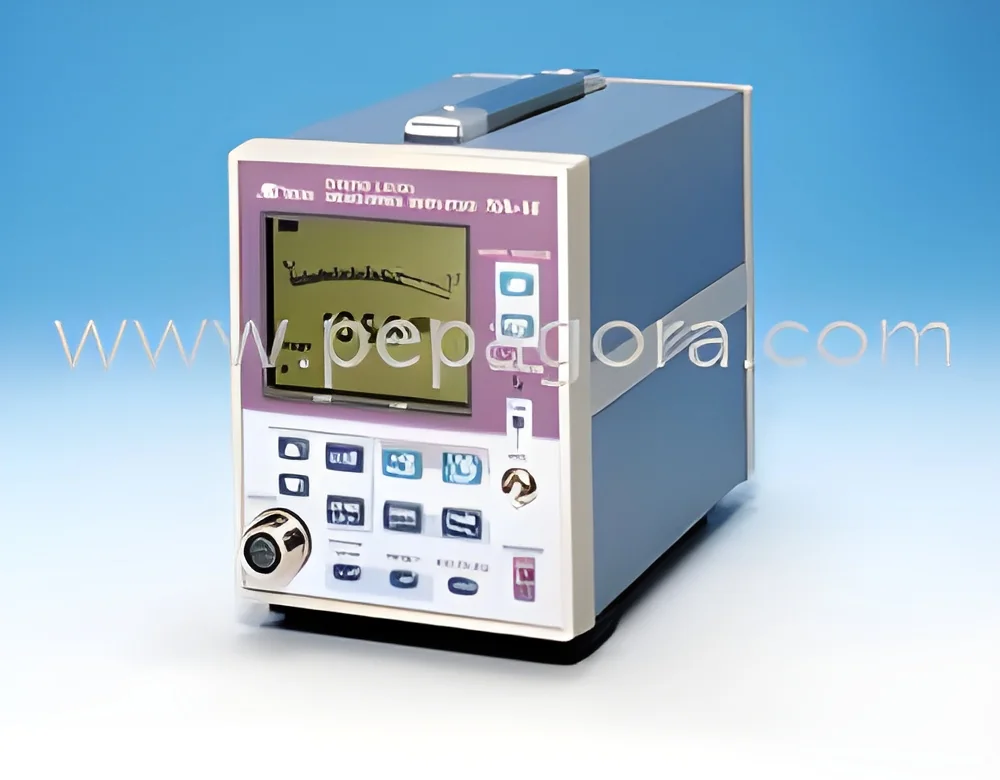
Installed permanently in a location, these meters continuously monitor noise levels over time. They are often used in environmental monitoring stations to collect data for long-term analysis.
Data Logging Sound Level Meters
These variants are equipped with memory capabilities, allowing users to record sound levels over extended periods. This is particularly useful for projects requiring detailed analysis of noise trends.
Smart Sound Level Meters
Integrating advanced technology, smart sound level meters can connect to mobile apps, enabling remote monitoring and data analysis. They offer enhanced functionality for users looking for versatility.
Benefits and Advantages
Investing in sound level meters provides several advantages for businesses across industries.
1. Enhanced Compliance: Sound level meters ensure that companies adhere to local noise regulations, minimizing the risk of fines and legal issues.
2. Improved Safety: By monitoring noise levels, businesses can protect employees from hearing damage, fostering a safer workplace environment.
3. Data-Driven Decisions: Accurate measurement of sound levels allows organizations to make informed decisions regarding noise control measures and equipment maintenance.
4. Increased Efficiency: Identifying excessive noise sources can lead to operational improvements, increasing overall efficiency within facilities.
5. Better Community Relations: By managing noise pollution effectively, companies can maintain positive relationships with the surrounding community and enhance their public image.
6. Cost Savings: Preventing noise-related issues can result in significant cost savings over time, such as reduced employee turnover and fewer legal disputes.
Buying Guide for B2B Buyers
When sourcing sound level meters, B2B buyers should consider several crucial factors to ensure a satisfactory purchase.
1. Quality Assessment: Look for meters that meet industry standards and have a reputation for durability and accuracy. Check for user reviews and reliability ratings.
2. Supplier Verification: Vet potential suppliers by reviewing their credentials, certifications, and customer feedback. A reputable supplier will have a proven track record.
3. Pricing and MOQ: Understand the pricing structure and minimum order quantities (MOQ) required by suppliers. Compare prices across different vendors to find the best deal.
4. Delivery and Lead Times: Inquire about delivery schedules and lead times. Timely delivery is critical for project planning and execution.
5. Compliance Requirements: Ensure that the meters comply with relevant industry standards and regulations. This includes certifications such as CE and adherence to ISO quality standards.
Compliance and Certifications
Sound level meters must adhere to various compliance and certification standards to ensure quality and safety.
ISO 9001 is a key quality management standard that ensures manufacturers maintain consistent quality in their products. Compliance with this standard indicates that the manufacturer has effective processes in place for product development and production.
CE certification signifies that a product meets European safety, health, and environmental protection standards. This is particularly important for sound level meters sold in the European market, ensuring they are safe for user operation.
Safety and testing requirements may vary by region but generally include evaluations for electrical safety and performance accuracy. Buyers should confirm that the devices meet all necessary safety standards before purchase.
Regional compliance considerations can also impact the choice of sound level meters. Different countries may have unique regulations regarding noise measurement, requiring specific features or capabilities.
Why Source Sound Level Meters (dB Meters) from Pepagora?
Pepagora offers a reliable platform for sourcing sound level meters, providing several key advantages for B2B buyers.
Verified Supplier Network: Pepagora collaborates with a network of verified suppliers, ensuring that buyers have access to high-quality products and reputable manufacturers. This helps mitigate risks associated with sourcing.
Streamlined RFQ Process: The request for quotation (RFQ) process is designed to be efficient and straightforward, allowing buyers to receive competitive quotes from multiple suppliers quickly. This facilitates informed purchasing decisions.
Trade Assurance and Support: Pepagora provides trade assurance, protecting buyers against potential risks associated with transactions. This support ensures a secure purchasing experience.
Regional Coverage: With a strong presence in India, the GCC, and Southeast Asia, Pepagora offers extensive regional coverage. Buyers can access products and suppliers relevant to their specific market needs, enhancing overall sourcing efficiency.

 IN
IN