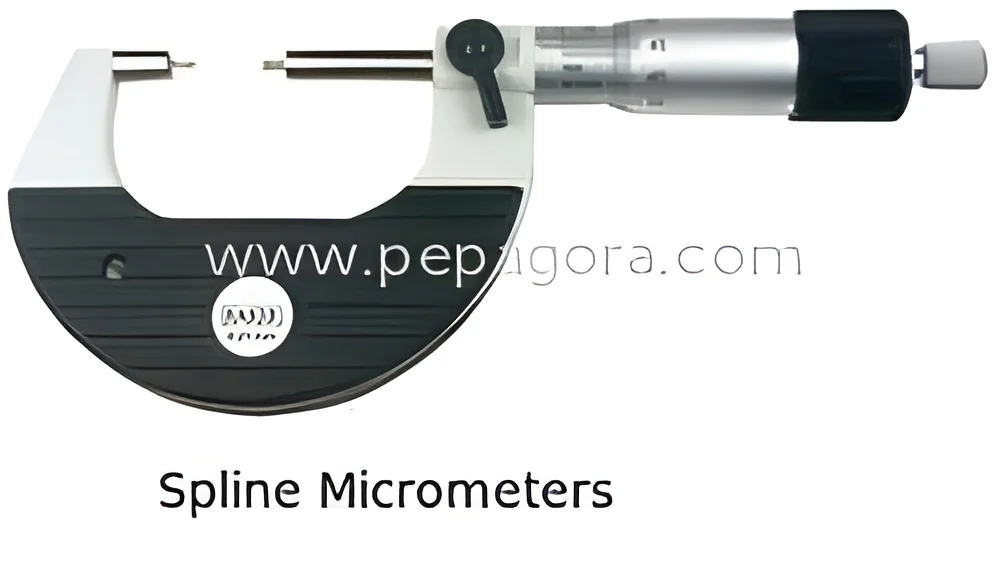
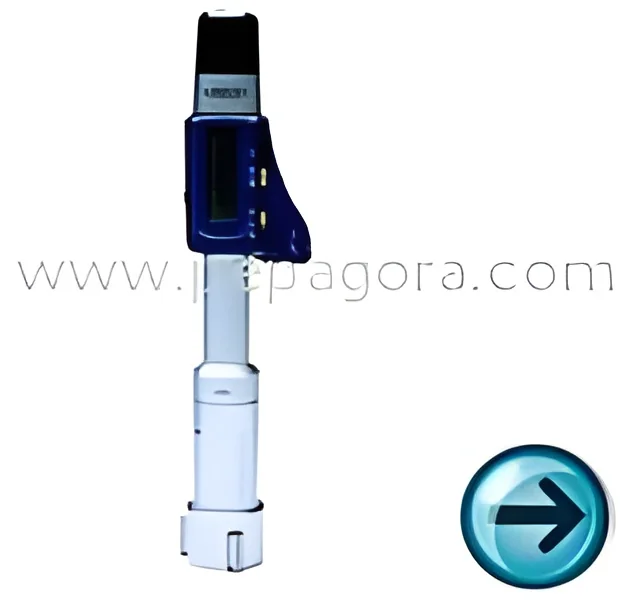
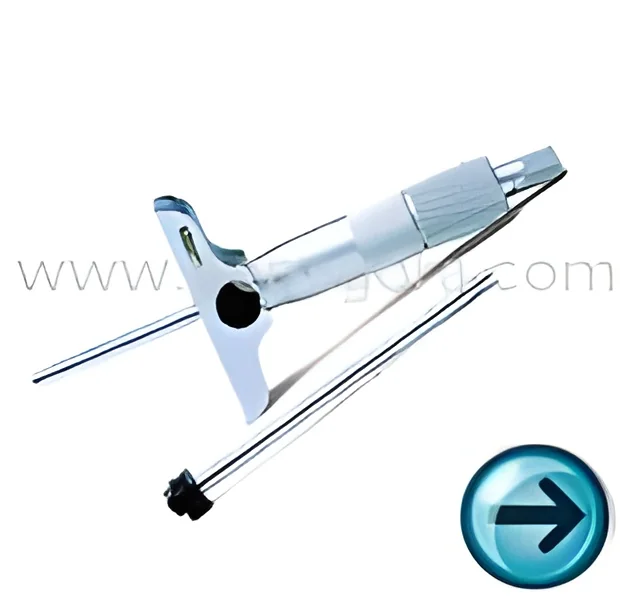
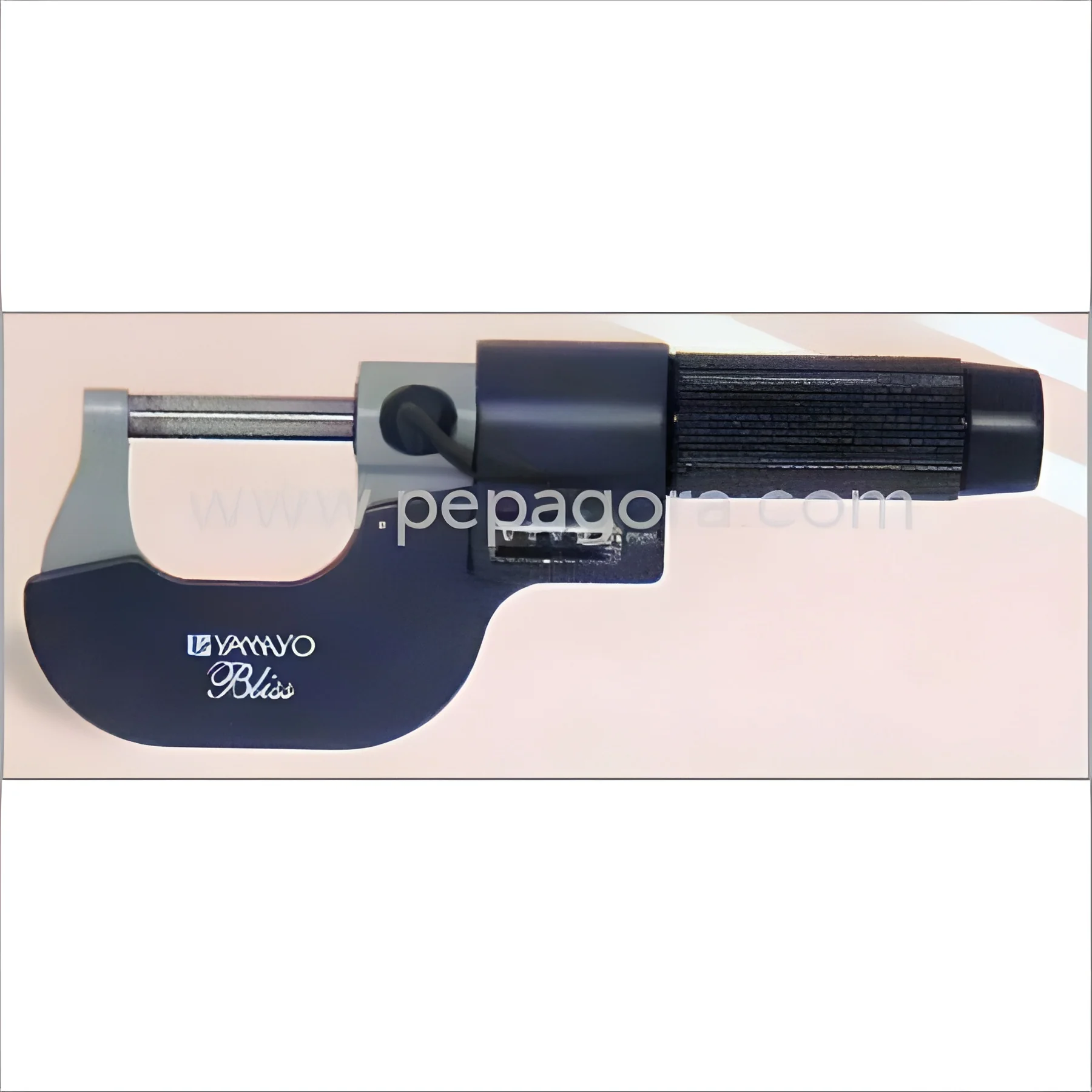
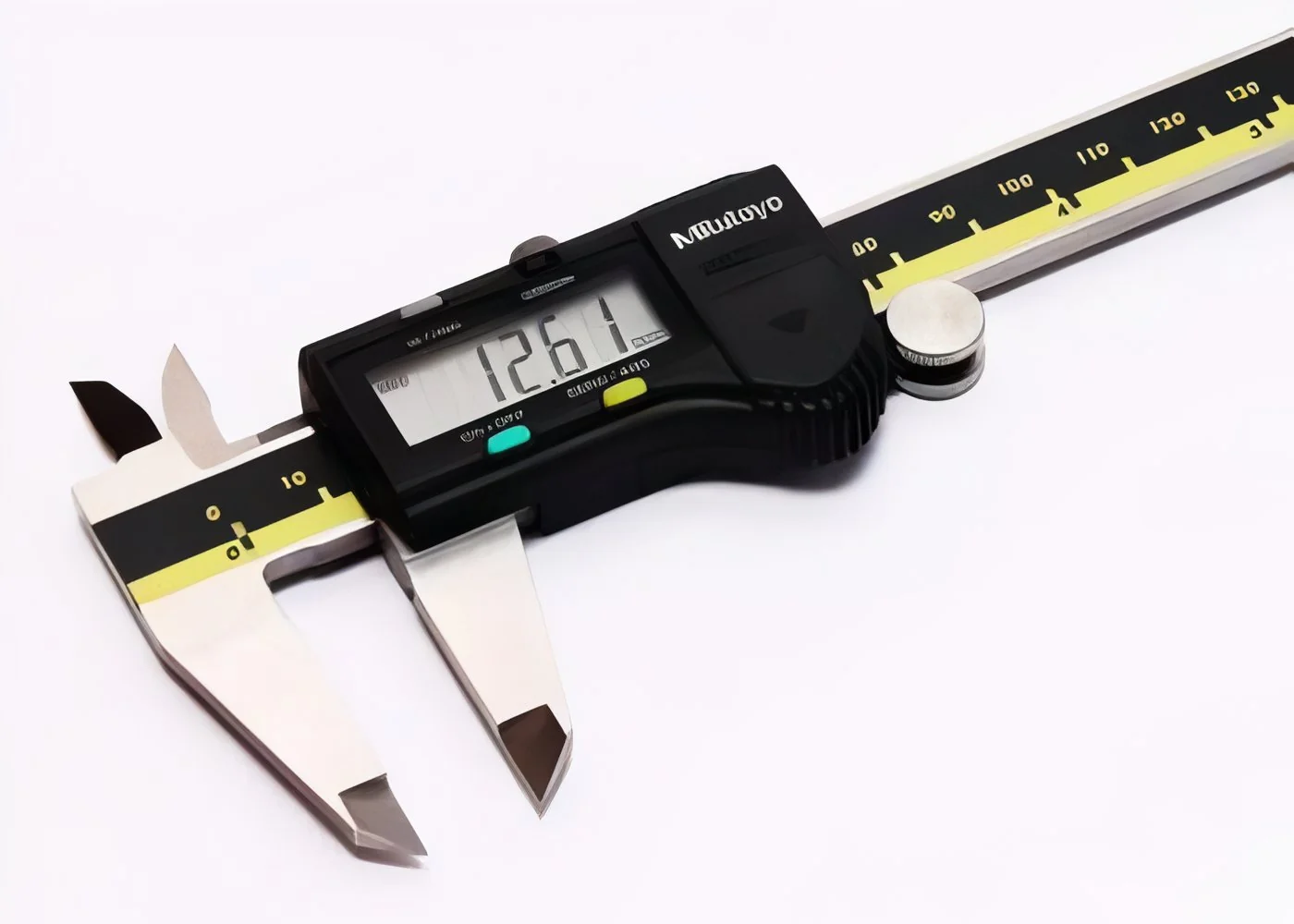
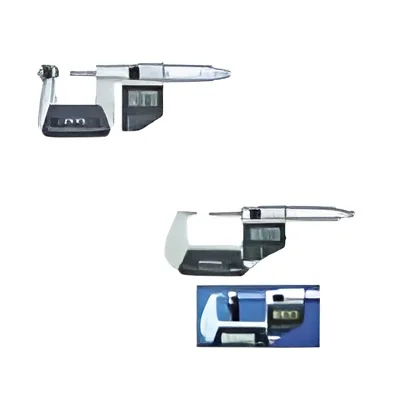
What are Micrometers?
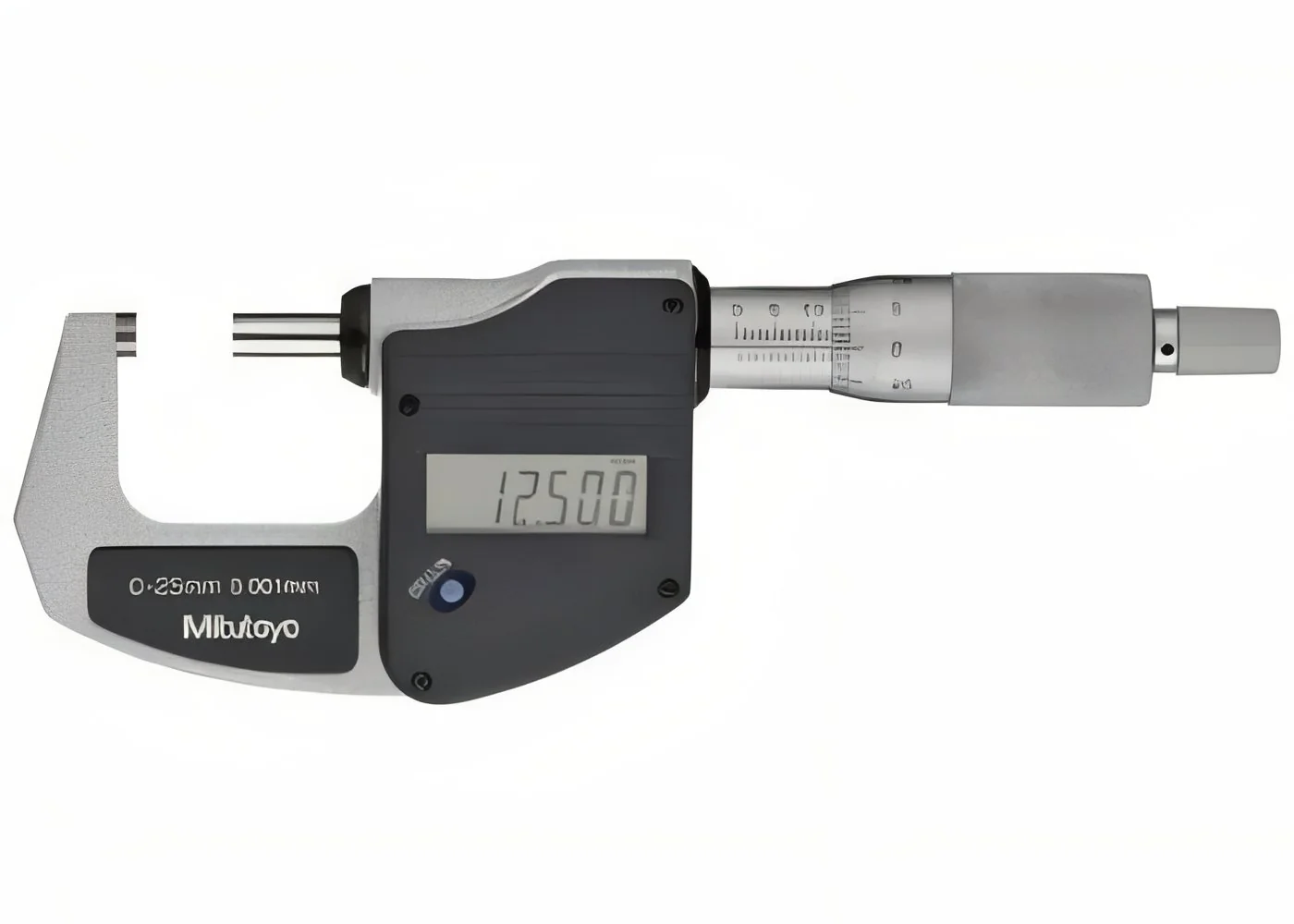
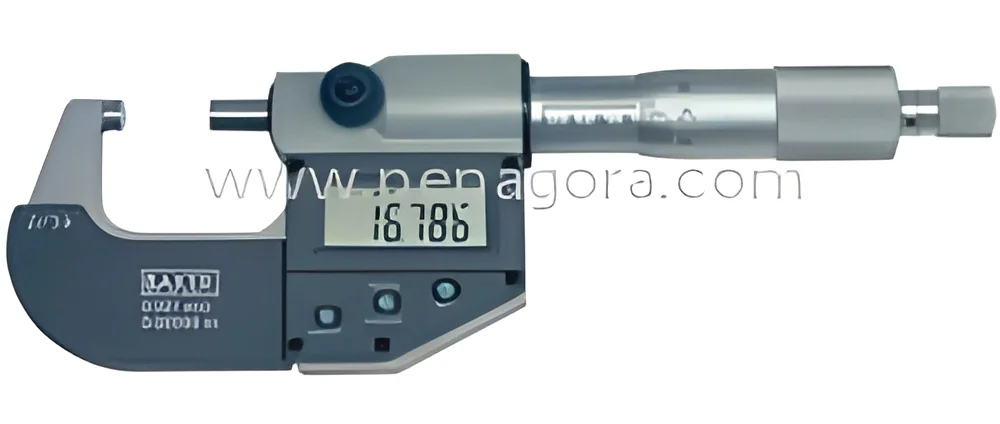
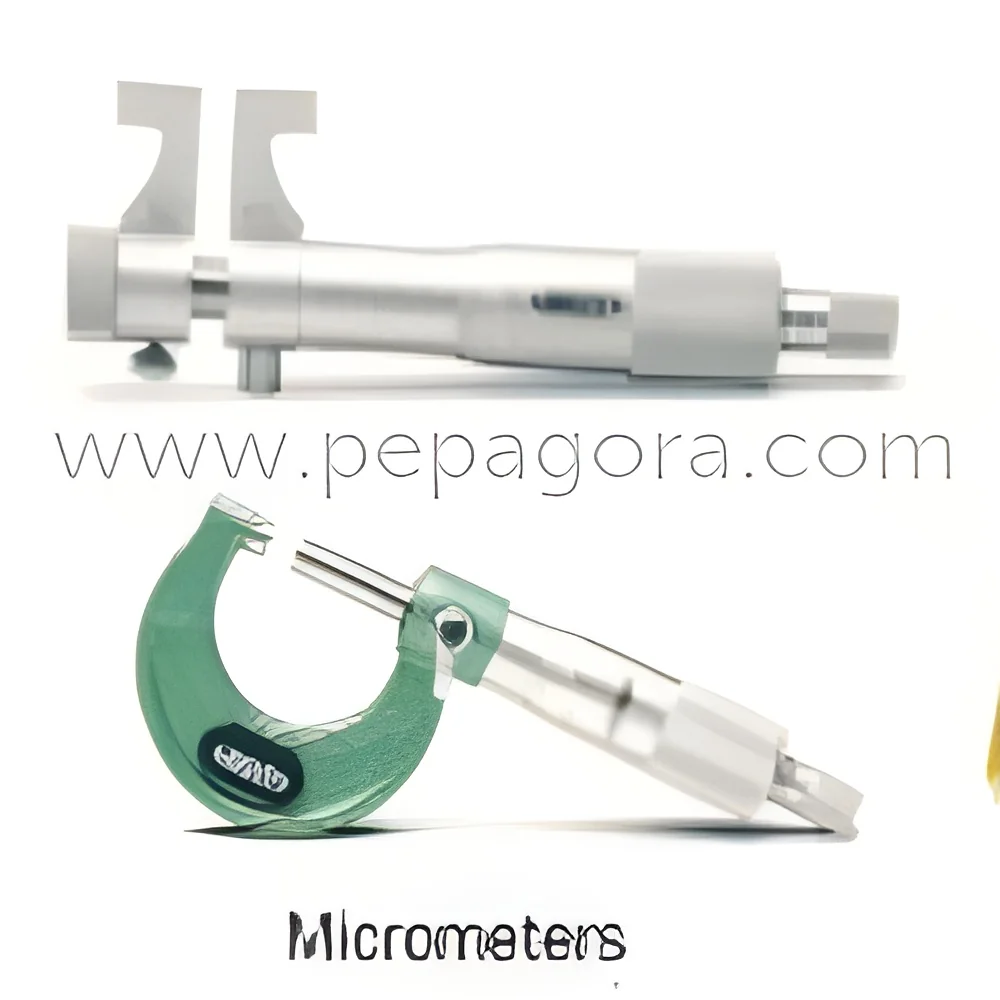
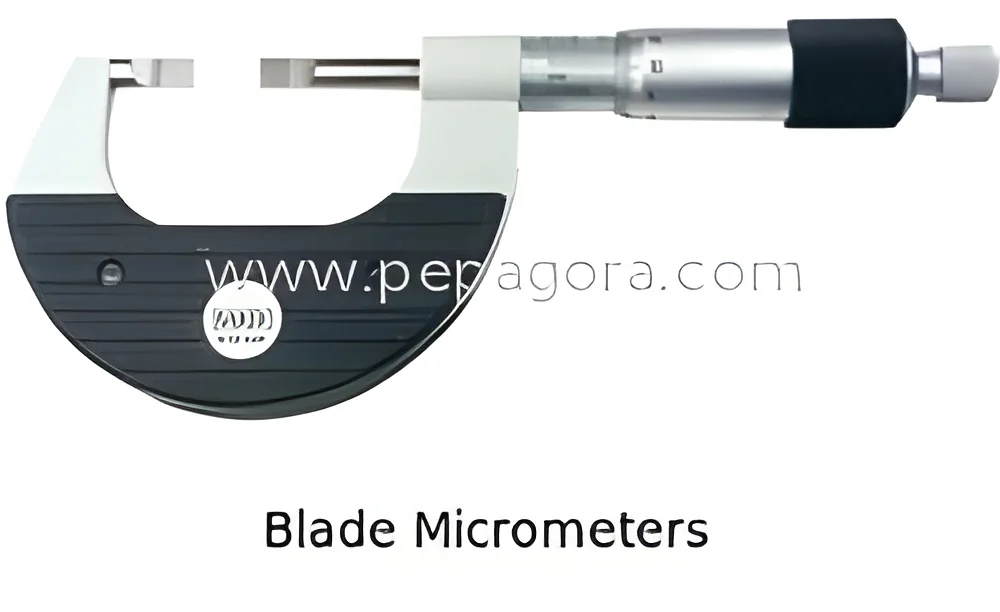
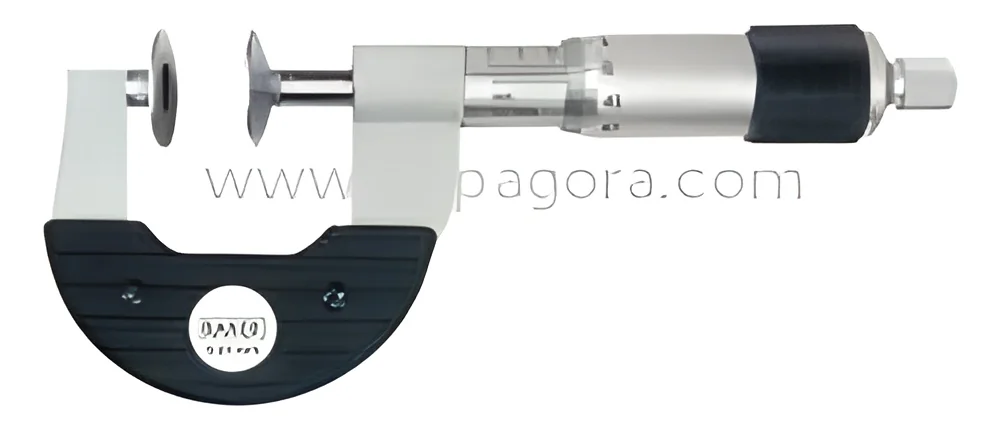
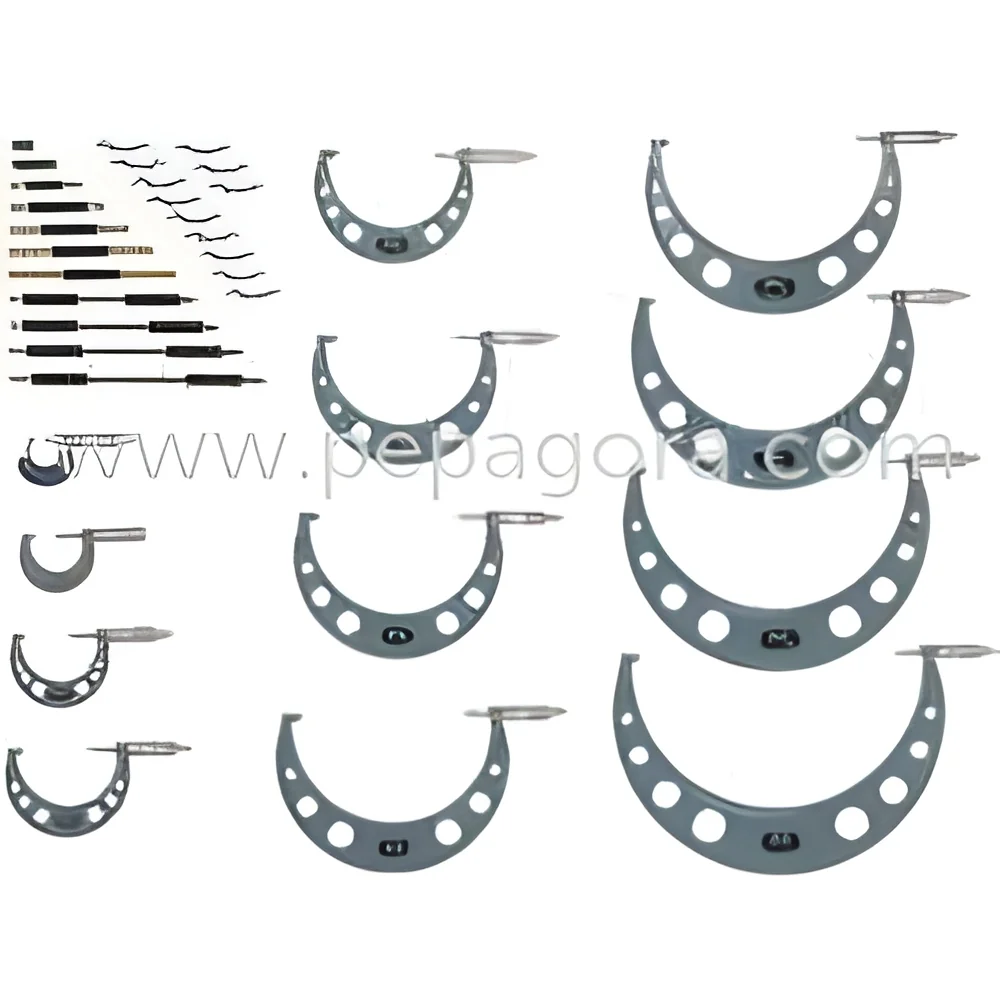
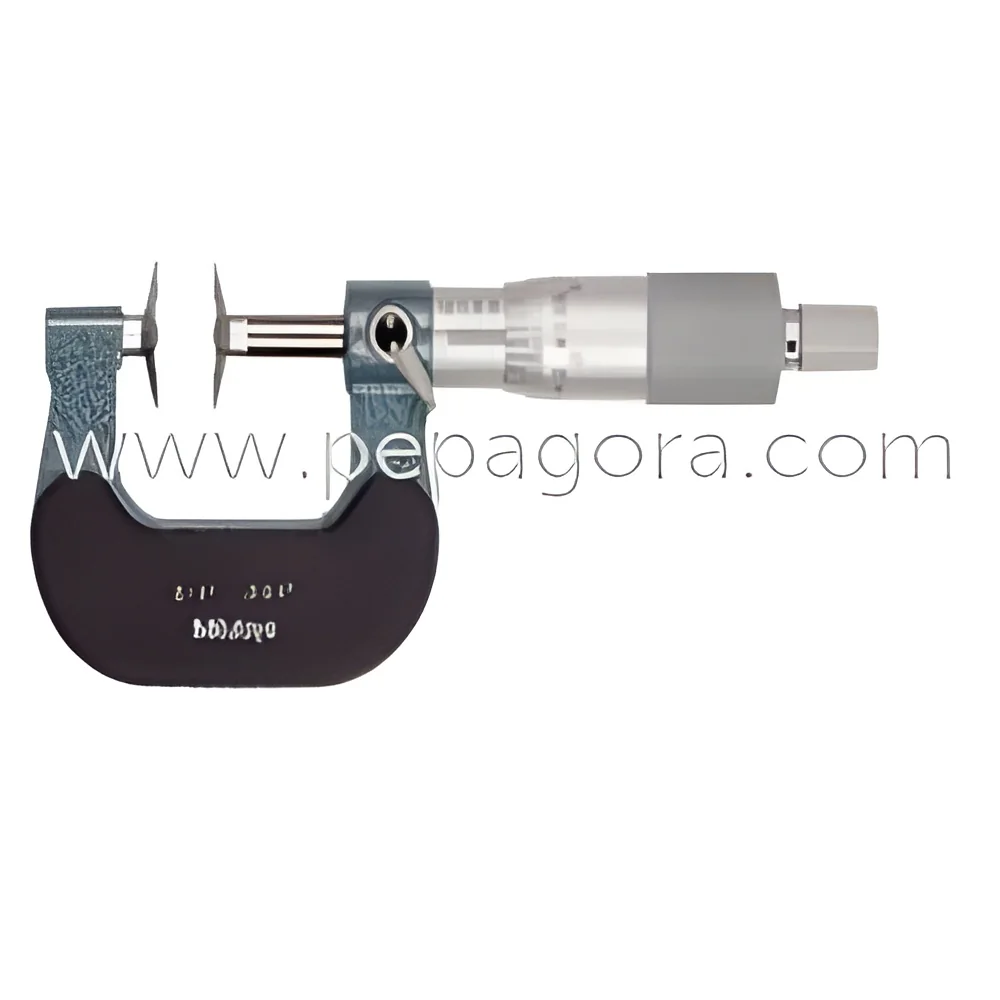
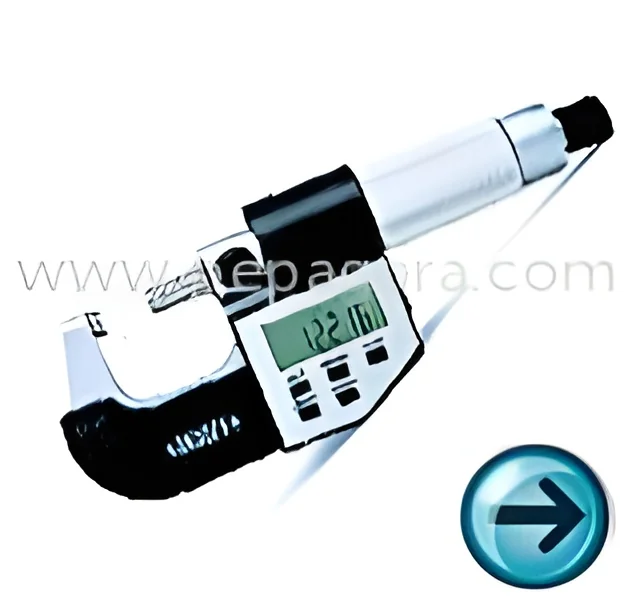
Micrometers are precision measuring instruments used to measure small dimensions with high accuracy. They typically consist of a calibrated screw mechanism that allows users to take precise measurements of an object's thickness, diameter, or depth. The instrument features a spindle, anvil, and a graduated scale, which together enable measurements down to one-thousandth of a millimeter. This level of precision makes micrometers essential tools in various industries where accuracy is paramount.
Micrometers are widely used in fields such as manufacturing, engineering, and quality control. They play a crucial role in ensuring that components meet strict specifications and tolerances. Businesses rely on micrometers to measure parts during production, conduct inspections, and verify the quality of finished products. The relevance of micrometers extends across multiple sectors, including automotive, aerospace, and electronics, where minute deviations can lead to significant impacts on performance and safety.
Key Features and Specifications
Micrometers boast several important features and specifications that enhance their functionality and usability. These features contribute to their precision and reliability, making them indispensable in various applications.
Key specifications include:
1. Measurement Range
- Typically ranges from 0 to 25 mm for small micrometers, with larger models available for measuring up to 300 mm or more.
2. Resolution
- Common resolutions are 0.01 mm or 0.001 mm, allowing for highly detailed measurements.
3. Accuracy
- Standard accuracy levels are ±0.003 mm or better, ensuring precise readings.
4. Type of Micrometer
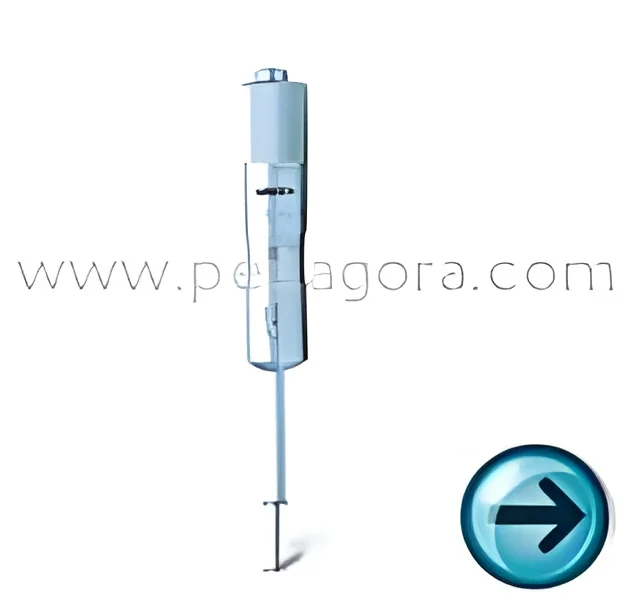
- Includes outside, inside, and depth micrometers, each designed for specific measurement tasks.
5. Material Construction
- Often made from hardened steel or stainless steel for durability and resistance to wear.
6. Display Type
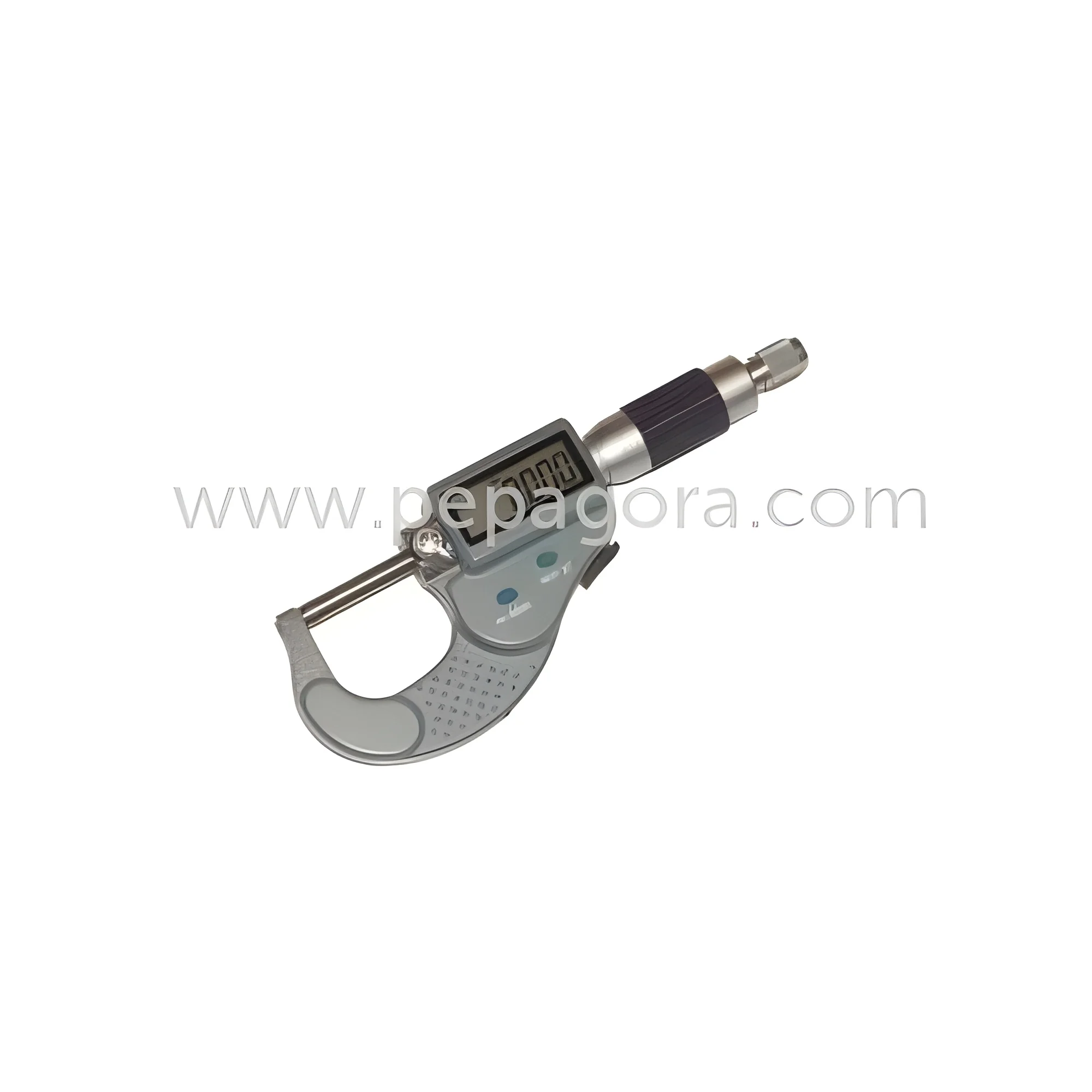
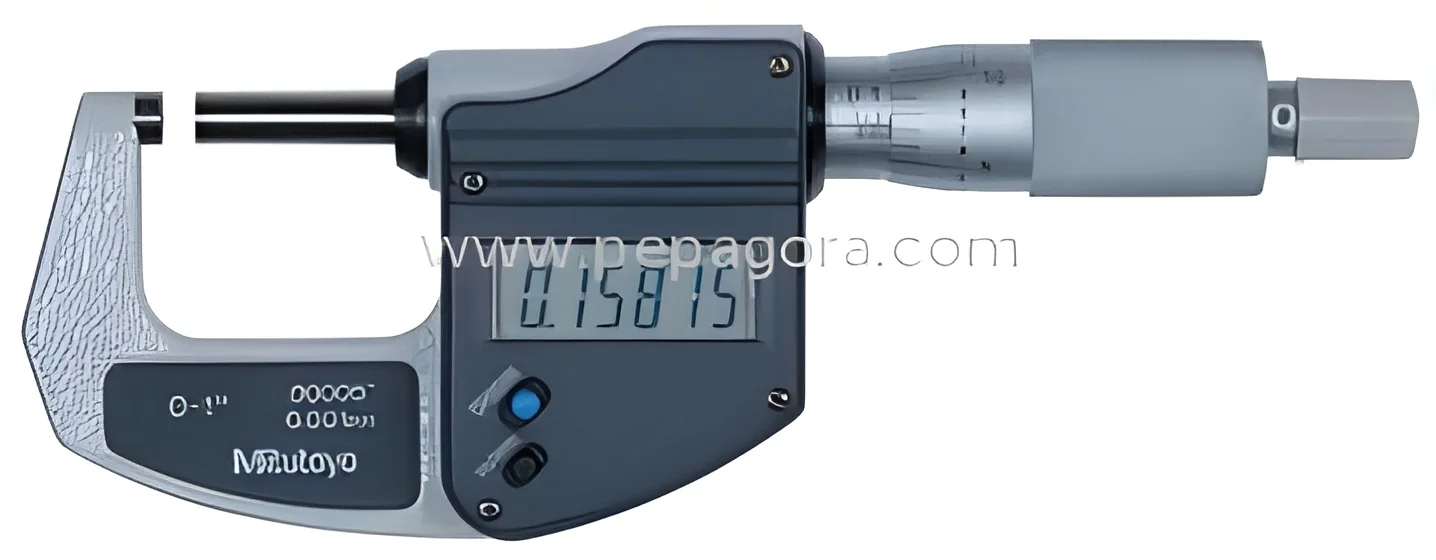
- Can be analog or digital, with digital models providing easier reading and data recording.
7. Calibration Standards
- Many micrometers adhere to international calibration standards, ensuring consistency and reliability.
8. Ergonomic Design
- Designed for comfortable handling, allowing users to take measurements with ease.
In summary, understanding these features and specifications is essential for selecting the right micrometer for specific applications and ensuring accuracy in measurements.
Common Applications and Use Cases
Micrometers serve a variety of industries, providing critical measurements for manufacturing and quality control processes.
1. Automotive Industry: Micrometers are used to measure engine components, ensuring they meet precise dimensions for optimal performance and safety.
2. Aerospace Industry: Precision measurements are crucial for aircraft components, where even minor discrepancies can affect safety and functionality.
3. Electronics Manufacturing: Micrometers help in measuring circuit board components and ensuring they fit within specified tolerances.
4. Metalworking: Used extensively in machining processes to ensure that parts are manufactured to exact specifications.
5. Medical Devices: Micrometers play a vital role in measuring components for medical instruments, where precision is essential for patient safety.
6. Toolmaking: Micrometers are used to create tools and dies, ensuring they meet the required dimensions for effective use.
7. Quality Assurance: In various industries, micrometers are integral to quality assurance processes, ensuring that products consistently meet standards.
Product Variants and Subcategories
Micrometers come in various designs to meet specific measurement needs. Each variant offers unique features tailored to particular applications.
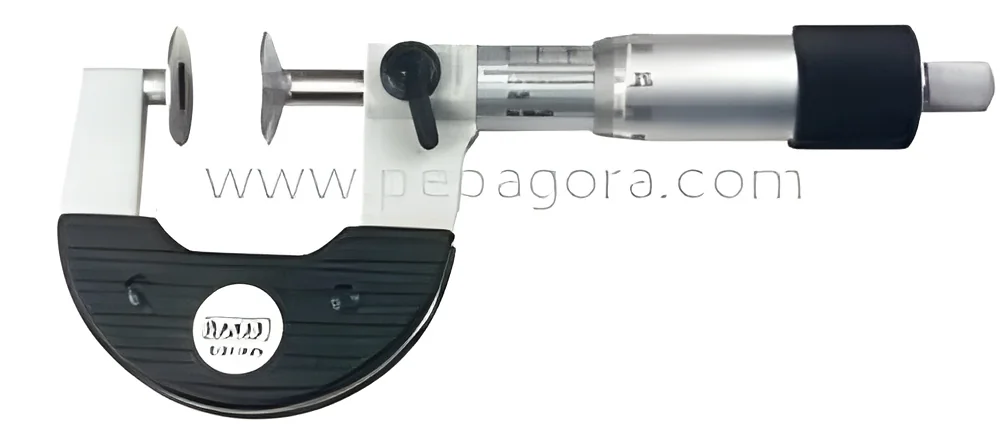
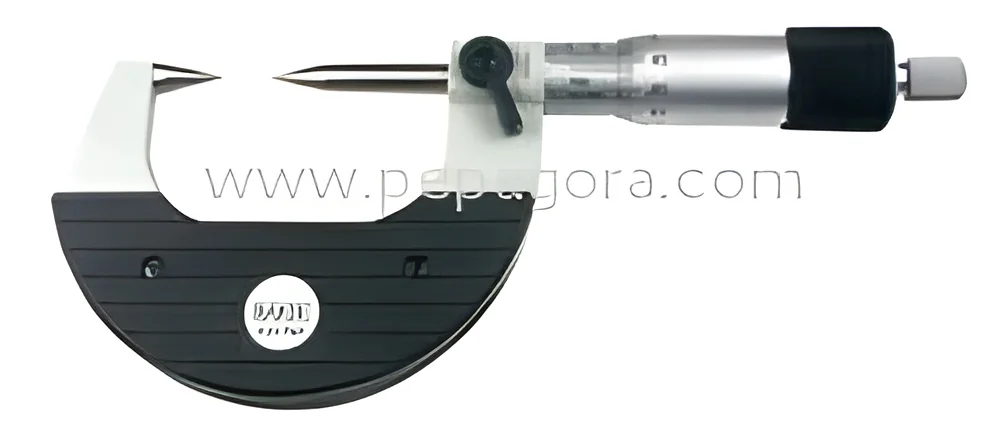
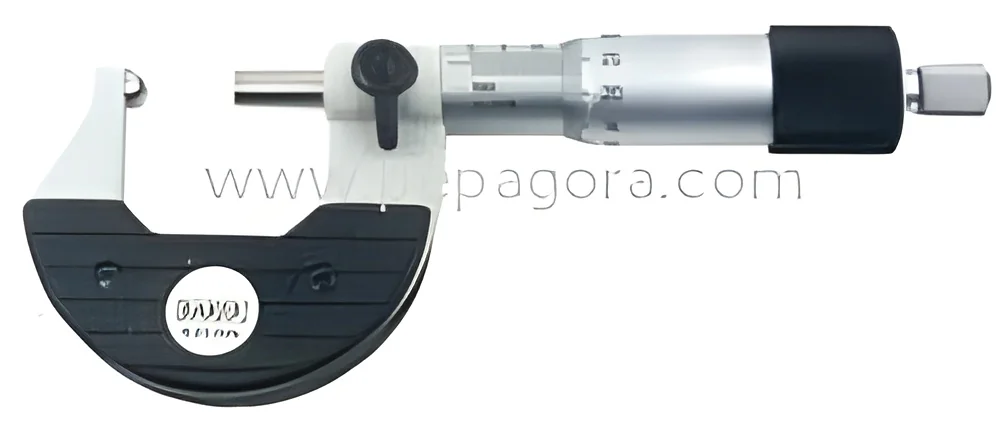
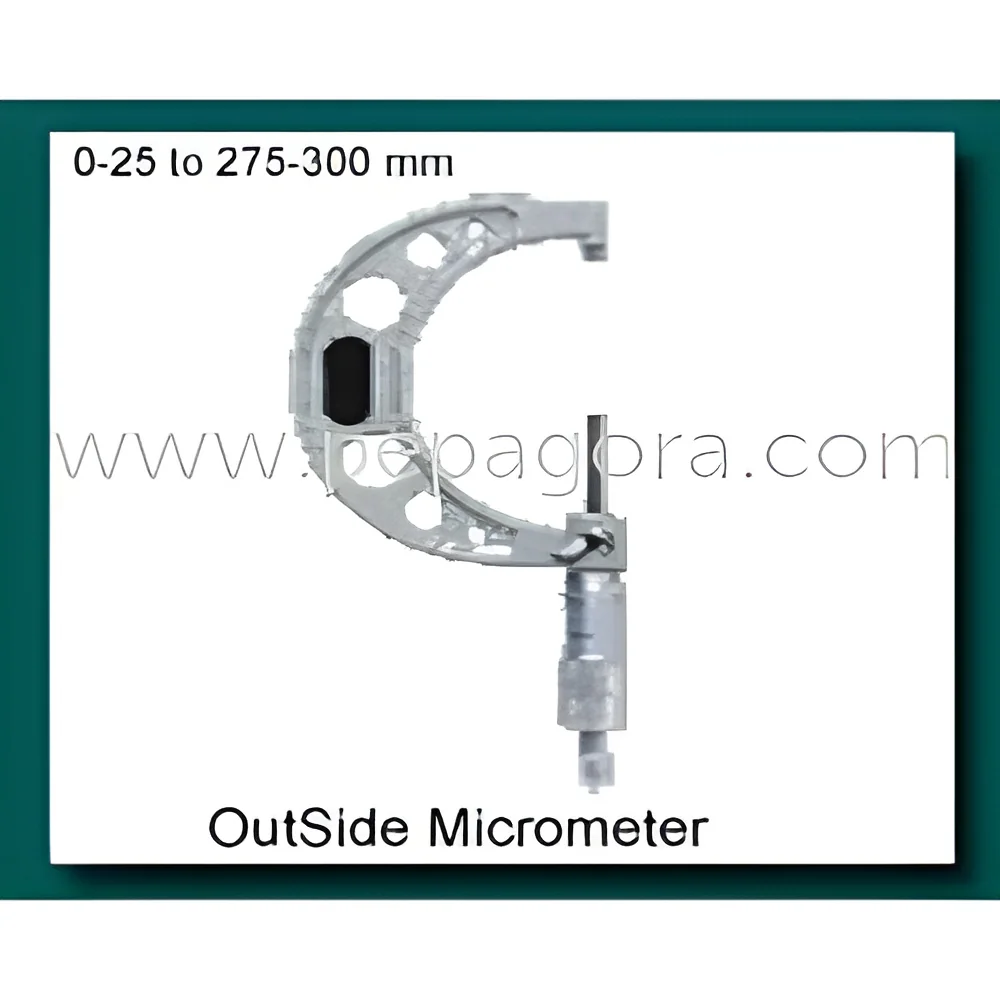
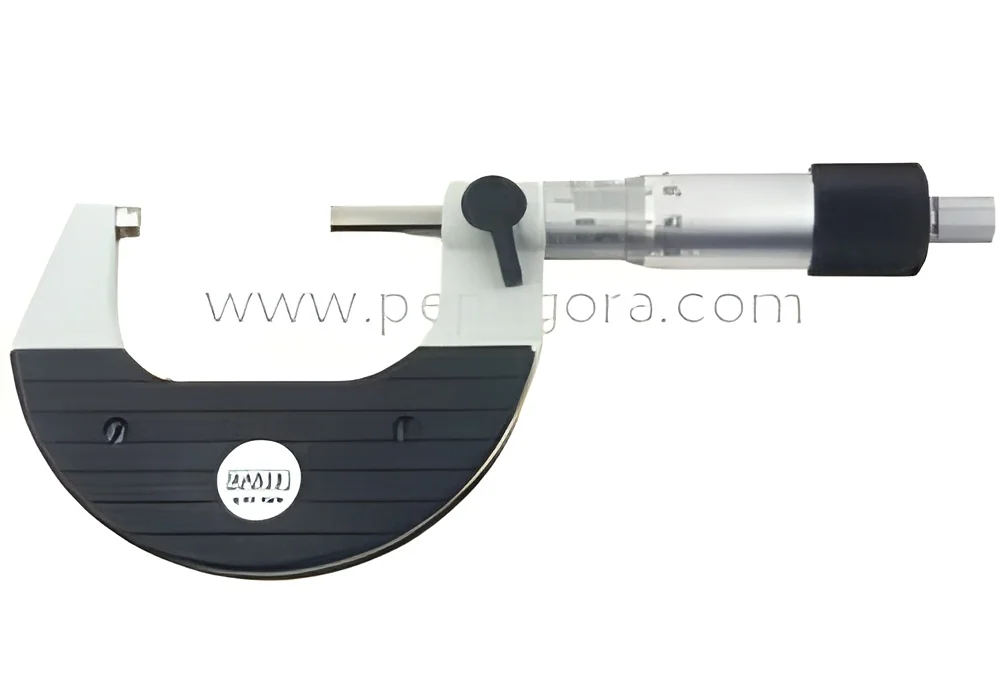
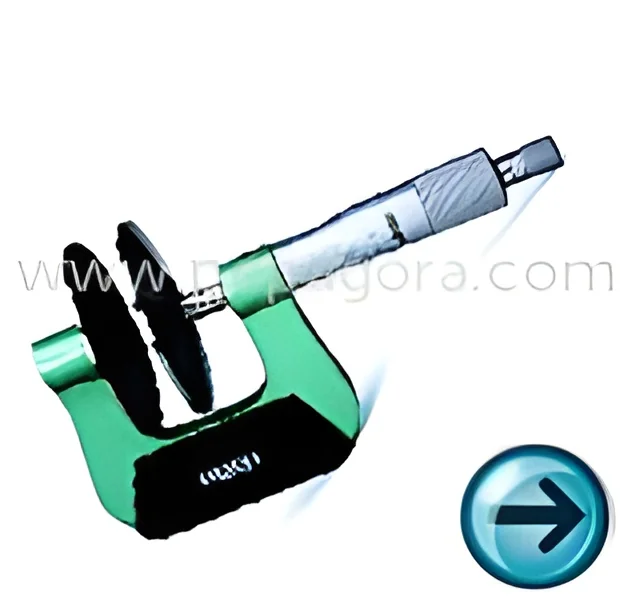
Outside Micrometers: These are the most common type, designed for measuring external dimensions of objects. They are typically equipped with a ratchet stop for consistent pressure during measurements.
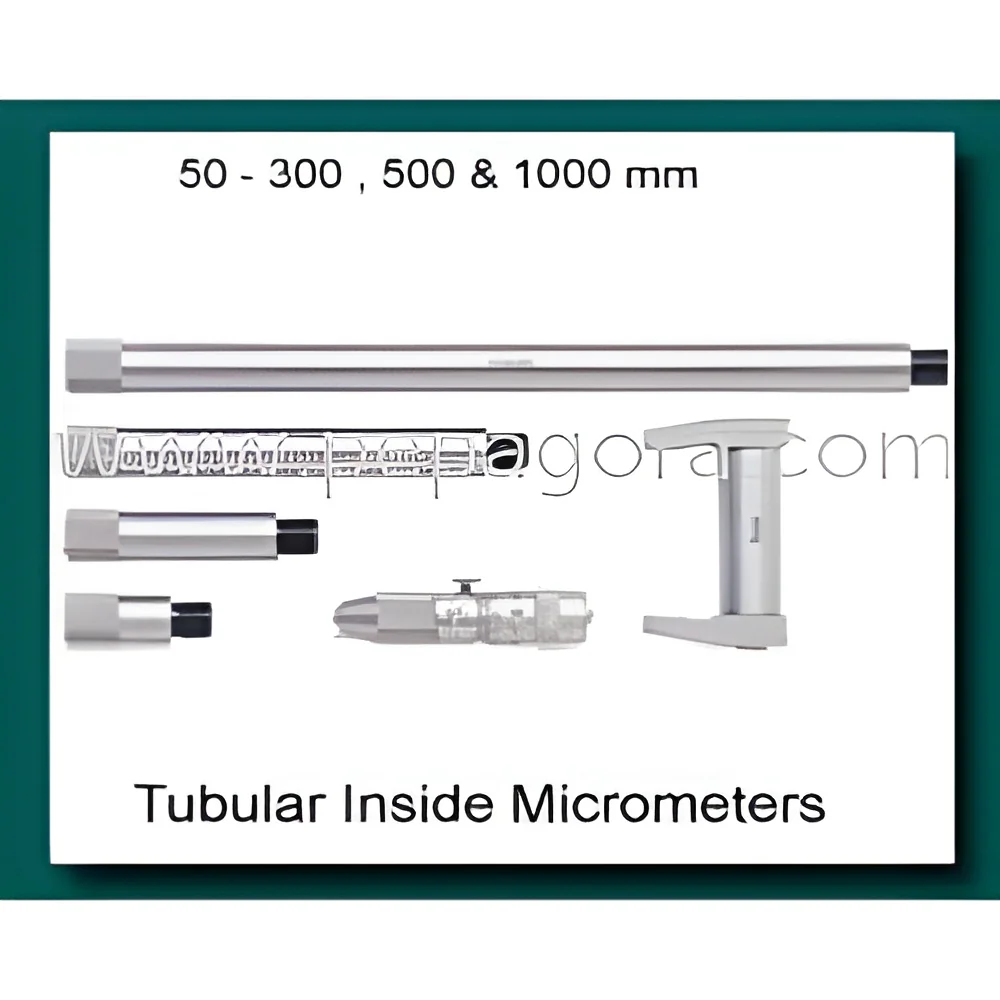
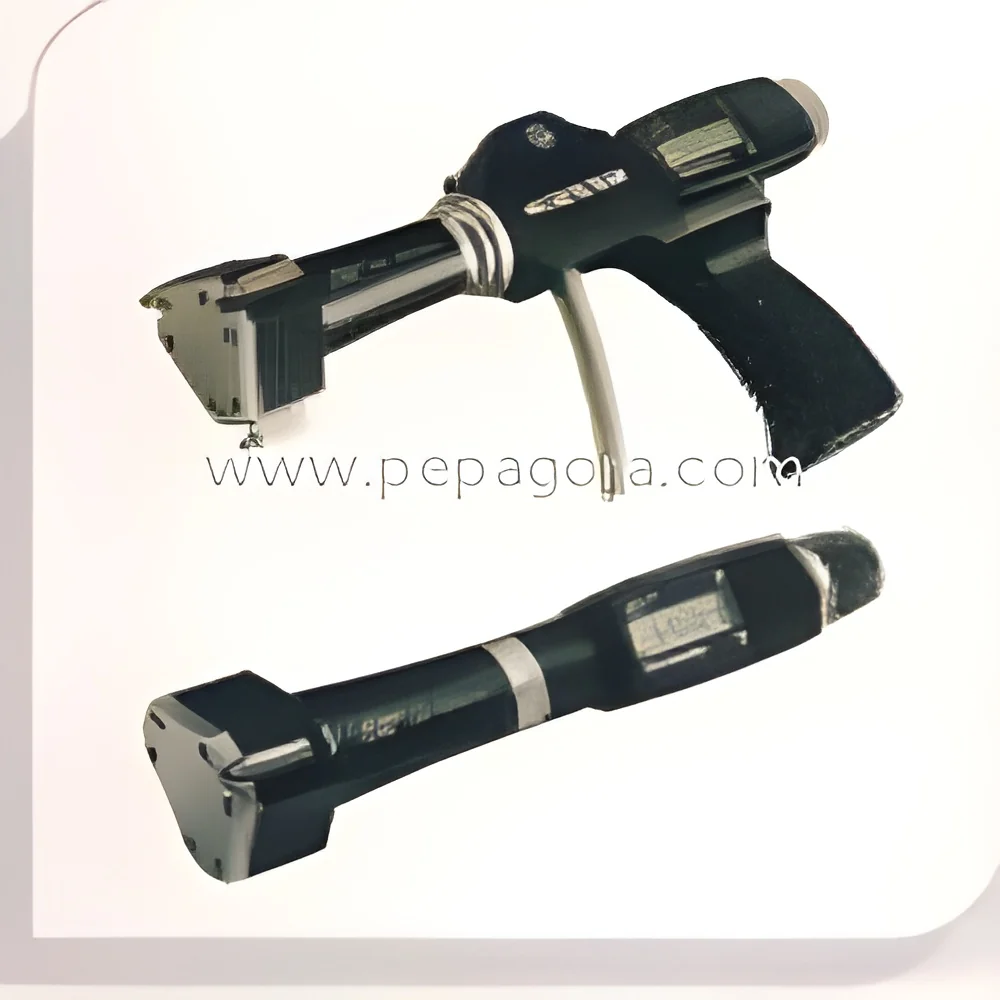
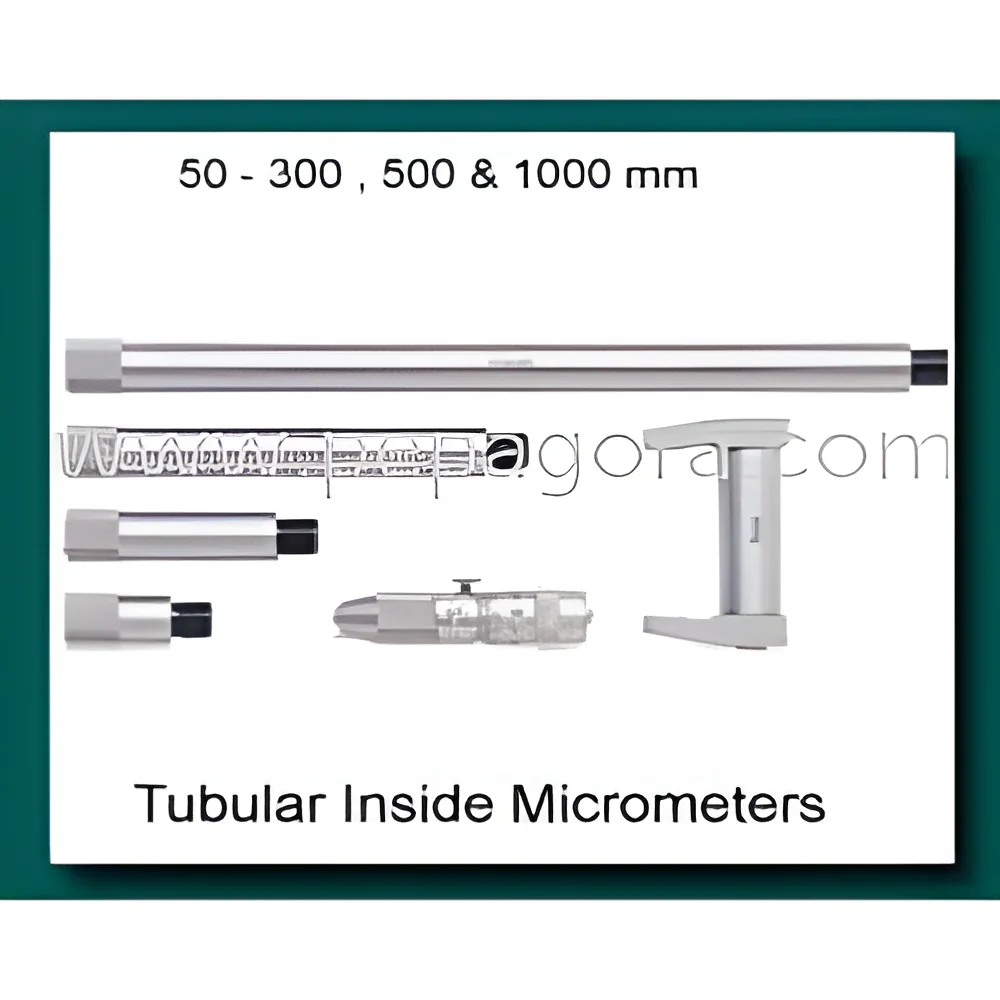
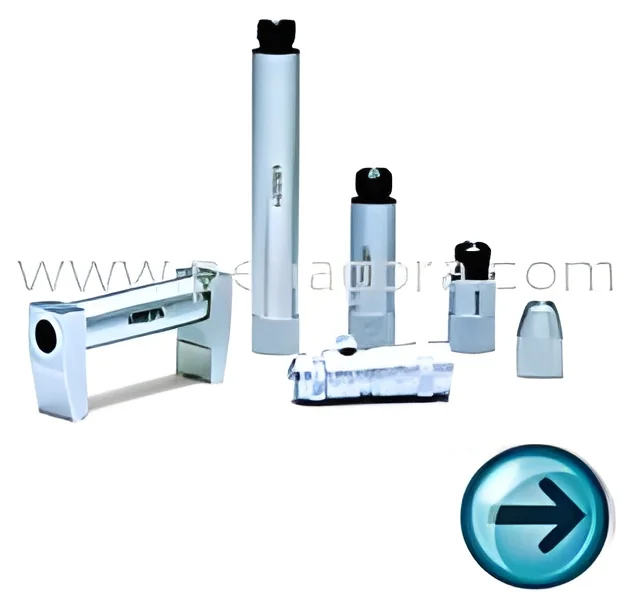
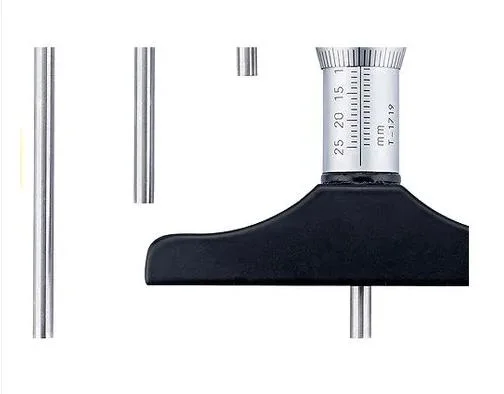
Inside Micrometers: This variant is used to measure the internal dimensions of holes or tubes. They often come with interchangeable rods to accommodate various sizes.
Depth Micrometers: These are specifically designed for measuring the depth of holes or slots. They feature a flat base for accurate readings from the bottom of the cavity.
Benefits and Advantages
Micrometers offer numerous benefits that enhance their value in industrial applications.
1. High Accuracy: Micrometers provide measurements with exceptional precision, which is vital in quality control and manufacturing processes.
2. Versatility: With different types available, micrometers can measure a wide range of dimensions, making them suitable for various applications.
3. Ease of Use: Most micrometers are designed for straightforward operation, allowing users to quickly take accurate measurements.
4. Durability: Typically constructed from high-quality materials, micrometers are built to withstand frequent use in demanding environments.
5. Calibration: Many models can be calibrated to ensure ongoing accuracy, providing confidence in measurement results.
6. Compact Size: Their small size makes micrometers easy to handle and store, adding to their practicality in the workplace.
Buying Guide for B2B Buyers
When sourcing micrometers, several factors should be considered to ensure an informed purchase decision.
1. Quality Assessment: Look for micrometers that are manufactured to high-quality standards, ensuring they provide accurate measurements over time.
2. Supplier Verification: It's essential to vet suppliers to confirm their credibility and reliability. Check for customer reviews and any industry certifications.
3. Pricing and MOQ: Be aware of the pricing structure and minimum order quantities (MOQ) that suppliers may have, as this can impact overall costs.
4. Delivery and Lead Times: Understand the delivery schedules and lead times, especially if you require the instruments quickly for ongoing projects.
5. Compliance Requirements: Ensure that the micrometers meet any applicable regulatory and compliance standards relevant to your industry.
Compliance and Certifications
Micrometers must adhere to various compliance and certification standards to ensure quality and safety.
ISO 9001 is a widely recognized quality management standard that many micrometer manufacturers comply with, ensuring consistent quality in production.
CE certification indicates that the product meets European safety, health, and environmental protection requirements. This certification is crucial for buyers in the European market.
Safety and testing requirements may vary by region but often include rigorous testing for accuracy and durability to ensure reliability in measurement.
It is essential to consider regional compliance, as different markets may have specific regulations that micrometers must meet to be sold and used effectively.
Why Source Micrometers from Pepagora?
Pepagora provides a trusted platform for sourcing micrometers, offering businesses several key advantages.
Verified Supplier Network: Pepagora has established a network of verified suppliers, ensuring that buyers can find reliable products with confidence.
Streamlined RFQ Process: The request for quotation (RFQ) system simplifies the procurement process, allowing businesses to quickly obtain quotes from multiple suppliers.
Trade Assurance and Support: Buyers benefit from trade assurance programs that protect their purchases, providing peace of mind during transactions.
Regional Coverage: Pepagora serves a wide geographic area, including India, the GCC, and Southeast Asia, ensuring that buyers have access to quality micrometers regardless of their location.

 IN
IN