Key Features and Specifications
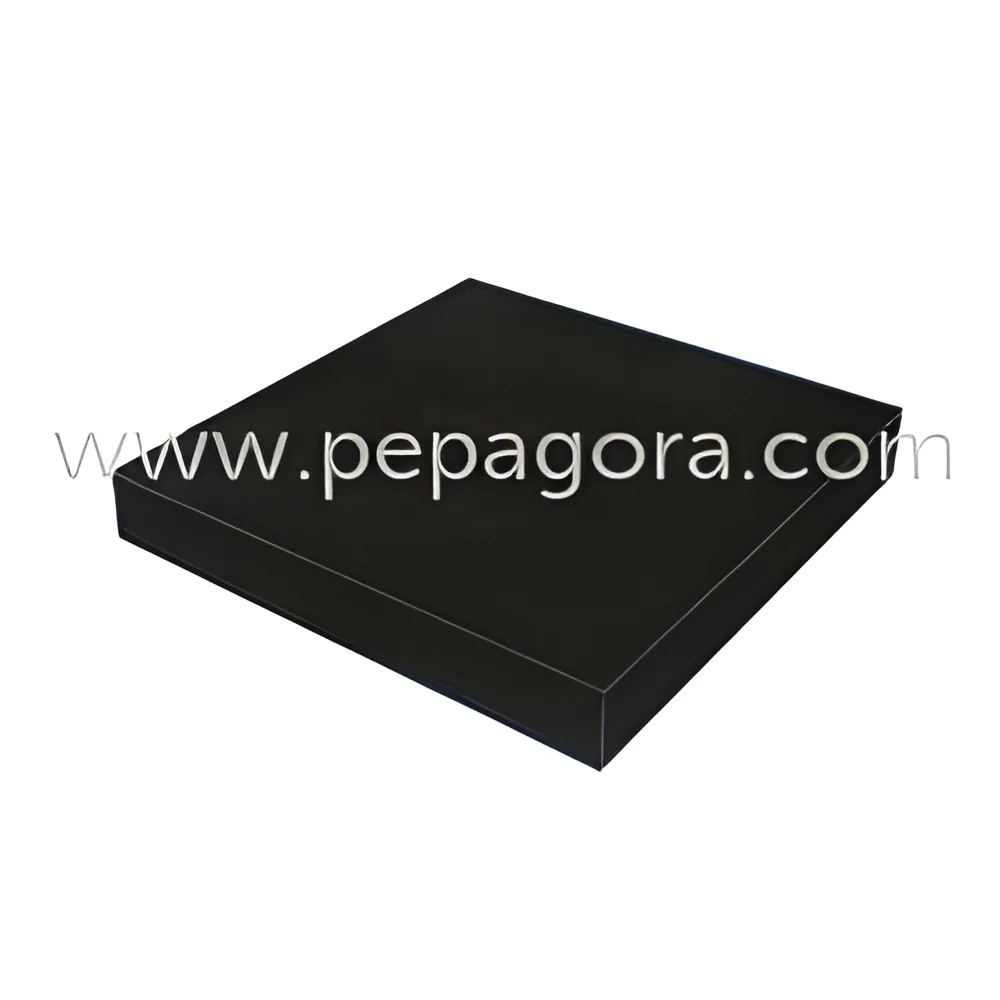
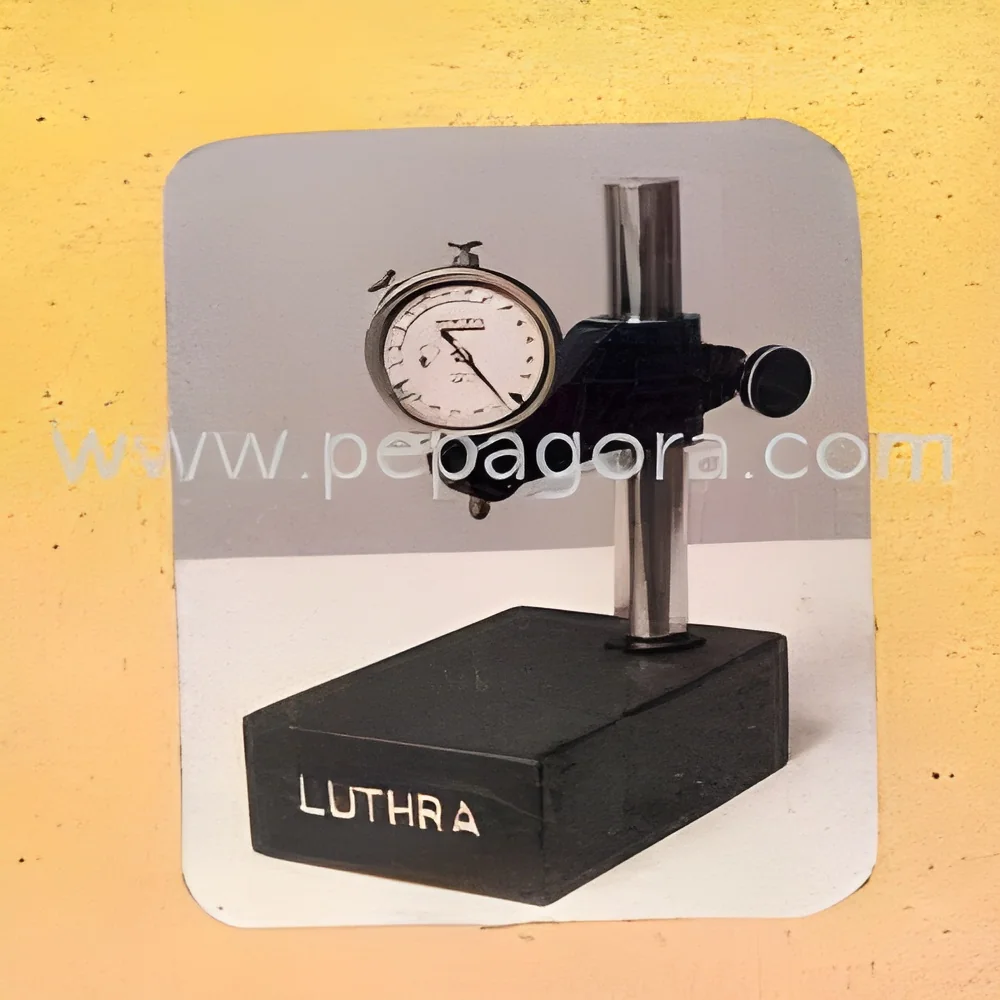
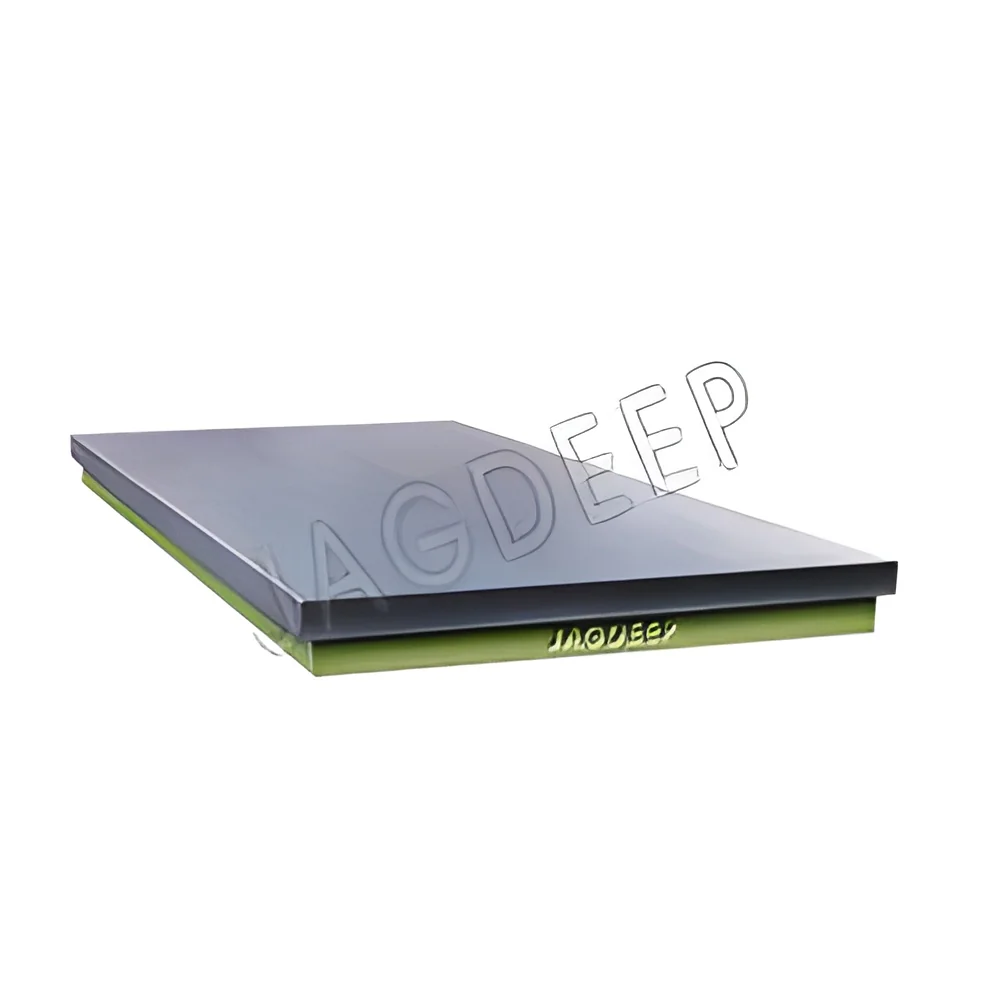
Surface plates come with a variety of features tailored for different industrial applications. Understanding these specifications is crucial for selecting the right surface plate for your needs.
Key specifications include:
1. Material Type
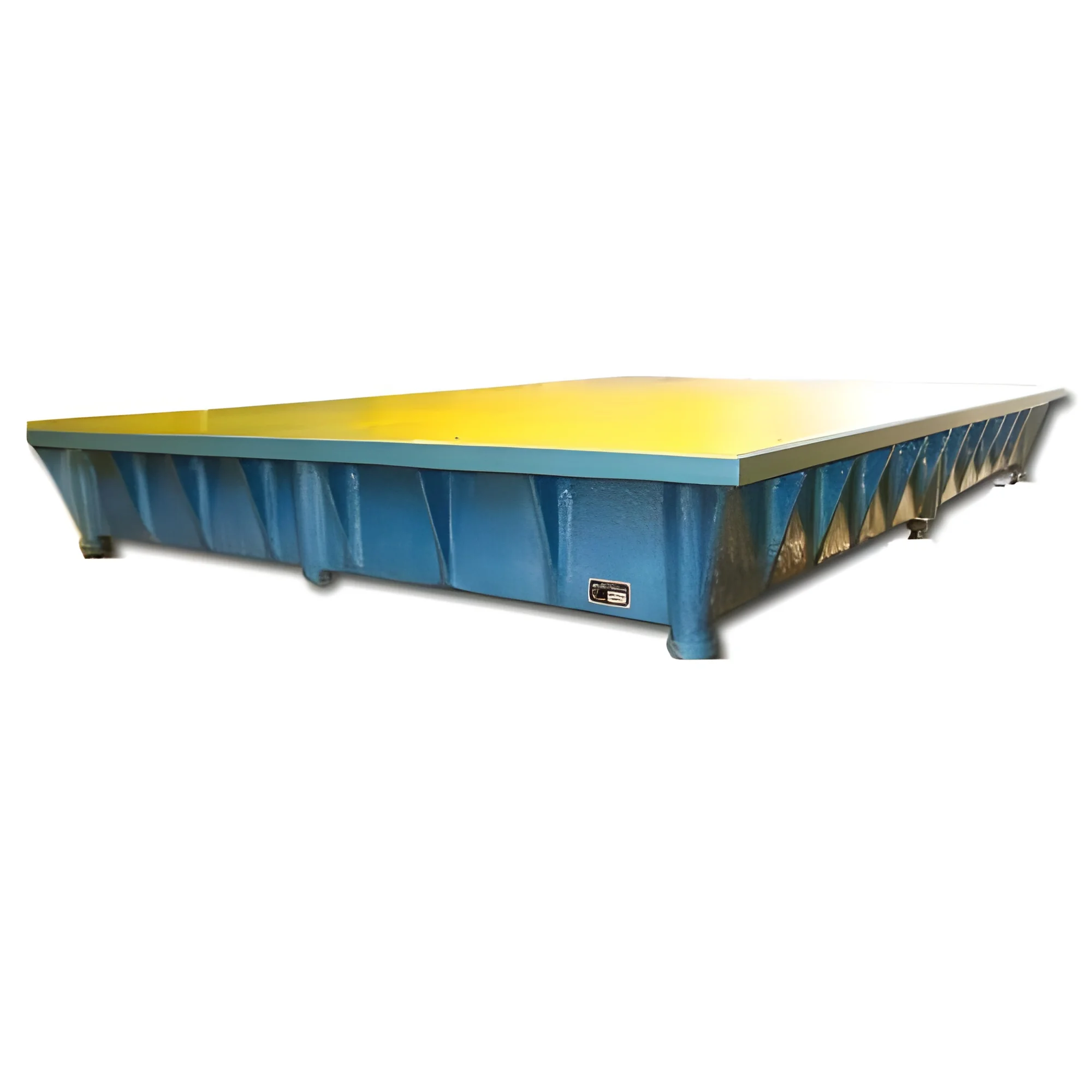
- Options include granite and cast iron
- Each material offers distinct benefits, such as granite’s resistance to wear and cast iron’s robustness
2. Flatness Tolerance
- Precision levels often range from 0.001 mm to 0.005 mm
- Critical for ensuring accurate measurements and alignments
3. Dimensions
- Available in various sizes, typically ranging from 12” x 12” to 48” x 96”
- Custom sizes can often be requested based on specific requirements
4. Surface Finish
- Generally features a smooth finish to reduce wear on measuring tools
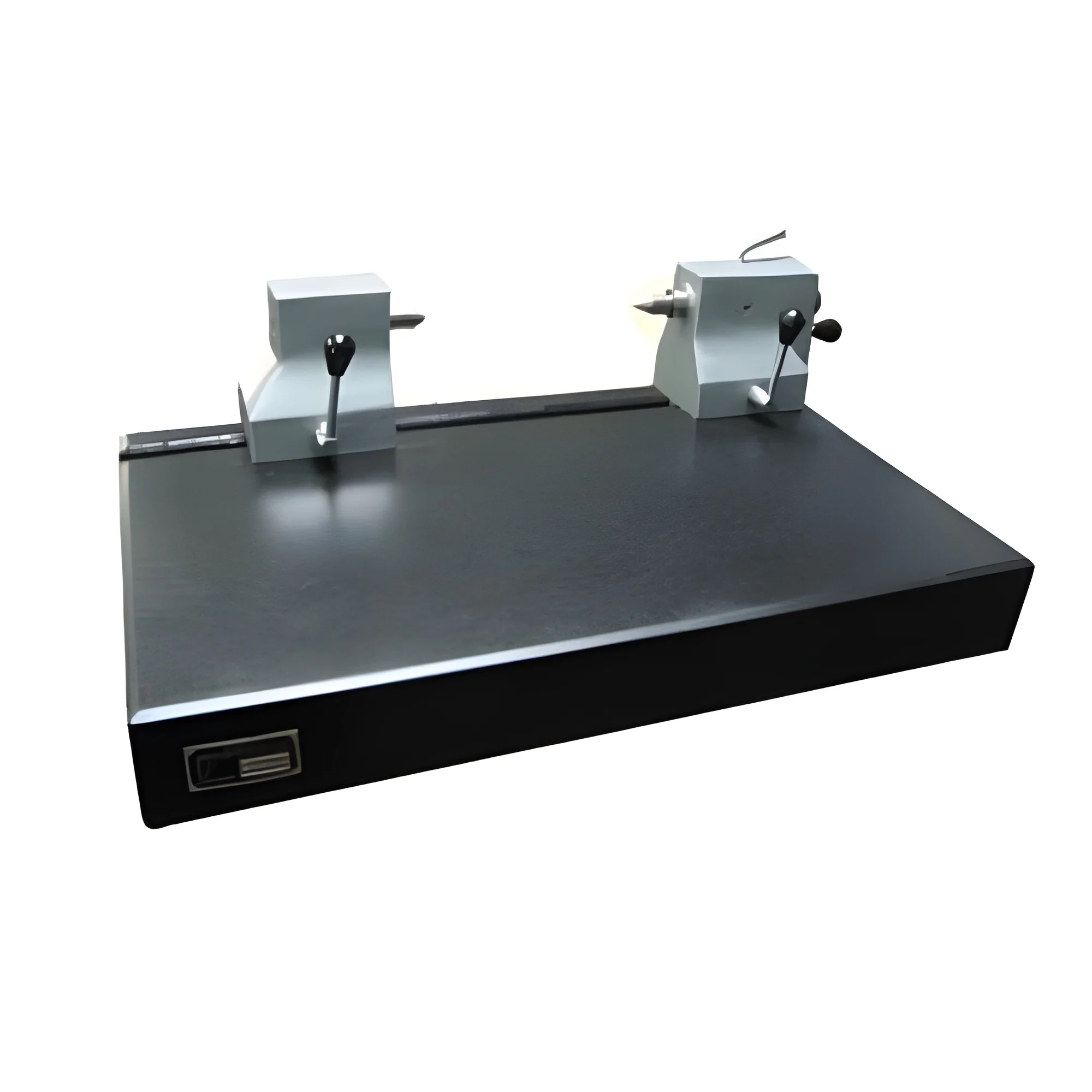
- Granite plates often have a ground surface, while cast iron may be machined
5. Weight
- Heavier plates provide stability but can be more challenging to move
- Weight varies significantly based on material and size, with granite typically being lighter than cast iron
6. Usage Environment
- Designed for indoor use with controlled humidity and temperature conditions
- Resistance to rust and corrosion varies between materials
7. Certification
- Many plates are certified to meet industry standards such as CE
- Important for ensuring quality and reliability
In summary, understanding these features and specifications will guide buyers in selecting the right surface plates for their specific industrial applications.
Common Applications and Use Cases
Surface plates are versatile tools applicable across a range of industries. Their precision and reliability make them essential in various settings.
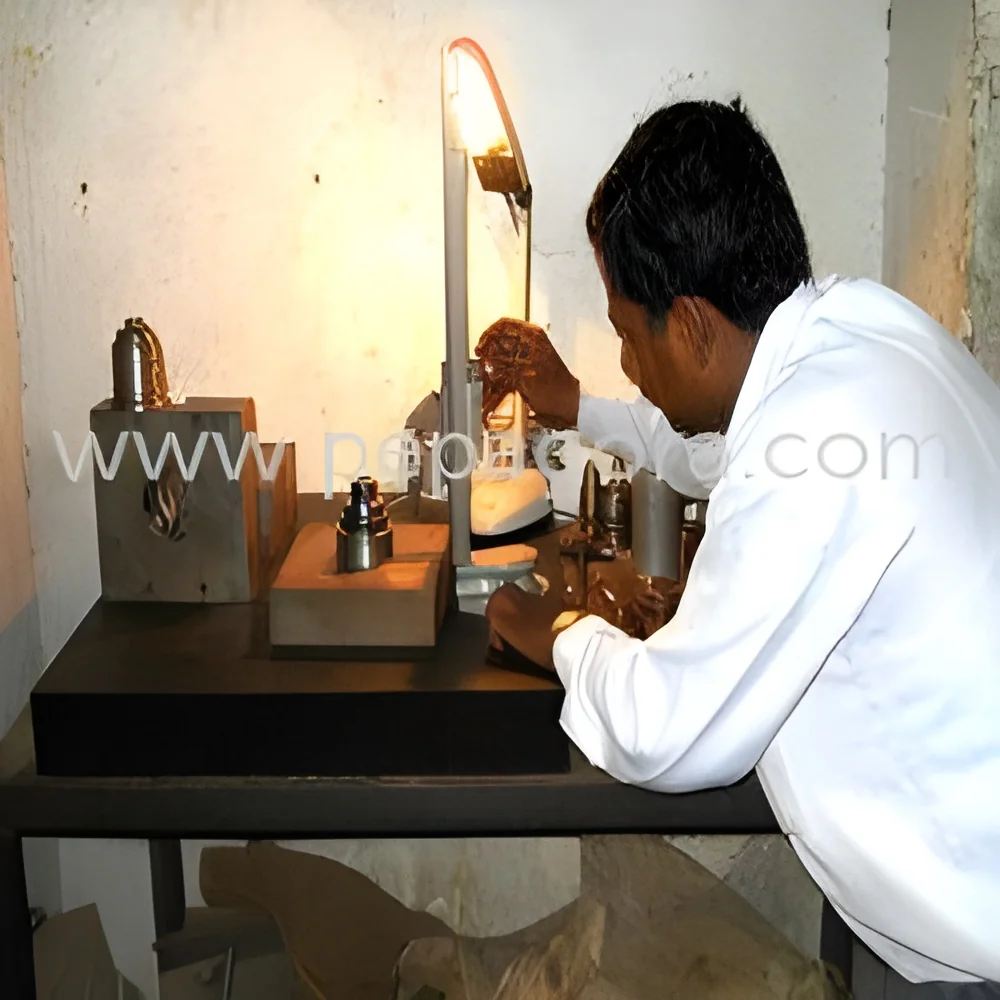
1. Aerospace: Surface plates are used to measure and inspect aircraft components, ensuring that they meet stringent safety and performance standards.
2. Automotive: In the automotive industry, surface plates help in the alignment and inspection of engine components, providing a reliable basis for quality control.
3. Manufacturing: In general manufacturing, surface plates are crucial for verifying the dimensions and finishes of machined parts, thus ensuring they fit properly in assemblies.
4. Electronics: Surface plates assist in the inspection of circuit boards and other electronic components, supporting the need for high precision in the electronics sector.
5. Tooling: Tool makers use surface plates as a reference for machining tools, allowing for accurate fabrication and assembly processes.
6. Quality Control: Across various industries, surface plates are integral to the quality control process, enabling consistent measurement and verification of parts.
7. Research and Development: In R&D environments, surface plates facilitate the precise measurement of prototypes and experimental components.
Product Variants and Subcategories
Surface plates are available in various configurations, catering to different industrial needs. While specific subcategories are not available, the diversity in design and material allows for tailored applications.
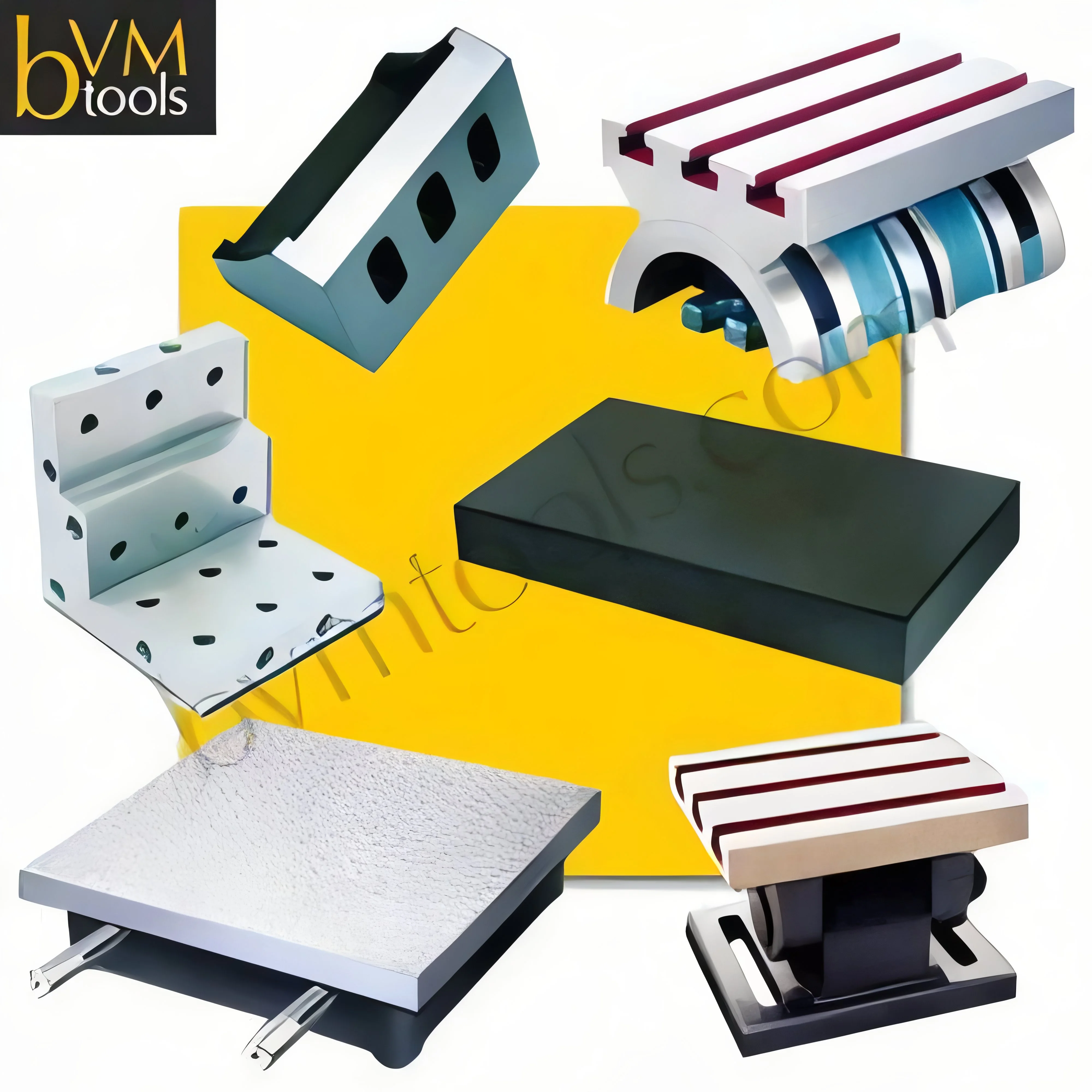
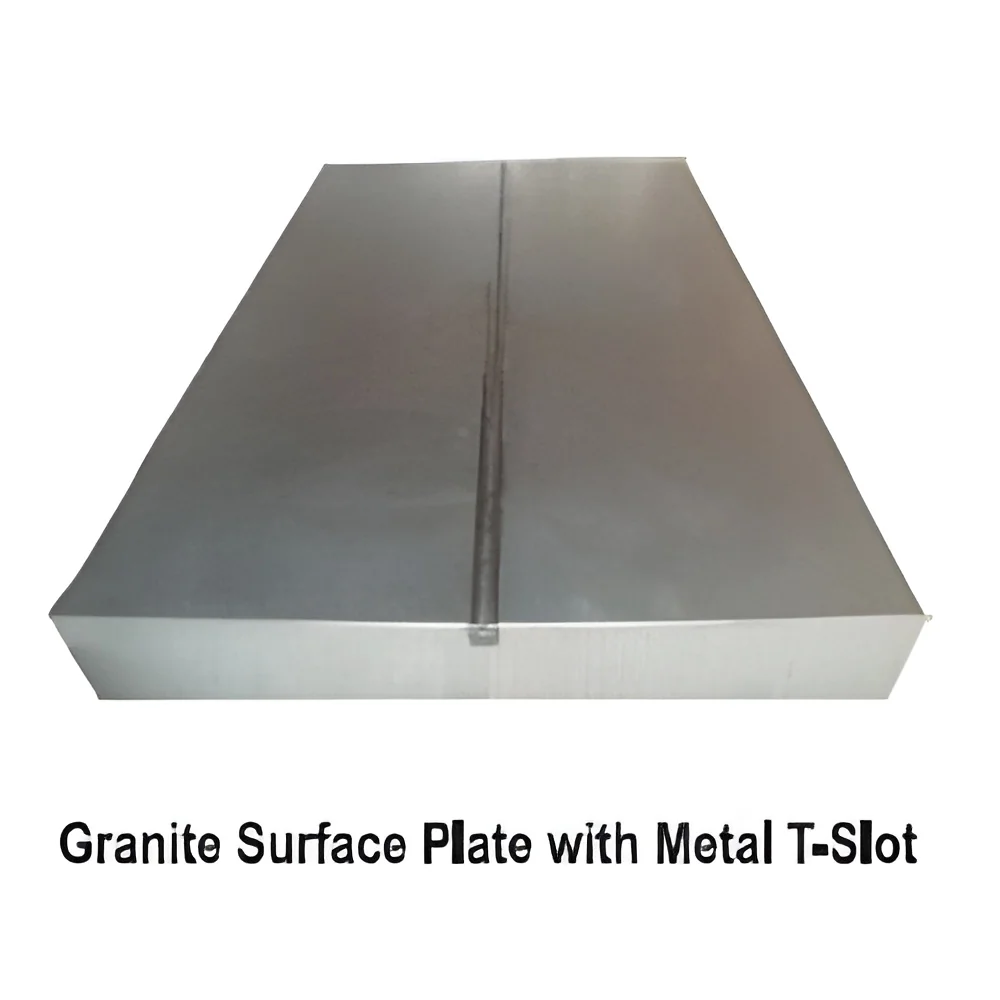
Granite Surface Plates
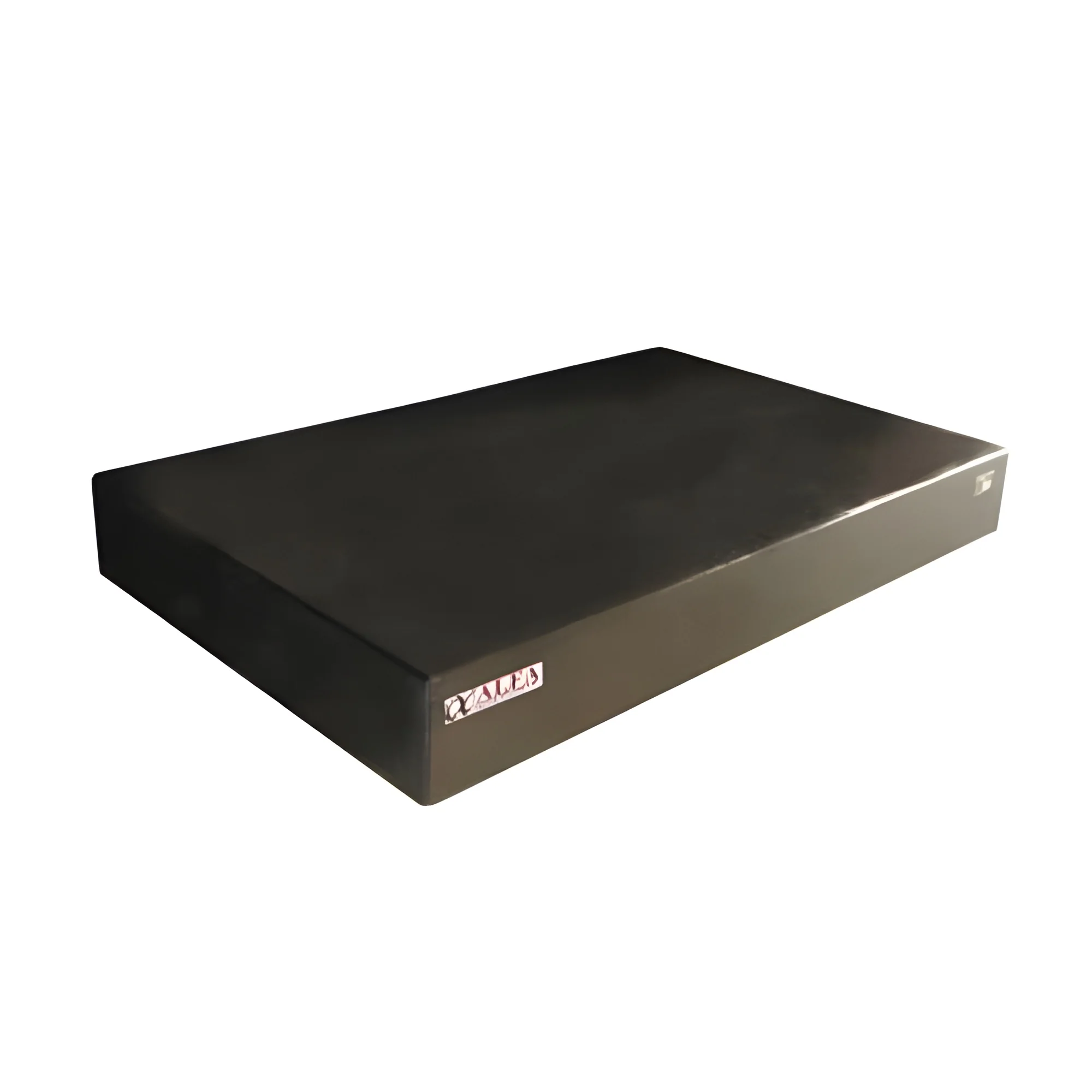
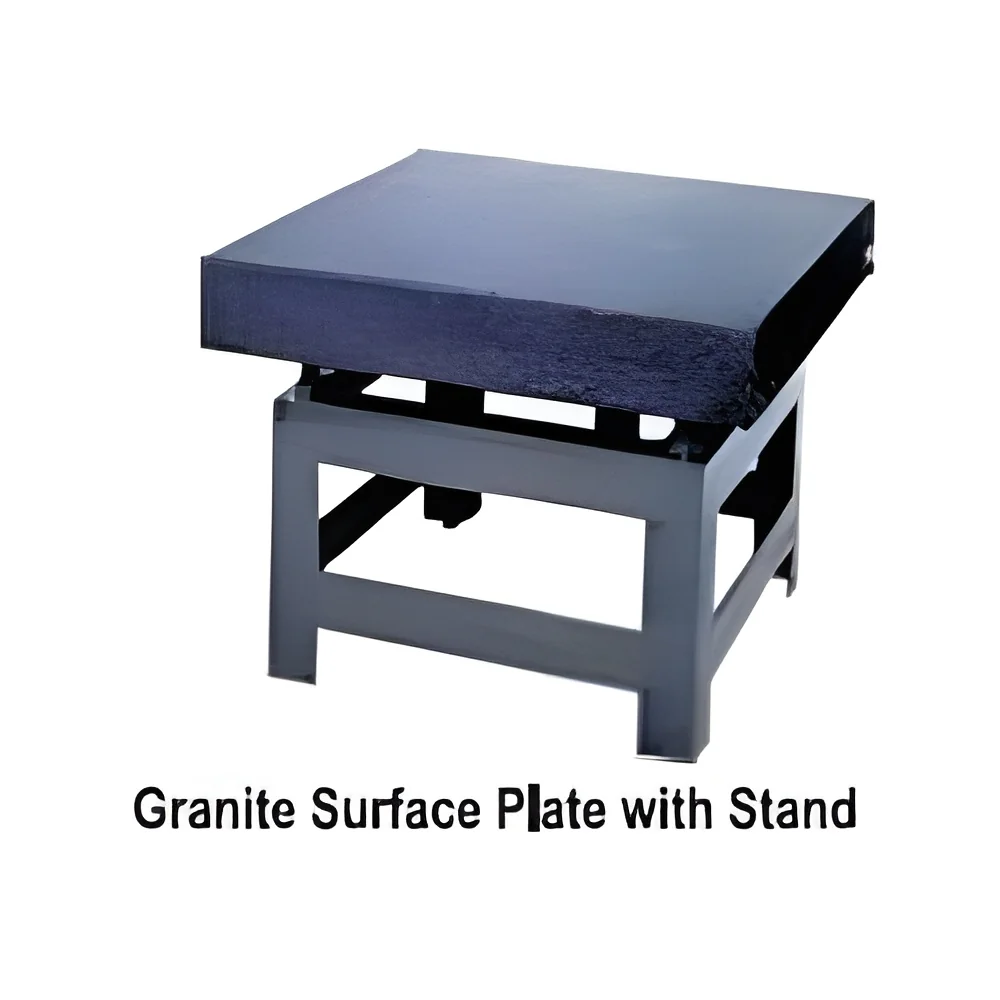
These plates are prized for their durability and resistance to wear. They are ideal for precision measurement in various settings and are less prone to thermal expansion.
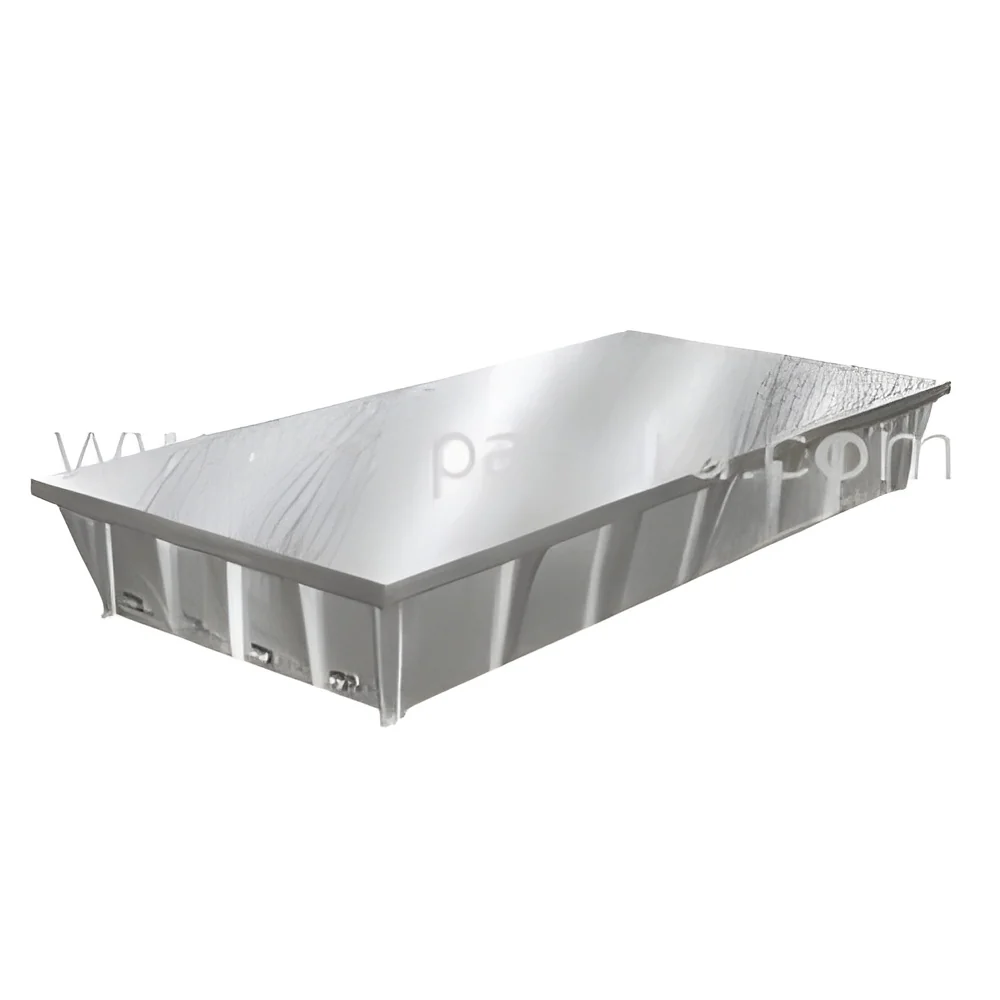
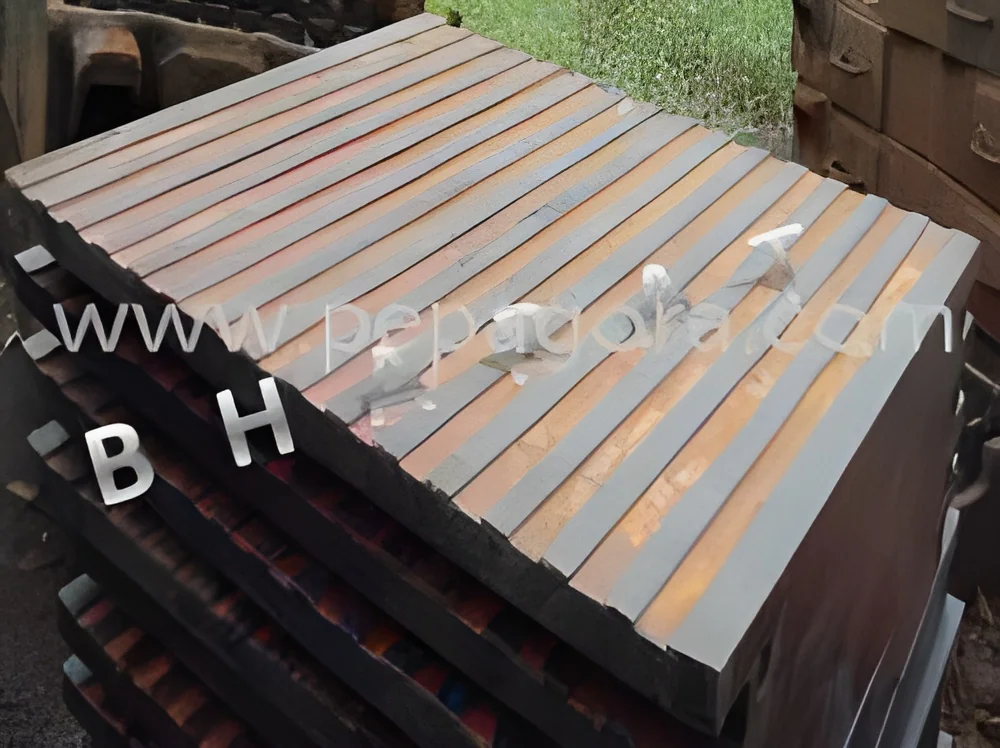
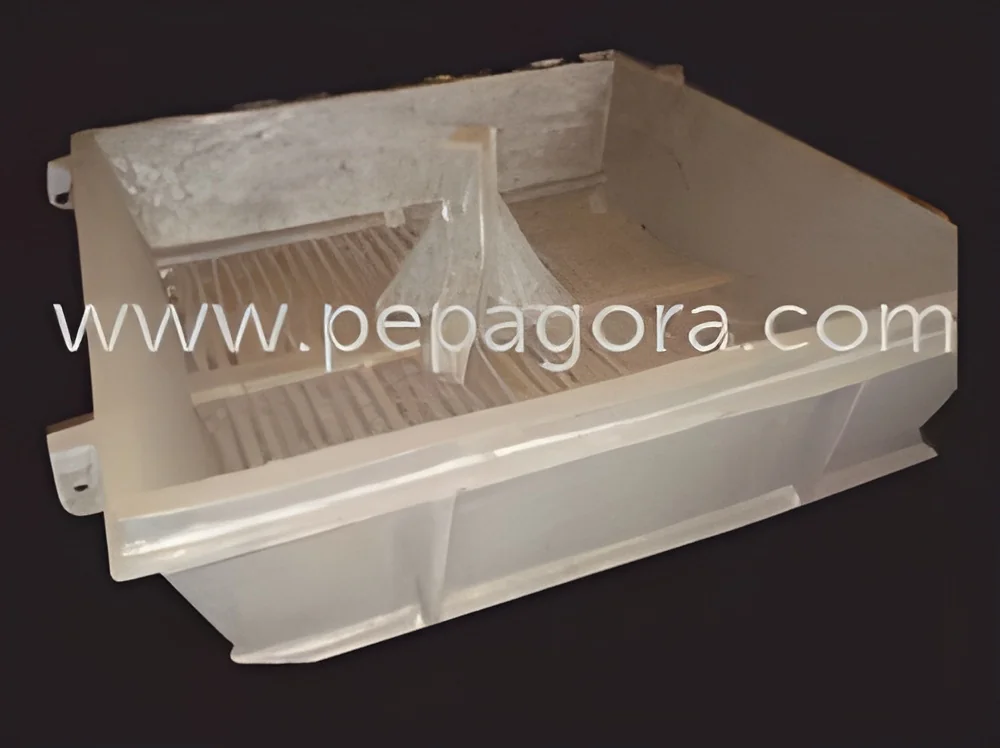
Cast Iron Surface Plates
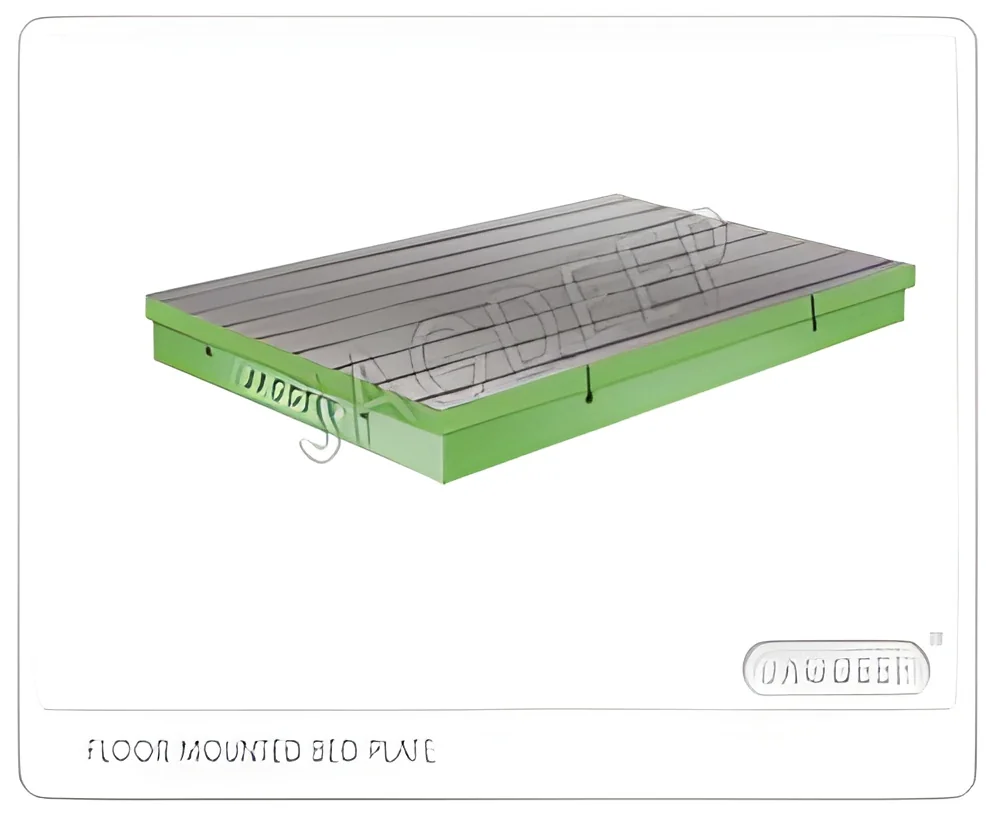
Known for their robustness, cast iron plates are suitable for heavy-duty applications. They provide high stability and are often used in manufacturing and machining environments.
Each variant has unique features that make it suitable for specific applications, allowing businesses to choose based on their operational requirements.
Benefits and Advantages
Investing in high-quality surface plates brings numerous advantages to industrial operations.
1. Enhanced Accuracy: Surface plates provide a stable reference point, improving measurement accuracy and reducing production errors.
2. Durability: Both granite and cast iron surface plates are built to withstand heavy use, offering long-lasting performance in demanding environments.
3. Versatility: These plates can be used across a variety of applications, from quality control to machining, making them valuable tools for multiple industries.
4. Cost-Effectiveness: By ensuring precise measurements, surface plates help reduce waste and improve production efficiency, leading to cost savings.
5. Easy Maintenance: Granite plates require minimal maintenance compared to other materials, while cast iron plates can be easily repaired if damaged.
6. Compliance: Many surface plates meet industry certifications, ensuring compliance with quality standards and enhancing trust in manufacturing processes.
Buying Guide for B2B Buyers
When sourcing Surface Plates (Granite/Cast Iron), it is essential to consider several key factors to ensure you make an informed decision.
1. Quality Assessment: Evaluate the quality of the surface plates by reviewing specifications, material properties, and manufacturer reputation. Look for certifications that verify compliance with industry standards.
2. Supplier Verification: Vet suppliers thoroughly by checking customer reviews, asking for references, and confirming their experience in the industry. A reliable supplier will provide quality products and support.
3. Pricing and MOQ: Understand the pricing structure and minimum order quantities (MOQ) to plan your budget effectively. Consider bulk purchasing options for cost savings.
4. Delivery and Lead Times: Discuss logistics with suppliers to ensure timely delivery. Lead times can vary based on location and production schedules, so factor this into your planning.
5. Compliance Requirements: Be aware of any regulatory compliance requirements relevant to your industry. Ensuring that your surface plates meet these standards is vital for operational integrity.
Compliance and Certifications
Surface plates must adhere to various industry standards to ensure safety and reliability. Key quality standards include ISO 9001, which outlines the criteria for quality management systems, and CE marking that indicates compliance with European health and safety regulations.
In addition to these standards, surface plates are subject to safety and testing requirements that verify their precision and durability. Regular inspections and certifications can be necessary, particularly in industries with strict regulatory demands.
Moreover, regional compliance considerations may vary, so it is important to understand the specific regulations applicable in your location. Staying informed about these requirements helps businesses maintain high quality and safety standards in their operations.
Why Source Surface Plates (Granite/Cast Iron) from Pepagora?
Pepagora offers a trusted platform for sourcing Surface Plates (Granite/Cast Iron) with key advantages that streamline the purchasing process.
Verified Supplier Network: Pepagora connects buyers with verified suppliers, ensuring that you access high-quality products from reputable manufacturers. This network enhances trust and reliability in your sourcing decisions.
Streamlined RFQ Process: The platform provides an efficient request for quotation (RFQ) system, simplifying the process of obtaining quotes from multiple suppliers. This feature saves time and helps you find the best pricing options.
Trade Assurance and Support: Pepagora offers trade assurance to protect buyers throughout the purchasing process. This includes support for resolving any issues that may arise, ensuring a smooth transaction.
Regional Coverage: With a strong presence in India, the GCC, and Southeast Asia, Pepagora provides extensive geographic reach. This enables businesses across different regions to source surface plates that meet their specific needs efficiently.

 IN
IN