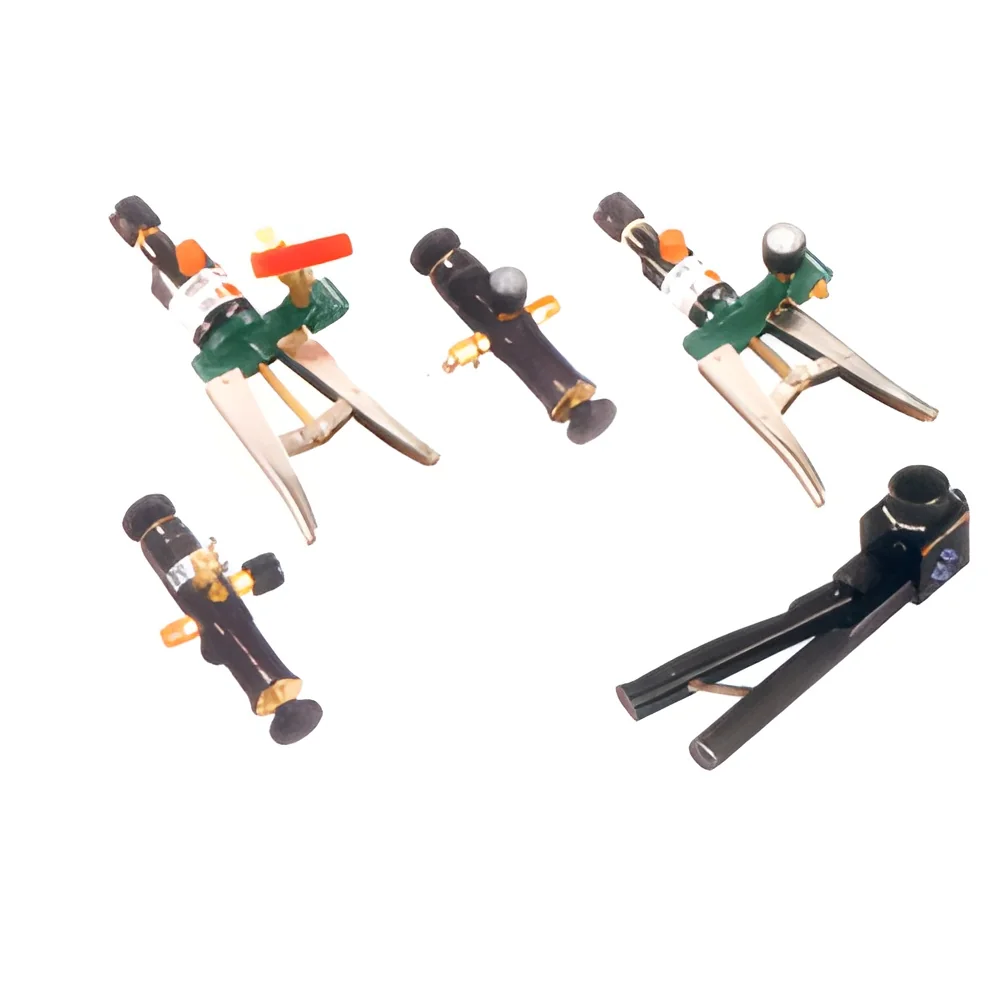
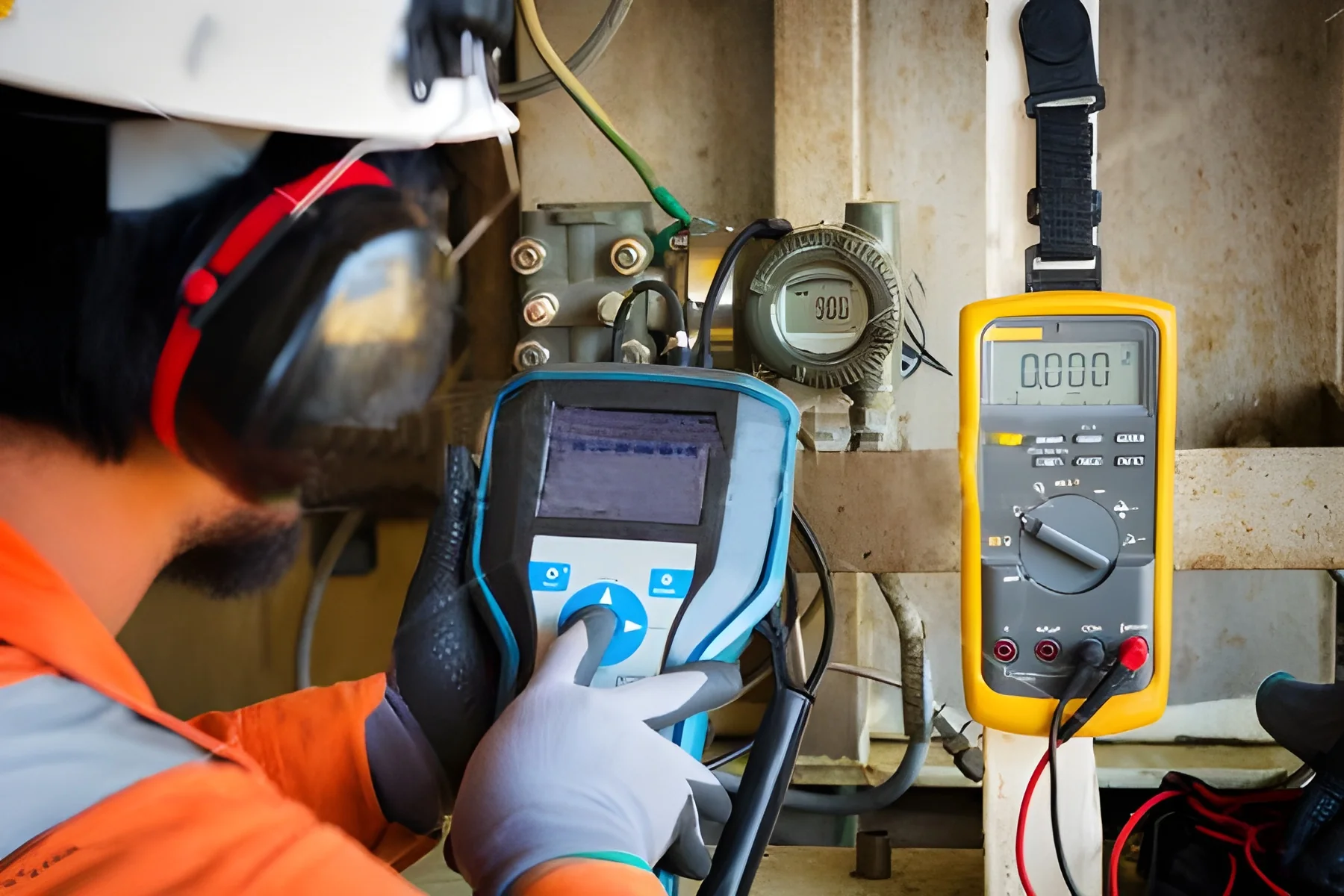
What are Pressure Calibrators?
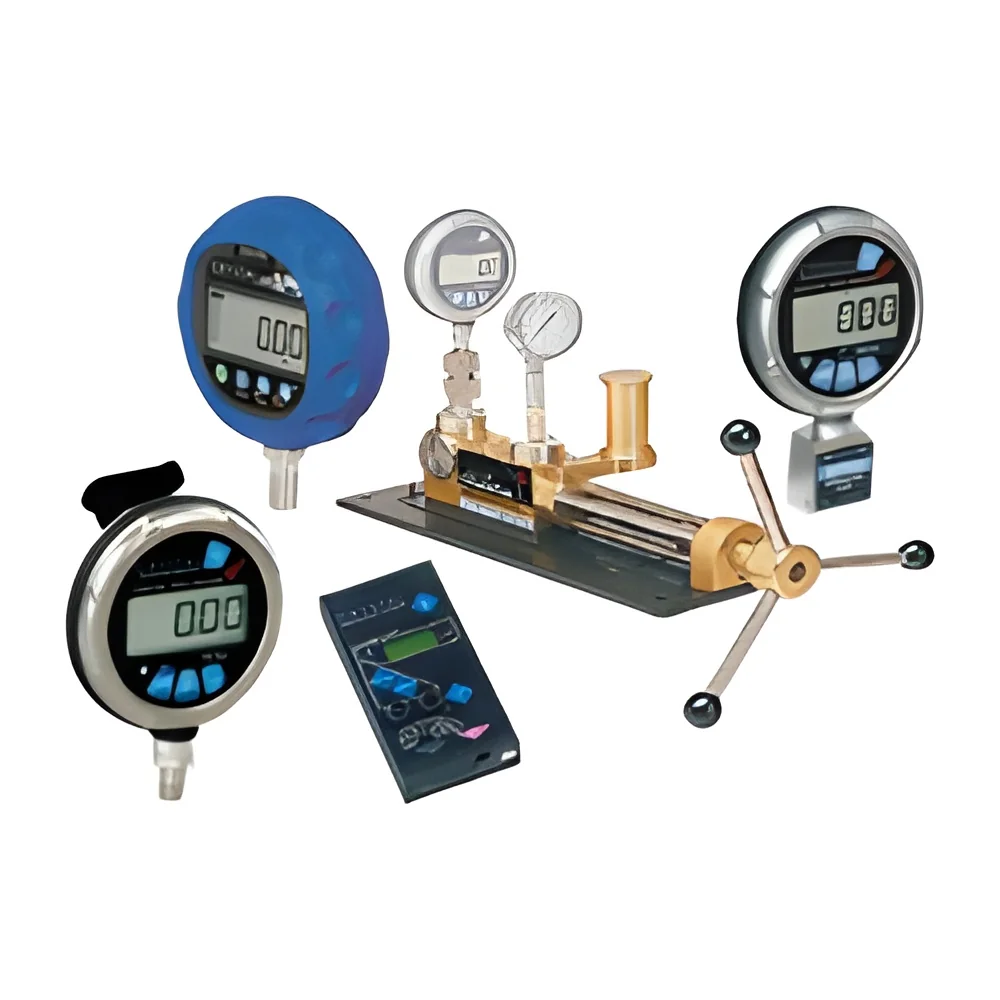
Pressure calibrators are precision instruments used to verify and adjust the accuracy of pressure measuring devices. They ensure that various types of pressure sensors, transmitters, and gauges are providing correct readings by comparing their outputs to a known standard. This process of calibration is critical in industries that require stringent pressure measurement, as inaccuracies can lead to operational inefficiencies and safety risks.
These devices find broad applications across multiple sectors including manufacturing, oil and gas, pharmaceuticals, and water treatment. In manufacturing, for example, maintaining precise pressure levels is essential for process control and quality assurance. In the oil and gas industry, pressure calibrators are used to ensure safe operations and compliance with regulatory standards. Their importance spans across sectors where precise pressure measurement is vital for operational integrity and product quality.
Given the increasing need for accurate measurement and monitoring in industrial settings, the market for pressure calibrators continues to expand. As technology advances, manufacturers are developing more sophisticated and user-friendly models, which are enhancing the relevance of these devices in modern industrial applications.
Key Features and Specifications
Pressure calibrators come equipped with a range of features designed to enhance accuracy and usability. These specifications are crucial for selecting the right model to meet industry standards and operational needs.
Key specifications include:
1. Measurement Range
- The range of pressure that can be accurately measured, typically expressed in psi, bar, or Pa.
- Common ranges vary, but many models cover from vacuum to several thousand psi.
2. Accuracy Level
- The degree of precision in the measurements, often stated as a percentage of reading.
- High-end models may offer accuracy levels of ±0.01% to ±0.5%.
3. Calibration Standards
- Compliance with recognized calibration standards like ISO 9001 or CE certification.
- Ensures consistent quality and reliability across devices.
4. Display Type
- Digital or analog display options available for user convenience.
- Digital displays often provide backlighting and multi-unit options.
5. Operating Temperature
- The range of ambient temperatures in which the calibrator can function effectively.
- Typical ranges might be from -10°C to 50°C, but specific data is not available.
6. Power Source
- The type of power supply, including battery-operated or AC-powered models.
- Battery-operated versions enhance portability.
7. Data Logging Capability
- Ability to record measurements over time for analysis.
- Many modern calibrators feature USB connectivity for easy data transfer.
8. User Interface
- Features that enhance usability, such as touchscreen controls or programmable settings.
- A user-friendly interface improves the efficiency of calibration processes.
Pressure calibrators are designed to provide reliable performance and are essential tools for industries dependent on accurate pressure measurement.
Common Applications and Use Cases
Pressure calibrators are utilized across a variety of industries, demonstrating their versatility and importance in ensuring accurate pressure measurements.
1. Manufacturing: In manufacturing, pressure calibrators are critical for testing and maintaining pressure sensors used in production processes. They help ensure that equipment operates within specified pressure limits, enhancing product quality.
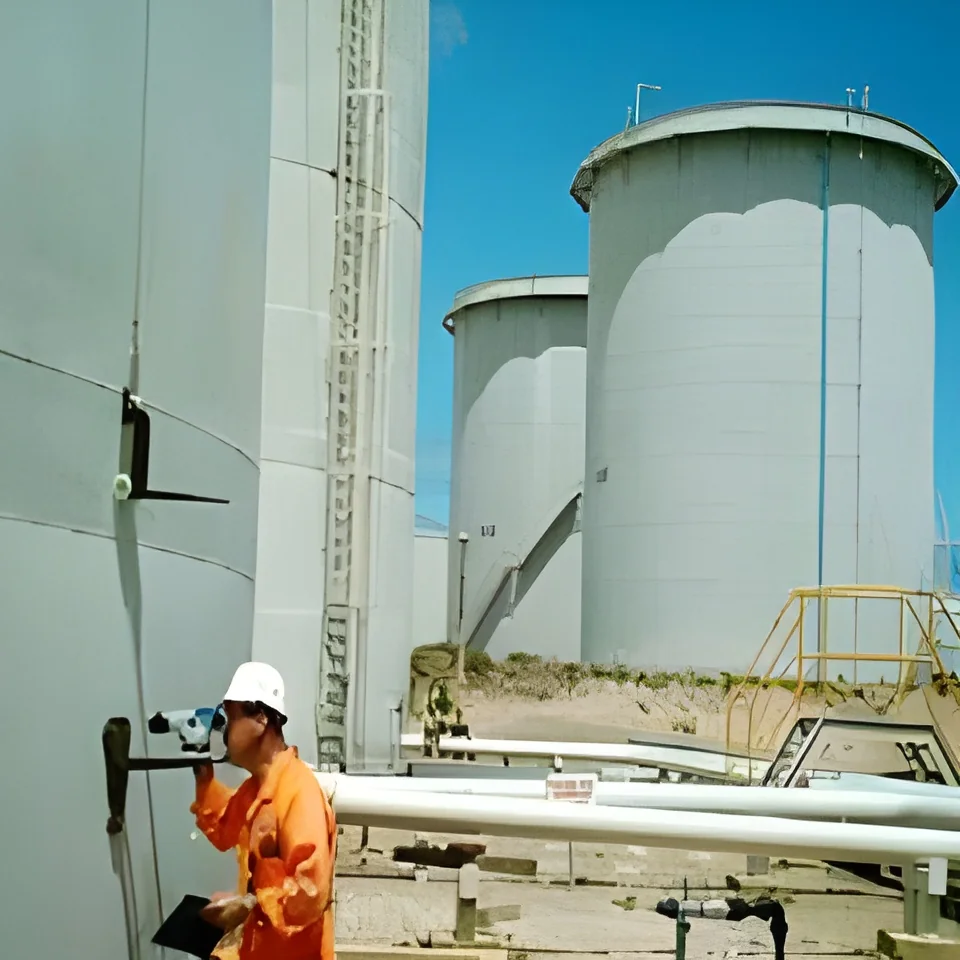
2. Oil and Gas: These instruments are vital in the oil and gas sector for monitoring pressure in pipelines and storage systems. Accurate pressure readings contribute to safety and regulatory compliance in operations.
3. Pharmaceuticals: In the pharmaceutical industry, pressure calibrators are used to validate pressure measurements in processes such as drug formulation and packaging. They ensure that equipment meets stringent quality standards.
4. Water Treatment: Pressure calibrators play a significant role in water treatment facilities by verifying the performance of pressure sensors in filtration and distribution systems, ensuring safe and efficient operations.
5. Aerospace: In aerospace applications, pressure calibrators are used to test and maintain equipment that relies on accurate pressure measurements, contributing to overall safety and performance.
6. HVAC Systems: In heating, ventilation, and air conditioning systems, pressure calibrators help maintain optimal pressure levels, improving system efficiency and longevity.
7. Automotive: The automotive industry uses pressure calibrators for testing sensors in vehicles, ensuring that safety and performance standards are met.
Product Variants and Subcategories
Pressure calibrators come in various models tailored to different user needs and applications. This diversity allows businesses to select the most suitable device for their specific requirements.
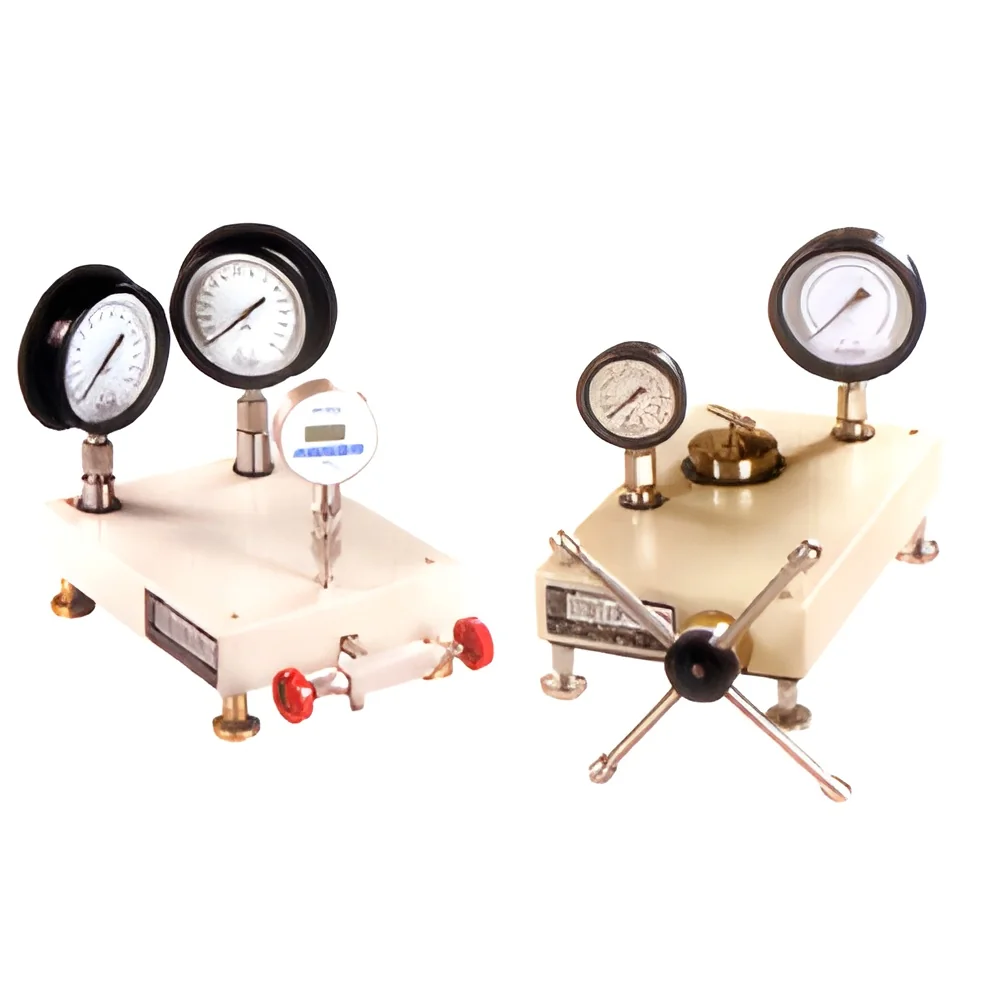
Portable Pressure Calibrators
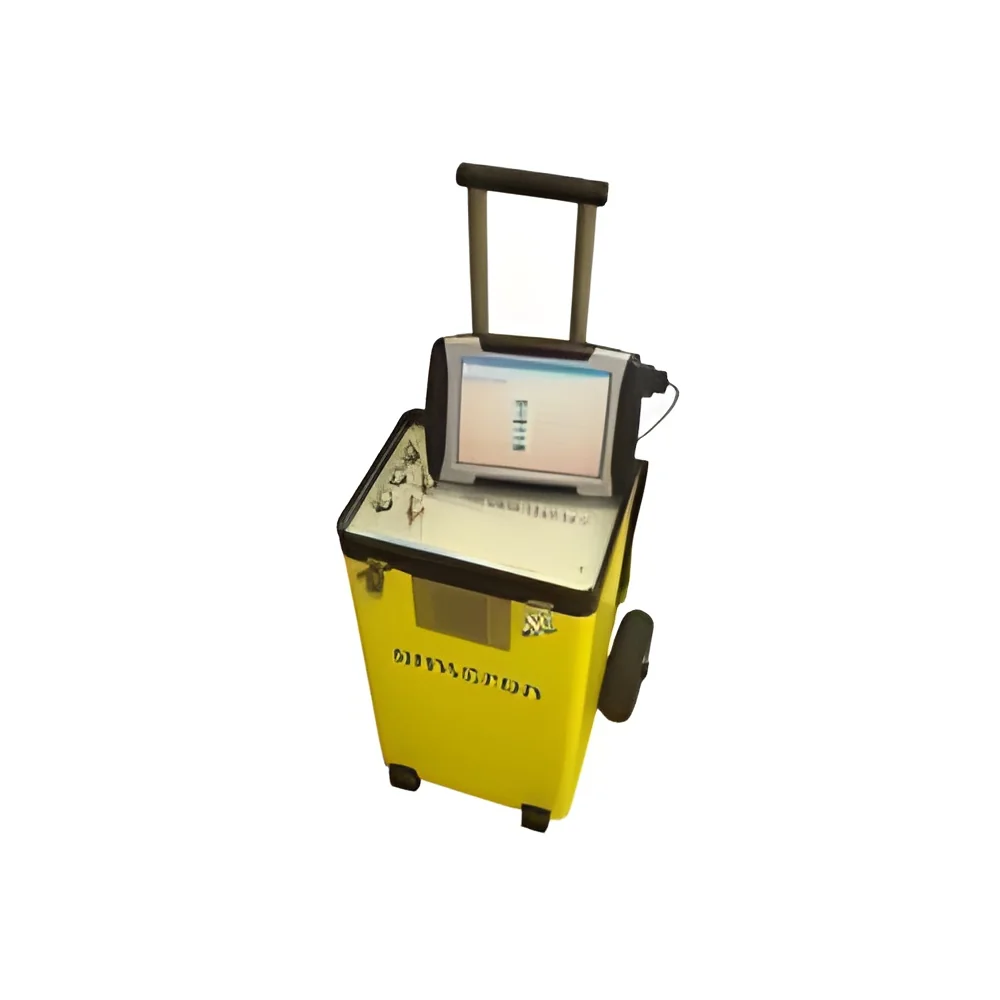
These models are designed for easy transport and field use. They are lightweight and often battery-operated, making them ideal for on-site calibration tasks.
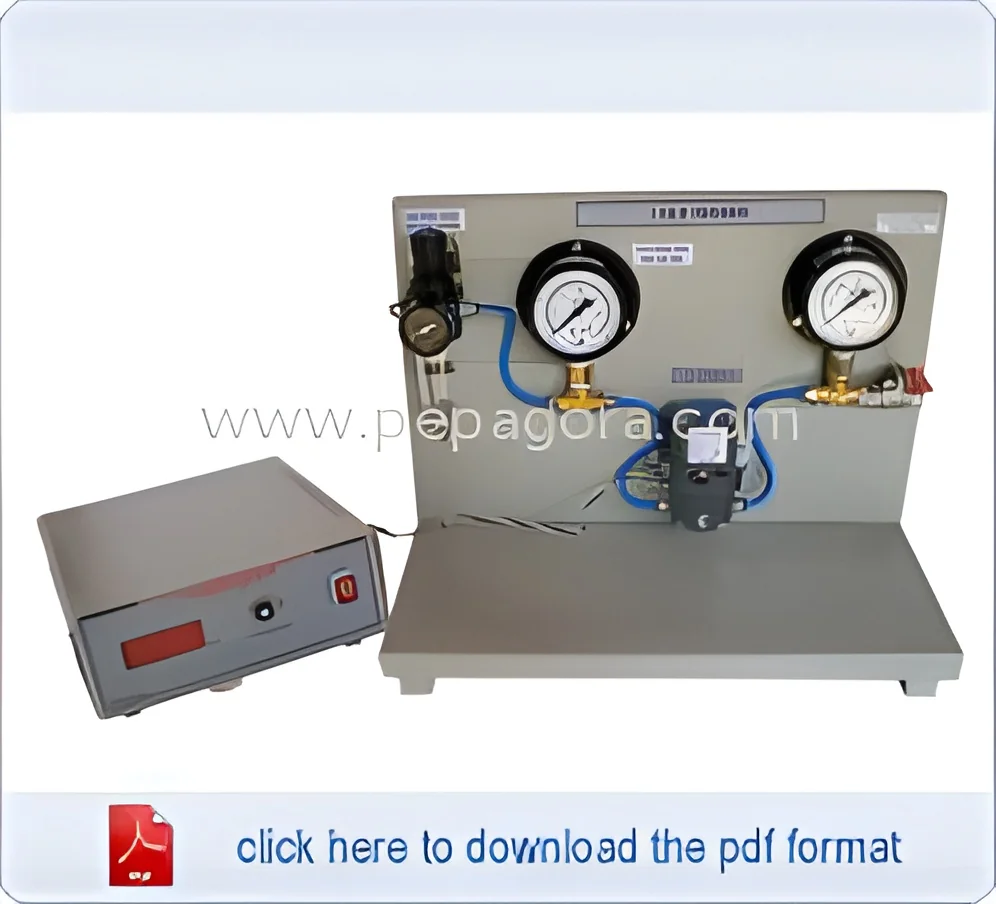
Benchtop Pressure Calibrators
These are larger and more robust, suitable for laboratory environments. They often provide higher accuracy levels and more comprehensive features for detailed calibration processes.
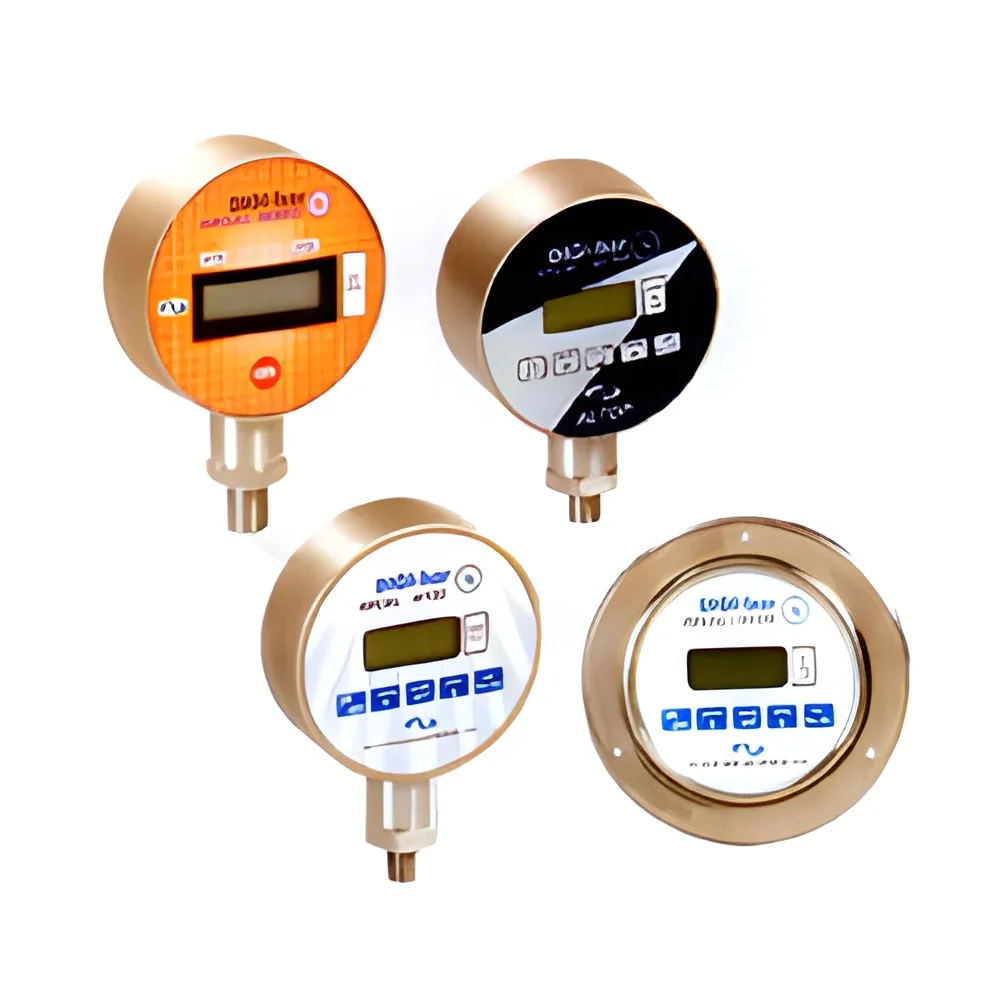
Digital Pressure Calibrators
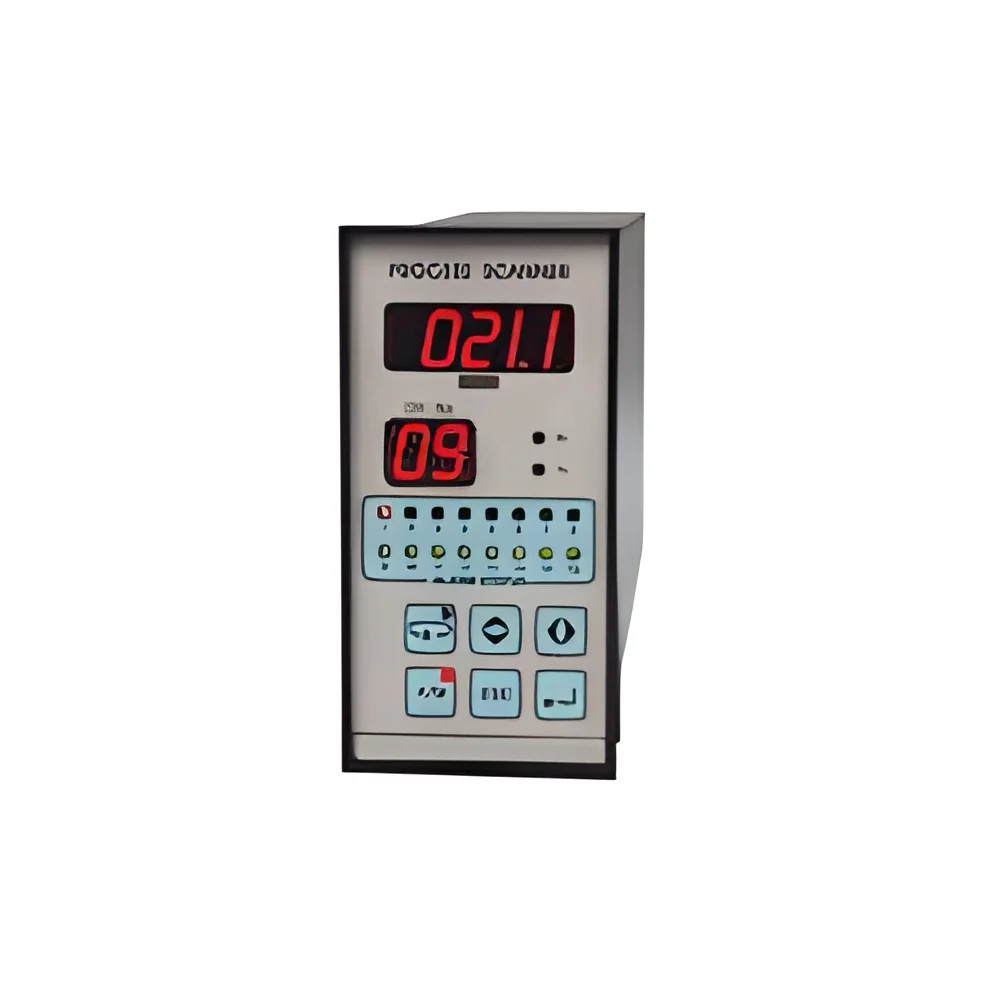
Equipped with advanced digital displays, these models offer enhanced readability and data logging capabilities. They are ideal for settings that require continuous monitoring and analysis.
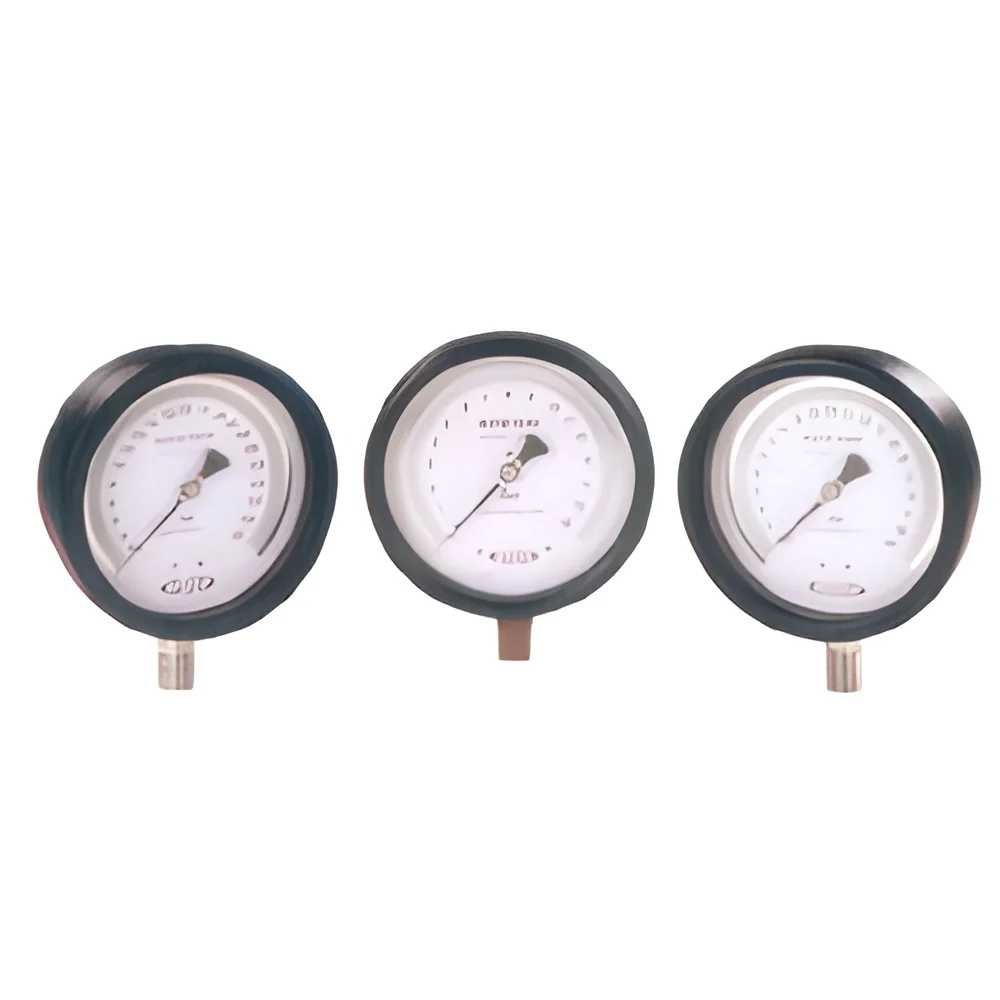
Analog Pressure Calibrators
These traditional models use mechanical gauges for pressure measurement. While less common today, they are still valued for their simplicity and reliability in specific applications.
Benefits and Advantages
Pressure calibrators offer numerous benefits that enhance operational efficiency and safety in various industries.
1. Improved Accuracy: Regular calibration ensures that pressure measuring devices provide precise readings, reducing the risk of operational errors.
2. Enhanced Safety: By verifying pressure levels, businesses can prevent dangerous situations that may arise from incorrect measurements, thereby safeguarding personnel and equipment.
3. Compliance with Standards: Using calibrated devices helps organizations meet industry regulations and quality standards, avoiding potential legal issues and penalties.
4. Cost Savings: Accurate pressure measurement can lead to reduced waste and improved process efficiency, ultimately saving costs in production and maintenance.
5. Increased Equipment Lifespan: Regular calibration can prolong the life of pressure sensors and associated equipment, leading to lower replacement costs over time.
6. User-Friendly Features: Many modern pressure calibrators come with intuitive interfaces and data logging capabilities, making them easier to use and manage.
Buying Guide for B2B Buyers
When sourcing pressure calibrators, it is important for businesses to consider several key factors to ensure they select the right equipment for their needs.
1. Quality Assessment: Evaluate the quality of the calibrators by checking manufacturer credentials and product reviews. Look for compliance with international standards to ensure reliability.
2. Supplier Verification: Verify the reputation and reliability of suppliers. This can include checking references, certifications, and customer feedback to ensure they meet industry requirements.
3. Pricing and MOQ: Understand the pricing structure and minimum order quantities. It is essential to balance cost with the quality of the product to achieve the best value.
4. Delivery and Lead Times: Consider logistics such as delivery times and shipping options. Ensure that the supplier can meet your timeline for receiving equipment to avoid delays in operations.
5. Compliance Requirements: Be aware of any regulatory compliance that applies to your industry. Ensure that the pressure calibrators you choose meet these requirements to avoid legal complications.
Compliance and Certifications
Pressure calibrators must adhere to various quality standards and certifications to ensure they are suitable for industrial use. Common standards include ISO 9001, which outlines requirements for quality management systems, ensuring that manufacturers consistently provide products that meet customer and regulatory requirements.
Industry certifications like CE mark signify that the product meets European Union safety, health, and environmental protection standards. This is particularly important for businesses that operate in regulated industries.
Safety and testing requirements vary by industry but generally include thorough assessments of the devices to ensure they can perform accurately under specified conditions. Furthermore, regional compliance considerations must be taken into account, especially for businesses operating across multiple countries with different regulatory frameworks.
Why Source Pressure Calibrators from Pepagora?
Pepagora provides a trusted platform for sourcing pressure calibrators, offering several key advantages for B2B buyers.
Verified Supplier Network: Pepagora maintains a network of verified suppliers, ensuring that businesses can find reliable products that meet their quality standards. This verification process helps mitigate risks associated with sourcing.
Streamlined RFQ Process: The platform offers a streamlined request for quotation (RFQ) process, allowing buyers to easily compare prices and specifications from multiple suppliers. This efficiency helps in making informed purchasing decisions.
Trade Assurance and Support: Pepagora provides trade assurance and support services to protect buyers during transactions. This includes assistance with disputes and ensuring that orders are fulfilled as agreed.
Regional Coverage: With a strong presence in India, the GCC, and Southeast Asia, Pepagora offers regional coverage that facilitates easier access to pressure calibrators across diverse markets. This geographic reach enhances the ability of businesses to source products that meet their specific needs efficiently.

 IN
IN