IN
IN₹
Apparel & Fashion
Description
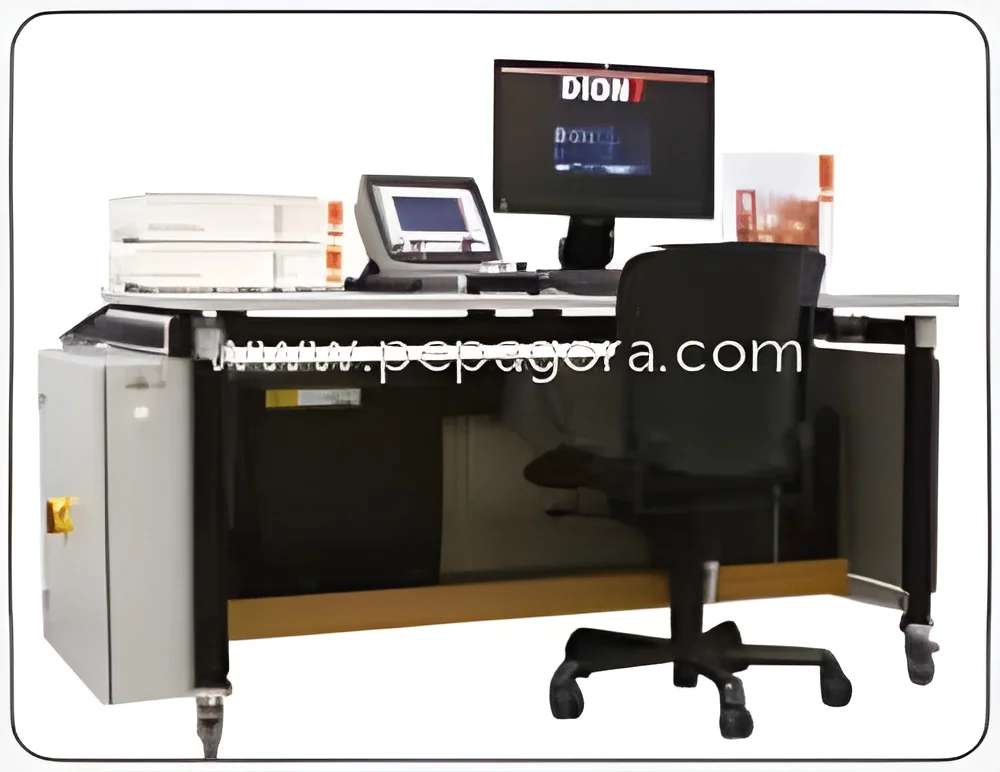
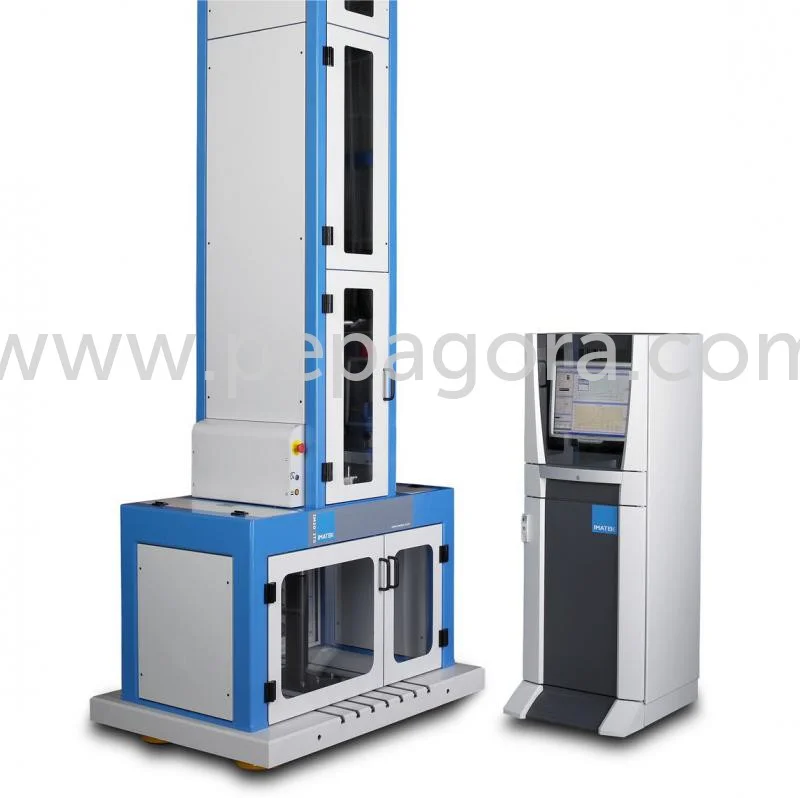
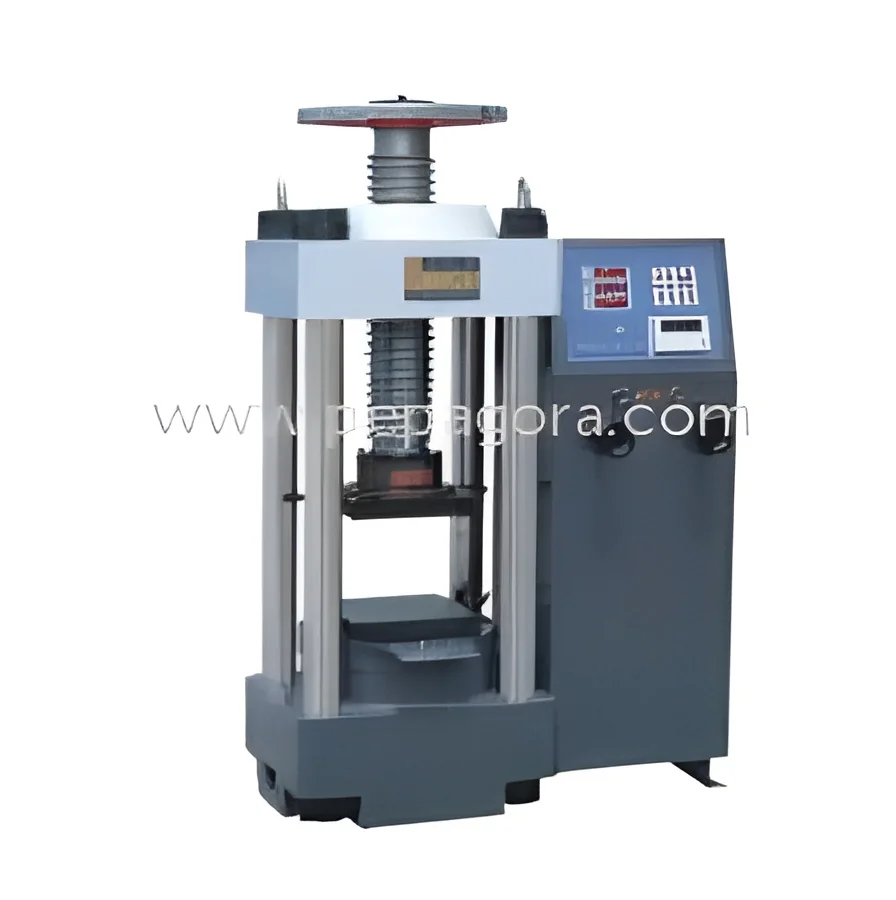
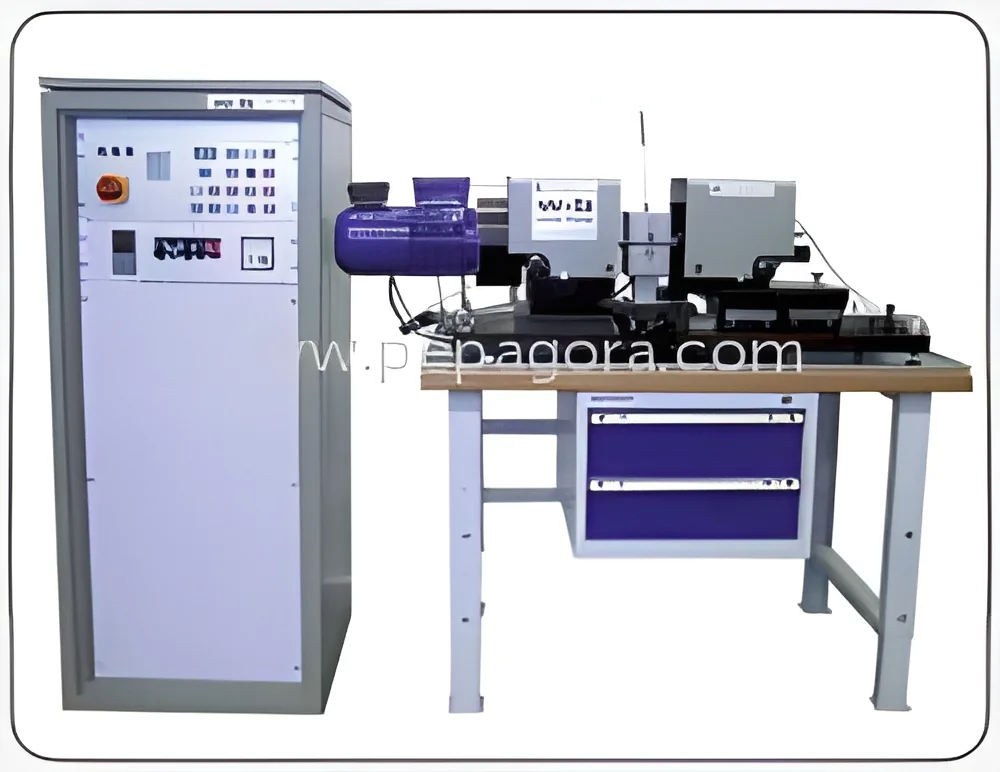
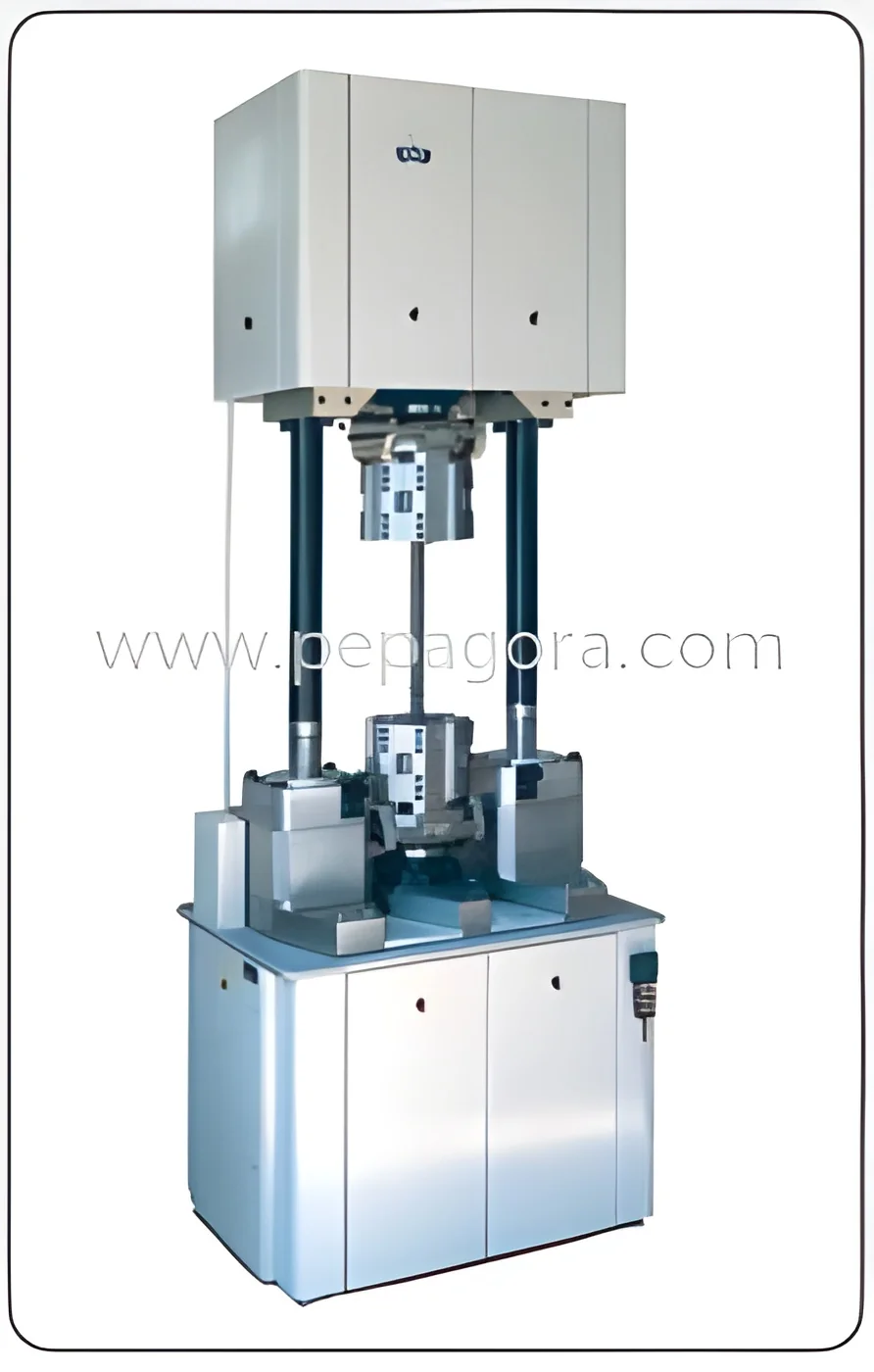
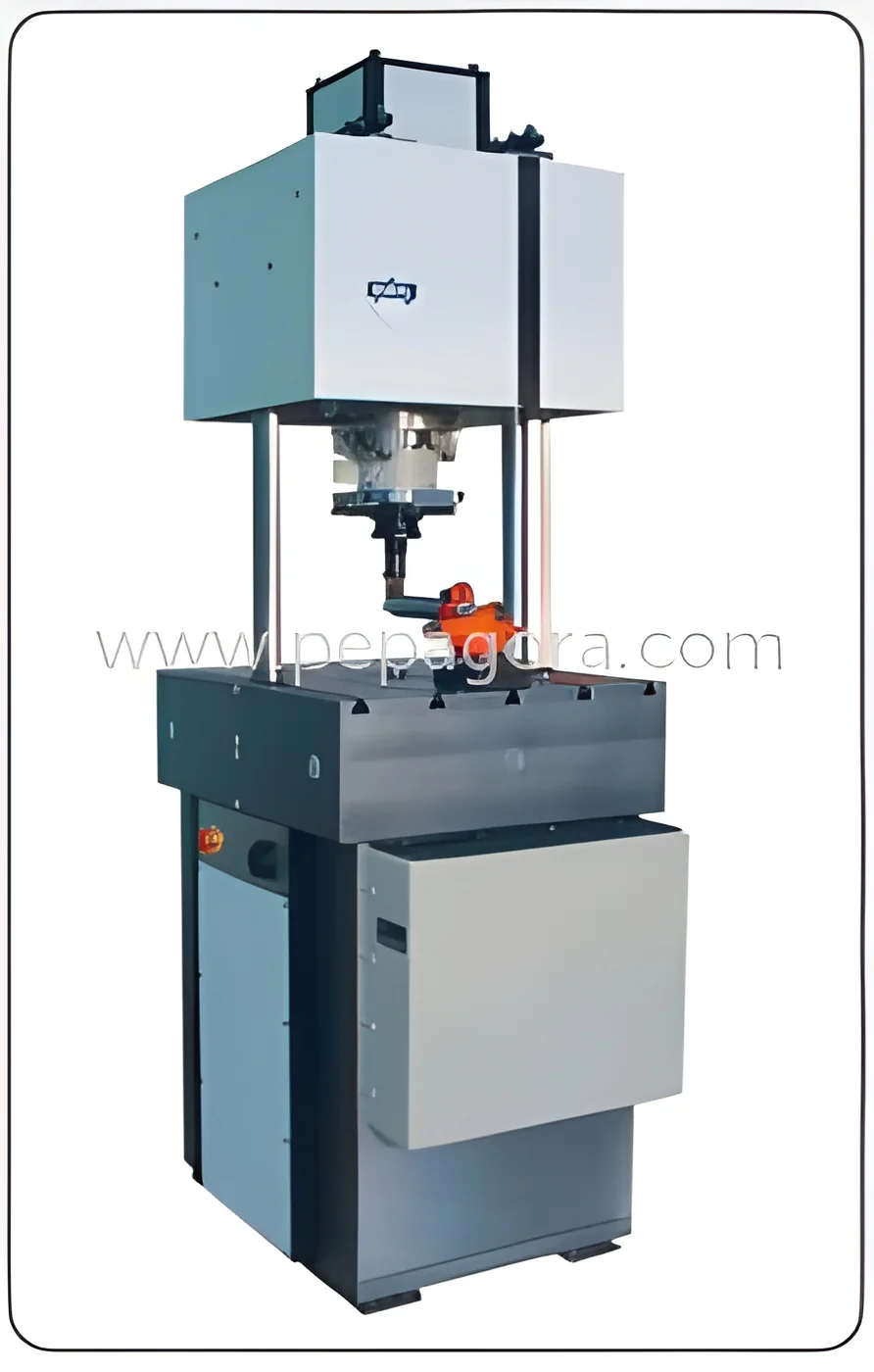
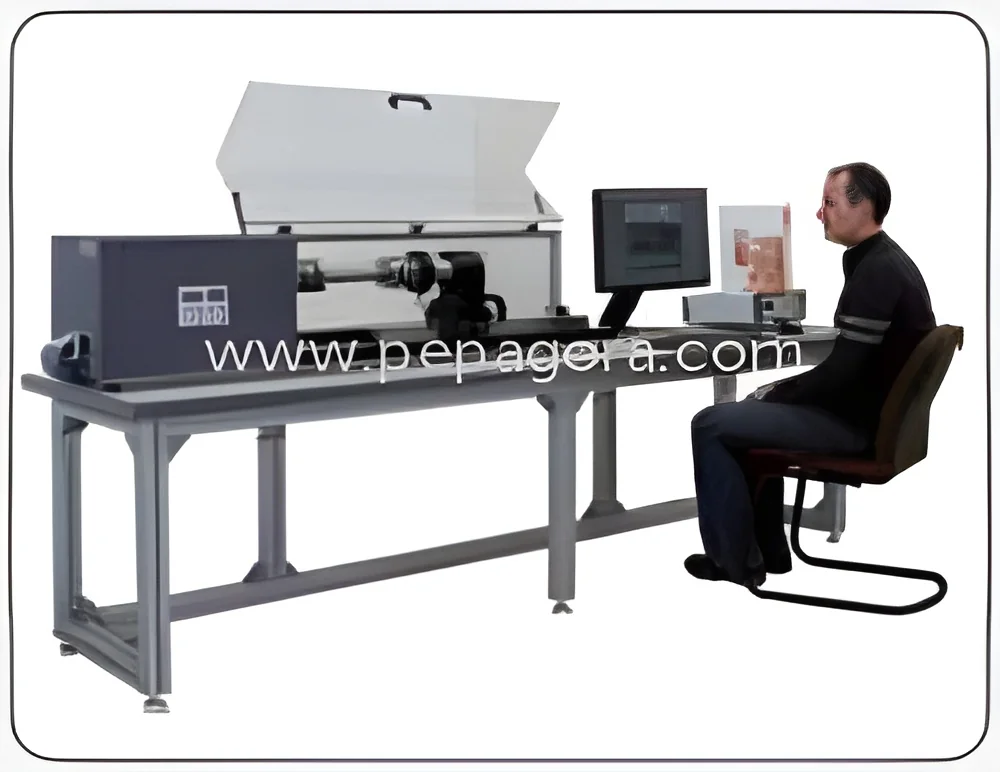
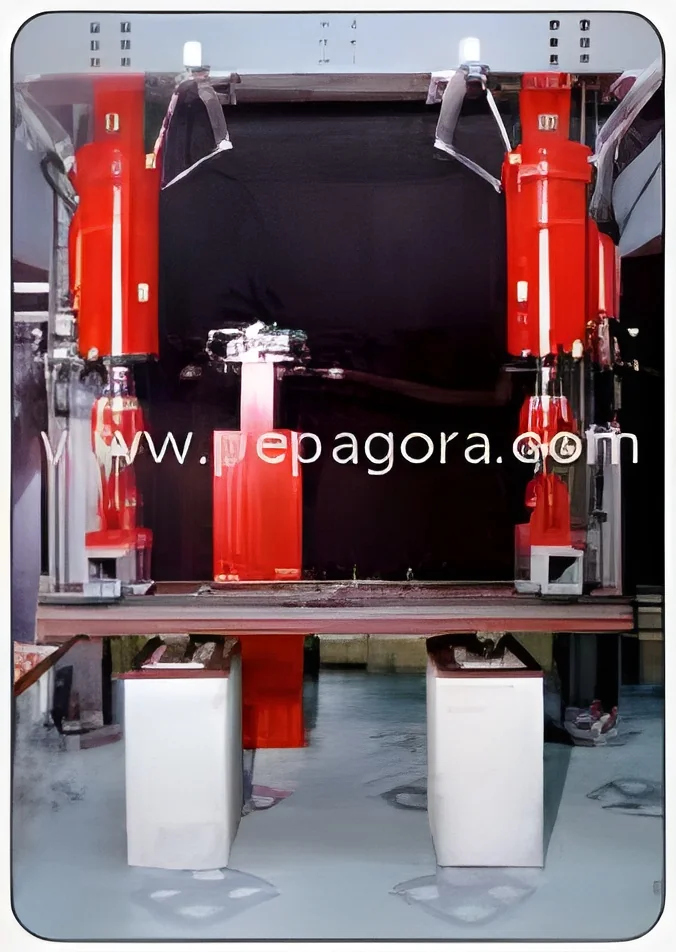
OEM structural testing machines are precision-engineered equipment designed to evaluate the strength, durability, and performance of construction materials and structural components. These standard machines perform comprehensive testing including static, quasi-static, and dynamic analyses to simulate real-world conditions. Built to exacting standards, they provide accurate data on how materials behave under various stress conditions, helping engineers and construction professionals ensure structural integrity and compliance with international safety standards. The machines feature robust construction and advanced measurement systems that deliver reliable results for critical decision-making in construction projects of all scales.

These testing systems serve multiple sectors within the construction and infrastructure industries. They are particularly valuable for civil engineering firms, construction material manufacturers, infrastructure development companies, and quality assurance la...
OEM structural testing machines are precision-engineered equipment designed to evaluate the strength, durability, and performance of construction materials and structural components. These standard machines perform comprehensive testing including static, quasi-static, and dynamic analyses to simulate real-world conditions. Built to exacting standards, they provide accurate data on how materials behave under various stress conditions, helping engineers and construction professionals ensure structural integrity and compliance with international safety standards. The machines feature robust construction and advanced measurement systems that deliver reliable results for critical decision-making in construction projects of all scales.

These testing systems serve multiple sectors within the construction and infrastructure industries. They are particularly valuable for civil engineering firms, construction material manufacturers, infrastructure development companies, and quality assurance laboratories. The construction industry relies on these machines for testing bridge components, building materials, and structural elements used in high-rise towers and major infrastructure projects. Research institutions and educational facilities also utilize these machines for material science research and engineering education, making them essential tools across the entire construction ecosystem and infrastructure development landscape.

The business value of these structural testing machines lies in their ability to prevent costly structural failures and ensure regulatory compliance. By investing in reliable testing equipment, businesses can avoid expensive rework, reduce liability risks, and maintain their reputation for quality and safety. These machines offer excellent return on investment through improved quality control processes, enhanced customer confidence, and reduced material waste. Their easy installation and standardized operation make them accessible for businesses of various sizes, while their reliable performance ensures consistent testing results that support critical engineering decisions and project success.

Key Features:
- OEM standard structural testing machines with precise measurement capabilities
- Capability to perform static, quasi-static, and dynamic testing protocols
- Easy installation process with minimal setup requirements
- Standard specifications suitable for various construction applications
- Robust construction designed for long-term reliability and consistent performance

Benefits:
- Ensures structural integrity and safety compliance for construction projects
- Provides accurate data for informed engineering decisions and material selection
- Reduces risks of structural failures and associated liability concerns
- Supports quality control processes and regulatory compliance requirements
- Delivers reliable performance with minimal maintenance requirements
Specifications
| Key Attributes | |
|---|---|
| Type | Structural Testing Machines |
| Supply Type | OEM |
| Condition | New |
| Standard or Nonstandard | Standard |
| Application | Construction Industry |
| Price | Negotiable |
| Advantage | Easy to install |
| Used for | Bridges, High-Rise Buildings And Towers |
| Servo Actuators | Static, Quasi Static, Dynamic Tests |
| Specification | As per Clients Request |
| Dimension | As per Clients Request |
| Tolerance | As per Clients Request |
| Additional Information | |
|---|---|
| Country of Origin | India |
Application
Structural testing machines provide critical evaluation of construction materials and components through precise static, quasi-static, and dynamic testing protocols. These systems simulate real-world stress conditions to ensure structures meet required safety standards before deployment in critical infrastructure projects, delivering accurate data for engineering decisions and compliance verification across various construction applications and material types.
These testing systems serve the construction industry by enabling comprehensive material behavior analysis under different load conditions. Engineers and construction professionals rely on this equipment for quality assurance, structural validation, and safety compliance in projects ranging from bridge construction to high-rise building development. The machines deliver reliable performance data that supports informed decision-making in material selection and design optimization.
- Bridge construction quality control and maintenance testing
- High-rise building structural component validation
- Tower and infrastructure material strength verification
- Construction material manufacturing quality assurance
- Civil engineering research and development projects
Trade Details
| Available Stock | In Stock |
| Sample Availability | No |
Payment Terms
| Payment Terms |
|
Company Profile

ABS Instruments Pvt Ltd, Tamil Nadu
 Tamil Nadu, India
Tamil Nadu, IndiaConstruction•Distributor / Wholesaler•Importer / Exporter
Factory Details
Factory SizeBelow 1000 sqm
Annual Production Capacity0
Main Markets
Mid East
Eastern Asia
South Asia
Southeast Asia
OEM Structural Testing Machines For Construction Static Quasi Static Dynamic Tests
OEM structural testing machines perform static, quasi-static, and dynamic tests for construction industry applications including bridges and high-rise buildings. These reliable machines feature easy installation and precise measurement capabilities for structural integrity verification.
Min. Order Quantity: 1 piece
Shipping
Shipping fee and delivery date to be negotiated. Contact supplier now for more details.
ABS Instruments Pvt Ltd
 Tamil Nadu, India
Tamil Nadu, IndiaConstructionDistributor / Wholesaler