What are Weighbridges?
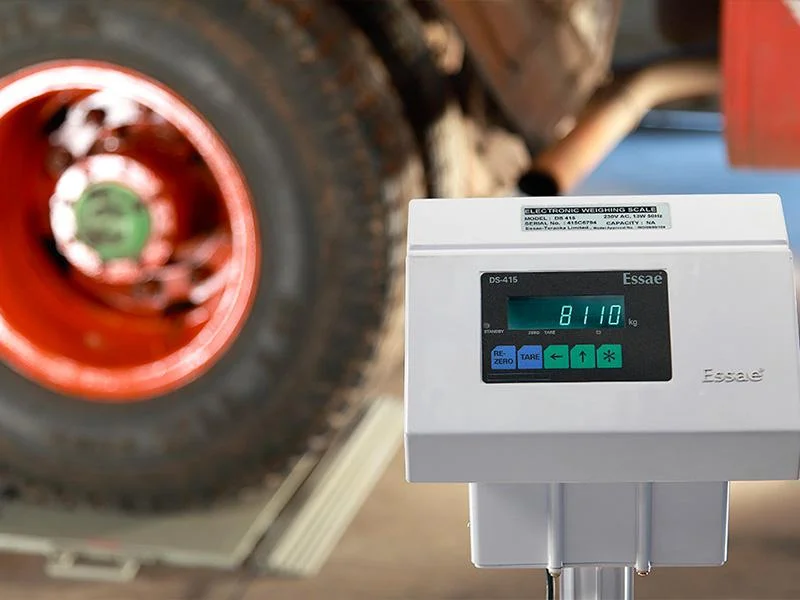
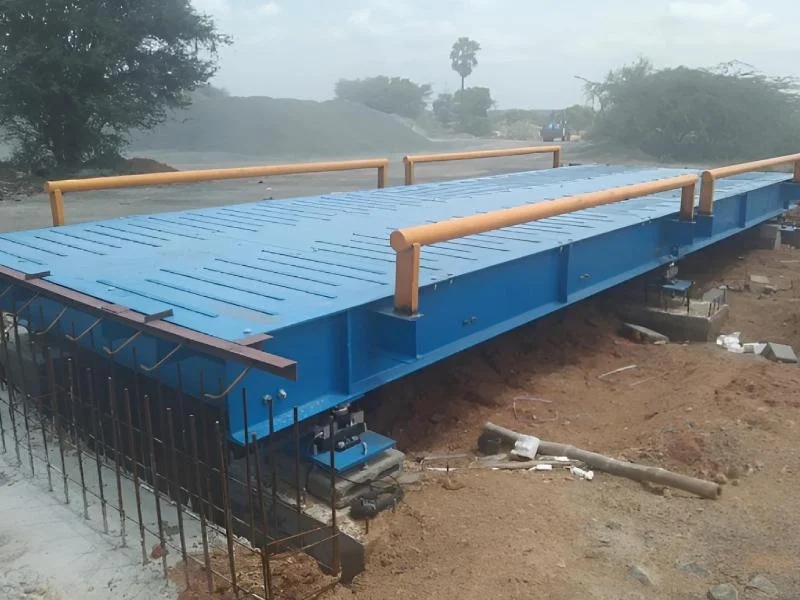
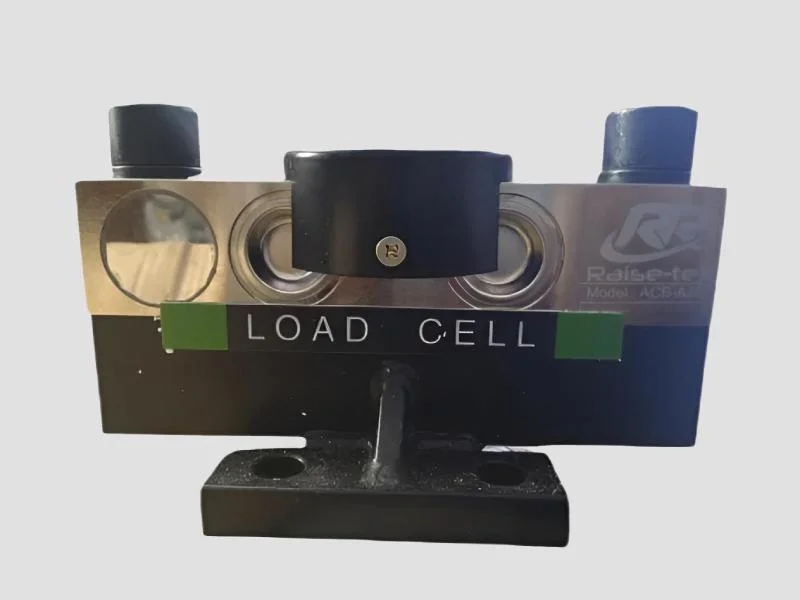
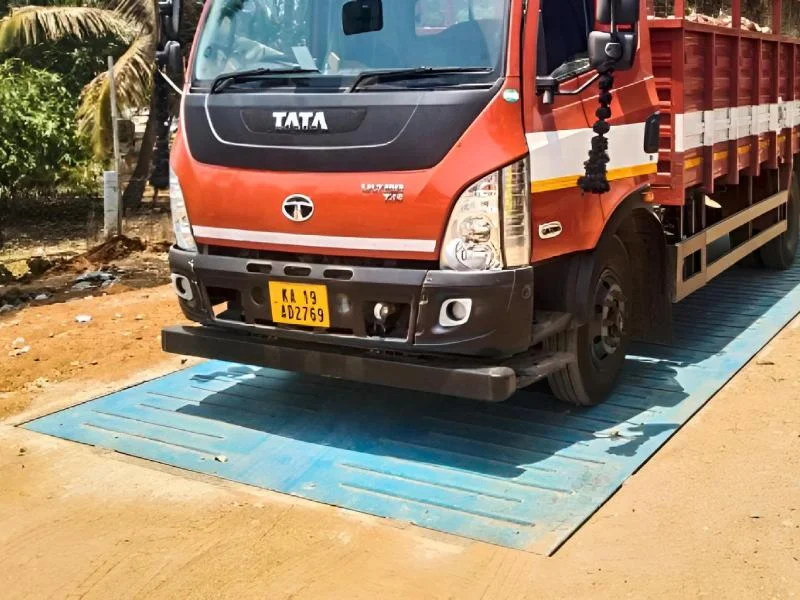
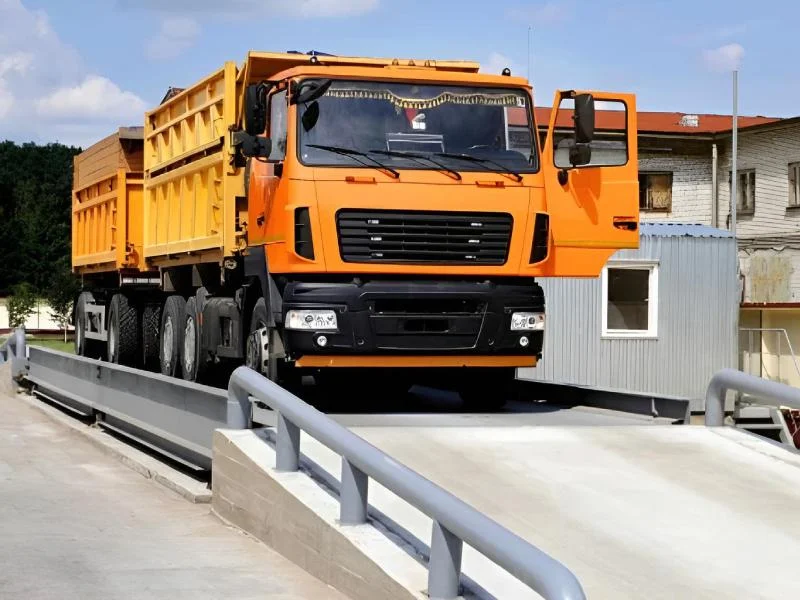
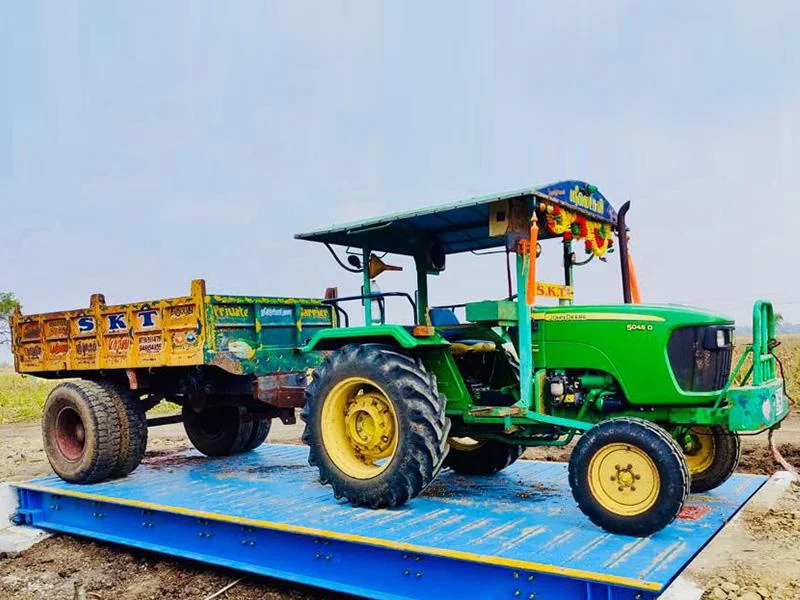
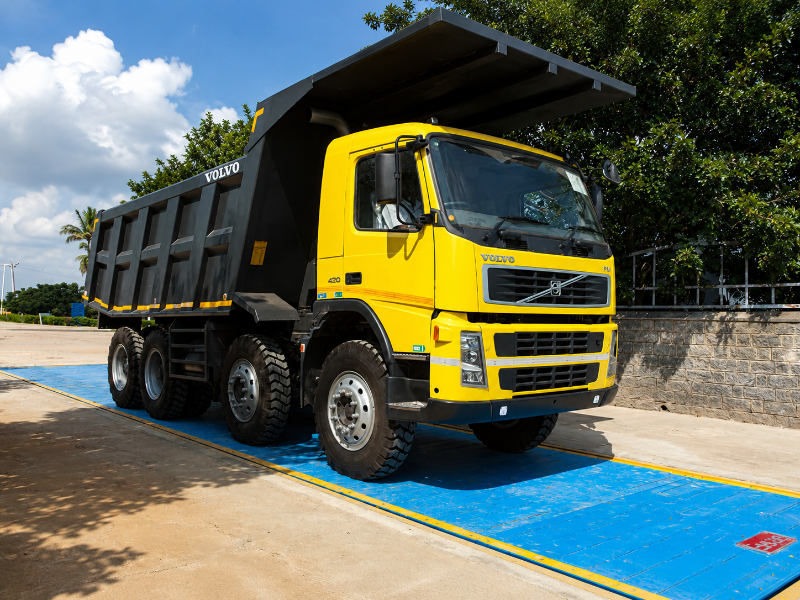
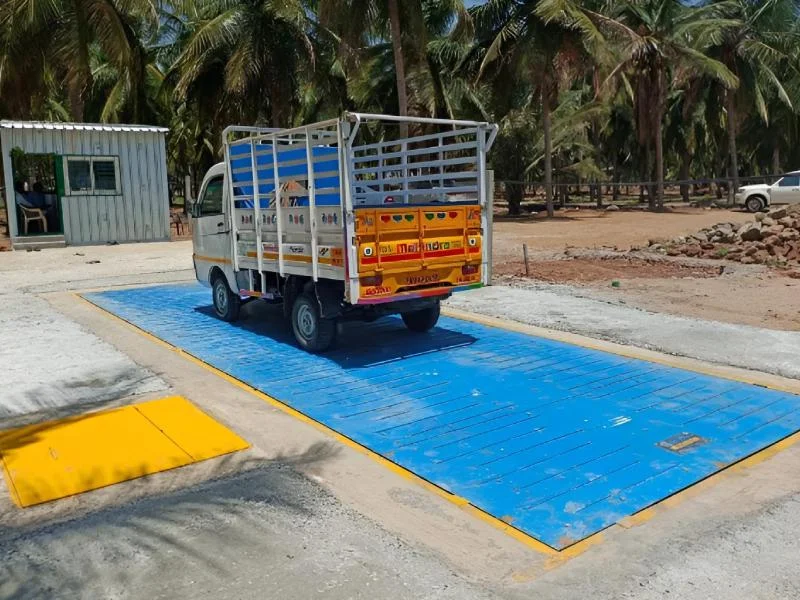
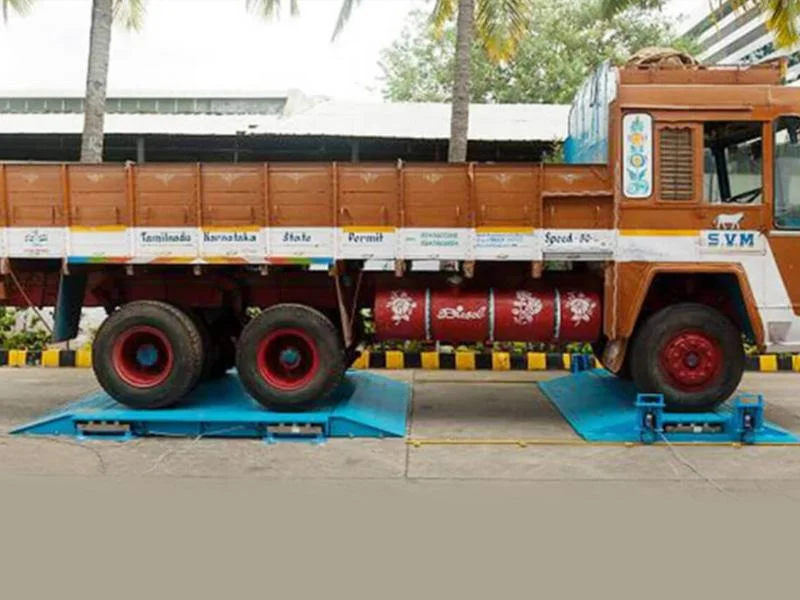
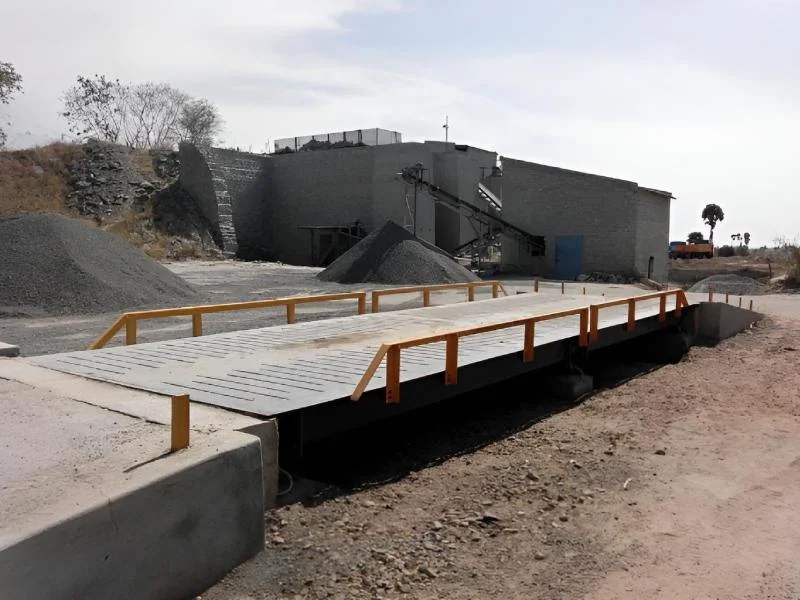
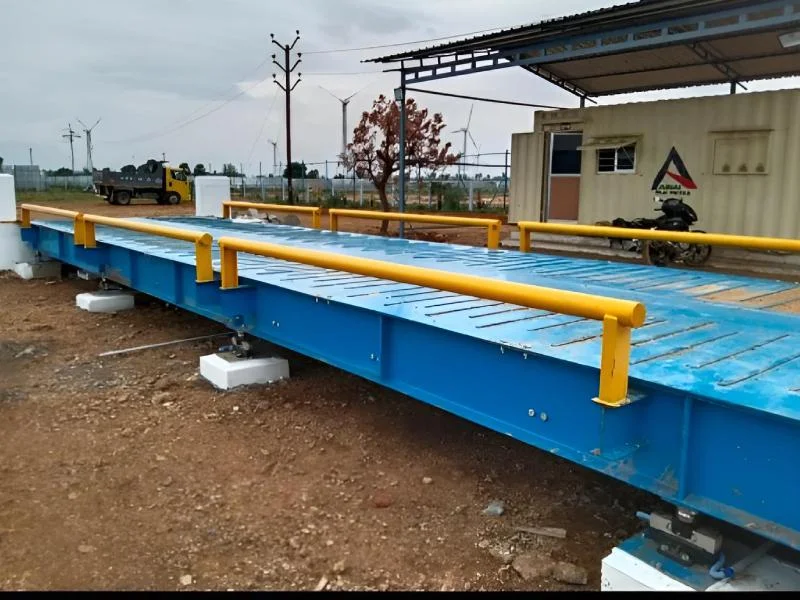
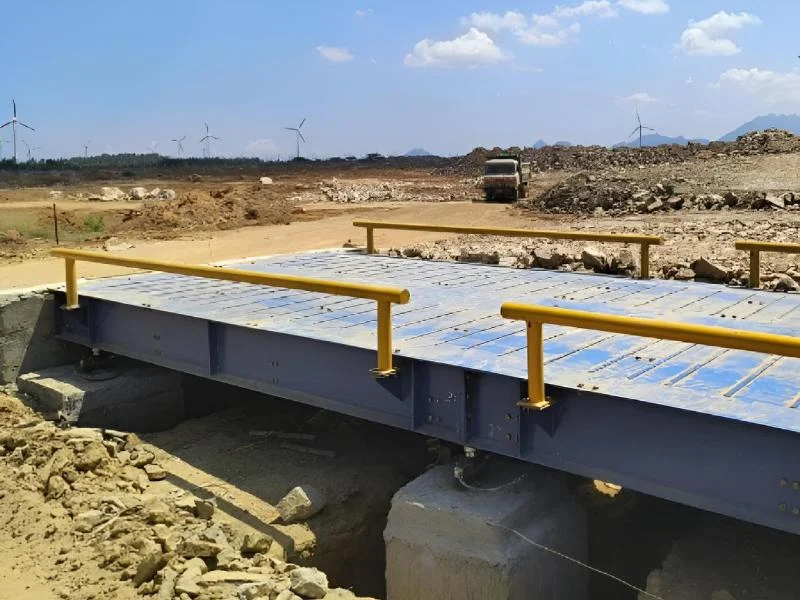
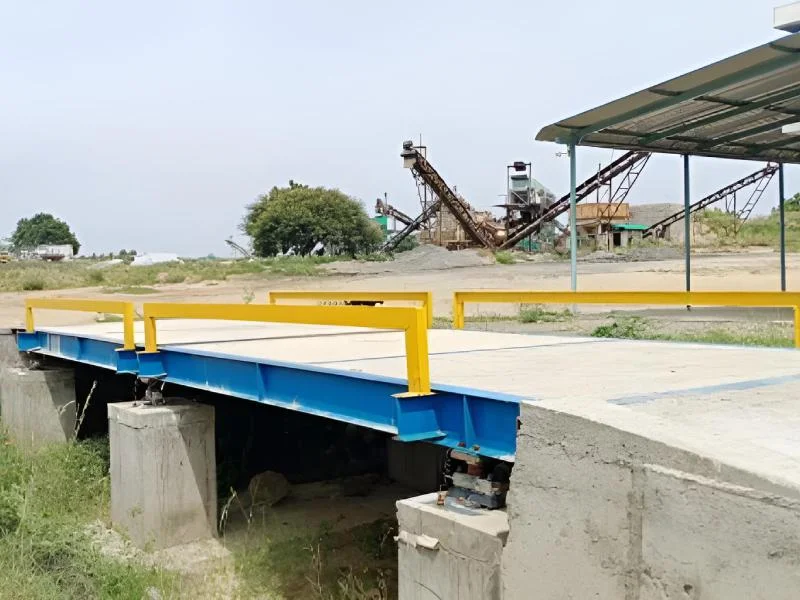
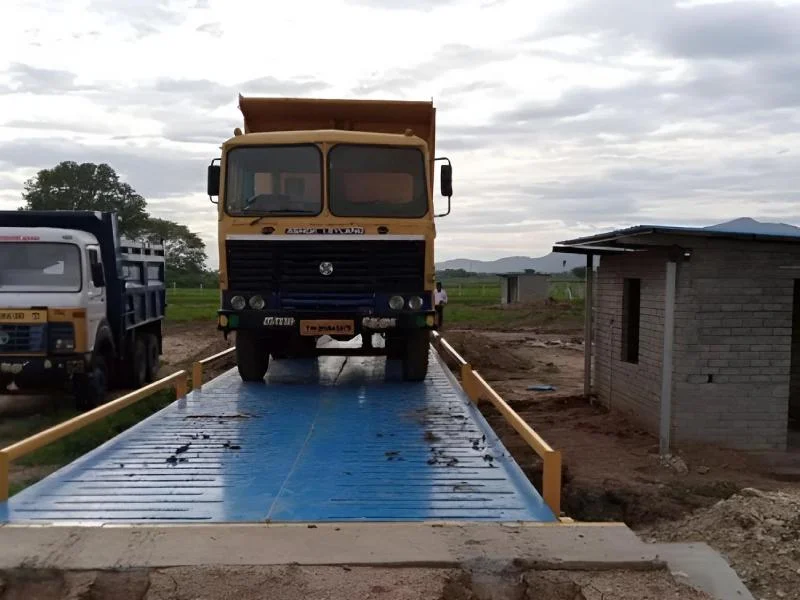
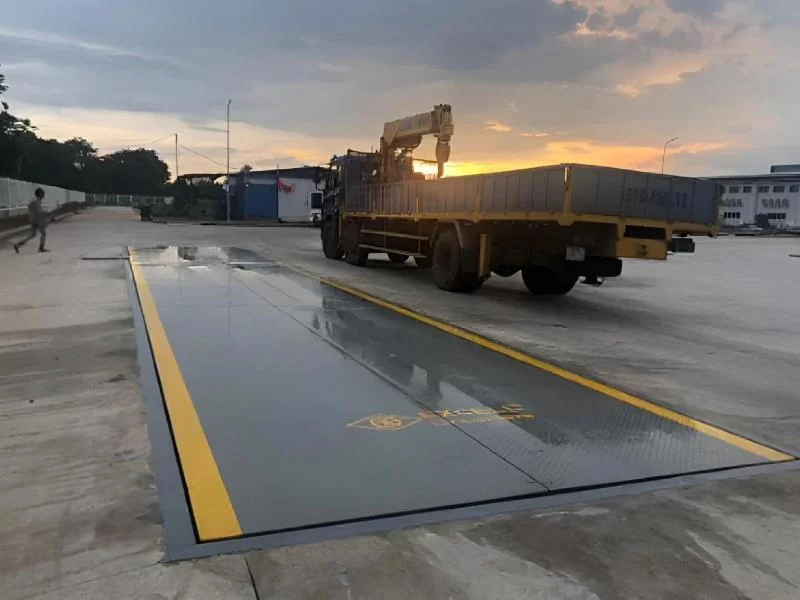
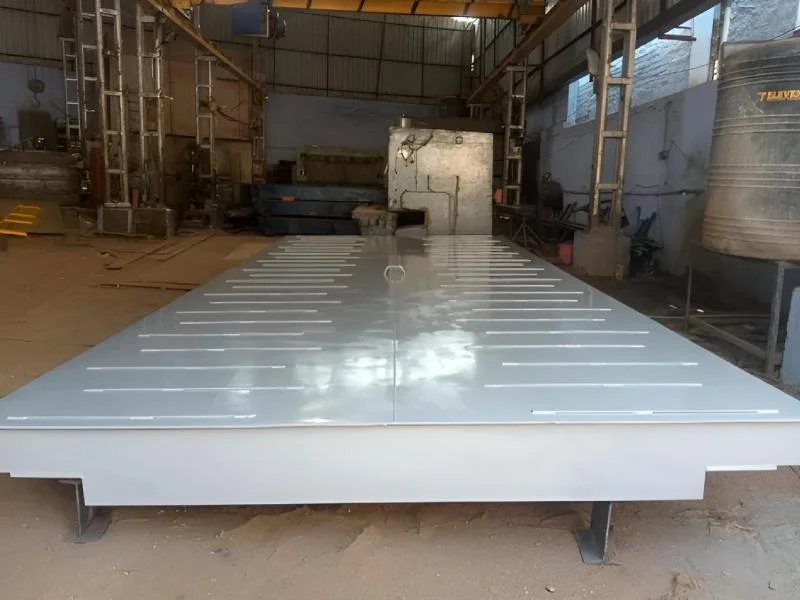
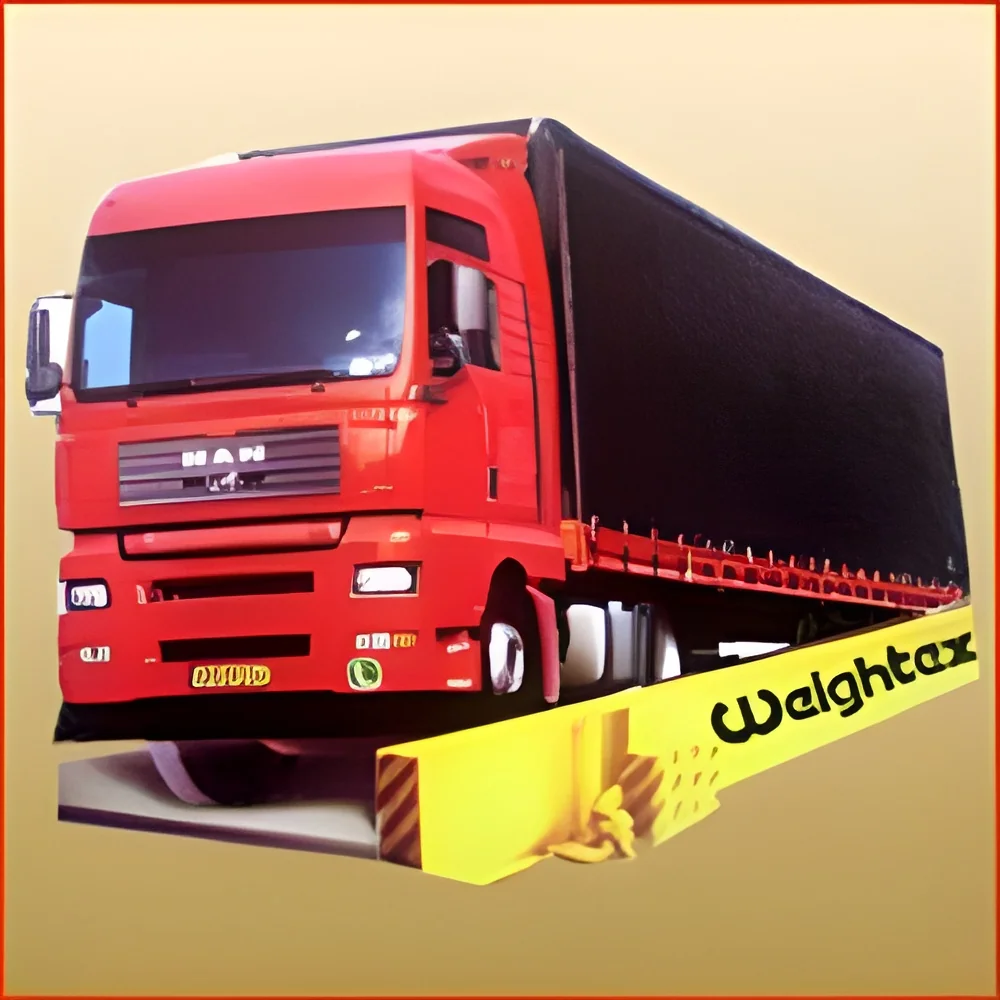
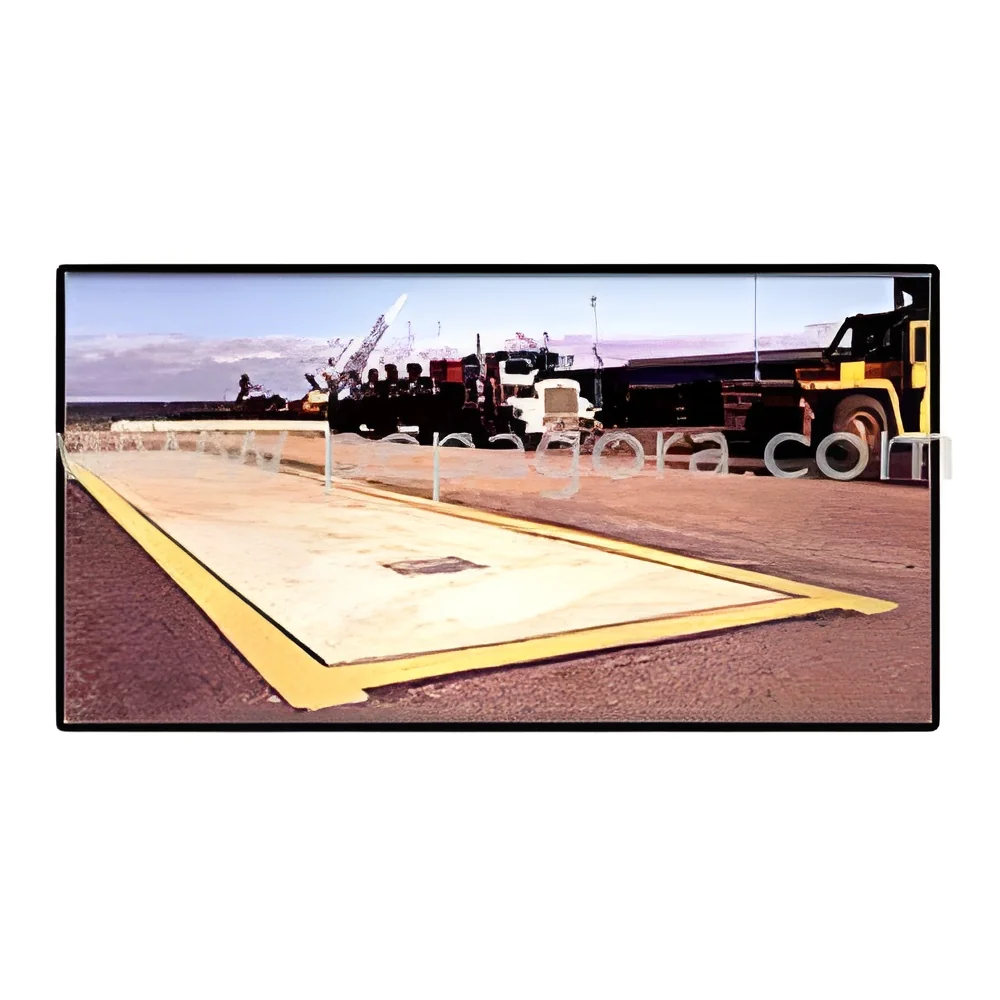
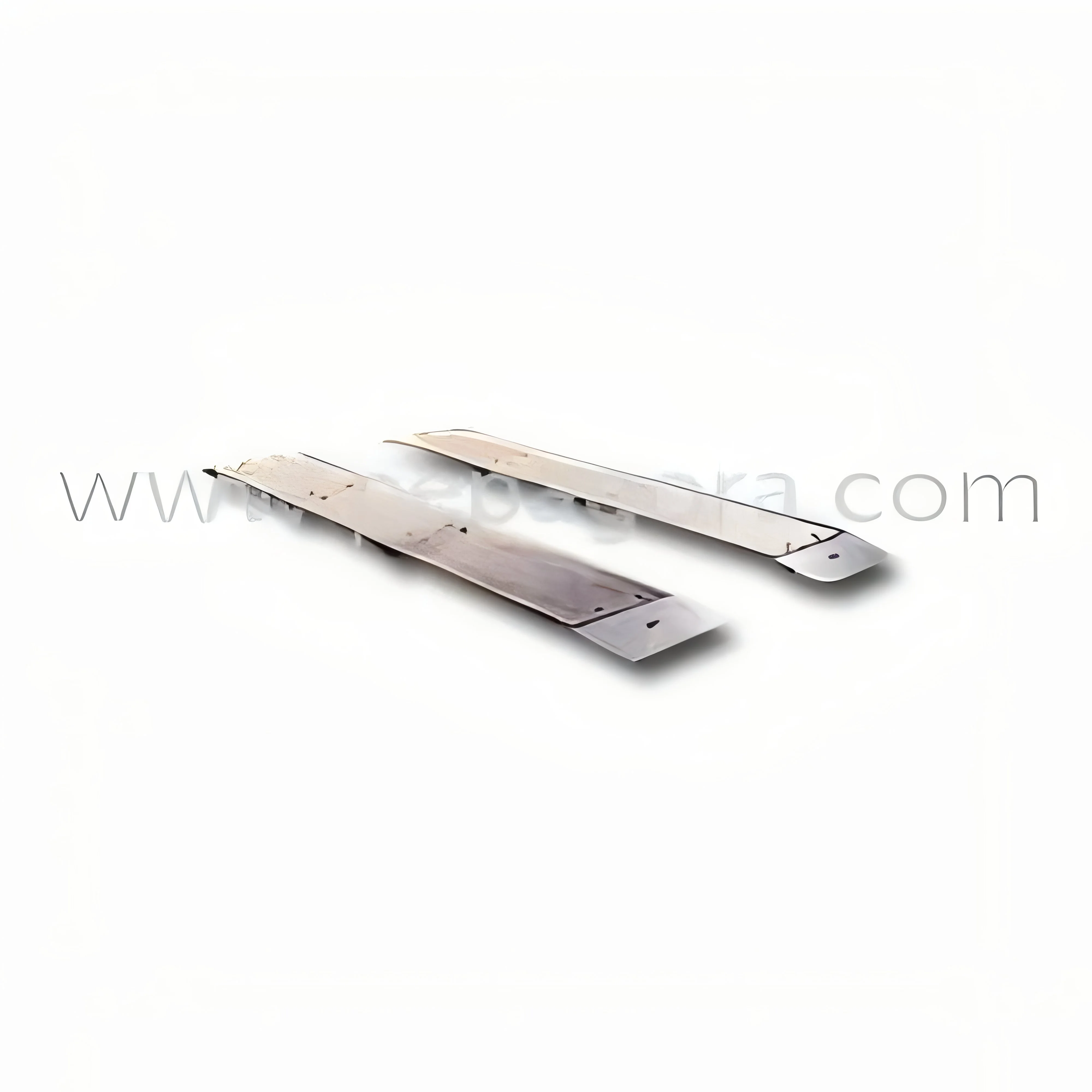
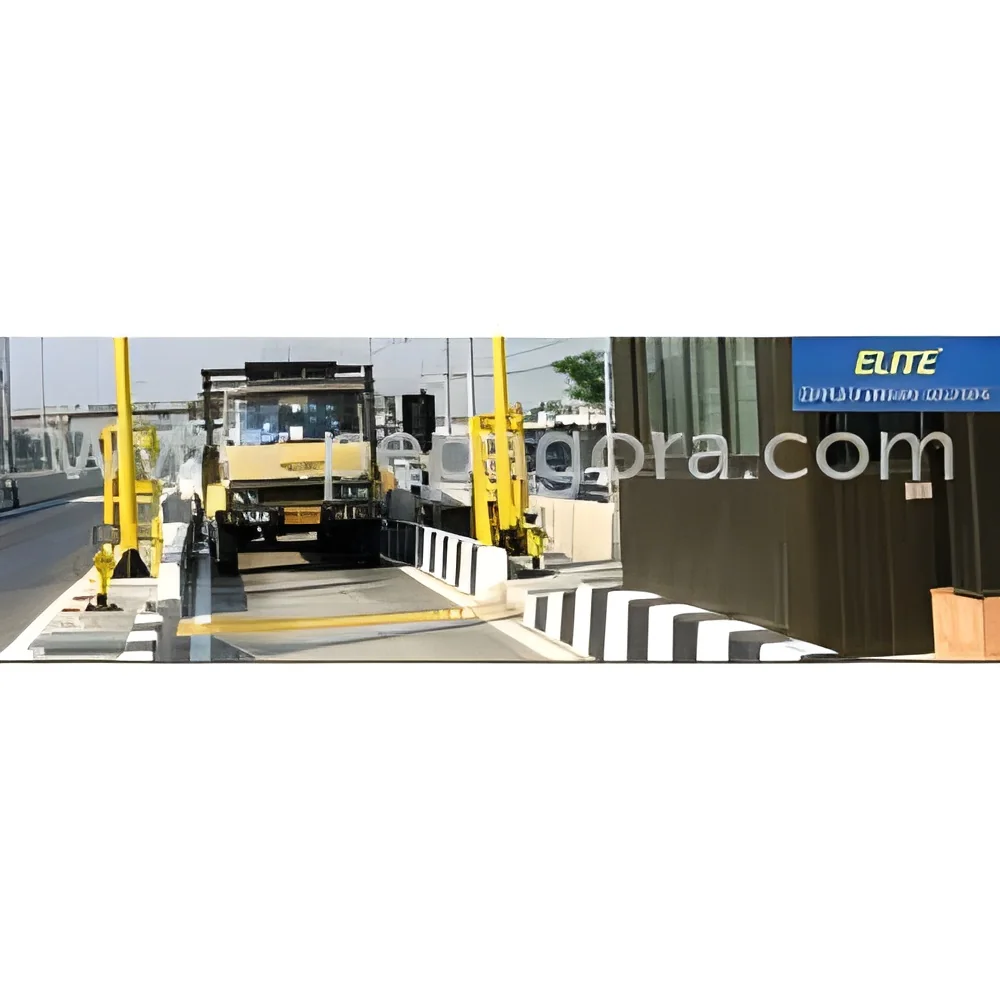
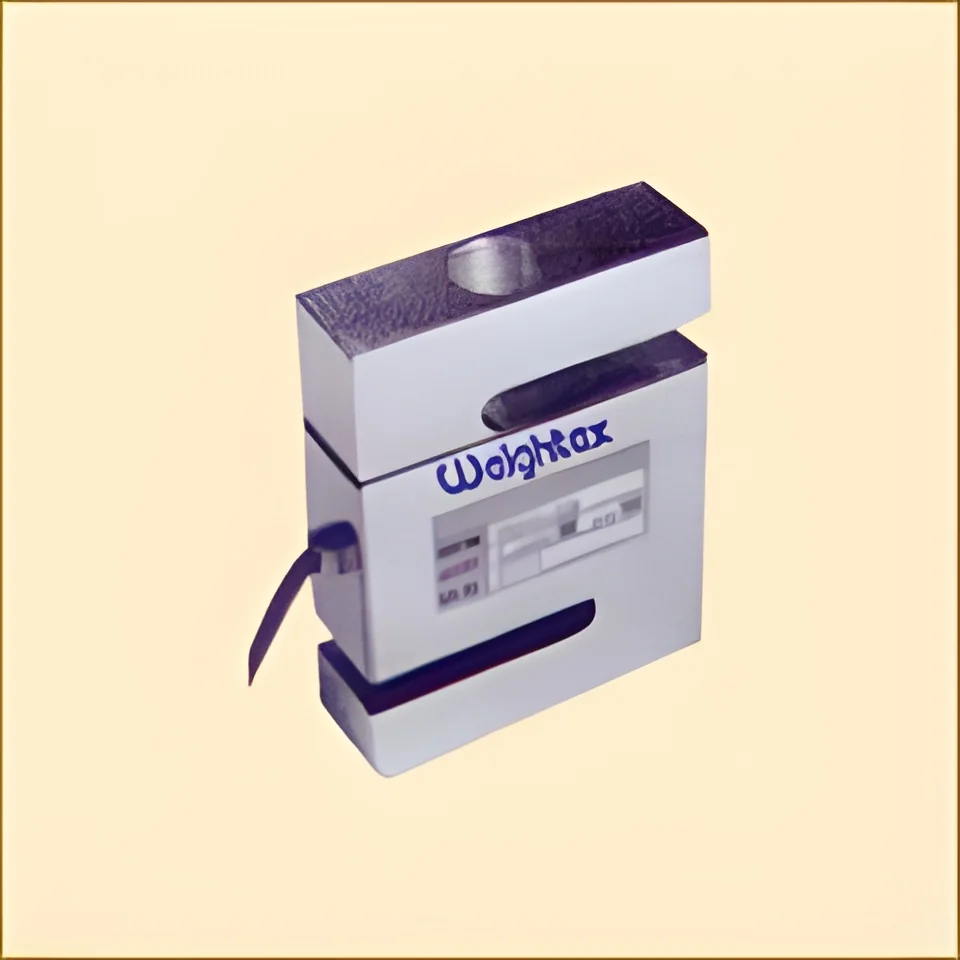
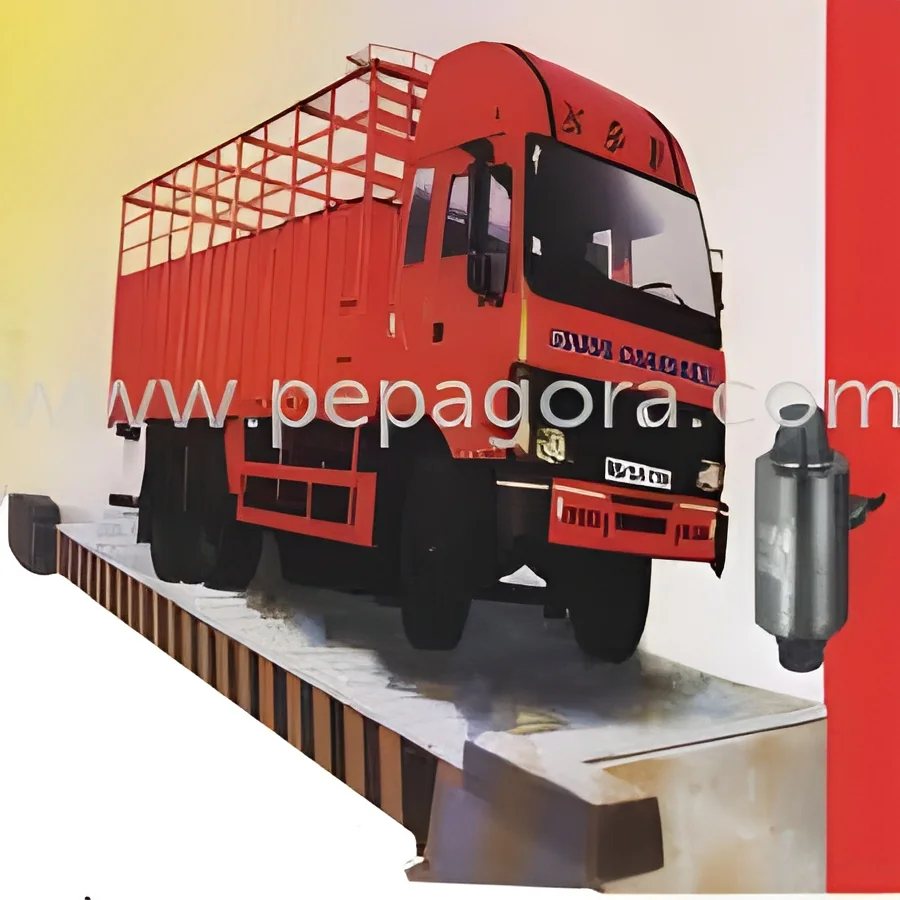
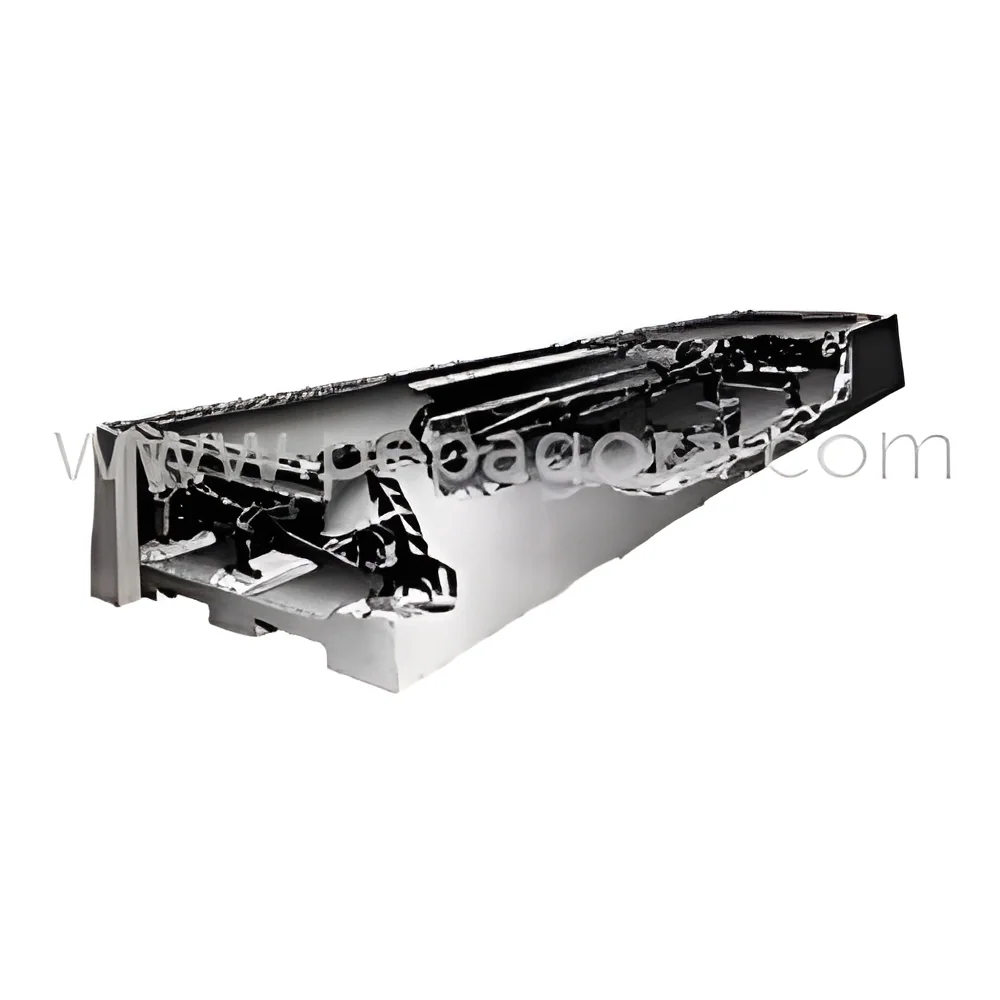
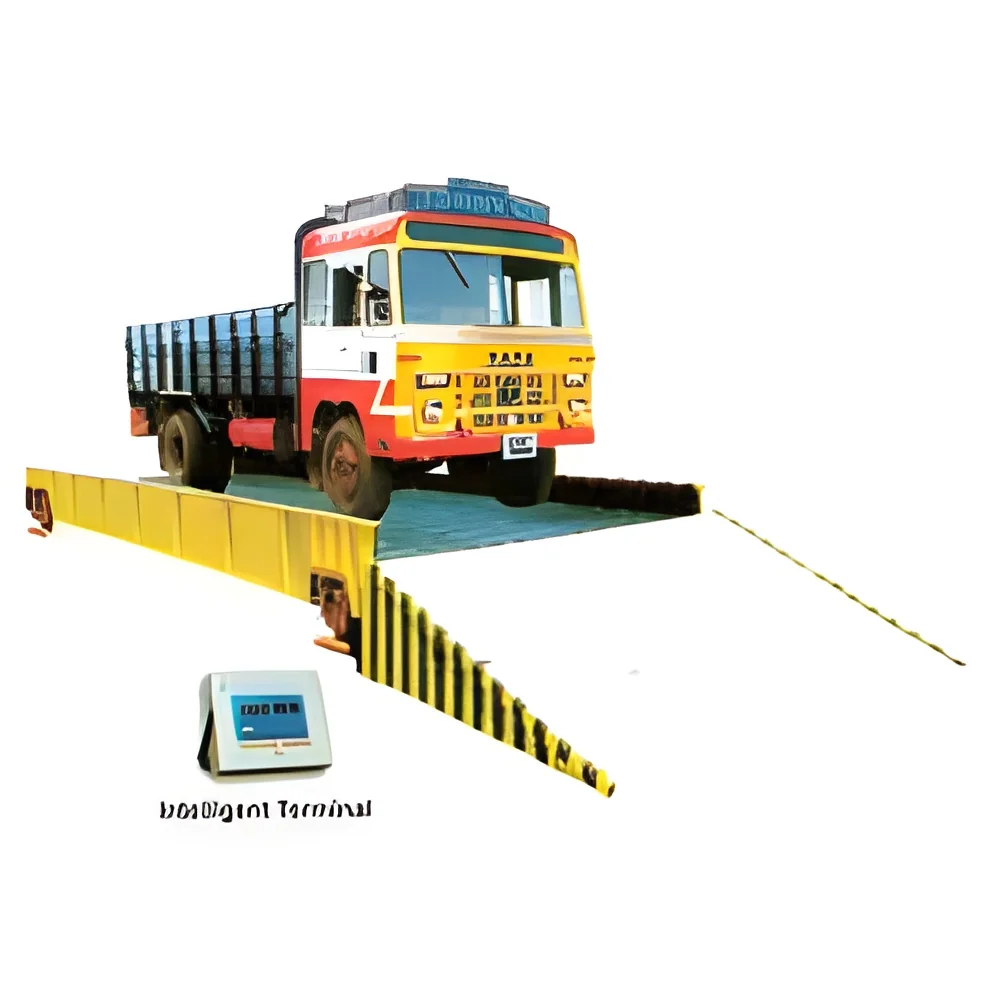
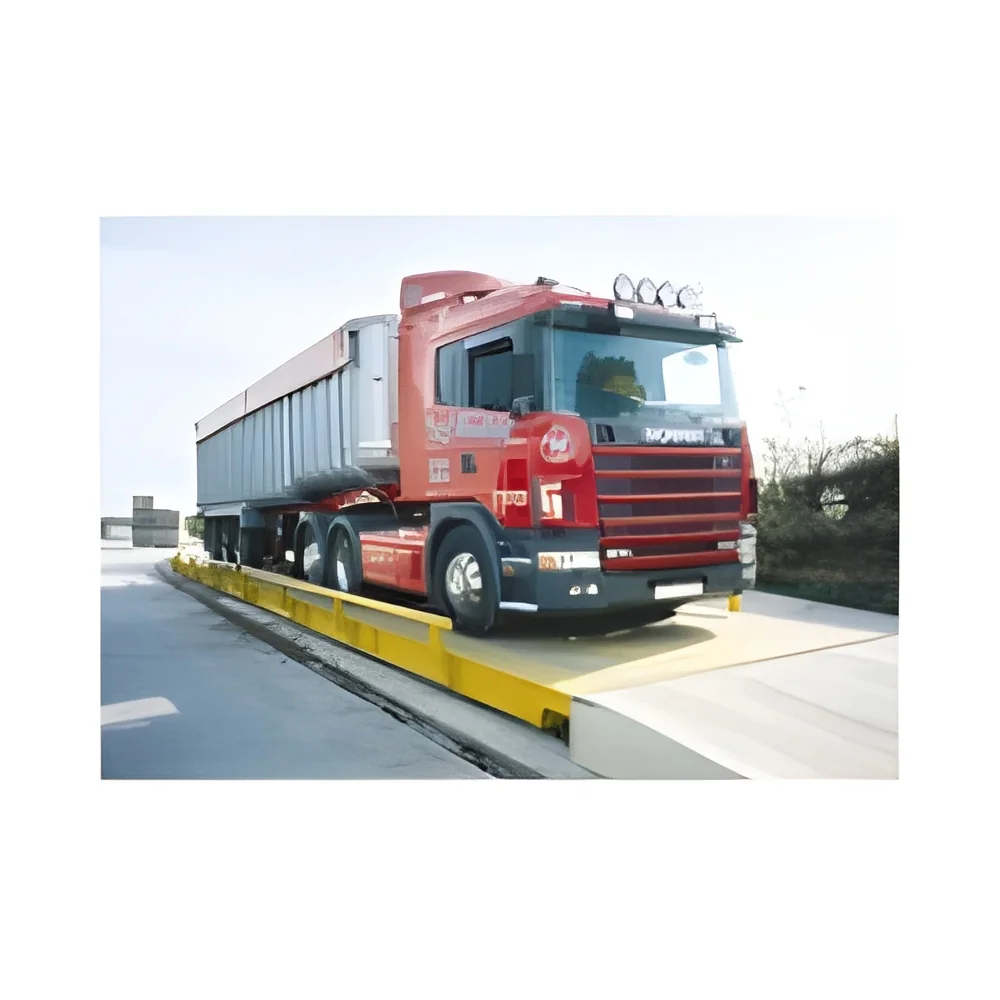
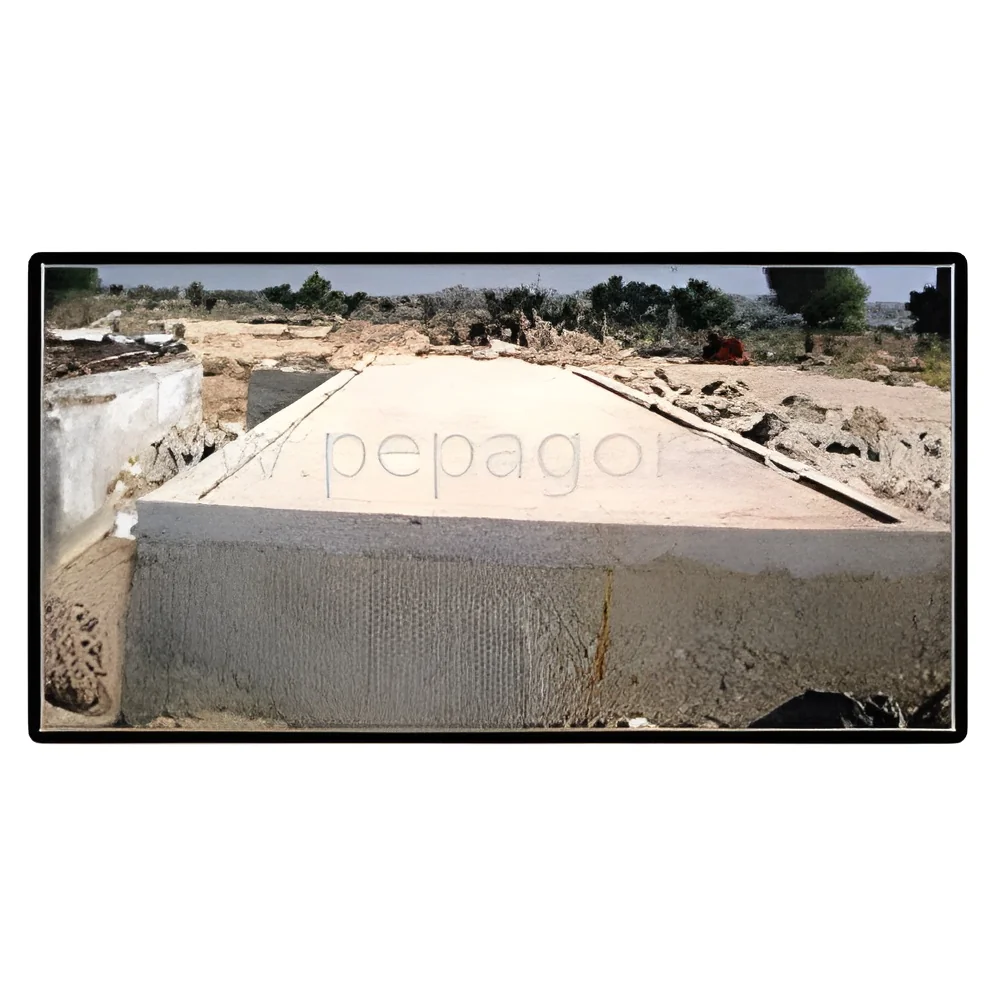
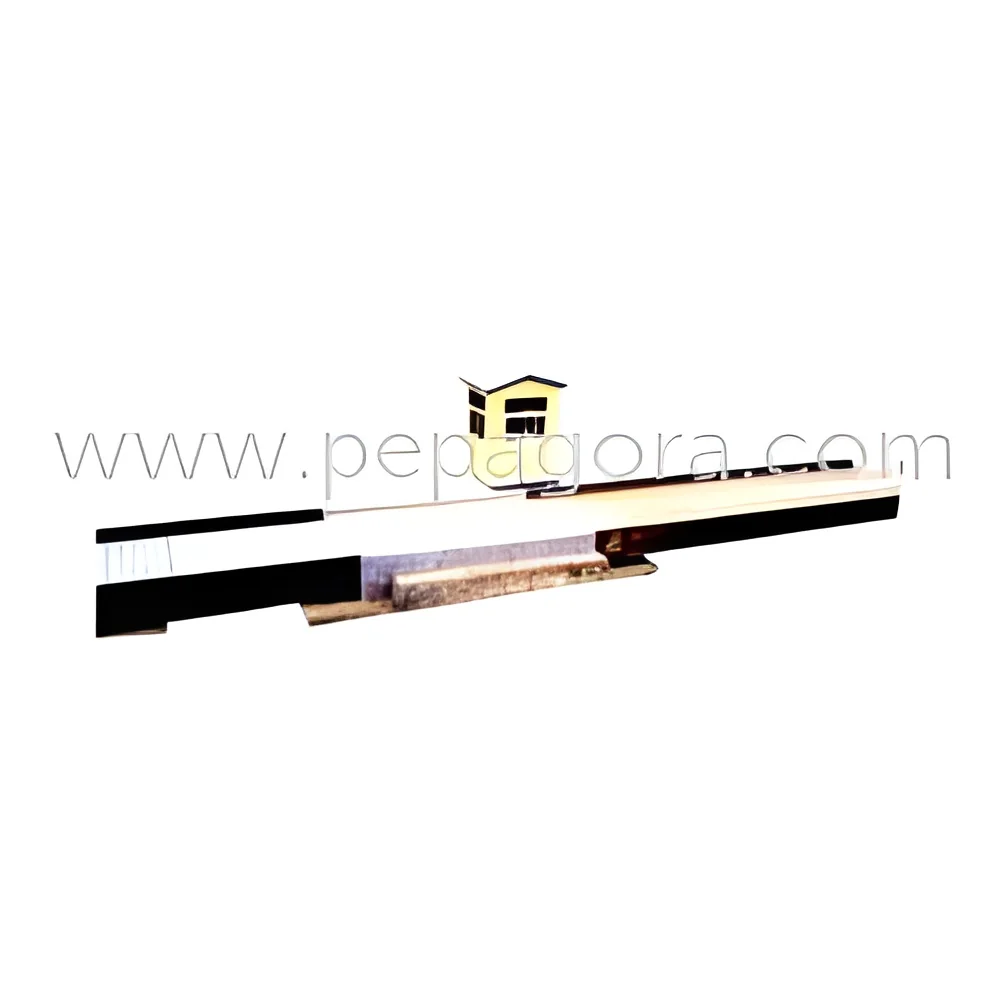
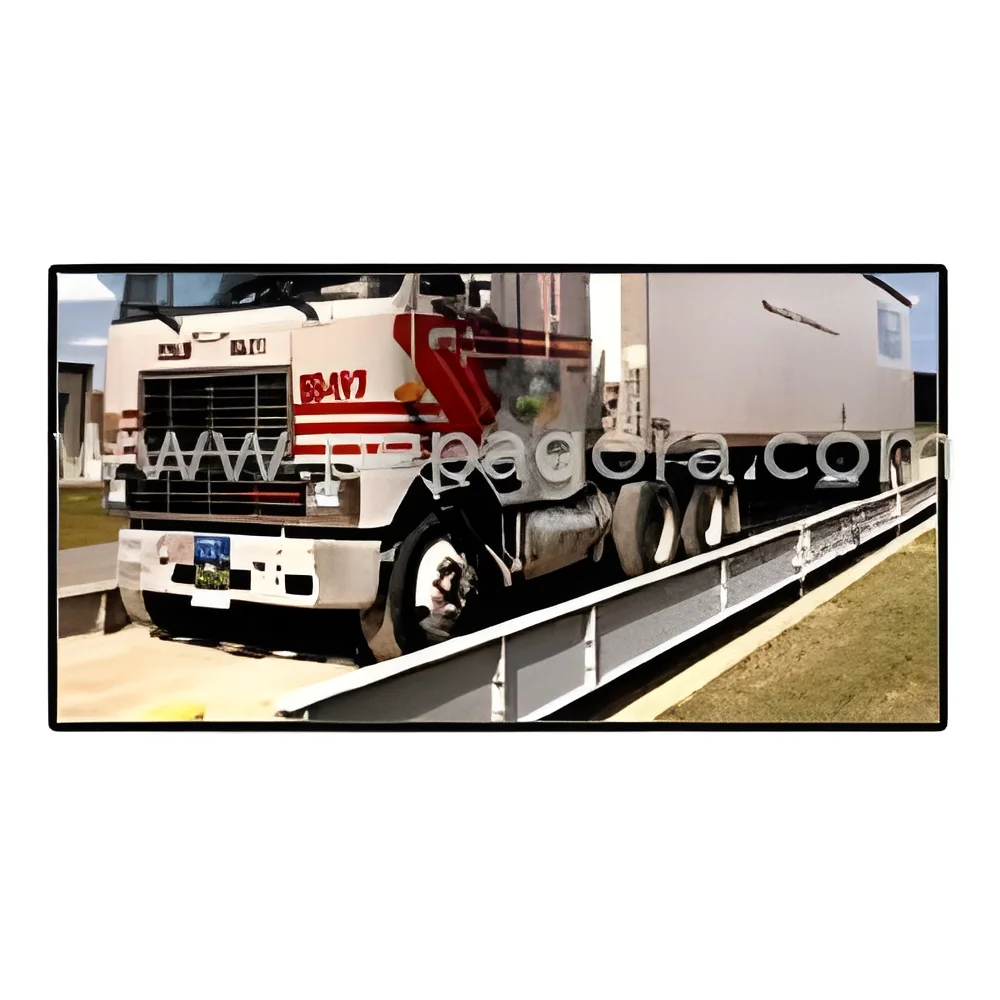
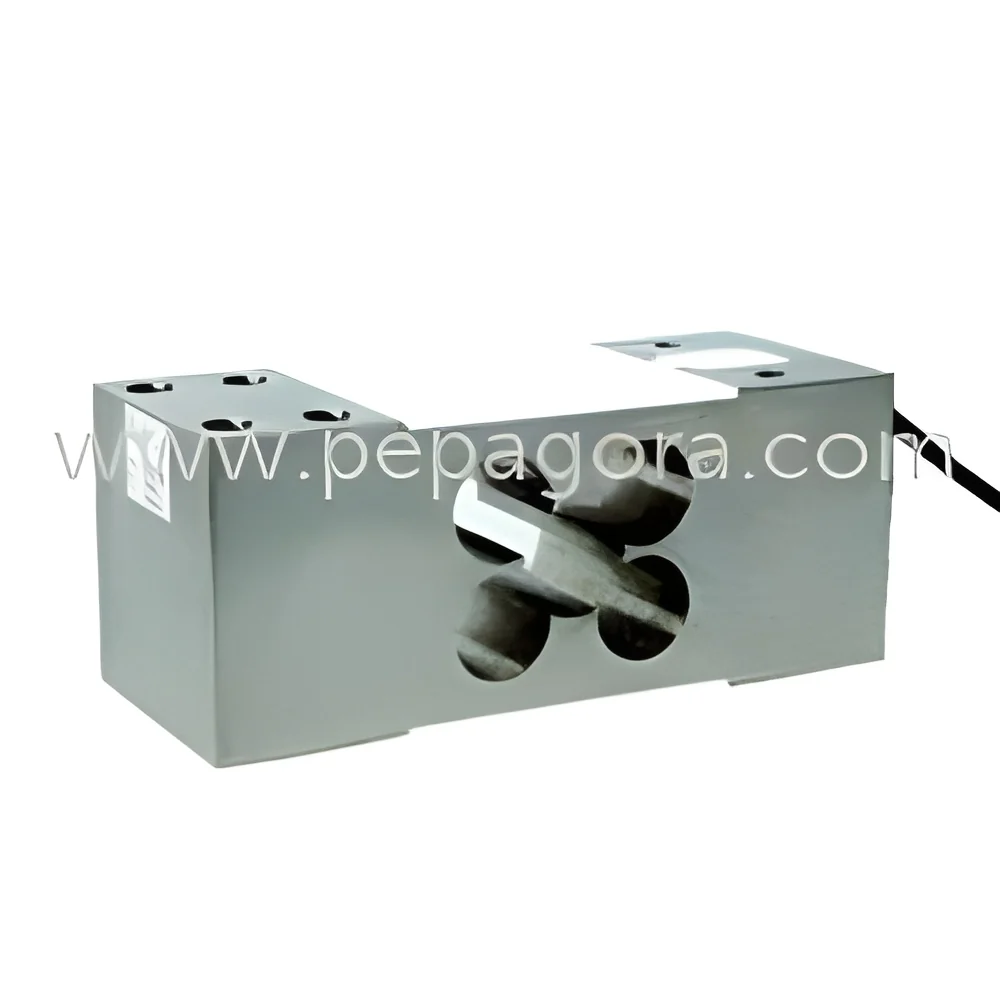
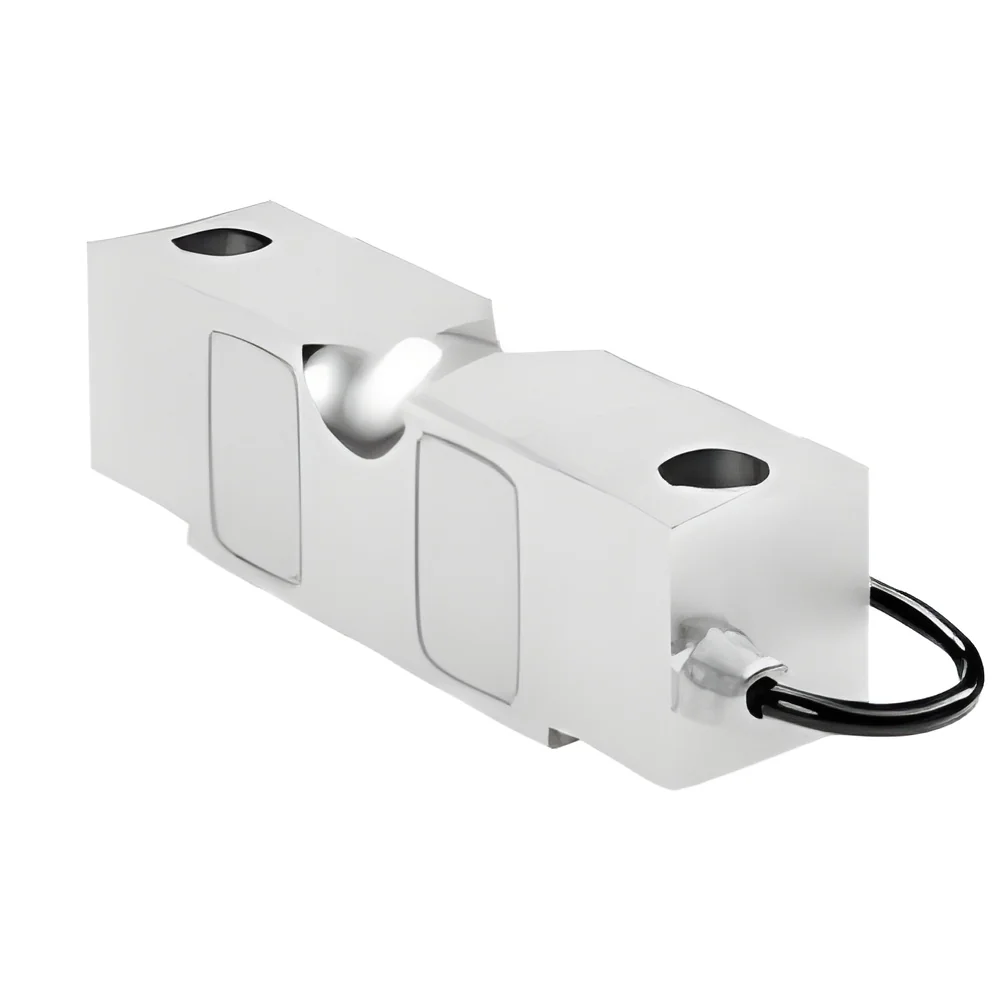
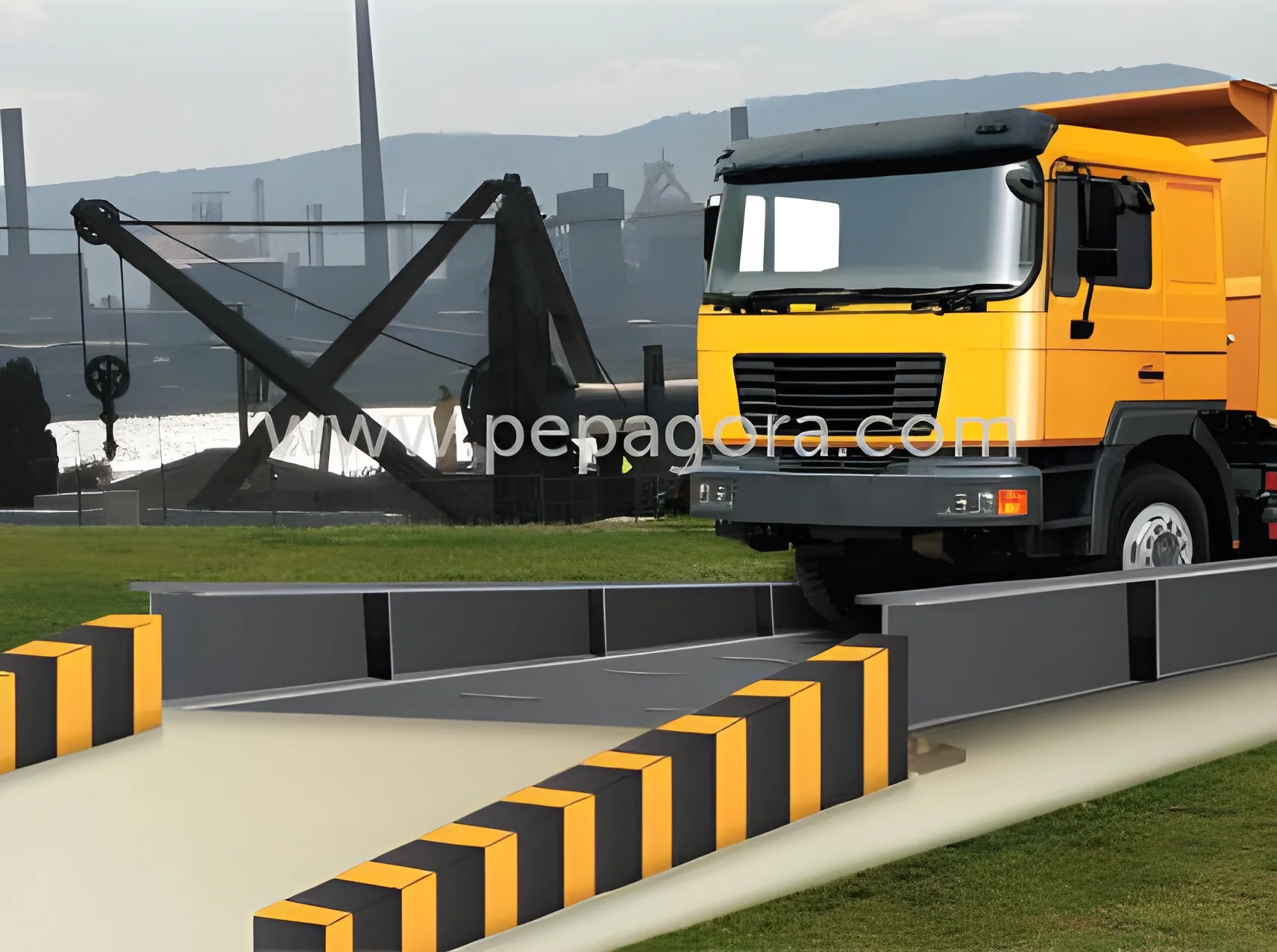
Weighbridges are large-scale weighing systems designed to measure the weight of vehicles and their cargo. They consist of a platform that is installed at ground level and is capable of accommodating large trucks, trailers, and other heavy vehicles. When a vehicle drives onto the platform, sensors measure the weight, providing accurate data that can be used for various industrial applications.
The primary uses of weighbridges are found in industries such as logistics, transportation, and manufacturing. Businesses utilize these systems to ensure compliance with weight regulations, optimize load management, and enhance operational efficiency. Weighbridges are essential for companies that require precise weight measurements for billing, inventory control, and regulatory compliance. In today’s market, weighbridges remain vital for maintaining safety and efficiency in supply chains and transportation networks.
In the context of the industrial market, weighbridges are increasingly relevant as regulations on vehicle weights continue to tighten. Businesses must adapt to these regulations by investing in reliable weighing solutions. With the advancement of technology, modern weighbridges offer enhanced features such as digital displays, remote monitoring capabilities, and integration with other software systems, making them indispensable tools for many sectors.
Key Features and Specifications
Weighbridges come equipped with various features that enhance their functionality and performance. Understanding these specifications is crucial for businesses looking to invest in this equipment.
Key specifications include:
1. Load Capacity
- Determines the maximum weight the weighbridge can handle.
- Typical ranges vary from 30,000 kg to over 100,000 kg.
2. Platform Size
- Refers to the dimensions of the weighbridge platform.
- Common sizes include 3 meters to 4.5 meters in width and 12 meters to 18 meters in length.
3. Accuracy
- Indicates the precision of weight measurements.
- Accuracy can range from ±0.5% to ±1% of the total weight.
4. Material Construction
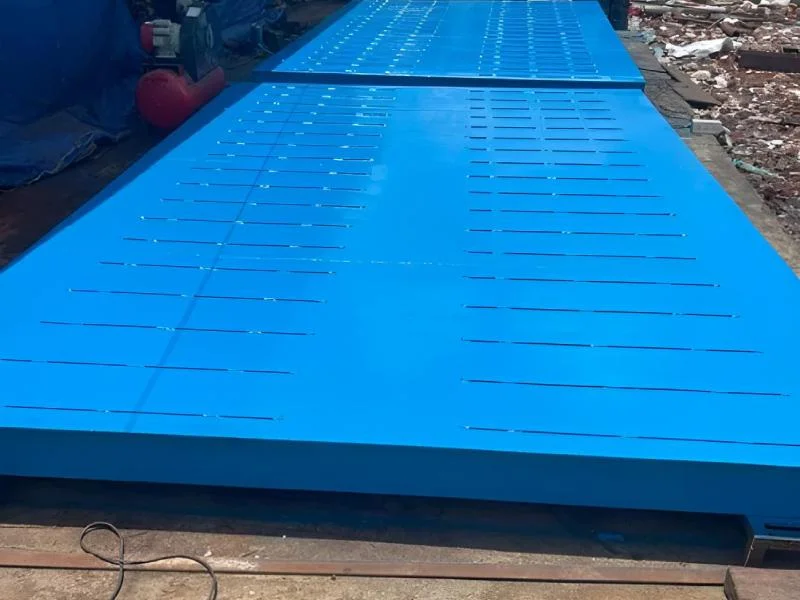
- Weighbridges are typically made from steel or concrete.
- Steel offers durability and resistance to corrosion.
5. Installation Type
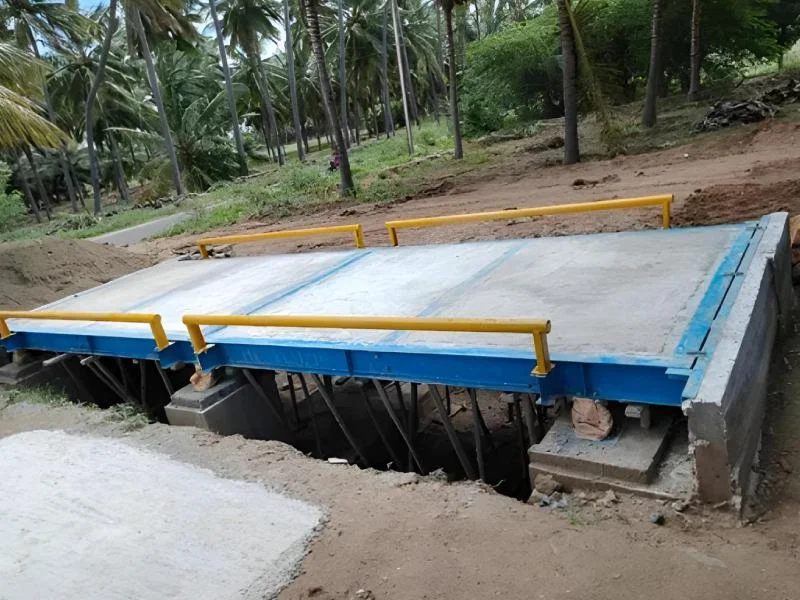
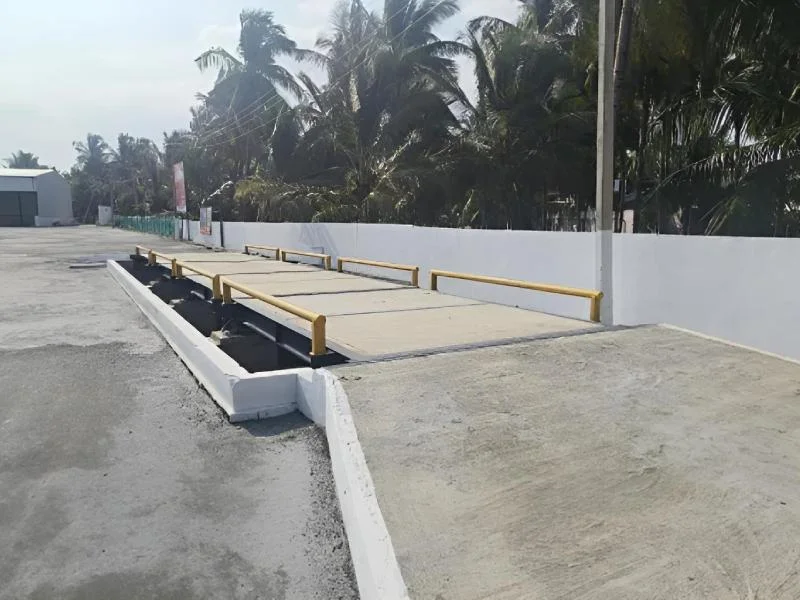
- Weighbridges can be pit-mounted or surface-mounted.
- Pit-mounted designs are often used for permanent installations.
6. Power Supply
- Options include electric, solar, or battery-operated systems.
- Electric systems are common for continuous operations.
7. Data Management
- Many weighbridges feature software integration for data logging.
- This allows for easy access to weight records and reports.
8. Certification
- Weighbridges may come with certifications such as CE for quality assurance.
- Compliance with local regulations is essential for operational validity.
In summary, understanding the key features and specifications of weighbridges helps businesses select the right model for their needs, ensuring they meet industry standards and operational requirements.
Common Applications and Use Cases
Weighbridges are widely utilized across various industries for specific applications that enhance operational efficiency.
1. Transportation and Logistics: Weighbridges are crucial for ensuring that vehicles comply with weight regulations before they enter highways. This helps avoid penalties and promotes road safety.
2. Manufacturing: In manufacturing, weighbridges are used to measure raw materials before processing and finished products before shipment. This ensures accurate inventory management and quality control.
3. Agriculture: Farmers and agricultural businesses utilize weighbridges for measuring bulk loads of produce, ensuring fair pricing and compliance with transportation regulations.
4. Construction: Construction companies use weighbridges to monitor the weight of materials delivered to job sites. Accurate measurements help manage logistics and project budgets effectively.
5. Waste Management: In waste management, weighbridges help track the weight of waste being processed at recycling centers or landfills, ensuring adherence to environmental regulations.
6. Mining: In the mining sector, weighbridges are used to measure the weight of mined materials being transported. This is vital for accurate billing and operational efficiency.
7. Retail: Retailers, especially in bulk goods, may use weighbridges to determine the weight of large shipments for pricing and inventory purposes.
Product Variants and Subcategories
Weighbridges come in various types to cater to different operational requirements. Although specific subcategories are not available, the diversity in design and functionality allows businesses to choose models that best fit their needs.
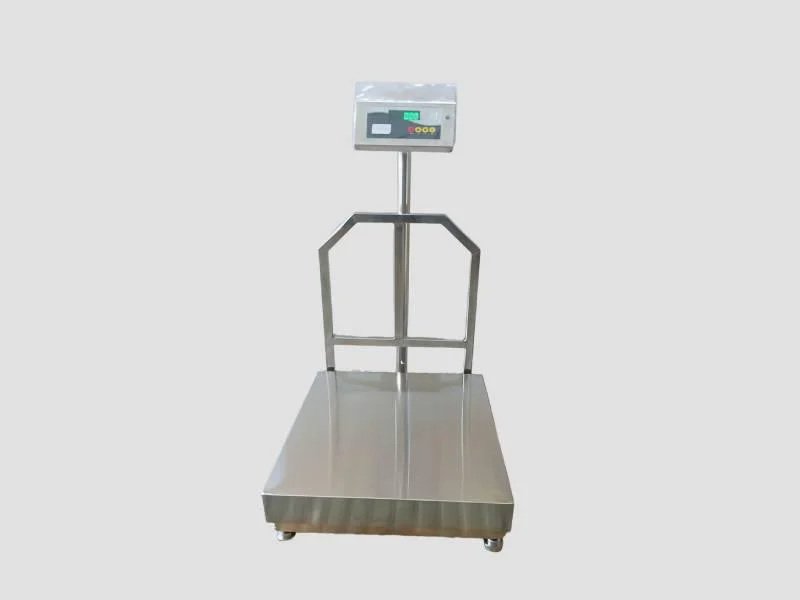
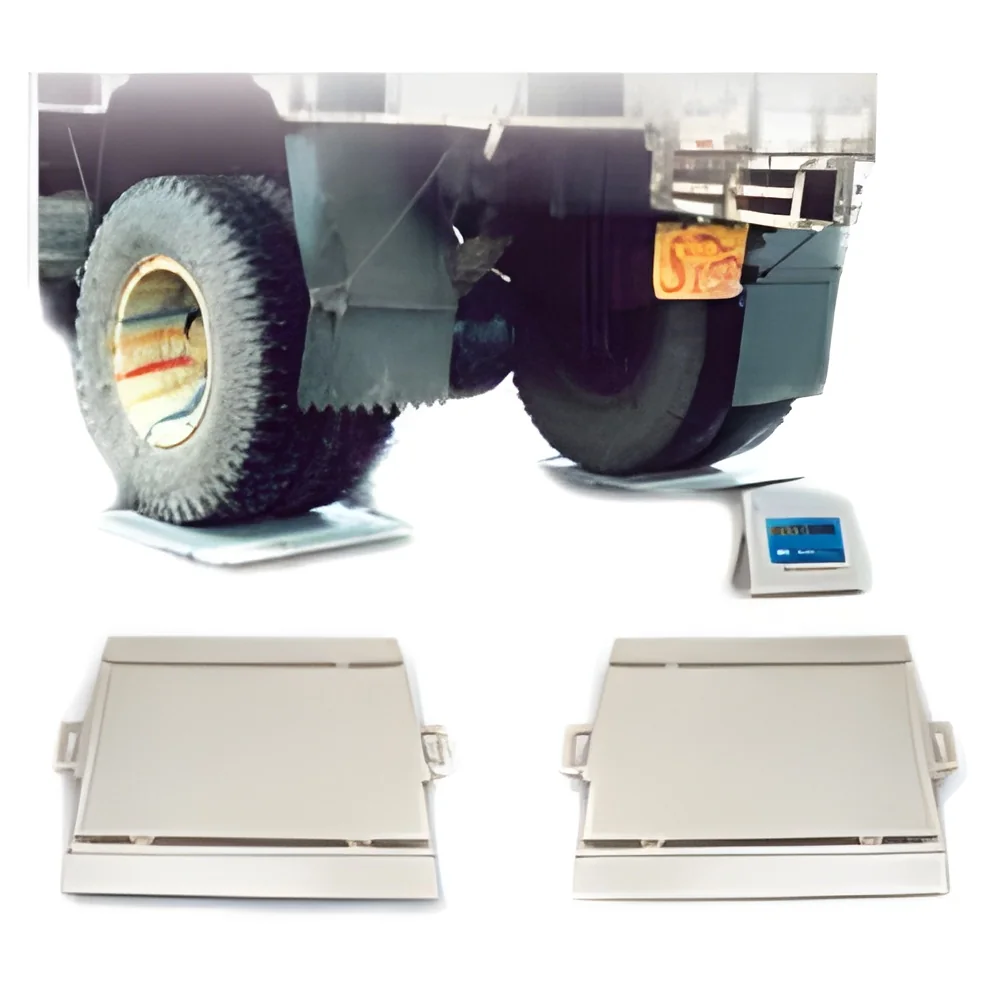
Portable Weighbridges: These weighbridges are designed for mobility and can be easily transported to different locations. They are ideal for temporary sites and projects requiring flexibility.
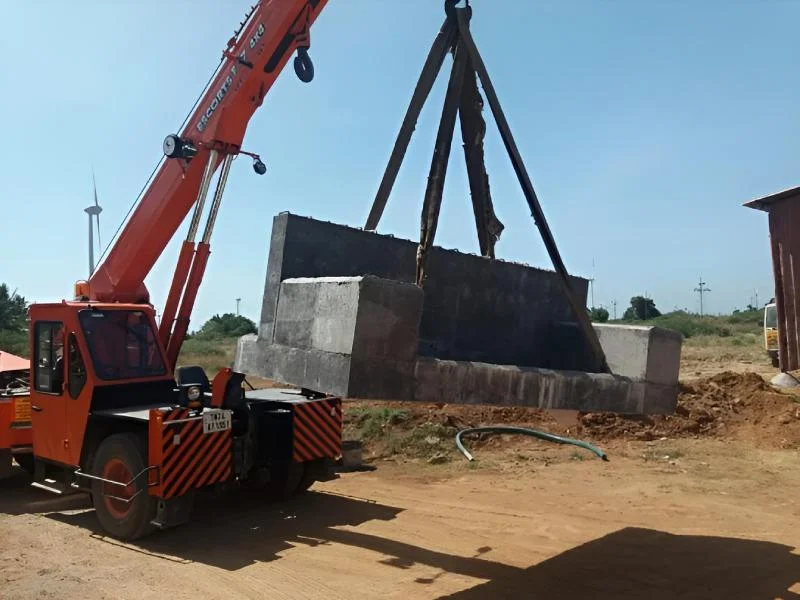
Permanent Weighbridges: Built for long-term use, these weighbridges are installed on-site and are suitable for high-traffic locations. They offer robust construction and enhanced durability.
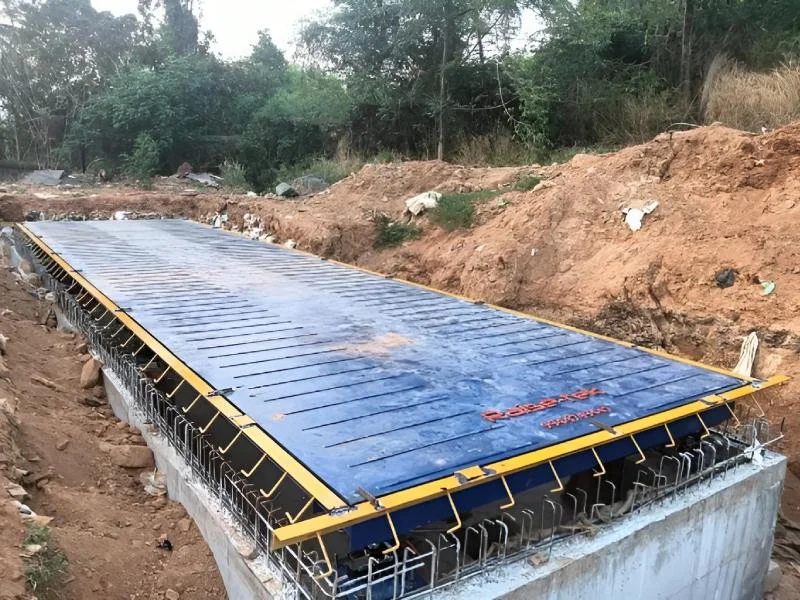
Pit Weighbridges: These weighbridges are installed in a pit, allowing for easier access and loading. They are particularly useful in environments where height restrictions are a concern.
Surface Weighbridges: Designed to be placed above ground, surface weighbridges require minimal excavation. They are often easier to install and maintain.
Benefits and Advantages
Investing in weighbridges provides numerous advantages that significantly enhance operational efficiency and compliance.
Key benefits include:
1. Compliance Assurance: Weighbridges help businesses comply with weight regulations, reducing the risk of fines and legal issues.
2. Improved Efficiency: Accurate weight measurements streamline logistics and inventory management, leading to better resource allocation.
3. Cost Savings: By optimizing load management, businesses can reduce transportation costs and avoid overloading penalties.
4. Enhanced Safety: Weighbridges improve road safety by ensuring vehicles are not overloaded, reducing the risk of accidents.
5. Data Accuracy: Digital weighbridges provide precise weight data, enabling better decision-making and operational planning.
6. Customizable Features: Many weighbridges can be customized to suit specific business needs, including software integration for data management.
Buying Guide for B2B Buyers
When sourcing weighbridges, businesses should consider several key factors to ensure they make informed purchasing decisions.
1. Quality Assessment: Evaluate the quality of the weighbridge by reviewing its construction materials, design, and adherence to industry standards. High-quality weighbridges typically offer better durability and accuracy.
2. Supplier Verification: Conduct thorough research on potential suppliers. Check for industry certifications and customer reviews to ensure reliability and reputation.
3. Pricing and MOQ: Understand the pricing structure and minimum order quantities set by suppliers. This will help in budgeting and planning for future purchases.
4. Delivery and Lead Times: Consider the logistics involved in delivery. Factor in lead times to ensure the weighbridge is received when needed for operations.
5. Compliance Requirements: Ensure that the weighbridge meets local regulations and certifications. This is critical for operational legality and safety.
Compliance and Certifications
Compliance and certifications are essential for weighbridges to ensure they meet industry standards and regulations. Key quality standards include ISO 9001, which focuses on quality management systems, and CE certification, which indicates compliance with European health, safety, and environmental protection standards.
Weighbridges must also adhere to testing and safety requirements to guarantee their accuracy and reliability under various conditions. This includes regular calibration and maintenance checks to ensure ongoing compliance.
Regional compliance considerations may vary, so it is essential for businesses to understand the local regulations that apply to weighbridges in their specific geographic areas. Compliance with these regulations not only avoids legal complications but also enhances operational credibility.
Why Source Weighbridges from Pepagora?
Pepagora provides a trusted platform for sourcing weighbridges, offering several key advantages to B2B buyers.
Verified Supplier Network: Pepagora features a robust network of verified suppliers who offer high-quality weighbridges. This ensures that buyers can trust the products they are purchasing.
Streamlined RFQ Process: The platform simplifies the request for quotation process, allowing buyers to easily compare offers and select the best options for their needs.
Trade Assurance and Support: Pepagora offers trade assurance programs that protect buyers during transactions, providing peace of mind throughout the purchasing process.
Regional Coverage: With a strong presence in India, the GCC, and Southeast Asia, Pepagora ensures that businesses can access weighbridges tailored to their regional needs while benefiting from local expertise and support.

 IN
IN