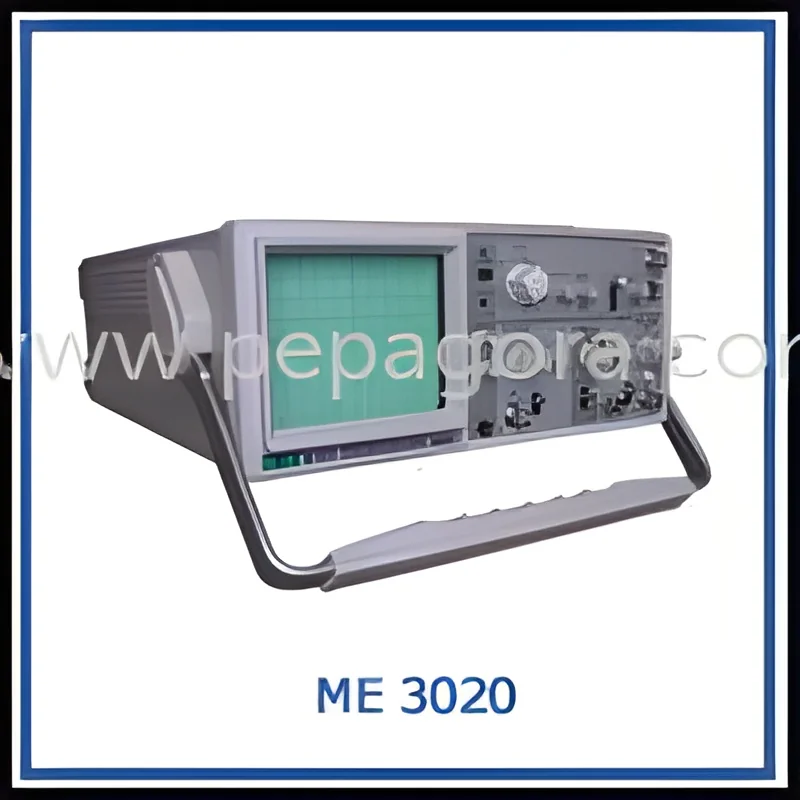
What are Oscilloscopes?
Oscilloscopes are electronic instruments used to visualize and analyze the waveform of electrical signals. They provide a graphical representation of voltage over time, enabling engineers and technicians to observe signal characteristics such as amplitude, frequency, and distortion. By converting electrical signals into visual data, oscilloscopes enable users to troubleshoot and optimize electronic devices effectively.
These instruments are crucial in various business applications, including research and development, manufacturing, and quality control. Oscilloscopes are employed in industries such as telecommunications, automotive, and consumer electronics to ensure that products meet performance standards. Their ability to capture transient events makes them invaluable for testing and validating complex systems in real time. With the increasing complexity of electronic devices, the demand for oscilloscopes continues to grow in a competitive market.
Key Features and Specifications
Oscilloscopes come equipped with several features that enhance their functionality and usability. Understanding these specifications is essential for selecting the right model for specific applications.
Key specifications include:
1. Bandwidth
- The range of frequencies the oscilloscope can accurately measure
- Typically ranges from a few MHz to several GHz
2. Sample Rate
- The number of samples taken per second
- Measured in samples per second (S/s), with values generally ranging from 1 GSa/s to 10 GSa/s
3. Channels
- The number of inputs available for measuring signals
- Commonly available in 2, 4, or more channels
4. Memory Depth
- The amount of data that can be stored for each waveform
- Ranges from a few kilobytes to several megabytes
5. Display Type
- The technology used for the visual interface
- Options include LCD and OLED screens
6. Trigger Modes
- The methods available for capturing and stabilizing waveforms
- Includes edge, pulse, and sequence triggers
7. Connectivity Options
- The types of connections available for data transfer
- May include USB, Ethernet, and Wi-Fi capabilities
8. Compliance Standards
- Adherence to safety and quality regulations
- CE certification is commonly found in modern oscilloscopes
In summary, understanding these key features and specifications helps users select the appropriate oscilloscope for their specific testing and analysis needs.
Common Applications and Use Cases
Oscilloscopes serve a variety of industries, making them versatile tools in the field of electronics.
1. Telecommunications: In this industry, oscilloscopes are used to analyze signal integrity, troubleshoot communication systems, and ensure compliance with regulatory standards.
2. Automotive: Oscilloscopes help engineers test and validate automotive electronic systems, including engine control units and safety features, to enhance vehicle performance and safety.
3. Consumer Electronics: They are essential for testing and debugging devices such as smartphones, tablets, and televisions, ensuring that they function correctly before reaching the market.
4. Medical Equipment: Oscilloscopes are utilized in the design and testing of medical devices, allowing engineers to verify the performance of critical monitoring systems.
5. Aerospace: In aerospace applications, oscilloscopes are used to test avionics systems, ensuring reliability and safety in flight.
6. Industrial Automation: These instruments play a key role in monitoring and optimizing control systems in manufacturing processes.
7. Research and Development: Engineers and scientists use oscilloscopes in labs for experimental analysis, helping to innovate and improve electronic technologies.
Product Variants and Subcategories
Oscilloscopes come in various models to cater to different user needs. Each variant offers unique features that enhance specific applications.
Digital Oscilloscope: This variant provides advanced digital signal processing capabilities, allowing for detailed analysis of complex waveforms. It is widely used in laboratories and research facilities.
Mixed Signal Oscilloscope: This type combines the features of both an oscilloscope and a logic analyzer, enabling users to analyze both analog and digital signals simultaneously. It is ideal for embedded system development.
Portable Oscilloscope: Designed for field use, portable oscilloscopes are compact and battery-operated, making them convenient for on-site testing and troubleshooting.
Benefits and Advantages
Investing in an oscilloscope provides several key benefits to businesses.
1. Enhanced Troubleshooting: Oscilloscopes allow for quick identification and resolution of signal issues, reducing downtime and improving productivity.
2. Accurate Measurements: These instruments provide precise visual representations of waveforms, leading to better analysis and design decisions.
3. Versatile Applications: Oscilloscopes can be used across various industries, making them a valuable tool for engineers and technicians in multiple sectors.
4. Improved Product Quality: By testing and validating electronic devices with oscilloscopes, companies can ensure that their products meet high-quality standards.
5. Time Efficiency: The ability to capture and analyze signals in real-time accelerates the testing process, leading to faster product development cycles.
6. User-Friendly Interfaces: Modern oscilloscopes often feature intuitive controls and displays, making them accessible to users with varying levels of expertise.
Buying Guide for B2B Buyers
When sourcing oscilloscopes, B2B buyers should consider several critical factors to ensure they select the right product.
1. Quality Assessment: Evaluate oscilloscopes based on their specifications and performance reviews. Look for models that meet industry standards and have a reputation for reliability.
2. Supplier Verification: Research potential suppliers to confirm their credibility. Check for certifications, customer reviews, and service history to ensure they can meet your business needs.
3. Pricing and MOQ: Understand the pricing structures and minimum order quantities offered by suppliers. Compare costs while considering the total value provided, including warranty and support services.
4. Delivery and Lead Times: Inquire about the expected delivery times for orders. Ensure the supplier can meet your timeline needs to avoid project delays.
5. Compliance Requirements: Confirm that the oscilloscopes meet necessary compliance and safety standards applicable to your region and industry. This helps mitigate risks associated with product quality.
Compliance and Certifications
Oscilloscopes are required to adhere to various compliance and quality standards, ensuring safety and reliability in their operation. One of the most recognized standards is ISO 9001, which focuses on quality management systems. Compliance with this standard indicates that the manufacturer follows established quality assurance processes.
In addition, oscilloscopes often carry the CE certification, which signifies conformity with health, safety, and environmental protection standards for products sold within the European Economic Area. This certification assures buyers that the products meet essential safety requirements.
Moreover, oscilloscopes must comply with safety and testing requirements relevant to their intended use. These could include electrical safety standards and electromagnetic compatibility regulations. Depending on the market, regional compliance considerations may also come into play, requiring manufacturers to adapt their products to meet local regulations.
Why Source Oscilloscopes from Pepagora?
Pepagora provides a trusted platform for sourcing oscilloscopes with several key advantages. The verified supplier network ensures that buyers connect with reputable manufacturers and distributors. This verification process enhances trust, giving buyers confidence in the quality of their purchases.
The streamlined request for quotation (RFQ) process simplifies sourcing, allowing buyers to receive competitive quotes quickly. This efficiency saves time and helps businesses make informed purchasing decisions.
Pepagora also offers trade assurance and support, providing buyers with protection throughout the procurement process. This commitment to buyer safety enhances the overall sourcing experience.
With regional coverage extending across India, the GCC, and Southeast Asia, Pepagora facilitates easy access to oscilloscopes for various businesses. This broad geographic reach ensures that buyers can find suitable products tailored to their specific needs, regardless of location.

 IN
IN