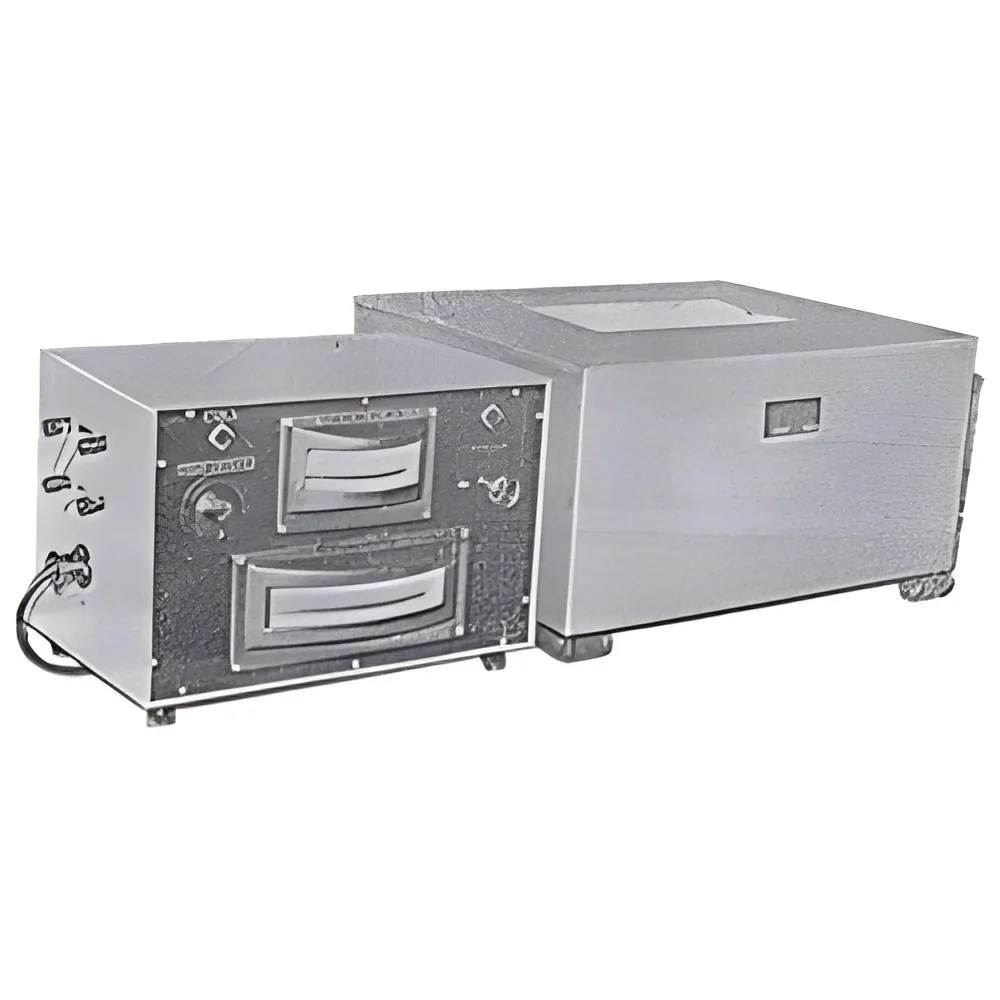
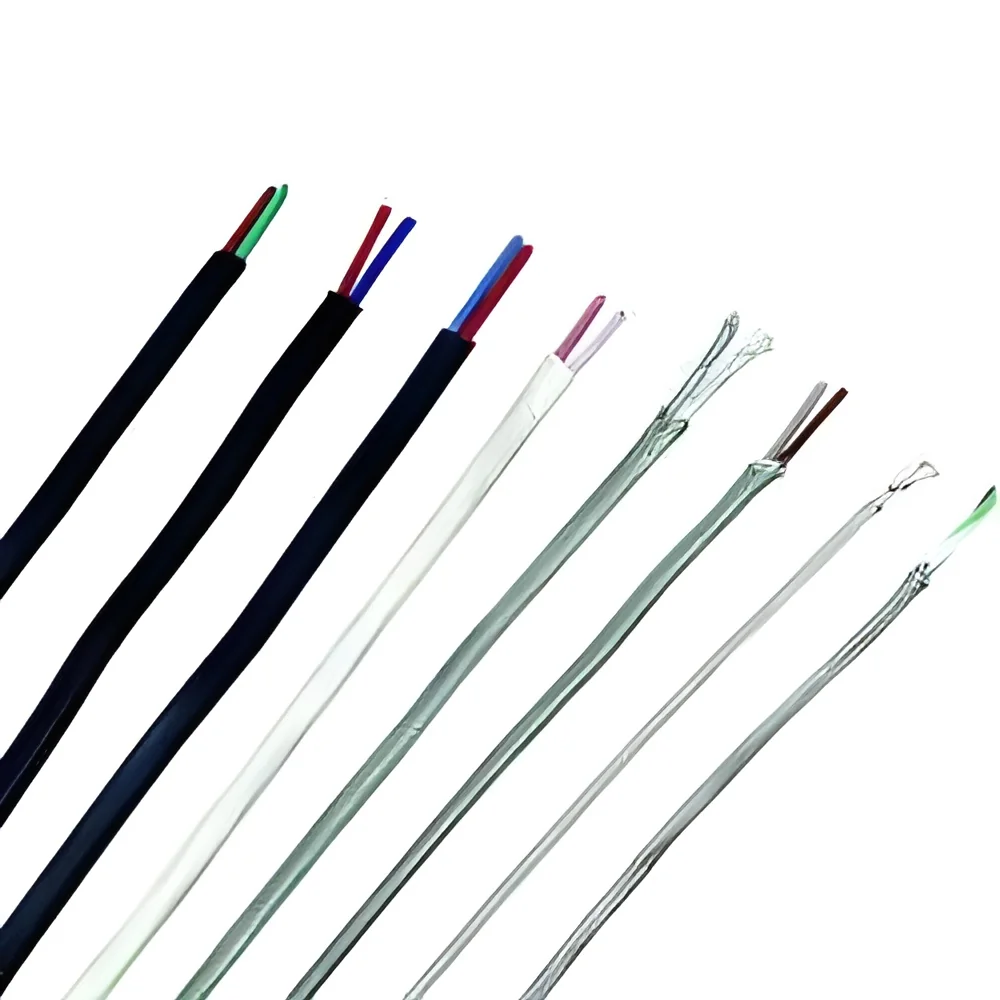
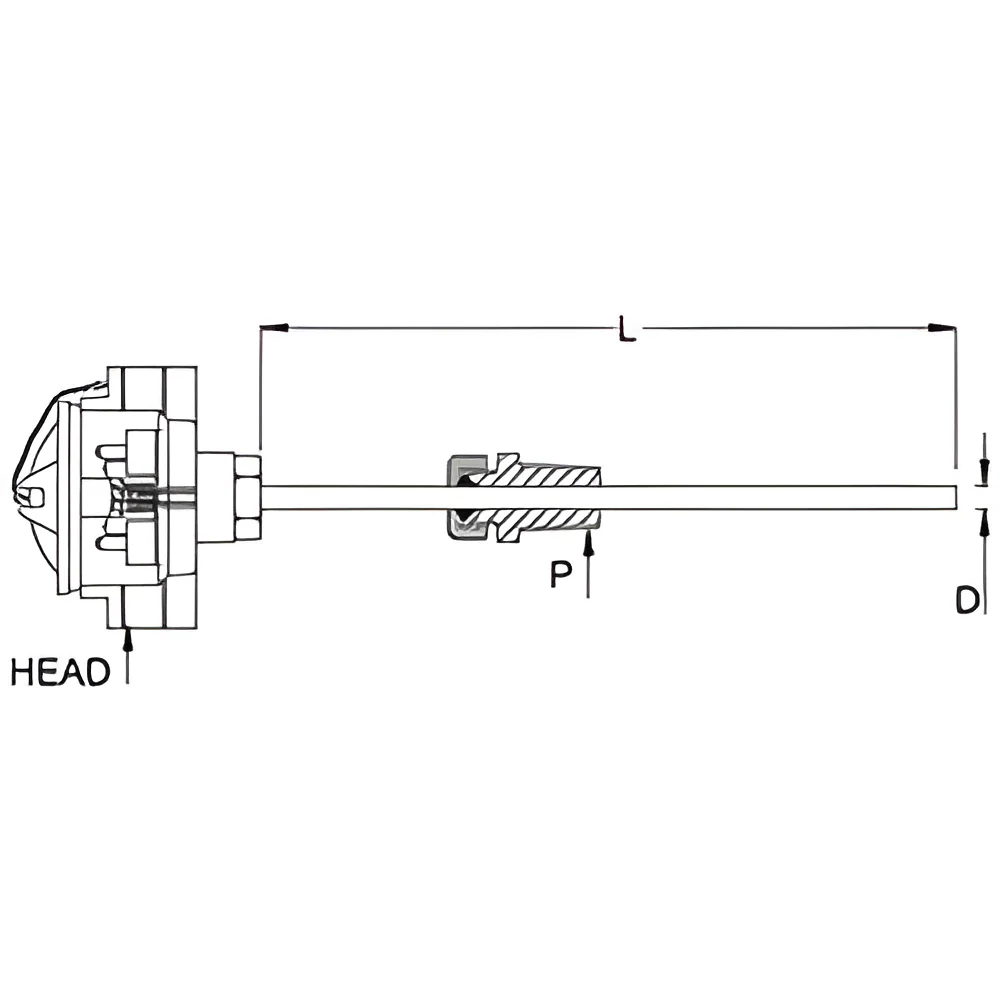
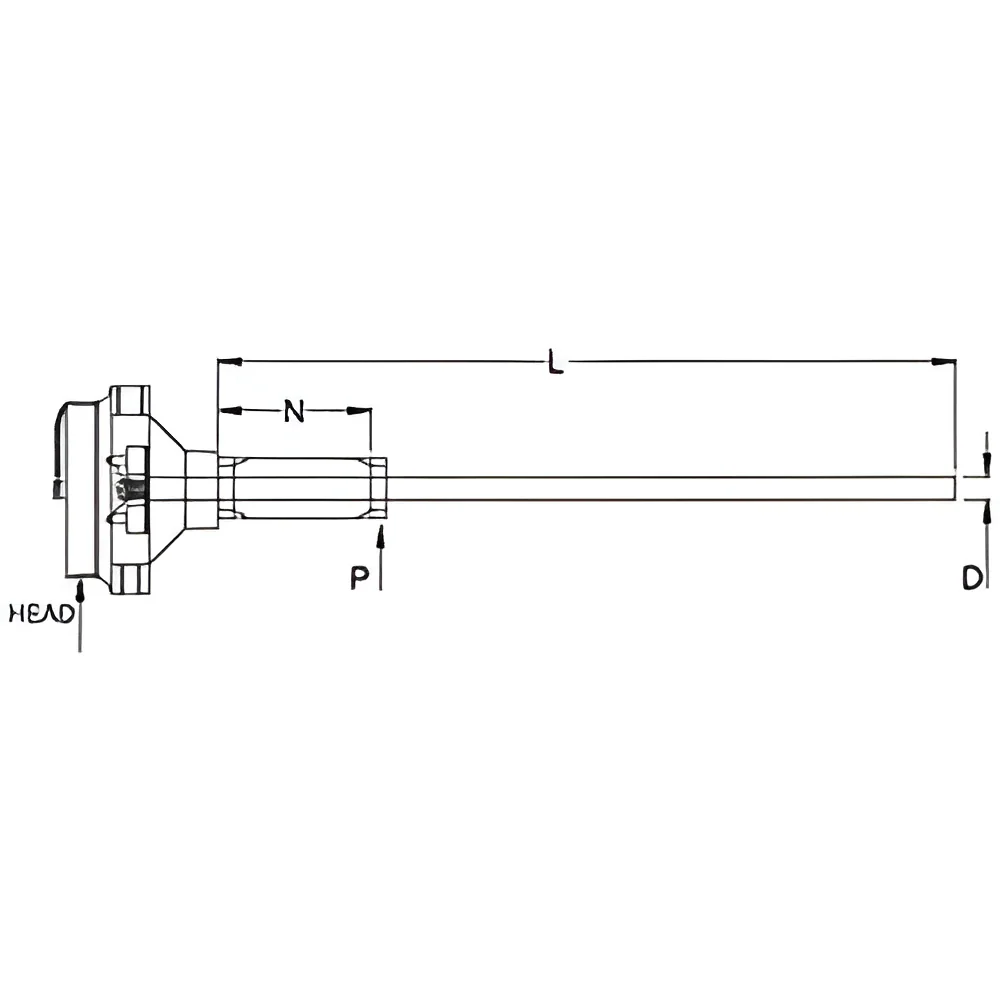
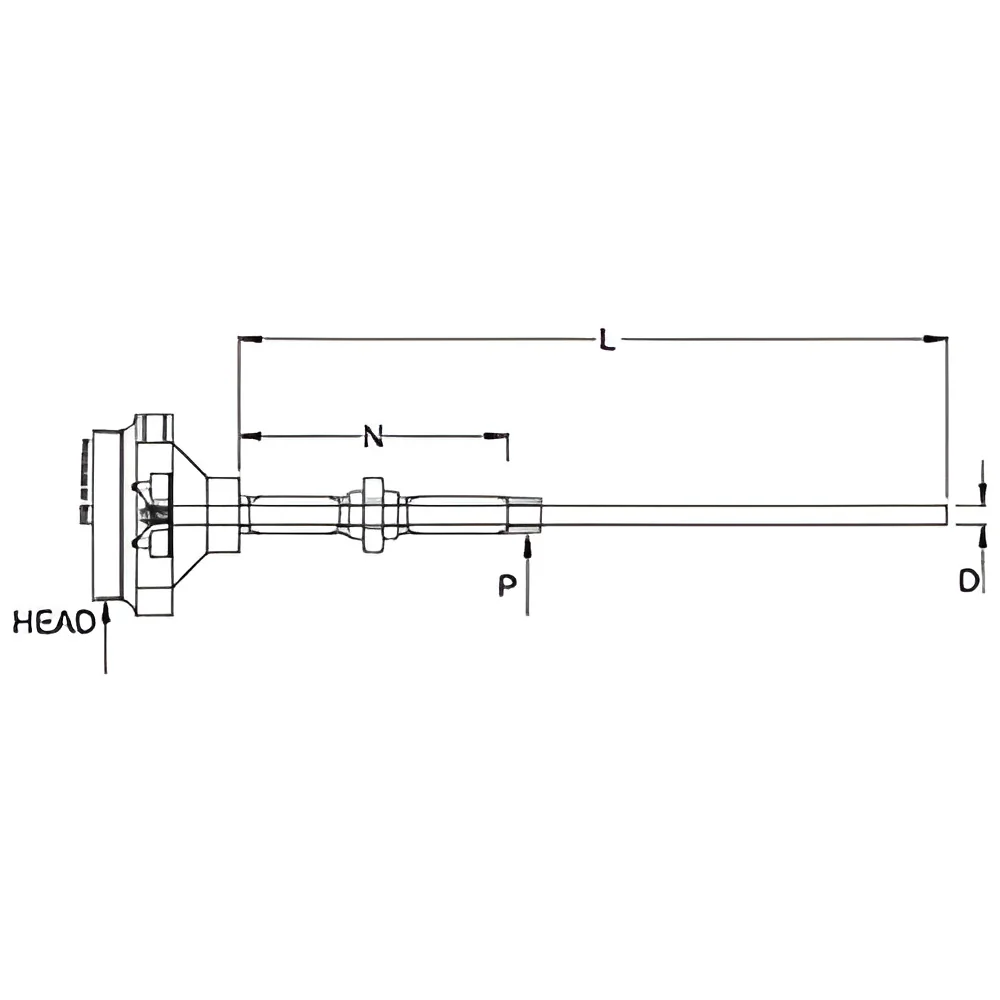
What are Thermocouples & RTDs?
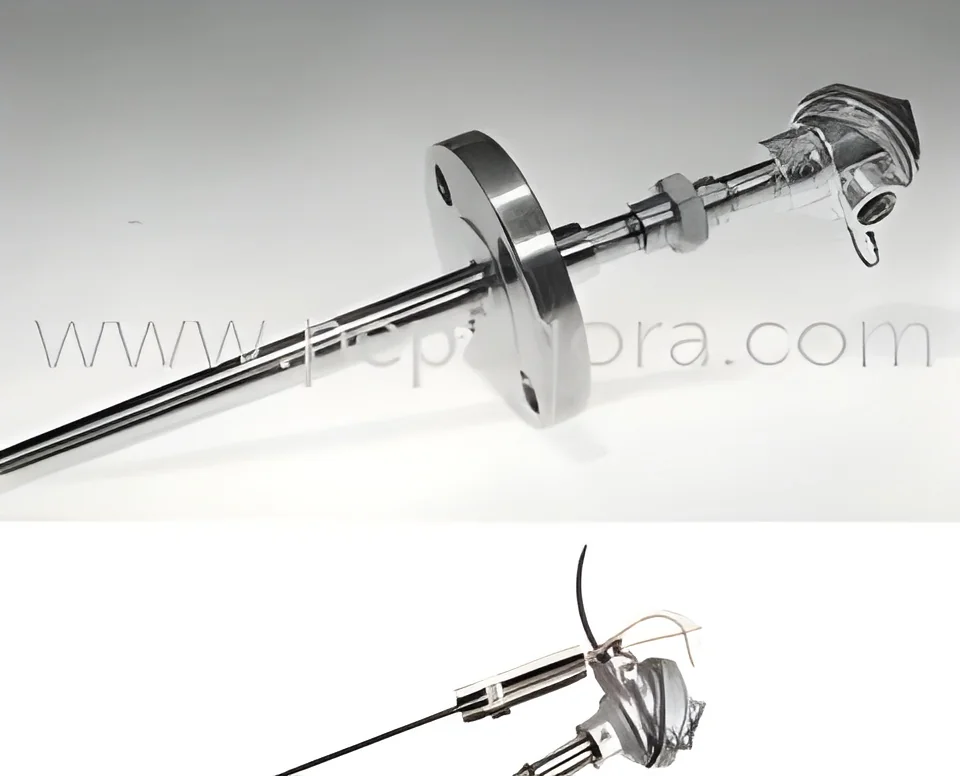
Thermocouples and Resistance Temperature Detectors (RTDs) are essential temperature sensing devices used in various industrial applications. Thermocouples operate on the principle of thermoelectricity, generating a voltage when two different metals are joined at one end and exposed to temperature differences. RTDs, on the other hand, use the change in electrical resistance of a material, typically platinum, as temperature changes. Both devices are critical for measuring and controlling temperatures in processes, ensuring operational efficiency and safety.
These temperature sensors find extensive use in industries such as manufacturing, food processing, HVAC, and pharmaceuticals. Their ability to provide accurate temperature readings is vital for maintaining quality standards and compliance with regulatory requirements. Thermocouples are often favored for their broad temperature range and durability, making them suitable for extreme environments. RTDs, known for their precision and stability, are commonly used in applications where accurate temperature measurements are crucial.
The relevance of thermocouples and RTDs in today's industrial landscape cannot be overstated. As industries continue to evolve, the demand for reliable temperature measurement solutions grows. These devices not only support quality assurance but also contribute to energy efficiency and process optimization, positioning them as indispensable tools across various sectors.
Key Features and Specifications
Thermocouples and RTDs come with a range of features and specifications that cater to diverse industrial needs. Understanding these specifications is crucial for selecting the right device for specific applications.
Key specifications include:
1. Temperature Range
- Thermocouples can measure temperatures from -200°C to 1800°C.
- RTDs typically operate within a range of -200°C to 850°C.
2. Accuracy
- Thermocouples have varying accuracy levels, usually around ±1°C.
- RTDs offer higher accuracy, often within ±0.1°C.
3. Response Time
- Thermocouples respond quickly to temperature changes, suitable for dynamic measurements.
- RTDs generally have a slower response time, which can be a factor in stable environments.
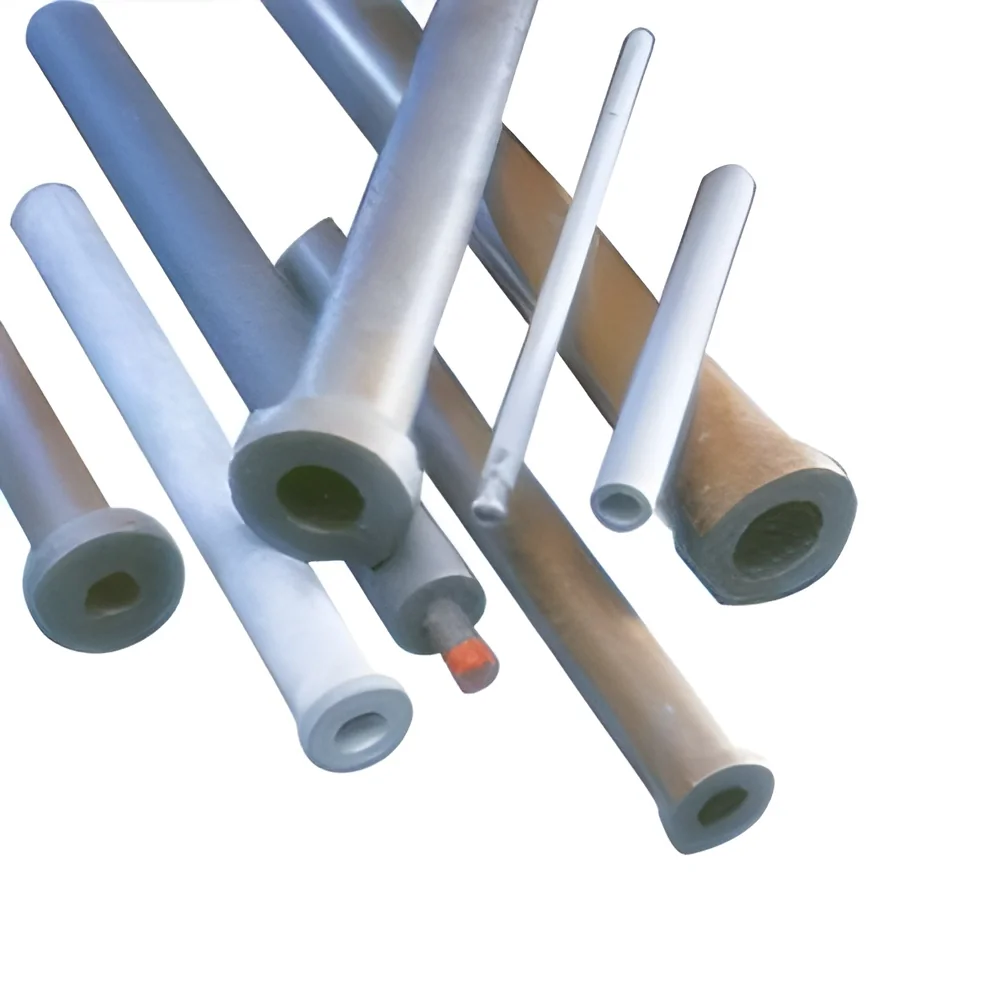
4. Construction Materials
- Thermocouples can be made from various metal alloys, making them versatile.
- RTDs are predominantly made from platinum, ensuring stability and accuracy.
5. Size and Form Factor
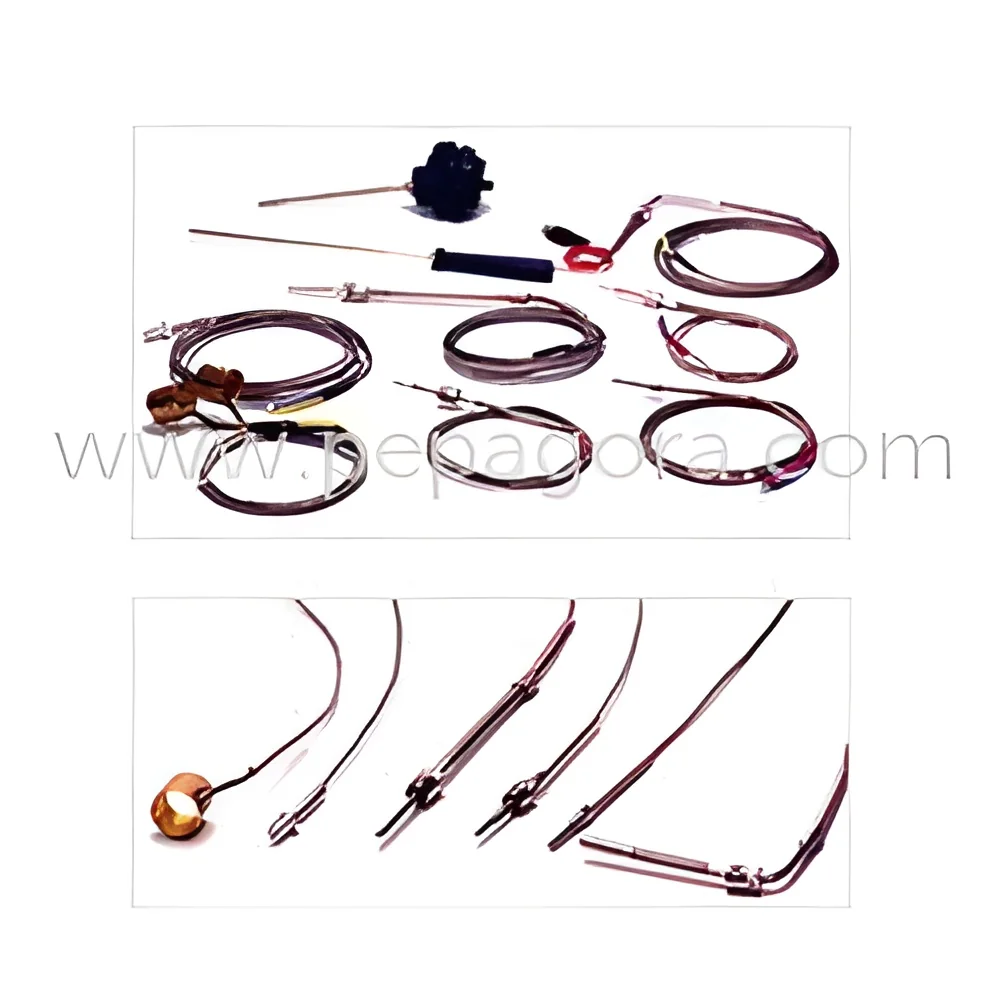
- Thermocouples are available in various sizes, including miniature designs for tight spaces.
- RTDs can be offered in different configurations, including thin-film and wire-wound types.
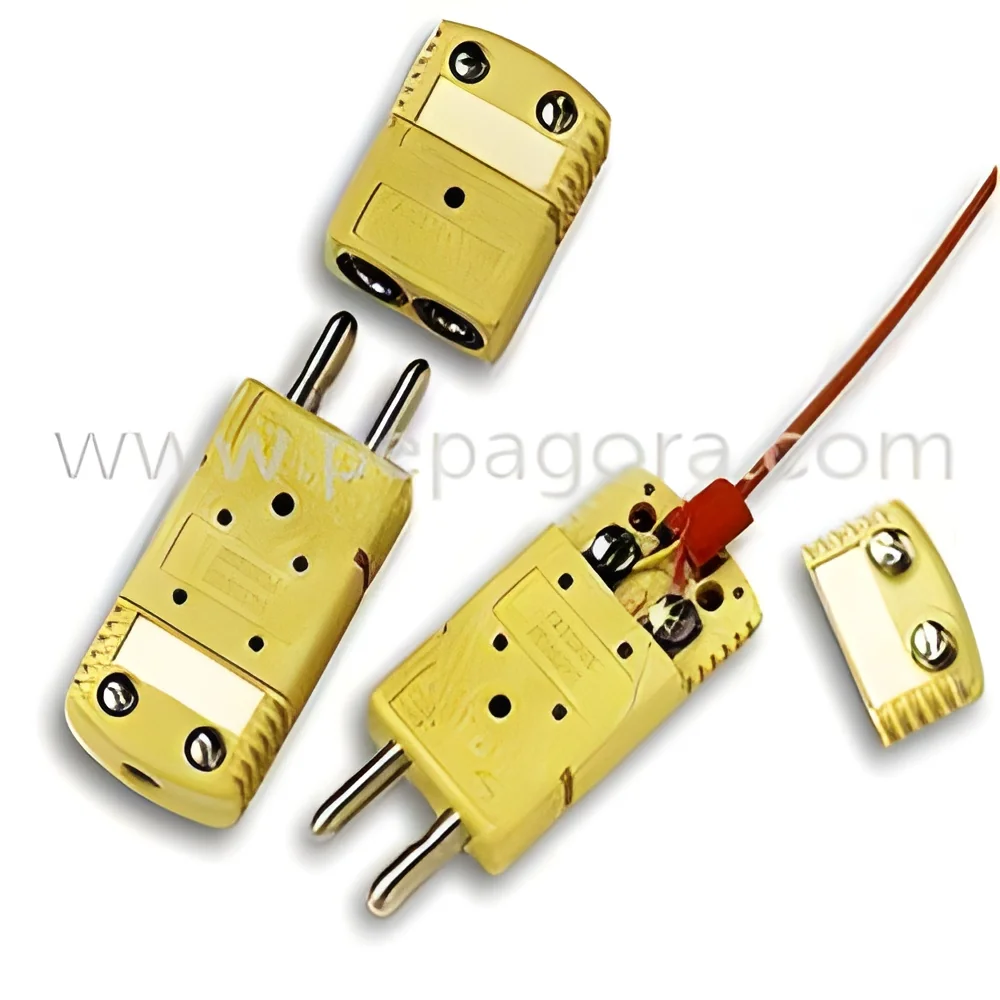
6. Connection Types
- Thermocouples often use standard connectors or terminals for easy integration.
- RTDs typically require specific connectors that match their electrical characteristics.
7. Calibration
- Both thermocouples and RTDs can be calibrated for specific applications to enhance accuracy.
In summary, selecting the right thermocouple or RTD involves understanding these key features and specifications to align with operational requirements and environmental conditions.
Common Applications and Use Cases
Thermocouples and RTDs are utilized in numerous industries, each with specific applications that highlight their importance.
1. Manufacturing: In manufacturing, these sensors monitor temperatures during processes such as metal forging and plastic molding to ensure product quality.
2. Food Processing: In the food industry, thermocouples and RTDs help maintain proper cooking temperatures, ensuring food safety and compliance with health regulations.
3. HVAC: In heating, ventilation, and air conditioning systems, these sensors are crucial for monitoring and regulating temperatures, contributing to energy efficiency.
4. Pharmaceuticals: In the pharmaceutical sector, precise temperature control is vital for the stability of products, making RTDs particularly valuable.
5. Oil and Gas: In oil and gas operations, thermocouples are used to monitor temperatures in drilling and refining processes, ensuring safety and efficiency.
6. Aerospace: In aerospace applications, these sensors provide reliable temperature readings in extreme conditions, essential for aircraft safety.
7. Chemical Processing: In chemical plants, precise temperature control is critical for reaction processes, where both thermocouples and RTDs are employed.
Product Variants and Subcategories
Thermocouples and RTDs are available in various configurations to meet the specific needs of different applications.
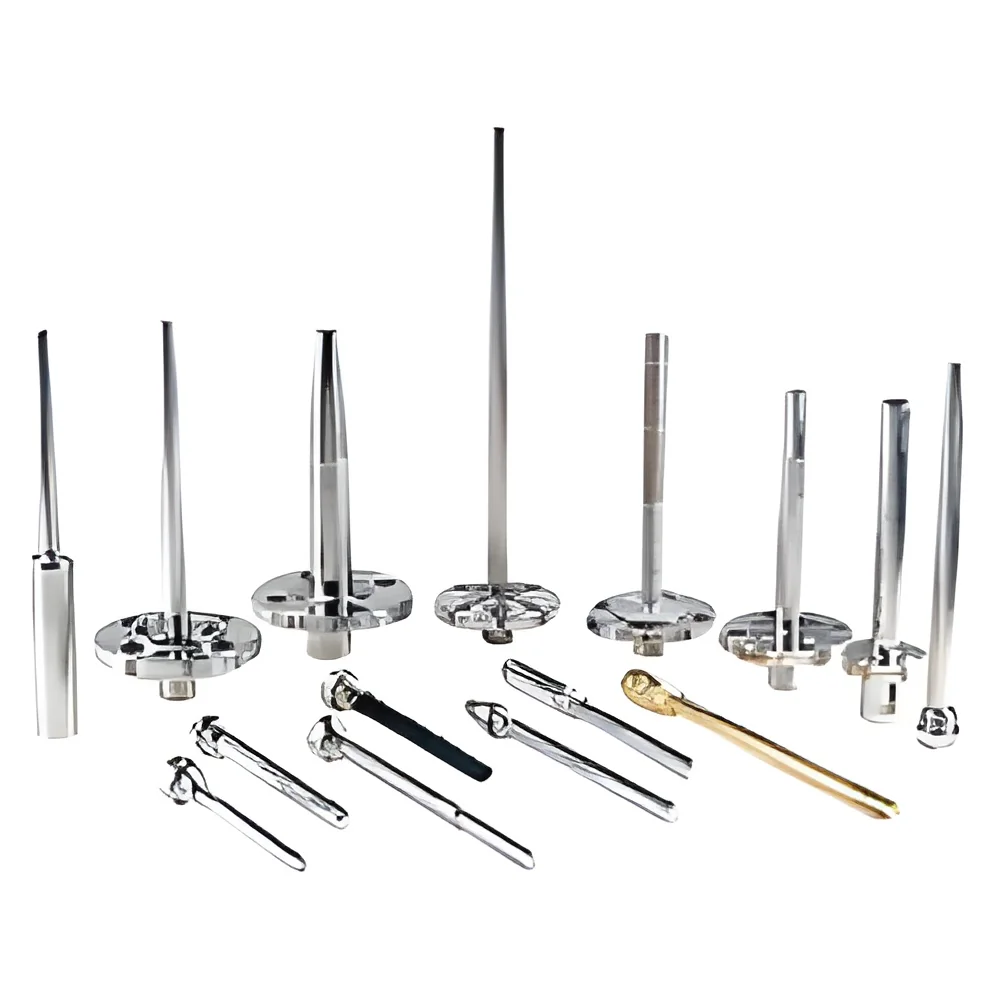
Thermocouple Types: Common types include Type K, Type J, Type T, and Type E, each with unique characteristics suitable for different temperature ranges and environments.
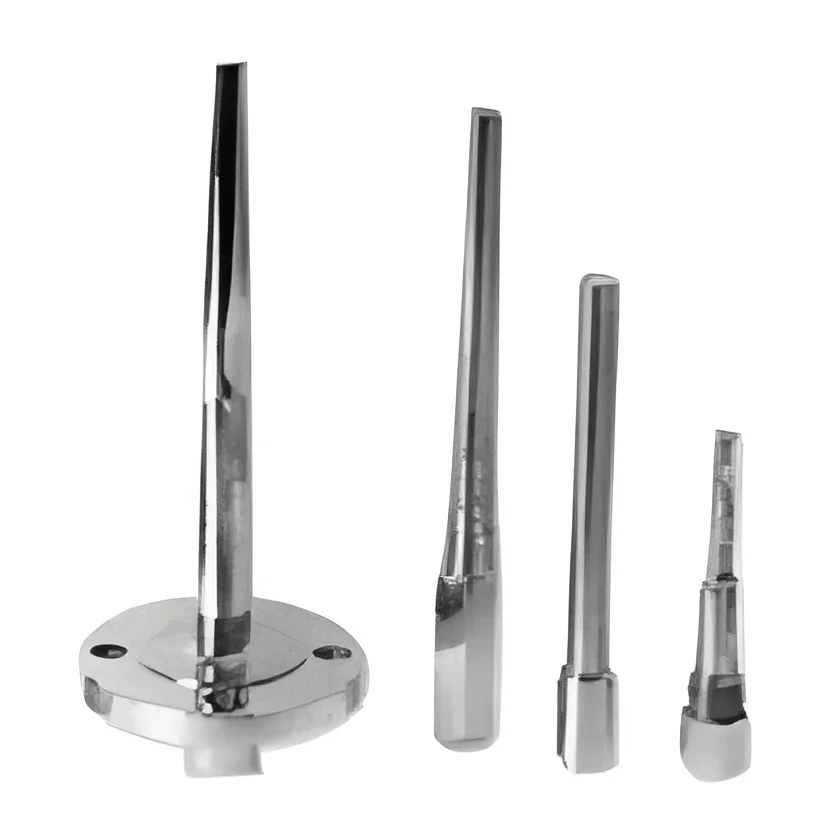
RTD Types: RTDs can be classified into thin-film and wire-wound variants. Thin-film RTDs offer quick response times and compact sizes, while wire-wound RTDs provide high accuracy but may be bulkier.
The diversity in product variants allows businesses to select the most suitable temperature sensing solution based on their operational requirements and environmental conditions.
Benefits and Advantages
Thermocouples and RTDs provide numerous benefits that enhance operational efficiency and safety.
1. High Accuracy: RTDs are known for their precision, making them ideal for applications requiring stringent temperature control.
2. Wide Temperature Range: Thermocouples can operate over a broad temperature range, making them versatile for various applications.
3. Durability: Both devices are designed to withstand harsh conditions, ensuring long-term reliability.
4. Fast Response Times: Thermocouples, in particular, offer rapid response rates, crucial for dynamic monitoring.
5. Ease of Integration: Both sensors come with standardized connectors, facilitating straightforward installation into existing systems.
6. Cost-Effective Solutions: With a wide range of options available, businesses can find thermocouples and RTDs that fit their budget while meeting their performance needs.
Buying Guide for B2B Buyers
When sourcing thermocouples and RTDs, businesses should consider several critical factors.
1. Quality Assessment: Ensure that the sensors meet industry standards for accuracy and reliability. Look for products that have undergone rigorous testing.
2. Supplier Verification: Vet potential suppliers to confirm their credibility and experience in providing temperature sensing devices.
3. Pricing and MOQ: Understand the pricing structure and minimum order quantities to align with budget constraints and procurement capabilities.
4. Delivery and Lead Times: Consider the logistics involved, including lead times for delivery, to ensure that products arrive when needed for operations.
5. Compliance Requirements: Familiarize yourself with relevant regulatory standards and certifications (such as CE) that the sensors must meet for your industry.
Compliance and Certifications
Thermocouples and RTDs must adhere to various quality standards and certifications to ensure their reliability and safety.
Relevant quality standards include ISO 9001, which demonstrates a commitment to quality management systems. Additionally, HACCP and GDP standards ensure that temperature sensors used in food and pharmaceutical industries meet health and safety regulations.
Industry certifications, such as CE marking, indicate compliance with European safety standards. This certification is crucial for products sold in European markets.
Safety and testing requirements vary by application but generally include rigorous testing for accuracy, stability, and response times.
Regional compliance considerations may also come into play, especially for businesses operating across different countries, as local regulations can differ significantly.
Why Source Thermocouples & RTDs from Pepagora?
Pepagora provides a trusted platform for sourcing thermocouples and RTDs with several key advantages.
Verified Supplier Network: Pepagora connects buyers with a network of verified suppliers who have undergone comprehensive vetting processes. This ensures that buyers receive high-quality products from reputable manufacturers.
Streamlined RFQ Process: The Request for Quotation (RFQ) system simplifies the procurement process, allowing buyers to easily request and compare quotes from different suppliers to find the best options for their needs.
Trade Assurance and Support: With trade assurance programs, Pepagora offers buyer protection, ensuring that transactions are secure and that customers receive the products they ordered.
Regional Coverage: Pepagora's extensive geographical reach spans India, the GCC, and Southeast Asia, making it a convenient sourcing solution for businesses operating in these regions. This broad coverage allows buyers to access a diverse range of products and suppliers, enhancing their procurement capabilities.

 IN
IN