
 IN
Testing & Measuring Instruments
1304 products available
𝗪𝗵𝗮𝘁 𝗮𝗿𝗲 𝗧𝗲𝘀𝘁𝗶𝗻𝗴 & 𝗠𝗲𝗮𝘀𝘂𝗿𝗶𝗻𝗴 𝗜𝗻𝘀𝘁𝗿𝘂𝗺𝗲𝗻𝘁𝘀?
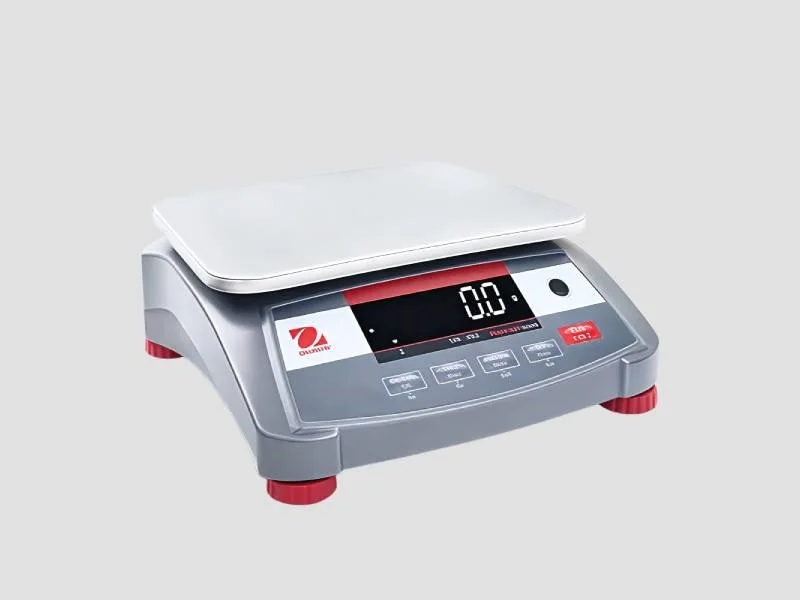
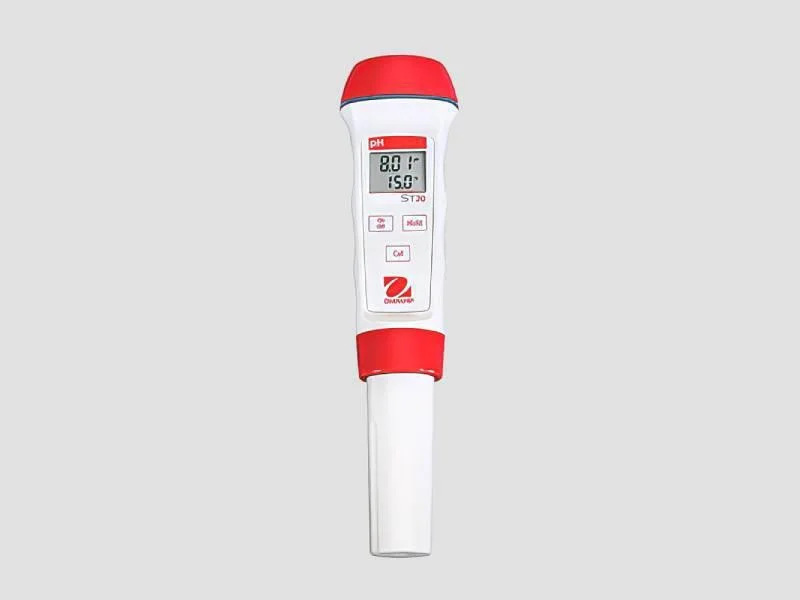
Testing and measuring instruments are specialized tools designed to assess, evaluate, and quantify various physical parameters in industrial and commercial settings. These instruments provide accurate measurements that enable businesses to monitor processes, ensure compliance with industry standards, and maintain quality control. By utilizing advanced technology, testing and measuring instruments can deliver precise data essential for decision-making and operational efficiency.
The primary uses of these instruments span multiple industries, including manufacturing, construction, and research and development. Businesses rely on these tools to perform quality assurance checks, validate product specifications, and conduct safety assessments. For instance, in manufacturing, testing instruments ensure that products meet defined tolerances and specifications. In the construction sector, they help ensure materials and structures adhere to safety regulations. The relevance of testing and measuring instruments in today’s market is significant, as companies increasingly prioritize quality and compliance, driving demand for reliable measurement solutions.
𝗞𝗲𝘆 𝗙𝗲𝗮𝘁𝘂𝗿𝗲𝘀 𝗮𝗻𝗱 𝗦𝗽𝗲𝗰𝗶𝗳𝗶𝗰𝗮𝘁𝗶𝗼𝗻𝘀
Testing and measuring instruments come with a range of features that enhance their functionality and usability. These features ensure that users can obtain accurate readings and easily interpret data.
Key specifications include:
1. Measurement Range
- The range within which the instrument can accurately measure a specific parameter.
- Technical parameters may include minimum and maximum limits based on the type of measurement.
2. Accuracy and Precision
- The degree to which the instrument's measurements agree with the true value.
- Expressed in terms of percentage, such as ±1% accuracy.
3. Display Type
- The format in which measurements are presented, including analog or digital displays.
- Digital displays often provide additional features such as backlighting and data logging.
4. Calibration Requirements
- Information on how often the instrument needs recalibration to maintain accuracy.
- Calibration may be required annually or biannually, depending on usage.
5. Power Source
- The type of energy required to operate the instrument, such as battery-operated or AC-powered.
- Battery life specifications can also be included.
6. Environmental Tolerance
- The conditions under which the instrument can operate effectively, including temperature and humidity ranges.
- Instruments may be designed for specific environments, such as high or low temperatures.
7. Portability
- The weight and design features that facilitate easy transport.
- Some instruments may come with protective cases or compact designs for field use.
8. Connectivity Options
- Availability of interfaces for data transfer, such as USB or Bluetooth.
- Connectivity can aid in integrating measurement data into software systems for analysis.
In summary, understanding the key features and specifications of testing and measuring instruments is essential for selecting the right tools for specific applications.
𝗖𝗼𝗺𝗺𝗼𝗻 𝗔𝗽𝗽𝗹𝗶𝗰𝗮𝘁𝗶𝗼𝗻𝘀 𝗮𝗻𝗱 𝗨𝘀𝗲 𝗖𝗮𝘀𝗲𝘀
Testing and measuring instruments serve a variety of applications across different industries. Their versatility makes them essential for ensuring quality and compliance.
1. Manufacturing: Instruments are used for quality control, measuring dimensions, tolerances, and material properties during product assembly.
2. Construction: They are employed to assess structural integrity, measure material properties, and ensure compliance with safety regulations.
3. Healthcare: Instruments measure vital signs and other health parameters, playing a crucial role in patient monitoring and diagnostics.
4. Environmental Monitoring: Used to measure pollution levels, temperature, and humidity, helping organizations meet regulatory standards.
5. Automotive: Instruments are utilized in vehicle testing for performance, emissions, and safety compliance.
6. Aerospace: Critical for ensuring precision in measurements of components and systems, which is vital for safety and performance.
7. Electronics: Used for testing circuit boards and electronic components to ensure they meet specifications and quality standards.
𝗣𝗿𝗼𝗱𝘂𝗰𝘁 𝗩𝗮𝗿𝗶𝗮𝗻𝘁𝘀 𝗮𝗻𝗱 𝗦𝘂𝗯𝗰𝗮𝘁𝗲𝗴𝗼𝗿𝗶𝗲𝘀
Testing and measuring instruments come in various forms to cater to specific needs across industries. Each variant offers unique features and applications.
Digital Multimeter
This instrument measures voltage, current, and resistance. It is widely used in electrical testing and troubleshooting, providing accurate readings and versatility across applications.
Thermometer
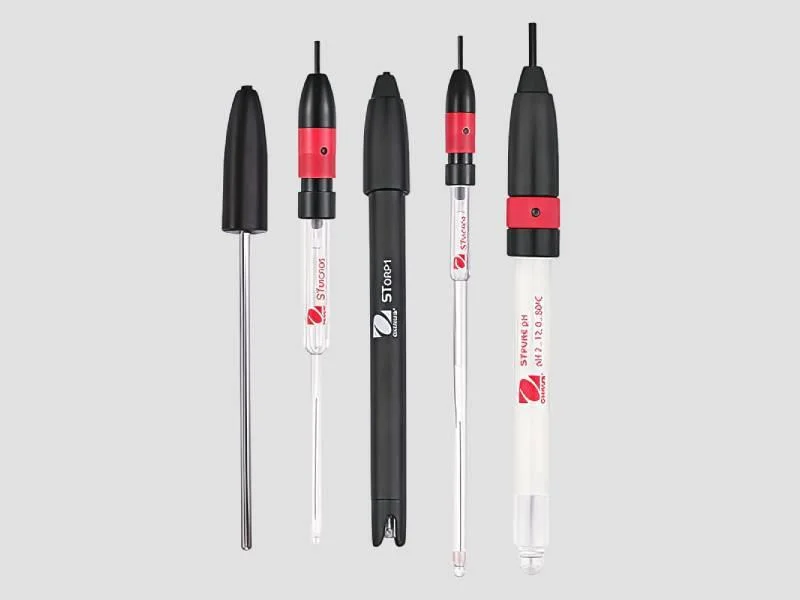
Thermometers come in various types, such as digital and infrared, for measuring temperature in different environments. They are essential in medical, industrial, and environmental settings.
Pressure Gauge
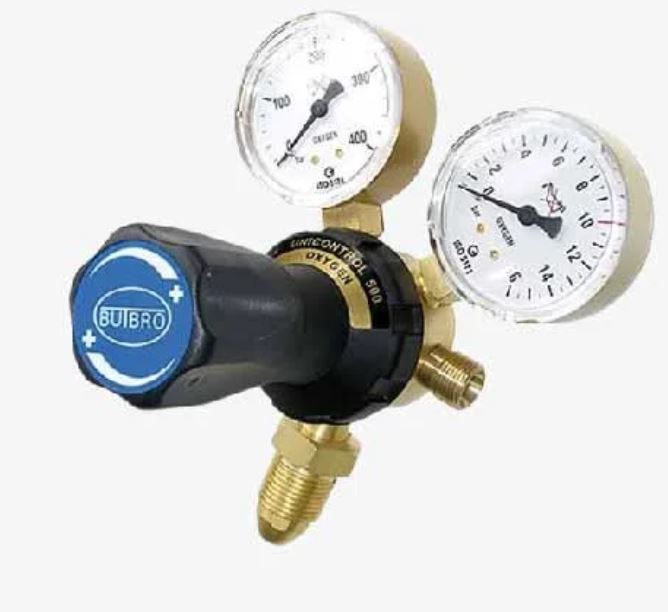
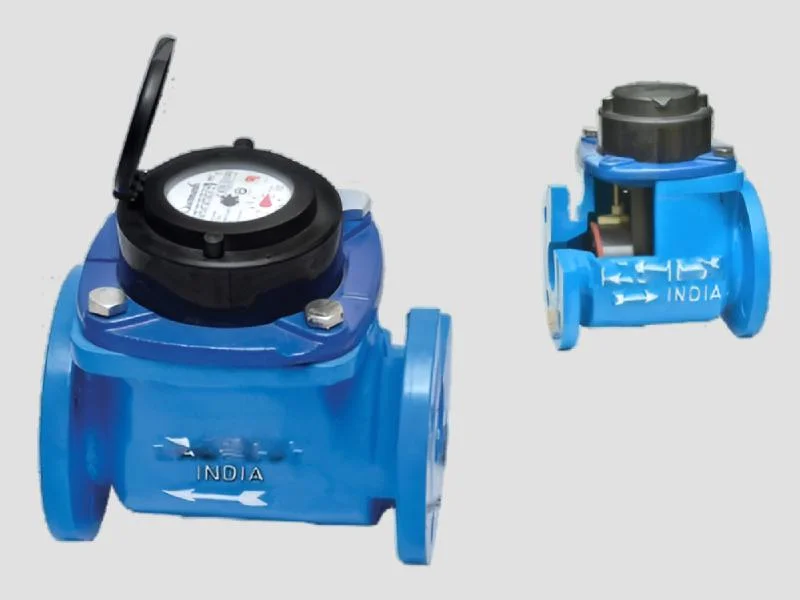
Pressure gauges measure the pressure of gases and liquids in various systems. They are commonly used in manufacturing and HVAC systems to ensure safe operational levels.
Sound Level Meter
This device measures sound intensity levels in decibels. It is crucial for noise pollution assessment and compliance with safety regulations in workplaces.
𝗕𝗲𝗻𝗲𝗳𝗶𝘁𝘀 𝗮𝗻𝗱 𝗔𝗱𝘃𝗮𝗻𝘁𝗮𝗴𝗲𝘀
Testing and measuring instruments provide several key benefits that contribute to operational efficiency and product quality.
1. Enhanced Accuracy: These instruments deliver precise measurements that help businesses maintain quality standards and reduce errors.
2. Improved Compliance: Regular testing ensures compliance with industry regulations, minimizing legal risks and enhancing reputation.
3. Increased Efficiency: Accurate measurements streamline processes, allowing for quicker decision-making and reducing downtime.
4. Cost Savings: By ensuring quality and preventing defects, businesses can save on rework and waste, leading to lower operational costs.
5. Data-Driven Insights: Measurement data provides valuable insights for process optimization and product development.
6. Versatility: With a wide range of instruments available, businesses can select tools tailored to their specific measurement needs.
𝗕𝘂𝘆𝗶𝗻𝗴 𝗚𝘂𝗶𝗱𝗲 𝗳𝗼𝗿 𝗕𝟮𝗕 𝗕𝘂𝘆𝗲𝗿𝘀
When sourcing testing and measuring instruments, various factors should be taken into account to ensure the right choice for your business.
1. Quality Assessment: Evaluate the quality of instruments by checking for industry certifications and user reviews. High-quality instruments yield more reliable results.
2. Supplier Verification: Vet suppliers by reviewing their track records and certifications to ensure they meet industry standards and deliver quality products.
3. Pricing and MOQ: Understand the pricing structures and minimum order quantities (MOQ) to ensure that the investment aligns with your budget and needs.
4. Delivery and Lead Times: Consider logistics and delivery times to avoid disruptions in operations. Suppliers should provide clear timelines for order fulfillment.
5. Compliance Requirements: Ensure that the instruments meet relevant industry standards and regulatory requirements, as this can impact safety and legality.
𝗖𝗼𝗺𝗽𝗹𝗶𝗮𝗻𝗰𝗲 𝗮𝗻𝗱 𝗖𝗲𝗿𝘁𝗶𝗳𝗶𝗰𝗮𝘁𝗶𝗼𝗻𝘀
Compliance and certifications are critical to ensuring that testing and measuring instruments meet industry standards and safety requirements. Relevant quality standards such as ISO 9001 establish a framework for quality management systems, ensuring consistency and reliability in products.
Industry certifications like CE and UL indicate that products have met specific safety and performance criteria. These certifications are essential for products used in sensitive environments, such as healthcare and aerospace.
Furthermore, compliance with regulations such as REACH ensures that materials used in manufacturing do not pose risks to health or the environment. Buyers should also consider regional compliance, as different regions may have specific requirements that impact instrument selection.
𝗪𝗵𝘆 𝗦𝗼𝘂𝗿𝗰𝗲 𝗧𝗲𝘀𝘁𝗶𝗻𝗴 & 𝗠𝗲𝗮𝘀𝘂𝗿𝗶𝗻𝗴 𝗜𝗻𝘀𝘁𝗿𝘂𝗺𝗲𝗻𝘁𝘀 𝗳𝗿𝗼𝗺 𝗣𝗲𝗽𝗮𝗴𝗼𝗿𝗮?
Pepagora provides a trusted platform for sourcing testing and measuring instruments with several key advantages that benefit B2B buyers.
Verified Supplier Network: Pepagora partners with a wide range of verified suppliers, ensuring that buyers have access to high-quality instruments and reliable service. This verification process helps mitigate risks associated with sourcing.
Streamlined RFQ Process: The request for quotation (RFQ) process is designed to be user-friendly, allowing buyers to efficiently compare prices and specifications from multiple suppliers, facilitating informed decision-making.
Trade Assurance and Support: Pepagora offers trade assurance, providing buyers with protection against potential issues during transactions. This support enhances trust and confidence in the purchasing process.
Regional Coverage: With a presence in India, the Gulf Cooperation Council (GCC), and Southeast Asia, Pepagora ensures that buyers can access a diverse range of instruments tailored to regional requirements, enhancing convenience and accessibility.

























Frequently Asked Questions
What is Digital Color Air Gauge Unit?
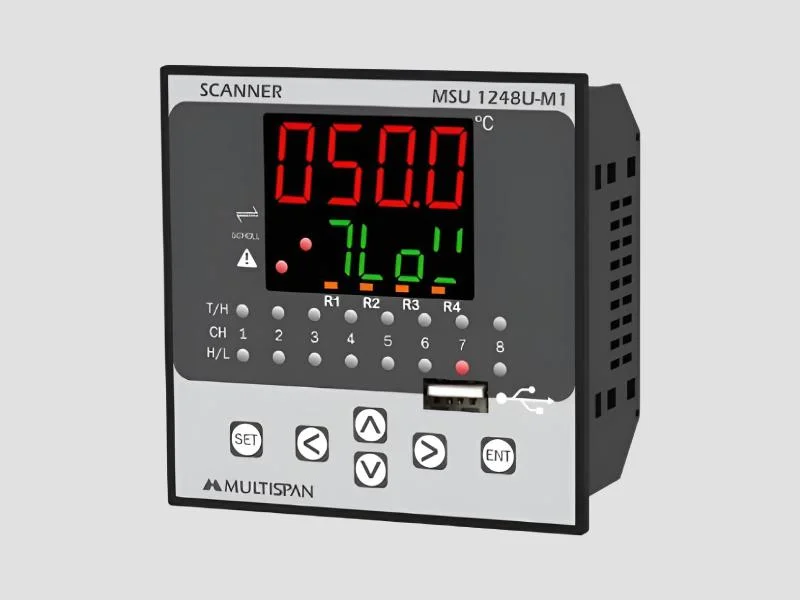
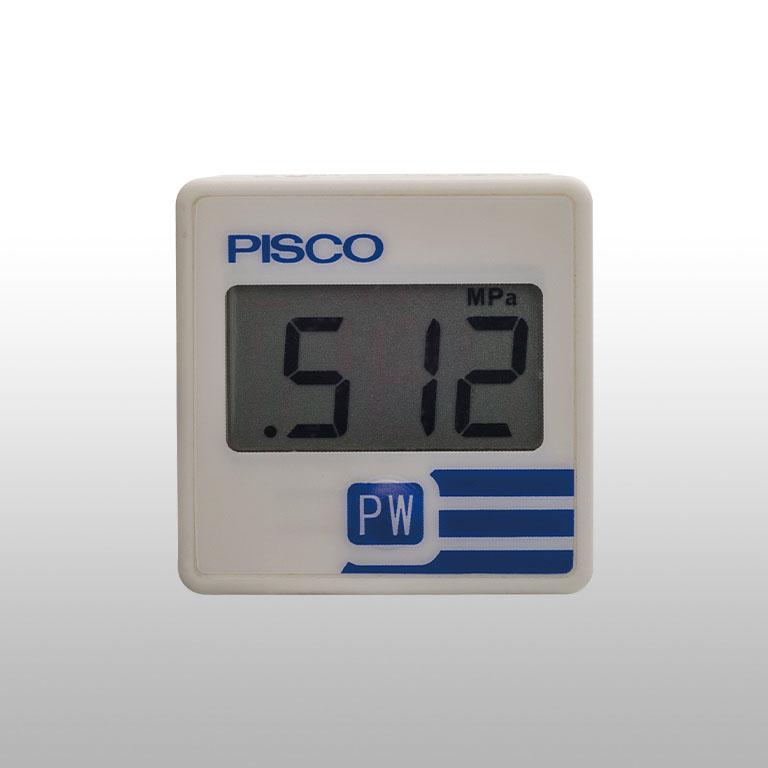
Digital Color Air Gauge Unit delivers precise compressed air measurement with high accuracy for industrial quality control. Operating at 220V with 0-50C range, this safe reliable instrument ensures optimal performance in process monitoring applica...
What are the main applications of Digital Color Air Gauge Unit?
The Digital Color Air Gauge Unit provides accurate air pressure measurement for industrial environments where compressed air systems are critical. It is specifically designed for manufacturing facilities and quality control processes requiring reliable monitoring. This unit ensures consistent performance across various applications with clear digital readings and color indicators for instant interpretation. It supports operational efficiency and maintains optimal air pressure in automated systems and pneumatic networks. Real-world applications: - Monitoring air pressure in industrial pneumatic systems - Quality control verification in manufacturing production lines - Process automation and control system integration - Maintenance and troubleshooting of compressed air infrastructure - Ensuring equipment safety and compliance with performance standards
What is the minimum order quantity for Digital Color Air Gauge Unit?
1 Pieces
Where is Digital Color Air Gauge Unit manufactured?
India
Why Businesses Trust Pepagora
Thousands of companies trust Pepagora to source smarter and sell faster
Expand Your Sales Globally

Source Smarter,Grow Faster
