IN
IN₹
Apparel & Fashion
Description
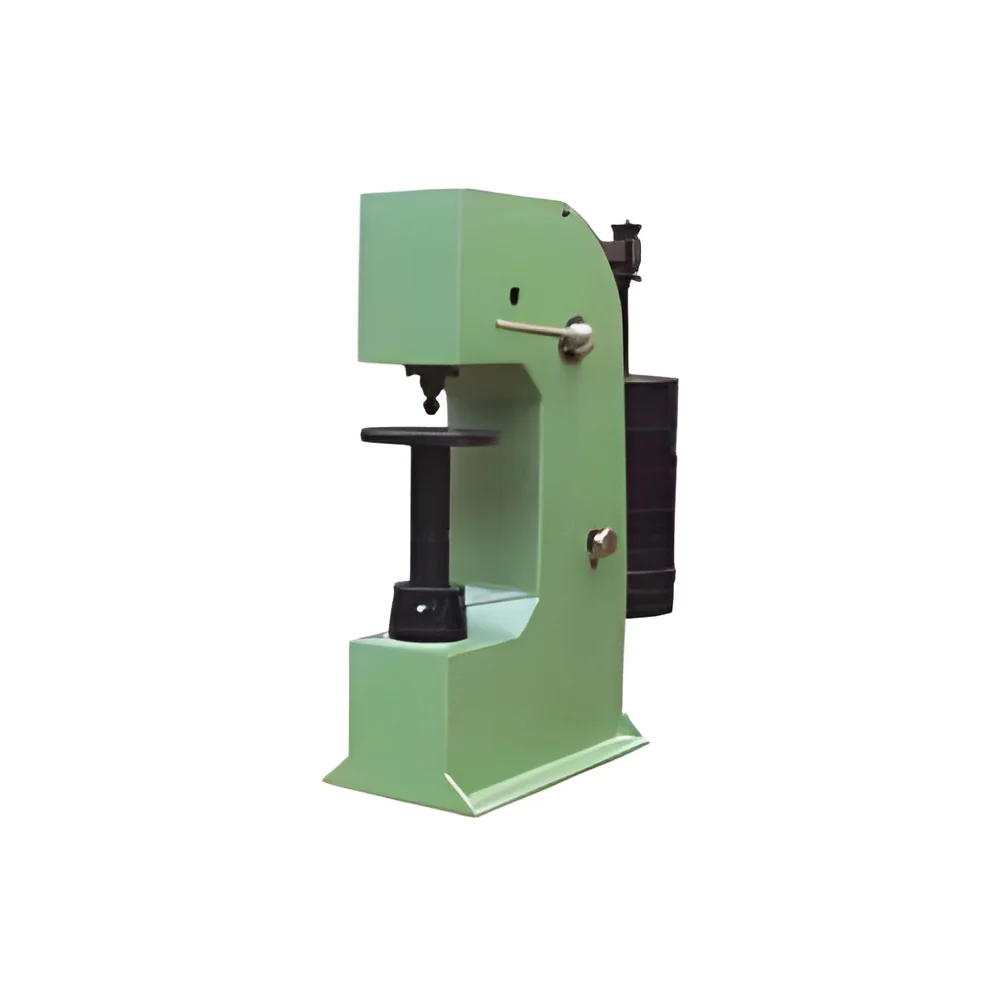
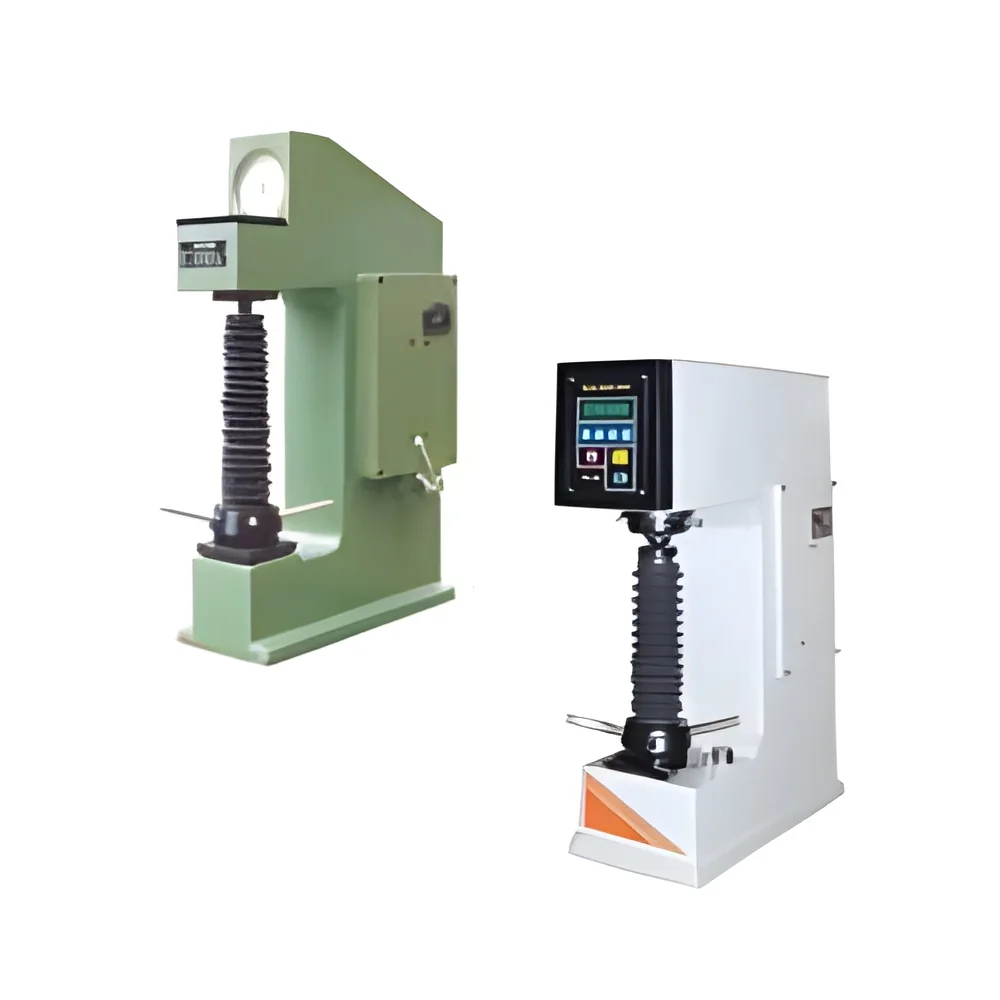
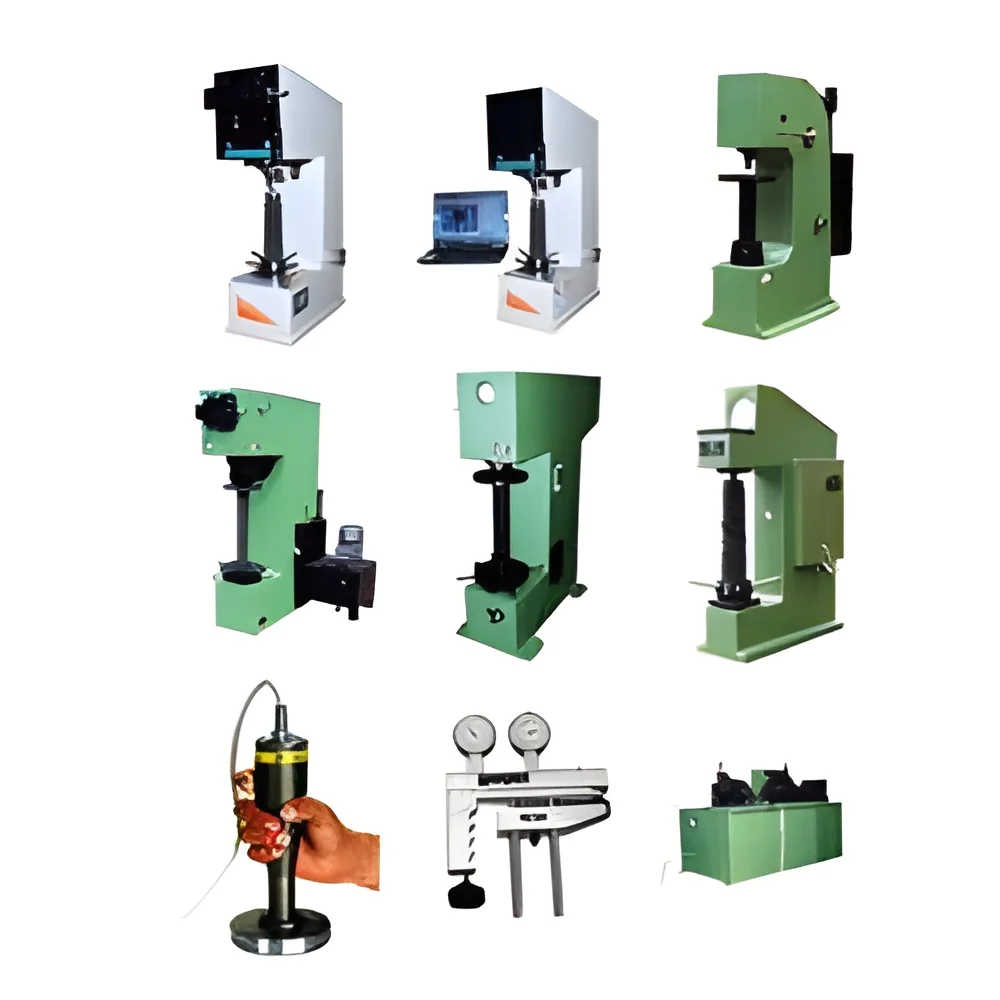
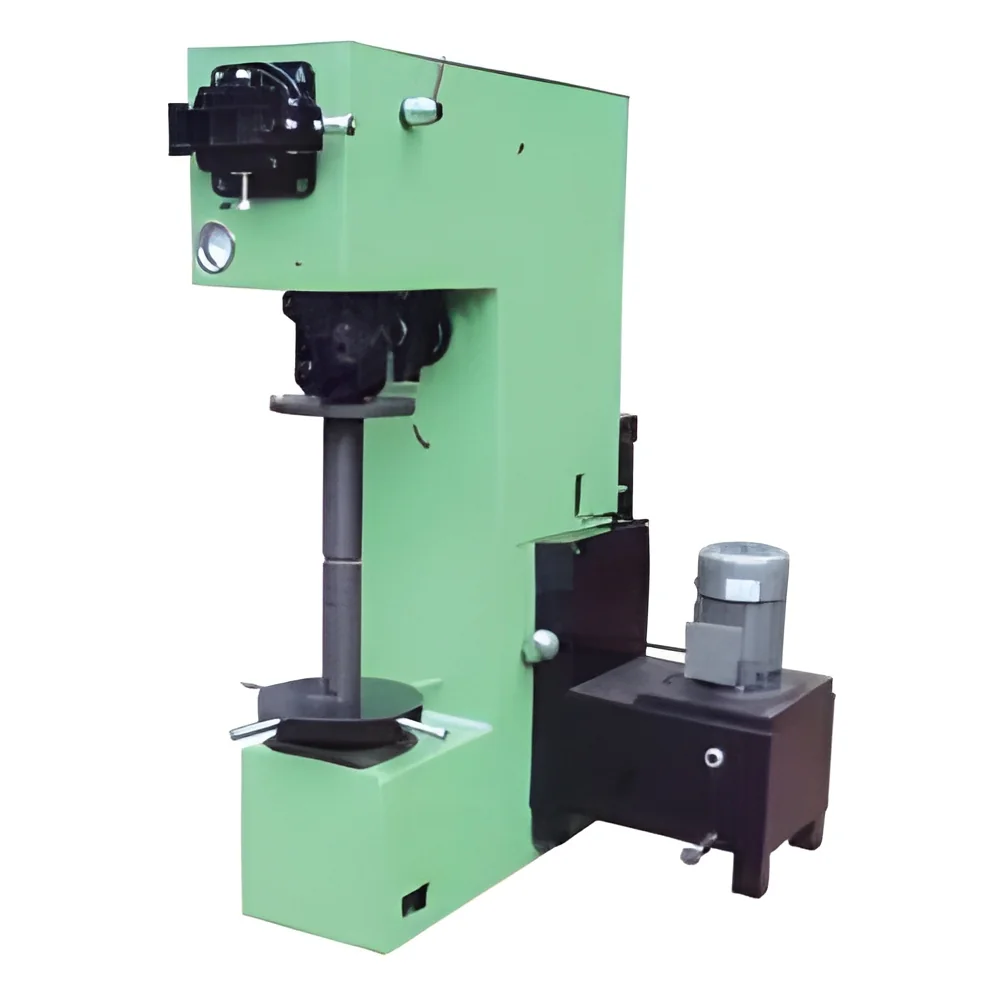
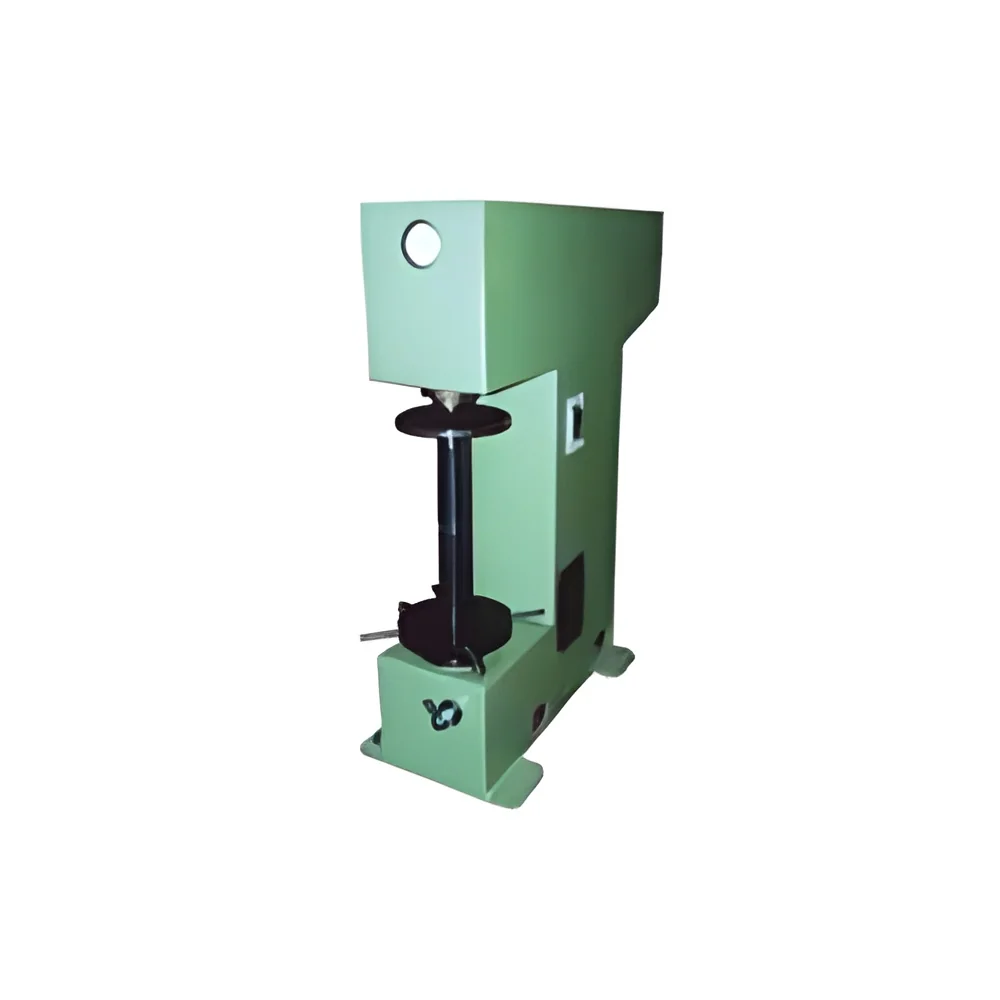
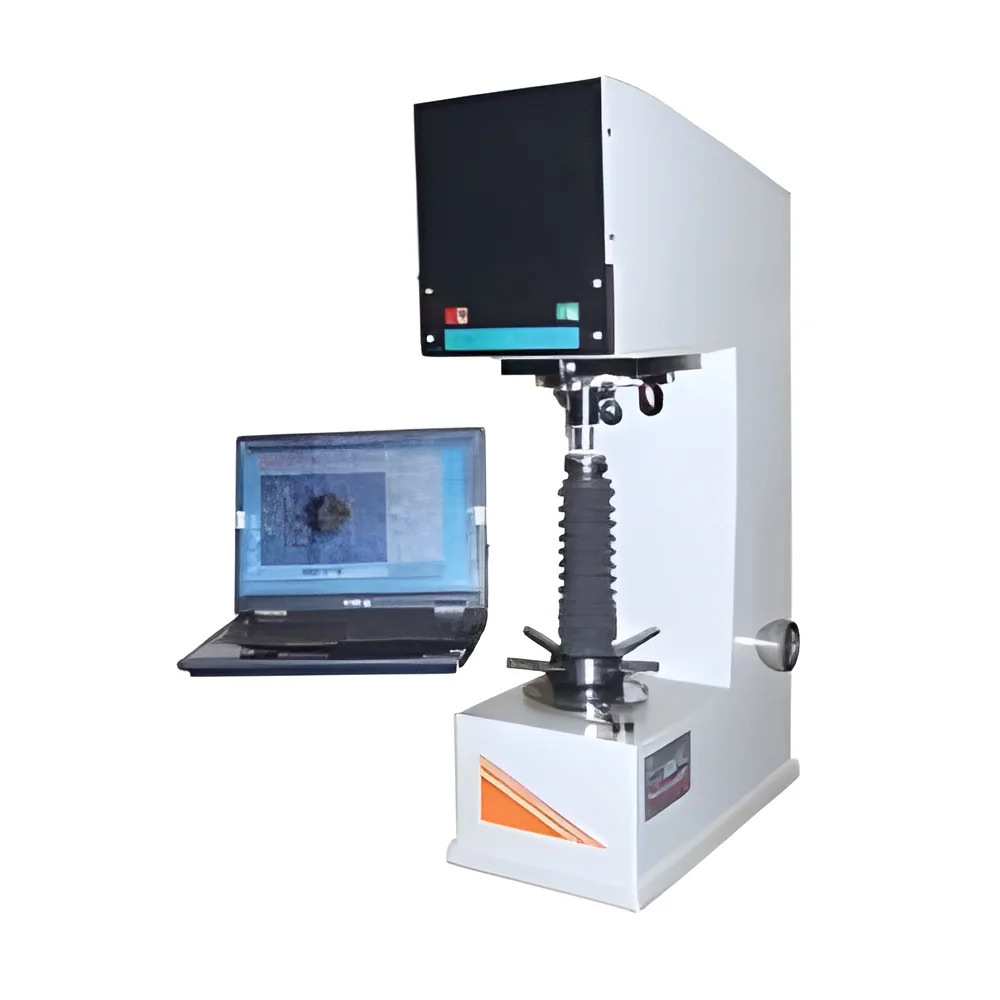
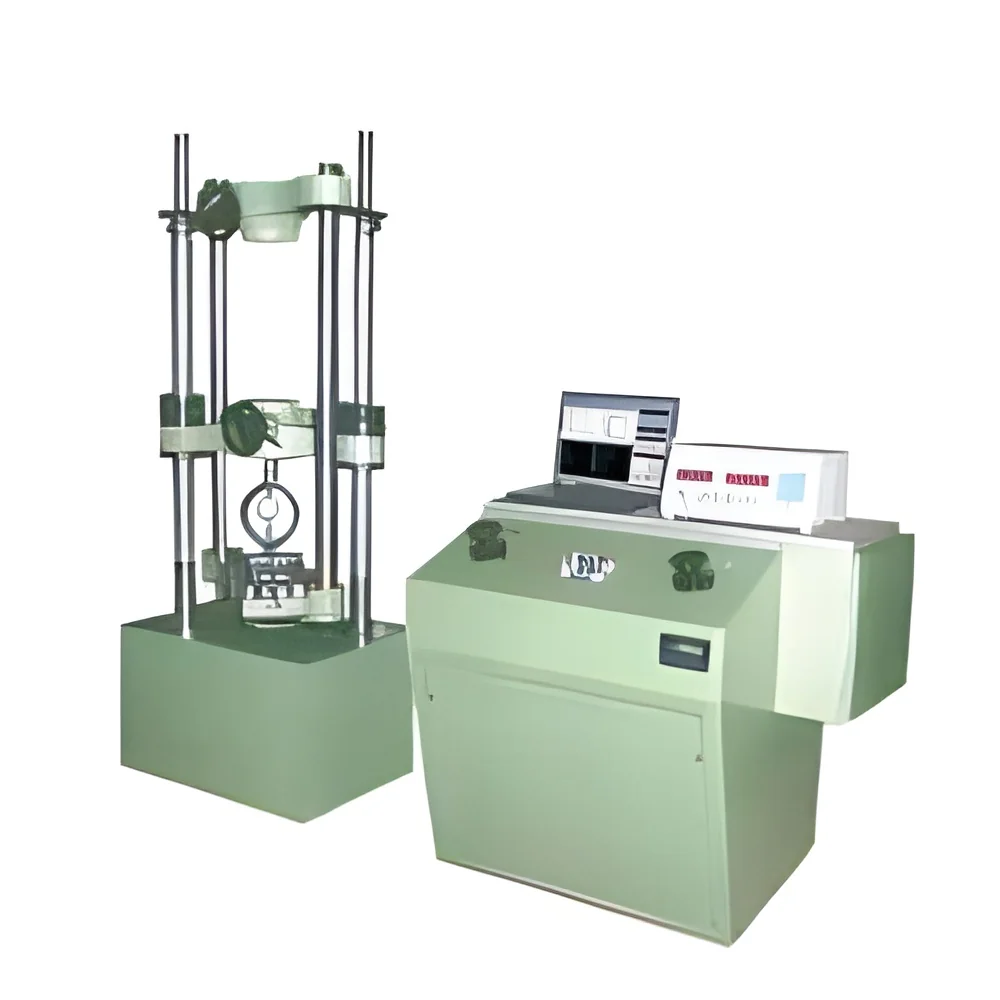
Industrial Universal Testing Machines represent the industry standard for comprehensive material testing, designed to perform accurate tensile, compression, bending, and shear tests with exceptional precision. Available in mechanical, electronic, and computerized configurations, these machines offer capacities ranging from 10T to 100T to accommodate diverse testing requirements. Each unit guarantees loading accuracy within ±1% from 20% to full load capacity, with maximum permissible error of 0.2% below 20% load range. The systems feature motorized loading and unloading cycles, automatic recorders for material behavior analysis, and extensive clearance between columns for testing both standard specimens and larger structural components.

These testing machines serve critical roles across multiple industries where material integrity is essential. Automotive manufacturers rely on them to verify component strength and durability, while aerospace companies use them for certifying advanced c...
Industrial Universal Testing Machines represent the industry standard for comprehensive material testing, designed to perform accurate tensile, compression, bending, and shear tests with exceptional precision. Available in mechanical, electronic, and computerized configurations, these machines offer capacities ranging from 10T to 100T to accommodate diverse testing requirements. Each unit guarantees loading accuracy within ±1% from 20% to full load capacity, with maximum permissible error of 0.2% below 20% load range. The systems feature motorized loading and unloading cycles, automatic recorders for material behavior analysis, and extensive clearance between columns for testing both standard specimens and larger structural components.

These testing machines serve critical roles across multiple industries where material integrity is essential. Automotive manufacturers rely on them to verify component strength and durability, while aerospace companies use them for certifying advanced composites and metal alloys. Construction firms utilize these systems for testing concrete, rebar, and building materials, and general manufacturing sectors employ them for quality control of raw materials and finished products. The machines comply with recognized international standards, making them acceptable for quality certification processes across global markets.

The business value of these Universal Testing Machines lies in their reliability, accuracy, and long-term performance. Each machine undergoes rigorous calibration during manufacturing and is delivered with complete documentation of its accuracy certification. The investment in these testing systems provides significant returns through reduced material failures, improved product quality, and compliance with international standards. Safety devices ensure operator protection, while simple controls and easy specimen changes minimize training requirements and maximize testing throughput. The machines' durability and low maintenance requirements make them a valuable long-term asset for any organization focused on quality assurance.

Key Features:
- Loading accuracy maintained within ±1% from 20% to full load capacity
- Motorized loading and unloading cycles for efficient operation
- Large effective clearance between columns accommodates various specimen sizes
- Comprehensive safety devices ensuring protected operation
- Training roll autographic recorder for detailed material behavior analysis

Benefits:
- Consistent test results supporting quality assurance and compliance
- Reduced testing time through automated operation cycles
- Versatile testing capabilities for multiple material types and sizes
- Enhanced workplace safety with integrated protection systems
- Detailed material analysis supporting research and development
Specifications
| Additional Information | |
|---|---|
| Country of Origin | India |
Application
Industrial Universal Testing Machines provide accurate material property evaluation under tension, compression, bending, and shear loads. These robust systems deliver precise measurements for metals, composites, plastics, and construction materials, ensuring compliance with international standards. Their high loading accuracy and versatile testing capabilities make them essential for research and quality control departments across multiple industries.
These testing systems help verify material integrity and performance in demanding environments. With motorized operation and comprehensive safety features, they streamline testing workflows while maintaining consistent accuracy. The machines accommodate various specimen sizes, from standard samples to structural components, making them suitable for diverse testing requirements across manufacturing and construction sectors.
- Tensile strength testing of metal rods and wires in manufacturing facilities
- Compression analysis of concrete and building materials for construction projects
- Bending and transverse load tests for automotive components and parts
- Quality verification of aerospace composites and specialized alloys
- Material certification testing for raw material suppliers and processors
Trade Details
| Available Stock | In Stock |
| Sample Availability | No |
Payment Terms
| Payment Terms |
|
Company Profile
Mechatronic Control Systems, Maharashtra
 Maharashtra, India
Maharashtra, IndiaConstruction•Importer / Exporter
Factory Details
Factory SizeBelow 1000 sqm
Annual Production Capacity0
Industrial Universal Testing Machines Tensile Compression Bending 10T 100T
Industrial Universal Testing Machines deliver precise tensile, compression, and bending tests with 10T to 100T capacity. Available in mechanical, electronic, and computerized models for quality-focused manufacturers requiring reliable material testing equipment.
Min. Order Quantity: 1 unit
Shipping
Shipping fee and delivery date to be negotiated. Contact supplier now for more details.
Mechatronic Control Systems
 Maharashtra, India
Maharashtra, IndiaConstructionImporter / Exporter