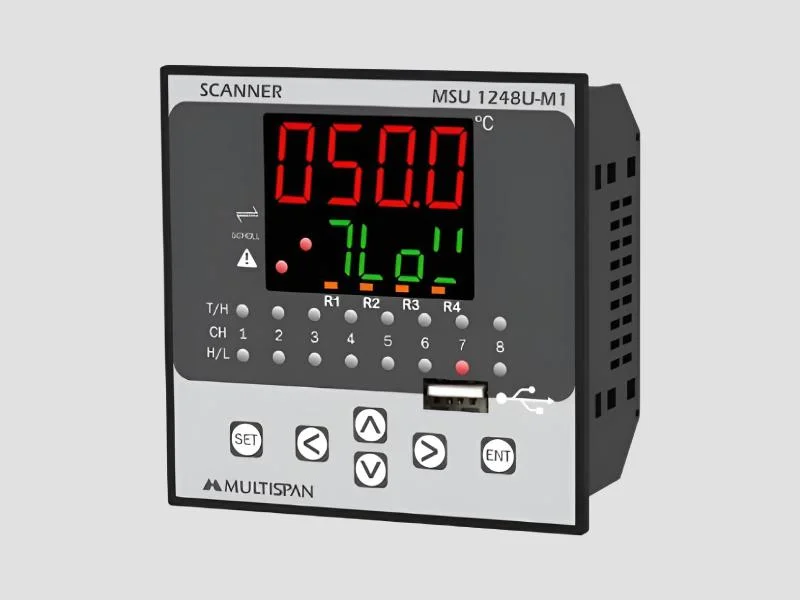
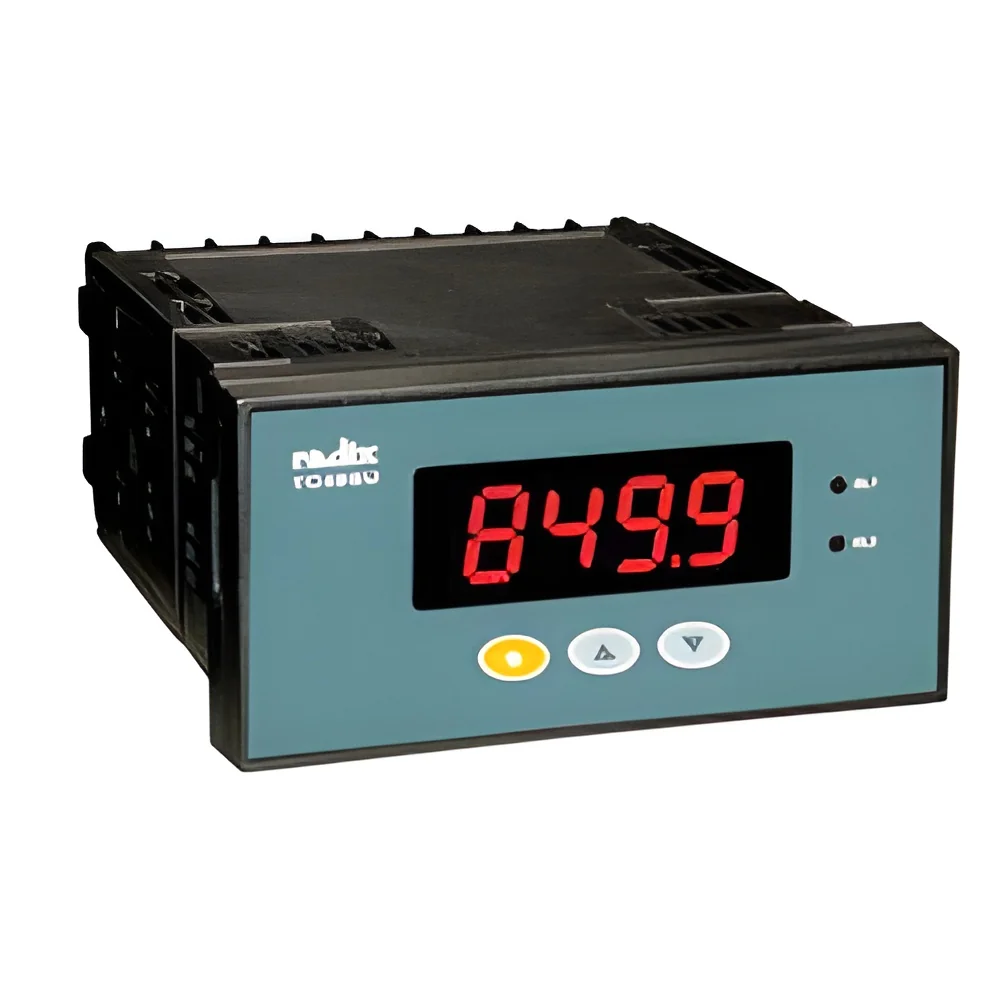
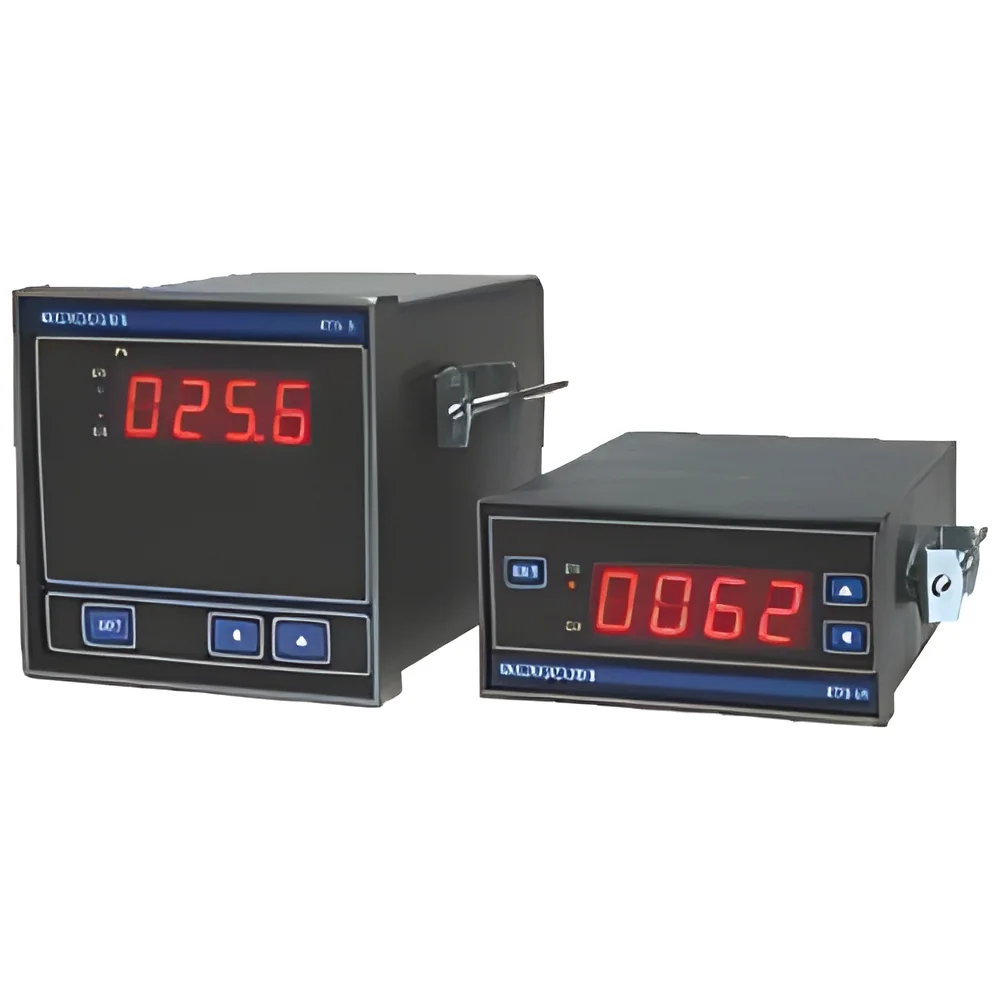
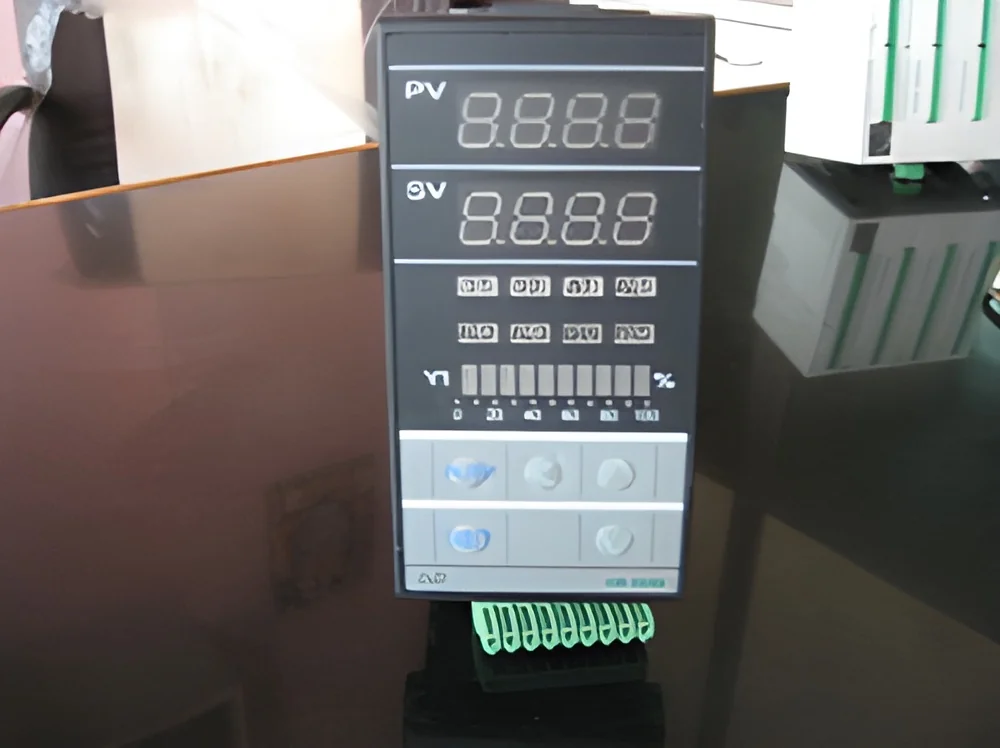
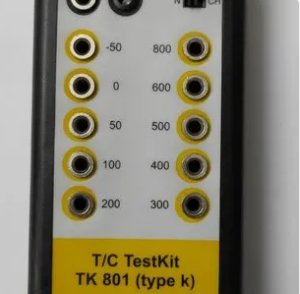
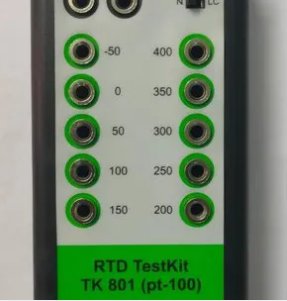
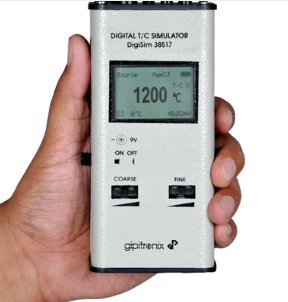
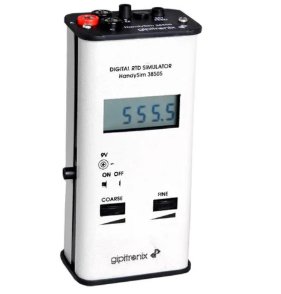
What are RTD & Thermocouple Calibrators?
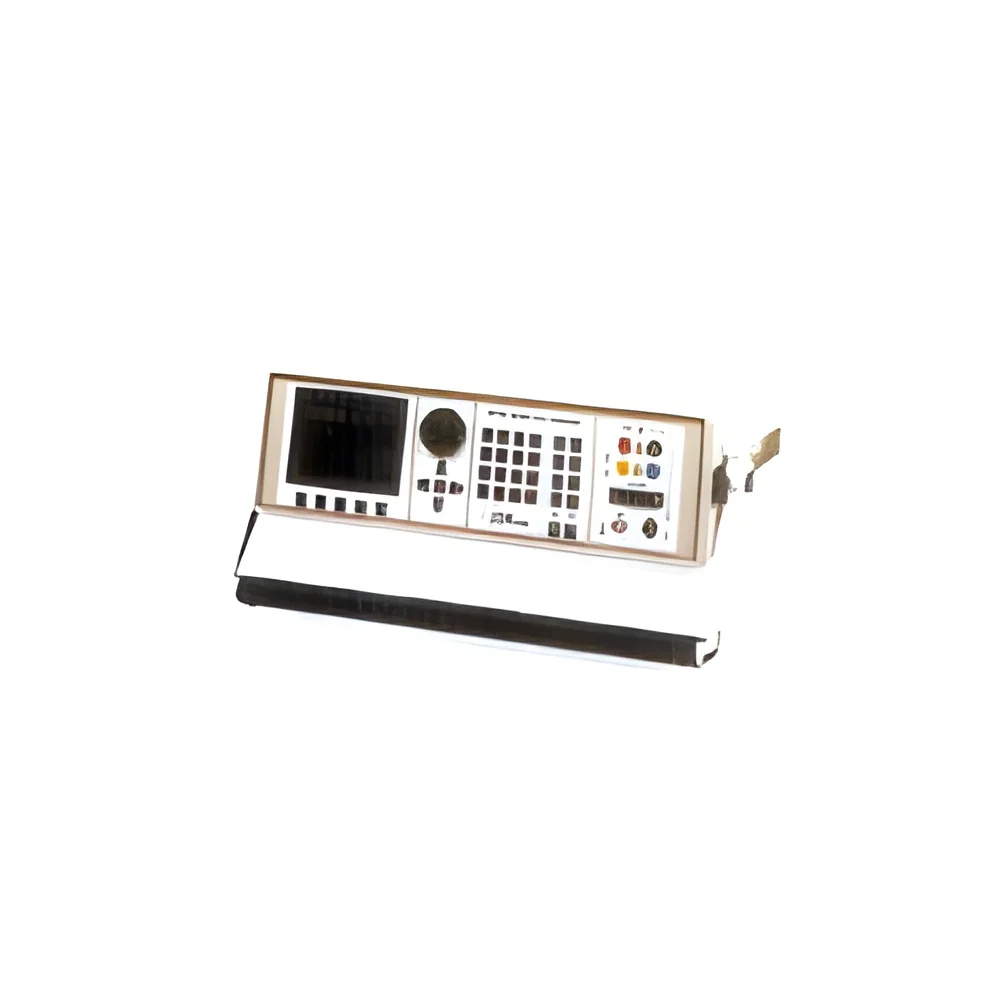
RTD (Resistance Temperature Detector) and thermocouple calibrators are precision instruments used to measure and verify the accuracy of temperature sensors. They help ensure that temperature readings from various sensors are accurate and reliable. By simulating temperature conditions, these calibrators can provide a reference point for thermal measurements, which is crucial in many industrial applications.
These calibrators are commonly used in sectors such as manufacturing, food processing, pharmaceuticals, and energy. Their primary function is to maintain accurate temperature control, which is vital for processes that rely on precise thermal readings. In industries where temperature-sensitive materials are involved, such as in pharmaceuticals or food safety, the use of these calibrators is essential to comply with regulatory standards and ensure product quality.
In the current market context, RTD and thermocouple calibrators are increasingly relevant due to the growing emphasis on quality control and compliance with international standards. Industries are investing in advanced calibration technology to enhance their operational efficiency and maintain competitive advantage.
Key Features and Specifications
RTD and thermocouple calibrators offer a range of features designed to meet the diverse needs of industrial applications. They come equipped with advanced technology to ensure high accuracy and reliability in temperature measurements.
Key specifications include:
1. Temperature Range
- Ability to simulate temperatures across a wide spectrum.
- Ranges typically from -200°C to 1200°C, depending on the model.
2. Accuracy
- High precision in temperature output to ensure reliable readings.
- Common accuracy levels are within ±0.2°C.
3. Display
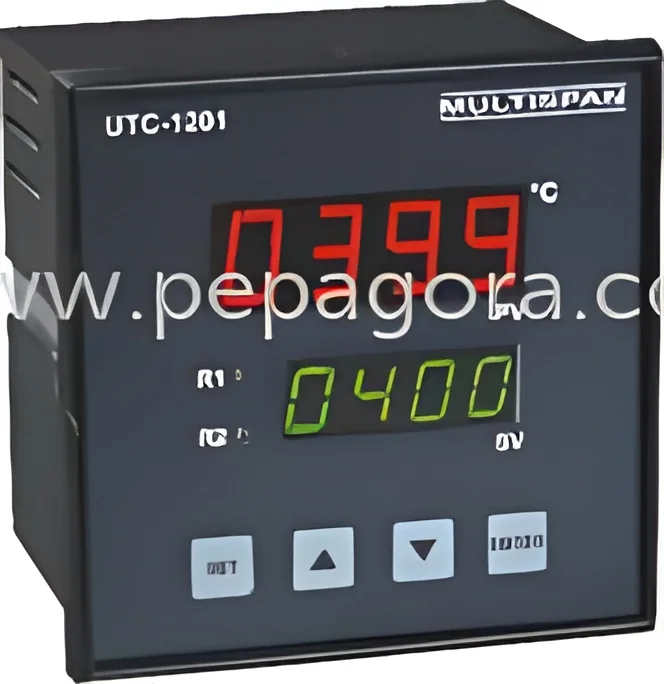
- User-friendly interfaces for easy monitoring and adjustment.
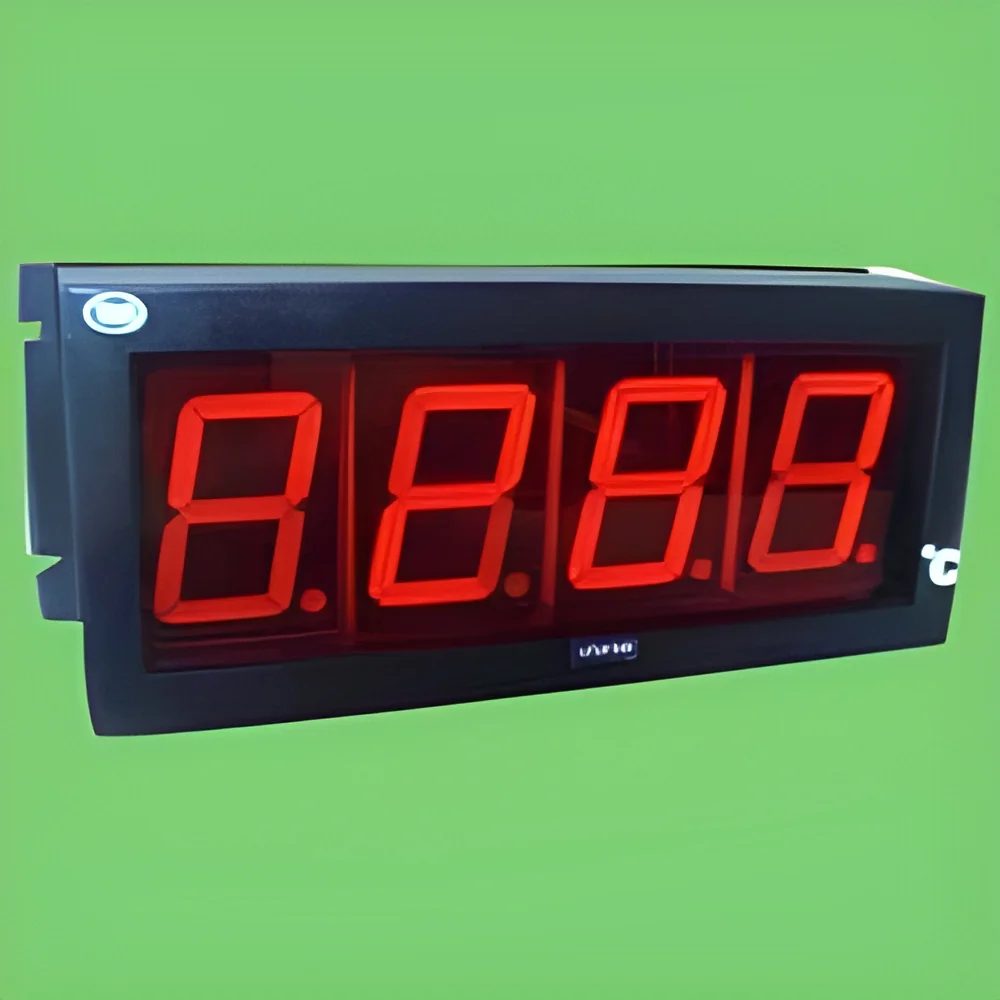
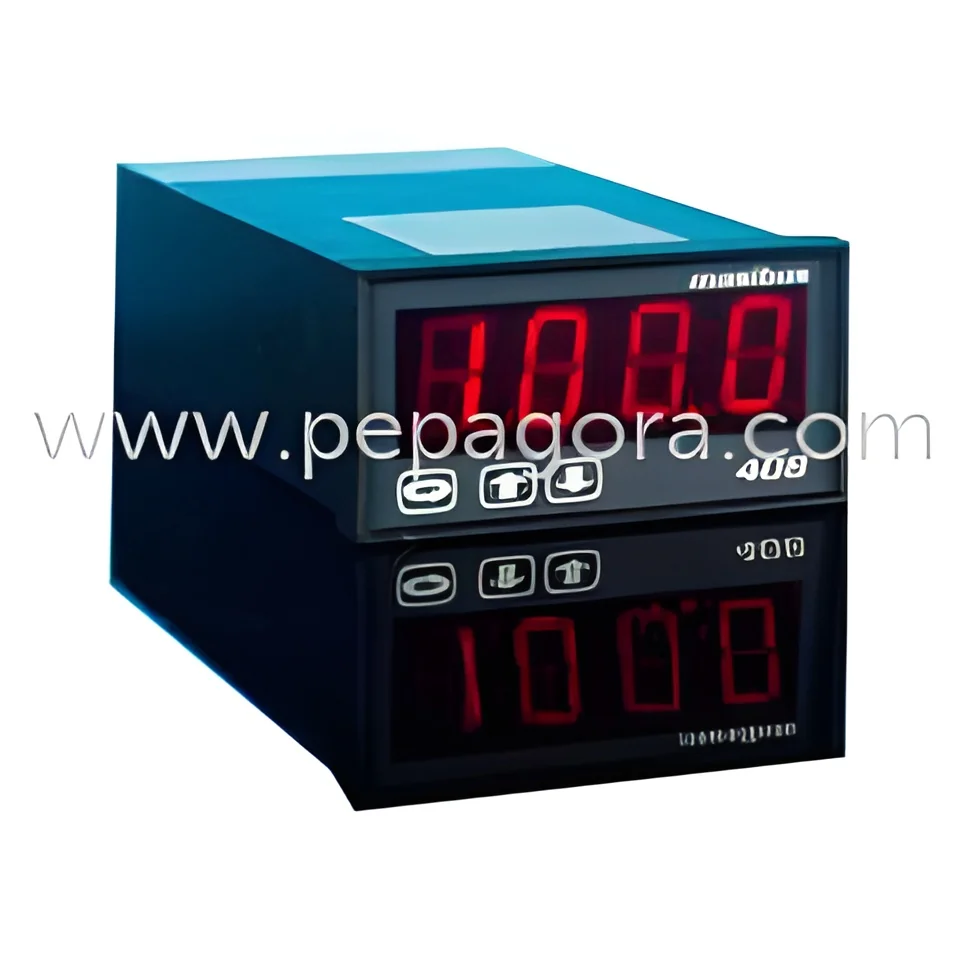
- Digital displays that provide clear readouts of the calibrated temperature.
4. Calibration Points
- Multiple calibration points for enhanced flexibility.
- Allows for the calibration of various types of sensors simultaneously.
5. Portability
- Compact designs for easy transport and use in different locations.
- Battery-operated options available for field use.
6. Connectivity
- Options for connecting to computers or other devices for data logging.
- USB or Bluetooth connectivity for easy data transfer.
7. User Configuration
- Customizable settings for different calibration needs.
- Pre-programmed settings for common sensor types.
8. Safety Features
- Built-in safety mechanisms to prevent overheating or sensor damage.
- Compliance with safety standards for industrial use.
These features make RTD and thermocouple calibrators essential tools for ensuring accurate temperature measurements across various applications.
Common Applications and Use Cases
RTD and thermocouple calibrators are versatile tools that serve several industries with specific applications.
1. Manufacturing: Used in quality control processes to ensure machinery operates within specified temperature ranges, preventing equipment failure and product defects.
2. Food Processing: Critical in monitoring and controlling temperatures during cooking and storage, ensuring food safety and compliance with health regulations.
3. Pharmaceuticals: Essential for verifying the accuracy of temperature sensors in storage and transportation of temperature-sensitive medications and vaccines.
4. Energy Sector: Utilized for calibrating sensors in power generation and distribution, maintaining the efficiency and safety of energy systems.
5. HVAC: Employed in heating, ventilation, and air conditioning systems to ensure proper temperature regulation and comfort levels in buildings.
6. Aerospace: Important for testing and calibrating sensors in aircraft systems, ensuring safety and performance under varying temperature conditions.
7. Automotive: Used in the automotive industry for calibrating temperature sensors in engines and other critical components, enhancing vehicle reliability.
Product Variants and Subcategories
RTD and thermocouple calibrators come in various models to cater to different industrial needs. Each variant offers unique features suitable for specific applications.
Standard Model
This variant typically provides a comprehensive set of features for general calibration needs. It is designed for users who require reliable performance without advanced customizations.
High-Precision Model
This model is tailored for industries requiring extremely accurate temperature measurements. It features enhanced accuracy and additional calibration points for specialized applications.
Portable Model
Designed for field use, this variant is lightweight and battery-operated, making it ideal for on-site calibration tasks. It ensures that users can maintain accuracy even away from fixed locations.
Multi-Channel Model
This model allows for the simultaneous calibration of multiple sensors, making it suitable for large-scale operations where time efficiency is crucial.
Benefits and Advantages
Investing in RTD and thermocouple calibrators brings numerous advantages to industrial operations.
1. Enhanced Accuracy: These calibrators ensure that temperature measurements are precise, reducing the risk of errors in critical processes.
2. Improved Compliance: They help businesses comply with industry regulations and standards, ensuring product quality and safety.
3. Increased Efficiency: By providing quick and reliable calibration, these tools enhance operational efficiency, saving time and resources.
4. Cost Savings: Accurate temperature readings can help prevent product spoilage and equipment failure, leading to significant cost reductions.
5. User-Friendly Operation: Many models feature intuitive interfaces that simplify the calibration process, making it accessible to all users.
6. Versatility: Suitable for various industries, these calibrators can adapt to different temperature sensor types and applications.
Buying Guide for B2B Buyers
When sourcing RTD and thermocouple calibrators, B2B buyers should consider several important factors to ensure they make informed purchasing decisions.
1. Quality Assessment: Evaluate the quality of the calibrators by checking for accuracy ratings and manufacturer reputation. Look for models that meet or exceed industry standards.
2. Supplier Verification: Vet suppliers by reviewing their credentials, customer feedback, and service history to ensure reliability and support.
3. Pricing and MOQ: Understand the pricing structure and minimum order quantities. Compare prices across different suppliers to find the best value without compromising quality.
4. Delivery and Lead Times: Consider logistics, including lead times for delivery. Ensure that the supplier can meet your timeline for production needs.
5. Compliance Requirements: Confirm that the calibrators meet relevant compliance standards, ensuring they are suitable for your specific industry applications.
Compliance and Certifications
RTD and thermocouple calibrators must adhere to several compliance standards and certifications to ensure they meet industry requirements.
Relevant quality standards include ISO 9001 for quality management systems, which ensures that manufacturers consistently provide products that meet customer and regulatory requirements.
Industry certifications such as CE mark indicate compliance with European health, safety, and environmental protection standards. This certification is essential for products marketed within the European Union.
Safety and testing requirements are crucial to guarantee that the calibrators are safe to use in various industrial environments. Manufacturers must conduct rigorous testing to ensure reliability and performance.
Regional compliance considerations may vary, so it is essential to check local regulations that apply to the specific markets where the calibrators will be used.
Why Source RTD & Thermocouple Calibrators from Pepagora?
Pepagora provides a trusted platform for sourcing RTD and thermocouple calibrators, offering several key advantages to B2B buyers.
Verified Supplier Network: Pepagora connects buyers with a network of verified suppliers, ensuring that all products meet industry standards and quality benchmarks. This verification process reduces the risk of purchasing subpar equipment.
Streamlined RFQ Process: The platform features a user-friendly request for quotation (RFQ) system that simplifies the procurement process. Buyers can easily compare offers from multiple suppliers to make informed decisions.
Trade Assurance and Support: Pepagora offers trade assurance, providing added protection for buyers. This feature ensures that transactions are secure and that buyers receive the products as promised.
Regional Coverage: With a strong presence in India, the GCC, and Southeast Asia, Pepagora provides extensive geographic reach. This allows businesses to source calibrators from suppliers in their region, enhancing logistical efficiency and reducing shipping times.

 IN
IN