IN
IN₹
Apparel & Fashion
Loading subcategories...
View More
Description
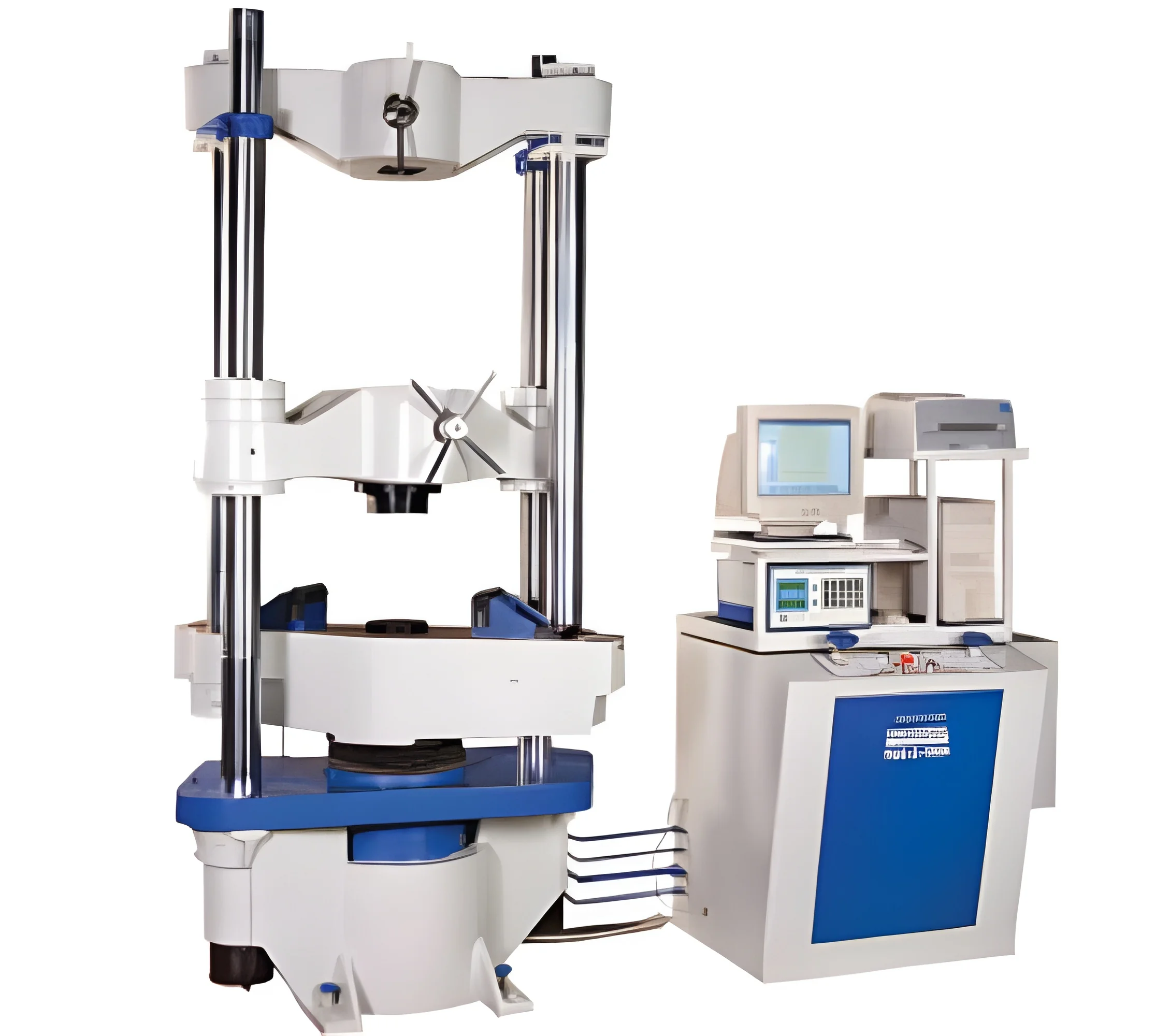
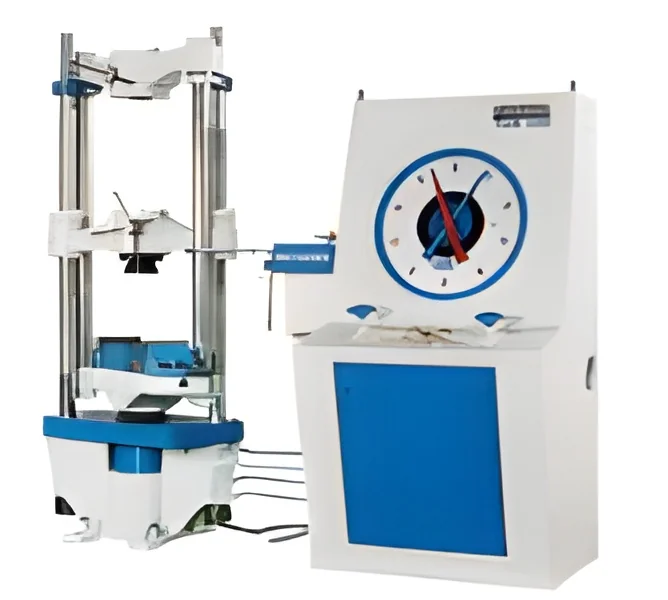
The Analogue Universal Testing Machine Model TUN represents precision engineering for determining mechanical properties of various materials. This robust instrument performs tensile, compression, flexural, and shear tests with high accuracy, delivering essential data on strength, elasticity, and deformation characteristics. Featuring an easy-to-read analogue display system, it eliminates digital complexity while maintaining reliable performance. Built with a rigid frame and calibrated load sensing mechanism, it ensures repeatable results across multiple test cycles. The machine supports diverse materials including metals, alloys, plastics, rubber, ceramics, and composites, making it a versatile solution for any testing facility requiring dependable mechanical assessment.

This universal testing machine serves critical roles across multiple industries requiring rigorous material certification and quality assurance protocols. Automotive manufacturers utilize it for testing component part...
The Analogue Universal Testing Machine Model TUN represents precision engineering for determining mechanical properties of various materials. This robust instrument performs tensile, compression, flexural, and shear tests with high accuracy, delivering essential data on strength, elasticity, and deformation characteristics. Featuring an easy-to-read analogue display system, it eliminates digital complexity while maintaining reliable performance. Built with a rigid frame and calibrated load sensing mechanism, it ensures repeatable results across multiple test cycles. The machine supports diverse materials including metals, alloys, plastics, rubber, ceramics, and composites, making it a versatile solution for any testing facility requiring dependable mechanical assessment.

This universal testing machine serves critical roles across multiple industries requiring rigorous material certification and quality assurance protocols. Automotive manufacturers utilize it for testing component parts like bolts, wires, and plastic fittings to verify tensile and compressive strength specifications. Aerospace companies depend on it to validate material properties for safety-critical components. Construction firms rely on its capabilities for testing concrete samples, reinforcement bars, and structural elements. The polymer and textile industries employ it to measure elongation characteristics and break points, while educational institutions incorporate it into teaching curricula and research programs. Its adaptability supports both destructive and non-destructive testing scenarios across these diverse sectors.

The TUN model delivers substantial business value through its durable construction, low maintenance requirements, and cost-effective operational profile. Its simple mechanical structure with minimal electronic dependencies reduces downtime and ensures long-term reliability. The machine enhances quality control processes by providing consistent, accurate test results that help prevent product failures and ensure compliance with ISO, ASTM, and other international standards. User-friendly operation requires minimal training, making it an efficient choice for organizations seeking to improve testing capabilities without increasing operational complexity. This combination of reliability and simplicity provides a competitive advantage in maintaining product quality and meeting industry requirements.

Key Features:
- Robust steel frame construction ensuring stability during high-load testing procedures
- Precision analogue load indicator with clear dial display for accurate measurement readings
- Wide capacity range suitable for testing various materials from soft polymers to hard metals
- Easy-to-operate controls with manual or motorized crosshead movement options available
- Customizable grips and fixtures accommodating specific sample shapes and testing requirements

Benefits:
- Durable construction minimizes maintenance needs and extends equipment service life
- Accurate analogue readings provide reliable data without digital system complexities
- Versatile testing capabilities across multiple material types reduce equipment needs
- Simple operation reduces training time and operational errors during testing
- Consistent performance ensures compliance with international quality standards
Specifications
| Additional Information | |
|---|---|
| Country of Origin | India |
| Customisable | No |
Application
The Analogue Universal Testing Machine Model TUN provides essential material verification for compliance with international standards. It performs accurate tensile, compression, and flexural tests on metals, plastics, rubber, and textiles. This versatility makes it fundamental for R&D labs, production quality control, and educational institutions requiring dependable mechanical property analysis without digital complexity.
Manufacturing and construction industries rely on the TUN model for consistent performance and straightforward operation. It ensures product safety and regulatory compliance through clear analogue readouts of yield strength, ultimate strength, and elongation. The machine is particularly valuable where minimal maintenance and reliable operation are prioritized over digital features, offering long-term testing reliability.
- Quality control testing of metal components in automotive and aerospace manufacturing facilities
- Tensile strength evaluation of plastic and polymer products in consumer goods production lines
- Compression testing of construction materials including concrete and bricks for building code compliance
- Flexural and bend testing of textiles and composites in material research laboratory settings
- Educational demonstrations in engineering colleges for teaching material science principles and mechanical properties
Trade Details
| Available Stock | In Stock |
| Sample Availability | No |
Payment Terms
| Payment Terms |
|
Company Profile
Hi-Tech India, Tamil Nadu
 Tamil Nadu, India
Tamil Nadu, IndiaManufacturer•Importer / Exporter
Factory Details
Factory SizeBelow 1000 sqm
Annual Production Capacity0
Analogue Universal Testing Machine TUN For Material Strength Testing
Analogue Universal Testing Machine TUN delivers precise material strength testing for metals, polymers, and composites. Trusted by quality labs for reliable performance in tensile, compression, and bend tests with easy-to-read analogue display.
Min. Order Quantity: 1 unit
Shipping
Shipping fee and delivery date to be negotiated. Contact supplier now for more details.
Hi-Tech India
 Tamil Nadu, India
Tamil Nadu, IndiaManufacturer