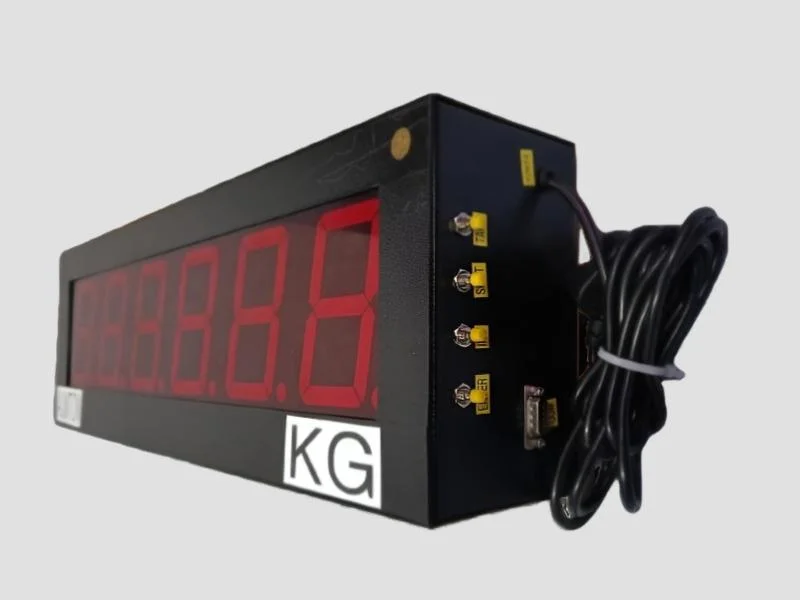
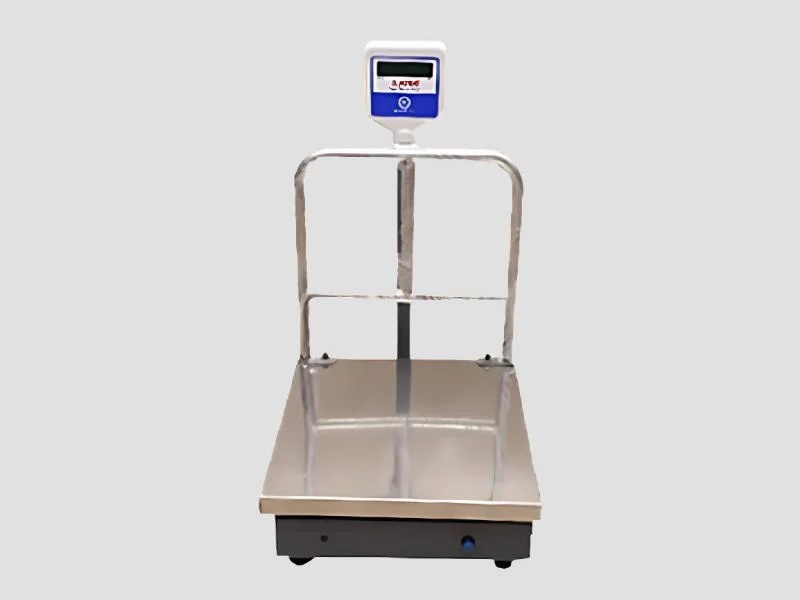
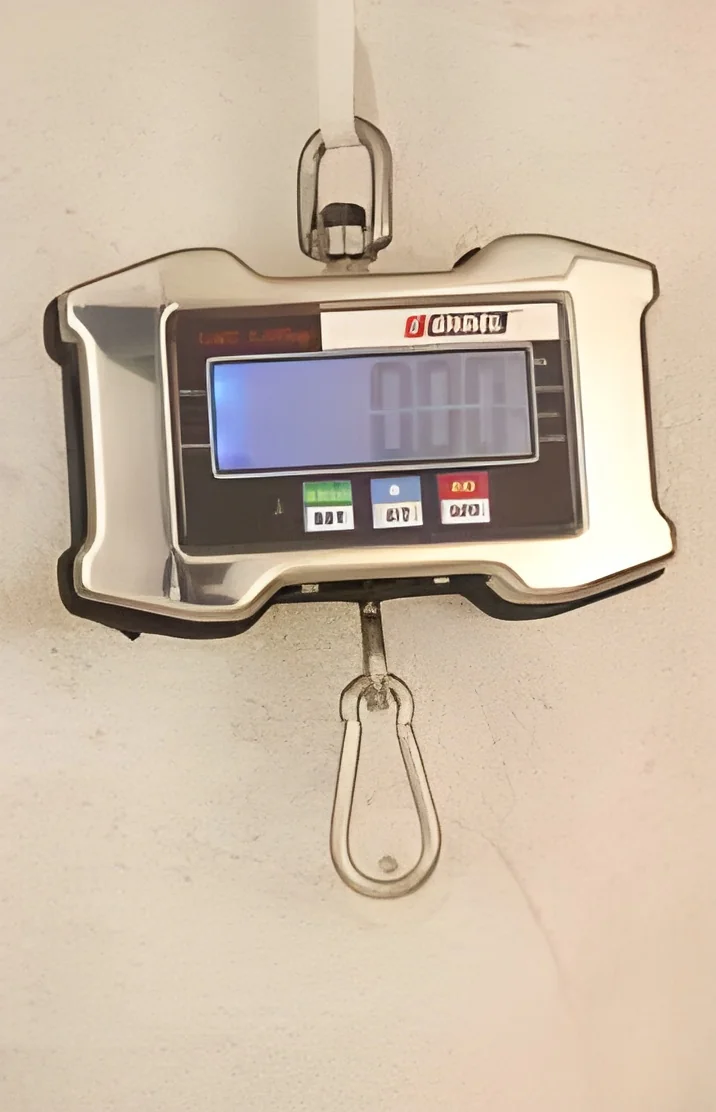
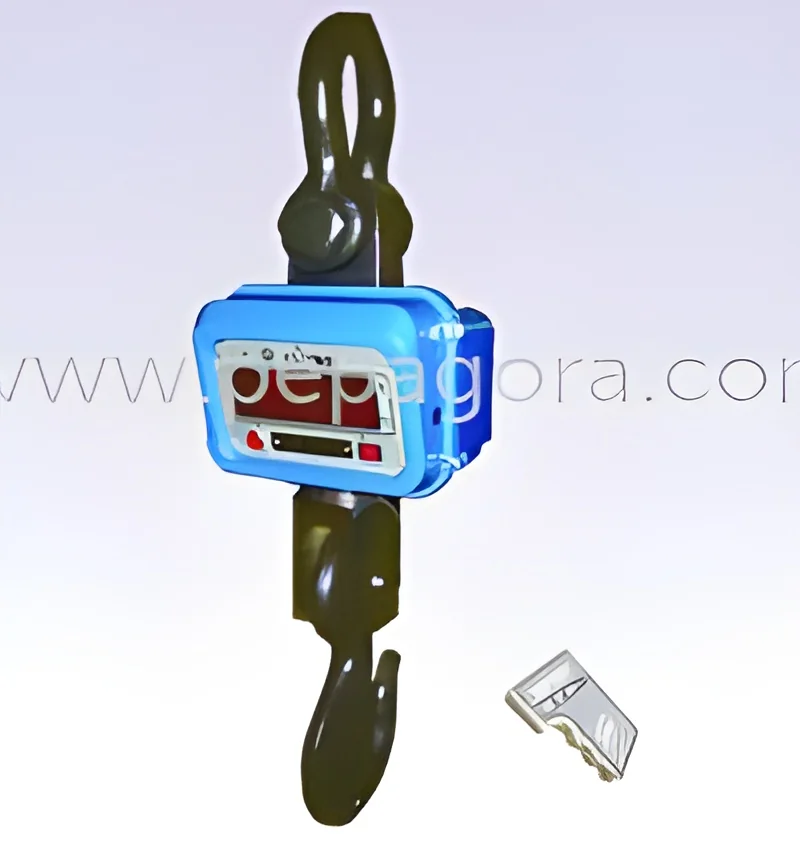
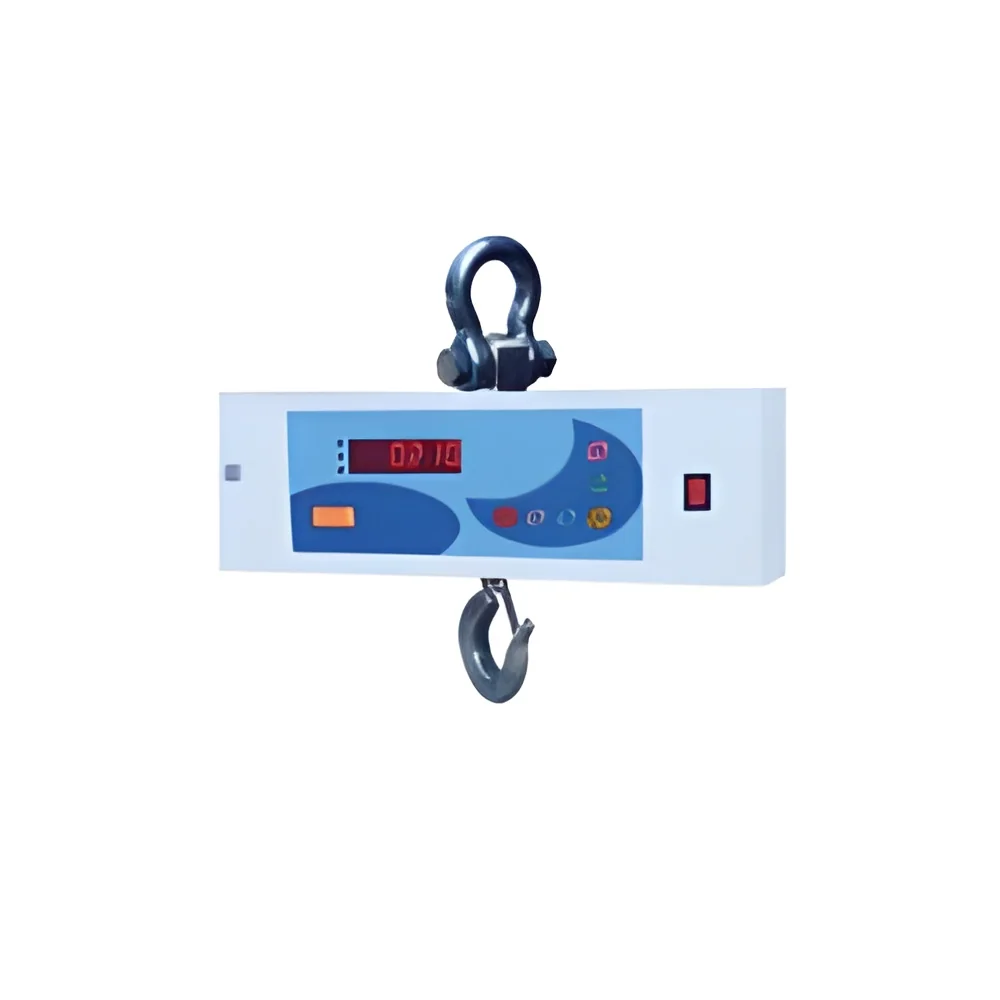
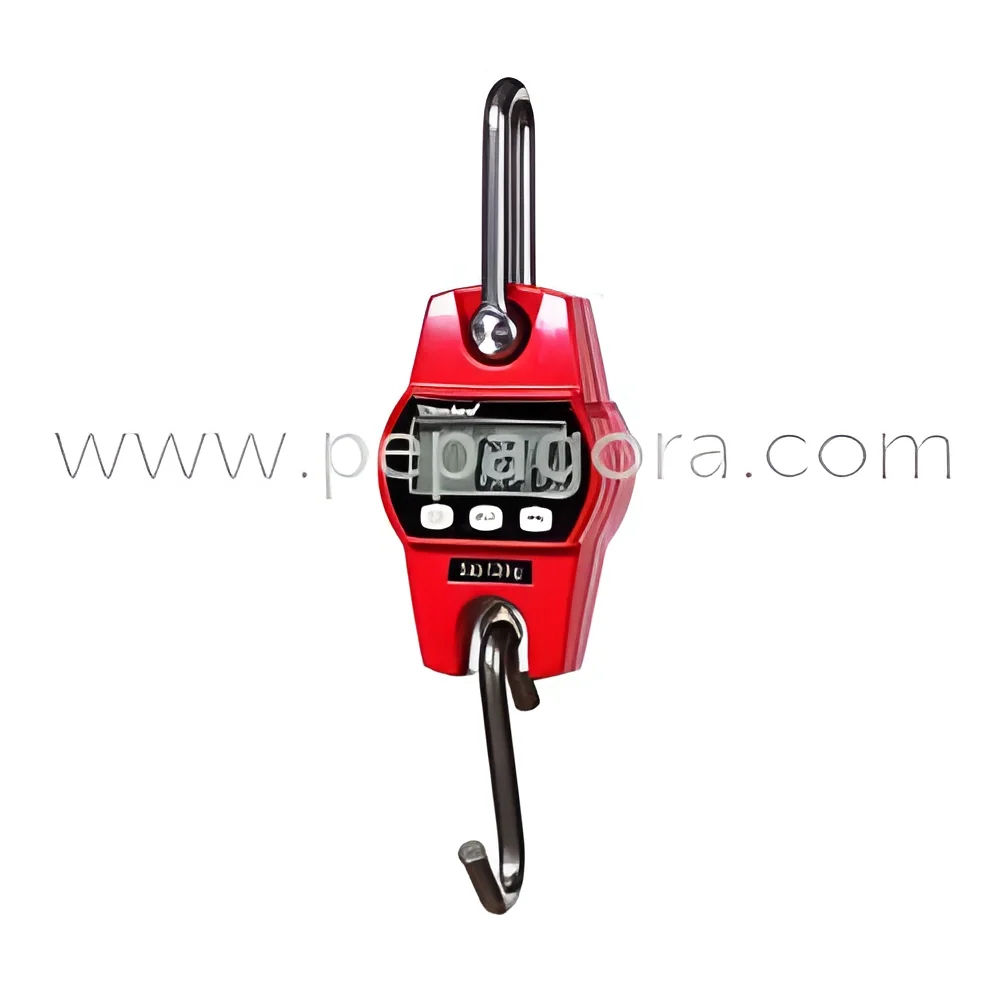
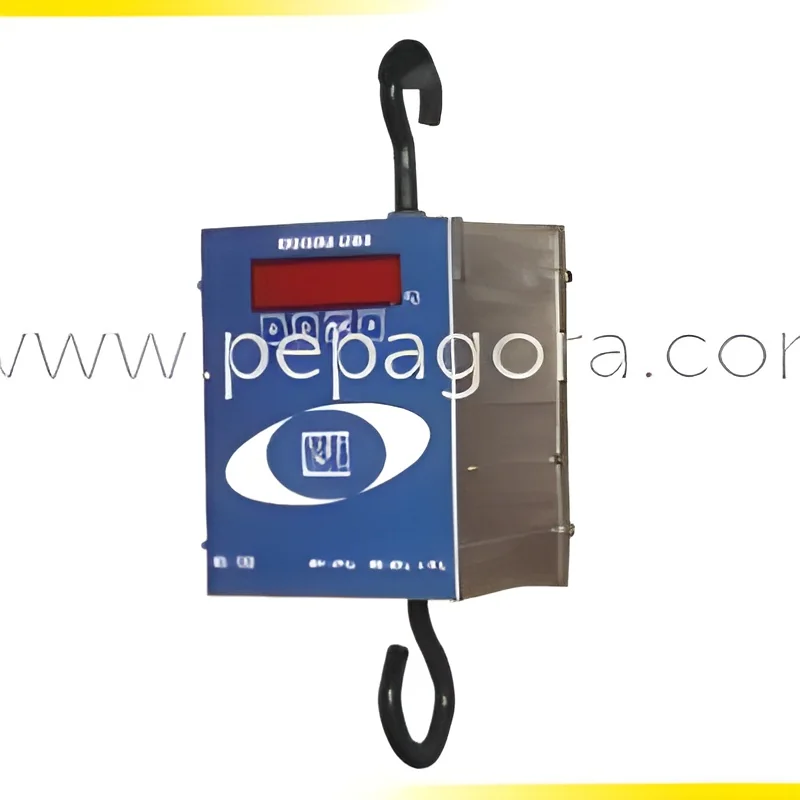
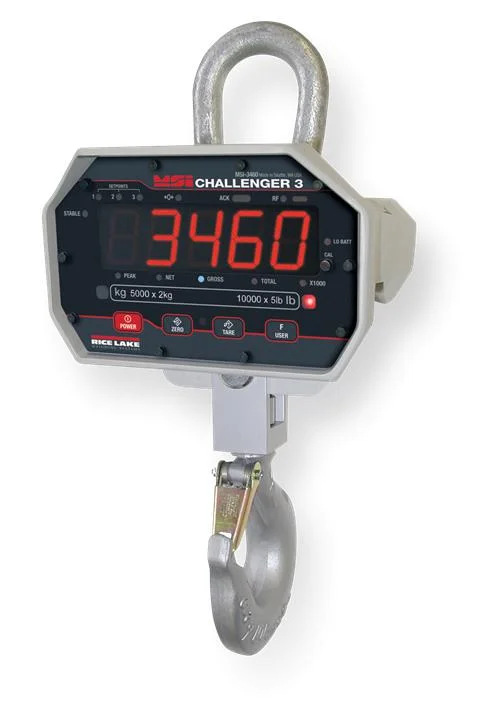
What are Crane Scales?
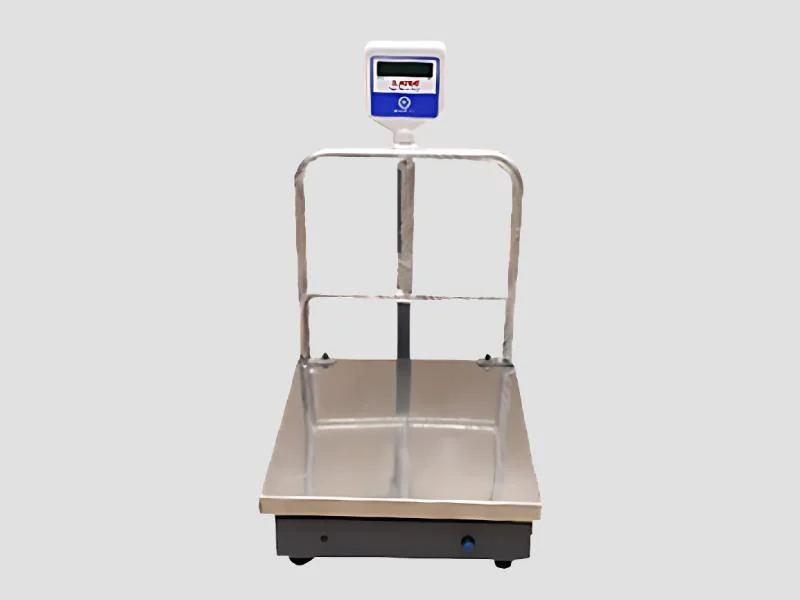
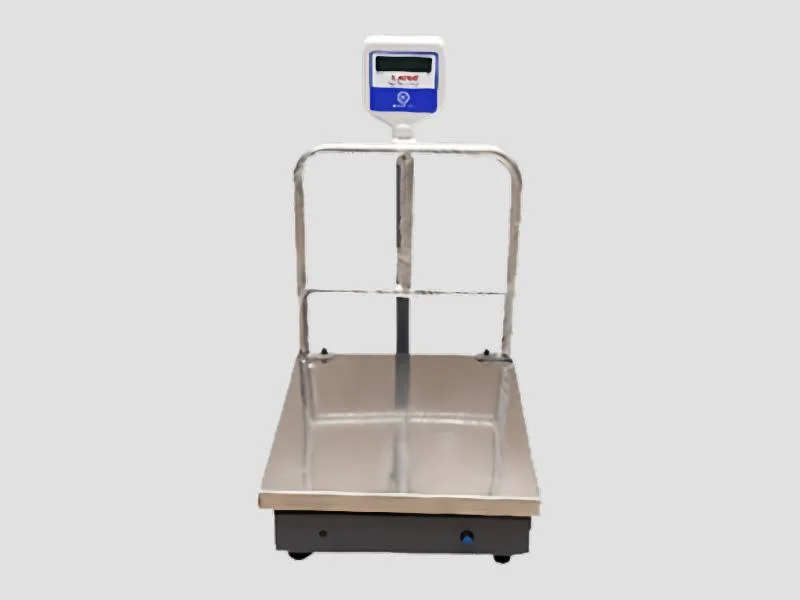
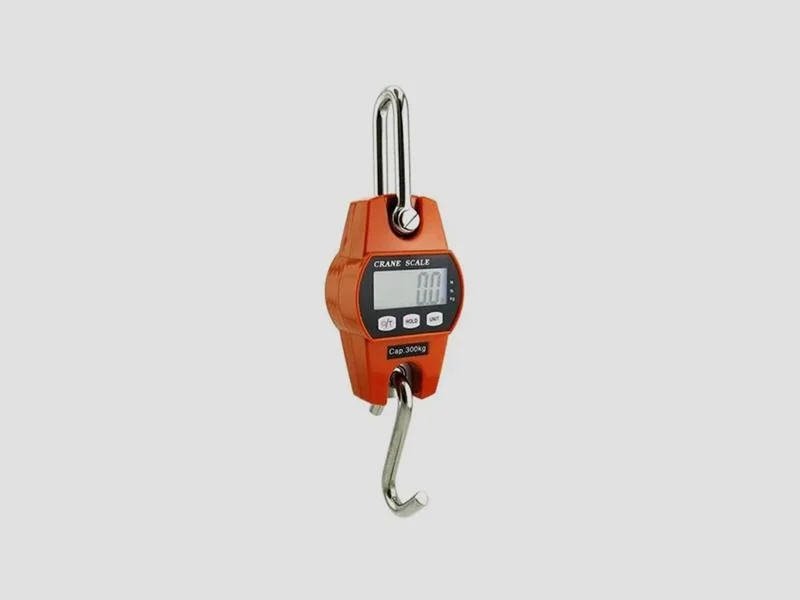
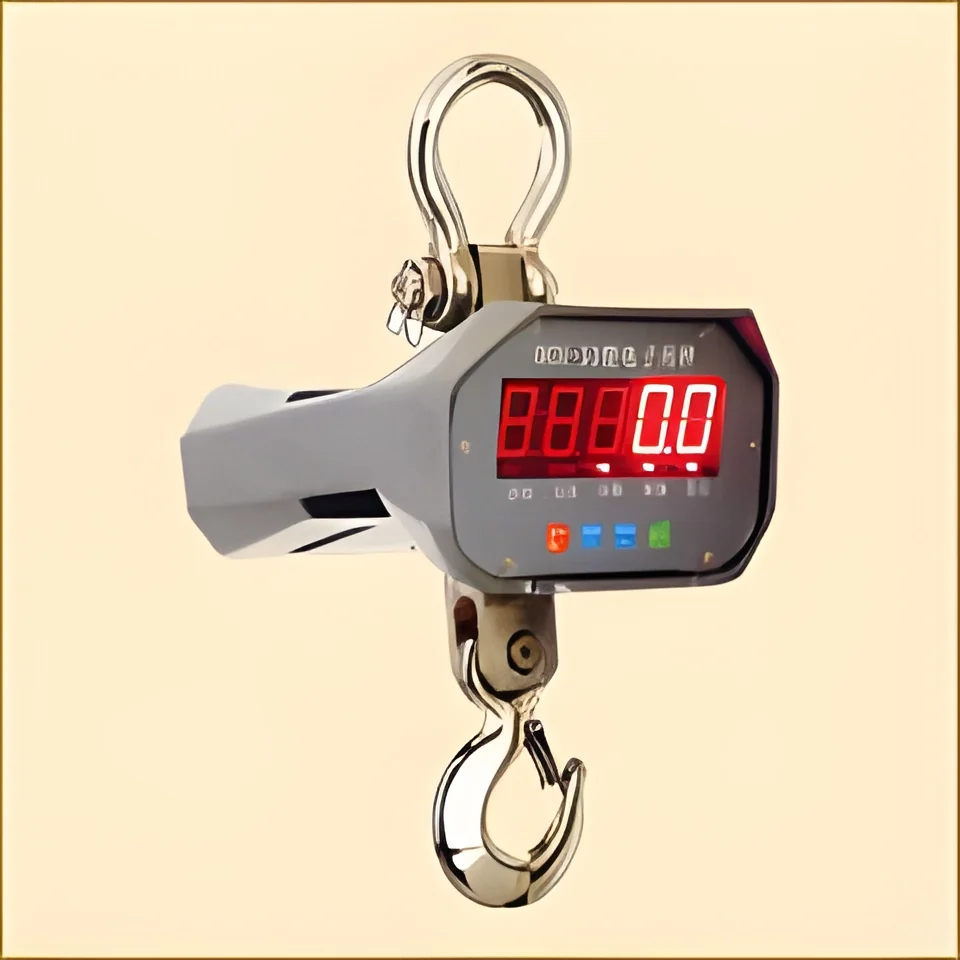
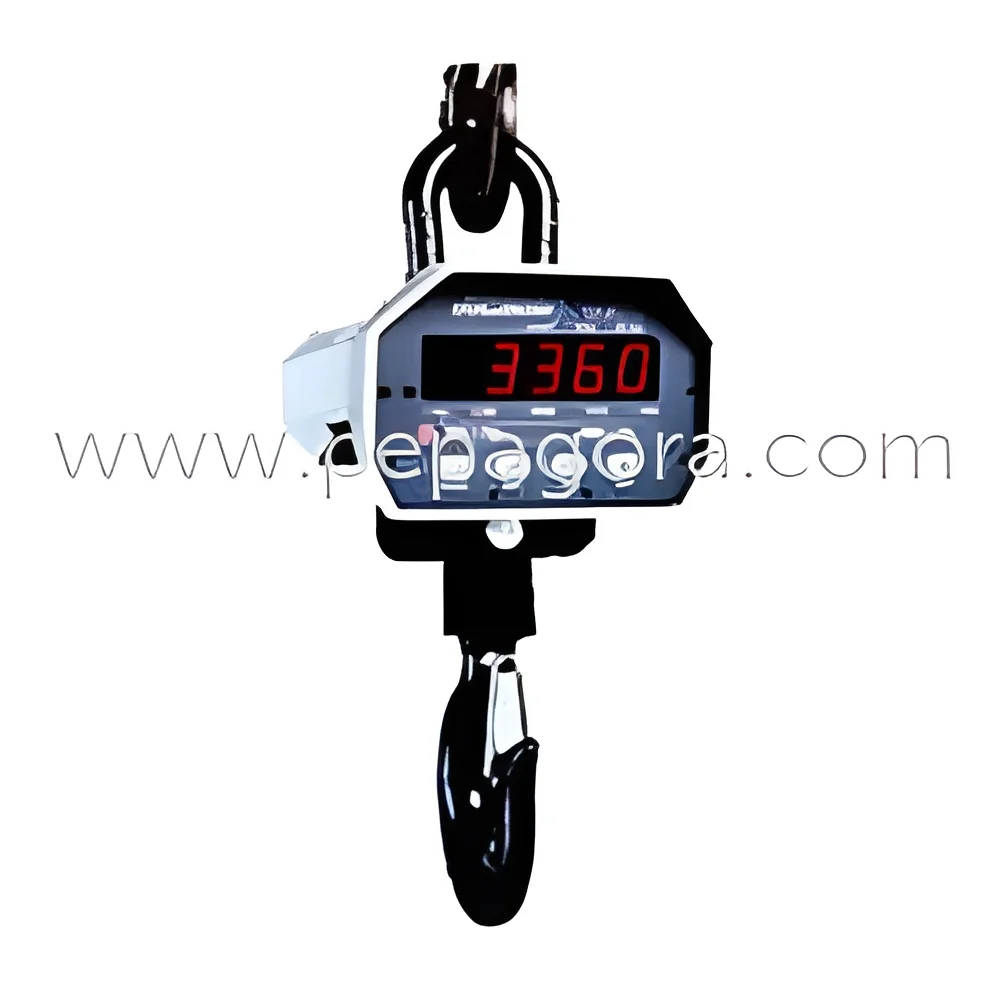
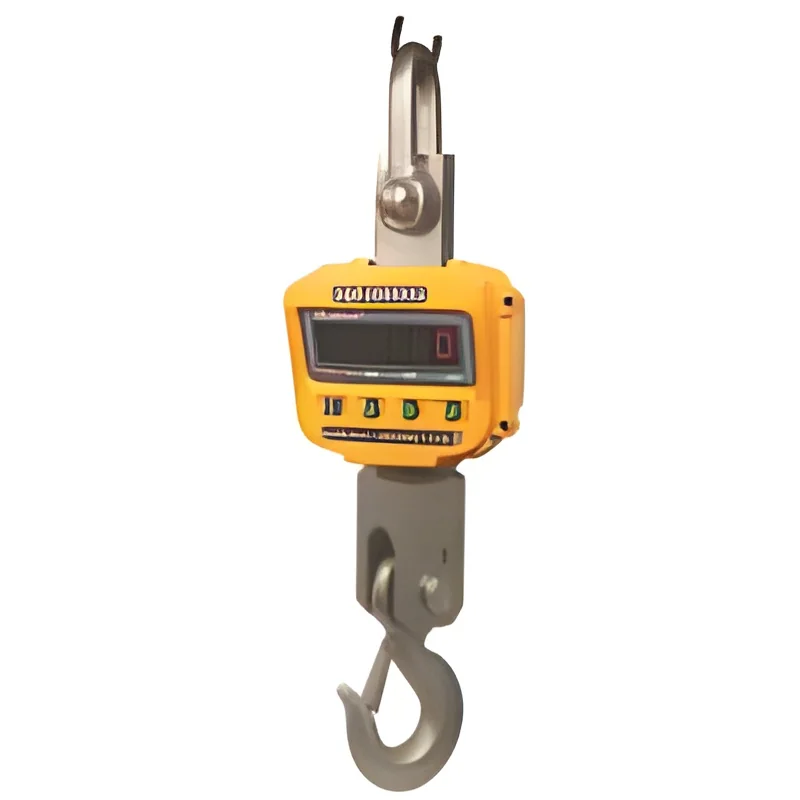
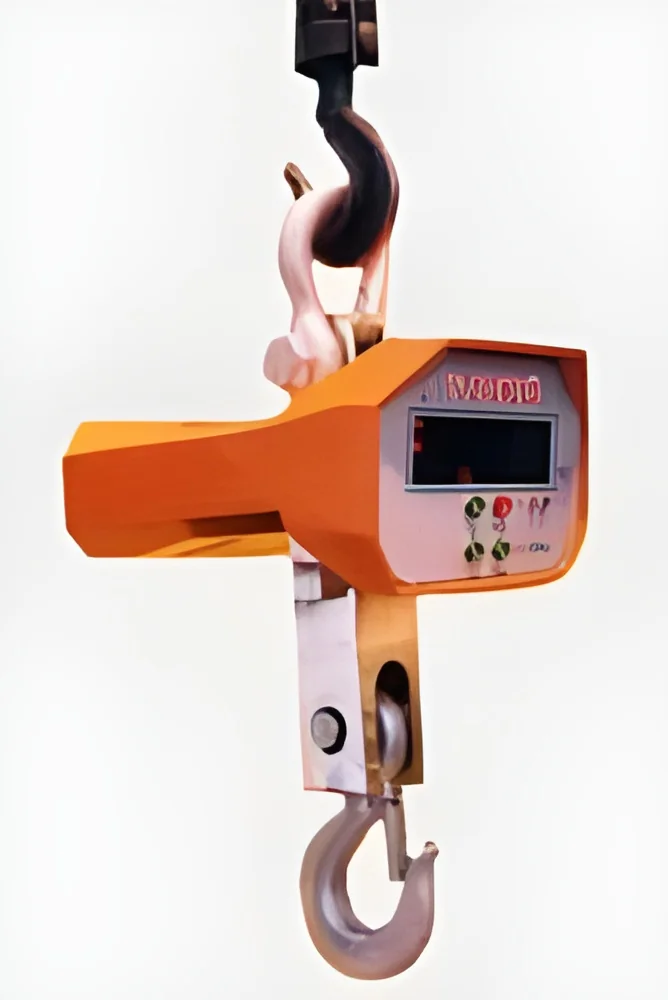
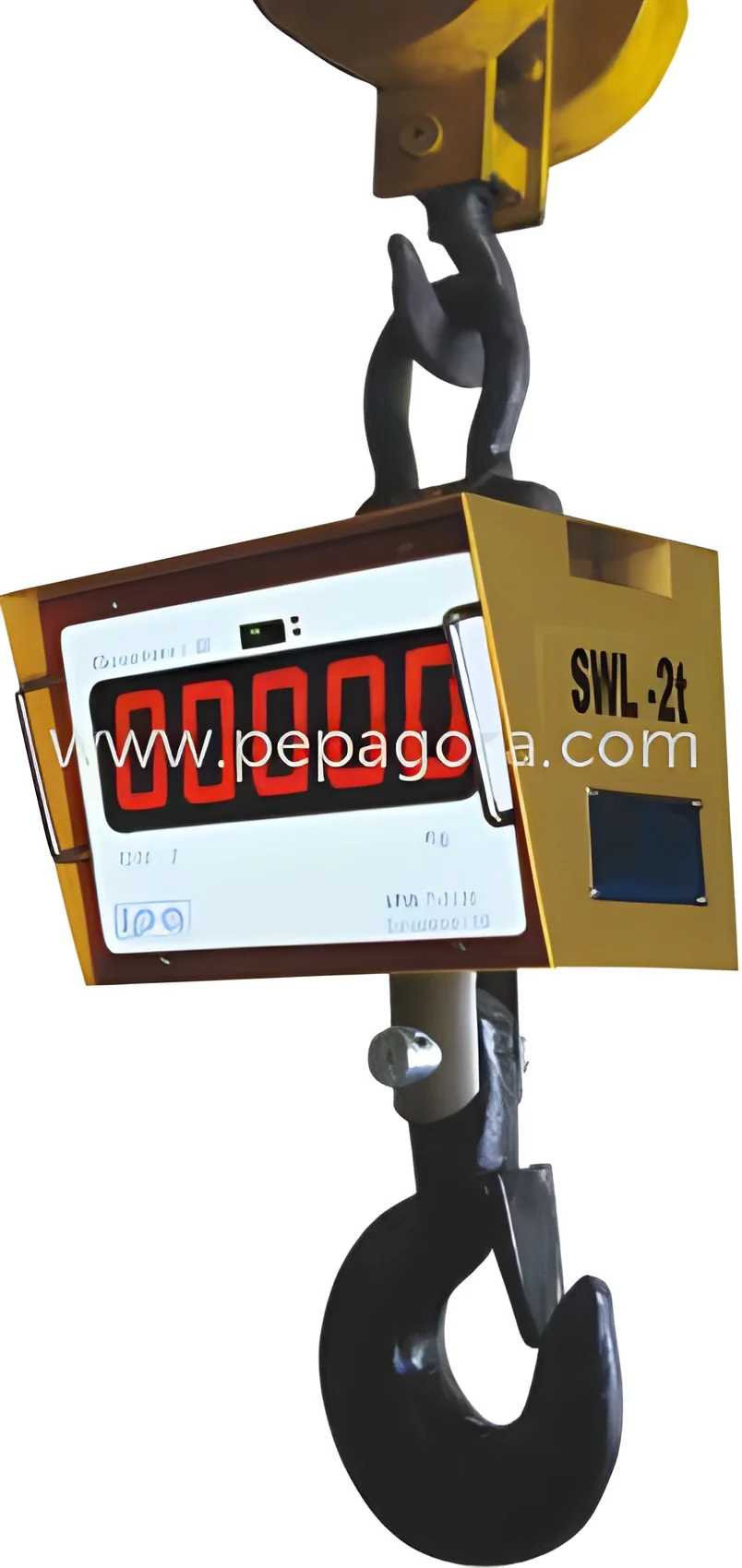
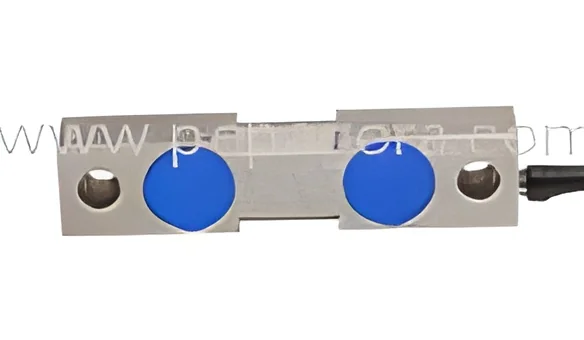
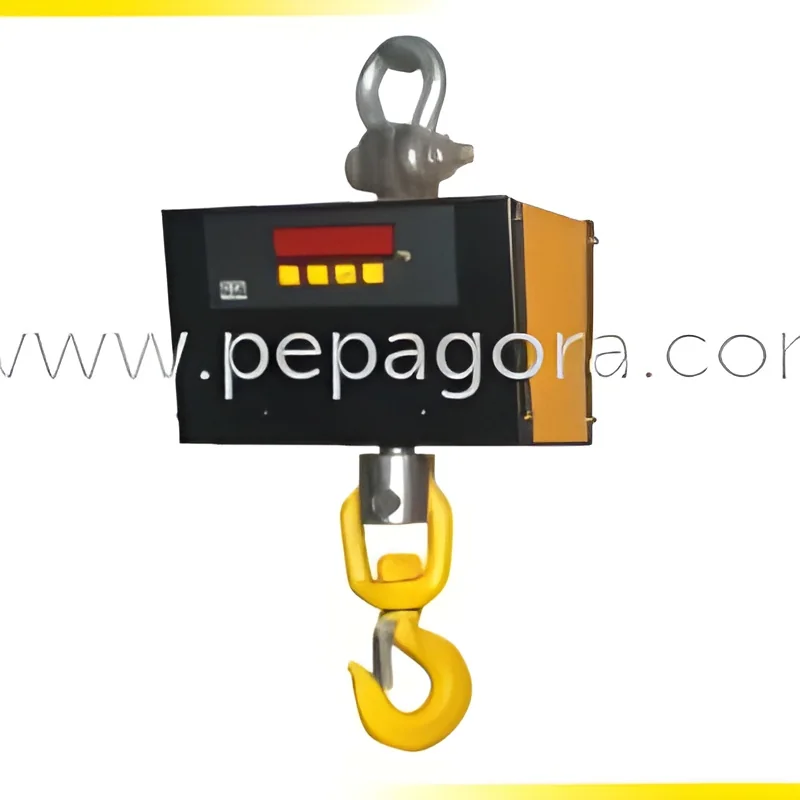
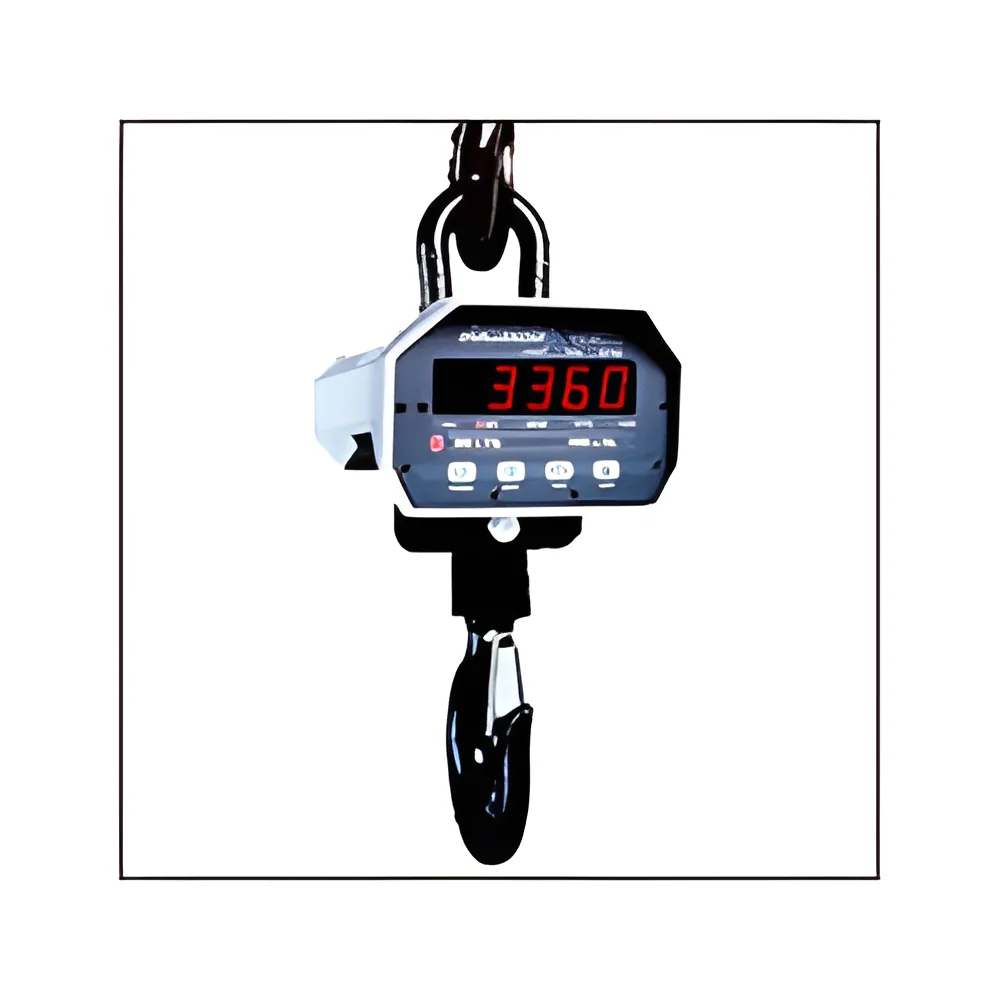
Crane scales are specialized weighing devices designed to lift and measure the weight of heavy loads suspended from overhead cranes. They are typically equipped with a load cell and a digital display that provides accurate weight readings. Crane scales are built to withstand harsh industrial environments, making them essential tools in various sectors where heavy lifting is common.
These scales are primarily used in industries such as manufacturing, shipping, construction, and logistics. They allow for precise measurements of large items, ensuring proper load management and safety during lifting operations. Businesses utilize crane scales to facilitate effective inventory management, enhance operational efficiency, and comply with safety regulations. The demand for crane scales in the market corresponds to the growth of industries reliant on heavy machinery and equipment.
Key Features and Specifications
Crane scales come with a variety of features and specifications tailored to meet different operational needs. Understanding these features is crucial for selecting the right crane scale for your business.
Key specifications include:
1. Capacity
- The maximum weight that the scale can lift and measure.
- Typical capacities range from 1 ton to over 100 tons.
2. Accuracy
- The precision level of the weight measurement.
- Common accuracy ratings are ±0.1% of the displayed weight.
3. Display Type
- The method of displaying weight readings.
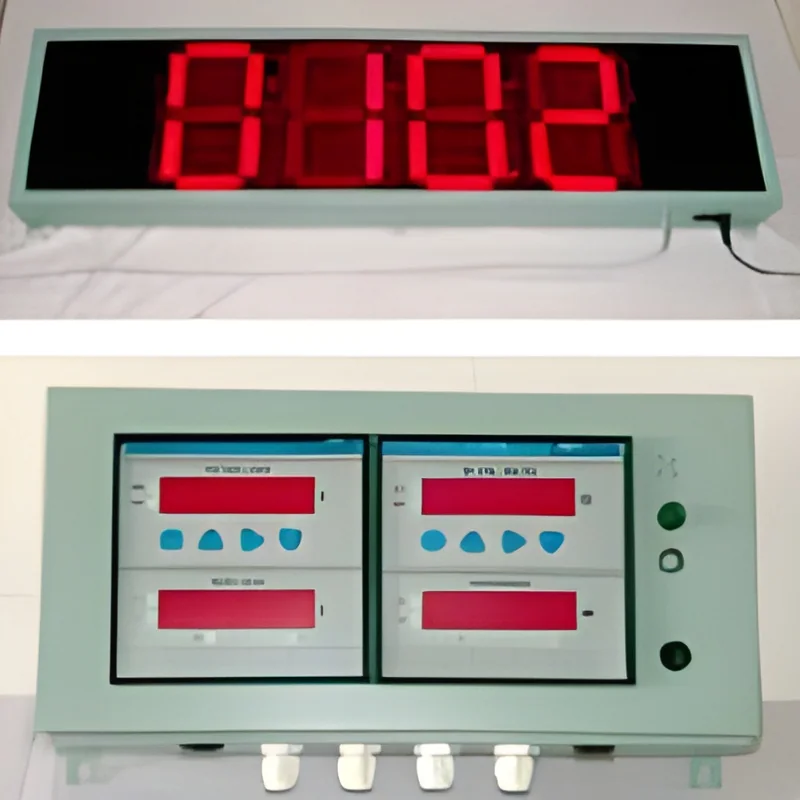
- Options include LED or LCD screens for easy visibility.
4. Power Source
- The type of power supply used by the scale.
- Can be battery-operated or plugged into a power source.
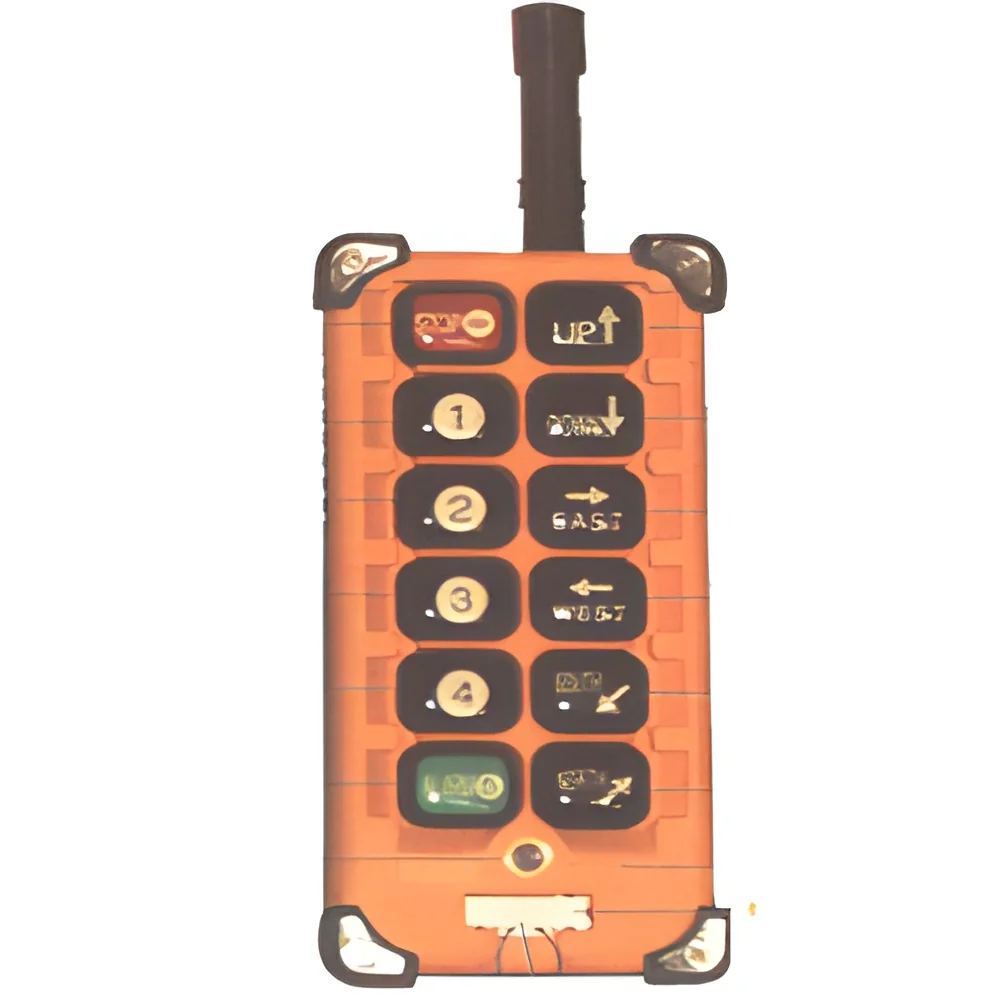
5. Remote Control
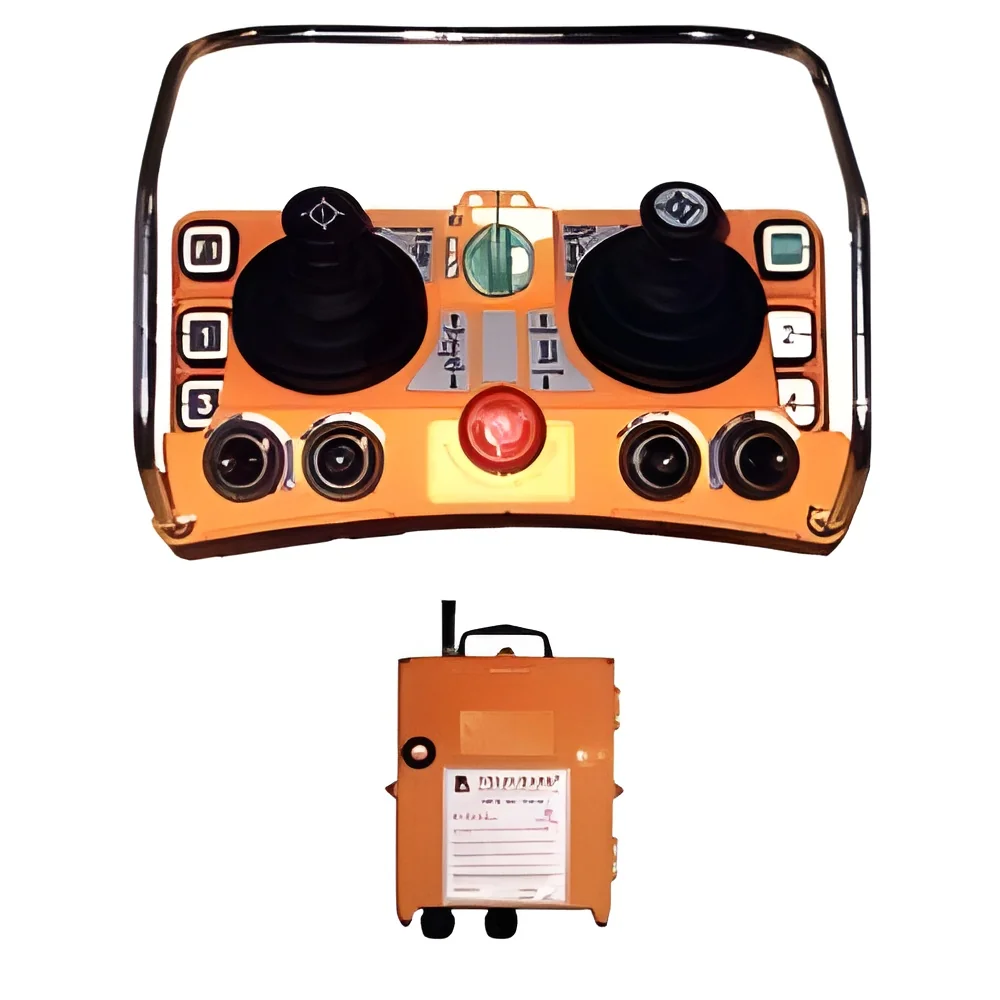
- Availability of remote operation features.
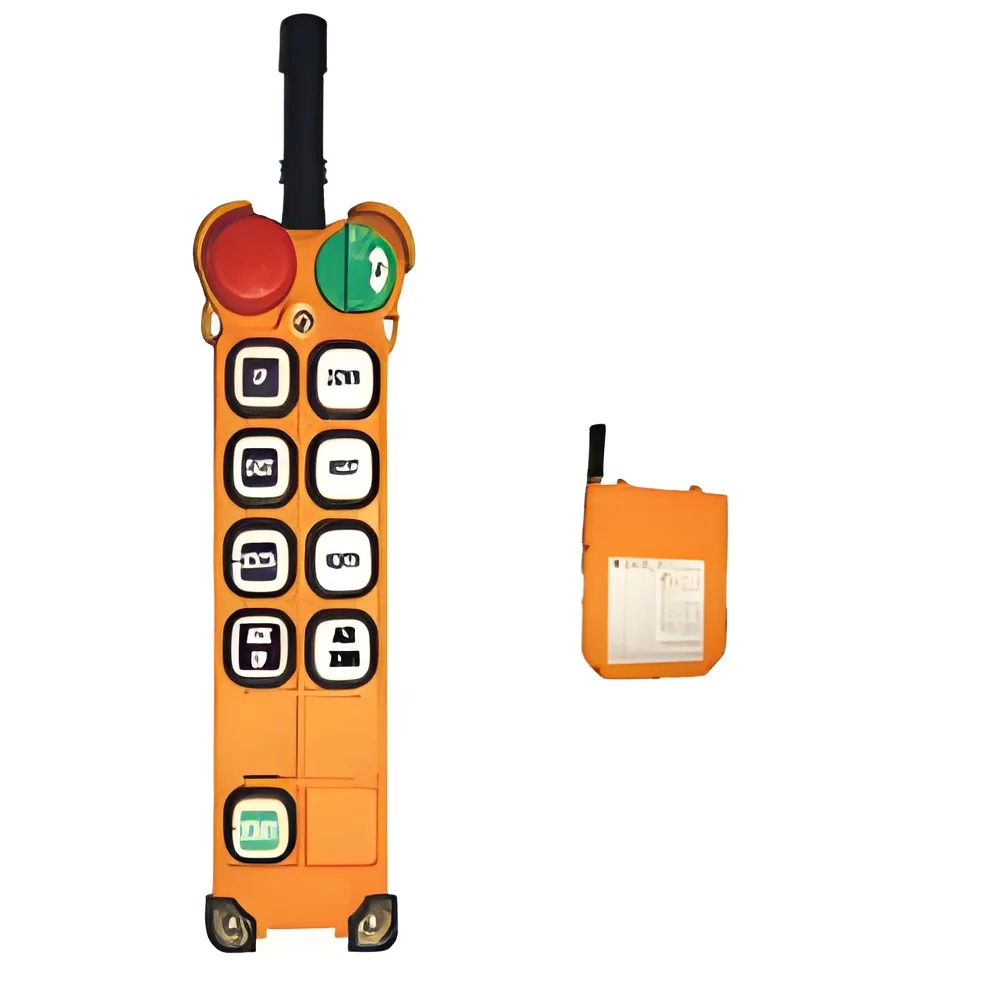
- Enhances convenience, especially in hard-to-reach areas.
6. Protection Rating
- The scale's resistance to environmental factors.
- Many models have IP ratings for dust and water resistance.
7. Calibration
- The process of ensuring the scale provides accurate readings.
- Regular calibration is essential for maintaining accuracy.
8. Certification
- Compliance with industry standards and regulations.
- Many crane scales are CE certified for quality assurance.
In summary, the specifications of crane scales are critical in determining their suitability for specific applications. Buyers should consider their operational requirements when evaluating these features.
Common Applications and Use Cases
Crane scales serve various industries with unique applications that leverage their capabilities.
1. Manufacturing: Crane scales are commonly used to weigh raw materials and finished products during production processes, ensuring accurate inventory management.
2. Shipping: In logistics, these scales help in weighing cargo to prevent overloading and ensure compliance with transportation regulations.
3. Construction: Crane scales are essential for lifting and measuring materials on construction sites, allowing for precise load management and safety.
4. Warehousing: These scales assist in tracking inventory levels and managing stock efficiently in large warehouses.
5. Mining: Crane scales are utilized to weigh heavy equipment and extracted materials, aiding in resource management.
6. Agriculture: In agriculture, crane scales are used to weigh produce and livestock, facilitating better inventory control.
7. Recycling: Crane scales help weigh scrap materials, ensuring accurate pricing and efficient processing in recycling plants.
Product Variants and Subcategories
Crane scales come in various forms to cater to different industrial needs.
Digital Crane Scales: These scales offer precise digital readouts and are often equipped with features like remote control for added convenience. They are widely used in manufacturing and logistics for their accuracy.
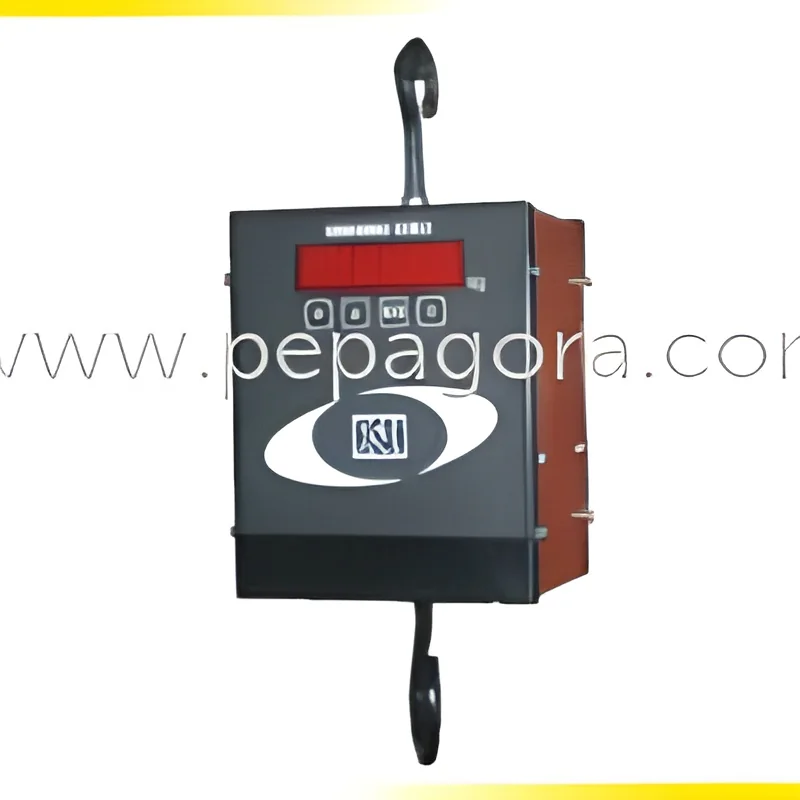
Mechanical Crane Scales: These traditional scales utilize mechanical components for weight measurement. While they may not offer the precision of digital versions, they are durable and can be used in less demanding environments.
Portable Crane Scales: Designed for mobility, these scales are lightweight and easy to transport. They are ideal for applications where heavy loads need to be weighed in different locations.
Wireless Crane Scales: These scales provide data transmission capabilities, allowing users to monitor weight measurements remotely. They are beneficial in large warehouses and shipping facilities.
Benefits and Advantages
Crane scales offer numerous benefits that enhance operational efficiency and safety.
1. Enhanced Accuracy: Crane scales provide precise weight measurements, reducing the risk of overloading and ensuring compliance with safety regulations.
2. Improved Efficiency: By streamlining the weighing process, these scales help speed up operations, leading to increased productivity.
3. Durability: Built for industrial environments, crane scales are designed to withstand harsh conditions, ensuring long-term reliability.
4. Safety Compliance: Using crane scales helps businesses adhere to safety standards, minimizing the risk of accidents and injuries.
5. Versatility: With various models available, crane scales can be used in multiple industries, making them a valuable investment.
6. Real-Time Monitoring: Advanced models offer features for real-time data tracking, allowing for more informed decision-making.
Buying Guide for B2B Buyers
When sourcing crane scales, several factors should be considered to ensure a successful purchase.
1. Quality Assessment: Evaluate the quality of the crane scales by reviewing manufacturer certifications and customer reviews. High-quality scales will typically have robust construction and reliable performance.
2. Supplier Verification: Vet potential suppliers by checking their credentials, reputation, and customer feedback. Reliable suppliers will provide transparency about their products and services.
3. Pricing and MOQ: Understand the pricing structure and minimum order quantities (MOQ) of crane scales. This will help in budgeting and determining the feasibility of bulk purchases.
4. Delivery and Lead Times: Consider logistics, including delivery times and shipping options. Ensure that the supplier can meet your timeline requirements.
5. Compliance Requirements: Verify that the crane scales meet necessary industry compliance standards, such as CE certification, to ensure safe and effective use in your operations.
Compliance and Certifications
Compliance with relevant standards is crucial for the safe and effective operation of crane scales. Many crane scales adhere to ISO 9001, which ensures a quality management system that enhances customer satisfaction. Additionally, industry certifications like CE indicate that the products meet European health, safety, and environmental protection standards.
Safety and testing requirements are also vital. Crane scales should undergo rigorous testing to guarantee accuracy and reliability in weight measurements. Regional compliance considerations may influence the specifications and certifications required for crane scales, depending on the geographic market.
Why Source Crane Scales from Pepagora?
Pepagora provides a trusted platform for sourcing crane scales, offering several key advantages that enhance the procurement process.
Verified Supplier Network: Pepagora connects buyers with a network of verified suppliers who meet stringent quality and reliability standards. This ensures that you can find high-quality crane scales suited to your specific needs.
Streamlined RFQ Process: The request for quotation (RFQ) process on Pepagora is user-friendly, allowing buyers to easily compare options and secure the best deals on crane scales.
Trade Assurance and Support: Pepagora offers trade assurance, providing buyers with protection throughout the purchasing process. This support helps mitigate risks and fosters a secure buying environment.
Regional Coverage: With a strong geographic reach across India, the Gulf Cooperation Council (GCC), and Southeast Asia, Pepagora ensures that businesses can access crane scales tailored to their operational requirements and regional compliance needs.

 IN
IN