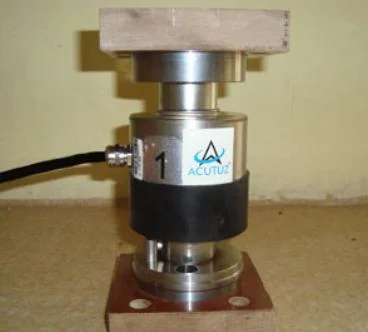
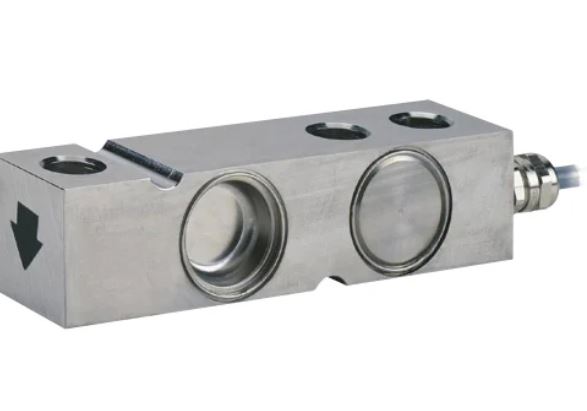
What are Load Cells?
Load cells are essential devices used for measuring force or weight. They operate by converting a mechanical force into an electrical signal. This conversion is achieved through various technologies, such as strain gauges, piezoelectric sensors, and hydraulic systems. Load cells are crucial in applications where precise weight measurement is necessary, ensuring accurate data for various industrial processes.
These devices find extensive use in multiple sectors, including manufacturing, logistics, and healthcare. They are commonly employed in scales, industrial weighing systems, and load monitoring applications. Their ability to provide real-time data makes them invaluable for inventory management, quality control, and safety monitoring in production lines. As industries continue to demand higher accuracy and efficiency, load cells have become integral components in modern technology.
In the current market, load cells are increasingly relevant due to advancements in technology and automation. Industries are adopting smart load cells that offer enhanced features, such as remote monitoring and data analysis. This trend reflects the growing emphasis on data-driven decision-making processes in businesses. As companies strive for operational excellence, the demand for reliable load cells is expected to rise.
Key Features and Specifications
Load cells come equipped with several key features that enhance their functionality and reliability. Understanding these specifications is crucial for selecting the right load cell for specific applications.
Key specifications include:
1. Load Capacity
- This indicates the maximum weight or force that the load cell can measure.
- Typical ranges can vary from a few grams to several tons.
2. Accuracy
- This is the degree of closeness of the measured value to the actual value.
- Load cells typically offer accuracies of 0.1% to 0.01%.
3. Output Signal
- The output signal is the electrical signal generated by the load cell in response to the applied load.
- Common output types include mV/V and digital signals.
4. Temperature Range
- This specifies the operational temperature limits for the load cell.
- Standard ranges are often from -10°C to 70°C.
5. Material Composition
- Load cells are made from various materials, including aluminum, stainless steel, and alloy steel.
- Material choice affects durability and environmental resistance.
6. Environmental Protection
- Many load cells come with ratings for water and dust resistance, such as IP67.
- This feature ensures reliability in harsh conditions.
7. Calibration
- Load cells require calibration to ensure accurate measurements.
- Calibration methods may vary based on the type of load cell used.
8. Compliance and Certification
- Many load cells are certified to comply with industry standards, such as CE marking.
- Compliance ensures that the load cell meets safety and quality requirements.
In summary, understanding the key features and specifications of load cells is vital for making informed purchasing decisions. This knowledge helps businesses select the appropriate load cell for their specific needs.
Common Applications and Use Cases
Load cells are versatile devices used across a variety of industries to enhance operational efficiency and accuracy.
1. Manufacturing: In manufacturing settings, load cells are used in scales for raw material weighing and in quality control processes to ensure product consistency.
2. Logistics: Load cells play a crucial role in logistics by providing accurate weight measurements for shipping and receiving goods, which helps in optimizing transportation costs.
3. Healthcare: In healthcare, load cells are integral to patient monitoring systems, including scales for weighing patients and equipment that measure force during physical therapy.
4. Food and Beverage: Load cells are used in food processing to weigh ingredients accurately, ensuring compliance with regulations and maintaining product quality.
5. Construction: In construction, load cells help monitor the weight of materials and structures, ensuring safety and stability during the building process.
6. Automotive: The automotive industry utilizes load cells in testing applications to measure forces during crash tests and in vehicle weigh stations.
7. Aerospace: Load cells are essential in aerospace applications for measuring forces and loads on aircraft during testing and operational processes.
Product Variants and Subcategories
Load cells come in various types, each designed for specific applications and operational requirements.
Strain Gauge Load Cells
These are among the most common types, utilizing strain gauges to measure deformation caused by applied loads. They offer high accuracy and are suitable for a range of applications, including platform scales and industrial weighing.
Hydraulic Load Cells
Hydraulic load cells use fluid pressure to measure weight. They are often used in heavy machinery and industrial applications where high capacities are required, providing robust and reliable performance.
Pneumatic Load Cells
These load cells operate using air pressure and are ideal for applications where load measurement must be isolated from the environment. They are commonly used in environments that require hygienic conditions.
Benefits and Advantages
Investing in load cells offers several significant advantages for businesses.
1. Enhanced Accuracy: Load cells provide high levels of accuracy in weight measurement, which is crucial for maintaining quality and compliance in various industries.
2. Improved Efficiency: By automating weight measurements, load cells reduce manual labor and minimize errors in data collection, leading to operational efficiency.
3. Real-Time Monitoring: Load cells allow for real-time data collection, enabling businesses to make informed decisions quickly based on accurate weight measurements.
4. Versatility: Load cells can be used in diverse applications across multiple industries, making them a flexible solution for many weighing needs.
5. Durability: Many load cells are designed to withstand harsh conditions, ensuring reliable performance over time and reducing maintenance costs.
6. Compliance: Load cells often meet international safety and quality standards, helping businesses maintain compliance with regulatory requirements.
Buying Guide for B2B Buyers
When sourcing load cells, buyers should consider several key factors to ensure they select the most suitable product for their needs.
1. Quality Assessment: It is crucial to evaluate the quality of load cells by checking certifications and compliance with industry standards. Reliable performance should be prioritized to avoid operational disruptions.
2. Supplier Verification: Vetting suppliers is essential to ensure they have a proven track record of delivering high-quality products. Buyers should seek references and reviews from other customers.
3. Pricing and MOQ: Understanding pricing structures and minimum order quantities (MOQ) is important for budgeting. Buyers should compare prices among different suppliers to find the best value.
4. Delivery and Lead Times: Buyers should inquire about delivery times and logistics, as timely delivery is critical for maintaining production schedules.
5. Compliance Requirements: It is vital to ensure that the load cells comply with relevant regulations and industry standards, which can vary by region and sector.
Compliance and Certifications
Load cells are subject to various compliance and certification standards that ensure their quality and safety in industrial applications. Many load cells meet ISO 9001 standards, which focus on quality management systems and continuous improvement.
In addition, CE certification is commonly found among load cells, indicating compliance with European safety and health requirements. This certification is crucial for products sold within the European market.
Safety and testing requirements are also of utmost importance, as load cells must undergo rigorous testing to ensure they can operate safely under specified conditions. This includes load testing, environmental testing, and long-term durability assessments.
Regional compliance considerations may vary, as different countries have specific regulations that govern the use of load cells in various applications. Buyers should be aware of these regulations to ensure that their chosen load cells are compliant in their respective markets.
Why Source Load Cells from Pepagora?
Pepagora provides a trusted platform for sourcing load cells, offering several key advantages that ensure a smooth purchasing experience.
Verified Supplier Network: Pepagora has established a network of verified suppliers, ensuring that buyers have access to high-quality load cells from reputable manufacturers. This verification process enhances buyer confidence.
Streamlined RFQ Process: The request for quotation (RFQ) process on Pepagora is designed to be efficient and user-friendly. Buyers can easily submit their requirements and receive competitive quotes from multiple suppliers.
Trade Assurance and Support: Pepagora offers trade assurance and buyer protection, giving businesses peace of mind when purchasing load cells. This support ensures that transactions are secure and that buyers receive what they expect.
Regional Coverage: With a strong presence in regions such as India, the GCC, and Southeast Asia, Pepagora provides access to a diverse range of suppliers and products. This regional coverage allows buyers to find suitable load cells that meet their specific needs and requirements.

 IN
IN