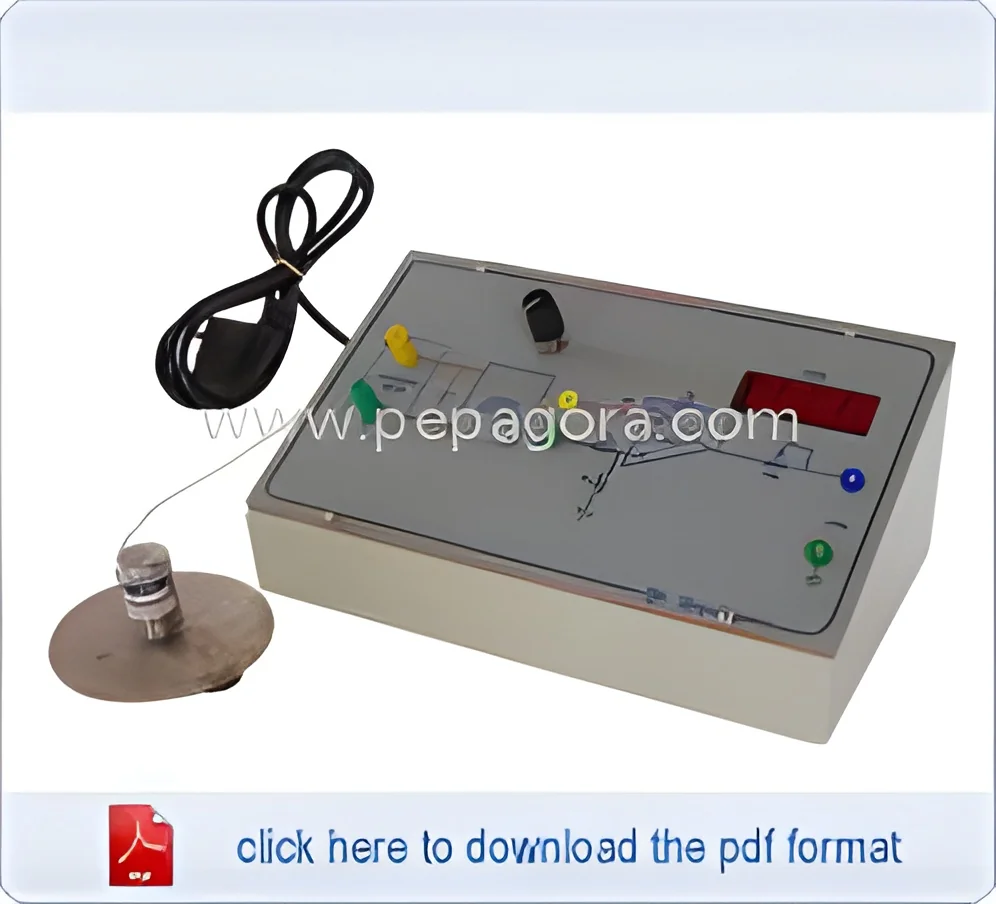
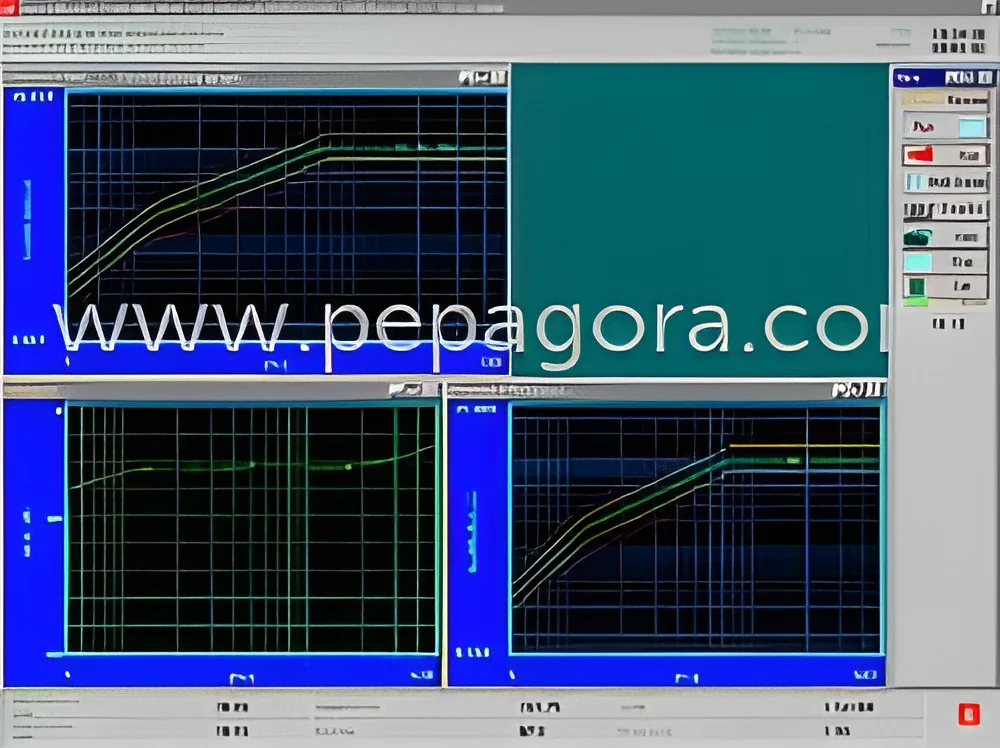
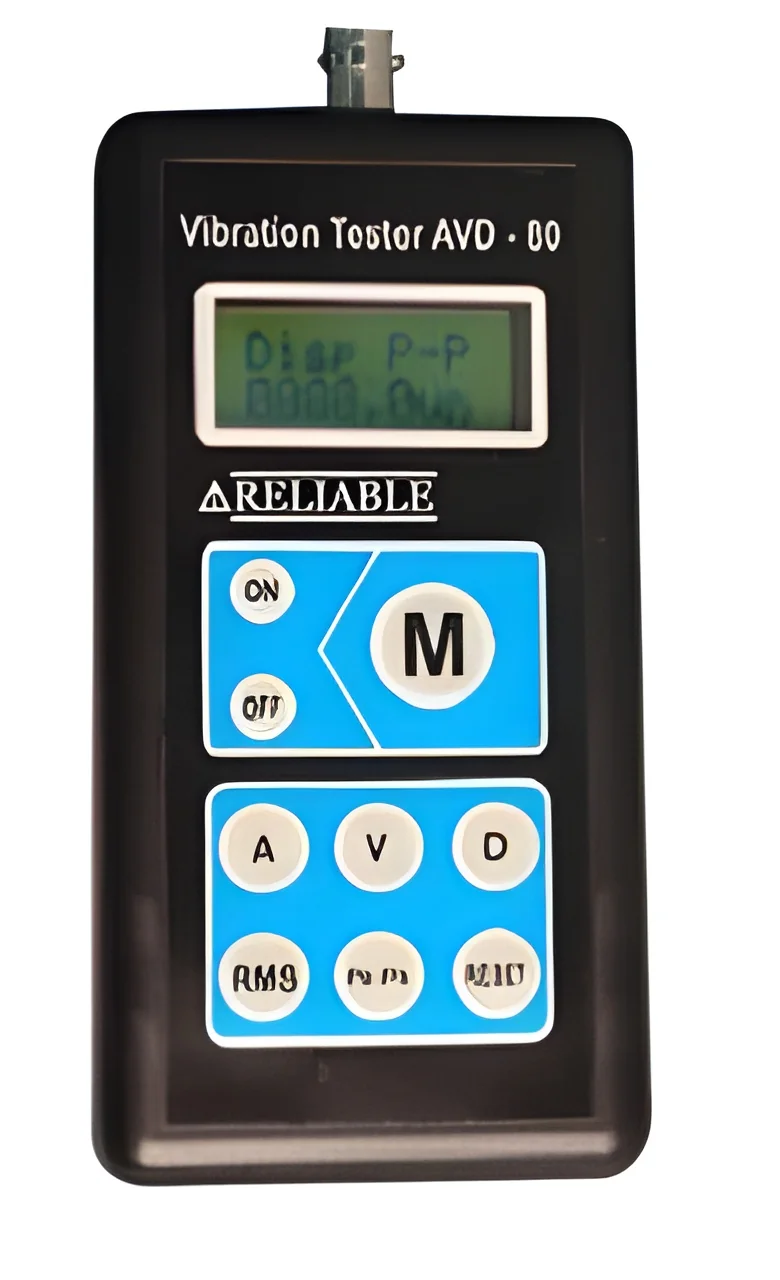
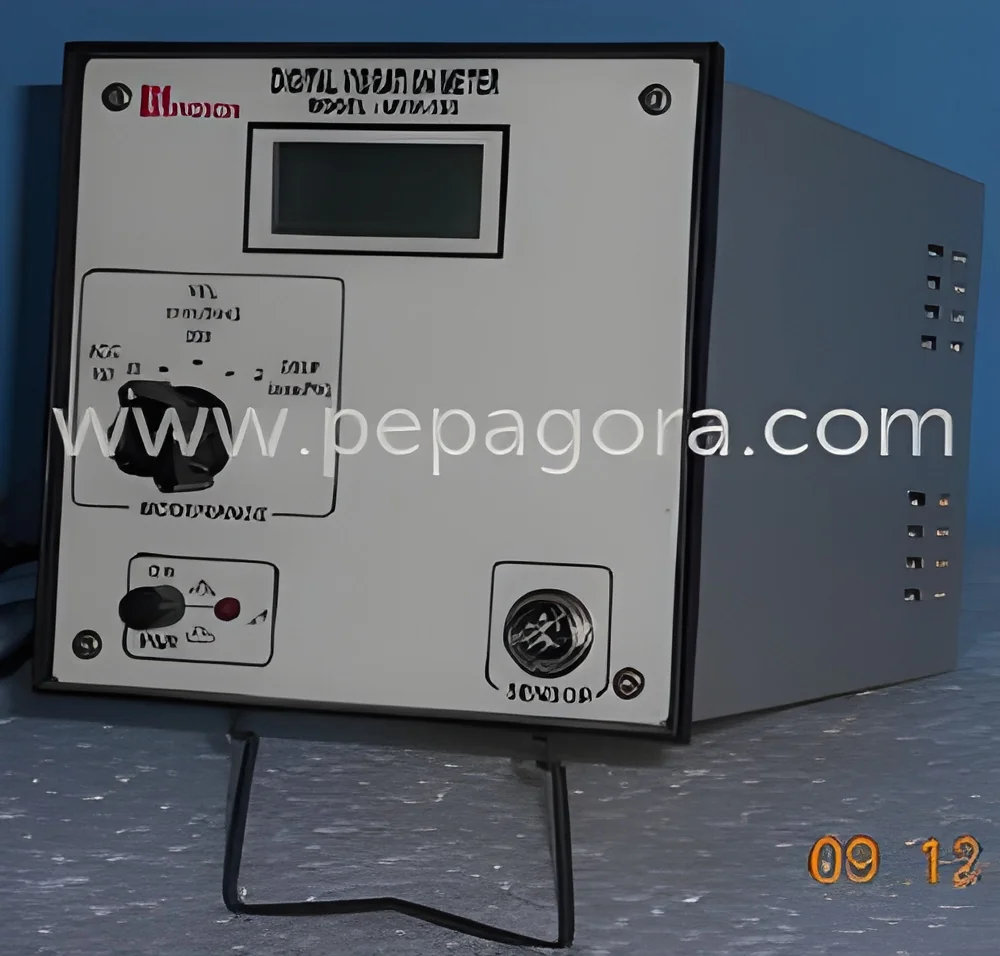
What are Vibration Analyzers?
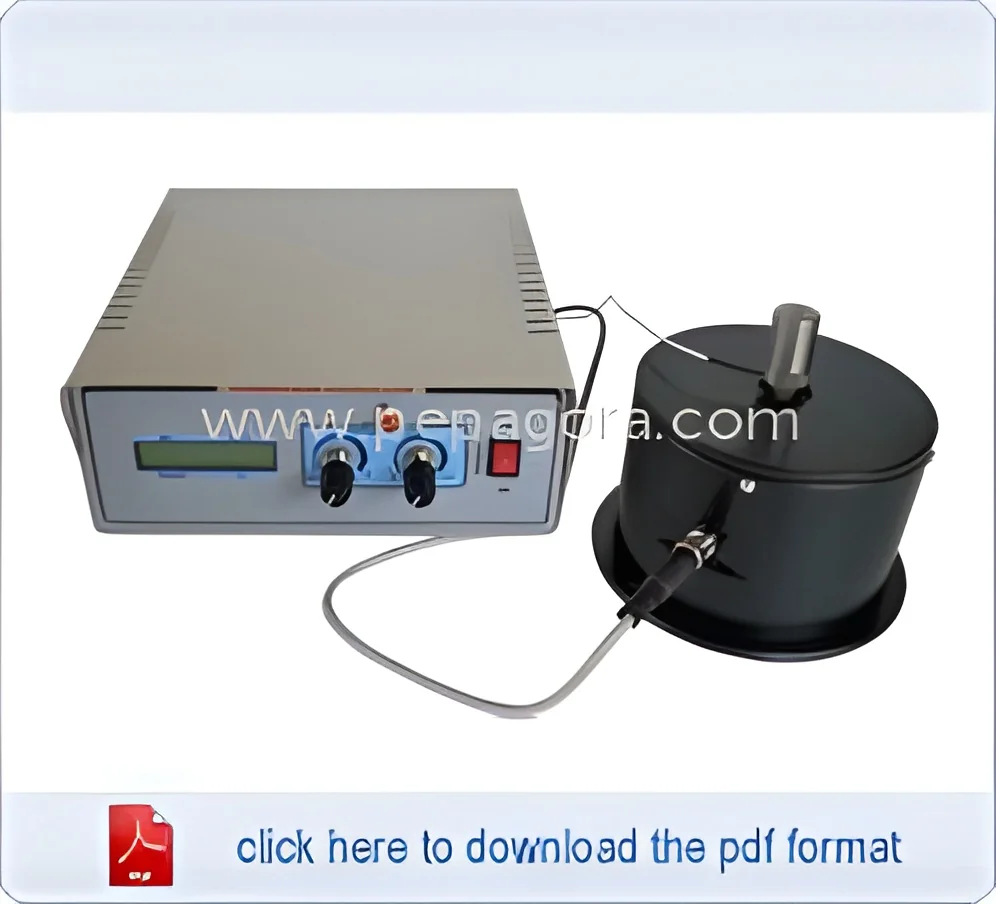
Vibration analyzers are specialized instruments used to measure and analyze the vibration characteristics of machinery and equipment. These devices allow for the monitoring of vibration levels, frequency, and amplitude, which are critical in assessing the condition and performance of industrial assets. By capturing detailed vibration data, these analyzers help in diagnosing potential issues, optimizing maintenance schedules, and preventing unexpected equipment failures.
The primary uses of vibration analyzers include predictive maintenance, quality control, and diagnostics across various industries. They help businesses avoid costly downtime by identifying problems before they escalate. Vibration analysis is essential in manufacturing, energy production, aerospace, and many other sectors where machinery reliability is crucial. The demand for vibration analyzers continues to rise as industries increasingly adopt condition-based maintenance strategies to enhance operational efficiency and reduce costs.
In the current market context, vibration analyzers are relevant in industries that face high operational risks due to equipment failure. With advancements in technology, many modern analyzers offer enhanced features, including wireless connectivity, advanced data analytics, and user-friendly interfaces. This trend signifies a shift towards more efficient and effective maintenance practices, making vibration analyzers indispensable tools in industrial environments.
Key Features and Specifications
Vibration analyzers are equipped with several key features that enhance their functionality and usability. These features enable users to obtain precise measurements and insights into the condition of their equipment.
Key specifications include:
1. Measurement Range
- Typically covers a wide frequency range from a few Hz to several kHz
- Allows for detection of various vibration-related issues
2. Data Storage Capacity
- Varies by model but can store thousands of measurement records
- Facilitates long-term monitoring and analysis
3. Connectivity Options
- Many analyzers offer Bluetooth or Wi-Fi connectivity
- Enables easy data transfer to computers or mobile devices for analysis
4. Display Type
- High-resolution color displays for clear data visualization
- User-friendly interfaces for easy navigation
5. Battery Life
- Long-lasting batteries that support extended usage
- Reduces the need for frequent recharging during fieldwork
6. Software Compatibility
- Compatibility with advanced analysis software for in-depth reporting
- Supports integration with existing maintenance management systems
7. Weight and Portability
- Lightweight designs for easy handling and transport
- Ideal for use in various environments, including remote locations
8. Operating Temperature Range
- Designed to function effectively in various temperature conditions
- Ensures reliability in different industrial settings
In summary, vibration analyzers are equipped with advanced features and specifications that enhance their effectiveness in monitoring machinery health. Understanding these specifications is essential for selecting the right analyzer for specific applications.
Common Applications and Use Cases
Vibration analyzers serve various industries by providing crucial insights into equipment condition. Their application is widespread due to the need for reliability and efficiency in operations.
1. Manufacturing: In manufacturing, vibration analyzers are used to monitor machinery such as motors, pumps, and conveyor systems. Regular analysis helps in identifying misalignments and imbalances that could lead to breakdowns.
2. Energy Production: In the energy sector, these analyzers monitor turbines and generators. They help operators maintain optimal performance and prevent failures that could disrupt power supply.
3. Aerospace: Vibration analysis is critical in aerospace for assessing the condition of engines and structural components. It ensures safety and compliance with strict regulatory standards.
4. Automotive: In automotive manufacturing, vibration analyzers are used during quality control processes to ensure that components meet performance specifications and reduce warranty claims.
5. HVAC: In heating, ventilation, and air conditioning systems, vibration analysis helps identify issues in fans, compressors, and motors, ensuring efficient operation and comfort in buildings.
6. Marine: In marine applications, vibration analyzers are essential for monitoring ship engines and propellers, ensuring safe and efficient operation at sea.
7. Mining: In the mining industry, these devices are used to monitor heavy machinery, helping to prevent costly equipment failures and ensuring continuous operation.
Product Variants and Subcategories
Vibration analyzers come in various models, each designed to meet specific needs within different industries. This diversity allows businesses to choose the best solution for their applications.
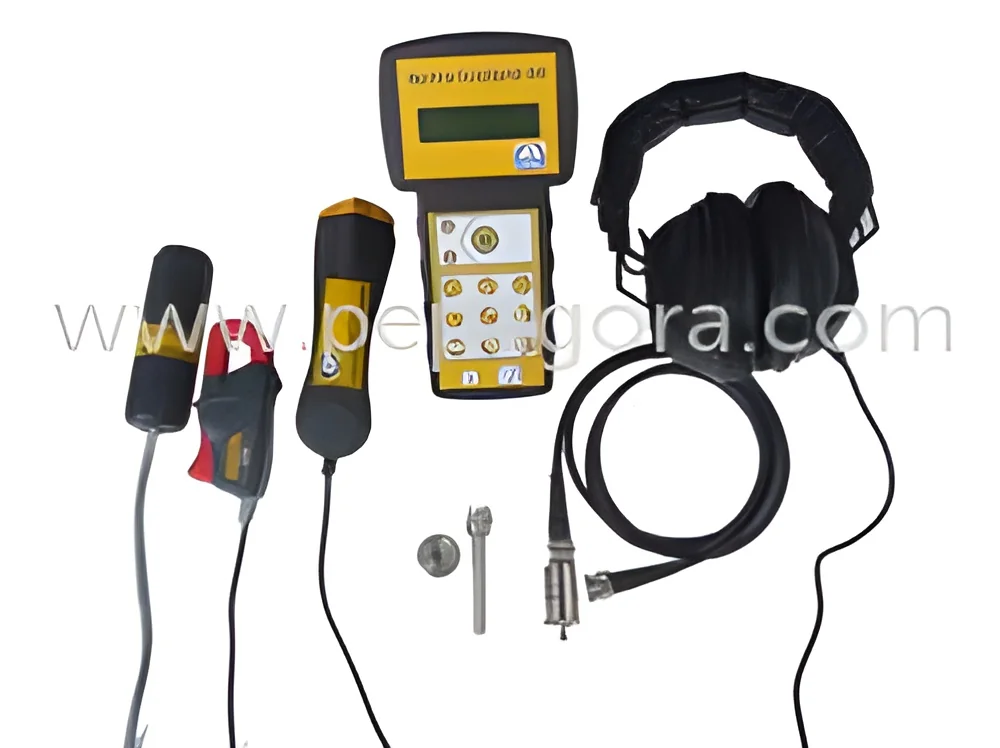
Portable Vibration Analyzers: These compact devices are designed for on-site analysis and offer essential features for quick assessments. They are ideal for technicians who need mobility without sacrificing accuracy.
Online Vibration Monitoring Systems: These systems continuously monitor vibration levels and provide real-time data to operators. They are suitable for critical equipment that requires constant oversight to prevent failures.
Handheld Vibration Meters: Handheld meters are simple devices used for quick checks of vibration levels. They are user-friendly and ideal for troubleshooting in field conditions.
Data Acquisition Systems: These systems gather extensive vibration data over time and analyze trends. They are particularly useful for predictive maintenance strategies in large industrial settings.
Benefits and Advantages
Vibration analyzers offer numerous benefits that enhance operational efficiency and reduce risks associated with equipment failures.
Key benefits include:
1. Early Fault Detection: Vibration analyzers enable early identification of potential equipment issues, allowing for timely intervention and repairs.
2. Cost Savings: By preventing unexpected equipment failures, businesses can significantly reduce maintenance costs and avoid costly downtime.
3. Improved Reliability: Regular monitoring helps maintain optimal machine performance, increasing the reliability of operations and extending equipment lifespan.
4. Enhanced Safety: Identifying and addressing vibration-related issues improves workplace safety by reducing the risk of equipment-related accidents.
5. Data-Driven Insights: Analyzers provide valuable data that can inform maintenance strategies and operational improvements, leading to better decision-making.
6. Compliance Support: Utilizing vibration analysis helps organizations meet regulatory requirements regarding equipment maintenance and safety standards.
Buying Guide for B2B Buyers
When sourcing vibration analyzers, there are several important factors to consider to ensure you make the right choice for your business needs.
1. Quality Assessment: Evaluate the quality of vibration analyzers by looking for products that meet established industry standards. Consider suppliers with a reputation for reliability and performance.
2. Supplier Verification: Vet suppliers by checking their credentials, customer reviews, and industry experience. A trustworthy supplier is crucial for obtaining high-quality equipment.
3. Pricing and MOQ: Understand the pricing structure and minimum order quantities. Ensure that the cost aligns with your budget and that you are getting value for your investment.
4. Delivery and Lead Times: Inquire about delivery schedules and lead times to ensure that you can receive equipment when needed. Timely delivery is essential for maintaining operational continuity.
5. Compliance Requirements: Familiarize yourself with any regulatory requirements that may apply to the vibration analyzers you are considering. Ensure that the products comply with relevant standards for safety and performance.
Compliance and Certifications
Vibration analyzers are subject to various quality standards and certifications that ensure their reliability and effectiveness in industrial applications.
Relevant quality standards, such as ISO 9001, indicate that a manufacturer adheres to quality management principles. This ensures that products are consistently produced to meet customer expectations.
Industry certifications, such as CE marking, signify that the analyzers comply with European health, safety, and environmental protection standards. This certification is crucial for businesses operating in or exporting to European markets.
Safety and testing requirements are also vital to ensure that vibration analyzers operate safely under various conditions. Manufacturers often conduct rigorous testing to validate the performance and safety of their devices.
Additionally, regional compliance considerations may apply based on local regulations. It is important for buyers to understand these requirements to ensure that they are sourcing compliant equipment for their operations.
Why Source Vibration Analyzers from Pepagora?
Pepagora provides a trusted platform for sourcing vibration analyzers, offering several key advantages that set it apart from competitors.
Verified Supplier Network: Pepagora's network consists of verified suppliers who have undergone rigorous assessments. This ensures that buyers can trust the quality and reliability of the products they purchase.
Streamlined RFQ Process: The request for quotation (RFQ) process on Pepagora is designed to be efficient and user-friendly. Buyers can easily compare quotes from multiple suppliers, saving time and effort.
Trade Assurance and Support: Pepagora offers trade assurance, providing buyers with protection during transactions. This support helps to build confidence in sourcing products through the platform.
Regional Coverage: With a strong presence in India, the GCC, and Southeast Asia, Pepagora can cater to a diverse range of buyers. This extensive geographic reach ensures that businesses can find suitable suppliers in their region, enhancing convenience and accessibility.

 IN
IN