
 IN
Cloth Cutting Machines
96 products available
What are Cloth Cutting Machines?
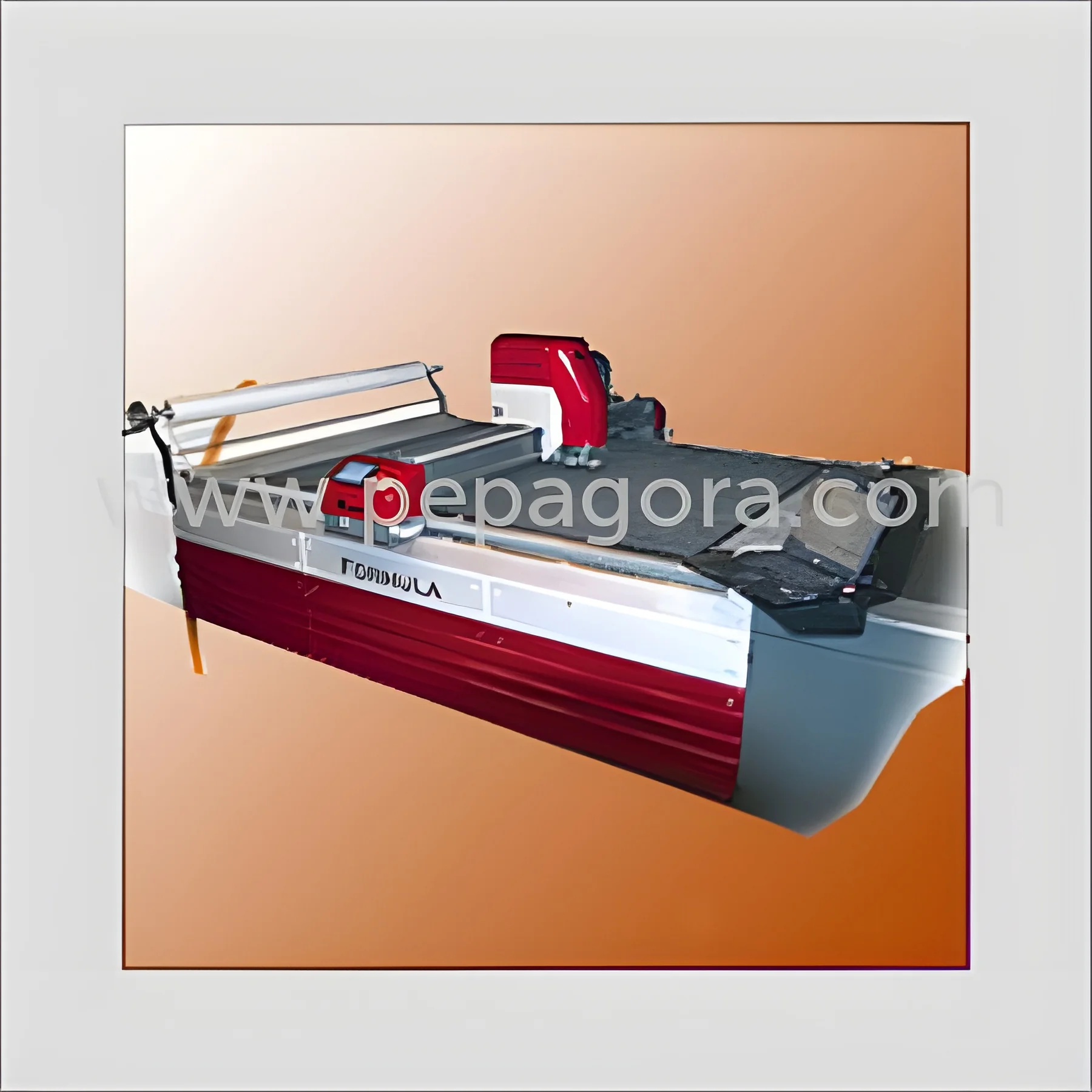
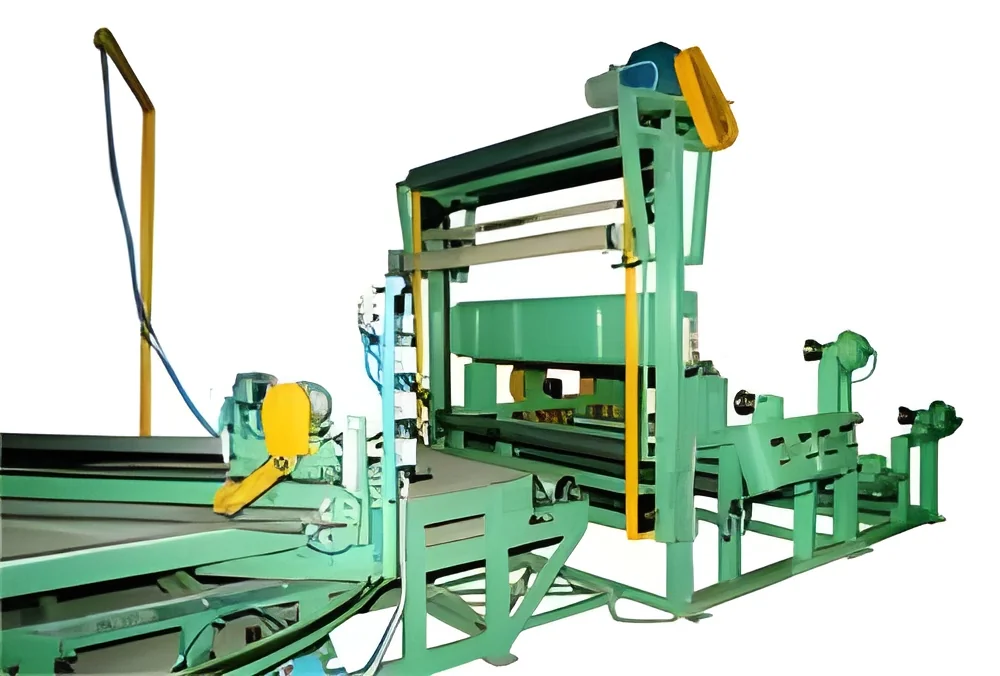
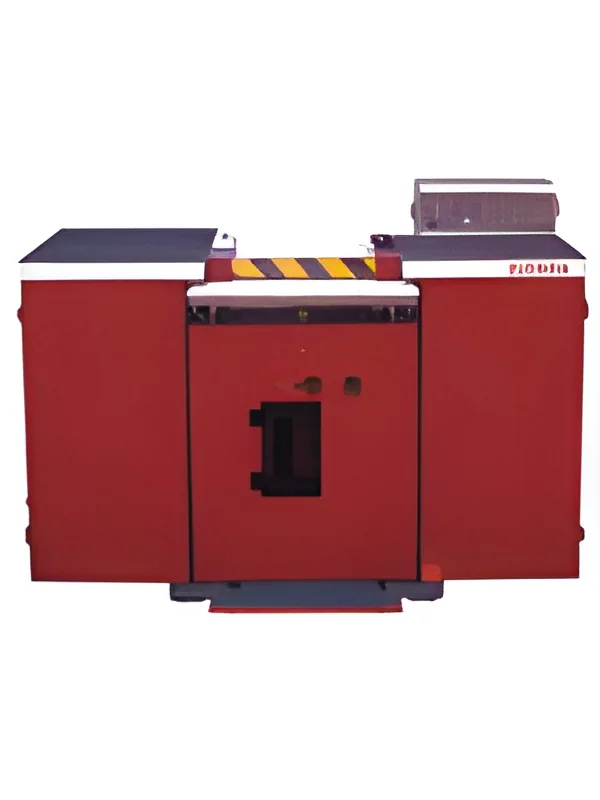
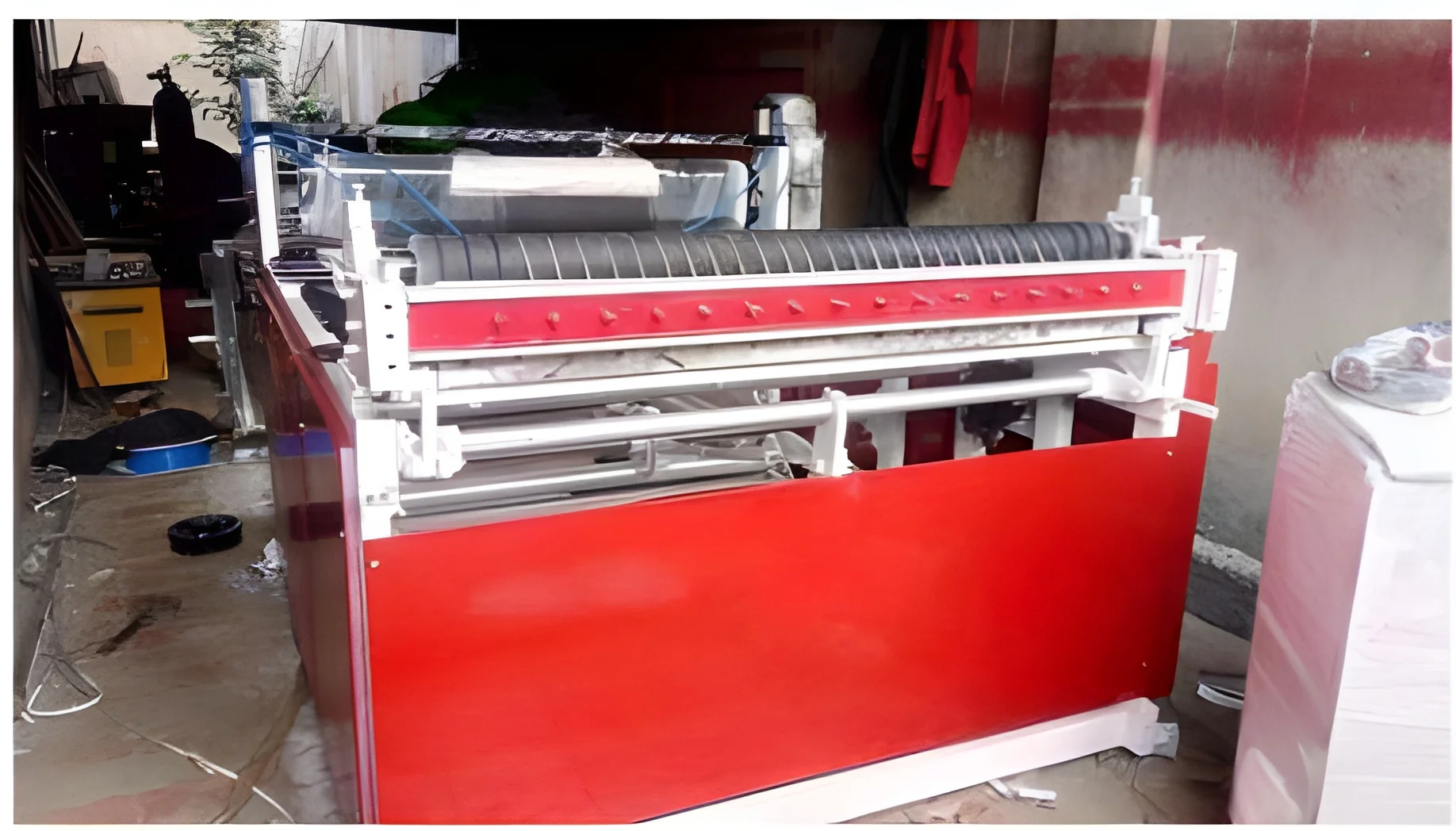
Cloth cutting machines are specialized industrial tools designed for the precise cutting of fabric materials. These machines utilize various technologies to achieve clean and accurate cuts, making them essential in the textile and garment manufacturing sectors. By automating the cutting process, these machines enhance efficiency and reduce the potential for human error, leading to better material utilization and lower waste.
The primary uses of cloth cutting machines include the mass production of garments, upholstery, and other fabric-based products. They are commonly employed in factories, tailoring units, and design studios where precise cutting is crucial for quality and consistency. As the demand for customized clothing and rapid production cycles increases, these machines have become integral to maintaining competitive advantages in the textile industry.
In today's market, the relevance of cloth cutting machines is underscored by the growth of the fashion industry and the rise of e-commerce. Manufacturers are increasingly investing in advanced cutting technologies to meet the demands for speed and precision. As a result, cloth cutting machines are not only vital for traditional fabric industries but are also becoming essential in sectors such as home décor and automotive textiles.
Key Features and Specifications
Cloth cutting machines come equipped with various features that cater to different cutting needs. These features often include advanced technologies that enhance performance and efficiency. Understanding these specifications can help businesses select the right machine for their operations.
Key specifications include:
1. Cutting Method
- Types can include rotary, laser, and die cutting.
- Each method offers different advantages depending on the fabric type and thickness.
2. Cutting Width
- Machines may have varying cutting widths typically ranging from 1 meter to 3 meters.
- This specification is crucial for accommodating different fabric sizes.
3. Speed
- Cutting speed can range from 10 to 50 meters per minute.
- Higher speeds can significantly improve production efficiency.
4. Automation Level
- Options include manual, semi-automatic, and fully automatic controls.
- Fully automatic machines require less operator intervention.
5. Precision
- Tolerance levels can be as low as 0.1 mm.
- High precision is essential for detailed design work.
6. Material Compatibility
- Capable of cutting various materials such as cotton, polyester, and blended fabrics.
- Some machines are designed for specific fabric types for optimal results.
7. Power Consumption
- Machines typically consume between 1 kW to 5 kW.
- Energy efficiency is a key consideration for long-term operational costs.
8. Safety Features
- Common safety features include emergency stop buttons and protective covers.
- These features are vital for ensuring operator safety during use.
Overall, understanding the key features and specifications of cloth cutting machines can aid businesses in making informed purchasing decisions that align with their operational needs.
Common Applications and Use Cases
Cloth cutting machines are versatile tools used across various industries. Their ability to provide precise cuts makes them invaluable in multiple applications.
1. Textile Industry: In textile manufacturing, these machines are used for cutting large rolls of fabric into smaller pieces required for garment production, ensuring minimal waste and high efficiency.
2. Fashion Design: Fashion designers utilize cloth cutting machines to create prototypes and samples. The precision offered allows for intricate designs and patterns.
3. Upholstery: In the furniture industry, cloth cutting machines are employed to cut fabric for chairs, sofas, and other upholstered items, allowing for uniformity in production.
4. Automotive: In the automotive sector, these machines cut materials used in car seats and interiors, where durability and precision are paramount.
5. Home Décor: Manufacturers of curtains, bed linens, and other home textile products use cloth cutting machines to achieve consistent cuts for their products.
6. Sportswear: The sports apparel industry relies on cloth cutting machines to create tailored cuts that enhance performance and comfort in athletic wear.
7. Medical Textiles: In the healthcare industry, these machines cut specialized fabrics used in medical garments and equipment, ensuring compliance with safety standards.
Product Variants and Subcategories
Cloth cutting machines offer a range of variants, each designed to meet specific needs and applications within the industry.
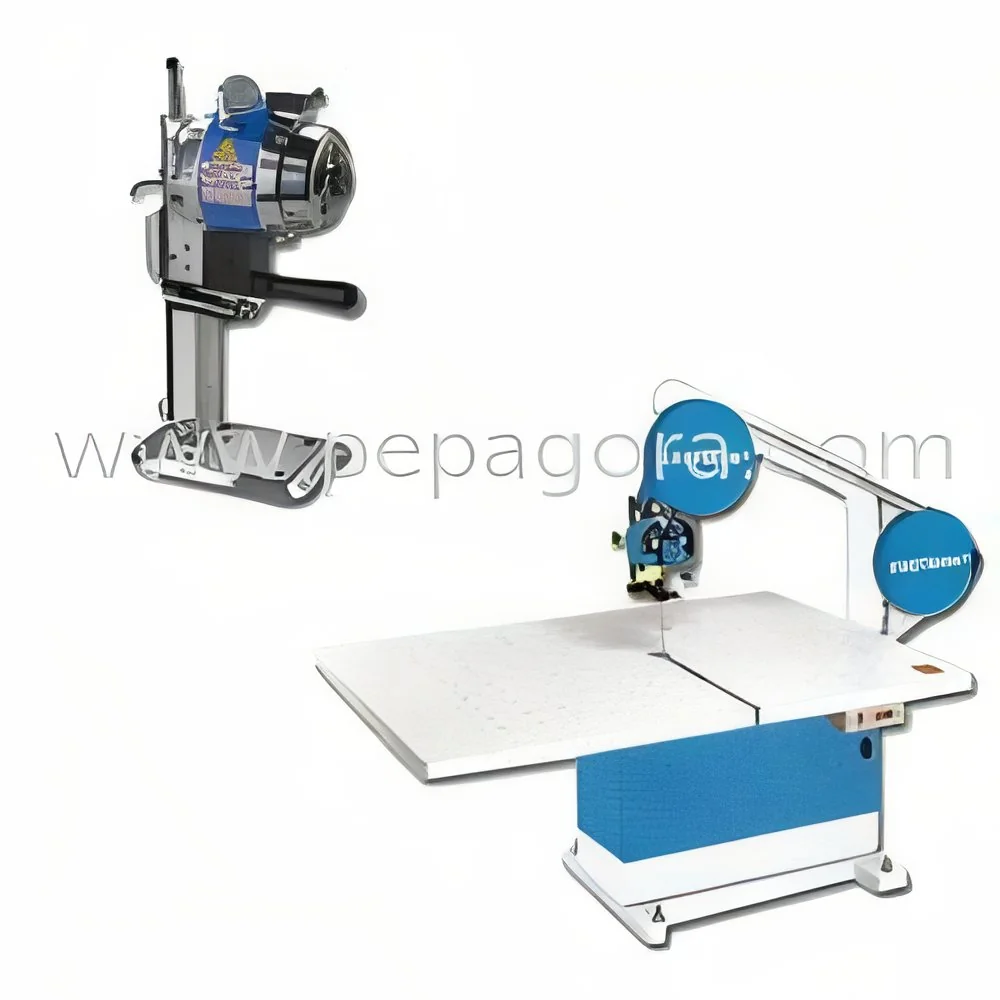
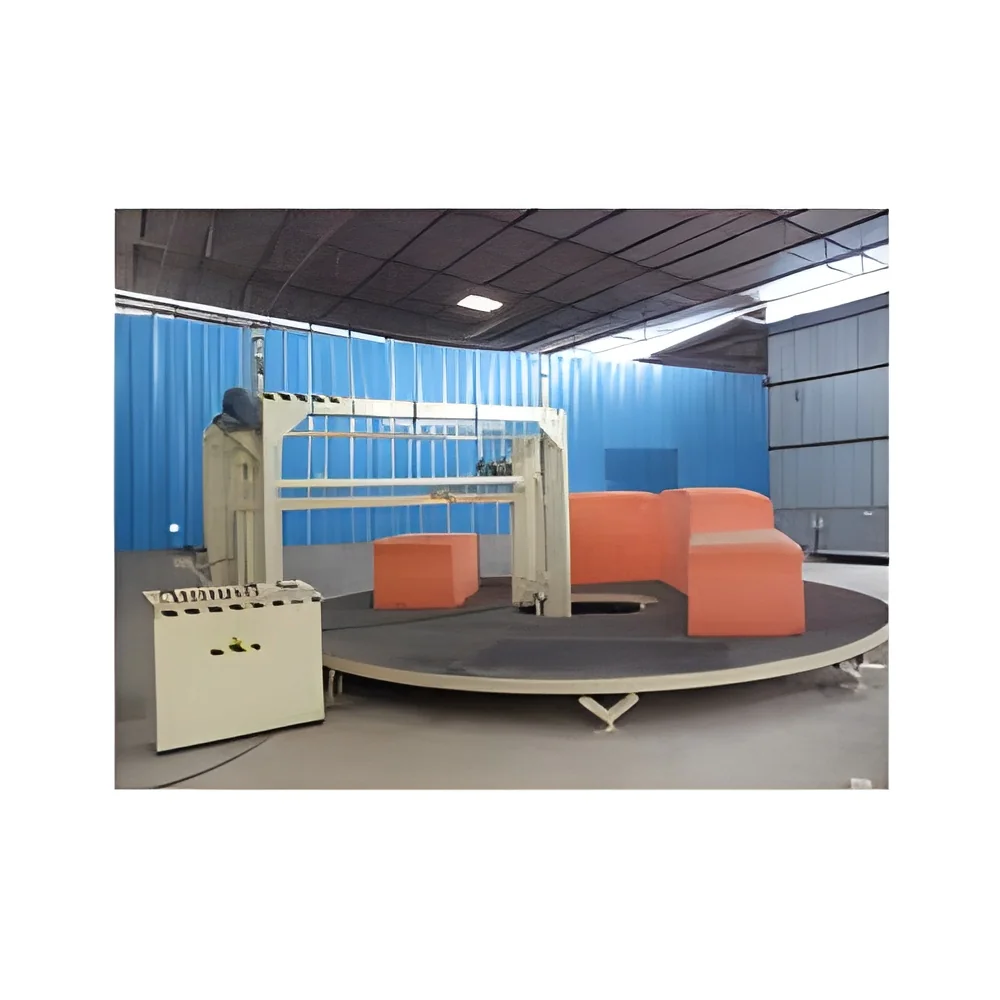
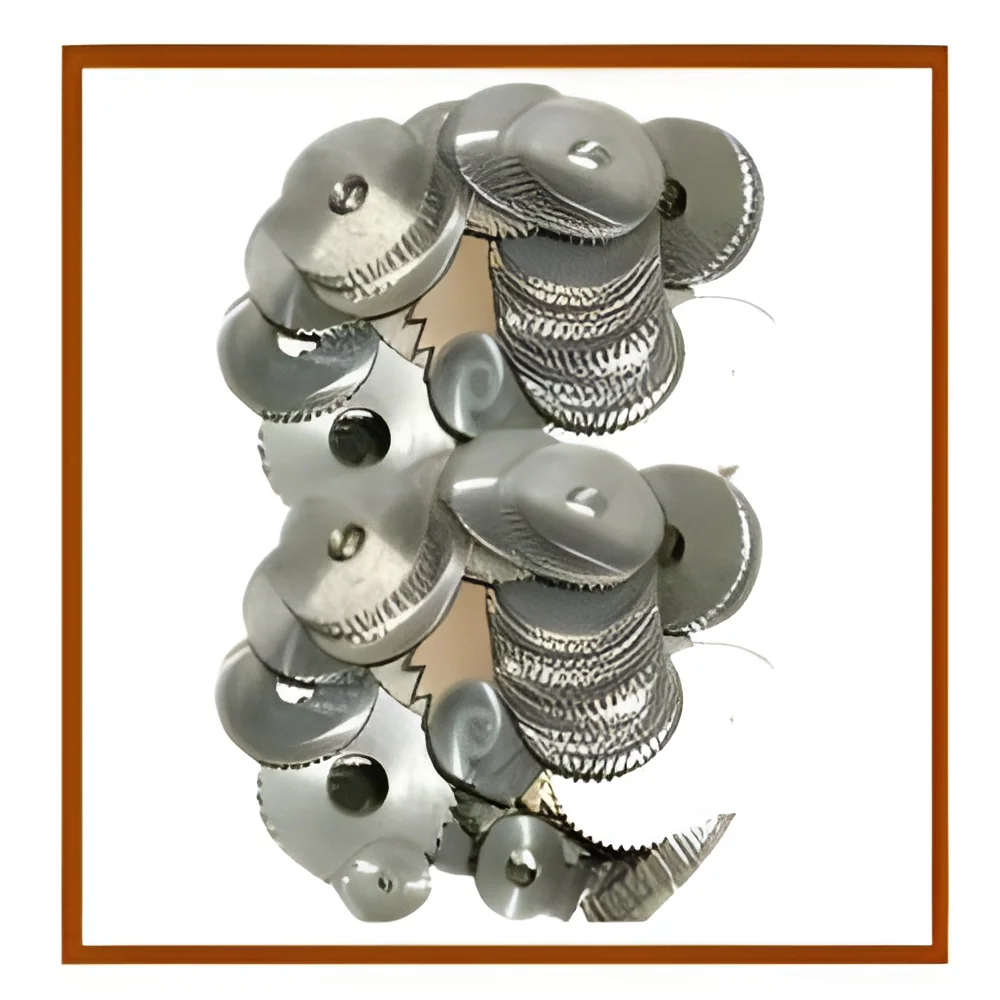
Rotary Cutting Machines: These machines use circular blades that rotate to cut fabric. They are ideal for cutting multiple layers of material simultaneously, making them popular in high-volume production settings.
Laser Cutting Machines: Utilizing laser technology, these machines provide exceptional precision and can cut intricate designs. They are suitable for delicate fabrics and complex patterns.
Die Cutting Machines: These machines use specialized dies to cut fabric into specific shapes. They are often used for repetitive tasks where uniformity is essential, such as in the production of components for garments.
Benefits and Advantages
Investing in cloth cutting machines brings numerous benefits to businesses in the textile and garment industry.
Key benefits include:
1. Increased Efficiency: Automated cutting processes significantly reduce production time, allowing manufacturers to meet tight deadlines.
2. Cost Savings: By minimizing fabric waste through precise cutting, businesses can reduce material costs, leading to improved profit margins.
3. Enhanced Precision: These machines provide consistent and accurate cuts, ensuring high-quality products that meet customer expectations.
4. Versatility: Cloth cutting machines can handle a wide variety of fabrics and thicknesses, making them adaptable to various production needs.
5. Improved Safety: Modern machines come equipped with safety features that protect operators, reducing the risk of accidents and injuries.
6. Scalability: As production demands increase, businesses can scale operations easily by investing in additional machines or advanced models.
Buying Guide for B2B Buyers
When sourcing cloth cutting machines, it is essential for B2B buyers to consider several critical factors to ensure a suitable purchase.
1. Quality Assessment: Evaluate the quality of the machines by reviewing specifications and performance reports. Look for machines that meet industry standards for durability and efficiency.
2. Supplier Verification: Vet suppliers by checking their reputation and market presence. It is advisable to seek references or reviews from other businesses that have sourced machines from them.
3. Pricing and MOQ: Understand the pricing structure, including any minimum order quantities. Compare prices from different suppliers to ensure competitive pricing while considering the total cost of ownership.
4. Delivery and Lead Times: Inquire about delivery schedules and lead times. Timely delivery is crucial for maintaining production schedules and meeting customer demands.
5. Compliance Requirements: Ensure that the machines comply with relevant industry standards and regulations. This may include safety certifications and environmental compliance.
Compliance and Certifications
Cloth cutting machines are subject to various compliance and certification requirements that ensure safety and quality standards are met.
Relevant quality standards such as ISO 9001 help guarantee that manufacturing processes are consistent and meet customer expectations. Compliance with HACCP and GDP ensures that machines used in food-related textiles adhere to safety protocols.
Industry certifications like CE indicate that the machines meet European safety and environmental requirements, which is crucial for international trade.
Additionally, safety and testing requirements necessitate regular inspections and assessments of machinery to ensure they operate safely and efficiently. Regional compliance considerations may vary, so it is essential to understand local regulations when sourcing machines.
Why Source Cloth Cutting Machines from Pepagora?
Pepagora offers a trusted platform for sourcing cloth cutting machines, providing several key advantages for businesses.
Verified Supplier Network: Pepagora vets suppliers to ensure they meet high standards of quality and reliability. This gives buyers peace of mind when choosing a supplier.
Streamlined RFQ Process: The platform simplifies the request for quotation process, allowing buyers to quickly compare prices and specifications from multiple suppliers, saving time and effort.
Trade Assurance and Support: Pepagora provides trade assurance, protecting buyers in their transactions. The platform offers support to resolve any issues that may arise during the procurement process.
Regional Coverage: With a presence in India, the GCC, and Southeast Asia, Pepagora facilitates access to a broad market of suppliers, making it easier for businesses to find the right machines for their needs.
By utilizing Pepagora, businesses can confidently navigate the sourcing process for cloth cutting machines, ensuring they make informed decisions that align with their operational goals.

 India
 India
 India
 India
 India
 India
 India
 India
 India
 India
 India
 India
 India
 India
 India
 India
 India
 India
 India
 India
 India
 India
 India
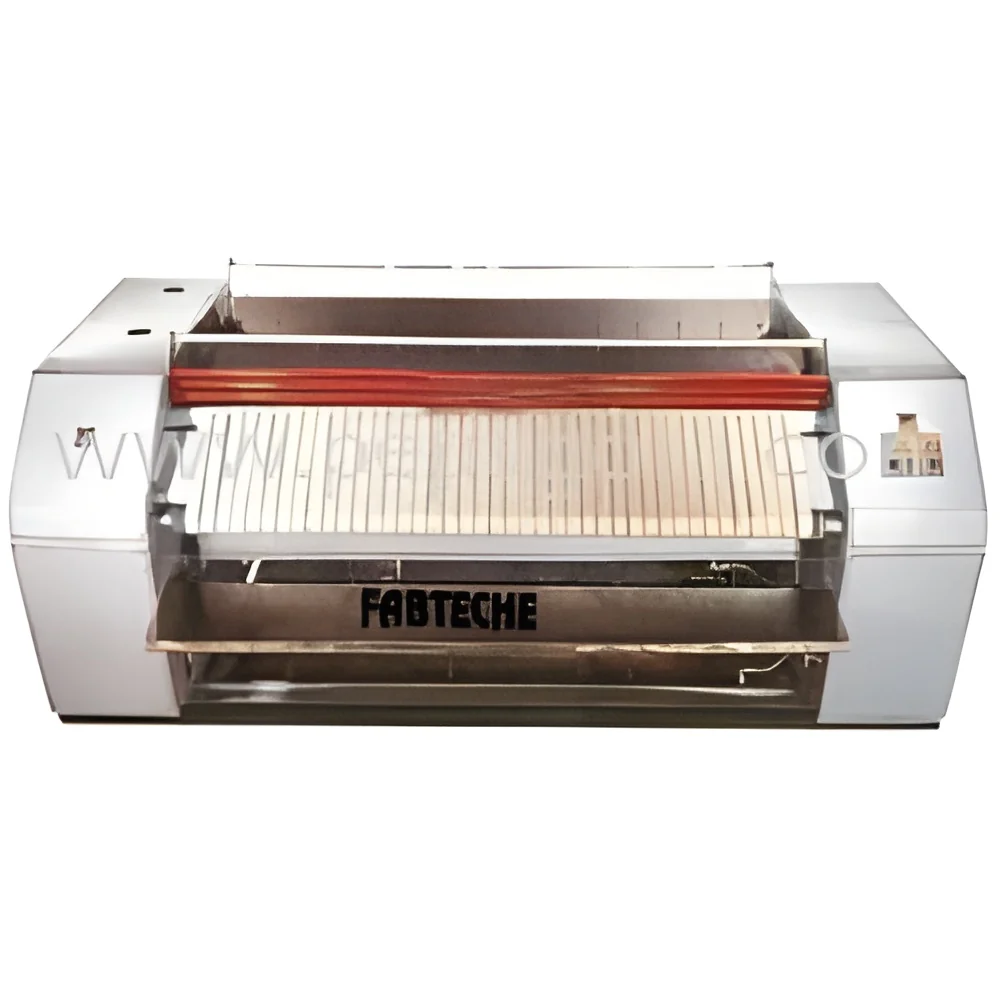 India
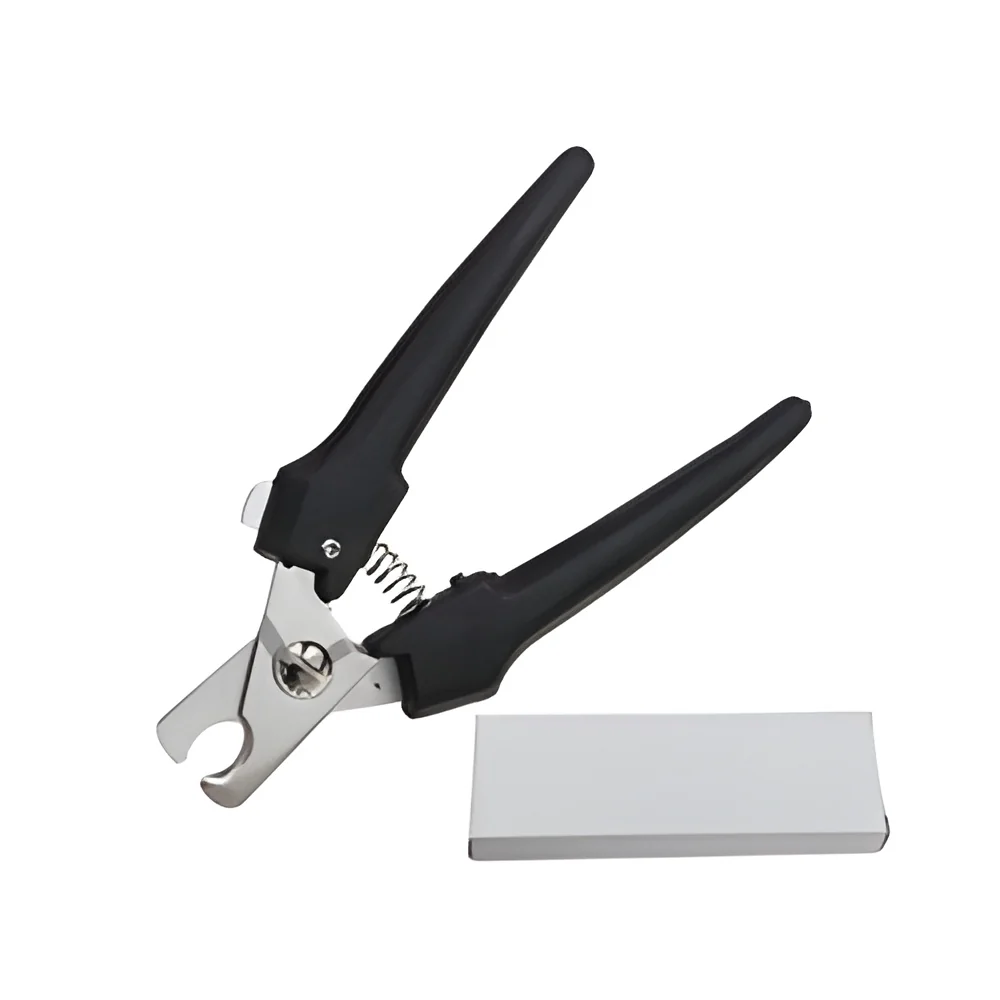 India
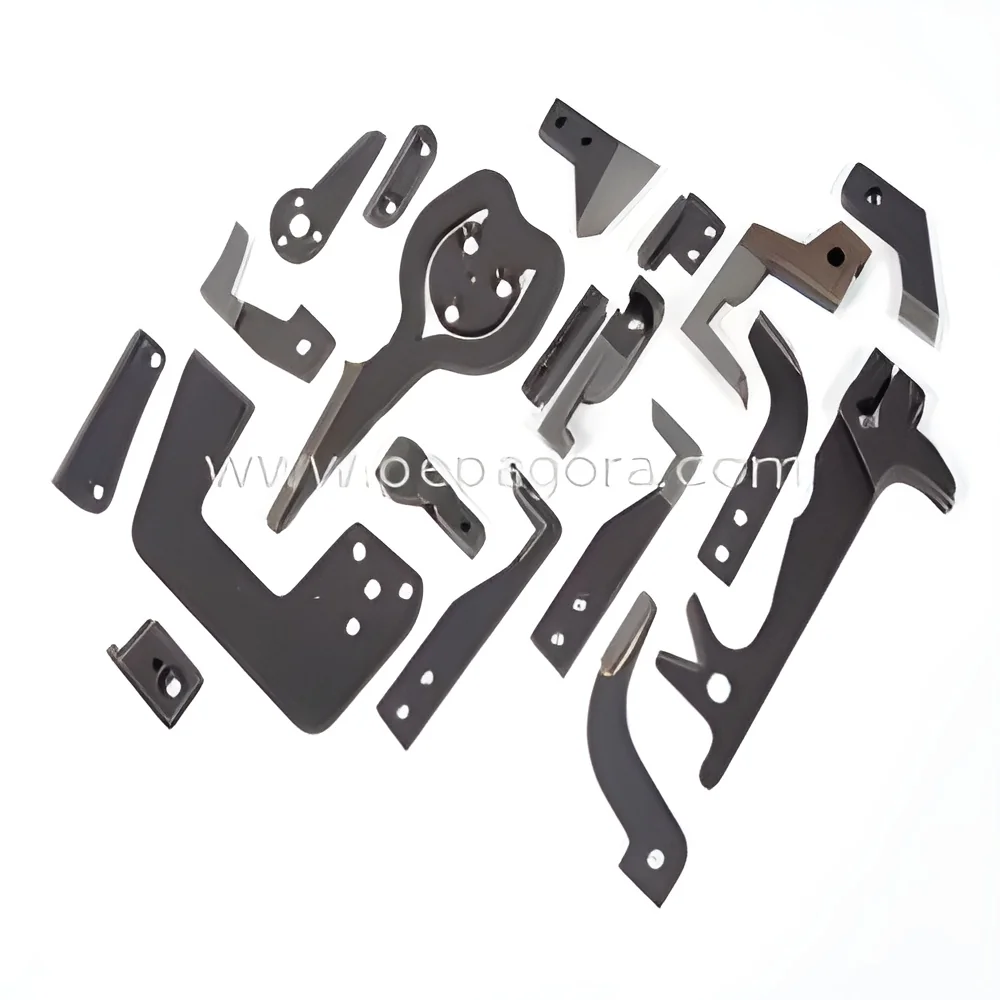
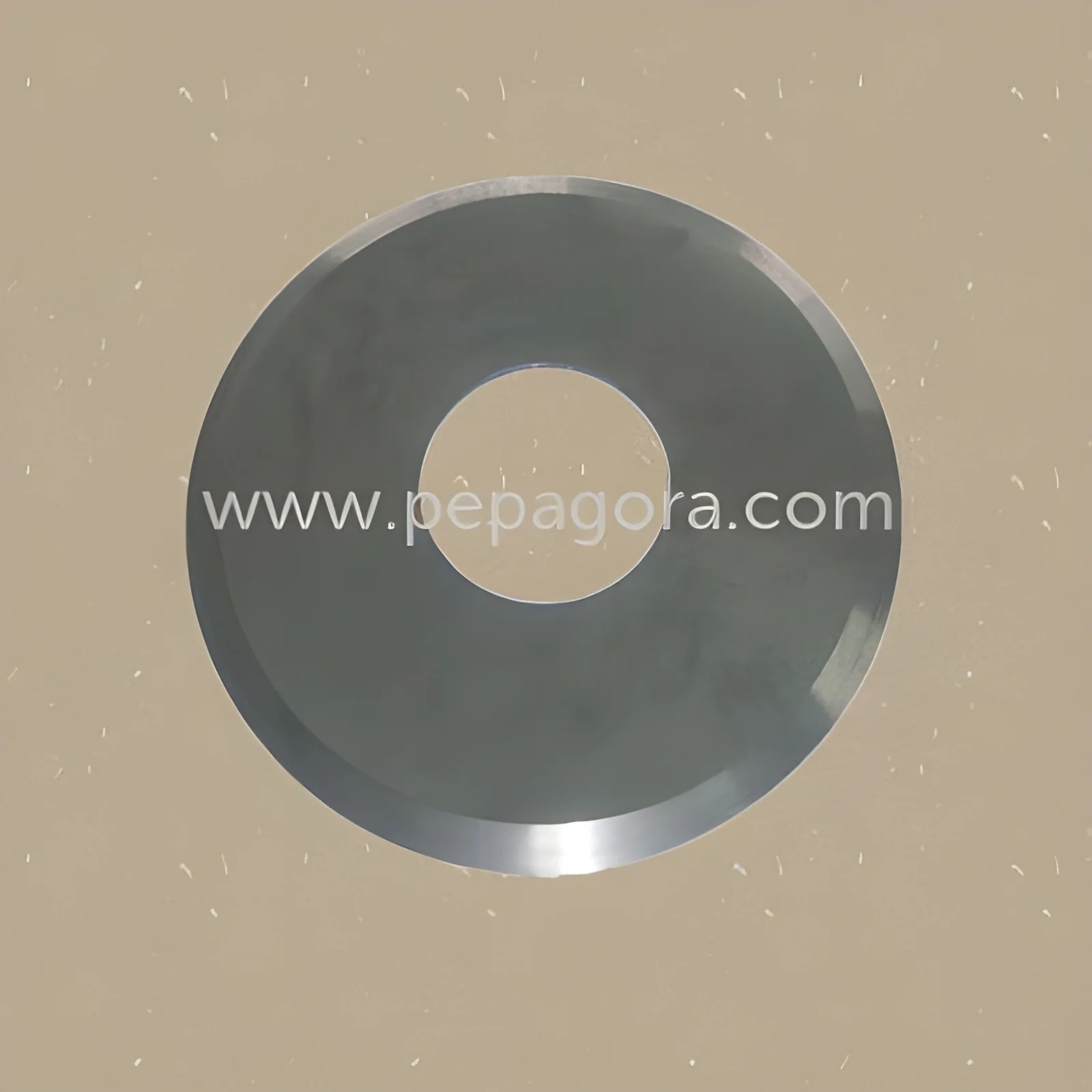
 India
 India
 India
 India
 India
 India
 India
 India
 India
 India
 India
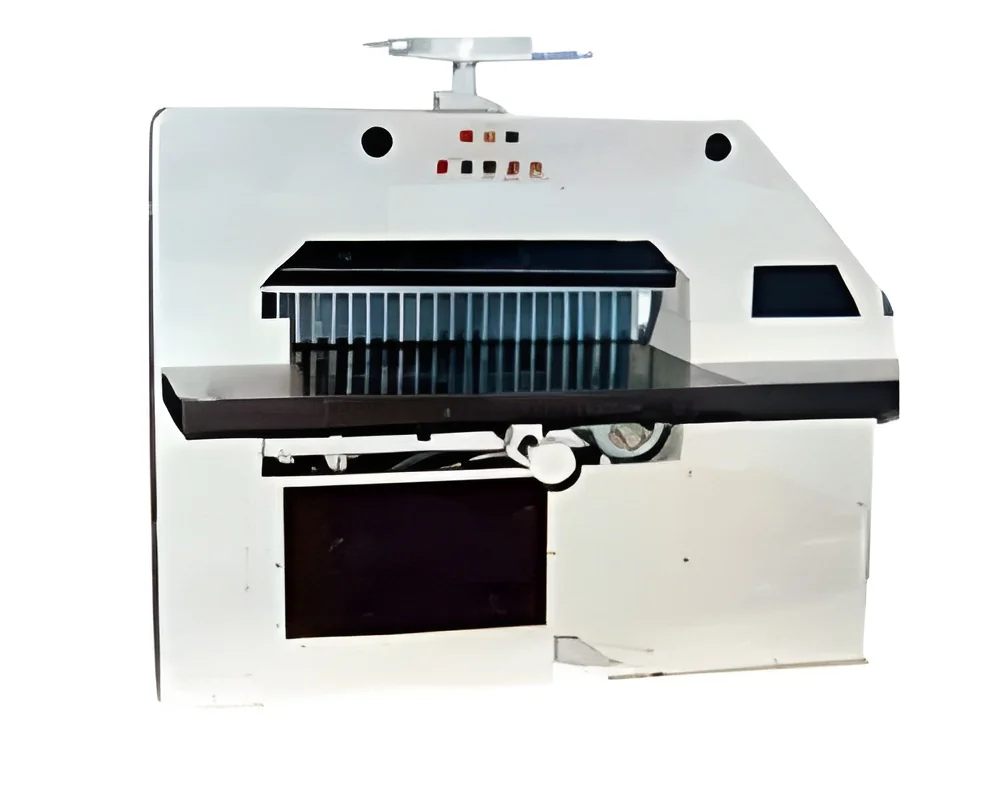
 India
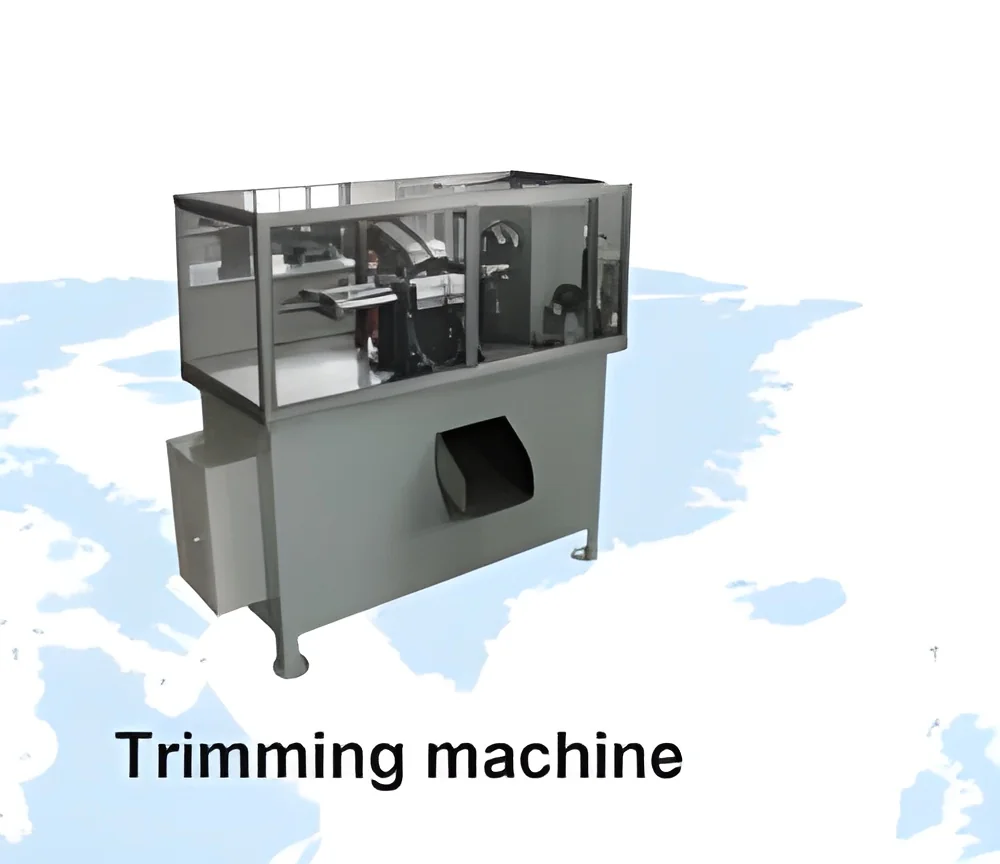
 India
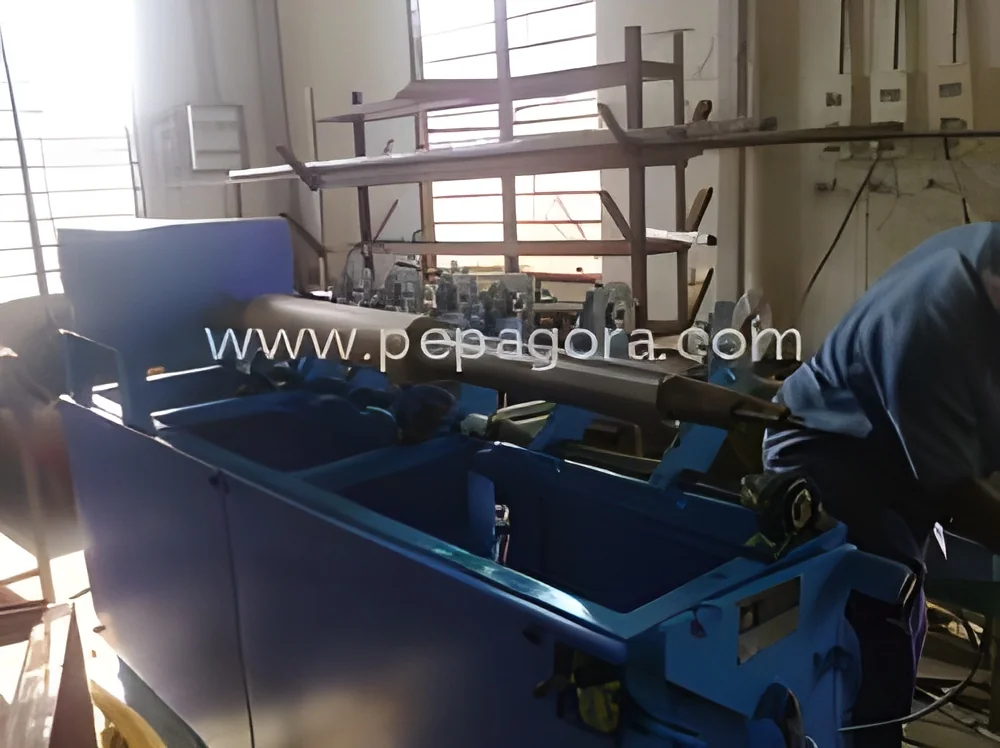 India
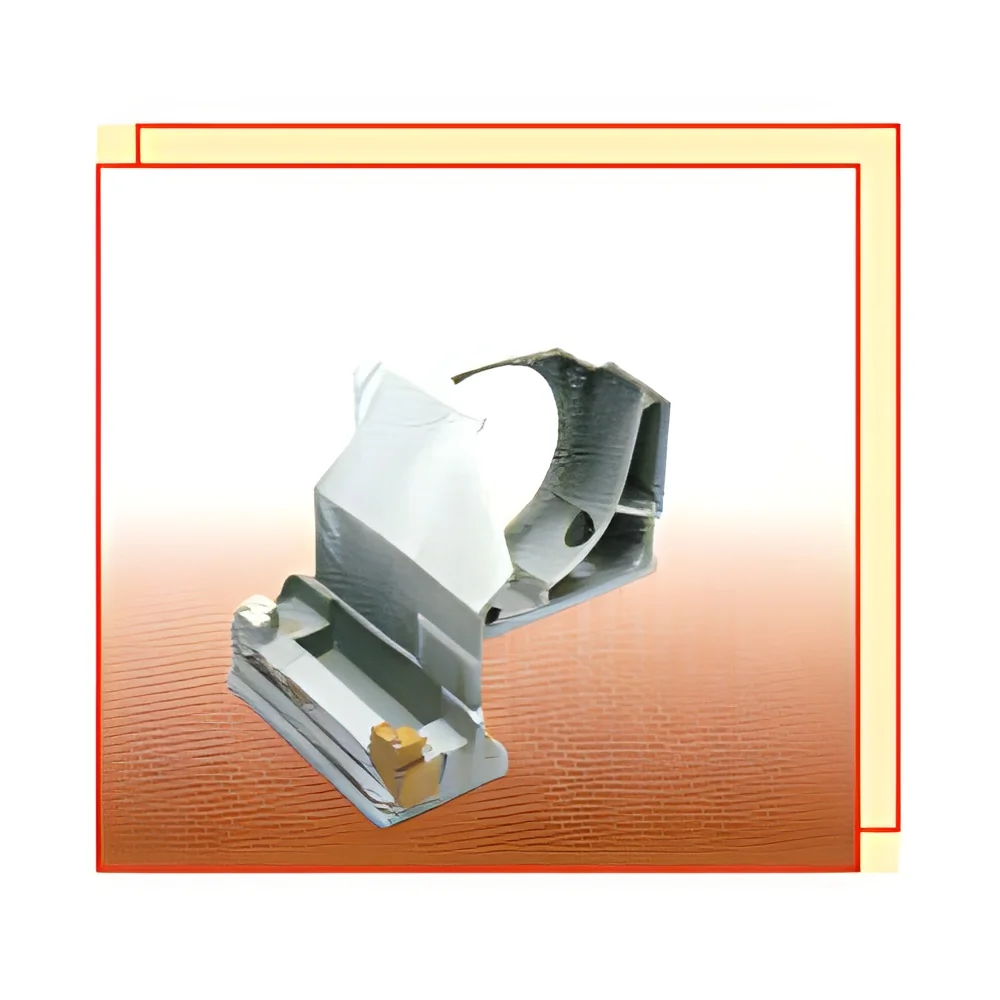 India
 India
 India
Frequently Asked Questions
What are Cloth Cutting Machines?
Cloth Cutting Machines are specialized equipment used in the textile and garment industry to cut fabrics into specific shapes and sizes. They enhance efficiency and precision in fabric cutting processes, ensuring consistent results and reducing manual labor.
What are the different types of Cloth Cutting Machines?
There are several types of Cloth Cutting Machines, including manual, electric, and automatic cutting machines. Each type varies in functionality, speed, and complexity, catering to different production needs and operational scales.
How do I choose the right Cloth Cutting Machines?
When selecting Cloth Cutting Machines, consider factors such as the type of fabric, production volume, and required cutting precision. Additionally, assess the machine's features, ease of use, and maintenance requirements to ensure it meets your operational demands.
What are the standard specifications for Cloth Cutting Machines?
Standard specifications for Cloth Cutting Machines typically include cutting width, cutting speed, and power consumption. Other important specifications may involve blade type, material compatibility, and operational features like automatic feeding mechanisms.
What is the price range for Cloth Cutting Machines?
The price of Cloth Cutting Machines can vary widely based on type, brand, and features, generally ranging from a few thousand to several lakhs of Indian Rupees. It's advisable to compare prices from different suppliers to find a machine that fits your budget and requirements.
What quality standards apply to Cloth Cutting Machines?
Cloth Cutting Machines are subject to various quality standards, including ISO certifications and safety regulations. Manufacturers often adhere to specific industry standards to ensure reliability, durability, and safety in operation.
Where can I find Cloth Cutting Machines suppliers in India?
You can find Cloth Cutting Machines suppliers in India through online B2B marketplaces like Pepagora, trade shows, and industry directories. It's beneficial to review supplier profiles and customer feedback to assess their credibility and product quality.
Can Cloth Cutting Machines be customized?
Yes, many manufacturers offer customization options for Cloth Cutting Machines to meet specific operational needs. Customizations may include modifications in size, features, and additional functionalities based on customer requirements.
What is the typical minimum order quantity for Cloth Cutting Machines?
The typical minimum order quantity (MOQ) for Cloth Cutting Machines can vary between suppliers but generally ranges from one to several units. It's advisable to confirm MOQs directly with suppliers to understand their specific policies.
What is the typical lead time for Cloth Cutting Machines?
The lead time for Cloth Cutting Machines typically ranges from a few weeks to several months, depending on factors such as production schedules and customizations. It is important to discuss lead times with suppliers during the ordering process.
Why Businesses Trust Pepagora
Thousands of companies trust Pepagora to source smarter and sell faster
Expand Your Sales Globally

Source Smarter,Grow Faster
