
 IN
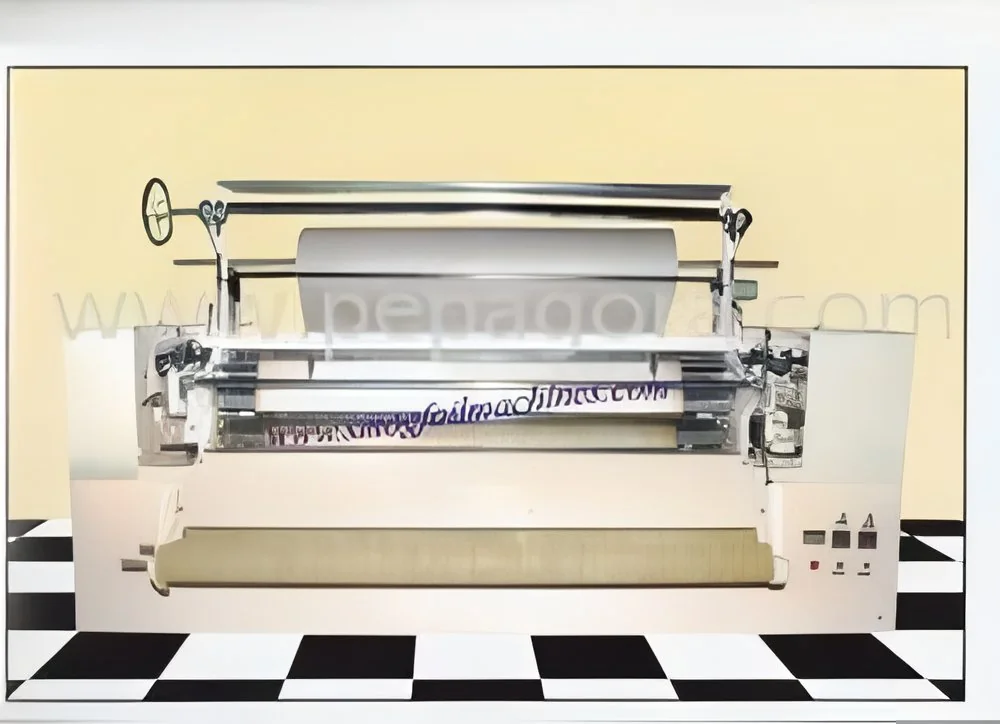
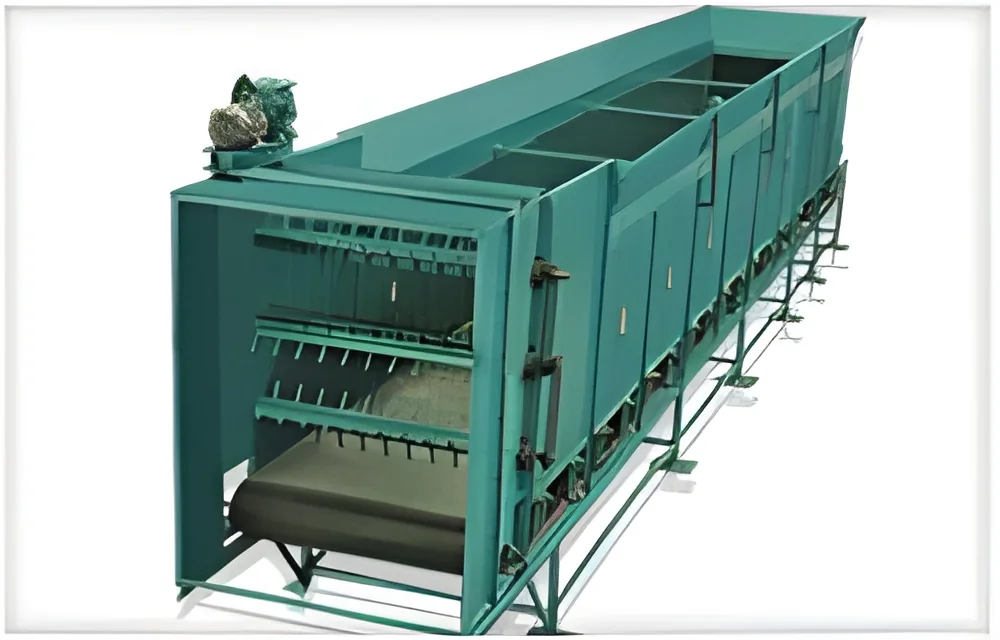
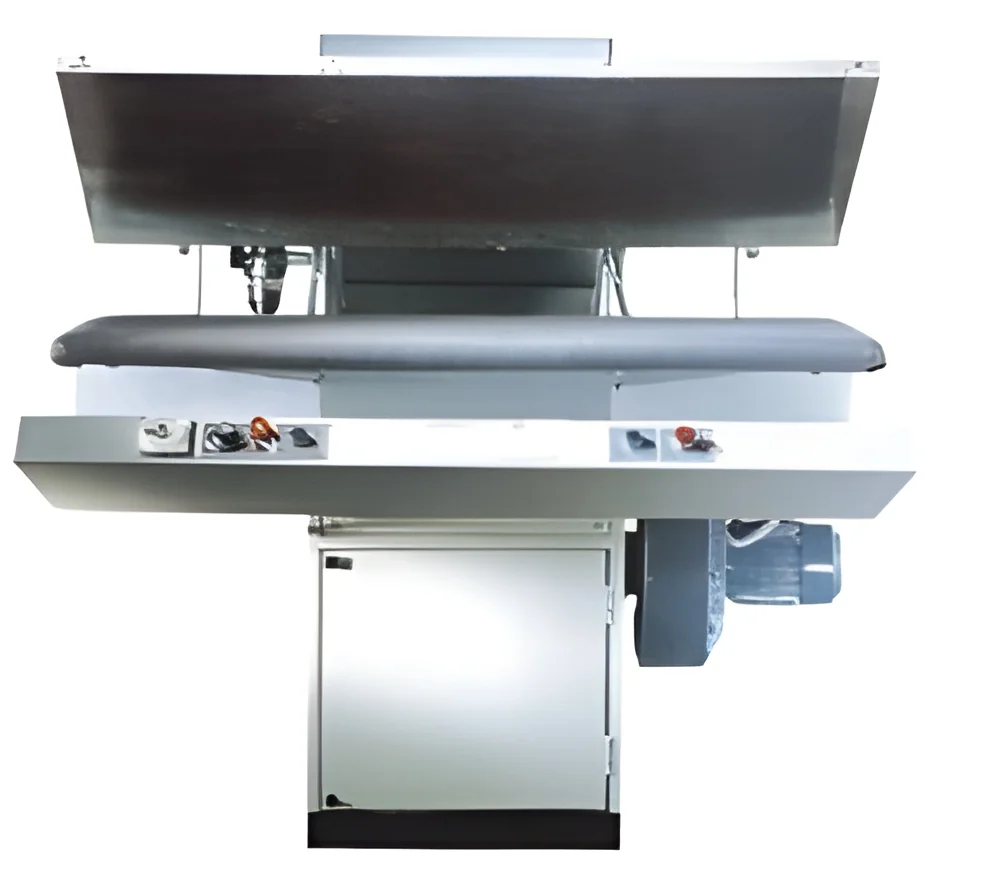
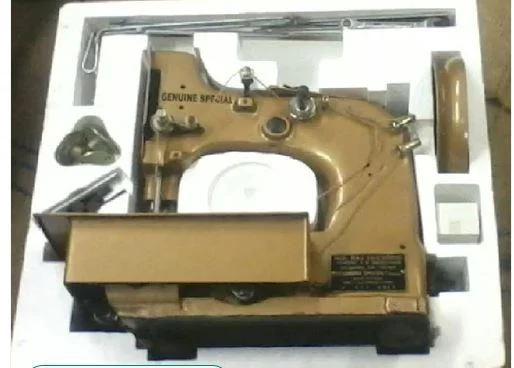
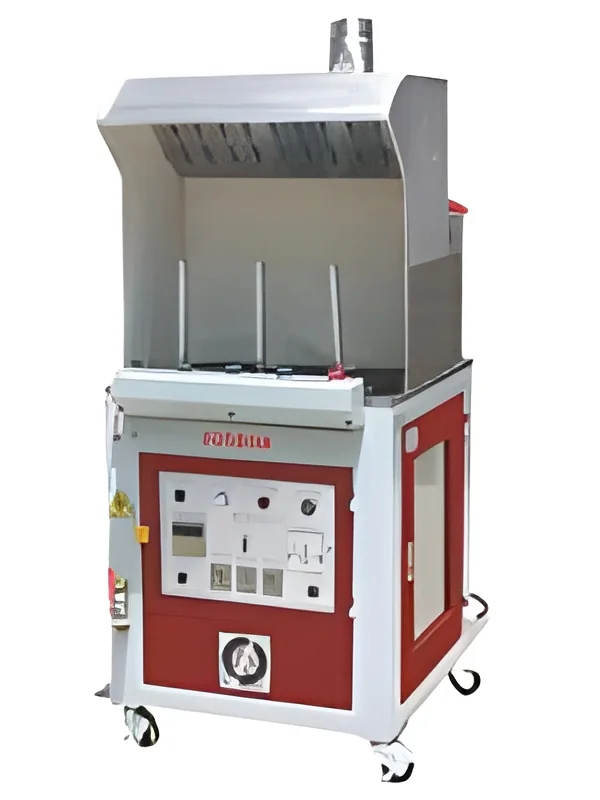
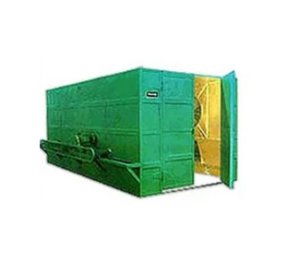
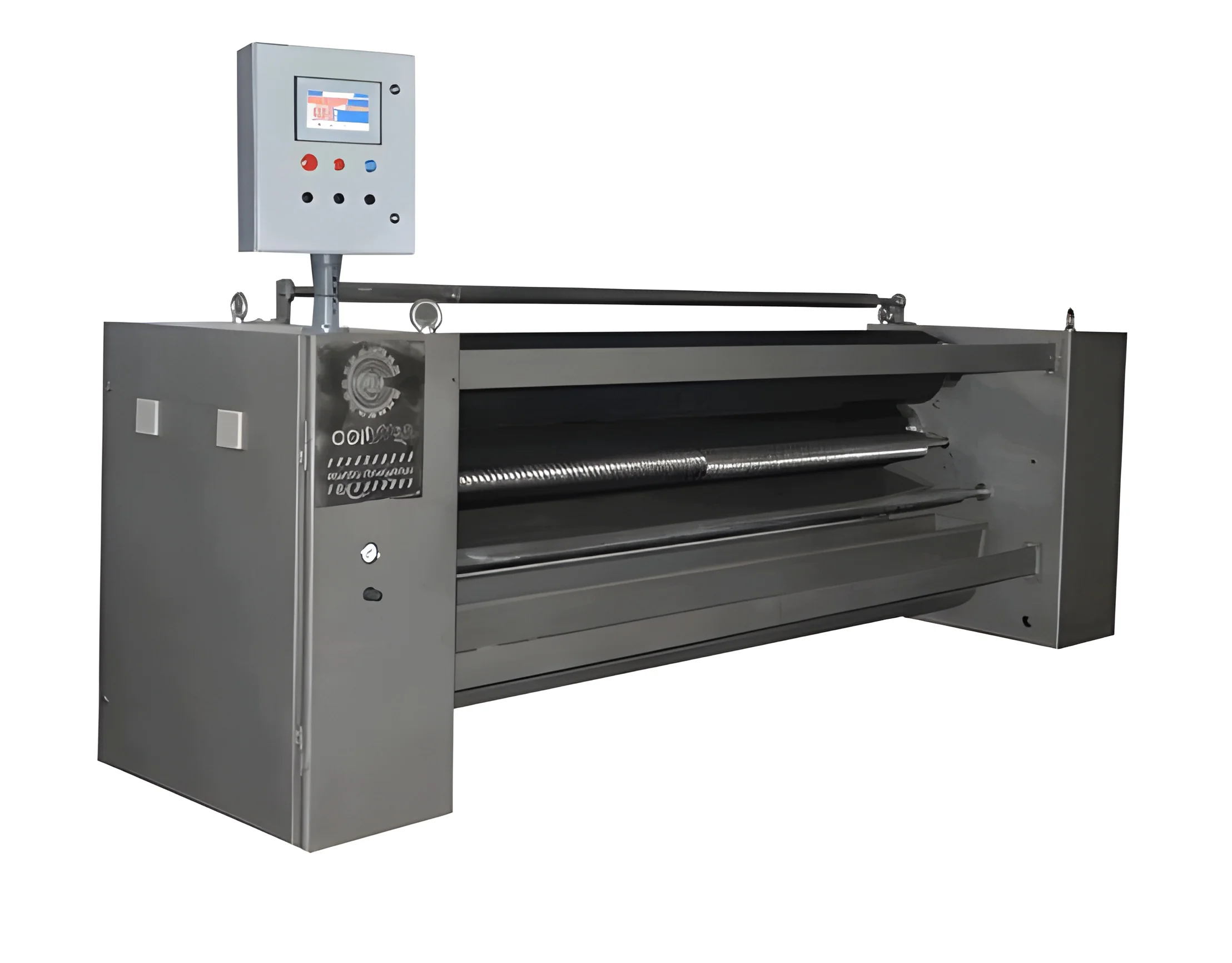
Textile Finishing Machinery
46 products available
What are Textile Finishing Machinery?
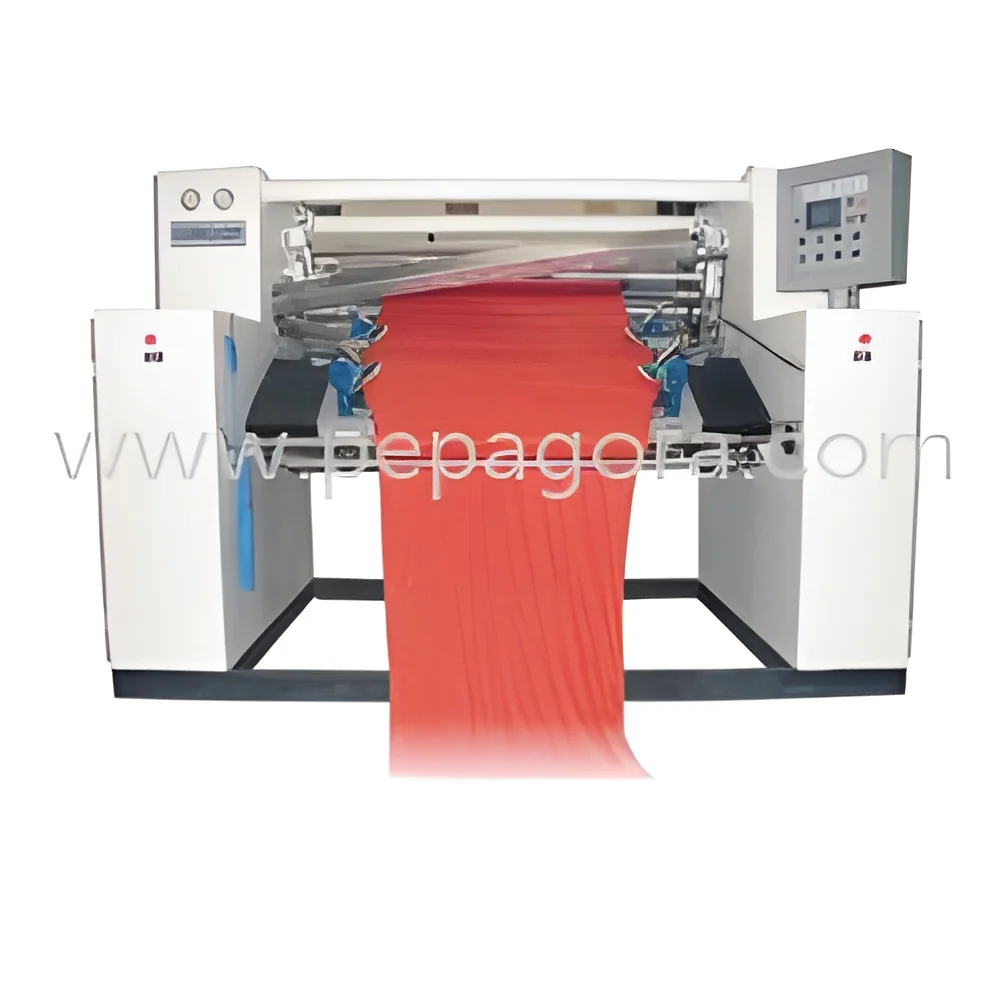
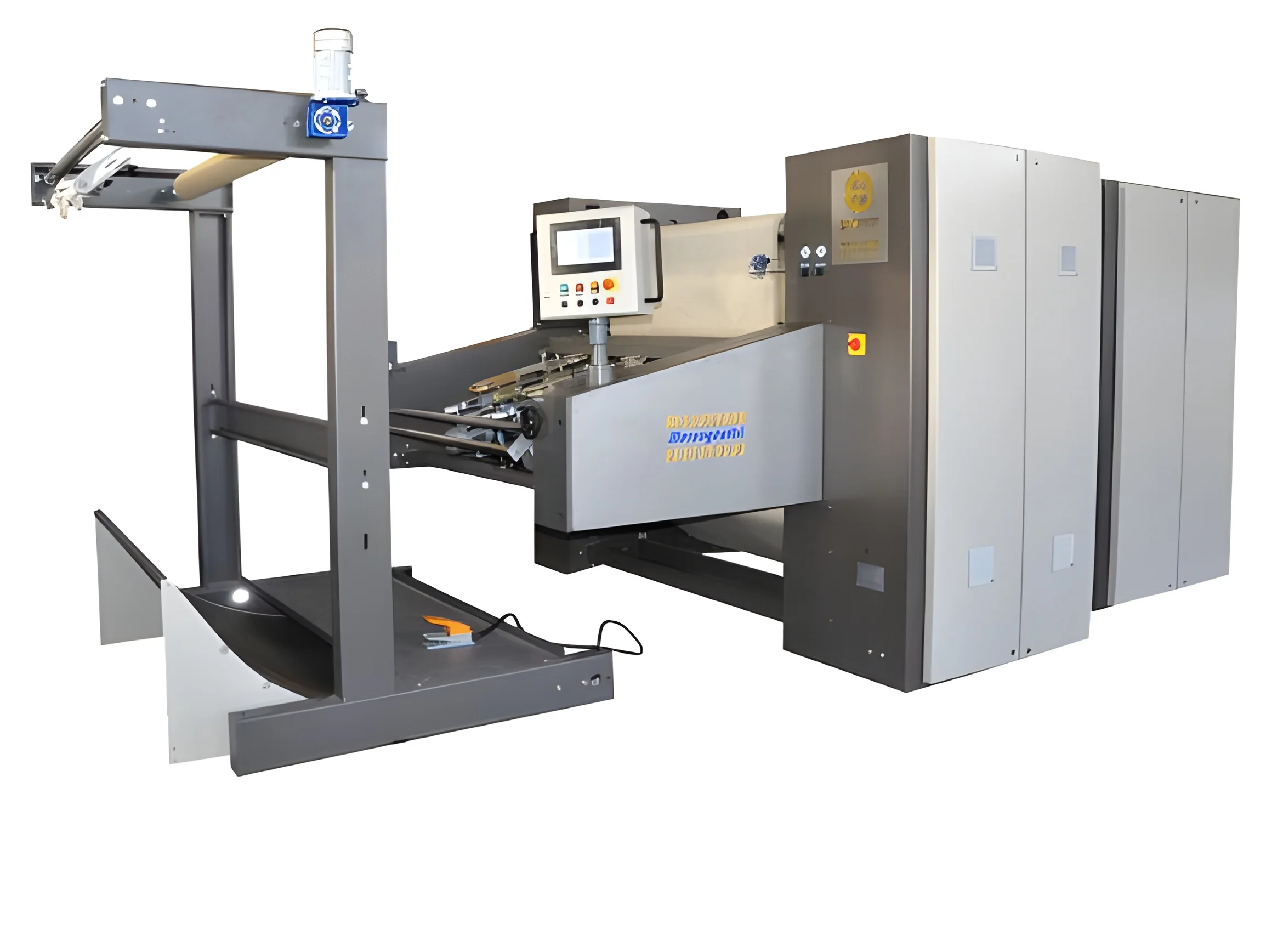
Textile finishing machinery refers to the equipment used in the final stages of textile production to enhance the appearance, feel, and performance of fabrics. These machines are designed for processes such as dyeing, printing, coating, and other treatments that improve the physical and aesthetic qualities of textiles. The finishing process is crucial in ensuring that the fabric meets specific market standards and customer expectations.
Textile finishing machinery serves various industries, including apparel, home textiles, and technical textiles. The machinery plays an integral role in transforming raw fabrics into finished products that are ready for retail or industrial use. Businesses rely on these machines not only to elevate product quality but also to meet regulatory compliance and sustainability goals. As the textile industry evolves, the demand for advanced finishing technologies continues to grow, making these machines essential for competitive advantage.
The textile finishing machinery market is part of a larger industry that is influenced by trends such as sustainability, automation, and technological innovation. Manufacturers are increasingly focusing on integrating eco-friendly processes and materials, thus expanding the relevance of these machines in a rapidly changing market landscape.
Key Features and Specifications
Textile finishing machinery comes equipped with a range of features that cater to diverse industrial needs. These features enhance efficiency, quality, and operational flexibility. Understanding the key specifications of these machines is essential for making informed purchasing decisions.
Key specifications include:
1. Machine Type
- Various types of machines such as stenters, dryers, and calenders.
- Each type serves specific finishing processes.
2. Capacity
- Machines are available in different capacities to handle varying production volumes.
- Capacity often ranges from small scale to large industrial machines.
3. Temperature Control
- Advanced temperature control systems to ensure consistent finishing quality.
- Temperature settings may vary based on the type of textiles being processed.
4. Humidity Control
- Humidity control features to maintain optimal conditions for finishing processes.
- Essential for preventing fabric damage during treatment.
5. Speed Settings
- Adjustable speed settings for different production requirements.
- Higher speeds typically result in increased productivity.
6. Energy Efficiency
- Many machines are designed with energy-efficient technologies to reduce operational costs.
- Compliance with energy standards is often a key consideration.
7. Automation Features
- Automation capabilities to streamline operations and reduce labor costs.
- Integration with digital monitoring systems is becoming more common.
8. Safety Standards
- Compliance with relevant safety regulations and standards.
- Essential for ensuring workplace safety during operation.
In summary, understanding the features and specifications of textile finishing machinery enables buyers to choose equipment that meets their production needs while ensuring quality and efficiency.
Common Applications and Use Cases
Textile finishing machinery serves various industries that require high-quality fabric treatments. The applications are diverse and tailored to meet specific market demands.
1. Apparel Industry: These machines are used for dyeing, printing, and finishing garments to achieve desired colors and textures. They help in preparing fabrics for retail.
2. Home Textiles: Used for finishing bed linens, curtains, and upholstery fabrics, ensuring they are aesthetically pleasing and durable. The finishing processes enhance their softness and appearance.
3. Technical Textiles: In sectors like automotive and medical, finishing machinery is used to treat fabrics that require specialized properties, such as flame retardancy or water resistance.
4. Fashion Textiles: High-end fashion brands utilize finishing machines to create unique fabric finishes that enhance the luxury feel of their products.
5. Industrial Textiles: These are used in applications ranging from geotextiles to filtration fabrics, where specific performance characteristics are critical.
6. Sportswear: Finishing machinery is essential for treating fabrics used in sports apparel, ensuring moisture-wicking and breathability for enhanced performance.
7. Nonwoven Fabrics: Used in the production of nonwoven textiles for applications in hygiene, medical, and automotive sectors, providing necessary finishes for functionality and comfort.
Product Variants and Subcategories
Textile finishing machinery comes in various forms, catering to different finishing processes and fabric types. This diversity allows manufacturers to select machines that best suit their production requirements.
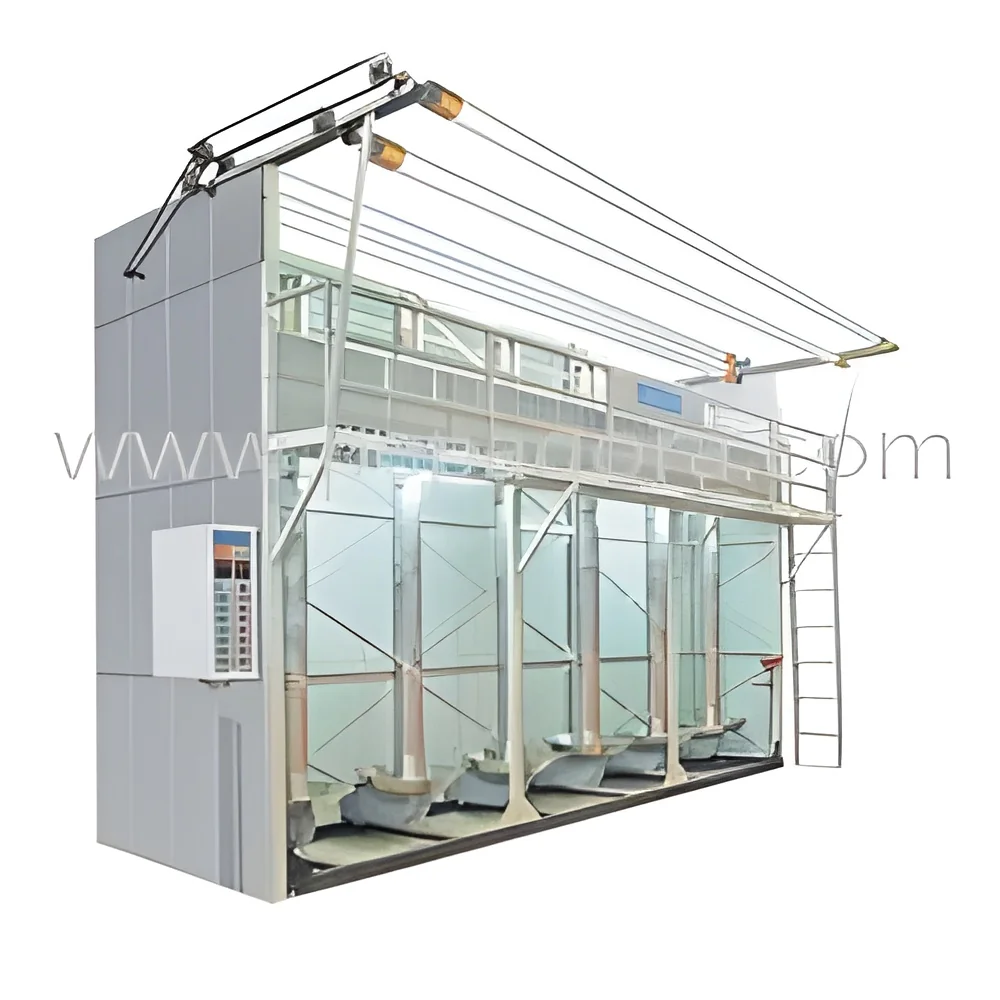
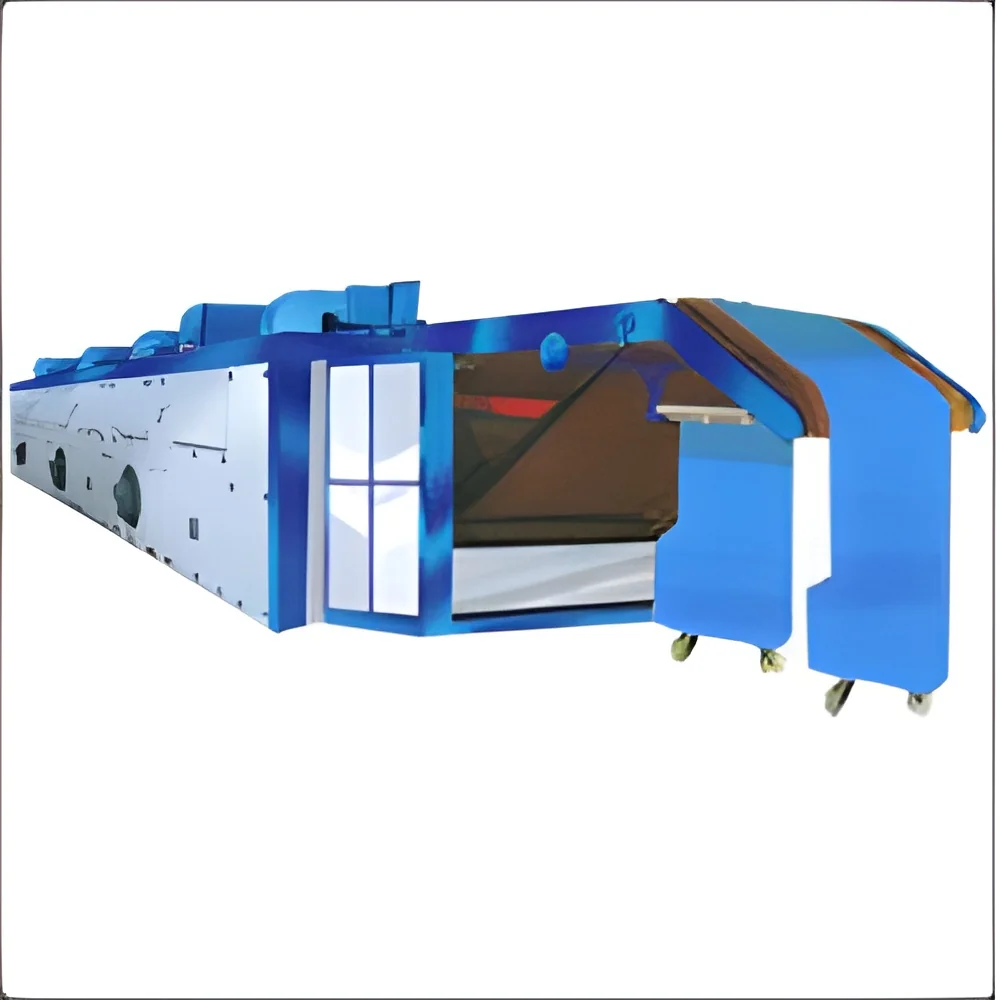
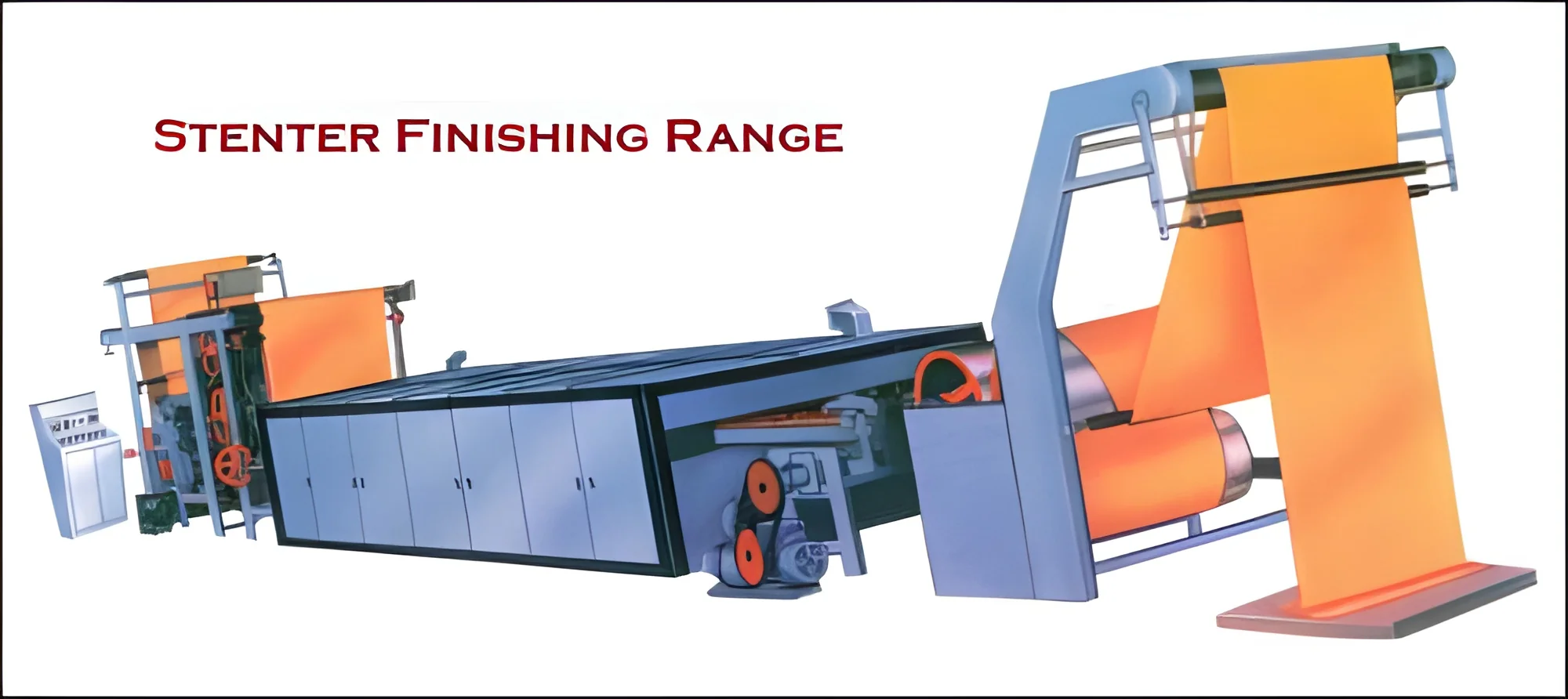
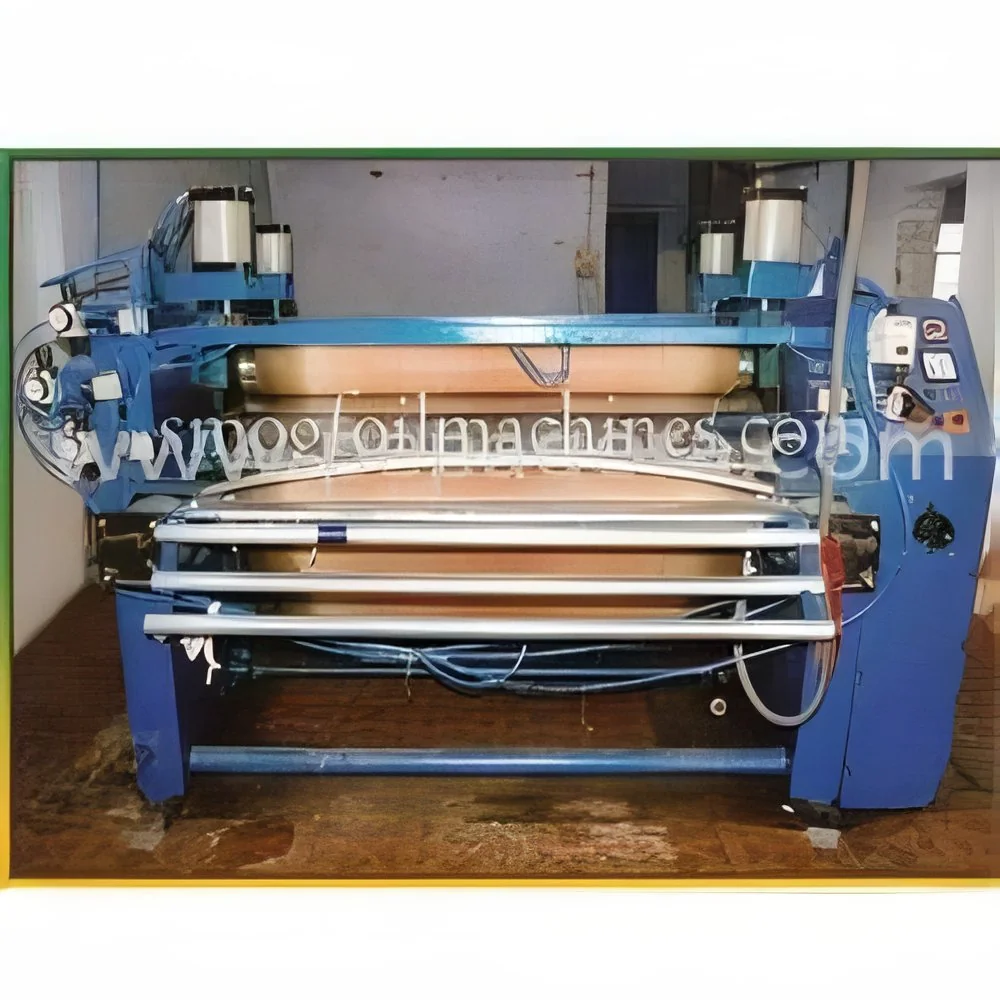
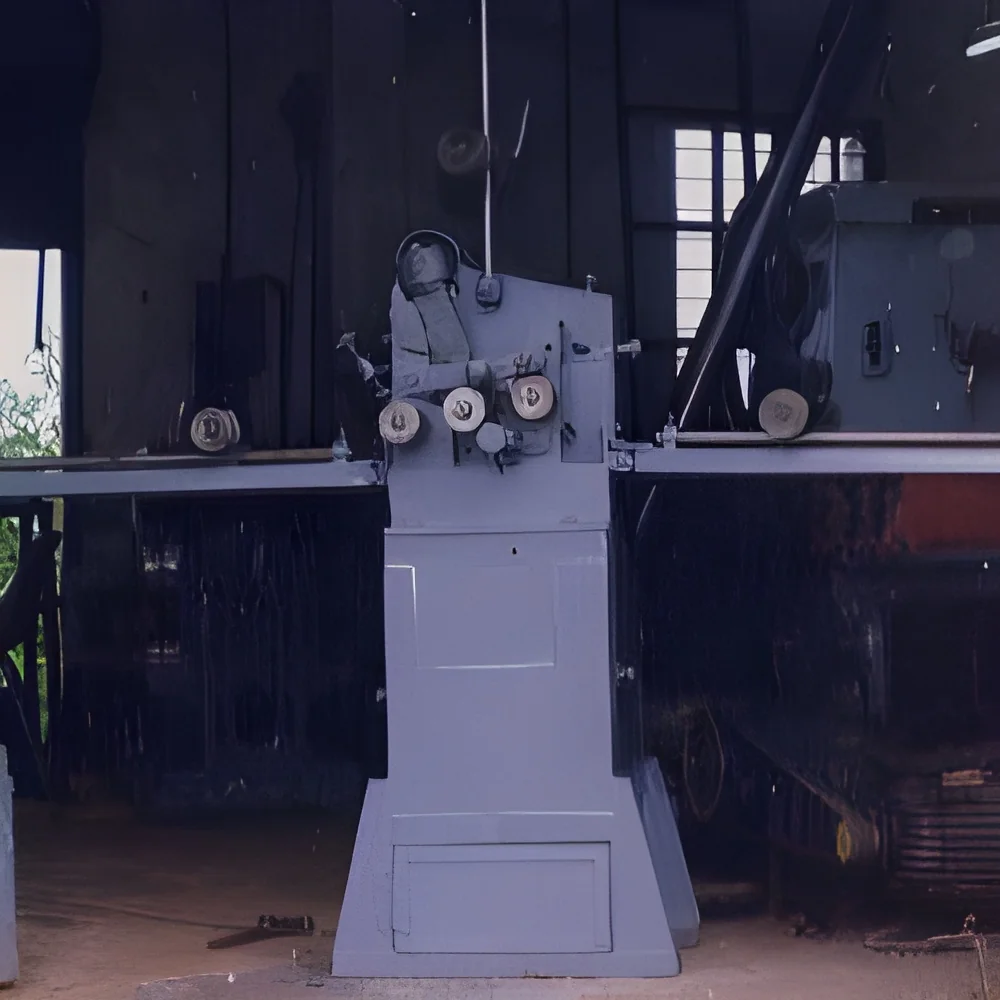
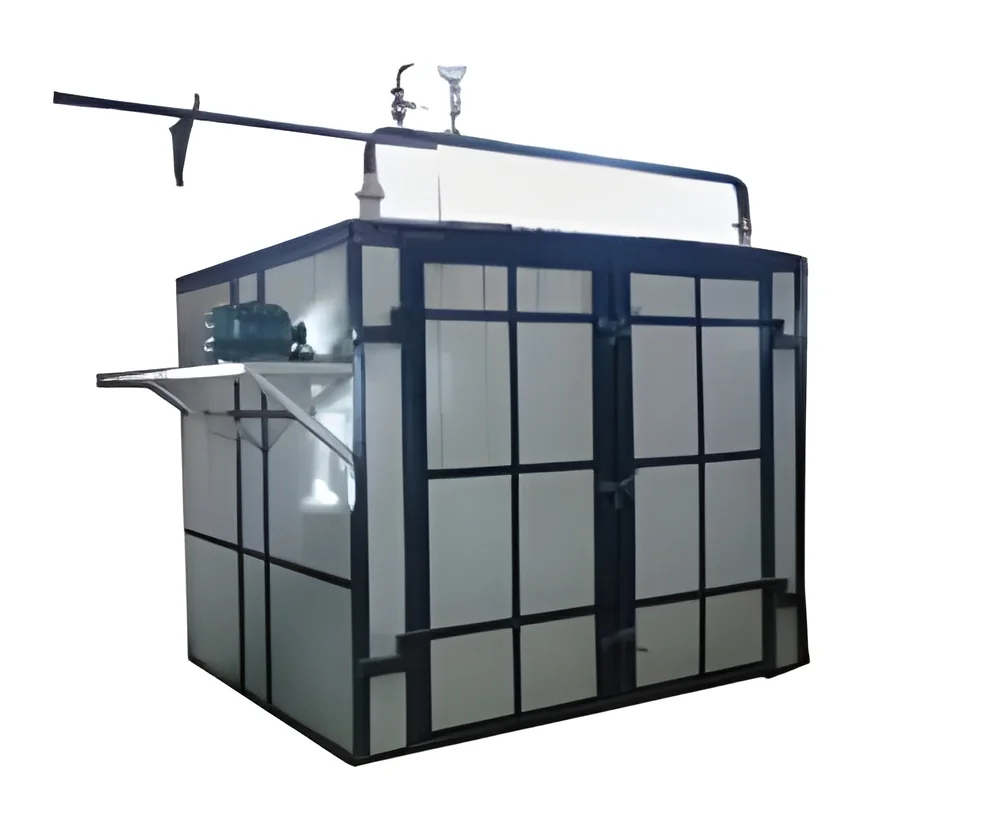
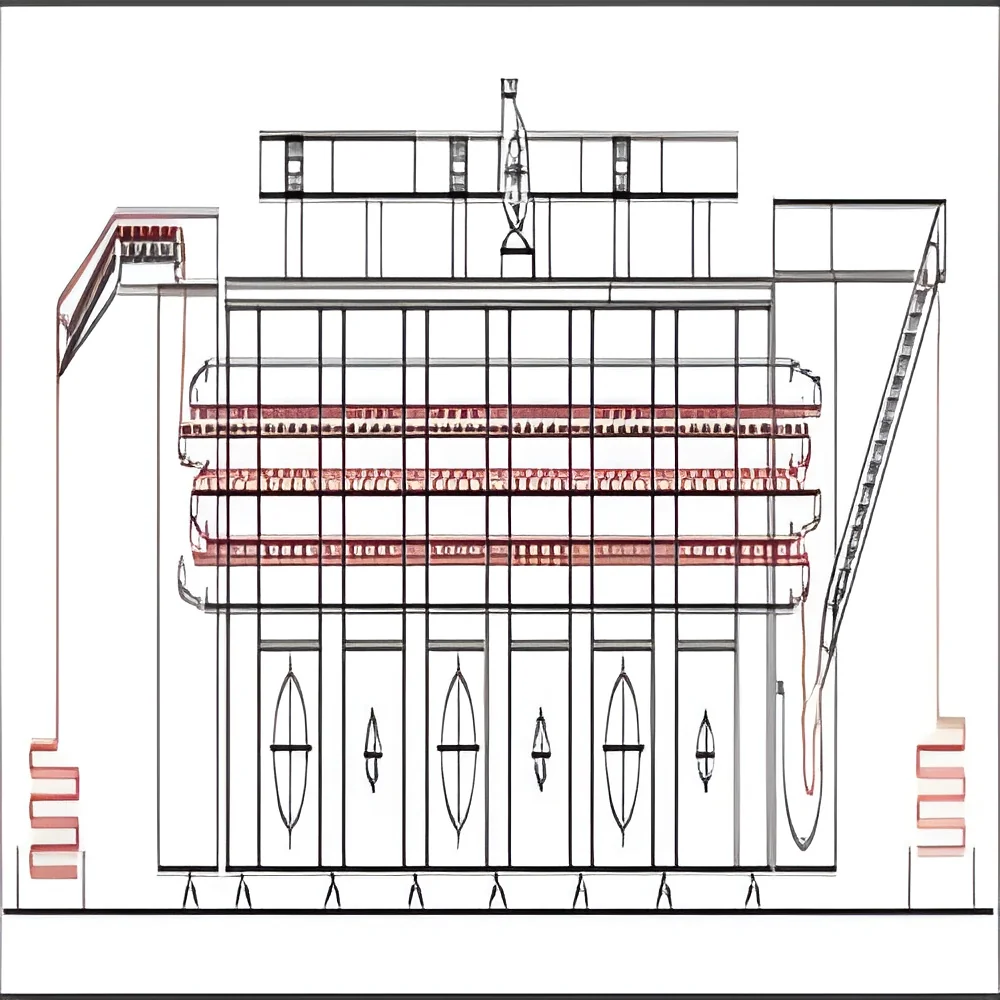
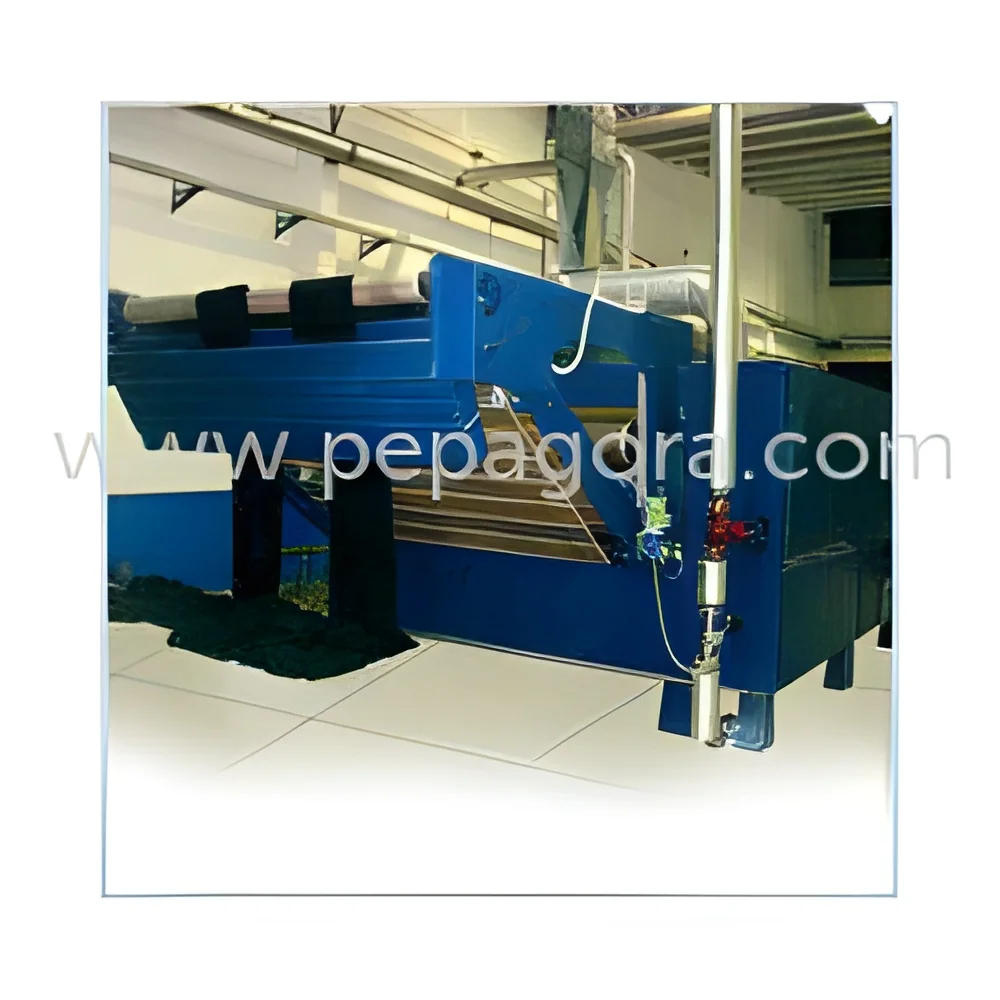
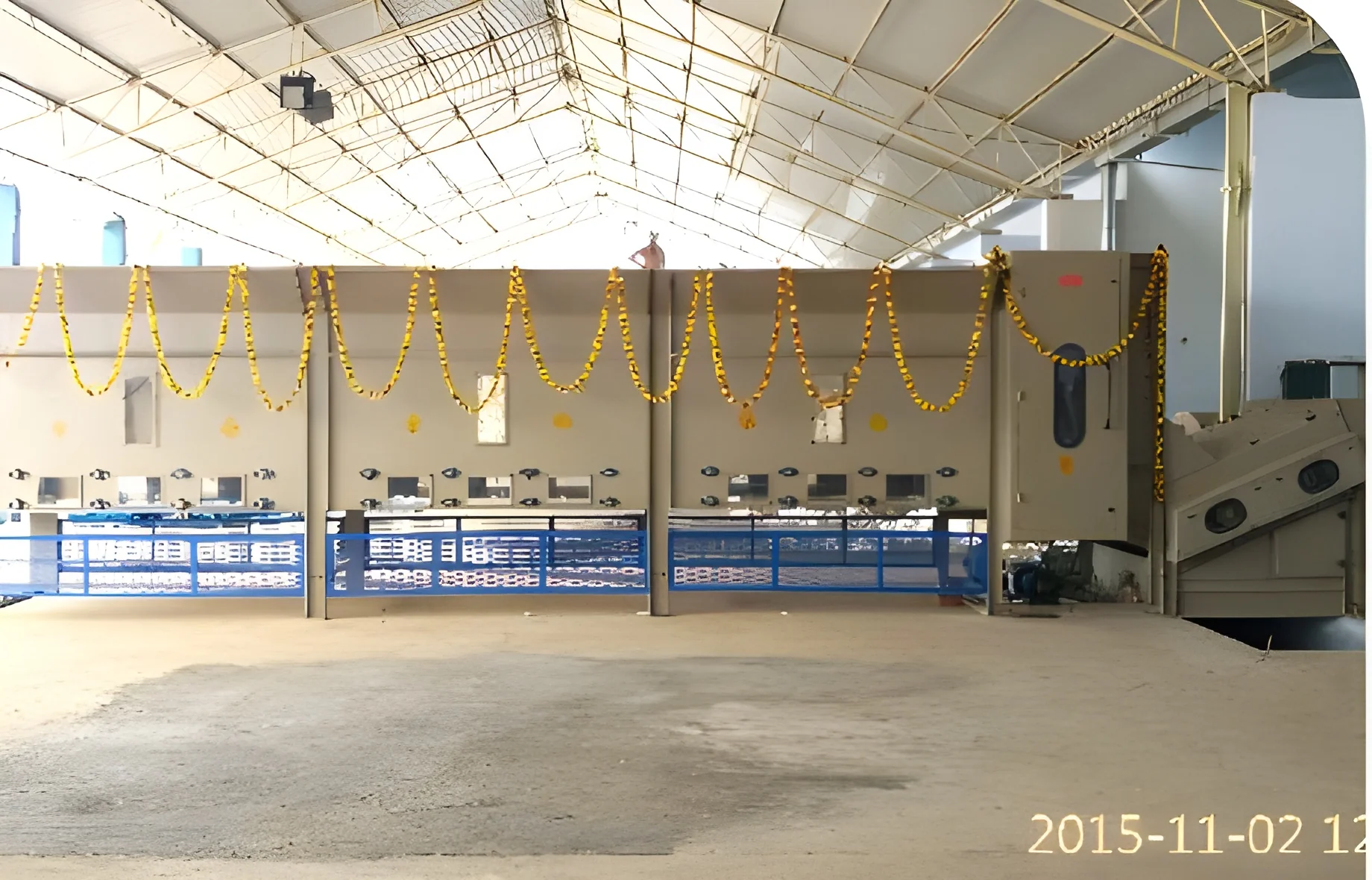
Stenter Machines: These machines are widely used for drying and setting the dimensions of fabrics. They ensure that textiles maintain their shape and are free of wrinkles after finishing.
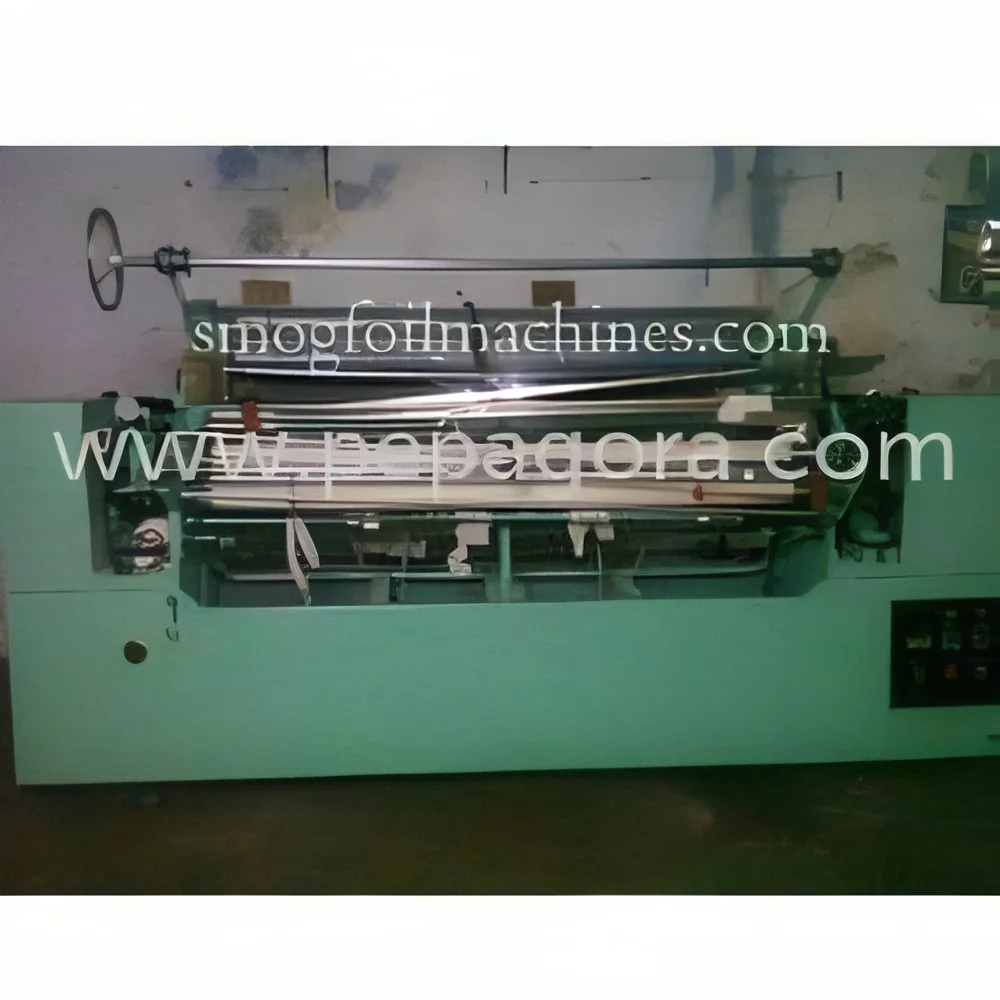
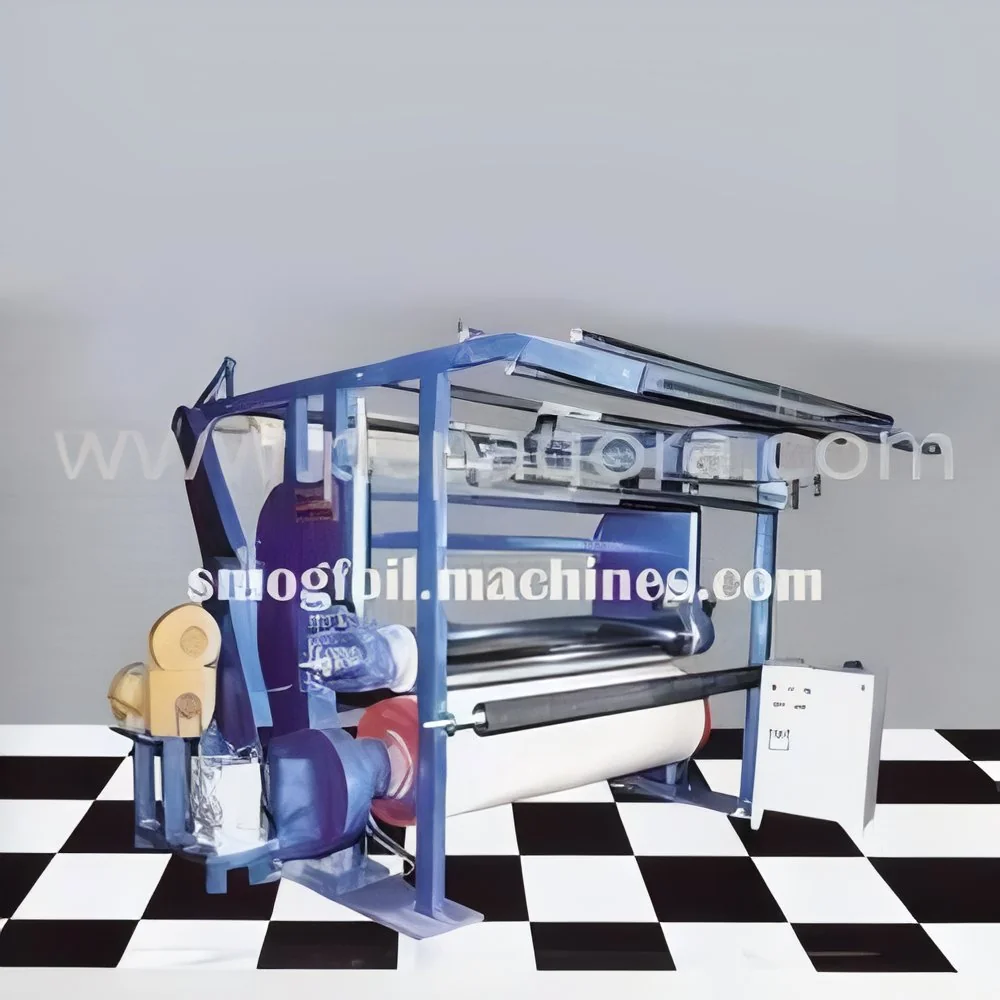
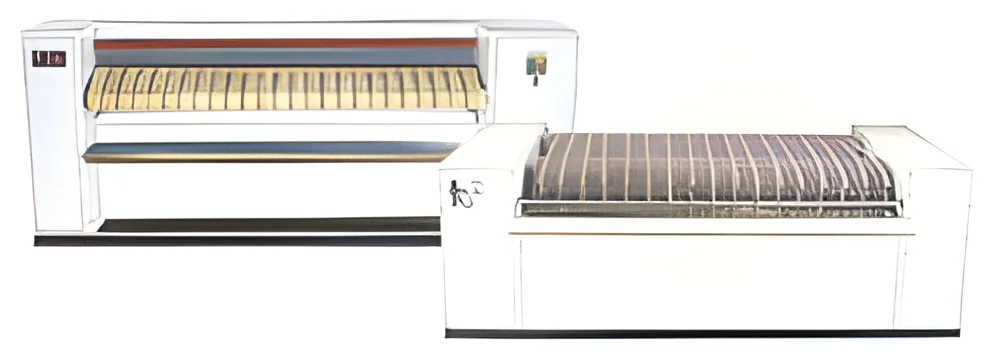
Calendering Machines: Calenders are used to apply pressure and heat to fabrics, resulting in a smooth finish. They are ideal for producing high-gloss or embossed finishes on textiles.
Dyeing Machines: These specialized machines are designed for uniformly dyeing fabrics. They come with features that ensure even color distribution and minimize dye wastage.
Finishing Coating Machines: These machines apply functional coatings to fabrics, enhancing properties such as water repellency, flame retardance, or UV protection.
Benefits and Advantages
Investing in textile finishing machinery provides numerous benefits that enhance the operational efficiency and product quality of businesses in the textile industry.
Key benefits include:
1. Improved Product Quality: Finishing machines enhance the aesthetic and functional qualities of textiles, resulting in higher customer satisfaction.
2. Increased Production Efficiency: Automation and advanced technology in these machines streamline processes, reducing production time and labor costs.
3. Versatility: Many finishing machines can handle a variety of fabrics and treatments, allowing manufacturers to diversify their product offerings.
4. Cost-Effectiveness: Energy-efficient models reduce operational costs, providing long-term savings for businesses.
5. Regulatory Compliance: Modern finishing machinery often meets industry standards, helping manufacturers comply with regulations and certifications.
6. Enhanced Sustainability: Many machines incorporate eco-friendly processes, supporting businesses in their sustainability goals.
Buying Guide for B2B Buyers
Sourcing textile finishing machinery requires careful consideration of several crucial factors to ensure the right investment for your business.
1. Quality Assessment: Evaluate the build quality and performance of the machinery. Look for manufacturers that adhere to industry standards and provide warranties.
2. Supplier Verification: Vet suppliers by checking their reputation, certifications, and customer reviews. Ensure they have a track record of reliability.
3. Pricing and MOQ: Understand the pricing structure and minimum order quantities required by suppliers. Compare costs across different providers to find competitive pricing.
4. Delivery and Lead Times: Inquire about delivery schedules and lead times to ensure that the machinery meets your production timelines. Timely delivery is essential for uninterrupted operations.
5. Compliance Requirements: Ensure that the machinery complies with relevant safety and environmental regulations in your region. This is critical for avoiding legal issues.
Compliance and Certifications
Compliance and certifications are vital for textile finishing machinery, as they ensure quality and safety standards are met.
ISO 9001 is a widely recognized quality management standard that many manufacturers adhere to, ensuring consistent quality in their production processes.
CE certification indicates that the machinery meets European Union safety, health, and environmental protection requirements. This certification is essential for market entry in Europe.
Safety and testing requirements are critical, as they ensure machines operate safely and efficiently. Manufacturers must implement rigorous testing protocols for their products.
Regional compliance considerations may vary based on local regulations. Buyers should familiarize themselves with the specific compliance requirements in their markets.
Why Source Textile Finishing Machinery from Pepagora?
Pepagora provides a trusted platform for sourcing textile finishing machinery, offering several key advantages to B2B buyers.
Verified Supplier Network: Pepagora collaborates with a network of verified suppliers, ensuring that buyers have access to high-quality machinery from reputable manufacturers.
Streamlined RFQ Process: The platform simplifies the request for quotation process, allowing buyers to easily compare prices and specifications from various suppliers.
Trade Assurance and Support: Pepagora offers trade assurance and buyer protection, giving businesses confidence in their transactions and reducing risks associated with procurement.
Regional Coverage: With a strong presence in India, the GCC, and Southeast Asia, Pepagora provides comprehensive support and access to suppliers in these key markets, facilitating seamless sourcing for textile finishing machinery.





Frequently Asked Questions
What are Textile Finishing Machinery?
Textile Finishing Machinery refers to the equipment used in the final stages of fabric production. This machinery is essential for enhancing the appearance, texture, and overall quality of textiles before they are sold to consumers.
What are the different types of Textile Finishing Machinery?
There are several types of Textile Finishing Machinery, including but not limited to, dyeing machines, drying machines, calenders, and coating machines. Each type serves a specific purpose in the finishing process, ensuring that fabrics meet desired specifications.
How do I choose the right Textile Finishing Machinery?
When selecting Textile Finishing Machinery, consider factors such as the type of fabric being processed, production volume, and specific finishing requirements. It is also important to evaluate the machine's efficiency, durability, and available technological features.
What are the standard specifications for Textile Finishing Machinery?
Standard specifications for Textile Finishing Machinery may include parameters like machine capacity, speed, power consumption, and the range of fabric types it can handle. Additional features may also encompass automation levels and control systems.
What is the price range for Textile Finishing Machinery?
The price of Textile Finishing Machinery can vary widely depending on the type, brand, and features of the equipment. Typically, prices may range from a few lakhs to several crores in the Indian market.
What quality standards apply to Textile Finishing Machinery?
Textile Finishing Machinery must comply with various quality standards, such as ISO certifications and safety regulations, to ensure reliable performance and safety during operation. Manufacturers often adhere to industry-specific standards to meet client requirements.
Where can I find Textile Finishing Machinery suppliers in India?
You can find Textile Finishing Machinery suppliers in India through various channels, including online B2B marketplaces like Pepagora, trade shows, and industry exhibitions. Networking within industry associations can also lead to potential suppliers.
Can Textile Finishing Machinery be customized?
Yes, many manufacturers offer customization options for Textile Finishing Machinery to meet specific production needs. Customization may include modifications in size, functionality, or additional features based on client specifications.
What is the typical minimum order quantity for Textile Finishing Machinery?
The typical minimum order quantity (MOQ) for Textile Finishing Machinery can vary depending on the manufacturer and the type of machinery. Generally, MOQs may range from one unit for specialized machines to multiple units for more standardized models.
What is the typical lead time for Textile Finishing Machinery?
The lead time for Textile Finishing Machinery can vary based on factors such as the complexity of the machine and the manufacturer's production schedule. Typically, lead times can range from a few weeks to several months.
Why Businesses Trust Pepagora
Thousands of companies trust Pepagora to source smarter and sell faster
Expand Your Sales Globally

Source Smarter,Grow Faster
