What are Other Textile Machinery?
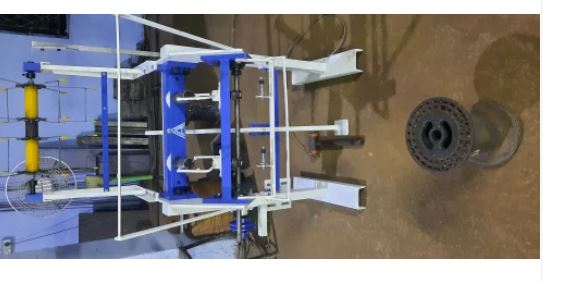
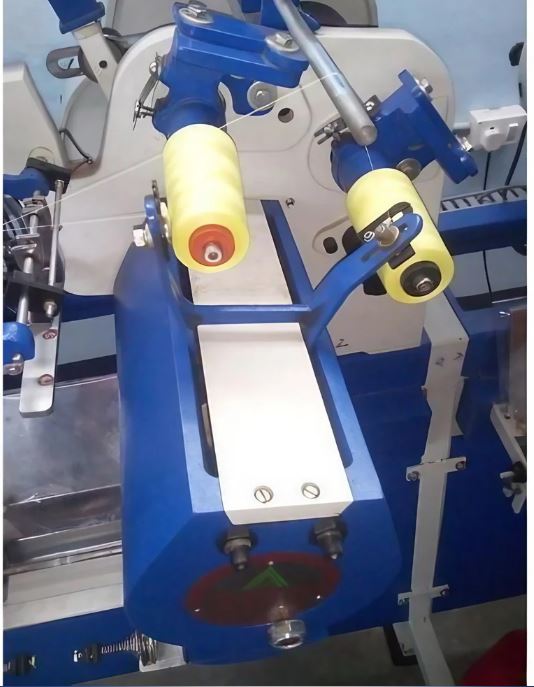
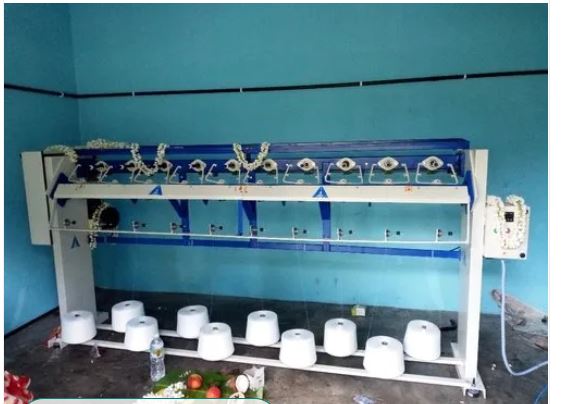
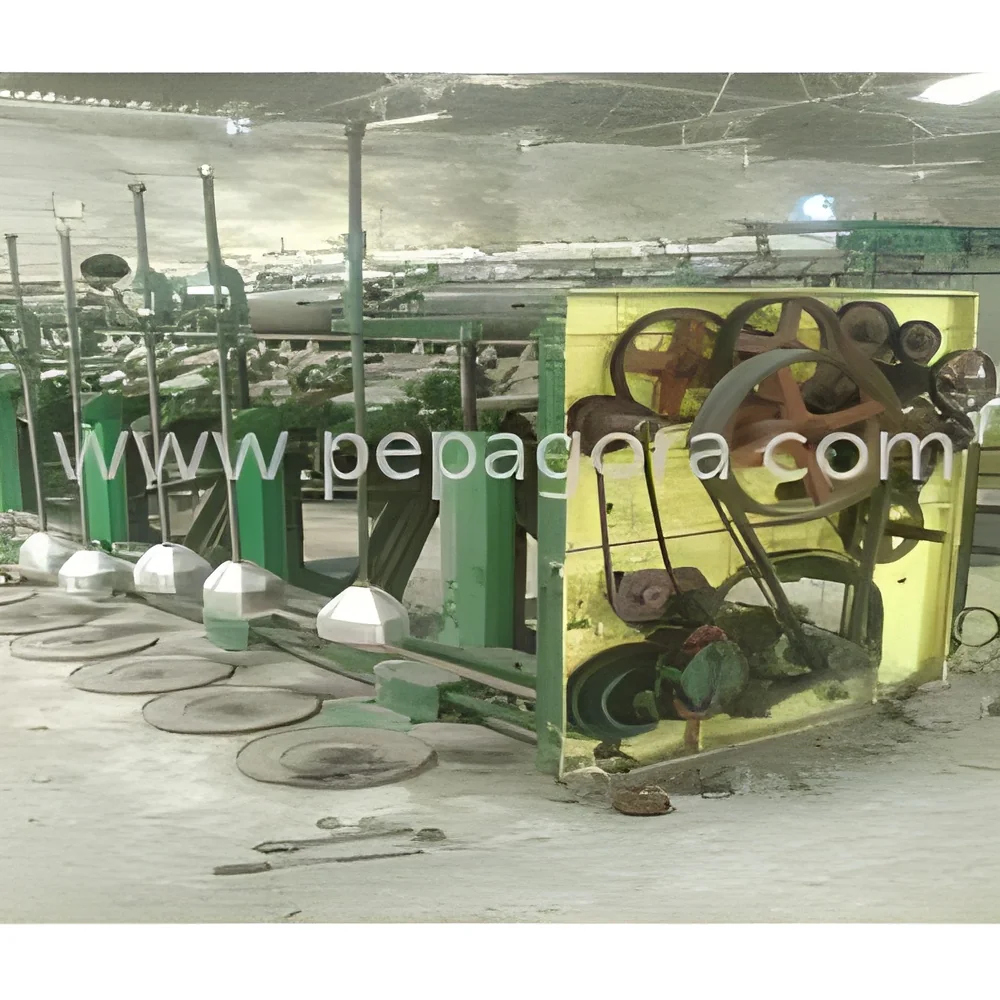
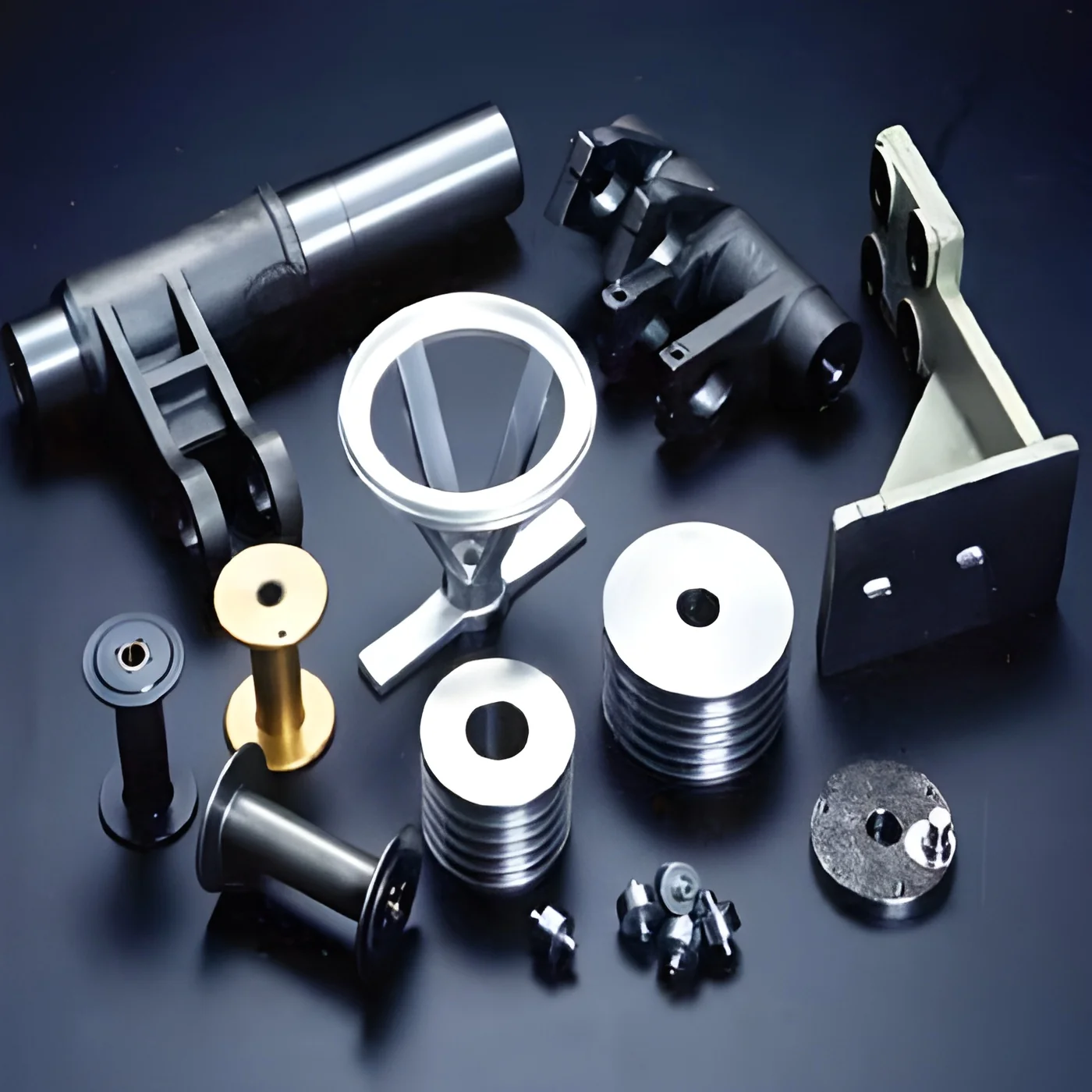
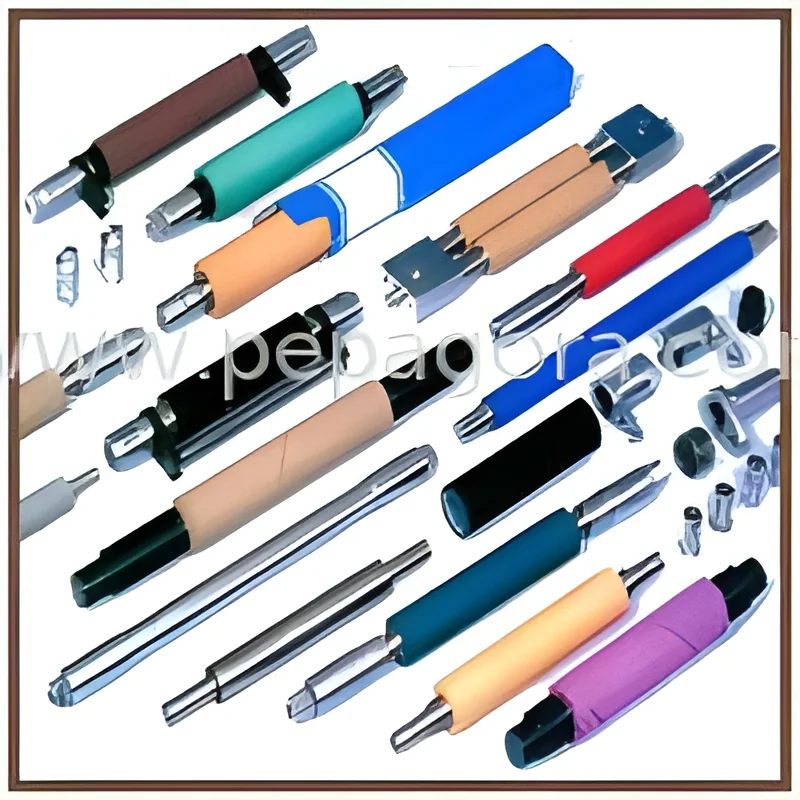
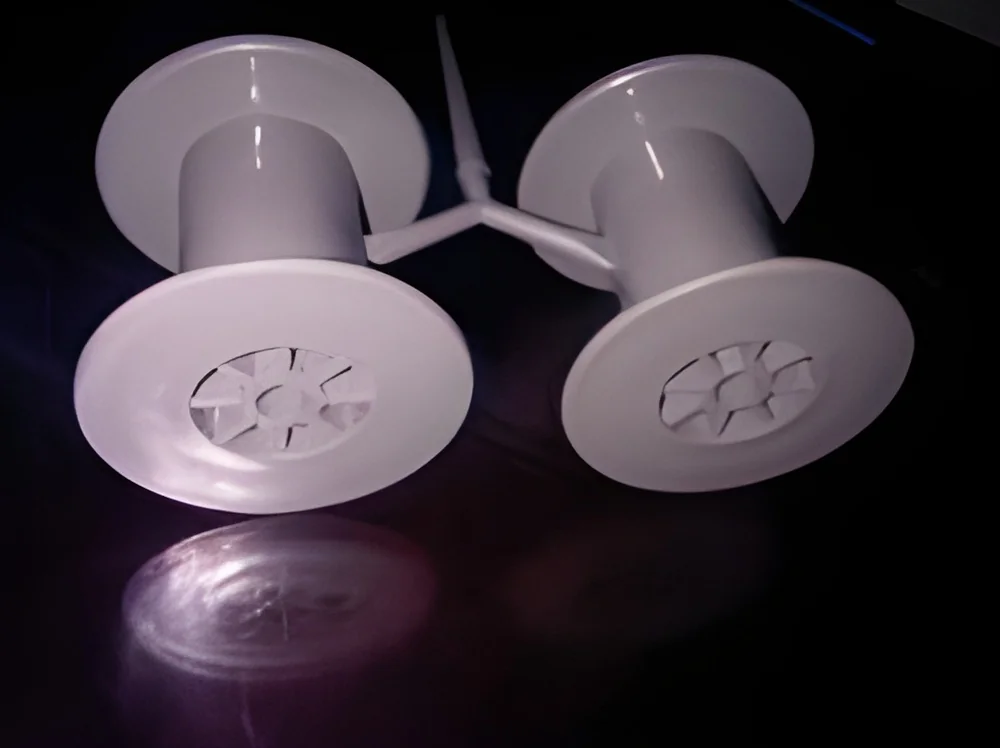
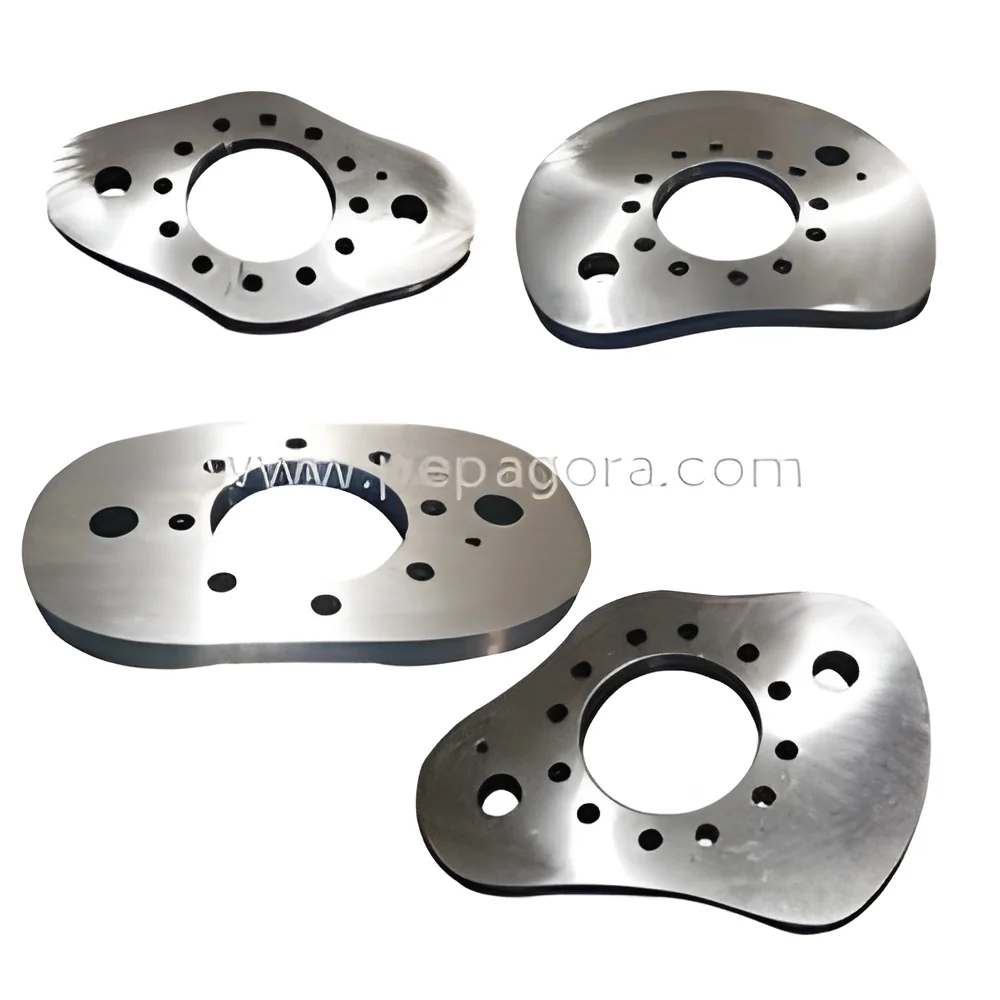
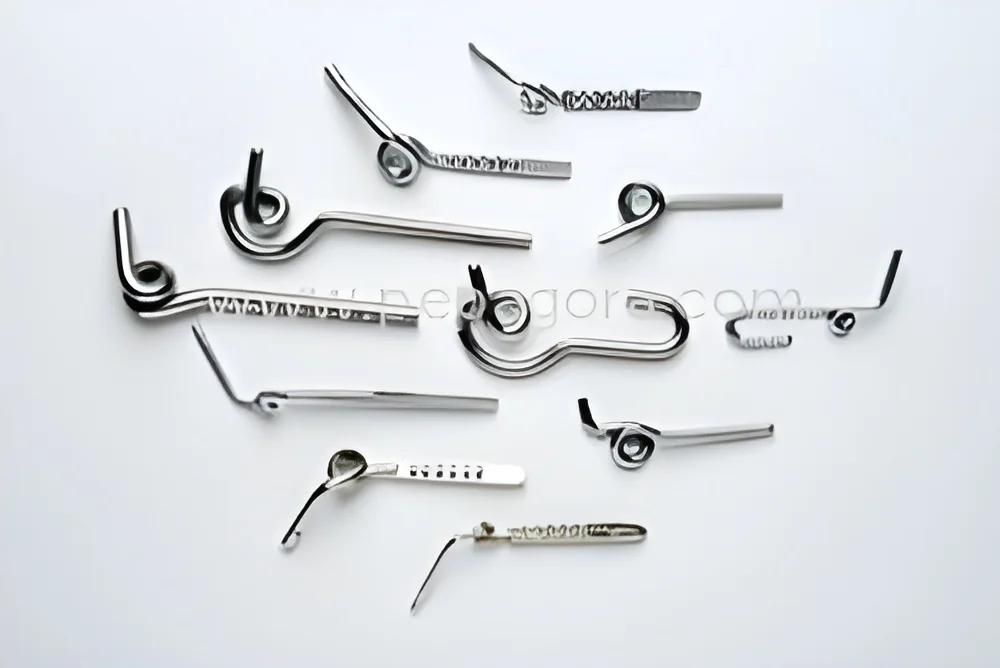
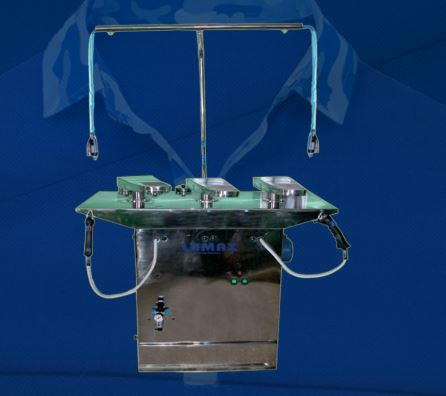
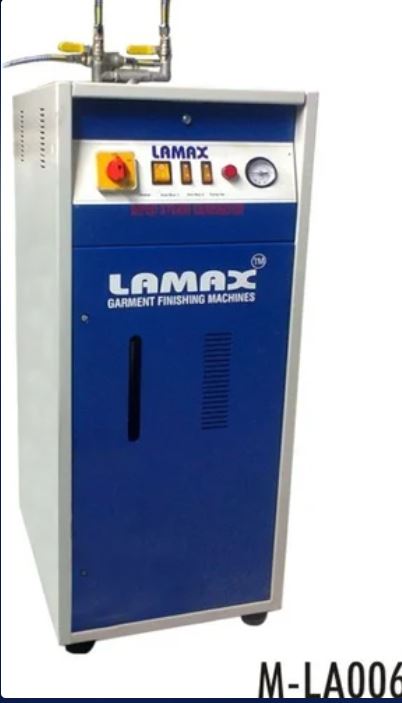
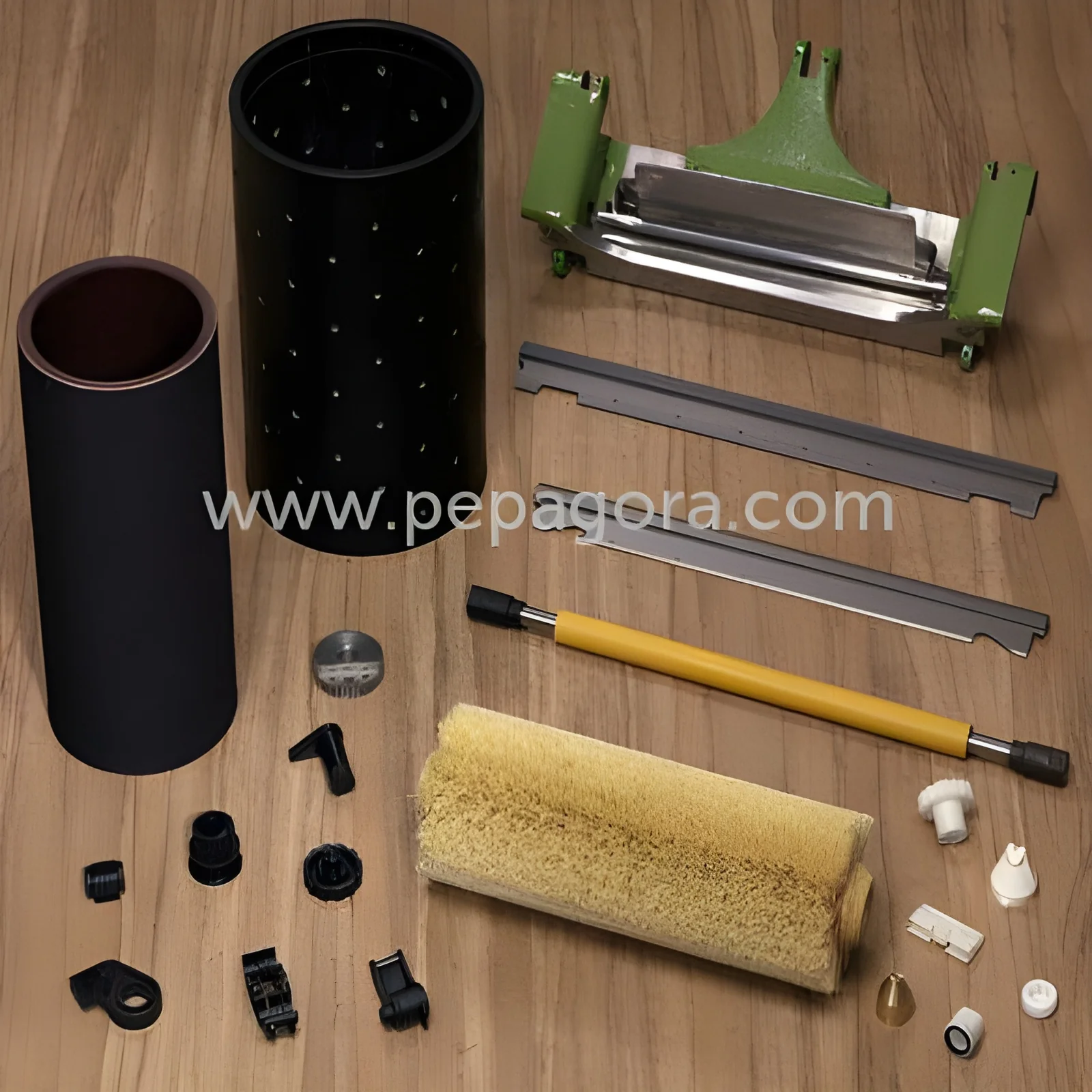
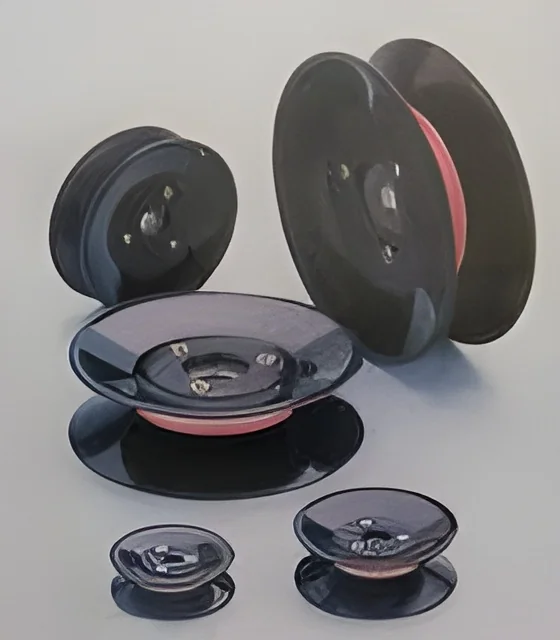
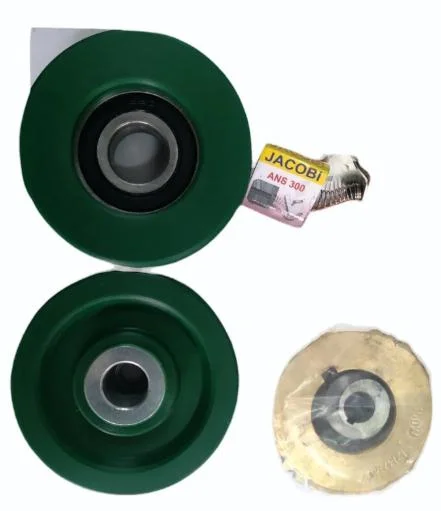
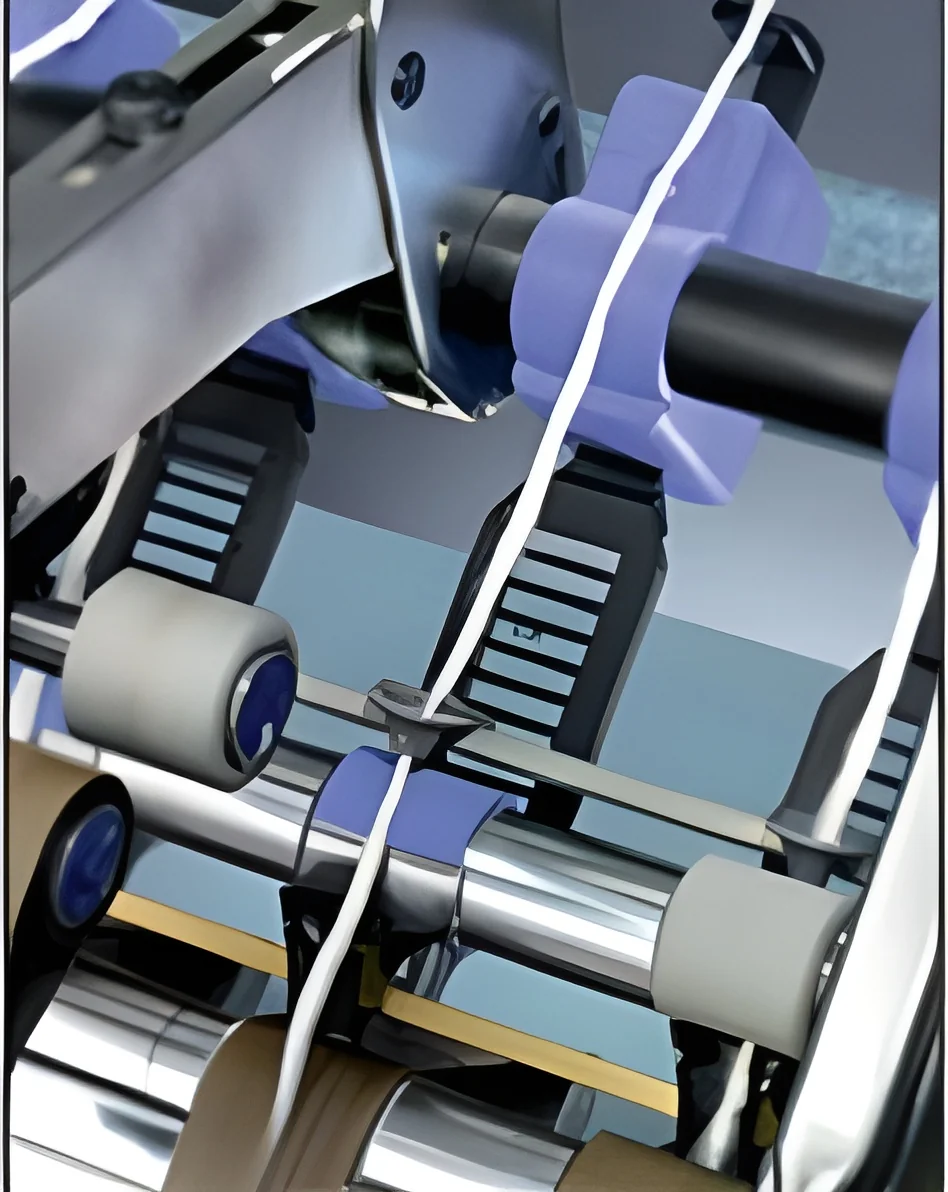
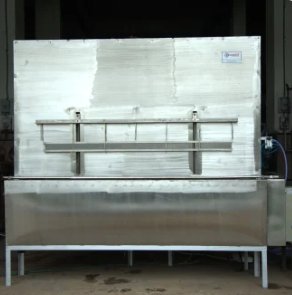
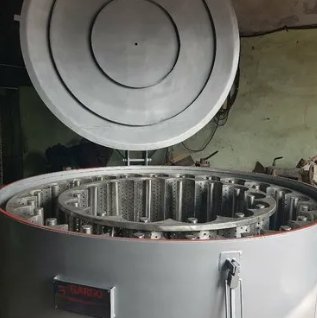
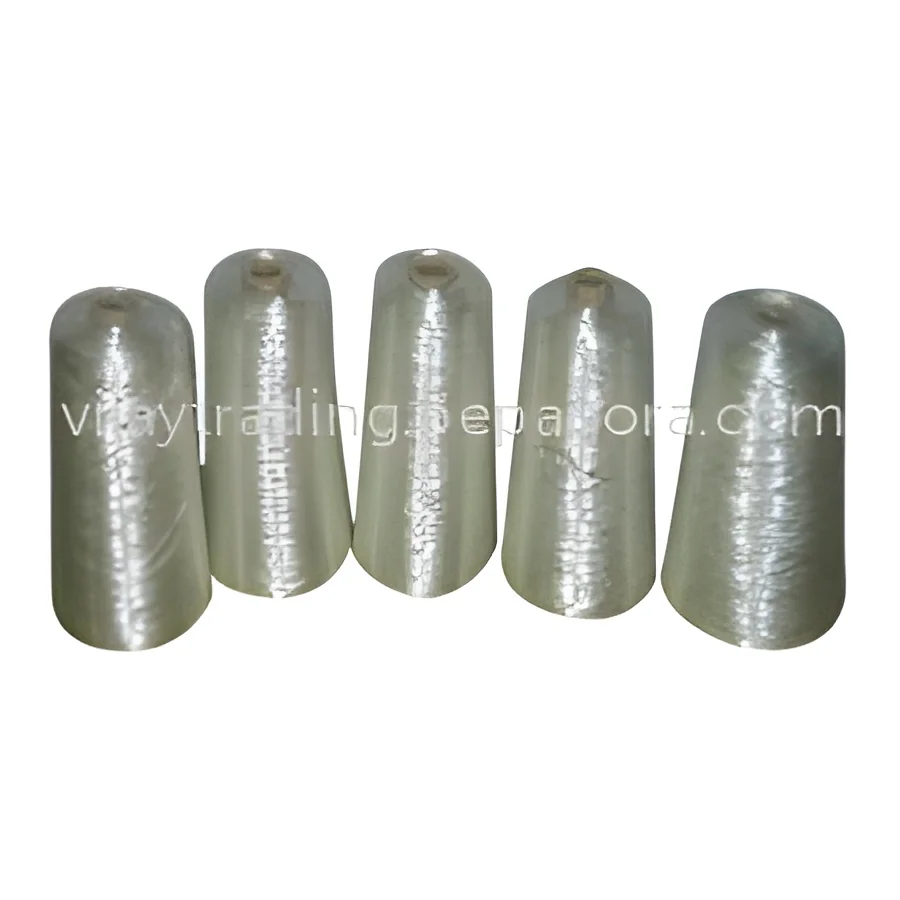
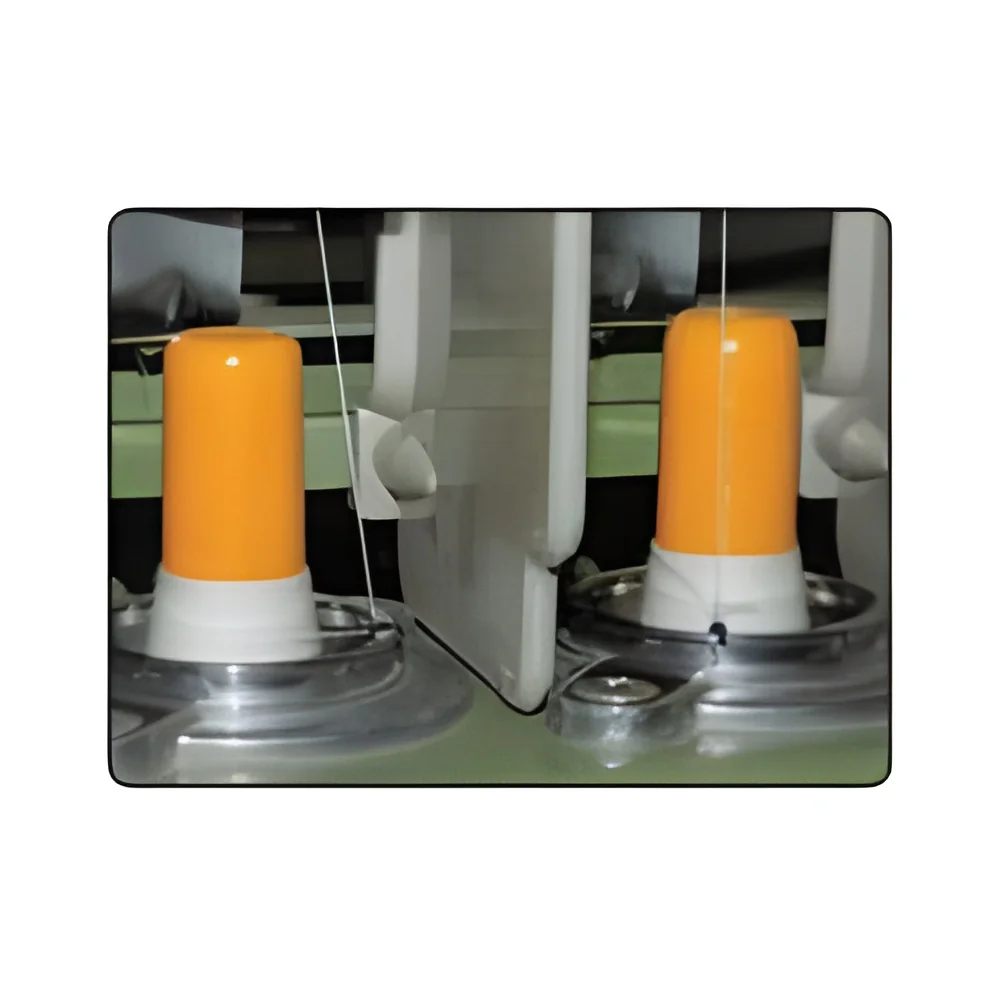
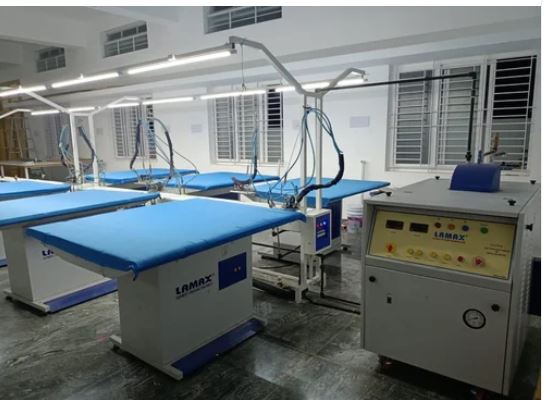
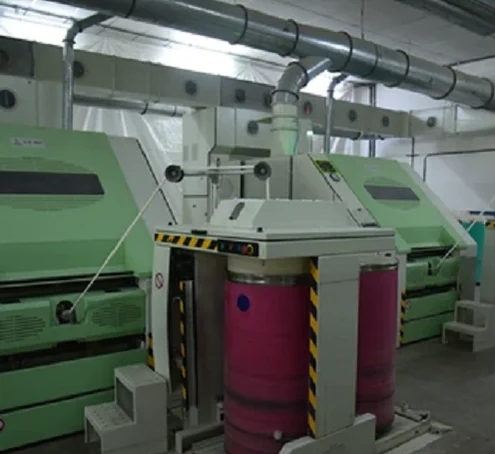
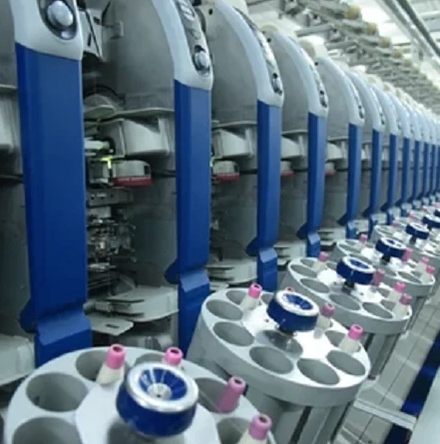
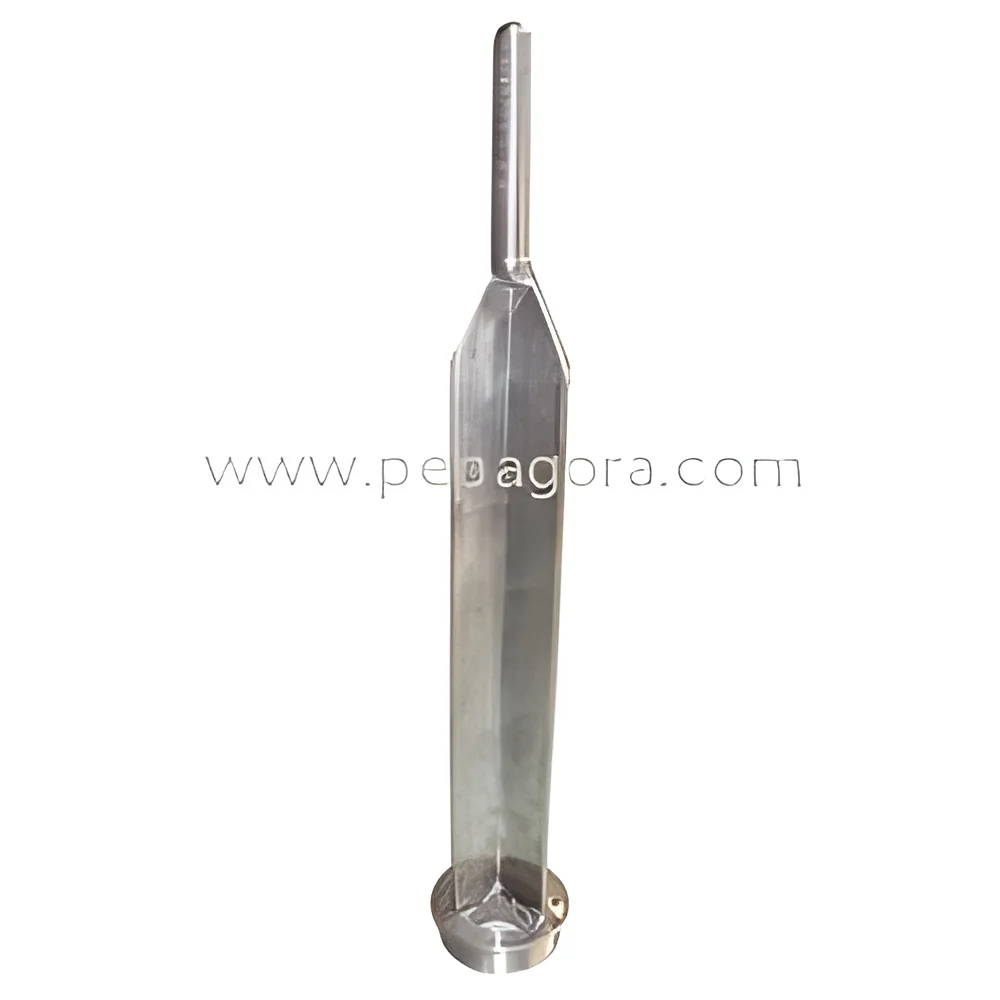
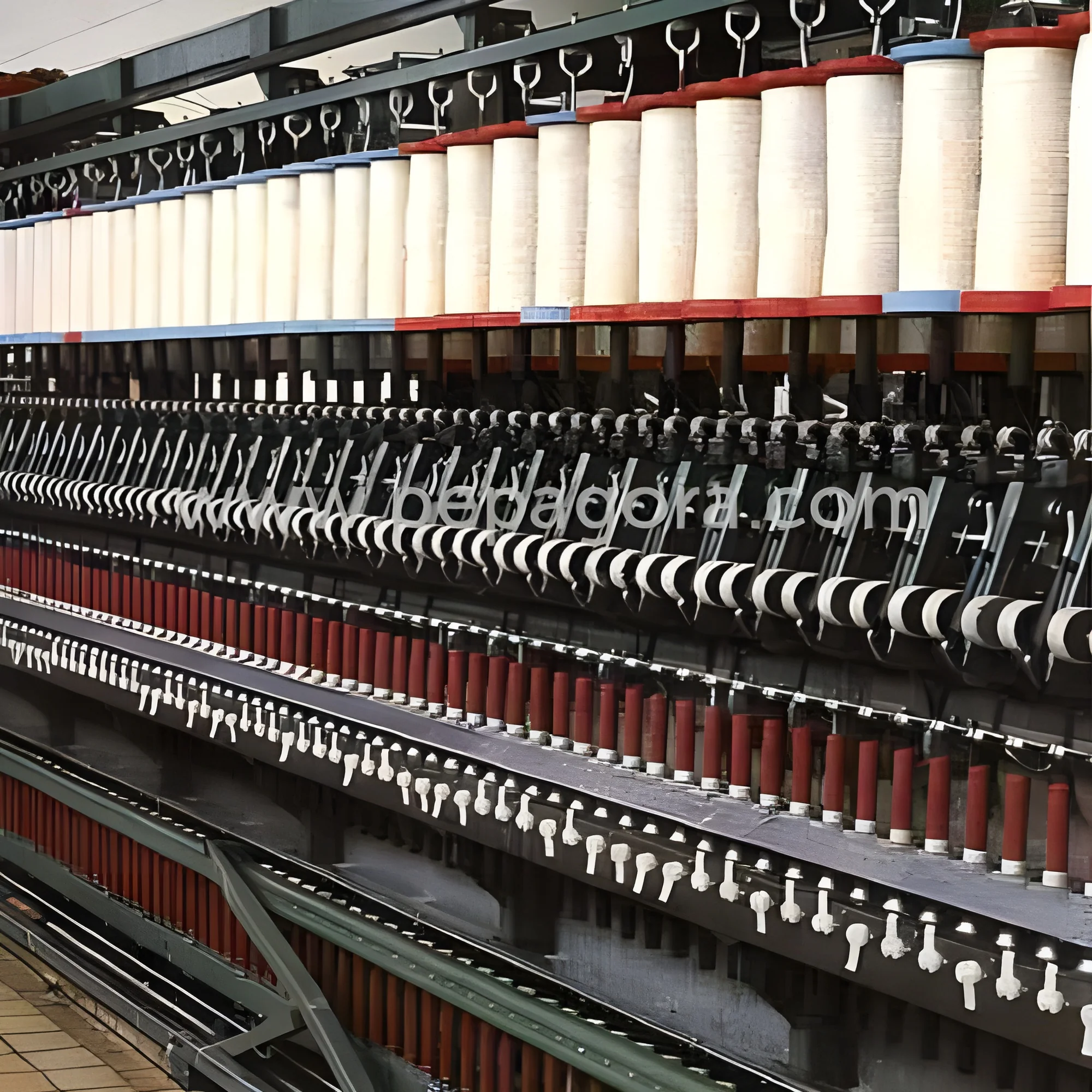
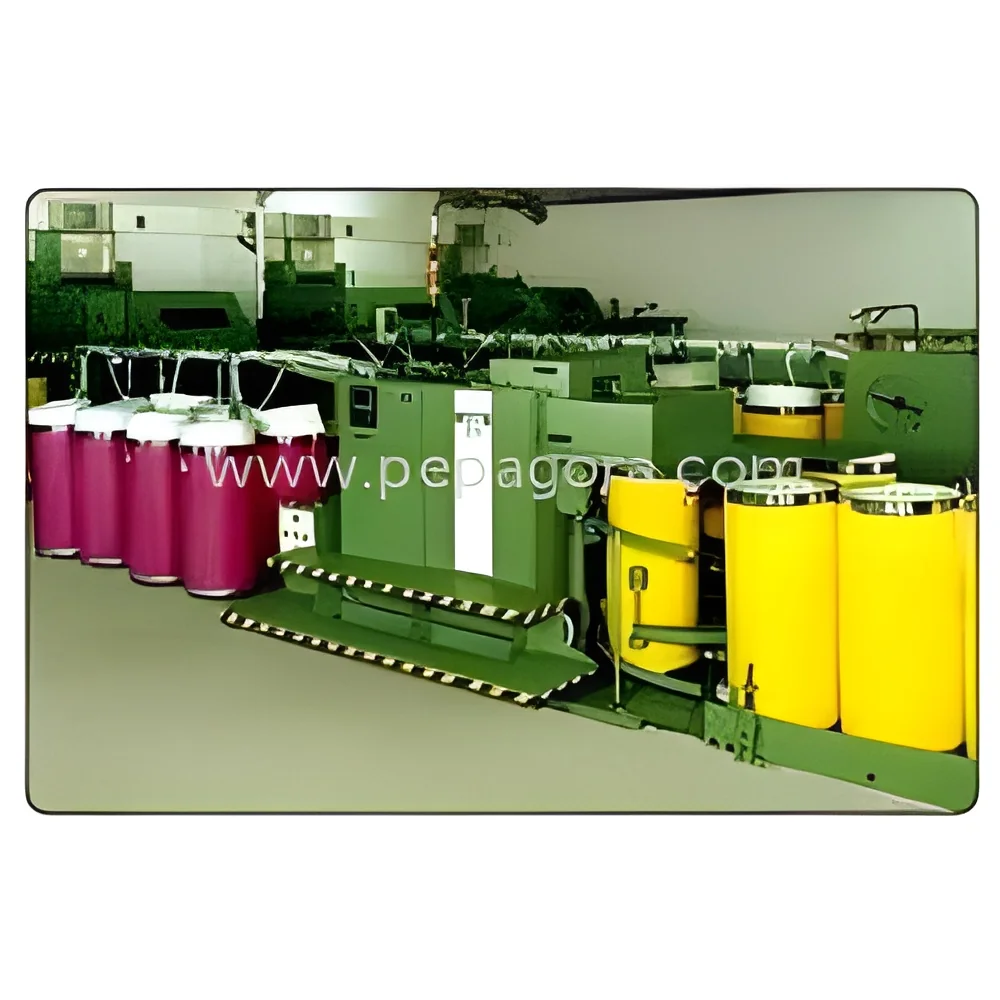
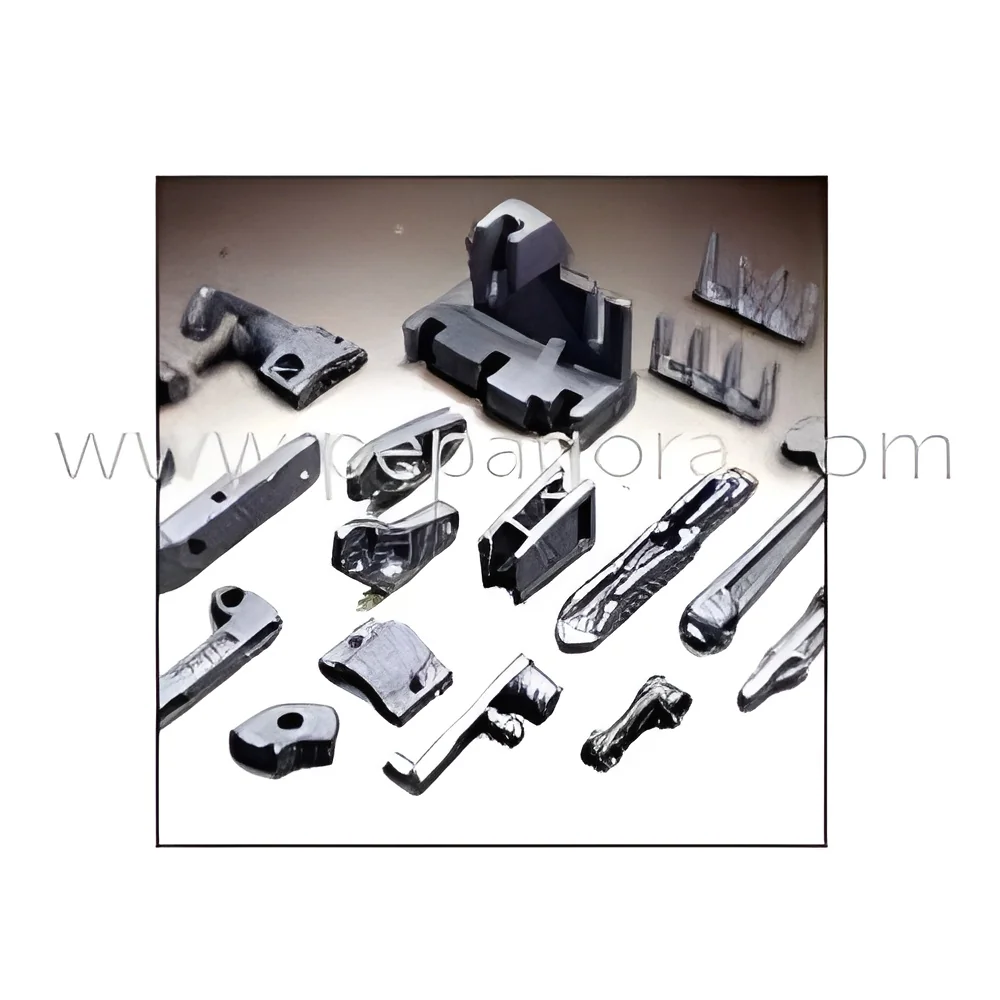
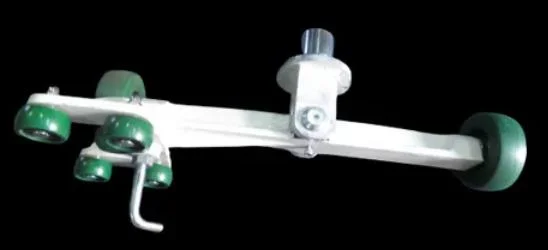
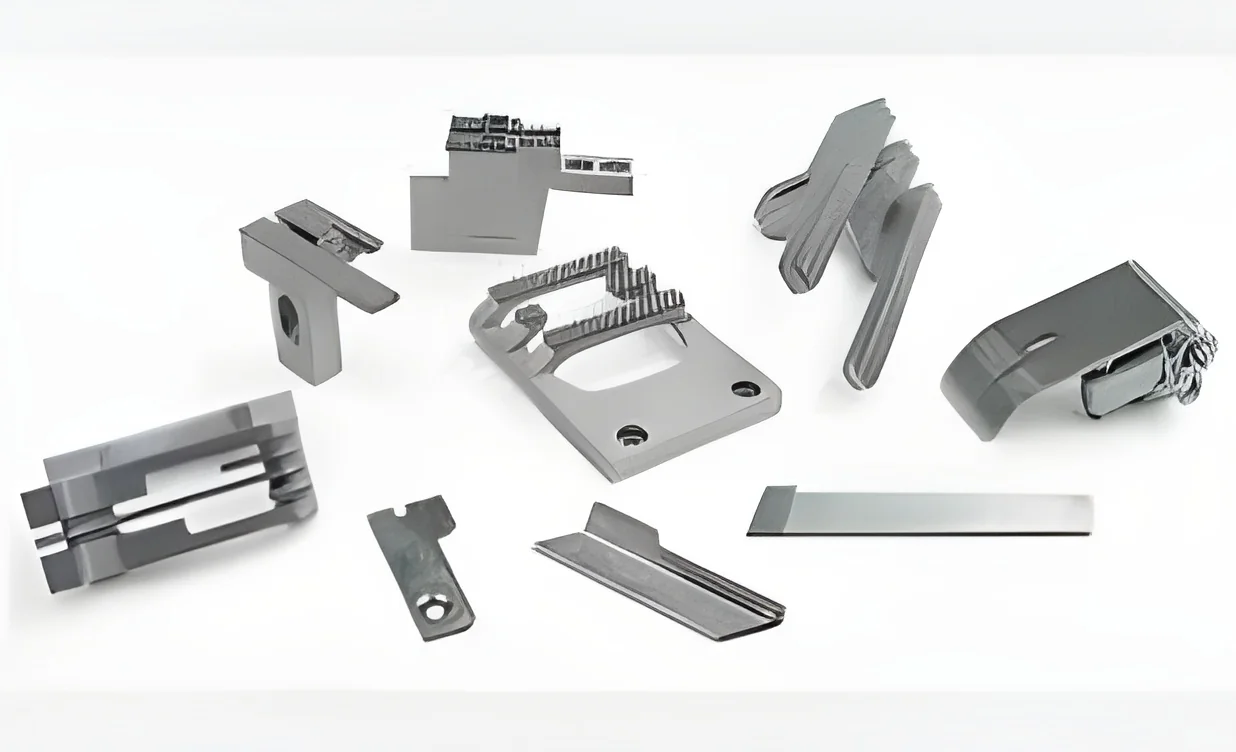
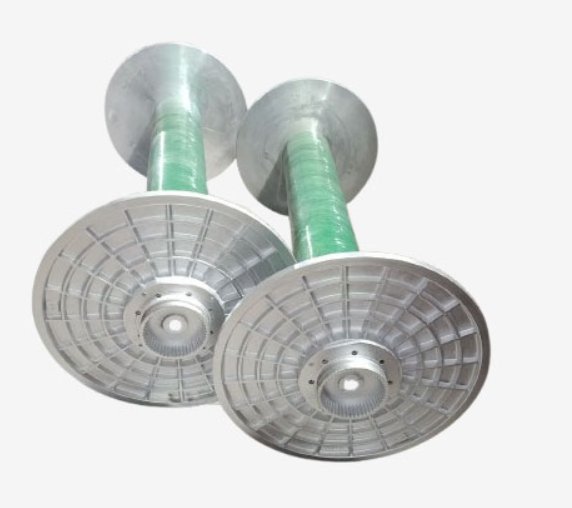
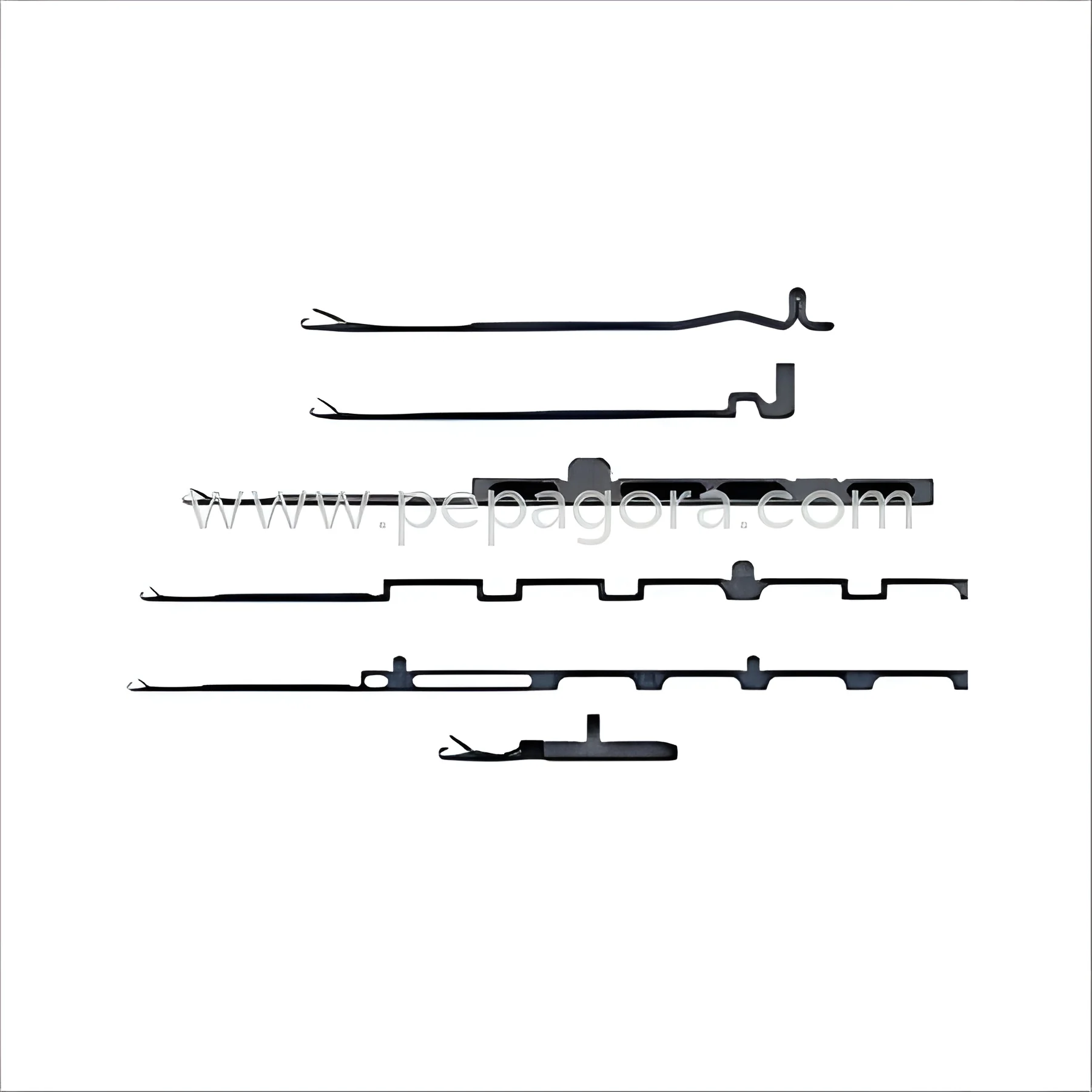
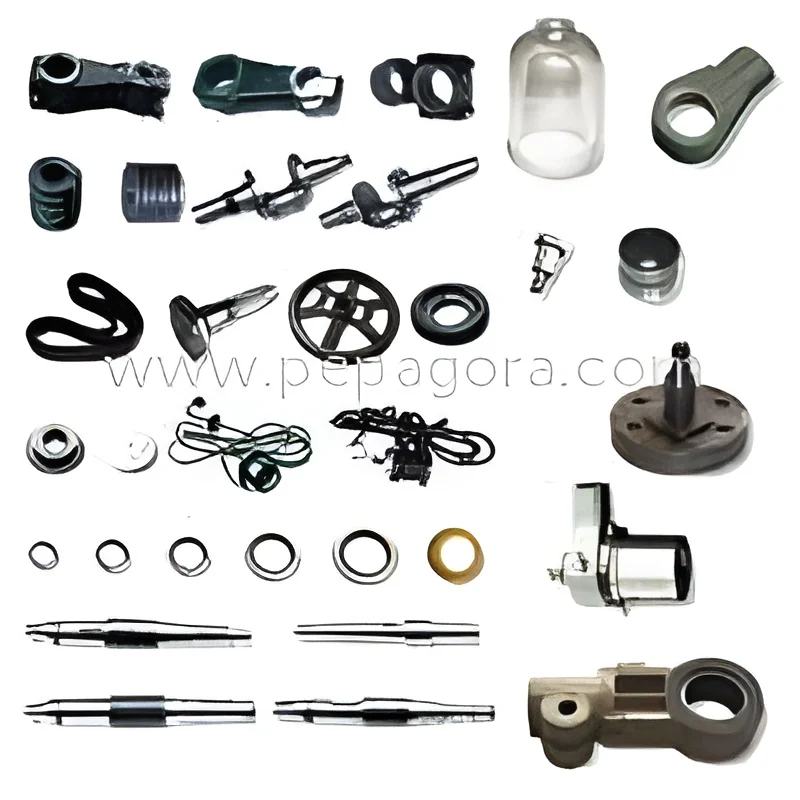
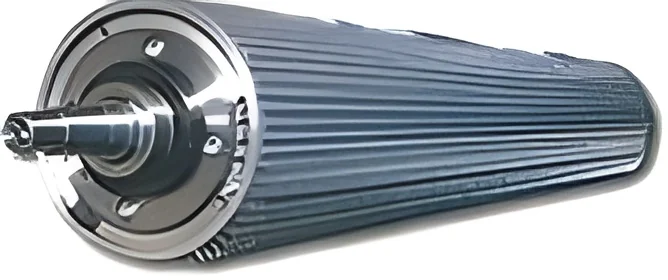
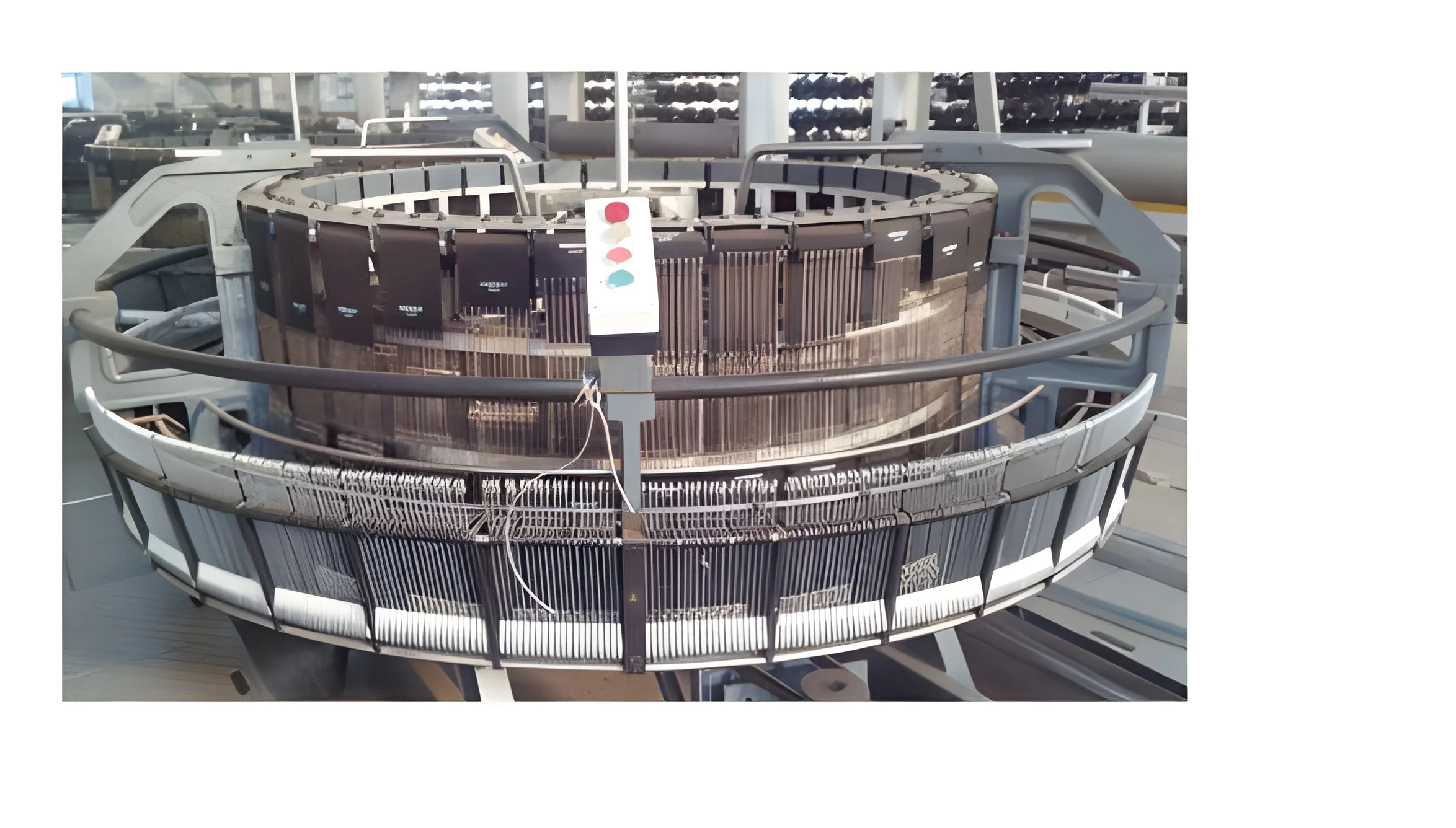
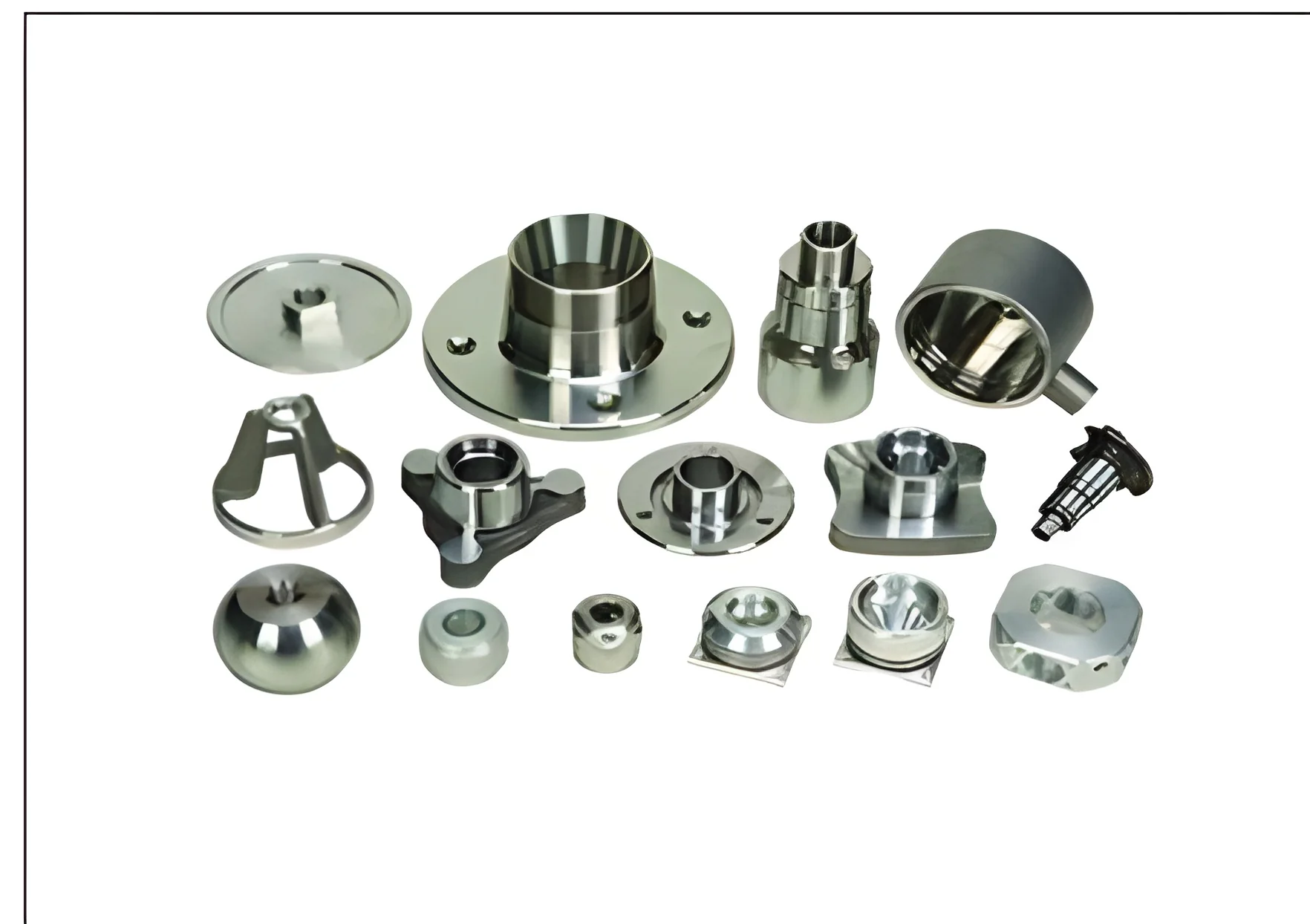
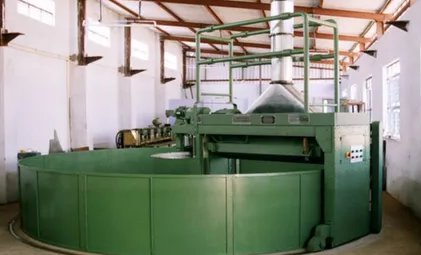
Other Textile Machinery refers to a diverse range of equipment utilized in the textile manufacturing process. This category encompasses various machines that play essential roles in the production of textiles, beyond the common weaving and knitting machines. The machinery can include fabric finishing equipment, dyeing machines, and specialized devices for quality control, among others. Each type of machine is designed to optimize different aspects of textile production, ensuring efficiency and high-quality output.
The primary uses of Other Textile Machinery are found in multiple stages of textile production. Businesses leverage these machines for processes such as fabric treatment, dyeing, and finishing. Each machine serves a specific function; for example, dyeing machines are crucial for applying color to textiles, while finishing machines enhance fabric characteristics like texture and durability. This machinery is vital across various applications, including apparel manufacturing, home textiles, and industrial fabrics.
In the current market context, Other Textile Machinery holds significant relevance due to the increasing demand for high-quality textiles. As the textile industry continues to evolve, manufacturers seek advanced machinery that can keep pace with technological advancements and consumer preferences. The global market for textile machinery is growing, driven by innovations and the need for efficient production processes.
Key Features and Specifications
When considering Other Textile Machinery, it is essential to focus on key features and specifications that enhance performance and reliability. Different machines come with unique specifications designed to meet specific manufacturing needs.
Key specifications include:
1. Fabric Compatibility
- Machines are designed to handle various fabric types, including natural and synthetic fibers.
- Some machines can accommodate multiple fabric weights and textures.
2. Production Capacity
- Equipment varies in production speed, measured in meters per minute or yards per hour.
- Higher capacity machines are suitable for large-scale operations.
3. Energy Efficiency
- Many modern machines incorporate energy-saving technologies.
- Machines may have specific power consumption ratings.
4. Automation Features
- Advanced models offer automation for processes such as loading, dyeing, and finishing.
- Automation reduces labor costs and enhances consistency.
5. Control Systems
- Integrated digital control systems allow precise adjustments of machine settings.
- User-friendly interfaces enable quick operation changes.
6. Maintenance Requirements
- Regular maintenance schedules are crucial for optimal performance.
- Machines may come with self-diagnostic features to alert users of issues.
7. Safety Features
- Safety mechanisms are crucial to protect operators.
- Machines may include emergency stop buttons and safety guards.
8. Compliance Standards
- Equipment should meet industry compliance regulations, such as CE certification.
- Compliance ensures safety and reliability in operation.
The specifications of Other Textile Machinery play a critical role in determining the right equipment for specific manufacturing needs. Understanding these details helps businesses make informed decisions.
Common Applications and Use Cases
Other Textile Machinery serves various industries, providing tailored solutions for diverse textile production needs.
1. Apparel Manufacturing: These machines are used for dyeing and finishing fabrics that are later transformed into garments, ensuring high-quality results.
2. Home Textiles: Equipment in this sector is involved in producing curtains, upholstery, and bedding, where durability and aesthetic appeal are crucial.
3. Industrial Fabrics: Machinery designed for industrial applications creates textiles used in automotive, construction, and other sectors requiring robust fabric solutions.
4. Non-Woven Fabrics: Specialized machinery is used to produce non-woven textiles for medical, hygiene, and filtration applications, where specific material properties are essential.
5. Technical Textiles: Machines in this category allow for the production of textiles engineered for specific functions, such as fire resistance or moisture-wicking properties.
6. Fashion Textiles: These machines cater to the fashion industry, focusing on unique designs and high-quality finishes that meet consumer trends.
7. Sustainable Textiles: Equipment that specializes in eco-friendly processes supports the growing demand for sustainable textile production.
Product Variants and Subcategories
The diversity of Other Textile Machinery allows for various product variants, each with distinct features and applications.
Dyeing Machines: These machines are essential for applying color to fabrics. They are designed for efficiency and can handle large batches, ensuring even dye distribution and high-quality finishes.
Finishing Machines: Used to enhance the texture and appearance of fabric, finishing machines can apply treatments like softening, water resistance, and flame retardance.
Quality Control Equipment: This machinery is crucial for inspecting and testing textiles for defects, ensuring that the finished product meets quality standards.
Benefits and Advantages
Investing in Other Textile Machinery offers numerous benefits that enhance operational efficiency and product quality.
1. Increased Productivity: Advanced machinery allows for faster production cycles, significantly boosting output.
2. Enhanced Quality: High-quality machinery ensures consistent results, reducing defects and improving overall product quality.
3. Flexibility: Many machines are adaptable to various fabric types and production processes, allowing businesses to respond quickly to market changes.
4. Cost Efficiency: Energy-efficient machinery helps reduce operational costs over time, leading to significant savings.
5. Automation Benefits: Automated processes minimize labor costs and improve precision, resulting in less waste and higher profitability.
6. Compliance Assurance: Machinery that meets industry standards ensures safety and reliability, giving businesses confidence in their production processes.
Buying Guide for B2B Buyers
When sourcing Other Textile Machinery, it is crucial to consider various factors that influence the purchasing decision.
1. Quality Assessment: Buyers should evaluate the machine's build quality, reliability, and past performance. Reviewing customer testimonials and product reviews can provide insights into quality.
2. Supplier Verification: It is essential to vet suppliers for credibility and reliability. Checking for certifications, customer feedback, and industry reputation can help ensure a trustworthy partnership.
3. Pricing and MOQ: Understanding the pricing structure and minimum order quantities (MOQ) is vital for budgeting and financial planning. Buyers should compare quotes from multiple suppliers.
4. Delivery and Lead Times: Buyers must discuss logistics and delivery schedules to align with production timelines. Clear communication about lead times is essential.
5. Compliance Requirements: Ensuring that the machinery complies with relevant regulations and certifications is critical for safe operation and market acceptance. Knowledge of local compliance standards can prevent future issues.
Compliance and Certifications
Compliance and certifications are vital aspects of Other Textile Machinery that ensure quality and safety standards are met.
Relevant quality standards, such as ISO 9001, guarantee that manufacturing processes adhere to internationally recognized quality management principles. This certification helps maintain consistency and reliability in production.
Industry certifications like CE indicate that the machinery meets European health, safety, and environmental protection standards. Such certifications are essential for accessing certain markets and ensuring the safety of operators and end-users.
Safety and testing requirements are critical in the textile industry. Machinery must undergo rigorous testing to ensure it operates safely and efficiently. Compliance with local and international safety regulations is necessary to avoid legal issues and maintain a good reputation.
Regional compliance considerations involve understanding specific regulations that vary by location. Buyers should be aware of local laws and standards that may affect the operation and sale of textile machinery.
Why Source Other Textile Machinery from Pepagora?
Pepagora provides a trusted platform for sourcing Other Textile Machinery with several key advantages that benefit B2B buyers.
Verified Supplier Network: Pepagora ensures that all suppliers on its platform are thoroughly vetted, providing buyers with confidence in the quality and reliability of the machinery offered.
Streamlined RFQ Process: The platform simplifies the request for quotation (RFQ) process, allowing buyers to easily compare multiple suppliers and quickly obtain competitive quotes tailored to their needs.
Trade Assurance and Support: Pepagora offers trade assurance, protecting buyers against potential risks associated with purchasing machinery. This support helps ensure a smooth transaction process.
Regional Coverage: With a strong presence in India, the GCC, and Southeast Asia, Pepagora connects buyers with a wide range of suppliers, enhancing accessibility and options for sourcing Other Textile Machinery.

 IN
IN