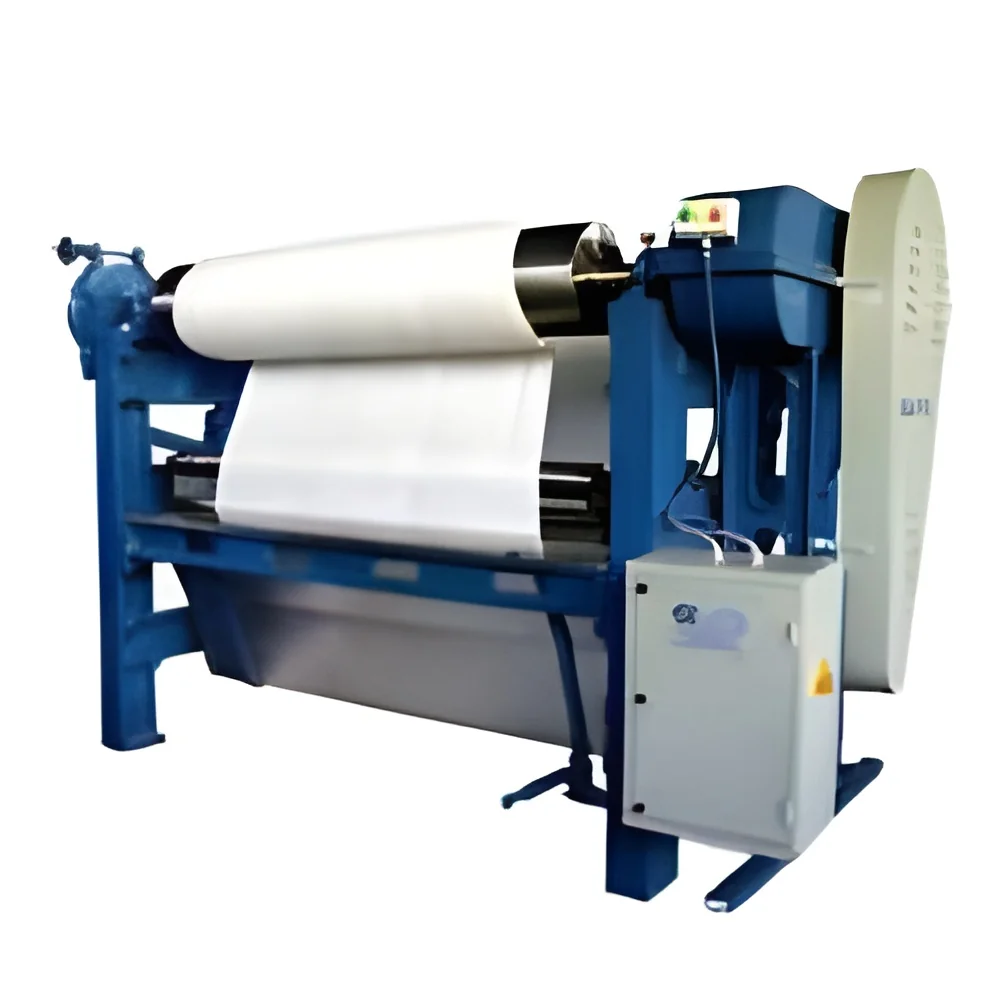
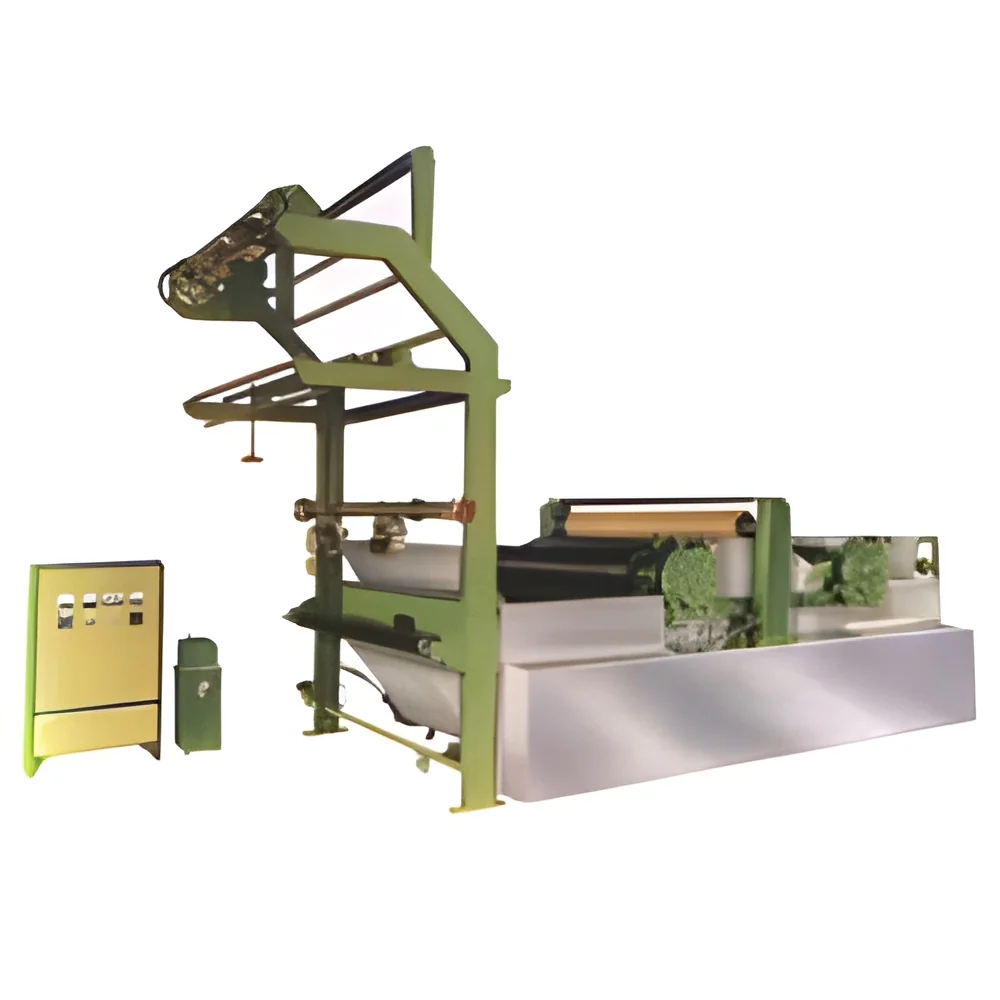
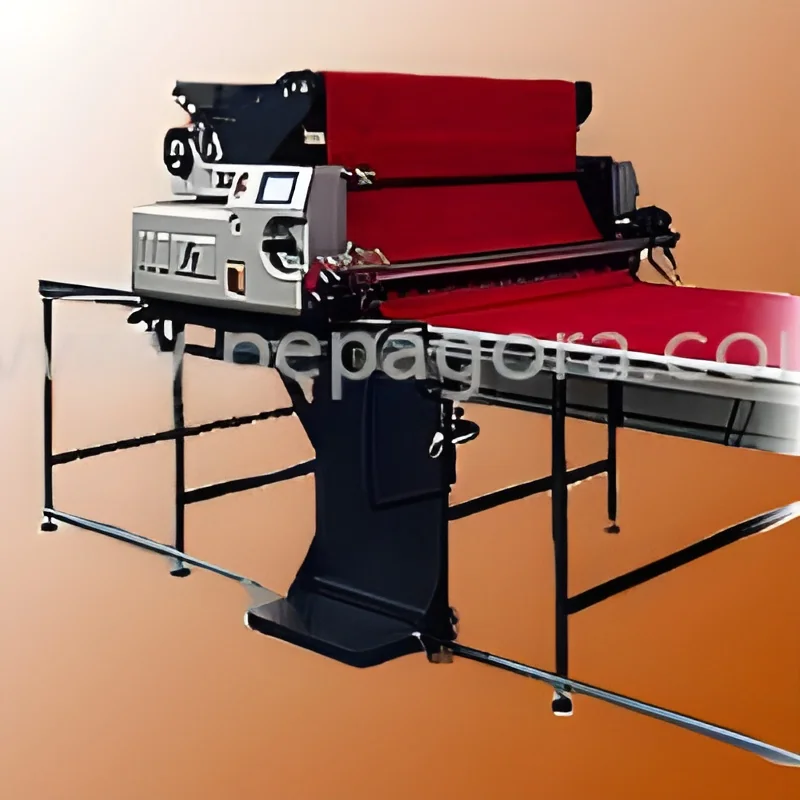
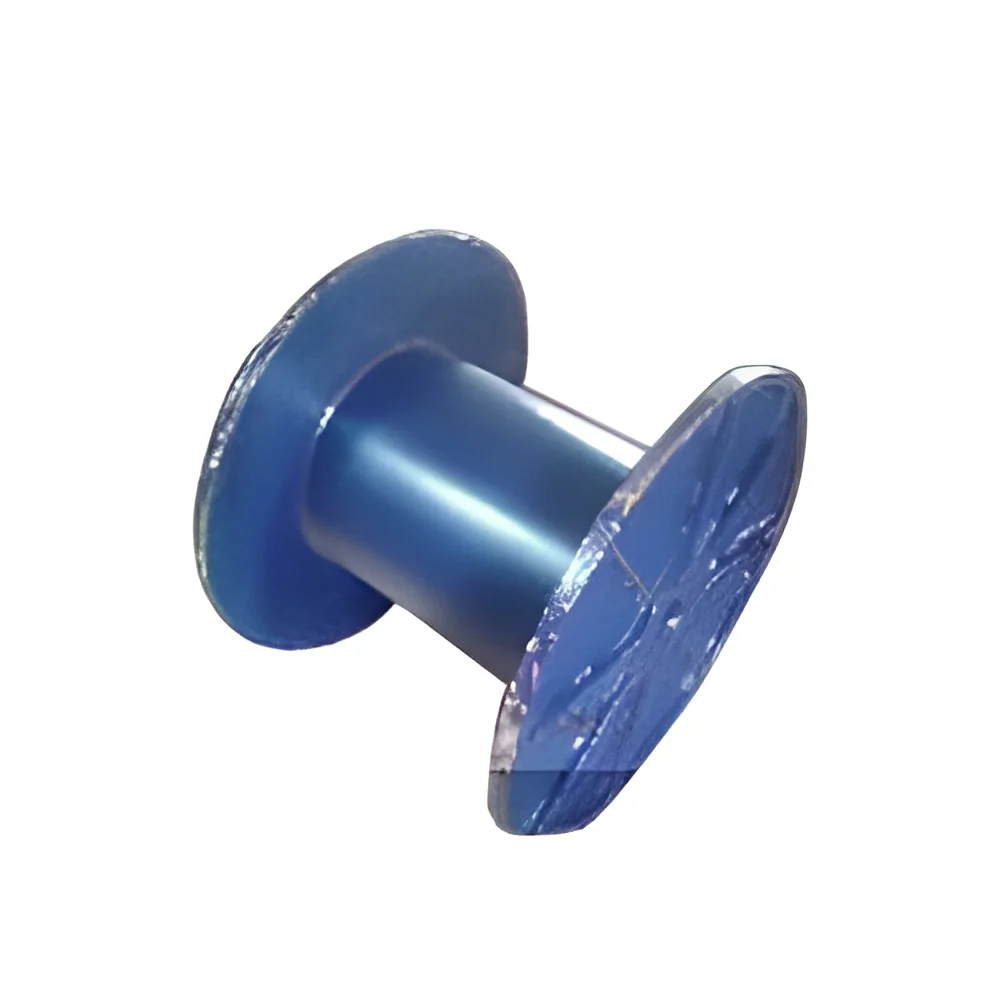
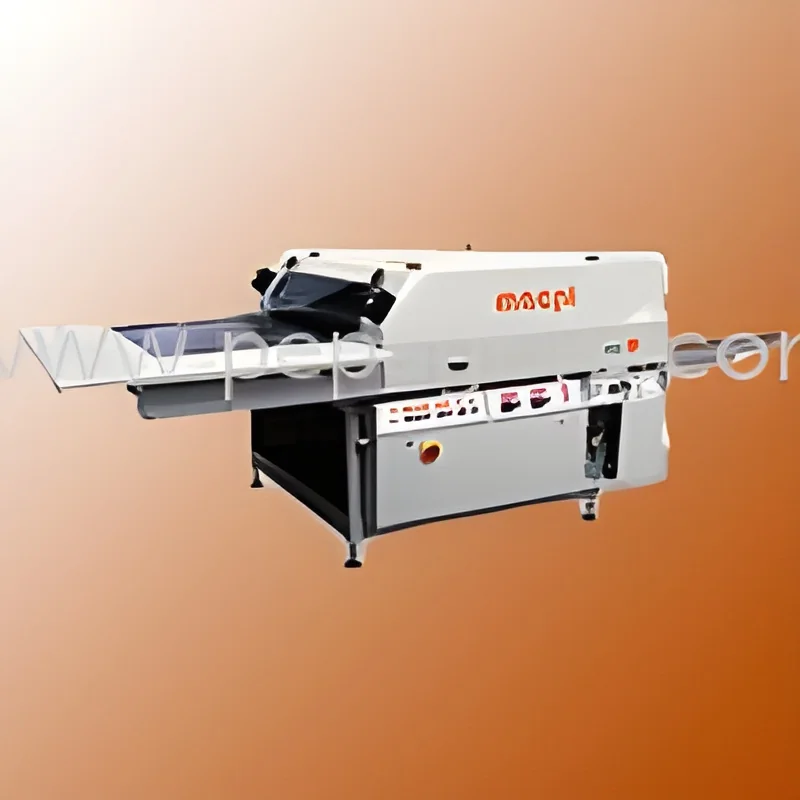
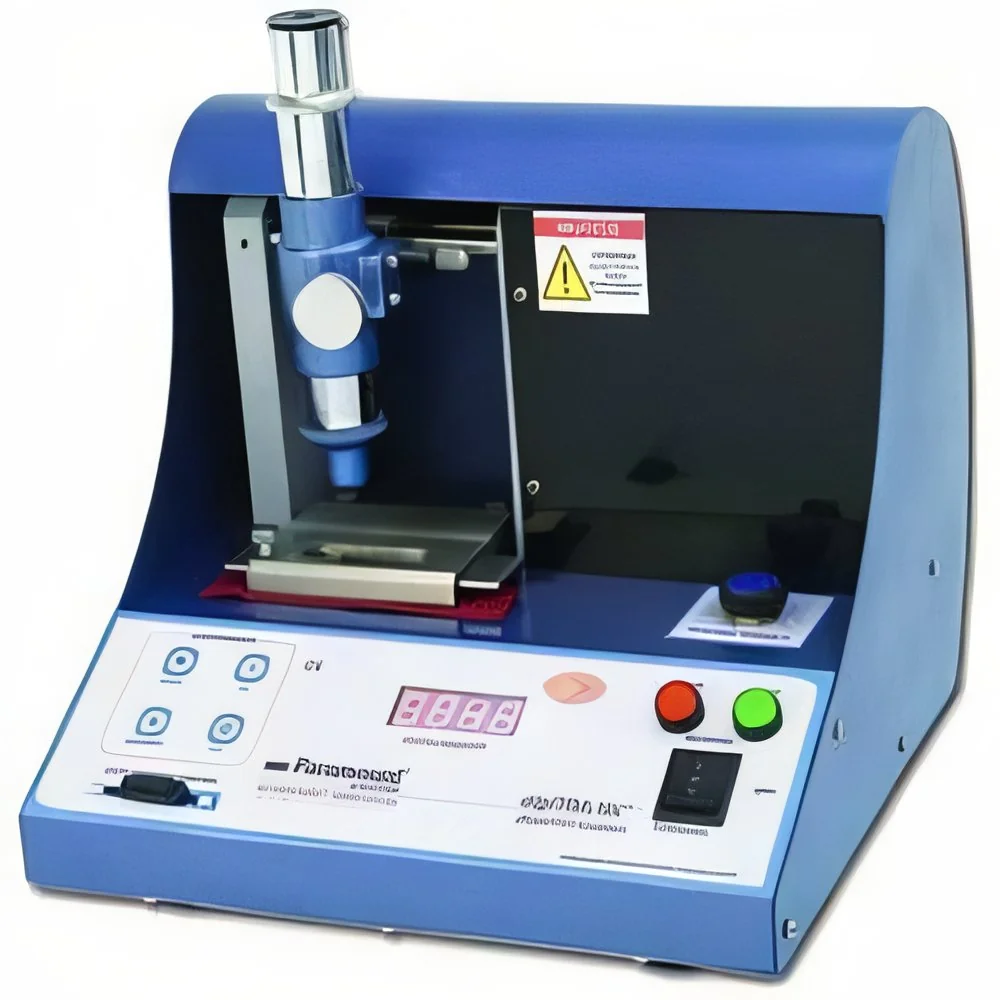
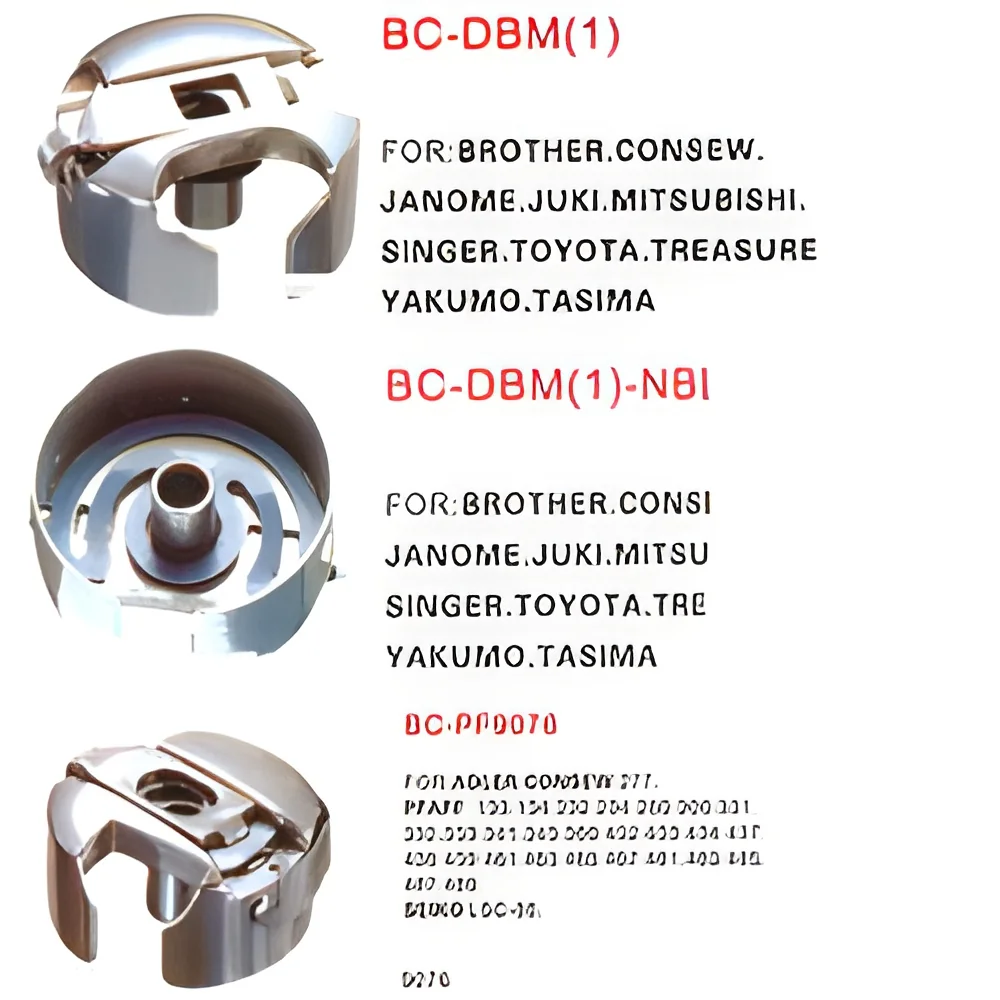
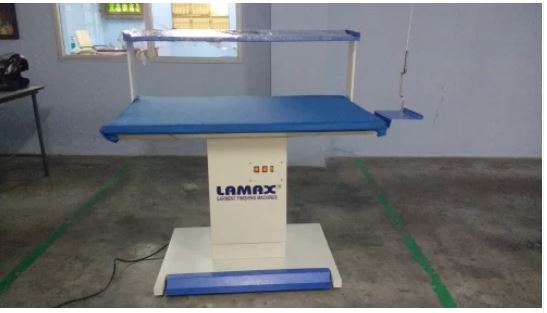
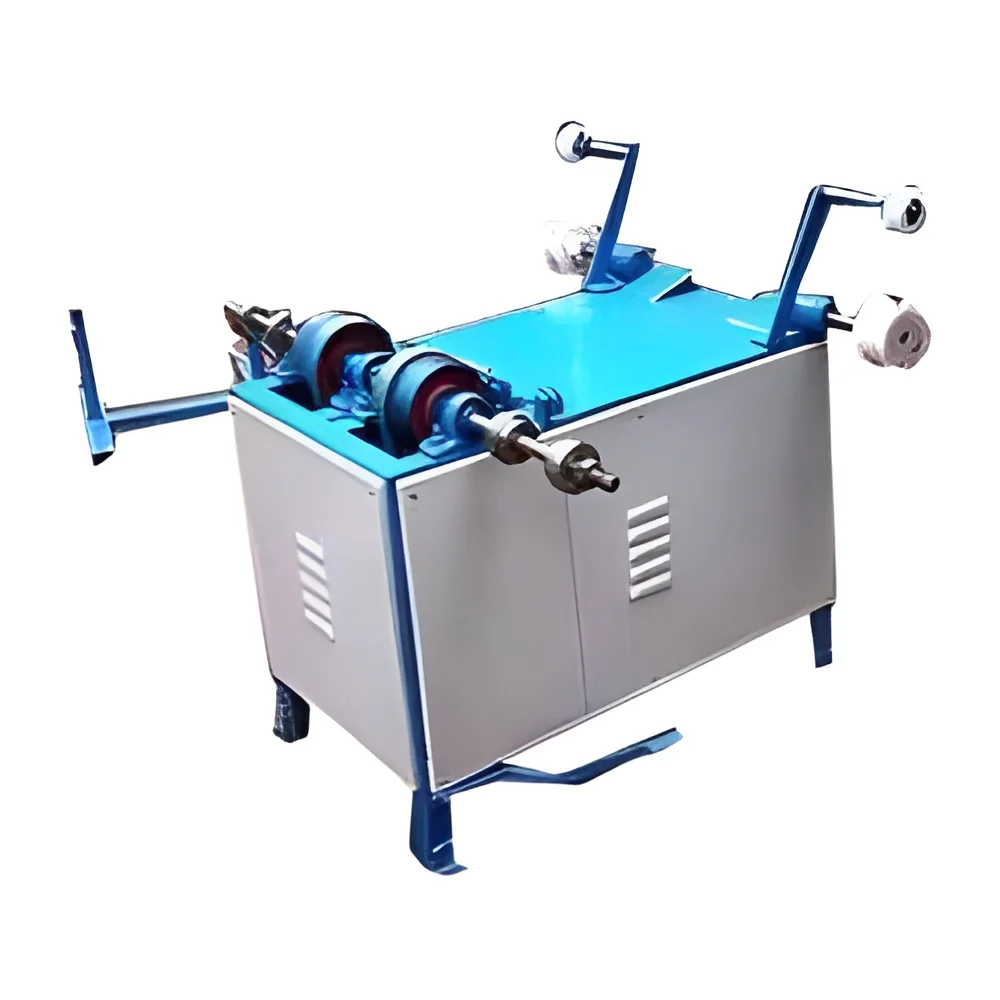
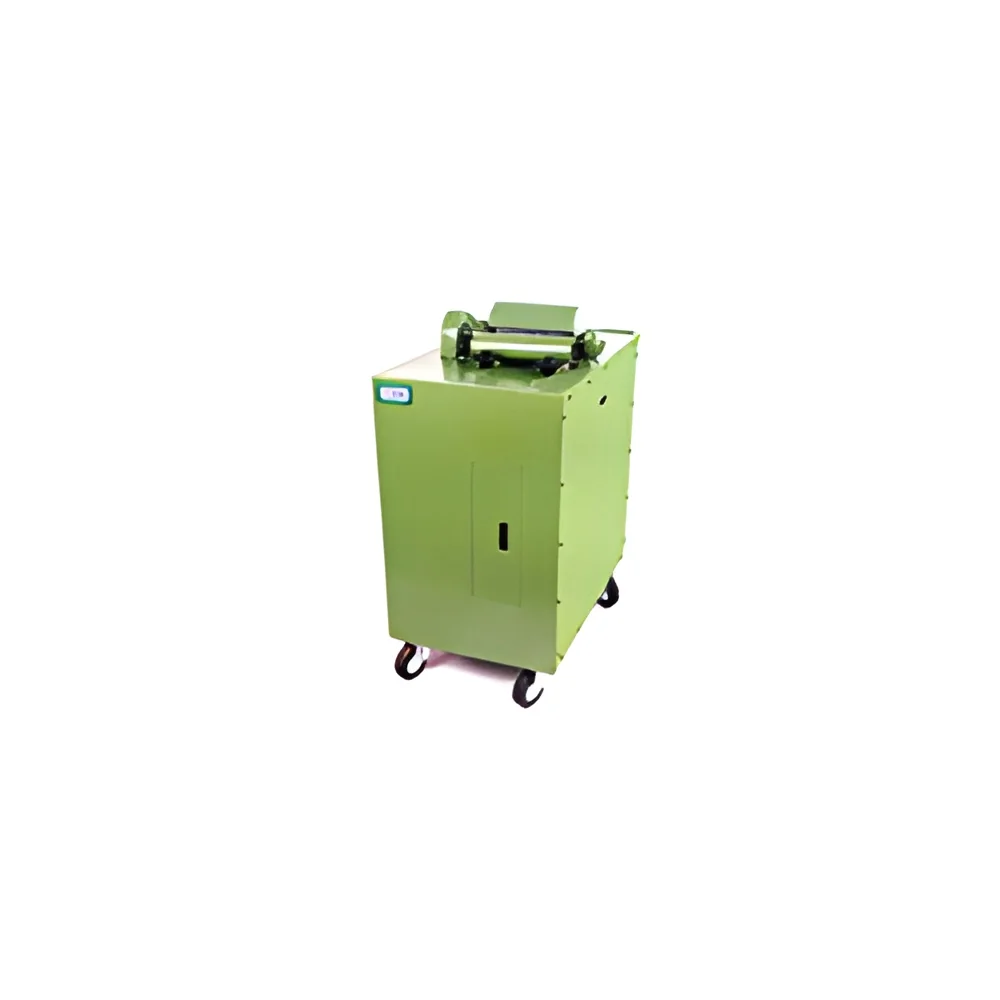
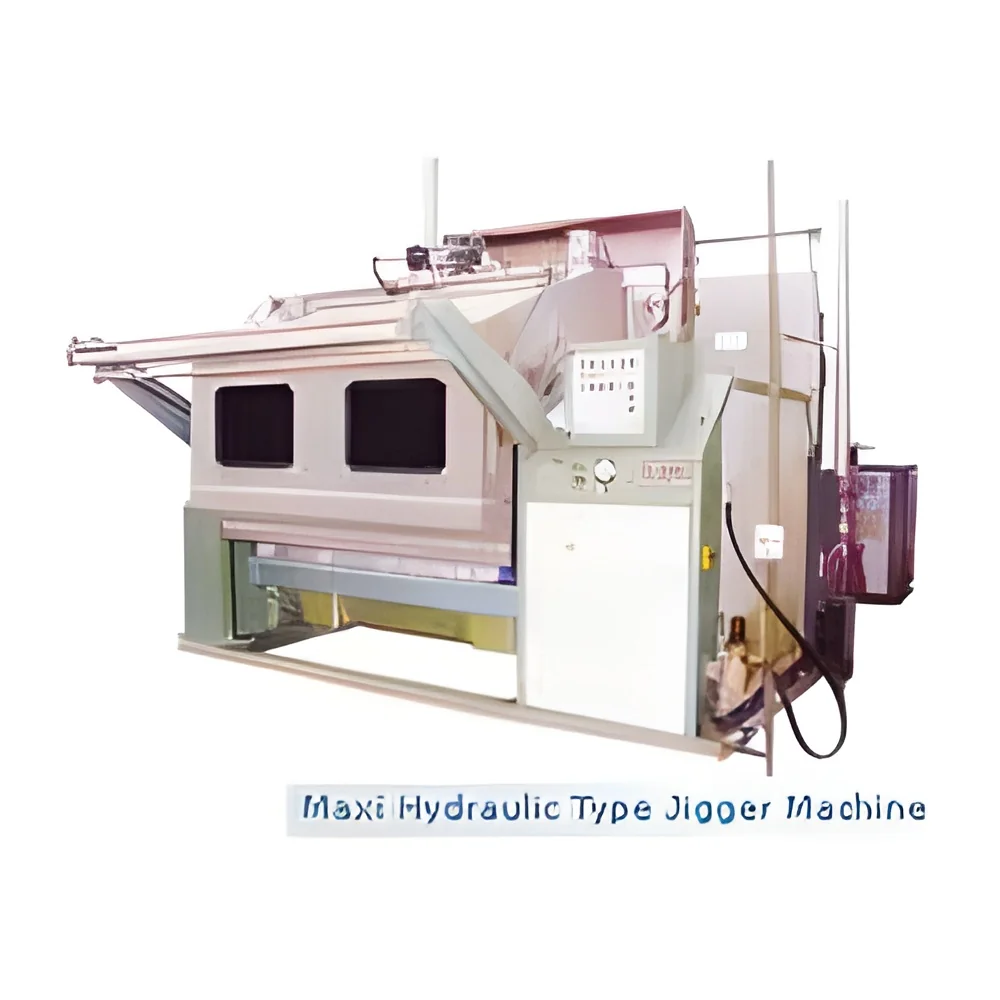
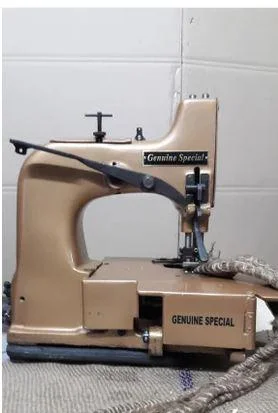
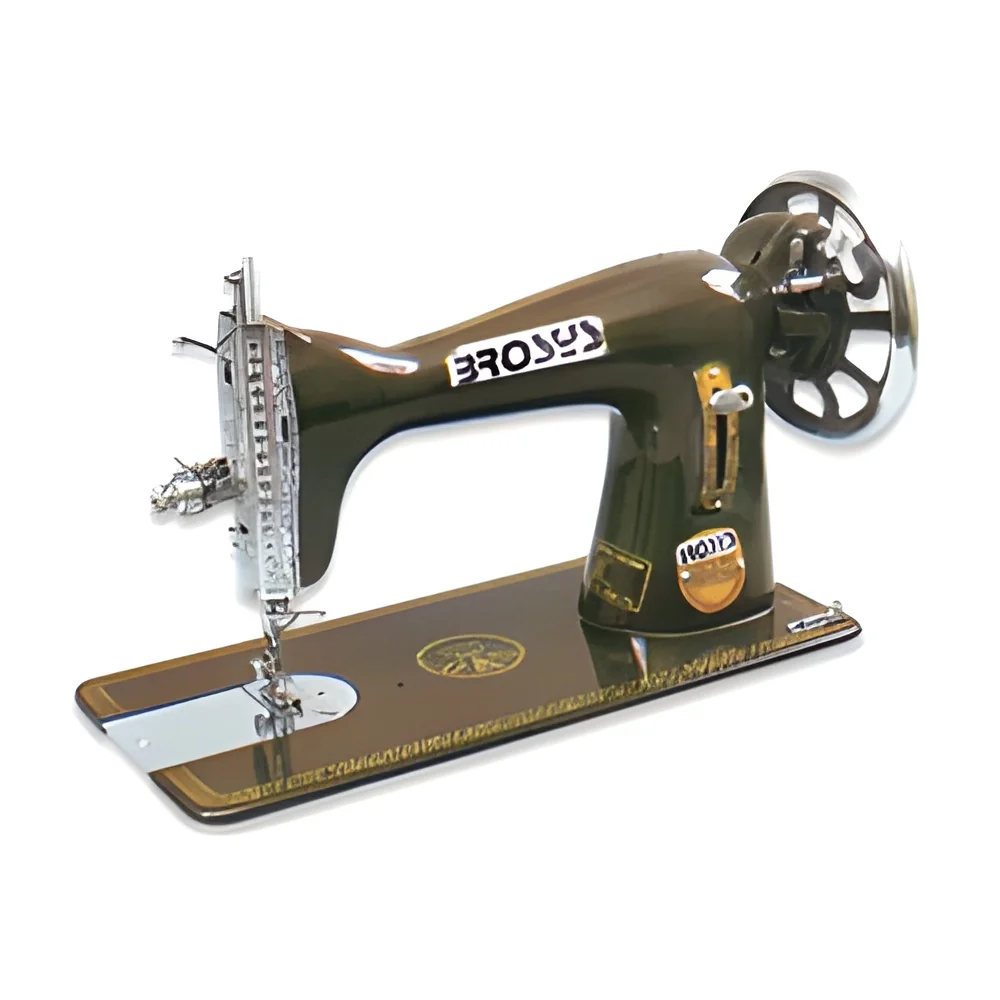
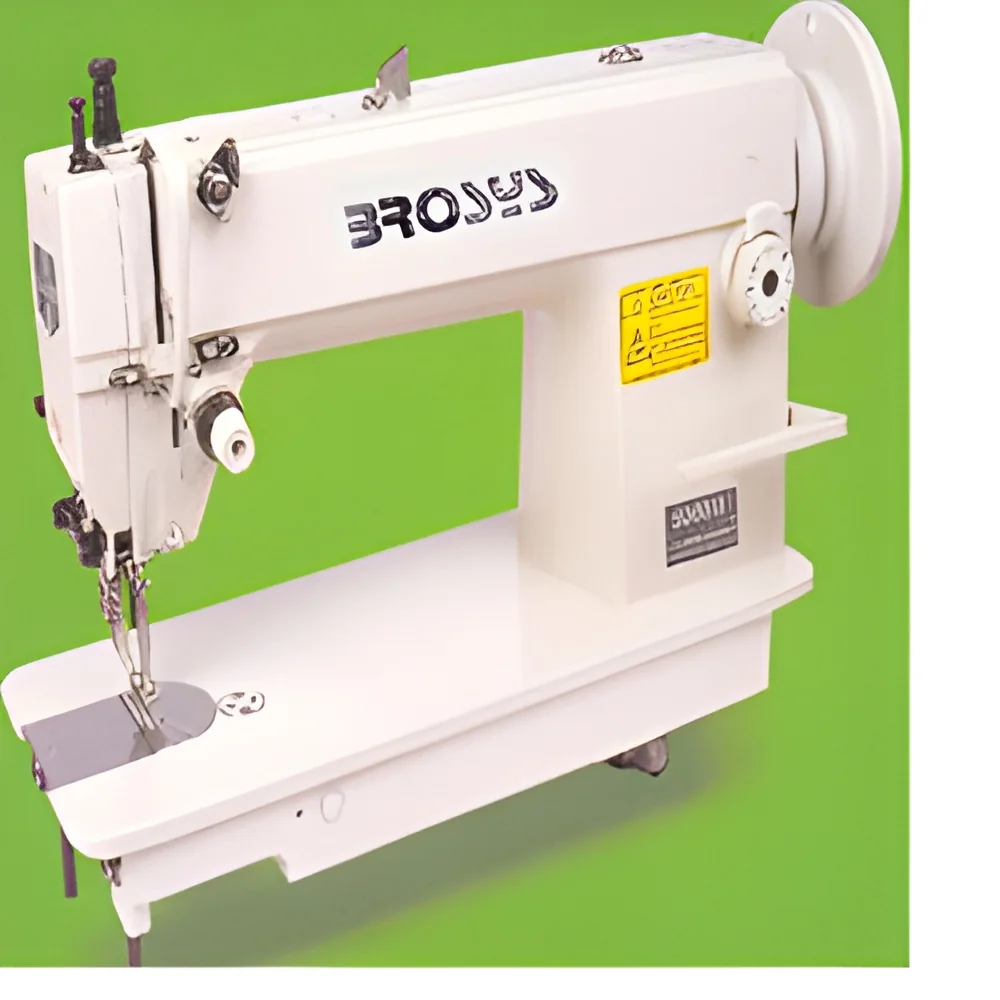
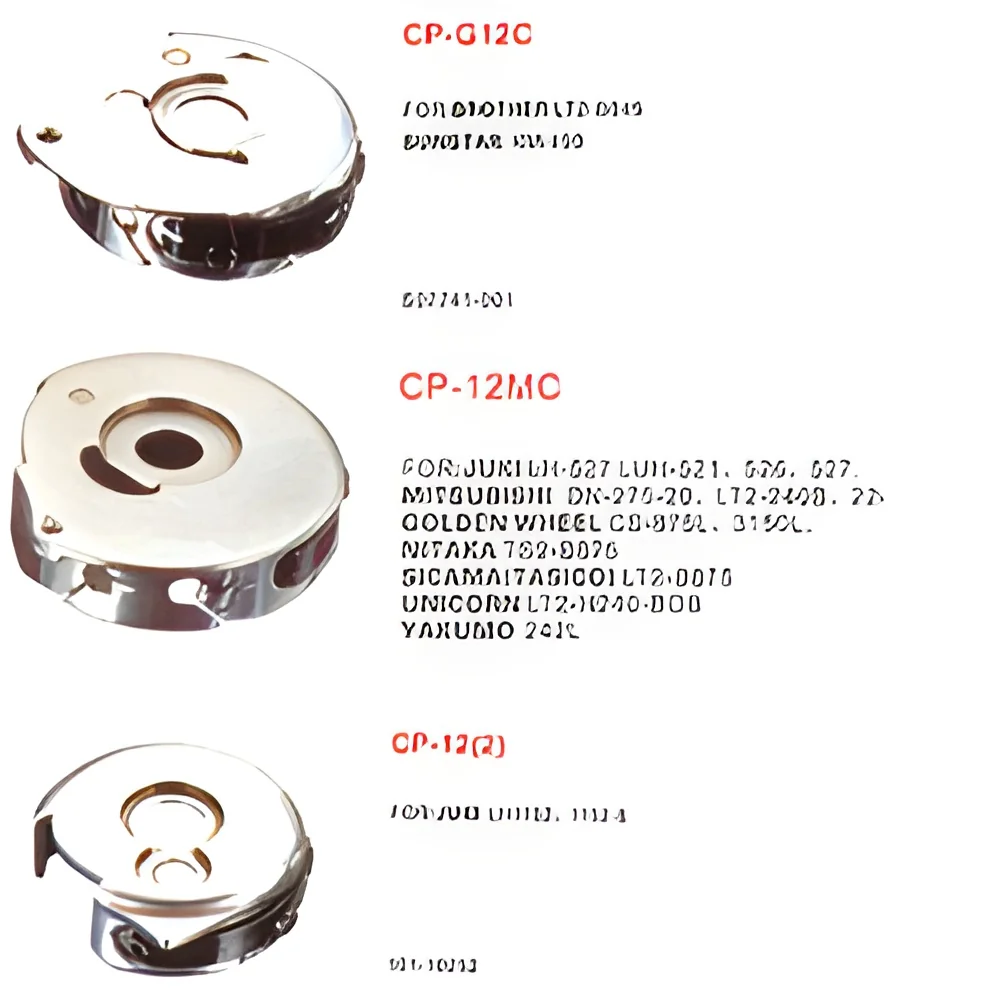
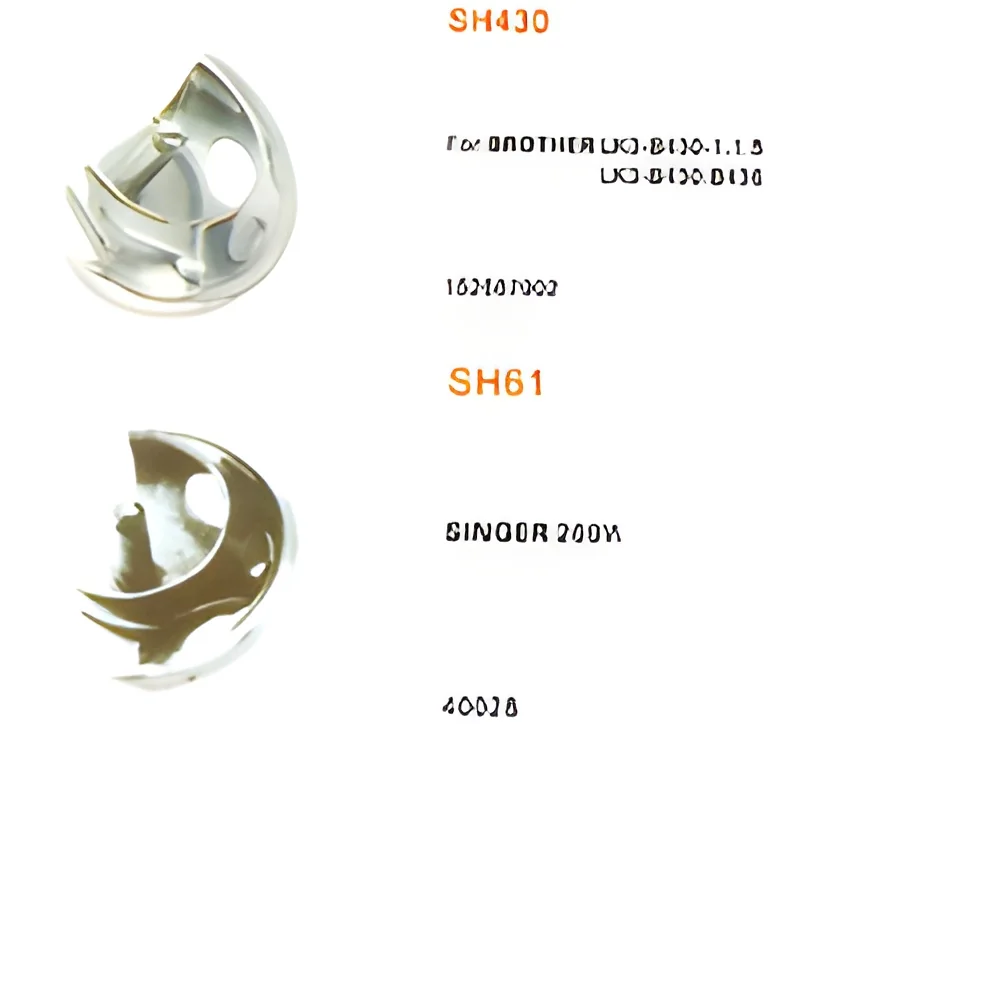
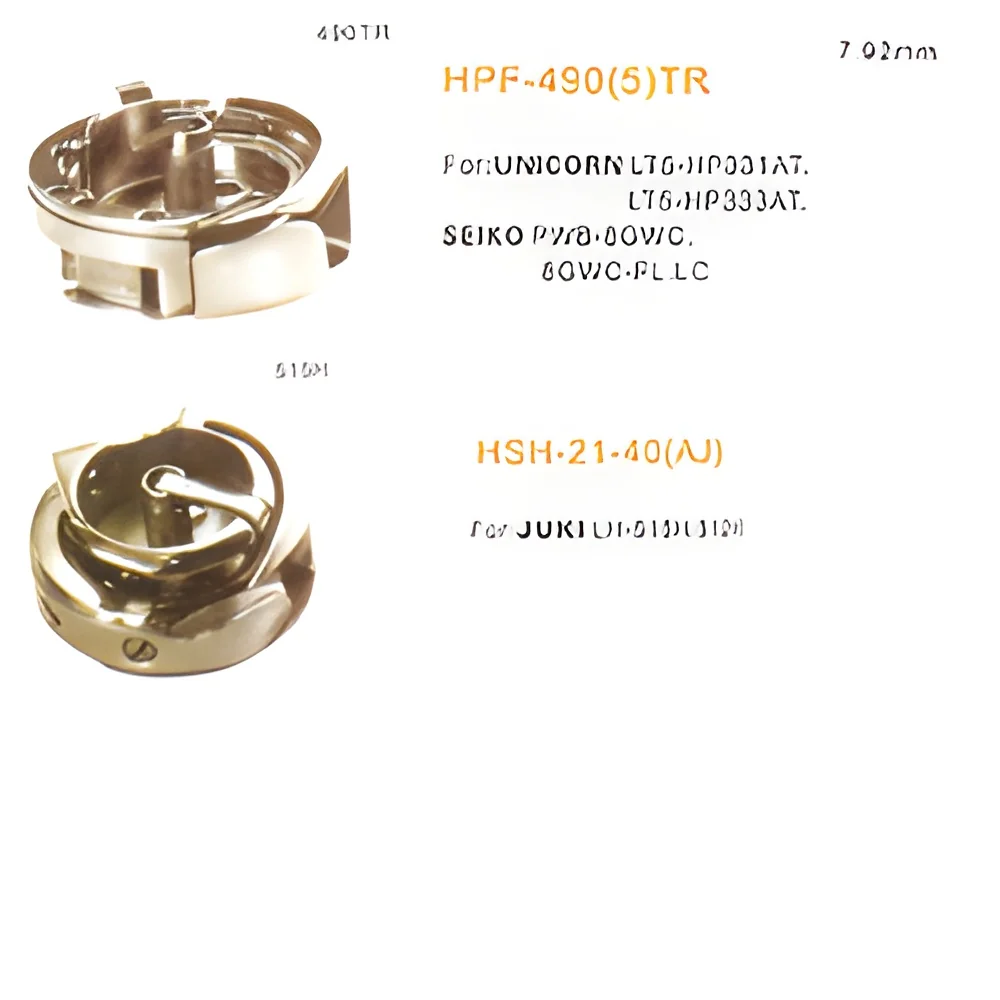
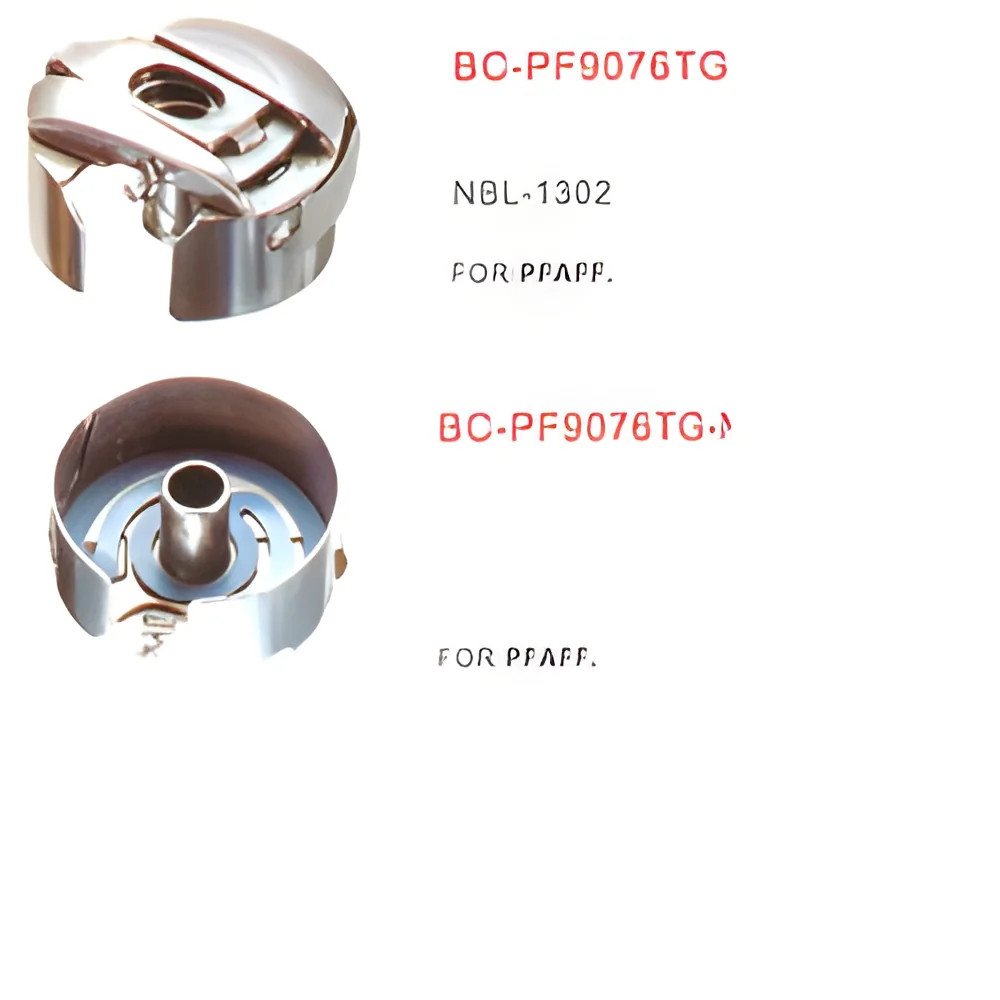
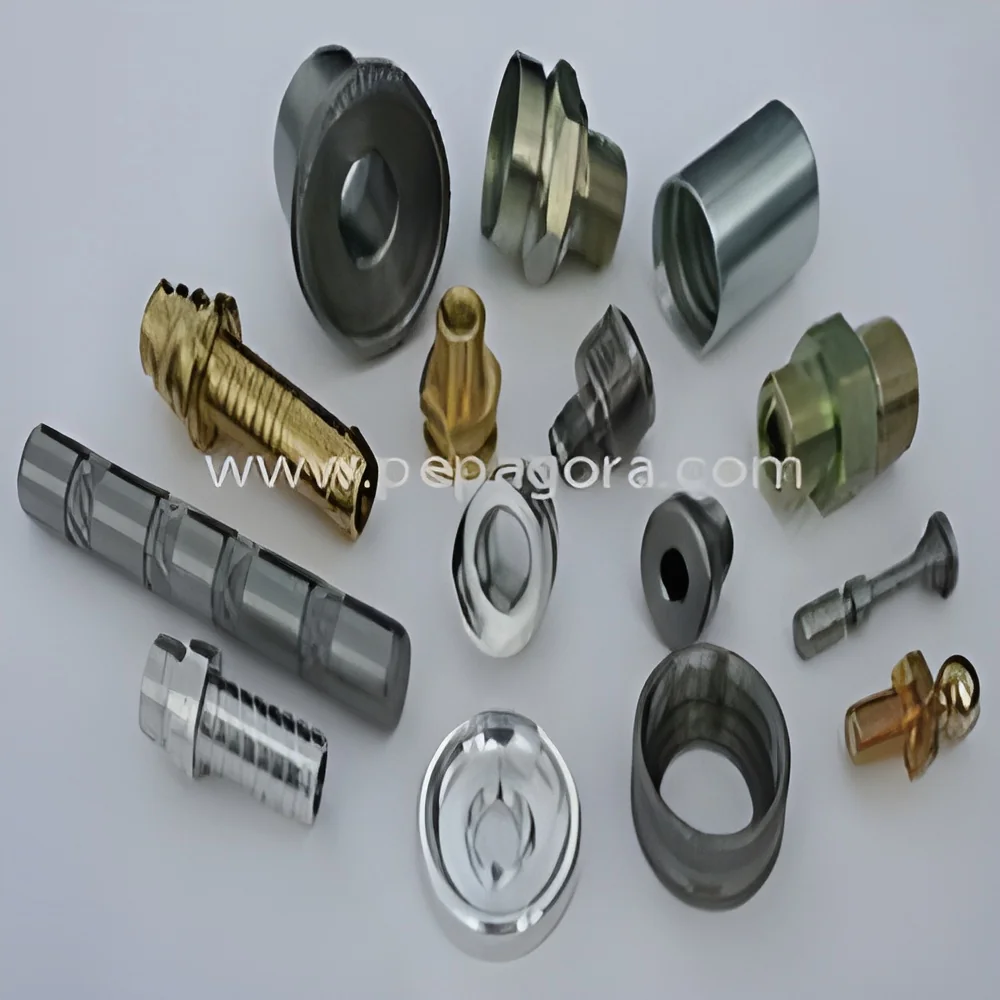
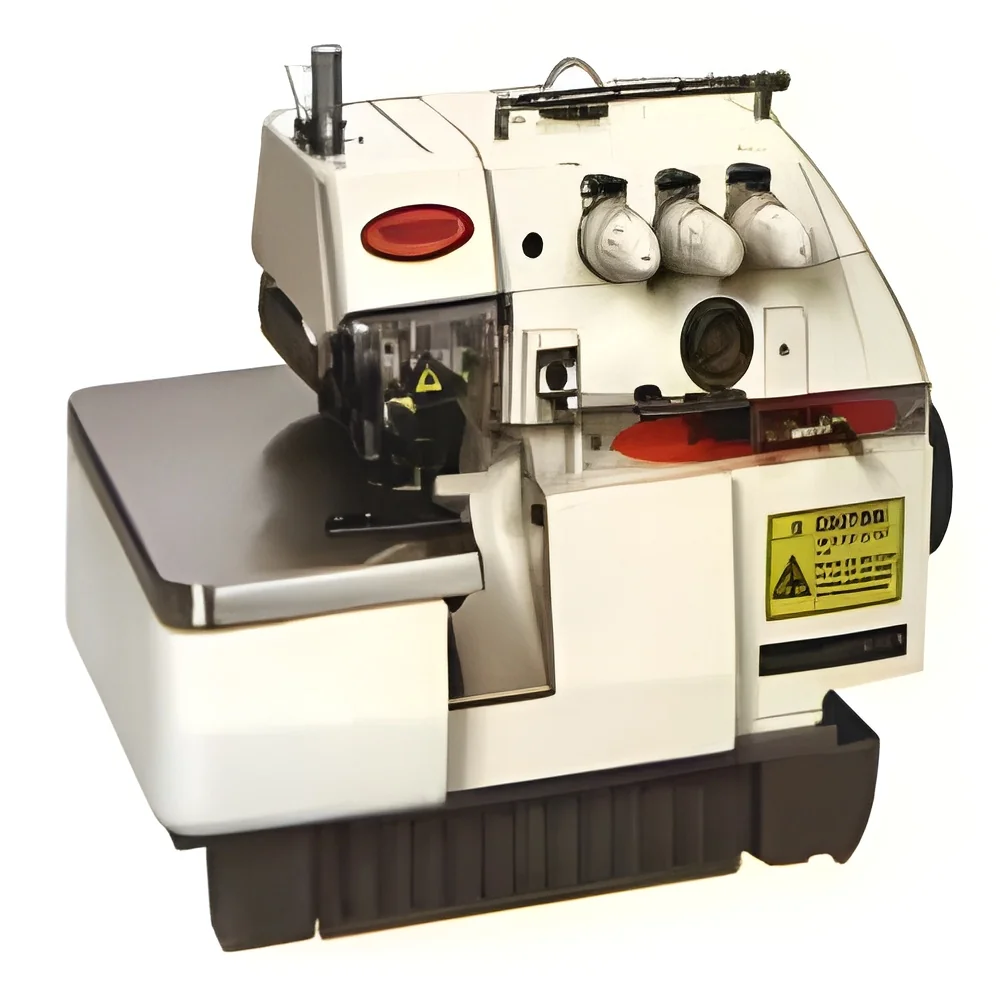
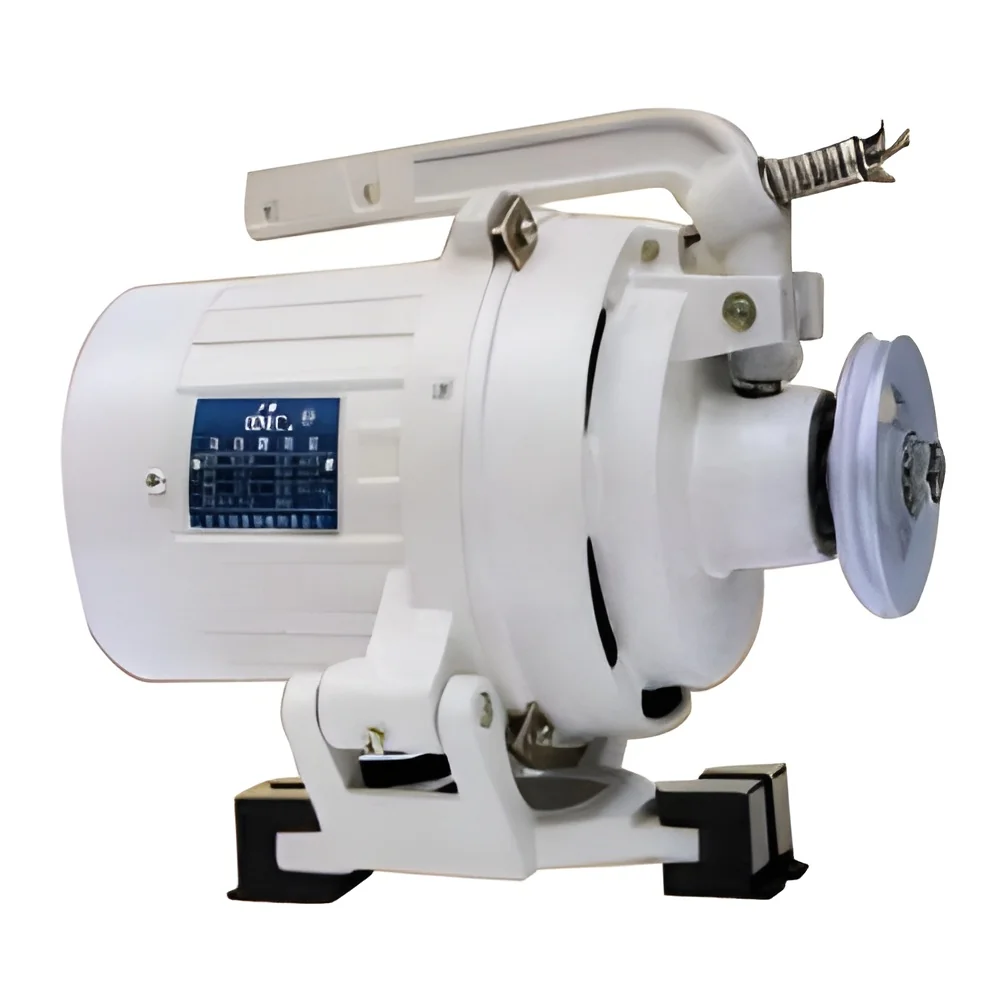
What are Other Textile Machines?
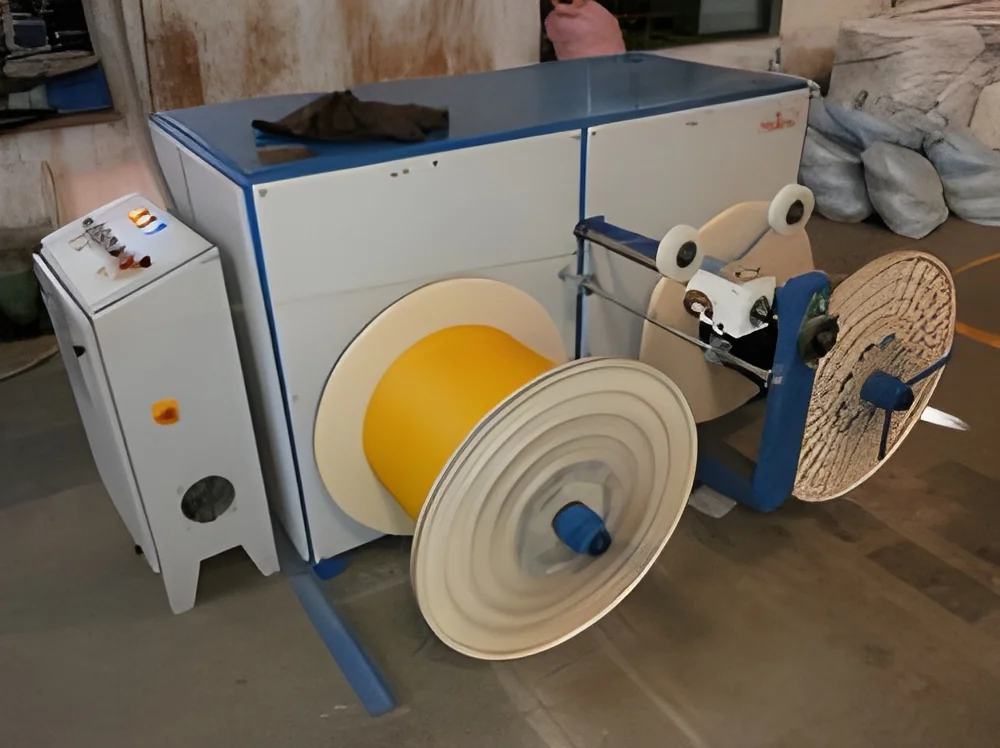
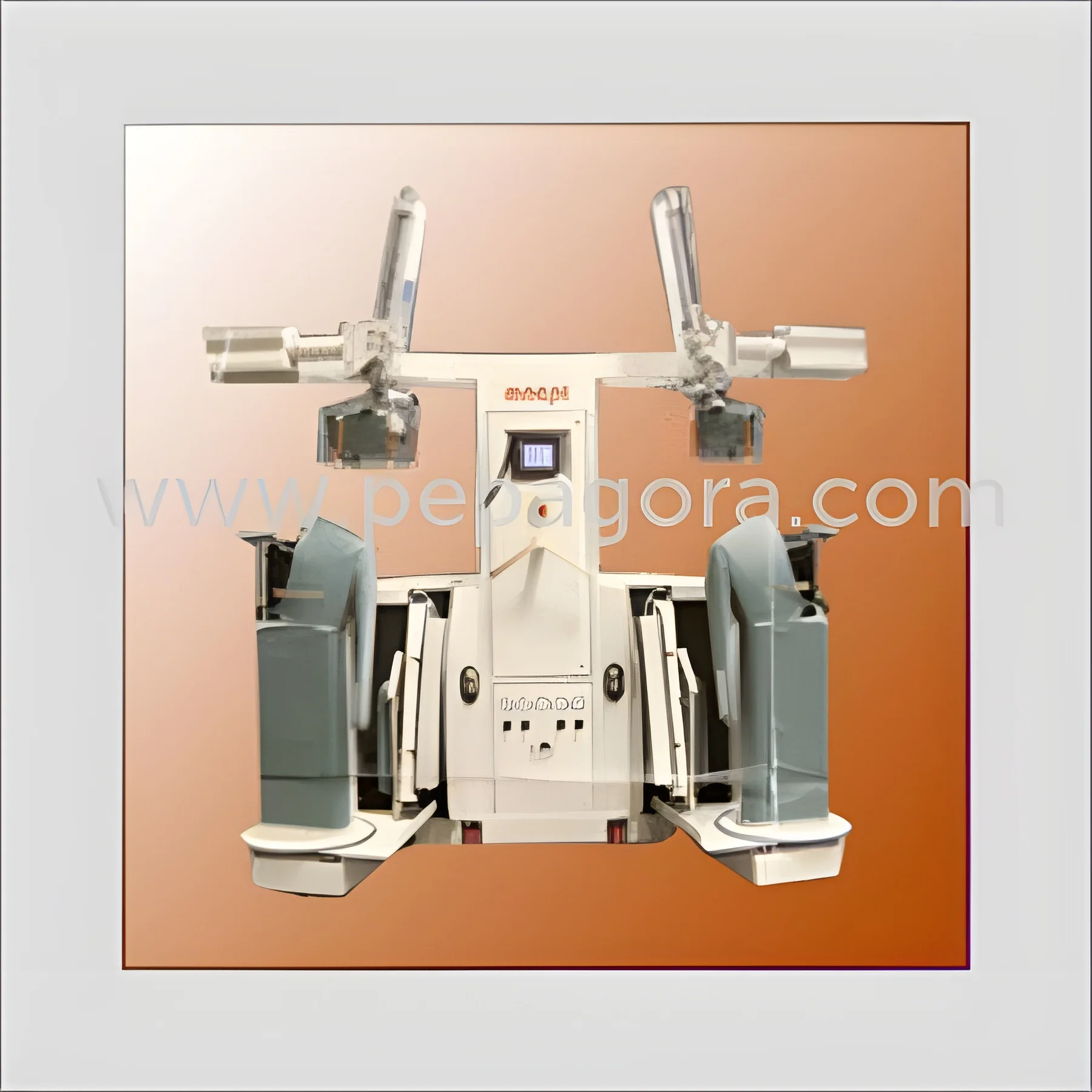
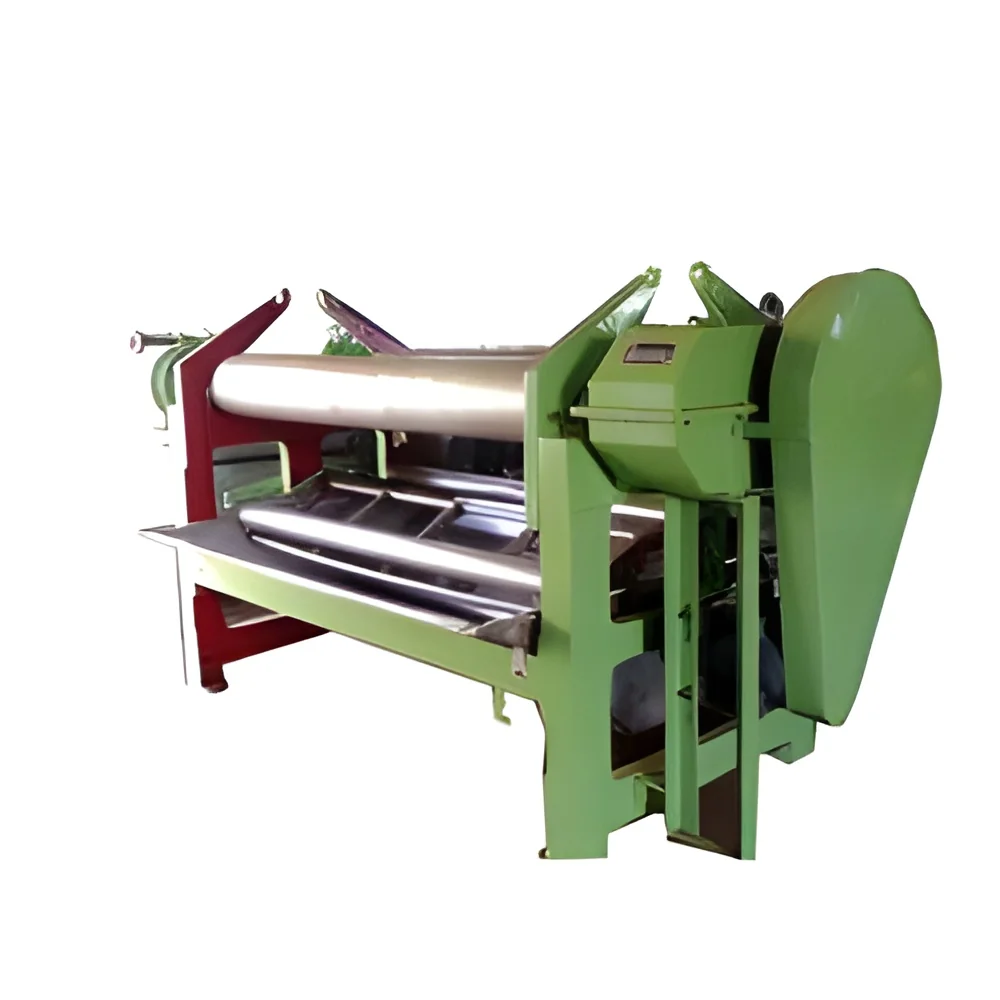
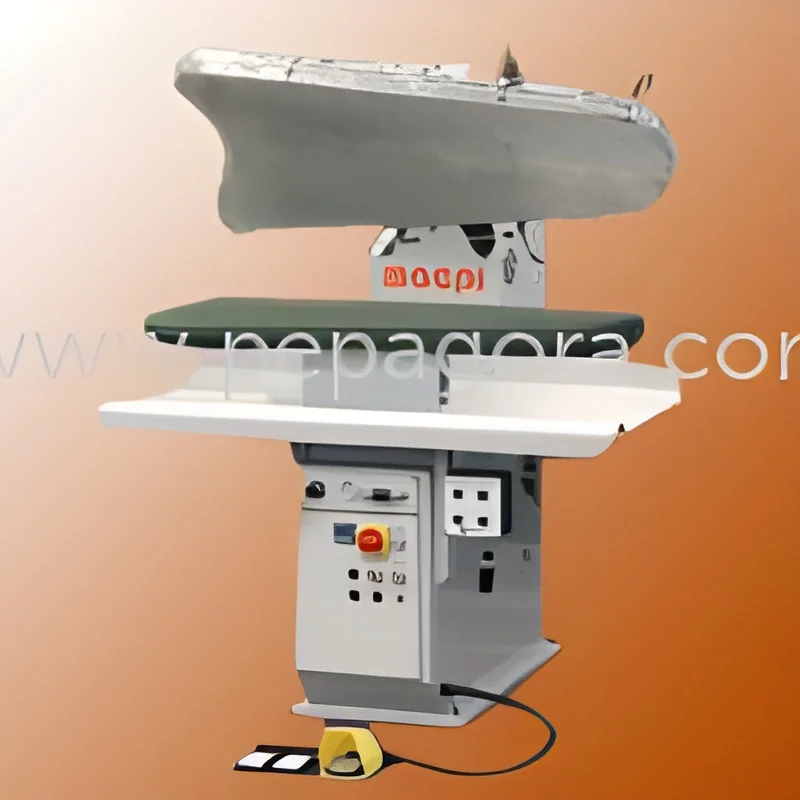
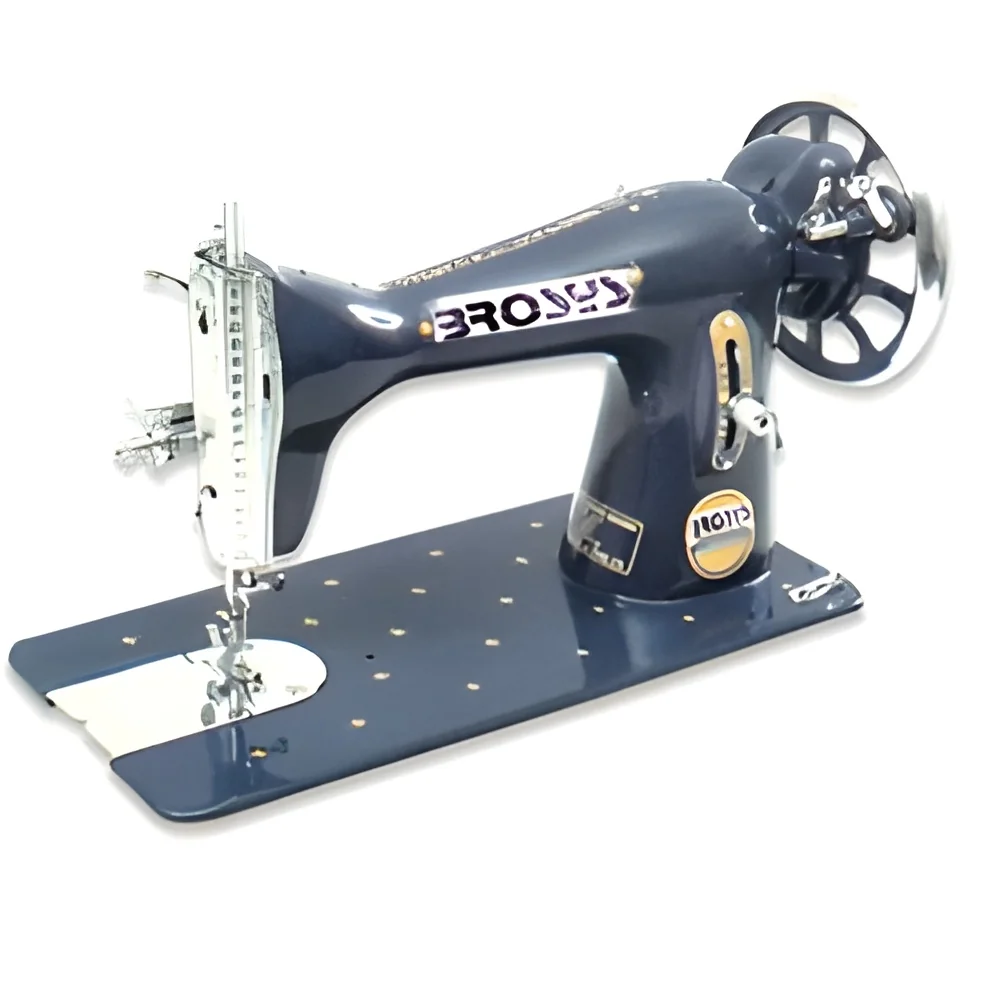
Other Textile Machines refer to a variety of specialized equipment used in the textile manufacturing sector that do not fall under traditional categories like weaving or knitting machines. These machines play critical roles in various processes, such as dyeing, finishing, and fabric treatment. They are essential for enhancing the quality and functionality of textiles, making them suitable for different applications.
These machines are primarily used in textile production facilities, garment factories, and textile research labs. They help businesses achieve specific fabric properties, such as water resistance, colorfastness, and texture. By integrating advanced technology, Other Textile Machines improve production efficiency and product quality, which is vital in a competitive market. As the textile industry evolves, the demand for versatile and efficient machinery continues to grow, highlighting the importance of these machines in meeting modern manufacturing needs.
In the current market context, Other Textile Machines are increasingly relevant as industries focus on sustainability and innovation. Manufacturers are investing in cutting-edge technology to meet consumer demands for high-quality, durable, and eco-friendly textiles. This trend drives the need for specialized machines that can enhance production capabilities and support the transition to sustainable practices.
Key Features and Specifications
Other Textile Machines come equipped with various features that enhance their functionality and performance. These features allow manufacturers to tailor processes to meet specific production needs. Understanding these specifications is crucial for making informed purchasing decisions.
Key specifications include:
1. Operational Speed
- Determines the efficiency of production cycles
- Measured in meters per minute or cycles per hour
2. Power Consumption
- Indicates energy efficiency and operational costs
- Typically specified in kilowatts (kW)
3. Material Compatibility
- Lists the types of textiles that can be processed
- Includes natural fibers, synthetic fibers, and blends
4. Automation Level
- Describes the extent of automation in the machine
- Ranges from manual to fully automated systems
5. Control Systems
- Details the type of control interface used
- Includes touch screens, PLCs, or computer software
6. Maintenance Requirements
- Specifies the frequency and type of maintenance needed
- Includes preventive and corrective maintenance schedules
7. Certification Standards
- Indicates compliance with relevant industry standards
- Includes CE certification for safety and performance
8. Dimensions and Weight
- Provides size specifications for fitting in manufacturing spaces
- Important for transportation and installation logistics
In summary, understanding these key specifications helps businesses select the right Other Textile Machines that meet their production needs while optimizing performance and efficiency.
Common Applications and Use Cases
Other Textile Machines serve a wide range of industries, each requiring specialized processing capabilities.
1. Apparel Manufacturing: These machines are used for dyeing and finishing fabrics, ensuring color consistency and enhancing texture for garments.
2. Home Textiles: They facilitate the production of curtains, bedding, and upholstery fabrics, focusing on durability and aesthetic appeal.
3. Automotive Textiles: Specialized machines treat fabrics used in car interiors, enhancing properties such as stain resistance and fire retardance.
4. Technical Textiles: These machines are essential for manufacturing textiles used in industrial applications, such as filtration, geotextiles, and medical textiles.
5. Footwear Industry: Other Textile Machines are used to treat and finish materials for shoes, improving comfort and longevity.
6. Nonwoven Fabrics: They play a crucial role in producing nonwoven textiles used in hygiene products, medical supplies, and insulation materials.
7. Sportswear: These machines enhance the performance features of fabrics, such as moisture-wicking and breathability, for athletic apparel.
Product Variants and Subcategories
Other Textile Machines encompass a diverse range of variants, each designed for specific functions within the textile production process. These variants cater to different manufacturing needs and applications.
Dyeing Machines
Dyeing machines are designed for the efficient application of dyes and colorants to fabrics. They ensure uniform color distribution and can handle different fabric types, making them suitable for large-scale production.
Finishing Machines
Finishing machines enhance the final properties of textiles, such as softness, sheen, and wrinkle resistance. They are essential for improving the overall quality of finished products.
Printing Machines
These machines apply designs and patterns to fabrics using various printing techniques. They allow for customization and can handle both large and small production runs.
Benefits and Advantages
Investing in Other Textile Machines offers several advantages that can significantly impact production efficiency and product quality.
1. Enhanced Productivity: These machines streamline various textile processes, resulting in higher output levels and reduced production times.
2. Improved Quality Control: Advanced technology allows for precise control over processes, ensuring consistent quality and fewer defects in the final product.
3. Cost Efficiency: Automation and energy-efficient designs help reduce operational costs and labor expenses, leading to better profit margins.
4. Versatility: With the ability to process various materials and fabrics, these machines provide manufacturers with flexibility to adapt to market demands.
5. Innovation Support: The latest technology in Other Textile Machines enables businesses to innovate and introduce new products, keeping them competitive in the market.
6. Sustainability: Many modern machines are designed to minimize waste and energy consumption, supporting eco-friendly manufacturing practices.
Buying Guide for B2B Buyers
When sourcing Other Textile Machines, B2B buyers should consider several critical factors to ensure they make informed decisions.
1. Quality Assessment: Evaluate the machine's build quality, performance history, and user reviews to ensure it meets industry standards and operational needs.
2. Supplier Verification: Conduct thorough research to verify the credibility and reliability of suppliers. Look for certifications and check references from previous clients.
3. Pricing and MOQ: Analyze pricing structures, comparing costs among suppliers. Consider minimum order quantities (MOQ) to ensure they align with your production requirements.
4. Delivery and Lead Times: Understand the lead times associated with machinery delivery. Plan your procurement to align with production schedules to avoid delays.
5. Compliance Requirements: Ensure that the machines comply with relevant industry regulations and safety standards, which may vary by region.
Compliance and Certifications
Compliance and certifications are vital for Other Textile Machines to meet industry standards and ensure safety in operations.
ISO 9001 is a quality management standard that emphasizes continuous improvement and customer satisfaction. Manufacturers of Other Textile Machines often adhere to this standard to maintain high-quality production processes.
CE certification indicates that the machines meet European safety, health, and environmental protection standards. This certification is essential for companies looking to enter European markets.
Safety and testing requirements are critical in ensuring that machines operate safely and effectively. Manufacturers must conduct rigorous testing to verify that their machines meet specified performance criteria.
Regional compliance considerations may vary, with different countries having specific regulations governing machinery used in textile production. Buyers should familiarize themselves with these requirements to ensure compliance.
Why Source Other Textile Machines from Pepagora?
Pepagora offers a trusted platform for sourcing Other Textile Machines, providing several key advantages to B2B buyers.
Verified Supplier Network: Pepagora connects buyers with a network of verified suppliers, ensuring that all listed manufacturers meet stringent quality and reliability standards.
Streamlined RFQ Process: The platform simplifies the request for quotation (RFQ) process, allowing buyers to easily compare offers and select the best options for their needs.
Trade Assurance and Support: Pepagora provides trade assurance, offering buyers protection against non-delivery and ensuring that transactions are secure.
Regional Coverage: With a strong presence in India, the GCC, and Southeast Asia, Pepagora enables businesses to access a wide range of suppliers and products, facilitating efficient sourcing across regions.

 IN
IN