Key Features and Specifications
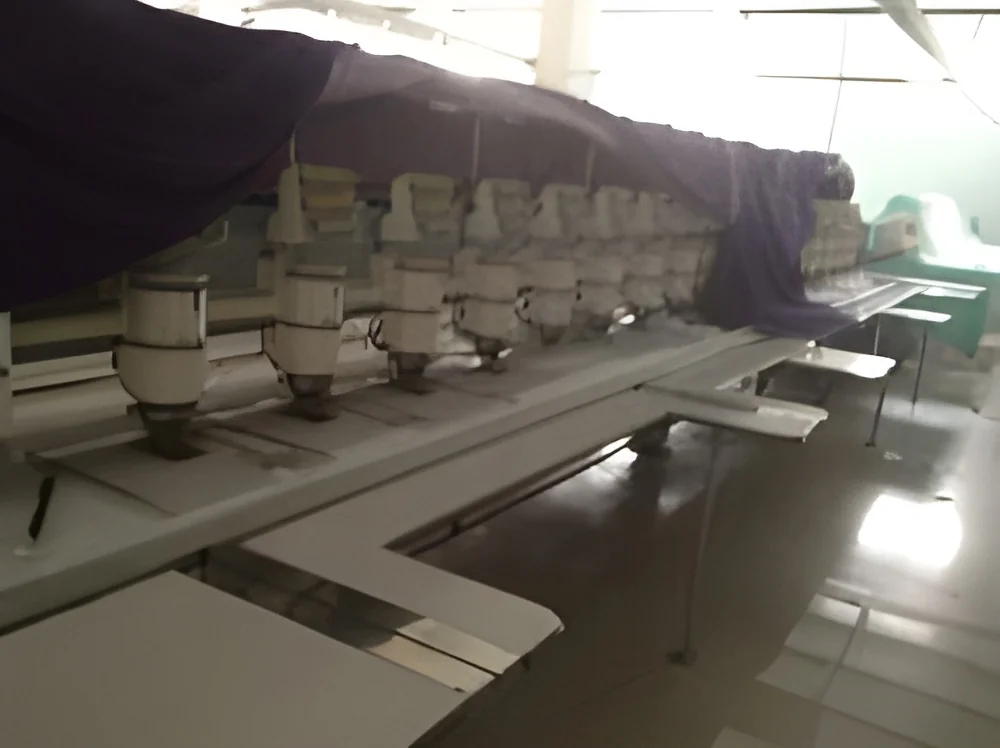
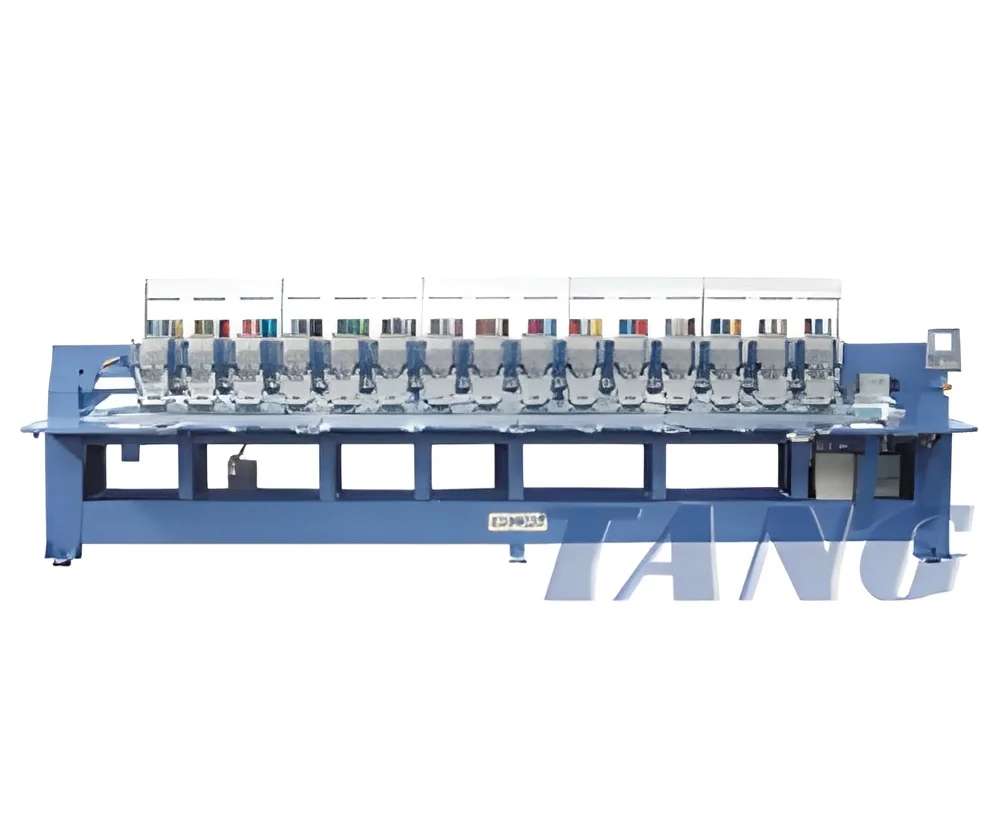
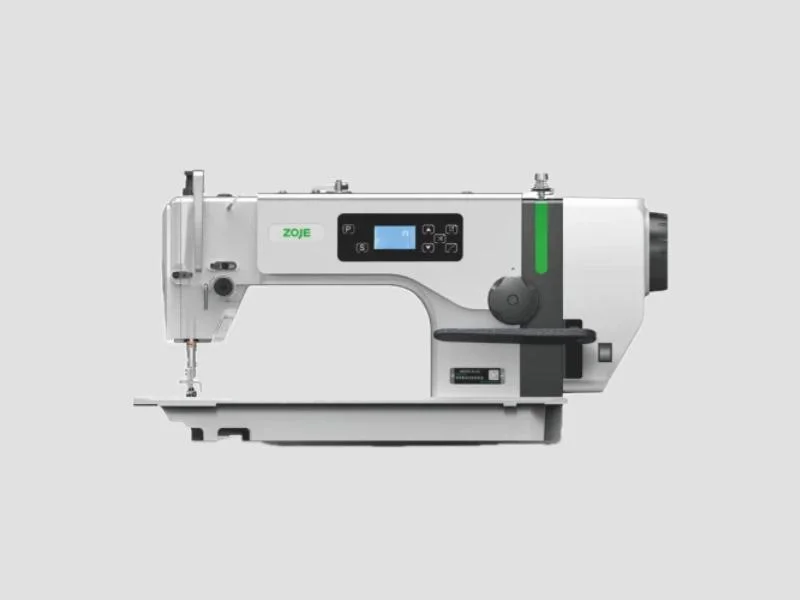
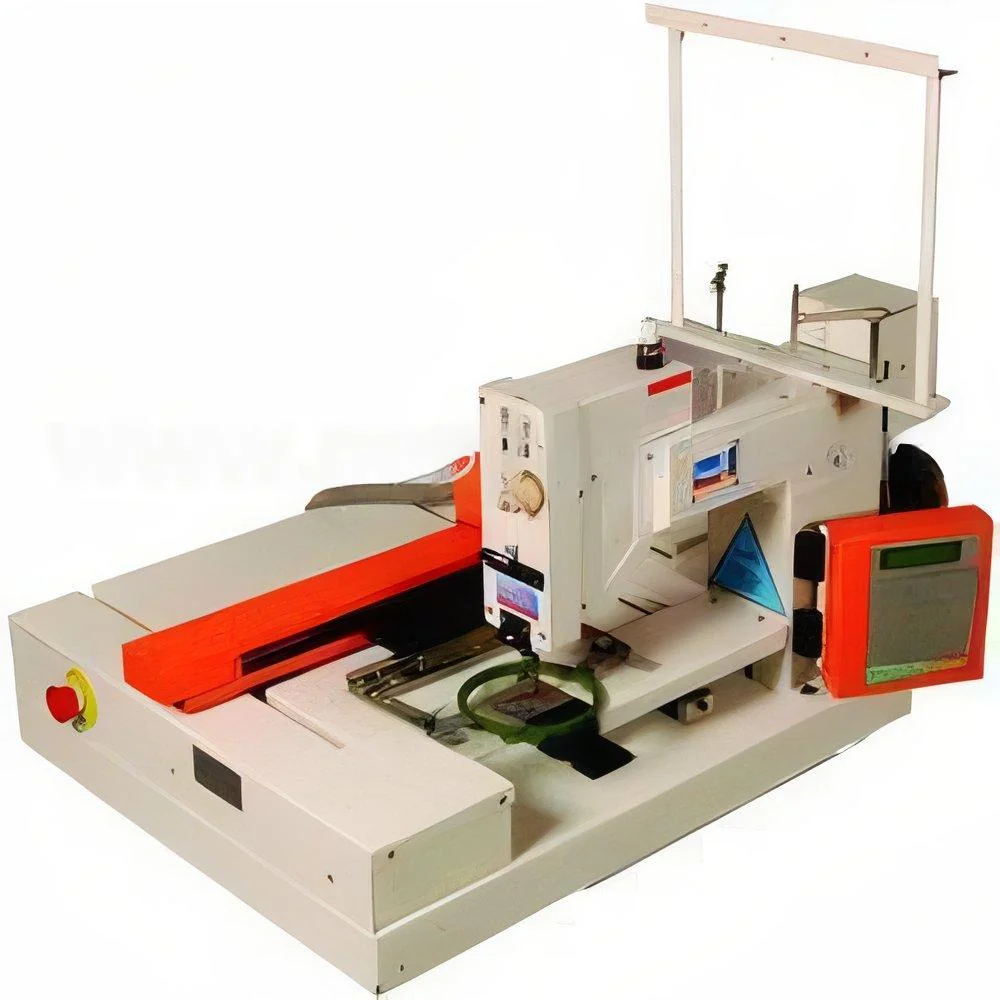
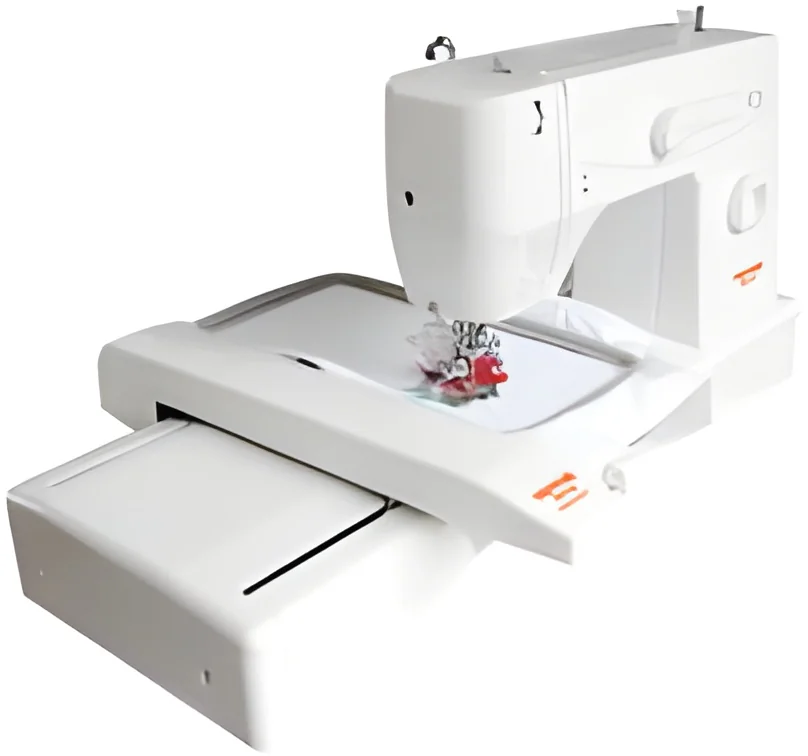
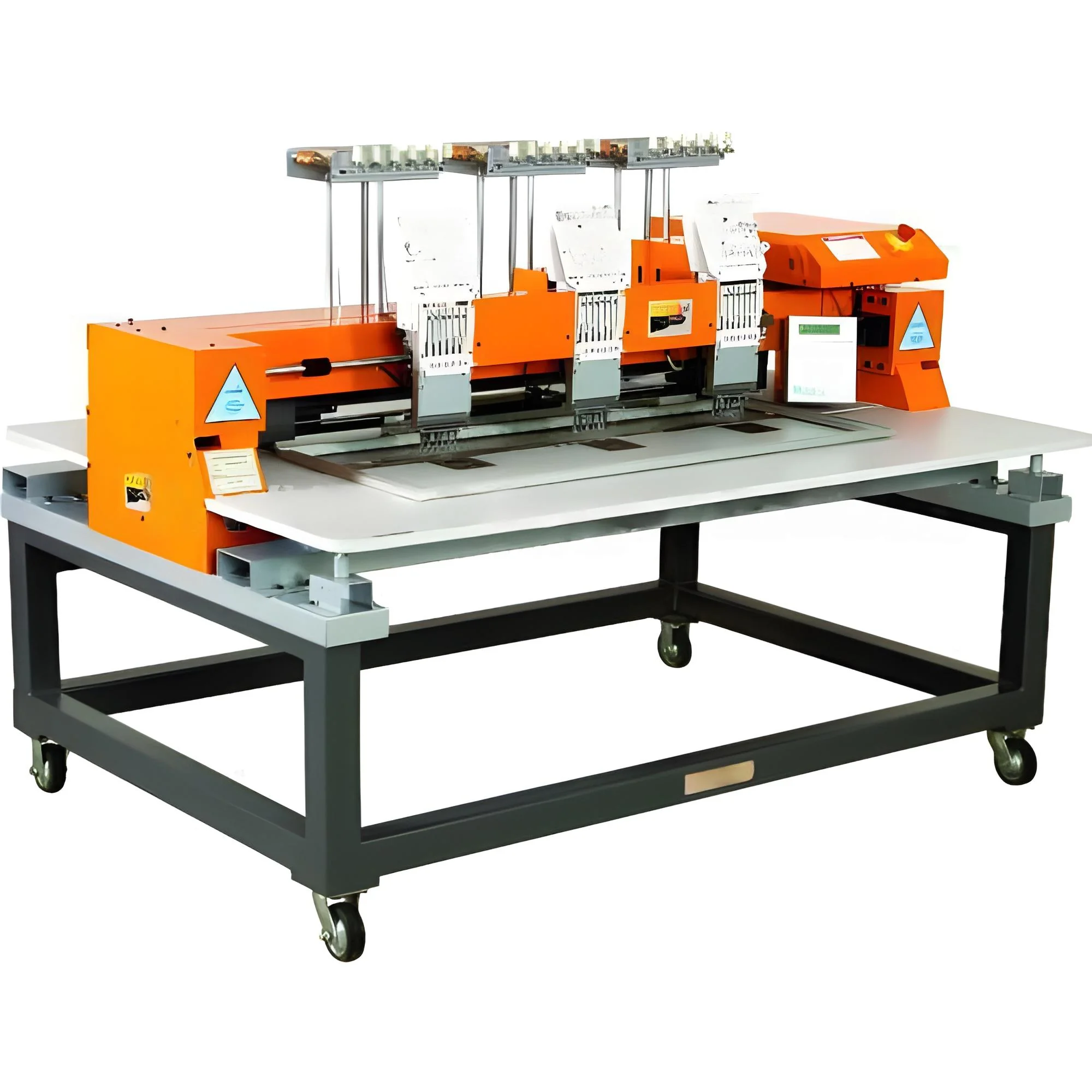
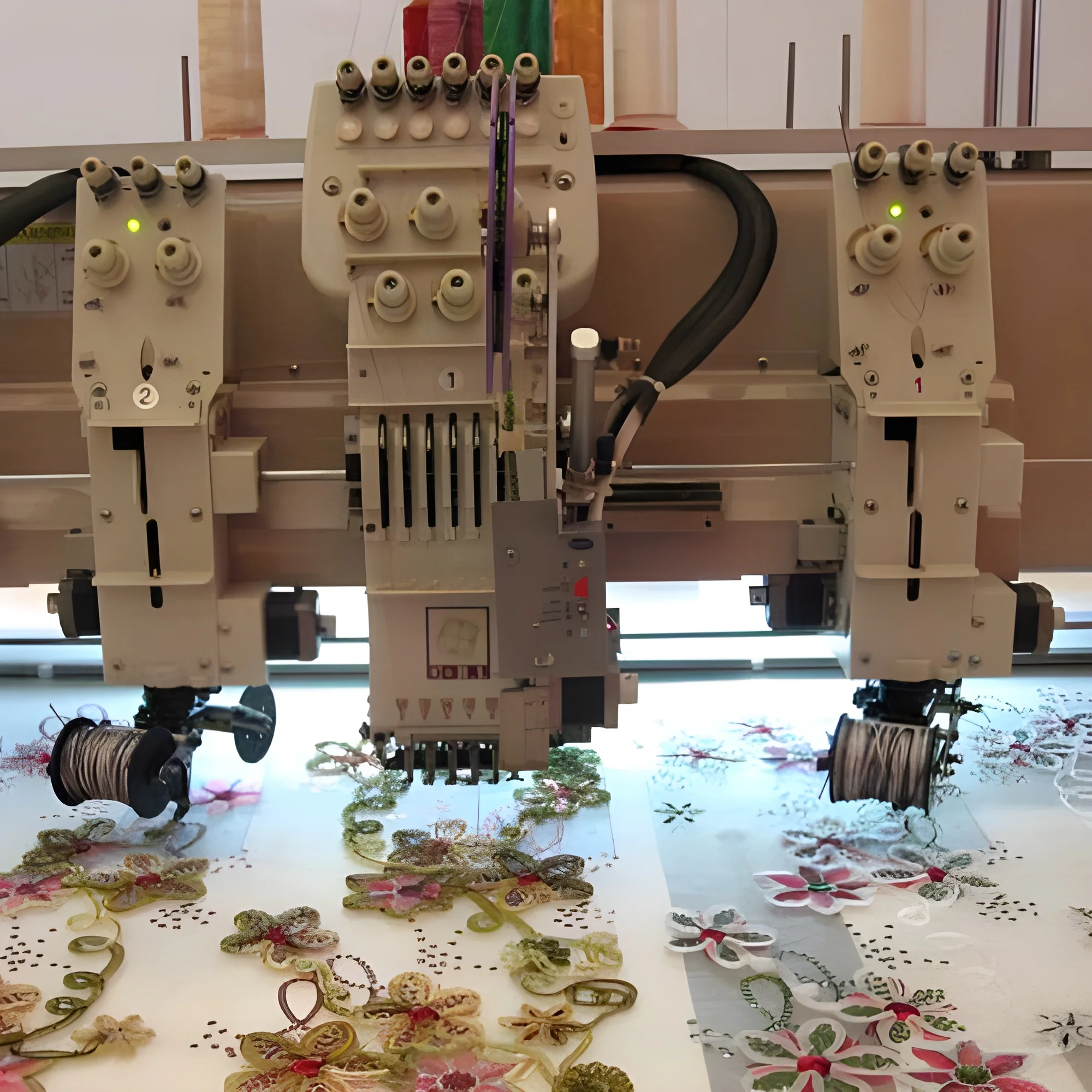
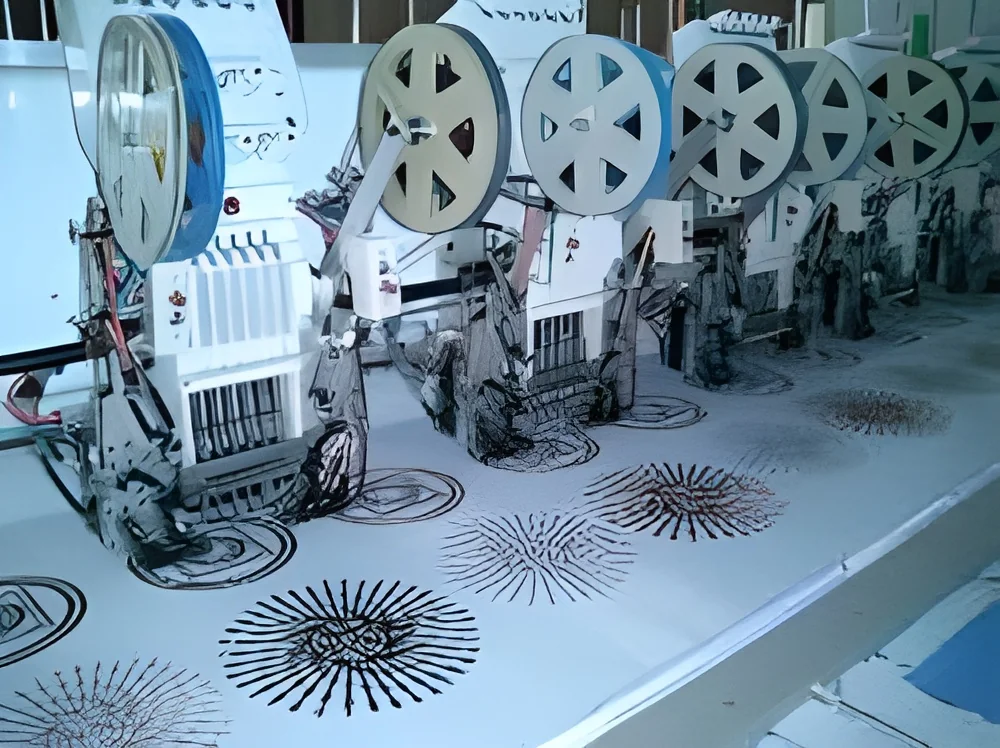
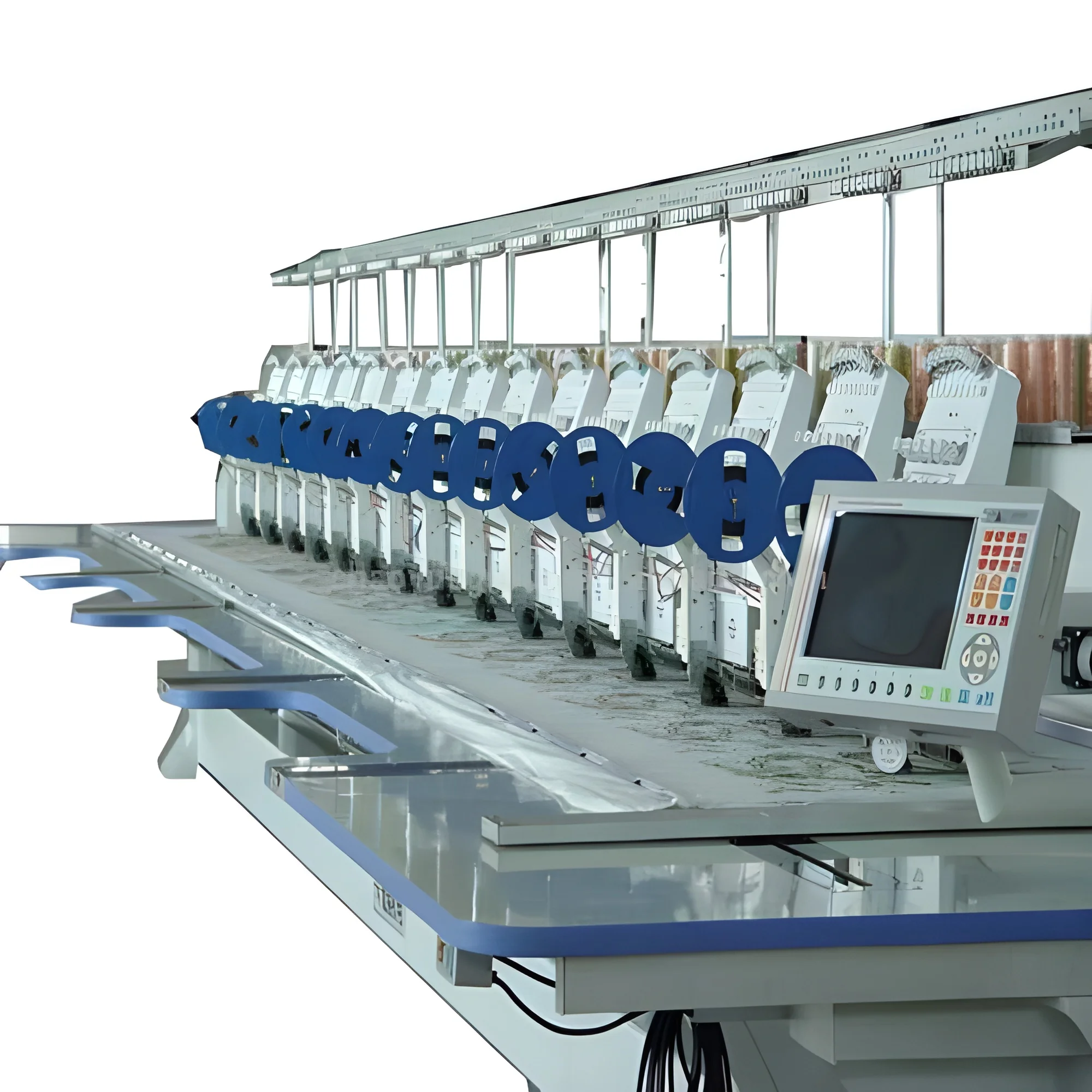
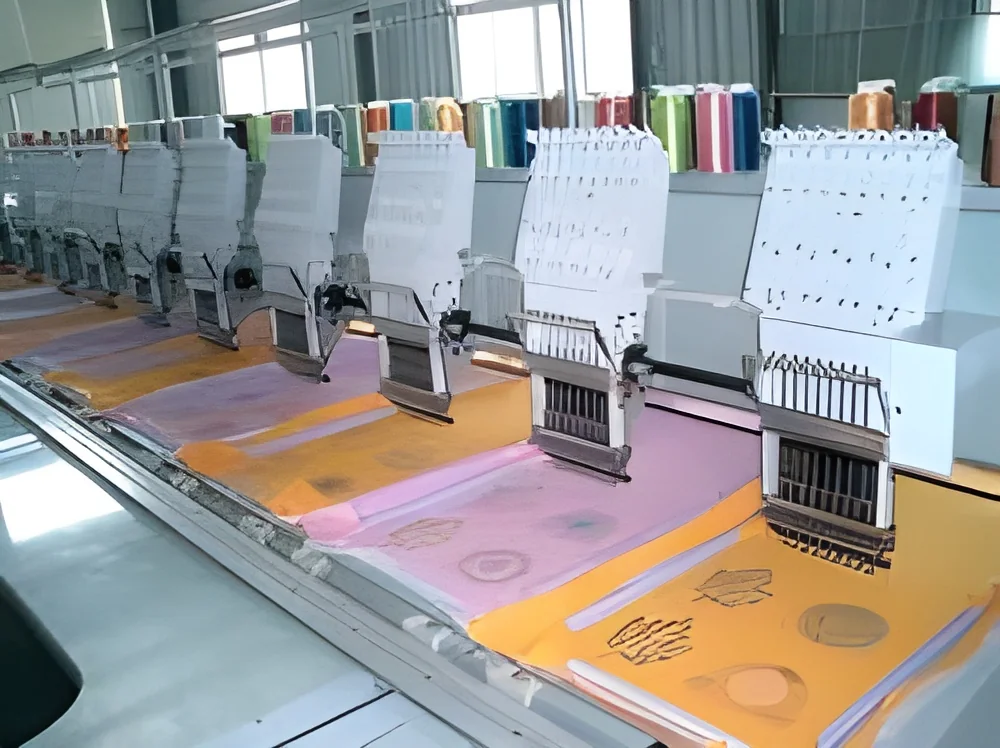
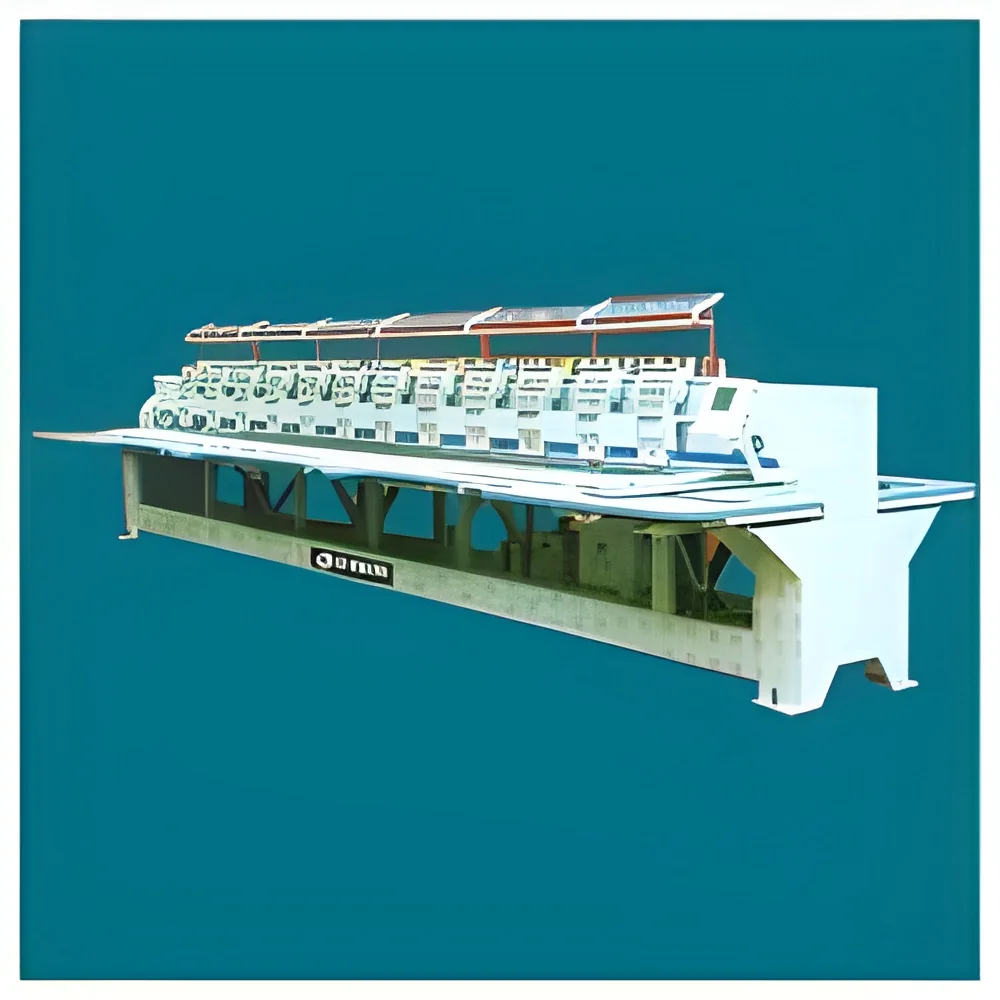
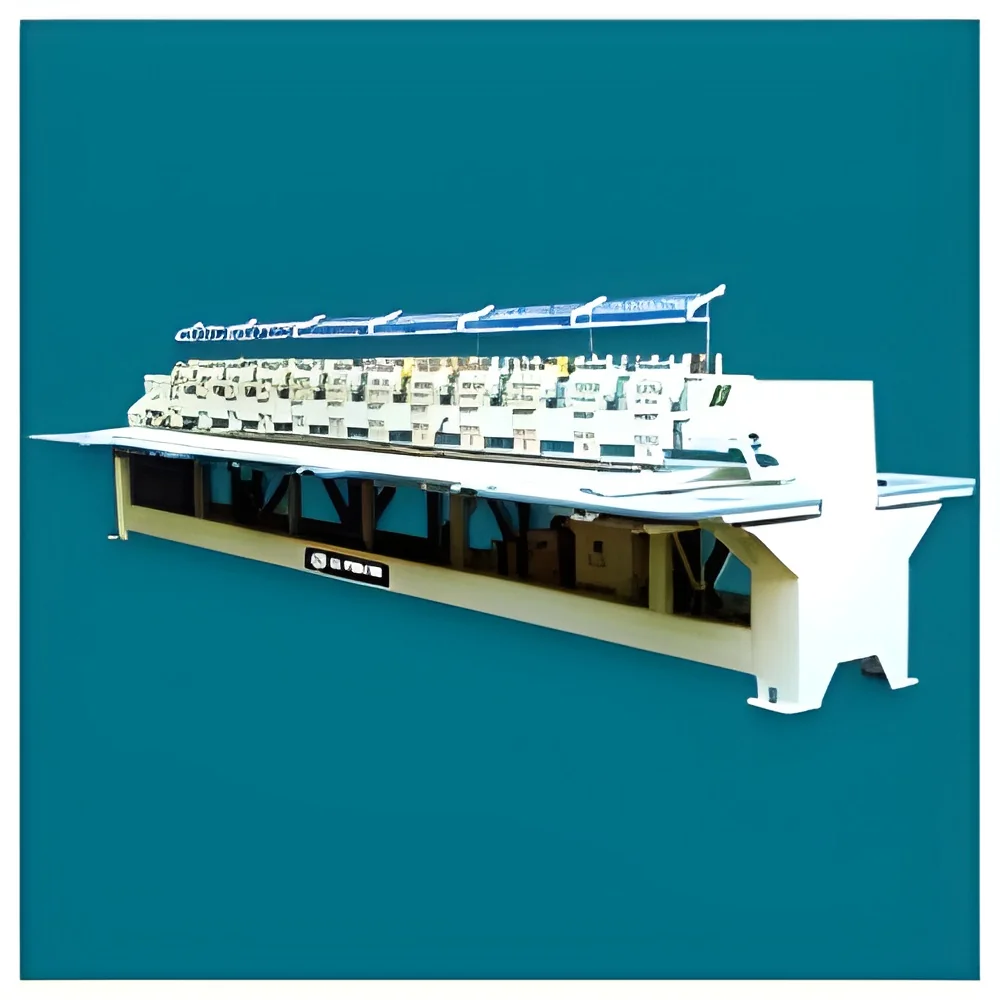
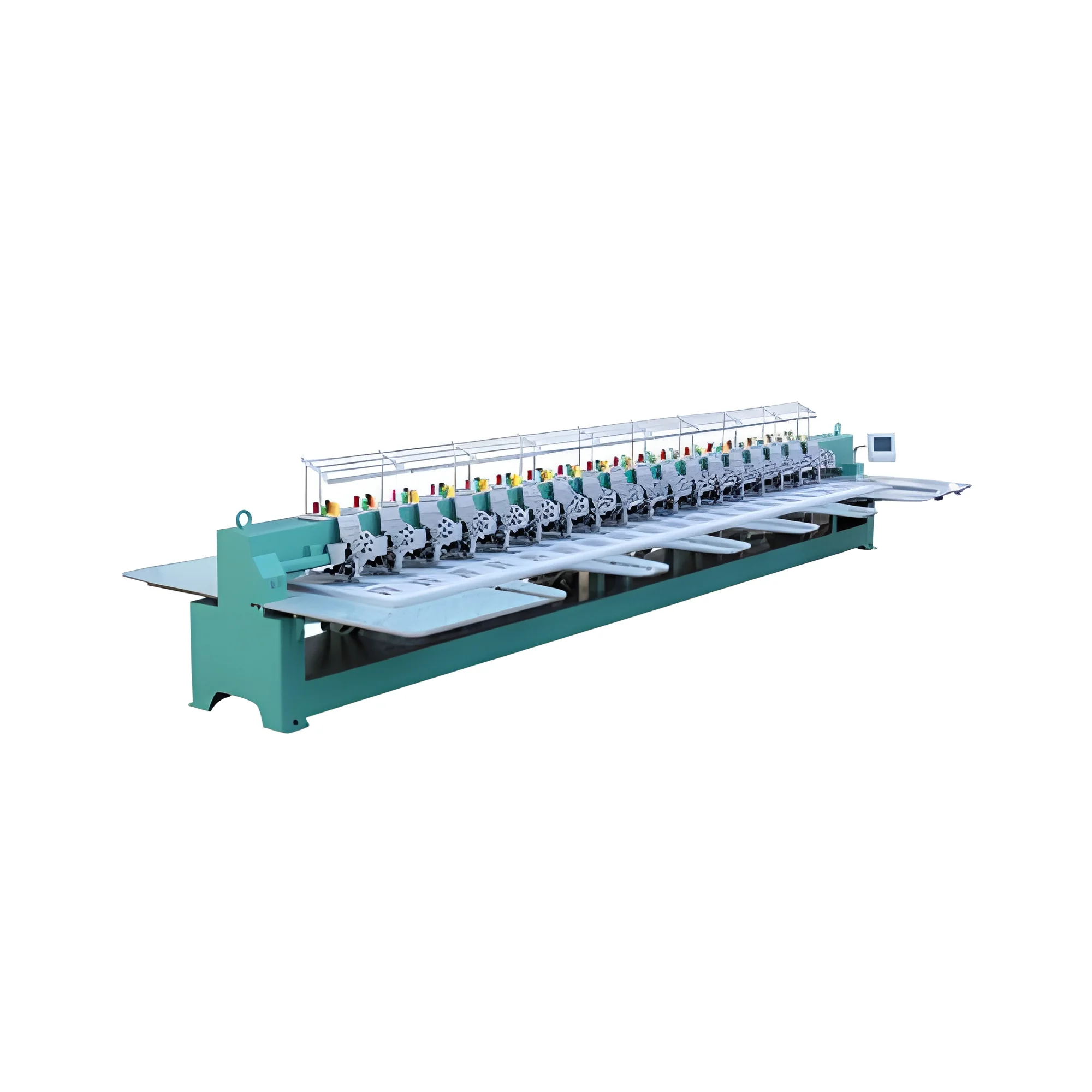
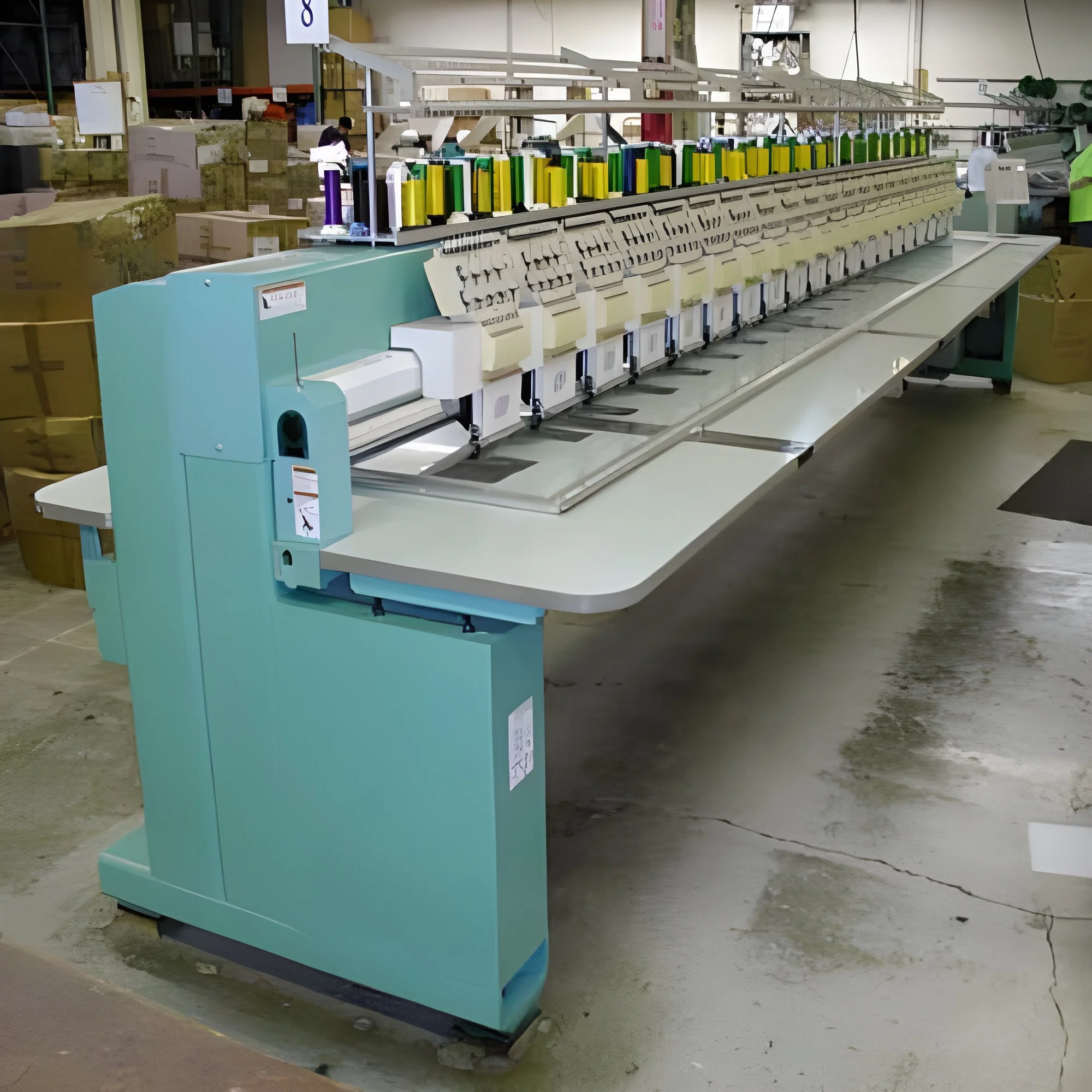
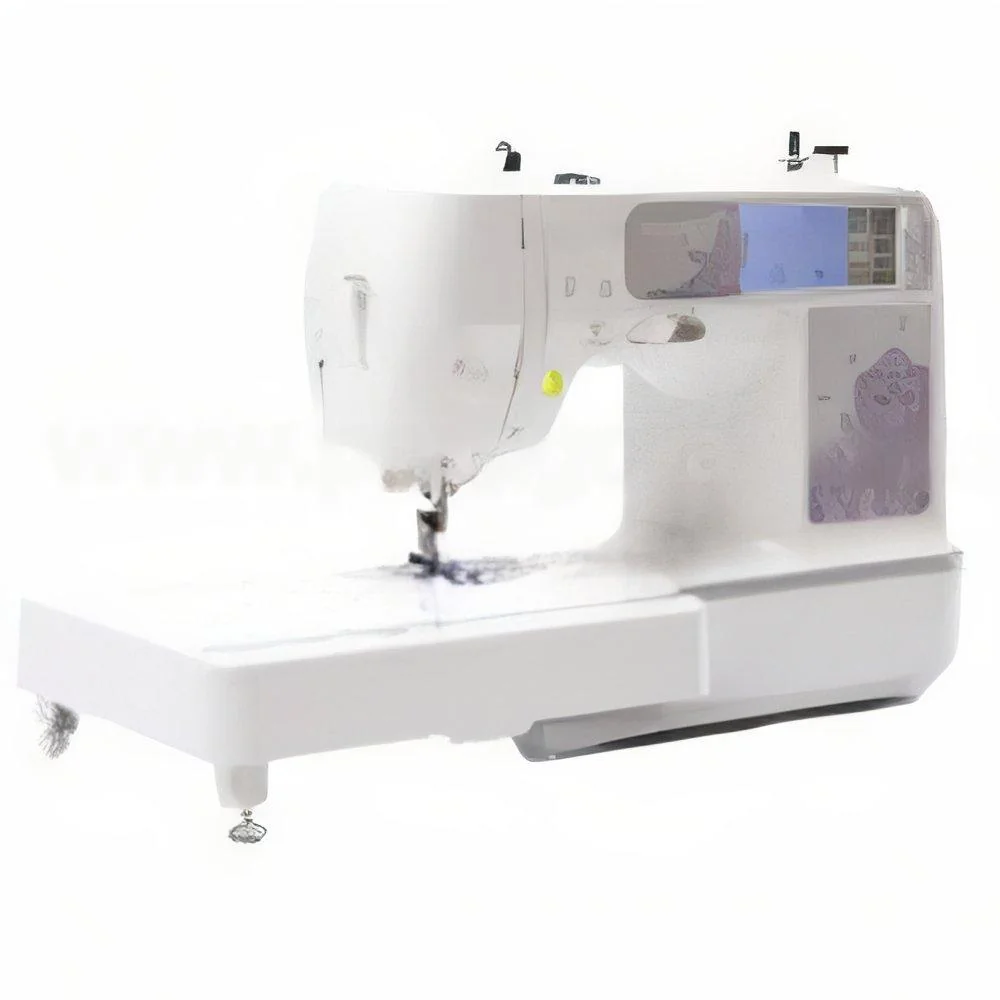
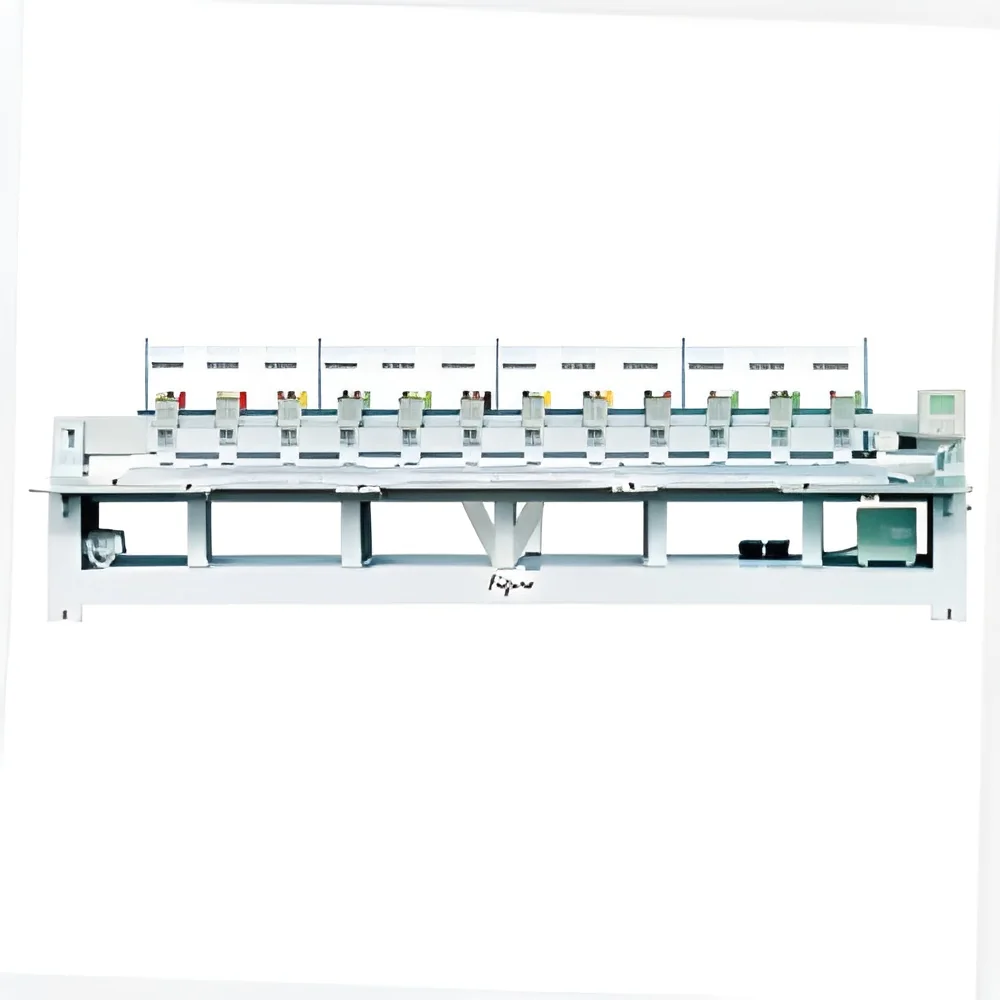
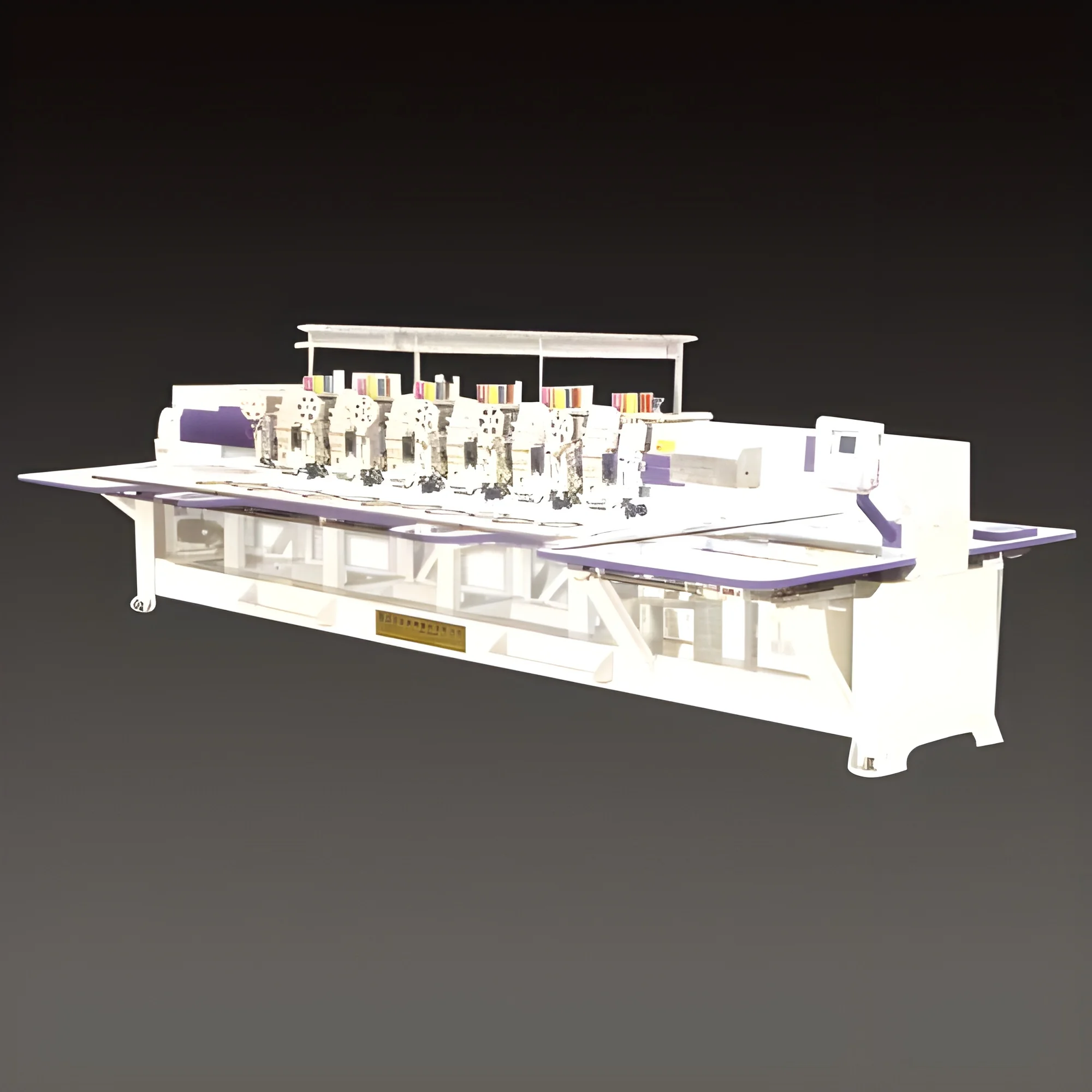
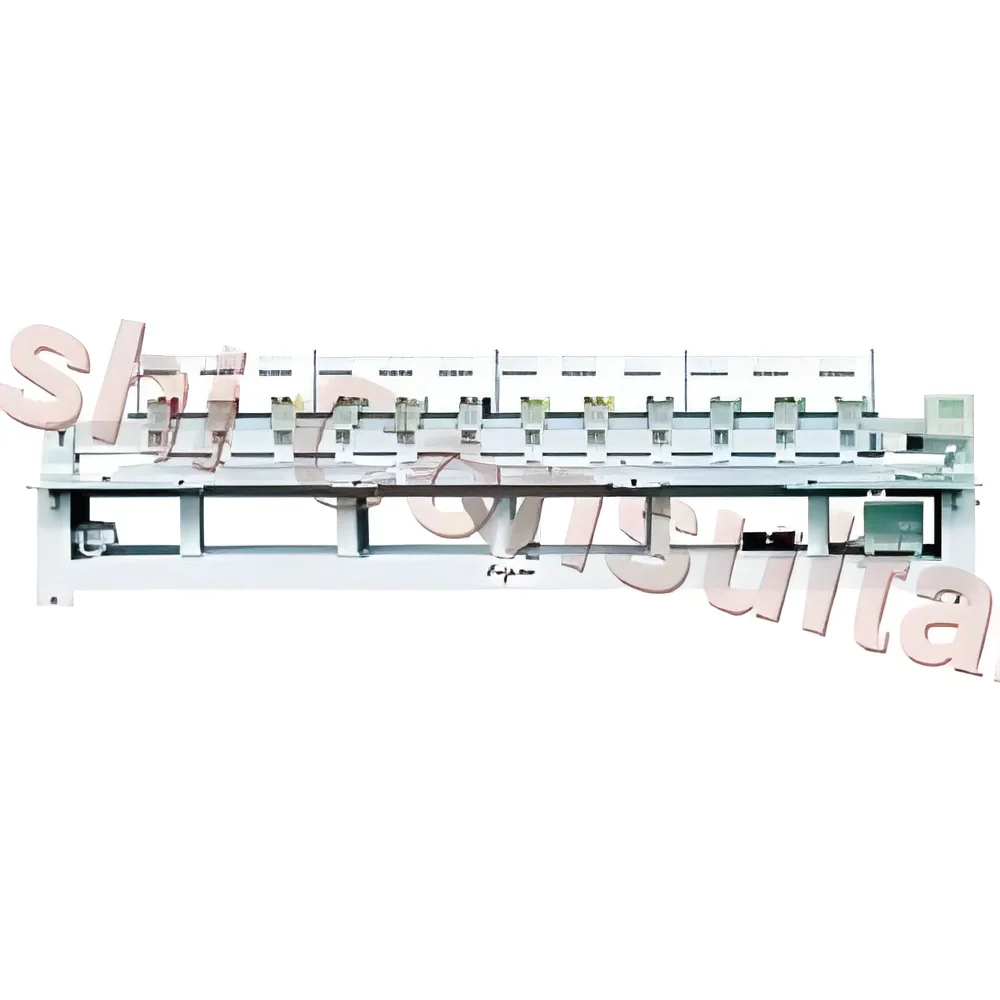
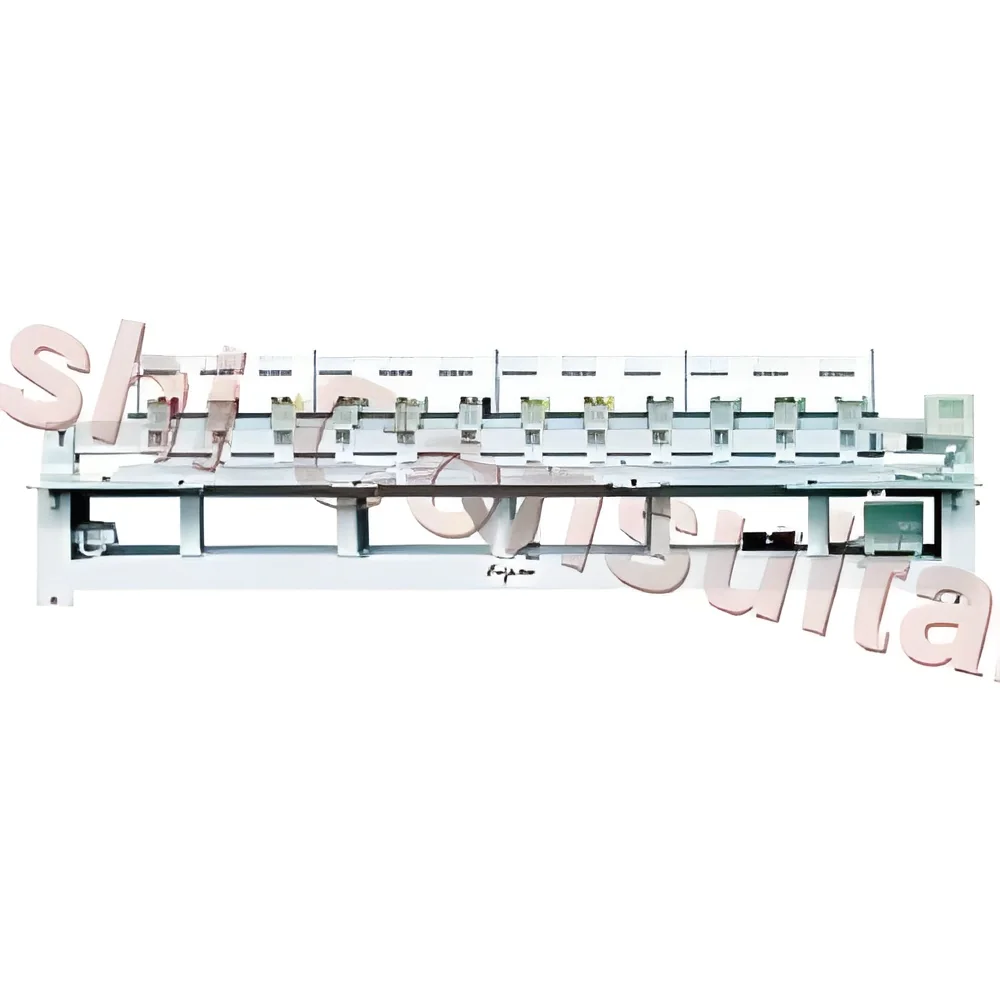
Embroidery machines (multi-head, computerized) come with a range of features and specifications that enhance their functionality and user experience. These features are designed to accommodate various production needs and ensure high-quality output.
Key specifications include:
1. Number of Heads
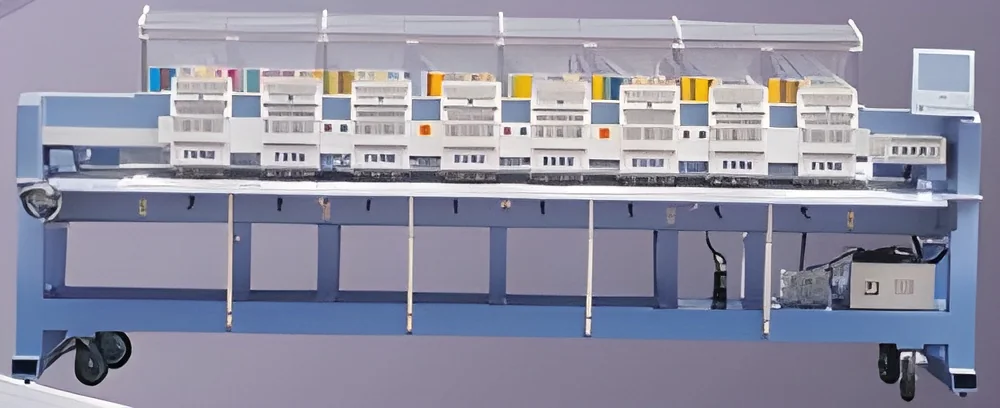
- Machines typically range from 1 to 12 heads.
- More heads allow for simultaneous embroidery on multiple items.
2. Stitch Speed
- Speed can vary from 400 to 1500 stitches per minute.
- Higher speeds lead to increased production efficiency.
3. Embroidery Area
- Available embroidery areas can range from 300 mm x 200 mm to 1,200 mm x 600 mm.
- Larger areas allow for bigger designs and more versatility.
4. Design Compatibility
- Supports various design file types such as DST, PES, and EMB.
- Compatibility with design software enhances usability.
5. Control System
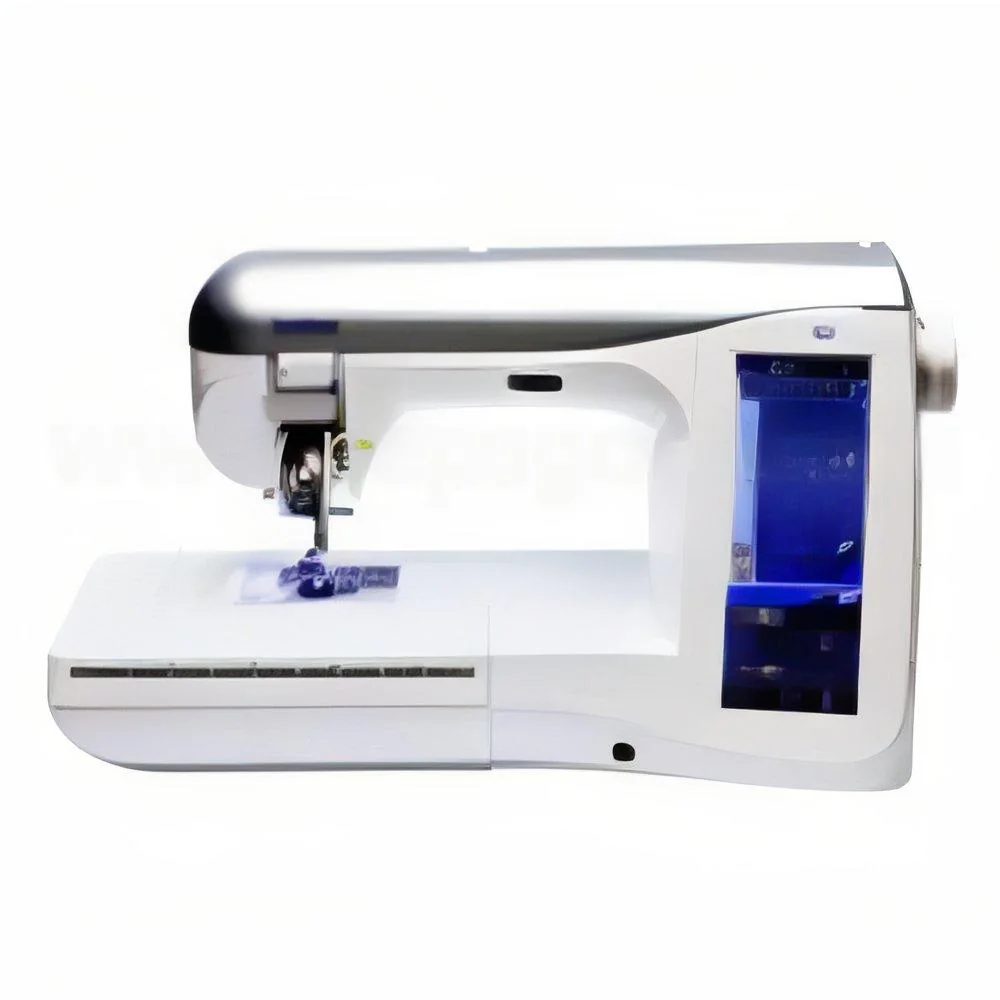
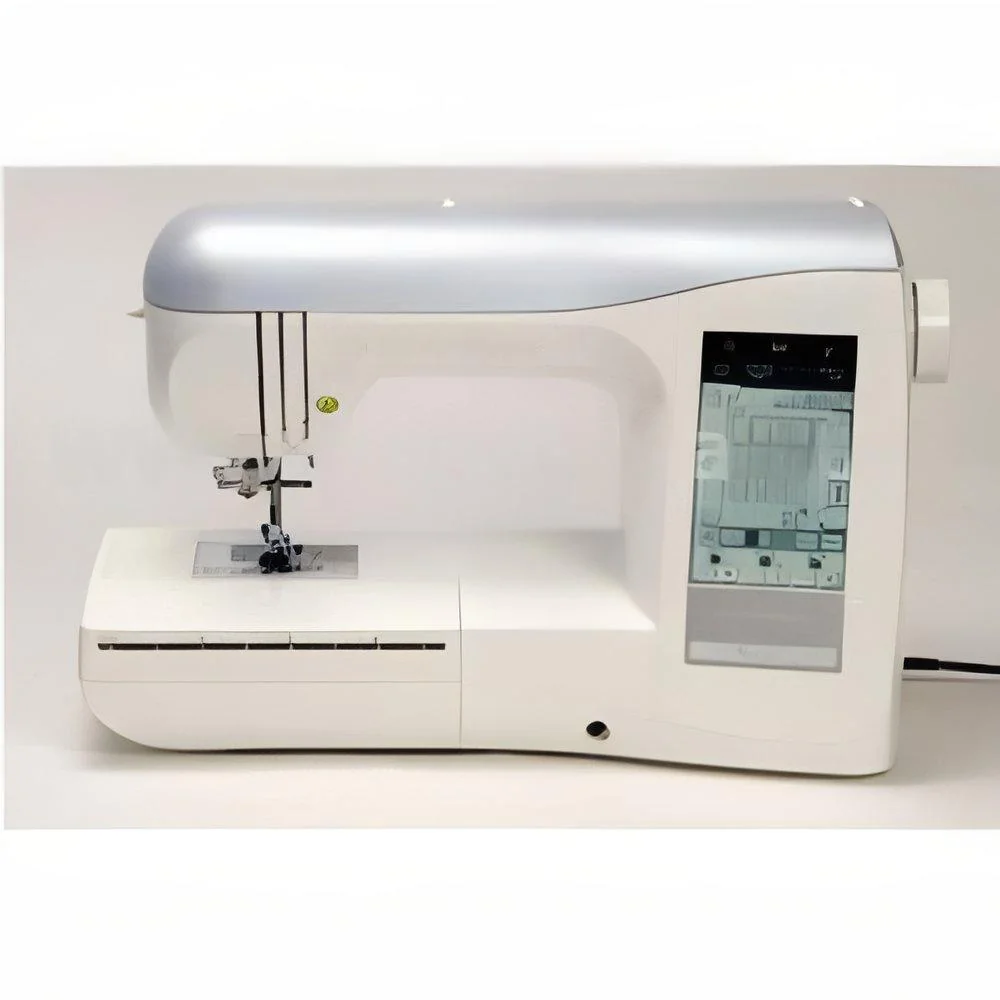
- Equipped with LCD touchscreens for easy operation.
- User-friendly interfaces simplify the design selection process.
6. Automatic Thread Trimming
- Reduces manual thread cutting, saving time.
- Improves overall production efficiency.
7. Built-in Memory
- Capacity to store hundreds of designs.
- Facilitates quick access to frequently used patterns.
8. Maintenance Features
- Includes self-diagnostic tools to identify issues.
- Simplifies upkeep and prolongs machine life.
In summary, the features and specifications of multi-head computerized embroidery machines cater to the increasing demands of the embroidery market, ensuring efficiency, versatility, and ease of use.
Common Applications and Use Cases
Embroidery machines find application across various industries, serving specific needs and enhancing product offerings.
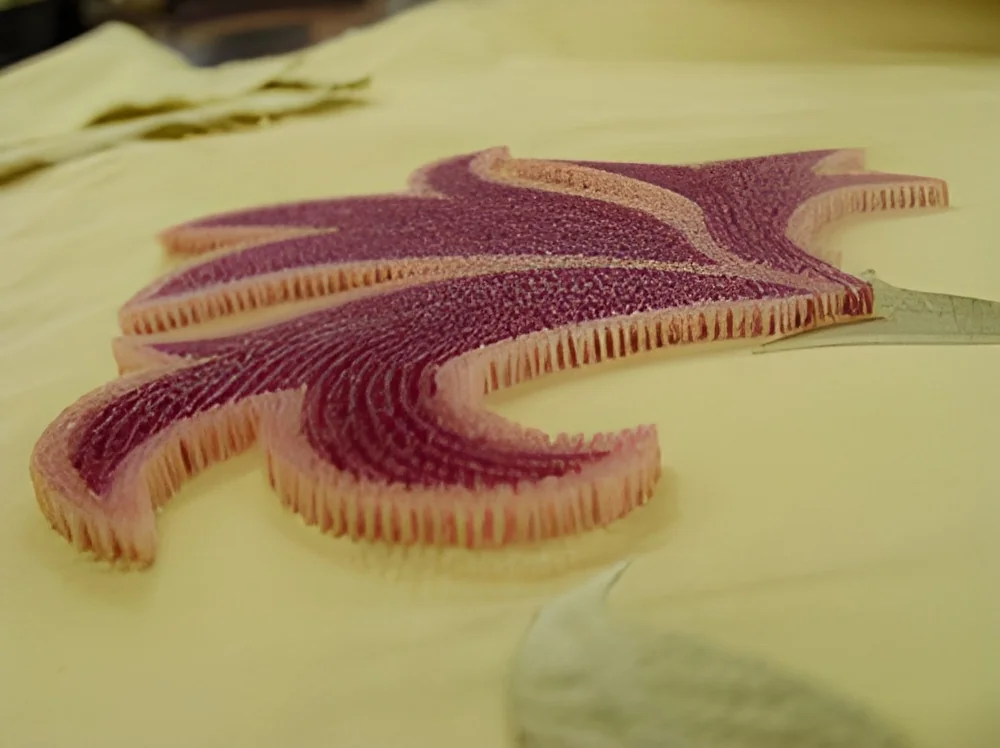
1. Apparel Industry: These machines are widely used to create logos and branding on uniforms, sportswear, and fashion garments, allowing for customization and branding.
2. Home Textiles: Businesses in this sector utilize embroidery machines to add decorative elements to products like cushion covers, bed linens, and towels, enhancing their aesthetic appeal.
3. Promotional Products: Companies producing promotional merchandise often employ these machines to personalize items such as bags, caps, and shirts, making them more attractive to consumers.
4. Gifts and Souvenirs: Embroidery machines are crucial in creating personalized gifts, such as monogrammed towels or custom-designed keepsakes, adding a personal touch that appeals to buyers.
5. Corporate Branding: Organizations use these machines to create branded merchandise for events, effectively increasing brand visibility and customer loyalty.
6. Medical Textiles: Embroidery machines are also used in the medical field for creating customized scrubs and lab coats, enabling personalization for healthcare professionals.
7. Industrial Applications: Certain industrial sectors utilize embroidery for labeling and branding equipment, ensuring clear identification and compliance.
Product Variants and Subcategories
Embroidery machines are available in various configurations to meet the diverse needs of businesses. Each variant is designed with specific features and applications in mind.
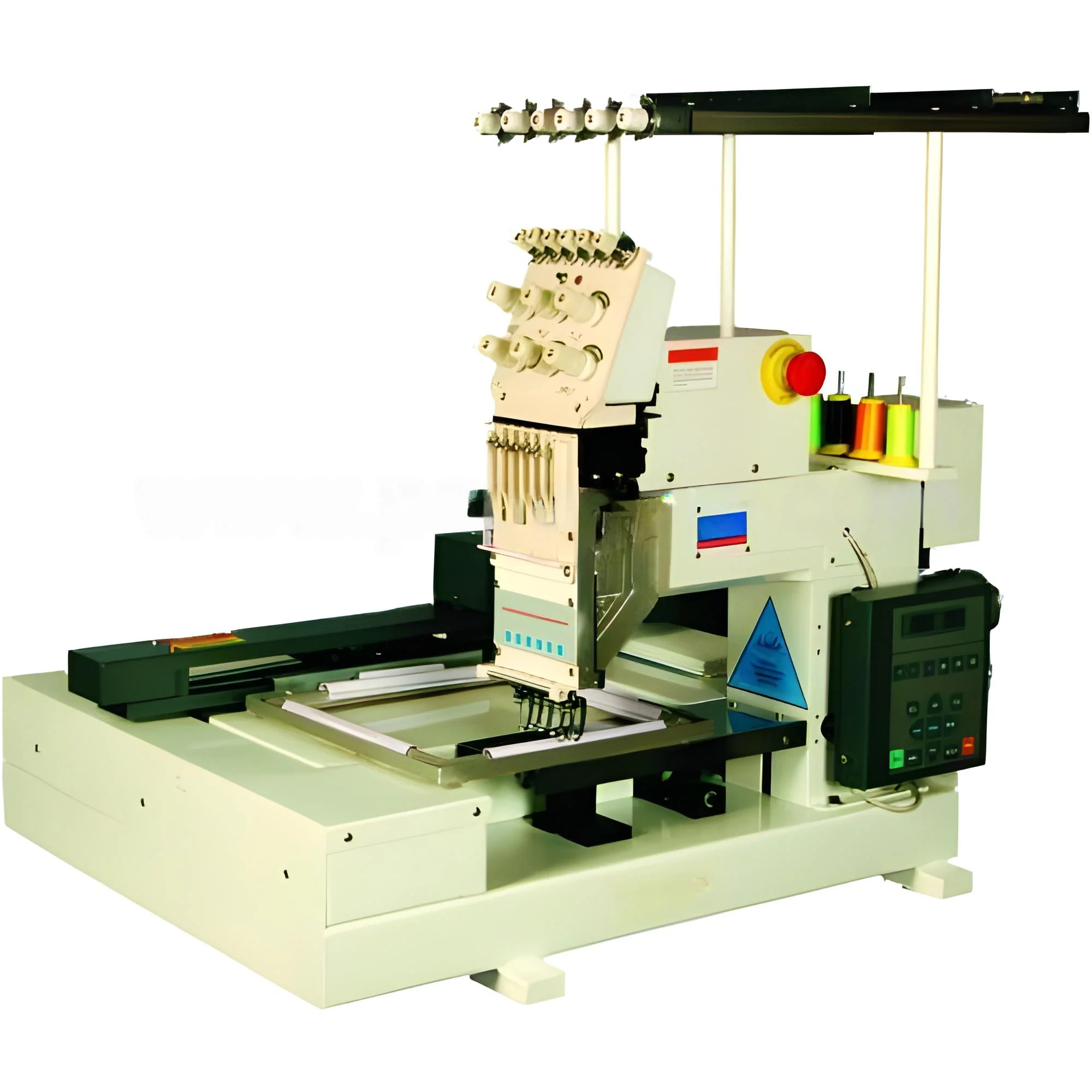
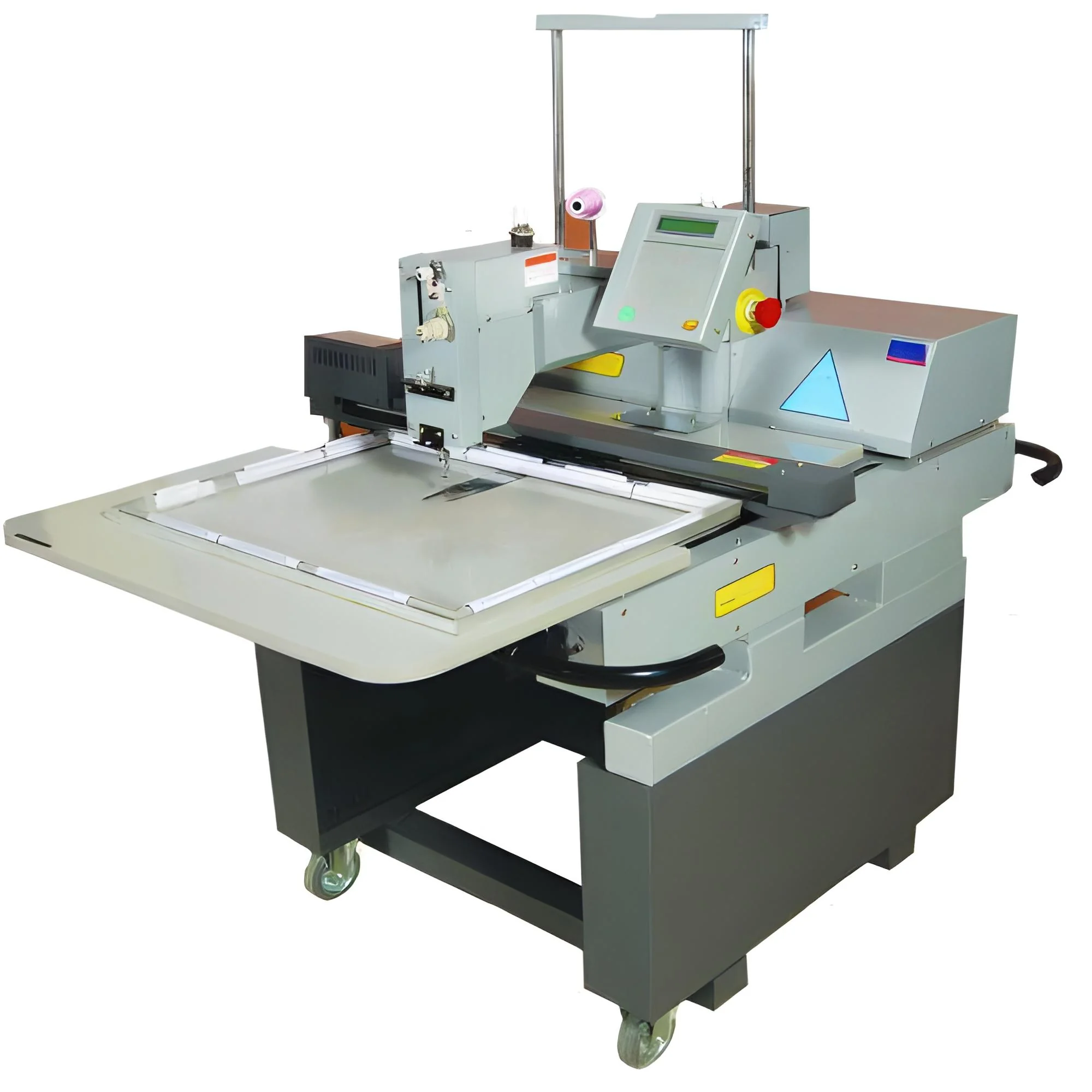
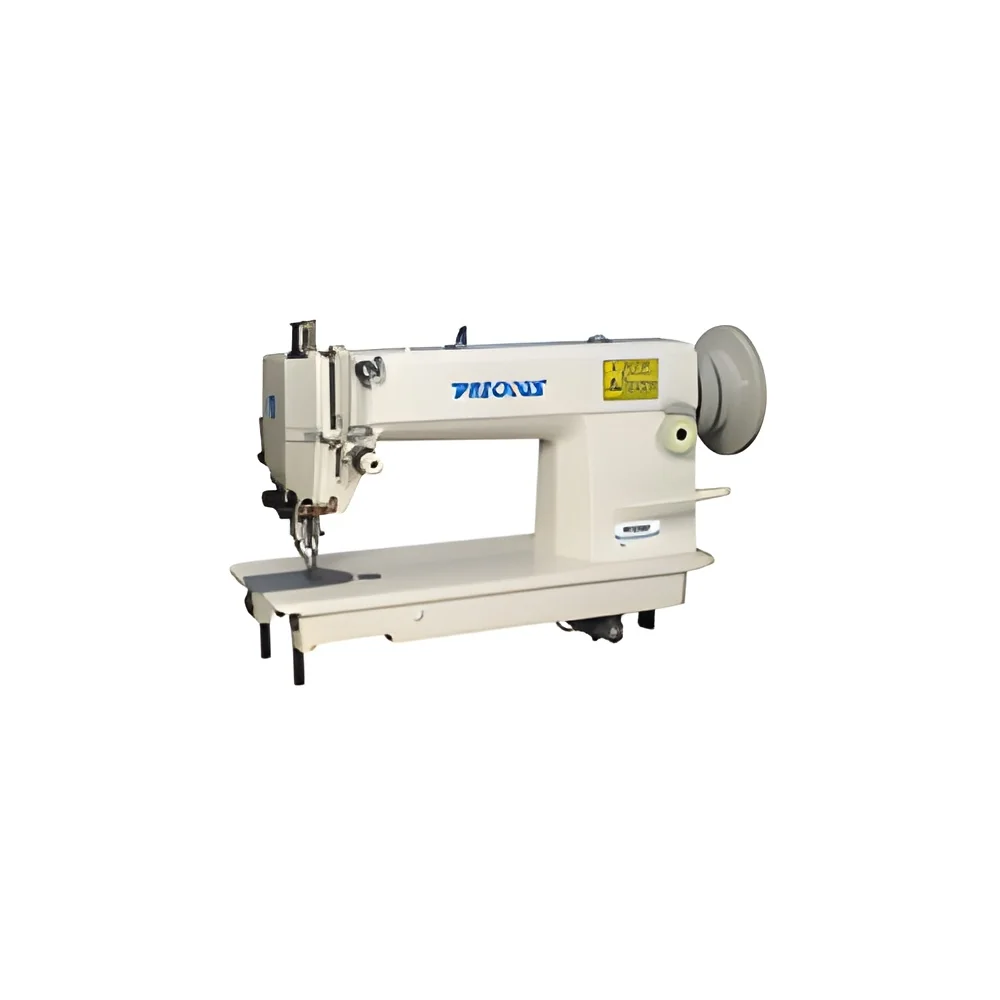
Single-Head Embroidery Machine: This variant is ideal for small businesses or startups. It allows for detailed, high-quality embroidery on individual pieces. Its compact size makes it suitable for limited workspace.
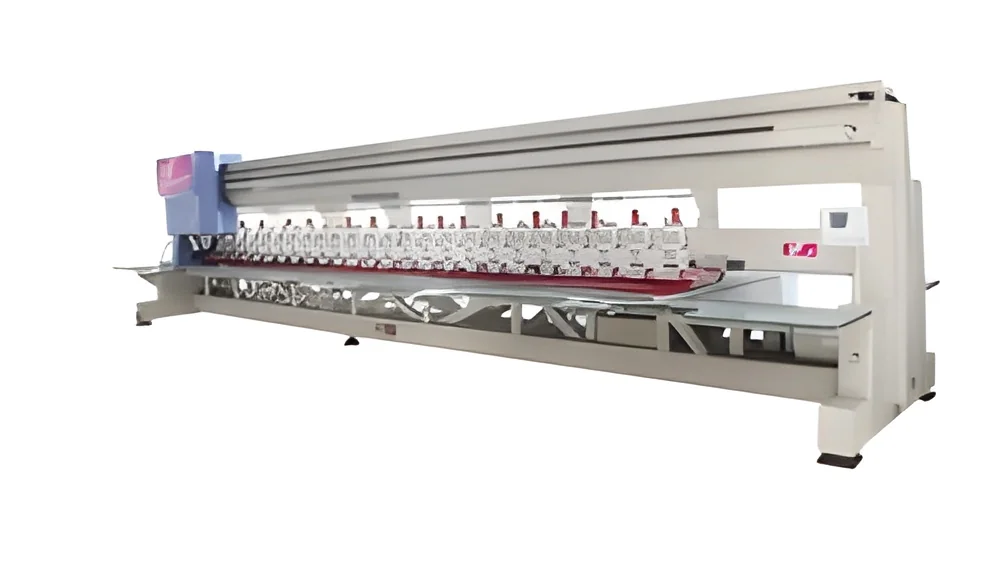
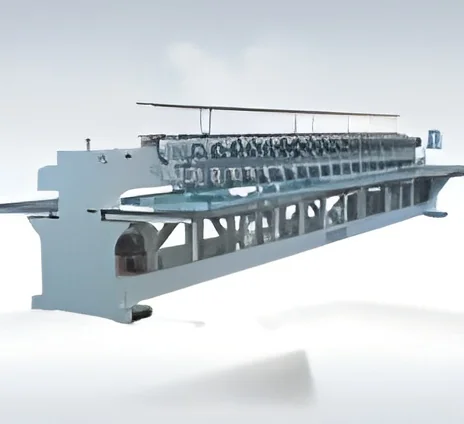
Multi-Head Embroidery Machine: Designed for high-volume production, this variant can handle multiple garments simultaneously, making it perfect for larger businesses looking to enhance efficiency and output.
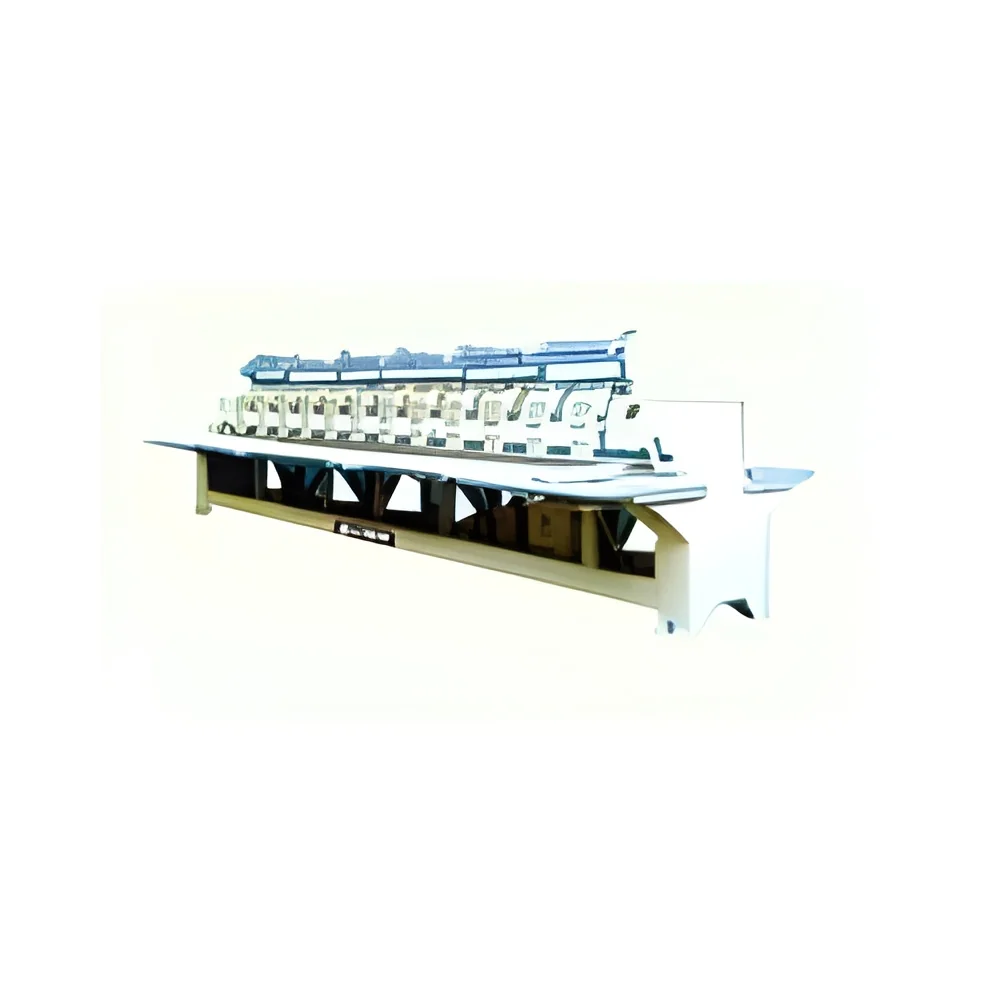
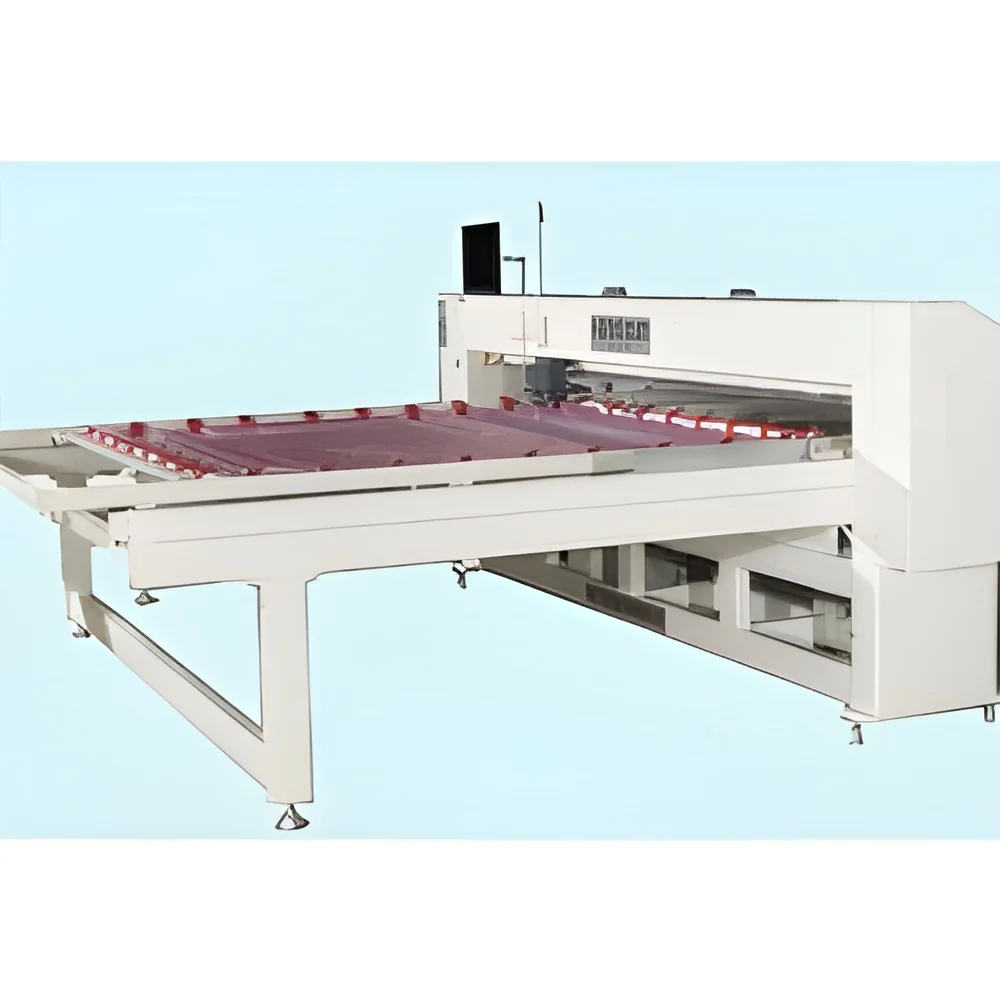
Flatbed Embroidery Machine: This type is specifically designed for flat materials and is commonly used in the fashion industry for intricate designs. It offers versatility in fabric handling.
Cap Embroidery Machine: Tailored for embroidering on caps and hats, this machine features specialized attachments that ensure precision in stitching curved surfaces.
Benefits and Advantages
Investing in embroidery machines (multi-head, computerized) brings several benefits that enhance operational efficiency.
1. Increased Productivity: Multi-head machines allow for simultaneous embroidery, significantly reducing production time and increasing output.
2. High-Quality Designs: Computerized systems ensure precision and consistency in every stitch, resulting in professional-quality embroidery.
3. Customization Capabilities: Businesses can easily create personalized designs, catering to customer preferences and enhancing brand loyalty.
4. Cost Efficiency: While the initial investment may be significant, the long-term savings from reduced labor and increased production capabilities can outweigh costs.
5. Versatility: These machines can handle a wide range of fabrics and designs, making them suitable for diverse applications across various industries.
6. User-Friendly Operation: Modern embroidery machines come with intuitive interfaces, allowing operators to quickly learn and efficiently manage the machines.
Buying Guide for B2B Buyers
When sourcing embroidery machines (multi-head, computerized), it is crucial for buyers to consider several factors to ensure they make informed decisions.
1. Quality Assessment: Evaluate the build quality and durability of the machines. Look for reputable brands known for their reliability and performance in the industry.
2. Supplier Verification: Research potential suppliers to confirm their credibility. Check customer reviews, industry reputation, and after-sales support offerings.
3. Pricing and MOQ: Understand the price range for the machines and inquire about minimum order quantities. Compare quotes from various suppliers to ensure competitiveness.
4. Delivery and Lead Times: Discuss delivery timelines with suppliers. Timely delivery is critical for businesses to maintain production schedules.
5. Compliance Requirements: Ensure that the machines meet relevant industry standards and regulations. Verify any certifications that may be necessary for your region.
Compliance and Certifications
Embroidery machines must adhere to several compliance standards and certifications to ensure safety and quality in operation.
Relevant quality standards include ISO 9001, which focuses on quality management systems, ensuring that manufacturers consistently meet customer and regulatory requirements. Compliance with standards such as HACCP and GDP is crucial for businesses operating in sensitive industries, emphasizing safety and traceability.
Industry certifications like CE and UL indicate that the machines meet specific safety and performance standards. These certifications help businesses ensure that they are sourcing reliable and safe equipment.
Safety and testing requirements often involve rigorous evaluations to protect operators and end-users. Buyers should also be aware of regional compliance considerations, as requirements may vary by country or area.
Why Source Embroidery Machines (Multi-head, Computerized) from Pepagora?
Pepagora provides a trusted platform for sourcing embroidery machines (multi-head, computerized) with several key advantages that benefit B2B buyers.
Verified Supplier Network: Pepagora connects buyers with a network of verified suppliers. Each supplier goes through a stringent vetting process to ensure credibility and reliability, giving buyers confidence in their sourcing decisions.
Streamlined RFQ Process: The platform simplifies the request for quotation process, allowing buyers to easily compare multiple offers from different suppliers. This saves time and facilitates better pricing negotiations.
Trade Assurance and Support: Pepagora offers trade assurance features that protect buyers throughout the purchasing process. This includes support for resolving disputes and ensuring that transactions are secure.
Regional Coverage: With a strong presence in India, the GCC, and Southeast Asia, Pepagora enables buyers to access a wide range of embroidery machines tailored to their regional needs. This geographic reach ensures that businesses can find suitable suppliers close to their operations.

 IN
IN