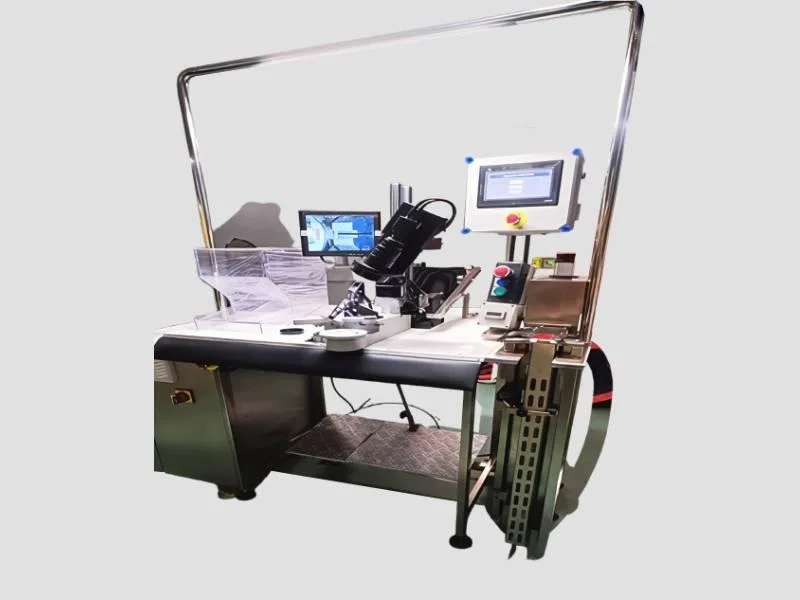
What are Hank to Cone Winding Machines?
Hank to Cone Winding Machines are specialized industrial devices used for converting yarn from hanks into cone-shaped packages. These machines are essential in the textile and fiber industries, where they streamline the process of preparing yarn for further processing and use. The winding process ensures that yarn is evenly distributed and free from tangles, which is crucial for subsequent operations such as dyeing, weaving, or knitting.
The primary uses of Hank to Cone Winding Machines include enhancing productivity, improving yarn handling, and ensuring high-quality yarn output. These machines cater to various business applications, from small textile manufacturers to large-scale production facilities. Their efficiency and precision contribute significantly to reducing waste and optimizing production runs. In a market where speed and quality are paramount, Hank to Cone Winding Machines play a vital role in maintaining competitive advantages for businesses in the textile sector.
As the textile industry continues to evolve, the demand for efficient and reliable winding machines grows. Factors such as increasing production rates, quality standards, and the need for automated solutions drive the market for Hank to Cone Winding Machines. Manufacturers are continually innovating to meet these demands, ensuring that these machines remain relevant in a rapidly changing industrial landscape.
Key Features and Specifications
Hank to Cone Winding Machines are equipped with various features that enhance their performance and usability. Understanding these specifications is essential for buyers looking to invest in reliable and efficient machinery.
Key specifications include:
1. Production Speed
- Typically ranges from 100 to 500 meters per minute
- Depends on the machine model and configuration
2. Yarn Count Compatibility
- Supports a wide range of yarn counts
- Commonly accommodates counts from 10 to 60 Ne
3. Winding Tension Control
- Automated tension adjustment for consistent winding
- Ensures uniform yarn density and quality
4. Cone Size Options
- Various cone sizes available to meet specific needs
- Standard sizes include 4-inch, 6-inch, and 8-inch diameters
5. Control System
- User-friendly digital control panel for easy operation
- May include programmable settings for different yarn types
6. Material Handling
- Designed to handle delicate and robust yarns
- Reduces the risk of breakage during winding
7. Space Efficiency
- Compact design suitable for various floor plans
- Optimizes production area usage
8. Safety Features
- Emergency stop mechanisms and protective covers
- Compliance with industry safety standards
In summary, Hank to Cone Winding Machines possess a range of features that cater to diverse industrial needs. Their specifications ensure that they deliver high-quality performance while maintaining operational efficiency.
Common Applications and Use Cases
Hank to Cone Winding Machines have diverse applications across various industries. They are integral to operations that require efficient yarn processing.
1. Textile Manufacturing: Used to prepare yarn for weaving and knitting, these machines enhance productivity by ensuring consistent quality in the yarn supplied to production lines.
2. Dyeing Facilities: Yarn is wound into cones before dyeing, allowing for uniform dye penetration and minimizing color discrepancies in the final product.
3. Knitting Mills: These machines provide yarn in cone form, which is ideal for knitting applications, ensuring smooth and uninterrupted production.
4. Carpet Industry: Hank to Cone Winding Machines are vital for preparing yarn for tufting and weaving carpets, ensuring that the material is well-organized and ready for use.
5. Industrial Fabrics: Used in the production of durable fabrics, these machines facilitate the winding of heavy-duty yarns that are essential for industrial applications.
6. Apparel Manufacturing: They assist in supplying yarn for clothing production, where quality and consistency are critical for the final garments.
7. Home Textiles: Winding machines are utilized in producing yarn for bed linens, curtains, and other home textile products, ensuring quality output for consumer markets.
Product Variants and Subcategories
Hank to Cone Winding Machines come in various configurations to suit different production needs. Although subcategories are not specified, machine variants can include different models based on features and capabilities.
High-Speed Winding Machines:
These machines are designed for rapid production, offering high-speed winding capabilities. Ideal for large-scale operations, they ensure efficient processing of vast quantities of yarn while maintaining quality.
Automatic Winding Machines:
Featuring automated functions, these machines reduce manual intervention, leading to higher efficiency and consistency. They are suitable for manufacturers looking to minimize labor costs and enhance productivity.
Semi-Automatic Winding Machines:
These machines combine manual and automated processes, providing flexibility for smaller operations. They offer control over the winding process while still improving efficiency compared to fully manual methods.
Benefits and Advantages
Investing in Hank to Cone Winding Machines yields several key benefits for businesses in the textile sector. These advantages can significantly impact overall production efficiency and product quality.
1. Increased Efficiency: These machines streamline the winding process, allowing for faster turnaround times and reduced labor costs.
2. Improved Yarn Quality: With precise tension control and uniform winding, the quality of yarn is enhanced, reducing defects in the final products.
3. Cost Savings: By minimizing waste and optimizing production, businesses can achieve cost savings over time, making these machines a valuable investment.
4. Versatility: Hank to Cone Winding Machines can handle a wide range of yarn types and counts, making them suitable for various applications across industries.
5. User-Friendly Operation: Modern machines often feature intuitive control panels, making it easier for operators to manage the winding process efficiently.
6. Enhanced Safety: Equipped with safety features, these machines help protect operators and reduce the risk of accidents in the workplace.
Buying Guide for B2B Buyers
When sourcing Hank to Cone Winding Machines, B2B buyers should consider several factors to ensure a successful purchase.
1. Quality Assessment: It is essential to evaluate the quality of the machines by checking for certifications and compliance with industry standards. Reliable manufacturers will provide documentation to support their claims.
2. Supplier Verification: Buyers should vet suppliers by examining their reputation, customer reviews, and history in the industry. This ensures that they are working with trustworthy partners.
3. Pricing and MOQ: Understanding the pricing structure and minimum order quantities is crucial for budgeting. Buyers should compare quotes from different suppliers to find the best value for their investment.
4. Delivery and Lead Times: Logistics play a significant role in the procurement process. Buyers should confirm delivery timelines and ensure they align with their production schedules.
5. Compliance Requirements: It is essential to be aware of any regulatory requirements specific to the region or industry. Ensuring compliance will help avoid potential issues during production.
Compliance and Certifications
Hank to Cone Winding Machines must adhere to various quality standards and certifications to ensure safety and reliability in operation.
Relevant quality standards, such as ISO 9001, emphasize the importance of maintaining consistent quality in manufacturing processes. Compliance with these standards assures buyers of the machine's reliability and performance.
Additionally, industry certifications like CE indicate that the machines meet European safety and environmental requirements. This is particularly important for manufacturers looking to market their products in international markets.
Safety and testing requirements are also vital, ensuring that the machines operate safely and efficiently in a production environment. Manufacturers should provide documentation that outlines their compliance with these standards.
Regional compliance considerations may vary, and buyers should be aware of local regulations that could impact machine operation. Ensuring that machines meet all applicable standards is crucial for smooth and compliant operations.
Why Source Hank to Cone Winding Machines from Pepagora?
Pepagora provides a trusted platform for sourcing Hank to Cone Winding Machines, offering several key advantages for B2B buyers.
Verified Supplier Network: Pepagora ensures that all suppliers are thoroughly vetted, providing buyers with a reliable network of manufacturers. This verification process helps mitigate risks associated with purchasing machinery.
Streamlined RFQ Process: The platform offers a straightforward request for quotation (RFQ) system that simplifies the sourcing process. This allows buyers to quickly receive competitive quotes from multiple suppliers, saving time and effort.
Trade Assurance and Support: Pepagora offers trade assurance features that protect buyers throughout the purchasing process. This includes support for resolving disputes and ensuring timely delivery of machinery.
Regional Coverage: With a strong presence in India, the GCC, and Southeast Asia, Pepagora connects buyers with suppliers across these regions. This geographic reach helps buyers find suitable machines that meet their specific needs while ensuring local support.

 IN
IN